1. Search Result
Search Result
Results for "

Anti-inflammatory and antioxidative activity

" in MedChemExpress (MCE) Product Catalog:

45

Inhibitors & Agonists

2

Screening Libraries

36

Natural
Products

Cat. No. Product Name Target Research Areas Chemical Structure
  • HY-N0003
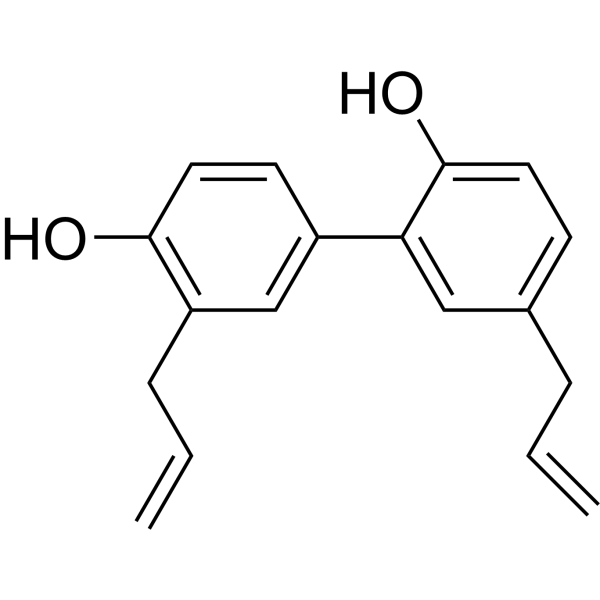
    Honokiol
    Maximum Cited Publications
    66 Publications Verification

    NSC 293100

    Akt Autophagy HCV ERK Cancer
    Honokiol is a bioactive, biphenolic phytochemical that possesses potent antioxidative, anti-inflammatory, antiangiogenic, and anticancer activities by targeting a variety of signaling molecules. It inhibits the activation of Akt. Honokiol can readily cross the blood brain barrier .
    Honokiol
  • HY-N0293
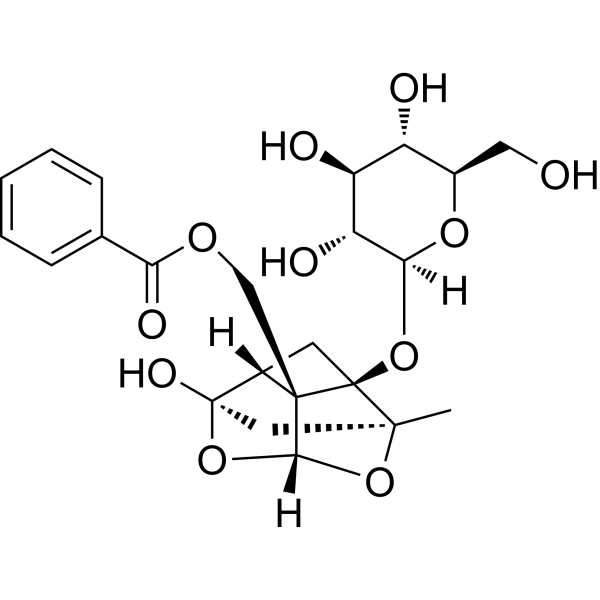
    Paeoniflorin
    35+ Cited Publications

    Peoniflorin

    HSP Infection Neurological Disease Cancer
    Paeoniflorin is a heat shock protein-inducing compound and commonly exists in the plants of Paeoniaceae family, with various biological activities, including anticancer activity, anti-inflammatory activity, enhancing cognition and attenuating learning impairment, anti-oxidative stress, antiplatelet aggregation, expansion of blood vessels, and reducing blood viscosity .
    Paeoniflorin
  • HY-N0452
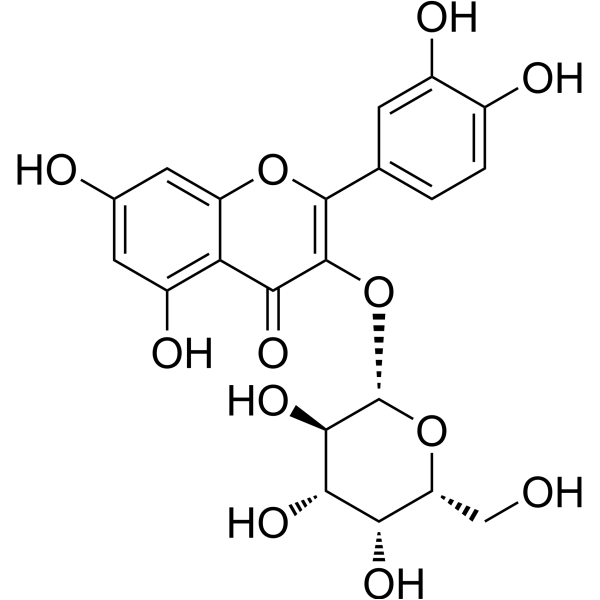
    Hyperoside
    20+ Cited Publications

    Quercetin 3-O-galactoside; Quercetin 3-O-β-D-galactopyranoside

    Influenza Virus Fungal NF-κB Apoptosis Infection Inflammation/Immunology Cancer
    Hyperoside is a NF-κB inhibitor, found from Hypericum monogynum. Hyperoside shows anti-tumor, antifungal, anti-inflammatory, anti-viral, and anti-oxidative activities, and can induce apoptosis .
    Hyperoside
  • HY-N0662
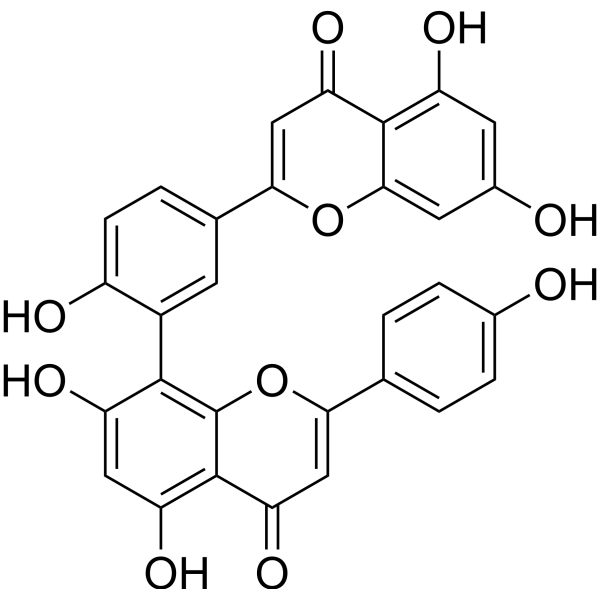
    Amentoflavone
    15+ Cited Publications

    Didemethyl-ginkgetin

    Reactive Oxygen Species (ROS) Apoptosis Bacterial Fungal RSV GABA Receptor Infection Neurological Disease Inflammation/Immunology Cancer
    Amentoflavone (Didemethyl-ginkgetin) is a potent and orally active GABA(A) negative modulator. Amentoflavone also shows anti-inflammatory, antioxidative, anti-viral, anti-tumor, anti-radiation, anti-fungal, antibacterial activity. Amentoflavone induces apoptosis and cell cycle arrest at sub-G1 phase .
    Amentoflavone
  • HY-N0540
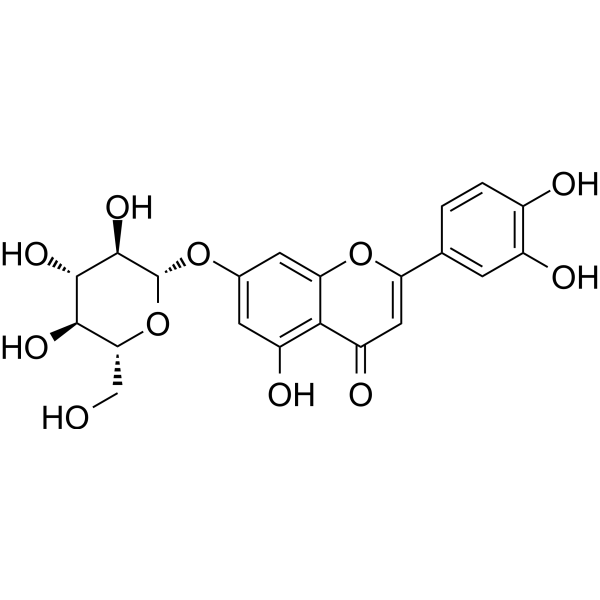
    Cynaroside
    10+ Cited Publications

    Luteolin 7-glucoside; Luteolin 7-O-β-D-glucoside

    Influenza Virus DNA/RNA Synthesis Apoptosis Parasite Bacterial Fungal Infection Cardiovascular Disease Cancer
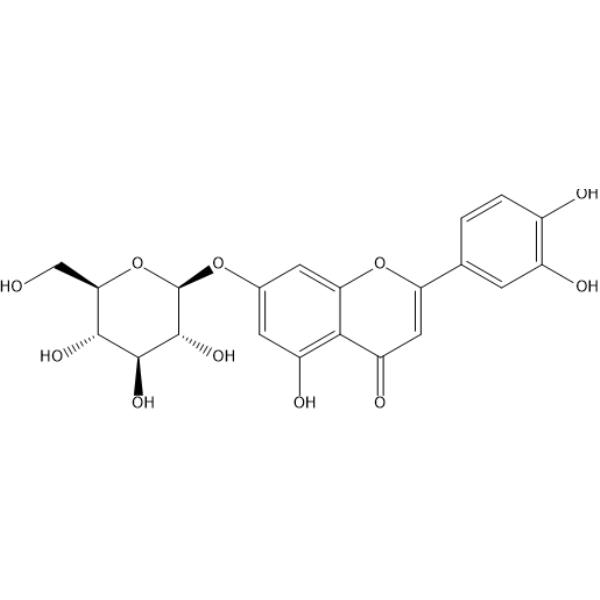
    Cynaroside (Luteolin 7-glucoside) is a flavonoid compound that exhibits anti-oxidative capabilities. Cynaroside is also a potent influenza RNA-dependent RNA polymerase inhibitor with an IC50 of 32 nM. Cynaroside also is a promising inhibitor for H2O2-induced apoptosis, has cytoprotection against oxidative stress-induced cardiovascular diseases. Cynaroside also has antibacterial, antifungal and anticancer activities, antioxidant and anti-inflammatory activities .
    Cynaroside
  • HY-70072
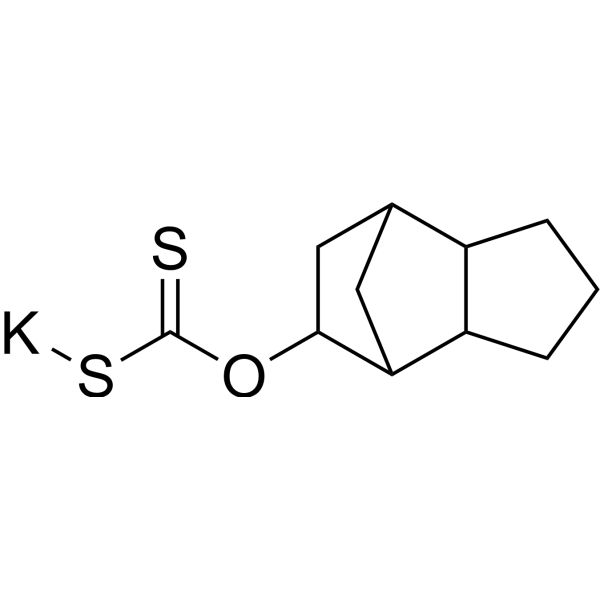
    D609
    5+ Cited Publications

    Phospholipase Infection Inflammation/Immunology Cancer
    D609, an antitumoural xanthate, is a specific and competitive phosphatidyl choline-specific phospholipase C (PC-PLC) inhibitor with a Ki of 6.4 μM. D609 is an antioxidative protector and has antiviral and anti-inflammatory activity .
    D609
  • HY-N0321

    trans-Caftaric acid

    Others Cardiovascular Disease Neurological Disease Inflammation/Immunology
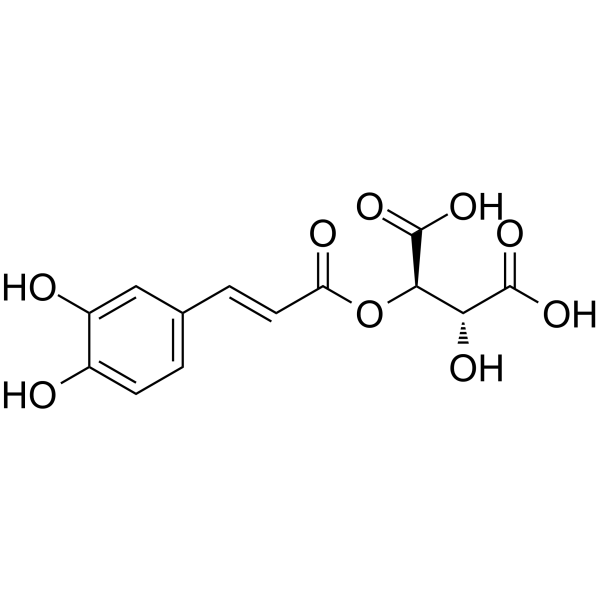
    Caftaric acid (trans-Caftaric acid) is a polyphenolic antidiuretic, antioxidant and anti-apoptotic agent that can be hydrolyzed by intestinal microbial esterases. Caftaric acid exerts its antioxidant and potential anti-inflammatory effects mainly through intestinal microbial metabolism. Caftaric acid can reduce renal damage, restore electrolyte balance, renal function indicators and antioxidant enzyme activities in a rat albinism model, and further exert anti-oxidative stress and anti-inflammatory activities .
    Caftaric acid
  • HY-N0783
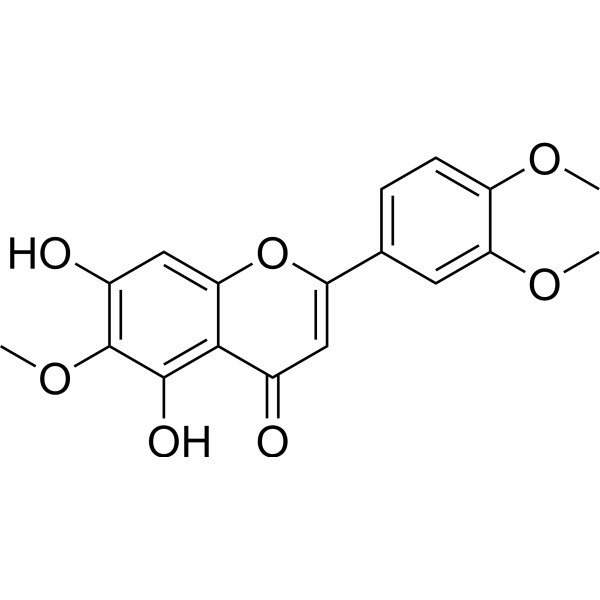
    Eupatilin
    5+ Cited Publications

    PPAR Autophagy Neurological Disease Inflammation/Immunology Cancer
    Eupatilin, a lipophilic flavonoid isolated from Artemisia argyi Lévl. et Van., is a PPARα agonist, and possesses anti-apoptotic, anti-oxidative and anti-inflammatory activities.
    Eupatilin
  • HY-N0017
    Bergenin
    5+ Cited Publications

    Cuscutin

    NF-κB Autophagy Apoptosis Bacterial Fungal Virus Protease Infection Inflammation/Immunology Cancer
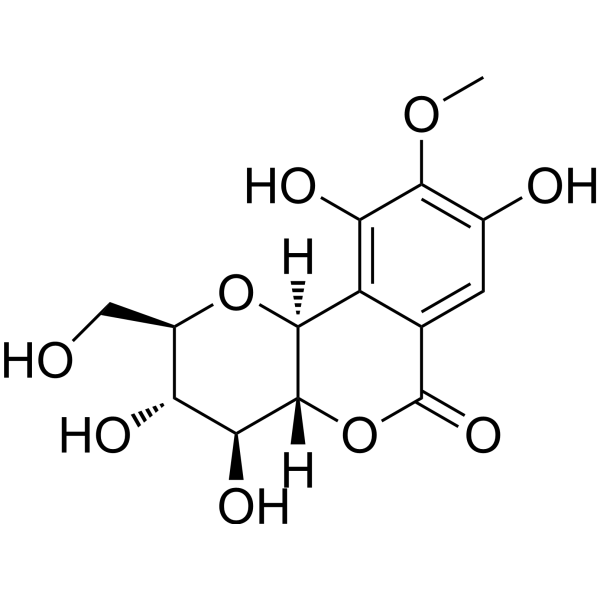
    Bergenin is a cytoprotective and antioxidative polyphenol found in many medicinal plants. Bergenin has a wide spectrum activities such as hepatoprotective, antiinflammatory, immunomodulatory, antitumor, antiviral, and antifungal properties .
    Bergenin
  • HY-N3006
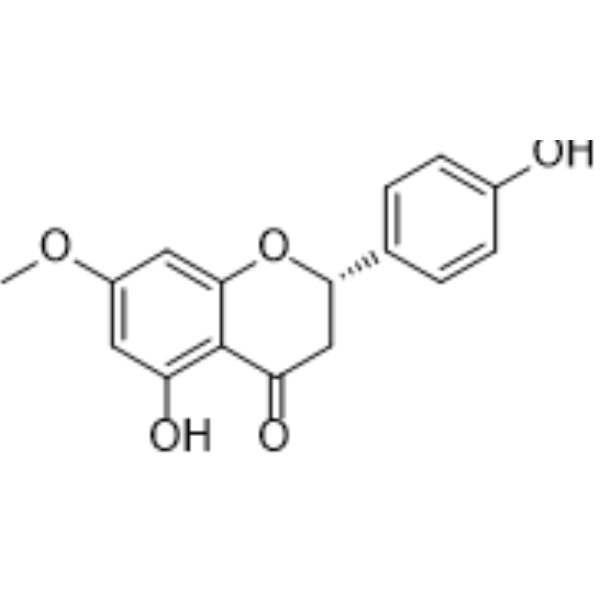
    Sakuranetin
    5+ Cited Publications

    Fungal Infection Inflammation/Immunology
    Sakuranetin is a cherry flavonoid phytoalexin, shows strong antifungal activity . Sakuranetin has anti-inflammatory and antioxidative activities. Sakuranetin ameliorates LPS-induced acute lung injury .
    Sakuranetin
  • HY-N0765
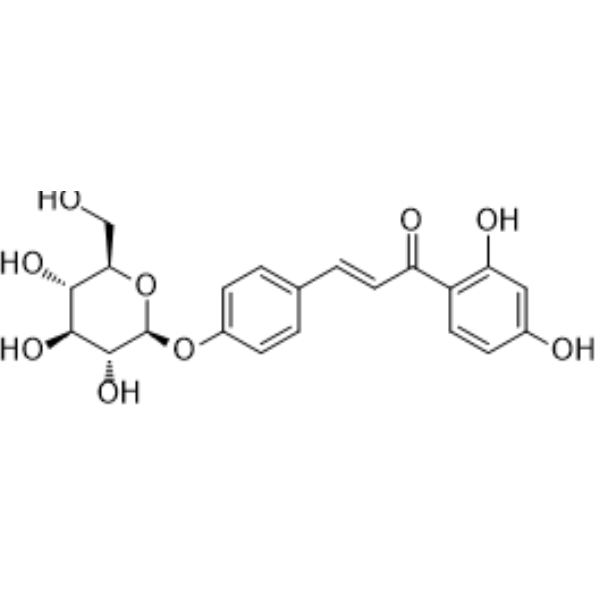
    Isoliquiritin
    2 Publications Verification

    Fungal Infection Neurological Disease Inflammation/Immunology
    Isoliquiritin, isolated from Licorice Root, inhibits angiogenesis and tube formation. Isoliquiritin also exhibits antidepressant-like, anti-oxidative, anti-Inflammatory effects and antifungal activity .
    Isoliquiritin
  • HY-17374
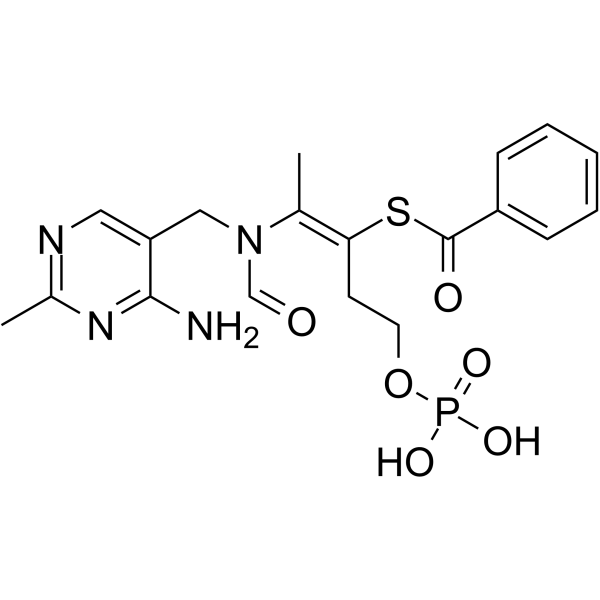
    Benfotiamine
    1 Publications Verification

    S-Benzoylthiamine O-monophosphate

    SARS-CoV HIV Infection Metabolic Disease Inflammation/Immunology
    Benfotiamine (S-Benzoylthiamine O-monophosphate) is a vitamin B1 derivative that exhihibits potent antioxidative and anti-inflammatory activity. Benfotiamine can be used for the research of various secondary diabetic complications. Benfotiamine also can be used in infectious diseases such as HIV and COVID-19 .
    Benfotiamine
  • HY-N0344
    Farrerol
    5+ Cited Publications

    (-)-Farrerol

    Others Neurological Disease Inflammation/Immunology Cancer
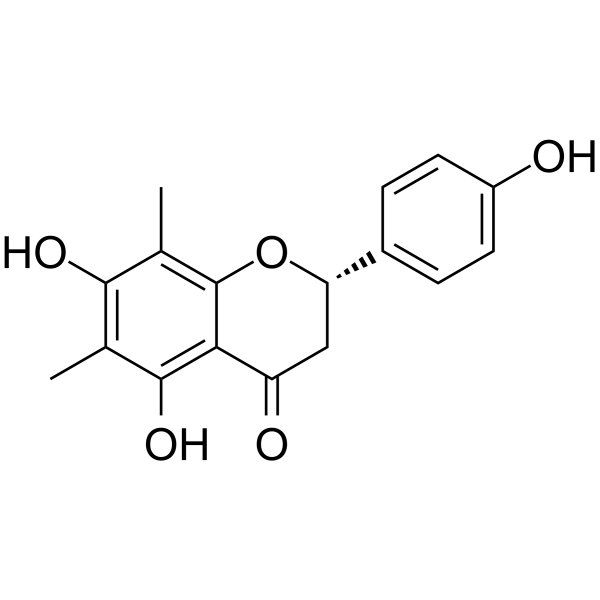
    Farrerol is a bioactive constituent of Rhododendron, with broad activities such as anti-oxidative, anti-inflammatory, anti-tumor, neuroprotective and hepatoprotective effects .
    Farrerol
  • HY-N0327
    Lobetyolin
    4 Publications Verification

    Apoptosis Xanthine Oxidase Metabolic Disease
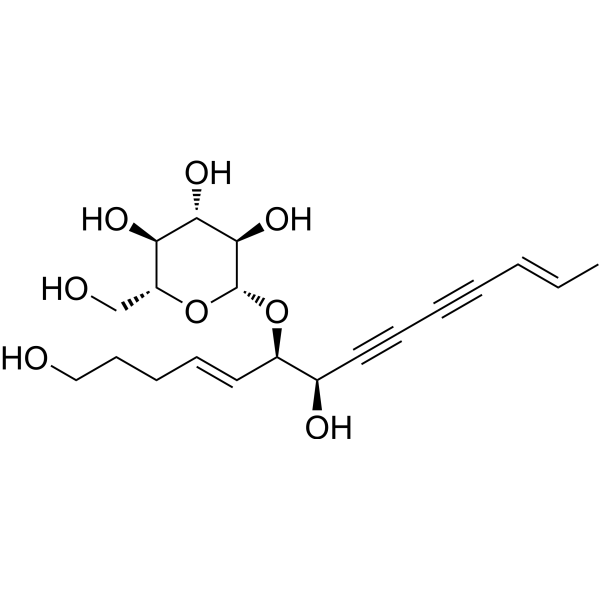
    Lobetyolin, a bioactive compound, is derived from Codonopsis pilosula. Lobetyolin has anti-inflammatory, anti-oxidative and xanthine oxidase inhibiting activities. Lobetyolin also induces the apoptosis via the inhibition of ASCT2-mediated glutamine metabolism . Lobetyolin is a click chemistry reagent, it contains an Alkyne group and can undergo copper-catalyzed azide-alkyne cycloaddition (CuAAc) with molecules containing Azide groups.
    Lobetyolin
  • HY-121054
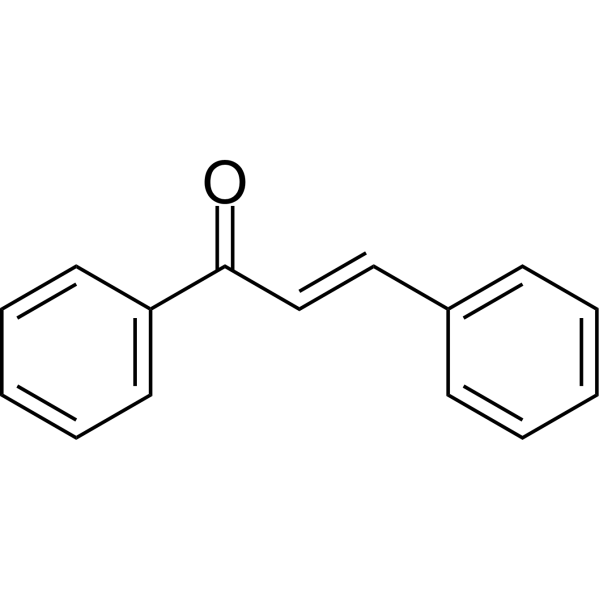
    Chalcone
    1 Publications Verification

    (E/Z)-Benzylideneacetophenone

    Bacterial Parasite Inflammation/Immunology Cancer
    Chalcone is isolated from Glycyrrhiza uralensis and used to synthesize chalcone derivatives. Chalcone derivatives possess varied biological and pharmacological activity, including anti-inflammatory, antioxidative, antibacterial, anticancer, and anti-parasitic activities .
    Chalcone
  • HY-W015635
    Diallyl disulfide
    1 Publications Verification

    Environmental Pollutants Cancer
    Diallyl disulfide, an active compound in garlic oil, is an orally active human squalene monooxygenase inhibitor with an IC50 of 400 μM for squalene epoxidation. Diallyl disulfide exhibits obvious anti-inflammatory, anti-oxidative, antidepressant and anti-tumor activities .
    Diallyl disulfide
  • HY-135981
    CMS-121
    2 Publications Verification

    Acetyl-CoA Carboxylase Neurological Disease Inflammation/Immunology
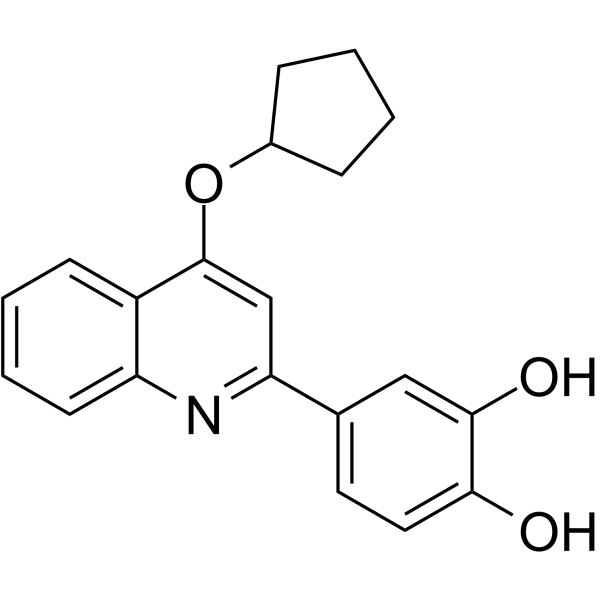
    CMS-121 is a quinolone derivative and an orally active acetyl-CoA carboxylase 1 (ACC1) inhibitor. CMS-121 protects HT22 cells against ischemia and oxidative damage with EC50 values of 7 nM and 200 nM, respectively. CMS-121 has strong neuroprotective, anti-inflammatory, antioxidative and renoprotective activities .
    CMS-121
  • HY-N1401
    20(R)-Ginsenoside Rh2
    2 Publications Verification

    MMP Apoptosis HSV DNA/RNA Synthesis NO Synthase Prostaglandin Receptor Reactive Oxygen Species (ROS) Akt Infection Inflammation/Immunology Cancer
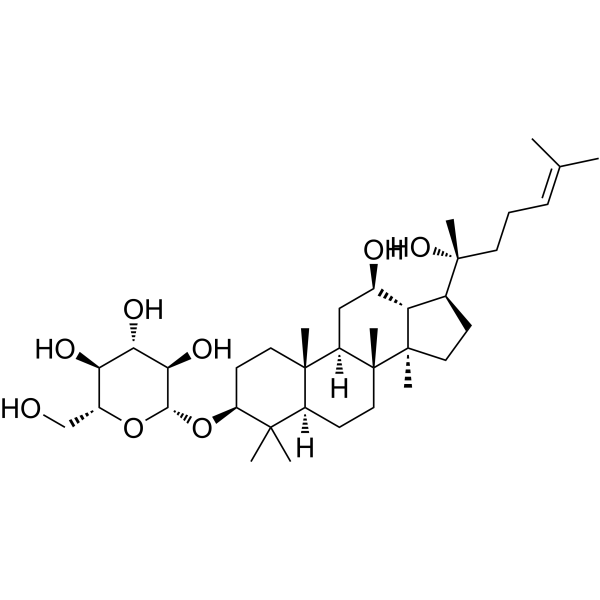
    20(R)-Ginsenoside Rh2 is an orally active protopanaxadiol-type saponin with multiple biological activities. 20(R)-Ginsenoside Rh2 exerts a significant inhibitory effect on non-small cell lung cancer and liver cancer by inducing cell cycle arrest and promoting apoptosis. 20(R)-Ginsenoside Rh2 exerts anti-γ-herpesvirus effects by inhibiting viral DNA replication. 20(R)-Ginsenoside Rh2 inhibits inflammatory mediators by reducing the levels of NO, PGE2, and ROS; it can delay skin photoaging by reducing ROS and inhibiting MMP-9/2 activity. 20(R)-Ginsenoside Rh2 accelerates the recovery after muscle injury by activating the Akt1/PKB signaling pathway. 20(R)-Ginsenoside Rh2 can inhibit osteoclast formation and exert an anti-osteoporosis effect .
    20(R)-Ginsenoside Rh2
  • HY-145532

    Apoptosis NF-κB Keap1-Nrf2 Inflammation/Immunology Cancer
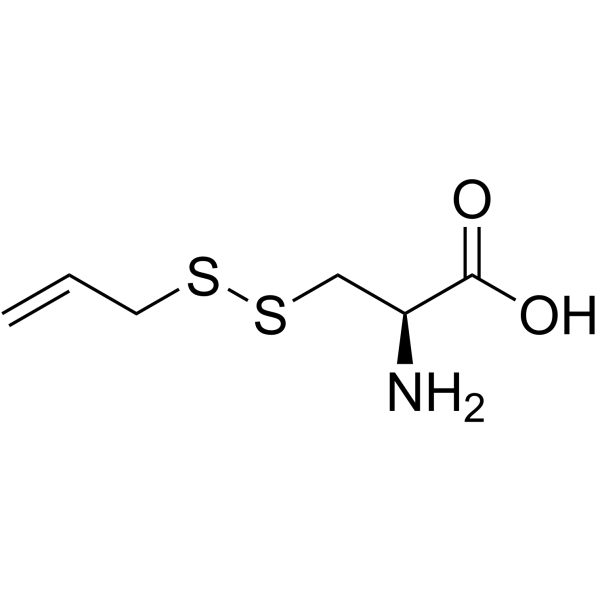
    S-allylmercaptocysteine, an organic sulfur compound extracted from garlic, has anti-inflammatory and anti-oxidative effects for various pulmonary diseases. S-allylmercaptocysteine achieves its anti-cancer effect through a variety of pathways such as inducing the apoptosis of cancer cells through the TGF-β signaling pathway, or reducing the NF-κB activity and up-regulating Nrf2 to achieve the effects of anti-inflammation and anti-oxidation .
    S-Allylmercaptocysteine
  • HY-120784

    Drug Derivative Others
    Hexafluoro-diallylhexaflurobisphenol is a Honokiol analogue (HA). Honokiol is a bioactive, biphenolic phytochemical that possesses potent antioxidative, anti-inflammatory, antiangiogenic, and anticancer activities by targeting a variety of signaling molecules .
    Hexafluoro-diallylhexaflurobisphenol
  • HY-N7766
    Rubropunctatin
    1 Publications Verification

    Apoptosis Inflammation/Immunology Cancer
    Rubropunctatin, an orange azaphilone pigment, is isolated from the extracts of Monascus pilosus-fermented rice (red-mold rice). Rubropunctatin has anti-inflammatory, immunosuppressive and antioxidative effects, and also exhibits anti-tumor activity .
    Rubropunctatin
  • HY-N0452R

    Quercetin 3-O-galactoside (Standard); Quercetin 3-O-β-D-galactopyranoside (Standard)

    Reference Standards Influenza Virus Fungal NF-κB Apoptosis Infection Inflammation/Immunology Cancer
    Hyperoside (Standard) is the analytical standard of Hyperoside. This product is intended for research and analytical applications. Hyperoside is a NF-κB inhibitor, found from Hypericum monogynum. Hyperoside shows anti-tumor, antifungal, anti-inflammatory, anti-viral, and anti-oxidative activities, and can induce apoptosis .
    Hyperoside (Standard)
  • HY-N0293R

    Peoniflorin (Standard)

    Reference Standards HSP Infection Neurological Disease Cancer
    Paeoniflorin (Standard) is the analytical standard of Paeoniflorin. This product is intended for research and analytical applications. Paeoniflorin is a heat shock protein-inducing compound and commonly exists in the plants of Paeoniaceae family, with various biological activities, including anticancer activity, anti-inflammatory activity, enhancing cognition and attenuating learning impairment, anti-oxidative stress, antiplatelet aggregation, expansion of blood vessels, and reducing blood viscosity .
    Paeoniflorin (Standard)
  • HY-N3500

    Endogenous Metabolite Inflammation/Immunology Cancer
    Ganoderic acid D2 (compound 27) is a triterpenoid isolated from Ganoderma lucidum. Ganoderic acid D2 has anticancer, anti-inflammatory and antioxidative activity .
    Ganoderic acid D2
  • HY-108966

    Beta-secretase Inflammation/Immunology
    Kushenol C, isolated from the roots of Sophora flavescens, shows anti-Inflammatory and anti-oxidative stress activities. Kushenol C inhibits BACE1 (β-site APP cleaving enzyme 1) with an IC50 of 5.45 µM .
    Kushenol C
  • HY-N0540R
    Cynaroside (Standard)
    10+ Cited Publications

    Luteolin 7-glucoside (Standard); Luteolin 7-O-β-D-glucoside (Standard)

    Apoptosis DNA/RNA Synthesis Parasite Bacterial Influenza Virus Fungal Reference Standards Infection Cancer
    Cynaroside (Standard) is the analytical standard of Cynaroside. This product is intended for research and analytical applications. Cynaroside (Luteolin 7-glucoside) is a flavonoid compound that exhibits anti-oxidative capabilities. Cynaroside is also a potent influenza RNA-dependent RNA polymerase inhibitor with an IC50 of 32 nM. Cynaroside also is a promising inhibitor for H2O2-induced apoptosis, has cytoprotection against oxidative stress-induced cardiovascular diseases. Cynaroside also has antibacterial, antifungal and anticancer activities, antioxidant and anti-inflammatory activities .
    Cynaroside (Standard)
  • HY-N8160

    Keap1-Nrf2 Reactive Oxygen Species (ROS) Inflammation/Immunology
    Dehydrocurdione, a zedoary-derived sesquiterpene, induces heme oxygenase (HO)-1, an antioxidative enzyme, in RAW 264.7 macrophages. Dehydrocurdione interacts with Keap1, resulting in Nrf2 translocation followed by activation of the HO-1 E2 enhancer. Dehydrocurdione suppresses lipopolysaccharide-induced NO release, a marker of inflammation. Anti-inflammatory activity .
    Dehydrocurdione
  • HY-N7937

    Others Inflammation/Immunology
    γ-Asarone, a phenylpropene, shows strong correlation with the biological activities (anti-oxidative, anti-inflammatory and neurotrophic effects) .
    γ-Asarone
  • HY-N3006R

    Reference Standards Fungal Infection Inflammation/Immunology
    Sakuranetin is a cherry flavonoid phytoalexin, shows strong antifungal activity . Sakuranetin has anti-inflammatory and antioxidative activities. Sakuranetin ameliorates LPS-induced acute lung injury .
    Sakuranetin (Standard)
  • HY-N0783R

    Reference Standards PPAR Autophagy Neurological Disease Inflammation/Immunology Cancer
    Eupatilin (Standard) is the analytical standard of Eupatilin. This product is intended for research and analytical applications. Eupatilin, a lipophilic flavonoid isolated from Artemisia argyi Lévl. et Van., is a PPARα agonist, and possesses anti-apoptotic, anti-oxidative and anti-inflammatory activities.
    Eupatilin (Standard)
  • HY-N0003R

    NSC 293100 (Standard)

    Reference Standards Akt Autophagy HCV ERK Cancer
    Honokiol (Standard) is the analytical standard of Honokiol. This product is intended for research and analytical applications. Honokiol is a bioactive, biphenolic phytochemical that possesses potent antioxidative, anti-inflammatory, antiangiogenic, and anticancer activities by targeting a variety of signaling molecules. It inhibits the activation of Akt. Honokiol can readily cross the blood brain barrier .
    Honokiol (Standard)
  • HY-17374R

    S-Benzoylthiamine O-monophosphate (Standard)

    Reference Standards HIV SARS-CoV Infection Metabolic Disease Inflammation/Immunology
    Benfotiamine (Standard) is the analytical standard of Benfotiamine. This product is intended for research and analytical applications. Benfotiamine (S-Benzoylthiamine O-monophosphate) is a vitamin B1 derivative that exhihibits potent antioxidative and anti-inflammatory activity. Benfotiamine can be used for the research of various secondary diabetic complications. Benfotiamine also can be used in infectious diseases such as HIV and COVID-19 .
    Benfotiamine (Standard)
  • HY-N3237

    Dopamine Receptor Inflammation/Immunology
    Mulberrofuran H is a 2-arylbenzofuran derivative from the cultivated mulberry tree (Morus lhou (ser.) Koidz.). Mulberrofuran H demonstrates potent inhibition against substrates L-tyrosine (IC50=4.45 µM) and L-DOPA (IC50=19.70 µM). Mulberrofuran H also shows potent anti-inflammatory and antioxidative activities .
    Mulberrofuran H
  • HY-N0662R

    Didemethyl-ginkgetin (Standard)

    Reference Standards Reactive Oxygen Species (ROS) Apoptosis Bacterial Fungal RSV GABA Receptor Infection Neurological Disease Inflammation/Immunology Cancer
    Amentoflavone (Standard) is the analytical standard of Amentoflavone. This product is intended for research and analytical applications. Amentoflavone (Didemethyl-ginkgetin) is a potent and orally active GABA(A) negative modulator. Amentoflavone also shows anti-inflammatory, antioxidative, anti-viral, anti-tumor, anti-radiation, anti-fungal, antibacterial activity. Amentoflavone induces apoptosis and cell cycle arrest at sub-G1 phase .
    Amentoflavone (Standard)
  • HY-172977

    Cathepsin NO Synthase TNF Receptor Neurological Disease Inflammation/Immunology
    FGA139 is a cysteine proteases inhibitor with IC50 values of 4.98/3.14 μM for cathepsin B/L. FGA139 reduces LPS-induced NO production in RAW264.7 cells and tumor necrosis factor (TNFα) levels in microglia, and has anti-oxidative stress and anti-inflammatory activities. FGA139 promotes the secretion of neuroprotective metabolites purine and linoleic acid by LPS-stimulated microglia. FGA139 can be used in neuroinflammatory diseases research .
    FGA139
  • HY-N3945R

    O,O-Dimethylisoboldine (Standard); S-(+)-Glaucine (Standard); NSC 34396 (Standard)

    Reference Standards Phosphodiesterase (PDE) Calcium Channel Adrenergic Receptor Dopamine Receptor Influenza Virus Infection Inflammation/Immunology
    Glaucine (Standard) is the analytical standard of Glaucine. This product is intended for research and analytical applications. Glaucine (O,O-Dimethylisoboldine) is an alkaloid isolated from Glaucium flavum with antitussive, bronchodilation and anti-inflammatory properties. Glaucine is a selective and orally active phosphodiesterase 4 (PDE4) inhibitor with Kis of 3.4 μM in human bronchus and polymorphonuclear leukocytes. Glaucine is also a non-selective α-adrenoceptor antagonist, a Ca2+ entry blocker, and a weak dopamine D1 and D2 receptor antagonist. Glaucine has antioxidative and antiviral activities .
    Glaucine (Standard)
  • HY-N0017R

    Cuscutin (Standard)

    NF-κB Reference Standards Autophagy Apoptosis Bacterial Fungal Virus Protease Infection Inflammation/Immunology Cancer
    Bergenin (Standard) is the analytical standard of Bergenin. This product is intended for research and analytical applications. Bergenin is a cytoprotective and antioxidative polyphenol found in many medicinal plants. Bergenin has a wide spectrum activities such as hepatoprotective, antiinflammatory, immunomodulatory, antitumor, antiviral, and antifungal properties .
    Bergenin (Standard)
  • HY-N4075R

    Reference Standards Endogenous Metabolite Metabolic Disease Cancer
    20(R)-Ginsenoside Rh2 (Standard) is the analytical standard of 20(R)-Ginsenoside Rh2. This product is intended for research and analytical applications. 20(R)-Ginsenoside Rh2, a matrix metalloproteinase (MMP) inhibitor, acts as a cell antiproliferator. It has anticancer effects via blocking cell proliferation and causing G1 phase arrest. 20(R)-Ginsenoside Rh2 induces apoptosis, and has anti-inflammatory and antioxidative activity . 20(R)-Ginsenoside Rh2 inhibits the replication and proliferation of mouse and human gammaherpesvirus 68 (MHV-68) with an IC50 of 2.77 μM for murine MHV-68 .
    O-Desmethylangolensin (Standard)
  • HY-N3017R

    Antibiotic Reference Standards Infection Inflammation/Immunology
    Artemitin (Standard) is the analytical standard of Artemitin. This product is intended for research and analytical applications. Artemitin is a flavonol found in Laggera pterodonta (DC.) Benth., with antioxidative, anti-inflammatory, and antiviral activity .
    Artemitin (Standard)
  • HY-N0344R

    (-)-Farrerol (Standard)

    Reference Standards Akt ERK JNK NF-κB Infection Inflammation/Immunology Cancer
    Farrerol (Standard) is the analytical standard of Farrerol. This product is intended for research and analytical applications. Farrerol is a bioactive constituent of Rhododendron, with broad activities such as anti-oxidative, anti-inflammatory, anti-tumor, neuroprotective and hepatoprotective effects .
    Farrerol (Standard)
  • HY-121054R

    (E/Z)-Benzylideneacetophenone (Standard)

    Bacterial Parasite Reference Standards Inflammation/Immunology Cancer
    Chalcone (Standard) is the analytical standard of Chalcone. This product is intended for research and analytical applications. Chalcone is isolated from Glycyrrhiza uralensis and used to synthesize chalcone derivatives. Chalcone derivatives possess varied biological and pharmacological activity, including anti-inflammatory, antioxidative, antibacterial, anticancer, and anti-parasitic activities .
    Chalcone (Standard)
  • HY-N0765R

    Reference Standards Fungal Infection Neurological Disease Inflammation/Immunology
    Isoliquiritin (Standard) is the analytical standard of Isoliquiritin. This product is intended for research and analytical applications. Isoliquiritin, isolated from Licorice Root, inhibits angiogenesis and tube formation. Isoliquiritin also exhibits antidepressant-like, anti-oxidative, anti-Inflammatory effects and antifungal activity .
    Isoliquiritin (Standard)
  • HY-W015635R

    Reference Standards Others Cancer
    Diallyl disulfide (Standard) is the analytical standard of Diallyl disulfide. This product is intended for research and analytical applications. Diallyl disulfide, an active compound in garlic oil, is an orally active human squalene monooxygenase inhibitor with an IC50 of 400 μM for squalene epoxidation. Diallyl disulfide exhibits obvious anti-inflammatory, anti-oxidative, antidepressant and anti-tumor activities .
    Diallyl disulfide (Standard)
  • HY-169103

    NO Synthase COX Cholinesterase (ChE) Amyloid-β Neurological Disease Inflammation/Immunology
    Neuroprotective agent 5 (compound 28) is a brain permeabilizing agent with anti-neuritis, anti-oxidative damage and neuroprotective effects. Neuroprotective agent 5 exhibits a potent NO inhibitory effect (EC50=0.49 μM), inhibits the release of proinflammatory factors PGE2 and TNF-α, downregulates the expression of iNOS and COX-2 proteins, and promotes the polarization of BV-2 cells from the proinflammatory M1 phenotype to the anti-inflammatory M2 phenotype. In addition, Neuroprotective agent 5 can also inhibit acetylcholinesterase (AChE) activity and Aβ42 aggregation in a dose-dependent manner. Neuroprotective agent 5 can be used for the study of Alzheimer's disease .
    Neuroprotective agent 5
  • HY-182751

    ATP Citrate Lyase Inflammation/Immunology
    ACLY-IN-4 is an ATP-citrate lyase (ACLY) inhibitor with an IC50 of 0.022 μM and a Kd of 0.19 μM. ACLY-IN-4 binds to the allosteric binding site of ACLY. ACLY-IN-4 exhibits hypolipidemic, anti-steatotic, insulin sensitivity-improving, anti-oxidative stress, anti-inflammatory and anti-fibrotic activities. ACLY-IN-4 alleviates hepatic steatosis, systemic insulin resistance, oxidative stress, hepatic inflammation and fibrosis. ACLY-IN-4 can be used for the research of metabolic dysfunction-associated steatohepatitis .
    ACLY-IN-4

Inquiry Online

Your information is safe with us. * Required Fields.

Salutation


Country or Region *

Applicant Name *


Organization Name *

Department *


Email Address *


Product Name *

Cat. No.


Requested quantity *

Phone Number *


Remarks

Inquiry Online

Inquiry Information

Product Name:
Cat. No.:
Quantity:
MCE Japan Authorized Agent:

