1. Search Result
Search Result
Pathways Recommended: Stem Cell/Wnt Cell Cycle/DNA Damage
Results for "

Anticancer HCT116 cells

" in MedChemExpress (MCE) Product Catalog:

65

Inhibitors & Agonists

1

Peptides

8

Natural
Products

2

Isotope-Labeled Compounds

2

Click Chemistry

Cat. No. Product Name Target Research Areas Chemical Structure
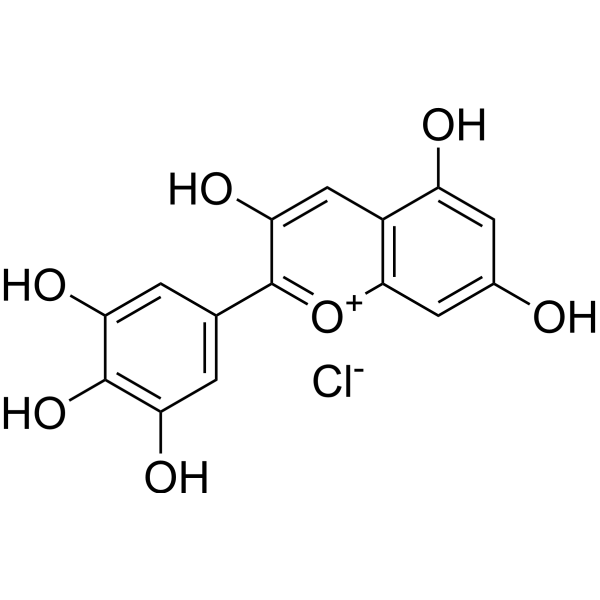
  • HY-N2409
    Delphinidin chloride
    2 Publications Verification

    Apoptosis EGFR JAK STAT Cardiovascular Disease Cancer
    Delphinidin chloride is an anthocyanin isolated from berries and red wine. Delphinidin chloride exhibits endothelium-dependent vasodilation and anticancer activity. Delphinidin chloride also modulates JAK/STAT3 and MAPK signaling, thereby inducing apoptosis in HCT116 cells. Delphinidin chloride is also a potent inhibitor of EGFR (IC50: 1.3 μM), shutting down downstream signaling cascades .
    Delphinidin chloride
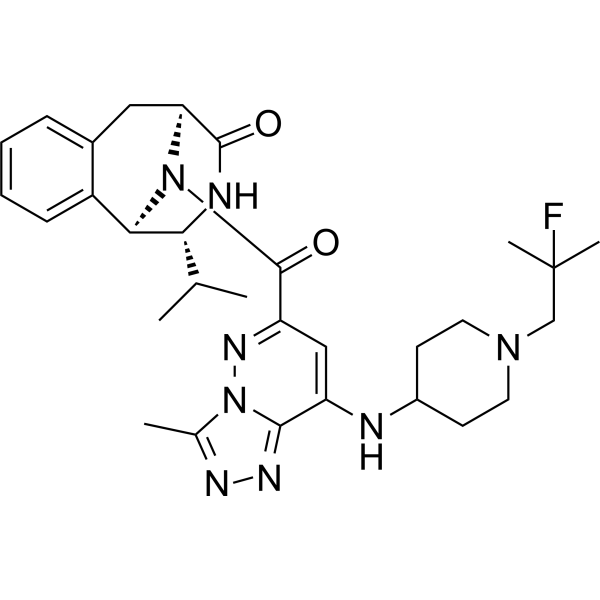
  • HY-136521

    Epigenetic Reader Domain Cancer
    AZ13824374 is a potent and selective ATAD2 bromodomain inhibitor (pIC50 of 6.9 in HCT116 cells). AZ13824374 disrupts chromatin interactions and gene transcription by binding to the acetyl-lysine binding site of the ATAD2 bromodomain. AZ13824374 has anticancer activity against breast cancer .
    AZ13824374
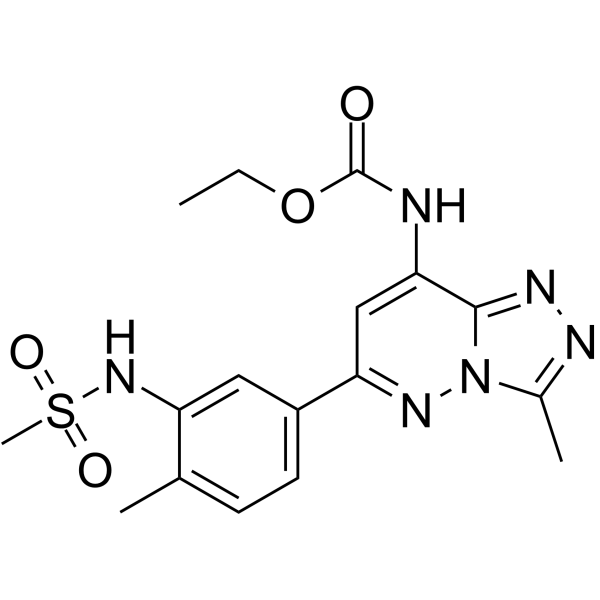
  • HY-15815
    Bromosporine
    5 Publications Verification

    Epigenetic Reader Domain Apoptosis CDK HIV Cancer
    Bromosporine, a chemical probe, is a potent BET inhibitor with an IC50 value of 2.1 μM for PCAF. Bromosporine can arrest cell cycle and induce apoptosis in cancer cells. Bromosporine exhibits excellent antitumor activity in xenograft mice model when combined with 5-Fluorouracil (HY-90006). Bromosporine can increase CDK9 T-loop phosphorylation in HIV-1 latency models, resulting the protection of reactivate HIV-1 replication from latency. Bromosporine can be used to research colorectal cancer, acute myeloid leukemia (AML) and AIDS .
    Bromosporine
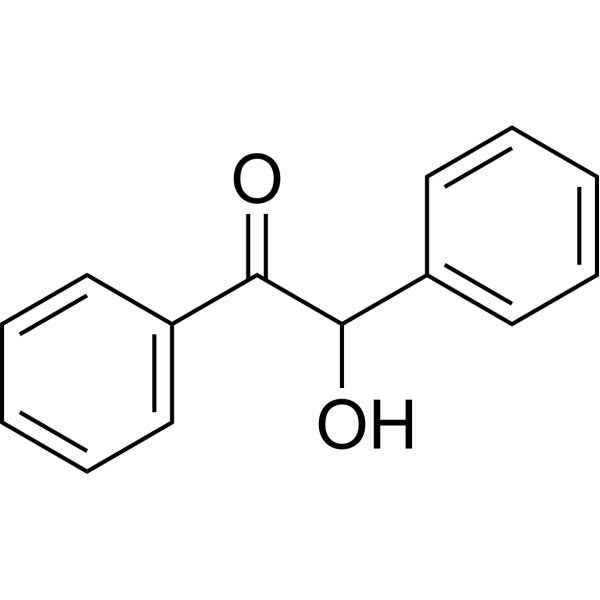
  • HY-B1550

    DL-Benzoin; Desyl alcohol; (±)-2-Hydroxy-2-phenylacetophenone

    PI3K Neurological Disease Metabolic Disease Inflammation/Immunology Cancer
    Benzoin (DL-Benzoin) is a PI3Kα inhibitor with anticancer effects. Benzoin inihits the growth of colon cancer cell line (HCT-116) .
    Benzoin
  • HY-123295

    HDAC Infection Cancer
    HDAC3-IN-T247 is a potent and selective HDAC3 (histone deacetylase 3) inhibitor, with an IC50 of 0.24 µM. HDAC3-IN-T247 induces a selective increase of NF-κB acetylation in HCT116 cells. HDAC3-IN-T247 shows anticancer and antiviral activity. HDAC3-IN-T247 inhibits growth of cancer cells, and activates HIV gene expression in latent HIV-infected cells .
    HDAC3-IN-T247
  • HY-143904

    PROTACs Mps1 Cancer
    PROTAC TTK degrader-1 is a potent TTK (threonine tyrosine kinase) PROTAC degrader, with DC50 values of 1.7 and 5.8 nM in COLO-205 and HCT-116 cell, respectively. PROTAC TTK degrader-1 exhibits target degradation and anticancer efficacy in a xenograft mouse model of COLO-205 human colorectal cancer cells .
    PROTAC TTK degrader-1
  • HY-107412

    PS-IX; AM114

    Proteasome Cancer
    Proteasome inhibitor IX (PS-IX; AM114) is a Chalcone derivative and a chymotrypsin-like activity of the 20S proteasome inhibitor with an IC50 value of ~1 μM. Proteasome inhibitor IX exhibits HCT116 p53 +/+ cells growth inhibitory activity with an IC50 value of 1.49 μM. Proteasome inhibitor IX has potent anticancer activity .
    Proteasome inhibitor IX
  • HY-144899

    Notch Cancer
    ASR-490 reduces the viability of HCT116 and SW620 cells by downregulating Notch1 signaling. ASR-490 overcomes Notch1 overexpression and inhibits the growth of HCT/Notch1 transfectants. ASR-490 inhibits the tumor growth in control (pCMV/HCT116) and Notch1/HCT116 in xenotransplanted mice .
    ASR-490
  • HY-146682

    Aldehyde Dehydrogenase (ALDH) Apoptosis Cancer
    KS100 is a potent ALDH inhibitor with IC50s of 230, 1542, 193 nM for ALDH1A1, ALDH2, and ALDH3A1, respectively. KS100 shows antiproliferative and anticancer effects with low low toxic. KS100 significantly increases ROS activity, lipid peroxidation and toxic aldehyde accumulation. KS10600 induces apoptosis and cell cycle arrest at the G2/M phase .
    KS100
  • HY-147348

    Biochemical Assay Reagents Cancer
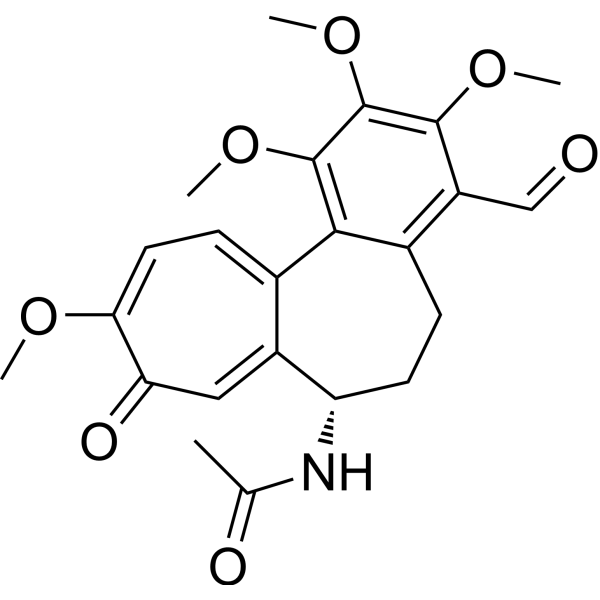
    4-Formylcolchicine is a potent anticancer agent. 4-Formylcolchicine shows cytotoxicity activity with IC50 values of 1.007, 0.128, 0.054 μM for A549, HT-29, HCT116 cells, respectively .
    4-Formylcolchicine
  • HY-115909

    CDK Cancer
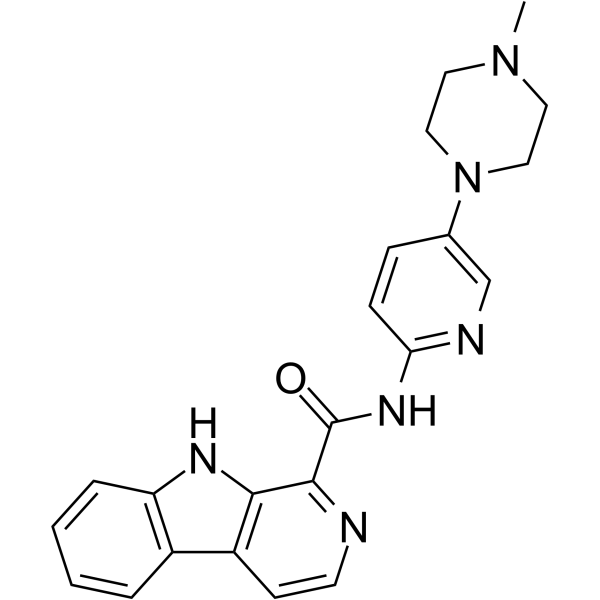
    ZDLD20, a β-carboline, is orally active and selective CDK4/CycD3 inhibitor with an IC50 value of 6.51  μM. ZDLD20 exhibits potent anti-HCT116 activity including inhibition of colony formation, inhibition of invasion and migration, inducing of apoptosis, and arresting of G1 phase in cell cycle. ZDLD20 exhibits potent anticancer activity .
    ZDLD20
  • HY-146683

    Aldehyde Dehydrogenase (ALDH) Apoptosis Cancer
    KS106 is a potent ALDH inhibitor with IC50s of 334, 2137, 360 nM for ALDH1A1, ALDH2, and ALDH3A1, respectively. KS106 shows antiproliferative and anticancer effects with low low toxic.KS106 significantly increases ROS activity, lipid peroxidation and toxic aldehyde accumulation. KS106 induces apoptosis and cell cycle arrest at the G2/M phase .
    KS106
  • HY-P1935

    Biochemical Assay Reagents Cancer
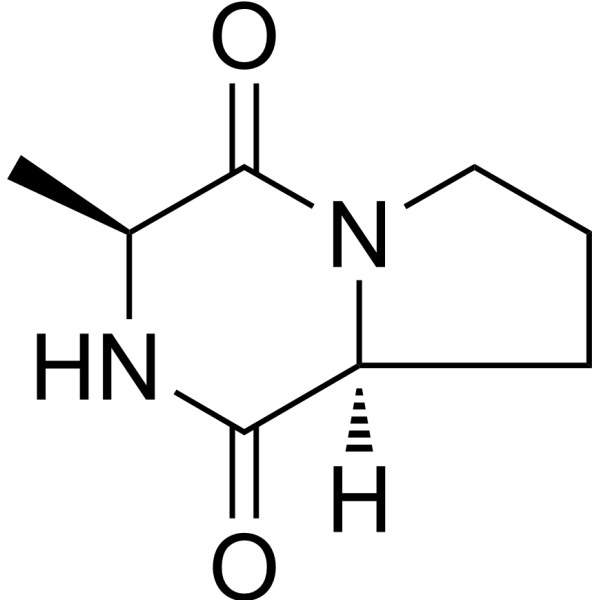
    Cyclo(Ala-Pro) is an anticancer agent that is toxic to cancer cells such as A549, HCT-116 and HepG2 .
    Cyclo(Ala-​Pro)
  • HY-159124

    Sirtuin Cancer
    YZL-51N is a selective SIRT7 inhibitor with IC50 value of 12.71 μM. YZL-51N disrupts SIRT7 enzyme activity by occupying the NAD + binding pocket, thereby weakening DNA damage repair and inhibiting cancer cell survival. YZL-51N possesses anti-tumor activity and can be used in cancer research .
    YZL-51N
  • HY-N8491

    Others Cancer
    Dihydrocarveol is an anticancer agent. Dihydrocarveol shows inhibitory activity against human colon adenocarcinoma cells (HCT-116, HT-29, COLO320DM) with an IC50 value of 28.31 μM in HCT-116 cells. Dihydrocarveol is promising for research of colon cancer .
    Dihydrocarveol
  • HY-177501

    CDK Apoptosis Cancer
    Otviciclib (Compound 86) is a CDK inhibitor. Otviciclib has potent anti-proliferative activity against solid tumor cells (such as HCT116, NCIH82 and DU145 cells) with no significant toxicity to normal cells, and effectively induces the G2/M phase cells arrest and apoptosis. Otviciclib has a broad-spectrum anticancer activity, such as colon, pancreatic and lung cancer .
    Otviciclib
  • HY-178937

    RIP kinase Cancer
    Anticancer agent 284 exhibits cytotoxicity against osteosarcoma cell line (Hos), non-small cell lung cancer cell line (A549), and colon cancer cell line (HCT-116). Anticancer agent 284 can impact the pRIPK3 kinase concentration in the A549 (2.97 pg/mL). Anticancer agent 284 can be used for the study of cancer .
    Anticancer agent 284
  • HY-180895

    Polo-like Kinase (PLK) Cancer
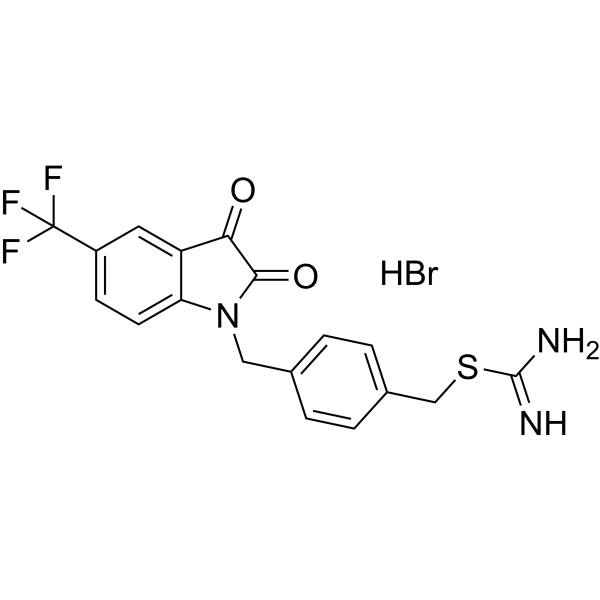
    Y207–5465 is a potent and highly selective PLK2 inhibitor with an IC50 value of 584.3 nM. Y207–5465 shows only limited anti-cancer activity in HT-29 and HCT-116 cells. Y207–5465 can be used in cancer research .
    Y207–5465
  • HY-143905

    PROTACs Mps1 Cancer
    PROTAC TTK degrader-2 is a potent TTK (threonine tyrosine kinase) PROTAC degrader, with DC50 values of 3.1 and 12.4 nM in COLO-205 and HCT-116 cell, respectively. PROTAC TTK degrader-2 exhibits target degradation and anticancer efficacy in a xenograft mouse model of COLO-205 human colorectal cancer cells .
    PROTAC TTK degrader-2
  • HY-W278944

    Drug Derivative Cancer
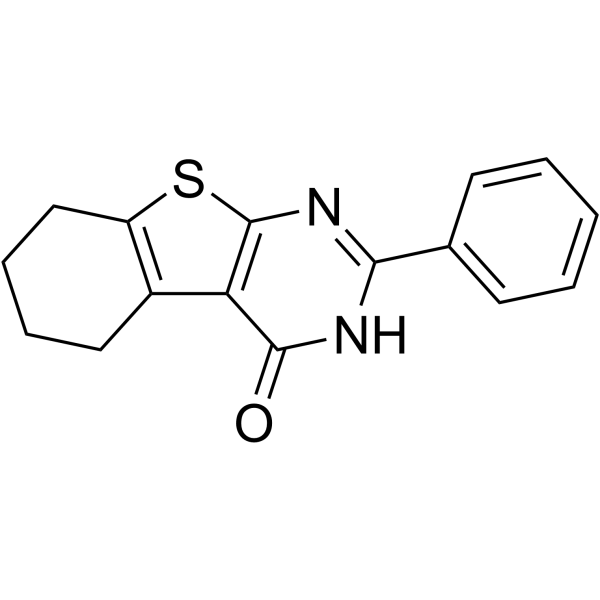
    Antiproliferative agent-15 is an thienopyrimidine derivated anticancer agent. Antiproliferative agent-15 shows antiproliferative activity against human colon (HCT116 and HCT15) and brain (LN-229 and GBM-10) cancer cell lines .
    Antiproliferative agent-15
  • HY-178112

    CDK Apoptosis Cancer
    CDK2-IN-47 is a potent CDK2 inhibitor with an IC50 of 0.21 μM. CDK2-IN-47 exhibits outstanding anticancer activity against MCF-7, HCT-116, and MGC-803 cell lines. CDK2-IN-47 effectively induces G1 cell cycle arrest, retinoblastoma protein (Rb) dephosphorylation, and significant apoptosis. CDK2-IN-47 can be used for the studies of breast cancer, colorectal cancer and gastric cancer .
    CDK2-IN-47
  • HY-N2409R

    Apoptosis EGFR JAK STAT Reference Standards Cardiovascular Disease Cancer
    Delphinidin (chloride) (Standard) is the analytical standard of Delphinidin (chloride). This product is intended for research and analytical applications. Delphinidin chloride is an anthocyanin isolated from berries and red wine. Delphinidin chloride exhibits endothelium-dependent vasodilation and anticancer activity. Delphinidin chloride also modulates JAK/STAT3 and MAPK signaling, thereby inducing apoptosis in HCT116 cells. Delphinidin chloride is also a potent inhibitor of EGFR (IC50: 1.3 μM), shutting down downstream signaling cascades .
    Delphinidin chloride (Standard)
  • HY-157047

    Drug Derivative Cancer
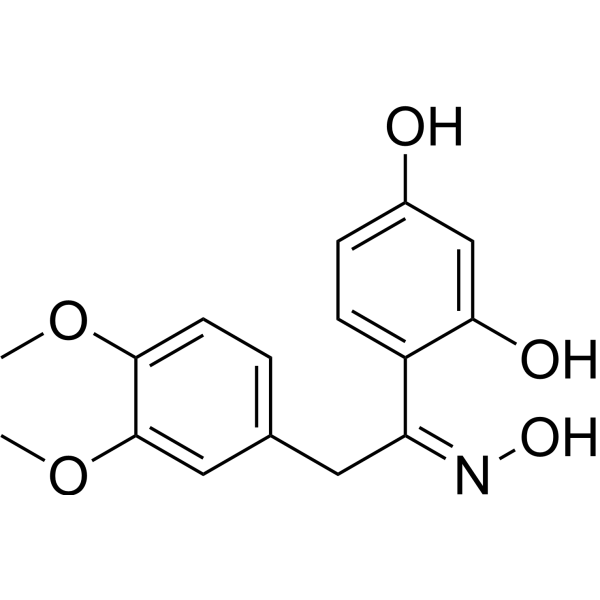
    Anticancer agent 171 (Compound 6a) is an oxime analogue. Anticancer agent 171 has anticancer activity against HCT116 cells with an IC50 value of 3.43 μM. Anticancer agent 171 can be used for the research of cancer .
    Anticancer agent 171
  • HY-150636

    Autophagy Apoptosis Cancer
    Autophagy-IN-1 is a potent autophagy/mitophagy inhibitor, acts by selectively increasing the autophagic flux while blocking the autophagosome-lysosome fusion in cancer cells. Autophagy-IN-1 can induce apoptosis and cell cycle arrest. Autophagy-IN-1 significantly inhibits tumor growth in an HCT116 xenograft mouse model and with low toxicity. Autophagy-IN-1 can be used for researching colorectal cancer .
    Autophagy-IN-1
  • HY-161151

    DNA/RNA Synthesis Apoptosis Cancer
    Frangulin B (Compd 11g), a potent anticancer agent, is a potential pan RecQ helicase inhibitor . Frangulin B (Compd 11g) induces apoptosis in both HCT-116 and MDA-MB-231 cell lines, but also causes an G2/M phase cell cycle arrest in HCT-116 cells .
    RecQ helicase-IN-1
  • HY-149327

    Others Cancer
    HCT-116-IN-1, a γ-lactam-fused pyridone derivative, has anticancer activity and displayed high cytotoxicity against HCT116 cells with an IC50 of 5.59 μM .
    Anticancer agent 131
  • HY-156186

    Others Cancer
    Anticancer agent 160 (Compound 6) is a natural product derived from Parthenium hysterophorus. Anticancer agent 160 is cytotoxic to HCT-116 cells, IC50=5.0 μM .
    Anticancer agent 160
  • HY-157048

    Others Cancer
    Anticancer agent 172 (8d) possesses anticancer activity, with an IC50 of 6.96 μM in HCT116 cells .
    Anticancer agent 172
  • HY-153272

    Biochemical Assay Reagents Cancer
    Antitumor agent-93 (compound 7D) is an anticancer agent that can effectively inhibit the growth of several tumor cell lines, such as MDA-MB-231 and HCT-116 cell lines .
    Antitumor agent-93
  • HY-139882

    Reactive Oxygen Species (ROS) Apoptosis Cancer
    Anticancer agent 16 exhibits good cytotoxic activity against HCT-116, NCI-H460, and SKOV3 cell lines with IC50 8.55 μΜ, 5.41 μΜ, and 6.4 μΜ, respectively.
    Anticancer agent 16
  • HY-156097

    EGFR Cancer
    Anticancer agent 158 (compound 7c) is a potent anticancer agent. The IC50s for inhibiting HepG-2, MDA-MB-231, and HCT-116 cell lines are 7.93 μM, 9.28 μM, 13.28 μM, and 181.89 μM, respectively .
    Anticancer agent 158
  • HY-N13063

    Apoptosis Reactive Oxygen Species (ROS) PI3K Akt Cancer
    Anticancer agent 235 (Compound 49) is a modulator for PI3K/AKT/mTOR pathway, that promotes the generation of ROS, reduces the mitochondrial membrane potential, and thereby inhibits the proliferation of cancer cells HCT116, Caco-2, AGS and SMMC-772 with IC50 of 0.35-26.9 μM. Anticancer agent 235 arrests the cell cycle at G2/M phase, and induces apoptosis in HCT116 .
    Anticancer agent 235
  • HY-164320

    Apoptosis Cancer
    Anticancer agent 245 (Compound 115) inhibits proliferation of cancer cell SKOV3, MDA-MB-231 and HCT-116 with IC50 of 0.021, 0.056 and 0.11 μM, respectively. Anticancer agent 245 exhibits antitumor efficacy in mice and good pharmacokinetic characteristics in rat models .
    Anticancer agent 245
  • HY-120032

    Mps1 Cancer
    CFI-401980 is a selective tyrosine threonine kinase MPS1 inhibitor with a Ki of 0.8 nM. CFI-401980 inhibits the proliferation of HCT116 cell lines. CFI-401980 can be studied in anti-cancer research .
    CFI-401980
  • HY-B1550R

    DL-Benzoin (Standard); Desyl alcohol (Standard); (±)-2-Hydroxy-2-phenylacetophenone (Standard)

    Reference Standards PI3K Cancer
    Benzoin (Standard) (DL-Benzoin (Standard)) is the analytical standard of Benzoin (HY-B1550). This product is intended for research and analytical applications. Benzoin (DL-Benzoin), a natural balsamic resin, is a PI3Kα inhibitor with anticancer effects. Benzoin inihits the growth of colon cancer cell line (HCT-116). Benzoin can be used as a food additive.
    Benzoin (Standard)
  • HY-B1550S

    DL-Benzoin-d10; Desyl alcohol-d10; (±)-2-Hydroxy-2-phenylacetophenone-d10

    Isotope-Labeled Compounds PI3K Cancer
    Benzoin-d10 (DL-Benzoin-d10) is the deuterium labeled Benzoin (HY-B1550). Benzoin (DL-Benzoin), a natural balsamic resin, is a PI3Kα inhibitor with anticancer effects. Benzoin inihits the growth of colon cancer cell line (HCT-116). Benzoin can be used as a food additive .
    Benzoin-d10
  • HY-162670

    CDK Cancer
    Anticancer agent 238 (compound 5) is an anticancer agent with a notably strong binding affinity towards the CDK-5 enzyme. Anticancer agent 238 shows a strong efficacy agains HCT116 and MCF7 cells, with IC50 values of 13.46 µM and 16.43 µM, respectively .
    Anticancer agent 238
  • HY-170527

    Reactive Oxygen Species (ROS) Neurological Disease Inflammation/Immunology Cancer
    Anticancer agent 260 (Compound 3g/4d) is an orally active anticancer agent, that inhibits the proliferation of cancer cell HCT-116, MIA-PaCa2 and MDA-MB231 with IC50s of 98.7, 81.0, and 77.2 µg/mL, respectively. Anticancer agent 260 exhibits promotes ulcer formation and lipid peroxidation, anti-inflammatory and analgesic efficacy .
    Anticancer agent 260
  • HY-172097

    Drug Derivative Cancer
    HL22 is a harmaline derivative. HL22 significantly inhibits HCT116, MGC803 and MCF7 cancer cell lines, and inhibits MGC803 cell migration and monoclonal formation. The anti-cancer mechanism of HL22 is related to a variety of metabolic pathways and can be used in the study of cancer .
    HL22
  • HY-N3825

    Apoptosis Cancer
    ent-Kaurane-3α,16β,17-triol (Compound 3) is an anticancer agent. ent-Kaurane-3α,16β,17-triol induces apoptosis in HCT116 cells .
    ent-Kaurane-3α,16β,17-triol
  • HY-175598

    Others Cancer
    Anticancer agent 278 (Compound 5e) is an anticancer agent. Anticancer agent 278 has potent toxicity and inhibitory activities against cancer cells with IC50s of 4.02  μM, 6.02  μM and 6.11 μM for A549, HeLa and HCT116, respectively. Anticancer agent 278 can be used for cancers like human lung, cervical and colorectal cancer research .
    Anticancer agent 278
  • HY-163615

    Bacterial Infection
    Antimicrobial agent-32 (Compound 4g) is an antimicrobial agent that exhibits significant activity against various bacteria, including Staphylococcus aureus, Bacillus subtilis, Bacillus cereus (MIC=1000 µg/mL), Klebsiella pneumonia, and Staphylococcus aureus (MRSA) (MIC=500 µg/mL), as well as Escherichia coli (MIC=250 µg/mL). Additionally, Antimicrobial agent-32 inhibits the proliferation of MCF-7, HCT-116, and HepG-2 cells, demonstrating anticancer activity .
    Antimicrobial agent-32
  • HY-175174

    Glutaminase Cancer
    Antiproliferative agent-73 (Compound 7) is an antiproliferative agent. Antiproliferative agent-73 significantly inhibits proliferation of human cancer cells with excellent cytotoxicity. Antiproliferative agent-73 has potent anticancer activity with IC50s of 15.20, 18.18, 20.20 and 13.23  μM for HepG2, MCF-7, HCT-116 and WI38 cells, respectively. Antiproliferative agent-73 can be used for cancers research, such as breast, colorectal and liver cancer .
    Antiproliferative agent-73
  • HY-146411

    MicroRNA Apoptosis Cancer
    microRNA-21-IN-1 (compound A7) is an efficient microRNA inhibitor. microRNA-21-IN-1 has antiproliferative activity against Hela and HCT-116 cells with IC50s of 5.5 μM and 2.8 μM respectively, as well as promotes apoptosis of Hela cells. microRNA-21-IN-1 upregulates the expression of microRNA-21 downstream functional targets (PTEN, EGR1 and SLIT2). microRNA-21-IN-1 can be used for researching anticancer .
    microRNA-21-IN-1
  • HY-163770

    Proteasome Cancer
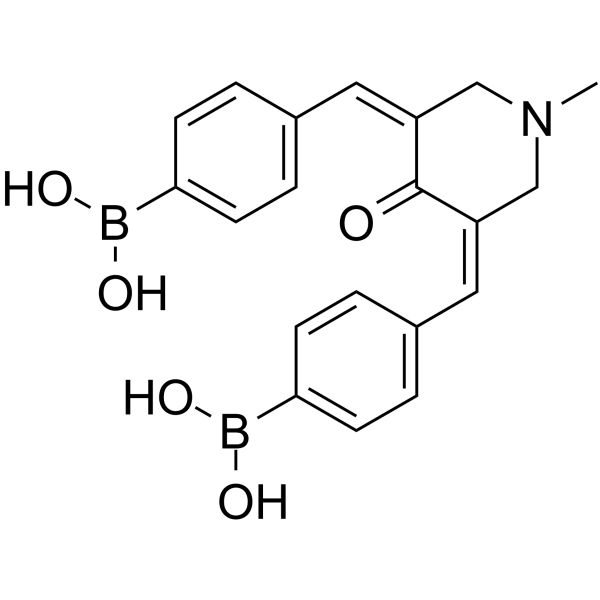
    Anticancer agent 233 (compound 5g) is a 3,5-bis(arylmethylene)-4-piperidinone derivative with anticancer activity, with GI50 of 0.25 and 0.23 μM for cervical cancer (HeLa) and colon cancer (HCT116) cell lines, respectively. The chlorine atom on the aromatic ring of Anticancer agent 233 interacts well with the catalytic site of 20S proteasome, inhibiting the activity of 20S proteasome to exert its anticancer effect .
    Anticancer agent 233
  • HY-143462

    HDAC c-Met/HGFR Apoptosis Cancer
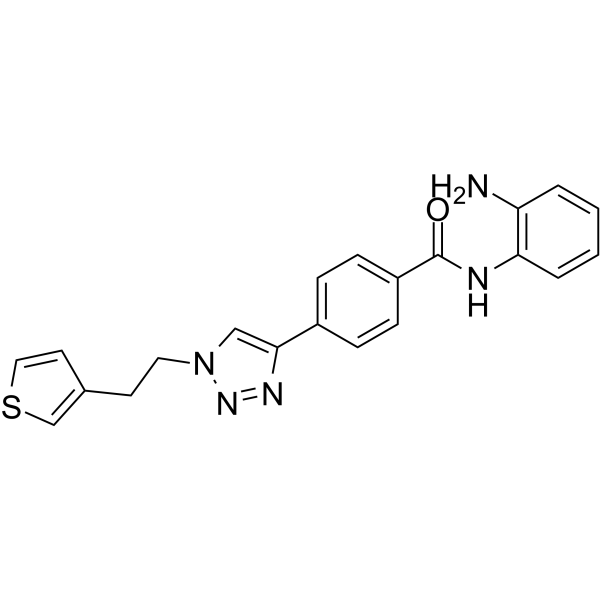
    c-Met/HDAC-IN-2 is a highly potent c-Met and HDAC dual inhibitor with IC50s of 18.49 nM and 5.40 nM for HDAC1 and c-Met, respectively. c-Met/HDAC-IN-2 has antiproliferative activities against certain cancer cell lines. c-Met/HDAC-IN-2 can cause G2/M-phase arrest and induce apoptosis in HCT-116. c-Met/HDAC-IN-2 can be used for researching anti-cancer resistance .
    c-Met/HDAC-IN-2
  • HY-155112

    Microtubule/Tubulin FLT3 Bcr-Abl Cancer
    Antiproliferative agent-30 (Compound 8g) inhibits tubulin assembly and inhibits FLT3 and Abl1. Antiproliferative agent-30 has vascular-disrupting activity. Antiproliferative agent-30 has broad antiproliferative activities against cancer cell lines (IC50s: 0.054 nM, 0.008 nM, 0.144 nM for HCT-116, K562, MV-4-11 cells respectively). Antiproliferative agent-30 also has anticancer effect against AML with FLT3-ITD-TKD mutation .
    Antiproliferative agent-30
  • HY-159512

    EGFR Apoptosis Cancer
    EGFR kinase inhibitor 7 (compound 18i) is an EGFR inhibitor (IC50=42.3 nM) with anticancer activity. EGFR kinase inhibitor 7 has significant in vitro cytotoxicity and apoptosis induction ability. EGFR kinase inhibitor 7 has antiproliferative activity against human colon cancer cell line HCT116 and human non-small cell lung cancer cell line A549, with IC50 values ​​of 4.82 µM and 1.43 µM, respectively .
    EGFR kinase inhibitor 7
  • HY-151436

    CDK Cholinesterase (ChE) Apoptosis Cancer
    ZLMT-12 (compound 35), tacrine derivatives, is a potent, orally active CDK2/9 inhibitor with IC50 values of 0.002 and 0.011 μM for CDK9 and CDK2, respectively. ZLMT-12 has a weak inhibitory effect on AChE (IC50=19.023 μM) and BChE (IC50=2.768 μM). ZLMT-12 has low toxicity and antiproliferative activity. ZLMT-12 induces apoptosis and arrests the cell cycle in the S phase and G2/M phase .
    ZLMT-12
  • HY-173492

    EGFR Apoptosis Cancer
    EGFR-IN-156 (Compound 7f) is an EGFR inhibitor that also has inhibitory activity against mutations EGFRL858R and EGFRT790M (IC50 values are 0.186, 0.131, and 0.107 μM, respectively). EGFR-IN-156 has significant anticancer activity against human cancer cell lines HepG-29 (liver cancer), MCF-7 (breast cancer), and HCT-116 (colon cancer) (IC50 values are 1.67, 5.32, and 6.56 μM, respectively). EGFR-IN-156 inhibits cancer cell proliferation by inducing cell cycle arrest at the G/G1 phase and triggering apoptosis. EGFR-IN-156 shows promise in EGFR-related cancers .
    EGFR-IN-156

Inquiry Online

Your information is safe with us. * Required Fields.

Salutation


Country or Region *

Applicant Name *


Organization Name *

Department *


Email Address *


Product Name *

Cat. No.


Requested quantity *

Phone Number *


Remarks

Inquiry Online

Inquiry Information

Product Name:
Cat. No.:
Quantity:
MCE Japan Authorized Agent:

