

1. Search Result
Search Result
Results for "

CAR

" in MedChemExpress (MCE) Product Catalog:

93

Inhibitors & Agonists

1

Screening Libraries

1

Fluorescent Dye

1

Biochemical Assay Reagents

4

Peptides

4

Inhibitory Antibodies

9

Natural
Products

8

Recombinant Proteins

6

Isotope-Labeled Compounds

5

Antibodies

1

Click Chemistry

28

Oligonucleotides

Cat. No. Product Name Target Research Areas Chemical Structure
  • HY-N0488A
    Vincristine
    Maximum Cited Publications
    74 Publications Verification

    Leurocristine; NSC-67574; 22-Oxovincaleukoblastine

    Apoptosis Microtubule/Tubulin Mitosis Infection Cancer
    Vincristine (Leurocristine; NSC-67574; 22-Oxovincaleukoblastine) is a microtubule inhibitor that disrupts microtubule polymerization by binding to β-tubulin (with a Ki of 85 nM in bovine), arrests the cell cycle and induces apoptosis. Vincristine inhibits cell replication, tumor blood flow and the proliferation of various cancer cells, while triggering effects such as oxidative stress, inflammation, calcium overload, epithelial-mesenchymal transition and peripheral neuropathic pain. Vincristine upregulates the expression of various transporters and nuclear receptors, and enriches gastric cancer stem-like cells. Vincristine is used in research related to various tumors including acute lymphoblastic leukemia, lymphoma, melanoma, gastric cancer, solid tumors and sarcomas .
    Vincristine
  • HY-70037
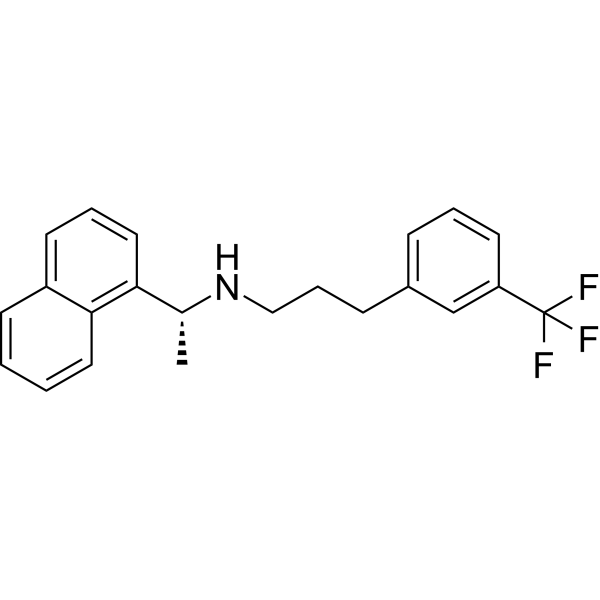
    Cinacalcet
    15+ Cited Publications

    AMG 073

    CaSR Endogenous Metabolite Cardiovascular Disease Cancer
    Cinacalcet (AMG 073) is an orally active, allosteric agonist of Ca receptor (CaR), used for cardiovascular disease research.
    Cinacalcet
  • HY-103244
    CITCO
    3 Publications Verification

    Apoptosis Cancer
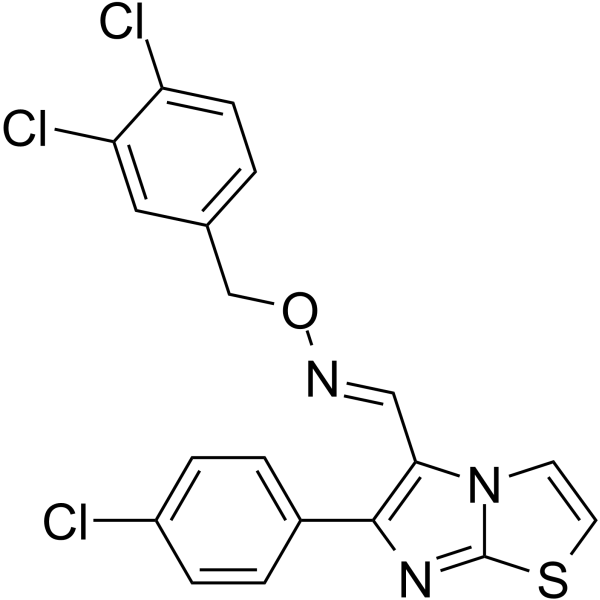
    CITCO, an imidazothiazole derivative, is a selective Constitutive androstane receptor (CAR) agonist. CITCO inhibits growth and expansion of brain tumour stem cells (BTSCs) and has an EC50 of 49 nM over pregnane X receptor (PXR), and no activity on other nuclear receptors .
    CITCO
  • HY-153084A
    CD19 CAR mRNA (Human)
    1 Publications Verification

    mRNA CD19 Cancer
    CD19 CAR mRNA (Human) expresses CAR protein that specifically targets human CD19. CD19 CAR mRNA can trigger transitory expression of CAR, allowing T cells to be targeted without permanent genetic modification. CD19 CAR mRNA targets CD19 which is a transmembrane glycoprotein primarily expressed on B lymphocytes and is important in B cell activation. CD19 CAR mRNA can be studied in cancer research such as lymphoma and leukemia .
    CD19 CAR mRNA (Human)
  • HY-B0349
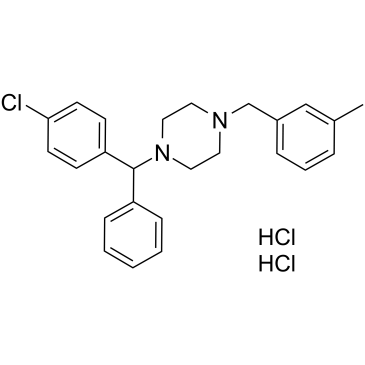
    Meclizine dihydrochloride
    4 Publications Verification

    Meclozine dihydrochloride

    Histamine Receptor Apoptosis Neurological Disease Endocrinology Cancer
    Meclizine (Meclozine) dihydrochloride, an antihistamine, reversibly inhibits the interaction of histamine at the H1 receptors. Meclizine dihydrochloride is a member of the piperazine class of H1 antagonists. Meclizine dihydrochloride is an effective anti-motion sickness agent. Meclizine dihydrochloride crosses the blood-brain barrier. Meclizine dihydrochloride can be used for the research of polyQ toxicity disorders, such as Huntington's disease. Meclizine dihydrochloride is an agonist ligand for mouse constitutive androstane receptor (CAR) and an inverse agonist for Human CAR .
    Meclizine dihydrochloride
  • HY-103243
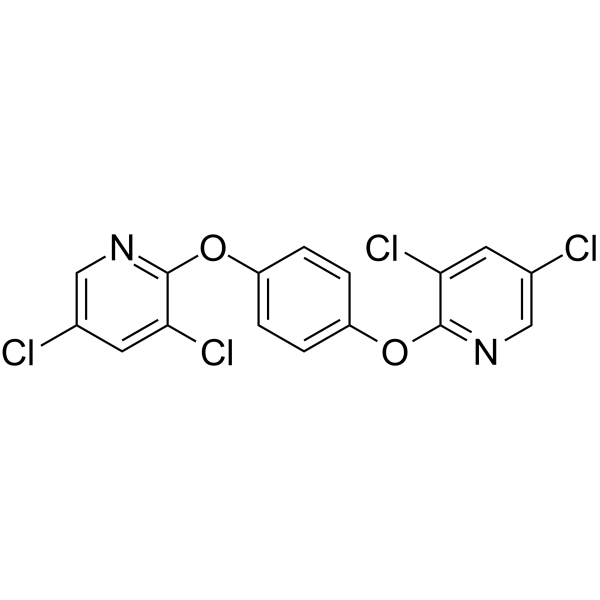
    TCPOBOP
    4 Publications Verification

    Bcl-2 Family Cancer
    TCPOBOP is a constitutive androstane receptor (CAR) agonist that induces robust hepatocyte proliferation and hepatomegaly without any liver injury or tissue loss . TCPOBOP attenuates Fas-induced murine liver injury by altering Bcl-2 proteins .
    TCPOBOP
  • HY-112171
    γ-L-Glutamyl-L-alanine
    1 Publications Verification

    γ-Glu-Ala

    Endogenous Metabolite CaSR Others
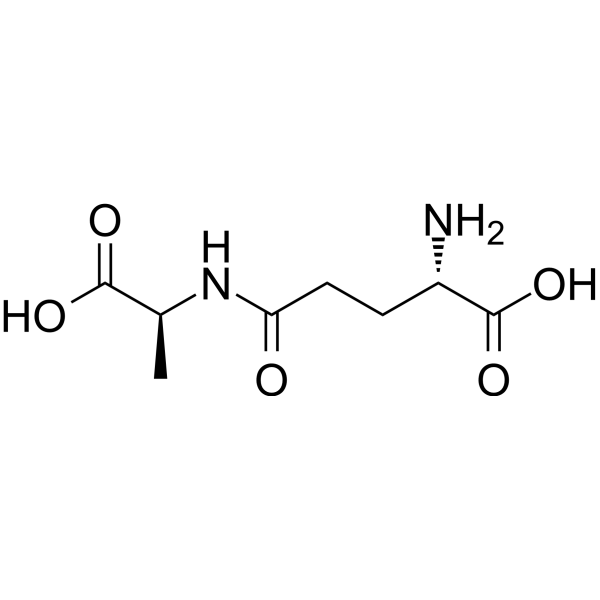
    γ-L-Glutamyl-L-alanine (γ-Glu-Ala), composed of gamma-glutamate and alanine, is a proteolytic breakdown product of larger proteins. γ-L-Glutamyl-L-alanine is a natural substrate of the γ-Glutamylcyclotransferase. γ-L-Glutamyl-L-alanine is a positive modulator of calcium-sensing receptor (CaR) function .
    γ-L-Glutamyl-L-alanine
  • HY-70037A
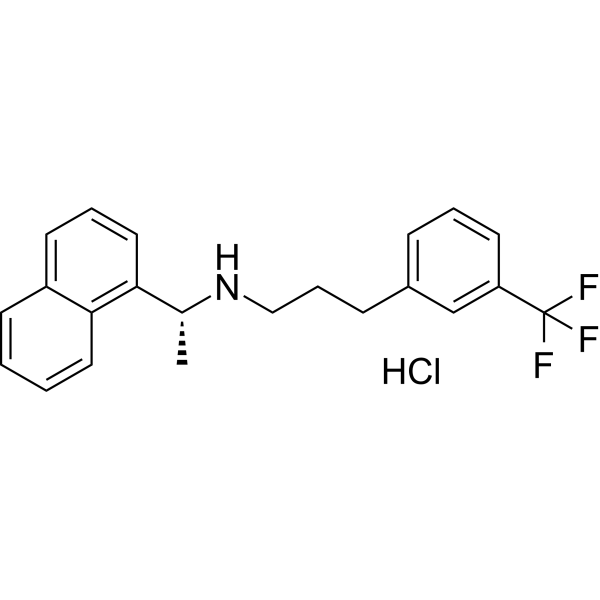
    Cinacalcet hydrochloride
    15+ Cited Publications

    AMG-073 hydrochloride

    CaSR Endogenous Metabolite Cardiovascular Disease Cancer
    Cinacalcet hydrochloride (AMG-073 hydrochloride) is an orally active, allosteric agonist of Ca receptor (CaR), used for cardiovascular disease treatment.
    Cinacalcet hydrochloride
  • HY-119459
    Fluopyram
    1 Publications Verification

    Environmental Pollutants Constitutive Androstane Receptor Parasite Caspase Fungal NF-κB Succinate Dehydrogenase Pregnane X Receptor (PXR) Infection Cancer
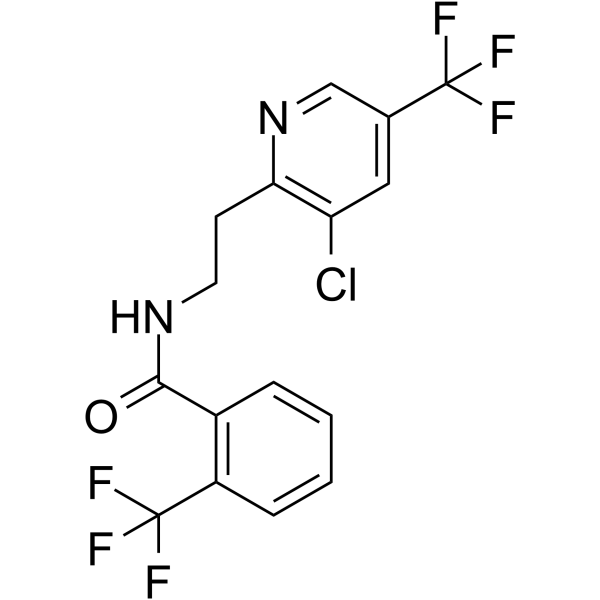
    Fluopyram is an orally active succinate dehydrogenase inhibitor, antifungal and nematicide. Fluopyram inhibits succinate dehydrogenase activity, activates CAR/PXR nuclear receptors, and increases caspase-3, TNF-α and NF-κB. Fluopyram inhibits the growth of F. virguliforme, Botrytis cinerea and Alternaria solani with EC50 values of 3.35, 5.389 and 0.244 µg/mL, respectively. Fluopyram induces liver and thyroid tumor formation. Fluopyram is nephrotoxic and embryotoxic .
    Fluopyram
  • HY-159649

    DGK PERK Interleukin Related Inflammation/Immunology Cancer
    BMS-986408 is an orally active inhibitor of DGKα and DGKζ, with IC50 values of 0.0003 μM and 0.002 μM, respectively. BMS-986408 activates intratumoral T cell responses, enhances the priming and expansion of tumor-reactive T cells in tumor-draining lymph nodes, and functions as an immunostimulant. BMS-986408 can be used in the research of tumors .
    BMS-986408
  • HY-163028

    Tim3 Cancer
    ML-T7 is a potent Tim-3 inhibitor. ML-T7 blocks Tim-3 interactions with PtdSer and CEACAM1. ML-T7 not only enhances the antitumor activity of adoptive transfer therapy with cytotoxic T lymphocytes (CTLs) and CAR T cells but also increases the effector function of T cell. ML-T7 promotes NK cells’ killing activity against tumor cells and DC antigen-presenting capacity. ML-T7 directly exerts antitumor efficacy in preclinical tumor models either alone or in combination with Nivolumab (HY-P9903A). ML-T7 can be used for tumor immunotherapy research .
    ML-T7
  • HY-164899

    2-aminopyridine-3-CARboxylic acid imidazolide

    Transmembrane Glycoprotein Cancer
    2A3 (2-aminopyridine-3-carboxylic acid imidazolide) is a T cell activator that specifically binds to CEACAM6 and CEACAM5. 2A3 exhibits enzymatic activity that catalyzes the glucuronidation of specific substrates (e.g., 1-naphthol), and possesses significant cytotoxic activity. When integrated into CAR T cells or used alone, 2A3 acts by inducing cytokine release, degranulation, and direct cytotoxicity. 2A3 kills pancreatic and breast cancer cells with high target antigen expression in vitro, and significantly inhibits the growth of pancreatic cancer xenografts in vivo. 2A3 broadly targets malignant tumors with overexpressed CEACAM5, CEACAM6, or co-expressed both, and shows high expression mainly in tissues such as the liver and colon. 2A3 serves as an important research tool for the immunotherapy of pancreatic and breast cancer . 2A3 is a novel SHAPE reagent, which can be used for the analysis of RNA structure both in vitro and in vivo . 2A3 is an electrophilic chemical probe that acylates the 2'-OH in the RNA backbone. 2A3 can be used for RNA SHAPE-MaP experiments and is capable of analyzing the RNA secondary structures at single nucleotide resolution.
    2A3
  • HY-131911

    PROTACs Indoleamine 2,3-Dioxygenase (IDO) Inflammation/Immunology
    PROTAC IDO1 Degrader-1 is the first potent IDO1 (indoleamine 2,3-dioxygenase 1) degrader that hijacks IDO1 to Cereblon E3 ligase to introduce IDO1 into UPS and eventually achieve ubiquitination and degradation (DC50=2.84 μM). PROTAC IDO1 Degrader-1 moderately improves the tumor-killing activity of H ER2 CAR-T cells .
    PROTAC IDO1 Degrader-1
  • HY-P990245

    FAP Cancer
    Anti-Mouse FAP Antibody (73.3) is an anti-mouse FAP IgG1 monoclonal antibody. Anti-Mouse FAP Antibody (73.3) can be used to accurately detect the expression and localization of FAP protein in mice. Anti-Mouse FAP Antibody (73.3) can be used for research on cancer .
    Anti-Mouse FAP Antibody (73.3)
  • HY-144987
    RBN013209
    1 Publications Verification

    CD38 LAG-3 Tim3 PD-1/PD-L1 Inflammation/Immunology Cancer
    RBN013209 is an orally active small molecule inhibitor of CD38 with an IC50 of 0.01 to 0.1 μM for human CD38. RBN013209 prevents the conversion of extracellular NAD + to ADPR or cADPR in tumor cells and PBMCs. RBN013209 can be used in the study of tumor. In addition, RBN013209 enables CAR-T cells to maintain the naive state and central memory state, and decreases the expression of cell activation markers and exhaustion-related inhibitory receptors .
    RBN013209
  • HY-N1457
    Chrysosplenetin
    3 Publications Verification

    P-glycoprotein Topoisomerase Apoptosis DNA/RNA Synthesis Wnt β-catenin Parasite Infection Metabolic Disease Cancer
    Chrysosplenetin is an orally active polymethoxyflavone. Chrysosplenetin exerts anticancer effects by inhibiting topoisomerase, protecting DNA and inducing apoptosis. Chrysosplenetin acts as an antimalarial sensitizer, reverses Artemisinin (HY-B0094) resistance by inhibiting and downregulating P-glycoprotein, and enhances the efficacy of Artemisinin. Chrysosplenetin promotes bone formation by activating the Wnt/β-catenin pathway and exerts anti-osteoporotic effects .
    Chrysosplenetin
  • HY-P99157

    CD276/B7-H3 Cancer
    Omburtamab is a humanized monoclonal antibody targeting B7-H3 (CD276). Omburtamab selectively binds to B7-H3 highly expressed on the surface of tumor cells and activates anti-tumor immune responses mediated by T cells and natural killer (NK) cells. Omburtamab can promote the specific infiltration of CAR-T cells into tumors, enhance the killing function of NK cells through the CD16 signaling pathway, and regulate tumor cell glucose metabolism (such as inhibiting the Warburg effect). Omburtamab has the potential to inhibit solid tumors such as non-small cell lung cancer (NSCLC) .
    Omburtamab
  • HY-157959

    (±)-Orphenadrine

    iGluR Cytochrome P450 Cholinesterase (ChE) Neurological Disease Cancer
    Orphenadrine ((±)-Orphenadrine) is a skeletal muscle relaxant and NMDA antagonist that also has antiparkinsonian, antihistamine, antitremor, antispasmodic, and analgesic effects. Orphenadrine inhibits the binding of [3H]MK-801 to the phencyclidine (PCP) binding site of the NMDA receptor. Orphenadrine is also an anticholinergic and CYP2B inducer. Orphenadrine may exert pro-tumor effects, causing CAR nuclear translocation, resulting in microsomal reactive oxygen species (ROS) production and oxidative stress. Orphenadrine also exerts neuronal protection, protecting rat cerebellar granule cells (CGC) from 3-NPA-induced death and has inhibitory potential against neurodegenerative diseases mediated by NMDA receptor overactivation .
    Orphenadrine
  • HY-W013854

    3β-Hydroxy-5α-androstane

    Endogenous Metabolite Others
    5α-Androstan-3β-ol (Androstan), a saturated sterol, is a CAR (constitutive androstane receptor) inverse agonist ligand. 5α-Androstan-3β-ol (Androstan) increases the AmB-channel conductance in a concentration dependent manner .
    5α-Androstan-3β-ol
  • HY-110249
    CINPA1
    1 Publications Verification

    Constitutive Androstane Receptor Metabolic Disease
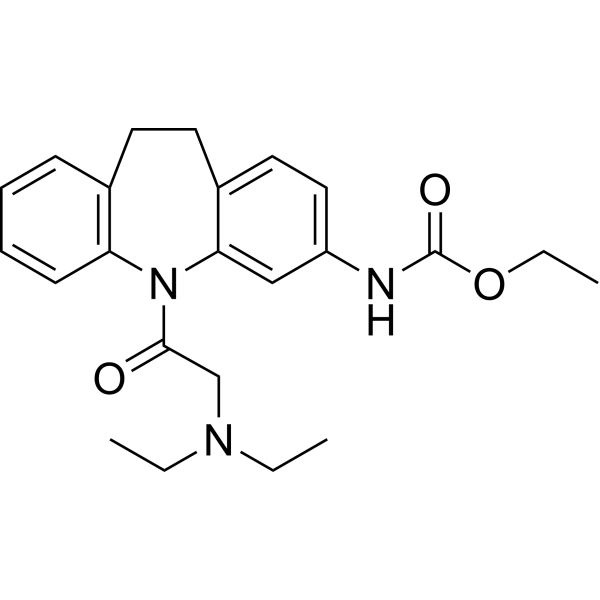
    CINPA1 is a potent and specific inhibitor of constitutive androstane receptor (CAR) that does not activate pregnane X receptor (PXR). CINPA1 reduces CAR-mediated transcription with an IC50 of ~70 nM. CINPA1 can be used as a molecular tool for understanding CAR function .
    CINPA1
  • HY-W015026

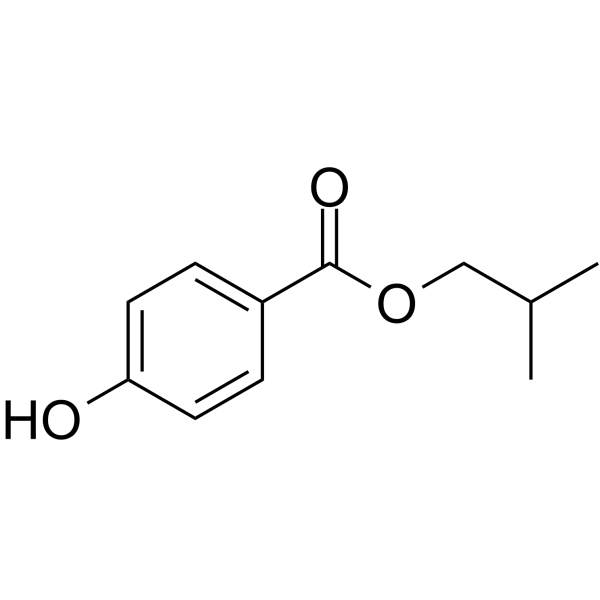
    Isobutyl-P-Hydroxybenzoate

    Bacterial Apoptosis Reactive Oxygen Species (ROS) Constitutive Androstane Receptor PPAR Neurological Disease Endocrinology
    Isobutylparaben (Isobutyl 4-hydroxybenzoate) is the agonist for PXR, CAR and PPAR. Isobutylparaben has a broad-spectrum antimicrobial activity and widely used in personal care products and cosmetics .
    Isobutylparaben
  • HY-P990870

    CD19 IFNAR Interleukin Related Inflammation/Immunology
    Anti-CD19 Antibody (4G7) is an anti-human CD19 IgG1 monoclonal antibody. Anti-CD19 Antibody (4G7) reduces the killing effect of CAR T cells on Raji cells. Anti-CD19 Antibody (4G7) can be used for research on immunology. Anti-CD19 Antibody (4G7) is often used in flow cytometry. The recommend isotype control of Anti-CD19 Antibody (4G7): Mouse IgG1 kappa, Isotype Control (HY-P99977) .
    Anti-CD19 Antibody (4G7)
  • HY-119459R

    Reference Standards Succinate Dehydrogenase Fungal Parasite Constitutive Androstane Receptor Caspase NF-κB Infection Cancer
    Fluopyram (Standard) is the analytical standard of Fluopyram (HY-119459). This product is intended for research and analytical applications. Fluopyram is an orally active succinate dehydrogenase inhibitor, antifungal and nematicide. Fluopyram inhibits succinate dehydrogenase activity, activates CAR/PXR nuclear receptors, and increases caspase-3, TNF-α and NF-κB. Fluopyram inhibits the growth of F. virguliforme, Botrytis cinerea and Alternaria solani with EC50 values of 3.35, 5.389 and 0.244 µg/mL, respectively. Fluopyram induces liver and thyroid tumor formation. Fluopyram is nephrotoxic and embryotoxic .
    Fluopyram (Standard)
  • HY-RS01933

    Small Interfering RNA (siRNA) Others

    CARS1 Human Pre-designed siRNA Set A contains three designed siRNAs for CARS1 gene (Human), as well as a negative control, a positive control, and a FAM-labeled negative control.

    CARS1 Human Pre-designed siRNA Set A
    CARS1 Human Pre-designed siRNA Set A
  • HY-W653718

    Isotope-Labeled Compounds Others
    o-Cresol-d7 is the deuterium labeled o-Cresol (HY-156199). o-Cresol sulfate is a biomarker related to CAR T cell-independent and dependent metabolic and inflammatory .
    o-Cresol-d7
  • HY-146231A

    MAP4K PROTACs Inflammation/Immunology Cancer
    SS47 TFA, a PROTAC-based HPK1 degrader, exerts proteasome-mediated HPK1 degradation. The degradation of HPK1 via SS47 also significantly enhances the in vivo antitumor efficacy of BCMA CAR-T cell research. HPK1, an immunosuppressive regulatory kinase, is a promising target for cancer immunotherapies . SS47 (TFA) is a click chemistry reagent, it contains an Alkyne group and can undergo copper-catalyzed azide-alkyne cycloaddition (CuAAc) with molecules containing Azide groups.
    SS47 TFA
  • HY-153085

    CD19 Inflammation/Immunology Cancer
    CD19 CAR circRNA will express CD19 car protein, and can be used in chimeric antigen receptor T cell immunotherapy (CAR-CD19). The CD19 car is a chimeric antigen receptor. Among them, CD19 is a CD molecule expressed by B cells (i.e. leukocyte differentiation antigen), an important membrane antigen involved in B cell proliferation, differentiation, activation and antibody production, and can also promote BCR signal transduction.
    CD19 CAR circRNA
  • HY-RS03382

    Small Interfering RNA (siRNA) Others

    CXADR Human Pre-designed siRNA Set A contains three designed siRNAs for CXADR gene (Human), as well as a negative control, a positive control, and a FAM-labeled negative control.

    CXADR Human Pre-designed siRNA Set A
    CXADR Human Pre-designed siRNA Set A
  • HY-B0349A

    Meclozine

    Histamine Receptor Apoptosis Neurological Disease Inflammation/Immunology
    Meclizine (Meclozine), an antihistamine, reversibly inhibits the interaction of histamine at the H1 receptors. Meclizine is a member of the piperazine class of H1 antagonists. Meclizine is an effective anti-motion sickness agent. Meclizine crosses the blood–brain barrier. Meclizine is an agonist ligand for mouse constitutive androstane receptor (CAR) and an inverse agonist for Human CAR. Meclizine can be used for the research of polyQ toxicity disorders, such as Huntington's disease .
    Meclizine
  • HY-135601

    Drug Metabolite Cardiovascular Disease
    Cinacalcet metabolite M4 is a metabolite of Cinacalcet. Cinacalcet is an orally active, allosteric agonist of Ca receptor (CaR), used for cardiovascular disease .
    Cinacalcet metabolite M4
  • HY-W101305

    Amino Acid Derivatives Others
    Fmoc-Pen(Acm)-OH is an amino acid derivative with an Fmoc protecting group that can be used to synthesize chemically modified cyclic peptides containing cell adhesion recognition (CAR) sequences .
    Fmoc-Pen(Acm)-OH
  • HY-70037AR

    AMG-073 hydrochloride (Standard)

    Reference Standards CaSR Endogenous Metabolite Cardiovascular Disease Cancer
    Cinacalcet (hydrochloride) (Standard) is the analytical standard of Cinacalcet (hydrochloride). This product is intended for research and analytical applications. Cinacalcet hydrochloride (AMG-073 hydrochloride) is an orally active, allosteric agonist of Ca receptor (CaR), used for cardiovascular disease treatment.
    Cinacalcet hydrochloride (Standard)
  • HY-145525

    CAR 18:2; C18:2 CARnitine; L-CARnitine linoleoyl ester

    Endogenous Metabolite Others
    Linoleoyl-L-carnitine is a naturally occurring long-chain acylcarnitine. Hepatic levels of linoleoyl-L-carnitine are increased following high-dose (200 mg/kg) administration of Isoniazid (Item No. 20378) in mice.
    Linoleoyl-L-carnitine chloride
  • HY-W015026S

    Isobutyl 4-hydroxybenzoate-d4

    Bacterial Apoptosis Reactive Oxygen Species (ROS) Constitutive Androstane Receptor PPAR Neurological Disease Endocrinology
    Isobutylparaben-d4 is the deuterium labeled Isobutylparaben. Isobutylparaben (Isobutyl 4-hydroxybenzoate) is the agonist for PXR, CAR and PPAR. Isobutylparaben has a broad-spectrum antimicrobial activity and widely used in personal care products and cosmetics .
    Isobutylparaben-d4
  • HY-160151

    PROTACs Phosphatase JAK IFNAR MHC Cancer
    TP1L is a potent and selective T-cell protein tyrosine phosphatase (TC-PTP) PROTAC degrader, with a DC50 value of 35.8 nM. TP1L elevates the phosphorylation level of TC-PTP substrates including pSTAT1 and pJAK1. TP1L selectively enhances IFN-γ signaling and increases MHC-I expression. TP1L activates TCR signaling through increases phosphorylation of LCK. TP1L enhances CAR-T cell mediated tumor killing efficacy through activation of the CAR-T cells. TP1L can be used for the study of cancer. (Pink: TC-PTP ligand: (HY-138964), Blue: E3 ligase CRBN Ligand (HY-A0003), Black: Linker: (HY-140002)) .
    TP1L
  • HY-148495

    Amyloid-β Neurological Disease
    Carnosine conjugated hyalyronate is a hyaluronic acid derivative functionalized with the dipeptide carnosine (Carnosine, Car) and has the ability to resist amyloid aggregation. Carnosine conjugated hyalyronate dissolves amyloid fibrils and reduces Aβ-induced toxicity in vitro. The effectiveness of Carnosine conjugated hyalyronate against amyloid aggregation is directly proportional to the Carnosine loading .
    Carnosine conjugated hyalyronate
  • HY-W709413

    NF-κB TNF Receptor Interleukin Related Pregnane X Receptor (PXR) Constitutive Androstane Receptor Cytochrome P450 Neurological Disease
    Panaxytriol is an active component of ginseng. Panaxytriol inhibits the nuclear translocation of NF-κB, thereby reducing the production of pro-inflammatory factors (such as TNF-α, IL-1β, IL-6) and nitric oxide (NO) induced by LPS (HY-D1056). Panaxytriol upregulates CYP3A4 by activating the nuclear receptor PXR/CAR. Panaxytriol improves motor dysfunction in a mouse model of brain inflammation. Panaxytriol can be used in the research of neurodegenerative diseases (such as Alzheimer's disease) .
    Panaxytriol
  • HY-W722556

    3α,5α-Androstanol

    GABA Receptor Constitutive Androstane Receptor Metabolic Disease
    5α-Androstan-3α-ol is a γ-aminobutyric acid (GABA) receptor agonist. 5α-Androstan-3α-ol can inhibit the transcriptional activity of the orphan nuclear receptor CAR (constitutive androstane receptor). 5α-Androstan-3α-ol negatively regulates the activity of CAR by binding to CAR and promoting its dissociation from coactivator proteins. 5α-Androstan-3α-ol can be used to study nuclear receptor-mediated hormone metabolism and drug detoxification mechanisms .
    5α-Androstan-3α-ol
  • HY-RS16275

    Small Interfering RNA (siRNA) Others

    Cxadr Mouse Pre-designed siRNA Set A contains three designed siRNAs for Cxadr gene (Mouse), as well as a negative control, a positive control, and a FAM-labeled negative control.

    Cxadr Mouse Pre-designed siRNA Set A
    Cxadr Mouse Pre-designed siRNA Set A
  • HY-15105

    CaSR Inflammation/Immunology
    SB-423562 is a short-acting calcium-sensing receptor (CaR) antagonist. SB-423562 has the potential for osteoporosis research.
    SB-423562
  • HY-111634

    Constitutive Androstane Receptor Cancer
    Epsilon-momfluorothrin is a type I synthetic pyrethroid insecticide, activates constitutive androstane receptor (CAR), and induces hepatocellular tumors in rats .
    Epsilon-momfluorothrin
  • HY-70037AS

    AMG 073-d3 hydrochloride

    Isotope-Labeled Compounds CaSR Endogenous Metabolite Cardiovascular Disease
    Cinacalcet-d3 (hydrochloride) is the deuterium labeled Cinacalcet (hydrochloride). Cinacalcet hydrochloride (AMG-073 hydrochloride) is an orally active, allosteric agonist of Ca receptor (CaR), used for cardiovascular disease treatment.
    Cinacalcet-d3 hydrochloride
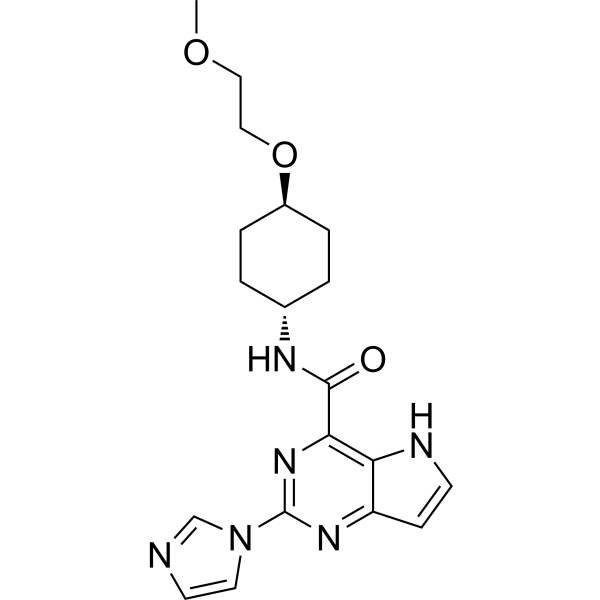
  • HY-173033

    Pregnane X Receptor (PXR) Constitutive Androstane Receptor Cytochrome P450 Metabolic Disease
    MI-883 is the orally active agonist for Constitutive Androstane Receptor (CAR, EC50=73 nM) and the antagonist for Pregnane X Receptor (PXR, IC50=0.1 μM). MI-883 stimulates CAR LBD assembly (EC50=0.38 µM) and CAR3 variant activation (EC50=0.074 µM), induces CYP2B6 mRNA expression in HepaRG and primary human hepatocytes. MI-883 inhibits basal PXR activity IC50=2.03 µM) in transiently transfected HepG2 cells, blocks CYP3A4 mRNA expression in HepG2. MI-883 regulates cholesterol metabolism and bile acid excretion, improves hypercholesterolemia in mouse models .
    MI-883
  • HY-P10417

    Integrin IFNAR Cancer
    RTDLDSLRTYTL is an Alpha (v) beta (6) integrin (avb6) inhibitor with high affinity and specificity. RTDLDSLRTYTL binds to avb6 integrin, a peptide sequence that activates cytotoxicity and cytokine production in T cells, such as interferon-gamma. RTDLDSLRTYTL is designed through a chimeric T cell antigen receptor (CAR) so that T cells can be redirected to specifically recognize and attack tumor cells. RTDLDSLRTYTL can be used in the research of cancer immunotherapy and targeted drug development .
    RTDLDSLRTYTL
  • HY-180888

    Src CD3 Inflammation/Immunology
    Lck-IN-5 (example C10) is a potent and selective lymphocyte-specific protein tyrosine kinase (LCK) inhibitor. Lck-IN-5 selectively disrupts the interaction between the SH3 domain of LCK and the RK motif of CD3ε, thereby impairing LCK recruitment to the TCR. Lck-IN-5 modulates the activity of CD3ε-containing CAR and TRuC T cells, attenuating cytokine production and promoting a central-memory-like phenotype associated with enhanced persistence. Lck-IN-5 can be used for autoimmune diseases and graft-versus-host disease research .
    Lck-IN-5
  • HY-D2620

    Photosensitizer Reactive Oxygen Species (ROS) Ferroptosis Cancer
    CAR-2 is a BODIPY-based photosensitizer that induces ferroptosis in photodynamic therapy (PDT) by targeting the endoplasmic reticulum (ER) and lipid droplets (LDs). CAR-2 exhibits phototoxicity in breast cancer cells with IC50 of 0.01-0.02 μM. CAR-2 exhibits antitumor efficacy in 4T1 xenograft mouse models .
    CAR-2
  • HY-RS01906

    Small Interfering RNA (siRNA) Others

    Car1 Rat Pre-designed siRNA Set A contains three designed siRNAs for Car1 gene (Rat), as well as a negative control, a positive control, and a FAM-labeled negative control.

    Car1 Rat Pre-designed siRNA Set A
    Car1 Rat Pre-designed siRNA Set A
  • HY-RS01914

    Small Interfering RNA (siRNA) Others

    Car9 Rat Pre-designed siRNA Set A contains three designed siRNAs for Car9 gene (Rat), as well as a negative control, a positive control, and a FAM-labeled negative control.

    Car9 Rat Pre-designed siRNA Set A
    Car9 Rat Pre-designed siRNA Set A
  • HY-RS01910

    Small Interfering RNA (siRNA) Others

    Car2 Rat Pre-designed siRNA Set A contains three designed siRNAs for Car2 gene (Rat), as well as a negative control, a positive control, and a FAM-labeled negative control.

    Car2 Rat Pre-designed siRNA Set A
    Car2 Rat Pre-designed siRNA Set A
  • HY-RS01905

    Small Interfering RNA (siRNA) Others

    Car1 Mouse Pre-designed siRNA Set A contains three designed siRNAs for Car1 gene (Mouse), as well as a negative control, a positive control, and a FAM-labeled negative control.

    Car1 Mouse Pre-designed siRNA Set A
    Car1 Mouse Pre-designed siRNA Set A

Inquiry Online

Your information is safe with us. * Required Fields.

Salutation


Country or Region *

Applicant Name *


Organization Name *

Department *


Email Address *


Product Name *

Cat. No.


Requested quantity *

Phone Number *


Remarks

Inquiry Online

Inquiry Information

Product Name:
Cat. No.:
Quantity:
MCE Japan Authorized Agent:

