1. Search Result
Search Result
Results for "

CGMP

" in MedChemExpress (MCE) Product Catalog:

227

Inhibitors & Agonists

3

Fluorescent Dye

2

Biochemical Assay Reagents

24

Peptides

1

Inhibitory Antibodies

36

Natural
Products

9

Recombinant Proteins

7

Isotope-Labeled Compounds

1

Antibodies

1

Click Chemistry

Cat. No. Product Name Target Research Areas Chemical Structure
  • HY-B0442
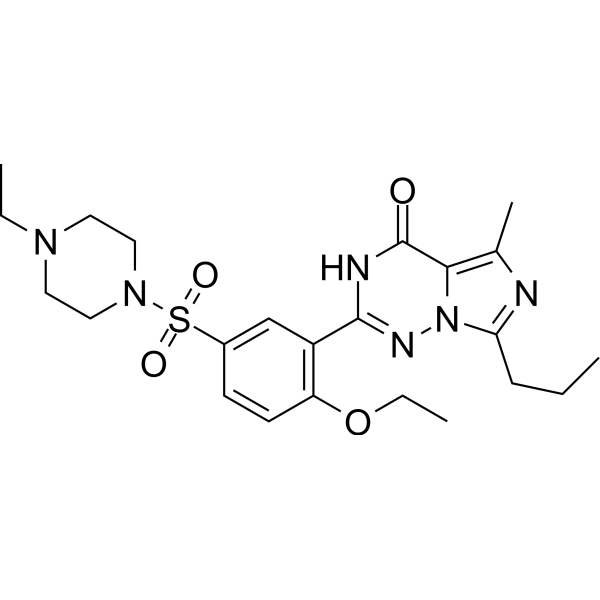
    Vardenafil
    5 Publications Verification

    Phosphodiesterase (PDE) Endogenous Metabolite Metabolic Disease Inflammation/Immunology Endocrinology Cancer
    Vardenafil is a selective and orally active inhibitor of phosphodiesterase-5 (PDE5), with an IC50 of 0.7 nM. Vardenafil shows inhibitory towards PDE1, PDE6 with IC50s of 180 nM, and 11 nM, while IC50s are >1000 nM for PDE3 and PDE4 . Vardenafil competitively inhibits cyclic guanosine monophosphate (cGMP) hydrolysis and thus increases cGMP levels . Vardenafil can be used for the research of erectile dysfunction, hepatitis, diabetes [1]-[6].
    Vardenafil
  • HY-B1816
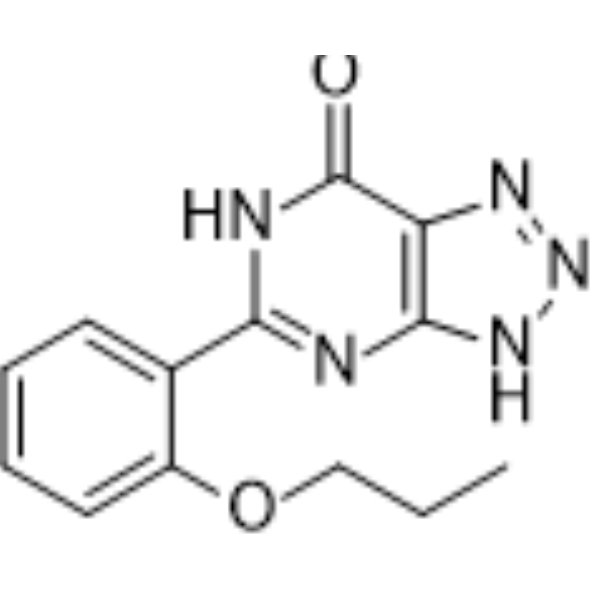
    Zaprinast
    3 Publications Verification

    M&B 22948

    Phosphodiesterase (PDE) GPR35 Cardiovascular Disease Neurological Disease Endocrinology
    Zaprinast (M&B 22948) is a selective inhibitor of cGMP-selective Phosphodiesterase (PDE5). Zaprinast causes a significant increase in cGMP levels in myocytes. Zaprinast is a G protein-coupled receptor 35 (GPR35) agonist which activates rat GPR35 strongly and activates human GPR35 moderately. Zaprinast reduces vessel remodeling through antiproliferative and proapoptotic effects .
    Zaprinast
  • HY-18252
    Avanafil
    1 Publications Verification

    TA1790

    Phosphodiesterase (PDE) NO Synthase Endogenous Metabolite Cardiovascular Disease Endocrinology
    Avanafil (TA-1790) is a potent and selective phosphodiesterase-5 (PDE-5) inhibitor with IC50 values of 5.2 nM, 630 nM, 5700 nM, 6200 nM, 12000 nM, 27000 nM, 51000 nM and 53000 nM for PDE-5, PDE-6, PDE-4, PDE-10, PDE-8, PDE-7, PDE-2 and PDE-1, respectively. Avanafil activates NO/cGMP/PKG signaling-pathway to decrease loss in BMD, bone atrophy, and oxidative stress. Avanafil inhibits cyclic guanosine monophosphate (cGMP) hydrolysis and thus increases cGMP levels. Avanafil can be used for the research of erectile dysfunction and osteoporosis .
    Avanafil
  • HY-B0442A
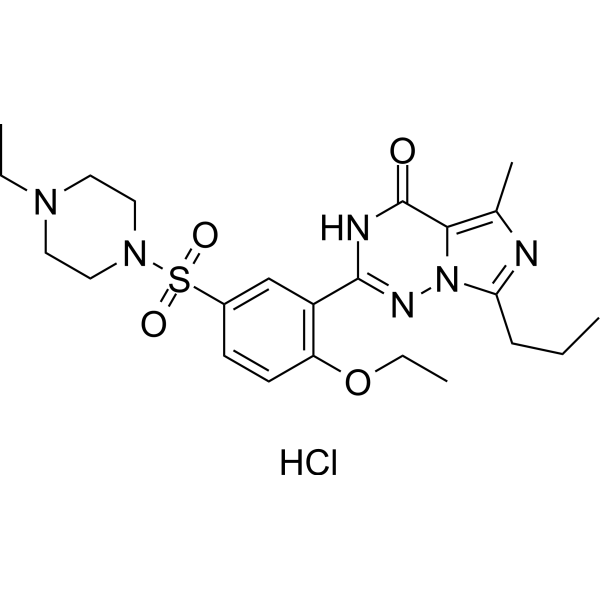
    Vardenafil hydrochloride
    5 Publications Verification

    Phosphodiesterase (PDE) Endogenous Metabolite Metabolic Disease Inflammation/Immunology Endocrinology Cancer
    Vardenafil hydrochloride is a selective and orally active inhibitor of phosphodiesterase-5 (PDE5), with an IC50 of 0.7 nM. Vardenafil hydrochloride shows inhibitory towards PDE1, PDE6 with IC50s of 180 nM, and 11 nM, while IC50s are >1000 nM for PDE3 and PDE4 . Vardenafil hydrochloride competitively inhibits cyclic guanosine monophosphate (cGMP) hydrolysis and thus increases cGMP levels . Vardenafil hydrochloride can be used for the research of erectile dysfunction, hepatitis, diabetes [1]-[6].
    Vardenafil hydrochloride
  • HY-101379A
    8-Bromo-cGMP sodium
    5+ Cited Publications

    Calcium Channel Cardiovascular Disease Neurological Disease
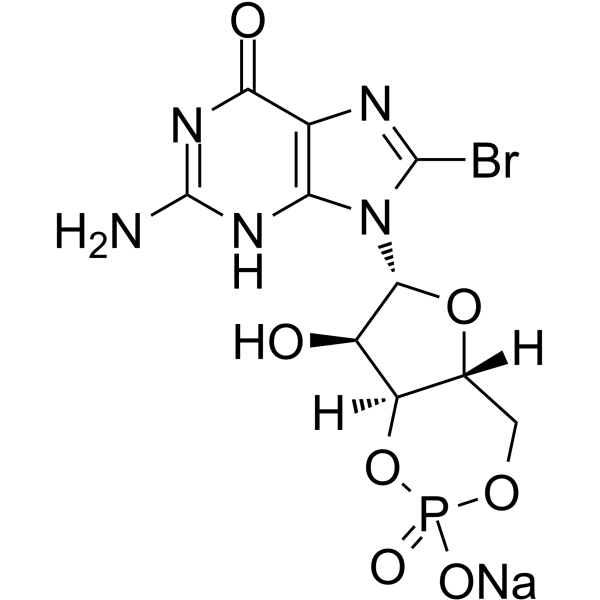
    8-Bromo-cGMP sodium, a membrane-permeable analogue of cGMP, is a PKG (protein kinase G) activator. 8-Bromo-cGMP sodium significantly inhibits Ca 2+ macroscopic currents and impairs insulin release stimulated with high K + . 8-Bromo-cGMP sodium has antinociceptive effects and results in vasodilator responses .
    8-Bromo-cGMP sodium
  • HY-B0442B
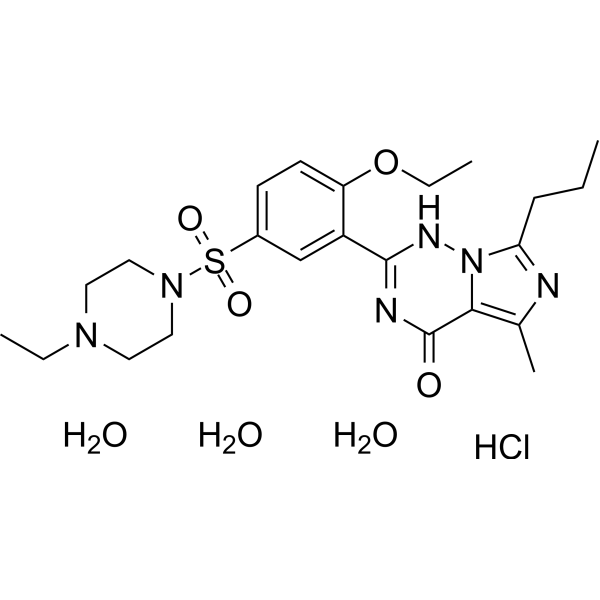
    Vardenafil hydrochloride trihydrate
    5 Publications Verification

    Endogenous Metabolite Phosphodiesterase (PDE) Metabolic Disease Inflammation/Immunology Endocrinology
    Vardenafil hydrochloride trihydrate is a selective and orally active inhibitor of phosphodiesterase-5 (PDE5), with an IC50 of 0.7 nM. Vardenafil hydrochloride trihydrate shows inhibitory towards PDE1, PDE6 with IC50s of 180 nM, and 11 nM, while IC50s are >1000 nM for PDE3 and PDE4 . Vardenafil hydrochloride trihydrate competitively inhibits cyclic guanosine monophosphate (cGMP) hydrolysis and thus increases cGMP levels . Vardenafil hydrochloride trihydrate can be used for the research of erectile dysfunction, hepatitis, diabetes [1]-[6].
    Vardenafil hydrochloride trihydrate
  • HY-101525
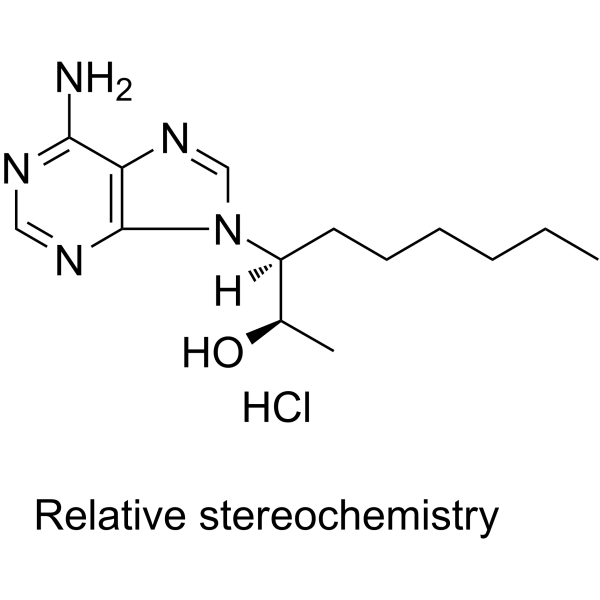
    MBP146-78
    3 Publications Verification

    Parasite Infection
    MBP146-78 is a potent and selective inhibitor of cGMP dependent protein kinases.
    MBP146-78
  • HY-17500
    Ataciguat
    1 Publications Verification

    HMR-1766

    Guanylate Cyclase Cardiovascular Disease
    Ataciguat (HMR-1766) is a nitric oxide-independent soluble guanylate cyclase (sGC) activator. Ataciguat is able to activate the ferric heme-iron redox form of sGC that stimulate the production of cyclic GMP (cGMP). Ataciguat exhibits vasodilator effects .
    Ataciguat
  • HY-109039
    Praliciguat
    2 Publications Verification

    IW-1973

    Guanylate Cyclase Apoptosis Cardiovascular Disease Metabolic Disease
    Praliciguat (IW-1973) is a potent and orally active soluble guanylate cyclase (sGC) activator. Praliciguat can increases cGMP via the nitric oxide (NO)-sGC pathway. Praliciguat can inhibit the expression of proinflammatory cytokines and inhibit apoptosis. Praliciguat can promote vasodilation. Praliciguat can be used for the researches of metabolic disease and cardiovascular disease, such as hypertension, diabetes and heart failure .
    Praliciguat
  • HY-113469
    Cyclic GMP
    1 Publications Verification

    Endogenous Metabolite Infection Cardiovascular Disease Inflammation/Immunology
    Cyclic GMP (cGMP), an important second messenger, is a major intracellular mediator of extracellular signals such as nitric oxide (NO) and natriuretic peptides (NPs). Effects of Cyclic GMP occur through three main groups of cellular targets: cGMP-dependent protein kinases (PKGs), cGMP-gated cation channels, and PDEs. Cyclic GMP can inhibit both platelet adhesion and aggregation. cGAMP (Cyclic-GMP-AMP) (HY-12512), a conjugate of Cyclic GMP and AMP, can induce IRF3 phosphorylation and nuclear translocation, enhancing antiviral immune responses .
    Cyclic GMP
  • HY-N8245

    Guanosine 2',3'-cyclic monophosphate sodium salt

    Drug Intermediate Others
    2',3'-cGMP sodium, a cGMP analogue, is an intermediate of RNA catalytic cleavage by binase .
    2',3'-cGMP sodium
  • HY-W013386
    LY83583
    1 Publications Verification

    Guanylate Cyclase Cardiovascular Disease Neurological Disease Cancer
    LY83583 is inhibitor of soluble guanylate cyclase (sGC) with the ability to target the cGMP signaling pathway. LY83583 inhibits the kinase activity-related proliferation of tumor cells by inducing the Cdk inhibitor p21. LY83583 can be used for the study of cancers (colorectal cancer, breast cancer and melanoma) and cardiovascular disease .
    LY83583
  • HY-100457
    IC87201
    2 Publications Verification

    iGluR Neurological Disease
    IC87201, an inhibitor of PSD95-nNOS protein-protein interactions, suppresses NMDAR-dependent NO and cGMP formation.
    IC87201
  • HY-P1292
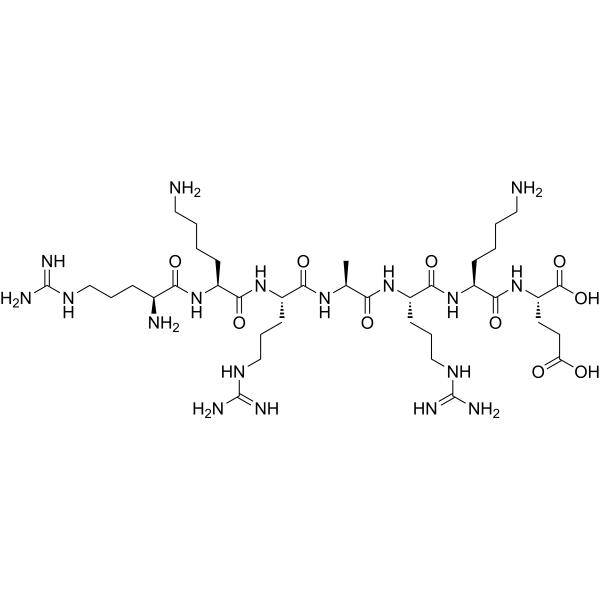
    PKG inhibitor peptide
    2 Publications Verification

    PKG Cancer
    PKG inhibitor peptide is an ATP-competitive inhibitor of cGMP-dependent protein kinase (PKG), with a Ki of 86 μM .
    PKG inhibitor peptide
  • HY-P2026

    Natriuretic Peptide Receptor (NPR) Cardiovascular Disease
    A 71915 is a highly potent and competitive natriuretic peptide receptor A (ANP, NPRA) antagonist (pKi= 9.18). A 71915 displaces [ 125I]ANP dose dependently, with a Ki of 0.65 nM. A71915( pA2= 9.48) against rat ANP-induced cGMP production in NB-OK-1 cells .
    A 71915
  • HY-113469A
    Cyclic GMP sodium
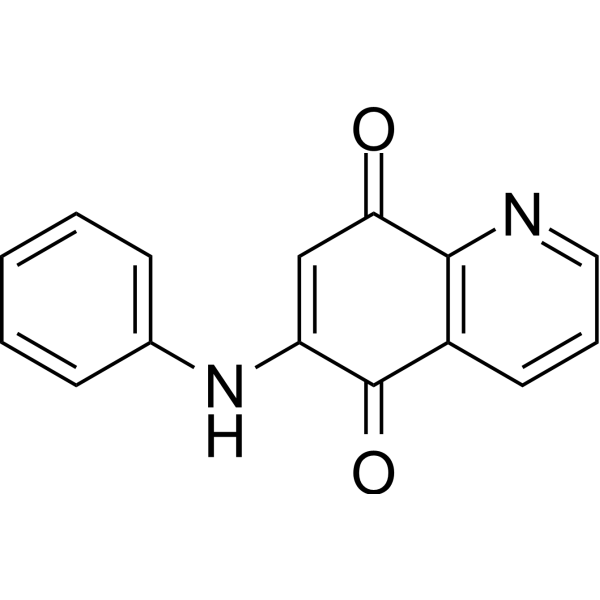
    1 Publications Verification

    Endogenous Metabolite Infection Cardiovascular Disease Inflammation/Immunology
    Cyclic GMP (cGMP) sodium, an important second messenger, is a major intracellular mediator of extracellular signals such as nitric oxide (NO) and natriuretic peptides (NPs). Effects of Cyclic GMP sodium occur through three main groups of cellular targets: cGMP-dependent protein kinases (PKGs), cGMP-gated cation channels, and PDEs. Cyclic GMP can inhibit both platelet adhesion and aggregation. cGAMP (Cyclic-GMP-AMP) (HY-12512), a conjugate of Cyclic GMP and AMP, can induce IRF3 phosphorylation and nuclear translocation, enhancing antiviral immune responses .
    Cyclic GMP sodium
  • HY-114672

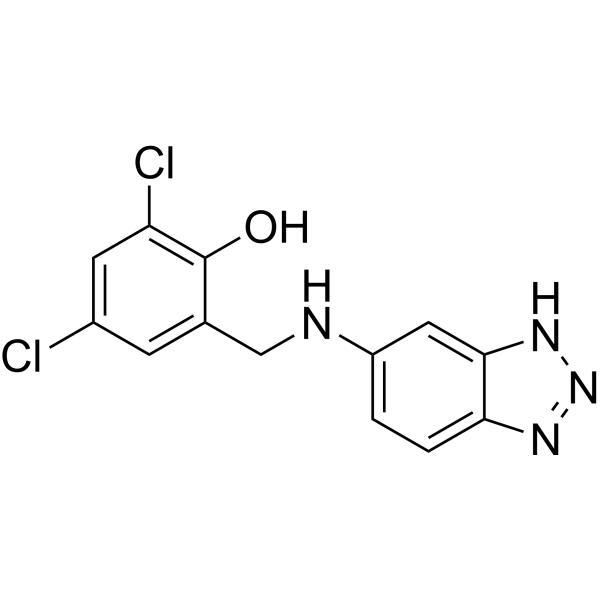
    Phosphodiesterase (PDE) Cardiovascular Disease
    MBCQ is a potent and selective cGMP-specific phosphodiesterase (PDE V; PDE5) inhibitor with an IC50 of 19 nM. MBCQ lacks inhibitory activity toward other PDE isozymes (all IC50s>100 μM). MBCQ dilates coronary arteries via specific inhibition of cGMP-PDE .
    MBCQ
  • HY-137494

    GABA Receptor Neurological Disease
    Ethyl β-carboline-3-carboxylate (fl-CCE) is a ligand and short-acting antagonist of benzodiazepine receptors. Ethyl β-carboline-3-carboxylate did not affect cerebellar cGMP levels when used alone, but when taken together with Diazepam, it significantly inhibited the cGMP levels that were upregulated by Diazepam .
    Ethyl β-carboline-3-carboxylate
  • HY-P2692B
    DT-2 acetate
    1 Publications Verification

    PKG Cancer
    DT-2 is a potent and selective inhibitor of the cGMP-dependent protein kinase (PKG). DT-2 inhibits PKG catalyzed phosphorylation (Ki: 12.5 nM) .
    DT-2 acetate
  • HY-N8245R

    Guanosine 2',3'-cyclic monophosphate sodium salt (Standard)

    Drug Intermediate Reference Standards Others
    2',3'-cGMP sodium, a cGMP analogue, is an intermediate of RNA catalytic cleavage by binase .
    2',3'-cGMP sodium (Standard)
  • HY-130354
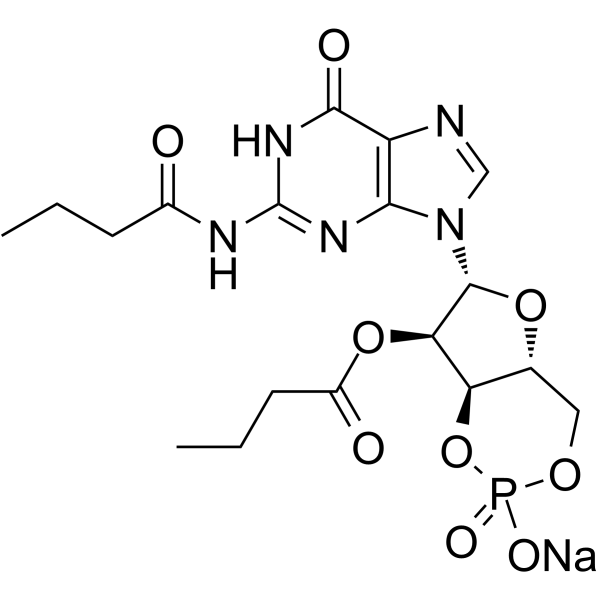
    Dibutyryl-cGMP sodium
    2 Publications Verification

    Bt2CGMP sodium

    Potassium Channel Cardiovascular Disease
    Dibutyryl-cGMP sodium (Bt2cGMP sodium) is a cell-permeable cGMP analogue. Dibutyryl-cGMP sodium preferentially activates cGMP-dependent protein kinase (PKG). Dibutyryl-cGMP sodium inhibits the release of [ 3H]-arachidonic acid from γ thrombin-stimulated human platelets. Dibutyryl-cGMP sodium induces peripheral antinociception via activation of ATP-sensitive K + channels .
    Dibutyryl-cGMP sodium
  • HY-137016A
    8-Pcpt-cGMP sodium
    1 Publications Verification

    HCN Channel Neurological Disease
    8-Pcpt-cGMP sodium is the sodium salt form of 8-Pcpt-cGMP (HY-137016). 8-Pcpt-cGMP sodium is an agonist for cyclic nucleotide-gated (CNG) channel with an EC50 of 0.5 μM. 8-Pcpt-cGMP sodium exhibits good membrane permeability. 8-Pcpt-cGMP sodium can be used in studies about the function of CNG channels in visual signal transduction and olfactory transduction .
    8-Pcpt-cGMP sodium
  • HY-108548

    Rp-8-Bromo-PET-CGMPS

    PKG Inflammation/Immunology
    Rp-8-Br-PET-cGMPS sodium (Rp-8-Bromo-PET-cGMPS) is an analog of cyclic GMP (cGMP). It is a cell permeable, competitive, and reversible inhibitor of cGMP-dependent protein kinases (cGKs) that blocks activation of cGKI and cGKII by cGMP (Kis=35 and 30 nM). It less potently inhibits protein kinase A (Ki=11 μM) and cGMP-induced activation of cyclic nucleotide-gated channels (IC50=25 μM). In the absence of cGMP stimulation, Rp-8-bromo-PET-cGMPS can act as a partial agonist of cGKI (Ki=1 μM). Rp-8-bromo-PET-cGMPS is resistant to hydrolysis by phosphodiesterase 11.
    Rp-8-Br-PET-cGMPS sodium
  • HY-P0142A

    PKG Cardiovascular Disease
    DT-3 acetate is a membrane-permeable protein kinase G Iα (PKG Iα) inhibitory peptide and shows pharmacological blockade of the cGMP-PKG signalling .
    DT-3 acetate
  • HY-133869

    CGMP-HaloTag-ligand

    Autophagy Cancer
    cGMP-HTL contains a HT-ligand, a linker and the Cys-S-cGMP (autophagy tag). cGMP-HTL increases the K63-linked ubiquitination of mitochondria. AUTAC (autophagy-targeting chimera) is a novel targeted-clearance strategy that contains a degradation tag (guanine derivatives) and a warhead to provide target specificity .
    cGMP-HTL
  • HY-134345

    8-(4-Chlorophenylthio)-CGMP-AM

    PKG Neurological Disease
    8-pCPT-cGMP-AM (8-(4-Chlorophenylthio)-cGMP-AM) is a highly membrane permeable prodrug of the PKG agonist 8-pCPT-cGMP, which increases the membrane permeability of cGMP and is converted to its active form by esterase hydrolysis within the cell, thereby activating PKG. 8-pCPT-cGMP-AM can be used to explore the role of cGMP signaling in neural plasticity and memory formation .
    8-pCPT-cGMP-AM
  • HY-110221
    Rp-8-pCPT-cGMPS sodium
    1 Publications Verification

    PKG Neurological Disease
    Rp-8-pCPT-cGMPS sodium is the sodium salt form of Rp-8-pCPT-cGMPS. Rp-8-pCPT-cGMPS is an inhibitor for cGMP-dependent protein kinase (cGK). Rp-8-pCPT-cGMPS sodium is an agonist for cyclic nucleotide-gated (CNG) channels in a voltage-dependent manner .
    Rp-8-pCPT-cGMPS sodium
  • HY-135110
    Rp-8-Br-cGMPS sodium
    1 Publications Verification

    Rp-8-bromo-Cyclic GMPS sodium

    Calcium Channel PKG HCN Channel Metabolic Disease
    Rp-8-Br-cGMPS (Rp-8-bromo-Cyclic GMPS) sodium salt is a potent Ca 2+-ATPase activator. Rp-8-Br-cGMPS is also an agonist of the rod CNG channel and an inhibitor of PKG. Rp-8-Br-cGMPS sodium salt mediates cytosolic Ca 2+ reduction by activating Ca 2+-ATPase and subsequently removing Ca 2+ from the cell .
    Rp-8-Br-cGMPS sodium
  • HY-113469B

    Endogenous Metabolite Infection Cardiovascular Disease Inflammation/Immunology
    Cyclic GMP (cGMP) TBAOH, an important second messenger, is a major intracellular mediator of extracellular signals such as nitric oxide (NO) and natriuretic peptides (NPs). Effects of Cyclic GMP TBAOH occur through three main groups of cellular targets: cGMP-dependent protein kinases (PKGs), cGMP-gated cation channels, and PDEs. Cyclic GMP can inhibit both platelet adhesion and aggregation. cGAMP (Cyclic-GMP-AMP) (HY-12512), a conjugate of Cyclic GMP and AMP, can induce IRF3 phosphorylation and nuclear translocation, enhancing antiviral immune responses .
    Cyclic GMP (TBAOH)
  • HY-113469R

    Endogenous Metabolite Reference Standards Infection Cardiovascular Disease Inflammation/Immunology
    Cyclic GMP (Standard) is the analytical standard of Cyclic GMP (HY-113469). This product is intended for research and analytical applications. Cyclic GMP (cGMP), an important second messenger, is a major intracellular mediator of extracellular signals such as nitric oxide (NO) and natriuretic peptides (NPs). Effects of Cyclic GMP occur through three main groups of cellular targets: cGMP-dependent protein kinases (PKGs), cGMP-gated cation channels, and PDEs. Cyclic GMP can inhibit both platelet adhesion and aggregation. cGAMP (Cyclic-GMP-AMP) (HY-12512), a conjugate of Cyclic GMP and AMP, can induce IRF3 phosphorylation and nuclear translocation, enhancing antiviral immune responses .
    Cyclic GMP (Standard)
  • HY-N1798
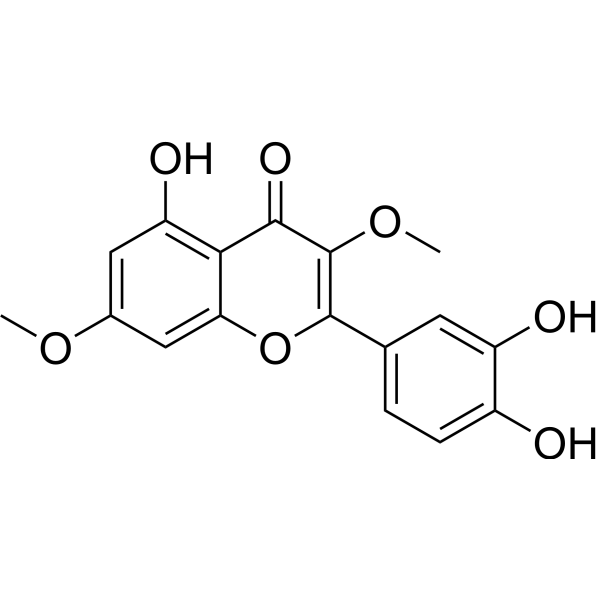
    Quercetin 3,7-dimethyl ether
    2 Publications Verification

    Endogenous Metabolite Cardiovascular Disease
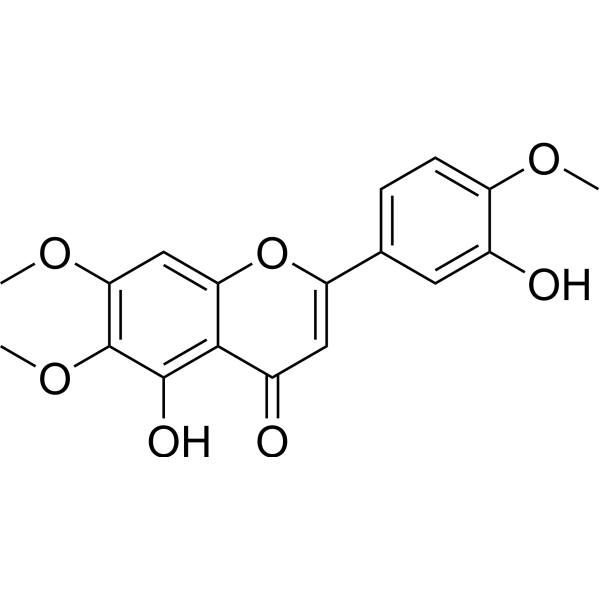
    Quercetin 3,7-dimethyl ether, isolated from Croton schiedeanus Schlecht, has a NO/cGMP pathway-related profile, with increased vasorelaxant activity .
    Quercetin 3,7-dimethyl ether
  • HY-137665

    PKG Cardiovascular Disease
    PET-cGMP is a cyclic guanosine monophosphate analog and an effective selective agonist of PKG I, the EC50 of PET-cGMP for PKG Iβ is 3.8 nM, while for PKG II, it's 193 nM .
    PET-cGMP
  • HY-121381

    Phosphodiesterase (PDE) Others
    Kuraridine is a prenylated flavonol extract from the roots of Sophora flavescens. Kuraridine has an inhibitory effect on cGMP specific phosphodiesterase type 5 (PDE5) (IC50=0.64 μM) .
    Kuraridine
  • HY-102043

    Phosphodiesterase (PDE) Neurological Disease
    PDM-631 is a selective and orally active PDE2A inhibitor with blood-brain barrier penetration. PDM-631 exhibits potent inhibitory activity against human and rat recombinant PDE2A with IC50 values of 1.5 nM and 4.2 nM, respectively. PDM-631 increases cGMP levels in the rat cerebral cortex. PDM-631 can be used for the study of schizophrenia and neurodegenerative disorders .
    PDM-631
  • HY-B0442AS

    Endogenous Metabolite Phosphodiesterase (PDE) Isotope-Labeled Compounds Metabolic Disease Inflammation/Immunology Endocrinology
    Vardenafil-d5 hydrochloride is deuterated labeled Vardenafil hydrochloride (HY-B0442A). Vardenafil hydrochloride is a selective and orally active inhibitor of phosphodiesterase-5 (PDE5), with an IC50 of 0.7 nM. Vardenafil hydrochloride shows inhibitory towards PDE1, PDE6 with IC50s of 180 nM, and 11 nM, while IC50s are >1000 nM for PDE3 and PDE4 . Vardenafil hydrochloride competitively inhibits cyclic guanosine monophosphate (cGMP) hydrolysis and thus increases cGMP levels . Vardenafil hydrochloride can be used for the research of erectile dysfunction, hepatitis, diabetes [1]-[6].
    Vardenafil-d5 hydrochloride
  • HY-P11380

    Neurotensin Receptor Calcium Channel NO Synthase Guanylate Cyclase Neurological Disease Metabolic Disease
    Capa-2 is a neuropeptide. Capa-2 activates calcium ion influx, stimulates the production of NO, activates soluble guanylate cyclase (sGC), increases intracellular cGMP, and drives ion and fluid secretion. Capa-2 can be used in studies of diuresis .
    Capa-2
  • HY-137108

    PKA PKG Neurological Disease
    Sp-8-pCPT-cGMPS is a potent cyclic guanosine monophosphate-gated channel agonist and a lipophilic activator of protein kinase G (types I α, I β, and II) and protein kinase A type II with excellent cell membrane permeability and phosphodiesterase stability. Sp-8-pCPT-cGMPS can be used to study the role of cGMP in neural plasticity and synaptic transmission .
    Sp-8-pCPT-cGMPS
  • HY-134271

    PKG Cardiovascular Disease
    8-Br-cGMP-AM is a derivative of 8-Br-cGMP. As an activator of PKG (cGMP-dependent protein kinase), it can lead to a variety of biological effects such as vasodilation and platelet inhibition. 8-Br-cGMP-AM can be used in the study of cardiovascular diseases .
    8-Br-cGMP-AM
  • HY-P1561

    PKG Neurological Disease
    PKG Substrate is a selective substrate for cGMP-dependent protein kinase (PKG).
    PKG Substrate
  • HY-P0142

    PKG Cardiovascular Disease
    DT-3 is a membrane-permeable protein kinase G Iα (PKG Iα) inhibitory peptide and shows pharmacological blockade of the cGMP-PKG signalling .
    DT-3
  • HY-134314

    Autophagy Endogenous Metabolite Nucleoside Antimetabolite/Analog Cardiovascular Disease Metabolic Disease Inflammation/Immunology
    8-Nitro-cGMP is an electrophilic second messenger of redox signaling that can form a protein-S-cGMP adduct in s-guanylation process. 8-Nitro-cGMP is an autophagy inducer. 8-Nitro-cGMP promotes RANKL-induced osteoclast differentiation from macrophages. 8-Nitro-cGMP has vasodilator effect, and ameliorates the vascular endothelial dysfunction in diabetic mice .
    8-Nitro-cGMP
  • HY-137016

    HCN Channel Neurological Disease
    8-Pcpt-cGMP is an agonist for cyclic nucleotide-gated (CNG) channel with an EC50 of 0.5 μM. 8-Pcpt-cGMP exhibits good membrane permeability. 8-Pcpt-cGMP can be used in studies about the function of CNG channels in visual signal transduction and olfactory transduction .
    8-Pcpt-cGMP
  • HY-P10720

    Endogenous Metabolite Cardiovascular Disease
    C-Type Natriuretic Peptide (1-53), Porcine, Rat, mouse is an activator of particulate guanylate cyclase B (pGC-B), which is highly expressed in endothelial cells, kidneys, and the heart. C-Type Natriuretic Peptide (1-53), Porcine, Rat, mouse can mediate a potent anti-fibrotic effect in human cardiac and renal fibroblasts by generating the second messenger cGMP .
    C-Type Natriuretic Peptide (1-53), Porcine, Rat,mouse
  • HY-117390

    Phosphodiesterase (PDE) Cardiovascular Disease Metabolic Disease
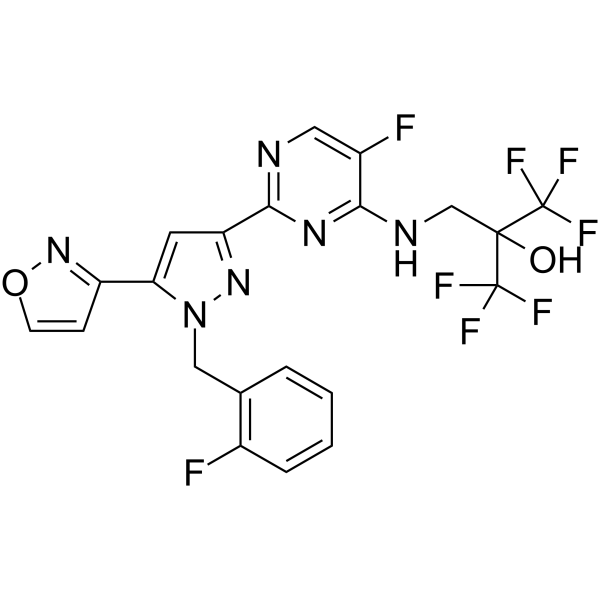
    FR-181074 is a selective and orally active PDE V inhibitor. FR-181074 can specifically block PDE V to inhibit the degradation of cyclic guanosine monophosphate (cGMP) in order to relax smooth muscle. FR-181074 can be used for the researches of cardiovascular disease and endocrinology, such as hypertension and erectile dysfunction .
    FR-181074
  • HY-131737

    PKG Others
    1-NH2-cGMP is an analog of cGMP .
    1-NH2-cGMP
  • HY-131764

    2′-O-Monobutyryl-CGMP sodium

    Phosphodiesterase (PDE) Others
    2'-O-MB-cGMP (2′-O-Monobutyryl-cGMP) sodium is a cyclic GMP-specific phosphodiesterase inhibitor with an I50 value of 35 µM. 2'-O-MB-cGMP (2′-O-Monobutyryl-cGMP) sodium inhibits Ca 2+ dependent phosphodiesterase hydrolysis using cAMP or cGMP as substrate .
    2'-O-MB-cGMP sodium
  • HY-137373

    PKG Others
    Rp-8-pCPT-cGMPS is a competitive inhibitor of cGMP-dependent protein kinase (PKG) (Ki=0.5 μM). Rp-8-pCPT-cGMPS has high lipid solubility and can more easily penetrate the cell membrane and reach sufficient concentration inside the cell to inhibit cGMP-dependent protein kinase. Rp-8-pCPT-cGMPS can be used to study the activity and function of cGMP-dependent protein kinase in platelets .
    Rp-8-pCPT-cGMPS
  • HY-137378A

    PKG Cardiovascular Disease Inflammation/Immunology
    8-Br-PET-cGMP is an agonist of cGMP-dependent protein kinase type I (cGKI). 8-Br-PET-cGMP promotes the dimerization of cGKI and activates its catalytic activity by binding to the regulatory domain of cGKI. 8-Br-PET-cGMP can be used to study the role of cGMP signaling pathways in cell growth, vasodilation, and smooth muscle cell function .
    8-Br-PET-cGMP
  • HY-134311

    Fluorescent Dye Others
    8-NBD-cGMP is a fluorescent analog of cyclic guanosine monophosphate and a potent, membrane-permeable, fluorescent activator of cGMP-dependent protein kinase isozymes I α and I β. 8-NBD-cGMP is barely fluorescent in aqueous solution but fluoresces strongly in hydrophobic environments such as hydrophobic protein binding sites
    8-NBD-cGMP
  • HY-W767865

    Isotope-Labeled Compounds Endogenous Metabolite Infection Cardiovascular Disease Inflammation/Immunology
    Cyclic GMP sodium- 13C5 is the 13C-labeled Cyclic GMP sodium (HY-113469A). Cyclic GMP (cGMP) sodium, an important second messenger, is a major intracellular mediator of extracellular signals such as nitric oxide (NO) and natriuretic peptides (NPs). Effects of Cyclic GMP sodium occur through three main groups of cellular targets: cGMP-dependent protein kinases (PKGs), cGMP-gated cation channels, and PDEs. Cyclic GMP can inhibit both platelet adhesion and aggregation. cGAMP (Cyclic-GMP-AMP) (HY-12512), a conjugate of Cyclic GMP and AMP, can induce IRF3 phosphorylation and nuclear translocation, enhancing antiviral immune responses .
    Cyclic GMP sodium-13C5

Inquiry Online

Your information is safe with us. * Required Fields.

Salutation


Country or Region *

Applicant Name *


Organization Name *

Department *


Email Address *


Product Name *

Cat. No.


Requested quantity *

Phone Number *


Remarks

Inquiry Online

Inquiry Information

Product Name:
Cat. No.:
Quantity:
MCE Japan Authorized Agent:

