

Search Result
Results for "
Coupling agent
" in MedChemExpress (MCE) Product Catalog:
17
Biochemical Assay Reagents
3
Isotope-Labeled Compounds
| Cat. No. |
Product Name |
Target |
Research Areas |
Chemical Structure |
-
- HY-Y1168
-
DMTMM
2 Publications Verification
4-(4,6-Dimethoxy-1,3,5-triazin-2-yl)-4-methylmorpholinium chloride
|
Biochemical Assay Reagents
|
Neurological Disease
Cancer
|
|
DMTMM (4-(4,6-dimethoxy-1,3,5-triazine-2-yl)-4-methylmorpholinium chloride) is a coupling agent. DMTMM can activate carboxyl groups and promote the formation of amide bonds. DMTMM plays an important role in promoting the chemical modification of biomacromolecules such as polysaccharides and proteins. DMTMM can be used for research of tissue engineering, breast cancer, corneal regeneration, and biomaterials .
|
-
-
- HY-P99205
-
|
|
ADC Antibody
|
Cancer
|
|
Glembatumumab is a fully human IgG2 monoclonal antibody directed against the extracellular structural domain of GPNMB expressed in human breast cancer and melanoma. Glembatumumab can be coupled to the microtubule inhibitor monomethyl auristatin E to form glembatumumab vedotin. Glembatumumab vedotin is an antibody-agent coupling (ADC) with antitumor activity .
|
-
-
- HY-W013151
-
|
|
Biochemical Assay Reagents
SARS-CoV
|
Others
|
|
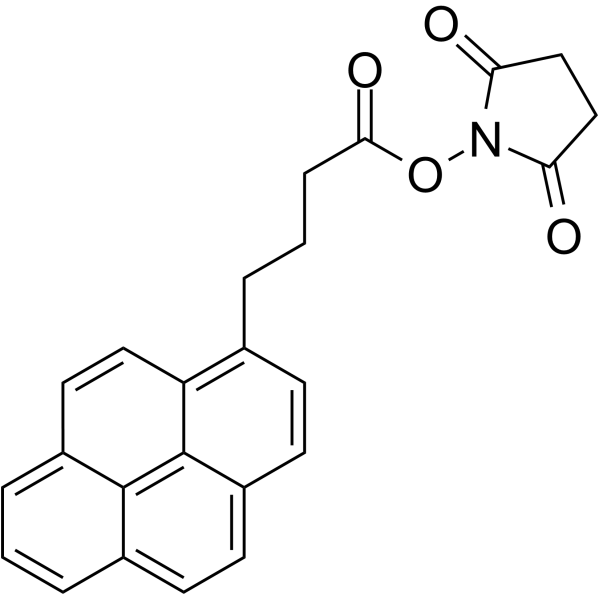
1-Pyrenebutyric acid N-hydroxysuccinimide ester (PANHS) is a linker and interface coupling agent that can be used to prepare electrochemical biosensors. 1-Pyrenebutyric acid N-hydroxysuccinimide ester immobilizes SARS-CoV-2 spike antibodies on graphene sheets. 1-Pyrenebutyric acid N-hydroxysuccinimide ester is often used as an activation reagent for carboxylic acids in organic chemistry or biochemistry .
|
-
-
- HY-79880
-
|
1,1'-Carbonyldiimidazole
|
MOFs
|
Others
|
|
N,N'-Carbonyldiimidazole (1,1'-Carbonyldiimidazole) is a highly reactive carboxylating reagent that can activate hydroxyl groups to form reactive carbonyl groups. N,N'-Carbonyldiimidazole can be used as a coupling agent and a peptide synthesis reagent .
|
-
-
- HY-W127711
-
|
|
Phosphatase
Lipase
|
Metabolic Disease
Inflammation/Immunology
|
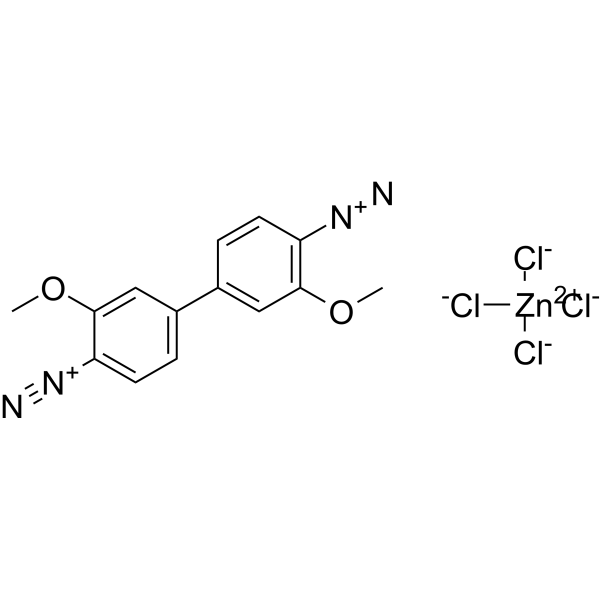
Fast Blue B Salt, Dye content ~95% is a diazo dye, primarily used as a chromogenic substrate in biochemical analysis. Fast Blue B Salt, Dye content ~95% is the coupling agent for the histochemical demonstration of proteases. Fast Blue B Salt, Dye content ~95% can be used for the detection of acid phosphatase in Clostridium perfringens, and also for the determination of lipase activity. Fast Blue B Salt, Dye content ~95% reacts directly with the active hydroxyl groups in phenolic compounds to determine the content of phenolic substances .
|
-
-
- HY-P5623A
-
|
RVG29-Cys; RDP-Cys; Rabies Virus Glycoprotein-29-Cys
|
RABV
|
Others
|
|
RVG-Cys (RVG29-Cys) is a peptide derived from rabies virus glycoprotein (RVG29) with Cys attached to facilitate subsequent conjugation. RVG-Cys enhances the specific targeted delivery of proteins in brain tissue and neurons .
|
-
-
- HY-W105426
-
|
[3-(Methacryloyloxy)propyl]trimethoxysilane
|
Biochemical Assay Reagents
|
Others
|
|
3-(Trimethoxysilyl)propyl methacrylate is a reactive monomer and silane coupling agent with C=C and O-C=O functional groups, acting as a surface modifier and anti-agglomeration agent. 3-(Trimethoxysilyl)propyl methacrylate can be used to prepare nanoparticles .
|
-
-
- HY-133513
-
|
(±)-H3L28
|
Drug Derivative
|
Cancer
|
|
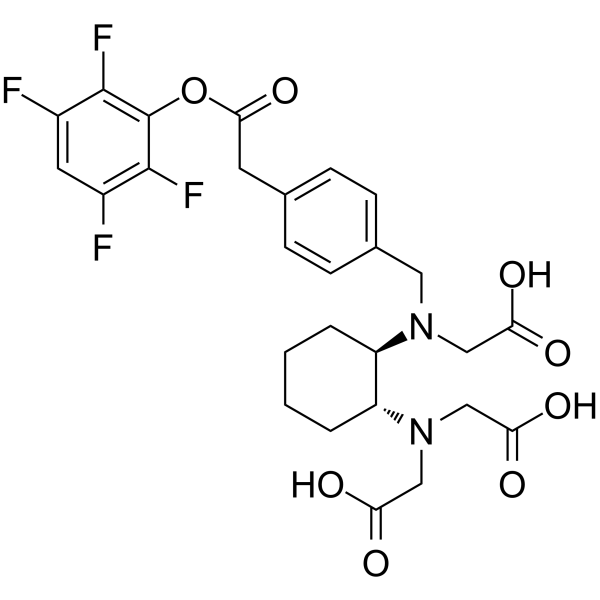
(±)-H3RESCA-TFP ((±)-H3L28) is a tetrafluorophenyl ester derivative of restrained complexing agent (RESCA). (±)-H3RESCA-TFP can be used to conjugate the chelator with a biomolecule via amine coupling (e.g., N terminus and/or the ε-amino groups of lysine) .
|
-
-
- HY-147363
-
|
|
Drug-Linker Conjugates for ADC
|
Others
|
|
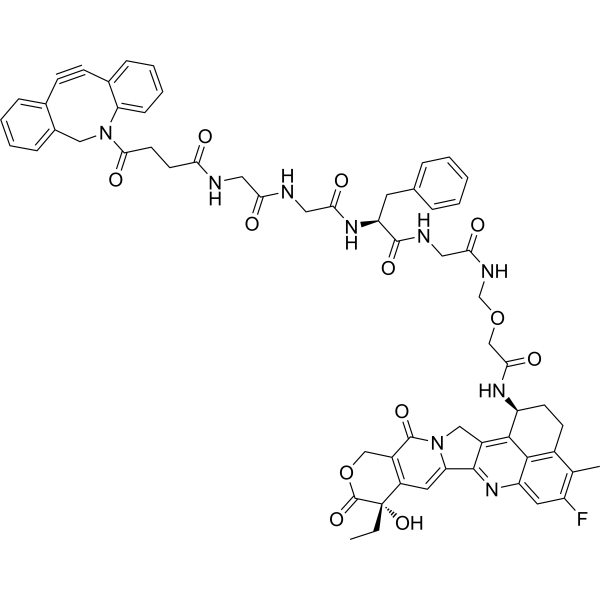
DIBAC-GGFG-NH2CH2-Dxd (compound LP4), a Camptothecin (HY-16560) derivative, is a linker-payload of protein-agent conjugates . Dxd (HY-13631D) can be used as a payload for the antibody-coupling drug ADC (DS-8201a).DIBAC-GGFG-NH2CH2-Dxd is a click chemistry reagent, it contains a DBCO group that can undergo strain-promoted alkyne-azide cycloaddition (SPAAC) with molecules containing Azide groups .
|
-
-
- HY-B0558
-
|
|
p38 MAPK
|
Neurological Disease
Endocrinology
|
|
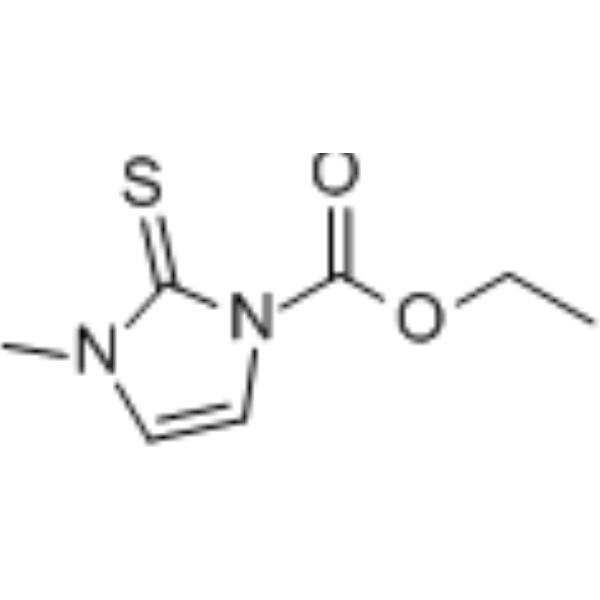
Carbimazole is an orally active antithyroid agent which rapidly converts to Methimazole after absorption and prevents thyroid peroxidase enzyme from iodinating and coupling the tyrosine residues on thyroglobulin, hence reducing the production of thyroxine. Carbimazole also displays anti-inflammatory and neuronal-protective activities, suggesting its application for hyperthyroidism and neurological research .
|
-
-
- HY-147168
-
|
|
Biochemical Assay Reagents
|
Others
|
|
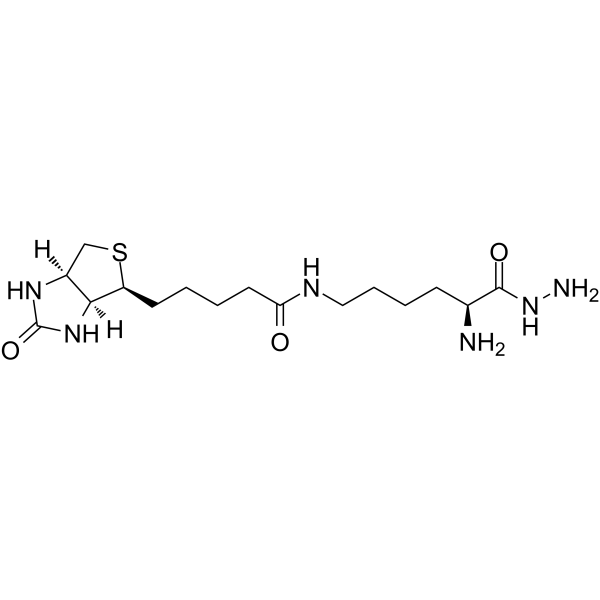
Biocytin hydrazide is a long-chain biotin-containing hydrazide, serving as a biotin-derived active coupling reagent, selective labeling agent and biotinylating reagent. Biocytin hydrazide targets aldehyde, carboxyl, amino and guanidino groups to biotinylate glycoconjugates, K99 lectin, peptides and proteins through its hydrazide moiety, and achieves nonradioactive detection of sialic acid- and galactose-containing glycoconjugates via the avidin–biotin system .
|
-
-
- HY-15929
-
TBHBA
1 Publications Verification
2,4,6-Tribromo-3-hydroxybenzoic acid
|
Biochemical Assay Reagents
|
Others
|
|
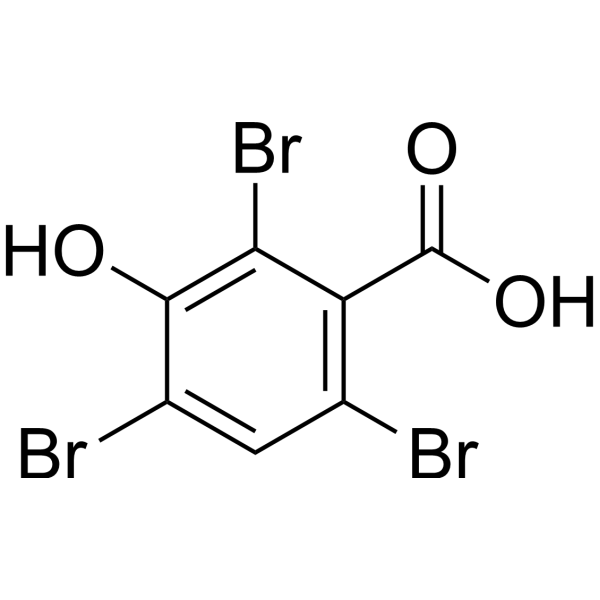
TBHBA (2,4,6-Tribromo-3-hydroxybenzoic acid) is a chemical colorimetric agent and nanomaterial surface modifier. TBHBA can react with some oxidants (such as H2O2) to generate high-absorbance quinoneimine dyes, which enhance the sensitivity of HDL cholesterol enzymatic determination. TBHBA can be used as a bromine-containing coupling agent to modify the surface of silica nanoparticles through esterification reaction. Thereby, organic flame retardant groups are introduced to improve the thermal stability and flame retardant properties of nanocomposites. TBHBA can be used in clinical biochemical testing (such as serum lipoprotein analysis) and the preparation of flame-retardant polymer nanocomposites .
|
-
-
- HY-101532
-
|
β-CDN3; 6A-deoxy-6A-azido-β-cyclodextrin
|
Biochemical Assay Reagents
|
Others
|
|
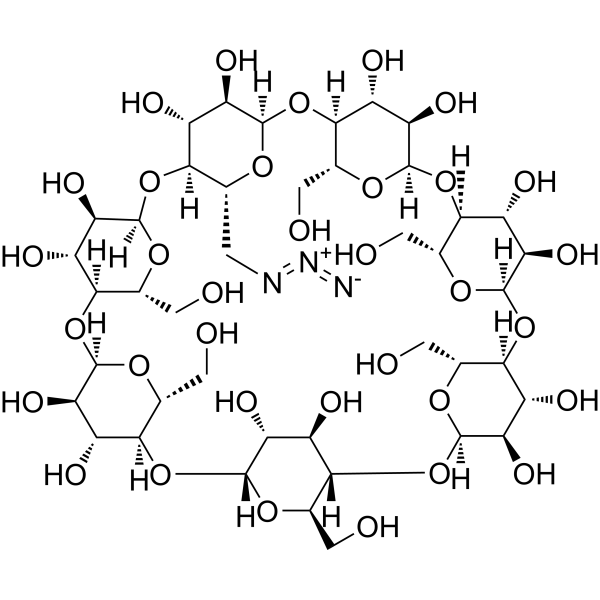
6A-Azido-6A-deoxy-β-cyclodextrin (β-CDN3) is a site-specifically modified β-cyclodextrin with a single azido group replacing the hydroxyl group at the C6 position. 6A-Azido-6A-deoxy-β-cyclodextrin forms a host-guest inclusion complex with Dexamethasone (HY-14648), localizing the drug within its hydrophobic cavity, which restricts the rotational mobility of the drug and places Dexamethasone in a less polar environment. 6A-Azido-6A-deoxy-β-cyclodextrin acts as a coupling agent to graft β-cyclodextrin onto thermosensitive nanogels via strain-promoted alkyne-azide cycloaddition (SPAAC). 6A-Azido-6A-deoxy-β-cyclodextrin also serves as a click chemistry reagent. It contains an azide group and undergoes copper-catalyzed azide-alkyne cycloaddition (CuAAc) with molecules bearing an alkyne group. It also undergoes strain-driven alkyne-azide cycloaddition (SPAAC) with molecules containing DBCO or BCN groups .
|
-
-
- HY-158067
-
|
DFO-DBCO
|
Biochemical Assay Reagents
Radionuclide-Drug Conjugates (RDCs)
|
Cancer
|
|
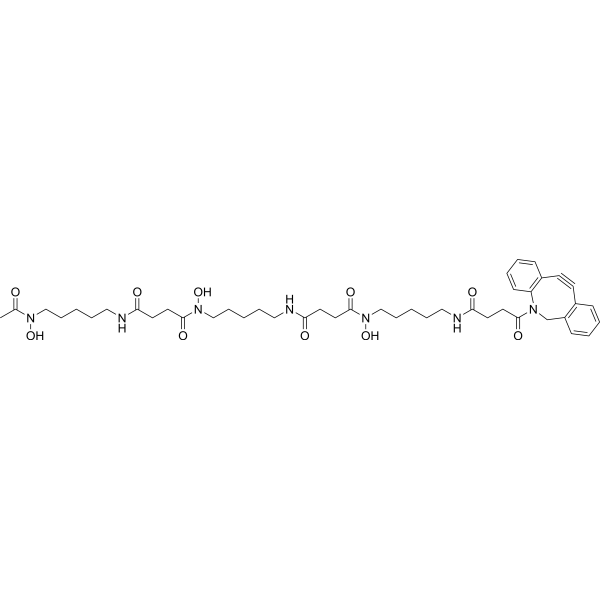
Deferoxamine-DBCO is a bifunctional chelating agent. Deferoxamine-DBCO efficiently chelates with radioactive metals (such as 89Zr) through the DFO structure to achieve radiolabeling. Deferoxamine-DBCO undergoes a metal-free Huisgen cycloaddition reaction with azide-containing biomolecules (such as siRNA, monoclonal antibodies) under bioorthogonal conditions through the DBCO structure to achieve targeted coupling. Deferoxamine-DBCO has efficient metal chelating ability and specific bioorthogonal reaction activity. Deferoxamine-DBCO can be used for targeted radioactive imaging studies of tumors .
|
-
-
- HY-46225
-
|
|
Drug Intermediate
|
Inflammation/Immunology
|
|
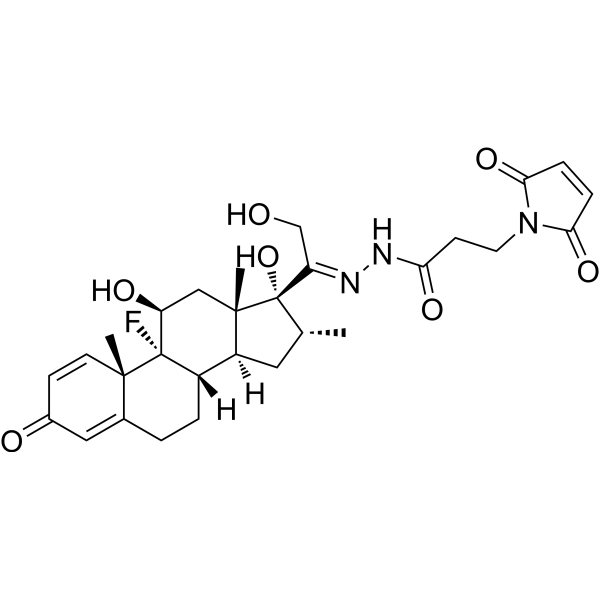
DEX-maleimide is a coupling agent that can be used to synthesize conjugates containing single-domain antibodies (VHH) conjugated with antigens and anti-inflammatory agents. DEX-maleimide can be used for research on autoimmune diseases .
|
-
-
- HY-W036410
-
|
3-Aminopropyltrimethoxysilane
|
Environmental Pollutants
Biochemical Assay Reagents
|
Others
|
|
Aminopropyltrimethoxysilane (APTMS) is a silane coupling agent. Aminopropyltrimethoxysilane couples with Tosylcellulose. Aminopropyltrimethoxysilane improves the thermal stability of the material. Aminopropyltrimethoxysilane can be used in the preparation of GNBP substrates .
|
-
-
- HY-91018
-
|
N-[3-(Trimethoxysilyl)propyl]-N,N,N-trimethylammonium chloride, 50% in methanol
|
Biochemical Assay Reagents
|
Others
|
|
Trimethyl[3-(trimethoxysilyl)propyl]ammonium (N-[3-(Trimethoxysilyl)propyl]-N,N,N-trimethylammonium) chloride (50% in methanol) is a functional organic silane coupling agent and quaternary ammonium salt cationic functional monomer, which can be used for functionalizing mesoporous silica with electrochemical modified electrodes or surface chemical modification .
|
-
-
- HY-Y0198
-
|
|
Biochemical Assay Reagents
Drug Intermediate
|
Neurological Disease
|
|
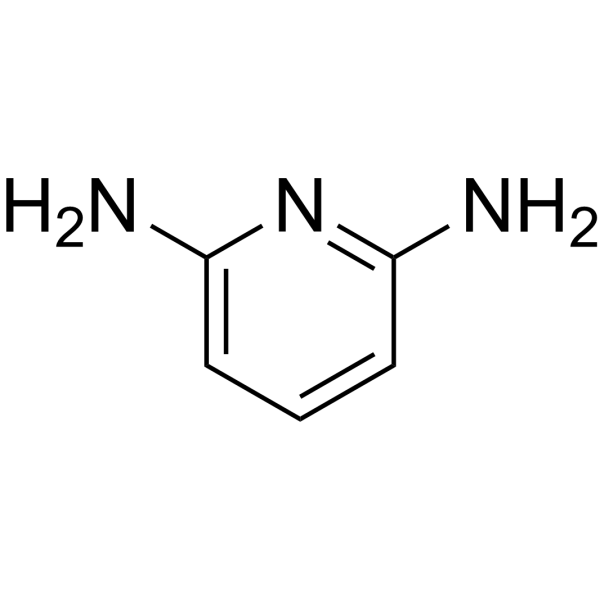
2,6-Diaminopyridine is an intermediate and coupling agent for hair dyes. 2,6-Diaminopyridine participates in organic synthesis reactions such as N-methylation and can bind metal ions by forming macrocyclic ligands through condensation with aldehydes. 2,6-Diaminopyridine can be used to synthesize the analgesic phenazopyridine hydrochloride (HY-B0985) .
|
-
-
- HY-W101718
-
|
|
ADC Linker
|
Cancer
|
|
Fmoc-N-(2-Boc-aminoethyl)-Gly-OH is a Fmoc-protected glycine derivative that can be used in antibody agent coupling (ADC) synthesis. ADC consists of antibodies that are linked to ADC cytotoxins via ADC junctions .
|
-
-
- HY-W004650A
-
-
-
- HY-W688571
-
-
-
- HY-174358D
-
|
|
Biochemical Assay Reagents
|
Others
|
|
HOOC-PEG10000-COOH has two active carboxyl groups at both ends, which can selectively react with the amino groups in peptide coupling agents. HOOC-PEG10000-COOH is a good cross-linking agent for PEGylation of proteins and peptides, nanoparticles and surface modification .
|
-
-
- HY-D0181
-
|
|
Biochemical Assay Reagents
Drug Intermediate
|
Others
|
|
1-Acetylimidazole is an acetylation agent and an important intermediate for the synthesis of various bioactive molecules. 1-Acetylimidazole can be used to close the residual α-amino group remaining after coupling and to synthesize cyclic imidazole derivatives .
|
-
-
- HY-79880R
-
|
1,1'-Carbonyldiimidazole (Standard)
|
Biochemical Assay Reagents
Reference Standards
|
Others
|
|
N,N'-Carbonyldiimidazole (Standard) (1,1'-Carbonyldiimidazole (Standard)) is the analytical standard of N,N'-Carbonyldiimidazole (HY-79880). This product is intended for research and analytical applications. N,N'-Carbonyldiimidazole (1,1'-Carbonyldiimidazole) is a highly reactive carboxylating reagent that can activate hydroxyl groups to form reactive carbonyl groups. N,N'-Carbonyldiimidazole can be used as a coupling agent and a peptide synthesis reagent .
|
-
-
- HY-P4565
-
|
|
Cathepsin
|
Others
|
|
Phe-Arg-Arg-Gly is a polypeptide that can be used for agent coupling .
|
-
-
- HY-174358A
-
|
|
Biochemical Assay Reagents
|
Others
|
|
HOOC-PEG2000-COOH has two active carboxyl groups at both ends, which can selectively react with the amino groups in peptide coupling agents. HOOC-PEG2000-COOH is a good cross-linking agent for PEGylation of proteins and peptides, nanoparticles and surface modification .
|
-
-
- HY-174358E
-
|
|
Biochemical Assay Reagents
|
Others
|
|
HOOC-PEG20000-COOH has two active carboxyl groups at both ends, which can selectively react with the amino groups in peptide coupling agents. HOOC-PEG20000-COOH is a good cross-linking agent for PEGylation of proteins and peptides, nanoparticles and surface modification .
|
-
-
- HY-131838A
-
|
6-AB-ADP trisodium
|
Nucleoside Antimetabolite/Analog
DNA/RNA Synthesis
|
Others
|
|
N6-4-aminobutyl-ADP (6-AB-ADP) trisodium is an ADP derivative that can be used as a nucleotide mimetic or coupling agent for labeling enzyme substrates (such as kinases), constructing biological probes, or functionalizing nucleotide chains .
|
-
-
- HY-W744953
-
|
|
Isotope-Labeled Compounds
p38 MAPK
|
Neurological Disease
Endocrinology
|
|
Carbimazole-d3 is deuterium labeled Carbimazole. Carbimazole is an orally active antithyroid agent which rapidly converts to Methimazole after absorption and prevents thyroid peroxidase enzyme from iodinating and coupling the tyrosine residues on thyroglobulin, hence reducing the production of thyroxine. Carbimazole also displays anti-inflammatory and neuronal-protective activities, suggesting its application for hyperthyroidism and neurological research .
|
-
-
- HY-B0558S
-
|
|
Isotope-Labeled Compounds
|
Neurological Disease
Endocrinology
|
|
Carbimazole-d5 is deuterium labeled Carbimazole. Carbimazole is an orally active antithyroid agent which rapidly converts to Methimazole after absorption and prevents thyroid peroxidase enzyme from iodinating and coupling the tyrosine residues on thyroglobulin, hence reducing the production of thyroxine. Carbimazole also displays anti-inflammatory and neuronal-protective activities, suggesting its application for hyperthyroidism and neurological research .
|
-
-
- HY-B0558R
-
|
|
Reference Standards
p38 MAPK
|
Neurological Disease
Endocrinology
|
|
Carbimazole (Standard) is the analytical standard of Carbimazole. This product is intended for research and analytical applications. Carbimazole is an orally active antithyroid agent which rapidly converts to Methimazole after absorption and prevents thyroid peroxidase enzyme from iodinating and coupling the tyrosine residues on thyroglobulin, hence reducing the production of thyroxine. Carbimazole also displays anti-inflammatory and neuronal-protective activities, suggesting its application for hyperthyroidism and neurological research .
|
-
-
- HY-Y0198R
-
|
|
Biochemical Assay Reagents
Reference Standards
Drug Intermediate
|
Neurological Disease
|
|
2,6-Diaminopyridine (Standard) is the analytical standard of 2,6-Diaminopyridine (HY-Y0198). This product is intended for research and analytical applications. 2,6-Diaminopyridine is an intermediate and coupling agent for hair dyes. 2,6-Diaminopyridine participates in organic synthesis reactions such as N-methylation and can bind metal ions by forming macrocyclic ligands through condensation with aldehydes. 2,6-Diaminopyridine can be used to synthesize the analgesic phenazopyridine hydrochloride (HY-B0985) .
|
-
-
- HY-145547
-
|
14:0 Lyso PE; 1-Myristoyl-2-hydroxy-sn-glycero-3-PE; 1-Tetradecanoyl-sn-glycero-3-phosphoethanolamine
|
Liposome
|
Metabolic Disease
|
|
1-Myristoyl-2-hydroxy-sn-glycero-3-phosphoethanolamine (14:0 Lyso PE) is a lysophospholipid with a phosphoethanolamine head and a myristoyl tail. The free amine group can conjugate with NHS active ester or coupled with carboxylic acid in the presence of a coupling agent. It also induces transient increases in intracellular calcium in PC12 cells . Serum levels of 1-Myristoyl-2-hydroxy-sn-glycero-3-phosphoethanolamine are elevated in patients with malignant breast cancer compared to healthy controls .
|
-
-
- HY-W654567
-
|
|
Biochemical Assay Reagents
Bacterial
|
Infection
|
|
N,N-Dimethyl-N-(3-(trimethoxysilyl)propyl)tetradecan-1-aminium chloride is a cationic surfactant of the silylated quaternary ammonium salt type, possessing dual functions of antibacterial activity and silane coupling. N,N-Dimethyl-N-(3-(trimethoxysilyl)propyl)tetradecan-1-aminium chloride can be used as a cationic silane coupling agent, antibacterial surface treatment agent, and disinfectant.
|
-
-
- HY-174358C
-
|
|
Biochemical Assay Reagents
|
Others
|
|
HOOC-PEG5000-COOH has two active carboxyl groups at both ends, which can selectively react with the amino groups in peptide coupling agents. HOOC-PEG5000-COOH is a good cross-linking agent for PEGylation of proteins and peptides, nanoparticles and surface modification .
|
-
-
- HY-174358
-
|
|
Biochemical Assay Reagents
|
Others
|
|
HOOC-PEG1000-COOH has two active carboxyl groups at both ends, which can selectively react with the amino groups in peptide coupling agents. HOOC-PEG1000-COOH is a good cross-linking agent for PEGylation of proteins and peptides, nanoparticles and surface modification .
|
-
-
- HY-174358H
-
|
|
Biochemical Assay Reagents
|
Others
|
|
HOOC-PEG40000-COOH has two active carboxyl groups at both ends, which can selectively react with the amino groups in peptide coupling agents. HOOC-PEG40000-COOH is a good cross-linking agent for PEGylation of proteins and peptides, nanoparticles and surface modification .
|
-
-
- HY-174358B
-
|
|
Biochemical Assay Reagents
|
Others
|
|
HOOC-PEG3400-COOH has two active carboxyl groups at both ends, which can selectively react with the amino groups in peptide coupling agents. HOOC-PEG3400-COOH is a good cross-linking agent for PEGylation of proteins and peptides, nanoparticles and surface modification .
|
-
-
- HY-180563
-
|
|
Drug-Linker Conjugates for ADC
|
Infection
|
|
ADC 38 drug linker is a drug linker coupling agent used for ADCs, consisting of a CD4 mimic and a linker. ADC 38 drug linker can be used to synthesize antibody-drug conjugates (ADCs), such as ADC 38 .
|
-
-
- HY-155885
-
|
mPEG40000-NH2
|
Biochemical Assay Reagents
|
Others
|
|
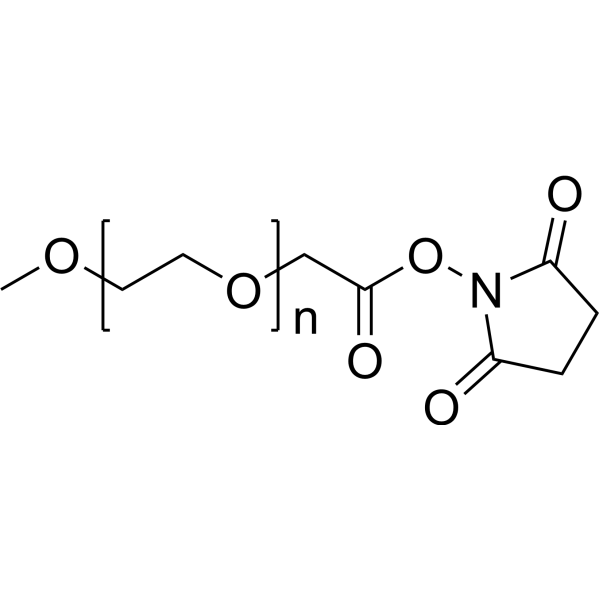
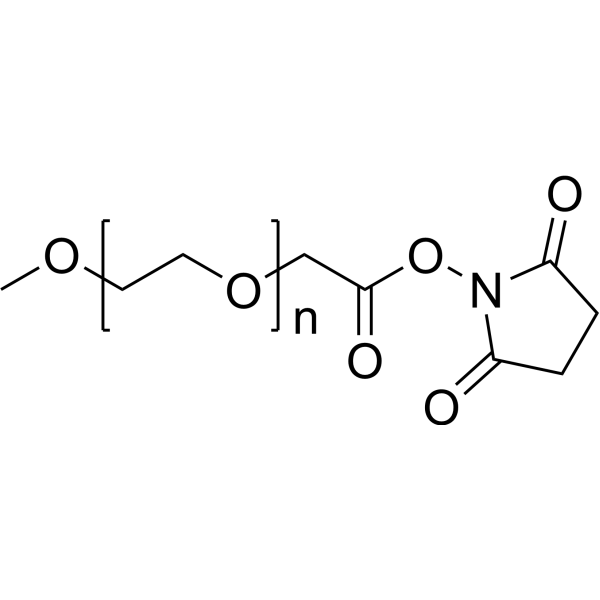
mPEG40000-amine (mPEG40000-NH2) is a monofunctional polyPEG with a terminal amine. The coupling between NHS ester and amine produces a stable amide bond. The amine moieties is also reactive with carboxyl in the presence of activating agent .
|
-
-
- HY-145547S
-
|
14:0 Lyso PE-d27; 1-Myristoyl-2-hydroxy-sn-glycero-3-PE-d27; 1-Tetradecanoyl-sn-glycero-3-phosphoethanolamine-d27
|
Isotope-Labeled Compounds
|
Metabolic Disease
|
|
1-Myristoyl-2-hydroxy-sn-glycero-3-phosphoethanolamine-d27 (14:0 Lyso PE-d27) is the deuterium labeled 1-Myristoyl-2-hydroxy-sn-glycero-3-phosphoethanolamine. 1-Myristoyl-2-hydroxy-sn-glycero-3-phosphoethanolamine (14:0 Lyso PE) is a lysophospholipid with a phosphoethanolamine head and a myristoyl tail. The free amine group can conjugate with NHS active ester or coupled with carboxylic acid in the presence of a coupling agent. It also induces transient increases in intracellular calcium in PC12 cells .
|
-
| Cat. No. |
Product Name |
Type |
-
- HY-W127711
-
|
|
Fluorescent Dye
|
Fast Blue B Salt, Dye content ~95% is a diazo dye, primarily used as a chromogenic substrate in biochemical analysis. Fast Blue B Salt, Dye content ~95% is the coupling agent for the histochemical demonstration of proteases. Fast Blue B Salt, Dye content ~95% can be used for the detection of acid phosphatase in Clostridium perfringens, and also for the determination of lipase activity. Fast Blue B Salt, Dye content ~95% reacts directly with the active hydroxyl groups in phenolic compounds to determine the content of phenolic substances .
|
| Cat. No. |
Product Name |
Type |
-
- HY-Y1168
-
DMTMM
2 Publications Verification
4-(4,6-Dimethoxy-1,3,5-triazin-2-yl)-4-methylmorpholinium chloride
|
Biochemical Assay Reagents
|
|
DMTMM (4-(4,6-dimethoxy-1,3,5-triazine-2-yl)-4-methylmorpholinium chloride) is a coupling agent. DMTMM can activate carboxyl groups and promote the formation of amide bonds. DMTMM plays an important role in promoting the chemical modification of biomacromolecules such as polysaccharides and proteins. DMTMM can be used for research of tissue engineering, breast cancer, corneal regeneration, and biomaterials .
|
-
- HY-W127711
-
|
|
Biochemical Assay Reagents
|
Fast Blue B Salt, Dye content ~95% is a diazo dye, primarily used as a chromogenic substrate in biochemical analysis. Fast Blue B Salt, Dye content ~95% is the coupling agent for the histochemical demonstration of proteases. Fast Blue B Salt, Dye content ~95% can be used for the detection of acid phosphatase in Clostridium perfringens, and also for the determination of lipase activity. Fast Blue B Salt, Dye content ~95% reacts directly with the active hydroxyl groups in phenolic compounds to determine the content of phenolic substances .
|
-
- HY-W105426
-
|
[3-(Methacryloyloxy)propyl]trimethoxysilane
|
Biochemical Assay Reagents
|
|
3-(Trimethoxysilyl)propyl methacrylate is a reactive monomer and silane coupling agent with C=C and O-C=O functional groups, acting as a surface modifier and anti-agglomeration agent. 3-(Trimethoxysilyl)propyl methacrylate can be used to prepare nanoparticles .
|
-
- HY-15929
-
TBHBA
1 Publications Verification
2,4,6-Tribromo-3-hydroxybenzoic acid
|
Biochemical Assay Reagents
|
|
TBHBA (2,4,6-Tribromo-3-hydroxybenzoic acid) is a chemical colorimetric agent and nanomaterial surface modifier. TBHBA can react with some oxidants (such as H2O2) to generate high-absorbance quinoneimine dyes, which enhance the sensitivity of HDL cholesterol enzymatic determination. TBHBA can be used as a bromine-containing coupling agent to modify the surface of silica nanoparticles through esterification reaction. Thereby, organic flame retardant groups are introduced to improve the thermal stability and flame retardant properties of nanocomposites. TBHBA can be used in clinical biochemical testing (such as serum lipoprotein analysis) and the preparation of flame-retardant polymer nanocomposites .
|
-
- HY-158067
-
|
DFO-DBCO
|
Biochemical Assay Reagents
|
|
Deferoxamine-DBCO is a bifunctional chelating agent. Deferoxamine-DBCO efficiently chelates with radioactive metals (such as 89Zr) through the DFO structure to achieve radiolabeling. Deferoxamine-DBCO undergoes a metal-free Huisgen cycloaddition reaction with azide-containing biomolecules (such as siRNA, monoclonal antibodies) under bioorthogonal conditions through the DBCO structure to achieve targeted coupling. Deferoxamine-DBCO has efficient metal chelating ability and specific bioorthogonal reaction activity. Deferoxamine-DBCO can be used for targeted radioactive imaging studies of tumors .
|
-
- HY-W036410
-
|
3-Aminopropyltrimethoxysilane
|
Biochemical Assay Reagents
|
|
Aminopropyltrimethoxysilane (APTMS) is a silane coupling agent. Aminopropyltrimethoxysilane couples with Tosylcellulose. Aminopropyltrimethoxysilane improves the thermal stability of the material. Aminopropyltrimethoxysilane can be used in the preparation of GNBP substrates .
|
-
- HY-91018
-
|
N-[3-(Trimethoxysilyl)propyl]-N,N,N-trimethylammonium chloride, 50% in methanol
|
Biochemical Assay Reagents
|
|
Trimethyl[3-(trimethoxysilyl)propyl]ammonium (N-[3-(Trimethoxysilyl)propyl]-N,N,N-trimethylammonium) chloride (50% in methanol) is a functional organic silane coupling agent and quaternary ammonium salt cationic functional monomer, which can be used for functionalizing mesoporous silica with electrochemical modified electrodes or surface chemical modification .
|
-
- HY-Y0198
-
|
|
Biochemical Assay Reagents
|
|
2,6-Diaminopyridine is an intermediate and coupling agent for hair dyes. 2,6-Diaminopyridine participates in organic synthesis reactions such as N-methylation and can bind metal ions by forming macrocyclic ligands through condensation with aldehydes. 2,6-Diaminopyridine can be used to synthesize the analgesic phenazopyridine hydrochloride (HY-B0985) .
|
-
- HY-174358D
-
|
|
Biochemical Assay Reagents
|
|
HOOC-PEG10000-COOH has two active carboxyl groups at both ends, which can selectively react with the amino groups in peptide coupling agents. HOOC-PEG10000-COOH is a good cross-linking agent for PEGylation of proteins and peptides, nanoparticles and surface modification .
|
-
- HY-174358A
-
|
|
Biochemical Assay Reagents
|
|
HOOC-PEG2000-COOH has two active carboxyl groups at both ends, which can selectively react with the amino groups in peptide coupling agents. HOOC-PEG2000-COOH is a good cross-linking agent for PEGylation of proteins and peptides, nanoparticles and surface modification .
|
-
- HY-174358E
-
|
|
Biochemical Assay Reagents
|
|
HOOC-PEG20000-COOH has two active carboxyl groups at both ends, which can selectively react with the amino groups in peptide coupling agents. HOOC-PEG20000-COOH is a good cross-linking agent for PEGylation of proteins and peptides, nanoparticles and surface modification .
|
-
- HY-Y0198R
-
|
|
Biochemical Assay Reagents
|
|
2,6-Diaminopyridine (Standard) is the analytical standard of 2,6-Diaminopyridine (HY-Y0198). This product is intended for research and analytical applications. 2,6-Diaminopyridine is an intermediate and coupling agent for hair dyes. 2,6-Diaminopyridine participates in organic synthesis reactions such as N-methylation and can bind metal ions by forming macrocyclic ligands through condensation with aldehydes. 2,6-Diaminopyridine can be used to synthesize the analgesic phenazopyridine hydrochloride (HY-B0985) .
|
-
- HY-174358C
-
|
|
Biochemical Assay Reagents
|
|
HOOC-PEG5000-COOH has two active carboxyl groups at both ends, which can selectively react with the amino groups in peptide coupling agents. HOOC-PEG5000-COOH is a good cross-linking agent for PEGylation of proteins and peptides, nanoparticles and surface modification .
|
-
- HY-174358
-
|
|
Biochemical Assay Reagents
|
|
HOOC-PEG1000-COOH has two active carboxyl groups at both ends, which can selectively react with the amino groups in peptide coupling agents. HOOC-PEG1000-COOH is a good cross-linking agent for PEGylation of proteins and peptides, nanoparticles and surface modification .
|
-
- HY-174358H
-
|
|
Biochemical Assay Reagents
|
|
HOOC-PEG40000-COOH has two active carboxyl groups at both ends, which can selectively react with the amino groups in peptide coupling agents. HOOC-PEG40000-COOH is a good cross-linking agent for PEGylation of proteins and peptides, nanoparticles and surface modification .
|
-
- HY-174358B
-
|
|
Biochemical Assay Reagents
|
|
HOOC-PEG3400-COOH has two active carboxyl groups at both ends, which can selectively react with the amino groups in peptide coupling agents. HOOC-PEG3400-COOH is a good cross-linking agent for PEGylation of proteins and peptides, nanoparticles and surface modification .
|
-
- HY-155885
-
|
mPEG40000-NH2
|
Biochemical Assay Reagents
|
|
mPEG40000-amine (mPEG40000-NH2) is a monofunctional polyPEG with a terminal amine. The coupling between NHS ester and amine produces a stable amide bond. The amine moieties is also reactive with carboxyl in the presence of activating agent .
|
| Cat. No. |
Product Name |
Target |
Research Area |
-
- HY-P5623A
-
|
RVG29-Cys; RDP-Cys; Rabies Virus Glycoprotein-29-Cys
|
RABV
|
Others
|
|
RVG-Cys (RVG29-Cys) is a peptide derived from rabies virus glycoprotein (RVG29) with Cys attached to facilitate subsequent conjugation. RVG-Cys enhances the specific targeted delivery of proteins in brain tissue and neurons .
|
-
- HY-P4565
-
|
|
Cathepsin
|
Others
|
|
Phe-Arg-Arg-Gly is a polypeptide that can be used for agent coupling .
|
-
- HY-78824
-
|
|
Peptides
|
Others
|
|
Glycine, N-[(1,1-dimethylethoxy)carbonyl]thio-L-phenylalanyl-, methyl ester (compound 3b) is a polypeptide compound containing sulfamide, can be used to synthesis peptide-agent coupling compounds .
|
| Cat. No. |
Product Name |
Target |
Research Area |
Image |
-
- HY-P99205
-
|
|
ADC Antibody
|
Cancer
|
|
Glembatumumab is a fully human IgG2 monoclonal antibody directed against the extracellular structural domain of GPNMB expressed in human breast cancer and melanoma. Glembatumumab can be coupled to the microtubule inhibitor monomethyl auristatin E to form glembatumumab vedotin. Glembatumumab vedotin is an antibody-agent coupling (ADC) with antitumor activity .
|
-
(5)
| Cat. No. |
Product Name |
Chemical Structure |
-
- HY-W744953
-
|
|
|
Carbimazole-d3 is deuterium labeled Carbimazole. Carbimazole is an orally active antithyroid agent which rapidly converts to Methimazole after absorption and prevents thyroid peroxidase enzyme from iodinating and coupling the tyrosine residues on thyroglobulin, hence reducing the production of thyroxine. Carbimazole also displays anti-inflammatory and neuronal-protective activities, suggesting its application for hyperthyroidism and neurological research .
|
-
-
- HY-B0558S
-
|
|
|
Carbimazole-d5 is deuterium labeled Carbimazole. Carbimazole is an orally active antithyroid agent which rapidly converts to Methimazole after absorption and prevents thyroid peroxidase enzyme from iodinating and coupling the tyrosine residues on thyroglobulin, hence reducing the production of thyroxine. Carbimazole also displays anti-inflammatory and neuronal-protective activities, suggesting its application for hyperthyroidism and neurological research .
|
-
-
- HY-145547S
-
|
|
|
1-Myristoyl-2-hydroxy-sn-glycero-3-phosphoethanolamine-d27 (14:0 Lyso PE-d27) is the deuterium labeled 1-Myristoyl-2-hydroxy-sn-glycero-3-phosphoethanolamine. 1-Myristoyl-2-hydroxy-sn-glycero-3-phosphoethanolamine (14:0 Lyso PE) is a lysophospholipid with a phosphoethanolamine head and a myristoyl tail. The free amine group can conjugate with NHS active ester or coupled with carboxylic acid in the presence of a coupling agent. It also induces transient increases in intracellular calcium in PC12 cells .
|
-
| Cat. No. |
Product Name |
|
Classification |
-
- HY-147363
-
|
|
|
ADC Synthesis
DBCO
|
|
DIBAC-GGFG-NH2CH2-Dxd (compound LP4), a Camptothecin (HY-16560) derivative, is a linker-payload of protein-agent conjugates . Dxd (HY-13631D) can be used as a payload for the antibody-coupling drug ADC (DS-8201a).DIBAC-GGFG-NH2CH2-Dxd is a click chemistry reagent, it contains a DBCO group that can undergo strain-promoted alkyne-azide cycloaddition (SPAAC) with molecules containing Azide groups .
|
-
- HY-101532
-
|
β-CDN3; 6A-deoxy-6A-azido-β-cyclodextrin
|
|
Azide
|
|
6A-Azido-6A-deoxy-β-cyclodextrin (β-CDN3) is a site-specifically modified β-cyclodextrin with a single azido group replacing the hydroxyl group at the C6 position. 6A-Azido-6A-deoxy-β-cyclodextrin forms a host-guest inclusion complex with Dexamethasone (HY-14648), localizing the drug within its hydrophobic cavity, which restricts the rotational mobility of the drug and places Dexamethasone in a less polar environment. 6A-Azido-6A-deoxy-β-cyclodextrin acts as a coupling agent to graft β-cyclodextrin onto thermosensitive nanogels via strain-promoted alkyne-azide cycloaddition (SPAAC). 6A-Azido-6A-deoxy-β-cyclodextrin also serves as a click chemistry reagent. It contains an azide group and undergoes copper-catalyzed azide-alkyne cycloaddition (CuAAc) with molecules bearing an alkyne group. It also undergoes strain-driven alkyne-azide cycloaddition (SPAAC) with molecules containing DBCO or BCN groups .
|
-
- HY-158067
-
|
DFO-DBCO
|
|
DBCO
|
|
Deferoxamine-DBCO is a bifunctional chelating agent. Deferoxamine-DBCO efficiently chelates with radioactive metals (such as 89Zr) through the DFO structure to achieve radiolabeling. Deferoxamine-DBCO undergoes a metal-free Huisgen cycloaddition reaction with azide-containing biomolecules (such as siRNA, monoclonal antibodies) under bioorthogonal conditions through the DBCO structure to achieve targeted coupling. Deferoxamine-DBCO has efficient metal chelating ability and specific bioorthogonal reaction activity. Deferoxamine-DBCO can be used for targeted radioactive imaging studies of tumors .
|
| Cat. No. |
Product Name |
|
Classification |
-
- HY-145547
-
|
14:0 Lyso PE; 1-Myristoyl-2-hydroxy-sn-glycero-3-PE; 1-Tetradecanoyl-sn-glycero-3-phosphoethanolamine
|
|
Phospholipids
|
|
1-Myristoyl-2-hydroxy-sn-glycero-3-phosphoethanolamine (14:0 Lyso PE) is a lysophospholipid with a phosphoethanolamine head and a myristoyl tail. The free amine group can conjugate with NHS active ester or coupled with carboxylic acid in the presence of a coupling agent. It also induces transient increases in intracellular calcium in PC12 cells . Serum levels of 1-Myristoyl-2-hydroxy-sn-glycero-3-phosphoethanolamine are elevated in patients with malignant breast cancer compared to healthy controls .
|
Your information is safe with us. * Required Fields.
Inquiry Information
- Product Name:
- Cat. No.:
- Quantity:
- MCE Japan Authorized Agent: