1. Search Result
Search Result
Results for "

Estrogen receptor(ER)

" in MedChemExpress (MCE) Product Catalog:

94

Inhibitors & Agonists

2

Biochemical Assay Reagents

4

Peptides

1

Inhibitory Antibodies

9

Natural
Products

1

Recombinant Proteins

10

Isotope-Labeled Compounds

5

Antibodies

Targets Recommended:
Cat. No. Product Name Target Research Areas Chemical Structure
  • HY-13636
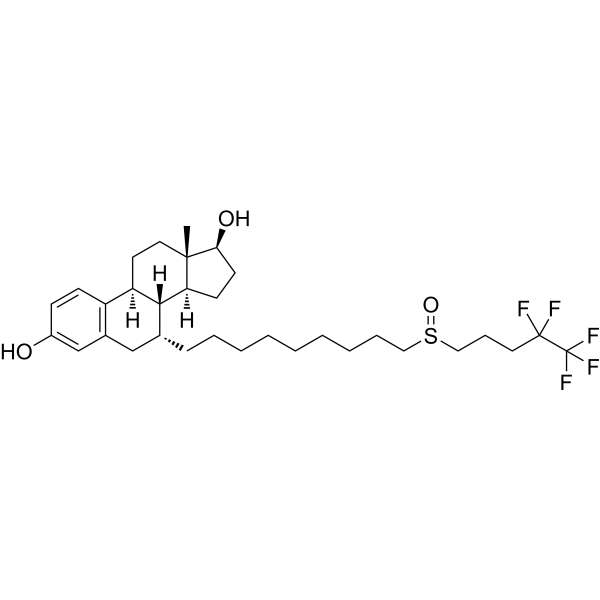
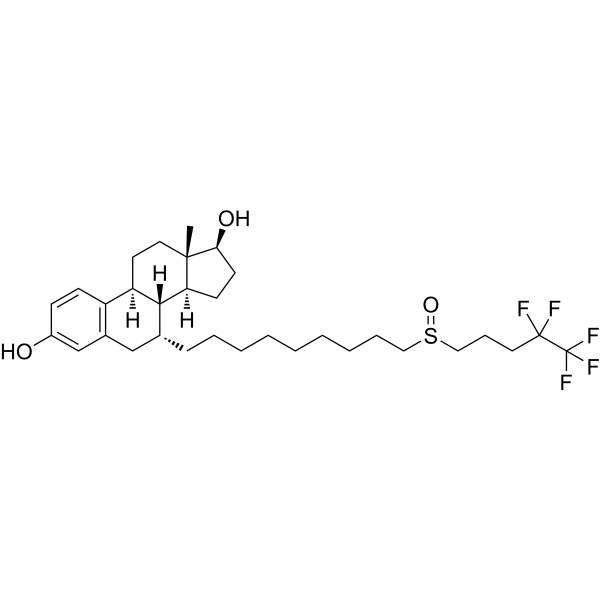
    Fulvestrant
    Maximum Cited Publications
    133 Publications Verification

    ICI 182780; ZD 9238; ZM 182780

    Estrogen Receptor/ERR Autophagy Apoptosis Inflammation/Immunology Cancer
    Fulvestrant (ICI 182780) is a pure antiestrogen and a potent estrogen receptor (ER) antagonist with an IC50 of 9.4 nM. Fulvestrant is also a GPR30 agonist. Fulvestrant effectively inhibits the growth of ER-positive MCF-7 cells with an IC50 of 0.29 nM. Fulvestrant also induces autophagy and has antitumor efficacy .
    Fulvestrant
  • HY-109176
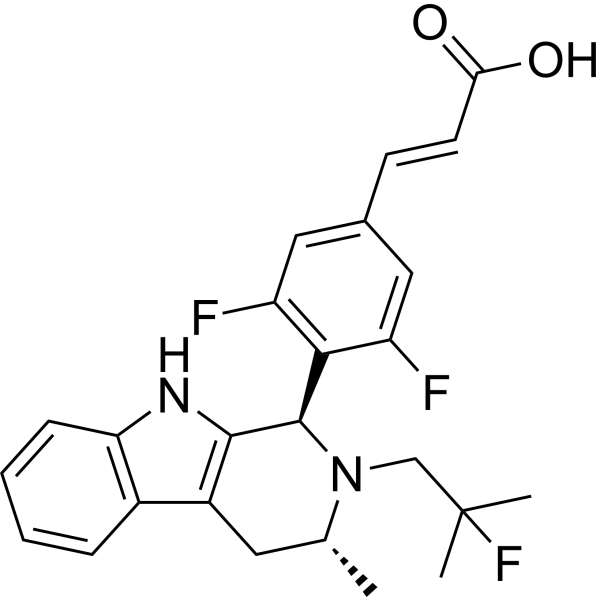
    Giredestrant
    5 Publications Verification

    GDC-9545; RG6171

    Estrogen Receptor/ERR Cancer
    Giredestrant (GDC-9545), a non-steroidal estrogen receptor (ER) ligand, is an orally active and selective ER antagonist. Giredestrant potently competes with Estradiol for binding and induces a conformational change within the ER ligand binding domain. Giredestrant has anti-tumor activity .
    Giredestrant
  • HY-158101
    BMS-986365
    1 Publications Verification

    CC-94676

    PROTACs Androgen Receptor Cancer
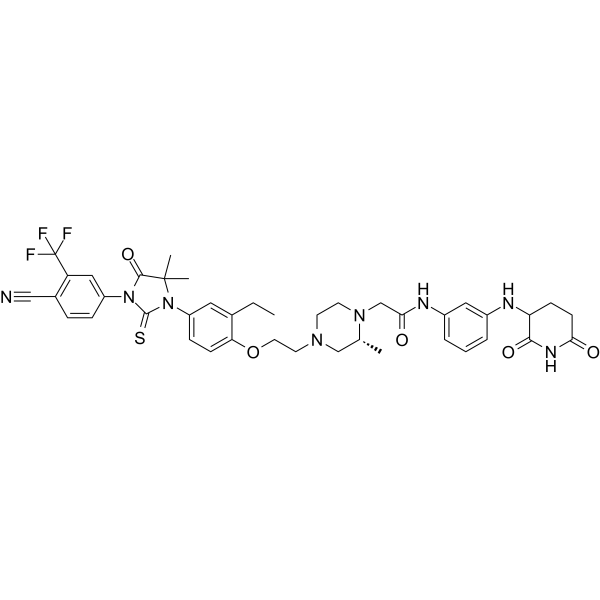
    BMS-986365 (CC-94676) is an orally active and selective targeted androgen receptor (AR) PROTAC degrader (DC50 of 10-40 nM). BMS-986365 is capable of inducing cereblon (CRBN) E3 ligase-dependent ubiquitination and degradation of the androgen receptor (AR), as well as various AR mutants. BMS-986365 shows no degradation of the close AR family members estrogen receptor (ER), progesterone receptor (PR), and glucocorticoid receptor (GR). BMS-986365 shows significant in vivo potency, degrading AR, inhibiting AR signaling, and restricting tumor growth in animal models of advanced prostate cancer. BMS-986365 can be used for the study of metastatic castration-resistant prostate cancer (mCRPC) .
    BMS-986365
  • HY-136255
    Camizestrant
    5+ Cited Publications

    AZD-9833

    Estrogen Receptor/ERR Cancer
    Camizestrant (AZD-9833) is a potent and orally active estrogen receptor (ER) antagonist. Camizestrant is used for the study of ER + HER2-advanced breast cancer .
    Camizestrant
  • HY-N0835
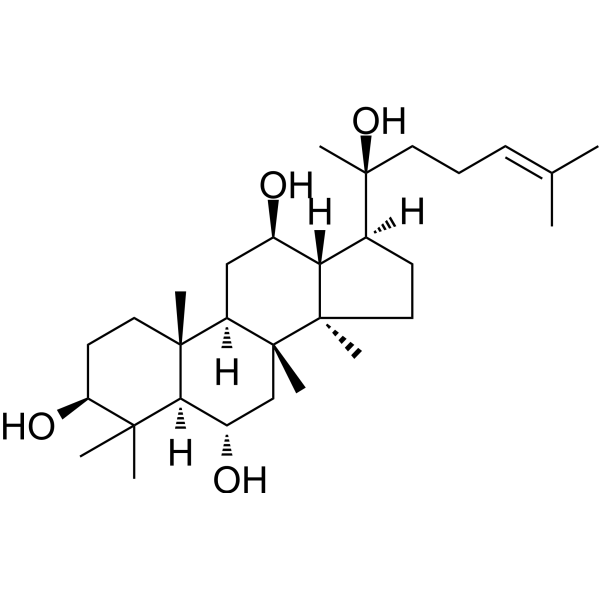
    (20S)-Protopanaxatriol
    1 Publications Verification

    20(S)-APPT; g-PPT

    Glucocorticoid Receptor Estrogen Receptor/ERR LXR Apoptosis Cardiovascular Disease Endocrinology Cancer
    (20S)-Protopanaxatriol is a metabolite of ginsenoside. (20S)-Protopanaxatriol works through the glucocorticoid receptor (GR) and estrogen receptor (ER), and is also a LXRα inhibitor. (20S)-Protopanaxatriol shows a broad spectrum of antitumor effects .
    (20S)-Protopanaxatriol
  • HY-W142080

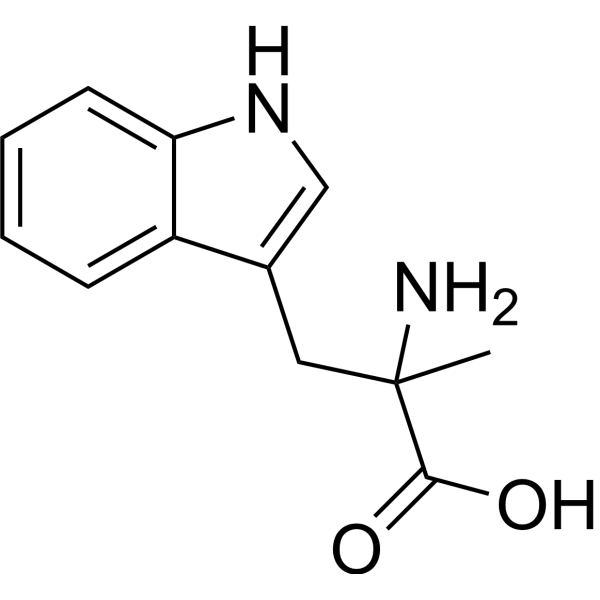
    α-Methyltryptophan

    mTOR Autophagy Apoptosis Amino Acid Derivatives Metabolic Disease Cancer
    α-Methyl-DL-tryptophan (α-Methyltryptophan), a tryptophan derivative, is a selective SLC6A14 blocker. In estrogen receptor (ER)-positive breast cancer cells, α-Methyl-DL-tryptophan inhibits mTOR and activates autophagy and apoptosis. α-Methyl-DL-tryptophan also has the effect of reducing weight .
    α-Methyl-DL-tryptophan
  • HY-12870
    AZD9496
    25+ Cited Publications

    Estrogen Receptor/ERR Cancer
    AZD9496 is an effective, selective estrogen receptor (ERα) antagonist with an IC50 of 0.28 nM. AZD9496 is an orally active, selective estrogen receptor degrader (SERD).
    AZD9496
  • HY-N0233
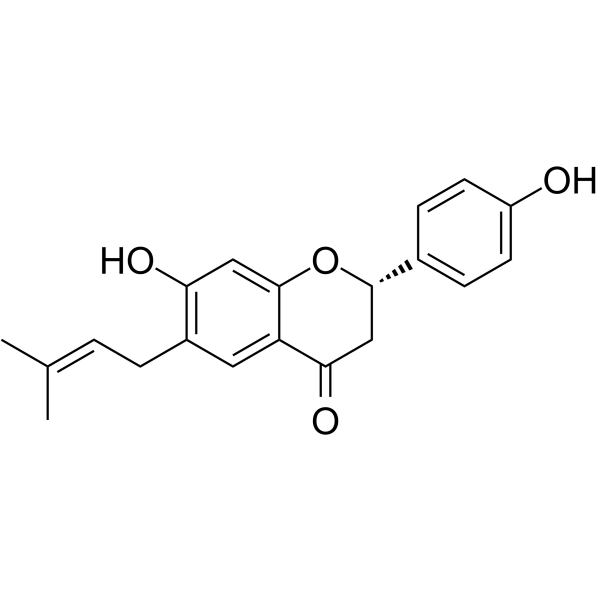
    Bavachin
    10+ Cited Publications

    Corylifolin

    Estrogen Receptor/ERR Cancer
    Bavachin, a flavonoid first isolated from seeds of P. corylifolia, acts as a phytoestrogen that activates the estrogen receptors ERα and ERβ with EC50s of 320 and 680 nM, respectively.
    Bavachin
  • HY-B0845
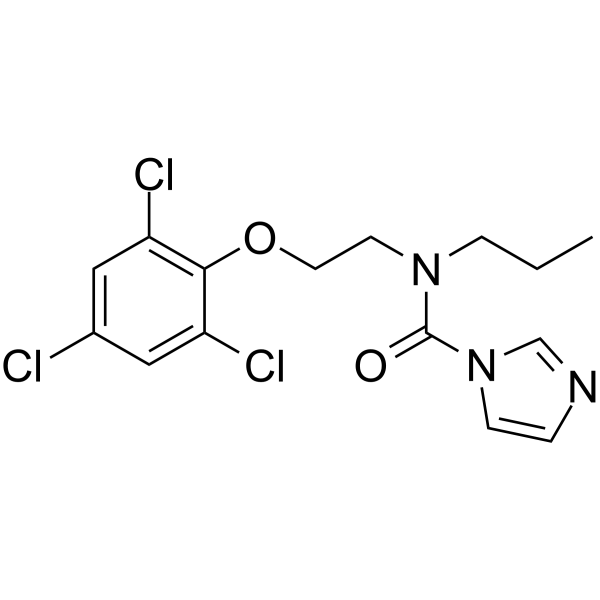
    Prochloraz
    1 Publications Verification

    BTS 40542

    Environmental Pollutants Estrogen Receptor/ERR Aryl Hydrocarbon Receptor Fungal Androgen Receptor Infection Endocrinology
    Prochloraz is an imidazole antifungal. Prochloraz is as an estrogen receptor (ER) and androgen receptor (AR) antagonist and an aromatase inhibitor with IC50 values of 25 μM, 4 μM and 0.3 μM, respectively. Prochloraz is able to activate the aryl hydrocarbon receptor (AhR) having an EC50 of 1 μM .
    Prochloraz
  • HY-10426
    XCT790
    5+ Cited Publications

    Estrogen Receptor/ERR Autophagy Cancer
    XCT-790 is a potent and selective inverse agonist for ERRα with an IC50 value of 0.37 μM. XCT-790 induces cell death in chemotherapeutic resistant cancer cells. XCT-790 (Compound 12) is inactive against ERRγ and the estrogen receptors ERα and ERβ .
    XCT790
  • HY-W011927

    Bisphenol S; Bis(4-hydroxyphenyl) sulfone

    Estrogen Receptor/ERR Histone Methyltransferase Thyroid Hormone Receptor PI3K Akt mTOR Androgen Receptor Drug Derivative Cardiovascular Disease Neurological Disease Metabolic Disease Inflammation/Immunology Cancer
    4,4'-Sulfonyldiphenol (Bisphenol S; Bis(4-hydroxyphenyl) sulfone), a substitute for Bisphenol A (HY-18260), is widely used in industrial and consumer products. 4,4'-Sulfonyldiphenol is an oally ative estrogen receptor (ER) agonist and can competitively bind to thyroid hormone receptors (TR) with IC50 values for TRα and TRβ are 2650 μM and 2294 μM respectively, thereby affecting breast development and reducing the expression of androgen receptor (AR) in fetal testes. 4,4'-Sulfonyldiphenol promotes the progression of glioblastoma by upregulating the EZH2 mediated PI3K/AKT/mTOR pathway. Under chronic exposure, 4,4'-Sulfonyldiphenol can cause significant lipid deposition and dyslipidemia in the mouse liver by upregulating JunB and Atf3, and has a role in causing obesity at low doses. 4,4'-Sulfonyldiphenol induces intestinal inflammation by altering the intestinal microbiome. 4,4'-Sulfonyldiphenol accelerates the progression of atherosclerosis in zebrafish embryo larvae .
    4,4'-Sulfonyldiphenol
  • HY-14933
    Prinaberel
    3 Publications Verification

    ERB-041

    Estrogen Receptor/ERR Wnt Apoptosis Cancer
    Prinaberel (ERB-041) is a potent and selective estrogen receptor (ER) β agonist with IC50s of 5.4, 3.1 and 3.7 nM for human, rat and mouse ERβ, respectively. Prinaberel displays >200-fold selectivity for ERβ over ERα. Prinaberel is a potent skin cancer chemopreventive agent that acts by dampening the WNT/β-catenin signaling pathway. Prinaberel induces ovarian cancer apoptosis .
    Prinaberel
  • HY-13636R
    Fulvestrant (Standard)
    Maximum Cited Publications
    133 Publications Verification

    ICI 182780(Standard); ZD 9238(Standard); ZM 182780 (Standard)

    Reference Standards Estrogen Receptor/ERR Autophagy Apoptosis Cancer
    Fulvestrant (Standard) is the analytical standard of Fulvestrant. This product is intended for research and analytical applications. Fulvestrant (ICI 182780) is a pure antiestrogen and a potent estrogen receptor (ER) antagonist with an IC50 of 9.4 nM. Fulvestrant is also a GPR30 agonist. Fulvestrant effectively inhibits the growth of ER-positive MCF-7 cells with an IC50 of 0.29 nM. Fulvestrant also induces autophagy and has antitumor efficacy .
    Fulvestrant (Standard)
  • HY-P99304

    Anti-Human ERBB3 Recombinant Antibody

    EGFR PI3K Akt p38 MAPK Cancer
    Lumretuzumab (Anti-Human ERBB3 Recombinant Antibody) is a humanized anti-HER3 (ERBB3) monoclonal antibody. Lumretuzumab effectively inhibits the activity of key oncogenic signaling pathways such as PI3K/AKT and MAPK. Lumretuzumab has been optimized through glycosyl engineering to enhance antibody-dependent cell-mediated cytotoxicity (ADCC). Lumretuzumab can be used to study HER3-positive, HER2-low-expressing solid tumors, especially breast cancer .
    Lumretuzumab
  • HY-N6710

    Estrogen Receptor/ERR Inflammation/Immunology
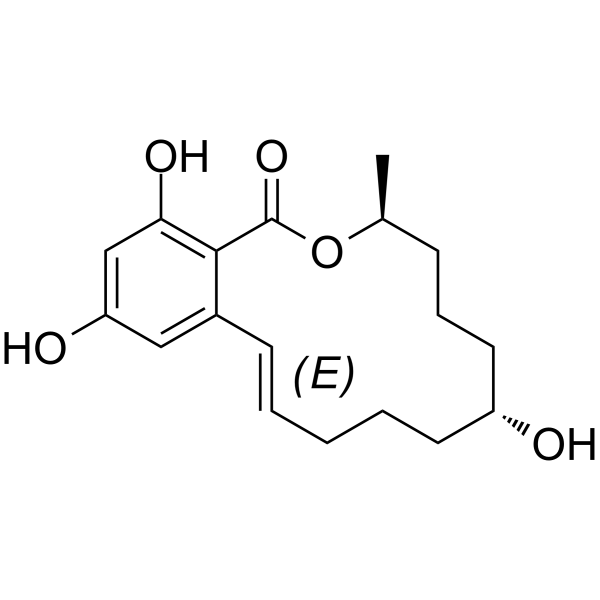
    α-Zearalenol is a Mycotoxin with high affinity for the estrogen receptors (ER), α-Zearalenol is the derivative of zearalenone (ZEN), causes reproductive disorders in animals, due to its xenoestrogenic effects .
    α-Zearalenol
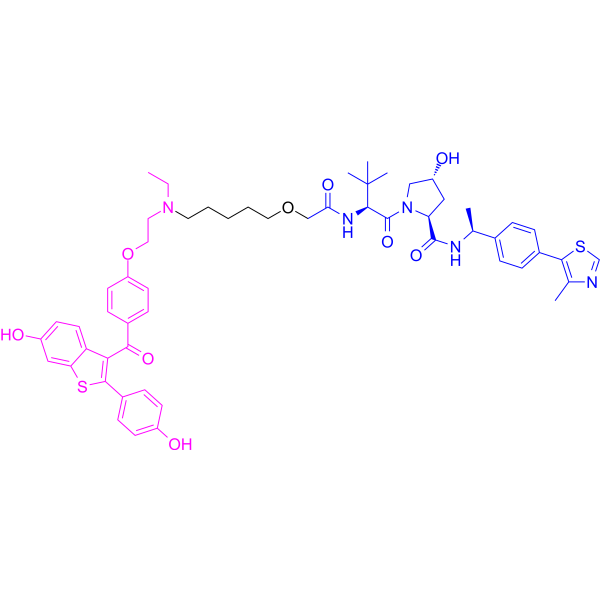
  • HY-135309

    PROTACs Estrogen Receptor/ERR Cancer
    PROTAC ER Degrader-4 is a von Hippel-Lindau-based PROATC estrogen receptor (ER) degrader, binding to ER with an IC50 of 0.8 nM. PROTAC ER Degrader-4 induces ER degradation in MCF-7 cells with an IC50 of 0.3 nM .
    PROTAC ER Degrader-4
  • HY-13636S

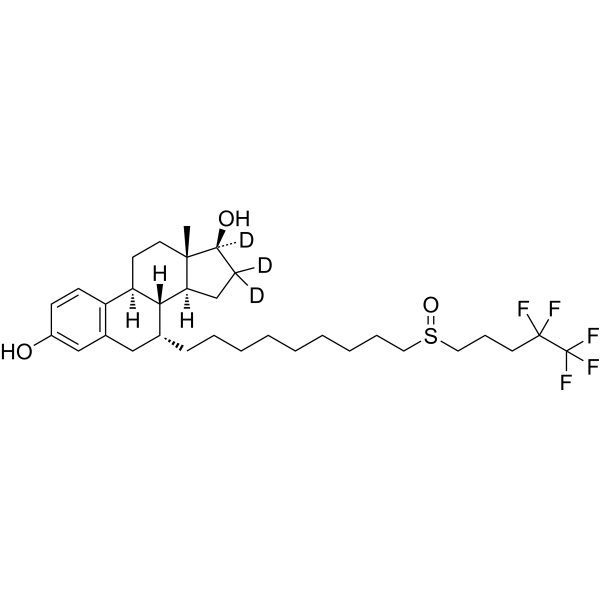
    ICI 182780-d3; ZD 9238-d3; ZM 182780-d3

    Isotope-Labeled Compounds Estrogen Receptor/ERR Autophagy Apoptosis Cancer
    Fulvestrant-d3 is the deuterium labeled Fulvestrant. Fulvestrant (ICI 182780) is a pure antiestrogen and a potent estrogen receptor (ER) antagonist with an IC50 of 9.4 nM. Fulvestrant is also a GPR30 agonist. Fulvestrant effectively inhibits the growth of ER-positive MCF-7 cells with an IC50 of 0.29 nM. Fulvestrant also induces autophagy and has antitumor efficacy .
    Fulvestrant-d3
  • HY-137004

    Ind-Cl

    Estrogen Receptor/ERR COX Inflammation/Immunology
    Indazole-Cl (Ind-Cl) is an Estrogen receptor (ER)-β-specific agonist with inflammatory effect. Indazole-Cl inhibits cyclooxygenase-2 exression reduction induced by hypoxia. And Indazole-Cl inhibits ROS production. Indazole-Cl also inhibits cell migration and invasion by hypoxia increased by hypoxia. Indazole-Cl is potent inhibitor of hypoxia-induced inflammation in vascular smooth muscle cells (VSMCs) .
    Indazole-Cl
  • HY-128600
    ERD-308
    1 Publications Verification

    PROTACs Estrogen Receptor/ERR Cancer
    ERD-308 is a potent estrogen receptor (ER) PROTAC degrader. ERD-308 has DC50 values of 0.17 nM and 0.43 nM in MCF-7 and T47D ER+ cells. ERD-308 can inhibit the proliferation of breast cancer cells and exhibits anti-tumor activity. (Pink: Target Protein Ligand (HY-48027); Black: Linker (HY-172643); Blue: VHL Ligand (HY-112078); VHL Ligand+Linker:(HY-172645))
    ERD-308
  • HY-W036120

    2,2′,4,4′-Tetrahydroxybenzophenone

    Environmental Pollutants Glycosidase Estrogen Receptor/ERR Pregnane X Receptor (PXR) Metabolic Disease Endocrinology
    Benzophenone-2 (2,2',4,4'-Tetrahydroxybenzophenone) is an organic ultraviolet absorber that is widely used in personal care products and industrial products such as plastics and coatings. Benzophenone-2 is an endocrine disruptor that can interfere with estrogen receptors (ERα receptor) and pregnane X receptor (PXR receptor) activity, leading to reproductive toxicity, immune disorders, and metabolic abnormalities. Benzophenone-2 can inhibit the activity of α-glucosidase (IC50 = 49.72 μM), and can be used for research on diabetes .
    Benzophenone-2
  • HY-W011927S
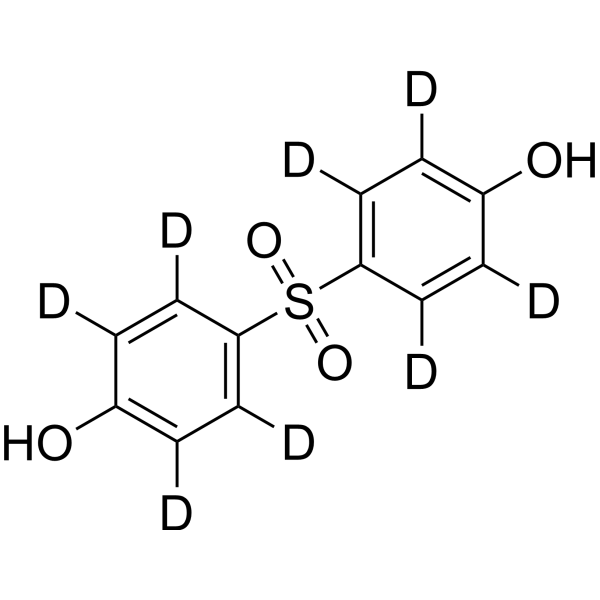
    4,4'-Sulfonyldiphenol-d8
    1 Publications Verification

    Bisphenol S (4,4'-Sulfonyldiphenol)-d8

    Isotope-Labeled Compounds Estrogen Receptor/ERR Histone Methyltransferase Thyroid Hormone Receptor PI3K Akt mTOR Androgen Receptor Cardiovascular Disease Metabolic Disease Inflammation/Immunology Endocrinology Cancer
    4,4'-Sulfonyldiphenol-d8 (Bisphenol S (4,4'-Sulfonyldiphenol)-d8) is the deuterium labeled 4,4'-Sulfonyldiphenol (HY-W011927).4,4'-Sulfonyldiphenol (Bisphenol S; Bis(4-hydroxyphenyl) sulfone), a substitute for Bisphenol A (HY-18260), is widely used in industrial and consumer products. 4,4'-Sulfonyldiphenol is an estrogen receptor (ER) agonist and can competitively bind to thyroid hormone receptors (TR) with IC50 values for TRα and TRβ are 2650 μM and 2294 μM respectively, thereby affecting breast development and reducing the expression of androgen receptor (AR) in fetal testes. 4,4'-Sulfonyldiphenol promotes the progression of glioblastoma by upregulating the EZH2 mediated PI3K/AKT/mTOR pathway. Under chronic exposure, 4,4'-Sulfonyldiphenol can cause significant lipid deposition and dyslipidemia in the mouse liver by upregulating JunB and Atf3, and has a role in causing obesity at low doses. 4,4'-Sulfonyldiphenol induces intestinal inflammation by altering the intestinal microbiome. 4,4'-Sulfonyldiphenol accelerates the progression of atherosclerosis in zebrafish embryo larvae.
    4,4'-Sulfonyldiphenol-d8
  • HY-125703

    Estrogen Receptor/ERR Apoptosis Infection Inflammation/Immunology Endocrinology Cancer
    Ferutinin, a natural terpenoid compound, is an estrogen receptor ERα agonist and estrogen ERβ-receptor agonist/antagonist with IC50s of 33.1 nM and 180.5 nM, respectively. Ferutinin acts as an electrogenic Ca 2+-ionophore that increases calcium permeability of lipid bilayer membranes, mitochondria. Ferutinin possesses estrogenic, antitumor, antibacterial and antiinflammatory activities .
    Ferutinin
  • HY-13636S1

    ICI 182780-d5; ZD 9238-d5; ZM 182780-d5

    Isotope-Labeled Compounds Others
    Fulvestrant-d5 (ICI 182780-d5) is a isotope of Fulvestrant (HY-13636) . Fulvestrant (ICI 182780) is a pure antiestrogen and a potent estrogen receptor (ER) antagonist with an IC50 of 9.4 nM. Fulvestrant is also a GPR30 agonist. Fulvestrant effectively inhibits the growth of ER-positive MCF-7 cells with an IC50 of 0.29 nM. Fulvestrant also induces autophagy and has antitumor efficacy.
    Fulvestrant-d5
  • HY-W1006471

    Estrogen Receptor/ERR Endocrinology
    Estrogen receptor-agonist-1 (compound 4e) is a estrogen receptor (ER) agonist that binds to ERα with high affinity .
    Estrogen receptor-agonist-1
  • HY-150601
    Estrogen receptor-IN-1
    1 Publications Verification

    Estrogen Receptor/ERR Metabolic Disease
    Estrogen receptor-IN-1 (compound 16) is a potent estrogen receptor (ER) inhibitor with IC50s of 13, 5µM for ERα and Erβ, respectively .
    Estrogen receptor-IN-1
  • HY-175785

    Estrogen Receptor/ERR Aryl Hydrocarbon Receptor Apoptosis MDM-2/p53 Cancer
    X15695 is selective and orally active estrogen receptor (ERα) degrader. X15695 is an aryl hydrocarbon receptor (AHR) ligand. X15695 enables AHR to form a complex with the ERα, promoting its proteasomal degradation. X15695 inhibits the breast cancer cells proliferation, promotes cell cycle block and induces apoptosis. X15695 can be used for the study of breast cancer .
    X15695
  • HY-117153

    Estrogen Receptor/ERR Cancer
    GW7604 is an antiestrogen. GW7604 is the metabolite of GW5638, which is a high affinity estrogen receptor (ER) antagonist .
    GW7604
  • HY-12870A
    AZD9496 maleate
    25+ Cited Publications

    Estrogen Receptor/ERR Cancer
    AZD9496 maleate is a potent and selective estrogen receptor (ERα) antagonist with IC50 of 0.28 nM. AZD9496 maleate is an orally bioavailable selective oestrogen receptor degrader (SERD).
    AZD9496 maleate
  • HY-161740

    AUTOTACs Estrogen Receptor/ERR Autophagy Cancer
    PHTPP-1304 is a PHTPP-based autophagy targeting chimera (AUTOTAC). PHTPP-1304 induces the degradation of estrogen receptor ERβ through the autophagy pathway, rather than ubiquitination (DC50 ≈ 2 nM, in HEK293T cells; < 100 nM in ACHN renal carcinoma and MCF-7 breast cancer cells). PHTPP-1304 can induce the self-oligomerization of p62. PHTPP-1304 can be used to study various cancers mediated by ERβ .
    PHTPP-1304
  • HY-W011927R

    Bisphenol S (Standard); Bis(4-hydroxyphenyl) sulfone (Standard)

    Reference Standards Estrogen Receptor/ERR Histone Methyltransferase Thyroid Hormone Receptor PI3K Akt mTOR Androgen Receptor Drug Derivative Cardiovascular Disease Metabolic Disease Inflammation/Immunology Endocrinology Cancer
    4,4'-Sulfonyldiphenol (Bisphenol S; Bis(4-hydroxyphenyl) sulfone) (Standard) is the analytical standard of 4,4'-Sulfonyldiphenol (HY-W011927). This product is intended for research and analytical applications. 4,4'-Sulfonyldiphenol, a substitute for Bisphenol A (HY-18260), is widely used in industrial and consumer products. 4,4'-Sulfonyldiphenol is an estrogen receptor (ER) agonist and can competitively bind to thyroid hormone receptors (TR) with IC50 values for TRα and TRβ are 2650 μM and 2294 μM respectively, thereby affecting breast development and reducing the expression of androgen receptor (AR) in fetal testes. 4,4'-Sulfonyldiphenol promotes the progression of glioblastoma by upregulating the EZH2 mediated PI3K/AKT/mTOR pathway. Under chronic exposure, 4,4'-Sulfonyldiphenol can cause significant lipid deposition and dyslipidemia in the mouse liver by upregulating JunB and Atf3, and has a role in causing obesity at low doses. 4,4'-Sulfonyldiphenol induces intestinal inflammation by altering the intestinal microbiome. 4,4'-Sulfonyldiphenol accelerates the progression of atherosclerosis in zebrafish embryo larvae.
    4,4'-Sulfonyldiphenol (Standard)
  • HY-N11785

    Estrogen Receptor/ERR Metabolic Disease Cancer
    Glyceollin I is a selective estrogen receptor (ER) modulator with anticancer, antioxidant, and anti-inflammatory activities. Glyceollin I is promising for research of estrogen-related cancers (e.g., breast, ovarian) and metabolic disorders (e.g., hypercholesterolemia) .
    Glyceollin I
  • HY-19498

    SIM-688

    NF-κB Inflammation/Immunology
    WAY-204688 is an estrogen receptor (ER-α) selective, orally active inhibitor of NF-κB transcriptional activity with an IC50 of 122 ± 30 nM for NF-κB-luciferase (NF-κB-luc) in HAECT-1 cells.
    WAY-204688
  • HY-W766497

    Isotope-Labeled Compounds Estrogen Receptor/ERR Inflammation/Immunology
    Alpha-Zearalenol-d7 is the deuterium labeled α-Zearalenol (HY-N6710). α-Zearalenol is a Mycotoxin with high affinity for the estrogen receptors (ER). α-Zearalenol is the derivative of zearalenone (ZEN), causes reproductive disorders in animals, due to its xenoestrogenic effects .
    Alpha-Zearalenol-d7
  • HY-N6052

    Estrogen Receptor/ERR Cancer
    (+)-Medicarpin, a pterocarpan, is a type of isoflavonoid isolated from several medicinal plant species with various biological effects, including Sophora japonica, Zollernia paraensis and Platymiscium yucatamun, Machaerium aristulatum, Platymiscium floribundum, and so on. (+)-Medicarpin potently inhibits osteoclastogenesis and promotes bone healing and increases bone mass by osteoblast differentiation with estrogen receptor (ER) β-mediated osteogenic action .
    (+)-Medicarpin
  • HY-111484A

    SRN-927 Racemate

    Estrogen Receptor/ERR Cancer
    GDC-0927 Racemate (SRN-927 Racemate) is an estrogen receptor (ER) degrader that can effectively inhibit the activity of ER-α with an IC50 value of 0.2 nM and can be used in diseases related to estrogen receptors.
    GDC-0927 Racemate
  • HY-122825

    SNIPERs Estrogen Receptor/ERR Cancer
    SNIPER(ER)-110 consists of a IAP ligand and an estrogen ligand, connected by a linker. SNIPER(ER)-51 induces estrogen receptor (ER) protein degradation with DC50s of <3 nM and 7.7 nM after 4 h and 48 h, respectively .
    SNIPER(ER)-110
  • HY-135903

    GDC-9545 tartrate; RG6171 tartrate

    Estrogen Receptor/ERR Cancer
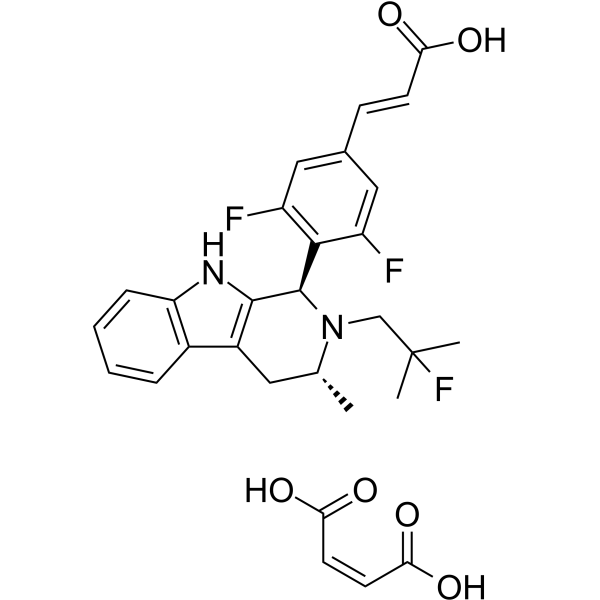
    Giredestrant tartrate (GDC-9545 tartrate), a non-steroidal ER ligand, is an orally active and selective estrogen receptor (ER) antagonist. Giredestrant tartrate potently competes with estradiol for binding and induces a conformational change within the ER ligand binding domain. Anti-tumor activity .
    Giredestrant tartrate
  • HY-19822S

    RAD1901-d4

    Isotope-Labeled Compounds Estrogen Receptor/ERR Cancer
    Elacestrant-d4 (RAD1901-d4) is a deuterated labeled Elacestrant (HY-19822). Elacestrant (RAD1901) is a selective estrogen receptor (estrogen receptor, ER) degrader (SERD) with oral activity, with IC50 values of 48 and 870 nM for ERα and ERβ, respectively. Elacestrant can also effectively inhibit the growth of ER + breast cancer cell lines both in vitro and in vivo.
    Elacestrant-d4
  • HY-126932

    Estrogen Receptor/ERR Cancer
    TTC-352 is an orally bioavailable selective human estrogen receptor (ER) α partial agonist (ShERPA). TTC-352 inhibits the growth of three ER+ breast cancer cells. TTC-352 induces tumor regression accompanied by exit of ERα from the nucleus to extranuclear sites .
    TTC-352
  • HY-176955

    Estrogen Receptor/ERR Cancer
    ER degrader 12 (Example 1) is an estrogen receptor (ER) degrader with IC50 values for ERα and ERβ of 2.3 and 80.2 nM respectively (TR-FRET experiment). ER degrader 12 inhibits the proliferation of MCF-7 cells, with an IC50 of 1.53 nM. ER degrader 12 can be used for research on breast cancer .
    ER degrader 12
  • HY-179238

    Estrogen Receptor/ERR Cancer
    CS-1-103 is a potent estrogen receptor (ER) inhibitor. CS-1-103 inhibits ER transcriptional activity with an EC50 of 0.36 μM by recruiting methyl-CpG binding domain protein 2 (MBD2), HDACs and the nucleosome remodeling and deacetylase (NuRD) complex. CS-1-103 can be used for breast and prostate cancer research .
    CS-1-103
  • HY-123163

    RWJ-66826; RTI-6617-003

    Progesterone Receptor Glucocorticoid Receptor Androgen Receptor Estrogen Receptor/ERR Endocrinology Cancer
    JNJ-1250132 (RWJ-66826) is an orally active and potent steroidal progesterone receptor (PR) antagonist, with an IC50 of 1.3 nM. JNJ-1250132 inhibits binding of the receptor to DNA in vitro. JNJ-1250132 is a potent competitive inhibitor of binding to the human glucocorticoid receptor (GR) (IC50=0.50 nM) and the rat androgen receptor (AR) (IC50=5.6 nM), and was a weak inhibitor of binding to human Estrogen receptor (ER) (IC50 >3000 nM) .
    JNJ-1250132
  • HY-125627

    Glucocorticoid Receptor Androgen Receptor Neurological Disease Metabolic Disease
    CP-394531 is an efficient and highly selective non-steroidal glucocorticoid receptor (GR) antagonist, with a Ki value of 0.1 nM. CP-394531 has a weak binding to androgen receptor (AR) (Ki = 130 nM), and has almost no effect on progesterone receptor (PR) and estrogen receptors (ERα, ERβ). CP-394531 completely blocks the half-maximal agonistic effect induced by Dexamethasone (HY-14648G), with a Kif of 4.1 nM. CP-394531 can be used to study various diseases such as diabetes, obesity, depression, neurodegenerative diseases, glaucoma and Cushing's disease .
    CP-394531
  • HY-100266

    CI-628

    Estrogen Receptor/ERR Cancer
    Nitromifene is an antagonist of estrogen receptor (ER).
    Nitromifene
  • HY-P3833

    Anti-Estrogen

    Estrogen Receptor/ERR Endocrinology
    Yp537 is an estrogen receptor (ER) inhibitor that blocks dimerization of the human estrogen receptor .
    Yp537
  • HY-143253

    Estrogen Receptor/ERR Cancer
    Estrogen receptor antagonist 7 (compound 13) is a potent estrogen receptors (ER) antagonist. Estrogen receptor antagonist 7 has antiproliferative activity against breast and ovarian cancer cells. Anticancer and anti-uterotrophic activities .
    Estrogen receptor antagonist 7
  • HY-N9329

    Monoamine Oxidase Estrogen Receptor/ERR Metabolic Disease
    Glicoricone, a phenolic compound, is isolated from a species of licorice. Glicoricone is an inhibitor of monoamine oxidase (MAO), with an IC50 of 140 μM. Glicoricone binds to estrogen receptor (ER) and shows estrogen antagonist activity .
    Glicoricone
  • HY-144138

    Estrogen Receptor/ERR Cancer
    Estrogen receptor antagonist 2 is a selective estrogen receptor downregulator. Estrogen (E2) and estrogen alpha receptor (ERα) are important drivers of breast cancer development. Estrogen receptor antagonist 2 has the potential for the research of breast cancer diseases (extracted from patent WO2021228210A1, compound 3) .
    Estrogen receptor antagonist 2
  • HY-144137

    Estrogen Receptor/ERR Cancer
    Estrogen receptor antagonist 1 is a selective estrogen receptor antagonist. Estrogen (E2) and estrogen alpha receptor (ERα) are important drivers of breast cancer development. Estrogen receptor antagonist 1 has the potential for the research of breast cancer diseases (extracted from patent WO2021249533A1, compound 4) .
    Estrogen receptor antagonist 1
  • HY-144139

    Estrogen Receptor/ERR Cancer
    Estrogen receptor antagonist 3 is a potent antagonist of estrogen receptor (ER). The estrogen signaling system plays an important role in regulating cell growth, differentiation and apoptosis. Estrogen receptor antagonist 3 has the potential for the research of cancer diseases (extracted from patent WO2021213358A1, compound 7) .
    Estrogen receptor antagonist 3

Inquiry Online

Your information is safe with us. * Required Fields.

Salutation


Country or Region *

Applicant Name *


Organization Name *

Department *


Email Address *


Product Name *

Cat. No.


Requested quantity *

Phone Number *


Remarks

Inquiry Online

Inquiry Information

Product Name:
Cat. No.:
Quantity:
MCE Japan Authorized Agent:

