
198 Results for "

Extracellular matrix

" in MedChemExpress (MCE) Product Catalog:
Products (198)

198 Results for "Extracellular matrix" in MCE Product Catalog:

  • Targets Recommended:
484
484 Publications Verification
Cat. No.: HY-108232
CAS No.: 1032349-77-1
Purity:  99.72%
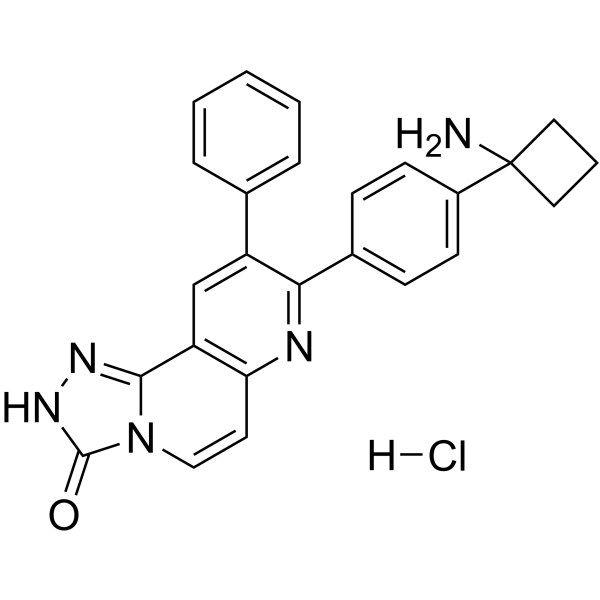
MK-2206 is an orally active pan-AKT inhibitor, with IC50 values of 8 nM, 12 nM and 65 nM against AKT1, AKT2 and AKT3, respectively. MK-2206 inhibits the Akt/mTOR signaling pathway and reduces the levels of downstream GSK3β and Mcl-1 via proteasomal degradation. MK-2206 induces G1-phase cell cycle arrest, apoptosis, epithelial-mesenchymal transition, fibroblast activation and extracellular matrix deposition. MK-2206 causes transient hyperglycemia and hyperinsulinemia in animals. MK-2206 can be used in research related to solid tumors, renal fibrosis and hypercholesterolemia .
loading...
    loading...
484
484 Publications Verification
Cat. No.: HY-10358
CAS No.: 1032350-13-2
Purity:  99.94%
Synonyms: MK-2206 (2HCl)
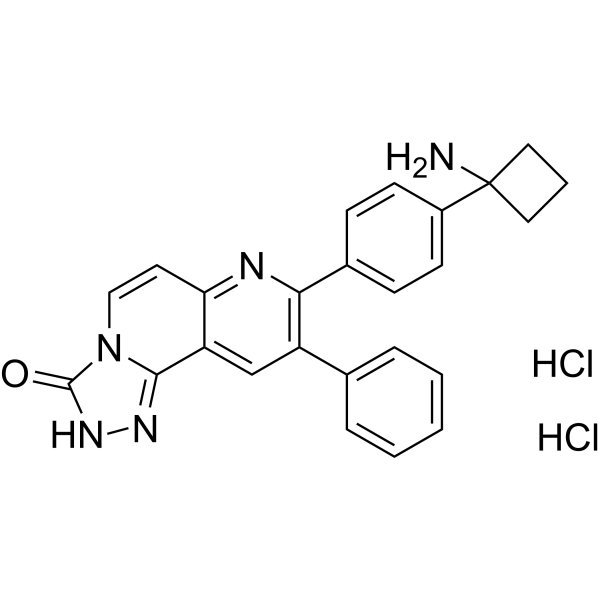
MK-2206 dihydrochloride (MK-2206 2HCl) is an orally active pan-AKT inhibitor, with IC50 values of 8 nM, 12 nM and 65 nM against AKT1, AKT2 and AKT3, respectively. MK-2206 dihydrochloride inhibits the Akt/mTOR signaling pathway and reduces the levels of downstream GSK3β and Mcl-1 via proteasomal degradation. MK-2206 dihydrochloride induces G1-phase cell cycle arrest, apoptosis, epithelial-mesenchymal transition, fibroblast activation and extracellular matrix deposition. MK-2206 dihydrochloride causes transient hyperglycemia and hyperinsulinemia in animals. MK-2206 dihydrochloride can be used in research related to solid tumors, renal fibrosis and hypercholesterolemia .
loading...
    loading...
192
192 Cited Publications
Cat. No.: HY-W008923
CAS No.: 17086-28-1
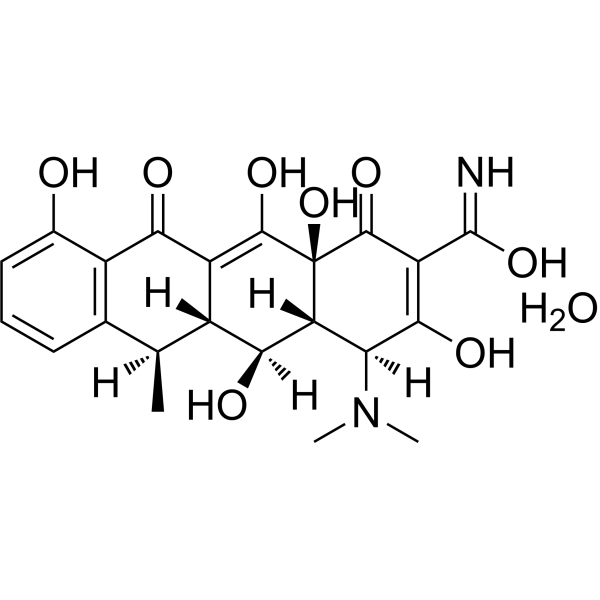
Doxycycline monohydrate is an orally active highly lipophilic, tissue-permeable MMP inhibitor with broad-spectrum antibacterial activity. Doxycycline monohydrate is also a semi-synthetic antibiotic with chelating properties, which blocks bacterial protein synthesis and inhibits extracellular matrix degradation through interactions with zinc and calcium atoms. Doxycycline monohydrate also inhibits mitochondrial biogenesis, translation, and the expression of respiratory chain proteins. Doxycycline monohydrate induces apoptosis, inhibits autophagy and EMT, downregulates stem cell markers, and activates the PI3K-AKT pathway, thereby effectively inhibiting the viability and proliferation of cancer cells such as breast cancer cells. Doxycycline monohydrate also promotes the survival and self-renewal of embryonic stem cells and neural stem cells, and reduces the frequency of medium changes in culture. Doxycycline monohydrate has been applied in studies related to breast cancer, prostate cancer, bladder cancer, and other cancers .
loading...
    loading...
26
26 Cited Publications
Cat. No.: HY-129047E
CAS No.: 9002-07-7
Target:  

Ser/Thr Protease

Research Areas:  

Others

Trypsin, porcine pancreas (Cell culture grade) is a serine protease that hydrolyzes proteins at the carboxyl side of lysine or arginine residues. Trypsin, porcine pancreas (Cell culture grade) exhibits excellent protein digestibility for α-lactalbumin and β-casein. Trypsin, porcine pancreas (Cell culture grade) removes cellular components while preserving extracellular matrix structures to achieve uniform decellularization of porcine pancreas .
loading...
    loading...
24
24 Cited Publications
Cat. No.: HY-K6002

MCE Basement Membrane Matrix is primarily composed of natural basement membrane matrix extracted from mouse tumors.This product is mainly used for studies of tumor invasion, angiogenesis and organoids culture while avoiding color interference in subsequent experiments.

loading...
    loading...
23
23 Cited Publications
Cat. No.: HY-101916
CAS No.: 9050-30-0
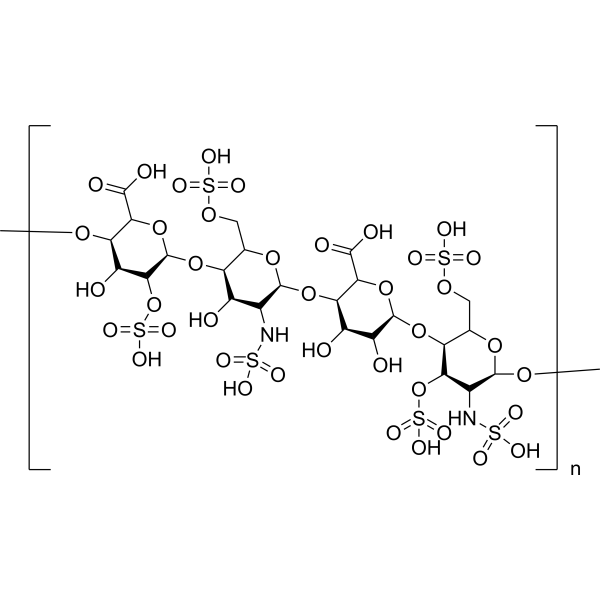
Heparan sulfate, a complex and linear polysaccharide, exists as part of glycoproteins named heparan sulfate proteoglycans, which are expressed abundantly on the cell surface and in the extracellular matrix.
loading...
    loading...
21
21 Cited Publications
Cat. No.: HY-B0633
CAS No.: 9067-32-7
Synonyms: Sodium hyaluronate
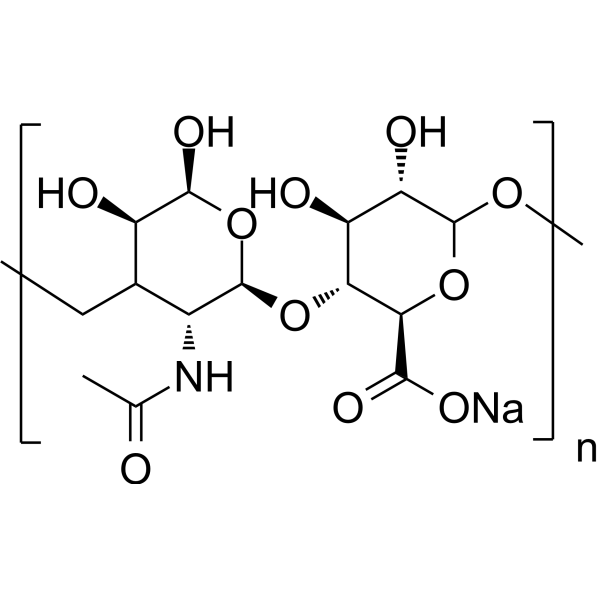
Hyaluronic acid sodium (Sodium hyaluronate) is a biopolymer composed of repeating units of disaccharides with various applications. Hyaluronic acid sodium is a major component of the extracellular matrix (ECM). Hyaluronic acid sodium is synthesized at the plasma membrane. Increased hyaluronic acid sodium levels are associated with tumor cell growth, adhesion, migration, invasion and angiogenesis in digestive cancers. Hyaluronic acid sodium participates in tissue remodeling and rapid cell proliferation in some physiological processes including embryonic morphogenesis and wound-healing. Hyaluronic acid sodium activates the PI3K-Akt signaling. Hyaluronic acid sodium acts as a regulator of cancer-associated lymphangiogenesis. Hyaluronic acid sodium also enhances cell invasion and angiogenesis by promoting proteolytic MMP-9 binding to cell surface or stimulating MMP-9 binding to cell surface. Hyaluronic acid sodium can be used as drug delivery for sodium butyrate to improve the anti-proliferative activity on breast cancer cell line. Hyaluronic acid sodium can be studied in joint diseases, wound healing and cancer .
loading...
    loading...
21
21 Cited Publications
Cat. No.: HY-B0633A
CAS No.: 9004-61-9
Synonyms: Hyaluronan; Hyaluronate
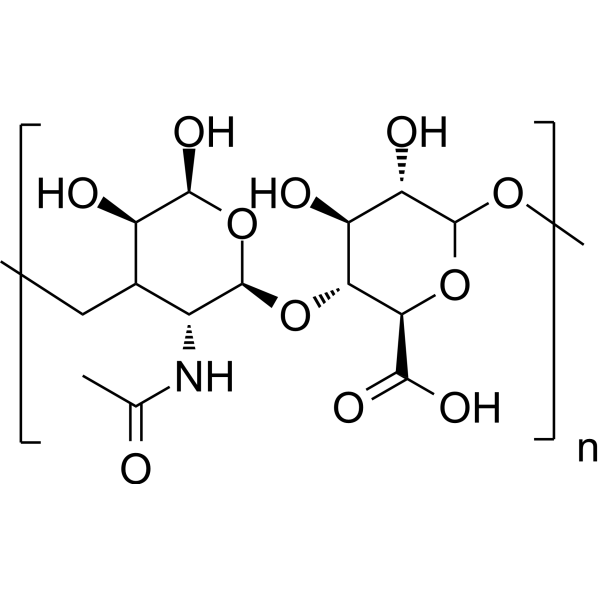
Hyaluronic acid is a biopolymer composed of repeating units of disaccharides with various applications. Hyaluronic acid is a major component of the extracellular matrix (ECM). Hyaluronic acid is synthesized at the plasma membrane. Increased hyaluronic acid levels are associated with tumor cell growth, adhesion, migration, invasion and angiogenesis in digestive cancers. Hyaluronic acid participates in tissue remodeling and rapid cell proliferation in some physiological processes including embryonic morphogenesis and wound-healing. Hyaluronic acid activates the PI3K-Akt signaling. Hyaluronic acid acts as a regulator of cancer-associated lymphangiogenesis. Hyaluronic acid also enhances cell invasion and angiogenesis by promoting proteolytic MMP-9 binding to cell surface or stimulating MMP-9 binding to cell surface. Hyaluronic acid can be used as drug delivery for sodium butyrate to improve the anti-proliferative activity on breast cancer cell line. Hyaluronic acid can be studied in joint diseases, wound healing and cancer .
loading...
    loading...
11
11 Cited Publications
Cat. No.: HY-15651
CAS No.: 848141-11-7
Purity:  99.87%
Synonyms: AZD9668
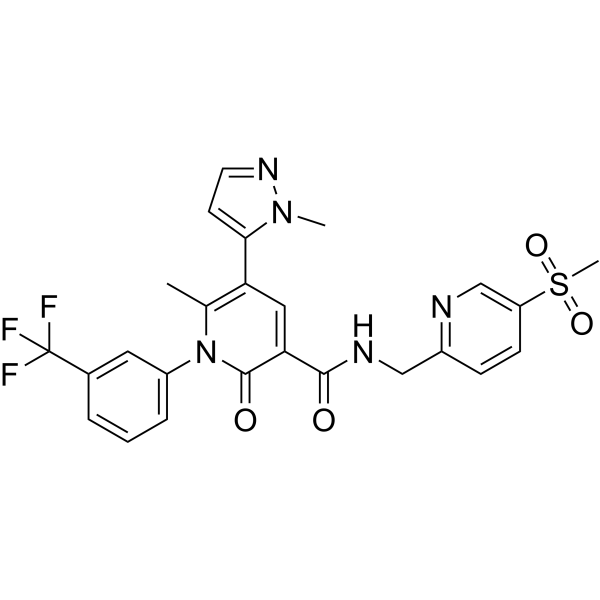
Alvelestat (AZD9668) is an orally active, selective inhibitor of neutrophil elastase. Alvelestat reduces elastase activity, myeloperoxidase release, neutrophil recruitment and activation, and calcium phosphate precipitation; promotes smooth muscle cell colonization and collagen deposition; and inhibits the formation of neutrophil extracellular traps (NETs) as well as NET-derived neutrophil elastase activity. Alvelestat restores endothelial dysfunction, regulates antioxidant factors, improves the expression of endothelial tight junctions, reduces vascular leakage, and accelerates wound healing. Alvelestat prevents pulmonary hemorrhage, matrix protein degradation, airspace enlargement, and small airway wall remodeling; and alleviates cigarette-induced inflammatory responses. Alvelestat inhibits the growth of abdominal aortic aneurysms exacerbated by Porphyromonas gingivalis. Alvelestat can be used in research related to chronic obstructive pulmonary disease, abdominal aortic aneurysm, radiation-induced skin injury, and bronchiectasis .
loading...
    loading...
9
9 Cited Publications
Cat. No.: HY-P3160
CAS No.: 86088-83-7
Fibronectin, a glycoprotein present in blood as well as in cells, is a biomarker of tissue injury. Fibronectin binds to membrane-spanning receptor proteins called integrins. Fibronectin also binds to other extracellular matrix proteins such as collagen, fibrin, and heparan sulfate proteoglycans .
This product is a human Fibronectin obtained by recombinant expression in a rice expression system.
loading...
    loading...
6
6 Cited Publications
Cat. No.: HY-13306
CAS No.: 1228445-38-2
Purity:  99.71%
Target:  

Integrin

Research Areas:  

Metabolic Disease

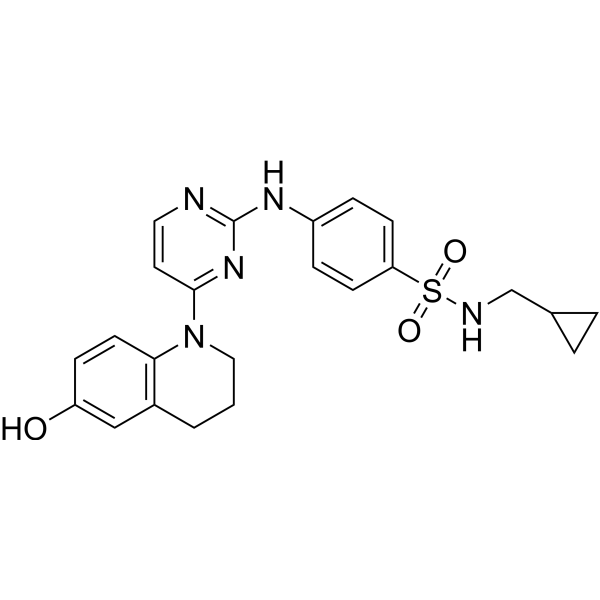
Pyrintegrin is an β1-integrin agonist and a 2,4-disubstituted pyrimidine that promotes embryonic stem cells survival. Pyrintegrin enhances cell-extracellular matrix (ECM) adhesion-mediated integrin signaling. Pyrintegrin can be used as a podocyte-protective agent and has robustly adipogenic .
loading...
    loading...
5
5 Cited Publications
Cat. No.: HY-100898
CAS No.: 853929-59-6
Purity:  99.58%
Target:  

Glycosidase

Research Areas:  

Cancer

OGT 2115 is a potent, cell-permeable and orally active heparanase inhibitor with an IC50 of 0.4 μM. OGT 2115 has anti-angiogenic properties (IC50 of 1 μM). OGT 2115 also inhibits heparan sulfate degradation activity .
loading...
    loading...
5
5 Cited Publications
Cat. No.: HY-B1153
CAS No.: 3820-67-5
Synonyms: Glafenin
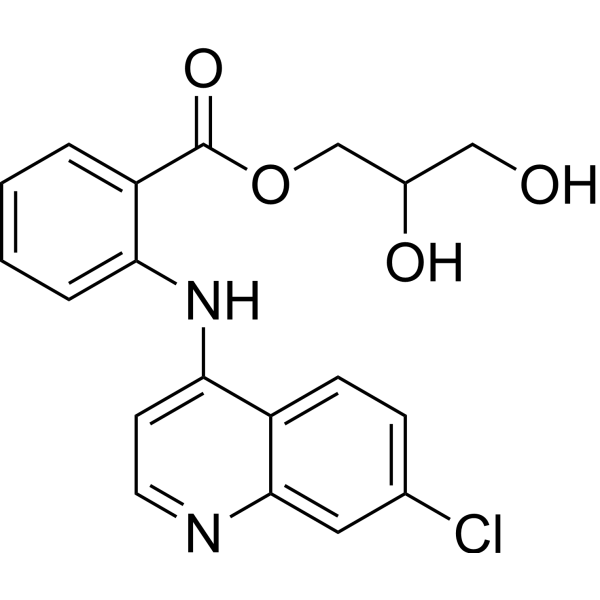
Glafenine (Glafenin) is a non-selective, non-steroidal anti-inflammatory drug-based COX-1/COX-2 inhibitor. Glafenine exerts anti-inflammatory, anti-proliferative and anti-cell migration effects by inhibiting the arachidonic acid metabolic pathway and reducing prostaglandin synthesis. Glafenine can induce cell cycle arrest in vascular smooth muscle cells and endothelial cells and reduce the synthesis of the extracellular matrix protein Tenascin. Glafenine can be used in the research of inflammatory-related diseases, vascular restenosis and cystic fibrosis (CF) .
loading...
    loading...
5
5 Cited Publications
Cat. No.: HY-B1153A
CAS No.: 65513-72-6
Synonyms: Glafenin hydrochloride
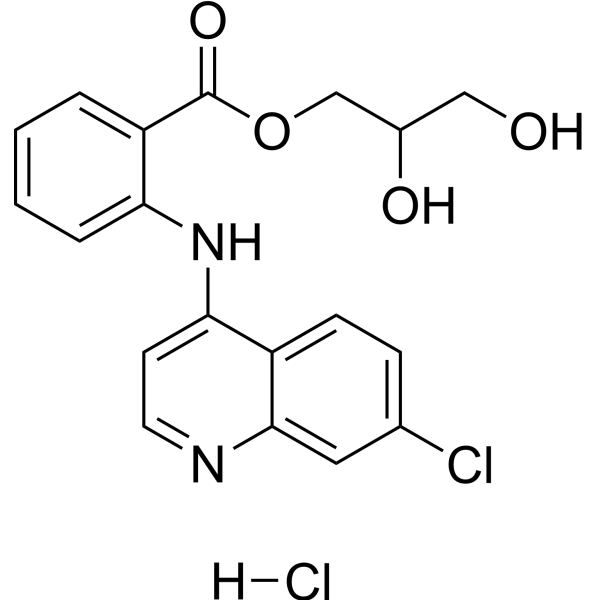
Glafenine (Glafenin) hydrochloride is a non-selective, non-steroidal anti-inflammatory drug-based COX-1/COX-2 inhibitor. Glafenine hydrochloride exerts anti-inflammatory, anti-proliferative and anti-cell migration effects by inhibiting the arachidonic acid metabolic pathway and reducing prostaglandin synthesis. Glafenine hydrochloride can induce cell cycle arrest in vascular smooth muscle cells and endothelial cells and reduce the synthesis of the extracellular matrix protein Tenascin. Glafenine hydrochloride can be used in the research of inflammatory-related diseases, vascular restenosis and cystic fibrosis (CF) .
loading...
    loading...
4
4 Cited Publications
Cat. No.: HY-N0696
CAS No.: 61825-98-7
Synonyms: Imperialine
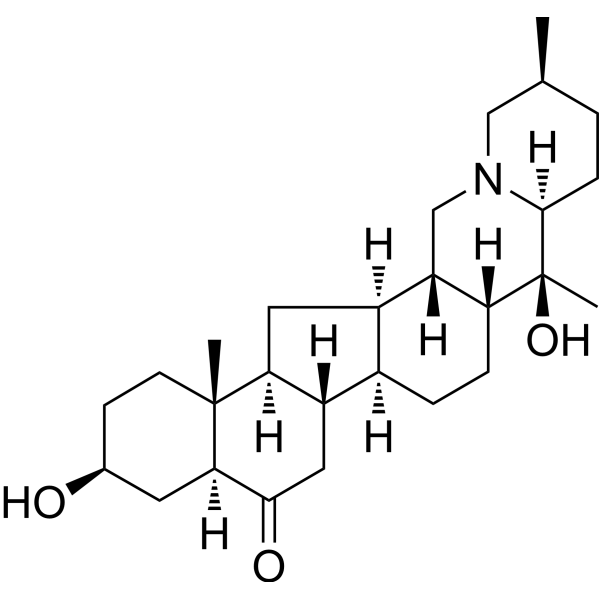
Sipeimine (Imperialine) is an inhibitor targeting the PI3K/AKT/NF-κB pathway and NLRP3 inflammasome, which can competitively bind to PI3K and p65. Sipeimine inhibits PI3K/AKT phosphorylation, blocks NF-κB nuclear translocation and NLRP3 inflammasome activation. Sipeimine exerts anti-inflammatory activities, inhibits pyroptosis and ferroptosis, and protects the extracellular matrix. Sipeimine can reduce cartilage degradation and synovial inflammation in osteoarthritis and improve PM2.5-induced lung injury. Sipeimine is mainly used in the study of anti-inflammatory and degenerative diseases .
loading...
    loading...
3
3 Cited Publications
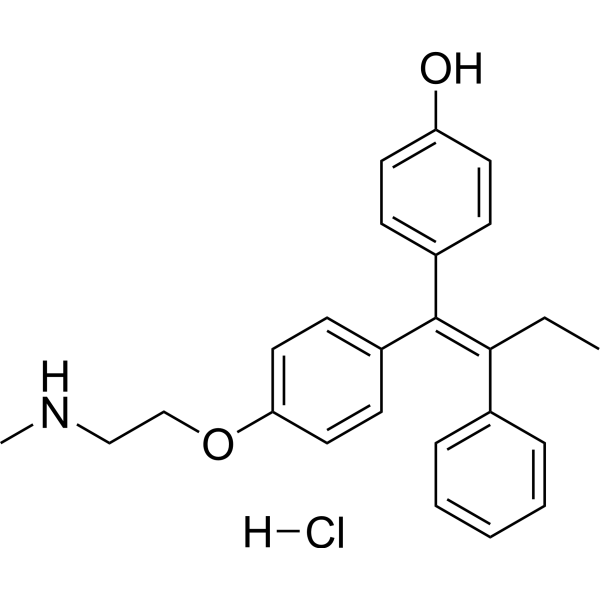
Cat. No.: HY-18719A
CAS No.: 1032008-74-4
Endoxifen Z-isomer hydrochloride is an orally active selective PKCβ1 inhibitor with an IC50 of 360 nM against human PKCβ1. It also acts as an estrogen receptor modulator and antiestrogen. Endoxifen Z-isomer hydrochloride binds to and blocks ERα, ERβ and PKCβ1, inhibits estrogen and PI3K/AKT/mTORC1 signaling pathways, suppresses the expression of genes associated with cell cycle, cell proliferation and extracellular matrix remodeling, and induces apoptosis, reactive oxygen species (ROS) production and hypoxic features. Endoxifen Z-isomer hydrochloride inhibits tumor growth in breast tumor and glioblastoma models, reduces bone turnover and blood lipid levels, and does not require metabolism via CYP2D6. It can be used in research related to ER + breast cancer, invasive breast cancer, glioblastoma multiforme, type I bipolar disorder, desmoid tumor, gynecological malignancies, melanoma and hormone receptor-positive solid tumors .
loading...
    loading...
3
3 Cited Publications
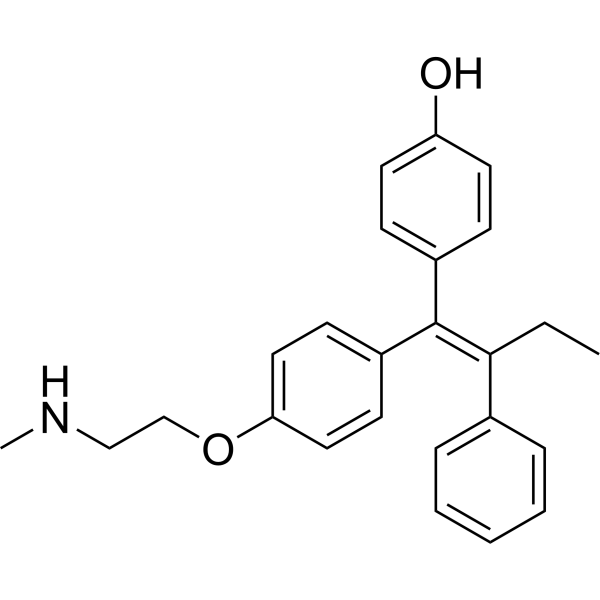
Cat. No.: HY-18719
CAS No.: 112093-28-4
Endoxifen Z-isomer is an orally active selective PKCβ1 inhibitor with an IC50 of 360 nM against human PKCβ1. Endoxifen Z-isomer also acts as an estrogen receptor modulator and antiestrogen. Endoxifen Z-isomer binds to and blocks ERα, ERβ and PKCβ1, inhibits estrogen and PI3K/AKT/mTORC1 signaling pathways, suppresses the expression of genes associated with cell cycle, cell proliferation and extracellular matrix remodeling, and induces apoptosis, reactive oxygen species (ROS) production and hypoxic features. Endoxifen Z-isomer inhibits tumor growth in breast tumor and glioblastoma models, reduces bone turnover and blood lipid levels, and does not require metabolism via CYP2D6. Endoxifen Z-isomer can be used in research related to ER + breast cancer, invasive breast cancer, glioblastoma multiforme, type I bipolar disorder, desmoid tumor, gynecological malignancies, melanoma and hormone receptor-positive solid tumors .
loading...
    loading...
2
2 Cited Publications
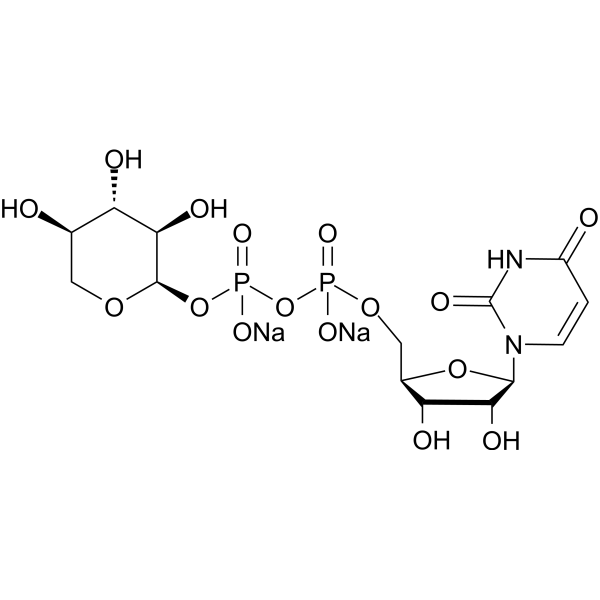
Cat. No.: HY-N11287A
CAS No.: 108320-89-4
UDP-xylose disodium is an endogenous sugar nucleotide and a catalytic substrate of UDP-xylose disodium synthase (UXS). UDP-xylose disodium is a sugar donor for the synthesis of glycoproteins, polysaccharides, various metabolites and oligosaccharides in plants, vertebrates and fungi, and participates in the synthesis of proteoglycans as a glycosyl donor. UDP-xylose disodium participates in the regulation of the synthesis of extracellular matrix components and can be used to study the mechanism of proteoglycan biosynthesis in glycobiology and related diseases (such as connective tissue diseases)[1][2].
loading...
    loading...
2
2 Cited Publications
Cat. No.: HY-N0671
CAS No.: 155-58-8
Synonyms: Rhaponiticin
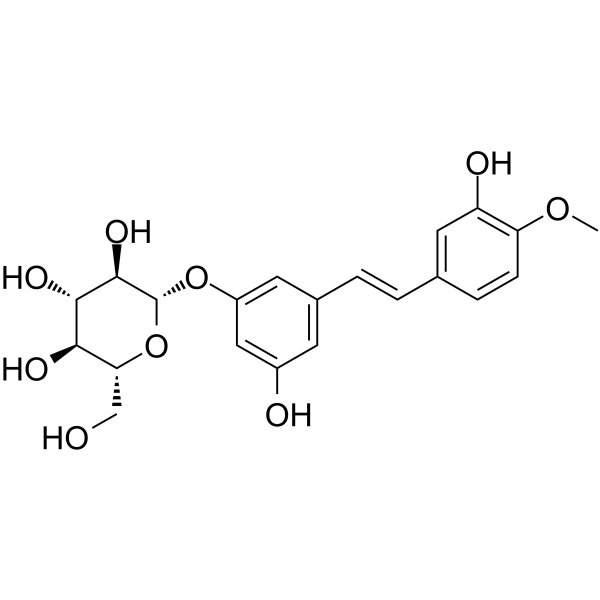
Rhapontin (Rhaponiticin) is an orally aactive SIRT1 agonist and AMPK activator with anti-inflammatory and anti-fibrotic activities. Rhapontin inhibits NLRP3 inflammasome activation by activating SIRT1 and inhibits TGF-β/Smad signaling via the AMPK pathway. Rhapontin reduces intestinal and lung inflammation, inhibits fibroblast differentiation and extracellular matrix deposition, and enhances tight junction protein expression to repair epithelial barriers. Rhapontin can be used in the study of inflammatory bowel diseases (such as ulcerative colitis) and pulmonary fibrosis .
loading...
    loading...
2
2 Cited Publications
Cat. No.: HY-P71691
Purity:  ≥ 90%, as determined by reducing SDS-PAGE.
Synonyms: Cytotactin; Glioma associated Extracellular matrix antigen; GMEM; TenascinC
Species:  
Source:  
loading...
    loading...

