97 Results for "

FABP

" in MedChemExpress (MCE) Product Catalog:
Products (97)

97 Results for "FABP" in MCE Product Catalog:

  • Targets Recommended:
29
29 Publications Verification
Cat. No.: HY-101903
CAS No.: 300657-03-8
Purity:  99.93%
Target:  

FABP

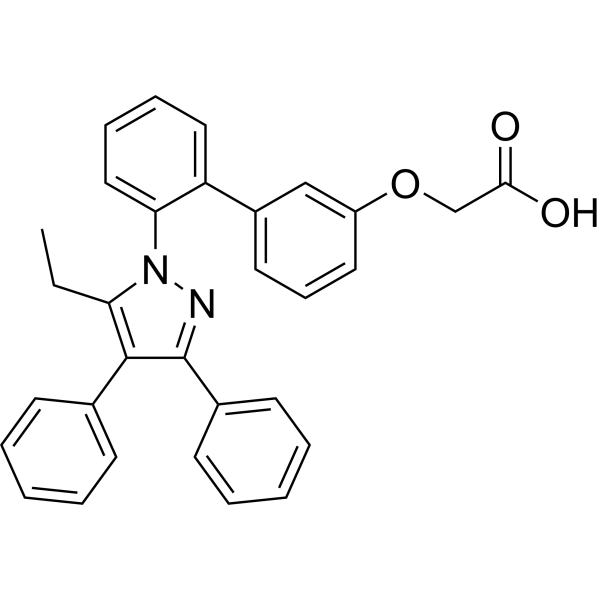
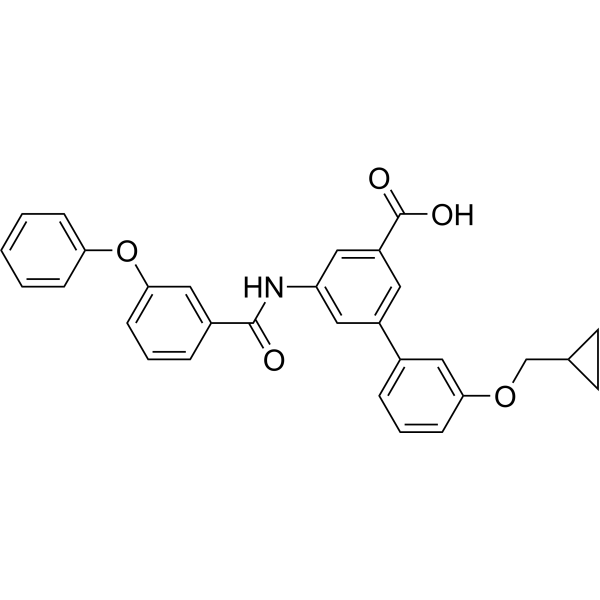
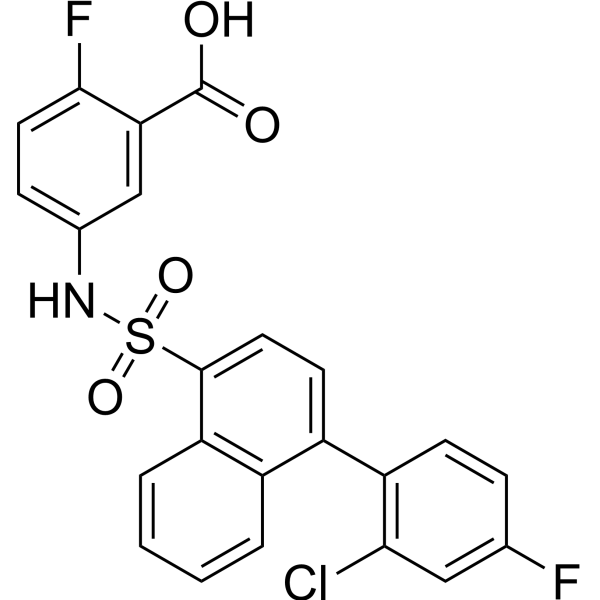
BMS-309403 is a potent, orally active and selective adipocyte fatty acid binding protein (also known as FABP4, aP2) inhibitor with Kis of <2, 250, and 350 nM for FABP4, FABP3, and FABP5, respectively. BMS-309403 interacts with the fatty-acid-binding pocket within the interior of the protein and competitively inhibits the binding of endogenous fatty acids. BMS-309403 improves endothelial function in apolipoprotein E-deficient mice and in cultured human endothelial cells .
loading...
    loading...
29
29 Publications Verification
Cat. No.: HY-101903A
CAS No.: 2802523-05-1
Purity:  99.93%
Target:  

FABP

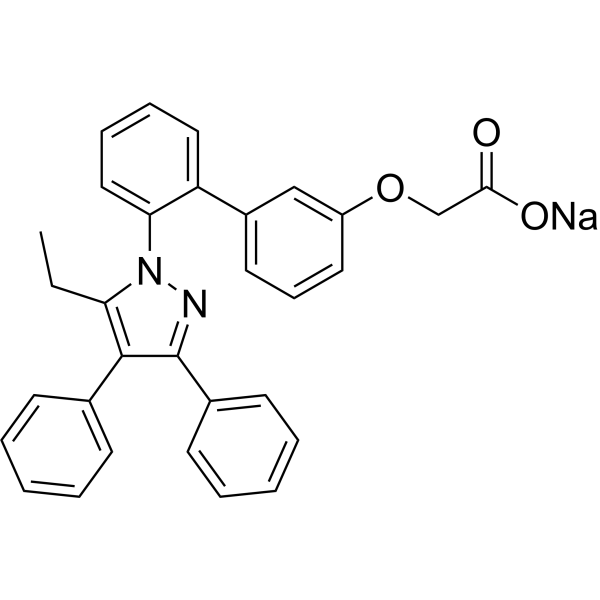
BMS-309403 sodium is a potent, orally active, and selective adipocyte fatty acid binding protein (also known as FABP4, aP2) inhibitor, with Kis of <2, 250, and 350 nM for FABP4, FABP3, and FABP5, respectively. BMS-309403 sodium interacts with the fatty-acid-binding pocket within the interior of the protein and competitively inhibits the binding of endogenous fatty acids. BMS-309403 sodium improves endothelial function in apolipoprotein E-deficient mice and in cultured human endothelial cells .
loading...
    loading...
4
4 Cited Publications
Cat. No.: HY-N2445
CAS No.: 37308-75-1
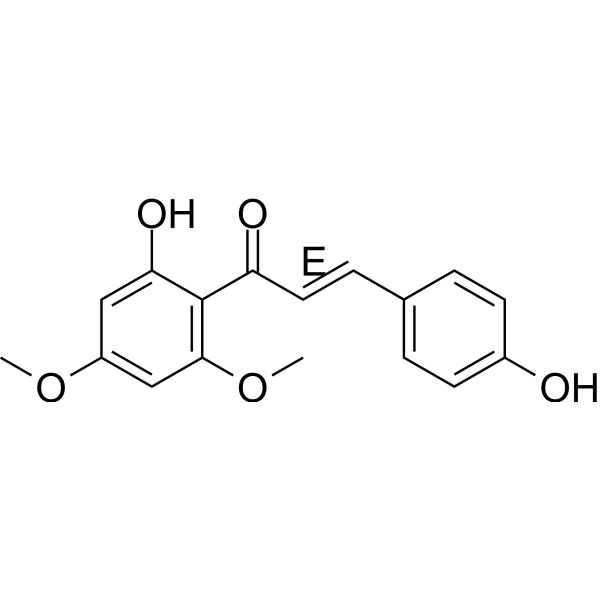
Flavokawain C is an orally active natural chalcone. Flavokawain C inhibits the proliferation of various cancer cells. Flavokawain C upregulates GADD153 in cancer cells, inhibits the phosphorylation of Akt and JNK, suppresses early ERK phosphorylation, activates late ERK phosphorylation, activates caspase related subtypes, induces PARP-1 cleavage, causes upregulation of p21 and p27, downregulation of mutant p53 and anti-apoptotic IAP proteins, elevates intracellular ROS levels, reduces SOD activity, and induces apoptosis. Flavokawain C downregulates FABP4, induces autophagy in cancer cells, and activates the AMPK/mTOR pathway . Flavokawain C decreases the expression of glycolysis-related proteins GLUT1 and HK2, and inhibits glycolysis in nasopharyngeal carcinoma cells. Flavokawain C inhibits the activation of the EGFR/PI3K/Akt/mTOR signaling pathway and reduces the expression of HSP90B1. Flavokawain C inhibits angiogenesis by decreasing the expression of angiogenic proteins Ang-1 and VEGF in human umbilical vein endothelial cells. Flavokawain C increases γ-H2AX levels in cells, inhibits the phosphorylation of FAK, PI3K and AKT in cells, and induces DNA damage in cells. Flavokawain C exerts anti-tumor activity in multiple tumor xenograft mouse models. Flavokawain C is applicable to research related to colorectal cancer, colon adenocarcinoma, nephroblastoma, nasopharyngeal carcinoma and liver cancer .
loading...
    loading...
3
3 Cited Publications
Cat. No.: HY-P75215
Purity:  ≥ 95%, as determined by reducing SDS-PAGE.
Synonyms: Adipocyte-type fatty acid-binding protein; FABP4; AFABP
Species:  
Source:  
loading...
    loading...
2
2 Cited Publications
Cat. No.: HY-145990
CAS No.: 2988135-14-2
Purity:  99.86%
Synonyms: MF6
Target:  

FABP

Research Areas:  

Inflammation/Immunology

FABPs ligand 6 (MF6) is an FABP5 and FABP7 inhibitor with KD values of 874 nM and 20 nM, respectively. FABPs ligand 6 can be used for multiple sclerosis research .
loading...
    loading...
2
2 Cited Publications
Cat. No.: HY-P80124

Host:  

Rabbit

Application:  

WB, IHC-F, ICC/IF

Reactivity:  

Human, Mouse, Rat

loading...
    loading...
1
1 Cited Publications
Cat. No.: HY-158127
CAS No.: 3048021-44-6
Purity:  99.95%
Target:  

FABP

FABP1-IN-1 (44) is a selective FABP1 inhibitor, with an IC50 of 4.46 μM. FABP1-IN-1 (44) can be used for the research of NASH .
loading...
    loading...
1
1 Cited Publications
Cat. No.: HY-Q66655
CAS No.: 3120494-74-5
YRDC-IN-1 is a blood-brain barrier-permeable YRDC inhibitor. YRDC is a key enzyme that catalyzes the formation of N 6-threonylcarbamoyladenosine at position 37 of tRNA (t 6A37). YRDC-IN-1 selectively inhibits the translation of ANN codon-enriched FABP7, thereby reducing lipid droplet formation, increasing ROS, and reversing the acquired resistance of GBM to Temozolomide (TMZ) (HY-17364). YRDC-IN-1 can be used for the research of glioblastoma .
loading...
    loading...
Cat. No.: HY-D1736
CAS No.: 158757-82-5
BODIPY FL-C16 is a BODIPY-labeled analog of Palmitic acid (HY-N0830), which serves as a fluorescent lipid tracer. BODIPY FL-C16 also acts as a ligand for liver fatty acid-binding protein (L-FABP) and intestinal fatty acid-binding protein (I-FABP) , with Kd values of 270 nM and 330 nM, respectively. BODIPY FL-C16 is rapidly taken up by cells, and after metabolic conversion to phospholipids, it is incorporated into the membrane structures of intracellular organelles and extracellular vesicles .
loading...
    loading...
Cat. No.: HY-148665
CAS No.: 1426533-99-4
Purity:  99.78%
Target:  

FABP

Research Areas:  

Others

FABP-IN-2 is a novel FABP3 ligand. FABP-IN-2 inhibits FABP3/FABP4 with an IC50 of 1.16 μM and 4.27 μM respectively .
loading...
    loading...
Cat. No.: HY-161702
CAS No.: 1433901-75-7
Target:  

FABP

Research Areas:  

Inflammation/Immunology

RO6806051 is a selectivity FABP4 and FABP5 inhibitor with human FABP4 Ki values of 0.011 μM and 0.23 μM, and human FABP5 Ki values of 0.086 μM and 1.17 μM. RO6806051 can be used for the research of inflammation-related diseases .
loading...
    loading...
Cat. No.: HY-W040255
CAS No.: 89947-79-5
Synonyms: PGPC
1-Palmitoyl-2-glutaryl-sn-glycero-3-phosphocholine is an oxidized phospholipid. 1-Palmitoyl-2-glutaryl-sn-glycero-3-phosphocholine reduces the viability of HUVECs, increases the levels of ferrous ions and lipid peroxidation, promotes the production of superoxide anions, and decreases the levels of glutathione and GPX4 in cells. 1-Palmitoyl-2-glutaryl-sn-glycero-3-phosphocholine upregulates the mRNA and protein levels of FABP3 in HUVECs, impairs mitochondrial membrane potential, and induces ferroptosis-related changes as well as mitochondrial dysfunction and damage. 1-Palmitoyl-2-glutaryl-sn-glycero-3-phosphocholine activates caspase-11 and promotes the continuous release of IL-1β from macrophages and dendritic cells. 1-Palmitoyl-2-glutaryl-sn-glycero-3-phosphocholine inhibits the proliferation of aortic smooth muscle cells and induces apoptosis in these cells. 1-Palmitoyl-2-glutaryl-sn-glycero-3-phosphocholine is applicable to relevant research on atherosclerosis .
loading...
    loading...
Cat. No.: HY-W012865
CAS No.: 80-69-3
Tartronic acid, a dicarboxylic acid derive, is an inhibitor of the transformation of carbohydrates into fat under fat-deficient diet conditions. Tartronic acid promotes 3T3-L1 adipocyte differentiation by increasing the protein expression of FABP-4, PPARγ and SREBP-1. Tartronic acid promotes de novo lipogenesis and inhibits CPT-1β by upregulating acetyl-CoA and malonyl-CoA. Tartronic acid promotes weight gain and induces adipocyte hypertrophy in epididymal white adipose tissue and lipid accumulation in the livers of high-fat diet induced obese mice. Tartronic acid can be used for lipid metabolic disease research .
loading...
    loading...
Cat. No.: HY-N12540
CAS No.: 1932659-76-1
Synonyms: MGDG
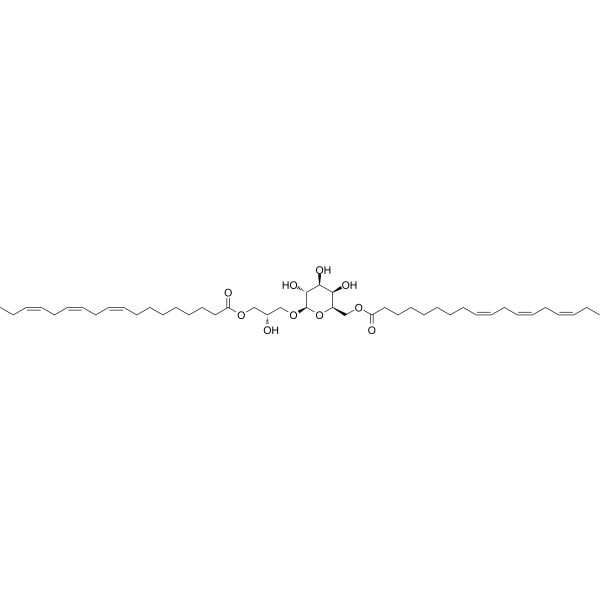
Monogalactosyldiacylglycerol (MGDG) is a galactolipid with anti-inflammatory and anticancer activities, which is found in photosynthetic organisms. Monogalactosyldiacylglycerol is a potent DNA polymerase inhibitor with pro-apoptotic activity. Monogalactosyldiacylglycerol inhibits the synthesis of LPS (HY-D1056)-induced inflammation-related proteins (Ex-FABP, Avidin, Serum Amyloid A). Monogalactosyldiacylglycerol exerts an anti-proliferative effect on chicken articular chondrocytes . Monogalactosyldiacylglycerol can be used in research related to osteoarthritis, cancer and inflammatory diseases .
loading...
    loading...
Cat. No.: HY-165607S
CAS No.: 3058199-58-6
MCB-22-174 is a deuterated Piezo1 agonist, with an EC50 value of 6.28 μM. MCB-22-174 remarkably activates the CaMKII/ERK signaling pathway and initiates Ca 2+ influx in rMSCs. MCB-22-174 significantly decreases the expression of chondrogenesis markers (Comp, Acan) and adipogenesis markers (Lpl, Fabp4) in MSCs. MCB-22-174 can effectively improve bone quality in hind-limb unloading (HU) model rats. MCB-22-174 can be used for the study of disuse osteoporosis (OP) .
loading...
    loading...
Cat. No.: HY-163032
CAS No.: 3053862-47-5
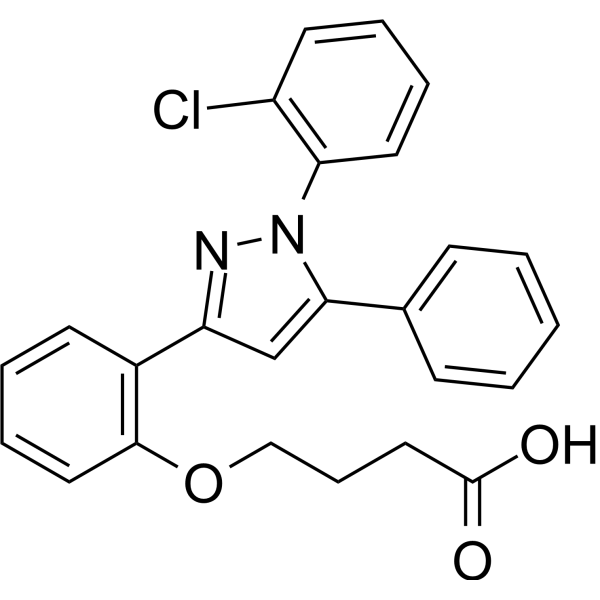
FABP4-IN-3 (compound C3) is a highly selective FABP4 inhibitor (FABP4 Ki = 25 ± 3 a nM, FABP3 Ki = 15.03 μM) which exhibits a 601-fold selectivity over FABP3. FABP4-IN-3 also shows metabolic stability and potent cellular anti-inflammatory activity, making it promising to get involved in the research of metabolic disease, cardiac dysfunction and inflammation-related disease .
loading...
    loading...
Cat. No.: HY-127049
CAS No.: 1217901-28-4
Target:  

Fluorescent Dye

Research Areas:  

Others

Arachidonic acid-Biotin is a biotin-labeled Arachidonic acid (HY-109590) that can be used to detect complexes of arachidonic acid with protein binding partners such as fatty acid binding proteins (FABPs) .
loading...
    loading...
Cat. No.: HY-161904
CAS No.: 2378625-66-0
Research Areas:  

Endocrinology

CDYL-IN-1 is a selective small-molecule inhibitor of CDYL with a KD value of 0.5 μM. CDYL-IN-1 improves renal dysfunction, pathological damage and renal tubular pyroptosis, inhibits FABP4-mediated ROS production, and alleviates renal tubular epithelial cell injury. CDYL-IN-1 is applicable to the research of acute kidney injury .
loading...
    loading...
Cat. No.: HY-160457
CAS No.: 2862791-11-3
Target:  

FABP

Research Areas:  

Metabolic Disease

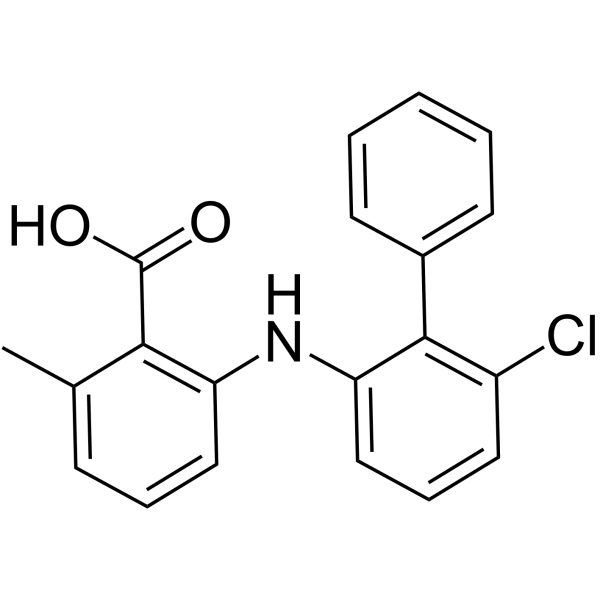
FABP4/5-IN-5 (compound D9) is a potent inhibitor of FABP4 and FABP5,? with the IC50s of 4.68 μM and 10.72 μM, respectively.FABP4/5-IN-5 plays an important role in metabolism disorder like diabetes mellitus .
loading...
    loading...
Cat. No.: HY-RS04661
Research Areas:  

Others

FABP5 Human Pre-designed siRNA Set A contains three designed siRNAs for FABP5 gene (Human), as well as a negative control, a positive control, and a FAM-labeled negative control.

loading...
    loading...

