
1. Search Result
Search Result
Pathways Recommended: Stem Cell/Wnt Cell Cycle/DNA Damage
Results for "

FL cells

" in MedChemExpress (MCE) Product Catalog:

35

Inhibitors & Agonists

7

Fluorescent Dyes

1

Inhibitory Antibodies

4

Natural
Products

2

Click Chemistry

Cat. No. Product Name Target Research Areas Chemical Structure
  • HY-P99055

    TNF Receptor Inflammation/Immunology Cancer
    Urelumab, a fully human, non-ligand binding, CD137 agonist IgG4 monoclonal antibody, enhances T-cell and natural killer-cell antitumor activity, and may enhance cytotoxic activity of Rituximab (HY-P9913). Urelumab can be used for the research of diffuse large B-cell lymphoma (DLBCL), follicular lymphoma (FL), and other types of non-Hodgkin lymphoma (NHL) .
    Urelumab
  • HY-110210

    BODIPY FL,SE

    Fluorescent Dye Others
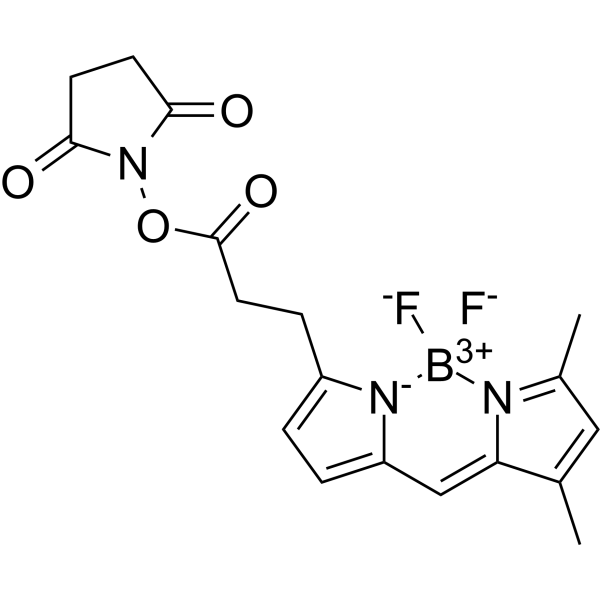
    BODIPY FL NHS ester (BODIPY FL, SE) is a cell membranes-penatrable amine-reactive fluorescent probe. The maximum excitation/emission wavelength of the BODIPY-FL NHS ester are 502/511 nm, respectively. BODIPY-FL NHS ester has high stability and is insensitive to the polarity, pH and type of solvent, and can maintain stable fluorescence properties under different environmental conditions. BODIPY-FL NHS ester can be used for the synthesis of protease substrates, live cell imaging, protein labeling and immunoassay .
    BODIPY-FL NHS ester
  • HY-N9965
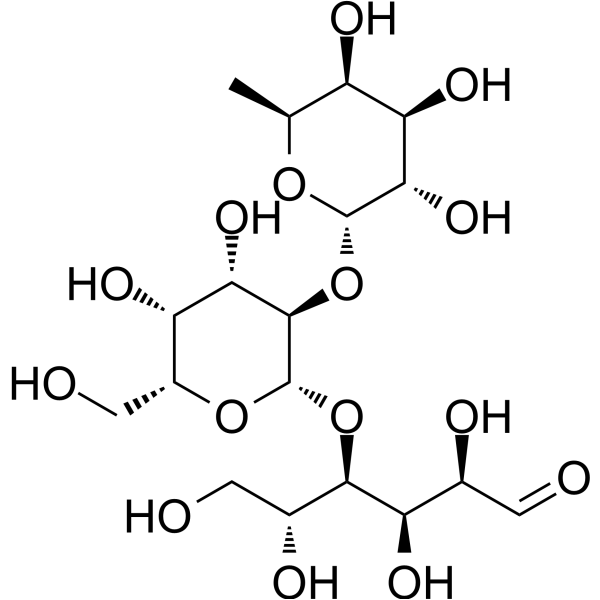
    2'-Fucosyllactose
    4 Publications Verification

    2'-FL

    TNF Receptor Interleukin Related Infection Inflammation/Immunology
    2'-Fucosyllactose (2'-FL) is an oligosaccharide that could be derived from human milk. 2'-Fucosyllactose regulates the expression of CD14, alleviates colitis and regulates the gut microbiome. 2'-Fucosyllactose stimulates T cells to increase IFN-γ production and decreases IL-6, IL-17, and TNF-α production of cytokines .
    2'-Fucosyllactose
  • HY-D1736

    Fluorescent Dye Others
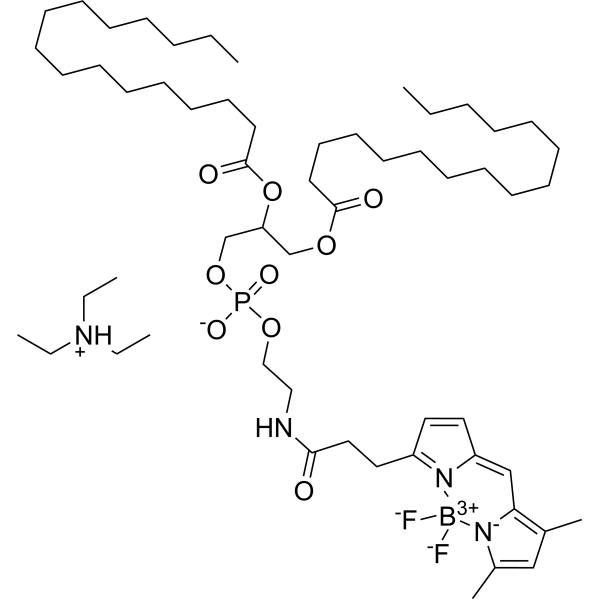
    BODIPY FL-C16 is a BODIPY-labeled analog of Palmitic acid (HY-N0830), which serves as a fluorescent lipid tracer. BODIPY FL-C16 also acts as a ligand for liver fatty acid-binding protein (L-FABP) and intestinal fatty acid-binding protein (I-FABP) , with Kd values of 270 nM and 330 nM, respectively. BODIPY FL-C16 is rapidly taken up by cells, and after metabolic conversion to phospholipids, it is incorporated into the membrane structures of intracellular organelles and extracellular vesicles .
    BODIPY FL-C16
  • HY-13599
    Cladribine
    Maximum Cited Publications
    8 Publications Verification

    2-Chloro-2′-deoxyadenosine; CldAdo; 2CdA

    Adenosine Deaminase Apoptosis Cardiovascular Disease Cancer
    Cladribine (2-Chloro-2′-deoxyadenosine), a purine nucleoside analog, is an orally active adenosine deaminase inhibitor. Cladribine functions as an inhibitor of DNA synthesis to block the repair of the damaged DNA. Cladribine can inhibit DNA methylation. Cladribine has anti-lymphoma activity. Cladribine can be used for the research of several hematologic malignancies and multiple sclerosis .
    Cladribine
  • HY-100653
    AZD5153
    5 Publications Verification

    Epigenetic Reader Domain Apoptosis Cancer
    AZD5153 is a bivalent, selective, and orally active BET/BRD4 bromodomain inhibitor with an IC50 of value of 5 nM for full-length BRD4 (FL-BRD4). AZD5153 ligates two bromodomains in BRD4 simultaneously. AZD5153 can be used for the study of cancer, such as acute myeloid leukemia, multiple myeloma, and diffuse large B-cell lymphoma .
    AZD5153
  • HY-D1612

    Fluorescent Dye Others
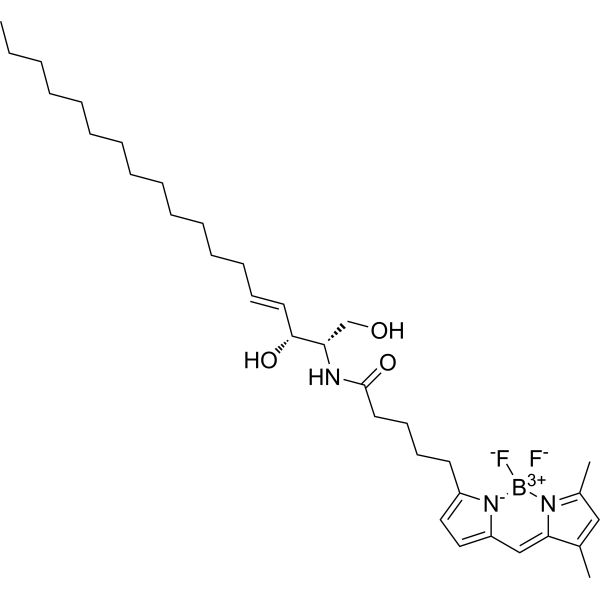
    The Golgi apparatus is composed of flattened vesicles superimposed on each other by unit membranes. The flattened vesicles are round with expanded and perforated edges. The Golgi fluorescent probe is a BODIPY-labeled ceramide derivative, the synthesis of which occurs in the endoplasmic reticulum and can then be transported to the Golgi via ceramide transport protein (CERT) or vesicular translocation, allowing specific labeling of the dye . BODIPY Fl C5-Ceramide is a Golgi-specific green fluorescent dye, which can visualise individual cells . Ex/Em= 505 nm/512 nm.
    BODIPY FL C5-Ceramide
  • HY-153918
    (R)-SKBG-1
    1 Publications Verification

    Androgen Receptor Cancer
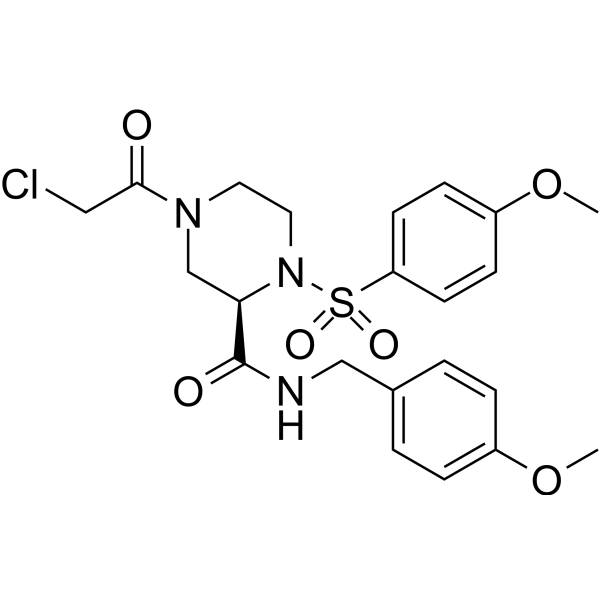
    (R)-SKBG-1 is a covalent inhibitor targeting the RNA binding protein NONO. (R)-SKBG-1 can reduce the expression of androgen receptor (AR) and its splice variants, inhibiting cancer cell proliferation. (R)-SKBG-1 inhibits androgen receptor expression with IC50 of 3.1 μM and 5.5 μM for AR-FL mRNA and AR-V7 mRNA, respectively. (R)-SKBG-1 interferes with the gene regulatory network of cancer cells and inhibits cancer cell growth by stabilizing the interaction between NONO and mRNA. (R)-SKBG-1 can be used in the study of cancers related to NONO dysfunction, such as prostate cancer .
    (R)-SKBG-1
  • HY-N0819
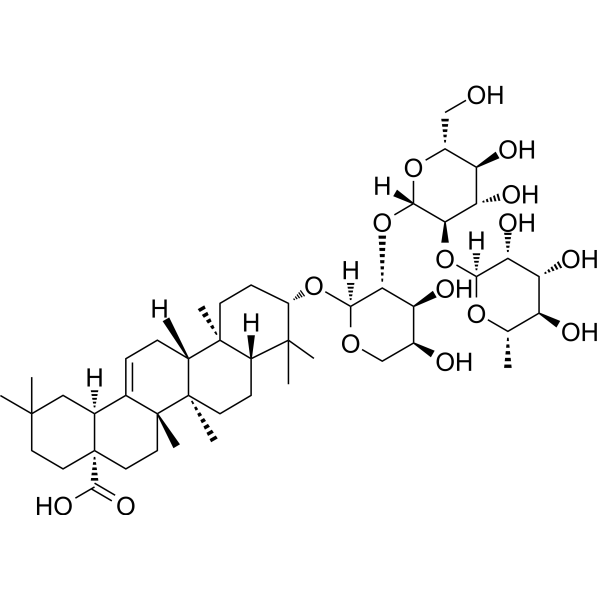
    Raddeanin A
    1 Publications Verification

    Apoptosis PI3K Akt ERK mTOR Wnt β-catenin Wee1 JNK VEGFR CDK Neurological Disease Inflammation/Immunology Cancer
    Raddeanin A is an oleanane-type triterpenoid saponin with oral activity. Raddeanin A inhibits SRC, mTOR, JNK, VEGFR2, NLRP3 inflammasome, Wnt/β-catenin, Wee1, PI3K/AKT signaling pathway, MAPK/ERK signaling pathway, AR-FL, AR-Vs, and downregulates the expression of p-PI3K and p-AKT. Raddeanin A inhibits osteoclast formation, bone resorption, osteolysis, cancer cell invasion, migration, proliferation, angiogenesis and epithelial-mesenchymal transition, while induces apoptosis, cell cycle arrest, ROS production, immunogenic cell death and dendritic cell maturation. Raddeanin A improves blood-retinal barrier function, alleviates inflammation, regulates the tumor microenvironment, and enhances the activity of anti-PD-1 antibody. Raddeanin A is applicable to the research of breast cancer-associated osteolysis, human osteosarcoma, colorectal cancer, glioblastoma, Alzheimer's disease, cholangiocarcinoma, melanoma, non-small cell lung cancer, castration-resistant prostate cancer and multiple myeloma .
    Raddeanin A
  • HY-100335
    PCI-33380
    1 Publications Verification

    Fluorescent Dye Btk Cancer
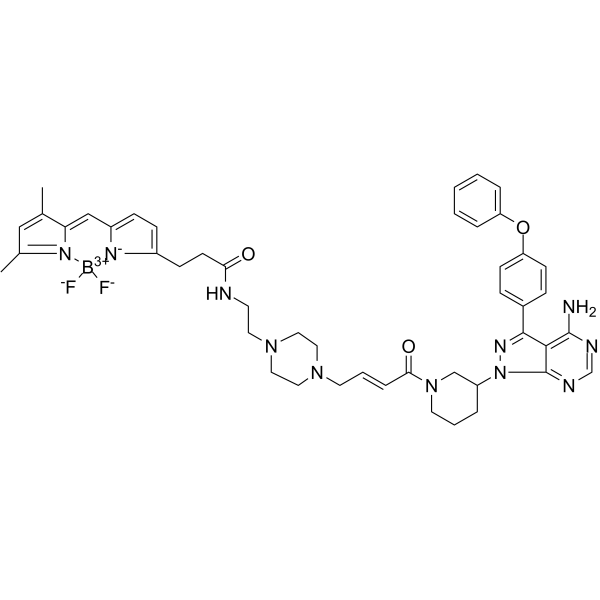
    PCI-33380 is a fluorescent probe ( (Ex=532 nm, Em=555 nm). PCI-33380 consists of a (BTK) inhibitor PCI-32765 (HY-10997) attaching with a Bodipy-FL fluorophore via a piperazine linker. PCI-33380 binds predominantly to Btk in B cell lysates with cell permeable activity. PCI-33380 can be used for imaging live cancer cells such as non-Hodgkin lymphoma research
    PCI-33380
  • HY-161409

    Androgen Receptor Apoptosis Cancer
    SC912 is an AR-V7 inhibitor (IC50 = 0.36 μM). SC912 possesses safety, potency and selectivity. SC912 binds directly to AR-FL and AR-V7 proteins, inhibites nuclear localization and chromatin binding capabilities. SC912 exerts anticancer activity through inhibition of proliferation, induction of cell cycle arrest and apoptosis .
    SC912
  • HY-149433

    PROTACs Androgen Receptor Apoptosis Cancer
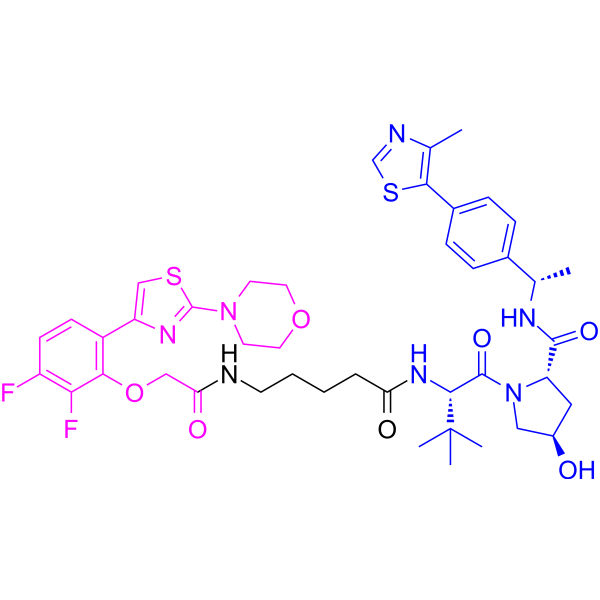
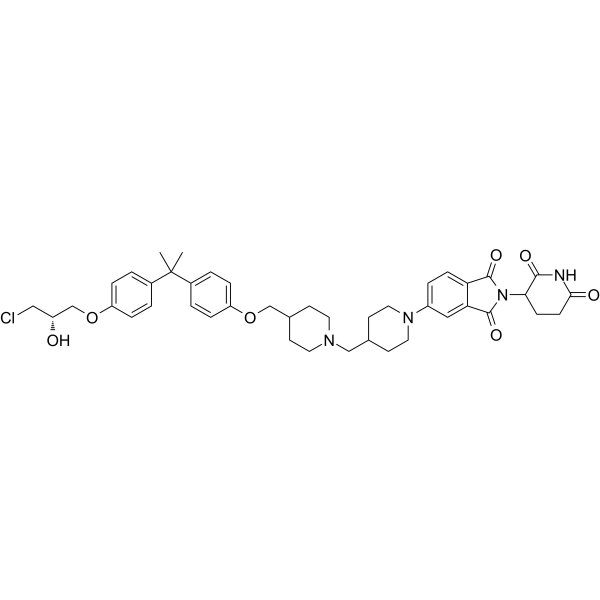
    BWA-522 is an orally active PROTAC degrader targeting full-length androgen receptor (AR-FL) and androgen receptor splice variant 7 (AR-V7). BWA-522 antagonizes the N-terminal domain (AR-NTD) of the androgen receptor, suppresses AR downstream signaling proteins and induces cancer cells apoptosis. BWA-522 inhibits tumor growth in LNCaP xenograft mouse model. BWA-522 can be used for the research of prostate cancer .
    BWA-522
  • HY-170329

    PROTACs Androgen Receptor Apoptosis Cancer
    PROTAC AR Degrader-8 is the PROTAC degrader for androgen receptor (AR) that degrades AR-FL with DC50s of 0.018 μM and 0.14 μM in 22Rv1 cell and LNCaP cell, degrades AR-V7 with DC50 of 0.026 μM in 22Rv1 cell. PROTAC AR Degrader-8 inhibits the proliferation of cancer cell 22Rv1 and LNCaP with IC50 values of 0.038 μM and 1.11 μM. PROTAC AR Degrader-8 arrests cell cycle at G2/M phase, induces apoptosis in 22Rv1 cell. PROTAC AR Degrader-8 exhibits anticancer efficacy in mouse and zebrafish model. PROTAC AR Degrader-8 can be used for the research of prostate cancer, castration-resistant prostate cancer .
    PROTAC AR Degrader-8
  • HY-131246

    Histone Methyltransferase Cancer
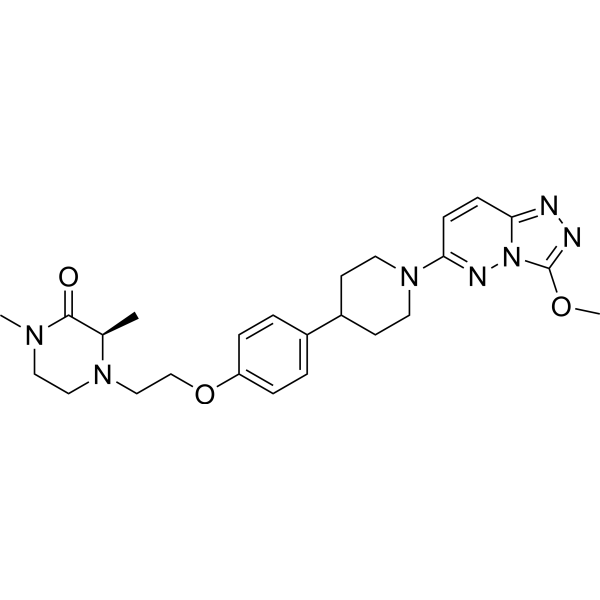
    DM-01 is a powerful and selective EZH2 inhibitor for the research of diffuse large B-cell lymphoma (DLBCL), follicular lymphoma (FL), and SNF5/INI-1/SMARCB1 genetically defined solid tumors .
    DM-01
  • HY-133512

    Phosphatase Cancer
    NCGC00249987 is a highly selective and allosteric Tyr phosphatase activity of Eya2 inhibitor with IC50s of 3 μM and 6.9 μM for Eya2 ED and MBP-Eya2 FL. NCGC00249987 specifically targets migration, invadopodia formation, and invasion of lung cancer cells .
    NCGC00249987
  • HY-159493

    Polo-like Kinase (PLK) Cancer
    BI2536-PEG2-Halo is a bifunctional molecule containing a ligand for Halo tag and a Polo-like kinase 1 (PLK1) inhibitor BI-2536 (HY-50698). BI2536-PEG2-Halo inhibits the proliferation of 293T cells with Halo-p53R273H(FL)-mCherry tag (IC50=23 nM), exhibits selective toxicity against p53 mutant cancer cells .
    BI2536-PEG2-Halo
  • HY-164373

    Androgen Receptor Apoptosis Cancer
    SC428 is an androgen receptor (AR) inhibitor that targets the N-terminal domain. SC428 potently decrease the transactivation of (AR)-V7, (AR)v567es, as well as full-length ( AR ) (AR-FL) and its LBD mutants, substantially. SC428 inhibits androgen-stimulated (AR)-FL nuclear translocation, chromatin binding, and (AR) -regulated gene transcription. SC428 inhibits the proliferation of tumor cells in vitro. SC428 inhibits tumor cell growth by inducing apoptosis in mice transplanted with 22RV1 .
    SC428
  • HY-123554

    Apoptosis Cancer
    Flavagline FL3 is a flavagline with potent and selective cytotoxicity in cancer cells.Flavagline FL3 induces apoptosis of HL60 and Hela cells by triggering the translocation of Apoptosis Inducing Factor (AIF) and caspase-12 to the nucleus .
    Flavagline FL3
  • HY-Q51222
    ZINC110492
    1 Publications Verification

    Biochemical Assay Reagents Cancer
    ZINC110492 is a selective ligand of CS-ΔEx4 (a splicing isoform of citrate synthase (CS)). ZINC110492 does not bind to CS full-length (CS-FL). ZINC110492 inhibits colorectal cancer (CRC) cell growth in cells overexpressing CS-ΔEx4 with an IC50 of 7.840 µM. ZINC110492 significantly decreases both citrate and 2-hydroxyglutarate (2-HG) levels in the CS-ΔEx4-overexpressing SW1116 cells .
    ZINC110492
  • HY-111233

    WIN-51711

    Enterovirus Infection
    Disoxaril (WIN-51711) is an antivirus agent with activity against poliovirus types 1 and 2. Disoxaril inserts into the hydrophobic interior of virus capsid protein VP1 to stabilize virion conformation, inhibits poliovirus uncoating, and prevents viral RNA release and synthesis. Disoxaril can be used for the research of poliovirus infection .
    Disoxaril
  • HY-D1608

    Calcium Channel Others
    BODIPY FL Thapsigargin is a potent green fluorescent dye. BODIPY FL Thapsigargin inhibits intracellular SERCA-type Ca2+ pumps present in the sarcoplasmic/endoplasmic reticulum. BODIPY FL Thapsigargin used for investigation of thapsigargin binding sites in live cells .
    BODIPY FL Thapsigargin
  • HY-175342

    LOXO-338

    Bcl-2 Family Cancer
    FCN-338 (LOXO-338) is an orally active and selective Bcl-2 inhibitor with an IC50 of 4.5 nM for Bcl-2/BAK interaction. FCN-338 potently inhibits tumor growth in follicular lymphoma (FL), acute myeloid leukemia (AML), and acute lymphoblastic leukemia (ALL) xenograft mice model without significant weight loss. FCN-338 has a broad-spectrum anti-cancer activity, such as FL, CLL/SLL, AML, and ALL .
    FCN-338
  • HY-157419

    7-(4-Ethylphenyl)-FL118

    Apoptosis Cancer
    FL77-24, a FL118 analog and apoptosis inducer, possesses antitumor activity, with IC50 values of 99.4 nM, 118 nM, <6.4 nM, 28.5 nM and <6.4 nM in HCT116, HepG2, MCF-7, A549 and HeLa cells, respectively. FL77-24 mainly causes cell cycle arrest in S and G2/M phases .
    FL77-24
  • HY-D1609

    Fluorescent Dye Others
    BODIPY FL Verapamil hydrochloride is a fluorescent dye, it can be used as a molecular probe to label tissues and cells. BODIPY FL Verapamil hydrochloride is a substrate for both ABCB1 and ABCC1 .
    BODIPY FL Verapamil hydrochloride
  • HY-146420

    HSP Cardiovascular Disease Cancer
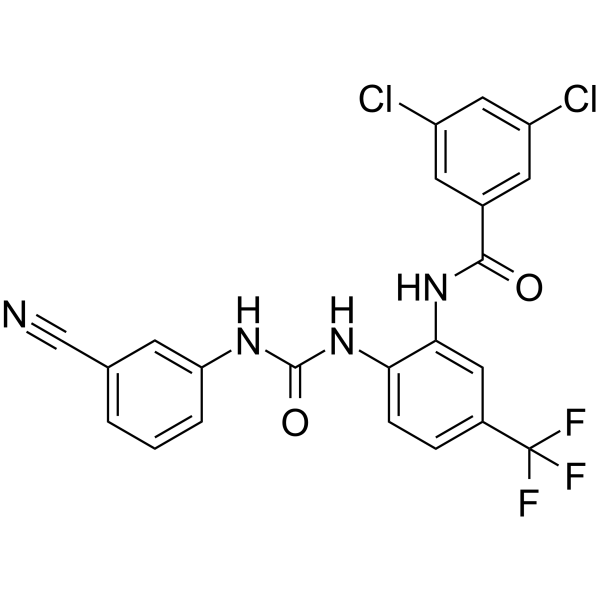
    GRP78-IN-2 (Compound FL5) is a GRP78 (Glucose Regulated Protein 78 kDa) inhibitor. GRP78-IN-2 preferentially targeting cell surface GRP78 and shows potent antiangiogenic and anticancer activities without affecting other normal cells .
    GRP78-IN-2
  • HY-178694

    Histone Methyltransferase Cancer
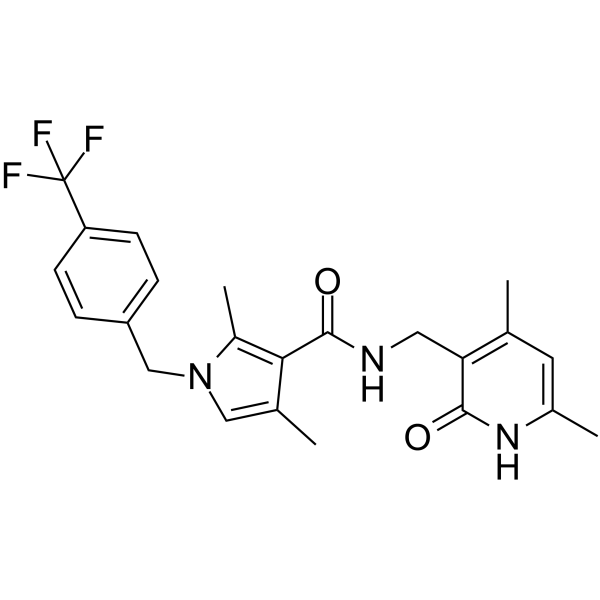
    DC-PRC2in-01 is a potent EZH2-EED interaction inhibitor with an IC50 of 4.21 μM and a Kd of 4.56 μM. DC-PRC2in-01 disrupts the EZH2-EED interaction, leading to degradation of PRC2 core proteins and decrease of H3K27me3 levels, inhibition of PRC2-driven lymphoma cell proliferation, and cell cycle arrest. DC-PRC2in-01 can be used for the research of PRC2-related cancers, such as Diffuse Large B-cell Lymphoma (DLBCL) and follicular lymphoma (FL) .
    DC-PRC2in-01
  • HY-13599R

    2-Chloro-2′-deoxyadenosine (Standard); CldAdo (Standard); 2CdA (Standard)

    Reference Standards Adenosine Deaminase Apoptosis Cardiovascular Disease Cancer
    Cladribine (Standard) is the analytical standard of Cladribine. This product is intended for research and analytical applications. Cladribine (2-Chloro-2′-deoxyadenosine), a purine nucleoside analog, is an orally active adenosine deaminase inhibitor. Cladribine functions as an inhibitor of DNA synthesis to block the repair of the damaged DNA. Cladribine can inhibit DNA methylation. Cladribine has anti-lymphoma activity. Cladribine can be used for the research of several hematologic malignancies and multiple sclerosis .
    Cladribine (Standard)
  • HY-164477

    Androgen Receptor Cancer
    FL442 is an Androgen Receptor (AR) modulator. FL442 exhibits strong inhibitory effects in AR-dependent prostate cancer cells, showing similar inhibitory efficiency to traditional antiandrogen drugs Bicalutamide (HY-14249) and Enzalutamide (HY-70002), while maintaining antiandrogenic activity against the AR mutant F876L, which is highly resistant to Enzalutamide. Pharmacokinetic studies of FL442 in mice reveal a long half-life (8 hours), good targeting (prostate tissue), and metabolic stability, and it effectively inhibits LNCaP tumor growth at low plasma concentrations (30 ng/mL) .
    FL442
  • HY-122941

    Others Inflammation/Immunology
    Viscidulin II (FL6) is a flavone. Viscidulin II can be isolated from the root of Scutellaria baicalensis. Viscidulin II significantly suppresses P. acnes-induced IL-8 and IL-1β production in THP-1 cells .
    Viscidulin II
  • HY-D1332

    Fluorescent Dye Others
    BODIPY FL hydrazide hydrochloride is a multifunctional dye. Dyes are important tools in biological experiments. They can help researchers observe and analyze cell structures, track biomolecules, evaluate cell functions, distinguish cell types, detect biomolecules, study tissue pathology and monitor microorganisms. Their applications range from basic scientific research to clinical A wide range of diagnostics. Dyes are also widely used in traditional fields such as textile dyeing, as well as in emerging fields such as functional textile processing, food pigments and dye-sensitized solar cells.
    BODIPY FL hydrazide hydrochloride
  • HY-178475

    Carbonic Anhydrase Glutathione Peroxidase Ferroptosis Cancer
    CA IX/GPX4-IN-1 (Compound 22abcb) is a dual targeted inhibitor of CA IX and GPX4 activity. CA IX/GPX4-IN-1 can effectively kill SUM159PT cells (IC50 = 416 nM) by inducing iron death under hypoxic conditions. CA IX/GPX4-IN-1 has an IC50 of 663 nM to CA IX in SUM159PT-CAIX-FL cells. CA IX/GPX4-IN-1 can significantly inhibit tumor growth and can be reversed by ferroptosis inhibitors. CA IX/GPX4-IN-1 can be used for research on breast cancer and other cancers .
    CA IX/GPX4-IN-1
  • HY-N0819R

    Reference Standards Apoptosis PI3K Akt ERK mTOR Wnt β-catenin Wee1 JNK VEGFR CDK Neurological Disease Inflammation/Immunology Cancer
    Raddeanin A (Standard) is the analytical standard of Raddeanin A (HY-N0819). This product is intended for research and analytical applications. Raddeanin A is an oleanane-type triterpenoid saponin with oral activity. Raddeanin A inhibits SRC, mTOR, JNK, VEGFR2, NLRP3 inflammasome, Wnt/β-catenin, Wee1, PI3K/AKT signaling pathway, MAPK/ERK signaling pathway, AR-FL, AR-Vs, and downregulates the expression of p-PI3K and p-AKT. Raddeanin A inhibits osteoclast formation, bone resorption, osteolysis, cancer cell invasion, migration, proliferation, angiogenesis and epithelial-mesenchymal transition, while induces apoptosis, cell cycle arrest, ROS production, immunogenic cell death and dendritic cell maturation. Raddeanin A improves blood-retinal barrier function, alleviates inflammation, regulates the tumor microenvironment, and enhances the activity of anti-PD-1 antibody. Raddeanin A is applicable to the research of breast cancer-associated osteolysis, human osteosarcoma, colorectal cancer, glioblastoma, Alzheimer's disease, cholangiocarcinoma, melanoma, non-small cell lung cancer, castration-resistant prostate cancer and multiple myeloma.
    Raddeanin A (Standard)
  • HY-DY1102

    Fluorescent Dye Others
    BODIPY FL-C16 (solution) is a BODIPY-labeled analog of Palmitic acid (HY-N0830), which serves as a fluorescent lipid tracer. BODIPY FL-C16 (solution) also acts as a ligand for liver fatty acid-binding protein (L-FABP) and intestinal fatty acid-binding protein (I-FABP) , with Kd values of 270 nM and 330 nM, respectively. BODIPY FL-C16 (solution) is rapidly taken up by cells, and after metabolic conversion to phospholipids, it is incorporated into the membrane structures of intracellular organelles and extracellular vesicles .
    Solvent and concentration: DMSO: 5 mM
    BODIPY FL-C16 (solution)
  • HY-100335R

    Fluorescent Dye Reference Standards Btk Cancer
    PCI-33380 (Standard) is the analytical standard of PCI-33380 (HY-100335). This product is intended for research and analytical applications. PCI-33380 is a fluorescent probe ( (Ex=532 nm, Em=555 nm). PCI-33380 consists of a (BTK) inhibitor PCI-32765 (HY-10997) attaching with a Bodipy-FL fluorophore via a piperazine linker. PCI-33380 binds predominantly to Btk in B cell lysates with cell permeable activity. PCI-33380 can be used for imaging live cancer cells such as non-Hodgkin lymphoma research
    PCI-33380 (Standard)
  • HY-171808

    Androgen Receptor PROTACs Apoptosis Cancer
    ITRI-90 is an orally active androgen receptor (AR) PROTAC degrader. ITRI-90 effectively degrades both full-length AR (AR-FL) and the splice variant AR-V7 protein via the ubiquitin-proteasome system, thereby inhibiting AR transcriptional activity and the target gene expression. ITRI-90 significantly inhibits the proliferation of prostate cancer cells and induces apoptosis, include Enzalutamide-resistant growth cell. ITRI-90 exhibits favorable pharmacokinetic properties and demonstrates potent antitumor efficacy in vivo. ITRI-90 can be used for prostate cancer research .
    ITRI-90

Inquiry Online

Your information is safe with us. * Required Fields.

Salutation


Country or Region *

Applicant Name *


Organization Name *

Department *


Email Address *


Product Name *

Cat. No.


Requested quantity *

Phone Number *


Remarks

Inquiry Online

Inquiry Information

Product Name:
Cat. No.:
Quantity:
MCE Japan Authorized Agent:

