1. Search Result
Search Result
Results for "

G0

" in MedChemExpress (MCE) Product Catalog:

296

Inhibitors & Agonists

12

Biochemical Assay Reagents

4

Peptides

45

Natural
Products

1

Recombinant Proteins

1

Isotope-Labeled Compounds

8

Antibodies

3

Click Chemistry

5

Oligonucleotides

Cat. No. Product Name Target Research Areas Chemical Structure
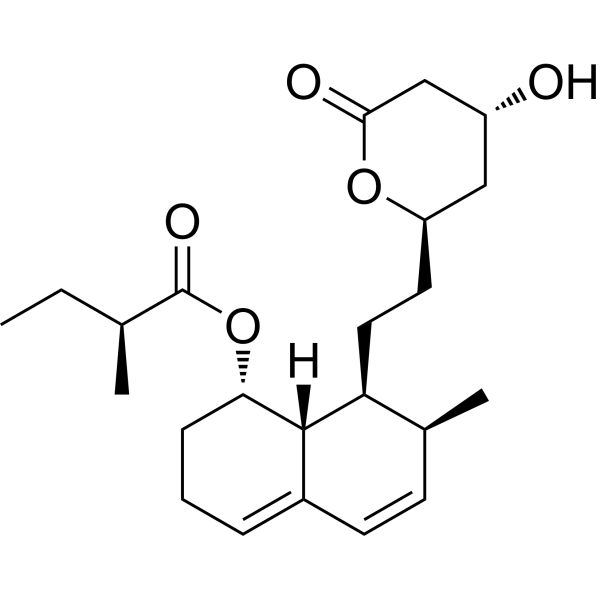
  • HY-17408
    Mevastatin
    5+ Cited Publications

    Compactin; ML236B

    HMG-CoA Reductase (HMGCR) Bacterial Autophagy Apoptosis Antibiotic Infection Cardiovascular Disease Neurological Disease Metabolic Disease Cancer
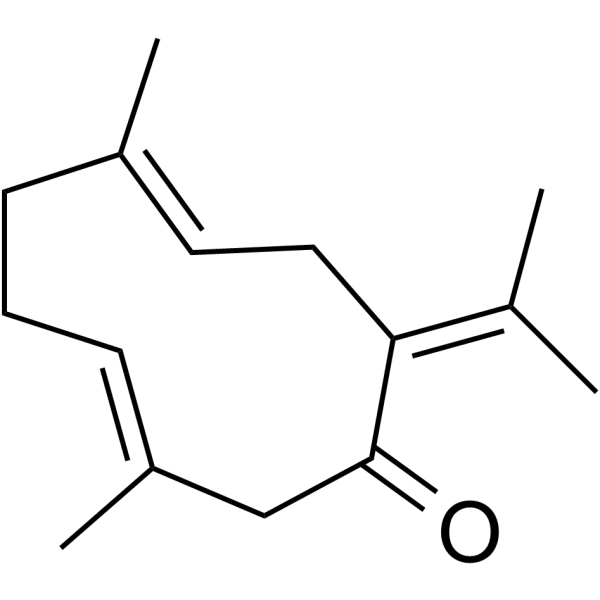
    Mevastatin (Compactin) is a first HMG-CoA reductase inhibitor that belongs to the statins class. Mevastatin is a lipid-lowering agent, and induces apoptosis, arrests cancer cells in G0/G1 phase. Mevastatin also increases endothelial nitric oxide synthase (eNOS) mRNA and protein levels. Mevastatin has antitumor activity and has the potential for cardiovascular diseases treatment .
    Mevastatin
  • HY-152229
    G0-C14
    2 Publications Verification

    Liposome Cancer
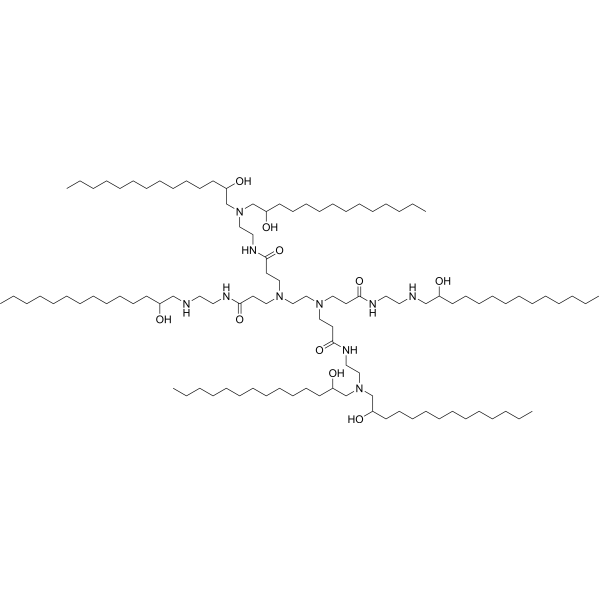
    G0-C14 is a cationic lipid-like compound alkyl-modified polyamidoamine (PAMAM) dendrimer. G0-C14 involves in the preparation of a series of macrophage-targeted nanoparticles (NPs). NPs can be used for agent and vaccine delivery .
    G0-C14
  • HY-164607

    DNA/RNA Synthesis Apoptosis Cancer
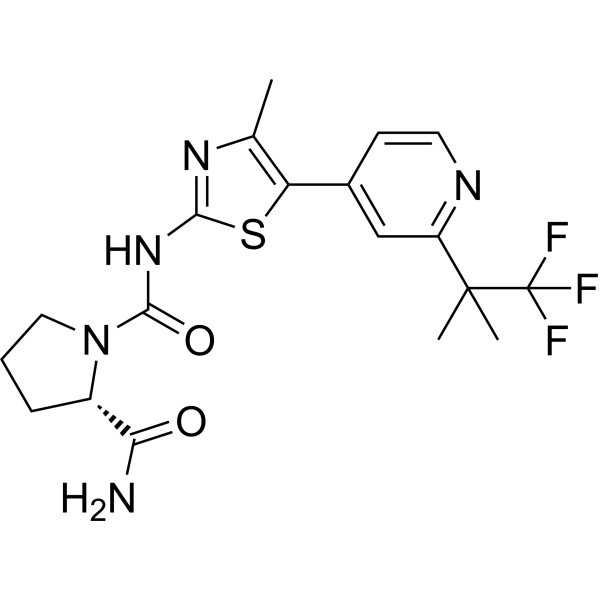
    YL-5092 is a selective YT521-B homology (YTH) domain-containing protein 1 (YTHDC1) inhibitor with an IC50 of 7.4 nM and a KD of 29.6 nM. YL-5092 can suppress cancer cell proliferation and induce cell G0/G1 phase arrest and apoptosis. YL-5092 can be used for the research of cancer, such as acute myeloid leukemia (AML) .
    YL-5092
  • HY-13768
    Topotecan
    35+ Cited Publications

    SKF 104864A; NSC 609669

    Topoisomerase Autophagy Apoptosis Cancer
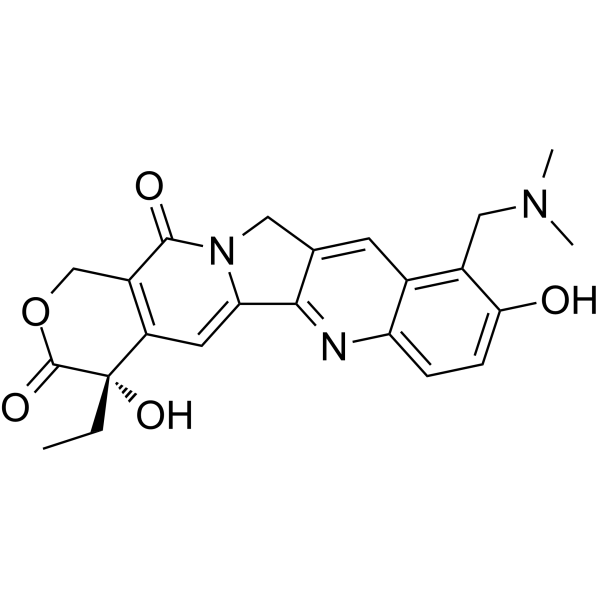
    Topotecan (SKF 104864A; NSC 609669) is an orally active and potent Topoisomerase I inhibitor. Topotecan induces cell cycle arrest in G0/G1 and S phases and promotes apoptosis. Topotecan shows anticancer activity .
    Topotecan
  • HY-13680
    Meisoindigo
    2 Publications Verification

    Dian III; N-Methylisoindigotin; Natura-α

    Apoptosis Cancer
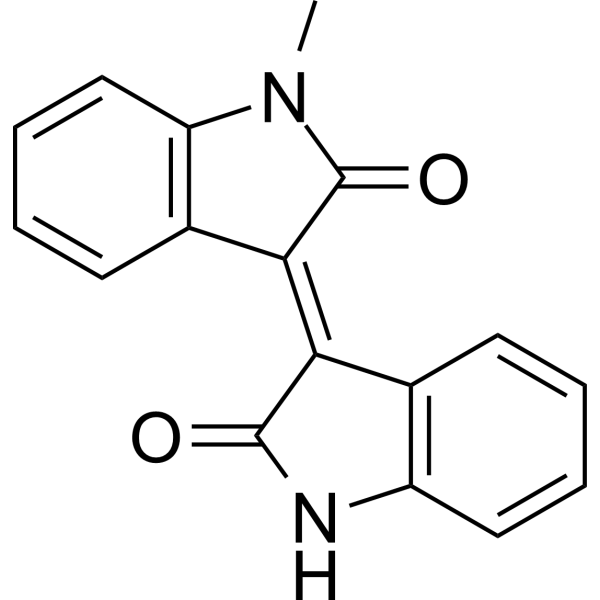
    Meisoindigo (Dian III), a derivative of Indirubin (HY-N0117), halts the cell cycle at the G0/G1 phase and induces apoptosis in primary acute myeloid leukemia (AML) cells. Meisoindigo exhibits high antitumor activity .
    Meisoindigo
  • HY-15221
    Methylstat
    3 Publications Verification

    Apoptosis Histone Demethylase MDM-2/p53 Cardiovascular Disease Cancer
    Methylstat is a potent histone demethylases inhibitor. Methylstat shows anti-proliferative activity with low cytotoxicity. Methylstat induces apoptosis and cell cycle arrest at G0/G1 phase. Methylstat increases the expression of p53 and p21 protein levels. Methylstat inhibits angiogenesis induced by various cytokines. Methylstat can be used as a chemical probe for addressing its role in angiogenesis .
    Methylstat
  • HY-N7844

    Benzyladenosine

    Apoptosis Adenosine Receptor Inflammation/Immunology Cancer
    N6-Benzyladenosine is an adenosine receptor agonist, has a cytoactive activity. N6-Benzyladenosine arrests cell cycle at G0/G1 phase and induces cell apoptosis. N6-Benzyladenosine also exerts inhibitory effect on T. gondii adenosine kinase and glioma - .
    N6-Benzyladenosine
  • HY-120897

    Bcl-2 Family Apoptosis Inflammation/Immunology
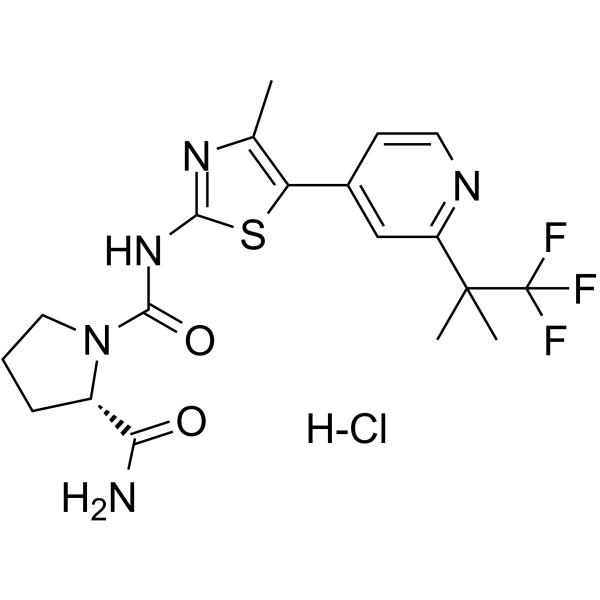
    NS-3-008 hydrochloride is an orally active transcriptional inhibitor of G0/G1 switch 2 (G0s2) with an IC50 of 2.25 μM. NS-3-008 hydrochloride can be used for chronic kidney disease .
    NS-3-008 hydrochloride
  • HY-146980

    Apoptosis GLUT Cancer
    GLUT4-IN-2 is a potent and selective GLUT4 inhibitor with IC50s of 11.4 µM and 6.8 µM for GLUT1 and GLUT4, respectively. GLUT4-IN-2 induces cell apoptosis and cell cycle arrest at G0/G1phase. GLUT4-IN-2 shows potent antitumor activity .
    GLUT4-IN-2
  • HY-148393

    Biochemical Assay Reagents Others
    G0 N-glycan-Asn is a glycopeptide. G0 N-glycan-Asn can be used for various biochemical studies .
    G0 N-glycan-Asn
  • HY-143490

    PAK Apoptosis Cancer
    PAK4-IN-2 is a highly potent PAK4 inhibitor with IC50 value of 2.7 nM. PAK4-IN-2 can arrest MV4-11 cells at G0/G1 phase and induce cell apoptosis. PAK4-IN-2 can be used for researching cancer .
    PAK4-IN-2
  • HY-10815
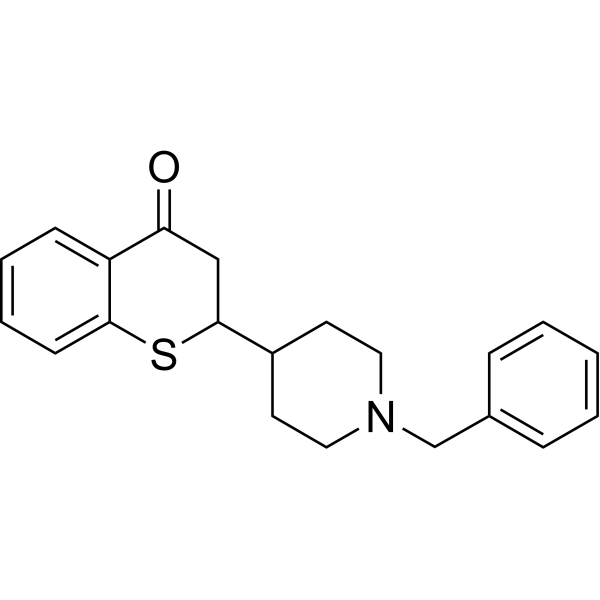
    σ1 Receptor antagonist-1
    1 Publications Verification

    Sigma Receptor Apoptosis Neurological Disease Cancer
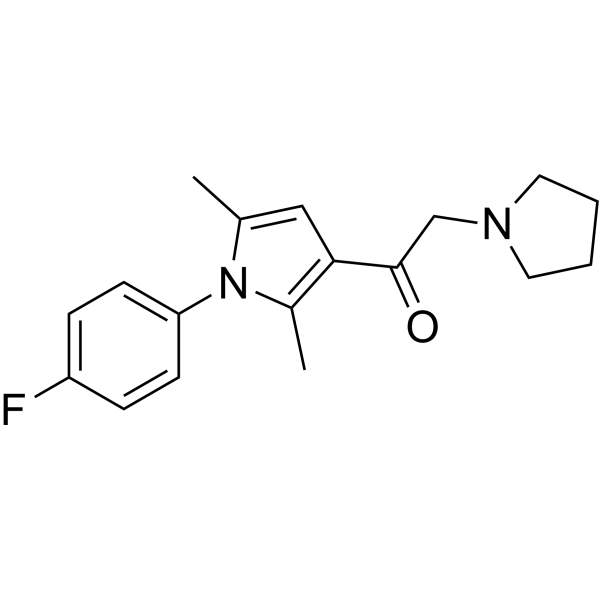
    σ1 Receptor antagonist-1 is a highly potent and selective sigma 1 receptor antagonist (pKi=10.28). σ1 Receptor antagonist-1 inhibits cell growth, arrests cell cycle at G0/G1 phase and induces apoptosis of MCF-7/ADR cells .
    σ1 Receptor antagonist-1
  • HY-W157376

    Bacterial Antibiotic Drug Intermediate Infection Cancer
    PAMAM Dendrimer G0.0 amine is a pore-forming channel antagonist, including anthrax toxin protective antigen 63 (PA63, IC50 = 231 nM) and C. botulinum C2 toxin subunit (C2IIa, IC50 = 940 nM). At concentrations of 10 and 20 µM, PAMAM Dendrimer G0.0 amine reduces C2 toxin-induced death in HeLa cells. Additionally, PAMAM Dendrimer G0.0 amine is a chelator of nickel. In complexes with polysulfone membrane-bound chitosan, PAMAM Dendrimer G0.0 amine selectively captures and stores carbon dioxide (CO2) in a gas-feed system. PAMAM Dendrimer G0.0 amine has been used in the synthesis of PAMAM Dendrimer G0.5 Carboxylate (CAS 339334-01-9) and PAMAM Dendrimer G1.0 Amine (CAS 142986-44-5). PAMAM Dendrimer G0.0 amine can be used in research related to infections, cancer, and drug delivery systems .
    PAMAM Dendrimer G0.0 amine (20% in methanol)
  • HY-120458
    LCAHA
    1 Publications Verification

    LCA hydroxyamide

    Deubiquitinase Cancer
    LCAHA (LCA hydroxyamide) is a deubiquitinase USP2a inhibitor with IC50s of 9.7 μM and 3.7μM in Ub-AMC Assay and Di-Ub Assay, respectively. LCAHA destabilizes Cyclin D1 and induces G0/G1 arrest by inhibiting deubiquitinase USP2a .
    LCAHA
  • HY-N1930

    Hinesol

    Apoptosis Cancer
    (-)-Hinesol (Hinesol) is a potent anticancer agent. (-)-Hinesol induces apoptosis and cell cycle arrest at G0/G1 phase. (-)-Hinesol downregulates MEK/ERK pathway and NF-κB pathway and mediates theexpression of cyclin D1, Bax and Bcl-2. (-)-Hinesol has the potential for the research of non–small cell lung cancer .
    (-)-Hinesol
  • HY-149891

    HSP Cancer
    HSP90-IN-23 (Comp 12-1) is an inhibitor of heat shock protein 90(HSP90) with an IC50 of 9 nM. HSP90-IN-23 induces apoptosis of tumor cells and arrests the tumor cell cycle in G0/G1 phase. HSP90-IN-23 can be used for cancer research .
    HSP90-IN-23
  • HY-W747572

    (R)-(+)-Perillyl alcohol

    Ras Cancer
    (+)-Perillyl alcohol is the enantiomer of S-(-)-Perillyl alcohol (HY-116514). (+)-Perillyl alcohol can inhibit the growth of polypeptides and block the cell cycle in the G0/G1 phase. (+)-Perillyl alcohol induces cell signaling that is associated with changes in cytoskeletal actin organization and reduced protein expression of growth regulatory proteins such as Ras and CDC2 kinase .
    (+)-Perillyl alcohol
  • HY-159869

    Liposome Others
    G0-C14 analog is a G0-C14 derivative. G0-C14 is an ionizable cationic lipid that can be used to synthesize lipid nanoparticles (LNP) .
    G0-C14 analog
  • HY-N4171

    Apoptosis Inflammation/Immunology
    Dihydrocucurbitacin B, a triterpene isolated from Cayaponia tayuya roots, inhibits nuclear factor of activated T cells (NFAT), induces cell cycle arrested in the G0 phase, and inhibits delayed type hypersensitivity .
    Dihydrocucurbitacin B
  • HY-N16418

    Bacterial Reactive Oxygen Species (ROS) Infection Cancer
    Epanorin is a secondary metabolite of the Acarospora lichenic species Epanorin can inhibit cancer cells proliferation, ROS production and induce G0/G1 phase arrest. Epanorin shows antibacterial activity. Epanorin can be used for the researches of cancer and infection, such as breast cancer and S. pneumonia infection .
    Epanorin
  • HY-155285

    EGFR Apoptosis Cancer
    YS-363 is a potent, selective, and orally active EGFR inhibitor, with IC50s of 0.96 nM and 0.67 nM for wild-type and L858R mutant forms of EGFR, respectively. YS-363 can induce G0/G1 cell cycle arrest and apoptosis .
    YS-363
  • HY-171047

    Apoptosis Autophagy DNA/RNA Synthesis Akt mTOR Cancer
    Autophagy inducer 7 (Compound SSA) is an Autophagy and Apoptosis inducer. Autophagy inducer 7 activates autophagy by inhibiting Akt/mTOR signaling and the expression of downstream proteins. Autophagy inducer 7 suppresses DNA synthesis and causes a G0-G1 cell-cycle arrest. Autophagy inducer 7 inhibits tumor cell growth .
    Autophagy inducer 7
  • HY-179143

    EGFR Akt Apoptosis Cancer
    EGFR-IN-185 is a EGFR inhibitor. EGFR-IN-185 exhibits potent activity against non-small cell lung cancer (NSCLC) cells harboring EGFR mutations. EGFR-IN-185 inhibits colony formation and migration, induces G0/G1 arrest, and promots apoptosis, which are associated with the suppression of EGFR and AKT phosphorylation. EGFR-IN-185 can be used for the research of  NSCLC .
    EGFR-IN-185
  • HY-174129

    Btk Apoptosis Cancer
    TM471-1 is an orally active and covalent Bruton's tyrosine kinase (BTK) inhibitor with IC50 values of 1.3 nM (BTK WT), >40,000 nM (BTK C481S), 7.9 nM (TEC) and 12.4 nM (TXK). TM471-1 inhibits cell growth in vivo and in vitro, arrests cell cycle at G0/G1 phase and induces cell apoptosis .
    TM471-1
  • HY-158496

    A2 N-linked oligosaccharide, 2-AB labelled

    Biochemical Assay Reagents Others
    A2 glycan (G0), 2-AB labelled (A2 N-linked oligosaccharide, 2-AB labelled) is a N-polysaccharide protein and a multifunctional fluorescent linker. The resulting conjugates exhibit high sensitivity and specificity by mimicking the antennal elements of N-glycans .
    A2 glycan (G0), 2-AB labelled
  • HY-124261

    Apoptosis Cancer
    Sampangine is an alkaloid that induces apoptosis by inducing cell cycle arrest in the G0/G1 phase. Sampangine can inhibit the biosynthesis of heme .
    Sampangine
  • HY-177766

    Molecular Glues Apoptosis Cancer
    GSPT1 degrader-17 (Compound 9q) is a potent and selective cereblon-based molecular glue degrader that targets G1 to S phase transition 1 (GSPT1). GSPT1 degrader-17 degrades GSPT1 in U937 cells with a DC50 of 35 nM and Dmax of 81.65%. GSPT1 degrader-17 has a strong inhibitory effect on U937, MOLT-4 and MV4-11 cells with IC50 values of 0.019, 0.006 and 0.027 μM. GSPT1 degrader-17 can induce cells apoptosis and G0/G1 phase arrest. GSPT1 degrader-17 can be used for the research of cancer, such as acute myeloid leukemia .
    GSPT1 degrader-17
  • HY-135217

    Apoptosis Cancer
    Apiole is an anti-tumor agent that induces apoptosis and inhibits human colon cancer cells by inducing G0/G1 cell cycle arrest. Apiole also significantly inhibited colon tumor development in an in vivo mouse xenograft model .
    Apiole
  • HY-144733

    Estrogen Receptor/ERR Apoptosis Cancer
    ERα antagonist 1 (Compound 19d) is a potent, selective, covalent estrogen receptor α (ERα) antagonist. ERα antagonist 1 induces apoptosis and cell cycle G0/G1 phase arrest in MCF-7 cells .
    ERα antagonist 1
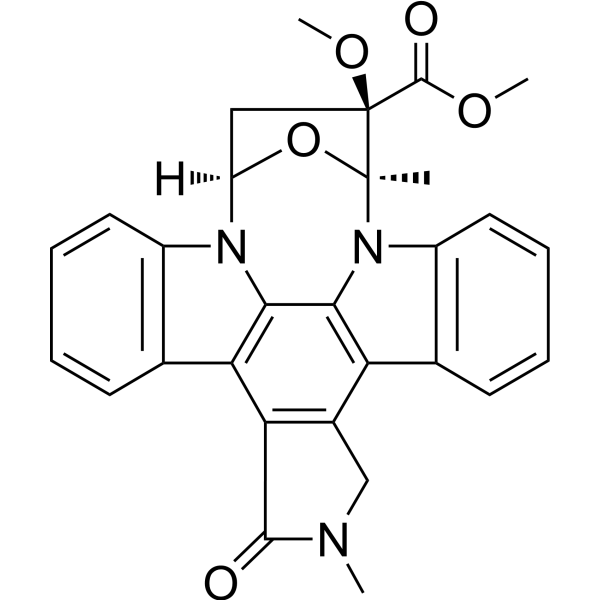
  • HY-N16567

    Apoptosis Caspase PARP Survivin Cancer
    Acrofolione A is an acetophenone dimer isolated from Acronychia pendunculata with anticancer effects. Acrofolione A induces G0/G1 phase cell cycle arrest and apoptosis in human NALM-6 pre-B cell leukaemia cells. Acrofolione A can be used for leukaemia research .
    Acrofolione A
  • HY-N2298

    Apoptosis Cancer
    Camellianin A, the main flavonoid in A. nitida leaves, displays anticancer activity and angiotensin converting enzyme (ACE)-inhibitory activity. Camellianin A inhibits the proliferation of the human Hep G2 and MCF-7 cell lines and induces the significant increase of the G0/G1 cell population .
    Camellianin A
  • HY-144394

    Apoptosis c-Met/HGFR Cancer
    Antitumor agent-45 (Compound 21) could induce and stimulate A549 cells apoptosis in G0/G1 and G2/M phase. Antitumor agent-45 (Compound 21) inhibits c-Met expression to regulate the growth of tumor cells .
    Antitumor agent-45
  • HY-10638

    c-Kit Apoptosis Cancer
    AP23464 is an ATP-based inhibitor for Kit, that inhibits the phosphorylation of Kit wildtype and mutants, with IC50 of 5-85 nM. AP23464 inhibits the proliferation of Kit mutated cells (IC50 is 3-20 nM), arrests the cell cycle at G0/G1 phase, and induces apoptosis in Kit mutated cells .
    AP23464
  • HY-146445

    Epigenetic Reader Domain Histone Acetyltransferase Cancer
    P300 bromodomain-IN-1 (Compoun 1u) is a potent p300 (EP300) bromodomain inhibitor with an IC50 of 49 nM. P300 bromodomain-IN-1 suppresses the expression of c-Myc and induces G1/G0 phase arrest and apoptosis in OPM-2 cells .
    P300 bromodomain-IN-1
  • HY-129592

    Apoptosis Cancer
    p-Tolylmaleimide (compound 9) is a naphthalimide derivative that has cytotoxic effects on cancer cells. p-Tolylmaleimide can arrest the cell cycle of human acute myeloid leukemia cells K562 in the sub-G0/G1 phase and induce apoptosis .
    p-Tolylmaleimide
  • HY-130616

    EGFR Apoptosis Cancer
    EGFR-IN-11 is a fourth-generation EGFR-tyrosine kinase inhibitor (EGFR-TKI) with an IC50 of 18 nM for triple mutant EGFR L858R/T790M/C797S. EGFR-IN-11 significantly suppresses the EGFR phosphorylation, induce the apoptosis, and arrest cell cycle at G0/G1 .
    EGFR-IN-11
  • HY-N12044

    Apoptosis Cancer
    Asparanin A is an apoptosis inducer with anticancer activity. Asparanin A induces cell cycle arrest in the G0/G1 phase through mitochondria and PI3K/AKT signaling pathways, inhibiting cancer cell growth. Asparanin A also demonstrated in vivo efficacy in a mouse xenograft model of Ishikawa endometrial carcinoma, significantly inhibiting tumor growth .
    Asparanin A
  • HY-122359A

    rel-L-Centchroman; Ormeloxifene

    Estrogen Receptor/ERR Apoptosis Reactive Oxygen Species (ROS) Cancer
    rel-Levormeloxifene (rel-L-Centchroman) is the relative configuration of Levormeloxifene (HY-122359). rel-Levormeloxifene is a selective estrogen receptor modulator (SERM). rel-Levormeloxifene inhibits proliferation of leukemia cells with IC50 about 7 μM, arrests cell cycle at G0/G1 phase, and induces apoptosis. rel-Levormeloxifene induces differentation of myelogenesis leukemia, and enhances ROS production in K562 cells .
    rel-Levormeloxifene
  • HY-E70678

    CDK Cancer
    CDK3 is a major player driving retinoblastoma (Rb) phosphorylation during the G0/G1 transition and in the early G1 phase of the cell cycle. CDK3 interacts with various transcription factors involved in cell proliferation, differentiation, and transformation driven by the EGFR/Ras signaling pathway. CDK3/CycE1 Recombinant Human Active Protein Kinase is an ortholog of CDK3 .
    CDK3/CycE1 Recombinant Human Active Protein Kinase
  • HY-163535

    HDAC DNA Methyltransferase Apoptosis Inflammation/Immunology Cancer
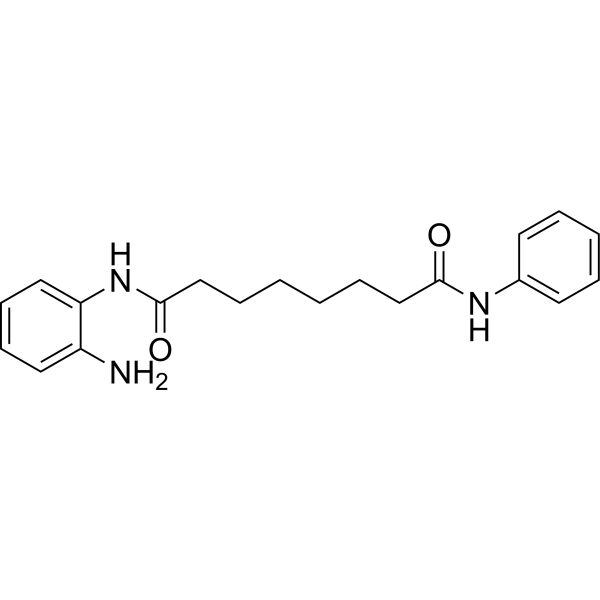
    J208 is a dual inhibitor for histone deacetylase (HDAC) and DNA methyltransferase (DNMT). J208 inhibits proliferation of cancer cells, as well as the migration/invasion of triple-negative breast cancer (TNBC) cells. J208 induces apoptosis, arrests the cell cycle at G0/G1 phase. J2008 activates the innate immune signalling pathway in TNBC, by inducing the expression of endogenous retroviruses (ERVs) .
    J208
  • HY-169477

    Biochemical Assay Reagents Cancer
    PAMAM Dendrimer G0.5 Carboxylate sodium is a polyamidoamine (PAMAM) dendrimer with carboxylate termini. PAMAM Dendrimer G0.5 Carboxylate sodium conjugated with DACHPt is cytotoxic to A2780 ovarian cancer cells, MCF-7 breast cancer cells, Caco-2 colon cancer cells and BJ fibroblasts with IC50 values of 0.03, 1.6, 0.18 and 3 µM, respectively .
    PAMAM dendrimer G0.5 carboxylate sodium (8.78% w/w in water)
  • HY-158493

    A2 N-linked oligosaccharide, procainamide labelled

    Biochemical Assay Reagents Others
    A2 glycan (G0), procainamide labelled (A2 N-linked oligosaccharide, procainamide labelled) is a N-polysaccharide protein and a multifunctional fluorescent linker. The resulting conjugates exhibit high sensitivity and specificity by mimicking the antennal elements of N-glycans .
    A2 glycan (G0), procainamide labelled
  • HY-158497

    A2 N-linked oligosaccharide, APTS labelled

    Biochemical Assay Reagents Others
    A2 glycan (G0), APTS labelled (A2 N-linked oligosaccharide, APTS labelled) is a N-polysaccharide protein and a multifunctional fluorescent linker. The resulting conjugates exhibit high sensitivity and specificity by mimicking the antennal elements of N-glycans .
    A2 glycan (G0), APTS labelled
  • HY-N12603

    Apoptosis Cancer
    Typhatifolin B (Compd 2), an anti-cancer agent, could remarkably induce cell apoptosis and G0/G1 cycle arrest, as well as block cell migration and invasion .
    Typhatifolin B
  • HY-13768C

    SKF 104864A hydrochloride hydrate; NSC 609669 hydrochloride hydrate

    Topoisomerase Apoptosis Autophagy Cancer
    Topotecan hydrochloride hydrate is an orally active and potent Topoisomerase I inhibitor. Topotecan hydrochloride hydrate induces cell cycle arrest in G0/G1 and S phases and promotes apoptosis. Topotecan hydrochloride hydrate shows anticancer activity .
    Topotecan hydrochloride hydrate
  • HY-162416

    CDK Cancer
    CDK7-IN-27 (Compound 37) is a selective inhibitor for cyclin-dependent kinase 7 (CDK7), with Ki of 3 nM. CDK7-IN-27 arrests the cell cycle at G0/G1 phase .
    CDK7-IN-27
  • HY-155544

    c-Met/HGFR Cancer
    Antitumor agent-111 (compound 46) is an c-Met kinase inhibitor (IC50=46 nM) with antitumor and antiproliferative activity. Antitumor agent-111 arrests cell cycle at G0/G1 phase, and induces apoptosis .
    Antitumor agent-111
  • HY-147801

    Topoisomerase Apoptosis Cancer
    Topoisomerase IIα-IN-3 (Compound 12c) is a DNA intercalative topoisomerase-IIα inhibitor. Topoisomerase IIα-IN-3 arrests cell cycle at the G0/G1 phase and induces apoptosis .
    Topoisomerase IIα-IN-3
  • HY-145762

    Apoptosis Histone Methyltransferase Cancer
    YM281 is a potent EZH2 inhibitor. YM281 induces cell apoptosis and cell cycle arrest at the G0/G1 phase. YM281 shows antitumor effects in vivo. YM281 has the potential for the research of lymphoma .
    YM281
  • HY-155503

    Apoptosis Cancer
    Antitumor agent-103 (compound 24l) is an apoptosis inducer with antiproliferative and anti-clony formation activities. Antitumor agent-103 arrests cell cycle at G0/G1 phase, enhances NO production, and exhibits anti-tumor activity .
    Antitumor agent-103

Inquiry Online

Your information is safe with us. * Required Fields.

Salutation


Country or Region *

Applicant Name *


Organization Name *

Department *


Email Address *


Product Name *

Cat. No.


Requested quantity *

Phone Number *


Remarks

Inquiry Online

Inquiry Information

Product Name:
Cat. No.:
Quantity:
MCE Japan Authorized Agent:

