
From 11:00 pm to 12:00 pm EST ( 8:00 pm to 9:00 pm PST ) on January 6th, the website will be under maintenance. We are sorry for the inconvenience. Please arrange your schedule properly.
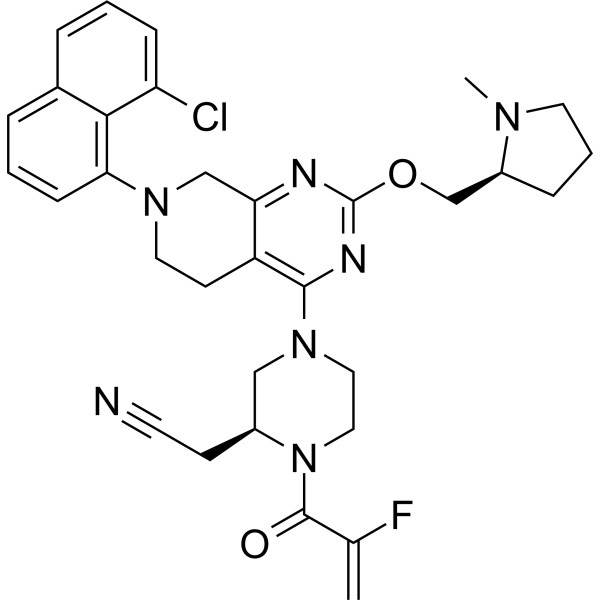
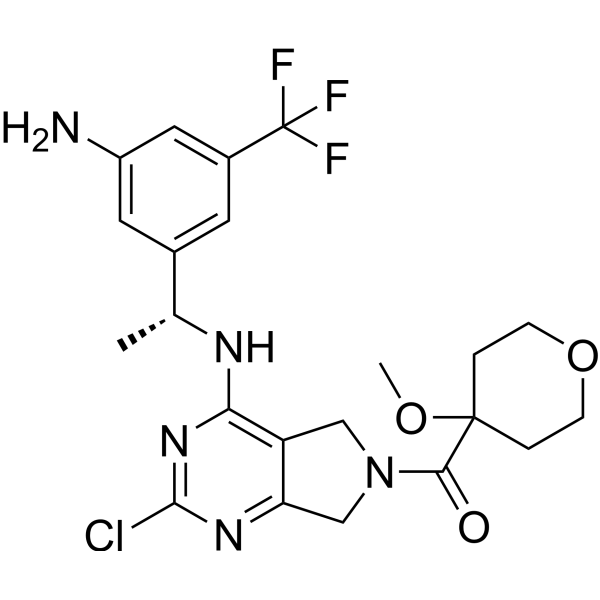
Adagrasib (MRTX849) is a potent, orally-available, and mutation-selective covalent inhibitor of KRAS G12C with potential antineoplastic activity. Adagrasib covalently binds to KRAS G12C at the cysteine at residue 12, locks the protein in its inactive GDP-bound conformation, and inhibits KRAS-dependent signal transduction .
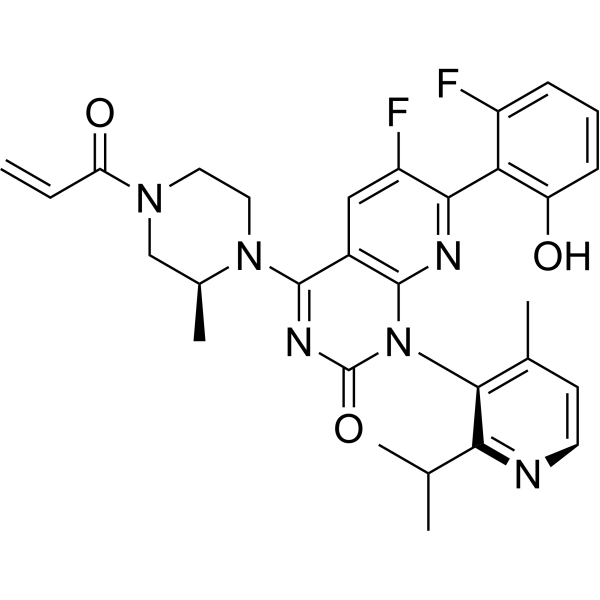
Sotorasib (AMG-510) is a first-in-class, orally bioavailable, and selective KRAS G12C covalent inhibitor. Sotorasib irreversibly inhibits KRAS G12C by locking it in an inactive GDP-bound state. Sotorasib leads to the regression of KRAS G12C‑mutated locally advanced or metastatic non‑small cell lung cancer (NSCLC) .
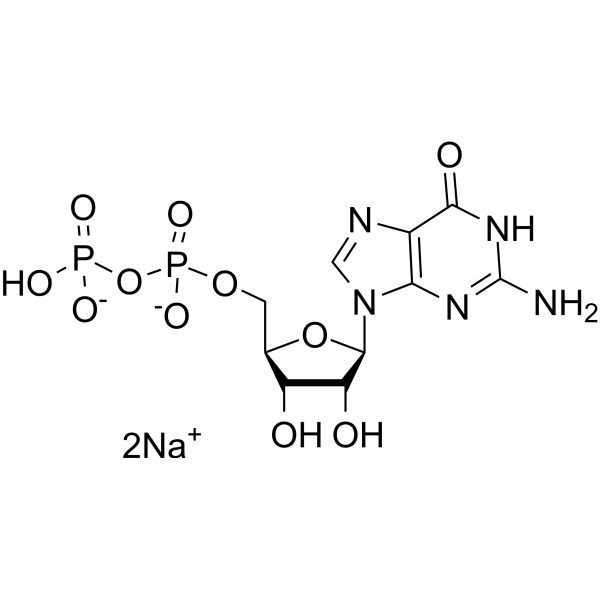
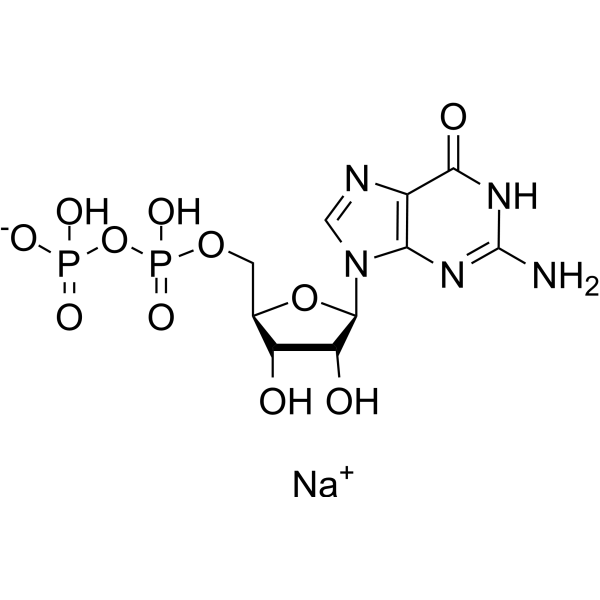
Guanosine 5'-diphosphate (GDP) disodium salt, a purine nucleoside diphosphate, is interconverted to guanosine by the action of exonucleotidase and phosphorylation of nucleoside to guanine. Guanosine 5'-diphosphate disodium salt activates adenosine 5'-triphosphate-sensitive K + channel and is used to study the kinetics and characteristics of GTPases such as those associated with G-protein coupled receptors (GPCR). Guanosine 5'-diphosphate disodium salt is a potential iron mobilizer, which prevents the Hepcidin (HY-P70400)-ferroportin interaction and modulates the interleukin-6 (IL-6)/stat-3 pathway. Elevated levels of guanosine 5’-diphosphate are associated with the pathogenesis of neurological diseases. Guanosine 5'-diphosphate disodium salt is promising for the research of inflammation, such as anemia of inflammation (AI) .
AMG410 is a non-covalent and selective pan-KRAS inhibitor with IC50 values of 1-4 nM for KRAS G12D, KRAS G12V, and KRAS G13D. AMG410 shows greater than 100-fold selectivity against both HRAS and NRAS. AMG410 is a dual GTP(on)- and GDP(off)-state inhibitor (Kd(GDP-state) of 1 nM; Kd(GTP-state) of 22 nM). AMG410 blocks KRAS signaling in a cycling state-independent manner and also blocks proliferation in wildtype KRAS-amplified tumor cells. AMG410 can be used for the study of colorectal, pancreatic, and lung cancers .
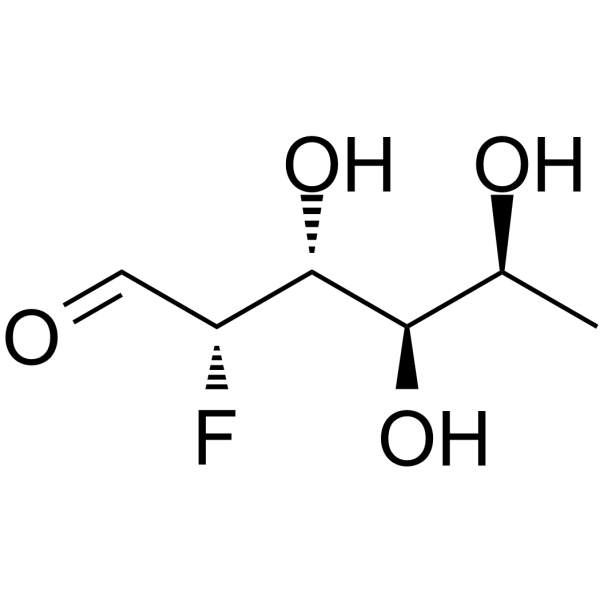
2-Deoxy-2-fluoro-L-fucose, an L-fucose analog, is a fucosylation inhibitor. 2-Deoxy-2-fluoro-L-fucose inhibits de novo synthesis of GDP-fucose in mammalian cells. Fucosylation is a relatively well-defined biomarker for progression in many human cancers; for example, pancreatic and hepatocellular carcinoma .
Guanosine 5'-diphosphate (GDP) sodium, 96% (HPLC) is a nucleoside diphosphate that activates adenosine 5'-triphosphate-sensitive K + channel. Guanosine 5'-diphosphate sodium, 96% (HPLC) is an iron mobilizer, which forms a complex with hepcidin to inhibit the hepcidin-ferroportin (FPN) interaction and modulates the IL-6/stat-3 pathway. Guanosine 5'-diphosphate sodium, 96% (HPLC) ameliorates the Turpentine-induced anemia of inflammation (AI) in mice when combined with FeSO4. Guanosine 5'-diphosphate sodium, 96% (HPLC) can be used in the research of AI .
KRA-533 is a potent KRAS agonist. KRA-533 binds to the GTP/GDP binding pocket in the KRAS protein to prevent GTP cleavage, resulting in the accumulation of constitutively active GTP-bound KRAS that triggers both apoptotic and autophagic cell death pathways in cancer cells.
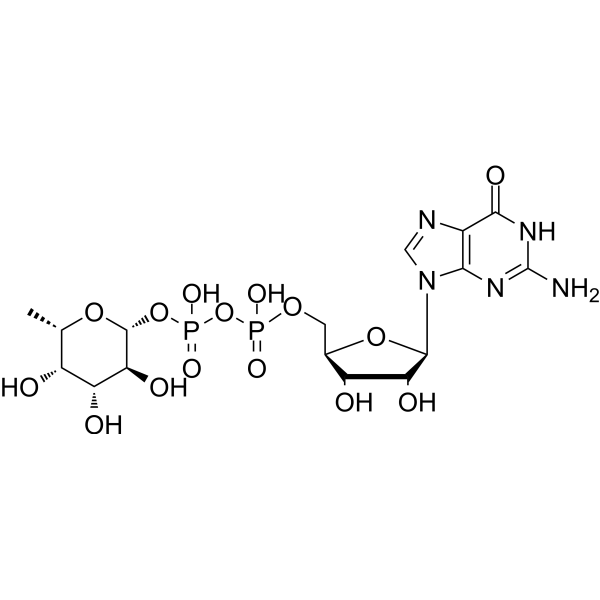
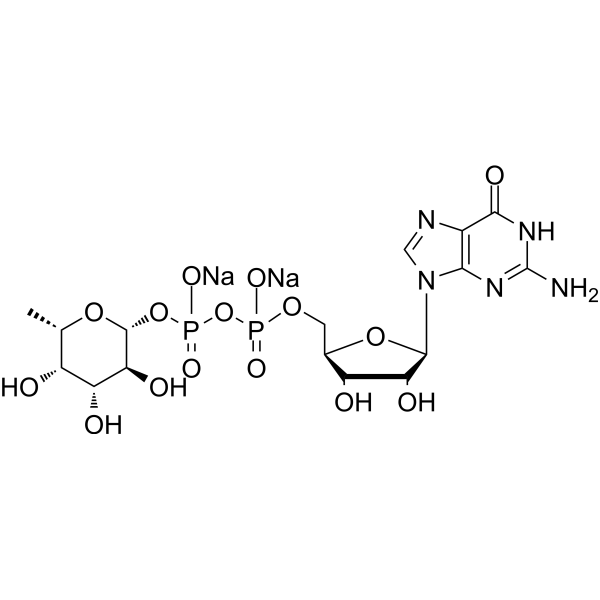
GDP-L-fucose is a nucleotide sugar that is a key substrate for the biosynthesis of fucose oligosaccharides, providing the fucose moiety for the oligosaccharides.The formation of GDP-L-fucose occurs through two pathways, the major ab initio metabolic pathway and the minor remedial metabolic pathway. GDP-L-fucose is associated with diabetes in rats .
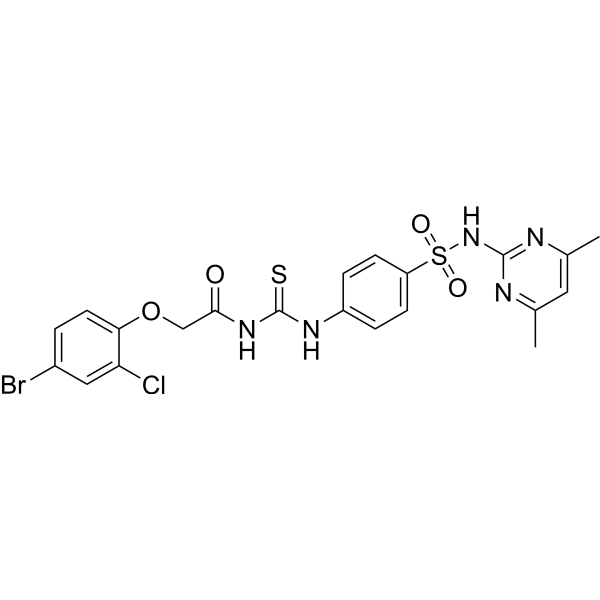
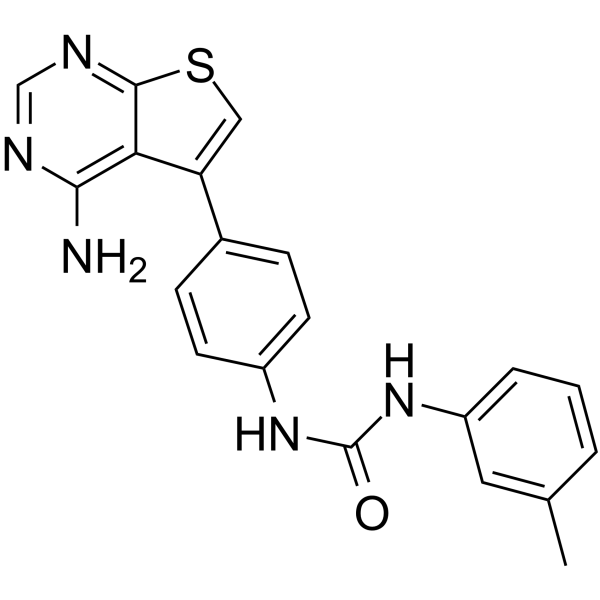
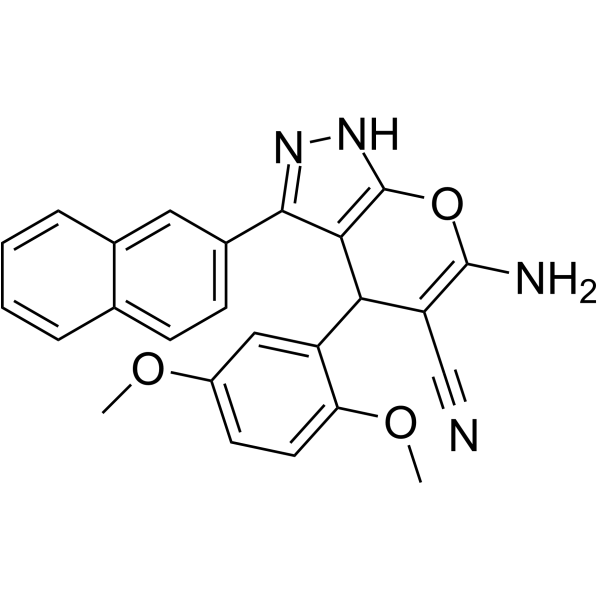
ZCL278 is a selective Cdc42 inhibitor with Kds of 6.4 μM in fluorescence titration and 11.4 μM in surface plasmon resonance (SPR) measurement. ZCL278 is able to disrupt the Cdc42-ITSN interaction as well as GTP/GDP binding. ZCL278 has inhibitory effects on various enveloped viruses, but is ineffective against non-enveloped viruses. ZCL278 can be used for the studies of arsenic neurotoxicity and HER2-positive gastric cancer (GC) .
Guanosine 5'-diphosphate (GDP) is a nucleoside diphosphate that activates adenosine 5'-triphosphate-sensitive K + channel. Guanosine 5'-diphosphate is an iron mobilizer, which forms a complex with hepcidin to inhibit the hepcidin-ferroportin (FPN) interaction and modulates the IL-6/stat-3 pathway. Guanosine 5'-diphosphate ameliorates the Turpentine-induced anemia of inflammation (AI) in mice when combined with FeSO4. Guanosine 5'-diphosphate can be used in the research of AI .
Guanosine 5'-O-(2-thiodiphosphate) trisodium (GDPβS trisodium) is a non-hydrolyzable derivative of GDP. Guanosine 5'-O-(2-thiodiphosphate) trisodium acts as an inhibitor of adenylyl cyclase (AC) with a Ki value of 600 nM. In the absence of glutamic-pyruvic transaminase (GPT) in cerebral cortex membranes of rodent models, Guanosine 5'-O-(2-thiodiphosphate) trisodium partially activates AC with an EC50 of 400 nM. Guanosine 5'-O-(2-thiodiphosphate) trisodium prevents norepinephrine-induced nitric oxide release in ventricular myocytes .
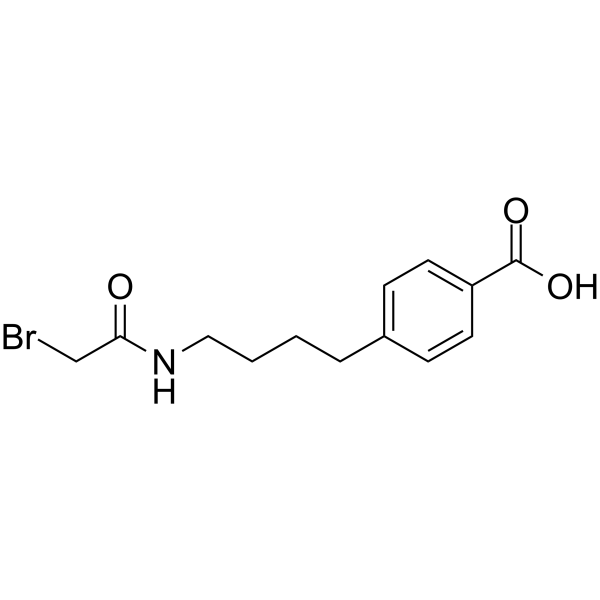
ARS-853 is a cell-active, selective, covalent KRAS G12C inhibitor with an IC50 of 2.5 μM. ARS-853 inhibits mutant KRAS-driven signaling by binding to the GDP-bound oncoprotein and preventing activation .
RBC8 is a selective and allosteric RALA and RALB inhibitor. RBC8 stabilizes the inactive GDP-bound state of Ral, preventing its activation. RBC8 promotes the phosphorylation of proteins related to the MAPK/JNK pathway. RBC8 has the activity of inhibiting tumor cell proliferation, migration and invasion. RBC8 is used in the study of various cancers such as lung cancer, gastric cancer, and multiple myeloma .
CID44216842 (Cdc42-IN-1) is a potent Cdc42-selective guanine nucleotide binding lead inhibitor. The EC50s for Cdc42 WT and Cdc42Q61L mutant are 1.0 and 1.2 μM in GTP binding assay, respectively. The EC50s for Cdc42 WT and Cdc42Q61L mutant are 0.3 and 0.5 μM in GDP binding assay, respectively. Use as a molecular probe .
GDP-D-mannose disodium consists of GDP-α-D-mannose (HY-N7389B) and GDP-β-D-mannose. GDP-α-D-mannose serves as a donor substrate for mannosyltransferases and acts as a precursor of GDP-β-L-fucose. GDP-α-D-mannose exerts competitive inhibition on GTP (with a Ki value of 14.7 μM) and non-competitive inhibition on mannose-1-P (with a Ki value of 115 μM). GDP-D-mannose disodium is metabolized to GDP-L-fucose (HY-134433) via GMDS (Gmd) and TSTA3 (WcaG) .
HJC0197 is a potent Epac1 (exchange protein directly activated by cAMP 1) and Epac2 (IC50=5.9 μM for Epac2) antagonist. HJC0197 selectively blocks cAMP-induced Epac activation. HJC0197 inhibits Epac1-mediated Rap1-GDP exchange activity at 25 μM in the presence of equal concentration of cAMP .
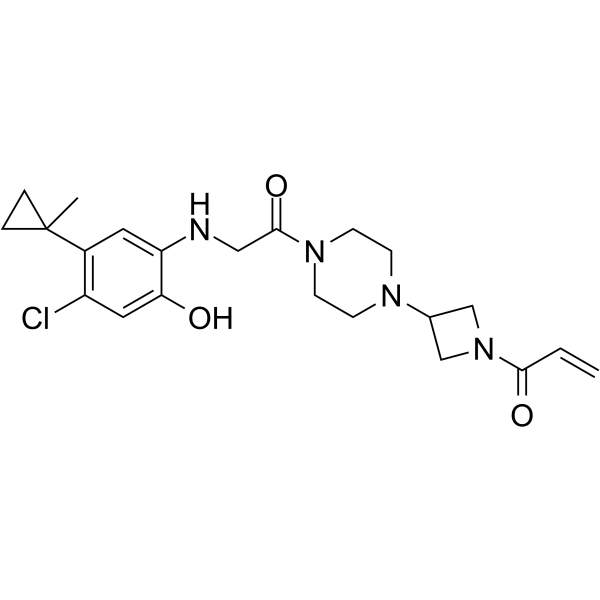
RMC-0331 (RM-023) is a potent, selective and orally bioavailable SOS1 inhibitor. RMC-0331 is an in vivo tool compound that blocks RAS activation via disruption of the RAS-SOS1 interaction .
K-Ras-IN-1 is the inhibitor for K-Ras by occupying the binding site of son of sevenless (Sos), preventing the interaction between Sos and K-Ras, inhibiting the Sos-catalyzed GDP to GTP exchange process. K-Ras-IN-1 is promising for research of pancreatic, colon and lung cancer .
2′-Deoxy-GDP (dGDP) trisodium, a guanosine monophosphate (GMP) analogue, is a hypoxanthine phosphoribosyltransferase (HGPRT) inhibitor with an IC50 of 12.5 μM. HGPRT is a central enzyme in the purine recycling pathway of all protozoan parasites .
ARS-1323 is a KRAS G12C inhibitor. ARS-1323 specifically binds to the cysteine residue on the mutant K-Ras protein, locks it in the GDP-bound conformation, thereby blocking K-Ras activation and downstream signaling pathways. ARS-1323 can be used to investigate the signal transduction mechanisms and growth characteristics of tumor cells driven by K-Ras G12C .
(R)-G12Di-7 is a covalent ligand for KRAS-G12D, which selectively labels K-Ras-G12D·GDP and K-Ras-G12D·GppNHp. (R)-G12Di-7 exhibits inhibitory activity against G12D mutated cancer cells .
Sotorasib (Standard) is the analytical standard of Sotorasib. This product is intended for research and analytical applications. Sotorasib (AMG-510) is a first-in-class, orally bioavailable, and selective KRAS G12C covalent inhibitor. Sotorasib irreversibly inhibits KRAS G12C by locking it in an inactive GDP-bound state. Sotorasib leads to the regression of KRAS G12C‑mutated locally advanced or metastatic non‑small cell lung cancer (NSCLC) .
Sotorasib-d7 (AMG-510-d7) is a deuterium-labeled Sotorasib (HY-114277). Sotorasib (AMG-510) is a first-in-class, orally bioavailable, and selective KRAS G12C covalent inhibitor. Sotorasib irreversibly inhibits KRAS G12C by locking it in an inactive GDP-bound state. Sotorasib leads to the regression of KRAS G12C‑mutated locally advanced or metastatic non‑small cell lung cancer (NSCLC) .
Guanosine (Standard) is the analytical standard of Guanosine. This product is intended for research and analytical applications. Guanosine (DL-Guanosine) is a purine nucleoside comprising guanine attached to a ribose (ribofuranose) ring via a β-N9-glycosidic bond. Guanosine possesses anti-HSV activity.
In Vitro: Guanosine can be phosphorylated to become guanosine monophosphate (GMP), cyclic guanosine monophosphate (cGMP), guanosine diphosphate (GDP), and guanosine triphosphate (GTP). These forms play important roles in various biochemical processes such as synthesis of nucleic acids and proteins, photosynthesis, muscle contraction, and intracellular signal transduction (cGMP).
GDP-L-fucose disodium is a nucleotide sugar that is a key substrate for the biosynthesis of fucose oligosaccharides. GDP-L-fucose disodium provides the fucose moiety for the oligosaccharides. The formation of GDP-L-fucose disodium occurs through two pathways, the major de novo metabolic pathway and the minor remedial metabolic pathway .
L-fucokinase/GDP-fucose pyrophos-phorylase (FKP) is an enzyme that catalyzes the chemical reaction. L-fucokinase/GDP-fucose pyrophos-phorylase (FKP) has substrate of L-fucose. L-fucokinase/GDP-fucose pyrophos-phorylase (FKP) induces L-fucose phosphorylation to form L-fucose-L-phosphate .
Guanosine 5'-diphosphate- 13C10 (GDP- 13C10) dilithium is 13C-labeled Guanosine 5'-diphosphate (HY-113066). Guanosine 5'-diphosphate (GDP) is a nucleoside diphosphate that activates adenosine 5'-triphosphate-sensitive K + channel. Guanosine 5'-diphosphate is a potential iron mobilizer, which prevents the hepcidin-ferroportin interaction and modulates the interleukin-6 (IL-6)/stat-3 pathway. Guanosine 5'-diphosphate can be used in the research of inflammation, such as anemia of inflammation (AI).
dGTP- 13C10 (2'-Deoxyguanosine-5'-triphosphate- 13C10) dilithium is 13C-labeled dGTP (HY-138616). dGTP (2'-Deoxyguanosine-5'-triphosphate), a guanosine nucleotide, can be used in deoxyribonucleic acid synthesis. Guanosine nucleotides (GDP, GTP, dGDP, and dGTP) are highly susceptible to oxidative damage to 8-oxo-GDP (8-O-GDP), 8-O-dGTP, 8-O-GTP, and 8-O-dGTP.
Mannose 1-phosphate is a phosphorylated mannose that serves as a precursor of GDP-mannose, a constituent unit of glycosylation biosynthetic pathways. Mannose 1-phosphate increases intracellular GDP-mannose concentration, promotes normalization of lipid-linked oligosaccharide structures, and enhances the formation of mature N-glycans on cellular proteins. Mannose 1-phosphate can be used in studies related to glycosylation disorders .
MRTX-EX185 formic is a potent KRAS (G12D) inhibitor with an IC50 of 90 nM. MRTX-EX185 formic can binds both GDP-loaded and active GNP states of KRAS and KRAS (G12D). MRTX-EX185 formic exhibits broad-spectrum binding properties with IC50s of 110, 290, 130 and 240 nM for KRAS WT, KRAS (G12C), KRAS (Q61H), KRAS (G13D). MRTX-EX185 formic also binds GDP-loaded HRAS. MRTX-EX185 formic can be used to study various RAS-driven tumors (such as pancreatic cancer) .
BI-0474 is a potent KRAS G12C inhibitor with an IC50 value of 7.0 nM for the GDP-KRAS::SOS1 protein-protein interaction. BI-0474 exhibits good anti-proliferative activity against NCI-H358 cells carrying the G12C mutation. BI-0474 also shows good anti-tumour activity in non-small cell lung cancer xenograft models .
SHBG 141-161 is a GPRC6A receptor agonist. SHBG 141-161 mimics the action of GPRC6A endogenous agonist uncarboxylated osteocalcin by binding to GPRC6A and promoting downstream signaling to increase testosterone and insulin secretion. SHBG 141-161 also reduces the affinity of GPRC6A to GDP protein by binding to the outer cell domain of GPRC6A thus affecting the dynamics of signal transduction. SHBG 141-161 can be used to study GPRC6A in energy metabolism and endocrine regulation .
alpha-1,3/4-Fucosyltransferase (α1,3/4FucT) (EC 2.4.1.65) (Hp3/4FT) can be found in Helicobacter pylori. alpha-1,3/4-Fucosyltransferase (α1,3/4FucT) catalyzes fucose transfer from donor GDP-beta-l-fucose to the GlcNAc .
GDP-Fucose-Tz (GDP-Fucose-Am-Tz) is a non-natural GDP-fucose analog bearing a Tetrazine group. As a precursor, GDP-Fucose-Tz enables the synthesis of GDP-fucose-ssDNA probes via inverse electron demand Diels-Alder reaction. GDP-Fucose-Tz participates in chemoenzymatic reactions to prepare GDP-fucose-Herceptin derivatives through conjugation with TCO-Herceptin .
Guanosine 5'-diphosphate- 15N5 (GDP- 15N5) dilithium is 15N labeled Guanosine 5'-diphosphate (HY-113066). Guanosine 5'-diphosphate (GDP) is a nucleoside diphosphate that activates adenosine 5'-triphosphate-sensitive K + channel. Guanosine 5'-diphosphate is a potential iron mobilizer, which prevents the hepcidin-ferroportin interaction and modulates the interleukin-6 (IL-6)/stat-3 pathway. Guanosine 5'-diphosphate can be used in the research of inflammation, such as anemia of inflammation (AI) .
Guanosine 5'-diphosphate (disodium salt) (Standard) is the analytical standard of Guanosine 5'-diphosphate (disodium salt). This product is intended for research and analytical applications. Guanosine 5'-diphosphate (GDP) disodium salt, a purine nucleoside diphosphate, is interconverted to guanosine by the action of exonucleotidase and phosphorylation of nucleoside to guanine. Guanosine 5'-diphosphate disodium salt activates adenosine 5'-triphosphate-sensitive K+ channel and is used to study the kinetics and characteristics of GTPases such as those associated with G-protein coupled receptors (GPCR). Guanosine 5'-diphosphate disodium salt is a potential iron mobilizer, which prevents the Hepcidin (HY-P70400)-ferroportin interaction and modulates the interleukin-6 (IL-6)/stat-3 pathway. Elevated levels of guanosine 5’-diphosphate are associated with the pathogenesis of neurological diseases. Guanosine 5'-diphosphate disodium salt is promising for the research of inflammation, such as anemia of inflammation (AI) .
dGTP- 13C10, 15N5 (2'-Deoxyguanosine-5'-triphosphate- 13C10, 15N5) dilithium is 13C and 15N-labeled dGTP (HY-138616). dGTP (2'-Deoxyguanosine-5'-triphosphate), a guanosine nucleotide, can be used in deoxyribonucleic acid synthesis. Guanosine nucleotides (GDP, GTP, dGDP, and dGTP) are highly susceptible to oxidative damage to 8-oxo-GDP (8-O-GDP), 8-O-dGTP, 8-O-GTP, and 8-O-dGTP.
Helicobacter pylori alpha-1,3-fucosyltransferase (Hp3FT) catalyzes the glycosyl addition of fucose from the donor GDP-fucose to the acceptor N-acetyllactosamine .
Fucosyltransferase 8 (EC:2.4.1.68; FUT8; α1-6FucT) is a glycosyl transferase and catalyzes the transfer of a fucose residue from GDP-fucose to the innermost N-acetylglucosamine residue of N-glycans .
MRTX-EX185 is a potent KRAS (G12D) inhibitor with an IC50 of 90 nM. MRTX-EX185 can binds both GDP-loaded and active GNP states of KRAS and KRAS (G12D). MRTX-EX185 exhibits broad-spectrum binding properties with IC50s of 110, 290, 130 and 240 nM for KRAS WT, KRAS (G12C), KRAS (Q61H), KRAS (G13D). MRTX-EX185 also binds GDP-loaded HRAS. MRTX-EX185 can be used to study various RAS-driven tumors (such as pancreatic cancer) .
KRAS G13D-IN-1 (Compound 41) is a selective and covalently reversible inhibitor of KRAS G13D (IC50: 0.41 nM). The selectivity for KRAS G13D is 29-fold against KRAS wild type. KRAS G13D-IN-1 is an inhibitor of the GDP state and targets the SWII binding pocket of KRAS G13D. KRAS G13D-IN-1 inhibits KRAS binding to GDP and turns on/off downstream signaling cascades. KRAS G13D-IN-1 can be used in the research of colon cancer .
SOS1-IN-19 (Compound 10i) is a potent inhibitor of SOS1 (Son of Sevenless 1) with an IC50 value of 165.2 nM. SOS1-IN-19 blocks KRAS activation by preventing GDP/GTP exchange in KRAS signaling pathway. SOS1-IN-19 is promising for research of KRAS-driven cancers (e.g., NSCLC and colorectal cancer) .
GDP-Azido-Fucose is a chemically modified donor substrate. GDP-Azido-Fucose can be used to synthesize fluorophore-conjugated GDP-fucose. GDP-Azido-Fucose can be used to study glycosyltransferase reactions .
GDP-Fuc-AM-VcPAB-MMAE is a conjugate of toxic molecule Monomethyl auristatin E (MMAE) (HY-15162) and linkers. GDP-Fuc-AM-VcPAB-MMAE is an important precursor molecule that can be used to prepare ADC drugs. GDP-Fuc-AM-VcPAB-MMAE can be used for cancer research .
GDP-α-D-mannose disodium is the donor substrate for mannosyltransferases and the precursor of GDP-β-L-fucose. GDP-α-D-mannose disodium gives a competitive inhibition with respect to GTP (Ki 14.7 μM) and an uncompetitive inhibition with respect to mannose-1-P (Ki 115 μM) .
GRP (14-27) (human, porcine, canine) is a bombesin receptor ligand. The specific binding of GRP (14-27) is inhibited by GTP and GDP, whereas GMP was without effect .
SKLB-163 is an orally active inhibitor for Rho GDP-dissociation (RhoGDI). SKLB-163 inhibits highly expressed RhoGDI tumor cell proliferation and migration, and increases radiosensitivity of tumor cells. SKLB-163 induces cancer cell Apoptosis .
XL541 is a potent, selective S1P1 antagonist. XL541 inhibits GDP-GTP exchange. XL541 causes frank surface hemorrhaging of tumors. XL541 collaborates with Paclitaxel (HY-B0015) to exhibit antitumor activity against breast cancer and lung cancer .
alpha-1,3-Fucosyltransferase (α1,3FucT) catalyzes the transfer of L-fucose moiety from guanosine diphosphate-beta-L-fucose (GDP-Fuc) to acceptor sugars. alpha-1,3-Fucosyltransferase (α1,3FucT) is often used in biochemical studies, and it can be used to form fucoglycoconjugates .
Sotorasib-d3 (AMG-510-d3) is deuterium labeled Sotorasib. Sotorasib (AMG-510) is a first-in-class, orally bioavailable, and selective KRAS G12C covalent inhibitor. Sotorasib irreversibly inhibits KRAS G12C by locking it in an inactive GDP-bound state. Sotorasib leads to the regression of KRAS G12C?mutated locally advanced or metastatic non?small cell lung cancer (NSCLC) .
GDP-mannose pyrophosphorylase (ManC) (GDP-MP) is a cytoplasmic protein that catalyzes the formation of GDP-mannose. GDP-mannose pyrophosphorylase (ManC) is the precursor for the mannose residues in glycoconjugates, using mannose 1-phosphate and GTP as substrates .
6-T-GDP (6-Thioguanosine 5'-diphosphate) is a metabolite of azathioprine. 6-T-GDP can reduce the transcription of inflammatory factors and the expression of cell adhesion molecules by inhibiting the activity of Rac1, thereby inhibiting the migration of leukocytes and the occurrence of tissue inflammation .
SCH-53870 is a Ras activation inhibitor that binds to the Ras-GDP complex, keeping the Ras protein in an inactive GDP-bound state and preventing it from switching to an active GTP-bound state. SCH-53870 affects cell signaling and cell proliferation by preventing the activation of Ras protein. SCH-53870 can be used in cancer research .
Guanosine 5'-diphosphate-d13(GDP-d13) dilithium is deuterium labeled Guanosine 5'-diphosphate (HY-113066). Guanosine 5'-diphosphate (GDP) is a nucleoside diphosphate that activates adenosine 5'-triphosphate-sensitive K + channel. Guanosine 5'-diphosphate is a potential iron mobilizer, which prevents the hepcidin-ferroportin interaction and modulates the interleukin-6 (IL-6)/stat-3 pathway. Guanosine 5'-diphosphate can be used in the research of inflammation, such as anemia of inflammation (AI).
6-Thioguanosine-5'-O-diphosphate sodium (6-Thio-GDP sodium) (TGDP sodium) is an active metabolite of 6-Mercaptopurine (HY-13677). 6-Mercaptopurine is a purine analogue which acts as an antagonist of the endogenous purines and has been widely used as antileukemic agent and immunosuppressive drug .
KRAS G12C inhibitor 65 is a potent and covalent KRAS G12C inhibitor that traps KRAS G12C in the GDP-bound state. KRASG12C IN-1 exhibits potent antitumor activity against KRAS-mutant non-small cell lung cancer .
Guanosine 5'-diphosphate- 13C10, 15N5 (GDP- 13C10, 15N5) dilithium is 13C and 15N-labeled Guanosine 5'-diphosphate (HY-113066). Guanosine 5'-diphosphate (GDP) is a nucleoside diphosphate that activates adenosine 5'-triphosphate-sensitive K + channel. Guanosine 5'-diphosphate is a potential iron mobilizer, which prevents the hepcidin-ferroportin interaction and modulates the interleukin-6 (IL-6)/stat-3 pathway. Guanosine 5'-diphosphate can be used in the research of inflammation, such as anemia of inflammation (AI).
Guanosine 5'-diphosphate ditromethamine is a nucleoside diphosphate that activates adenosine 5'-triphosphate-sensitive K + channel. Guanosine 5'-diphosphate ditromethamine is a potential iron mobilizer, which prevents the hepcidin-ferroportin interaction and modulates the interleukin-6 (IL-6)/stat-3 pathway. Guanosine 5'-diphosphate ditromethamine can be used in the research of inflammation, such as anemia of inflammation (AI) .
dGTP-d14 (2'-Deoxyguanosine-5'-triphosphate-d14) dilithium is deuterium labeled dGTP (HY-138616). dGTP (2'-Deoxyguanosine-5'-triphosphate), a guanosine nucleotide, can be used in deoxyribonucleic acid synthesis. Guanosine nucleotides (GDP, GTP, dGDP, and dGTP) are highly susceptible to oxidative damage to 8-oxo-GDP (8-O-GDP), 8-O-dGTP, 8-O-GTP, and 8-O-dGTP.
dGTP- 15N5 (2'-Deoxyguanosine-5'-triphosphate- 15N5) dilithium is 15N labeled dGTP (HY-138616). dGTP (2'-Deoxyguanosine-5'-triphosphate), a guanosine nucleotide, can be used in deoxyribonucleic acid synthesis. Guanosine nucleotides (GDP, GTP, dGDP, and dGTP) are highly susceptible to oxidative damage to 8-oxo-GDP (8-O-GDP), 8-O-dGTP, 8-O-GTP, and 8-O-dGTP.
Mannose 1-phosphate sodium is a phosphorylated mannose that serves as a precursor of GDP-mannose, a constituent unit of glycosylation biosynthetic pathways. Mannose 1-phosphate sodium increases intracellular GDP-mannose concentration, promotes normalization of lipid-linked oligosaccharide structures, and enhances the formation of mature N-glycans on cellular proteins. Mannose 1-phosphate sodium can be used in studies related to glycosylation disorders .
dGTP- 15N5,d14 (2'-Deoxyguanosine-5'-triphosphate- 15N5,d14) dilithium is deuterium and 15N labeled dGTP (HY-138616). dGTP (2'-Deoxyguanosine-5'-triphosphate), a guanosine nucleotide, can be used in deoxyribonucleic acid synthesis. Guanosine nucleotides (GDP, GTP, dGDP, and dGTP) are highly susceptible to oxidative damage to 8-oxo-GDP (8-O-GDP), 8-O-dGTP, 8-O-GTP, and 8-O-dGTP.
isoGDP (trisodium) is a GDP isomer. isoGDP (trisodium) is a phosphorylated form of crotonoside. isoGDP (trisodium) is an inhibitor of mitochondrial ATPase with an IC50 of 3 μM .
Protein O-Fucosyltransferase 1 (EC:2.4.1.221; POFUT1) is a Glycosyltransferase containing the cysteine-rich motifs as the acceptor sugar and GDP-fucose as the donor .
GDI2-IN-1 (compound (+)-37) is a GDP-dissociation inhibitor beta (GDI2) inhibitor with an IC50 of 2.87 μM and a KD of 36 μM. GDI2-IN-1 exhibits excellent in vivo antitumor activity in GDI2-overexpressing pancreatic xenograft models .
Phosphomannose isomerase is the first enzyme involved in the biosynthesis pathway of GDP-Man. Phosphomannose isomerase catalyzes the conversion between fructose-6-phosphate (Fru6P) and mannose-6-phosphate (Man6P). Phosphomannose isomerase is important for cell wall synthesis and protein glycosylation. Phosphomannose isomerase is a potent antifungal target to curb the threats posed by A. flavus .
GDP-Azido-Fucose disodium is a chemically modified donor substrate. GDP-Azido-Fucose disodium can be used to synthesize fluorophore-conjugated GDP-fucose. GDP-Azido-Fucose can be used to study glycosyltransferase reactions .
7-Methylguanosine 5-disphosphoimidazolide disodium (7-Me-3'-OMe-GDP imidazole) is a guanosine diphosphate imidazolide and starting material for synthesis of alkyne-containing C-phosphonate and phosphoester clickable mononucleotide building blocks for triazole-modified mRNA cap analogues .
α-1,2-Colitosyltransferase (EC 2.4.1.341) participates in the biosynthesis of an O-antigen. The reaction involves anomeric inversion, and does not require any metal ions. The enzyme is highly specific towards the acceptor, exclusively recognizing lacto-N-biose, but can accept GDP-L-fucose as the donor with almost the same activity as with GDP-β-L-colitose.
KRAS G12C-IN-77 is an orally active and selective KRAS G12C covalent dual-state inhibitor that binds with high affinity to both GDP-bound (inactive state) and GTP-bound (active state) KRAS G12C (IC50 = 133 nM). KRAS G12C-IN-77 rapidly inhibits ERK1/2 phosphorylation, induces the formation of covalent adducts with endogenous KRAS G12C, suppresses the expression of MAPK pathway genes, and inhibits the proliferation of KRAS G12C-mutant cells. KRAS G12C-IN-77 is applicable to research related to KRAS G12C-mutant solid tumors, including pancreatic ductal adenocarcinoma and non-small cell lung cancer .
Guanylate Kinase, Porcine (EC 2.7.4.8), is an enzyme that transfers phosphorus-containing groups (phosphotransferases) using phosphate groups as acceptors. Guanylate Kinase is involved in purine metabolism. Its two substrates are ATP and GMP, and its two products are ADP and GDP.
AMG410 diTFA is a non-covalent and selective pan-KRAS inhibitor with IC50 values of 1-4 nM for KRAS G12D, KRAS G12V, and KRAS G13D. AMG410 diTFA shows greater than 100-fold selectivity against both HRAS and NRAS. AMG410 diTFA is a dual GTP(on)- and GDP(off)-state inhibitor (Kd(GDP-state) of 1 nM; Kd(GTP-state) of 22 nM). AMG410 diTFA blocks KRAS signaling in a cycling state-independent manner and also blocks proliferation in wildtype KRAS-amplified tumor cells. AMG410 diTFA can be used for the study of colorectal, pancreatic, and lung cancers .
α-Bisabolene synthase (EC 4.2.3.38) requires a divalent cationic cofactor (Mg2+) to neutralize the negative charge of the bisphosphate leaving group. α-Bisabolene synthase (EC 4.2.3.38) can generate (+)-(4R)-limonene in vitro using GDP as a substrate.
KRAS G12C-IN-79 is a KRAS G12C inhibitor with an IC50 of 1.9 nM. KRAS G12C-IN-79 functionally inhibits the activity of the GDP-bound form of KRAS G12C. KRAS G12C-IN-79 can be used for the research of nonsmall cell lung cancer, colon cancer, pancreatic cancer .
KRASG12C IN-20 is an orally potent KRAS G12C inhibitor with an EC50 of 3.9 nM. KRASG12C IN-20 covalently modifies KRAS G12C in its inactive GDP-bound state and locks it to block oncogenic signal transduction. KRASG12C IN-20 exhibits significant activity in lung adenocarcinoma xenograft models. KRASG12C IN-20 can be used for research related to lung adenocarcinoma .
RNK08954 is an orally active KRASG12D inhibitor with a Kd of 0.0395 nM. RNK08954 selectively binds the inactive GDP-bound KRASG12D form, suppresses downstream KRAS-mediated signaling pathways p-ERK1/2 experssion. RNK08954 inhibits KRASG12D-mutant cell proliferation, induces G0-G1 cell cycle arrest, and inhibits tumor growth in mouse xenograft models. RNK08954 can be used for the research of non-small cell lung cancer, pancreatic ductal adenocarcinoma .
m,p-Dimethyl PPE is a D4 dopamine receptor ligand. m,p-Dimethyl PPE promotes GDP/GTP exchange of the G protein α-subunit, dissociates the receptor-G protein complex, stabilizes the low-affinity receptor state, and inhibits adenylate cyclase activity. m,p-Dimethyl PPE inhibits Forskolin (HY-15371)-induced melatonin synthesis in retinal photoreceptor cells and reduces the efficacy of full agonists when used in combination. m,p-Dimethyl PPE can be used in studies related to attention-deficit hyperactivity disorder .
Avicin G is a sphingomyelinase inhibitor and plasma membrane disruptor. Avicin G inhibits the enzymatic activities of neutral sphingomyelinases (SMPD2/3) and acid sphingomyelinase (SMPD1), elevates intracellular sphingomyelin levels, and alters the distribution of sphingomyelin. Avicin G interferes with the lateral segregation of GTP- and GDP-bound H-Ras, inhibits the signal output of oncogenic K-Ras and H-Ras, reduces the phosphorylation of ERK and Akt, increases lysosomal pH, and inhibits the endocytic recycling of epidermal growth factor receptor. Avicin G can be used in research related to pancreatic ductal adenocarcinoma and non-small cell lung cancer .
KRASG12C IN-17 is an orally active covalent KRAS G12C inhibitor, showing strong inhibitory activity in KRAS G12C-mutant cancer cells (NCI-H23 IC50 = 0.7 nM; NCI-H358 IC50 = 0.5 nM).
KRASG12C IN-17 covalently and irreversibly binds to KRAS G12C with > 96% modification efficiency in both GDP-bound and GMPPNP-bound conformations.
KRASG12C IN-17 can be used for studies of KRAS-driven cancers, including colorectal cancer .
NAB2 is a neuroprotectant that targets the small GTPase Rab1a. NAB2 selectively binds to the GDP-bound form of Rab1a and protects multiple cell types from α-synuclein toxicity by increasing Rab1a expression. Rab1a regulates ER-to-Golgi trafficking and mediates endosomal trafficking events of the E3 ubiquitin ligase Rsp5/Nedd4. NAB2 stimulates ubiquitination of related proteins in a Nedd4-dependent manner and rescues α-synuclein-associated trafficking defects associated with early-onset Parkinson's disease .
KRASG12C IN-15 (Compound 21) is the orally active inhibitor for KRAS G12C, and inhibits SOS1-mediated GDP/GTP exchange with an IC50 of 19 nM. KRASG12C IN-15 inhibits the phosphorylation of ERK with IC50 of 0.051 μM. KRASG12C IN-15 inhibits the cell viability of KRAS G12C mutated MIA PaCa-2 with IC50 of 0.023 μM. KRASG12C IN-15 exhibits antitumor effect in MIA PaCa-2 xenograft mouse models .
ZCL278- 13C is a 13C-labeled version of ZCL278 (HY-13963). ZCL278 is a selective Cdc42 inhibitor with Kds of 6.4 μM in fluorescence titration and 11.4 μM in surface plasmon resonance (SPR) measurement. ZCL278 can disrupt the interaction between Cdc42 and ITSN, and also inhibit the binding of GTP and GDP. ZCL278 has inhibitory effects on various enveloped viruses, but is ineffective against non-enveloped viruses. ZCL278 can be used in the research of arsenic neurotoxicity and HER2-positive gastric cancer (GC) [1][2][3][4].
SOS1-IN-21 is an orally active inhibitor of son of Sevenless 1 (SOS1) with an IC50 of 15 nM. SOS1 is a guanine nucleotide exchange factor (GEF) that activates KRAS by facilitating the exchange of GDP for GTP. SOS1-IN-21 exhibits potent antiproliferative activity, with IC50 values of 16 nM in NCI-H358 and 17 nM in Mia Paca-2 cell proliferation assays. SOS1-IN-21 exhibits significant antitumor activity in the Mia Paca-2 xenograft model. SOS1-IN-21 can be used for the study of KRAS mutant tumors, such as pancreatic cancer .
KRAS G12C-IN-78 is a selective SWII-binding KRASG12C dual inhibitor targeting both inactive and active states. KRAS G12C-IN-78 rapidly inhibits ERK1/2 phosphorylation, induces covalent adduct formation with endogenous KRASG12C, suppresses MAPK pathway gene expression, and inhibits cellular proliferation in KRASG12C mutant cells. KRAS G12C-IN-78 can be used for the research of KRASG12C mutant solid tumors, including pancreatic ductal adenocarcinoma and non-small cell lung cancer .
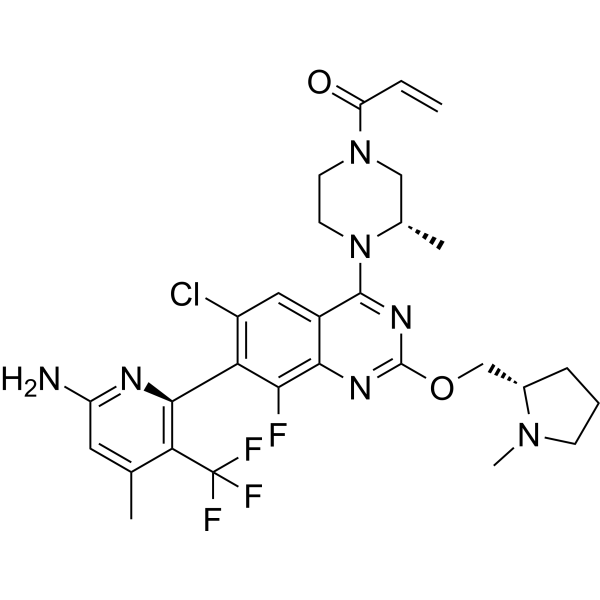
Divarasib (GDC-6036) is an orally active, selective KRASG12C inhibitor with an IC50 of <0.01 μM. Divarasib covalently binds Cys12 in GDP-bound KRASG12C, occupies the switch II pocket, blocks GTP binding and SOS-mediated reactivation, and inhibits oncogenic KRAS signaling. Divarasib induces tumor shrinkage and robust tumor growth inhibition in KRAS G12C-positive models and cancer cells. Divarasib can be used for the research of non-small cell lung cancer, colorectal adenocarcinoma, pancreatic ductal adenocarcinoma, and other KRAS G12C-mutated solid tumors .
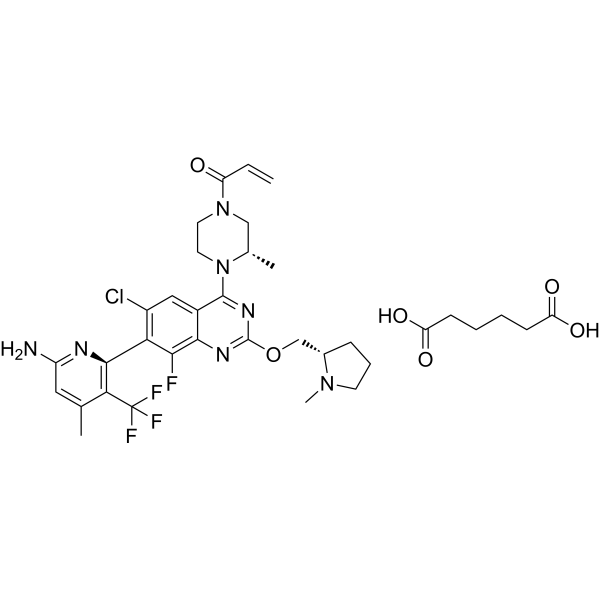
Divarasib (GDC-6036) adipate is an orally active, selective KRASG12C inhibitor with an IC50 of <0.01 μM. Divarasib adipate covalently binds Cys12 in GDP-bound KRASG12C, occupies the switch II pocket, blocks GTP binding and SOS-mediated reactivation, and inhibits oncogenic KRAS signaling. Divarasib adipate induces tumor shrinkage and robust tumor growth inhibition in KRASG12C-positive models and cancer cells. Divarasib adipate can be used for the research of non-small cell lung cancer, colorectal adenocarcinoma, pancreatic ductal adenocarcinoma, and other KRASG12C-mutated solid tumors .
LRRKtide is a polypeptide substrate. LRRKtide is a specific phosphorylation substrate of LRRK2, a kinase associated with Parkinson's disease, and its phosphorylation site is a threonine residue. LRRKtide can be used for characterization of the catalytic properties of LRRK2, as well as studies on kinase activity and inhibition. LRRKtide is applicable to research related to Parkinson's disease .
2'-Deoxy-N-methyl-AMP ammonium is an N6-substituted adenine nucleotide derivative and a glycosyl donor. On one hand, 2'-Deoxy-N-methyl-AMP ammonium acts as a specific substrate for N6-methyl-AMP aminohydrolase, and it is catalytically converted to dIMP to participate in the nucleotide metabolic cycle. On the other hand, 2'-Deoxy-N-methyl-AMP ammonium also serves as a guanosine diphosphate (GDP)-linked fucose derivative donor, driving site-specific glycoconjugation of proteins under the mediation of α-1,3-fucosyltransferase. 2'-Deoxy-N-methyl-AMP ammonium is an important molecular tool for investigating the mechanisms of nucleotide modification and protein glycosylation .
BBO-10203 is a potent inhibitor of PI3Kα and KRAS G12C, selectively and covalently binding to Cys242 in the RAS-Binding Domain of PI3Kα, and inhibiting both the GTP-bound and GDP-bound states of KRAS G12C with an IC50 of 0.031 nM and an EC50 of 0.02 nM. BBO-10203 disrupts the interaction between RAS isoforms and PI3Kα, leading to the inhibition of RAS-mediated PI3Kα activation, and reduces pERK expression, cell growth, and induces G1 arrest and apoptosis. BBO-10203 can be used for the research of breast cancer, colorectal cancer, and non-small cell lung cancer .
KRASG12C IN-18 is an orally active covalent KRAS G12C inhibitor that achieves complete covalent engagement of KRAS G12C in both GDP- and GMPPNP-bound states and displays strong antiproliferative activity against KRAS G12C and resistance-associated variants, including KRAS G12C/R68S, with low-nanomolar IC50 values.
KRASG12C IN-18 exhibits marked in vivo efficacy in KRAS G12C-driven solid tumor and KRAS G12C/R68S xenograft models and can be used for colorectal cancer research .
MCB-36 is a VHL-recruiting pan-KRAS PROTAC degrader without affecting KRAS transcription. MCB-36 exhibits minimal effects on HRAS and NRAS protein levels. MCB-36 binds to the GDP-loaded state of G12D, G12C, G12V, and wild-type KRAS with high affinities Kd ≈ 1 pM). MCB-36 decreases p-ERK levels, leading to cell apoptosis. MCB-36 effectively suppress KRAS G12C inhibitor-resistant cancer cells and remodel the tumor immune microenvironment. MCB-36 can be used for the study of colorectal cancer and lung cancer (Pink: Target protein ligand; Blue: E3 ligand (HY-112078); Black: Linker (HY-W091879)) .
MCB-294 is a dual-state pan-KRAS inhibitor that selectively inhibits KRAS over NRAS and HRAS. MCB-294 capable of binding both the active (GTP-bound) and inactive (GDP-bound) forms of KRAS with Kds of approximately 1 pM and 10 nM, respectively. MCB-294 broadly impairs the growth of hTERT-HPNE cells expressing G12D, G12C, G12V, G12S, G13D, and wild-type KRAS, with IC50s of approximately 700 nM. MCB-294 induces irreversible apoptosis in KRAS-mutated tumors. MCB-294 effectively suppress KRAS G12C inhibitor-resistant cancer cells and remodel the tumor immune microenvironment. MCB-294 can be used for the study of pancreatic cancer, colorectal cancer and lung cancer .
BQU57 is a selective inhibitor of RalA/RalB small GTPases, with a binding potency (Kb) of 7.7 μM for RalB-GDP. BQU57 can block its interaction with effector proteins (such as SEC5 and EXO84), inhibiting tumor cell migration, invasion and non-adherent growth. BQU57 downregulates the NF-κB signaling pathway, reduces the expression of IL-6, IL-8 and MMP-13, and inhibits apoptosis by regulating the Bcl-2/Bax balance. BQU57 also protects the extracellular matrix by inhibiting the Ral/NF-κB pathway and can be used for the study of degenerative diseases. BQU57 exhibits significant antitumor activity in triple-negative breast cancer (TNBC) models, inhibiting orthotopic tumor growth and lung metastasis and enhancing paclitaxel chemotherapy sensitivity .
Inosine-5'-diphosphate (IDP) is a decoy substrate of NM23-H2. Inosine-5'-diphosphate has a superior bond capacity on GDP-binding pocket of NM23-H2 (KD: 5.0 μM). Inosine-5'-diphosphate abrogates c-MYC transcription, induces apoptosis and G2/M cell cycle arrest by disrupting NM23-H2-Pu27-GQ interactions without affecting NM23-H2-mediated kinase properties. Inosine-5'-diphosphate has antihypoxic, antihyperthermic and antiarrhythmic activity and protects animals against the noxious effects of γ-irradiation. Inosine-5'-diphosphate can be used for cancers like Burkitt's lymphoma and cardiovascular diseases research .
KRASG12D-IN-7 is a selective KRAS G12D inhibitor. KRASG12D-IN-7 displays strong binding activity for KRAS G12D in both its GDP- and GTP- bound states, with Kd value of 1.12 nM and 1.86 nM, respectively. KRASG12D-IN-7 inhibits the proliferation of KRAS G12D harboring AsPC-1 cells with an IC50 value of 10 nM and suppresses MAPK signaling. KRASG12D-IN-7 induces G0/G1 phase arrest and apoptosis in AsPC-1 cells, and strongly inhibits their colony formation. KRASG12D-IN-7 can be used for the study of cancers harboring KRAS G12D mutation, particularly pancreatic ductal adenocarcinoma (PDAC) .
Inosine-5'-diphosphate disodium (IDP disodium) is a decoy substrate of NM23-H2. Inosine-5'-diphosphate disodium has a superior bond capacity on GDP-binding pocket of NM23-H2 (KD: 5.0 μM). Inosine-5'-diphosphate disodium abrogates c-MYC transcription, induces apoptosis and G2/M cell cycle arrest by disrupting NM23-H2-Pu27-GQ interactions without affecting NM23-H2-mediated kinase properties. Inosine-5'-diphosphate disodium has antihypoxic, antihyperthermic and antiarrhythmic activity and protects animals against the noxious effects of γ-irradiation. Inosine-5'-diphosphate disodium can be used for cancers like Burkitt's lymphoma and cardiovascular diseases research .
KRASG12C IN-19 is a selective and orally active KRAS G12C inhibitor. KRASG12C IN-19 exerts potent antiproliferative activity against the KRAS G12C-mutant non small cell lung cancer (NSCLC) cell line H358 with an IC50 of 7.6 nM, and effectively suppresses downstream ERK phosphorylation (IC50 = 24.06 nM). KRASG12C IN 19 has no significant inhibitory activity against KRAS G12V and KRAS G12D-mutant cancer cells (PANC 1, Panc, AsPC 1, and GP2d cells) with IC50 > 10,000 nM. KRASG12C IN-19 rapidly forms a covalent bond with KRAS G12V-GDP, leading to dose-dependent inhibition of the downstream KRAS pathway. KRASG12C IN 19 can be employed for research in KRAS G12C driven cancers, including non small cell lung cancer, pancreatic cancer, and colorectal cancer .
Inosine-5'-diphosphate- 15N4 dilithium (IDP- 15N4 dilithium) is 15N labeled Inosine-5'-diphosphate dilithium. Inosine-5'-diphosphate (IDP) is a decoy substrate of NM23-H2. Inosine-5'-diphosphate has a superior bond capacity on GDP-binding pocket of NM23-H2 (KD: 5.0 μM). Inosine-5'-diphosphate abrogates c-MYC transcription, induces apoptosis and G2/M cell cycle arrest by disrupting NM23-H2-Pu27-GQ interactions without affecting NM23-H2-mediated kinase properties. Inosine-5'-diphosphate has antihypoxic, antihyperthermic and antiarrhythmic activity and protects animals against the noxious effects of γ-irradiation. Inosine-5'-diphosphate can be used for cancers like Burkitt's lymphoma and cardiovascular diseases research .
Guanosine 5'-diphosphate (GDP) sodium, 96% (HPLC) is a nucleoside diphosphate that activates adenosine 5'-triphosphate-sensitive K + channel. Guanosine 5'-diphosphate sodium, 96% (HPLC) is an iron mobilizer, which forms a complex with hepcidin to inhibit the hepcidin-ferroportin (FPN) interaction and modulates the IL-6/stat-3 pathway. Guanosine 5'-diphosphate sodium, 96% (HPLC) ameliorates the Turpentine-induced anemia of inflammation (AI) in mice when combined with FeSO4. Guanosine 5'-diphosphate sodium, 96% (HPLC) can be used in the research of AI .
GDP-L-fucose disodium is a nucleotide sugar that is a key substrate for the biosynthesis of fucose oligosaccharides. GDP-L-fucose disodium provides the fucose moiety for the oligosaccharides. The formation of GDP-L-fucose disodium occurs through two pathways, the major de novo metabolic pathway and the minor remedial metabolic pathway .
Fucosyltransferase 8 (EC:2.4.1.68; FUT8; α1-6FucT) is a glycosyl transferase and catalyzes the transfer of a fucose residue from GDP-fucose to the innermost N-acetylglucosamine residue of N-glycans .
Protein O-Fucosyltransferase 1 (EC:2.4.1.221; POFUT1) is a Glycosyltransferase containing the cysteine-rich motifs as the acceptor sugar and GDP-fucose as the donor .
LRRKtide is a polypeptide substrate. LRRKtide is a specific phosphorylation substrate of LRRK2, a kinase associated with Parkinson's disease, and its phosphorylation site is a threonine residue. LRRKtide can be used for characterization of the catalytic properties of LRRK2, as well as studies on kinase activity and inhibition. LRRKtide is applicable to research related to Parkinson's disease .
SHBG 141-161 is a GPRC6A receptor agonist. SHBG 141-161 mimics the action of GPRC6A endogenous agonist uncarboxylated osteocalcin by binding to GPRC6A and promoting downstream signaling to increase testosterone and insulin secretion. SHBG 141-161 also reduces the affinity of GPRC6A to GDP protein by binding to the outer cell domain of GPRC6A thus affecting the dynamics of signal transduction. SHBG 141-161 can be used to study GPRC6A in energy metabolism and endocrine regulation .
GRP (14-27) (human, porcine, canine) is a bombesin receptor ligand. The specific binding of GRP (14-27) is inhibited by GTP and GDP, whereas GMP was without effect .
Guanosine 5'-diphosphate (GDP) disodium salt, a purine nucleoside diphosphate, is interconverted to guanosine by the action of exonucleotidase and phosphorylation of nucleoside to guanine. Guanosine 5'-diphosphate disodium salt activates adenosine 5'-triphosphate-sensitive K + channel and is used to study the kinetics and characteristics of GTPases such as those associated with G-protein coupled receptors (GPCR). Guanosine 5'-diphosphate disodium salt is a potential iron mobilizer, which prevents the Hepcidin (HY-P70400)-ferroportin interaction and modulates the interleukin-6 (IL-6)/stat-3 pathway. Elevated levels of guanosine 5’-diphosphate are associated with the pathogenesis of neurological diseases. Guanosine 5'-diphosphate disodium salt is promising for the research of inflammation, such as anemia of inflammation (AI) .
Guanosine 5'-diphosphate (GDP) sodium, 96% (HPLC) is a nucleoside diphosphate that activates adenosine 5'-triphosphate-sensitive K + channel. Guanosine 5'-diphosphate sodium, 96% (HPLC) is an iron mobilizer, which forms a complex with hepcidin to inhibit the hepcidin-ferroportin (FPN) interaction and modulates the IL-6/stat-3 pathway. Guanosine 5'-diphosphate sodium, 96% (HPLC) ameliorates the Turpentine-induced anemia of inflammation (AI) in mice when combined with FeSO4. Guanosine 5'-diphosphate sodium, 96% (HPLC) can be used in the research of AI .
GDP-L-fucose is a nucleotide sugar that is a key substrate for the biosynthesis of fucose oligosaccharides, providing the fucose moiety for the oligosaccharides.The formation of GDP-L-fucose occurs through two pathways, the major ab initio metabolic pathway and the minor remedial metabolic pathway. GDP-L-fucose is associated with diabetes in rats .
Guanosine 5'-diphosphate (GDP) is a nucleoside diphosphate that activates adenosine 5'-triphosphate-sensitive K + channel. Guanosine 5'-diphosphate is an iron mobilizer, which forms a complex with hepcidin to inhibit the hepcidin-ferroportin (FPN) interaction and modulates the IL-6/stat-3 pathway. Guanosine 5'-diphosphate ameliorates the Turpentine-induced anemia of inflammation (AI) in mice when combined with FeSO4. Guanosine 5'-diphosphate can be used in the research of AI .
GDP-D-mannose disodium consists of GDP-α-D-mannose (HY-N7389B) and GDP-β-D-mannose. GDP-α-D-mannose serves as a donor substrate for mannosyltransferases and acts as a precursor of GDP-β-L-fucose. GDP-α-D-mannose exerts competitive inhibition on GTP (with a Ki value of 14.7 μM) and non-competitive inhibition on mannose-1-P (with a Ki value of 115 μM). GDP-D-mannose disodium is metabolized to GDP-L-fucose (HY-134433) via GMDS (Gmd) and TSTA3 (WcaG) .
Inosine-5'-diphosphate (IDP) is a decoy substrate of NM23-H2. Inosine-5'-diphosphate has a superior bond capacity on GDP-binding pocket of NM23-H2 (KD: 5.0 μM). Inosine-5'-diphosphate abrogates c-MYC transcription, induces apoptosis and G2/M cell cycle arrest by disrupting NM23-H2-Pu27-GQ interactions without affecting NM23-H2-mediated kinase properties. Inosine-5'-diphosphate has antihypoxic, antihyperthermic and antiarrhythmic activity and protects animals against the noxious effects of γ-irradiation. Inosine-5'-diphosphate can be used for cancers like Burkitt's lymphoma and cardiovascular diseases research .
Guanosine (Standard) is the analytical standard of Guanosine. This product is intended for research and analytical applications. Guanosine (DL-Guanosine) is a purine nucleoside comprising guanine attached to a ribose (ribofuranose) ring via a β-N9-glycosidic bond. Guanosine possesses anti-HSV activity.
In Vitro: Guanosine can be phosphorylated to become guanosine monophosphate (GMP), cyclic guanosine monophosphate (cGMP), guanosine diphosphate (GDP), and guanosine triphosphate (GTP). These forms play important roles in various biochemical processes such as synthesis of nucleic acids and proteins, photosynthesis, muscle contraction, and intracellular signal transduction (cGMP).
GDP-L-fucose disodium is a nucleotide sugar that is a key substrate for the biosynthesis of fucose oligosaccharides. GDP-L-fucose disodium provides the fucose moiety for the oligosaccharides. The formation of GDP-L-fucose disodium occurs through two pathways, the major de novo metabolic pathway and the minor remedial metabolic pathway .
Mannose 1-phosphate is a phosphorylated mannose that serves as a precursor of GDP-mannose, a constituent unit of glycosylation biosynthetic pathways. Mannose 1-phosphate increases intracellular GDP-mannose concentration, promotes normalization of lipid-linked oligosaccharide structures, and enhances the formation of mature N-glycans on cellular proteins. Mannose 1-phosphate can be used in studies related to glycosylation disorders .
Guanosine 5'-diphosphate (disodium salt) (Standard) is the analytical standard of Guanosine 5'-diphosphate (disodium salt). This product is intended for research and analytical applications. Guanosine 5'-diphosphate (GDP) disodium salt, a purine nucleoside diphosphate, is interconverted to guanosine by the action of exonucleotidase and phosphorylation of nucleoside to guanine. Guanosine 5'-diphosphate disodium salt activates adenosine 5'-triphosphate-sensitive K+ channel and is used to study the kinetics and characteristics of GTPases such as those associated with G-protein coupled receptors (GPCR). Guanosine 5'-diphosphate disodium salt is a potential iron mobilizer, which prevents the Hepcidin (HY-P70400)-ferroportin interaction and modulates the interleukin-6 (IL-6)/stat-3 pathway. Elevated levels of guanosine 5’-diphosphate are associated with the pathogenesis of neurological diseases. Guanosine 5'-diphosphate disodium salt is promising for the research of inflammation, such as anemia of inflammation (AI) .
GDP-α-D-mannose disodium is the donor substrate for mannosyltransferases and the precursor of GDP-β-L-fucose. GDP-α-D-mannose disodium gives a competitive inhibition with respect to GTP (Ki 14.7 μM) and an uncompetitive inhibition with respect to mannose-1-P (Ki 115 μM) .
Avicin G is a sphingomyelinase inhibitor and plasma membrane disruptor. Avicin G inhibits the enzymatic activities of neutral sphingomyelinases (SMPD2/3) and acid sphingomyelinase (SMPD1), elevates intracellular sphingomyelin levels, and alters the distribution of sphingomyelin. Avicin G interferes with the lateral segregation of GTP- and GDP-bound H-Ras, inhibits the signal output of oncogenic K-Ras and H-Ras, reduces the phosphorylation of ERK and Akt, increases lysosomal pH, and inhibits the endocytic recycling of epidermal growth factor receptor. Avicin G can be used in research related to pancreatic ductal adenocarcinoma and non-small cell lung cancer .
GDP-L-Fucose Synthase; GDP-4-Keto-6-Deoxy-D-Mannose-3; 5-Epimerase-4-Reductase; Protein FX; Red Cell NADP(H)-Binding Protein; Short-Chain Dehydrogenase/Reductase Family 4E Member 1; TSTA3; SDR4E1
The TSTA3 protein plays a key role in catalyzing the two-step NADP-dependent conversion of GDP-4-dehydro-6-deoxy-D-mannose to GDP-fucose. The process involves successive epimerase and reductase reactions, ultimately leading to the biosynthesis of GDP-fucose. TSTA3 Protein, Human (His) is the recombinant human-derived TSTA3 protein, expressed by E. coli , with C-6*His labeled tag.
GDI2 protein inhibits the exchange of GDP to GTP in Rab proteins and regulates intracellular membrane transport. GDI2 Protein, Human (P.pastoris, His) is the recombinant human-derived GDI2 protein, expressed by P. pastoris , with N-His labeled tag.
MCB-294 is a dual-state pan-KRAS inhibitor that selectively inhibits KRAS over NRAS and HRAS. MCB-294 capable of binding both the active (GTP-bound) and inactive (GDP-bound) forms of KRAS with Kds of approximately 1 pM and 10 nM, respectively. MCB-294 broadly impairs the growth of hTERT-HPNE cells expressing G12D, G12C, G12V, G12S, G13D, and wild-type KRAS, with IC50s of approximately 700 nM. MCB-294 induces irreversible apoptosis in KRAS-mutated tumors. MCB-294 effectively suppress KRAS G12C inhibitor-resistant cancer cells and remodel the tumor immune microenvironment. MCB-294 can be used for the study of pancreatic cancer, colorectal cancer and lung cancer .
Sotorasib-d7 (AMG-510-d7) is a deuterium-labeled Sotorasib (HY-114277). Sotorasib (AMG-510) is a first-in-class, orally bioavailable, and selective KRAS G12C covalent inhibitor. Sotorasib irreversibly inhibits KRAS G12C by locking it in an inactive GDP-bound state. Sotorasib leads to the regression of KRAS G12C‑mutated locally advanced or metastatic non‑small cell lung cancer (NSCLC) .
Guanosine 5'-diphosphate- 13C10 (GDP- 13C10) dilithium is 13C-labeled Guanosine 5'-diphosphate (HY-113066). Guanosine 5'-diphosphate (GDP) is a nucleoside diphosphate that activates adenosine 5'-triphosphate-sensitive K + channel. Guanosine 5'-diphosphate is a potential iron mobilizer, which prevents the hepcidin-ferroportin interaction and modulates the interleukin-6 (IL-6)/stat-3 pathway. Guanosine 5'-diphosphate can be used in the research of inflammation, such as anemia of inflammation (AI).
dGTP- 13C10 (2'-Deoxyguanosine-5'-triphosphate- 13C10) dilithium is 13C-labeled dGTP (HY-138616). dGTP (2'-Deoxyguanosine-5'-triphosphate), a guanosine nucleotide, can be used in deoxyribonucleic acid synthesis. Guanosine nucleotides (GDP, GTP, dGDP, and dGTP) are highly susceptible to oxidative damage to 8-oxo-GDP (8-O-GDP), 8-O-dGTP, 8-O-GTP, and 8-O-dGTP.
Guanosine 5'-diphosphate- 15N5 (GDP- 15N5) dilithium is 15N labeled Guanosine 5'-diphosphate (HY-113066). Guanosine 5'-diphosphate (GDP) is a nucleoside diphosphate that activates adenosine 5'-triphosphate-sensitive K + channel. Guanosine 5'-diphosphate is a potential iron mobilizer, which prevents the hepcidin-ferroportin interaction and modulates the interleukin-6 (IL-6)/stat-3 pathway. Guanosine 5'-diphosphate can be used in the research of inflammation, such as anemia of inflammation (AI) .
dGTP- 13C10, 15N5 (2'-Deoxyguanosine-5'-triphosphate- 13C10, 15N5) dilithium is 13C and 15N-labeled dGTP (HY-138616). dGTP (2'-Deoxyguanosine-5'-triphosphate), a guanosine nucleotide, can be used in deoxyribonucleic acid synthesis. Guanosine nucleotides (GDP, GTP, dGDP, and dGTP) are highly susceptible to oxidative damage to 8-oxo-GDP (8-O-GDP), 8-O-dGTP, 8-O-GTP, and 8-O-dGTP.
Sotorasib-d3 (AMG-510-d3) is deuterium labeled Sotorasib. Sotorasib (AMG-510) is a first-in-class, orally bioavailable, and selective KRAS G12C covalent inhibitor. Sotorasib irreversibly inhibits KRAS G12C by locking it in an inactive GDP-bound state. Sotorasib leads to the regression of KRAS G12C?mutated locally advanced or metastatic non?small cell lung cancer (NSCLC) .
Guanosine 5'-diphosphate-d13(GDP-d13) dilithium is deuterium labeled Guanosine 5'-diphosphate (HY-113066). Guanosine 5'-diphosphate (GDP) is a nucleoside diphosphate that activates adenosine 5'-triphosphate-sensitive K + channel. Guanosine 5'-diphosphate is a potential iron mobilizer, which prevents the hepcidin-ferroportin interaction and modulates the interleukin-6 (IL-6)/stat-3 pathway. Guanosine 5'-diphosphate can be used in the research of inflammation, such as anemia of inflammation (AI).
Guanosine 5'-diphosphate- 13C10, 15N5 (GDP- 13C10, 15N5) dilithium is 13C and 15N-labeled Guanosine 5'-diphosphate (HY-113066). Guanosine 5'-diphosphate (GDP) is a nucleoside diphosphate that activates adenosine 5'-triphosphate-sensitive K + channel. Guanosine 5'-diphosphate is a potential iron mobilizer, which prevents the hepcidin-ferroportin interaction and modulates the interleukin-6 (IL-6)/stat-3 pathway. Guanosine 5'-diphosphate can be used in the research of inflammation, such as anemia of inflammation (AI).
dGTP-d14 (2'-Deoxyguanosine-5'-triphosphate-d14) dilithium is deuterium labeled dGTP (HY-138616). dGTP (2'-Deoxyguanosine-5'-triphosphate), a guanosine nucleotide, can be used in deoxyribonucleic acid synthesis. Guanosine nucleotides (GDP, GTP, dGDP, and dGTP) are highly susceptible to oxidative damage to 8-oxo-GDP (8-O-GDP), 8-O-dGTP, 8-O-GTP, and 8-O-dGTP.
dGTP- 15N5 (2'-Deoxyguanosine-5'-triphosphate- 15N5) dilithium is 15N labeled dGTP (HY-138616). dGTP (2'-Deoxyguanosine-5'-triphosphate), a guanosine nucleotide, can be used in deoxyribonucleic acid synthesis. Guanosine nucleotides (GDP, GTP, dGDP, and dGTP) are highly susceptible to oxidative damage to 8-oxo-GDP (8-O-GDP), 8-O-dGTP, 8-O-GTP, and 8-O-dGTP.
dGTP- 15N5,d14 (2'-Deoxyguanosine-5'-triphosphate- 15N5,d14) dilithium is deuterium and 15N labeled dGTP (HY-138616). dGTP (2'-Deoxyguanosine-5'-triphosphate), a guanosine nucleotide, can be used in deoxyribonucleic acid synthesis. Guanosine nucleotides (GDP, GTP, dGDP, and dGTP) are highly susceptible to oxidative damage to 8-oxo-GDP (8-O-GDP), 8-O-dGTP, 8-O-GTP, and 8-O-dGTP.
Inosine-5'-diphosphate- 15N4 dilithium (IDP- 15N4 dilithium) is 15N labeled Inosine-5'-diphosphate dilithium. Inosine-5'-diphosphate (IDP) is a decoy substrate of NM23-H2. Inosine-5'-diphosphate has a superior bond capacity on GDP-binding pocket of NM23-H2 (KD: 5.0 μM). Inosine-5'-diphosphate abrogates c-MYC transcription, induces apoptosis and G2/M cell cycle arrest by disrupting NM23-H2-Pu27-GQ interactions without affecting NM23-H2-mediated kinase properties. Inosine-5'-diphosphate has antihypoxic, antihyperthermic and antiarrhythmic activity and protects animals against the noxious effects of γ-irradiation. Inosine-5'-diphosphate can be used for cancers like Burkitt's lymphoma and cardiovascular diseases research .
ZCL278- 13C is a 13C-labeled version of ZCL278 (HY-13963). ZCL278 is a selective Cdc42 inhibitor with Kds of 6.4 μM in fluorescence titration and 11.4 μM in surface plasmon resonance (SPR) measurement. ZCL278 can disrupt the interaction between Cdc42 and ITSN, and also inhibit the binding of GTP and GDP. ZCL278 has inhibitory effects on various enveloped viruses, but is ineffective against non-enveloped viruses. ZCL278 can be used in the research of arsenic neurotoxicity and HER2-positive gastric cancer (GC) [1][2][3][4].
MCB-36 is a VHL-recruiting pan-KRAS PROTAC degrader without affecting KRAS transcription. MCB-36 exhibits minimal effects on HRAS and NRAS protein levels. MCB-36 binds to the GDP-loaded state of G12D, G12C, G12V, and wild-type KRAS with high affinities Kd ≈ 1 pM). MCB-36 decreases p-ERK levels, leading to cell apoptosis. MCB-36 effectively suppress KRAS G12C inhibitor-resistant cancer cells and remodel the tumor immune microenvironment. MCB-36 can be used for the study of colorectal cancer and lung cancer (Pink: Target protein ligand; Blue: E3 ligand (HY-112078); Black: Linker (HY-W091879)) .
MCB-294 is a dual-state pan-KRAS inhibitor that selectively inhibits KRAS over NRAS and HRAS. MCB-294 capable of binding both the active (GTP-bound) and inactive (GDP-bound) forms of KRAS with Kds of approximately 1 pM and 10 nM, respectively. MCB-294 broadly impairs the growth of hTERT-HPNE cells expressing G12D, G12C, G12V, G12S, G13D, and wild-type KRAS, with IC50s of approximately 700 nM. MCB-294 induces irreversible apoptosis in KRAS-mutated tumors. MCB-294 effectively suppress KRAS G12C inhibitor-resistant cancer cells and remodel the tumor immune microenvironment. MCB-294 can be used for the study of pancreatic cancer, colorectal cancer and lung cancer .
MRTX-EX185 formic is a potent KRAS (G12D) inhibitor with an IC50 of 90 nM. MRTX-EX185 formic can binds both GDP-loaded and active GNP states of KRAS and KRAS (G12D). MRTX-EX185 formic exhibits broad-spectrum binding properties with IC50s of 110, 290, 130 and 240 nM for KRAS WT, KRAS (G12C), KRAS (Q61H), KRAS (G13D). MRTX-EX185 formic also binds GDP-loaded HRAS. MRTX-EX185 formic can be used to study various RAS-driven tumors (such as pancreatic cancer) .
GDP-Fucose-Tz (GDP-Fucose-Am-Tz) is a non-natural GDP-fucose analog bearing a Tetrazine group. As a precursor, GDP-Fucose-Tz enables the synthesis of GDP-fucose-ssDNA probes via inverse electron demand Diels-Alder reaction. GDP-Fucose-Tz participates in chemoenzymatic reactions to prepare GDP-fucose-Herceptin derivatives through conjugation with TCO-Herceptin .
MRTX-EX185 is a potent KRAS (G12D) inhibitor with an IC50 of 90 nM. MRTX-EX185 can binds both GDP-loaded and active GNP states of KRAS and KRAS (G12D). MRTX-EX185 exhibits broad-spectrum binding properties with IC50s of 110, 290, 130 and 240 nM for KRAS WT, KRAS (G12C), KRAS (Q61H), KRAS (G13D). MRTX-EX185 also binds GDP-loaded HRAS. MRTX-EX185 can be used to study various RAS-driven tumors (such as pancreatic cancer) .
KRASG12C IN-17 is an orally active covalent KRAS G12C inhibitor, showing strong inhibitory activity in KRAS G12C-mutant cancer cells (NCI-H23 IC50 = 0.7 nM; NCI-H358 IC50 = 0.5 nM).
KRASG12C IN-17 covalently and irreversibly binds to KRAS G12C with > 96% modification efficiency in both GDP-bound and GMPPNP-bound conformations.
KRASG12C IN-17 can be used for studies of KRAS-driven cancers, including colorectal cancer .
GDP-Azido-Fucose disodium is a chemically modified donor substrate. GDP-Azido-Fucose disodium can be used to synthesize fluorophore-conjugated GDP-fucose. GDP-Azido-Fucose can be used to study glycosyltransferase reactions .
RNK08954 is an orally active KRASG12D inhibitor with a Kd of 0.0395 nM. RNK08954 selectively binds the inactive GDP-bound KRASG12D form, suppresses downstream KRAS-mediated signaling pathways p-ERK1/2 experssion. RNK08954 inhibits KRASG12D-mutant cell proliferation, induces G0-G1 cell cycle arrest, and inhibits tumor growth in mouse xenograft models. RNK08954 can be used for the research of non-small cell lung cancer, pancreatic ductal adenocarcinoma .
KRASG12C IN-18 is an orally active covalent KRAS G12C inhibitor that achieves complete covalent engagement of KRAS G12C in both GDP- and GMPPNP-bound states and displays strong antiproliferative activity against KRAS G12C and resistance-associated variants, including KRAS G12C/R68S, with low-nanomolar IC50 values.
KRASG12C IN-18 exhibits marked in vivo efficacy in KRAS G12C-driven solid tumor and KRAS G12C/R68S xenograft models and can be used for colorectal cancer research .
Guanosine 5'-diphosphate (GDP) disodium salt, a purine nucleoside diphosphate, is interconverted to guanosine by the action of exonucleotidase and phosphorylation of nucleoside to guanine. Guanosine 5'-diphosphate disodium salt activates adenosine 5'-triphosphate-sensitive K + channel and is used to study the kinetics and characteristics of GTPases such as those associated with G-protein coupled receptors (GPCR). Guanosine 5'-diphosphate disodium salt is a potential iron mobilizer, which prevents the Hepcidin (HY-P70400)-ferroportin interaction and modulates the interleukin-6 (IL-6)/stat-3 pathway. Elevated levels of guanosine 5’-diphosphate are associated with the pathogenesis of neurological diseases. Guanosine 5'-diphosphate disodium salt is promising for the research of inflammation, such as anemia of inflammation (AI) .
Guanosine 5'-diphosphate (GDP) is a nucleoside diphosphate that activates adenosine 5'-triphosphate-sensitive K + channel. Guanosine 5'-diphosphate is an iron mobilizer, which forms a complex with hepcidin to inhibit the hepcidin-ferroportin (FPN) interaction and modulates the IL-6/stat-3 pathway. Guanosine 5'-diphosphate ameliorates the Turpentine-induced anemia of inflammation (AI) in mice when combined with FeSO4. Guanosine 5'-diphosphate can be used in the research of AI .
GDP-Azido-Fucose is a chemically modified donor substrate. GDP-Azido-Fucose can be used to synthesize fluorophore-conjugated GDP-fucose. GDP-Azido-Fucose can be used to study glycosyltransferase reactions .
2'-Deoxy-N-methyl-AMP ammonium is an N6-substituted adenine nucleotide derivative and a glycosyl donor. On one hand, 2'-Deoxy-N-methyl-AMP ammonium acts as a specific substrate for N6-methyl-AMP aminohydrolase, and it is catalytically converted to dIMP to participate in the nucleotide metabolic cycle. On the other hand, 2'-Deoxy-N-methyl-AMP ammonium also serves as a guanosine diphosphate (GDP)-linked fucose derivative donor, driving site-specific glycoconjugation of proteins under the mediation of α-1,3-fucosyltransferase. 2'-Deoxy-N-methyl-AMP ammonium is an important molecular tool for investigating the mechanisms of nucleotide modification and protein glycosylation .
GDP-Azido-Fucose disodium is a chemically modified donor substrate. GDP-Azido-Fucose disodium can be used to synthesize fluorophore-conjugated GDP-fucose. GDP-Azido-Fucose can be used to study glycosyltransferase reactions .
Western blot analysis of extracts from THP-1(lane 2(20μg), Jurkat (lane 3(20μg) and NIH3T3(lane 4(20μg) using FOXO1A (HY-P80132) Rabbit mAb. Proteins were transferred
to a PVDF membrane and blocked with 5% non-fat milk in TBST for 2 hour at room temperature. The primary antibody (1/1000) and Loading control antibody (Beta Actin, HY-P80438, 1/10000) was
used in 5% non-fat milk in TBST at 4°C overnight. Goat Anti-Mouse/Rabbit IgG-HRP Secondary Antibody (1/10000) was used for 1 hour at room temperature.
Western blot analysis of extracts from THP-1(lane 2(20μg), Jurkat (lane 3(20μg) and NIH3T3(lane 4(20μg) using FOXO1A (HY-P80132) Rabbit mAb. Proteins were transferred
to a PVDF membrane and blocked with 5% non-fat milk in TBST for 2 hour at room temperature. The primary antibody (1/1000) and Loading control antibody (Beta Actin, HY-P80438, 1/10000) was
used in 5% non-fat milk in TBST at 4°C overnight. Goat Anti-Mouse/Rabbit IgG-HRP Secondary Antibody (1/10000) was used for 1 hour at room temperature.
Western blot analysis of extracts from THP-1(lane 2(20μg), Jurkat (lane 3(20μg) and NIH3T3(lane 4(20μg) using FOXO1A (HY-P80132) Rabbit mAb. Proteins were transferred
to a PVDF membrane and blocked with 5% non-fat milk in TBST for 2 hour at room temperature. The primary antibody (1/1000) and Loading control antibody (Beta Actin, HY-P80438, 1/10000) was
used in 5% non-fat milk in TBST at 4°C overnight. Goat Anti-Mouse/Rabbit IgG-HRP Secondary Antibody (1/10000) was used for 1 hour at room temperature.
Western blot analysis of extracts from THP-1(lane 2(20μg), Jurkat (lane 3(20μg) and NIH3T3(lane 4(20μg) using FOXO1A (HY-P80132) Rabbit mAb. Proteins were transferred
to a PVDF membrane and blocked with 5% non-fat milk in TBST for 2 hour at room temperature. The primary antibody (1/1000) and Loading control antibody (Beta Actin, HY-P80438, 1/10000) was
MedchemExpress Validation 03
Western blot analysis of extracts from THP-1(lane 2(20μg), Jurkat (lane 3(20μg) and NIH3T3(lane 4(20μg) using FOXO1A (HY-P80132) Rabbit mAb. Proteins were transferred
MedchemExpress Validation 04
Western blot analysis of extracts from THP-1(lane 2(20μg), Jurkat (lane 3(20μg) and NIH3T3(lane 4(20μg) using FOXO1A (HY-P80132) Rabbit mAb. Proteins were transferred
to a PVDF membrane and blocked with 5% non-fat milk in TBST for 2 hour at room temperature. The primary antibody (1/1000) and Loading control antibody (Beta Actin, HY-P80438, 1/10000) was
used in 5% non-fat milk in TBST at 4°C overnight. Goat Anti-Mouse/Rabbit IgG-HRP Secondary Antibody (1/10000) was used for 1 hour at room temperature.
MedchemExpress Validation
Western blot analysis of extracts from THP-1(lane 2(20μg), Jurkat (lane 3(20μg) and NIH3T3(lane 4(20μg) using FOXO1A (HY-P80132) Rabbit mAb. Proteins were transferred
to a PVDF membrane and blocked with 5% non-fat milk in TBST for 2 hour at room temperature. The primary antibody (1/1000) and Loading control antibody (Beta Actin, HY-P80438, 1/10000) was
used in 5% non-fat milk in TBST at 4°C overnight. Goat Anti-Mouse/Rabbit IgG-HRP Secondary Antibody (1/10000) was used for 1 hour at room temperature.
Western blot analysis of extracts from THP-1(lane 2(20μg), Jurkat (lane 3(20μg) and NIH3T3(lane 4(20μg) using FOXO1A (HY-P80132) Rabbit mAb. Proteins were transferred
to a PVDF membrane and blocked with 5% non-fat milk in TBST for 2 hour at room temperature. The primary antibody (1/1000) and Loading control antibody (Beta Actin, HY-P80438, 1/10000) was
used in 5% non-fat milk in TBST at 4°C overnight. Goat Anti-Mouse/Rabbit IgG-HRP Secondary Antibody (1/10000) was used for 1 hour at room temperature.
MedchemExpress Validation
Western blot analysis of extracts from THP-1(lane 2(20μg), Jurkat (lane 3(20μg) and NIH3T3(lane 4(20μg) using FOXO1A (HY-P80132) Rabbit mAb. Proteins were transferred
to a PVDF membrane and blocked with 5% non-fat milk in TBST for 2 hour at room temperature. The primary antibody (1/1000) and Loading control antibody (Beta Actin, HY-P80438, 1/10000) was
used in 5% non-fat milk in TBST at 4°C overnight. Goat Anti-Mouse/Rabbit IgG-HRP Secondary Antibody (1/10000) was used for 1 hour at room temperature.
MedchemExpress Validation
Western blot analysis of extracts from THP-1(lane 2(20μg), Jurkat (lane 3(20μg) and NIH3T3(lane 4(20μg) using FOXO1A (HY-P80132) Rabbit mAb. Proteins were transferred
to a PVDF membrane and blocked with 5% non-fat milk in TBST for 2 hour at room temperature. The primary antibody (1/1000) and Loading control antibody (Beta Actin, HY-P80438, 1/10000) was
used in 5% non-fat milk in TBST at 4°C overnight. Goat Anti-Mouse/Rabbit IgG-HRP Secondary Antibody (1/10000) was used for 1 hour at room temperature.
MedchemExpress Validation
Western blot analysis of extracts from THP-1(lane 2(20μg), Jurkat (lane 3(20μg) and NIH3T3(lane 4(20μg) using FOXO1A (HY-P80132) Rabbit mAb. Proteins were transferred
to a PVDF membrane and blocked with 5% non-fat milk in TBST for 2 hour at room temperature. The primary antibody (1/1000) and Loading control antibody (Beta Actin, HY-P80438, 1/10000) was
used in 5% non-fat milk in TBST at 4°C overnight. Goat Anti-Mouse/Rabbit IgG-HRP Secondary Antibody (1/10000) was used for 1 hour at room temperature.
MedchemExpress Validation
Western blot analysis of extracts from THP-1(lane 2(20μg), Jurkat (lane 3(20μg) and NIH3T3(lane 4(20μg) using FOXO1A (HY-P80132) Rabbit mAb. Proteins were transferred
to a PVDF membrane and blocked with 5% non-fat milk in TBST for 2 hour at room temperature. The primary antibody (1/1000) and Loading control antibody (Beta Actin, HY-P80438, 1/10000) was
used in 5% non-fat milk in TBST at 4°C overnight. Goat Anti-Mouse/Rabbit IgG-HRP Secondary Antibody (1/10000) was used for 1 hour at room temperature.
MedchemExpress Validation
Western blot analysis of extracts from THP-1(lane 2(20μg), Jurkat (lane 3(20μg) and NIH3T3(lane 4(20μg) using FOXO1A (HY-P80132) Rabbit mAb. Proteins were transferred
to a PVDF membrane and blocked with 5% non-fat milk in TBST for 2 hour at room temperature. The primary antibody (1/1000) and Loading control antibody (Beta Actin, HY-P80438, 1/10000) was
used in 5% non-fat milk in TBST at 4°C overnight. Goat Anti-Mouse/Rabbit IgG-HRP Secondary Antibody (1/10000) was used for 1 hour at room temperature.
MedchemExpress Validation
Western blot analysis of extracts from THP-1(lane 2(20μg), Jurkat (lane 3(20μg) and NIH3T3(lane 4(20μg) using FOXO1A (HY-P80132) Rabbit mAb. Proteins were transferred
to a PVDF membrane and blocked with 5% non-fat milk in TBST for 2 hour at room temperature. The primary antibody (1/1000) and Loading control antibody (Beta Actin, HY-P80438, 1/10000) was
used in 5% non-fat milk in TBST at 4°C overnight. Goat Anti-Mouse/Rabbit IgG-HRP Secondary Antibody (1/10000) was used for 1 hour at room temperature.
MedChemExpress values your privacy and your trust is important to us. We use cookies to enhance your website experience. Some cookies are necessary to run the website.
Privacy and Cookie Policy

