164 Results for "

Genotoxicity

" in MedChemExpress (MCE) Product Catalog:
Products (164)

164 Results for "Genotoxicity" in MCE Product Catalog:

18
18 Publications Verification
Cat. No.: HY-113466
CAS No.: 75899-68-2
Purity:  99.35%
Synonyms: 4-HNE
4-Hydroxynonenal (4-HNE) is an α,β unsaturated hydroxyalkenal and an oxidative/nitrosative stress biomarker. 4-Hydroxynonenal is a substrate and an inhibitor of acetaldehyde dehydrogenase 2 (ALDH2). 4-Hydroxynonenal can modulate a number of signaling processes mainly through forming covalent adducts with nucleophilic functional groups in proteins, nucleic acids, and membrane lipids. 4-Hydroxynonenal plays an important role in cancer through mitochondria .
loading...
    loading...
9
9 Cited Publications
Cat. No.: HY-137316A
CAS No.: 1566-15-0
Purity:  ≥98.0%
Research Areas:  

Cancer

Phosphoramide mustard cyclohexanamine is a biologically active metabolite of Cyclophosphamide (HY-17420), with anticancer activitiy. Phosphoramide mustard cyclohexanamine induces DNA damage .
loading...
    loading...
4
4 Cited Publications
Cat. No.: HY-N2081
CAS No.: 83-95-4
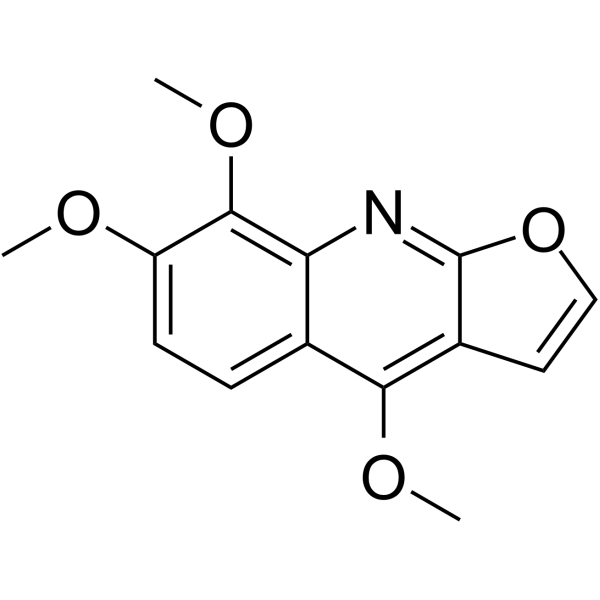
Skimmianine is an orally active furoquiniline alkaloid present mainly in the Rutaceae family. Skimmianine has analgesic, antispastic, sedative, and anti-inflammatory properties. Skimmianine inhibits acetylcholinesterase (AChE) (IC50 = 8.6 μg/mL). Skimmianine exhibits cytotoxicity against a variety of cancer cell lines and genotoxicity. Skimmianine has antioxidant and anti-inflammatory effects on ischemia-reperfusion (IR) injury. Skimmianine exerts anti-inflammatory effects through activation of the phosphatidylinositol-3-kinase (PI3K)-protein kinase B (AKT) pathway. Skimmianine is neuroprotective by targeting the NF-κB activation pathway to prevent neuroinflammation. Skimmianine inhibits the release of histamine, intracellular Ca 2+ signaling and protein kinase C signaling .
loading...
    loading...
3
3 Cited Publications
Cat. No.: HY-125913
CAS No.: 618-39-3
Target:  

Ser/Thr Protease

Research Areas:  

Inflammation/Immunology

Benzamidine is a competitive protease inhibitor that blocks the hydrolytic cleavage of glucagon by plasmin, trypsin and thrombin. Benzamidine effectively inhibits the degradation of glucagon by relevant proteases during the collection, storage and analysis of human plasma and blood samples. During in vivo metabolism, Benzamidine undergoes N-hydroxylation and produces multiple metabolites, exhibiting characteristics of delayed excretion or biphasic elimination. Benzamidine only induces slight single-strand DNA breaks at high concentrations and shows no significant genotoxic potential overall. Benzamidine may interfere with the detection of some glucagon antisera, but does not affect key antigen-antibody affinity at specific concentrations. Benzamidine can be used as a stabilizer in glucagon radioimmunoassays to ensure the accuracy and recovery rate of detection results .
loading...
    loading...
3
3 Cited Publications
Cat. No.: HY-W018781
CAS No.: 1670-14-0
Target:  

Ser/Thr Protease

Research Areas:  

Cancer

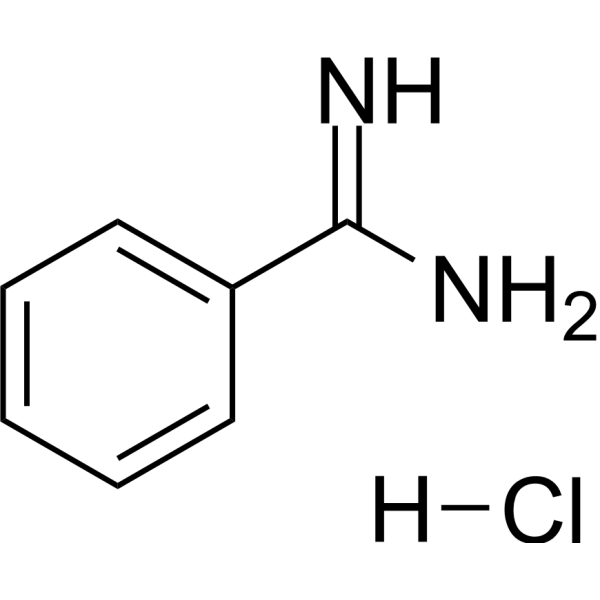
Benzamidine hydrochloride is a competitive protease inhibitor that blocks the hydrolytic cleavage of glucagon by plasmin, trypsin and thrombin. Benzamidine hydrochloride effectively inhibits the degradation of glucagon by relevant proteases during the collection, storage and analysis of human plasma and blood samples. During in vivo metabolism, Benzamidine hydrochloride undergoes N-hydroxylation and produces multiple metabolites, exhibiting characteristics of delayed excretion or biphasic elimination. Benzamidine hydrochloride only induces slight single-strand DNA breaks at high concentrations and shows no significant genotoxic potential overall. Benzamidine hydrochloride may interfere with the detection of some glucagon antisera, but does not affect key antigen-antibody affinity at specific concentrations. Benzamidine hydrochloride can be used as a stabilizer in glucagon radioimmunoassays to ensure the accuracy and recovery rate of detection results .
loading...
    loading...
3
3 Cited Publications
Cat. No.: HY-W087937
CAS No.: 206752-36-5
Synonyms: Benzenecarboximidamide hydrochloride hydrate
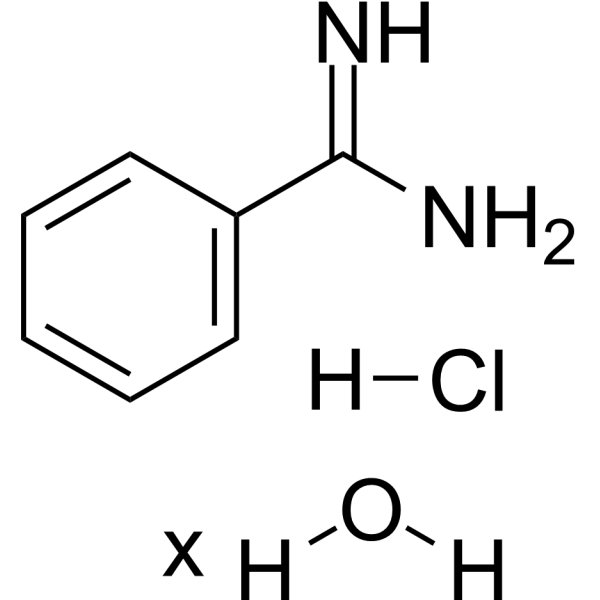
Benzamidine (Benzenecarboximidamide) hydrochloride hydrate is a competitive protease inhibitor that blocks the hydrolytic cleavage of glucagon by plasmin, trypsin and thrombin. Benzamidine hydrochloride hydrate effectively inhibits the degradation of glucagon by relevant proteases during the collection, storage and analysis of human plasma and blood samples. During in vivo metabolism, Benzamidine hydrochloride hydrate undergoes N-hydroxylation and produces multiple metabolites, exhibiting characteristics of delayed excretion or biphasic elimination. Benzamidine hydrochloride hydrate only induces slight single-strand DNA breaks at high concentrations and shows no significant genotoxic potential overall. Benzamidine hydrochloride hydrate may interfere with the detection of some glucagon antisera, but does not affect key antigen-antibody affinity at specific concentrations. Benzamidine hydrochloride hydrate can be used as a stabilizer in glucagon radioimmunoassays to ensure the accuracy and recovery rate of detection results .
loading...
    loading...
2
2 Cited Publications
Cat. No.: HY-D0257
CAS No.: 1934-21-0
Synonyms: Acid Yellow 23; FD&C Yellow No. 5
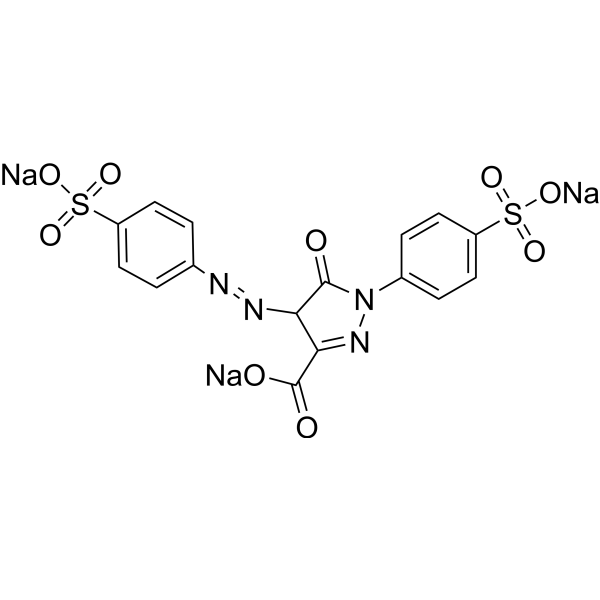
Tartrazine (Acid Yellow 23; FD&C Yellow No. 5) is an orally active azo acid dye, orange-yellow powder, soluble in water and turns yellow. Tartrazine is mainly used as a synthetic lemon yellow azo dye for food coloring. Tartrazine is the most stable colorant.Tartrazine induces mitochondria-mediated Apoptosis. Tartrazine can cause neurodevelopmental toxicity, cytotoxicity, and genotoxicity .
loading...
    loading...
2
2 Cited Publications
Cat. No.: HY-124489
CAS No.: 362-05-0
Purity:  ≥97.0%
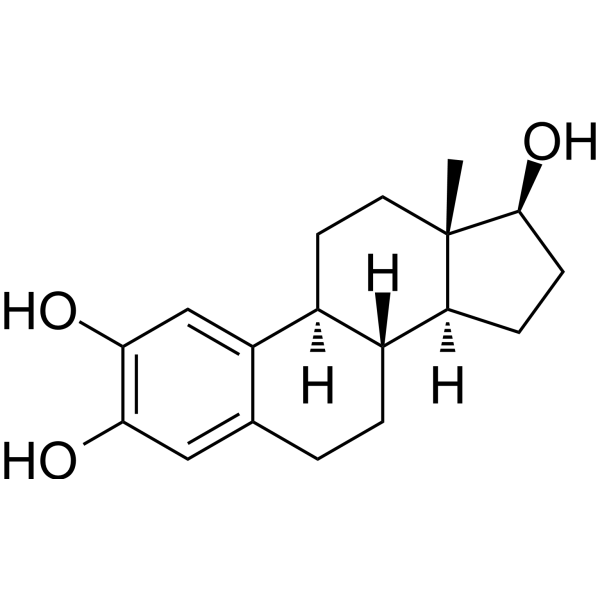
2-Hydroxyestradiol, a metabolite of 17β-estradiol with minimal estrogenic activity, possesses antioxidant effects and reacts with DNA to form stable adducts and exerts genotoxicity .
loading...
    loading...
2
2 Cited Publications
Cat. No.: HY-B1024
CAS No.: 16485-10-2
Synonyms: DL-Pantothenol; DL-Pantothenyl alcohol
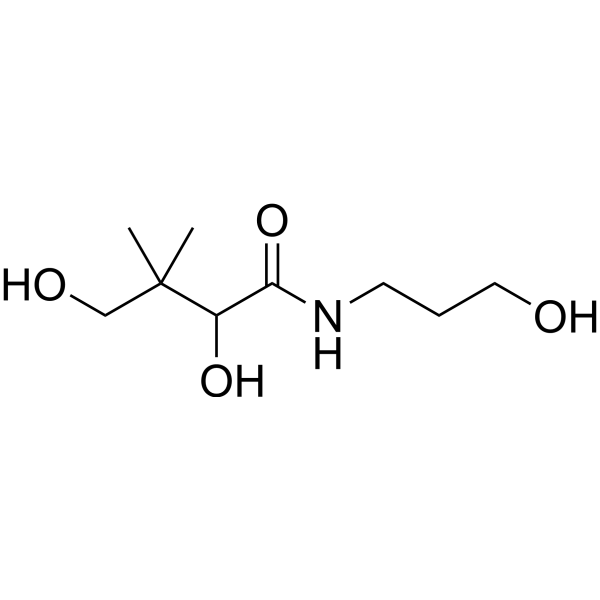
DL-Panthenol (DL-Pantothenol) is a precursor of pantothenic acid. DL-Panthenol easily penetrates the skin and has effects of deep moisturizing, promoting wound healing and anti-inflammation. DL-Panthenol can also be used as a hair conditioner in cosmetics. DL-Panthenol has low acute toxicity, non-sensitizing property, and no significant genotoxicity or reproductive and developmental toxicity. DL-Panthenol can be applied to the research of cosmetics .
loading...
    loading...
2
2 Cited Publications
Cat. No.: HY-A0087
CAS No.: 6197-30-4
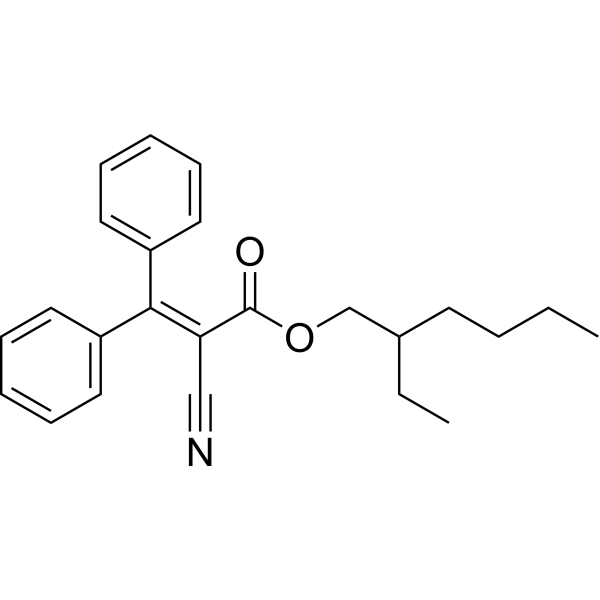
Octocrylene is an organic ultraviolet (UV) filter that absorbs mainly UVB radiation and shorter UVA wavelengths. Octocrylene acts as a partial agonist of PPARγ, which alters the gene transcription profile of lipid metabolism enzymes. In addition, Octocrylene is cytotoxic and genotoxic to human skin fibroblasts and mediates the biosynthesis of estrogens such as estriol in zebrafish larvae, while affecting antioxidant pathways including glutathione transferase and peroxisomes .
loading...
    loading...
2
2 Cited Publications
Cat. No.: HY-B1120
CAS No.: 3383-96-8
Synonyms: Temefos
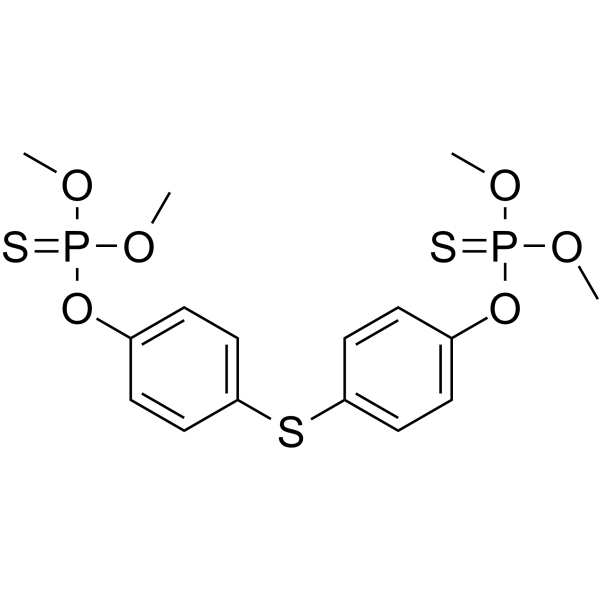
Temephos (Temefos) is an orally active, blood-brain barrier-permeable organophosphate insecticide and AChE inhibitor. By irreversibly inhibiting AChE to induce cholinergic overactivation, Temephos effectively blocks larval development of Aedes aegypti (yellow fever mosquito) and Aedes albopictus (Asian tiger mosquito), and is commonly used in studies related to Dengue Virus, Zika Virus and other relevant pathogens. Temephos exhibits genotoxicity and neurodevelopmental toxicity, and may also cause liver injury, reproductive system abnormalities and cholinergic poisoning symptoms in mammals. Temephos tends to accumulate in adipose tissues and aquatic organisms, and is excreted via feces after metabolism through oxidation and hydrolysis. Note that CYP-mediated metabolic detoxification may reduce the actual larvicidal efficacy of Temephos against some mosquito species. Temephos can be used in research related to dengue fever, Zika virus disease, chikungunya and dracunculiasis .
loading...
    loading...
1
1 Cited Publications
Cat. No.: HY-D0211
CAS No.: 77-09-8
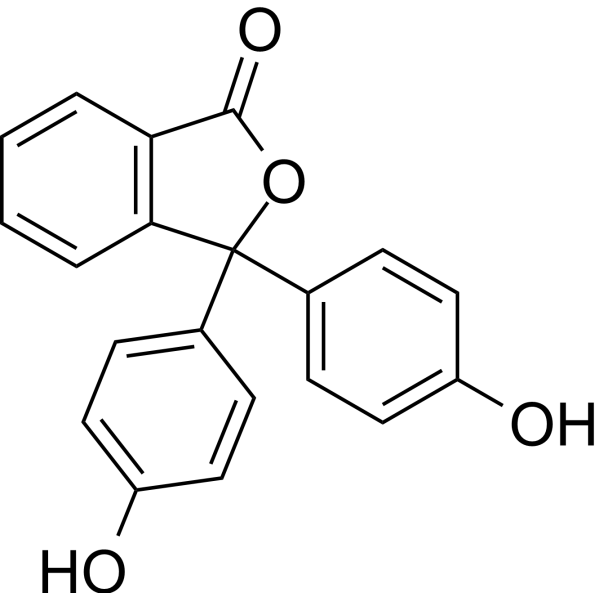
Phenolphthalein is an acid-base indicator that is colorless in an acidic environment and pink in an alkaline environment. Phenolphthalein is genotoxic and potentially carcinogenic to mice. In addition, phenolphthalein is also a blood indicator .
loading...
    loading...
1
1 Cited Publications
Cat. No.: HY-125098
CAS No.: 1149-99-1
Purity:  98.01%
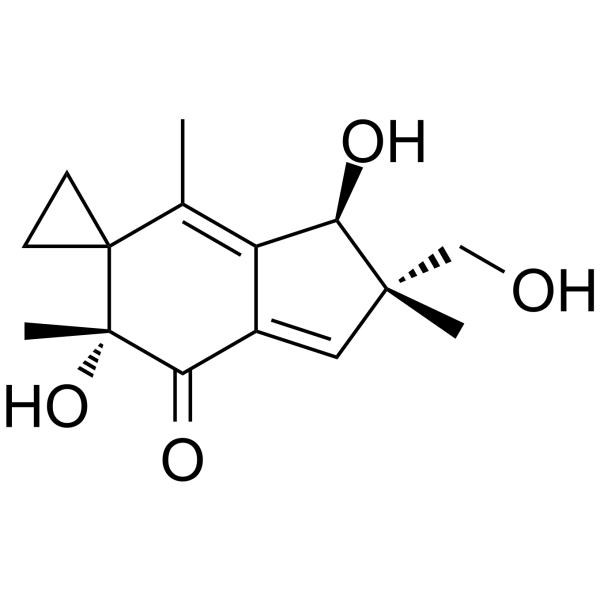
Illudin S, a cytotoxic Illudin, is a natural sesquiterpene with strong anti-tumour and antiviral activities. Illudin S has genotoxic activities. Illudin S blocks the G1-S phase interface of the cell cycle in human leukemia cells .
loading...
    loading...
1
1 Cited Publications
Cat. No.: HY-118948
CAS No.: 1592908-75-2
Purity:  98.68%
Target:  

Bcl-2 Family

Research Areas:  

Neurological Disease

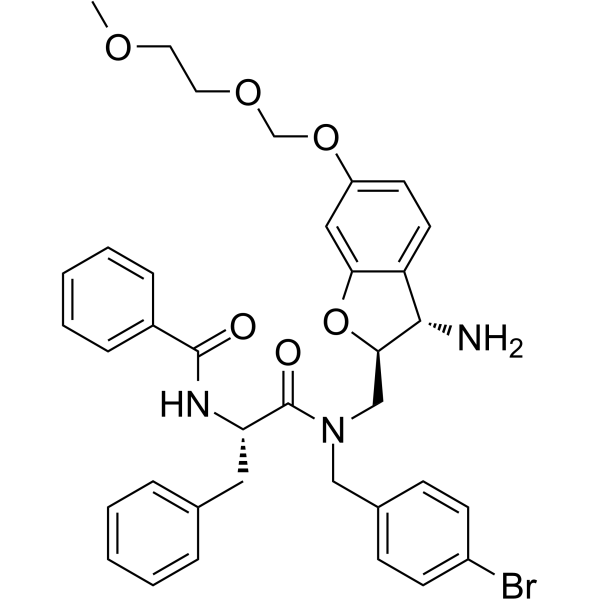
MSN-50 is a Bax and Bak oligomerization inhibitor. MSN-50 efficiently inhibits liposome permeabilization, prevents genotoxic cell death and promotes neuroprotection .
loading...
    loading...
1
1 Cited Publications
Cat. No.: HY-B0928
CAS No.: 118-56-9
Synonyms: Homomenthyl salicylate
Homosalate (Homomenthyl salicylate) is an organic compound used as a sunscreen to filter UV rays and protect the skin from sun damage. Homosalate has anti-inflammatory activity .
loading...
    loading...
1
1 Cited Publications
Cat. No.: HY-D0249
CAS No.: 2783-94-0
Synonyms: Orange Yellow S; Food Yellow 3; CI 15985
Sunset Yellow FCF (Orange Yellow S) is an orange azo dye with a maximum absorption wavelength of 480 nm. Sunset Yellow FCF can be used in food, cosmetics and pharmaceuticals .
loading...
    loading...
1
1 Cited Publications
Cat. No.: HY-115584
CAS No.: 103055-07-8
Purity:  99.57%
Research Areas:  

Infection

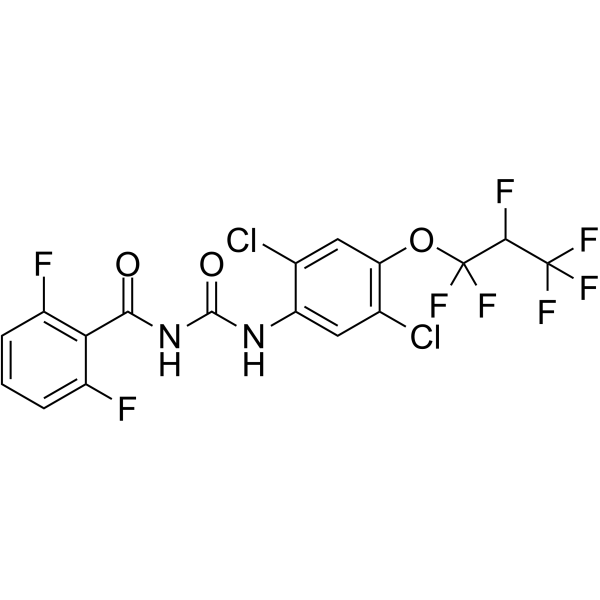
Lufenuron is an orally active lipophilic benzoylurea insecticide and a chitin synthesis inhibitor that can used for flea and fish lice control. Lufenuron inhibits moulting of arthropods. Lufenuron induces reproductive toxicity, genotoxic effects and oxidative stresses in pregnant albino rats and their fetuses .
loading...
    loading...
1
1 Cited Publications
Cat. No.: HY-119329
CAS No.: 5694-00-8
Purity:  ≥97.0%
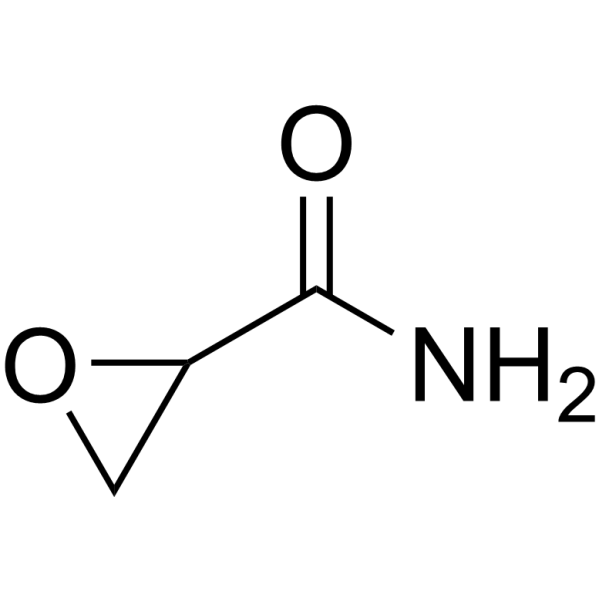
Synonyms: Oxiranecarboxamide; 2,3-Epoxypropanamide
Target:  

Drug Metabolite

Research Areas:  

Others

Glycidamide is the genotoxic metabolite of Acrylamide. Glycidamide can react with proteins, such as hemoglobin, or with DNA, and induces genotoxic effects .
loading...
    loading...
1
1 Cited Publications
Cat. No.: HY-B1244
CAS No.: 551-92-8
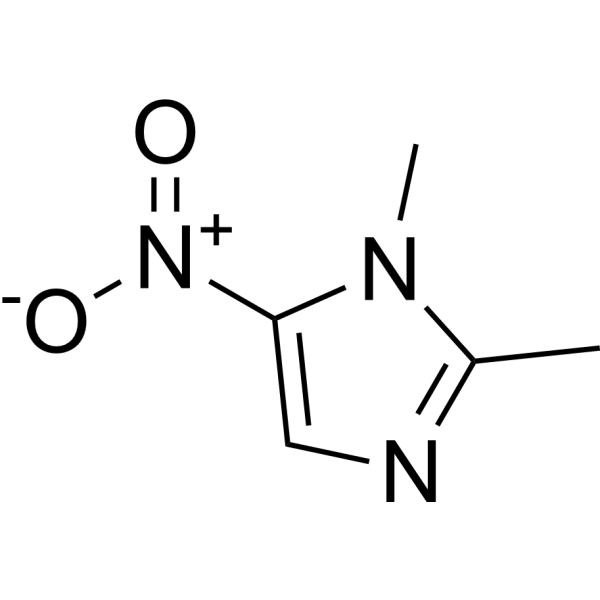
Synonyms: 1,2-Dimethyl-5-nitroimidazole
Dimetridazole is a nitroimidazole antibiotic. Dimetridazole inhibits protein synthesis in cultures of Campylobacter jejuni. Dimetridazole is genotoxic. Dimetridazole can be used in the research of protozoal and bacterial infections .
loading...
    loading...
1
1 Cited Publications
Cat. No.: HY-B1244S
CAS No.: 64678-69-9
Synonyms: 1,2-Dimethyl-5-nitroimidazole-d3
Dimetridazole-d3 (1,2-Dimethyl-5-nitroimidazole-d3) is a deuterium labeled Dimetridazole (HY-B1244). Dimetridazole is a nitroimidazole antibiotic. Dimetridazole inhibits protein synthesis in cultures of Campylobacter jejuni. Dimetridazole is genotoxic. Dimetridazole can be used in the research of protozoal and bacterial infections .
loading...
    loading...

