Search Result
Results for "
HSP70 expression
" in MedChemExpress (MCE) Product Catalog:
1
Biochemical Assay Reagents
3
Isotope-Labeled Compounds
| Cat. No. |
Product Name |
Target |
Research Areas |
Chemical Structure |
-
- HY-17504
-
|
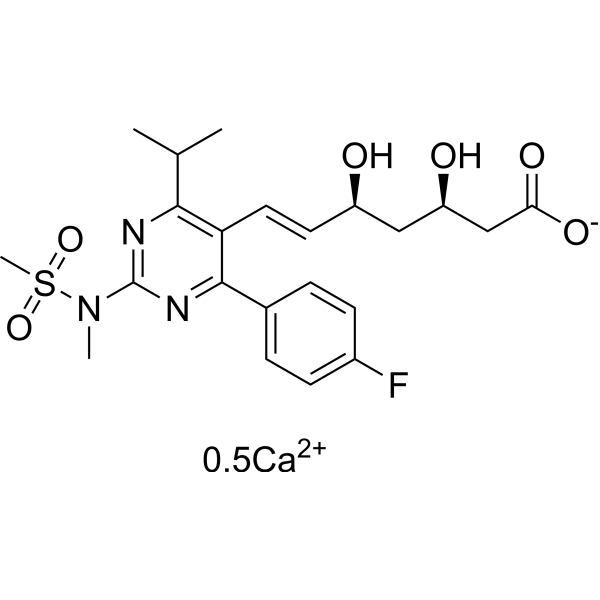
Rosuvastatin hemicalcium; ZD 4522 Calcium
|
HMG-CoA Reductase (HMGCR)
Autophagy
Potassium Channel
Bacterial
|
Cardiovascular Disease
Metabolic Disease
Cancer
|
|
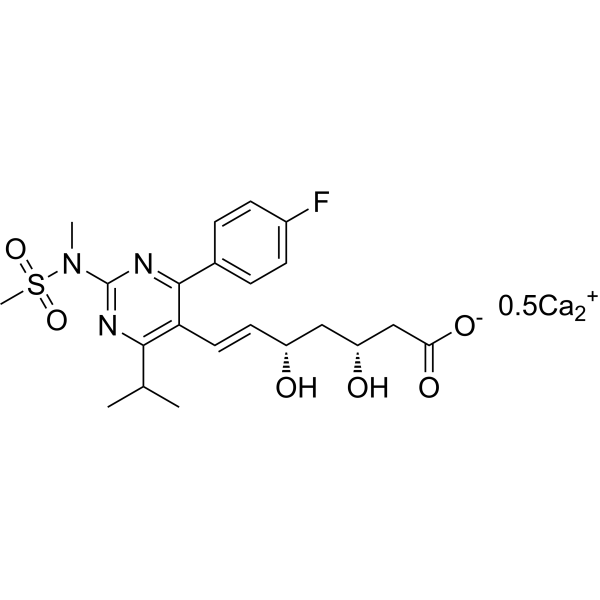
Rosuvastatin Calcium is a competitive HMG-CoA reductase (HMGCR) inhibitor, with an IC50 of 11 nM. Rosuvastatin Calcium potently blocks hERG current with an IC50 of 195 nM . Rosuvastatin Calcium reduces the expression of the mature hERG and the interaction of heat shock protein 70 (Hsp70) with the hERG protein. Rosuvastatin Calcium effectively lowers low-density lipoprotein (LDL) cholesterol, triglycerides, and C-reactive protein levels .
|
-
-
- HY-17504A
-
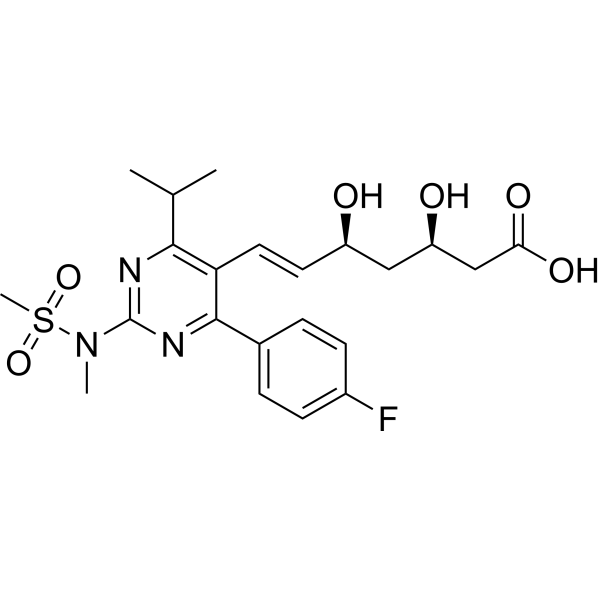
Rosuvastatin
Maximum Cited Publications
24 Publications Verification
ZD 4522
|
HMG-CoA Reductase (HMGCR)
Autophagy
Potassium Channel
Bacterial
|
Cardiovascular Disease
Metabolic Disease
Cancer
|
|
Rosuvastatin (ZD 4522) is a competitive HMG-CoA reductase inhibitor with an IC50 of 11 nM. Rosuvastatin potently blocks hERG current with an IC50 of 195 nM, delayed cardiac repolarization, and thereby prolonged action potential durations (APDs) and corrected QT interval (QTc) intervals. Rosuvastatin reduces the expression of the mature hERG and the interaction of heat shock protein 70 (Hsp70) with the hERG protein. Rosuvastatin effectively lowers low-density lipoprotein (LDL) cholesterol, triglycerides, and C-reactive protein levels .
|
-
-
- HY-D1063
-
|
|
Fluorescent Dye
Apoptosis
Reactive Oxygen Species (ROS)
|
Cancer
|
|
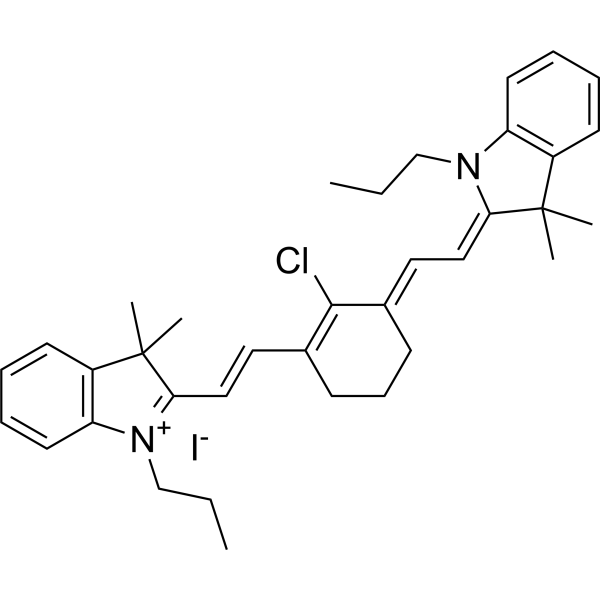
IR-780 is a near-infrared fluorescent probe for in vivo imaging of tumor cells. IR-780 is transported into tumor cells via OATPs and ABCB10, with uptake dependent on glycolytic activity and plasma membrane potential. IR-780 preferentially accumulates in tumor cell mitochondria, including those of drug-resistant cancer cells, without chemical conjugation. IR-780 generates reactive oxygen species (ROS), induces hyperthermia and apoptosis, inhibits tumor growth and recurrence, and modulates HSP70 expression upon ultrasound or 808 nm laser exposure. IR-780 acts as a sonosensitizer, photodynamic and photothermal agent, and drug delivery carrier, with low acute imaging-dose toxicity and rapid vital organ clearance. IR-780 can be used for the research of cancer, such as breast cancer, lung cancer, and non-small cell lung cancer (NSCLC) .
|
-
-
- HY-17504B
-
|
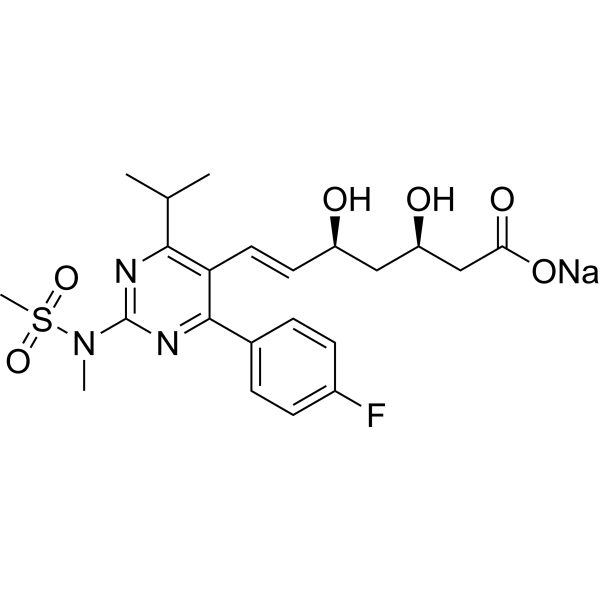
ZD 4522 Sodium; X-Plended Sodium; Crestor Sodium
|
HMG-CoA Reductase (HMGCR)
Potassium Channel
Autophagy
Bacterial
|
Cardiovascular Disease
Metabolic Disease
Cancer
|
|
Rosuvastatin Sodium is a competitive HMG-CoA reductase (HMGCR) inhibitor, with an IC50 of 11 nM. Rosuvastatin Sodium potently blocks hERG current with an IC50 of 195 nM . Rosuvastatin Sodium reduces the expression of the mature hERG and the interaction of heat shock protein 70 (Hsp70) with the hERG protein. Rosuvastatin Sodium effectively lowers low-density lipoprotein (LDL) cholesterol, triglycerides, and C-reactive protein levels .
|
-
-
- HY-N0576
-
-
-
- HY-18669
-
|
|
HSP
|
Cancer
|
|
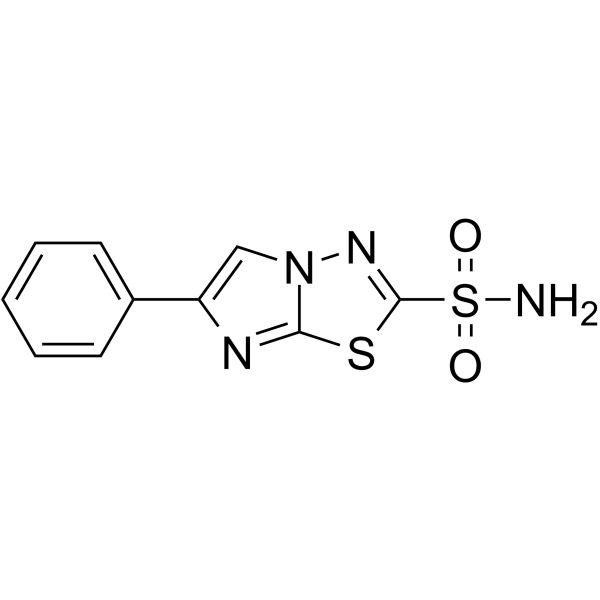
ML346 is an activator of Hsp70 expression and HSF-1 activity, with an EC50 of 4.6 μM for Hsp70. ML346 restores protein folding in conformational disease models, without significant cytotoxicity or lack of specificity. ML346 induces specific increases in genes and protein effectors of the heat shock response (HSR), including chaperones such as Hsp70, Hsp40, and Hsp27 .
|
-
-
- HY-18619
-
YL-109
2 Publications Verification
|
Aryl Hydrocarbon Receptor
|
Cancer
|
|
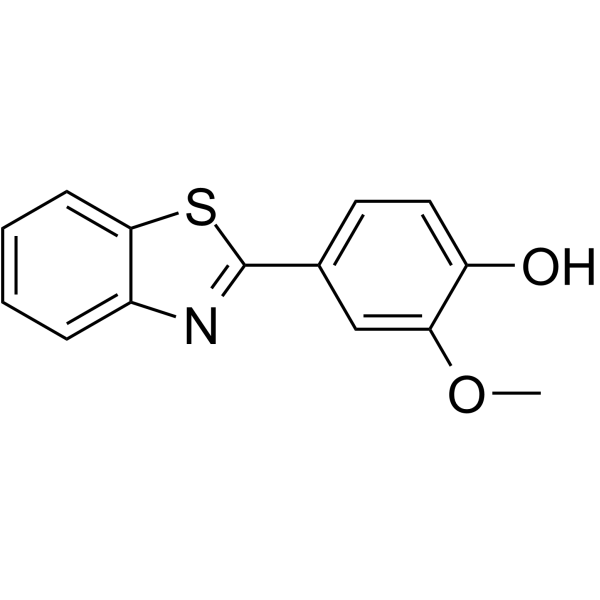
YL-109 is an antitumor agent that can induce carboxyl terminus of Hsp70-interacting protein (CHIP) expression through aryl hydrocarbon receptor (AhR) signaling. YL-109 has ability to inhibit breast cancer cell growth and invasiveness .
|
-
-
- HY-B1817
-
|
|
Environmental Pollutants
Apoptosis
Biochemical Assay Reagents
HSP
|
Cardiovascular Disease
Inflammation/Immunology
Cancer
|
|
Zinc acetate acts as an immune response modulator. Zinc acetate enhances the expression of HSP-70 mRNA. Zinc acetate restores the proliferation and cytokine production capacities of splenocytes. Zinc acetate reduces the Apoptosis level of splenocytes in endotoxemic mice. Zinc acetate increases plasma zinc levels and improves survival rates in mice with LPS-induced lethal endotoxemia. Zinc acetate induces rapid death of prostate cancer cell lines in vitro. Zinc acetate inhibits the growth of prostate cancer xenografts in SCID mice. Zinc acetate can be used in endotoxemia research .
|
-
-
- HY-107599
-
|
|
JNK
Apoptosis
|
Neurological Disease
|
|
AEG3482 is a potent antiapoptotic compound that inhibits Jun kinase (JNK) activity through induced expression of heat shock protein 70 (HSP70). AEG3482 directly binds HSP90, thereby facilitating HSF1-dependent expression of HSP70 and HSP25 .
|
-
-
- HY-158976
-
|
Lactated ringer's solution (LRS)
|
Biochemical Assay Reagents
Collagen
HSP
|
Inflammation/Immunology
|
|
Sodium lactate ringer's solution (Lactated ringer's solution (LRS)) is an isotonic crystal intravenous injection and arthroscopic irrigation solution containing racemic sodium lactate and electrolytes such as sodium, potassium, calcium and chloride (130 mEq sodium/L, 274 mOsm/L), which can be used as a cell integrity protectant. Sodium lactate ringer's solution maintains the integrity of human meniscus cells, ensures that they retain normal cell morphology, membrane regularity, size and density, and does not alter the mRNA expression levels of α1 (I) procollagen, α1 (II) procollagen, aggrecan or HSP70. Sodium lactate ringer's solution can be applied to studies related to extracellular fluid deficiency and meniscus tears .
|
-
-
- HY-168566
-
|
|
HSP
|
Cancer
|
|
EV206 is a Hsp70 binder and apoptosis inducer that binds to the N-terminal domain of Hsp70, promotes Hsp70 degradation via the ubiquitin-proteasome system, and reduces Hsp70 protein stability. EV206 induces apoptotic cell death, inhibits colony formation, and downregulates the expression of cancer stem cell-related markers in non-small cell lung cancer cells. EV206 inhibits the growth of H460 xenograft tumors in nude mice and can be used for the research of non-small cell lung cancer .
|
-
-
- HY-170944
-
|
|
HSP
Apoptosis
Caspase
|
Cancer
|
|
BAG3/HSP70-IN-1 (compound 16) is the first-in-class BAG3 and HSP70 dual inhibitor. BAG3/HSP70-IN-1 binds to BAG3 full-length, BAG3-BD, and HSP70 proteins with Kds of 33.10 μM, 27.90 μM, and 33.80 μM, respectively. BAG3/HSP70-IN-1 inhibits HeLa cells with an IC50 of 49.46 μM. BAG3/HSP70-IN-1 induces apoptosis by activating caspase 3 and caspase 9 levels in HeLa cells. BAG3/HSP70-IN-1 elevates p21 levels while reduces FOXM1 expression in HeLa cells. BAG3/HSP70-IN-1 decreases ATPase activity .
|
-
-
- HY-N12717
-
|
|
PAK
FASTK
HSP
p38 MAPK
NF-κB
NO Synthase
COX
HSV
Caspase
TNF Receptor
Fungal
Apoptosis
|
Infection
Inflammation/Immunology
Cancer
|
|
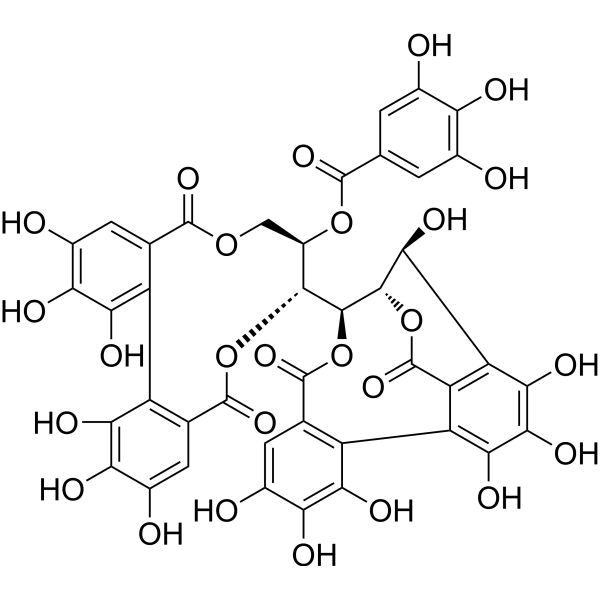
Casuarinin is an orally active antiproliferative, anti-inflammatory, antifungal, virucidal and gastroprotective agent. Casuarinin upregulates the expression of p21/WAF1, Fas/APO‑1, mFasL, sFasL and HSP‑70, arrests cell cycle, induces apoptosis and inhibits cancer cell proliferation. Casuarinin inhibits TNF‑α-induced phosphorylation of MAPK and activation of NF‑κB, downregulates the expression of iNOS, NF‑κB, COX‑2 and ICAM‑1, and reduces the production of proinflammatory mediators. Casuarinin attenuates ethanol-induced activation of caspase‑3 and elevation of TNF‑α, inhibits the growth of Candida albicans, and inhibits HSV‑2. Casuarinin can be used in research related to mammary adenocarcinoma, inflammatory skin diseases, gastric ulcers, candidiasis and herpes simplex virus infections .
|
-
-
- HY-17504R
-
|
Rosuvastatin hemicalcium (Standard); ZD 4522 Calcium (Standard)
|
Reference Standards
HMG-CoA Reductase (HMGCR)
Autophagy
Potassium Channel
Bacterial
|
Cardiovascular Disease
Metabolic Disease
Cancer
|
|
Rosuvastatin (Calcium) (Standard) is the analytical standard of Rosuvastatin (Calcium). This product is intended for research and analytical applications. Rosuvastatin Calcium is a competitive HMG-CoA reductase (HMGCR) inhibitor, with an IC50 of 11 nM. Rosuvastatin Calcium potently blocks hERG current with an IC50 of 195 nM . Rosuvastatin Calcium reduces the expression of the mature hERG and the interaction of heat shock protein 70 (Hsp70) with the hERG protein. Rosuvastatin Calcium effectively lowers low-density lipoprotein (LDL) cholesterol, triglycerides, and C-reactive protein levels .
|
-
-
- HY-17504AS1
-
|
ZD 4522-d6
|
Isotope-Labeled Compounds
Autophagy
Bacterial
HMG-CoA Reductase (HMGCR)
Potassium Channel
|
Cardiovascular Disease
Metabolic Disease
Cancer
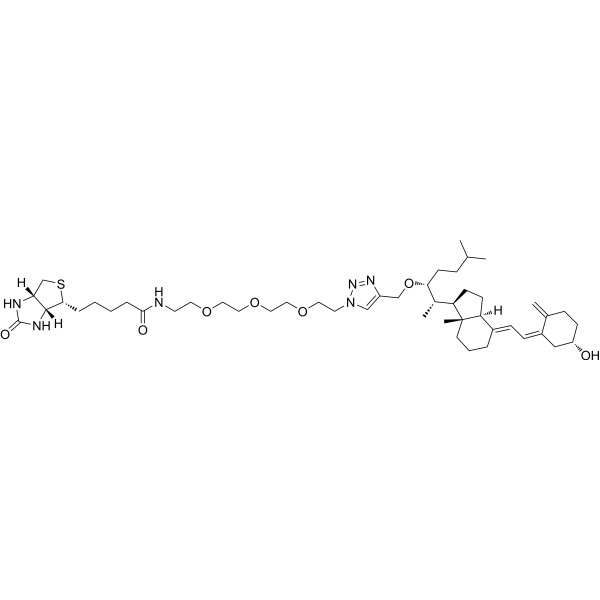
|
|
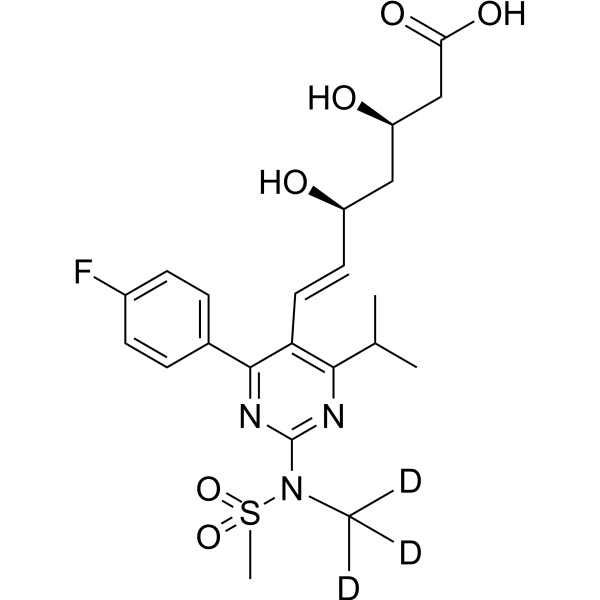
Rosuvastatin-d6 (ZD 4522-d6) is deuterium labeled Rosuvastatin. Rosuvastatin (ZD 4522) is a competitive HMG-CoA reductase inhibitor with an IC50 of 11 nM. Rosuvastatin potently blocks hERG current with an IC50 of 195 nM, delayed cardiac repolarization, and thereby prolonged action potential durations (APDs) and corrected QT interval (QTc) intervals. Rosuvastatin reduces the expression of the mature hERG and the interaction of heat shock protein 70 (Hsp70) with the hERG protein. Rosuvastatin effectively lowers low-density lipoprotein (LDL) cholesterol, triglycerides, and C-reactive protein levels .
|
-
-
- HY-143400
-
|
|
HSP
Hedgehog
|
Cancer
|
|
HSP70-IN-3 is a potent HSP70 inhibitor (IC50s of 1.1 and 1.9 μM in ASZ001 and C3H10T1/2, respectively). HSP70-IN-3 has anti-Hh (Hedgehog signaling) activity and anti-proliferative activity and reduces expression of the oncogenic transcription factor GLI1 .
|
-
-
- HY-17504BS1
-
|
|
HMG-CoA Reductase (HMGCR)
Autophagy
|
Cardiovascular Disease
Metabolic Disease
|
|
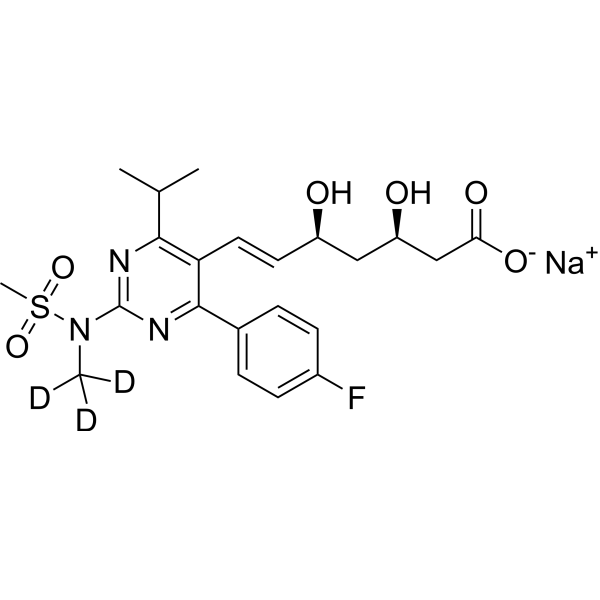
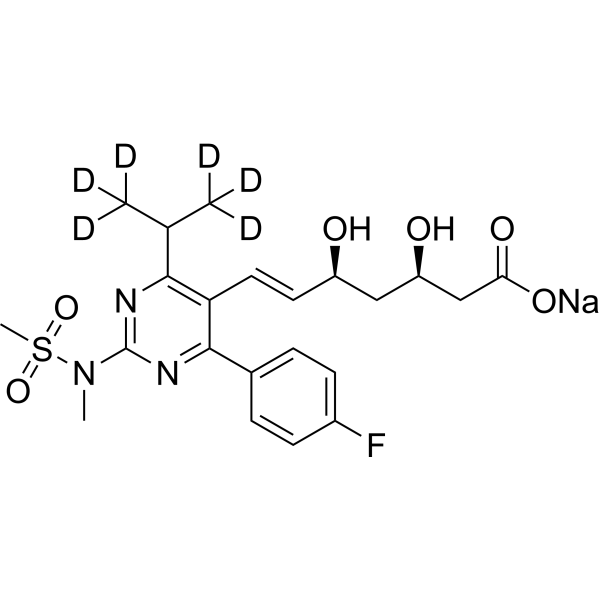
Rosuvastatin-d6 sodium is deuterium labeled Rosuvastatin sodium (HY-17504B). Rosuvastatin Sodium is a competitive HMG-CoA reductase (HMGCR) inhibitor, with an IC50 of 11 nM. Rosuvastatin Sodium potently blocks hERG current with an IC50 of 195 nM. Rosuvastatin Sodium reduces the expression of the mature hERG and the interaction of heat shock protein 70 (Hsp70) with the hERG protein. Rosuvastatin Sodium effectively lowers low-density lipoprotein (LDL) cholesterol, triglycerides, and C-reactive protein levels.
|
-
-
- HY-17504BR
-
|
ZD 4522 Sodium (Standard); X-Plended Sodium (Standard); Crestor Sodium (Standard)
|
HMG-CoA Reductase (HMGCR)
Potassium Channel
Autophagy
Bacterial
Reference Standards
|
Cardiovascular Disease
Metabolic Disease
Cancer
|
|
Rosuvastatin (Sodium) (Standard) is the analytical standard of Rosuvastatin (Sodium). This product is intended for research and analytical applications. Rosuvastatin Sodium is a competitive HMG-CoA reductase (HMGCR) inhibitor, with an IC50 of 11 nM. Rosuvastatin Sodium potently blocks hERG current with an IC50 of 195 nM . Rosuvastatin Sodium reduces the expression of the mature hERG and the interaction of heat shock protein 70 (Hsp70) with the hERG protein. Rosuvastatin Sodium effectively lowers low-density lipoprotein (LDL) cholesterol, triglycerides, and C-reactive protein levels .
|
-
-
- HY-N15449
-
|
|
HSP
Caspase
Apoptosis
Reactive Oxygen Species (ROS)
Bcl-2 Family
|
Cancer
|
|
Vicanicin is a depsidone compound found in lichens. Vicanicin inhibits the expression of Hsp70, regulates the redox-sensitive mechanisms within cells, promotes the increase of reactive oxygen species (ROS) in cancer cells, changes the Bax/Bcl-2 ratio, activates caspase-3, and triggers apoptosis. Vicanicin inhibits cell growth and induces apoptosis in androgen-sensitive (LNCaP) and androgen-insensitive (DU-145) human prostate cancer cells. Vicanicin is promising for research of prostate cancer .
|
-
-
- HY-17504BS2
-
|
ZD 4522-13C,d3 sodium; X-Plended-13C,d3 sodium; Crestor-13C,d3 sodium
|
Autophagy
Bacterial
HMG-CoA Reductase (HMGCR)
Potassium Channel
Isotope-Labeled Compounds
|
Cardiovascular Disease
Metabolic Disease
|
|
Rosuvastatin- 13C,d3 sodium is 13C and deuterated labeled Rosuvastatin sodium (HY-17504B). Rosuvastatin Sodium is a competitive HMG-CoA reductase (HMGCR) inhibitor, with an IC50 of 11 nM. Rosuvastatin Sodium potently blocks hERG current with an IC50 of 195 nM . Rosuvastatin Sodium reduces the expression of the mature hERG and the interaction of heat shock protein 70 (Hsp70) with the hERG protein. Rosuvastatin Sodium effectively lowers low-density lipoprotein (LDL) cholesterol, triglycerides, and C-reactive protein levels .
|
-
-
- HY-17504C
-
|
|
HMG-CoA Reductase (HMGCR)
Potassium Channel
Autophagy
|
Cardiovascular Disease
Metabolic Disease
|
|
(3R,5R)-Rosuvastatin is the (3R,5R)-enantiomer of Rosuvastatin. Rosuvastatin is a competitive HMG-CoA reductase inhibitor with an IC50 of 11 nM . Rosuvastatin potently blocks human ether-a-go-go related gene (hERG) current with an IC50 of 195 nM . Rosuvastatin reduces the expression of the mature hERG and the interaction of heat shock protein 70 (Hsp70) with the hERG protein. Rosuvastatin is very effective in lowering low-density lipoprotein (LDL) cholesterol, triglycerides, and C-reactive protein levels .
|
-
-
- HY-17504D
-
|
|
HMG-CoA Reductase (HMGCR)
Potassium Channel
Autophagy
|
Cardiovascular Disease
Metabolic Disease
|
|
(3S,5R)-Rosuvastatin is the (3S,5R)-enantiomer of Rosuvastatin. Rosuvastatin is a competitive HMG-CoA reductase inhibitor with an IC50 of 11 nM . Rosuvastatin potently blocks human ether-a-go-go related gene (hERG) current with an IC50 of 195 nM . Rosuvastatin reduces the expression of the mature hERG and the interaction of heat shock protein 70 (Hsp70) with the hERG protein. Rosuvastatin is very effective in lowering low-density lipoprotein (LDL) cholesterol, triglycerides, and C-reactive protein levels .
|
-
-
- HY-13644
-
|
15-Deoxyspergualin
|
Others
|
Others
|
|
Gusperimus is a fully synthetic racemate that has a novel mechanism of action by binding to the intracellular heat shock protein hsp70 and interfering with intracellular signal transduction. This mechanism of action can enhance the effect of immunosuppressive therapy. Gusperimus can inhibit the differentiation of T cells into cytotoxic T cells, reduce the expression of IL-2 receptors on CD4 and CD8 cells, and inhibit IFN-γ-induced B cell maturation. In addition, when used with cyclosporine, tacrolimus or mycophenolate mofetil, Gusperimus can enhance the immunosuppressive effect and prevent allogeneic transplant rejection.
|
-
-
- HY-155580
-
|
|
Monoamine Oxidase
HSP
|
Cancer
|
|
MAO A/HSP90-IN-2 (compound 4-C) is a dual inhibitor of HSP90and MAO A with the IC50 values of 0.016 and 4.58 μM, respectively. MAO A/HSP90-IN-2 increases HSP70 expression and reduces HER2 and phospho-Akt expression, and decreases IFN-γ induced PD-L1 expression in GL26 cells. MAO A/HSP90-IN-2 inhibits the growth of Temozolomide (HY-17364) -sensitive and -resistant GBM cells, colon cancer, leukemia, non-small cell lung and other cancers, and has potential to inhibit tumor immune escape [1] sup >.
|
-
-
- HY-N0576R
-
|
|
Reference Standards
Endogenous Metabolite
Heme Oxygenase (HO)
HSP
p38 MAPK
Akt
Apoptosis
Caspase
PARP
|
Neurological Disease
Metabolic Disease
Inflammation/Immunology
|
|
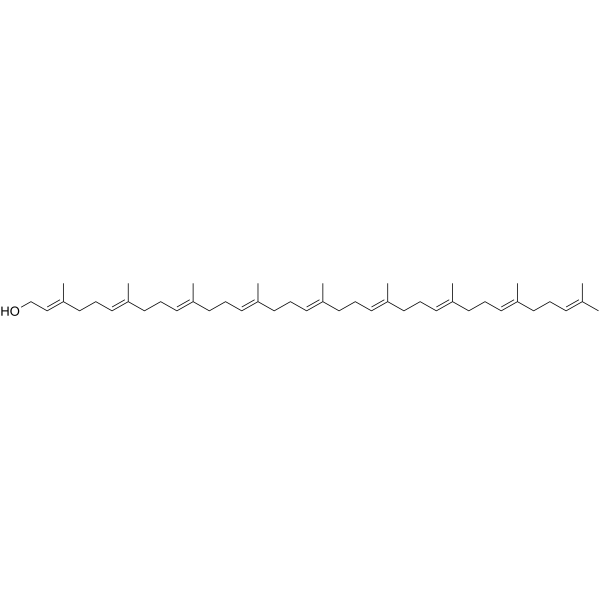
Solanesol (Standard) is the analytical standard of Solanesol (HY-N0576). This product is intended for research and analytical applications. Solanesol is an orally active aliphatic terpene alcohol. Solanesol is mainly found in tobacco and other Solanaceae plants. Solanesol induces HO-1 and Hsp70 expression, activates p38 and Akt signaling pathways, and inhibits Apoptosis (reduces caspase-3 and PARP cleavage). Solanesol has antioxidant, anti-inflammatory, and neuroprotective activities. Solanesol can be used in the research of Huntington's disease, alcoholic liver disease, chronic inflammatory pain, anxiety, Alzheimer's disease, and bipolar disorder .
|
-
-
- HY-180163
-
|
|
HSP
Drug Derivative
|
Cancer
|
|
HSP70-IN-8 (Compound 1b) is a HSP70 inhibitor and Alpinetin (HY-N0625A) derivative. HSP70-IN-8 inhibits the expression of HSP70 protein.HSP70-IN-8 exhibits excellent anti-liver cancer activity .
|
-
-
- HY-182959
-
|
|
Hsp-targeting Chimeras
LYTACs
PD-1/PD-L1
HSP
|
Cancer
|
|
Hsp70TAC PD-1 Degrader-2 is a PD-L1 Hsp70TAC (Hsp70-targeting Chimeras) degrader with Kd values of 0.36 μM. Hsp70TAC PD-1 Degrader-2 forms a ternary complex with Hsp70 and PD-L1 to drive PD-L1 degradation. Hsp70TAC PD-1 Degrader-2 induces degradation of mature membrane-bound PD-L1 in an Hsp70-dependent manner and via caveolin-mediated endocytosis and lysosomal trafficking. Hsp70TAC PD-1 Degrader-2 accumulates preferentially in tumor cells with elevated Hsp70 expression for tumor-selective PD-L1 degradation. Hsp70TAC PD-1 Degrader-2 can be used for the research of cancer, such as breast invasive carcinoma, glioblastoma multiforme, diffuse large b-cell lymphoma . (Pink: PD-1/PD-L1 ligand (HY-19745A); Blue: Hsp70 ligand (HY-182979); Black: linker (HY-182982)).
|
-
-
- HY-107599R
-
|
|
Reference Standards
JNK
Apoptosis
|
Neurological Disease
|
|
AEG3482 (Standard) is the analytical standard of AEG3482 (HY-107599). This product is intended for research and analytical applications. AEG3482 is a potent antiapoptotic compound that inhibits Jun Kinase (JNK) activity through induced expression of heat shock protein 70 (HSP70). AEG3482 directly binds HSP90, thereby facilitating HSF1-dependent expression of HSP70 and HSP25 .
|
-
-
- HY-130273
-
|
|
HDAC
HSP
Microtubule/Tubulin
PD-1/PD-L1
|
Cancer
|
|
HDAC/HSP90-IN-1 (compound 20) is a potent dual inhibitor of HDAC (IC50 = 194 nM) and HSP90 (HSP90α IC50 = 153 nM). HDAC/HSP90-IN-1 induces HSP70 expression, downregulates HSP90 client proteins, and promotes acetylation of α-tubulin and histone H3 in cancer cells. HDAC/HSP90-IN-1 reduces PD-L1 expression in IFN-γ treated H1975 cells. HDAC/HSP90-IN-1 can be used for cancer research, such as lung and colon cancer .
|
-
-
- HY-130274
-
|
|
HDAC
HSP
Microtubule/Tubulin
PD-1/PD-L1
|
Cancer
|
|
HDAC/HSP90-IN-2 (compound 26) is a potent dual inhibitor of HDAC (IC50 = 360 nM) and HSP90 (HSP90α IC50 = 77 nM). HDAC/HSP90-IN-2 induces HSP70 expression, downregulates HSP90 client proteins, and promotes acetylation of α-tubulin and histone H3 in cancer cells. HDAC/HSP90-IN-2 reduces PD-L1 expression in IFN-γ treated H1975 cells. HDAC/HSP90-IN-2 can be used for cancer research, such as lung and colon cancer .
|
-
-
- HY-Z15805
-
|
|
Drug Isomer
HSP
TrxR
|
Cancer
|
|
Teprenone Impurity 5 (5Z-GGA) is the cis-isomer of Teprenone (HY-B0779). Teprenone Impurity 5 has inhibitory activity on the proliferation of human ovarian cancer cells Caov-3, and can block the invasion process of cancer cells. Teprenone Impurity 5 can induce the expression of heat shock protein 70 (HSP70) and thioredoxin (Trx). Teprenone Impurity 5 can be used for the research of ovarian cancer .
|
-
-
- HY-164184
-
|
|
Apoptosis
Caspase
HSP
Early 2 Factor (E2F)
DNA/RNA Synthesis
|
Cancer
|
|
Ly101-4B is an apoptosis inducer and multi-target inhibitor with antiproliferative, antitumor and cycytotoxic effects. Ly101-4B reduces HSF1 expression, inhibits microRNA-214 synthesis, downregulates HSP27, HSP70 and HSP90 expression, while suppressing E2F-dependent transcriptional activity and downregulating its target genes. Ly101-4B induces caspase 3/7-mediated apoptosis by reducing DNA synthesis, inhibiting the cell cycle and G1/S phase transition, without affecting RNA synthesis or inducing necrosis. Ly101-4B is selective for pancreatic ductal adenocarcinoma cells with different genotypes and varying degrees of E2F dependence. Ly101-4B can be used in research related to epithelial ovarian cancer and pancreatic ductal adenocarcinoma .
|
-
| Cat. No. |
Product Name |
Type |
-
- HY-D1063
-
|
|
Fluorescent Dye
|
|
IR-780 is a near-infrared fluorescent probe for in vivo imaging of tumor cells. IR-780 is transported into tumor cells via OATPs and ABCB10, with uptake dependent on glycolytic activity and plasma membrane potential. IR-780 preferentially accumulates in tumor cell mitochondria, including those of drug-resistant cancer cells, without chemical conjugation. IR-780 generates reactive oxygen species (ROS), induces hyperthermia and apoptosis, inhibits tumor growth and recurrence, and modulates HSP70 expression upon ultrasound or 808 nm laser exposure. IR-780 acts as a sonosensitizer, photodynamic and photothermal agent, and drug delivery carrier, with low acute imaging-dose toxicity and rapid vital organ clearance. IR-780 can be used for the research of cancer, such as breast cancer, lung cancer, and non-small cell lung cancer (NSCLC) .
|
| Cat. No. |
Product Name |
Type |
-
- HY-158976
-
|
Lactated ringer's solution (LRS)
|
Biochemical Assay Reagents
|
|
Sodium lactate ringer's solution (Lactated ringer's solution (LRS)) is an isotonic crystal intravenous injection and arthroscopic irrigation solution containing racemic sodium lactate and electrolytes such as sodium, potassium, calcium and chloride (130 mEq sodium/L, 274 mOsm/L), which can be used as a cell integrity protectant. Sodium lactate ringer's solution maintains the integrity of human meniscus cells, ensures that they retain normal cell morphology, membrane regularity, size and density, and does not alter the mRNA expression levels of α1 (I) procollagen, α1 (II) procollagen, aggrecan or HSP70. Sodium lactate ringer's solution can be applied to studies related to extracellular fluid deficiency and meniscus tears .
|
| Cat. No. |
Product Name |
Category |
Target |
Chemical Structure |
-
- HY-N0576
-
-
-
- HY-N12717
-
|
|
Terminalia arjuna (Roxb. ex DC.) Wight & Arn.
Structural Classification
Combretaceae
Phenols
Polyphenols
Plants
Source Classification
|
PAK
FASTK
HSP
p38 MAPK
NF-κB
NO Synthase
COX
HSV
Caspase
TNF Receptor
Fungal
Apoptosis
|
|
Casuarinin is an orally active antiproliferative, anti-inflammatory, antifungal, virucidal and gastroprotective agent. Casuarinin upregulates the expression of p21/WAF1, Fas/APO‑1, mFasL, sFasL and HSP‑70, arrests cell cycle, induces apoptosis and inhibits cancer cell proliferation. Casuarinin inhibits TNF‑α-induced phosphorylation of MAPK and activation of NF‑κB, downregulates the expression of iNOS, NF‑κB, COX‑2 and ICAM‑1, and reduces the production of proinflammatory mediators. Casuarinin attenuates ethanol-induced activation of caspase‑3 and elevation of TNF‑α, inhibits the growth of Candida albicans, and inhibits HSV‑2. Casuarinin can be used in research related to mammary adenocarcinoma, inflammatory skin diseases, gastric ulcers, candidiasis and herpes simplex virus infections .
|
-
-
- HY-N15449
-
|
|
Natural Products
Microorganisms
Source Classification
|
HSP
Caspase
Apoptosis
Reactive Oxygen Species (ROS)
Bcl-2 Family
|
|
Vicanicin is a depsidone compound found in lichens. Vicanicin inhibits the expression of Hsp70, regulates the redox-sensitive mechanisms within cells, promotes the increase of reactive oxygen species (ROS) in cancer cells, changes the Bax/Bcl-2 ratio, activates caspase-3, and triggers apoptosis. Vicanicin inhibits cell growth and induces apoptosis in androgen-sensitive (LNCaP) and androgen-insensitive (DU-145) human prostate cancer cells. Vicanicin is promising for research of prostate cancer .
|
-
-
- HY-N0576R
-
-
| Cat. No. |
Product Name |
Chemical Structure |
-
- HY-17504AS1
-
|
|
|
Rosuvastatin-d6 (ZD 4522-d6) is deuterium labeled Rosuvastatin. Rosuvastatin (ZD 4522) is a competitive HMG-CoA reductase inhibitor with an IC50 of 11 nM. Rosuvastatin potently blocks hERG current with an IC50 of 195 nM, delayed cardiac repolarization, and thereby prolonged action potential durations (APDs) and corrected QT interval (QTc) intervals. Rosuvastatin reduces the expression of the mature hERG and the interaction of heat shock protein 70 (Hsp70) with the hERG protein. Rosuvastatin effectively lowers low-density lipoprotein (LDL) cholesterol, triglycerides, and C-reactive protein levels .
|
-
-
- HY-17504BS1
-
|
|
|
Rosuvastatin-d6 sodium is deuterium labeled Rosuvastatin sodium (HY-17504B). Rosuvastatin Sodium is a competitive HMG-CoA reductase (HMGCR) inhibitor, with an IC50 of 11 nM. Rosuvastatin Sodium potently blocks hERG current with an IC50 of 195 nM. Rosuvastatin Sodium reduces the expression of the mature hERG and the interaction of heat shock protein 70 (Hsp70) with the hERG protein. Rosuvastatin Sodium effectively lowers low-density lipoprotein (LDL) cholesterol, triglycerides, and C-reactive protein levels.
|
-
-
- HY-17504BS2
-
|
|
|
Rosuvastatin- 13C,d3 sodium is 13C and deuterated labeled Rosuvastatin sodium (HY-17504B). Rosuvastatin Sodium is a competitive HMG-CoA reductase (HMGCR) inhibitor, with an IC50 of 11 nM. Rosuvastatin Sodium potently blocks hERG current with an IC50 of 195 nM . Rosuvastatin Sodium reduces the expression of the mature hERG and the interaction of heat shock protein 70 (Hsp70) with the hERG protein. Rosuvastatin Sodium effectively lowers low-density lipoprotein (LDL) cholesterol, triglycerides, and C-reactive protein levels .
|
-
Your information is safe with us. * Required Fields.
Inquiry Information
- Product Name:
- Cat. No.:
- Quantity:
- MCE Japan Authorized Agent:

