
39 Results for "

I/R injury

" in MedChemExpress (MCE) Product Catalog:
Products (39)

39 Results for "I/R injury" in MCE Product Catalog:

111
111 Publications Verification
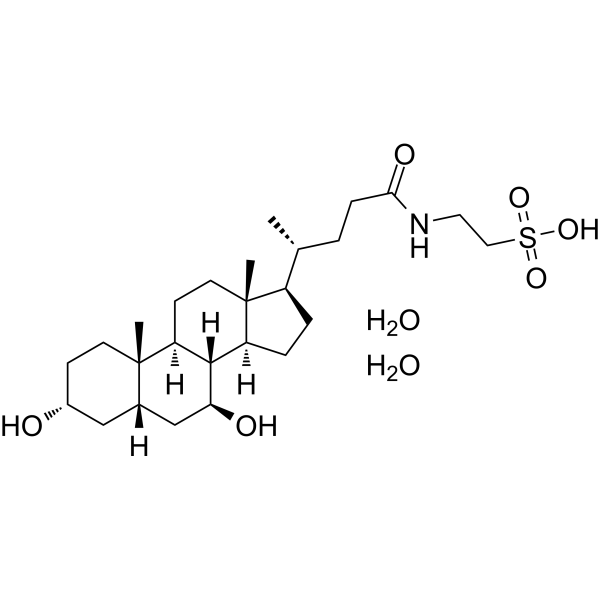
Cat. No.: HY-19696B
CAS No.: 117609-50-4
Synonyms: Tauroursodeoxycholic acid dihydrate; TUDCA dihydrate; UR 906 dihydrate
Tauroursodeoxycholate dehydrate is an orally active taurine conjugate of Ursodeoxycholic acid (HY-13771). Tauroursodeoxycholate dehydrate inhibits caspase-3/7, Apoptosis, IRE1α/TRAF2/NF-κB, prevents JNK phosphorylation, inhibits ROS generation, and activates Akt signaling. Tauroursodeoxycholate dehydrate prevents cataract formation, reduces renal tubular damage in type 2 diabetic mice, reduces I/R injury in liver, and inhibits intestinal inflammation and barrier disruption in nonalcoholic fatty liver disease .
loading...
    loading...
12
12 Cited Publications
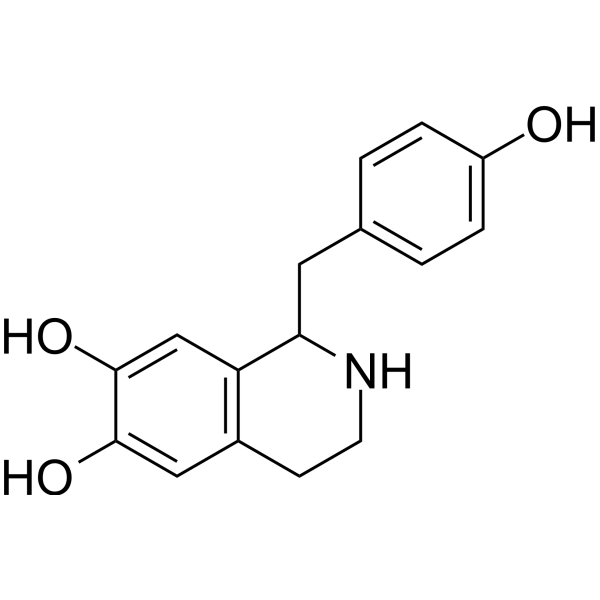
Cat. No.: HY-N2037
CAS No.: 5843-65-2
Synonyms: Norcoclaurine; Demethyl-Coclaurine
Higenamine (Norcoclaurine), a β2-AR agonist with antioxidant capability, is a key component of the Chinese herb aconite root that prescribes for treating symptoms of heart failure in the oriental Asian countries. Higenamine is also a α1-adrenergic receptor antagonist with hypotensive effect. is a selective LSD1 inhibitor (IC50=1.47 μM) that can be isolated from aconite. Higenamine hydrochloride has anti-inflammatory and antibacterial activity. Higenamine protects myocyte Apoptosis and ischemia/reperfusion (I/R) injury through selective activation of beta2-adrenergic receptor (β2-AR). Higenamine also reduces I/R-induced myocardial infarction in mice. Higenamine can attenuate IL-1β-induced Apoptosis through ROS-mediated PI3K/Akt signaling pathway. Higenamine protects brain cells from oxygen deprivation. Higenamine can promote bone formation in osteoporosis through the SMAD2/3 pathway. Higenamine can be used to study cancer, inflammation, cardiorenal syndrome and other diseases .
loading...
    loading...
4
4 Cited Publications
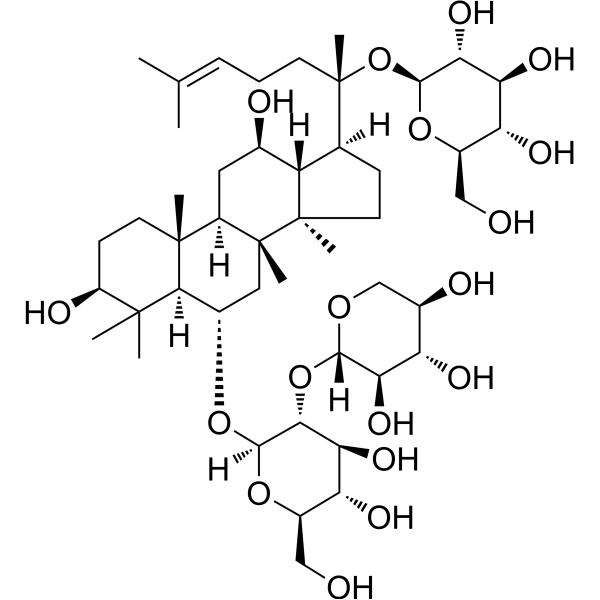
Cat. No.: HY-N0615
CAS No.: 80418-24-2
Synonyms: Sanchinoside R1; Sanqi glucoside R1
Notoginsenoside R1 (Sanchinoside R1), a saponin, is isolated from P. notoginseng. Notoginsenoside R1 exhibits anti-oxidation, anti-inflammatory, anti-angiogenic, and anti-apoptosis activities. Notoginsenoside R1 provides cardioprotection against ischemia/reperfusion (I/R) injury. Notoginsenoside R1 also provides neuroprotection in H2O2-induced oxidative damage in PC12 cells .
loading...
    loading...
3
3 Cited Publications
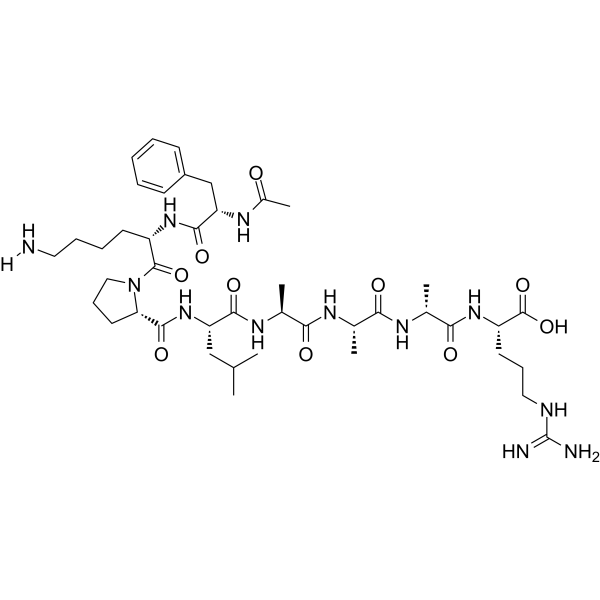
Cat. No.: HY-145237
CAS No.: 2891606-02-1
Purity:  99.81%
BM213 is a selective C5aR agonist, with an EC50 of 59 nM. BM213 specifically activates the C5a-C5aR1 axis, which in turn promotes neutrophil extracellular trap (NET) formation and exacerbates inflammatory responses. BM213 significantly induces ventricular dilationin, promotes myocardial ROS production, and induces cardiomyocyte apoptosis in rats. BM213 can be used for the study of myocardial ischemia/reperfusion (I/R) injury .
loading...
    loading...
2
2 Cited Publications
Cat. No.: HY-N0113
CAS No.: 539-15-1
Synonyms: Ordenina; Peyocactine
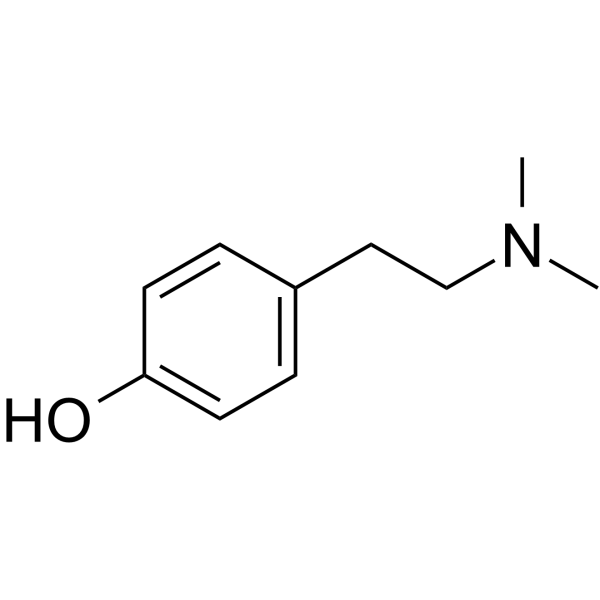
Hordenine (Ordenina; Peyocactine) is a multifunctional alkaloid with oral activity and blood-brain barrier penetration. Hordenine inhibits LPS-induced phosphorylation of p38, JNK, ERK1/2, p65, IκB, and AKT, prevents p65 nuclear translocation, and suppresses inflammatory cytokines and mediators. Hordenine promotes M2 macrophage polarization, restores blood-milk barrier integrity, alleviates oxidative stress by reducing ROS and MDA, and attenuates LPS-induced lung injury and pulmonary edema. Hordenine inhibits cAMP production, CREB phosphorylation, and MITF expression, thereby suppressing melanin synthesis in melanocytes and reconstructed epidermis. Hordenine activates the Wnt/β-catenin signaling pathway, promotes dermal papilla cell proliferation and hair shaft elongation, and accelerates hair regeneration. Hordenine activates DRD2, acts as a D3R partial agonist, α2A-AR full agonist, and 5-HT2A-R antagonist, and inhibits SERT and DAT. Hordenine inhibits α-synuclein accumulation and ameliorates motor deficits in Parkinson's disease models. Hordenine limits alcohol intake, reduces relapse drinking behavior, and modulates alcohol-induced conditioned place preference. Hordenine can be used for research on mastitis, skin pigmentation, acute lung injury, foodborne diseases, hair loss, Parkinson's disease, bacterial infections, and alcohol use disorder .
loading...
    loading...
2
2 Cited Publications
Cat. No.: HY-118530
CAS No.: 65002-17-7
Purity:  98.87%
Synonyms: SA96; Thiobutarit
Target:  

VEGFR

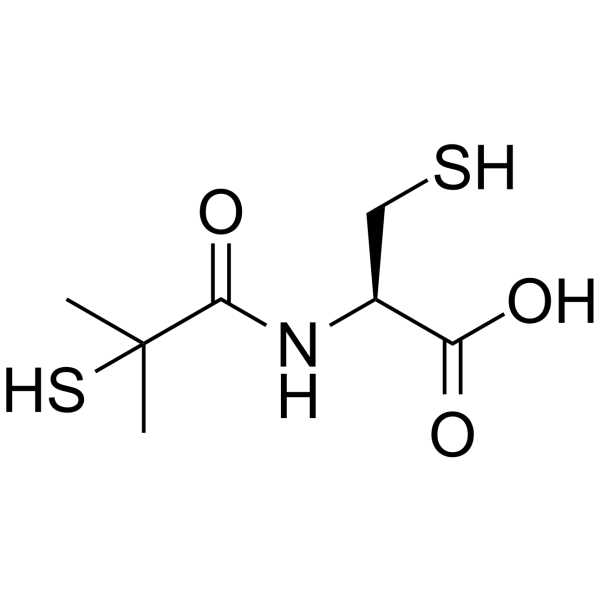
Bucillamine (SA96) is an orally active and potent sulfhydryl donor and antioxidant. Bucillamine is also an antirheumatic agent with antiangiogenic properties. Bucillamine can protect against Ischemia/reperfusion (I/R) injury in high-risk organ transplants. Bucillamine inhibits the production of VEGF. Bucillamine can be used for the research of choroidal neovascularization (CNV) and rheumatoid arthritis (RA) .
loading...
    loading...
2
2 Cited Publications
Cat. No.: HY-N0113B
CAS No.: 6027-23-2
Synonyms: Ordenina hydrochloride; Peyocactine hydrochloride
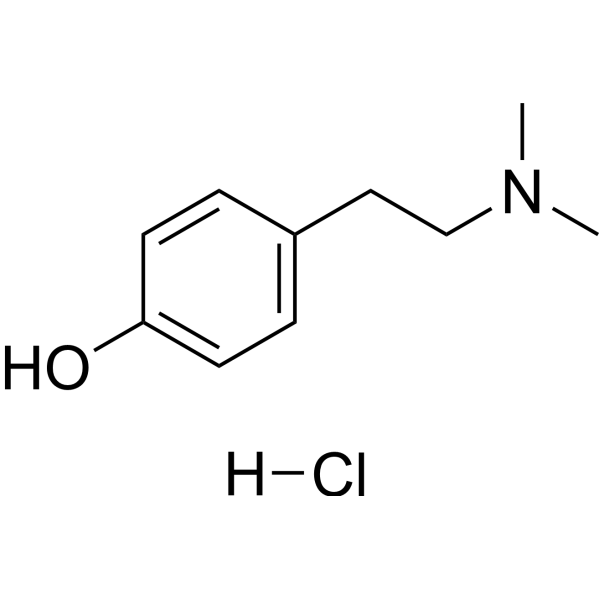
Hordenine hydrochloride (Ordenina hydrochloride; Peyocactine hydrochloride) is a multifunctional alkaloid with oral activity and blood-brain barrier penetration. Hordenine hydrochloride inhibits LPS-induced phosphorylation of p38, JNK, ERK1/2, p65, IκB, and AKT, prevents p65 nuclear translocation, and suppresses inflammatory cytokines and mediators. Hordenine hydrochloride promotes M2 macrophage polarization, restores blood-milk barrier integrity, alleviates oxidative stress by reducing ROS and MDA, and attenuates LPS-induced lung injury and pulmonary edema. Hordenine hydrochloride inhibits cAMP production, CREB phosphorylation, and MITF expression, thereby suppressing melanin synthesis in melanocytes and reconstructed epidermis. Hordenine hydrochloride activates the Wnt/β-catenin signaling pathway, promotes dermal papilla cell proliferation and hair shaft elongation, and accelerates hair regeneration. Hordenine hydrochloride activates DRD2, acts as a D3R partial agonist, α2A-AR full agonist, and 5-HT2A-R antagonist, and inhibits SERT and DAT. Hordenine hydrochloride inhibits α-synuclein accumulation and ameliorates motor deficits in Parkinson's disease models. Hordenine hydrochloride limits alcohol intake, reduces relapse drinking behavior, and modulates alcohol-induced conditioned place preference. Hordenine hydrochloride can be used for research on mastitis, skin pigmentation, acute lung injury, foodborne diseases, hair loss, Parkinson's disease, bacterial infections, and alcohol use disorder .
loading...
    loading...
1
1 Cited Publications
Cat. No.: HY-12829
CAS No.: 1128096-91-2
Purity:  98.01%
SR-3306 is a brain-penetrant and selective pan-JNK (JNK1/2/3) inhibitor. SR-3306 is a neuroprotective agent that can be used for the study of Parkinson's disease, ischemia/reperfusion (I/R) injury and obesity .
loading...
    loading...
1
1 Cited Publications
Cat. No.: HY-100904
CAS No.: 89196-95-2
Purity:  99.82%
Synonyms: 2 BFI
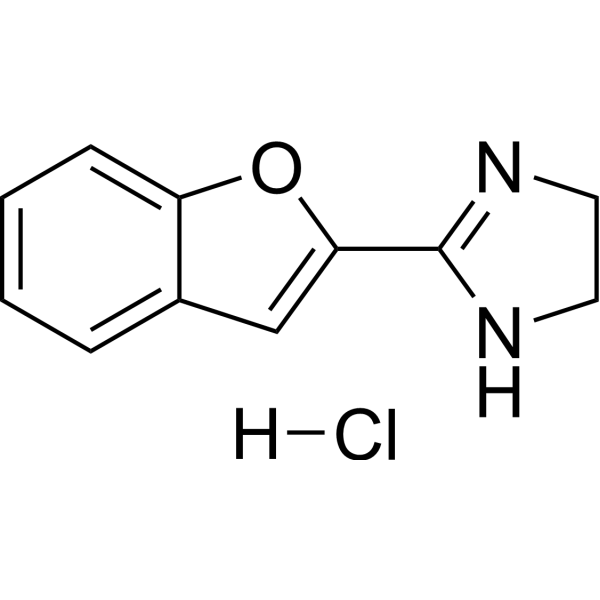
RX 801077 hydrochloride (2 BFI) is a selective imidazoline I2 receptor (I2R) agonist with a Ki value of 70.1 nM. RX 801077 hydrochlorideshows anti-inflammation and neuroprotection. RX 801077 hydrochloride has the potential for the research of traumatic brain injury (TBI) .
loading...
    loading...
Cat. No.: HY-P99116
CAS No.: 1607793-29-2
Synonyms: RG7716; RO-6867461
Faricimab, an overall good safety and tolerability profile, is a bispecific antibody targeting Angiopoietin-2 (Ang-2) and vascular endothelial growth factor-A (VEGF-A). Faricimab prevents retinal vascular leakage, cell death and inflammation in retinal ischemia/reperfusion (I/R) injury and sCNV mouse models. Faricimab demonstrates statistically superior visual acuity gains versus Ranibizumab (HY-P9951). Faricimab can be used for retinal diseases, such as age-related macular degeneration (w-AMD), diabetic macular edema (DME) and macular edema following retinal vein occlusion (RVO) .
loading...
    loading...
Cat. No.: HY-125773
CAS No.: 6232-19-5
Purity:  ≥99.0%
Synonyms: Beta-cyano-l-alanine
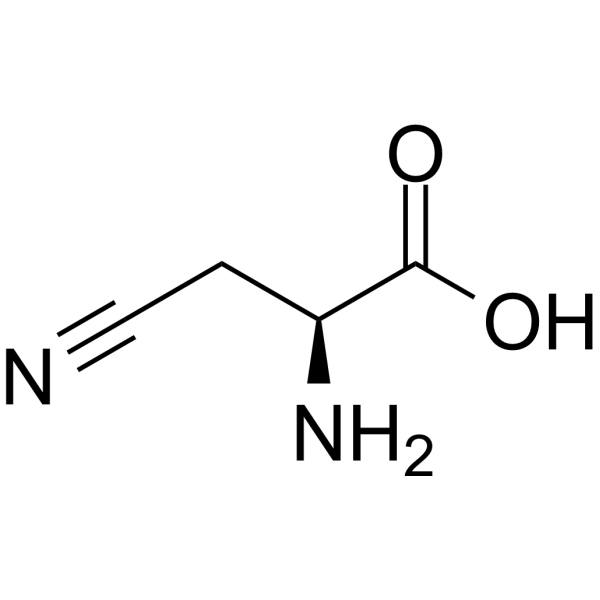
β-cyano-L-Alanine (Beta-cyano-l-alanine), a nitrile of widespread occurrence in higher plants, is enzymatically produced by cyanoalanine synthase from cyanide and cysteine as substrates . β-cyano-L-Alanine abolishes the protective effect of ethanol on cerebral ischemia/reperfusion (I/R) injury .
loading...
    loading...
Cat. No.: HY-175032
CAS No.: 2952703-90-9
ATF3-IN-1 is a ferroptosis and ATF3 inhibitor. ATF3-IN-1 inhibits oxidative stress and ferroptosis through the ATF3/SLC7A11/GPX4 pathway, exerting anti-ischemic stroke effects. ATF3-IN-1 can attenuate ischemia/reperfusion (I/R) injury and improve neuronal survival. ATF3-IN-1 has neuroprotective effects and can be used to study ischemic stroke .
loading...
    loading...
Cat. No.: HY-N0507
CAS No.: 84954-92-7
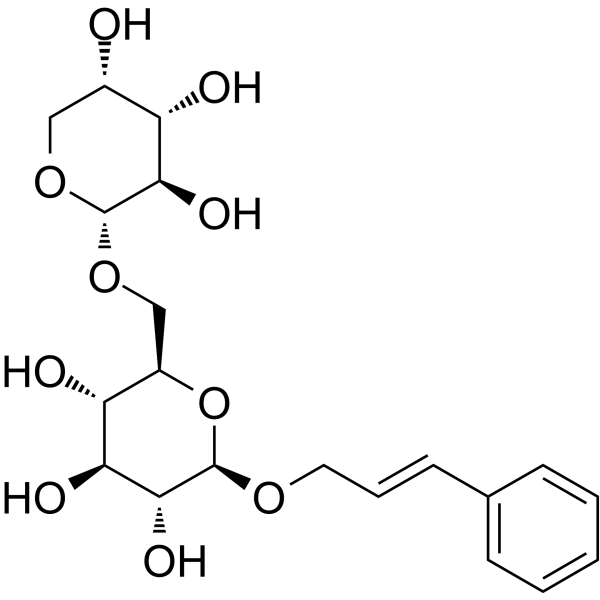
Rosavin, an orally bioactive phenylpropanoid from Rhodiola rosea L. (RRL), is an adaptogen that enhances the body’s response to environmental stress. Rosavin significantly influences bone tissue metabolism by inhibiting osteoclastogenesis and promoting osteoblast differentiation, also impacts various diseases, demonstrating antidepressant, adaptogenic, and anxiolytic effects in mouse models. Additionally, Rosavin improves survival, reducing intestinal damage in irradiated rats and Ischemia-reperfusion(I/R)-induced cerebral injury in vivo by regulating inflammation and oxidative stress, making it a promising candidate for research in radiation-induced intestinal injury, I/R-induced cerebral injury and osteoporosis .
loading...
    loading...
Cat. No.: HY-178159
CAS No.: 2244341-81-7
Target:  

RNA MTase

Research Areas:  

Inflammation/Immunology

SA91-0178 is a METTL1 inhibitor. SA91-0178 inhibits m 7G methylation of RNA, reduces SARM1 stability, mitigates NAD + depletion and metabolic reprogramming in macrophages. SA91-0178 demonstrates excellent protective efficacy against multiple organ injury in cecal ligation and puncture (CLP)-induced and ischemia/reperfusion (I/R)-induced mice. SA91-0178 can be used for the study of systemic inflammatory diseases .
loading...
    loading...
Cat. No.: HY-W002942
CAS No.: 6640-50-2
Synonyms: 1,2,3,4-Tetrahydroquinolin-8-ol; 8-hydroxy-1,2,3,4-tetrahydroquinoline
Ferroptosis-IN-21 is a ferroptosis inhibitor that protects against renal I/R injury by suppressing ferroptosis and directly scavenging peroxyl radicals. Ferroptosis-IN-21 displays broad-spectrum anti-ferroptotic efficacy across multiple inducers in renal tubular epithelial cells, with nanomolar potency and robust suppression of lipid Reactive Oxygen Species (ROS). Ferroptosis-IN-21 significantly ameliorates renal I/R injury in mice, reducing histological damage, functional impairment, and inflammatory cytokine expression, while decreasing lipid peroxidation biomarkers such as 4-hydroxynonenal. Ferroptosis-IN-12 can be used for research in the field of ferroptosis-targeted drug development .
loading...
    loading...
Cat. No.: HY-N2282
CAS No.: 91653-50-8
Synonyms: Zingiberensis newsaponin
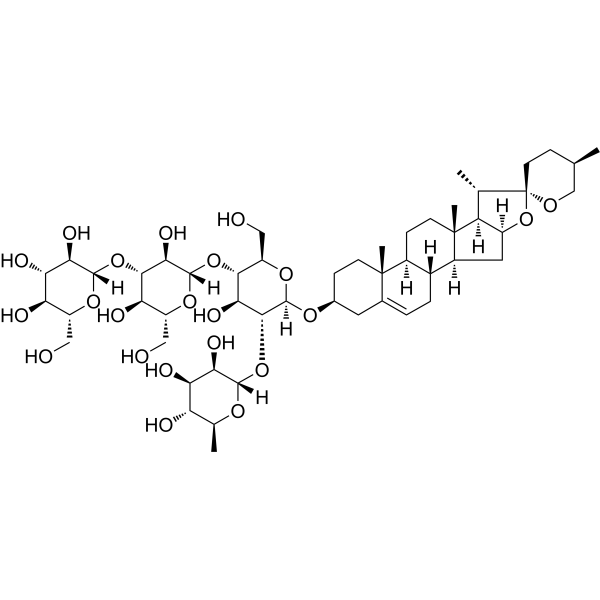
Zingiberen Newsaponin (Zingiberensis newsaponin) is an orally active type of steroid saponin compound. Zingiberen Newsaponin exerts anti-hepatocellular carcinoma (HCC) effects by inhibiting autophagy and the AKR1C1/JAK2/STAT3 pathway. Zingiberen Newsaponin activates oxidative stress (upregulates ROS and MDA) and mitochondrial pathways, promoting cancer cell apoptosis. Zingiberen Newsaponin alleviates cerebral ischemia-reperfusion (I/R) injury by decreasing the concentration of pro-inflammatory cytokines and inhibits NF-κB. Zingiberen Newsaponin can enhance the activity of SOD, eliminate free radicals and protect nerve cells. Zingiberen Newsaponin induces platelet aggregation .
loading...
    loading...
Cat. No.: HY-115062
CAS No.: 1007476-63-2
Purity:  ≥99.0%
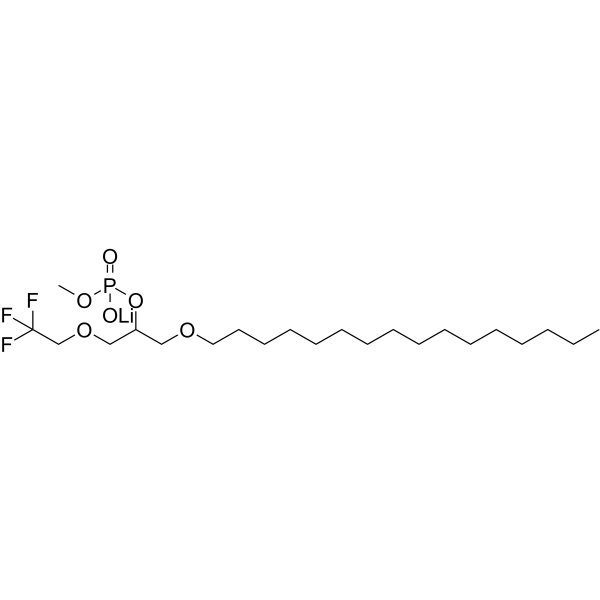
MJ-33 lithium salt is a competitive phospholipase A2 (PLA2) inhibitor with an IC50 of 0.3 μM. MJ-33 lithium salt inhibits NOX2 activation and reduces ROS production by blocking the PLA2 activity of Prdx6. MJ-33 lithium salt effectively inhibits the activity of acidic PLA2 (pH 4.0) and reduces the degradation of alveolar surfactant phosphatidylcholine (PC), but exerts no effect on alkaline PLA2 (pH 8.5). MJ-33 lithium salt significantly alleviates lung oxidative injury induced by ischemia-reperfusion (I/R). MJ-33 lithium salt significantly inhibits the invasion, migration and adhesion abilities of prostate cancer cells by suppressing the MAPK, AKT, NF-κB and AP-1 signaling pathways. MJ-33 lithium salt can be used for the research of ROS-related diseases and prostate cancer .
loading...
    loading...
Cat. No.: HY-E70008
CAS No.: 556743-18-1
Target:  

Sirtuin

Research Areas:  

Inflammation/Immunology

Lumbokinase attenuates myocardial ischemia-reperfusion (I-R) injury through the activation of Sirt1 signaling, and thus enhances autophagic flux and reduces I-R-induced oxidative damage, inflammation and apoptosis .
loading...
    loading...
Cat. No.: HY-P5875A
P4pal10 TFA is the TFA salt form of P4pal10 (HY-P5875). P4pal10 TFA is an antagonist for protease-activated receptor 4 (PAR4). P4pal10 TFA inhibits the platelet aggregation, inhibits tissue factor (TF)-induced thrombin generation, and exhibits anticoagulant and antithrombotic activities. P4pal10 TFA reduces the oedema and the granulocyte infiltration induced by Carrageenan (HY-125474). P4pal10 TFA ameliorates the injury in rats myocardial ischemia/reperfusion (I/R) models .
loading...
    loading...
Cat. No.: HY-N0113S
CAS No.: 1346598-66-0
Synonyms: Ordenina-d6; Peyocactine-d6
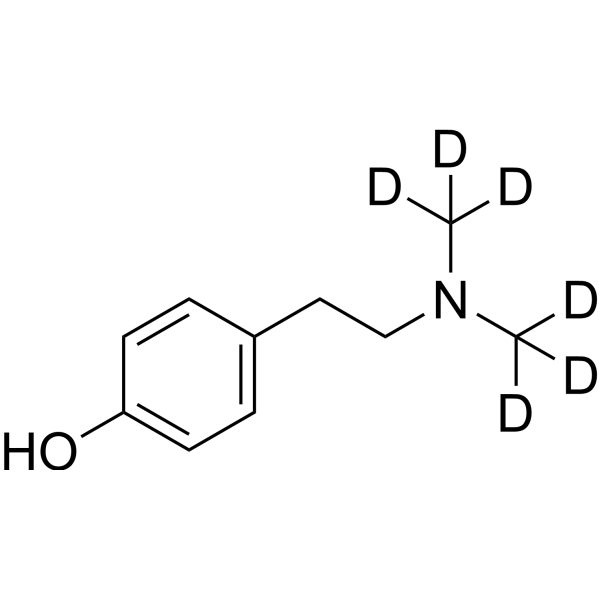
Hordenine-d6 (Ordenina-d6; Peyocactine-d6) is the deuterated-labeled Hordenine (HY-N0113). Hordenine (Ordenina; Peyocactine) is a multifunctional alkaloid with oral activity and blood-brain barrier penetration. Hordenine inhibits LPS-induced phosphorylation of p38, JNK, ERK1/2, p65, IκB, and AKT, prevents p65 nuclear translocation, and suppresses inflammatory cytokines and mediators. Hordenine promotes M2 macrophage polarization, restores blood-milk barrier integrity, alleviates oxidative stress by reducing ROS and MDA, and attenuates LPS-induced lung injury and pulmonary edema. Hordenine inhibits cAMP production, CREB phosphorylation, and MITF expression, thereby suppressing melanin synthesis in melanocytes and reconstructed epidermis. Hordenine activates the Wnt/β-catenin signaling pathway, promotes dermal papilla cell proliferation and hair shaft elongation, and accelerates hair regeneration. Hordenine activates DRD2, acts as a D3R partial agonist, α2A-AR full agonist, and 5-HT2A-R antagonist, and inhibits SERT and DAT. Hordenine inhibits α-synuclein accumulation and ameliorates motor deficits in Parkinson's disease models. Hordenine limits alcohol intake, reduces relapse drinking behavior, and modulates alcohol-induced conditioned place preference. Hordenine can be used for research on mastitis, skin pigmentation, acute lung injury, foodborne diseases, hair loss, Parkinson's disease, bacterial infections, and alcohol use disorder .
loading...
    loading...

