Search Result
Results for "
Integrin Inhibitor
" in MedChemExpress (MCE) Product Catalog:
3
Biochemical Assay Reagents
4
Isotope-Labeled Compounds
| Cat. No. |
Product Name |
Target |
Research Areas |
Chemical Structure |
-
- HY-P0023
-
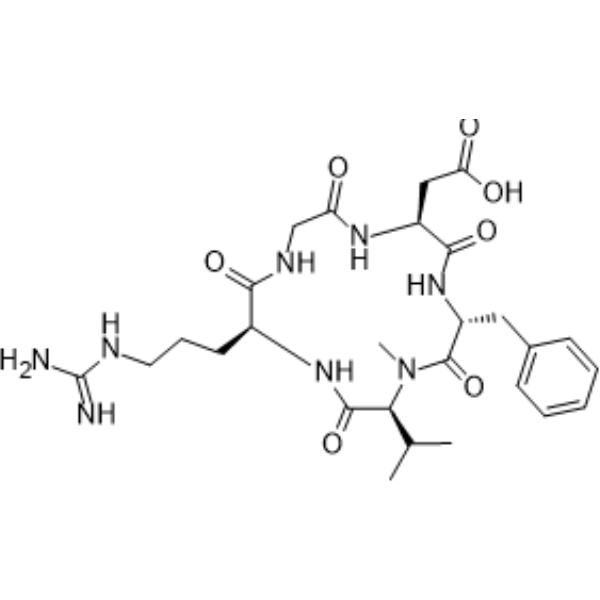
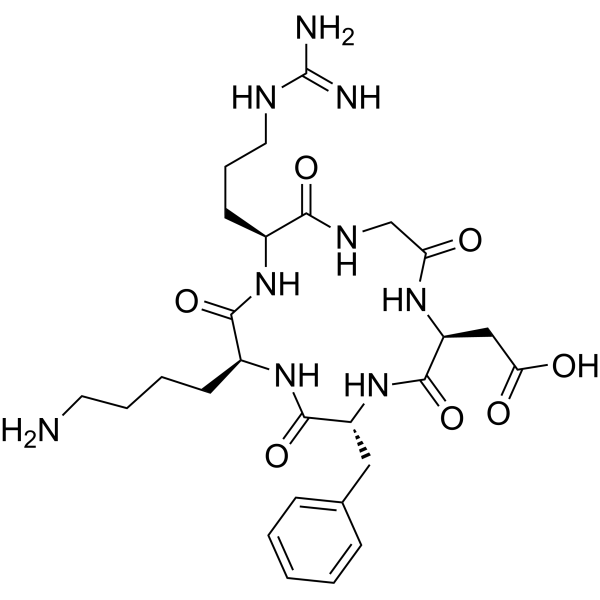
Cyclo(-RGDfK)
Maximum Cited Publications
27 Publications Verification
|
Integrin
|
Cancer
|
|
Cyclo(-RGDfK) is a potent and selective inhibitor of the αvβ3 integrin, with an IC50 of 0.94 nM. Cyclo(-RGDfK) potently targets tumor microvasculature and cancer cells through the specific binding to the αvβ3 integrin on the cell surface .
|
-
-
- HY-100506
-
|
|
Integrin
|
Cancer
|
|
GLPG0187 is a broad spectrum integrin receptor antagonist with antitumor activity; inhibits αvβ1-integrin with an IC50 of 1.3 nM . GLPG0187 inhibits migrasome biogenesis without cytotoxicity .
|
-
-
- HY-100563A
-
|
|
Integrin
|
Cancer
|
|
Cyclo(RGDyK) is a potent and selective αVβ3 integrin inhibitor with an IC50 of 20 nM.
|
-
-
- HY-13535
-
|
|
Integrin
|
Cancer
|
|
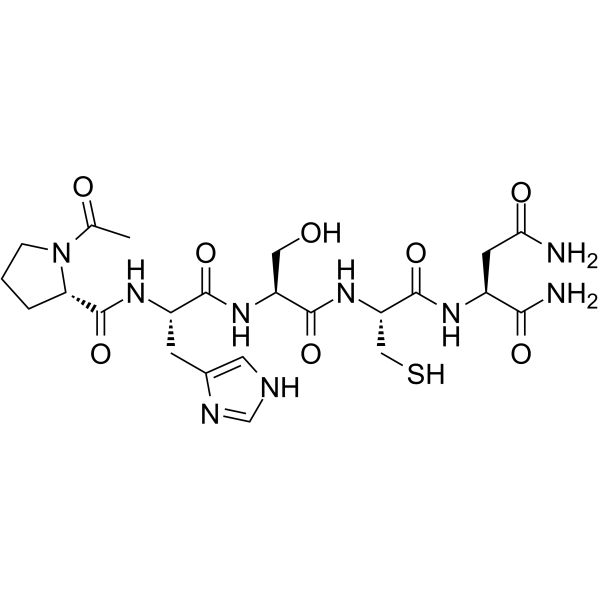
ATN-161 is a novel integrin α5β1 antagonist, which inhibits angiogenesis and growth of liver metastases in a murine model.
|
-
-
- HY-12290
-
|
RGDS peptide; Fibronectin tetrapeptide
|
Integrin
|
Inflammation/Immunology
|
|
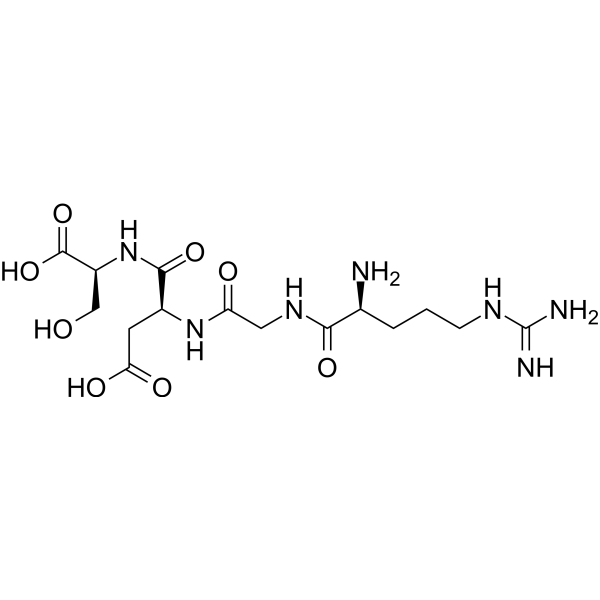
Arg-Gly-Asp-Ser is an integrin binding sequence that inhibits integrin receptor function. Arg-Gly-Asp-Ser directly and specifically bind pro-caspase-8, pro-caspase-9 and pro-caspase-3, while it does not bind pro-caspase-1.
|
-
-
- HY-13535A
-
|
ATN-161 TFA salt
|
Integrin
|
Cancer
|
|
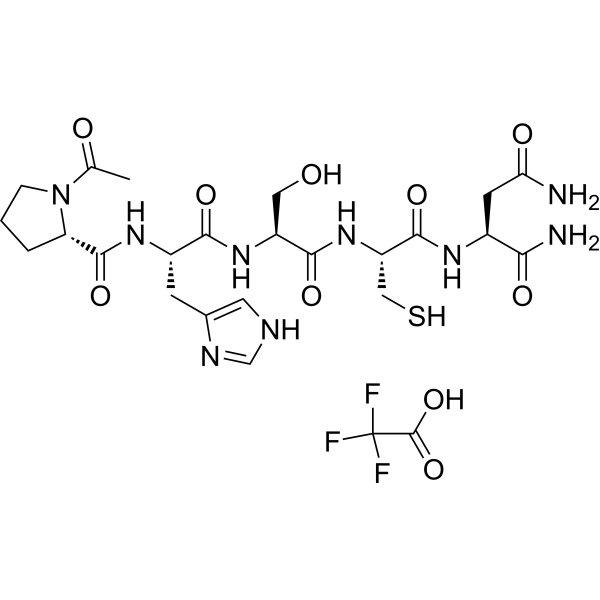
ATN-161 trifluoroacetate salt is a novel integrin α5β1 antagonist, which inhibits angiogenesis and growth of liver metastases in a murine model.
|
-
-
- HY-18644
-
|
|
Integrin
|
Cancer
|
|
CWHM-12 is a potent inhibitor of αV integrins with IC50s of 0.2, 0.8, 1.5, and 1.8 nM for αvβ8, αvβ3, αvβ6, and αvβ1.
|
-
-
- HY-177080
-
|
GS-1427
|
Integrin
|
Inflammation/Immunology
|
|
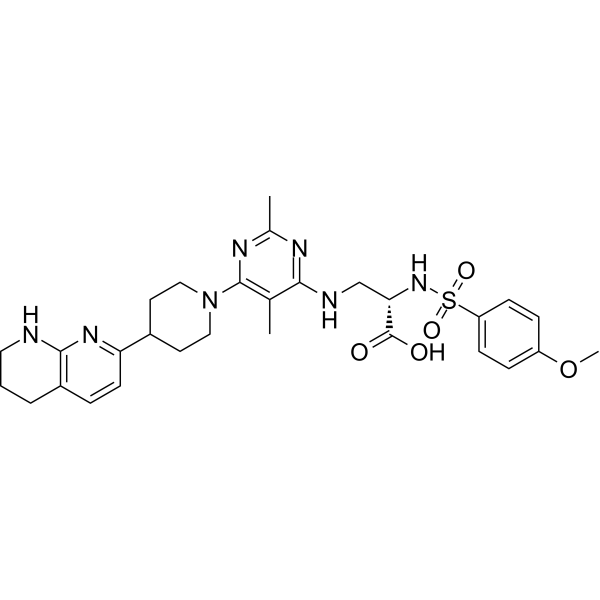
Emvistegrast (GS-1427) is a quinolone derivative. Emvistegrast is also an inhibitor of α4β7 integrin. Emvistegrast can be used to investigate diseases mediated by α4β7 integrin, such as inflammatory bowel disease .
|
-
-
- HY-P0023A
-
|
|
Integrin
|
Cancer
|
|
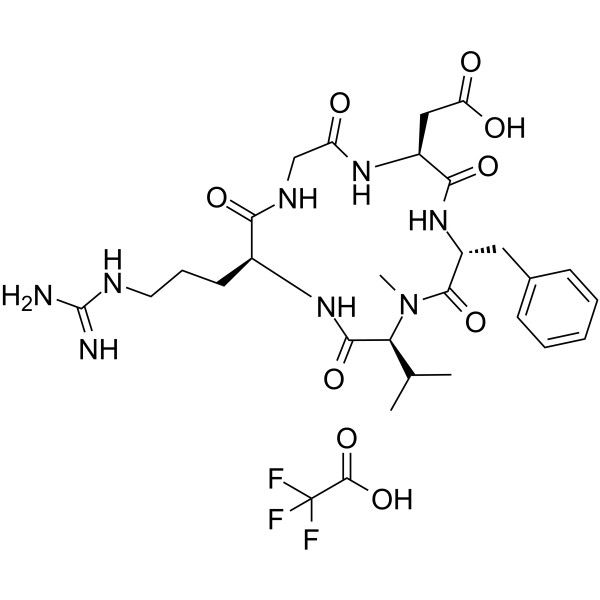
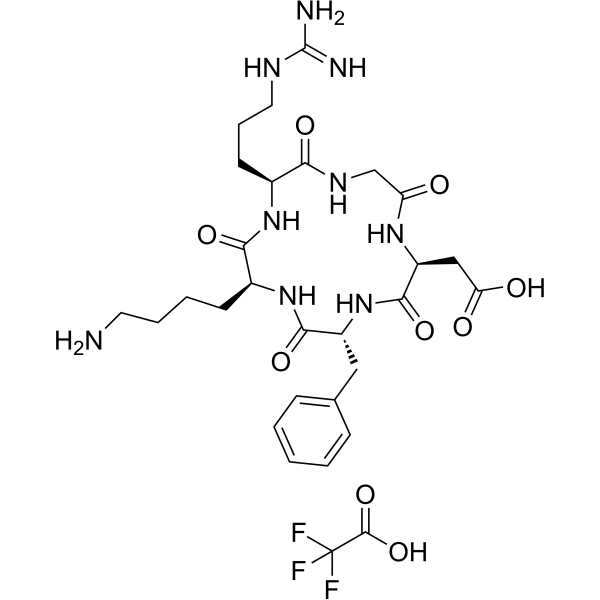
Cyclo(-RGDfK) TFA is a potent and selective inhibitor of the αvβ3 integrin, with an IC50 of 0.94 nM . Cyclo(-RGDfK) TFA potently targets tumor microvasculature and cancer cells through the specific binding to the αvβ3 integrin on the cell surface .
|
-
-
- HY-107589
-
BIO5192
2 Publications Verification
|
Integrin
|
Inflammation/Immunology
|
|
BIO5192 is a selective and potent integrin α4β1 (VLA-4) inhibitor (Kd<10 pM). BIO5192 selectively binds to α4β1 (IC50=1.8 nM) over a range of other integrins. BIO5192 results in a 30-fold increase in mobilization of murine hematopoietic stem and progenitors (HSPCs) over basal levels .
|
-
-
- HY-16143
-
|
EMD 121974 TFA
|
Integrin
Autophagy
|
Cancer
|
|
Cilengitide is a potent and selective integrin inhibitor for αvβ3 and αvβ5 receptor, with IC50 values of 4 nM and 79 nM, respectively.
|
-
-
- HY-164957
-
|
SGN-B6A; PF-08046047
|
Antibody-Drug Conjugates (ADCs)
Integrin
|
Cancer
|
|
SGN-B6A is an ADC, which targets integrin beta-6 (ITGB6) through human IgG1 monoclonal antibody Sigvotatug (HY-P990764), and exhibits cytotoxicity against multiple integrin beta-6-positive cancer cell through mitotic inhibitor MMAE (HY-15162) .
|
-
-
- HY-14857
-
|
HCA2969
|
Integrin
|
Inflammation/Immunology
|
|
Carotegrast (HCA2969) is an orally active α4 integrin inhibitor with anti-inflammatory activity. Carotegrast can be used in the research of inflammation-related diseases, such as ulcerative colitis .
|
-
-
- HY-P0290
-
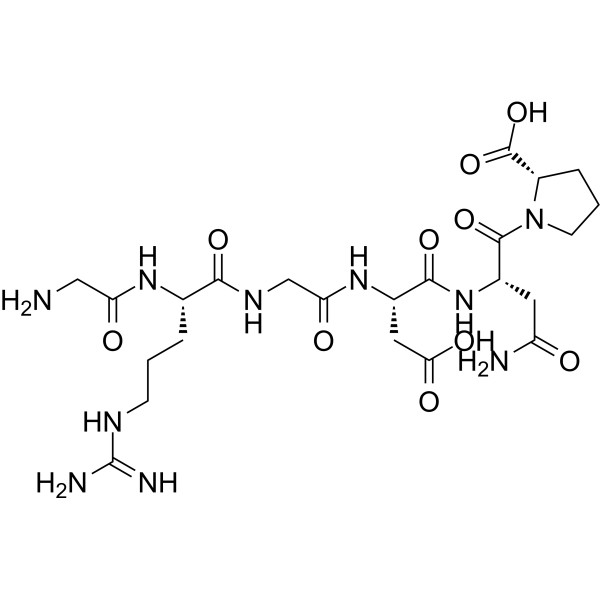
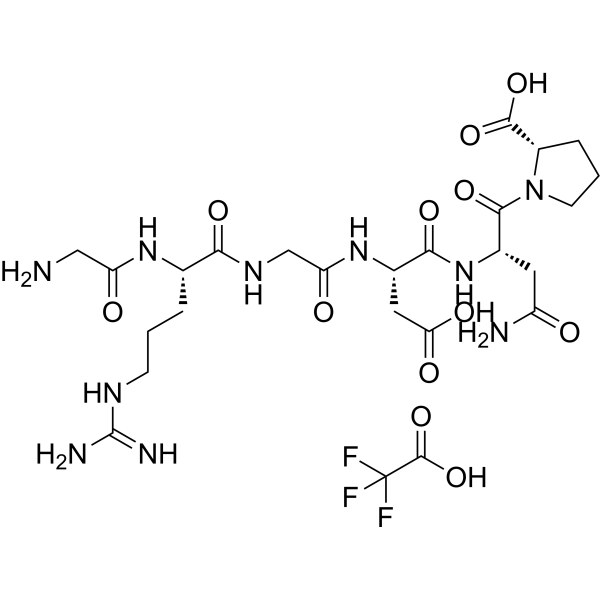
GRGDSP
5 Publications Verification
|
Integrin
|
Cancer
|
|
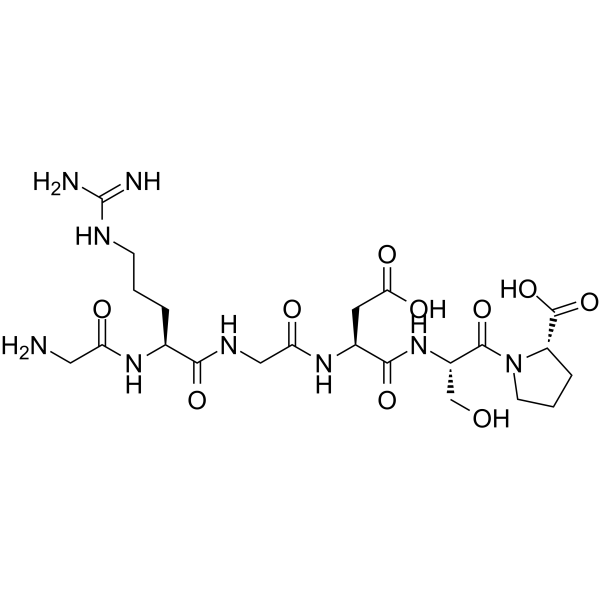
GRGDSP, a synthetic linear RGD peptide, is an integrin inhibitor.
|
-
-
- HY-P99333
-
|
M200; Eos 200-4
|
Integrin
|
Cardiovascular Disease
Cancer
|
|
Volociximab (M200) is a chimeric human/murine IgG4 antibody IIA1 targeting integrin α5β1 (EC50=0.2 nM). Integrin α5β1 is a major fibronectin receptor involved in angiogenesis. Volociximab has antiangiogenic and antitumor activities and inhibits the proliferation of human umbilical vein vascular endothelial cells (HUVECs) .
|
-
-
- HY-P990203
-
|
|
Integrin
|
Inflammation/Immunology
|
|
Anti-Mouse LPAM-1/Integrin α4β7 Antibody (DATK32) is a rat-derived anti-LPAM-1/Integrin α4β7 IgG2a, κ type antibody inhibitor. Anti-Mouse LPAM-1/Integrin α4β7 Antibody (DATK32) specifically reacts with both chains of the α4β7 heterodimer and blocks the adhesion to immobilized mucosal addressin cell adhesion molecule-1 (MAdCAM-1). Anti-Mouse LPAM-1/Integrin α4β7 Antibody (DATK32) suppresses the proliferation and cytokine secretion of CD8+ T cells. Anti-Mouse LPAM-1/Integrin α4β7 Antibody (DATK32) decreases Peyer’s patches and follicular B cells in mice. Anti-Mouse LPAM-1/Integrin α4β7 Antibody (DATK32) can be used for the researches of inflammation, such as ulcerative colitis .
|
-
-
- HY-100445A
-
-
-
- HY-100563
-
|
|
Integrin
|
Cancer
|
|
Cyclo(RGDyK) trifluoroacetate is a potent and selective αVβ3 integrin inhibitor with an IC50 of 20 nM.
|
-
-
- HY-P5133
-
|
SSTN92-119
|
Integrin
|
Cancer
|
|
Synstatin (92-119) is an inhibitor of αvβ3/αvβ5 integrins and IGF1R with anti-angiogenic, anti-proliferative, antioxidant and anti-tumor activities. Synstatin (92-119) competitively blocks the capture of αvβ3/αvβ5 integrins and IGF1R by syndecan-1, disrupts the formation of the syndecan-1 : integrin : IGF1R ternary complex, inhibits integrin activation and talin-mediated signaling pathways, and blocks VEGF-induced angiogenesis. Synstatin (92-119) is applicable to research related to cancer and hepatocellular carcinoma .
|
-
-
- HY-P1408
-
|
|
Integrin
VEGFR
|
Cancer
|
|
Obtustatin is a non-RGD disintegrin consisting of 41 residues. Obtustatin inhibits the adhesion of α1β1 integrin to type IV Collagen (HY-NP003), blocks α1β1 integrin signaling in endothelial cells, and suppresses FGF2-induced angiogenesis. Obtustatin inhibits tumor progression in mouse models and upregulates VEGF expression in sarcoma-bearing mice. Obtustatin can be used in research related to Lewis lung carcinoma and S-180 sarcoma .
|
-
-
- HY-19767
-
|
|
Integrin
TGF-β Receptor
|
Infection
Inflammation/Immunology
Cancer
|
|
GSK 3008348 is a small molecule antagonist of integrin αvβ6 with IC50 values for αvβ6, αvβ1, αvβ3, αvβ5, and αvβ8 are 1.50, 2.83, 12.53, 4.00, and 2.26 nM, respectively. GSK 3008348 can target the αvβ6 integrin, inhibit TGF-β activation, and thereby alleviate the fibrotic process. GSK 3008348 prevents the binding of the foot-and-mouth disease virus (FMDV) to the αvβ6 integrin receptor on the surface of host cells, thereby inhibiting the entry of the virus. GSK 3008348 can be used for research on pulmonary fibrosis and various types of cancer .
|
-
-
- HY-19307
-
|
|
Integrin
Interleukin Related
|
Cardiovascular Disease
Inflammation/Immunology
Endocrinology
Cancer
|
|
SB-273005 is an orally active non-peptide αvβ3 integrin antagonist with Ki values of 1.2 nM and 0.3 nM for αvβ3 and αvβ5, respectively. SB-273005 blocks the binding of integrins to the RGD sequence in the extracellular matrix. SB-273005 inhibits Rictor phosphorylation and reduces IL-10 secretion. SB-273005 inhibits inflammation, prevents bone loss, regulates vascular smooth muscle function, and reverses pregnancy-induced immune deviation. SB-273005 can be used in the study of rheumatoid arthritis, osteoporosis, and aneurysms. .
|
-
-
- HY-70073
-
-
-
- HY-100445
-
-
-
- HY-P0322
-
|
EMD 56574
|
Integrin
|
Cardiovascular Disease
Metabolic Disease
|
|
GRGDSPK (EMD 56574) is a peptide incluing Arg-Gly-Asp (RGD). GRGDSPK (EMD 56574) is an competitive and reversible inhibitory peptide for inhibiting integrin-fibronectin binding. GRGDSPK is used to study the role of integrins in bone formation and resorption .
|
-
-
- HY-145363
-
|
|
Integrin
|
Cancer
|
|
αvβ5 integrin-IN-1 (Compound 12) is a selective αvβ5 inhibitor (pIC50 = 8.2). αvβ5 integrin-IN-1 exhibits 800-fold selectivity for αvβ5 versus αvβ3 .
|
-
-
- HY-P5098
-
|
|
Integrin
|
Neurological Disease
Cancer
|
|
E (c (RGDfK)) 2 is a αvβ3 integrin ligand and tumor-targeting agent. E (c (RGDfK)) 2 binds to αvβ3 integrin, mediates receptor-mediated endocytosis of conjugated payloads, and inhibits integrin-dependent cell adhesion to fibrinogen. E (c (RGDfK)) 2 inhibits the proliferation of cancer cells and endothelial cells. E (c (RGDfK)) 2 preferentially accumulates in orthotopic mouse breast tumors and human ovarian cancer xenograft tumors. E (c (RGDfK)) 2 can be used in research related to glioblastoma, lung cancer, breast adenocarcinoma and ovarian cancer .
|
-
-
- HY-115677
-
|
|
Ser/Thr Kinase
|
Cancer
|
|
ILK-IN-3 is an orally active integrin linked kinase (ILK) inhibitor. ILK-IN-3 improves the anticancer efficacy of Docetaxel (HY-B0011) in orthotopic LCC6 model .
|
-
-
- HY-P99296
-
|
CNTO 95; Anti-Human CD51 Recombinant Antibody
|
Integrin
Apoptosis
|
Cancer
|
|
Intetumumab (CNTO 95) is a human monoclonal antibody targeting αv integrin, with a Kd value of 1-24 nM. Through high-affinity binding to αv integrin, Intetumumab inhibits its interaction with extracellular matrix proteins (such as vitronectin and fibronectin), thereby blocking the downstream focal adhesion kinase signaling pathway. This further inhibits the adhesion, migration and invasion of tumor cells as well as the proliferation of vascular endothelial cells, promotes cell apoptosis, and exerts anti-tumor and anti-angiogenic effects. Intetumumab can be used in research related to head and neck cancer, non-small cell lung cancer and uterine serous papillary carcinoma .
|
-
-
- HY-P1654
-
|
|
Integrin
|
Cancer
|
|
A20FMDV2 is a highly selective αvβ6 integrin inhibitor with human IC50 values of 3 nM and binds with at least 1000-fold selectivity over other RGD-binding integrins. A20FMDV2 binds to the integrin’s RGD-binding site, induces rapid integrin internalization, and delays post-internalization integrin recycling to the cell surface. A20FMDV2 can be used for the research of pancreatic cancer, breast cancer, colorectal cancer, ovarian cancer, oral squamous cell carcinoma .
|
-
-
- HY-130119
-
|
|
Integrin
|
Cancer
|
|
Integrin-IN-2 (compound 39) is an orally bioavailable pan αv integrin inhibitor. Integrin-IN-2 can increases the αvβ6, αvβ3, αvβ5 and αvβ8 binding affinities with pIC50 values of 7.8, 8.4, 8.4 and 7.4, respectively .
|
-
-
- HY-150124
-
|
|
Integrin
Apoptosis
|
Cancer
|
|
K34c is a potent and selective α5β1 integrin antagonist. By inhibiting α5β1 integrin, K34c reduces chemotherapy-induced premature senescence and promotes apoptosis. K34c can be used in glioblastoma research .
|
-
-
- HY-19767A
-
|
|
Integrin
TGF-β Receptor
|
Infection
Inflammation/Immunology
Cancer
|
|
GSK 3008348 hydrochloride is a small molecule antagonist of integrin αvβ6 with IC50 values for αvβ6, αvβ1, αvβ3, αvβ5, and αvβ8 are 1.50, 2.83, 12.53, 4.00, and 2.26 nM, respectively. GSK 3008348 hydrochloride can target the αvβ6 integrin, inhibit TGF-β activation, and thereby alleviate the fibrotic process. GSK 3008348 hydrochloride prevents the binding of the foot-and-mouth disease virus (FMDV) to the αvβ6 integrin receptor on the surface of host cells, thereby inhibiting the entry of the virus. GSK 3008348 hydrochloride can be used for research on pulmonary fibrosis and various types of cancer .
|
-
-
- HY-P4896
-
|
|
Integrin
|
Cancer
|
|
FITC-Ahx Gly Arg Gly Asp Ser Pro is a GRGDSP (HY-P0290) coupled to FITC. GRGDSP is an integrin inhibitor that can inhibit the adherence of tumor cells to endothelial cells of blood vessels and limit its metastasis .
|
-
-
- HY-P10045
-
|
|
Integrin
|
Cardiovascular Disease
|
|
Integrin signaling inhibitor, mP13 is an inhibitor of integrin signaling. Integrin signaling inhibitor, mP13 inhibits inside-out and outside-in signaling, including fibrinogen binding, platelet adhesion, and clot retraction .
|
-
-
- HY-W008201
-
-
-
- HY-P0178
-
|
|
Integrin
|
Inflammation/Immunology
|
|
LXW7, a cyclic peptide containing Arg-Gly-Asp (RGD), is an integrin αvβ3 inhibitor. LXW7 has a high binding affinity to αvβ3 integrin with an IC50 of 0.68 μM. LXW7 increases phosphorylation of VEGFR-2 and activation of ERK1/2. Anti-inflammatory effect .
|
-
-
- HY-107589A
-
|
|
Integrin
|
Inflammation/Immunology
|
|
BIO5192 hydrate is a selective and potent integrin α4β1 (VLA-4) inhibitor (Kd<10 pM). BIO5192 hydrate selectively binds to α4β1 (IC50=1.8 nM) over a range of other integrins. BIO5192 hydrate results in a 30-fold increase in mobilization of murine hematopoietic stem and progenitors (HSPCs) over basal levels .
|
-
-
- HY-129453
-
|
|
Integrin
|
Inflammation/Immunology
|
|
BOP sodium is a potent and selective dual α9β1/α4β1 integrin inhibitor with Kd values in the picomolar range. BOP sodium shows the rapid and preferential mobilization of hematopoietic stem cell (HSC) and progenitors. BOP sodium has little inhibitory activity on α4β7, α1β1, α2β1, and α5β1, αIIBβ3 integrins .
|
-
-
- HY-P0290A
-
-
-
- HY-172888
-
|
|
Endogenous Metabolite
Sialyltransferase
FAK
Integrin
|
Cancer
|
|
SPP-037 is an orally active and selective inhibitor of ST6GAL1 (IC50 = 3.59 μM). SPP-037 inhibits integrin α2,6-sialylation and integrin-FAK-paxillin pathway. SPP-037 inhibits cancer cell proliferation, migration and exhibits antiangiogenic activity. SPP-037 has anti-tumor activity in MDA-MB-231 xenograft mouse model. SPP-037 can be used for the research of triple-negative breast cancer .
|
-
-
- HY-161730
-
-
-
- HY-16031
-
|
NSC710464 free base
|
Aryl Hydrocarbon Receptor
Integrin
Drug Intermediate
DNA/RNA Synthesis
|
Cancer
|
|
AFP464 (NSC710464) free base is a prodrug of Aminoflavone (HY-132974) and an agonist of the aryl hydrocarbon receptor (AhR). AFP464 free base downregulates the expression of α6-integrin (α6-integrin), inhibits breast tumor growth, reduces the population of tumor-initiating cells, disrupts mammosphere structure, induces the formation of mucin lake clusters, triggers DNA damage, and exerts antiproliferative activity. AFP464 free base is rapidly converted to Aminoflavone by nonspecific esterases in plasma and cell culture media. AFP464 free base is applicable to research related to breast cancer .
|
-
-
- HY-P10038A
-
|
Myr-FEEERA-OH TFA
|
Integrin
|
Infection
|
|
mP6 (Myr-FEEERA-OH) TFA is a myristoylated peptide. mP6 TFA inhibits the interaction of Gα13 with integrin β3 without disrupting talin-dependent integrin function. mP6 TFA can block the GTP usage of Rac1, Rap1, and Rab7, effectively inhibiting the infection of CHO-A24 cells .
|
-
-
- HY-P0178A
-
|
|
Integrin
|
Inflammation/Immunology
|
|
LXW7 TFA, a cyclic peptide containing Arg-Gly-Asp (RGD), is an integrin αvβ3 inhibitor. LXW7 has a high binding affinity to αvβ3 integrin with an IC50 of 0.68 μM. LXW7 TFA increases phosphorylation of VEGFR-2 and activation of ERK1/2. Anti-inflammatory effect .
|
-
-
- HY-125053A
-
|
|
Glycoprotein VI
|
Cardiovascular Disease
|
|
Batifiban TFA, a cyclic peptide, is an antagonist of platelet glycoprotein GPⅡb/Ⅲa and inhibits platelet aggregation. Batifiban blocks the binding of circulating vitronectin to integrin ανβ3 .
|
-
-
- HY-162558
-
|
|
Factor Xa
|
Cardiovascular Disease
|
|
NCGC00351170 is an antiplatelet agent that disrupts the calcium and integrin-binding protein 1 (CIB1)-αIIbβ3 interaction. NCGC00351170 inhibits thrombin-induced human platelet aggregation .
|
-
-
- HY-P1408A
-
|
|
Integrin
|
Cancer
|
|
Obtustatin triacetate is a 41-residue non-RGD disintegrin. Obtustatin triacetate can be isolated from the venom of Vipera lebetina obtusa. Obtustatin triacetate is a potent and selective inhibitor of integrin α1β1 adhesion to type IV collagen. Obtustatin triacetate inhibits angiogenesis and may be used in cancer research .
|
-
-
- HY-102073
-
|
|
Glutaminase
Integrin
FAK
Src
|
Cancer
|
|
TG53 is a potent inhibitor of tissue transglutaminase (TG2) and fibronectin (FN) protein-protein interaction. TG53 inhibits formation of a complex with integrin β1 and activation of FAK and c-Src during SKOV3 cell attachment onto FN. TG53 can be used for ovarian cancer research .
|
-
-
- HY-153807
-
-
- HY-107147
-
|
|
Integrin
|
Others
|
|
CLT-28643 is an integrin α5β1 inhibitor. CLT-28643 can inhibit the high expression of integrin α5β1 in the bleb at early time-points after surgery and promote wound healing process .
|
-
- HY-16031B
-
|
NSC710464 dihydrochloride
|
Aryl Hydrocarbon Receptor
Integrin
Drug Intermediate
DNA/RNA Synthesis
|
Cancer
|
|
AFP464 (NSC710464) dihydrochloride is a prodrug of Aminoflavone (HY-132974) and an agonist of the aryl hydrocarbon receptor (AhR). AFP464 dihydrochloride downregulates the expression of α6-integrin (α6-integrin), inhibits breast tumor growth, reduces the population of tumor-initiating cells, disrupts mammosphere structure, induces the formation of mucin lake clusters, triggers DNA damage, and exerts antiproliferative activity. AFP464 dihydrochloride is rapidly converted to Aminoflavone by nonspecific esterases in plasma and cell culture media. AFP464 dihydrochloride is applicable to research related to breast cancer .
|
-
- HY-150124A
-
|
|
Integrin
Apoptosis
|
Cancer
|
|
K34c hydrochloride is a potent and selective α5β1 integrin antagonist. By inhibiting α5β1 integrin, K34c hydrochloride reduces chemotherapy-induced premature senescence and promotes apoptosis. K34c hydrochloride can be used in glioblastoma research .
|
-
- HY-177331
-
|
|
Integrin
|
Cardiovascular Disease
|
|
BTT-3034, a sulfonamide derivative, is an α2β1 integrin inhibitor. BTT-3034 inhibits cell adhesion to rat tail collagen I with an EC50 of 160 nM and a corresponding Emaxof 86%. BTT-3034 inhibits collagen binding by an α2 variant carrying the conformationally activating E318W mutation .
|
-
- HY-P1613
-
|
Cyclo(RGDfV); C(RGDfV)
|
Integrin
Apoptosis
|
Cancer
|
|
Cyclo(Arg-Gly-Asp-D-Phe-Val) (Cyclo(RGDfV)) is an integrin αvβ3 inhibitor. Cyclo(Arg-Gly-Asp-D-Phe-Val) has antitumor activity. Cyclo(Arg-Gly-Asp-D-Phe-Val) can be used for the research of acute myeloid leukemia .
|
-
- HY-P10417
-
|
|
Integrin
IFNAR
|
Cancer
|
|
RTDLDSLRTYTL is an Alpha (v) beta (6) integrin (avb6) inhibitor with high affinity and specificity. RTDLDSLRTYTL binds to avb6 integrin, a peptide sequence that activates cytotoxicity and cytokine production in T cells, such as interferon-gamma. RTDLDSLRTYTL is designed through a chimeric T cell antigen receptor (CAR) so that T cells can be redirected to specifically recognize and attack tumor cells. RTDLDSLRTYTL can be used in the research of cancer immunotherapy and targeted drug development .
|
-
- HY-159179
-
|
|
Integrin
|
Inflammation/Immunology
|
|
α4 integrin receptor antagonist 3 (Compound 11) is an orally active α4integrin receptor antagonist. α4 integrin receptor antagonist 3 can inhibit the adhesion of K562 cells mediated by the interaction between α4β1/VCAM-1 and α4β7/MAdCAM-1, with IC50 values of 130 nM and 2 nM, respectively. α4 integrin receptor antagonist 3 has the potential to be used in the study of dextran sulfate sodium (DSS) colitis mouse model .
|
-
- HY-P10984
-
|
|
Integrin
|
Metabolic Disease
Inflammation/Immunology
Cancer
|
|
FNIII14 is derived from the 14th fibronectin (FN) type III-like (FN-III) repeat of FN molecule. FNIII14 is capable of inhibiting cell adhesion to the extracellular matrix (ECM). FNIII14 induces a conformational change in β1-integrin from the active to the inactive form, and blocks integrin-mediated signaling. FNIII14 has anti-fibrotic, anti-cancer effect. FNIII14 can be used for research of metabolic diseases, organ fibrosis, and malignant tumors .
|
-
- HY-P5038
-
|
c(GRGDSP)
|
Integrin
|
Cancer
|
|
Cyclo(Gly-Arg-Gly-Asp-Ser-Pro) (c(GRGDSP)) is an RGD-containing inhibitory peptide. Cyclo(Gly-Arg-Gly-Asp-Ser-Pro) is a synthetic α5β1 integrin ligand that competitively inhibits the binding of invasin (Inv) to α5β1 integrin expressed on Caco-2 cells .
|
-
- HY-168087
-
|
|
Integrin
|
Cardiovascular Disease
|
|
GSK3335103 is an orally active, non-peptide αvβ6 integrin inhibitor (pIC50=8). GSK3335103 can be used in the study of pulmonary fibrosis .
|
-
- HY-P10704
-
|
|
Integrin
|
Cancer
|
|
C16Y is a short peptide and an inhibitor of integrins αvβ3 and α5β1. C16Y acts on the cell membrane and exerts its anticancer activity by inhibiting angiogenesis .
|
-
- HY-175286
-
|
|
Integrin
ERK
|
Inflammation/Immunology
Cancer
|
|
α4β1 antagonist-1 (Compound 4) is a highly selective α4β1 integrin antagonist (IC50=15 nM). α4β1 antagonist-1 inhibits integrin-mediated cell adhesion and ERK1/2 signaling activation. α4β1 antagonist-1 also exhibits partial agonism toward αMβ2 integrin (EC50=23 nM). α4β1 antagonist-1 is promising for research of chronic inflammatory diseases (e.g., rheumatoid arthritis, multiple sclerosis) and cancers .
|
-
- HY-P11495
-
|
|
Integrin
|
Cardiovascular Disease
|
|
myr-RGT is a nutmeg acylated RGT peptide. myr-RGT can be used to inhibit extracellular signaling of integrin β3. myr-RGT can be used in the research of atherosclerosis and other related conditions .
|
-
- HY-P991652
-
|
RG-7594
|
Integrin
|
Cancer
|
|
MINT1526A (RG-7594) is a humanized IgG1 monoclonal antibody inhibitor targeting α5β1 integrin. MINT1526A has significant anti-angiogenic activity. MINT1526A can be used for cancers research .
|
-
- HY-P991254
-
|
|
Integrin
TGF-β Receptor
|
Metabolic Disease
|
|
VPI-2690B is a human monoclonal antibody (mAb) targeting Integrin aVb3. VPI-2690B inhibits TGF-β signaling. VPI-2690B can be used in Diabetic nephropathies research .
|
-
- HY-136699
-
|
|
MMP
FAK
Src
Integrin
|
Cancer
|
|
Excisanin A is a potent anticancer agent. Excisanin A inhibits cell proliferation, migration, adhesion and invasion. Excisanin A decreases the expression of MMP-2, MMP-9, p-FAK, p-Src, integrin β1 protein. Excisanin A has the potential for the research of breast cancer .
|
-
- HY-116030
-
|
|
Integrin
|
Metabolic Disease
|
|
JNJ-26076713 is a potent and orally active alpha V integrin antagonist with IC50 values of 2.3 nM and 6.3 nM for alpha(V)beta(3) and alpha(V)beta(5), respectively. JNJ-26076713 inhibits retinal neovascularization .
|
-
- HY-P4320
-
|
|
Integrin
|
Cancer
|
|
Cys-Arg-Gly-Asp-Phe-Pro-Ala-Ser-Ser-Cys (Disulfide bridge: Cys1-Cys10), a decapeptide containing a cyclic RGD active sequence, is an Integrin αIIbβ3 antagonist that inhibits platelet and Adhesion of proMMP-13 .
|
-
- HY-177961
-
|
|
Integrin
|
Inflammation/Immunology
|
|
α4β7 Integrin-IN-1 (Example 356) is a potent inhibitor of α4β7 integrin (integrin). Its ability to block the interaction between α4β7 integrin and MadCAM-1 (EC50) is 0.05 nM. α4β7 Integrin-IN-1 can be used for the study of inflammatory bowel disease .
|
-
- HY-177318
-
|
|
Integrin
|
Inflammation/Immunology
|
|
αLβ2 integrin-IN-1 (example 1) is an αLβ2 integrin mediated cell adhesion inhibitor that can be used for the study of αLβ2 integrin mediated inflammatory conditions .
|
-
- HY-156521
-
|
|
Integrin
|
Others
|
|
αvβ1 integrin-IN-2 (compound 32) is a potent inhibitor of integrins ανβ1 and α5β1 with IC50s of 0.9 nM,and 33 nM,respectively. αvβ1 integrin-IN-2 also inhibits other integrins with ,,IC50s of 380 nM (ανβ3),280 nM (ανβ5),230 nM (ανβ6),87 nM (ανβ8),respectively,in SPRA assay .
|
-
- HY-P0322A
-
|
EMD 56574 TFA
|
Integrin
|
Cardiovascular Disease
Metabolic Disease
|
|
GRGDSPK TFA (EMD 56574 TFA) is a peptide incluing Arg-Gly-Asp (RGD). GRGDSPK TFA is an competitive and reversible inhibitory peptide for inhibiting integrin-fibronectin binding. GRGDSPK TFA is used to study the role of integrins in bone formation and resorption .
|
-
- HY-P10038
-
|
Myr-FEEERA-OH
|
Integrin
|
Infection
|
|
mP6 (Myr-FEEERA-OH) is a myristoylated peptide. mP6 inhibits the interaction of Gα13 with integrin β3 without disrupting talin-dependent integrin function. mP6 can block the GTP usage of Rac1, Rap1, and Rab7, effectively inhibiting the infection of CHO-A24 cells .
|
-
- HY-12290A
-
|
RGDS peptide TFA; Fibronectin tetrapeptide TFA
|
Integrin
|
Inflammation/Immunology
|
|
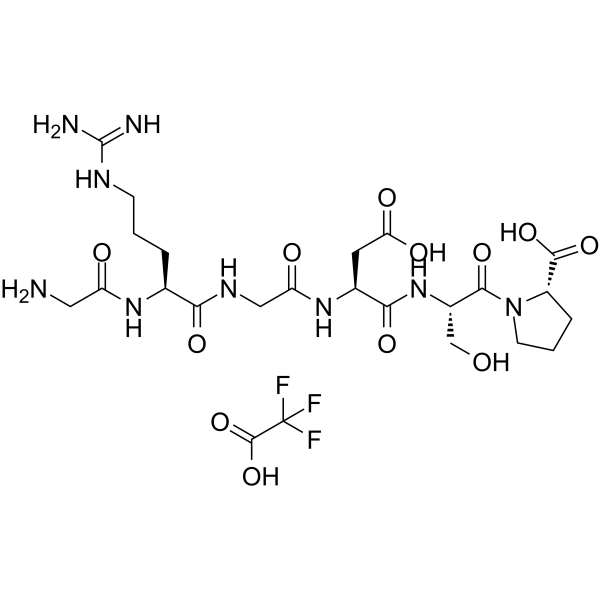
Arg-Gly-Asp-Ser (TFA) is an integrin binding sequence that inhibits integrin receptor function. Arg-Gly-Asp-Ser (TFA) directly and specifically bind pro-caspase-8, pro-caspase-9 and pro-caspase-3, while it does not bind pro-caspase-1 .
|
-
- HY-139137
-
|
AGGC
|
DNA Methyltransferase
Integrin
|
Cancer
|
|
N-Acetyl-S-geranylgeranyl-L-cysteine is a Methyltransferase inhibitor. N-Acetyl-S-geranylgeranyl-L-cysteine inhibits beta 2 integrin-induced actin polymerization with an IC50 of 45 nM .
|
-
- HY-126039
-
|
|
Integrin
|
Cardiovascular Disease
|
|
L-739758 is an antagonist for αIIbβ3 integrin (platelet glycoprotein IIb/IIIa). L-739758 acts as a peptidomimetic, binds to αIIbβ3 integrin by mimicking the interaction of the RGD (arginine-glycine-aspartic acid) motif, and is involved in the blood coagulation process. L-739758 inhibits platelet aggregation, and is used for thrombosis research .
|
-
- HY-P3530
-
|
|
Integrin
|
Others
|
|
G-{d-Arg}-GDSP is an RGD peptide analogue that binds to the adhesion receptor of integrins and inhibits cellular fibronectin attachment as well as osteoclast resorption .
|
-
- HY-10306
-
|
|
Integrin
|
Cardiovascular Disease
|
|
Gantofiban is a GPIIb/IIIa integrin receptor antagonist. By binding to this receptor, Gantofiban can effectively inhibit platelet aggregation, thereby exerting its antithrombotic effect .
|
-
- HY-12290R
-
|
RGDS peptide (Standard); Fibronectin tetrapeptide (Standard)
|
Integrin
Reference Standards
|
Inflammation/Immunology
|
|
Arg-Gly-Asp-Ser (Standard) is the analytical standard of Arg-Gly-Asp-Ser. This product is intended for research and analytical applications. Arg-Gly-Asp-Ser is an integrin binding sequence that inhibits integrin receptor function. Arg-Gly-Asp-Ser directly and specifically bind pro-caspase-8, pro-caspase-9 and pro-caspase-3, while it does not bind pro-caspase-1.
|
-
- HY-120800
-
|
|
HSP
|
Metabolic Disease
|
|
KUNG29 is a potent and selective Grp94 inhibitor with a Kd of 0.2 μM. KUNG29 induces the degradation of integrin α2 in MDA-MB-231 cells .
|
-
- HY-123277
-
|
|
Integrin
|
Inflammation/Immunology
|
|
IMB-10 is an αMβ2 integrin ligand. IMB-10 inhibits αMβ2-dependent migration and inflammation-induced neutrophil emigration .
|
-
- HY-139043
-
|
|
Integrin
|
Inflammation/Immunology
|
|
6-B345TTQ is an α4 integrin inhibitor that inhibits α4-Leupaxin interaction. 6-B345TTQ can be used in inflammation research .
|
-
- HY-125053
-
|
|
Integrin
|
Cardiovascular Disease
|
|
Batifiban, a cyclic peptide, is a platelet glycoprotein GPⅡb/Ⅲa antagonist, and inhibits platelet aggregation. Batifiban blocks circulating vitronectin binding to integrin ανβ3, Batifiban can be used for research of acute coronary syndromes .
|
-
- HY-124499
-
|
|
Integrin
|
Cardiovascular Disease
|
|
RUC-1 (Compound 1) is an inhibitor for αIIbβ3 integrin. RUC-1 inhibits fibrin deposition and platelet aggregation in hybrid hαIIb/mβ3 receptors expressing mice. RUC-1 exhibits antithrombotic effect in hαIIb/mβ3 receptor expressing mice .
|
-
- HY-P10704A
-
|
|
Integrin
|
Cancer
|
|
C16Y acetate is a short peptide and an inhibitor of integrins αvβ3 and α5β1. C16Y acetate acts on the cell membrane and exerts its anticancer activity by inhibiting angiogenesis .
|
-
- HY-185350
-
|
|
Integrin
|
Inflammation/Immunology
|
|
α4β7 Integrin-IN-2 is an inhibitor of human α4β7 integrin with an IC50 <5 nM. α4β7 Integrin-IN-2 modulates α4β7 integrin-mediated biological pathways. α4β7 Integrin-IN-2 can be used for the research of inflammatory dieases .
|
-
- HY-100506R
-
|
|
Integrin
Reference Standards
|
Cancer
|
|
GLPG0187 (Standard) is the analytical standard of GLPG0187 (HY-100506). This product is intended for research and analytical applications. GLPG0187 is a broad spectrum integrin receptor antagonist with antitumor activity; inhibits αvβ1-integrin with an IC50 of 1.3 nM . GLPG0187 inhibits migrasome biogenesis without cytotoxicity .
|
-
- HY-180057
-
|
|
Integrin
|
Inflammation/Immunology
|
|
α5β1 integrin-IN-1 (compound 65) is a potent and selective α5β1 integrin inhibitor with a pIC50 of 9.4. α5β1 integrin-IN-1 displays >10000-fold selectivity for α5β1 over αVβ3 (pIC50 = 5.5). α5β1 integrin-IN-1 reduces airway smooth muscle (ASM) tension through the disruption of cellular tethering. α5β1 integrin-IN-1 exhibits excellent inhalation pharmacokinetics in rodent. α5β1 integrin-IN-1 can be used for asthma research .
|
-
- HY-16031A
-
|
NSC710464
|
Aryl Hydrocarbon Receptor
Integrin
Drug Intermediate
DNA/RNA Synthesis
|
Cancer
|
|
AFP464 (NSC710464) is a prodrug of Aminoflavone (HY-132974) and an agonist of the aryl hydrocarbon receptor (AhR). AFP464 downregulates the expression of α6-integrin (α6-integrin), inhibits breast tumor growth, reduces the population of tumor-initiating cells, disrupts mammosphere structure, induces the formation of mucin lake clusters, triggers DNA damage, and exerts antiproliferative activity. AFP464 is rapidly converted to Aminoflavone by nonspecific esterases in plasma and cell culture media. AFP464 is applicable to research related to breast cancer .
|
-
- HY-177912
-
|
|
Ser/Thr Kinase
|
Cancer
|
|
ILK-IN-4 (compound 49) is an integrin-linked kinase (ILK) inhibitor. ILK-IN-4 can be used for cancer research .
|
-
- HY-P991604
-
|
YFC51.1; LDP-01
|
Integrin
|
Inflammation/Immunology
|
|
MLN2201 is a humanized monoclonal antibody inhibitor, targeting Integrin β2. MLN2201 inhibits the reperfusion injury after stroke and can be used for inflammatory diseases like ischemic stroke research .
|
-
- HY-122023
-
|
|
Integrin
|
Inflammation/Immunology
Cancer
|
|
TBC3486 is a highly selective integrin α4β1 inhibitor. TBC3486 acts as a chemosensitizer to enhance the sensitivity of leukemia cells to chemotherapy. TBC3486 exhibits efficacy in preclinical models of integrin α4-dependent inflammatory and autoimmune diseases, including a mouse model of autoimmune encephalomyelitis. TBC3486 can be used for the research of precursor B-cell acute lymphoblastic leukemia .
|
-
- HY-100563AR
-
|
|
Integrin
Reference Standards
|
Cancer
|
|
Cyclo(RGDyK) (Standard) is the analytical standard of Cyclo(RGDyK) (HY-100563A). This product is intended for research and analytical applications. Cyclo(RGDyK) is a potent and selective αVβ3 integrin inhibitor with an IC50 of 20 nM.
|
-
- HY-100563R
-
|
|
Integrin
Reference Standards
|
Cancer
|
|
Cyclo(RGDyK) (trifluoroacetate) (Standard) is the analytical standard of Cyclo(RGDyK) (trifluoroacetate) (HY-100563). This product is intended for research and analytical applications. Cyclo(RGDyK) trifluoroacetate is a potent and selective αVβ3 integrin inhibitor with an IC50 of 20 nM.
|
-
- HY-P10417B
-
|
|
Integrin
IFNAR
|
Cancer
|
|
RTDLDSLRTYTL TFA is an Alpha (v) beta (6) integrin (avb6) inhibitor with high affinity and specificity. RTDLDSLRTYTL TFA binds to avb6 integrin, a peptide sequence that activates cytotoxicity and cytokine production in T cells, such as interferon-gamma. RTDLDSLRTYTL TFA is designed through a chimeric T cell antigen receptor (CAR) so that T cells can be redirected to specifically recognize and attack tumor cells. RTDLDSLRTYTL TFA can be used in the research of cancer immunotherapy and targeted drug development .
|
-
- HY-107589R
-
|
|
Reference Standards
Integrin
|
Inflammation/Immunology
|
|
BIO5192 (Standard) is the analytical standard of BIO5192 (HY-107589). This product is intended for research and analytical applications. BIO5192 is a selective and potent integrin α4β1 (VLA-4) inhibitor (Kd<10 pM). BIO5192 selectively binds to α4β1 (IC50=1.8 nM) over a range of other integrins. BIO5192 results in a 30-fold increase in mobilization of murine hematopoietic stem and progenitors (HSPCs) over basal levels .
|
-
- HY-P11649
-
|
|
Integrin
VEGFR
|
Cancer
|
|
NYLTHRQ is a peptide. NYLTHRQ specifically blocks the interaction between sVEGFR1-i13 and β1 integrin, and inhibits the activation of VEGFR1 and VEGFR2. NYLTHRQ inhibits cancer cell proliferation. NYLTHRQ can be used in the research of tumors such as lung squamous cell carcinoma .
|
-
- HY-P992055
-
|
AIIB2
|
Integrin
Caspase
Apoptosis
|
Neurological Disease
Cancer
|
|
Anti-ITGB1 Antibody (AIIB2) is a monoclonal antibody targeting integrin-β1 (integrin-β1). Anti-ITGB1 Antibody blocks the binding of the ITGB1 subunit to type I collagen ligands, and abrogates the adhesion of cancer cells to type I collagen-coated surfaces. Anti-ITGB1 Antibody inhibits the proliferation and induces apoptosis of human osteosarcoma cells by activating caspase-3 and regulating apoptosis-related proteins. Anti-ITGB1 Antibody is applicable to research related to osteosarcoma and medulloblastoma .
|
-
- HY-180195
-
|
|
HSP
Integrin
|
Neurological Disease
Cancer
|
|
Grp94-IN-3 (Compound 47) is a selective ATP competitive inhibitor of Grp94, with a Kd value of 76 nM. Grp94-IN-3 has a much lower affinity for Hsp90α, with a Kd value of 9.17 μM. Grp94-IN-3 induces the degradation of integrin α2 (Integrin α2) in MDA-MB-231 cells and reduces the intracellular accumulation of mutant cardiac proteins in human trabecular meshwork cells. Grp94-IN-3 can be used for the study of metastatic cancer and open-angle glaucoma .
|
-
- HY-186079
-
|
|
Integrin
|
Inflammation/Immunology
|
|
Deethyl-emvistegrast is a quinoline derivative and also a α4β7 integrin inhibitor. Deethyl-emvistegrast is the hydrolytic product of Emvistegrast (HY-177080). Deethyl-emvistegrast modulates inflammatory pathways. Deethyl-emvistegrast can be used in research related to inflammatory bowel disease (Crohn's disease and ulcerative colitis) .
|
-
- HY-168522
-
|
|
Integrin
|
Inflammation/Immunology
|
|
αvβ6-IN-2 (compound 20) is a potent and orally active αvβ6 integrin inhibitor with a pIC50 value of 7.8. αvβ6-IN-2 has the potential for the research of idiopathic pulmonary fibrosis .
|
-
- HY-168521
-
|
|
Integrin
|
Inflammation/Immunology
|
|
αvβ6-IN-1 (compound 28) is a potent and orally active αvβ6 integrin inhibitor with a pIC50 value of 8.1. αvβ6-IN-1 has the potential for the research of idiopathic pulmonary fibrosis .
|
-
- HY-149344
-
|
|
Apoptosis
Autophagy
EGFR
|
Cancer
|
|
Anticancer agent 133 (compound Rh2) is an anti-cancer agent with cytotoxic and antimetastatic activities. Anticancer agent 133 induces cell cycle arrest, apoptosis, and autophagy. Anticancer agent 133 also inhibits cell metastasis via suppression of EGFR expression mediated by FAK-regulated integrin β1 .
|
-
- HY-P11416
-
|
|
Integrin
|
Cardiovascular Disease
|
|
Ac-RGDS-NH2, a tetrapeptide, is an integrin antagonist. Ac-RGDS-NH2 competitively binds to the GPIIb/IIIa receptor (Ki = 4.2 μM), inhibiting the binding of fibrinogen to platelets and thereby effectively suppressing platelet aggregation. Ac-RGDS-NH2 can be used for research on thrombosis .
|
-
- HY-137561A
-
|
PLN-74809 hydrochloride
|
Integrin
|
Inflammation/Immunology
|
|
Bexotegrast hydrochloride (PLN-74809 hydrochloride) is a small molecule dual selective inhibitor with activity targeting αVβ1 and αVβ6. Bexotegrast hydrochloride is used for idiopathic pulmonary fibrosis (IPF) and primary sclerosing cholangitis (PSC). Bexotegrast hydrochloride inhibits the activation of TGF-β1 by blocking the function of these integrins, thereby preventing the growth of fibrous tissue in the lungs and bile ducts .
|
-
- HY-P1613A
-
|
Cyclo(RGDfV) TFA; C(RGDfV) TFA
|
Integrin
Apoptosis
|
Cancer
|
|
Cyclo(Arg-Gly-Asp-D-Phe-Val) (TFA) (Cyclo(RGDfV) (TFA))is an integrin αvβ3 inhibitor. Cyclo(Arg-Gly-Asp-D-Phe-Val) (TFA) has antitumor activity. Cyclo(Arg-Gly-Asp-D-Phe-Val) (TFA) can be used for the research of acute myeloid leukemia .
|
-
- HY-P1740
-
|
|
Integrin
Apoptosis
Caspase
|
Inflammation/Immunology
|
|
RGD peptide (GRGDNP) is an inhibitor of integrin-ligand interactions. RGD peptide (GRGDNP) competitively inhibits α5β1 binding with extracellular matrice (ECM). RGD peptide (GRGDNP) promotes apoptosis through activation of conformation changes that enhance pro-caspase-3 activation and autoprocessing. RGD peptide (GRGDNP) plays an important role in cell adhesion, migration, growth, and differentiation .
|
-
- HY-125792
-
|
|
Reactive Oxygen Species (ROS)
Ras
Integrin
|
Cardiovascular Disease
Inflammation/Immunology
|
|
Nexinhib20 is an inhibitor that targets the interactions of Rab27a-JFC1 (IC50: 2.6 μM) and Rac-1-GTP. Nexinhib20 can inhibit neutrophil exocytosis, adhesion, and β2 integrin activation, and has anti-inflammatory activity. Nexinhib20 can be used in the research of diseases such as systemic inflammation and myocardial ischemia-reperfusion injury .
|
-
- HY-W159303
-
|
|
C-type Lectin-like Receptors (CTLRs)
|
Others
|
|
7-Hydroxy-2,2-dimethyl-4-chromanone (compound 41) is an inhibitor of DC-SIGN (Dendritic Cell-Specific Intercellular Adhesion Molecule 3 grabbing non-integrin), with an IC50 of 4.66 mM . DC-SIGN is the C-type lectin receptor presenting on the surface of both macrophages and dendritic cells .
|
-
- HY-186079A
-
|
|
Drug Isomer
Integrin
|
Inflammation/Immunology
|
|
(S)-Deethyl-emvistegrast is the S-enantiomer of Deethyl-emvistegrast (HY-186079). Deethyl-emvistegrast is a quinoline derivative and also a α4β7 integrin inhibitor. It acts as the hydrolysis product of Emvistegrast (HY-177080). Deethyl-emvistegrast modulates inflammatory pathways and can be used in research related to inflammatory bowel diseases (Crohn's disease and ulcerative colitis) .
|
-
- HY-160901
-
|
|
Complement System
|
Inflammation/Immunology
|
|
CP-289,503 is an inhibitor of the complement C5a receptor with an IC50 of 1 μM. C5a acts as an activator of leukocytes and phagocytes during complement system activation. The C5a receptor can bind to C5a, which can stimulate the upregulation of cell surface integrins and degranulation of inflammatory cells, leading to endothelial cell damage. C5a receptor inhibitors can block C5a signaling and inhibit a variety of inflammatory diseases .
|
-
- HY-14571
-
E7820
5 Publications Verification
ER68203-00
|
Molecular Glues
Integrin
|
Infection
Metabolic Disease
Cancer
|
|
E7820 (ER68203-00), an orally active aromatic sulfonamide derivative, is a molecular glue that induces the targeted degradation of splicing factor RBM39 by recruiting the E3 ubiquitin ligase CUL4-RBX1-DDB1-DCAF15 (CRL4 DCAF15). E7820 is an angiogenesis inhibitor suppressing an expression of integrin alpha2 subunit on endothelium. E7820 inhibits rat aorta angiogenesis with an IC50 of 0.11 μg/ml. E7820 modulates α-1, α-2, α-3, and α-5 integrin mRNA expression. E7820 can be used for the study of acute myeloid leukemia (AML) .
|
-
- HY-163548
-
|
|
Sialyltransferase
|
Cancer
|
|
SPP-002 is a ST6GAL1 inhibitor with a human IC50 of 16.7 μM. SPP-002 selectively inhibits N-glycan sialylation over O-glycan sialylation and binds strongly to the enzyme active site. SPP-002 suppresses expression of signaling proteins in the integrin/FAK/paxillin pathway. SPP-002 can be used for the research of triple negative breast cancer metastasis .
|
-
- HY-10220
-
|
|
PI3K
Apoptosis
|
Cancer
|
|
SF1126 is a relevant pan and dual first-in-class PI3K/BRD4 inhibitor, has antitumor and anti-angiogenic activity. SF1126 is an RGDS-conjugated LY294002 proagent, which is designed to exhibit increased solubility and bind to specific integrins within the tumor compartment. SF1126 induces cell apoptosis .
|
-
- HY-122552
-
|
|
Integrin
|
Cancer
|
|
Chrysotobibenzyl can be isolated from stem of Dendrobium pulchellum. Chrysotobibenzyl inhibits lung cancer cell (H460 and H292) migration, invasion, filopodia formation via Cav-1, integrins β1, β3, and αν, and EMT suppressions. Chrysotobibenzyl also sensitizes lung cancer cell death mediated by Cisplatin (HY-17394) .
|
-
- HY-175636
-
|
|
Integrin
Orthopoxvirus
Potassium Channel
|
Infection
|
|
ITGB3-IN-1 is an orally active integrin subunit beta 3 ITGB3 inhibitor with a Kd of 7.26 μM. ITGB3-IN-1 exhibits potent anti-orthopoxvirus effects with an EC50 for vaccinia virus (VACV) of 1.82 μM. ITGB3-IN-1 inhibits hERG with an IC50 of 1.13 μM. ITGB3-IN-1 can be used for the study of orthopoxvirus .
|
-
- HY-P1740A
-
|
|
Integrin
Apoptosis
|
Inflammation/Immunology
Cancer
|
|
RGD peptide (GRGDNP) TFA is an inhibitor of integrin-ligand interactions. RGD peptide (GRGDNP) TFA competitively inhibits α5β1 binding with extracellular matrice (ECM). RGD peptide (GRGDNP) TFA promotes apoptosis through activation of conformation changes that enhance pro-caspase-3 activation and autoprocessing. RGD peptide (GRGDNP) TFA plays an important role in cell adhesion, migration, growth, and differentiation .
|
-
- HY-17369B
-
|
L700462; MK383
|
Integrin
|
Cardiovascular Disease
|
|
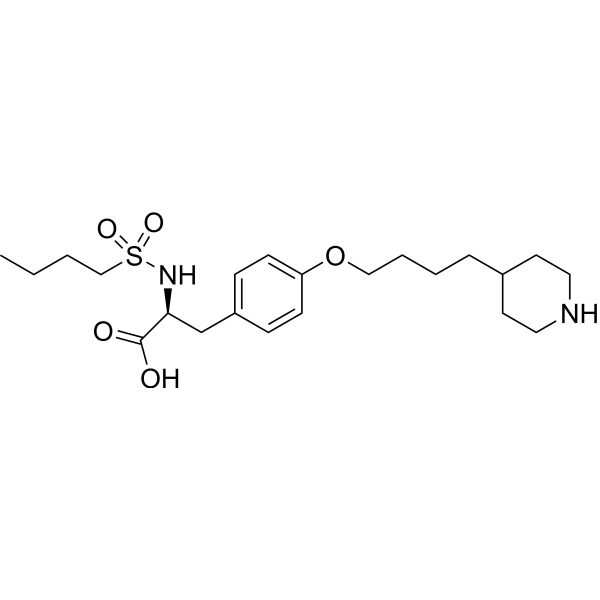
Tirofiban (L700462) is a selective and reversible platelet integrin receptor (Gp IIb/IIIa) antagonist that inhibits fibrinogen binding to this receptor and has antithrombotic activity. Tirofiban induces proliferation and migration on endothelial cell by inducing production of VEGF. Tirofiban can significantly reduces myocardial no-reflow and ischemia-reperfusion injury by alleviating myocardial microvascular structural and endothelial dysfunction in the ischemic area .
|
-
- HY-17369A
-
|
L700462 hydrochloride; MK383 hydrochloride
|
Integrin
|
Cardiovascular Disease
|
|
Tirofiban (L700462) hydrochloride is a selective and reversible platelet integrin receptor (Gp IIb/IIIa) antagonist that inhibits fibrinogen binding to this receptor and has antithrombotic activity. Tirofiban hydrochloride induces proliferation and migration on endothelial cell by inducing production of VEGF. Tirofiban hydrochloride can significantly reduces myocardial no-reflow and ischemia-reperfusion injury by alleviating myocardial microvascular structural and endothelial dysfunction in the ischemic area .
|
-
- HY-17369
-
|
L700462 hydrochloride monohydrate; MK383 hydrochloride monohydrate
|
Integrin
|
Cardiovascular Disease
|
|
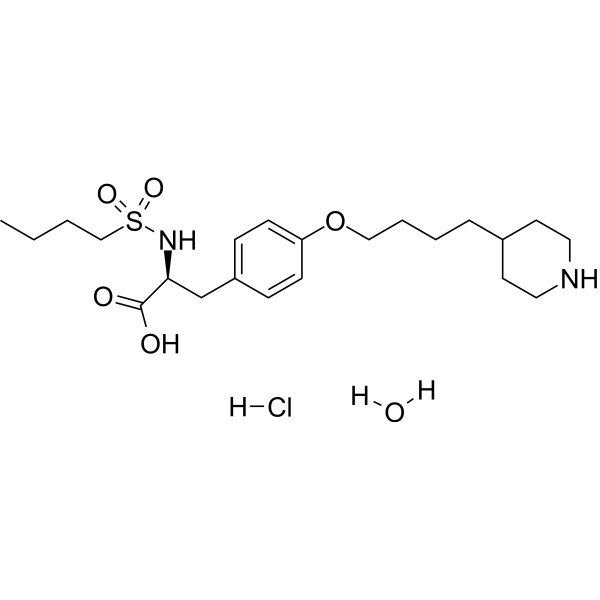
Tirofiban (L700462) hydrochloride monohydrate is a selective and reversible platelet integrin receptor (Gp IIb/IIIa) antagonist that inhibits fibrinogen binding to this receptor and has antithrombotic activity. Tirofiban hydrochloride monohydrate induces proliferation and migration on endothelial cell by inducing production of VEGF. Tirofiban hydrochloride monohydrate can significantly reduces myocardial no-reflow and ischemia-reperfusion injury by alleviating myocardial microvascular structural and endothelial dysfunction in the ischemic area .
|
-
- HY-164360
-
|
|
Integrin
|
Inflammation/Immunology
Cancer
|
αVβ8-IN-1 is a αVβ8 integrin inhibitor. αVβ8-IN-1 has been shown to inhibit the growth of tumors such as EMT6, CT26, KPC, and TKCC-10. αVβ8-IN-1 can be used in research related to idiopathic pulmonary fibrosis (IPF), non-specific interstitial pneumonia (NSIP), and tumors .
|
-
- HY-173496
-
|
|
Sialyltransferase
Integrin
VEGFR
Akt
|
Cancer
|
|
ST6GAL1-IN-1 is an orally active selective ST6GAL1 inhibitor (IC50 = 20 μM). ST6GAL1-IN-1 exhibits high antimetastatic potential, effectively inhibiting the migration of MDA-MB-231 cells at noncytotoxic concentrations. ST6GAL1-IN-1 can disrupt integrin sialylation in MDA-MB-231 cells. ST6GAL1-IN-1 inhibits tumor angiogenesis and cancer metastasis via the Integrin/VEGFR2-mediated signaling pathway. ST6GAL1-IN-1 effectively suppresses both tumor growth and cancer metastasis on the MDA-MB-231 xenograft model. ST6GAL1-IN-1 can be used for the study of Triple-negative breast cancer (TNBC) .
|
-
- HY-113439
-
12-HETE
2 Publications Verification
|
Apoptosis
|
Cardiovascular Disease
Inflammation/Immunology
|
|
12-HETE, a major metabolic product of arachidonic acid using 12-LOX catalysis, inhibits cell apoptosis in a dose-dependent manner. 12-HETE promotes the activation and nuclear translocation of NF-κB through the integrin-linked kinase (ILK) pathway .12-HETE has both anti-thrombotic and pro-thrombotic effects . 12-HETE is a neuromodulator .
|
-
- HY-19344
-
|
SAR 1118; SHP-606
|
Integrin
|
Inflammation/Immunology
|
|
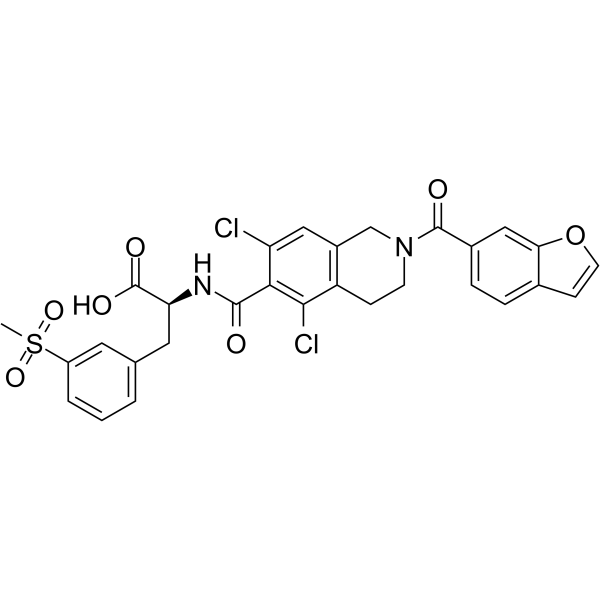
Lifitegrast (SAR 1118) is a potent integrin antagonist. Lifitegrast blocks the binding of intercellular adhesion molecule 1 (ICAM-1) to lymphocyte function-associated antigen 1 (LFA-1), interrupting the T cell-mediated inflammatory cycle. Lifitegrast inhibits Jurkat T cell attachment to ICAM-1 with an IC50 of 2.98 nM. Lifitegrast can be used for researching dry eye disease .
|
-
- HY-19344A
-
|
SAR 1118 sodium; SHP-606 sodium
|
Integrin
|
Inflammation/Immunology
|
|
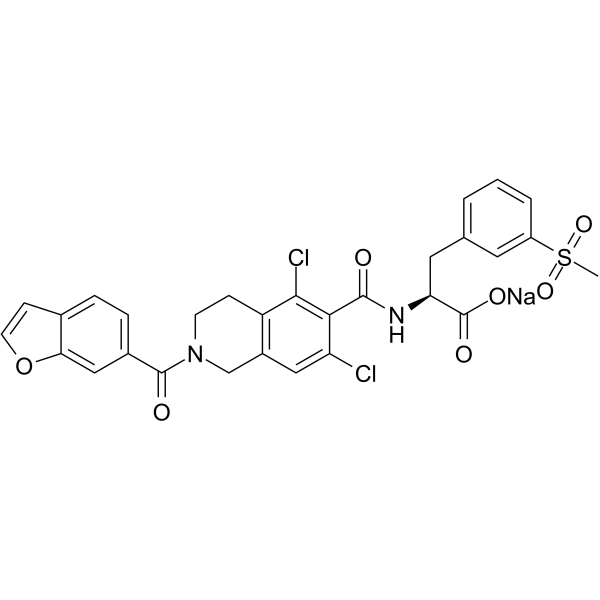
Lifitegrast (SAR 1118) sodium is a potent integrin antagonist. Lifitegrast sodium blocks the binding of intercellular adhesion molecule 1 (ICAM-1) to lymphocyte function-associated antigen 1 (LFA-1), interrupting the T cell-mediated inflammatory cycle. Lifitegrast sodium inhibits Jurkat T cell attachment to ICAM-1 with an IC50 of 2.98 nM. Lifitegrast sodium can be used for researching dry eye disease .
|
-
- HY-15805
-
|
|
Src
Btk
|
Cancer
|
|
KIN-8194 is an orally active dual inhibitor of HCK and BTK, with IC50 values of 0.915 and <0.495 nM, respectively. KIN-8194 impairs growth and integrin-mediated adhesion of BTKi-resistant mantle cell lymphoma (MCL). KIN-8194 overcomes ibrutinib (HY-10997) resistance with a survival benefit in TMD-8 ABC DLBCL xenografted mice .
|
-
- HY-175593
-
-
- HY-107588
-
TC-I 15
2 Publications Verification
|
Integrin
|
Cardiovascular Disease
|
|
TC-I 15 (TC-I-15) is a type of allosteric collagen-binding integrin α2β1 inhibitor, and it also inhibits α1β1 and α11β1. TC-I 15 inhibits platelet adhesion to collagen and thrombus deposition. TC-I 15 prevents the formation of a pre-metastatic microenvironment by inhibiting the uptake of cancer-associated fibroblast (CAF) extracellular vesicles (EVs) by lung fibroblasts, which reduces the metastasis of salivary gland adenocystic carcinoma (SACC) to the lungs in mouse models, .
|
-
- HY-P10988
-
|
|
Apoptosis
MDM-2/p53
Integrin
|
Cancer
|
|
LVTX-8 is a peptide toxin, exacted from Lycosa vittata. LVTX-8 has potent anticancer and and anti-metastasis activities towards lung cancer with strong cytotoxicity. LVTX-8 significantly induces apoptosis and inhibits the proliferation, invasion and migration of lung cancer cells through P53 hypoxia pathways and integrin signaling. LVTX-8 significantly inhibits the tumor growth and metastasis in A549/H460 xenograft mice model .
|
-
- HY-47888
-
|
|
Integrin
|
Inflammation/Immunology
|
|
PLN-1474 (compound 1) is an orally active and selective ανβ1 integrin inhibitor with an IC50 value of <50 nM. PLN-1474 reduces levels of pSMAD3/SMAD3 in liver, hepatic collagen gene expression and hepatic OHP concentration in liver fibrosis mouse model. PLN-1474 can be used for the research of preventing, delaying or researching a fibrotic or cirrhotic disease or disorder.
|
-
- HY-108831
-
|
|
Integrin
|
Inflammation/Immunology
Cancer
|
|
Natalizumab (AN100226; BG00002) is a humanized monoclonal IgG4 antibody inhibitor that selectively targets α4 integrin (CD49d). It blocks the interaction of integrins such as α4β1 (VLA-4) with vascular cell adhesion molecule VCAM-1, intercellular adhesion molecule ICAM-1, and fibronectin by competitively binding to the α4 subunit. Natalizumab inhibits the adhesion, retention, and transendothelial migration of immune cells (such as CD4 + T cells), reducing the infiltration of inflammatory cells into the central nervous system or lesion sites, thus exerting anti-inflammatory and immunomodulatory activity. Natalizumab is used in the study of relapsing-remitting multiple sclerosis (RRMS) and also has applications in the study of autoimmune or inflammation-related diseases such as Crohn's disease, B-cell lymphoma, and non-infectious uveitis. Natalizumab can also prevent lymphocytes from entering the central nervous system, thereby preventing acute demyelinating relapses .
|
-
- HY-P990781
-
-
- HY-122585
-
|
|
MMP
Src
FAK
|
Cancer
|
|
proMMP-9 inhibitor-3c (compound 3c) is a potent proMMP-9 inhibitor. proMMP-9 inhibitor-3c is specific for binding to the proMMP-9 hemopexin-like domain (Kd=320 nM). proMMP-9 inhibitor-3c disruption of MMP-9 homodimerization prevents association of proMMP-9 with both α4β1 integrin and CD44 and results in the dissociation of EGFR. This disruption results in decreased phosphorylation of Src and its downstream target proteins focal adhesion kinase (FAK) and paxillin (PAX) .
|
-
- HY-137561
-
|
PLN-74809
|
Integrin
|
Inflammation/Immunology
|
|
Bexotegrast (PLN-74809) is an orally active, potent dual αvβ6/αvβ1 integrin inhibitor with Kd of 5.7 nM and 3.4 nM, respectively. Bexotegrast inhibits αvβ6- and αvβ1-induced TGF-β activation with IC50 values of 29.8 nM and 19.2 nM, respectively. Bexotegrast has antifibrogenic effects and block multiple avenues of TGF-β activation in the fibrotic lung .
|
-
- HY-16141
-
Cilengitide
Maximum Cited Publications
70 Publications Verification
EMD 121974
|
Integrin
Autophagy
Apoptosis
STAT
PD-1/PD-L1
|
Infection
Neurological Disease
Metabolic Disease
Inflammation/Immunology
Cancer
|
|
Cilengitide (EMD 121974) is a BBB-permeable integrins antagonist with IC50s of 0.61 nM (ανβ3), 8.4 nM (ανβ5) and 14.9 nM (α5β1), respectively. Cilengitide inhibits the binding of ανβ3 and ανβ5 to Vitronectin with IC50s of 4 nM and 79 nM, respectively. Cilengitide inhibits TGF-β/Smad signaling, mediates PD-L1 expression. Cilengitide also induces apoptosis, shows antiangiogenic effect in the research against glioblastoma and other cancers .
|
-
- HY-17369R
-
|
L700462 hydrochloride monohydrate (Standard); MK383 hydrochloride monohydrate (Standard)
|
Reference Standards
Integrin
|
Cardiovascular Disease
|
|
Tirofiban (hydrochloride monohydrate) (Standard) is the analytical standard of Tirofiban (hydrochloride monohydrate). This product is intended for research and analytical applications. Tirofiban (L700462) hydrochloride monohydrate is a selective and reversible platelet integrin receptor (Gp IIb/IIIa) antagonist that inhibits fibrinogen binding to this receptor and has antithrombotic activity. Tirofiban hydrochloride monohydrate induces proliferation and migration on endothelial cell by inducing production of VEGF. Tirofiban hydrochloride monohydrate can significantly reduces myocardial no-reflow and ischemia-reperfusion injury by alleviating myocardial microvascular structural and endothelial dysfunction in the ischemic area .
|
-
- HY-17369BR
-
|
L700462 (Standard); MK383 (Standard)
|
Reference Standards
Integrin
|
Cardiovascular Disease
|
|
Tirofiban (Standard) is the analytical standard of Tirofiban. This product is intended for research and analytical applications. Tirofiban (L700462) is a selective and reversible platelet integrin receptor (Gp IIb/IIIa) antagonist that inhibits fibrinogen binding to this receptor and has antithrombotic activity. Tirofiban induces proliferation and migration on endothelial cell by inducing production of VEGF. Tirofiban can significantly reduces myocardial no-reflow and ischemia-reperfusion injury by alleviating myocardial microvascular structural and endothelial dysfunction in the ischemic area .
|
-
- HY-119142
-
|
|
Integrin
|
Inflammation/Immunology
|
|
CP-664511 is an orally active and potent α4β1 integrin antagonist with anti-inflammatory effects (IC50=0.52 nM). CP-664511 inhibits the interaction between α4β1 and vascular cell adhesion molecule-1 (VCAM-1), significantly reducing eosinophil infiltration into lung tissue. CP-664511 is promising for research of asthma and allergic airway diseases .
|
-
- HY-P2300A
-
|
Cyclo(RGDfC) TFA
|
Integrin
|
Cancer
|
|
Cyclo(Arg-Gly-Asp-D-Phe-Cys) (Cyclo RGDfC) TFA, a cyclic RGD peptide which has high affinity to αvβ3, can disrupt cell integrin interactions. Cyclo(Arg-Gly-Asp-D-Phe-Cys) TFA inhibits pluripotent marker expression in embryonic stem cells (ESCs) and the tumorigenic potential of mESCs in vivo. Cyclo(Arg-Gly-Asp-D-Phe-Cys) TFA can be used in the research of tumors .
|
-
- HY-136692
-
|
|
Integrin
|
Inflammation/Immunology
|
|
HMR 1031 is a very late antigen-4 (VLA4, i.e., integrin α4β1) inhibitor, with IC50 values of 0.7 nM and 0.3 nM against VLA-4/VCAM-1 and VLA-4/fibronectin, respectively. HMR 1031 blocks allergen-induced airway responses and airway inflammation in mouse and sheep models. HMR 1031 can be used in asthma-related research .
|
-
- HY-19344S2
-
|
|
Isotope-Labeled Compounds
Integrin
|
Inflammation/Immunology
|
|
Lifitegrast-d4-1 is deuterium labeled Lifitegrast. Lifitegrast (SAR 1118) is a potent integrin antagonist. Lifitegrast blocks the binding of intercellular adhesion molecule 1 (ICAM-1) to lymphocyte function-associated antigen 1 (LFA-1), interrupting the T cell-mediated inflammatory cycle. Lifitegrast inhibits Jurkat T cell attachment to ICAM-1 with an IC50 of 2.98 nM. Lifitegrast can be used for researching dry eye disease .
|
-
- HY-NP132A
-
|
|
Biochemical Assay Reagents
Integrin
Autophagy
Apoptosis
Discoidin Domain Receptor
|
Cancer
|
|
Recombinant humanized type III collagen (MW 55900) is a type III collagen with a molecular weight of 55900 Da. Recombinant humanized type III collagen has various biological functions, such as promoting skin extracellular matrix regeneration and improving the cell microenvironment. Recombinant humanized type III collagen inhibits the proliferation, migration, and invasion of breast cancer cells. Type III collagen functions in cell adhesion, migration, proliferation and differentiation through its interaction with integrins .
|
-
- HY-P2300
-
|
Cyclo(RGDfC)
|
Integrin
|
Cancer
|
|
Cyclo(Arg-Gly-Asp-D-Phe-Cys) (Cyclo RGDfC), a cyclic RGD peptide which has high affinity to αvβ3, can disrupt cell integrin interactions. Cyclo(Arg-Gly-Asp-D-Phe-Cys) inhibits pluripotent marker expression in embryonic stem cells (ESCs) and the tumorigenic potential of mESCs in vivo. Cyclo(Arg-Gly-Asp-D-Phe-Cys) can be used in the research of tumors .
|
-
- HY-78263
-
MNS
3 Publications Verification
NSC 170724; 5-(2-Nitrovinyl)benzodioxole
|
Src
Syk
NOD-like Receptor (NLR)
Integrin
PANoptosis
|
Neurological Disease
Inflammation/Immunology
Cancer
|
|
MNS (NSC 170724), the beta-nitrostyrene derivative, is an orally active tyrosine kinase inhibitor, a broad-spectrum antiplatelet agent, and a PANoptosis inhibitor. MNS inhibits Src, Syk, and FAK with IC50 of 27.3, 2.8, and 97.6 μM, respectively. MNS inhibits NLRP3 inflammasome and β1 integrin. MNS completely inhibits U46619, ADP-, arachidonic acid-, collagen-, and thrombin-induced platelet aggregation with IC50 values of 2.1, 4.1, 5.8, 7.0, and 12.7 μM, respectively. MNS is cytotoxic to a variety of cells .
|
-
- HY-19344R
-
|
SAR 1118 (Standard); SHP-606 (Standard)
|
Reference Standards
Integrin
|
Inflammation/Immunology
|
|
Lifitegrast (Standard) is the analytical standard of Lifitegrast. This product is intended for research and analytical applications. Lifitegrast (SAR 1118) is a potent integrin antagonist. Lifitegrast blocks the binding of intercellular adhesion molecule 1 (ICAM-1) to lymphocyte function-associated antigen 1 (LFA-1), interrupting the T cell-mediated inflammatory cycle. Lifitegrast inhibits Jurkat T cell attachment to ICAM-1 with an IC50 of 2.98 nM. Lifitegrast can be used for researching dry eye disease .
|
-
- HY-P10993
-
|
|
Bcl-2 Family
|
Cancer
|
|
CT20p is an anticancer peptide based on the C hydrophobic terminus of Bax. CT20p has a unique cytotoxic effect independent of full-length Bax, and can act on mitochondria, leading to fusion-like aggregation and mitochondrial membrane hyperpolarization. CT20p can reduce α5β1 integrin levels and inhibit F-actin polymerization, thereby destroying the cytoskeleton and preventing cell attachment. CT20p can be used in the study of breast cancer .
|
-
- HY-113439S
-
|
|
Apoptosis
|
Cardiovascular Disease
Inflammation/Immunology
|
|
12-HETE-d8 is the deuterium labeled 12-HETE. 12-HETE, a major metabolic product of arachidonic acid using 12-LOX catalysis, inhibits cell apoptosis in a dose-dependent manner. 12-HETE promotes the activation and nuclear translocation of NF-κB through the integrin-linked kinase (ILK) pathway .12-HETE has both anti-thrombotic and pro-thrombotic effects . 12-HETE is a neuromodulator .
|
-
- HY-P10934
-
|
LXY2
|
Integrin
|
Cancer
|
|
LXY3 (LXY2) is a VLA-3-blocking peptide that inhibits the interaction between integrin α3β1 (VLA-3) on neutrophil surfaces and laminin in the basement membrane, thereby preventing neutrophil migration across the tumor vascular basement membrane barrier. LXY3 is used to block neutrophil-mediated nanoparticle release from perivascular pools into the tumor interstitium. LXY3 is commonly employed for targeted imaging of breast cancer .
|
-
- HY-P3335
-
|
DOTA-RGDfK dimer
|
Integrin
Radionuclide-Drug Conjugates (RDCs)
|
Cardiovascular Disease
Cancer
|
|
SU015 (DOTA-RGDfK dimer) is a Integrin αvβ5 and αvβ3 antagonist. SU015 exhibits comparable affinity for αvβ5 and αvβ3, with relatively higher potency and specificity compared to other integrins. SU015 inhibits αvβ3-mediated cell adhesion to fibrinogen, αvβ3-mediated adhesion of activated platelets to osteopontin, and αvβ5-mediated cell adhesion to vitronectin. SU015 shows potent inhibitory effects on FGF2-induced angiogenesis in the CAM model. SU015 carries a linker arm available for radioisotope conjugation, and acts as a target-specific radioreagent when labeled with 90Y (i.e., RP697) or 177Lu (i.e., RP688). SU015 can be used in studies related to tumor metastasis and tumors .
|
-
- HY-164429
-
|
|
Integrin
Elastase
|
Cancer
|
|
VIP236 is a small-molecule drug conjugate targeting αvβ3 integrin. VIP236 achieves tumor homing via specific binding to αvβ3 integrin and delivers its payload to the tumor microenvironment. The linker of VIP236 is cleavable by neutrophil elastase, which is highly expressed in the tumor microenvironment, to release the payload 7-ethylcamptothecin. This payload induces DNA damage by inhibiting topoisomerase 1, thereby exerting anti-tumor effects. VIP236 exhibits excellent plasma stability and tumor targeting property, with a tumor/plasma payload ratio 10-fold higher than that of the single administration. It effectively induces tumor regression, reduces metastasis formation, and shows good tolerance in mouse models. VIP236 has been used in studies related to non-small cell lung cancer, clear cell renal cell carcinoma, colon cancer, triple-negative breast cancer, small cell lung cancer, and metastatic solid tumors .
|
-
- HY-108831A
-
|
AN100226; BG00002
|
Integrin
|
Inflammation/Immunology
Cancer
|
|
Natalizumab (Anti-CD49d) (AN100226; BG00002) Solution is a humanized monoclonal IgG4 antibody inhibitor that selectively targets α4 integrin (CD49d), blocking the interaction of integrins such as α4β1 (VLA-4) with vascular cell adhesion molecule VCAM-1, intercellular adhesion molecule ICAM-1, and fibronectin by competitively binding to the α4 subunit. Natalizumab solution inhibits the adhesion, retention, and transendothelial migration of immune cells (such as CD4 + T cells), reducing the infiltration of inflammatory cells into the central nervous system or lesion sites, thereby exerting anti-inflammatory and immunomodulatory activity. Natalizumab (Anti-CD49d) solution is used in the study of relapsing-remitting multiple sclerosis (RRMS) and is also applied in the research of autoimmune or inflammation-related diseases such as Crohn's disease, B-cell lymphoma, and non-infectious uveitis. Natalizumab (Anti-CD49d) can also prevent lymphocytes from entering the central nervous system, thus preventing acute demyelinating relapses .
|
-
- HY-18676
-
|
|
Integrin
Autophagy
Apoptosis
|
Cancer
|
|
OSU-T315 (ILK-IN-1) is a small Integrin-linked kinase (ILK) inhibitor with an IC50 of 0.6 μM, inhibiting PI3K/AKT signaling by dephosphorylation of AKT-Ser473 and other ILK targets (GSK-3β and myosin light chain) . OSU-T315 abrogates AKT activation by impeding AKT localization in lipid rafts and triggers caspase-dependent apoptosis in an ILK-independent manner . OSU-T315 causes cell death through apoptosis and autophagy .
|
-
- HY-120548
-
|
|
TGF-β Receptor
Integrin
Raf
RIP kinase
ERK
|
Cancer
|
|
KBU2046 is an orally active transforming growth factor-β (TGF-β1) inhibitor. KBU2046 reduces integrin family protein expression, decreases Raf, RIPK1 and ERK phosphorylation to deactivate the ERK signaling pathway, and down-regulates genes linked to TGF-β1 maturation. KBU2046 suppresses tumor cell motility, impedes cancer invasion and metastasis, and inhibits human ESCC growth and metastasis in a murine model. KBU2046 can be used for the researches of triple-negative breast cancer and esophageal squamous cell carcinoma .
|
-
- HY-124686
-
|
|
STAT
Interleukin Related
TNF Receptor
|
Inflammation/Immunology
|
|
ER-464195-01 is an orally active calreticulin (CRT) and integrin α subunits (ITGAs) binding inhibitor. ER-464195-01 inhibits leukocyte infiltration and subsequent inflammatory cascade reactions by dissociating the binding between CRT and ITGA. ER-464195-01 down-regulates the expression of pro-inflammatory genes (such as TNF-α, IL-1β, IL-6, IL-17f) induced by DSS (HY-116282C), and inhibit the phosphorylation of STAT3 and the production of serum amyloid A (SAA). ER-464195-01 can be used for the study of inflammatory bowel disease (IBD) .
|
-
- HY-19344S1
-
|
SAR 1118-d6; SHP-606-d6
|
Isotope-Labeled Compounds
|
Inflammation/Immunology
|
|
Lifitegrast-d6 (SAR 1118-d6) is deuterium labeled Lifitegrast. Lifitegrast (SAR 1118) is a potent integrin antagonist. Lifitegrast blocks the binding of intercellular adhesion molecule 1 (ICAM-1) to lymphocyte function-associated antigen 1 (LFA-1), interrupting the T cell-mediated inflammatory cycle. Lifitegrast inhibits Jurkat T cell attachment to ICAM-1 with an IC50 of 2.98 nM. Lifitegrast can be used for researching dry eye disease .
|
-
- HY-NP132
-
|
|
Biochemical Assay Reagents
Integrin
Autophagy
Apoptosis
Discoidin Domain Receptor
|
Cancer
|
|
Recombinant Humanized Type III Collagen 28.6kDa is a 28.6 kDa recombinant humanized type III collagen. Recombinant Humanized Type III Collagen possesses a variety of biological functions, such as promoting the regeneration of the skin extracellular matrix and improving the cellular microenvironment. Recombinant Humanized Type III Collagen can also inhibit the proliferation, migration and invasion of breast cancer cells. Recombinant Humanized Type III Collagen plays a role in cell adhesion, migration, proliferation and differentiation by interacting with Integrin .
|
-
- HY-19344S
-
|
SAR 1118-d4; SHP-606-d4
|
Isotope-Labeled Compounds
|
Inflammation/Immunology
|
|
Lifitegrast-d4 (SAR 1118-d4) is deuterium labeled Lifitegrast. Lifitegrast (SAR 1118) is a potent integrin antagonist. Lifitegrast blocks the binding of intercellular adhesion molecule 1 (ICAM-1) to lymphocyte function-associated antigen 1 (LFA-1), interrupting the T cell-mediated inflammatory cycle. Lifitegrast inhibits Jurkat T cell attachment to ICAM-1 with an IC50 of 2.98 nM. Lifitegrast can be used for researching dry eye disease .
|
-
- HY-16141R
-
|
EMD 121974 (Standard)
|
Integrin
Autophagy
Apoptosis
STAT
PD-1/PD-L1
Reference Standards
|
Cancer
|
|
Cilengitide (Standard) is the analytical standard of Cilengitide. This product is intended for research and analytical applications. Cilengitide (EMD 121974) is a BBB-permeable integrins antagonist with IC50s of 0.61 nM (ανβ3), 8.4 nM (ανβ5) and 14.9 nM (α5β1), respectively. Cilengitide inhibits the binding of ανβ3 and ανβ5 to Vitronectin with IC50s of 4 nM and 79 nM, respectively. Cilengitide inhibits TGF-β/Smad signaling, mediates PD-L1 expression. Cilengitide also induces apoptosis, shows antiangiogenic effect in the research against glioblastoma and other cancers .
|
-
- HY-123929
-
|
|
MDM-2/p53
Wnt
IKK
Apoptosis
Caspase
|
Cancer
|
|
PAWI-2 is a p53-Activator and Wnt Inhibitor. PAWI-2 inhibits β3-KRAS signaling independent of KRAS. PAWI-2 selectively inhibits phosphorylation of TBK1. PAWI-2 activates apoptosis (activation of caspase-3/7), and induces PARP cleavage. PAWI-2 promotes optineurin translocation into the nucleus and causes G2/M arrest. PAWI-2 reverses cancer stemness and overcomes drug resistance in an integrin β3 KRAS-dependent human pancreatic cancer stem cells (hPCSCs). PAWI-2 inhibits growth of tumors from hPCSCs in orthopic xenograft mice model .
|
-
- HY-107588R
-
|
|
Reference Standards
Integrin
|
Cardiovascular Disease
|
|
TC-I 15 (Standard) is the analytical standard of TC-I 15 (HY-107588). This product is intended for research and analytical applications. TC-I 15 (TC-I-15) is a type of allosteric collagen-binding integrin α2β1 inhibitor, and it also inhibits α1β1 and α11β1. TC-I 15 inhibits platelet adhesion to collagen and thrombus deposition. TC-I 15 prevents the formation of a pre-metastatic microenvironment by inhibiting the uptake of cancer-associated fibroblast (CAF) extracellular vesicles (EVs) by lung fibroblasts, which reduces the metastasis of salivary gland adenocystic carcinoma (SACC) to the lungs in mouse models, .
|
-
- HY-N0031
-
-
- HY-19306
-
|
|
Integrin
|
Cancer
|
|
SB-267268 is a selective and nonpeptidic alpha(v)beta3 (αvβ3) and alpha(v)beta5 (αvβ5) integrins antagonist, with Kis of 0.9, 0.5 and 0.7 nM for human αvβ3, monkey αvβ3 and human αvβ5, respectively. SB-267268 inhibits human and mouse αvβ3 with IC50s of 0.68 and 0.29 nM, respectively. SB-267268 reduces angiogenesis and VEGF expression .
|
-
- HY-171216
-
|
|
Integrin
|
Neurological Disease
|
|
GW559090 is a selective, competitive, and high-affinity α4 integrin antagonist with a Kd of 0.19 nM for α4β1. GW559090 can effectively block the binding of α4β1 to vascular cell adhesion molecule 1 (VCAM-1) and fibronectin with IC50 values of 7.72 and 8.04 nM. GW559090 also inhibits the interaction between α4β7 and mucosal addressin cell adhesion molecule 1 (MAdCAM-1) (IC50 = 23 nM). GW559090 can inhibit inflammatory infiltration in the eyes, repair the corneal barrier and restore the function of goblet cells. GW559090 can be used for research of Sjögren's syndrome associated dry eye .
|
-
- HY-N0031R
-
|
|
Reference Standards
NF-κB
PI3K
Apoptosis
Autophagy
p38 MAPK
Src
|
Cardiovascular Disease
Neurological Disease
Metabolic Disease
Inflammation/Immunology
Cancer
|
|
Plantamajoside (Standard) is the analytical standard of Plantamajoside. This product is intended for use in research and analytical applications. Plantamajoside is an orally active phenylpropanoid glycoside. Plantamajoside can be isolated from Plantago asiatica L.(Plantaginaceae). Plantamajoside inactivates NF-κB, PI3K/akt, induces Apoptosis, and improves Autophagy. Plantamajoside regulates MAPK, integrin-linked kinase/c-Src. Plantamajoside inhibits multiple cancers, improves lung and kidney damage. Plantamajoside has neuroprotective and anti-inflammatory effects .
|
-
- HY-149136
-
|
|
Integrin
TGF-beta/Smad
|
Inflammation/Immunology
|
|
MORF-627 is a highly selective, orally active integrin αvβ6 inhibitor. By blocking TGF-β1 activation and pSMAD2 signaling, MORF-627 significantly reduces collagen deposition, epithelial-mesenchymal transition markers, and structural changes in fibrotic cells. MORF-627 exhibits significant antifibrotic efficacy without genotoxicity in idiopathic pulmonary fibrosis models. However, MORF-627 induces bladder epithelial proliferation and early invasive urothelial carcinoma in cynomolgus monkeys and human cells, and this toxic effect can be reversed by exogenous TGF-β. MORF-627 can be used for studying the pathological mechanisms of pulmonary fibrosis and evaluating drug safety .
|
-
- HY-P990871
-
|
|
Integrin
|
Inflammation/Immunology
|
|
Anti-CD11a/LFA-1α Antibody (R7-1) is a kind of mouse IgG1 chimeric antibody inhibitor, targeting to human CD11a/LFA-1α. Anti-CD11a/LFA-1α Antibody (R7-1) can neutralize LFA-1α (lymphocyte function-associated antigen 1 alpha) also known as integrin alpha L chain and CD11a. Anti-CD11a/LFA-1α Antibody (R7-1) can be used for the research of inflammation .
|
-
- HY-P990552A
-
|
|
PAI-1
Integrin
|
Cancer
|
|
huATN-658 is an inhibitor that specifically targets the DIII domain of human urokinase plasminogen activator receptor (uPAR). huATN-658 neutralizes uPAR function by blocking the interaction between uPAR and integrins, without interfering with the binding of uPA or vitronectin to uPAR. huATN-658 inhibits the proliferation and invasion of breast cancer cells, slows the growth of primary breast tumors, reduces breast cancer-induced bone lesions and decreases osteoclast activity. huATN-658 also alters the gene expression of the TGF-β receptor complex signaling pathway. huATN-658 exerts synergistic anticancer effects when combined with Zoledronic Acid (HY-13777), and does not cause physiological or behavioral abnormalities in immunodeficient mice. huATN-658 can be used in research related to breast cancer, metastatic breast cancer and breast cancer-induced bone disease .
|
-
- HY-P990835
-
|
|
Integrin
|
Infection
Inflammation/Immunology
|
|
Anti-LFA-1α/CD11a Antibody (TS-1/22.1.1.13) is a kind of mouse IgG1 chimeric antibody inhibitor, targeting to human LFA-1α/CD11a. Anti-LFA-1α/CD11a Antibody (TS-1/22.1.1.13) reacts with human LFA-1α (lymphocyte function-associated antigen 1 alpha) also known as integrin alpha L chain and CD11a. Anti-LFA-1α/CD11a Antibody (TS-1/22.1.1.13) can be used for the researches of immunology and infection, such as human immunodeficiency virus (HIV) .
|
-
| Cat. No. |
Product Name |
Type |
-
- HY-NP132A
-
|
|
Biochemical Assay Reagents
|
|
Recombinant humanized type III collagen (MW 55900) is a type III collagen with a molecular weight of 55900 Da. Recombinant humanized type III collagen has various biological functions, such as promoting skin extracellular matrix regeneration and improving the cell microenvironment. Recombinant humanized type III collagen inhibits the proliferation, migration, and invasion of breast cancer cells. Type III collagen functions in cell adhesion, migration, proliferation and differentiation through its interaction with integrins .
|
-
- HY-NP132
-
|
|
Biochemical Assay Reagents
|
|
Recombinant Humanized Type III Collagen 28.6kDa is a 28.6 kDa recombinant humanized type III collagen. Recombinant Humanized Type III Collagen possesses a variety of biological functions, such as promoting the regeneration of the skin extracellular matrix and improving the cellular microenvironment. Recombinant Humanized Type III Collagen can also inhibit the proliferation, migration and invasion of breast cancer cells. Recombinant Humanized Type III Collagen plays a role in cell adhesion, migration, proliferation and differentiation by interacting with Integrin .
|
-
- HY-W008201
-
|
|
Biochemical Assay Reagents
|
|
tert-Butyl 3-formylpyrrolidine-1-carboxylate is a drug intermediate that can be used for the synthesis nonpeptidic αvβ6 Integrin inhibitors .
|
| Cat. No. |
Product Name |
Target |
Research Area |
-
- HY-P0023
-
Cyclo(-RGDfK)
Maximum Cited Publications
27 Publications Verification
|
Integrin
|
Cancer
|
|
Cyclo(-RGDfK) is a potent and selective inhibitor of the αvβ3 integrin, with an IC50 of 0.94 nM. Cyclo(-RGDfK) potently targets tumor microvasculature and cancer cells through the specific binding to the αvβ3 integrin on the cell surface .
|
-
- HY-100563A
-
|
|
Integrin
|
Cancer
|
|
Cyclo(RGDyK) is a potent and selective αVβ3 integrin inhibitor with an IC50 of 20 nM.
|
-
- HY-12290
-
|
RGDS peptide; Fibronectin tetrapeptide
|
Integrin
|
Inflammation/Immunology
|
|
Arg-Gly-Asp-Ser is an integrin binding sequence that inhibits integrin receptor function. Arg-Gly-Asp-Ser directly and specifically bind pro-caspase-8, pro-caspase-9 and pro-caspase-3, while it does not bind pro-caspase-1.
|
-
- HY-P1740
-
|
|
Integrin
Apoptosis
Caspase
|
Inflammation/Immunology
|
|
RGD peptide (GRGDNP) is an inhibitor of integrin-ligand interactions. RGD peptide (GRGDNP) competitively inhibits α5β1 binding with extracellular matrice (ECM). RGD peptide (GRGDNP) promotes apoptosis through activation of conformation changes that enhance pro-caspase-3 activation and autoprocessing. RGD peptide (GRGDNP) plays an important role in cell adhesion, migration, growth, and differentiation .
|
-
- HY-P0023A
-
|
|
Integrin
|
Cancer
|
|
Cyclo(-RGDfK) TFA is a potent and selective inhibitor of the αvβ3 integrin, with an IC50 of 0.94 nM . Cyclo(-RGDfK) TFA potently targets tumor microvasculature and cancer cells through the specific binding to the αvβ3 integrin on the cell surface .
|
-
- HY-P2300
-
|
Cyclo(RGDfC)
|
Integrin
|
Cancer
|
|
Cyclo(Arg-Gly-Asp-D-Phe-Cys) (Cyclo RGDfC), a cyclic RGD peptide which has high affinity to αvβ3, can disrupt cell integrin interactions. Cyclo(Arg-Gly-Asp-D-Phe-Cys) inhibits pluripotent marker expression in embryonic stem cells (ESCs) and the tumorigenic potential of mESCs in vivo. Cyclo(Arg-Gly-Asp-D-Phe-Cys) can be used in the research of tumors .
|
-
- HY-P0290
-
GRGDSP
5 Publications Verification
|
Integrin
|
Cancer
|
|
GRGDSP, a synthetic linear RGD peptide, is an integrin inhibitor.
|
-
- HY-100563
-
|
|
Integrin
|
Cancer
|
|
Cyclo(RGDyK) trifluoroacetate is a potent and selective αVβ3 integrin inhibitor with an IC50 of 20 nM.
|
-
- HY-P5133
-
|
SSTN92-119
|
Integrin
|
Cancer
|
|
Synstatin (92-119) is an inhibitor of αvβ3/αvβ5 integrins and IGF1R with anti-angiogenic, anti-proliferative, antioxidant and anti-tumor activities. Synstatin (92-119) competitively blocks the capture of αvβ3/αvβ5 integrins and IGF1R by syndecan-1, disrupts the formation of the syndecan-1 : integrin : IGF1R ternary complex, inhibits integrin activation and talin-mediated signaling pathways, and blocks VEGF-induced angiogenesis. Synstatin (92-119) is applicable to research related to cancer and hepatocellular carcinoma .
|
-
- HY-P1408
-
|
|
Integrin
VEGFR
|
Cancer
|
|
Obtustatin is a non-RGD disintegrin consisting of 41 residues. Obtustatin inhibits the adhesion of α1β1 integrin to type IV Collagen (HY-NP003), blocks α1β1 integrin signaling in endothelial cells, and suppresses FGF2-induced angiogenesis. Obtustatin inhibits tumor progression in mouse models and upregulates VEGF expression in sarcoma-bearing mice. Obtustatin can be used in research related to Lewis lung carcinoma and S-180 sarcoma .
|
-
- HY-P0322
-
|
EMD 56574
|
Integrin
|
Cardiovascular Disease
Metabolic Disease
|
|
GRGDSPK (EMD 56574) is a peptide incluing Arg-Gly-Asp (RGD). GRGDSPK (EMD 56574) is an competitive and reversible inhibitory peptide for inhibiting integrin-fibronectin binding. GRGDSPK is used to study the role of integrins in bone formation and resorption .
|
-
- HY-P5098
-
|
|
Integrin
|
Neurological Disease
Cancer
|
|
E (c (RGDfK)) 2 is a αvβ3 integrin ligand and tumor-targeting agent. E (c (RGDfK)) 2 binds to αvβ3 integrin, mediates receptor-mediated endocytosis of conjugated payloads, and inhibits integrin-dependent cell adhesion to fibrinogen. E (c (RGDfK)) 2 inhibits the proliferation of cancer cells and endothelial cells. E (c (RGDfK)) 2 preferentially accumulates in orthotopic mouse breast tumors and human ovarian cancer xenograft tumors. E (c (RGDfK)) 2 can be used in research related to glioblastoma, lung cancer, breast adenocarcinoma and ovarian cancer .
|
-
- HY-P1613A
-
|
Cyclo(RGDfV) TFA; C(RGDfV) TFA
|
Integrin
Apoptosis
|
Cancer
|
|
Cyclo(Arg-Gly-Asp-D-Phe-Val) (TFA) (Cyclo(RGDfV) (TFA))is an integrin αvβ3 inhibitor. Cyclo(Arg-Gly-Asp-D-Phe-Val) (TFA) has antitumor activity. Cyclo(Arg-Gly-Asp-D-Phe-Val) (TFA) can be used for the research of acute myeloid leukemia .
|
-
- HY-P1654
-
|
|
Integrin
|
Cancer
|
|
A20FMDV2 is a highly selective αvβ6 integrin inhibitor with human IC50 values of 3 nM and binds with at least 1000-fold selectivity over other RGD-binding integrins. A20FMDV2 binds to the integrin’s RGD-binding site, induces rapid integrin internalization, and delays post-internalization integrin recycling to the cell surface. A20FMDV2 can be used for the research of pancreatic cancer, breast cancer, colorectal cancer, ovarian cancer, oral squamous cell carcinoma .
|
-
- HY-P1740A
-
|
|
Integrin
Apoptosis
|
Inflammation/Immunology
Cancer
|
|
RGD peptide (GRGDNP) TFA is an inhibitor of integrin-ligand interactions. RGD peptide (GRGDNP) TFA competitively inhibits α5β1 binding with extracellular matrice (ECM). RGD peptide (GRGDNP) TFA promotes apoptosis through activation of conformation changes that enhance pro-caspase-3 activation and autoprocessing. RGD peptide (GRGDNP) TFA plays an important role in cell adhesion, migration, growth, and differentiation .
|
-
- HY-P4896
-
|
|
Integrin
|
Cancer
|
|
FITC-Ahx Gly Arg Gly Asp Ser Pro is a GRGDSP (HY-P0290) coupled to FITC. GRGDSP is an integrin inhibitor that can inhibit the adherence of tumor cells to endothelial cells of blood vessels and limit its metastasis .
|
-
- HY-P10045
-
|
|
Integrin
|
Cardiovascular Disease
|
|
Integrin signaling inhibitor, mP13 is an inhibitor of integrin signaling. Integrin signaling inhibitor, mP13 inhibits inside-out and outside-in signaling, including fibrinogen binding, platelet adhesion, and clot retraction .
|
-
- HY-P0178
-
|
|
Integrin
|
Inflammation/Immunology
|
|
LXW7, a cyclic peptide containing Arg-Gly-Asp (RGD), is an integrin αvβ3 inhibitor. LXW7 has a high binding affinity to αvβ3 integrin with an IC50 of 0.68 μM. LXW7 increases phosphorylation of VEGFR-2 and activation of ERK1/2. Anti-inflammatory effect .
|
-
- HY-P2300A
-
|
Cyclo(RGDfC) TFA
|
Integrin
|
Cancer
|
|
Cyclo(Arg-Gly-Asp-D-Phe-Cys) (Cyclo RGDfC) TFA, a cyclic RGD peptide which has high affinity to αvβ3, can disrupt cell integrin interactions. Cyclo(Arg-Gly-Asp-D-Phe-Cys) TFA inhibits pluripotent marker expression in embryonic stem cells (ESCs) and the tumorigenic potential of mESCs in vivo. Cyclo(Arg-Gly-Asp-D-Phe-Cys) TFA can be used in the research of tumors .
|
-
- HY-P0290A
-
-
- HY-P10934
-
|
LXY2
|
Integrin
|
Cancer
|
|
LXY3 (LXY2) is a VLA-3-blocking peptide that inhibits the interaction between integrin α3β1 (VLA-3) on neutrophil surfaces and laminin in the basement membrane, thereby preventing neutrophil migration across the tumor vascular basement membrane barrier. LXY3 is used to block neutrophil-mediated nanoparticle release from perivascular pools into the tumor interstitium. LXY3 is commonly employed for targeted imaging of breast cancer .
|
-
- HY-P10038A
-
|
Myr-FEEERA-OH TFA
|
Integrin
|
Infection
|
|
mP6 (Myr-FEEERA-OH) TFA is a myristoylated peptide. mP6 TFA inhibits the interaction of Gα13 with integrin β3 without disrupting talin-dependent integrin function. mP6 TFA can block the GTP usage of Rac1, Rap1, and Rab7, effectively inhibiting the infection of CHO-A24 cells .
|
-
- HY-P0178A
-
|
|
Integrin
|
Inflammation/Immunology
|
|
LXW7 TFA, a cyclic peptide containing Arg-Gly-Asp (RGD), is an integrin αvβ3 inhibitor. LXW7 has a high binding affinity to αvβ3 integrin with an IC50 of 0.68 μM. LXW7 TFA increases phosphorylation of VEGFR-2 and activation of ERK1/2. Anti-inflammatory effect .
|
-
- HY-125053A
-
|
|
Glycoprotein VI
|
Cardiovascular Disease
|
|
Batifiban TFA, a cyclic peptide, is an antagonist of platelet glycoprotein GPⅡb/Ⅲa and inhibits platelet aggregation. Batifiban blocks the binding of circulating vitronectin to integrin ανβ3 .
|
-
- HY-P1408A
-
|
|
Integrin
|
Cancer
|
|
Obtustatin triacetate is a 41-residue non-RGD disintegrin. Obtustatin triacetate can be isolated from the venom of Vipera lebetina obtusa. Obtustatin triacetate is a potent and selective inhibitor of integrin α1β1 adhesion to type IV collagen. Obtustatin triacetate inhibits angiogenesis and may be used in cancer research .
|
-
- HY-P1613
-
|
Cyclo(RGDfV); C(RGDfV)
|
Integrin
Apoptosis
|
Cancer
|
|
Cyclo(Arg-Gly-Asp-D-Phe-Val) (Cyclo(RGDfV)) is an integrin αvβ3 inhibitor. Cyclo(Arg-Gly-Asp-D-Phe-Val) has antitumor activity. Cyclo(Arg-Gly-Asp-D-Phe-Val) can be used for the research of acute myeloid leukemia .
|
-
- HY-P10417
-
|
|
Integrin
IFNAR
|
Cancer
|
|
RTDLDSLRTYTL is an Alpha (v) beta (6) integrin (avb6) inhibitor with high affinity and specificity. RTDLDSLRTYTL binds to avb6 integrin, a peptide sequence that activates cytotoxicity and cytokine production in T cells, such as interferon-gamma. RTDLDSLRTYTL is designed through a chimeric T cell antigen receptor (CAR) so that T cells can be redirected to specifically recognize and attack tumor cells. RTDLDSLRTYTL can be used in the research of cancer immunotherapy and targeted drug development .
|
-
- HY-P10984
-
|
|
Integrin
|
Metabolic Disease
Inflammation/Immunology
Cancer
|
|
FNIII14 is derived from the 14th fibronectin (FN) type III-like (FN-III) repeat of FN molecule. FNIII14 is capable of inhibiting cell adhesion to the extracellular matrix (ECM). FNIII14 induces a conformational change in β1-integrin from the active to the inactive form, and blocks integrin-mediated signaling. FNIII14 has anti-fibrotic, anti-cancer effect. FNIII14 can be used for research of metabolic diseases, organ fibrosis, and malignant tumors .
|
-
- HY-P5038
-
|
c(GRGDSP)
|
Integrin
|
Cancer
|
|
Cyclo(Gly-Arg-Gly-Asp-Ser-Pro) (c(GRGDSP)) is an RGD-containing inhibitory peptide. Cyclo(Gly-Arg-Gly-Asp-Ser-Pro) is a synthetic α5β1 integrin ligand that competitively inhibits the binding of invasin (Inv) to α5β1 integrin expressed on Caco-2 cells .
|
-
- HY-P10704
-
|
|
Integrin
|
Cancer
|
|
C16Y is a short peptide and an inhibitor of integrins αvβ3 and α5β1. C16Y acts on the cell membrane and exerts its anticancer activity by inhibiting angiogenesis .
|
-
- HY-P11495
-
|
|
Integrin
|
Cardiovascular Disease
|
|
myr-RGT is a nutmeg acylated RGT peptide. myr-RGT can be used to inhibit extracellular signaling of integrin β3. myr-RGT can be used in the research of atherosclerosis and other related conditions .
|
-
- HY-P4320
-
|
|
Integrin
|
Cancer
|
|
Cys-Arg-Gly-Asp-Phe-Pro-Ala-Ser-Ser-Cys (Disulfide bridge: Cys1-Cys10), a decapeptide containing a cyclic RGD active sequence, is an Integrin αIIbβ3 antagonist that inhibits platelet and Adhesion of proMMP-13 .
|
-
- HY-P10988
-
|
|
Apoptosis
MDM-2/p53
Integrin
|
Cancer
|
|
LVTX-8 is a peptide toxin, exacted from Lycosa vittata. LVTX-8 has potent anticancer and and anti-metastasis activities towards lung cancer with strong cytotoxicity. LVTX-8 significantly induces apoptosis and inhibits the proliferation, invasion and migration of lung cancer cells through P53 hypoxia pathways and integrin signaling. LVTX-8 significantly inhibits the tumor growth and metastasis in A549/H460 xenograft mice model .
|
-
- HY-P10993
-
|
|
Bcl-2 Family
|
Cancer
|
|
CT20p is an anticancer peptide based on the C hydrophobic terminus of Bax. CT20p has a unique cytotoxic effect independent of full-length Bax, and can act on mitochondria, leading to fusion-like aggregation and mitochondrial membrane hyperpolarization. CT20p can reduce α5β1 integrin levels and inhibit F-actin polymerization, thereby destroying the cytoskeleton and preventing cell attachment. CT20p can be used in the study of breast cancer .
|
-
- HY-P0322A
-
|
EMD 56574 TFA
|
Integrin
|
Cardiovascular Disease
Metabolic Disease
|
|
GRGDSPK TFA (EMD 56574 TFA) is a peptide incluing Arg-Gly-Asp (RGD). GRGDSPK TFA is an competitive and reversible inhibitory peptide for inhibiting integrin-fibronectin binding. GRGDSPK TFA is used to study the role of integrins in bone formation and resorption .
|
-
- HY-P10038
-
|
Myr-FEEERA-OH
|
Integrin
|
Infection
|
|
mP6 (Myr-FEEERA-OH) is a myristoylated peptide. mP6 inhibits the interaction of Gα13 with integrin β3 without disrupting talin-dependent integrin function. mP6 can block the GTP usage of Rac1, Rap1, and Rab7, effectively inhibiting the infection of CHO-A24 cells .
|
-
- HY-12290A
-
|
RGDS peptide TFA; Fibronectin tetrapeptide TFA
|
Integrin
|
Inflammation/Immunology
|
|
Arg-Gly-Asp-Ser (TFA) is an integrin binding sequence that inhibits integrin receptor function. Arg-Gly-Asp-Ser (TFA) directly and specifically bind pro-caspase-8, pro-caspase-9 and pro-caspase-3, while it does not bind pro-caspase-1 .
|
-
- HY-P3530
-
|
|
Integrin
|
Others
|
|
G-{d-Arg}-GDSP is an RGD peptide analogue that binds to the adhesion receptor of integrins and inhibits cellular fibronectin attachment as well as osteoclast resorption .
|
-
- HY-12290R
-
|
RGDS peptide (Standard); Fibronectin tetrapeptide (Standard)
|
Integrin
Reference Standards
|
Inflammation/Immunology
|
|
Arg-Gly-Asp-Ser (Standard) is the analytical standard of Arg-Gly-Asp-Ser. This product is intended for research and analytical applications. Arg-Gly-Asp-Ser is an integrin binding sequence that inhibits integrin receptor function. Arg-Gly-Asp-Ser directly and specifically bind pro-caspase-8, pro-caspase-9 and pro-caspase-3, while it does not bind pro-caspase-1.
|
-
- HY-125053
-
|
|
Integrin
|
Cardiovascular Disease
|
|
Batifiban, a cyclic peptide, is a platelet glycoprotein GPⅡb/Ⅲa antagonist, and inhibits platelet aggregation. Batifiban blocks circulating vitronectin binding to integrin ανβ3, Batifiban can be used for research of acute coronary syndromes .
|
-
- HY-P10704A
-
|
|
Integrin
|
Cancer
|
|
C16Y acetate is a short peptide and an inhibitor of integrins αvβ3 and α5β1. C16Y acetate acts on the cell membrane and exerts its anticancer activity by inhibiting angiogenesis .
|
-
- HY-100563AR
-
|
|
Integrin
Reference Standards
|
Cancer
|
|
Cyclo(RGDyK) (Standard) is the analytical standard of Cyclo(RGDyK) (HY-100563A). This product is intended for research and analytical applications. Cyclo(RGDyK) is a potent and selective αVβ3 integrin inhibitor with an IC50 of 20 nM.
|
-
- HY-100563R
-
|
|
Integrin
Reference Standards
|
Cancer
|
|
Cyclo(RGDyK) (trifluoroacetate) (Standard) is the analytical standard of Cyclo(RGDyK) (trifluoroacetate) (HY-100563). This product is intended for research and analytical applications. Cyclo(RGDyK) trifluoroacetate is a potent and selective αVβ3 integrin inhibitor with an IC50 of 20 nM.
|
-
- HY-P10417B
-
|
|
Integrin
IFNAR
|
Cancer
|
|
RTDLDSLRTYTL TFA is an Alpha (v) beta (6) integrin (avb6) inhibitor with high affinity and specificity. RTDLDSLRTYTL TFA binds to avb6 integrin, a peptide sequence that activates cytotoxicity and cytokine production in T cells, such as interferon-gamma. RTDLDSLRTYTL TFA is designed through a chimeric T cell antigen receptor (CAR) so that T cells can be redirected to specifically recognize and attack tumor cells. RTDLDSLRTYTL TFA can be used in the research of cancer immunotherapy and targeted drug development .
|
-
- HY-P11649
-
|
|
Integrin
VEGFR
|
Cancer
|
|
NYLTHRQ is a peptide. NYLTHRQ specifically blocks the interaction between sVEGFR1-i13 and β1 integrin, and inhibits the activation of VEGFR1 and VEGFR2. NYLTHRQ inhibits cancer cell proliferation. NYLTHRQ can be used in the research of tumors such as lung squamous cell carcinoma .
|
-
- HY-P11416
-
|
|
Integrin
|
Cardiovascular Disease
|
|
Ac-RGDS-NH2, a tetrapeptide, is an integrin antagonist. Ac-RGDS-NH2 competitively binds to the GPIIb/IIIa receptor (Ki = 4.2 μM), inhibiting the binding of fibrinogen to platelets and thereby effectively suppressing platelet aggregation. Ac-RGDS-NH2 can be used for research on thrombosis .
|
-
- HY-P3335
-
|
DOTA-RGDfK dimer
|
Integrin
Radionuclide-Drug Conjugates (RDCs)
|
Cardiovascular Disease
Cancer
|
|
SU015 (DOTA-RGDfK dimer) is a Integrin αvβ5 and αvβ3 antagonist. SU015 exhibits comparable affinity for αvβ5 and αvβ3, with relatively higher potency and specificity compared to other integrins. SU015 inhibits αvβ3-mediated cell adhesion to fibrinogen, αvβ3-mediated adhesion of activated platelets to osteopontin, and αvβ5-mediated cell adhesion to vitronectin. SU015 shows potent inhibitory effects on FGF2-induced angiogenesis in the CAM model. SU015 carries a linker arm available for radioisotope conjugation, and acts as a target-specific radioreagent when labeled with 90Y (i.e., RP697) or 177Lu (i.e., RP688). SU015 can be used in studies related to tumor metastasis and tumors .
|
| Cat. No. |
Product Name |
Target |
Research Area |
Image |
-
- HY-108831A
-
|
AN100226; BG00002
|
Integrin
|
Inflammation/Immunology
Cancer
|
|
Natalizumab (Anti-CD49d) (AN100226; BG00002) Solution is a humanized monoclonal IgG4 antibody inhibitor that selectively targets α4 integrin (CD49d), blocking the interaction of integrins such as α4β1 (VLA-4) with vascular cell adhesion molecule VCAM-1, intercellular adhesion molecule ICAM-1, and fibronectin by competitively binding to the α4 subunit. Natalizumab solution inhibits the adhesion, retention, and transendothelial migration of immune cells (such as CD4 + T cells), reducing the infiltration of inflammatory cells into the central nervous system or lesion sites, thereby exerting anti-inflammatory and immunomodulatory activity. Natalizumab (Anti-CD49d) solution is used in the study of relapsing-remitting multiple sclerosis (RRMS) and is also applied in the research of autoimmune or inflammation-related diseases such as Crohn's disease, B-cell lymphoma, and non-infectious uveitis. Natalizumab (Anti-CD49d) can also prevent lymphocytes from entering the central nervous system, thus preventing acute demyelinating relapses .
|
-
(5)
-
- HY-P99333
-
|
M200; Eos 200-4
|
Integrin
|
Cardiovascular Disease
Cancer
|
|
Volociximab (M200) is a chimeric human/murine IgG4 antibody IIA1 targeting integrin α5β1 (EC50=0.2 nM). Integrin α5β1 is a major fibronectin receptor involved in angiogenesis. Volociximab has antiangiogenic and antitumor activities and inhibits the proliferation of human umbilical vein vascular endothelial cells (HUVECs) .
|
-
(5)
-
- HY-P990203
-
|
|
Integrin
|
Inflammation/Immunology
|
|
Anti-Mouse LPAM-1/Integrin α4β7 Antibody (DATK32) is a rat-derived anti-LPAM-1/Integrin α4β7 IgG2a, κ type antibody inhibitor. Anti-Mouse LPAM-1/Integrin α4β7 Antibody (DATK32) specifically reacts with both chains of the α4β7 heterodimer and blocks the adhesion to immobilized mucosal addressin cell adhesion molecule-1 (MAdCAM-1). Anti-Mouse LPAM-1/Integrin α4β7 Antibody (DATK32) suppresses the proliferation and cytokine secretion of CD8+ T cells. Anti-Mouse LPAM-1/Integrin α4β7 Antibody (DATK32) decreases Peyer’s patches and follicular B cells in mice. Anti-Mouse LPAM-1/Integrin α4β7 Antibody (DATK32) can be used for the researches of inflammation, such as ulcerative colitis .
|
-
(5)
-
- HY-P99296
-
|
CNTO 95; Anti-Human CD51 Recombinant Antibody
|
Integrin
Apoptosis
|
Cancer
|
|
Intetumumab (CNTO 95) is a human monoclonal antibody targeting αv integrin, with a Kd value of 1-24 nM. Through high-affinity binding to αv integrin, Intetumumab inhibits its interaction with extracellular matrix proteins (such as vitronectin and fibronectin), thereby blocking the downstream focal adhesion kinase signaling pathway. This further inhibits the adhesion, migration and invasion of tumor cells as well as the proliferation of vascular endothelial cells, promotes cell apoptosis, and exerts anti-tumor and anti-angiogenic effects. Intetumumab can be used in research related to head and neck cancer, non-small cell lung cancer and uterine serous papillary carcinoma .
|
-
(5)
-
- HY-108831
-
|
|
Integrin
|
Inflammation/Immunology
Cancer
|
|
Natalizumab (AN100226; BG00002) is a humanized monoclonal IgG4 antibody inhibitor that selectively targets α4 integrin (CD49d). It blocks the interaction of integrins such as α4β1 (VLA-4) with vascular cell adhesion molecule VCAM-1, intercellular adhesion molecule ICAM-1, and fibronectin by competitively binding to the α4 subunit. Natalizumab inhibits the adhesion, retention, and transendothelial migration of immune cells (such as CD4 + T cells), reducing the infiltration of inflammatory cells into the central nervous system or lesion sites, thus exerting anti-inflammatory and immunomodulatory activity. Natalizumab is used in the study of relapsing-remitting multiple sclerosis (RRMS) and also has applications in the study of autoimmune or inflammation-related diseases such as Crohn's disease, B-cell lymphoma, and non-infectious uveitis. Natalizumab can also prevent lymphocytes from entering the central nervous system, thereby preventing acute demyelinating relapses .
|
-
(5)
-
- HY-P990552A
-
|
|
PAI-1
Integrin
|
Cancer
|
|
huATN-658 is an inhibitor that specifically targets the DIII domain of human urokinase plasminogen activator receptor (uPAR). huATN-658 neutralizes uPAR function by blocking the interaction between uPAR and integrins, without interfering with the binding of uPA or vitronectin to uPAR. huATN-658 inhibits the proliferation and invasion of breast cancer cells, slows the growth of primary breast tumors, reduces breast cancer-induced bone lesions and decreases osteoclast activity. huATN-658 also alters the gene expression of the TGF-β receptor complex signaling pathway. huATN-658 exerts synergistic anticancer effects when combined with Zoledronic Acid (HY-13777), and does not cause physiological or behavioral abnormalities in immunodeficient mice. huATN-658 can be used in research related to breast cancer, metastatic breast cancer and breast cancer-induced bone disease .
|
-
(5)
-
- HY-P990781
-
-
(5)
-
- HY-P990835
-
|
|
Integrin
|
Infection
Inflammation/Immunology
|
|
Anti-LFA-1α/CD11a Antibody (TS-1/22.1.1.13) is a kind of mouse IgG1 chimeric antibody inhibitor, targeting to human LFA-1α/CD11a. Anti-LFA-1α/CD11a Antibody (TS-1/22.1.1.13) reacts with human LFA-1α (lymphocyte function-associated antigen 1 alpha) also known as integrin alpha L chain and CD11a. Anti-LFA-1α/CD11a Antibody (TS-1/22.1.1.13) can be used for the researches of immunology and infection, such as human immunodeficiency virus (HIV) .
|
-
(5)
-
- HY-P991652
-
|
RG-7594
|
Integrin
|
Cancer
|
|
MINT1526A (RG-7594) is a humanized IgG1 monoclonal antibody inhibitor targeting α5β1 integrin. MINT1526A has significant anti-angiogenic activity. MINT1526A can be used for cancers research .
|
-
(5)
-
- HY-P991254
-
|
|
Integrin
TGF-β Receptor
|
Metabolic Disease
|
|
VPI-2690B is a human monoclonal antibody (mAb) targeting Integrin aVb3. VPI-2690B inhibits TGF-β signaling. VPI-2690B can be used in Diabetic nephropathies research .
|
-
(5)
-
- HY-P990871
-
|
|
Integrin
|
Inflammation/Immunology
|
|
Anti-CD11a/LFA-1α Antibody (R7-1) is a kind of mouse IgG1 chimeric antibody inhibitor, targeting to human CD11a/LFA-1α. Anti-CD11a/LFA-1α Antibody (R7-1) can neutralize LFA-1α (lymphocyte function-associated antigen 1 alpha) also known as integrin alpha L chain and CD11a. Anti-CD11a/LFA-1α Antibody (R7-1) can be used for the research of inflammation .
|
-
(5)
-
- HY-P991604
-
|
YFC51.1; LDP-01
|
Integrin
|
Inflammation/Immunology
|
|
MLN2201 is a humanized monoclonal antibody inhibitor, targeting Integrin β2. MLN2201 inhibits the reperfusion injury after stroke and can be used for inflammatory diseases like ischemic stroke research .
|
-
(5)
-
- HY-P992055
-
|
AIIB2
|
Integrin
Caspase
Apoptosis
|
Neurological Disease
Cancer
|
|
Anti-ITGB1 Antibody (AIIB2) is a monoclonal antibody targeting integrin-β1 (integrin-β1). Anti-ITGB1 Antibody blocks the binding of the ITGB1 subunit to type I collagen ligands, and abrogates the adhesion of cancer cells to type I collagen-coated surfaces. Anti-ITGB1 Antibody inhibits the proliferation and induces apoptosis of human osteosarcoma cells by activating caspase-3 and regulating apoptosis-related proteins. Anti-ITGB1 Antibody is applicable to research related to osteosarcoma and medulloblastoma .
|
-
(5)
| Cat. No. |
Product Name |
Category |
Target |
Chemical Structure |
| Cat. No. |
Product Name |
Chemical Structure |
Your information is safe with us. * Required Fields.
Inquiry Information
- Product Name:
- Cat. No.:
- Quantity:
- MCE Japan Authorized Agent:

