Search Result
Results for "
LPS-induced macrophages
" in MedChemExpress (MCE) Product Catalog:
2
Isotope-Labeled Compounds
| Cat. No. |
Nombre del producto |
Target |
Áreas de investigación |
Chemical Structure |
-
- HY-15648B
-
GSK-J4
Maximum Cited Publications
55 Publications Verification
|
Histone Demethylase
Apoptosis
|
Cancer
|
|
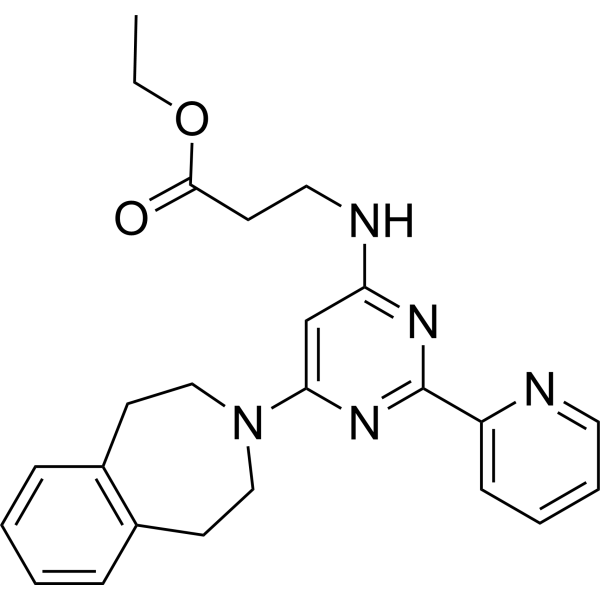
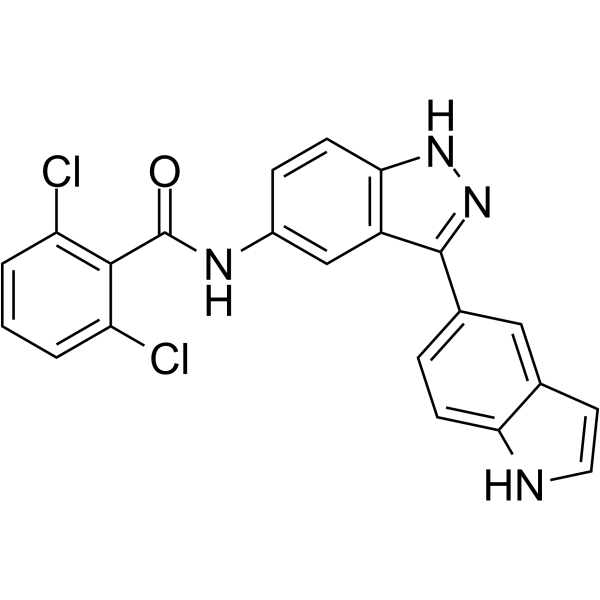
GSK-J4 is a potent dual inhibitor of H3K27me3/me2-demethylases JMJD3/KDM6B and UTX/KDM6A with IC50s of 8.6 and 6.6 μM, respectively. GSK-J4 inhibits LPS-induced TNF-α production in human primary macrophages with an IC50 of 9 μM. GSK J4 is a cell permeable proagent of GSK-J1 . GSK-J4 induces endoplasmic reticulum stress-related apoptosis .
|
-
-
- HY-15648F
-
|
|
Histone Demethylase
|
Cancer
|
|
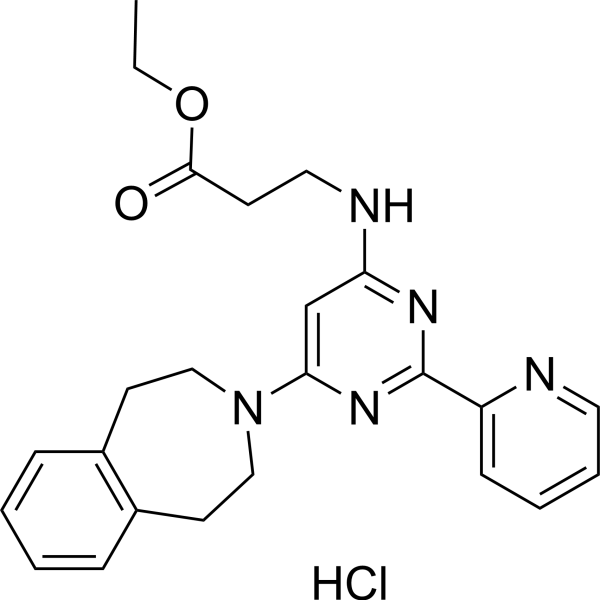
GSK-J4 hydrochloride is a potent dual inhibitor of H3K27me3/me2-demethylases JMJD3/KDM6B and UTX/KDM6A with IC50s of 8.6 and 6.6 μM, respectively. GSK-J4 hydrochloride inhibits LPS-induced TNF-α production in human primary macrophages with an IC50 of 9 μM. GSK-J4 hydrochloride is a cell permeable proagent of GSK-J1 .
|
-
-
- HY-129113
-
|
|
COX
|
Inflammation/Immunology
|
|
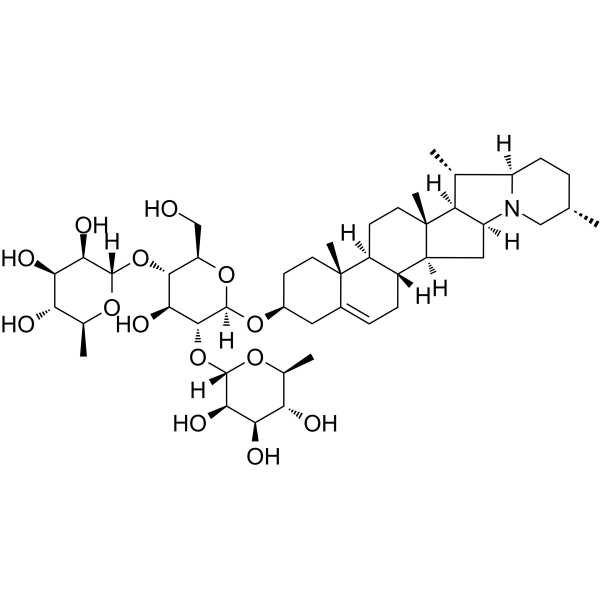
α-Chaconine inhibits the expressions of COX-2, IL-1β, IL-6, and TNF-α at the transcriptional level. α-Chaconine inhibits the LPS-induced expressions of iNOS and COX-2 at the protein and mRNA levels and their promoter activities in RAW 264.7 macrophages. Anti-inflammatory effects .
|
-
-
- HY-W047187
-
|
|
Xanthine Oxidase
NO Synthase
TNF Receptor
|
Others
|
|
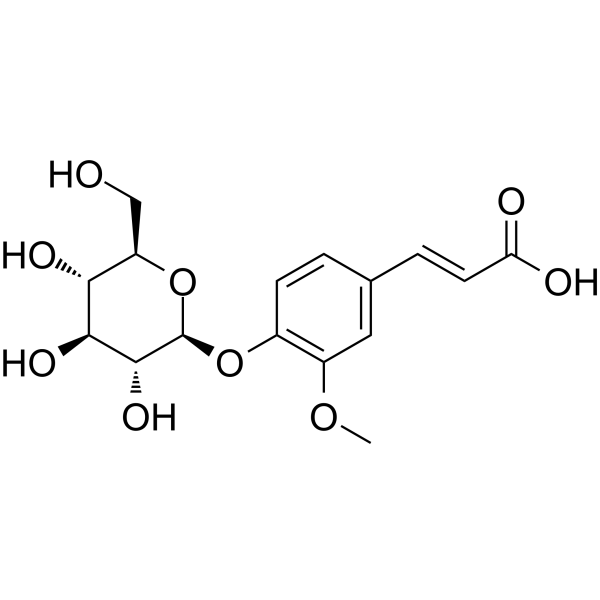
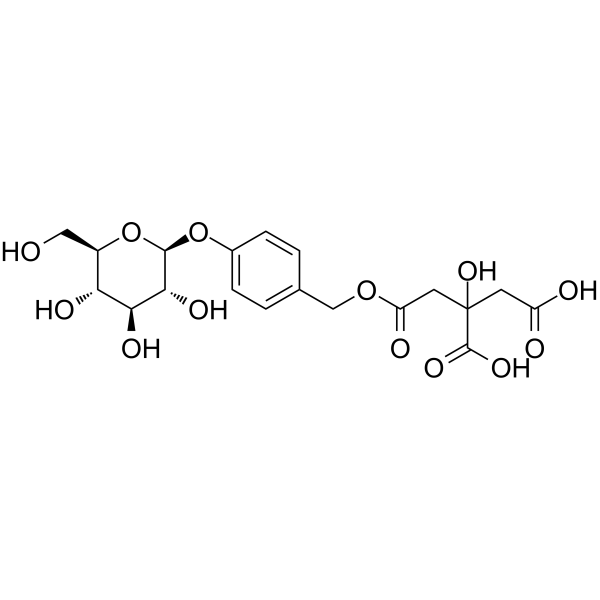
Lavandoside is an ABTS ?+ free radical scavenger and a moderate inhibitor of xanthine oxidase (XO), with an IC50 of 71.6 μM for inhibiting NO production in LPS-induced macrophages. Lavandoside exerts its antioxidant and potential anti-inflammatory effects by directly scavenging free radicals and inhibiting XO activity, a mechanism related to the hydroxyl groups in its molecular structure. Lavandoside can be isolated from lavender and can be used in the development of natural antioxidants and in research on oxidative stress-related diseases and inflammation-related diseases .
|
-
-
- HY-128598
-
|
|
Toll-like Receptor (TLR)
NF-κB
|
Inflammation/Immunology
Cancer
|
|
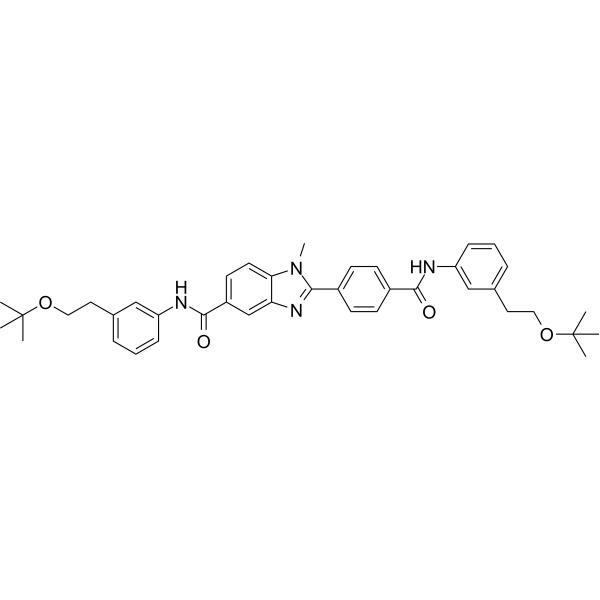
MD2-TLR4-IN-1 is a myeloid differentiation protein 2/toll-like receptor 4 (MD2-TLR4) complex antagonist. MD2-TLR4-IN-1 inhibits Lipopolysaccharides (HY-D1056) (LPS)-induced expression of TNF-α and IL-6 in macrophages with IC50 values of 0.89 μM and 0.53 μM, respectively. MD2-TLR4-IN-1 can be used for the study of acute lung injury (ALI) .
|
-
-
- HY-148591
-
|
|
Epigenetic Reader Domain
|
Inflammation/Immunology
|
|
GSK761 is a selective inhibitor of speckled 140 kDa (SP140) with an IC50 value of 77.79 nM. GSK761 reduces monocyte-to-inflammatory macrophage differentiation and lipopolysaccharide (LPS)-induced inflammatory activation. GSK761 induces the production of CD206 + regulatory macrophages by inhibiting SP140 .
|
-
-
- HY-157131
-
|
|
TRP Channel
|
Neurological Disease
|
|
TRPV2-selective blocker 1 is a TRPV2-selective blocker that inhibits calcium influx and ionic currents. TRPV2-selective blocker 1 exhibits an IC50 of 6.3 μM against rat TRPV2, and shows no activity against TRPV1, TRPV3 or TRPV4 channels. TRPV2-selective blocker 1 attenuates macrophage phagocytosis, LPS-induced macrophage migration, and calcium microdomains generated by peripheral TRPV2. TRPV2-selective blocker 1 is non-cytotoxic and can be used to investigate the function of TRPV2 during immune processes .
|
-
-
- HY-N0608
-
|
|
NF-κB
|
Inflammation/Immunology
|
|
Myrislignan, a lignan isolated from Myristica fragrans Houtt, possesses anti-inflammatory activities. Myrislignan attenuates LPS-induced inflammation reaction in murine macrophage cells through inhibition of NF-kB signalling pathway activation .
|
-
-
- HY-N2106
-
|
|
NF-κB
COX
PGE synthase
NO Synthase
|
Inflammation/Immunology
|
|
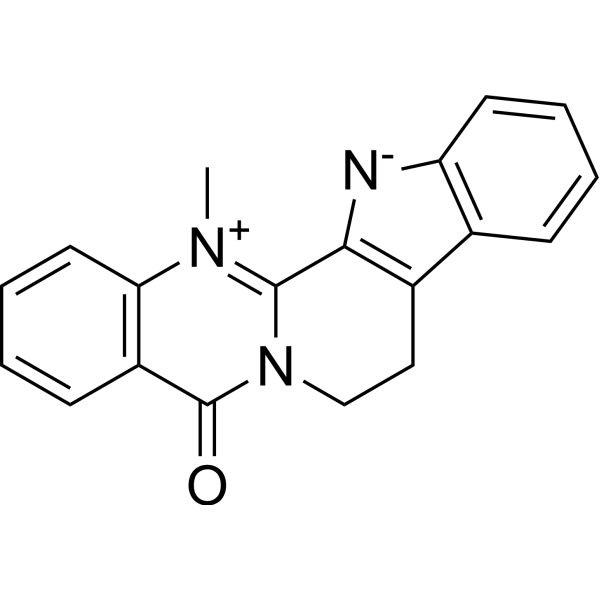
Dehydroevodiamine is a major bioactive quinazoline alkaloid isolated from Evodiae Fructus, has an antiarrhythmic effect in guinea-pig ventricular myocytes . Dehydroevodiamine inhibits LPS-induced iNOS, COX-2, prostaglandin E2 (PGE2) and nuclear factor-kappa B (NF-κB) expression in murine macrophage cells .
|
-
-
- HY-N2535
-
|
4-Hydroxy-3-methoxycinnamaldehyde
|
Keap1-Nrf2
Apoptosis
|
Inflammation/Immunology
|
|
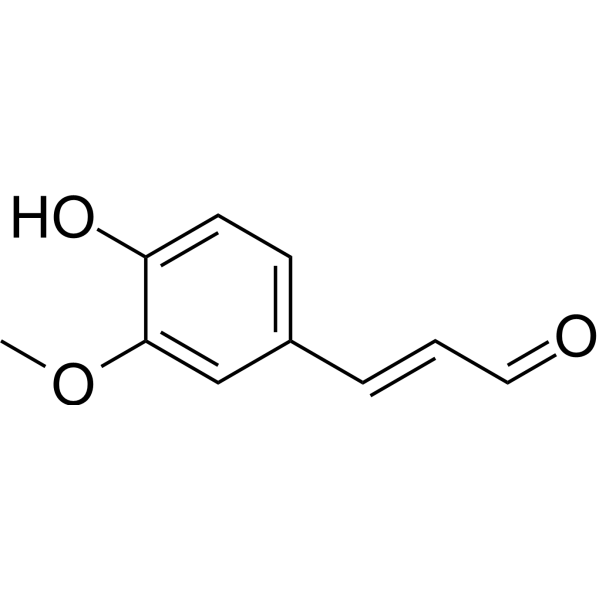
Coniferaldehyde (4-Hydroxy-3-methoxycinnamaldehyde) is an effective inducer of heme oxygenase-1 (HO-1). Coniferaldehyde inhibits LPS-induced apoptosis through the PKCα/β II/Nrf-2/HO-1 dependent pathway in RAW264.7 macrophage cells. Coniferaldehyde has antioxidant and anti-inflammatory activities .
|
-
-
- HY-W082785A
-
-
-
- HY-146066
-
|
|
nAChR
JAK
STAT
NO Synthase
Interleukin Related
|
Inflammation/Immunology
|
|
α7 nAchR-JAK2-STAT3 agonist 1 is a potent α7 nAchR-JAK2-STAT3 agonist, with an IC50 value of 0.32 μM for nitric oxide (NO). α7 nAchR-JAK2-STAT3 agonist 1 effectively suppresses the expression of iNOS, IL-1β, and IL-6 in murine RAW264.7 macrophages. α7 nAchR-JAK2-STAT3 agonist 1 can inhibit LPS-induced NO release, NF-κB activation and cytokine production. α7 nAchR-JAK2-STAT3 can be used for researching sepsis .
|
-
-
- HY-145846
-
|
|
NO Synthase
Interleukin Related
|
Inflammation/Immunology
|
|
iNOs-IN-1 (YPW) is a potent inducible nitric oxide synthase (iNOS) inhibitor. iNOs-IN-1 can significantly inhibit the expression of IL-6 and iNOS, as well as reduce LPS-induced NO generation with dose-dependent manner in mouse macrophages. Anti-inflammatory effects .
|
-
-
- HY-N2008
-
|
|
NO Synthase
Reactive Oxygen Species (ROS)
|
Inflammation/Immunology
|
|
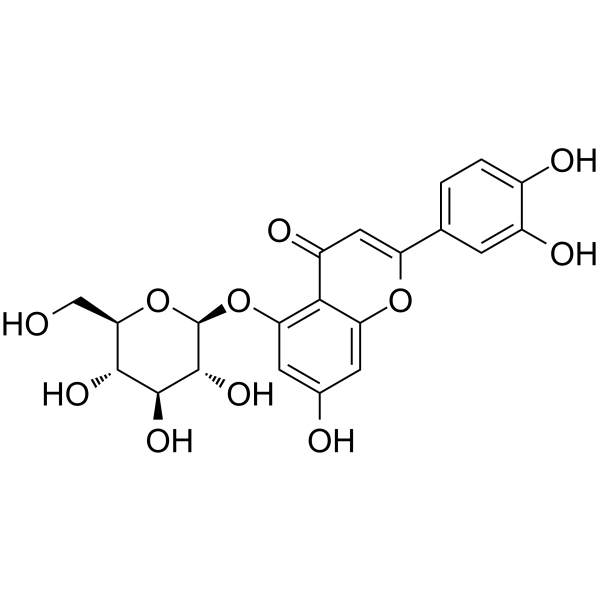
Luteolin 5-O-glucoside, a major flavonoidfrom Cirsium maackii, possesses anti-inflammatory activity. Luteolin 5-O-glucoside inhibits LPS-induced NO production and t-BHP-induced ROS generation. Luteolin 5-O-glucoside suppresses the expression of iNOS and COX-2 in macrophages .
|
-
-
- HY-147972
-
|
|
NF-κB
p38 MAPK
NO Synthase
COX
|
Inflammation/Immunology
|
|
NF-κB/MAPK-IN-1 (compound 11a) is a potent inhibitor of NF-κB and MAPK pathway. NF-κB/MAPK-IN-1 shows inhibitory activity against NO production, with an IC50 of 6.96 µM. NF-κB/MAPK-IN-1 suppresses LPS-induced iNOS, COX-2, ERΚ and P38 signaling activation. NF-κB/MAPK-IN-1 can prevent LPS induced inflammatory response in macrophages. NF-κB/MAPK-IN-1 can be used for rheumatoid arthritis (RA) research .
|
-
-
- HY-N7012
-
|
5-Hydroxy-3',4',7-trimethoxyflavone
|
Lipoxygenase
TNF Receptor
Interleukin Related
COX
Fungal
Parasite
Apoptosis
|
Infection
Inflammation/Immunology
Cancer
|
|
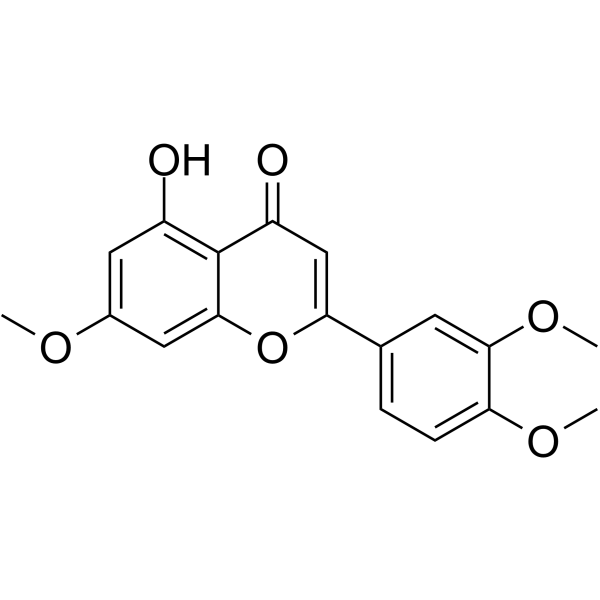
7,3',4'-Tri-O-methylluteolin (5-Hydroxy-3',4',7-trimethoxyflavone) is a flavonoid with multiple biological activities. 7,3',4'-Tri-O-methylluteolin inhibits soybean lipoxygenase (LOX), with an IC50 value of 23.97 µg/mL. 7,3',4'-Tri-O-methylluteolin possesses anti-inflammatory effects in Lipopolysaccharides (HY-D1056) (LPS)-induced RAW 264.7 macrophages. 7,3',4'-Tri-O-methylluteolin inhibits the binding of MDM2 with p53 and induces apoptosis in MCF-7 breast cancer cells. 7,3',4'-Tri-O-methylluteolin also has antioxidant, antifungal and antitrypanosomal activities sup>[4]sup>[5].
|
-
-
- HY-126390
-
|
NSC 150117
|
Phosphatase
Apoptosis
|
Inflammation/Immunology
Cancer
|
|
(E/Z)-BCI (NSC 150117) is a dual-specificity phosphatase 6 (DUSP6) inhibitor with anti-inflammatory activities. (E/Z)-BCI attenuates LPS-induced inflammatory mediators and ROS production in macrophage cells via activating the Nrf2 signaling axis and inhibiting the NF-κB pathway .
|
-
-
- HY-N3364
-
|
|
Flavivirus
Dengue Virus
TNF Receptor
NF-κB
NO Synthase
COX
JNK
p38 MAPK
IKK
|
Infection
Inflammation/Immunology
|
|
Lucidone, an anti-inflammatory agent that can be isolated from the fruit of Lindera erythrocarpa Makino. Lucidone inhibits LPS-induced NO and PGE2 production in RAW 264.7 mouse macrophages. Lucidone also decreases TNF-α secretion, iNOS and COX-2 expression. Lucidone prevents NF-κB translocation and inhibits JNK and p38MAPK signals. Lucidone also has inhibitory activity against Dengue virus (DENV) (EC50=25 μM) .
|
-
-
- HY-W1000105
-
|
(E)-3,7-Dimethylocta-2,6-dienal
|
TNF Receptor
Interleukin Related
ERK
JNK
IKK
COX
NO Synthase
Reactive Oxygen Species (ROS)
|
Inflammation/Immunology
|
|
Geranial is an aromatic compound. It can be isolated from the fruits of Litsea cubeba Lour and the rhizomes of ginger (Zingiber officinale). Geranial inhibits LPS-induced phosphorylation of ERK1/2, JNK1/3 and IκB in macrophages. It suppresses the secretion of IL-1β, TNF-α and IL-6, as well as the expression of pro-IL-1β, iNOS and COX-2. Geranial increases ROS. It can be used in the research of inflammatory diseases .
|
-
-
- HY-N7064
-
|
|
Pyruvate Kinase
COX
STAT
TNF Receptor
NO Synthase
Interleukin Related
HIF/HIF Prolyl-Hydroxylase
|
Cardiovascular Disease
Inflammation/Immunology
|
|
Iminostilbene is a chemical precursor of carbamazepine. Additionally, Iminostilbene is an orally active inhibitor of PKM2 (Pyruvate Kinase M2) and COX2 (Cyclooxygenase-2). Iminostilbene exerts its effects by inhibiting PKM2 and its interaction with HIF-1α and STAT3, reducing COX2 and iNOS expression, and decreasing LPS-induced release of IL-1β, IL-6, TNF-α, and MCP-1, thereby suppressing macrophage-mediated inflammatory responses and improving myocardial ischemia/reperfusion (MI/R) injury. Iminostilbene holds promise for research in inflammation regulation, cardiovascular diseases (such as MI/R injury), and macrophage-mediated immune-related diseases .
|
-
-
- HY-156959
-
|
|
JAK
TRP Channel
MetAP
|
Infection
Inflammation/Immunology
|
|
Ovalicin is a multi-target inhibitor that targets MetAP2, HRH2, JAK2 and TRPV1, with anti-inflammatory and anti-atopic dermatitis activities. Ovalicin covalently binds to MetAP2 to inhibit its function, thereby blocking the replication of Enterocytozoon bieneusi and Vittaforma corneae. Ovalicin alleviates intestinal injury and prolongs survival in infected mouse models, without showing obvious hepatorenal toxicity. Ovalicin attenuates LPS-induced calcium influx, reduces the infiltration of macrophages and mast cells in the skin, and regulates the expression of inflammation-related genes such as IL-31, effectively relieving allergic symptoms in mouse models. Ovalicin can be used for the research of microsporidiosis and atopic dermatitis .
|
-
-
- HY-168539
-
|
|
HuR
|
Inflammation/Immunology
|
|
TM11, a Tanshinone mimic, is a potent HuR inhibitor that can inhibit HuR-RNA complex formation. TM11 reduces LPS-induced inflammatory response in murine macrophages .
|
-
-
- HY-145491
-
|
|
ERK
NF-κB
CCR
|
Inflammation/Immunology
|
|
Resolvin D5 is an anti-inflammatory and analgesic agent produced in M2 macrophages. Resolvin D5 alleviates Paclitaxel (HY-B0015)-induced mechanical allodynia and inflammatory pain by activating the GPR32 receptor, with gender specificity (effective only in male mice) and independence from TRPV1 or TRPA1 channels. Resolvin D5 attenuates LPS-induced ERK phosphorylation and NF-κB nuclear translocation, downregulates proinflammatory mediators such as IL-6 and CCL5, inhibits Th17 cell differentiation and osteoclastogenesis, promotes regulatory T cell differentiation, and shows no cytotoxicity to human monocytes. The level of Resolvin D5 is elevated in arthritic SKG mice, but Resolvin D5 has no effect on dendritic cell differentiation or M1 macrophage polarization, nor does it prevent ZyA-induced arthritis progression. Resolvin D5 is suitable for research related to chemotherapy-induced peripheral neuropathy, inflammatory pain and rheumatoid arthritis .
|
-
-
- HY-N11262
-
|
|
Phosphodiesterase (PDE)
Sirtuin
PGC-1α
p38 MAPK
HSP
TNF Receptor
NO Synthase
Apoptosis
|
Metabolic Disease
Inflammation/Immunology
|
|
Sudachitin is an orally active compound that potently inhibits mouse PDE1C and human PDE4B, with IC50 values of 5.0 μM and 15.0 μM, respectively. Sudachitin upregulates Sirt1 and PGC‑1α expression in skeletal muscle to regulate energy metabolism and promote mitochondrial biogenesis. Sudachitin improves lipid metabolism, glucose tolerance, insulin sensitivity, energy expenditure, and fatty acid β‑oxidation. Sudachitin activates p38MAPK signaling, induces HSP27 phosphorylation and caspase‑dependent apoptosis, and blocks EGF‑driven keratinocyte migration and proliferation. Sudachitin suppresses LPS‑induced TNF‑α, NO, and iNOS expression in macrophages and shows potent anti‑inflammatory activity. Sudachitin can be used for the research of metabolic syndrome, type 2 diabetes, and psoriasis. .
|
-
-
- HY-N12188
-
|
|
NF-κB
TNF Receptor
Interleukin Related
p38 MAPK
|
Inflammation/Immunology
|
|
Stigmasta-3,5-dien-7-one is a steroid compound that can be isolated from Harrisonia abyssinica. Stigmasta-3,5-dien-7-one blocks the NF-κB signaling pathway via down-regulation of phospho-p38 mitogen-activated protein kinase and phosphorylation and degradation of inhibitor of NF-κB α. Stigmasta-3,5-dien-7-one reduces LPS (HY-D1056)-induced nitric oxide, PGE2, and pro-inflammatory cytokine levels in macrophages. Stigmasta-3,5-dien-7-one can be used for inflammation diseases .
|
-
-
- HY-106739
-
|
NAT 05-239
|
Phosphodiesterase (PDE)
|
Inflammation/Immunology
|
|
Motapizone (NAT 05-239) is a selective PDE3 inhibitor. Motapizone moderately inhibits cytokine release in lipopolysaccharide (LPS)-induced alveolar macrophages. Motapizone also inhibits human platelet aggregation by increasing intracellular cAMP .
|
-
-
- HY-N7697C
-
|
|
Toll-like Receptor (TLR)
Interleukin Related
Reactive Oxygen Species (ROS)
|
Cardiovascular Disease
Metabolic Disease
Inflammation/Immunology
|
|
Chitohexaose hexahydrochloride is a small molecular polysaccharide. Chitohexaose hexahydrochloride inhibits the binding of AgW to TLR4. Chitohexaose hexahydrochloride upregulates IL-10, inhibits LPS-induced upregulation of ROS, induces alternative activation of macrophages/monocytes, and suppresses LPS-induced production of TNF-α, IL-1β and IL-6. Chitohexaose hexahydrochloride reverses the mortality of mice challenged with APAP or LPS. Chitohexaose hexahydrochloride can be used in research related to Acetaminophen (HY-66005)-induced hepatotoxicity and endotoxemia .
|
-
-
- HY-P10462
-
|
Synthetic anti-inflammatory peptide 15
|
HDAC
NF-κB
|
Inflammation/Immunology
|
|
SAP15 (Synthetic anti-inflammatory peptide 15) is a synthetic anti-inflammatory peptide consisting of 15 amino acids designed from human beta-defensin 3. SAP15 has the ability to penetrate cells and is able to induce downregulation of intracellular inflammation. SAP15 inhibits inflammation by inhibiting the phosphorylation of HDAC5 and thereby reducing the phosphorylation of NF-κB p65. SAP15 inhibits HDAC5 and NF-κB p65 phosphorylation in LPS (HY-D1056)-induced macrophages. SAP15 increases the expression of aggrecan and type II collagen and decreases the expression of osteocalcin in LPS-induced chondrocytes. SAP15 can be used in the study of inflammation regulation and anti-inflammatory therapy of biomaterials .
|
-
-
- HY-146066A
-
|
|
nAChR
JAK
STAT
NO Synthase
|
Others
|
|
(R)-α7 nAchR-JAK2-STAT3 agonist 1 is the R-enantiomer of α7 nAchR-JAK2-STAT3 agonist 1 (HY-146066). α7 nAchR-JAK2-STAT3 agonist 1 is a potent α7 nAchR-JAK2-STAT3 agonist, with an IC50 value of 0.32 μM for nitric oxide (NO). α7 nAchR-JAK2-STAT3 agonist 1 effectively suppresses the expression of iNOS, IL-1β, and IL-6 in murine RAW264.7 macrophages. α7 nAchR-JAK2-STAT3 agonist 1 can inhibit LPS-induced NO release, NF-κB activation and cytokine production. α7 nAchR-JAK2-STAT3 can be used for researching sepsis .
|
-
-
- HY-N12283
-
|
|
NF-κB
|
Inflammation/Immunology
|
|
NF-κB-IN-13 (compound 12) can significantly inhibit LPS-induced NF-κB activation and NO production in RAW264.7 macrophages. NF-κB-IN-13 has anti-inflammatory effects .
|
-
-
- HY-120299
-
|
|
TNF Receptor
|
Inflammation/Immunology
|
|
KC01 is an effective inhibitor of ABHD16A, with IC50s of 90 nM for hABHD16A and 520 nM for mABHD16A. KC01 significantly reduces lyso-PSs, and decreases lyso-PS and LPS-induced cytokine production in mouse macrophages .
|
-
-
- HY-N0608A
-
|
|
NF-κB
|
Inflammation/Immunology
|
|
(Rac)-Myrislignan is the racemate of Myrislignan. Myrislignan, a lignan isolated from Myristica fragrans Houtt, possesses anti-inflammatory activities. Myrislignan attenuates LPS-induced inflammation reaction in murine macrophage cells through inhibition of NF-kB signalling pathway activation .
|
-
-
- HY-152034
-
|
|
STING
|
Inflammation/Immunology
|
|
STING-IN-5 is a potent STING inhibitor, inhibiting LPS-induced NO synthesis in macrophages with an IC50 value of 1.15 μM. STING-IN-5 inhibits the inflammatory response. STING-IN-5 can be used to research anti-inflammatory diseases and sepsis .
|
-
-
- HY-129113R
-
|
|
Reference Standards
COX
|
Inflammation/Immunology
|
|
α-Chaconine (Standard) is the analytical standard of α-Chaconine. This product is intended for research and analytical applications. α-Chaconine inhibits the expressions of COX-2, IL-1β, IL-6, and TNF-α at the transcriptional level. α-Chaconine inhibits the LPS-induced expressions of iNOS and COX-2 at the protein and mRNA levels and their promoter activities in RAW 264.7 macrophages. Anti-inflammatory effects .
|
-
-
- HY-P10462A
-
|
Synthetic anti-inflammatory peptide 15 acetate
|
HDAC
NF-κB
|
Inflammation/Immunology
|
|
SAP15 (Synthetic anti-inflammatory peptide 15) acetate is a synthetic anti-inflammatory peptide consisting of 15 amino acids designed from human beta-defensin 3. SAP15 acetate has the ability to penetrate cells and is able to induce downregulation of intracellular inflammation. SAP15 acetate inhibits inflammation by inhibiting the phosphorylation of HDAC5 and thereby reducing the phosphorylation of NF-κB p65. SAP15 acetate inhibits HDAC5 and NF-κB p65 phosphorylation in LPS (HY-D1056)-induced macrophages. SAP15 acetate increases the expression of aggrecan and type II collagen and decreases the expression of osteocalcin in LPS-induced chondrocytes. SAP15 acetate can be used in the study of inflammation regulation and anti-inflammatory therapy of biomaterials .
|
-
-
- HY-15648FR
-
|
|
Histone Demethylase
|
Cancer
|
|
GSK-J4 (hydrochloride) (Standard) is the analytical standard of GSK-J4 (hydrochloride). This product is intended for research and analytical applications. GSK-J4 hydrochloride is a potent dual inhibitor of H3K27me3/me2-demethylases JMJD3/KDM6B and UTX/KDM6A with IC50s of 8.6 and 6.6 μM, respectively. GSK-J4 hydrochloride inhibits LPS-induced TNF-α production in human primary macrophages with an IC50 of 9 μM. GSK-J4 hydrochloride is a cell permeable proagent of GSK-J1 .
|
-
-
- HY-15648BR
-
|
|
Histone Demethylase
Apoptosis
|
Cancer
|
|
GSK-J4 (Standard) is the analytical standard of GSK-J4. This product is intended for research and analytical applications. GSK-J4 is a potent dual inhibitor of H3K27me3/me2-demethylases JMJD3/KDM6B and UTX/KDM6A with IC50s of 8.6 and 6.6 μM, respectively. GSK-J4 inhibits LPS-induced TNF-α production in human primary macrophages with an IC50 of 9 μM. GSK J4 is a cell permeable proagent of GSK-J1 . GSK-J4 induces endoplasmic reticulum stress-related apoptosis .
|
-
-
- HY-179407
-
|
|
Phosphodiesterase (PDE)
|
Inflammation/Immunology
|
|
LT-104A is a potent PDE4 inhibitor that elevates intracellular cAMP levels (EC50 = 1.9 μM) and inhibits PDE4D3 activity (IC50 = 9.3 μM). LT-104A activates the cAMP-PKA-CREB anti-inflammatory signaling pathway and suppresses NF-κB-related gene expression (Il1b and Nos2). LT-104A can be used for inflammation-related disease research .
|
-
-
- HY-N1330
-
-
-
- HY-N2053
-
-
-
- HY-148553
-
|
|
ERK
|
Inflammation/Immunology
|
|
Anti-inflammatory agent 36 is an anti-inflammatory agent. Anti-inflammatory agent 36 inhibits LPS-induced macrophage activation .
|
-
-
- HY-N10297
-
|
|
Others
|
Inflammation/Immunology
|
|
Curindolizine, indolizine alkaloid , displays an anti-inflammatory action in lipopolyssacharide (LPS)-induced RAW 264.7 macrophages with an IC50 value of 5.31 μM .
|
-
-
- HY-110343
-
|
|
TNF Receptor
|
Inflammation/Immunology
|
|
DBM 1285 dihydrochloride is an orally active TNF-α production inhibitor with anti-inflammatory effects. DBM 1285 dihydrochloride inhibits Lipopolysaccharide (LPS)-induced TNF-α secretion in various cells of macrophage/monocyte lineage .
|
-
-
- HY-N12347
-
|
|
Others
|
Inflammation/Immunology
|
|
α-Glucosidase-IN-37 (Compound 11) moderately inhibits LPS-induced NO production with an IC50 value of 23.7 μM in macrophages. α-Glucosidase-IN-37 has weak inhibitory activity against α-Glucosidase .
|
-
-
- HY-N9000
-
|
|
TNF Receptor
|
Inflammation/Immunology
|
|
Loganic acid 6′-O-β-D-glucoside, a iridoidal glucoside, is isolated from the whole plant of Gentiana rhodantha (Gentianaceae). Loganic acid 6′-O-β-D-glucoside inhibits LPS-induced NO and TNF-α production in macrophage RAW264.7 cells .
|
-
-
- HY-126211
-
|
|
HDAC
|
Inflammation/Immunology
|
|
KBH-A42 is a novel histone deacetylase (HDAC) inhibitor with significant anti-inflammatory properties. KBH-A42 against TNF-α and NO production with IC50 values of 1.10 and 2.71 µM, respectively, in the LPS-induced murine macrophage RAW 264.7 cells .
|
-
-
- HY-N2106R
-
|
|
Reference Standards
NF-κB
COX
PGE synthase
NO Synthase
|
Inflammation/Immunology
|
|
Dehydroevodiamine is a major bioactive quinazoline alkaloid isolated from Evodiae Fructus, has an antiarrhythmic effect in guinea-pig ventricular myocytes . Dehydroevodiamine inhibits LPS-induced iNOS, COX-2, prostaglandin E2 (PGE2) and nuclear factor-kappa B (NF-κB) expression in murine macrophage cells .
|
-
-
- HY-N0608S
-
|
|
Isotope-Labeled Compounds
NF-κB
|
Inflammation/Immunology
|
|
Myrislignan- 13C,d2 is the 13C-labeled and deuterium labeled Myrislignan (HY-N0608). Myrislignan, a lignan, possesses anti-inflammatory activities. Myrislignan attenuates LPS-induced inflammation reaction in murine macrophage cells through inhibition of NF-kB signalling pathway activation .
|
-
-
- HY-N13202
-
|
|
Others
|
Inflammation/Immunology
|
|
Black Currant Extract is a black currant extract, and its components include: Anthocyanidins. Black Currant Extract is an anti-inflammatory agent that can neutralize the cytotoxic effects of nicotine on epithelial cells and fibroblasts in a dose-dependent manner. Black Currant Extract can also inhibit LPS-induced IL-6 secretion by human macrophages. .
|
-
-
- HY-153762
-
|
|
NO Synthase
NF-κB
COX
|
Inflammation/Immunology
|
|
COX-2-IN-32 (Compound 2f) is an iNOS and COX-2 inhibitor. COX-2-IN-32 decreases the expression of NF-κB. COX-2-IN-32 has anti-inflammatory activity by inhibits NO production in LPS-induced RAW264.7 macrophages (IC50: 11.2 μM) .
|
-
- HY-174842
-
|
|
Macrophage migration inhibitory factor (MIF)
|
Inflammation/Immunology
|
|
HTS05585 (Compound Hit-1) is a selective macrophage migration inhibitory factor (MIF) inhibitor with a Kd value of 0.29 μM measured by microscale thermophoresis (MST) and 0.32±0.01 μM verified by isothermal titration calorimetry (ITC). HTS05585 inhibits the release of pro-inflammatory factors (TNF-α, IL-6, IL-1β) from LPS-induced macrophages. HTS05585 is promising for research of inflammation-related diseases such as sepsis .
|
-
- HY-178471
-
|
|
FABP
Interleukin Related
|
Metabolic Disease
Inflammation/Immunology
|
|
FABP4/5-IN-6 is an orally active, potent FABP4/5 inhibitor (Ki = 0.41/2.53 μM), showing low selectivity over FABP3 (Ki = 59.72 μM). FABP4/5-IN-6 inhibits the secretion of MCP-1 and IL-6 in Lipopolysaccharides (HY-D1056) (LPS)-induced THP-1 macrophage. FABP4/5-IN-6 exhibits significant anti-inflammatory effects and attenuates LPS-induced liver injury. FABP4/5-IN-6 has low hERG inhibition (LD50 > 2000 mg/kg). FABP4/5-IN-6 can be used for the study of Inflammation-related diseases .
|
-
- HY-162004
-
|
|
NF-κB
Toll-like Receptor (TLR)
|
Inflammation/Immunology
|
|
NF-κB-IN-14 (compound 5e) significantly inhibits nitric oxide production in LPS-induced macrophages (IC50: 6.4 μM). NF-κB-IN-14 disrupts the TLR4-MyD88 protein interaction, leading to the suppression of the NF-κB signaling pathway suppression. NF-κB-IN-14 reduces ear edema and inflammation in an atopic dermatitis mouse model .
|
-
- HY-N2535R
-
|
4-Hydroxy-3-methoxycinnamaldehyde (Standard)
|
Reference Standards
Keap1-Nrf2
Apoptosis
|
Inflammation/Immunology
|
|
Coniferaldehyde (Standard) is the analytical standard of Coniferaldehyde. This product is intended for research and analytical applications. Coniferaldehyde (4-Hydroxy-3-methoxycinnamaldehyde) is an effective inducer of heme oxygenase-1 (HO-1). Coniferaldehyde inhibits LPS-induced apoptosis through the PKCα/β II/Nrf-2/HO-1 dependent pathway in RAW264.7 macrophage cells. Coniferaldehyde has antioxidant and anti-inflammatory activities .
|
-
- HY-155821
-
|
|
NF-κB
NO Synthase
TNF Receptor
Interleukin Related
|
Inflammation/Immunology
|
|
Anti-inflammatory agent 55 (compound 9j) is a derivative of Coixol and has anti-inflammatory activity. Anti-inflammatory agent 54 inhibits the NF-κB pathway and downregulates the expression of iNOS, TNF-α, IL-6 and IL-1β. Anti-inflammatory agent 54 inhibits LPS-induced nitric oxide (NO) production in RAW264.7 macrophages (IC50: 0.8 μM) and exerts in vivo anti-inflammatory activity in a mouse auricular edema model .
|
-
- HY-155820
-
|
|
NF-κB
NO Synthase
TNF Receptor
Interleukin Related
|
Inflammation/Immunology
|
|
Anti-inflammatory agent 54 (compound 9c) is a derivative of Coixol and has anti-inflammatory activity. Anti-inflammatory agent 54 inhibits the NF-κB pathway and downregulates the expression of iNOS, TNF-α, IL-6 and IL-1β. Anti-inflammatory agent 54 inhibits LPS-induced nitric oxide (NO) production in RAW264.7 macrophages (IC50: 2.4 μM) and exerts in vivo anti-inflammatory activity in a mouse auricular edema model .
|
-
- HY-171900
-
|
|
Liposome
|
Inflammation/Immunology
|
|
Lipid 114 is an ionizable cationic lipid with a pKa of approximately 6.8. Lipid 114 can be used to generate lipid nanoparticles (LNP) to deliver siRNA in vitro as well as in vivo. Lipid 114 LNPs encapsulating siRNA that targets IL-1β can reduce IL-1β expression in macrophages. Lipid 114 LNPs encapsulating siRNA that targets IL-1β also reduces hepatic and renal expression of IL-1β, as well as decreasing hepatic inflammation in mouse model with LPS-induced acute liver failure .
|
-
- HY-W753956
-
|
|
Isotope-Labeled Compounds
Interleukin Related
Pyruvate Kinase
COX
STAT
TNF Receptor
HIF/HIF Prolyl-Hydroxylase
NO Synthase
|
Inflammation/Immunology
|
|
Iminostilbene-d10 is the deuterium labeled Iminostilbene (HY-N7064). Iminostilbene is a chemical precursor of carbamazepine. Additionally, Iminostilbene is an orally active inhibitor of PKM2 (Pyruvate Kinase M2) and COX2 (Cyclooxygenase-2). Iminostilbene exerts its effects by inhibiting PKM2 and its interaction with HIF-1α and STAT3, reducing COX2 and iNOS expression, and decreasing LPS-induced release of IL-1β, IL-6, TNF-α, and MCP-1, thereby suppressing macrophage-mediated inflammatory responses and improving myocardial ischemia/reperfusion (MI/R) injury. Iminostilbene holds promise for research in inflammation regulation, cardiovascular diseases (such as MI/R injury), and macrophage-mediated immune-related diseases .
|
-
- HY-N1546
-
|
|
Others
|
Inflammation/Immunology
|
|
Protoplumericin A is a bioactive ingredient of Plumeria obtusa L. attenuates. Protoplumericin A mitigated lipopolysaccharide (LPS) -induced acute lung injury in mice. Protoplumericin A can be used to study the LPS-induced anti-inflammatory effect .
|
-
- HY-N16677
-
|
|
NO Synthase
|
Inflammation/Immunology
|
|
Abiesadine I is a diterpenoid inhibitor targeting LPS-induced NO production (IC50>100 μg/mL) that can be isolated from Abies georgei. Abiesadine I inhibits LPS-induced nitric oxide (NO) production in RAW264.7 macrophages, exhibiting anti-inflammatory activity .
|
-
- HY-182377
-
|
|
Interleukin Related
TNF Receptor
|
Inflammation/Immunology
Cancer
|
|
DT-5461 is an IL-1 and TNF-α antagonist. DT-5461 competitively binds lipid A-binding sites on macrophage receptors, blocks LPS (HY-D1056)-initiated signaling, inhibits LPS-induced cytokine release, prevents LPS-induced serum cytokine production in mice, and protects against LPS-induced lethal endotoxemia. DT-5461 can be used for the research of lethal endotoxemia, medullary tubular mammary carcinoma, poorly differentiated colon adenocarcinoma, squamous-cell lung carcinoma, and gelatinous gastric adenocarcinoma .
|
-
- HY-N13781
-
|
|
NO Synthase
|
Inflammation/Immunology
|
|
(-)-Sesamin 2,2'-diol is a nitric oxide (NO) production inhibitor with an IC50 of 310 μM for inhibiting LPS-induced NO production. (-)-Sesamin 2,2'-diol can be isolated from the aerial parts of Isodon japonicus. (-)-Sesamin 2,2'-diol abrogates NO production in LPS-stimulated macrophages without inducing cytotoxicity .
|
-
- HY-N16774
-
|
|
NO Synthase
|
Inflammation/Immunology
|
|
Balanophonin B is a selective inhibitor (IC50=1.46 μg/mL) that targets the lipopolysaccharide (LPS)-induced nitric oxide (NO) production pathway and can be isolated from Lithocarpus pachylepis. Balanophonin B inhibits the production of NO in LPS-stimulated RAW264.7 macrophages and exerts anti-inflammatory activity to reduce the inflammatory response. Balanophonin B can be used for anti-inflammatory drug development and biological activity research of natural lignan compounds .
|
-
- HY-N16817
-
|
|
NO Synthase
|
Inflammation/Immunology
Cancer
|
|
Rabdoternin E is a potential anti-inflammatory and antitumor agent. 2α-Acetoxy-14,15-cyclopimara-7β,16-diol only inhibits nitric oxide (NO) production in lipopolysaccharide (LPS)-induced RAW264.7 macrophages (IC50=2.3 μM) and exhibits cytotoxicity against human tumor cells such as HL-60 and SW-480 (IC50 values ??of 2.6 μM and 4.1 μM, respectively). Rabdoternin E is an ent-kaurane-type diterpenoid compound that can be naturally extracted from the 70% acetone aqueous extract of the aerial parts of Isodon rosthornii (Diels) Hara (a plant of the Lamiaceae family, Isodon genus) .
|
-
- HY-N13821
-
|
|
NO Synthase
|
Inflammation/Immunology
|
|
2α-Acetoxy-14,15-cyclopimara-7β,16-diol (compound 2) is a potential anti-inflammatory agent, exhibiting weak anti-inflammatory activity by inhibiting inflammation-related NO production. 2α-Acetoxy-14,15-cyclopimara-7β,16-diol only inhibits nitric oxide (NO) production in LPS-induced RAW264.7 macrophages, with an inhibition rate of 28.1%. 2α-Acetoxy-14,15-cyclopimara-7β,16-diol can be naturally extracted from the 70% ethanol extract of the seeds of Caesalpinia minax Hance (a plant of the Caesalpinia genus in the Fabaceae family) .
|
-
- HY-N9558
-
|
|
TNF Receptor
|
Inflammation/Immunology
|
|
12-Hydroxydehydroabietic acid is a diterpenoid found in the whole plant of Gaultheria yunnanensis. 12-Hydroxydehydroabietic acid weakly inhibits pro-inflammatory cytokine TNF-α production in LPS (HY-D1056)-induced macrophages .
|
-
- HY-N16877
-
-
- HY-N9034
-
-
- HY-186178
-
|
|
CD38
|
Metabolic Disease
Inflammation/Immunology
|
|
CD38-IN-6 is an orally active CD38 inhibitor. CD38-IN-6 regulates NAD + metabolite levels in the liver of aged obese mice by increasing NAD + and NMN levels, and decreasing NAM and ADPR levels. CD38-IN-6 alleviates inflammatory responses in mice. CD38-IN-6 can be used for research related to obesity and inflammation .
|
-
- HY-N2739
-
-
- HY-N19943
-
|
|
Others
|
Cancer
|
|
Siegeside B is a diterpenoid glycoside found in the dried aerial parts of Siegesbeckia pubescens. Siegeside B inhibits epidermal growth factor-induced migration and invasion of breast cancer cells. Siegeside B can be used for the research of breast cancer .
|
-
- HY-N3691
-
-
- HY-183296
-
|
|
NOD-like Receptor (NLR)
Interleukin Related
Caspase
|
Inflammation/Immunology
|
|
NLRP3-IN-91 is a potent NLRP3 inflammasome inhibitor with a Kd of 558.4 nM. NLRP3-IN-91 directly targets the NLRP3 NACHT domain, blocks inflammasome assembly and activation, and exerts anti-inflammatory effects. NLRP3-IN-91 increases survival time in a murine model of LPS (HY-D1056)-induced sepsis. NLRP3-IN-91 can be used for the research of sepsis .
|
-
- HY-182380
-
|
|
STAT
NOD-like Receptor (NLR)
Apoptosis
|
Others
Neurological Disease
Inflammation/Immunology
Cancer
|
|
ODZ10117 is a STAT3 and NLRP3 inhibitor with a human STAT3 SH2 domain IC50 of 7.5 μM. ODZ10117 binds to the STAT3 SH2 domain, suppressing tyrosine phosphorylation, dimerization, nuclear translocation, and transcriptional activity. ODZ10117 binds to NLRP3, impairs NEK7 interaction, prevents inflammasome formation, and inhibits caspase-1 and IL-1β cleavage.ODZ10117 reduces MSU (HY-B2130A)-induced IL-1β release, lowers LPS (HY-D1056)-induced sepsis mortality, and exhibits anti-inflammatory effects. ODZ10117 induces apoptosis, suppresses breast cancer cell migration and invasion, reduces tumor growth and lung metastasis, and extends survival in breast cancer models. ODZ10117 can be used for the research of Monosodium urate (HY-B2130A)-induced peritonitis, LPS-induced sepsis, breast cancer, glioblastoma, and Alzheimer's disease .
|
-
- HY-179635
-
|
|
Glutathione S-transferase
Interleukin Related
|
Inflammation/Immunology
|
|
GSTO1-IN-6 is an allosteric and covalent GSTO1 inhibitor with an IC50 of 457 nM. GSTO1-IN-6 markedly reduces Lipopolysaccharides (LPS) (HY-D1056)-induced IL-1β (IC50 of 1.9 μM) and IL-18 (IC50 of 10. μM) secretion in human monocyte-derived macrophages. GSTO1-IN-6 covalently modifies GSTO1-Cys32, inducing conformational changes and protein destabilization. GSTO1-IN-6 can be used for the research of inflammatory diseases .
|
-
| Cat. No. |
Nombre del producto |
Target |
Research Area |
-
- HY-P10462
-
|
Synthetic anti-inflammatory peptide 15
|
HDAC
NF-κB
|
Inflammation/Immunology
|
|
SAP15 (Synthetic anti-inflammatory peptide 15) is a synthetic anti-inflammatory peptide consisting of 15 amino acids designed from human beta-defensin 3. SAP15 has the ability to penetrate cells and is able to induce downregulation of intracellular inflammation. SAP15 inhibits inflammation by inhibiting the phosphorylation of HDAC5 and thereby reducing the phosphorylation of NF-κB p65. SAP15 inhibits HDAC5 and NF-κB p65 phosphorylation in LPS (HY-D1056)-induced macrophages. SAP15 increases the expression of aggrecan and type II collagen and decreases the expression of osteocalcin in LPS-induced chondrocytes. SAP15 can be used in the study of inflammation regulation and anti-inflammatory therapy of biomaterials .
|
-
- HY-P10462A
-
|
Synthetic anti-inflammatory peptide 15 acetate
|
HDAC
NF-κB
|
Inflammation/Immunology
|
|
SAP15 (Synthetic anti-inflammatory peptide 15) acetate is a synthetic anti-inflammatory peptide consisting of 15 amino acids designed from human beta-defensin 3. SAP15 acetate has the ability to penetrate cells and is able to induce downregulation of intracellular inflammation. SAP15 acetate inhibits inflammation by inhibiting the phosphorylation of HDAC5 and thereby reducing the phosphorylation of NF-κB p65. SAP15 acetate inhibits HDAC5 and NF-κB p65 phosphorylation in LPS (HY-D1056)-induced macrophages. SAP15 acetate increases the expression of aggrecan and type II collagen and decreases the expression of osteocalcin in LPS-induced chondrocytes. SAP15 acetate can be used in the study of inflammation regulation and anti-inflammatory therapy of biomaterials .
|
| Cat. No. |
Nombre del producto |
Category |
Target |
Chemical Structure |
-
- HY-129113
-
-
-
- HY-W047187
-
|
|
Structural Classification
other families
Onychium japonicum (Thunb.) Kunze
Ketones, Aldehydes, Acids
Plants
|
Xanthine Oxidase
NO Synthase
TNF Receptor
|
|
Lavandoside is an ABTS ?+ free radical scavenger and a moderate inhibitor of xanthine oxidase (XO), with an IC50 of 71.6 μM for inhibiting NO production in LPS-induced macrophages. Lavandoside exerts its antioxidant and potential anti-inflammatory effects by directly scavenging free radicals and inhibiting XO activity, a mechanism related to the hydroxyl groups in its molecular structure. Lavandoside can be isolated from lavender and can be used in the development of natural antioxidants and in research on oxidative stress-related diseases and inflammation-related diseases .
|
-
-
- HY-N0608
-
-
-
- HY-N2106
-
-
-
- HY-N2535
-
-
-
- HY-N2008
-
-
-
- HY-N7012
-
|
5-Hydroxy-3',4',7-trimethoxyflavone
|
Monophenols
Flavonoids
Classification of Application Fields
Flavones
Labiatae
Phenols
Plants
Swartzia polyphylla DC.
Inflammation/Immunology
Disease Research Fields
Source Classification
|
Lipoxygenase
TNF Receptor
Interleukin Related
COX
Fungal
Parasite
Apoptosis
|
|
7,3',4'-Tri-O-methylluteolin (5-Hydroxy-3',4',7-trimethoxyflavone) is a flavonoid with multiple biological activities. 7,3',4'-Tri-O-methylluteolin inhibits soybean lipoxygenase (LOX), with an IC50 value of 23.97 µg/mL. 7,3',4'-Tri-O-methylluteolin possesses anti-inflammatory effects in Lipopolysaccharides (HY-D1056) (LPS)-induced RAW 264.7 macrophages. 7,3',4'-Tri-O-methylluteolin inhibits the binding of MDM2 with p53 and induces apoptosis in MCF-7 breast cancer cells. 7,3',4'-Tri-O-methylluteolin also has antioxidant, antifungal and antitrypanosomal activities sup>[4]sup>[5].
|
-
-
- HY-N3364
-
-
-
- HY-145491
-
|
|
Structural Classification
Ketones, Aldehydes, Acids
Endogenous metabolite
Source Classification
|
ERK
NF-κB
CCR
|
|
Resolvin D5 is an anti-inflammatory and analgesic agent produced in M2 macrophages. Resolvin D5 alleviates Paclitaxel (HY-B0015)-induced mechanical allodynia and inflammatory pain by activating the GPR32 receptor, with gender specificity (effective only in male mice) and independence from TRPV1 or TRPA1 channels. Resolvin D5 attenuates LPS-induced ERK phosphorylation and NF-κB nuclear translocation, downregulates proinflammatory mediators such as IL-6 and CCL5, inhibits Th17 cell differentiation and osteoclastogenesis, promotes regulatory T cell differentiation, and shows no cytotoxicity to human monocytes. The level of Resolvin D5 is elevated in arthritic SKG mice, but Resolvin D5 has no effect on dendritic cell differentiation or M1 macrophage polarization, nor does it prevent ZyA-induced arthritis progression. Resolvin D5 is suitable for research related to chemotherapy-induced peripheral neuropathy, inflammatory pain and rheumatoid arthritis .
|
-
-
- HY-N11262
-
|
|
Structural Classification
Flavonoids
Flavones
Rutaceae
Citrus sudachi Hort. ex Shirai.
Plants
Source Classification
|
Phosphodiesterase (PDE)
Sirtuin
PGC-1α
p38 MAPK
HSP
TNF Receptor
NO Synthase
Apoptosis
|
|
Sudachitin is an orally active compound that potently inhibits mouse PDE1C and human PDE4B, with IC50 values of 5.0 μM and 15.0 μM, respectively. Sudachitin upregulates Sirt1 and PGC‑1α expression in skeletal muscle to regulate energy metabolism and promote mitochondrial biogenesis. Sudachitin improves lipid metabolism, glucose tolerance, insulin sensitivity, energy expenditure, and fatty acid β‑oxidation. Sudachitin activates p38MAPK signaling, induces HSP27 phosphorylation and caspase‑dependent apoptosis, and blocks EGF‑driven keratinocyte migration and proliferation. Sudachitin suppresses LPS‑induced TNF‑α, NO, and iNOS expression in macrophages and shows potent anti‑inflammatory activity. Sudachitin can be used for the research of metabolic syndrome, type 2 diabetes, and psoriasis. .
|
-
-
- HY-N12188
-
-
-
- HY-N7697C
-
-
-
- HY-N12283
-
-
-
- HY-N0608A
-
-
-
- HY-129113R
-
-
-
- HY-N1330
-
-
-
- HY-N2053
-
-
-
- HY-N10297
-
-
-
- HY-N12347
-
-
-
- HY-N9000
-
-
-
- HY-N2106R
-
-
-
- HY-N2535R
-
-
-
- HY-N1546
-
-
-
- HY-N16677
-
-
-
- HY-N13781
-
-
-
- HY-N16774
-
-
-
- HY-N16817
-
|
|
Structural Classification
Terpenoids
Labiatae
Erythrina arborescensRoxb.
Diterpenoids
Plants
Source Classification
|
NO Synthase
|
|
Rabdoternin E is a potential anti-inflammatory and antitumor agent. 2α-Acetoxy-14,15-cyclopimara-7β,16-diol only inhibits nitric oxide (NO) production in lipopolysaccharide (LPS)-induced RAW264.7 macrophages (IC50=2.3 μM) and exhibits cytotoxicity against human tumor cells such as HL-60 and SW-480 (IC50 values ??of 2.6 μM and 4.1 μM, respectively). Rabdoternin E is an ent-kaurane-type diterpenoid compound that can be naturally extracted from the 70% acetone aqueous extract of the aerial parts of Isodon rosthornii (Diels) Hara (a plant of the Lamiaceae family, Isodon genus) .
|
-
-
- HY-N13821
-
|
|
Triterpenes
Structural Classification
Terpenoids
Plants
Guilandina minax (Hance) G. P. Lewis
Fabaceae
Source Classification
|
NO Synthase
|
|
2α-Acetoxy-14,15-cyclopimara-7β,16-diol (compound 2) is a potential anti-inflammatory agent, exhibiting weak anti-inflammatory activity by inhibiting inflammation-related NO production. 2α-Acetoxy-14,15-cyclopimara-7β,16-diol only inhibits nitric oxide (NO) production in LPS-induced RAW264.7 macrophages, with an inhibition rate of 28.1%. 2α-Acetoxy-14,15-cyclopimara-7β,16-diol can be naturally extracted from the 70% ethanol extract of the seeds of Caesalpinia minax Hance (a plant of the Caesalpinia genus in the Fabaceae family) .
|
-
-
- HY-N9558
-
-
-
- HY-N16877
-
-
-
- HY-N9034
-
-
-
- HY-N2739
-
-
-
- HY-N19943
-
-
-
- HY-N3691
-
-
| Cat. No. |
Nombre del producto |
Chemical Structure |
-
- HY-N0608S
-
|
|
|
Myrislignan- 13C,d2 is the 13C-labeled and deuterium labeled Myrislignan (HY-N0608). Myrislignan, a lignan, possesses anti-inflammatory activities. Myrislignan attenuates LPS-induced inflammation reaction in murine macrophage cells through inhibition of NF-kB signalling pathway activation .
|
-
-
- HY-W753956
-
|
|
|
Iminostilbene-d10 is the deuterium labeled Iminostilbene (HY-N7064). Iminostilbene is a chemical precursor of carbamazepine. Additionally, Iminostilbene is an orally active inhibitor of PKM2 (Pyruvate Kinase M2) and COX2 (Cyclooxygenase-2). Iminostilbene exerts its effects by inhibiting PKM2 and its interaction with HIF-1α and STAT3, reducing COX2 and iNOS expression, and decreasing LPS-induced release of IL-1β, IL-6, TNF-α, and MCP-1, thereby suppressing macrophage-mediated inflammatory responses and improving myocardial ischemia/reperfusion (MI/R) injury. Iminostilbene holds promise for research in inflammation regulation, cardiovascular diseases (such as MI/R injury), and macrophage-mediated immune-related diseases .
|
-
| Cat. No. |
Nombre del producto |
|
Classification |
-
- HY-171900
-
|
|
|
Cationic Lipids
|
|
Lipid 114 is an ionizable cationic lipid with a pKa of approximately 6.8. Lipid 114 can be used to generate lipid nanoparticles (LNP) to deliver siRNA in vitro as well as in vivo. Lipid 114 LNPs encapsulating siRNA that targets IL-1β can reduce IL-1β expression in macrophages. Lipid 114 LNPs encapsulating siRNA that targets IL-1β also reduces hepatic and renal expression of IL-1β, as well as decreasing hepatic inflammation in mouse model with LPS-induced acute liver failure .
|
Your information is safe with us. * Required Fields.
Inquiry Information
- Nombre del producto:
- Cat. No.:
- Cantidad:
- MCE Japan Authorized Agent:

