1. Search Result
Search Result
Pathways Recommended: Stem Cell/Wnt Cell Cycle/DNA Damage
Results for "

Lewis lung carcinoma cells

" in MedChemExpress (MCE) Product Catalog:

19

Inhibitors & Agonists

2

Peptides

2

Inhibitory Antibodies

2

Natural
Products

Cat. No. Product Name Target Research Areas Chemical Structure
  • HY-129630

    Drug Metabolite Glucocorticoid Receptor Neurological Disease Cancer
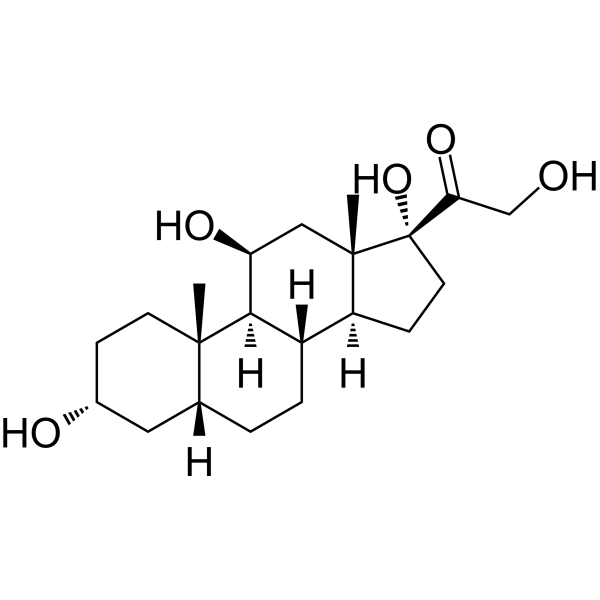
    Tetrahydrocortisol is a metabolite of Hydrocortisone (HY-N0583) that fails to activate glucocorticoid receptor. Tetrahydrocortisol inhibits Dexamethasone (HY-14648)-induced formation of cross-linked actin networks. Tetrahydrocortisol acts as a synergist to enhance the activity of anticancer agents. Tetrahydrocortisol can be used in the research of primary open-angle glaucoma, ocular hypertension, lung cancer and breast cancer .
    Tetrahydrocortisol
  • HY-P1408
    Obtustatin
    4 Publications Verification

    Integrin VEGFR Cancer
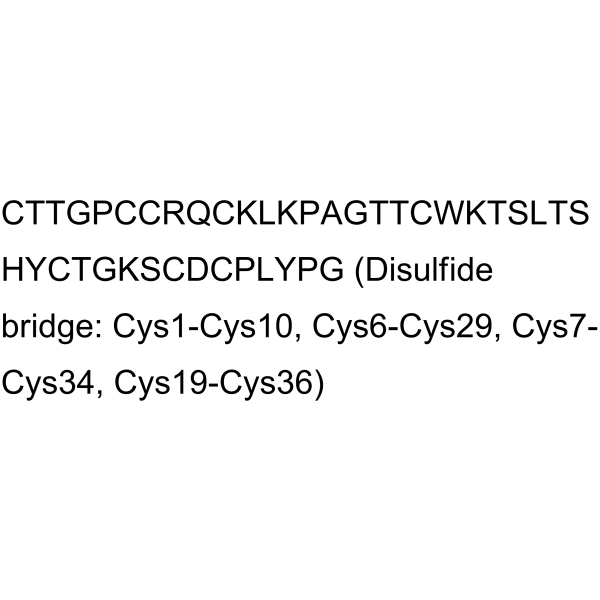
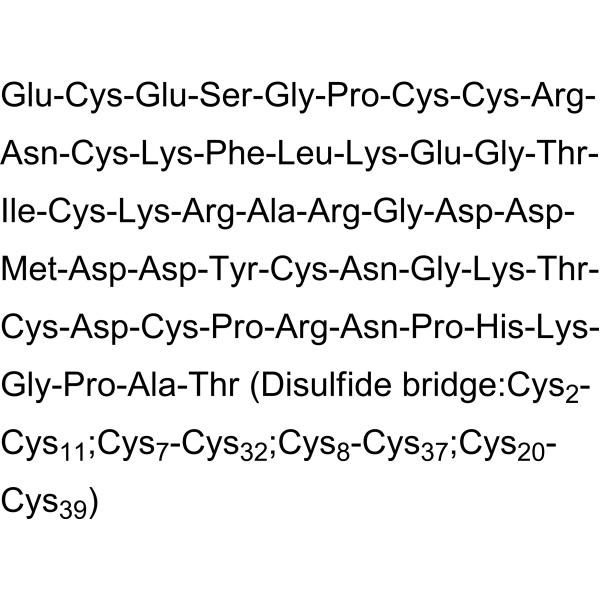
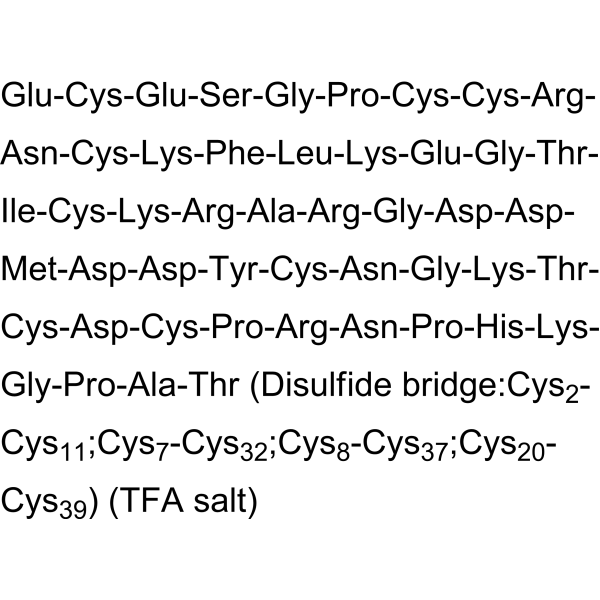
    Obtustatin is a non-RGD disintegrin consisting of 41 residues. Obtustatin inhibits the adhesion of α1β1 integrin to type IV Collagen (HY-NP003), blocks α1β1 integrin signaling in endothelial cells, and suppresses FGF2-induced angiogenesis. Obtustatin inhibits tumor progression in mouse models and upregulates VEGF expression in sarcoma-bearing mice. Obtustatin can be used in research related to Lewis lung carcinoma and S-180 sarcoma .
    Obtustatin
  • HY-107194

    FGFR c-Myc DNA/RNA Synthesis Caspase Reactive Oxygen Species (ROS) Cancer
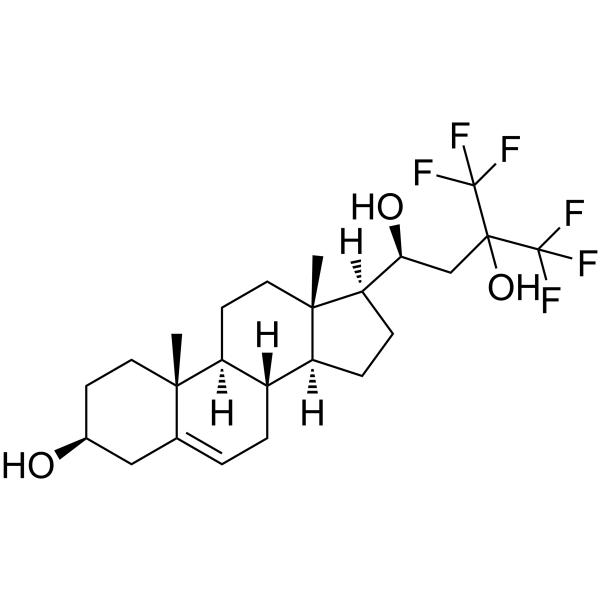
    NSC12 is an orally active pan-FGF trap. NSC12 inhibits the interaction between FGF2/FGFR. NSC12 suppresses the phosphorylation of FGFR3. NSC12 reduces c-Myc levels, induces DNA damage, triggers the cleavage of Caspase 3, and promotes ROS production. NSC12 exhibits anticancer activity against lung cancer and multiple myeloma .
    NSC12
  • HY-149814

    PDHK HSP Cancer
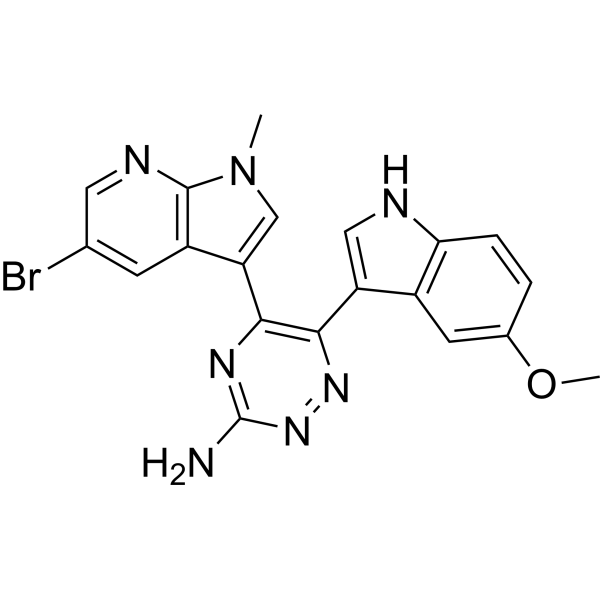
    PDK-IN-1 (compound 7o) is a pyruvate dehydrogenase kinase (PDK) inhibitor. PDK-IN-1 shows IC50 values of 0.03 and 0.1 μM for PDK1 and HSP90, respectively. PDK-IN-1 targets PDH/PDK axis thus reducing efficiently the tumor mass .
    PDK-IN-1
  • HY-15266

    PRI 2202; Impurity D of Calcipotriol

    Drug Derivative VD/VDR Cancer
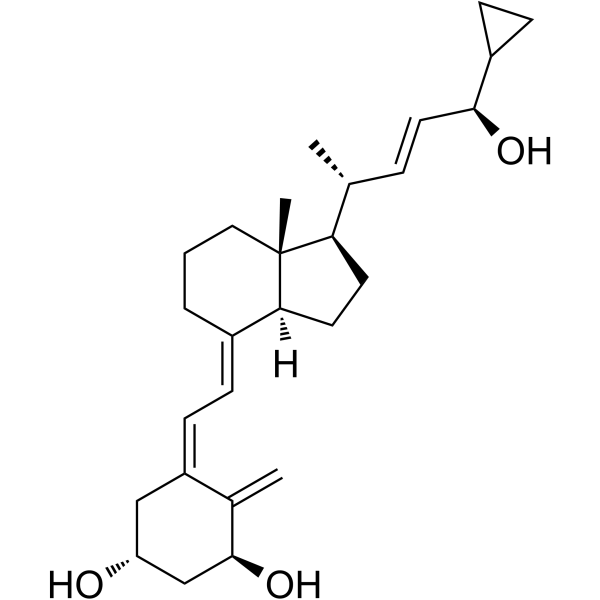
    24R-Calcipotriol (PRI 2202; Impurity D of Calcipotriol), an isomer of Calcipotriol (HY-10001), is a synthetic vitamin D analog. 24R-Calcipotriol exhibits synergistic antiproliferative effects with low-dose cytostatics in in vitro. 24R-Calcipotriol produces tumor growth inhibition when combined with Cyclophosphamide (HY-17420) and Cisplatin (HY-17394) in mice models. 24R-Calcipotriol can increase serum calcium levels and reduce blood leukocyte counts . 24R-Calcipotriol can be used for the research of mammary cancer and Lewis lung cancer .
    24R-Calcipotriol
  • HY-125443

    Others Cancer
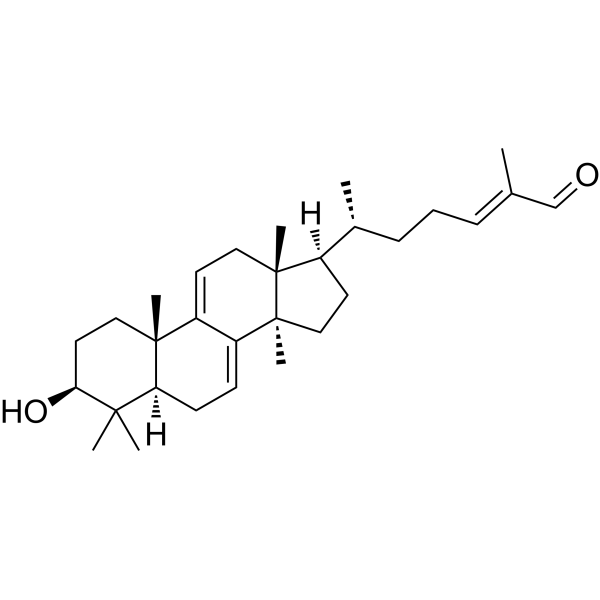
    Lucialdehydes A is a lanostante-type triterpene aldehydes, isolated from the fruiting bodies of Ganoderma lucidum. Lucialdehydes A shows cytotoxic effects on tumor cells, including Lewis lung carcinoma (LLC), T-47D, Sarcoma 180, and Meth-A tumor cell lines .
    Lucialdehyde A
  • HY-W854385A
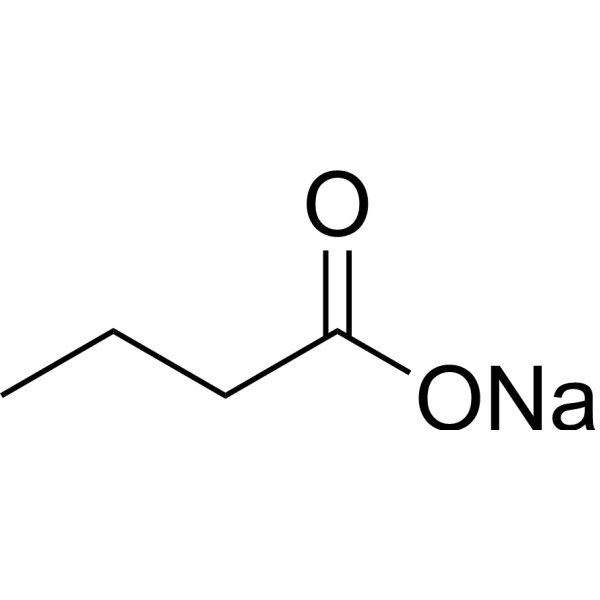
    Sialyl Lewis A sodium
    1 Publications Verification

    SLeA sodium

    Biochemical Assay Reagents Cancer
    Sialyl Lewis A (SLeA) sodium is a tumor-associated carbohydrate antigen, also known as carbohydrate antigen 19-9 (CA19-9), that binds to E-selectin (ELAM-1) and selectins to mediate cell-endothelium adhesion. Sialyl Lewis A sodium promotes cancer cell-vascular endothelium adhesion, and its surface presence correlates with increased tumorigenicity and invasiveness in cancer cells. Sialyl Lewis A sodium shows elevated expression in human adenocarcinomas of the colon, pancreas, and stomach, with expression levels linked to tumor progression and poor prognosis in colorectal and gastric carcinomas. Sialyl Lewis A sodium can be used for the research of cancers, such as colon, pancreas, stomach, and squamous lung cancer .
    Sialyl Lewis A sodium
  • HY-W854385

    SLeA

    Biochemical Assay Reagents E-Selectin Cancer
    Sialyl Lewis A (SLeA) is a tumor-associated carbohydrate antigen, also known as carbohydrate antigen 19-9 (CA19-9), that binds to E-selectin (ELAM-1) and selectins to mediate cell-endothelium adhesion. Sialyl Lewis A promotes cancer cell-vascular endothelium adhesion, and its surface presence correlates with increased tumorigenicity and invasiveness in cancer cells. Sialyl Lewis A shows elevated expression in human adenocarcinomas of the colon, pancreas, and stomach, with expression levels linked to tumor progression and poor prognosis in colorectal and gastric carcinomas. Sialyl Lewis A can be used for the research of cancers, such as colon, pancreas, stomach, and squamous lung cancer .
    Sialyl Lewis A
  • HY-119110

    MMP Cancer
    LY52 is an MMP-2 and MMP-9 inhibitor. LY52 can significantly block the proteolytic activity of gelatinases, reducing the expression of MMP-2 and MMP-9 in SKOV3 cells, thereby inhibiting cell invasion. LY52 can also suppress the pulmonary metastasis of Lewis lung carcinoma cells in mice. LY52 may be used in cancer research .
    LY52
  • HY-116758

    di-Me-PGA1

    DNA/RNA Synthesis HIV HSV Infection Cancer
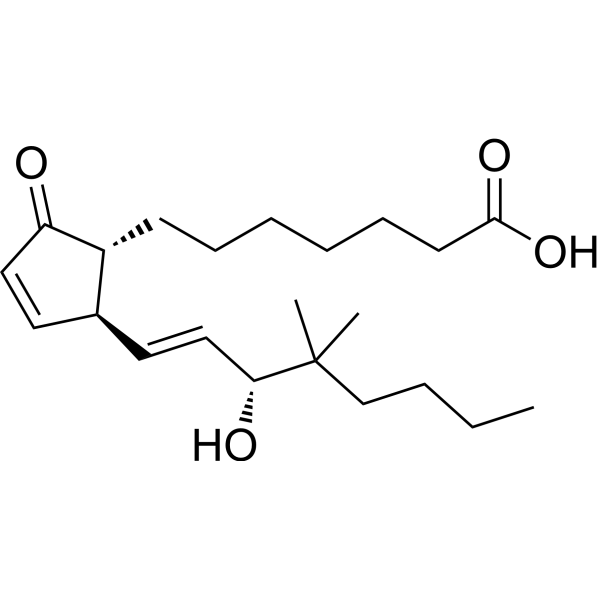
    16,16-Dimethyl prostaglandin A1 (di-Me-PGA1) is a prostaglandin analog that can inhibit DNA synthesis in Lewis lung carcinoma and B 16 amelanotic melanoma cells. 16,16-Dimethyl prostaglandin A1 also inhibits viral replication in both HSV and HIV-1 infection systems .
    16,16-Dimethyl prostaglandin A1
  • HY-W110138

    DNA/RNA Synthesis Cytochrome P450 ROCK Cancer
    Chloroxoquinoline is an anticancer agent. Chloroxoquinoline damages the DNA templates of cancer cells, inducing DNA breaks and cell death, and inhibits cell invasion via down-regulating Rho/Rho kinase signaling pathway. Chloroxoquinoline enhances the radiation sensitivity of Lewis lung cancer cells and xenograft tumors in tumor-bearing mouse models but decreases efficacy after long term exposure in rat models by auto-induction effects on CYP1A and CYP3A. Chloroxoquinoline has a broad-spectrum anticancer activity, such as non-small-cell lung carcinoma (NSCLC), breast cancer and gastric cancer .
    Chloroxoquinoline
  • HY-182071

    Drug Derivative Apoptosis CDK ASK1 Cancer
    MG16 is a prodrug of 10-Methoxycamptothecin (HY-N0446). MG16 downregulates CDK6 and upregulates ASK1. MG16 induces cell cycle arrest and Apoptosis. MG16 exhibits anticancer activity against Lewis lung carcinoma, small cell lung cancer, and non-small cell lung cancer .
    MG16
  • HY-P992323

    VEGFR Tie ERK Cardiovascular Disease Cancer
    BI-836880 is a humanized bispecific nanobody and a selective inhibitor of VEGF and ANG2, with a Kd of 16 pM for hANG2, an EC50 of 1.4 nM for VEGF165, and an EC50 of 2.3 nM for VEGF121. BI-836880 blocks ERK phosphorylation downstream of VEGF-A as well as TIE2 phosphorylation downstream of ANG2. BI-836880 does not inhibit ANG1-mediated TIE2 phosphorylation. BI-836880 exerts anti-angiogenic effects, reduces the number of immature endothelial vessels in tumor tissues, and inhibits tumor growth in preclinical models. BI-836880 can be used in the research of pancreatic cancer, non-small cell lung cancer, renal cell carcinoma, ovarian cancer, colon cancer, and Lewis lung cancer .
    BI-836880
  • HY-159803

    6-O-(3-Ethoxypropionyl)-3',4'-O-exo-benzylidenechartreusin

    Endogenous Metabolite Cancer
    IST-622 (6-O-(3-Ethoxypropionyl)-3',4'-O-exo-benzylidenechartreusin) is an anti-tumor agent with significant growth inhibitory activity. IST-622 exhibits significant anti-tumor effects against a variety of mouse tumors such as P388 and L1210 leukemias, B16 melanoma, Lewis lung carcinoma, Colon 26 and Colon 38 adenocarcinomas, and M5076 reticulum cell sarcoma. IST-622 was orally administered and the results showed efficacy in different tumor types. In addition, IST-622 provided significant inhibitory effects against two human tumor xenograft models: large cell lung carcinoma (Lu-116) and gastric adenocarcinoma (St-4). IST-622 also exhibited significant growth inhibitory activity against P388 leukemia in vitro, with a half inhibitory concentration (IC50) more than 20 times lower than CT .
    IST-622
  • HY-182506

    BM 12.531

    Biochemical Assay Reagents Inflammation/Immunology Cancer
    Azimexon (BM 12.531) is an orally active immunomodulator with radioprotective and antitumor activities. Azimexon prolongs survival in multiple mouse models, enhances immunity and hematopoiesis, and alleviates radiation injury and tumor metastasis. Azimexon causes reversible hemolytic anemia in rats and dogs, and exerts therapeutic activity against adjuvant-induced arthritis in rats. Azimexon can be used for the research of lung carcinoma, leukemia, multiple myeloma, lung tumor, arthritis, breast cancer and AIDS‑related complex .
    Azimexon
  • HY-182382

    Apoptosis MDM-2/p53 Caspase Cancer
    Anticancer agent 311 is an apoptosis inducer and p53 modulator. Anticancer agent 311 increases p53 levels, activates cleaved caspase-3, reduces p-Cdc25C levels, and disrupts p-p44/42 MAPK phosphorylation. Anticancer agent 311 induces G2/M phase arrest, inhibits cancer cell viability in a concentration- and time-dependent manner, and exhibits low toxicity to non-cancer cells. Anticancer agent 311 prevents tumor growth and angiogenesis in mouse xenograft models without detectable toxicity. Anticancer agent 311 can be used for the research of lung cancer .
    Anticancer agent 311
  • HY-P992201

    CL1-R2

    MHC Apoptosis IFNAR TNF Receptor Interleukin Related Akt mTOR Cardiovascular Disease Neurological Disease Cancer
    Anti-CD160 Antibody (MAT 302) (CL1-R2) is a human monoclonal antibody targeting CD160. Anti-CD160 Antibody (MAT 302) blocks the CD160-HVEM protein interaction, inhibits FGF2-mediated renal tubular vascular growth, and induces endothelial cell apoptosis. Anti-CD160 Antibody (MAT 302) targets CD160 on neovascularization to exert anti-angiogenic and vascular normalization effects, trigger the production of IFN-γ, TNF and IL-6 by NK cells, and enhance glucose metabolism of NK cells through the AKT/mTOR/s6k signaling pathway. Anti-CD160 Antibody (MAT 302) reduces vascular density, normalizes remaining tumor blood vessels, and inhibits tumor growth in melanoma-bearing mice. Anti-CD160 Antibody (MAT 302) can be used in research related to neovascularization, proliferative diabetic retinopathy, and melanoma .
    Anti-CD160 Antibody (MAT 302)
  • HY-181477

    ERK Apoptosis Bcl-2 Family Caspase Reactive Oxygen Species (ROS) Cancer
    ERK5-IN-7 is an orally active ERK5 inhibitor with an IC50 of 403.4 nM. ERK5-IN-7 directly inhibits ERK5 kinase activity, and downregulates the phosphorylation level and total protein expression of ERK5. ERK5-IN-7 induces Apoptosis (upregulates Bax, downregulates Bcl-2, and induces Caspase-3 cleavage). ERK5-IN-7 induces ROS accumulation. ERK5-IN-7 exhibits anticancer effects against Lewis lung cancer .
    ERK5-IN-7
  • HY-181080

    Topoisomerase DNA/RNA Synthesis Apoptosis Cancer
    TOP1/TDP1-IN-1 is a DNA topoisomerase 1B (TOP1) and tyrosyl-DNA phosphodiesterase 1 (TDP1) inhibitor with a TDP1 IC50 of 17.8 μM. TOP1/TDP1-IN-1directly suppresses TOP1 catalytic activity without forming a DNA-TOP1 ternary complex, inhibits TDP1-mediated repair of TOP1-induced DNA damage, and exhibits low acute toxicity. TOP1/TDP1-IN-1 disrupts DNA repair pathways, induces apoptosis, suppresses clonogenic growth, and elicits antiproliferative effects in cancer cells. TOP1/TDP1-IN-1 can be used for the research of non-small cell lung cancer, cervical cancer, colon cancer .
    TOP1/TDP1-IN-1

Inquiry Online

Your information is safe with us. * Required Fields.

Salutation


Country or Region *

Applicant Name *


Organization Name *

Department *


Email Address *


Product Name *

Cat. No.


Requested quantity *

Phone Number *


Remarks

Inquiry Online

Inquiry Information

Product Name:
Cat. No.:
Quantity:
MCE Japan Authorized Agent:

