Search Result
Results for "
NAMPT Inhibitor
" in MedChemExpress (MCE) Product Catalog:
1
Biochemical Assay Reagents
| Cat. No. |
Product Name |
Target |
Research Areas |
Chemical Structure |
-
- HY-50876
-
Daporinad
Maximum Cited Publications
64 Publications Verification
FK866; APO866
|
NAMPT
Autophagy
Apoptosis
mTOR
p38 MAPK
ERK
|
Cancer
|
|
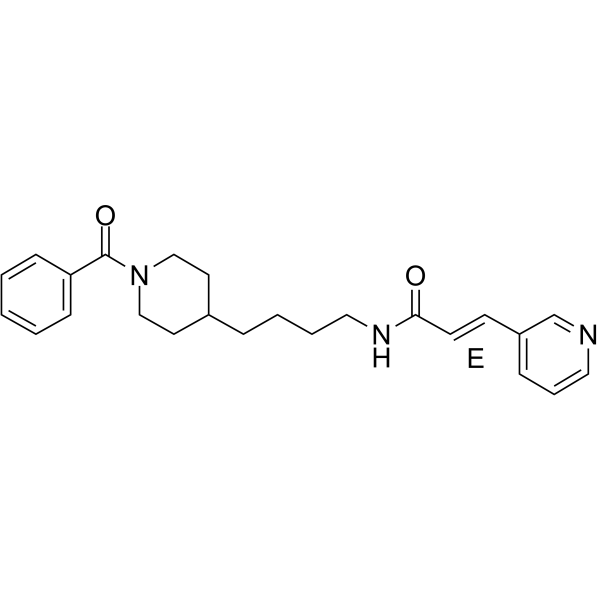
Daporinad (FK866) is a non-competitive inhibitor of nicotinamide phosphoribosyltransferase (Nampt), with a Ki value of 0.3 nM. Daporinad depletes NAD+ and ATP levels, inhibits mTORC1 and MAPK/ERK pathways, and activates TFEB to induce autophagy. Daporinad causes the depletion of the endoplasmic reticulum Ca²⁺ pool, ultimately weakening the mitogen-induced Ca²⁺ signal and the activation and function of T cells. Daporinad induces cell cycle arrest and apoptosis, and inhibits cell proliferation. Daporinad can be used for the study of myeloma, liver cancer, and immunosuppression .
|
-
-
- HY-147193
-
|
|
NAMPT
|
Cancer
|
|
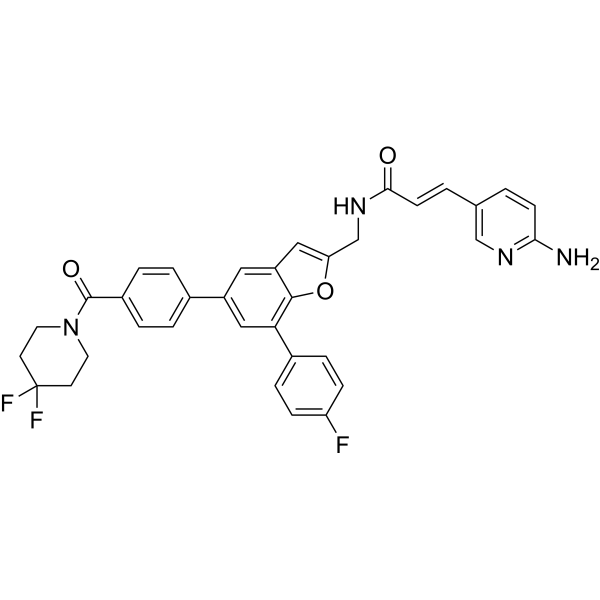
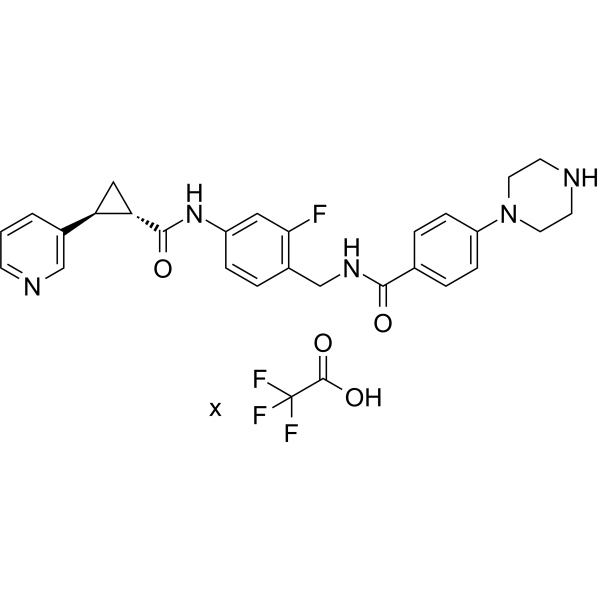
Nampt-IN-10 TFA (compound 4) is a Nicotinamide Phosphoribosyltransferase (NAMPT) inhibitor. Nampt-IN-10 TFA shows cellular potency to A2780 and CORL23 cells lines with IC50s of 5 and 19 nM, respectively. Nampt-IN-10 TFA can be used as a novel non-antimitotic payload for ADCs .
|
-
-
- HY-136241
-
OT-82
1 Publications Verification
|
NAMPT
Caspase
|
Cancer
|
|
OT-82 is a potent, selective and orally active inhibitor of NAMPT. OT-82 is selectively toxic to cells of hematopoietic origin and?induces cell death in a NAD + dependent manner. OT-82 is a promising antineoplastic agent for the study of hematological malignancies .
|
-
-
- HY-12793
-
|
KPT-9274
|
PAK
NAMPT
|
Cancer
|
|
Padnarsertib (KPT-9274) is an orally bioavailable, dual PAK4/Nicotinamide phosphoribosyltransferase (Nampt) inhibitor, with IC50s of <100 nM and 120 nM, respectively .
|
-
-
- HY-18728
-
|
|
GLUT
Autophagy
|
Cancer
|
|
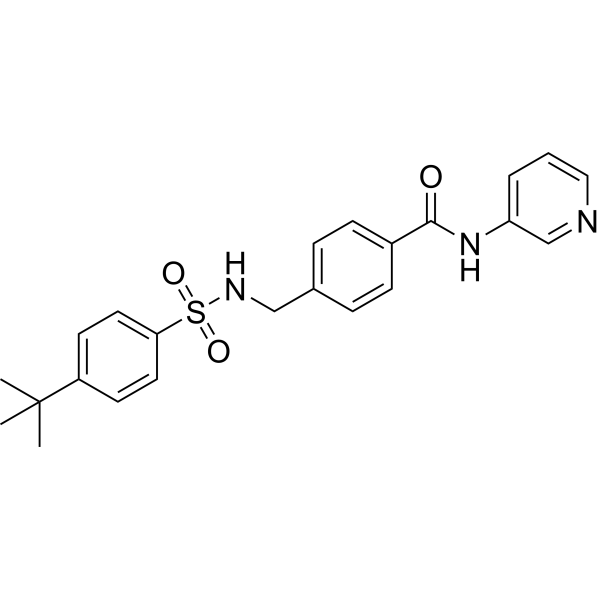
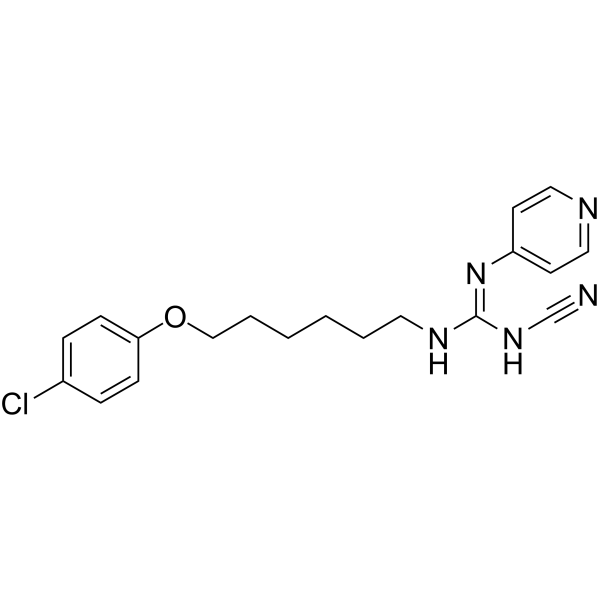
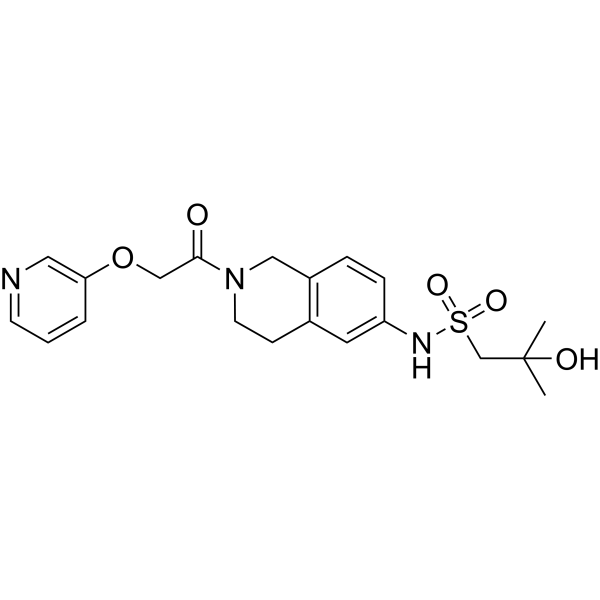
STF-31 is a selective inhibitor of glucose transporter 1 (GLUT1), with an IC50 of 1 μM. STF-31 is also a NAMPT inhibitor. STF-31 inhibits glucose uptake in renal cell carcinoma (RCC) 4 cells .
|
-
-
- HY-10079
-
CHS-828
4 Publications Verification
GMX1778
|
NAMPT
Apoptosis
|
Cancer
|
|
CHS-828 (GMX1778) is a competitive inhibitor of nicotinamide phosphoribosyltransferase (NAMPT), with an IC50 less than 25 nM. CHS-828 (GMX1778) exerts a cytotoxic effect by decreasing the cellular level of NAD + and exhibits a potent anticancer activity .
|
-
-
- HY-15766
-
|
|
NAMPT
|
Metabolic Disease
Cancer
|
|
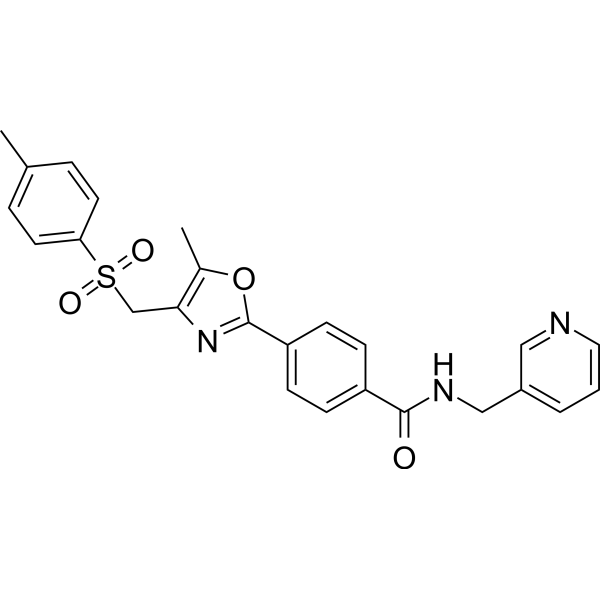
GNE-617 is a specific NAMPT inhibitor that inhibits the biochemical activity of NAMPT with an IC50 of 5 nM and exhibits efficacy in xenograft models of cancer.
|
-
-
- HY-112615
-
|
|
Drug-Linker Conjugates for ADC
|
Cancer
|
|
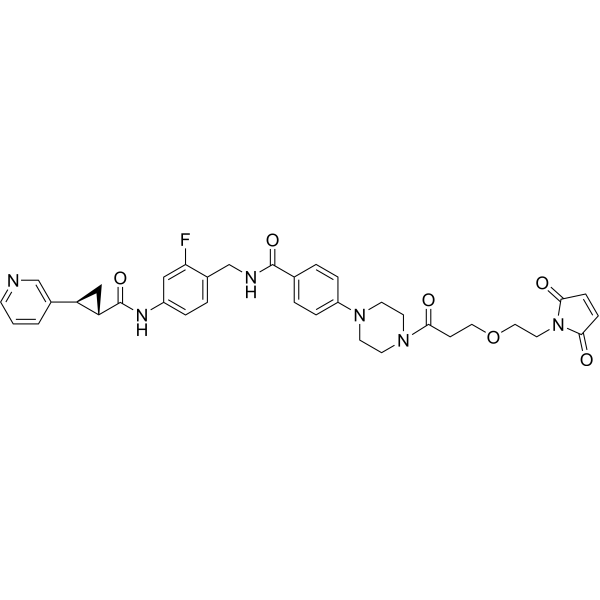
NAMPT inhibitor-linker 1 is a agent-linker conjugates for ADC, composed of an NAMPT inhibitor as a payload, and a linker. ADC-3 consists of an NAMPT inhibitor-linker 1 and an anti-c-Kit monoclonal antibody, exihibits potent activity against c-Kit expressing cell lines such as GIST-T1 and NCI-H526 cells, with IC50s of <3 pM and 9 pM, respectively.
|
-
-
- HY-402237
-
|
|
NAMPT
|
Neurological Disease
Cancer
|
|
Nampt-IN-15 (Example 3) is an Nampt inhibitor. Nampt-IN-15 shows cytotoxicity against BxPC-3, HepG2, L540cy and MOLM-13, with IC50s of 38.5 nM, 8 nM, 8.5 nM, 7 nM respectively .
|
-
-
- HY-12808
-
|
|
NAMPT
AMPK
mTOR
|
Cancer
|
|
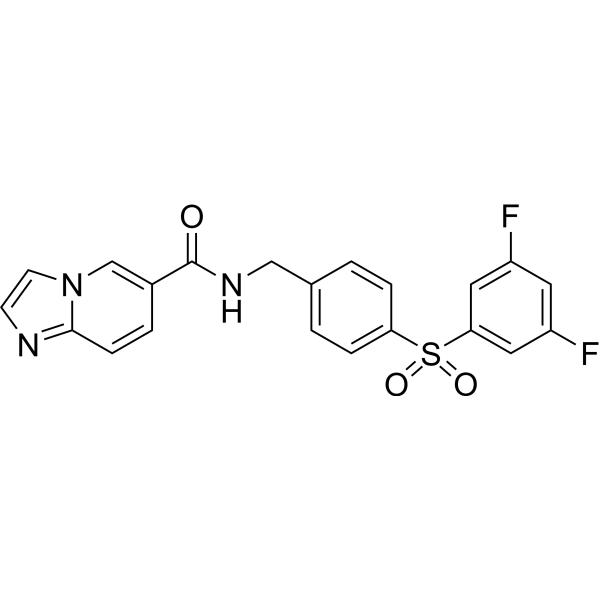
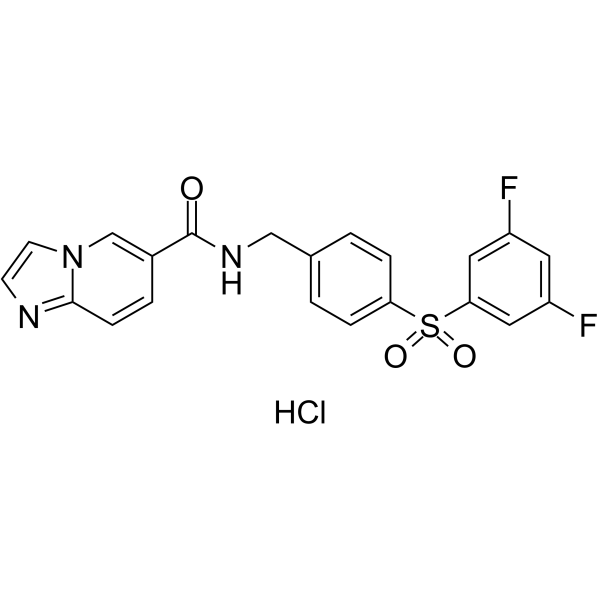
STF-118804 is a highly specific NAMPT inhibitor. STF-118804 activates AMPK and inhibits mTOR pathways. STF-118804 has antitumor activity against pancreatic cancer .
|
-
-
- HY-112616
-
|
|
NAMPT
Drug-Linker Conjugates for ADC
|
Cancer
|
|
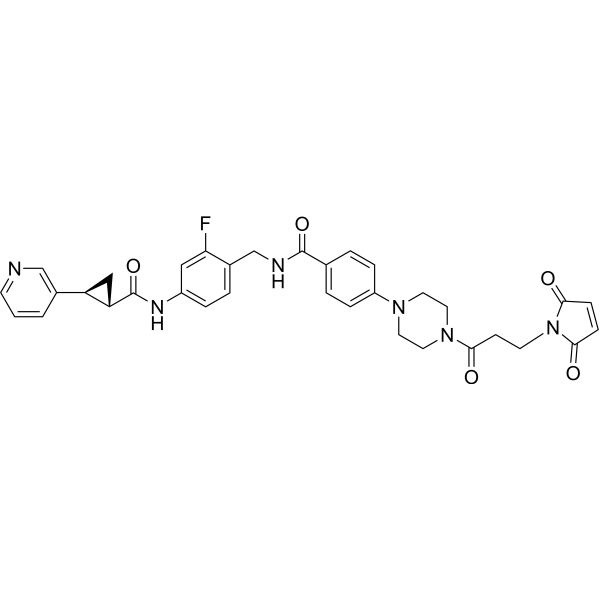
NAMPT inhibitor-linker 2 is a agent-linker conjugates for ADC, composed of an NAMPT inhibitor as a payload, and a linker. ADC-4 consists of an NAMPT inhibitor-linker 2 and an anti-c-Kit monoclonal antibody, exihibits potent activity against c-Kit expressing cell lines such as GIST-T1 and NCI-H526, with IC50s of <7 pM and 40 pM, respectively.
|
-
-
- HY-12971
-
|
LSN3154567
|
NAMPT
|
Cancer
|
|
Nampt-IN-1 (LSN3154567) is a potent and selective NAMPT inhibitor. Nampt-IN-1 inhibits purified NAMPT with an IC50 of 3.1 nM.
|
-
-
- HY-12628
-
GNE-618
2 Publications Verification
|
NAMPT
|
Cancer
|
|
GNE-618 is a potent, orally active nicotinamide phosphoribosyl transferase (NAMPT) inhibitor with an IC50 of 6 nM. GNE-618 depletes NAD levels and induces tumor cell death. Anti-tumor activity .
|
-
-
- HY-14373
-
|
ZM 242421
|
NAMPT
|
Cancer
|
|
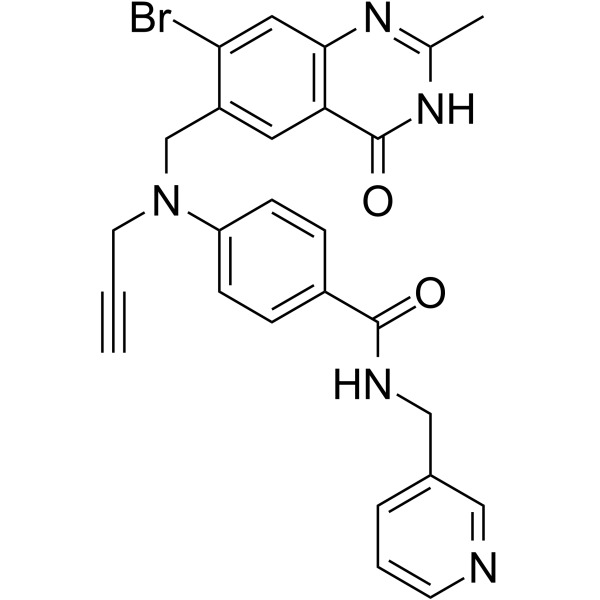
CB30865 (ZM 242421) is a nicotinamide phosphoribosyltransferase (Nampt) inhibitor, with potent cytotoxicity. CB30865 is highly potent against a variety of human tumour cell lines (IC50 values in the 1-10 nM range) . CB30865 is a click chemistry reagent, it contains an Alkyne group and can undergo copper-catalyzed azide-alkyne cycloaddition (CuAAc) with molecules containing Azide groups.
|
-
-
- HY-N3225
-
|
|
NAMPT
Sirtuin
Microtubule/Tubulin
Apoptosis
Autophagy
PDGFR
NF-κB
AMPK
|
Cardiovascular Disease
Neurological Disease
Metabolic Disease
Inflammation/Immunology
Cancer
|
|
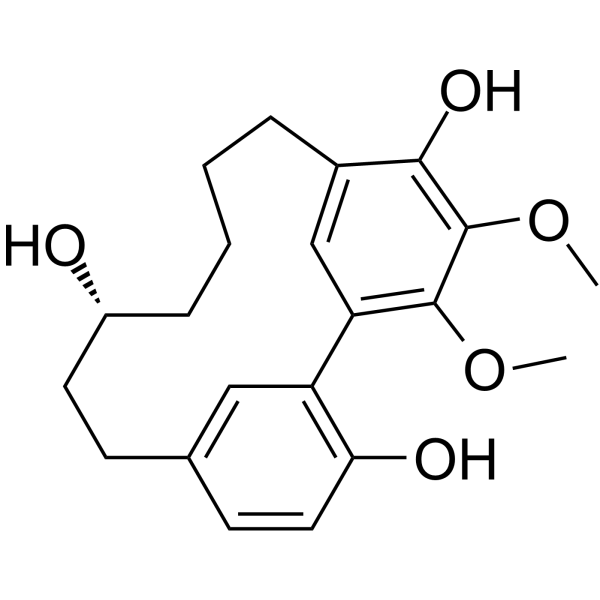
Myricanol is a diarylheptanoid and a Nampt activator. Myricanol exerts anti-inflammatory effects and alleviates glucocorticoid-induced muscle atrophy by increasing Sirtuin 1 (SIRT1) and PRDX5 activities while regulating inflammatory factors. Myricanol exhibits growth inhibition and induces apoptosis in human lung adenocarcinoma A549 cells. Myricanol promotes autophagy-mediated clearance of microtubule-associated protein tau to exert neuroprotective effects. Myricanol protects cardiovascular function by inhibiting PDGFRβ and NF-κB signaling pathways. Myricanol activates mitochondrial transcription factor A (TFAM) expression to exert anti-renal fibrosis effects. Myricanol improves insulin resistance through AMPK activation .
|
-
-
- HY-W017463
-
|
|
Drug Intermediate
TMV
Isocitrate Dehydrogenase (IDH)
|
Infection
|
|
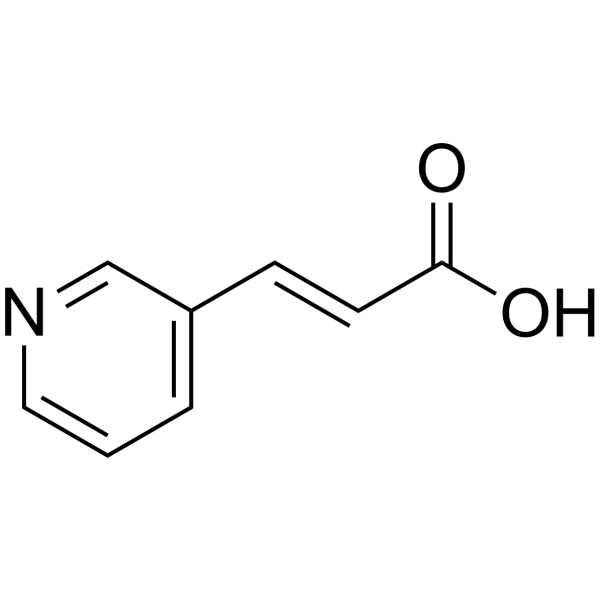
trans-3-(3-Pyridyl) acrylic acid is an unsaturated carboxylic acid and synthetic building block, which serves as a synthetic precursor of 3-(3-pyridyl) propanoic acid. trans-3-(3-Pyridyl) acrylic acid can be used to prepare dual mutant IDH1/NAMPT inhibitors and PGE2 antagonist analogs. In addition, trans-3-(3-Pyridyl) acrylic acid exhibits antiviral activity against tobacco mosaic virus (TMV) .
|
-
-
- HY-14374
-
|
CAY10618
|
NAMPT
Autophagy
|
Inflammation/Immunology
Cancer
|
|
GPP78 (CAY10618) is a potent Nampt inhibitor with an IC50 of 3.0 nM for nicotinamide adenine dinucleotide (NAD) depletion. GPP78 is cytotoxic to neuroblastoma cell line SH-SY5Y cells with an IC50 of 3.8 nM by inducing autophagy. GPP78 has anti-cancer and anti-inflammatory effects .
|
-
-
- HY-108701
-
|
|
NAMPT
HDAC
Autophagy
Apoptosis
|
Cancer
|
|
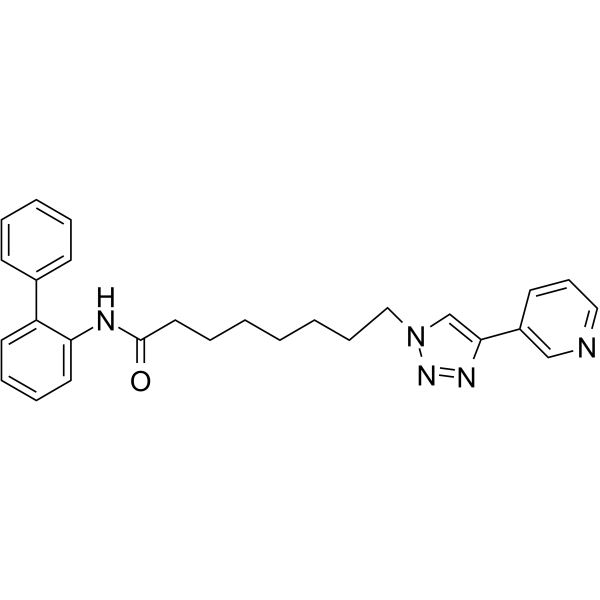
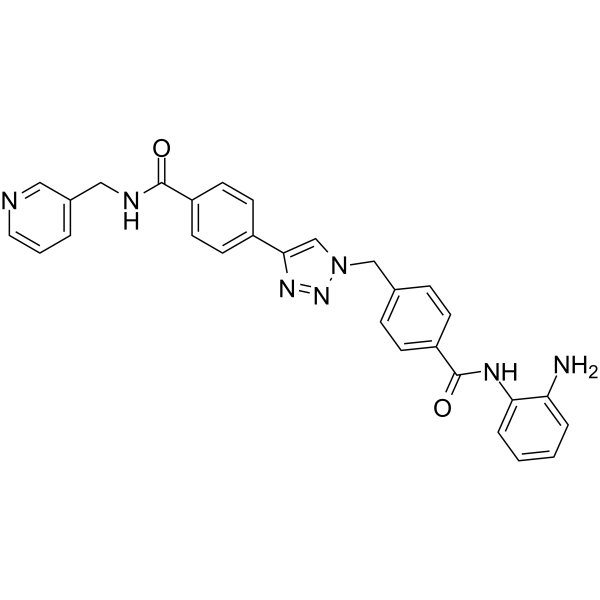
Nampt-IN-3 (Compound 35) simultaneously inhibit nicotinamide phosphoribosyltransferase (NAMPT) and HDAC with IC50s of 31 nM and 55 nM, respectively. Nampt-IN-3 effectively induces cell apoptosis and autophagy and ultimately leads to cell death .
|
-
-
- HY-10080
-
|
GMX1777; EB-1627
|
NAMPT
|
Cancer
|
|
Teglarinad chloride (GMX1777) is a proagent of GMX1778 (a nicotinamide phosphoribosyl transferase inhibitor). Teglarinad chloride exhibits antitumor activity in mice can be attributed to inhibition of NAMPT. Teglarinad chloride also enhances radiation efficacy, mediated by interference with DNA repair and antiangiogenesis .
|
-
-
- HY-33287
-
|
|
Biochemical Assay Reagents
|
Cancer
|
|
2-Bromothiazole-5-carboxylic acid is a starting compound in the synthesis of active compounds. 2-Bromothiazole-5-carboxylic acid can be used in the synthesis of NAMPT/HDAC inhibitors. 2-Bromothiazole-5-carboxylic acid can be used in the research of colon cancer, lung cancer, and liver cancer .
|
-
-
- HY-125147
-
|
|
NAMPT
|
Cancer
|
|
A-1293201 is a substrate-independent NAMPT inhibitor with antitumor activity. A-1293201 effectively reduces the total cellular NAD +/NADH (NADt) level, subsequently leading to ATP depletion and cancer cell death. In addition, A-1293201 can effectively overcome the acquired resistance mechanism of the NAMPT Y18 mutant to CHS-828 (HY-10079) .
|
-
-
- HY-155506
-
|
|
NAMPT
|
Cancer
|
|
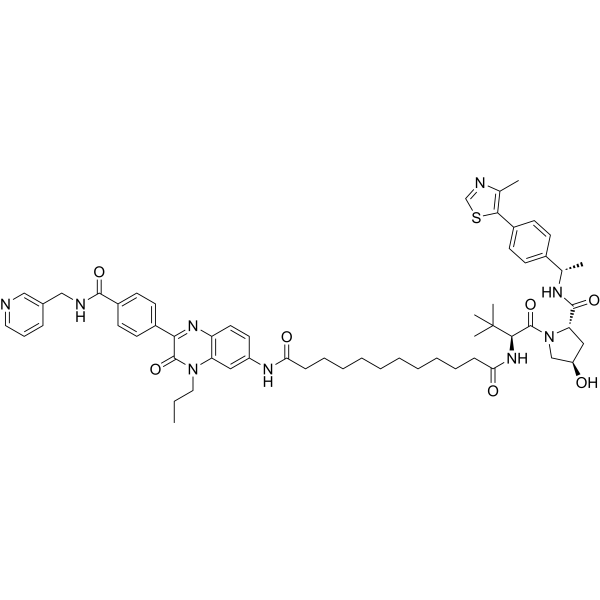
NAMPT degrader-3 (compound C5) is a NAMPT degrader, depending on VHL- and proteasome manner. NAMPT degrader-3 displays cytotoxicity and inhibits A2780 cells proliferation .
|
-
-
- HY-163445
-
|
|
NAMPT
|
Cancer
|
|
NAMPT activator-6 is a NAMPT activator, a regulatory molecule for the optical control system of NAMPT and NAD+. NAMPT activator-6 can be used to design efficient photoswitchable proteolysis-targeting chimeras (PS-PROTACs) to achieve up-down reversible regulation of NAMPT and NAD+ in a light-dependent manner and reduce the toxicity associated with inhibitor-based PS-PROTACs. PS-PROTAC can be used to achieve antitumor activity, NAMPT, and NAD+ modulation in vivo via optical manipulation .
|
-
-
- HY-147193A
-
|
|
NAMPT
|
Cancer
|
|
Nampt-IN-10 trihydrochloride (compound 4) is a Nicotinamide Phosphoribosyltransferase (NAMPT) inhibitor. Nampt-IN-10 trihydrochloride shows cellular potency to A2780 and CORL23 cell lines with IC50 values of 5 and 19 nM, respectively. Nampt-IN-10 trihydrochloride can be used as a novel non-antimitotic payload for antibody-drug conjugate (ADC) .
|
-
-
- HY-161712
-
|
|
IMPDH
|
Cancer
|
|
IMPDH-IN-4 is a derivative of N-pyridinylthiophene carboxamid that exhibits activity against peripheral nerve sheath carcinoma cells. IMPDH-IN-4 is metabolized by NAMPT and NMNAT1 to an adenine dinucleotide (AD) derivative, which is an NAD analog and can inhibit inosine monophosphate dehydrogenase (IMPDH), leading to the accumulation of inosine monophosphate (IMP) in cells. IMPDH-IN-4 has good blood-brain barrier permeability and can be used in the study of central and peripheral nervous system cancers .
|
-
-
- HY-164759
-
|
|
NAMPT
|
Cancer
|
|
Nampt-IN-13 (example 58m) is a NAMPT inhibitor that can be used in the synthesis of Antibody-drug Conjugate (ADC) .
|
-
-
- HY-W1117786
-
|
|
ADC Payload
NAMPT
|
Cancer
|
|
Nampt-IN-10 (Compound 4) is an efficient inhibitor of nicotinamide phosphoribosyltransferase (NAMPT). Nampt-IN-10 exhibits nanomolar-level inhibitory activity against cell lines such as MDA-MB453, NCI-N87, and NCI-H526. Nampt-IN-10 can be used as an ADC payload, and the ADC constructed with it as the core demonstrates significant anti-tumor activity .
|
-
-
- HY-15766A
-
|
|
NAMPT
|
Cancer
|
|
GNE-617 hydrochloride is a specific NAMPT inhibitor that inhibits the biochemical activity of NAMPT with an IC50 of 5 nM and exhibits efficacy in xenograft models of cancer.
|
-
-
- HY-159009
-
|
|
NAMPT
Ligands for Target Protein for PROTAC
|
Cancer
|
|
MS7 is a potent inhibitor of nicotinamide phosphoribosyltransferase (NAMPT). NAMPT is overexpressed in many cancer cells to meet the continuous replenishment of NAD + required for rapid proliferation. MS7, as a NAMPT target protein ligand, can be used to synthesize PROTAC A7, which is an effective NAMPT degrader. MS7 can be used in cancer research .
|
-
-
- HY-147838
-
|
|
NAMPT
|
Cancer
|
|
Nampt-IN-9 (Compound 8) is a potent NAMPT inhibitor with anticancer activities. Nampt-IN-9 can be used for pancreatic ductal adenocarcinoma research .
|
-
-
- HY-176237
-
|
|
NAMPT
Apoptosis
|
Cancer
|
|
Nampt-IN-16 (Compound 9a) is an orally active NAMPT inhibitor with an IC50 of 0.15 μM. Nampt-IN-16 can reduce intracellular NAD + and ATP levels. Nampt-IN-16 can inhibit the proliferation, migration, and invasion, induce cell cycle arrest and apoptosis, and alter cellular metabolism of gastric cancer cells. Nampt-IN-16 can be used in the research of tumors such as gastric cancer .
|
-
-
- HY-170972
-
|
|
Apoptosis
PARP
NAMPT
|
Cancer
|
|
PARP1/NAMPT-IN-2 (Compound 13j) is a dual PARP/NAMPT inhibitor with IC50 values of 0.8 nM and 18 nM for PARP1 and NAMPT, respectively. PARP1/NAMPT-IN-2 can inhibit the proliferation, migration and induce apoptosis of breast cancer cells. PARP1/NAMPT-IN-2 can be used for the research of triple-negative breast cancer .
|
-
-
- HY-130606
-
|
|
NAMPT
Cytochrome P450
|
Cancer
|
|
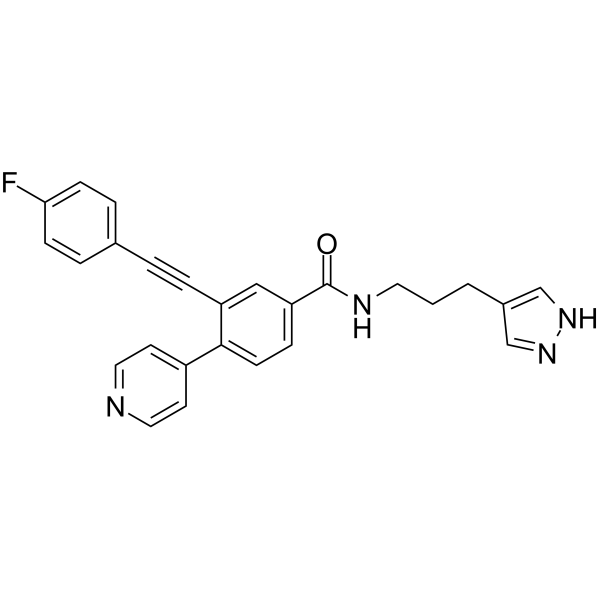
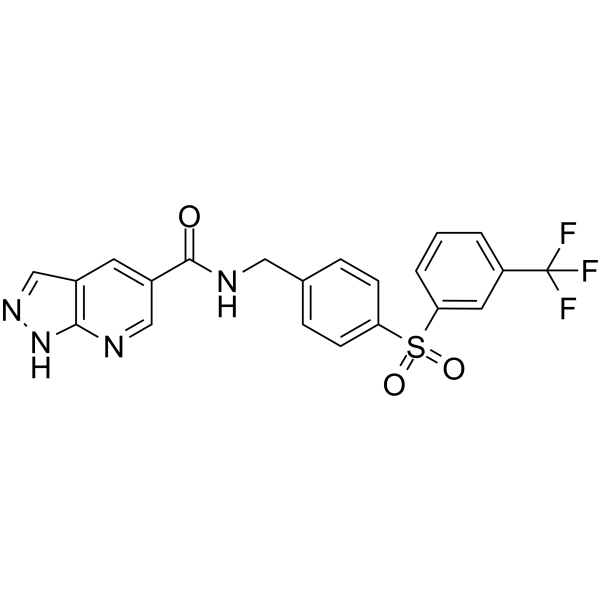
Nampt-IN-5 is a potent nicotinamide phosphoribosyltransferase (NAMPT) inhibitor. Nampt-IN-5 also inhibits CYP3A4 activity and has cellular IC50s of 0.7 nM and 3.9 nM against A2780 and COR-L23, respectively .
|
-
-
- HY-162124
-
|
|
NAMPT
HDAC
|
Cancer
|
|
HDAC/NAMPT-IN-1 (compound 39h) is a dual inhibitor of HDAC and NAMPT with IC50 values of 0.72-37081 nM and 1618 nM .
|
-
-
- HY-161515
-
|
|
NAMPT
Epigenetic Reader Domain
|
Cancer
|
|
BRD4/NAMPT-IN-1 (Compound A2) shows strong inhibitory effects on NAMPT and BRD4 (IC50=35 nM (NAMPT) and 58 nM (BRD4)). BRD4/NAMPT-IN-1 inhibits the growth and migration of hepatocellular carcinoma cells and promotes apoptosis. BRD4/NAMPT-IN-1 also shows potent anticancer effects in HCCLM3 xenograft mouse model, with no obvious toxic effects .
|
-
-
- HY-175294
-
|
|
PD-1/PD-L1
NAMPT
|
Cancer
|
|
PD-L1/Nampt-IN-1 is an orally active inhibitor that simultaneously target PD-L1 and NAMPT (nicotinamide phosphoribosyltransferase) with IC50s value of 63 nM and 582 nM. PD-L1/Nampt-IN-1 demonstrates cross-species affinity with comparable KD values for hPD-L1 (52.6 nM) and mPD-L1 (49.1 nM), respectively. PD-L1/Nampt-IN-1 effectively inhibits tumor growth by activating the tumor immune microenvironment. PD-L1/Nampt-IN-1 can be used for the study of melanoma .
|
-
-
- HY-15766R
-
|
|
NAMPT
|
Metabolic Disease
Cancer
|
|
GNE-617 (Standard) is the analytical standard of GNE-617. This product is intended for research and analytical applications. GNE-617 is a specific NAMPT inhibitor that inhibits the biochemical activity of NAMPT with an IC50 of 5 nM and exhibits efficacy in xenograft models of cancer.
|
-
-
- HY-148572
-
|
|
Indoleamine 2,3-Dioxygenase (IDO)
NAMPT
|
Cancer
|
|
NAMPT/IDO1-IN-1 is an orally active dual inhibitor of NAMPT and IDO1 with IC50s of 57.7 nM and 233 nM, respectively. NAMPT/IDO1-IN-1 blocks NAD+ biosynthesis, inhibits proliferation and migration of Paclitaxel (HY-B0015)- and FK866 (HY-50876)-resistant NSCLC cell lines (A549/R cells). NAMPT/IDO1-IN-1 has shown antitumor effects in mice and enhanced A549/R cell sensitivity to paclitaxel .
|
-
-
- HY-162519
-
|
LZ90
|
NAMPT
PD-1/PD-L1
Apoptosis
|
Metabolic Disease
Inflammation/Immunology
Cancer
|
|
LZFPN-90 (LZ90) is a dual NAMPT/PD-L1 targeting compound. LZFPN-90 inhibits PD-1/PD-L1 interaction and NAMPT activity. LZFPN-90 inhibits cell growth in a NAMPT-dependent manner and blocks the cell cycle, subsequently inducing apoptosis. LZFPN-90 exerted target-dependent antitumor activities, affecting metabolic processes and the immune system .
|
-
-
- HY-162537
-
|
|
PROTACs
NAMPT
|
Cancer
|
|
LYP-8 is a potent and effective NAMPT degrader with maximum degradation of 97% at 0.5 μM in SKOV-3 cells. LYP-8 shows anti-cancer activity in vivo and in vitro(Sturcture Note:(Blue: Cereblon ligand (HY-112078), Black: linker (HY-128801);Pink: Nampt inhibitor Nampt-IN-11 (HY-158689)) .
|
-
-
- HY-172919
-
|
|
Phosphodiesterase (PDE)
NAMPT
Apoptosis
|
Cancer
|
|
PDEδ/NAMPT IN-1 (Compound 17d) is a dual inhibitor targeting phosphodiesterase 6 (PDE6) (KD=0.410 nM) and nicotinamide phosphoribosyl transferase (NAMPT) (IC50=2.21 nM). PDEδ/NAMPT IN-1 blocks KRAS-related signal transduction and interferes with the synthesis of nicotinamide adenine dinucleotide (NAD +), inducing apoptosis in KRAS mutant pancreatic cancer cells. PDEδ/NAMPT IN-1 is promising for research of KRAS mutant pancreatic cancer .
|
-
-
- HY-110319
-
|
(E/Z)-FK866 hydrochloride; (E/Z)-APO866 hydrochloride
|
NAMPT
Apoptosis
|
Inflammation/Immunology
Cancer
|
|
(E/Z)-Daporinad hydrochloride ((E/Z)-FK866 hydrochloride) is a potent inhibitor of nicotinamide phosphoribose transferase (NAMPT). (E/Z)-Daporinad hydrochloride induces apoptosis by specifically inhibiting NAMPT to gradually deplete intracellular NAD +. (E/Z)-Daporinad hydrochloride can be used in the study of cancer biology and inflammatory diseases .
|
-
-
- HY-161180
-
|
|
NAMPT
|
Cancer
|
|
Antitumor Agent-136 (Compound 17) is a potent broad-spectrum antitumor agent and a NAMPT inhibitor with an IC50 of 9.5 nM. Antitumor Agent-136 can reduce the levels of intracellular and extracellular NAMPT protein through the ubiquitin proteasome pathway, thus achieving tumor inhibition .
|
-
-
- HY-164705
-
-
-
- HY-161051
-
|
|
NAMPT
DNA Alkylator/Crosslinker
|
Cancer
|
|
Anticancer agent 177 (Compound 11b) is a NAMPT inhibitor and DNA alkylating agent. Anticancer agent 177 has antitumor activity in vitro and in vivo .
|
-
-
- HY-147795
-
-
-
- HY-147756
-
|
|
NAMPT
|
Cancer
|
|
Nampt-IN-7 (compound GF8) is a potent NAMPT inhibitor, with an IC50 of 7.31 μM. Nampt-IN-7 also displays cytotoxic activity against human HepG2 hepatocellular carcinoma cell line with an IC50 of 24.28 μM .
|
-
-
- HY-158319
-
|
|
Apoptosis
Isocitrate Dehydrogenase (IDH)
NAMPT
|
Cancer
|
|
Mutant IDH1/NAMPT-IN-1 (Compound 23h) is a dual inhibitor of mutant isocitrate dehydrogenase 1 (mutant IDH1) (IC50=14.93 nM) and nicotinamide phosphoribosyltransferase (NAMPT) (IC50=12.56 nM). Mutant IDH1/NAMPT-IN-1 can induce apoptosis. Mutant IDH1/NAMPT-IN-1 crosses the blood-brain barrier effectively .
|
-
-
- HY-159015
-
|
|
PROTACs
|
Cancer
|
|
SIAIS630120-NC is a negative control for NAMPT (nicotinamide phosphoribosyltransferase) degrader SIAIS630120 (Sturcture Note:(Blue: Cereblon ligand Thalidomide (HY-14658) analogue (HY-138793), Black: linker;Pink: Nampt inhibitor FK866 (HY-50876)) .
|
-
-
- HY-101280
-
|
|
NAMPT
|
Cancer
|
|
LB-60-OF61 is a NAMPT inhibitor and is a cytotoxic compound with a selectivity towards MYC overexpressing cell lines .
|
-
- HY-164707
-
-
- HY-164706
-
|
|
Drug-Linker Conjugates for ADC
|
Cancer
|
|
m-PEG6-Lys-Mal-Toxophore-quinoline is a drug-linker conjugate for ADC and can be used for ADC synthesis. The payload is a NAMPT inhibitor (HY-164760) .
|
-
- HY-101280A
-
|
|
NAMPT
|
Cancer
|
|
LB-60-OF61 hydrochloride is a potent NAMPT (nicotinamide phosphoribosyltransferase) inhibitor. LB-60-OF61 hydrochloride is a cytotoxic compound with a selectivity towards MYC overexpressing cell lines .
|
-
- HY-10079A
-
|
GMX1778 (nicotinate)
|
NAMPT
Apoptosis
|
Cancer
|
|
CHS-828 nicotinate is a competitive inhibitor of nicotinamide phosphoribosyltransferase (NAMPT), with an IC50 less than 25 nM. CHS-828 nicotinate (GMX1778) exerts a cytotoxic effect by decreasing the cellular level of NAD + and exhibits a potent anticancer activity .
|
-
- HY-10079R
-
|
GMX1778 (Standard)
|
Reference Standards
NAMPT
Apoptosis
|
Cancer
|
|
CHS-828 (Standard) is the analytical standard of CHS-828. This product is intended for research and analytical applications. CHS-828 (GMX1778) is a competitive inhibitor of nicotinamide phosphoribosyltransferase (NAMPT), with an IC50 less than 25 nM. CHS-828 (GMX1778) exerts a cytotoxic effect by decreasing the cellular level of NAD+ and exhibits a potent anticancer activity .
|
-
- HY-181254
-
|
|
PARP
NAMPT
DNA/RNA Synthesis
Apoptosis
|
Cancer
|
|
PARP1/NAMPT-IN-1 is a potent and dual PARP1 and NAMPT inhibitor with IC50 values of 1.2 nM and 6.7 nM, respectively. PARP1/NAMPT-IN-1 can disrupt the homologous recombination repair (HRR) pathway, leading to the accumulation of DNA double-strand breaks (DSBs), inducing cell cycle arrest and apoptosis, and also has antimigratory effects. PARP1/NAMPT-IN-1 exhibits excellent antitumor effects in a breast cancer xenograft model. PARP1/NAMPT-IN-1 can be used for the study of triple-negative breast cancer (TNBC) .
|
-
- HY-181578
-
|
|
NAMPT
Apoptosis
|
Cancer
|
|
Nampt-IN-17 is an selective orally active NAMPT inhibitor with a human NAMPT IC50 of 17 nM and Ki of 25.9 nM. Nampt-IN-17 depletes intracellular NAD + and ATP, disrupts mitochondrial membrane potential, suppresses cell proliferation, self-renewal, invasion, and migration, induces cell-cycle arrest and apoptosis. Nampt-IN-17 exhibits selective activity against NAPRT-deficient gastric cancer cells. Nampt-IN-17 can be used for the research of NAPRT-deficient gastric cancer .
|
-
- HY-181863
-
|
|
NAMPT
DNA/RNA Synthesis
Apoptosis
|
Cancer
|
|
Nampt-IN-18 (Compound Q24) is an orally active NAMPT inhibitor with an IC50 of 8.0 nM against hNAMPT. Nampt-IN-18 inhibits NAMPT enzymatic activity. Nampt-IN-18 inhibits DNA synthesis and induces Apoptosis. Nampt-IN-18 exhibits anticancer activity against gastric cancer and colorectal cancer. Nampt-IN-18 can be used for the research of gastrointestinal cancers .
|
-
- HY-50876A
-
|
FK866 hydrochloride; APO866 hydrochloride
|
NAMPT
Autophagy
Apoptosis
mTOR
p38 MAPK
ERK
|
Inflammation/Immunology
Cancer
|
|
Daporinad (FK866) hydrochloride is a non-competitive inhibitor of nicotinamide phosphoribosyltransferase (Nampt), with a Ki value of 0.3 nM. Daporinad hydrochloride depletes NAD+ and ATP levels, inhibits mTORC1 and MAPK/ERK pathways, and activates TFEB to induce autophagy. Daporinad hydrochloride causes the depletion of the endoplasmic reticulum Ca²⁺ pool, ultimately weakening the mitogen-induced Ca²⁺ signal and the activation and function of T cells. Daporinad hydrochloride induces cell cycle arrest and apoptosis, and inhibits cell proliferation. Daporinad hydrochloride can be used for the study of myeloma, liver cancer, and immunosuppression .
|
-
- HY-108701R
-
|
|
Reference Standards
NAMPT
HDAC
Autophagy
Apoptosis
|
Cancer
|
|
Nampt-IN-3 (Standard) is the analytical standard of Nampt-IN-3 (HY-108701). This product is intended for research and analytical applications. Nampt-IN-3 (Compound 35) simultaneously inhibit nicotinamide phosphoribosyltransferase (NAMPT) and HDAC with IC50s of 31 nM and 55 nM, respectively. Nampt-IN-3 effectively induces cell apoptosis and autophagy and ultimately leads to cell death .
|
-
- HY-182567
-
|
|
NAMPT
|
Cancer
|
|
Nampt-IN-19 is an orally active and non-substrate nicotinamide phosphoribosyltransferase (NAMPT) inhibitor with a human Ki of 5.6 nM. Nampt-IN-19 blocks NAD + biosynthesis from Nicotinamide (HY-B0150). Nampt-IN-19 acts as an antiproliferative agent in cancer cells. Nampt-IN-19 has preclinical pharmacokinetic properties supporting oral antitumor activity in mouse xenograft models. Nampt-IN-19 can be used for the research of colorectal cancer .
|
-
- HY-181350
-
|
|
Carbonic Anhydrase
NAMPT
Apoptosis
Reactive Oxygen Species (ROS)
ERK
Akt
DNA/RNA Synthesis
Mitochondrial Metabolism
|
Cancer
|
|
CAIX/XII/NAMPT-IN-1 is a triple inhibitor of carbonic anhydrase IX/XII and nicotinamide phosphoribosyltransferase (NAMPT) with a hCA IX Ki of 78.1 nM, hCA XII Ki of 64.4 nM, and hNAMPT IC50 of 168 nM. CAIX/XII/NAMPT-IN-1 induces apoptosis, ROS accumulation, suppresses ERK/AKT signaling, inhibits DNA synthesis, and causes mitochondrial dysfunction. CAIX/XII/NAMPT-IN-1 exerts antiproliferative effects against multiple cancer cells under normoxic and hypoxic conditions. CAIX/XII/NAMPT-IN-1 can be used for the research of cancer, such as renal carcinoma, glioblastoma and colorectal cancer .
|
-
- HY-119159
-
|
|
NAMPT
Caspase
Apoptosis
|
Cancer
|
|
AS1604498 is a highly specific competitive inhibitor of human NAMPT, with an IC50 of 44.4 nM. AS1604498 functionally inhibits NAMPT enzymatic activity, reduces nicotinamide mononucleotide production, decreases intracellular NAD levels, activates caspase 3/7 and induces cancer cell apoptosis. AS1604498 is applicable to research related to chronic myeloid leukemia .
|
-
- HY-101280R
-
|
|
NAMPT
Reference Standards
|
Cancer
|
|
LB-60-OF61 (Standard) is the analytical standard of LB-60-OF61 (HY-101280). This product is intended for research and analytical applications. LB-60-OF61 is a NAMPT inhibitor and is a cytotoxic compound with a selectivity towards MYC overexpressing cell lines .
|
-
- HY-181911
-
|
|
Drug-Linker Conjugates for ADC
NAMPT
|
Neurological Disease
|
|
L2-FK866 is an ADC payload-linker conjugate (Drug-linker conjugate for ADC). L2-FK866 contains the ADC linker (Val-Cit-p-aminobenzyl) and the NAMPT inhibitor FK866 (HY-50876). L2-FK866 can be conjugated with Dinutuximab (HY-P9933) to form an ADC. L2-FK866 is applicable to neuroblastoma research .
|
-
| Cat. No. |
Product Name |
Type |
-
- HY-33287
-
|
|
Biochemical Assay Reagents
|
|
2-Bromothiazole-5-carboxylic acid is a starting compound in the synthesis of active compounds. 2-Bromothiazole-5-carboxylic acid can be used in the synthesis of NAMPT/HDAC inhibitors. 2-Bromothiazole-5-carboxylic acid can be used in the research of colon cancer, lung cancer, and liver cancer .
|
| Cat. No. |
Product Name |
Category |
Target |
Chemical Structure |
-
- HY-N3225
-
|
|
Myrica ceriferaL.
Phenols
Polyphenols
Plants
Source Classification
Myricaceae
|
NAMPT
Sirtuin
Microtubule/Tubulin
Apoptosis
Autophagy
PDGFR
NF-κB
AMPK
|
|
Myricanol is a diarylheptanoid and a Nampt activator. Myricanol exerts anti-inflammatory effects and alleviates glucocorticoid-induced muscle atrophy by increasing Sirtuin 1 (SIRT1) and PRDX5 activities while regulating inflammatory factors. Myricanol exhibits growth inhibition and induces apoptosis in human lung adenocarcinoma A549 cells. Myricanol promotes autophagy-mediated clearance of microtubule-associated protein tau to exert neuroprotective effects. Myricanol protects cardiovascular function by inhibiting PDGFRβ and NF-κB signaling pathways. Myricanol activates mitochondrial transcription factor A (TFAM) expression to exert anti-renal fibrosis effects. Myricanol improves insulin resistance through AMPK activation .
|
-
| Cat. No. |
Product Name |
|
Classification |
-
- HY-14373
-
|
ZM 242421
|
|
Alkynes
|
|
CB30865 (ZM 242421) is a nicotinamide phosphoribosyltransferase (Nampt) inhibitor, with potent cytotoxicity. CB30865 is highly potent against a variety of human tumour cell lines (IC50 values in the 1-10 nM range) . CB30865 is a click chemistry reagent, it contains an Alkyne group and can undergo copper-catalyzed azide-alkyne cycloaddition (CuAAc) with molecules containing Azide groups.
|
Your information is safe with us. * Required Fields.
Inquiry Information
- Product Name:
- Cat. No.:
- Quantity:
- MCE Japan Authorized Agent:

