Search Result
| Pathways Recommended: |
NF-κB
|
Results for "
NF-κB transcriptional activity
" in MedChemExpress (MCE) Product Catalog:
4
Isotope-Labeled Compounds
| Cat. No. |
Product Name |
Target |
Research Areas |
Chemical Structure |
-
- HY-N0005
-
-
-
- HY-13982
-
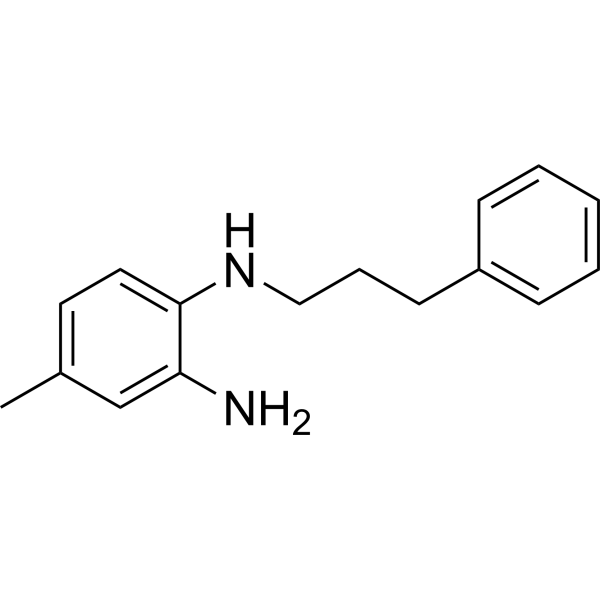
JSH-23
Maximum Cited Publications
141 Publications Verification
|
NF-κB
|
Metabolic Disease
Inflammation/Immunology
Cancer
|
|
JSH-23 is an NF-κB inhibitor which inhibits NF-κB transcriptional activity with an IC50 of 7.1 μM in lipopolysaccharide (LPS)-stimulated macrophages RAW 264.7. JSH-23 inhibits nuclear translocation of NF-κB p65 without affecting IκBα degradation .
|
-
-
- HY-B0167
-
-
-
- HY-10172
-
|
IKK2 Inhibitor V
|
IKK
|
Cancer
|
|
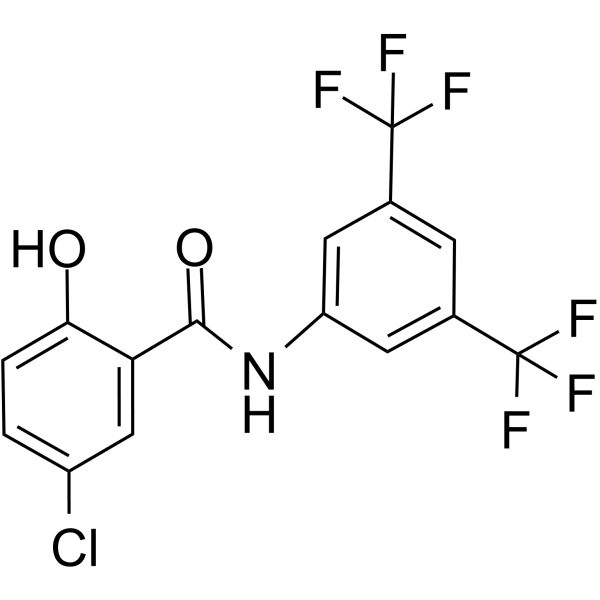
IMD-0354 (IKK2 Inhibitor V) is a selective IKKβ inhibitor which inhibits NF-κB activity . IMD0354 inhibits TNF-α induced NF-κB transcription activity with an IC50 of 1.2 uM .
|
-
-
- HY-50937
-
|
|
MyD88
|
Inflammation/Immunology
|
|
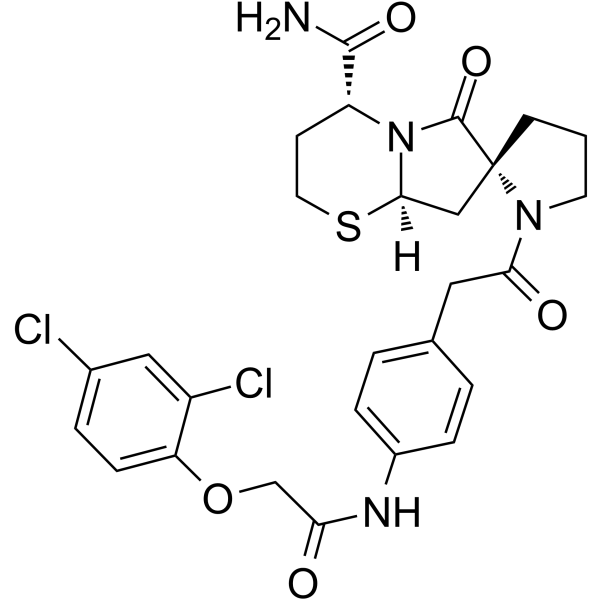
ST 2825 is a specific MyD88 dimerization inhibitor. ST2825 interferes with recruitment of IRAK1 and IRAK4 by MyD88, causing inhibition of IL-1β-mediated activation of NF-κB transcriptional activity .
|
-
-
- HY-N0043
-
-
-
- HY-B1060
-
|
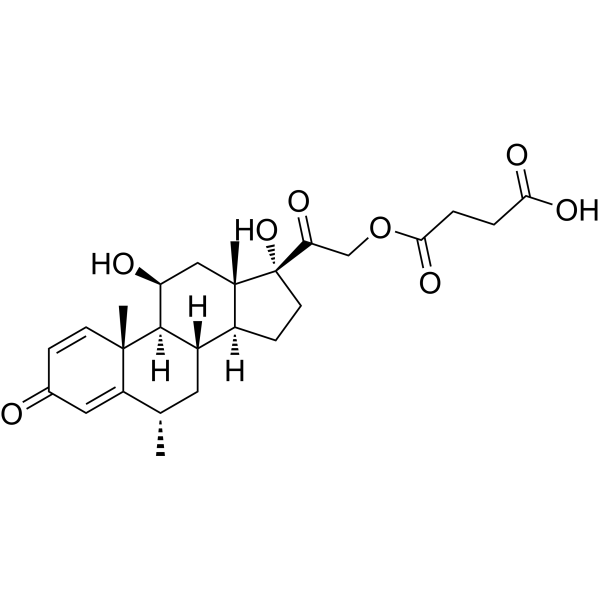
Methylprednisolone hydrogen succinate sodium
|
Glucocorticoid Receptor
|
Infection
Neurological Disease
Inflammation/Immunology
Cancer
|
|
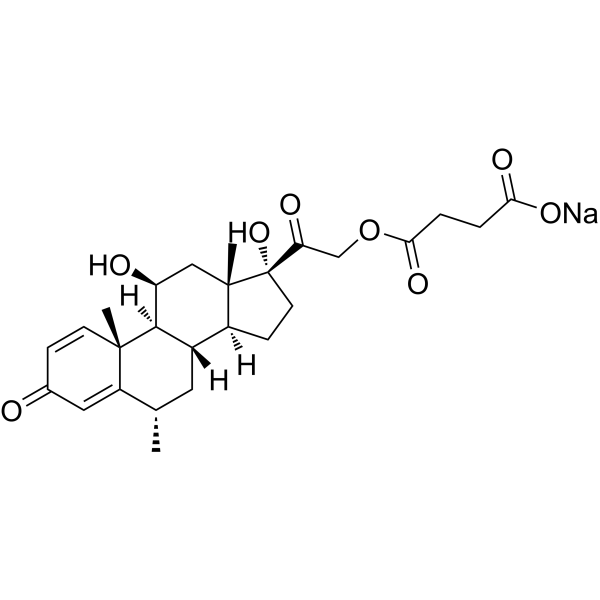
Methylprednisolone succinate (Methylprednisolone hydrogen succinate) sodium is a prodrug of Methylprednisolone (HY-B0260) and glucocorticoid with immunosuppressant and anti-inflammatory activity. Methylprednisolone succinate sodium binds cytosolic glucocorticoid receptors, translocates to nuclei, and modulates target gene transcription. Methylprednisolone succinate sodium alters Bax, Bcl-2, occludin, and ZO-1 expression; attenuates TLR4/NF-κB signaling; suppresses proinflammatory cytokine production and immune cell activation. Methylprednisolone succinate sodium can be used for the research of intracranial haemorrhage, rheumatoid arthritis, multiple sclerosis, preterminal cancer, inflammatory conditions, shock, immediate-type hypersensitivity, acute myocardial ischemia, hypoxic heart muscle damage, and traumatic spinal cord injury .
|
-
-
- HY-B0167A
-
-
-
- HY-N0041
-
|
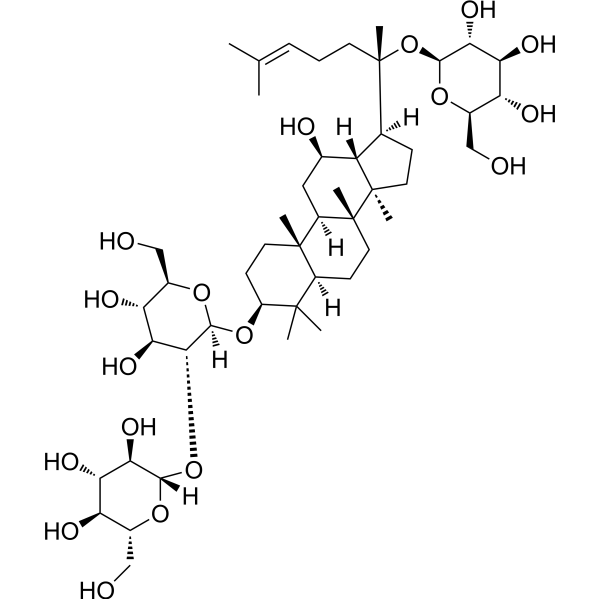
Gypenoside IV
|
NF-κB
COX
NO Synthase
|
Inflammation/Immunology
Cancer
|
|
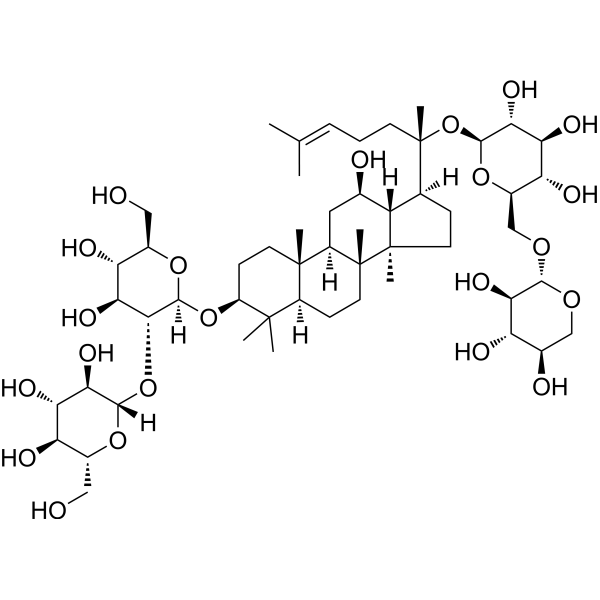
Ginsenoside Rb3 is extracted from steamed Panax ginseng C. A. Meyer. Ginsenoside Rb3 exhibits inhibitory effect on TNFα-induced NF-κB transcriptional activity with an IC50 of 8.2 μM in 293T cell lines. Ginsenoside Rb3 also inhibits the induction of COX-2 and iNOS mRNA.
|
-
-
- HY-N2593
-
|
|
Carnitine Palmitoyltransferase (CPT)
Reactive Oxygen Species (ROS)
Autophagy
Apoptosis
NF-κB
PI3K
Akt
MMP
Keap1-Nrf2
|
Metabolic Disease
Inflammation/Immunology
Cancer
|
|
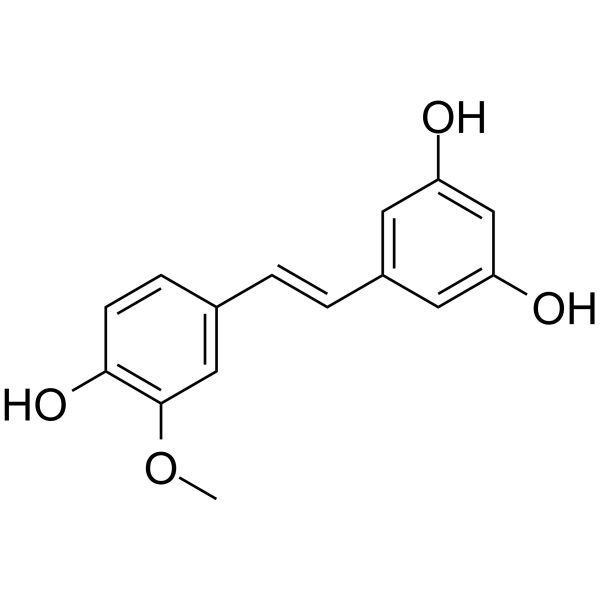
Isorhapontigenin is an orally active dietary polyphenol. Isorhapontigenin acts as a potent antioxidant that reduces the production of reactive oxygen species (ROS). Isorhapontigenin promotes the binding of JUN to the AP-1 site on the SESN2 promoter, induces SESN2 transcription, triggers MAPK8-dependent JUN activation, and upregulates the expression of PPAR-α, PGC-1α and CPT-1A to facilitate fatty acid oxidation. Isorhapontigenin induces autophagy, apoptosis and preadipocyte differentiation; it inhibits tumor growth, cell invasion, NF-κB transcriptional activity, the PI3K/Akt signaling pathway, STAT1 phosphorylation and MMP-2 expression. Isorhapontigenin alleviates oxidative stress, inflammatory cytokine release and triglyceride accumulation; it increases intracellular ATP levels and promotes Nrf2 nuclear translocation. Isorhapontigenin improves insulin sensitivity in adipose tissue and glucose tolerance, and reduces postprandial blood glucose, insulin and free fatty acid levels. Isorhapontigenin is applicable to research on bladder cancer, liver injury, chronic obstructive pulmonary disease, acute lung injury and type 2 diabetes .
|
-
-
- HY-B0167S
-
-
-
- HY-119970
-
|
|
NF-κB
|
Inflammation/Immunology
Cancer
|
|
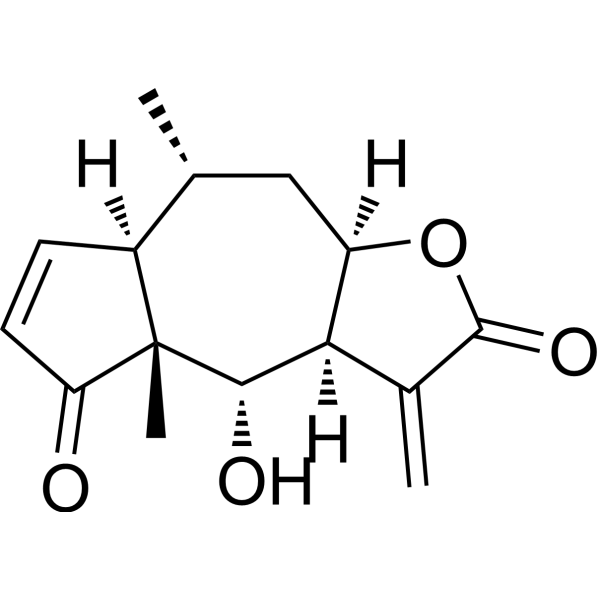
Helenalin is an anti-inflammatory sesquiterpene lactone. Helenalin selectively inhibits transcription factor NF-κB by directly targeting p65. Helenalin has alkylating activity, targets the cysteine sulfhydryl groups in the p65 subunit of NF-κB, thereby inhibits its DNA binding .
|
-
-
- HY-15681
-
|
|
CDK
|
Cancer
|
|
Senexin A is an inhibitor of CDK8/19 (IC50: 280 nM, CDK8) and an inhibitor downstream of p21 transcription. It only inhibits p21-induced transcription but does not inhibit other biological effects of p21. Senexin A inhibits CMV-GFP induction as well as the p21 stimulatory activity of the consensus NF-κB-dependent promoters .
|
-
-
- HY-N0279
-
-
-
- HY-N0005R
-
|
Diferuloylmethane (Standard); Natural Yellow 3 (Standard); Turmeric yellow (Standard)
|
Reference Standards
Histone Acetyltransferase
Epigenetic Reader Domain
Keap1-Nrf2
Autophagy
Mitophagy
Influenza Virus
Ferroptosis
|
Infection
Neurological Disease
Inflammation/Immunology
Cancer
|
|
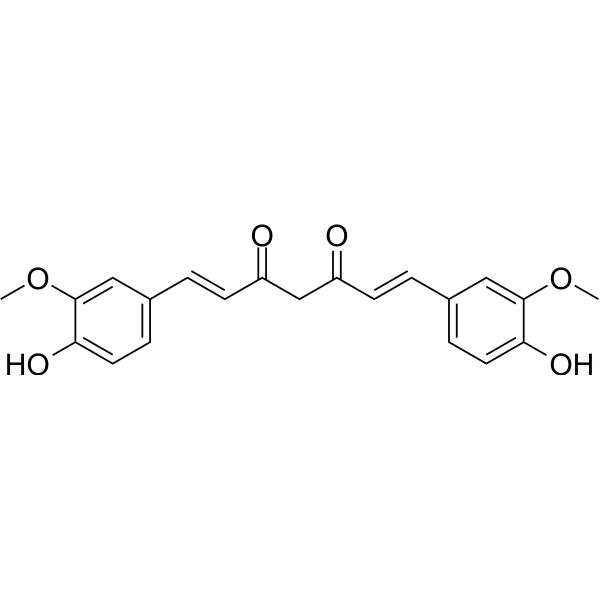
Curcumin (Standard) is the analytical standard of Curcumin (HY-N0005). This product is intended for research and analytical applications. Curcumin (Diferuloylmethane), a natural phenolic compound, is a p300/CREB-binding protein-specific inhibitor of acetyltransferase, represses the acetylation of histone/nonhistone proteins and histone acetyltransferase-dependent chromatin transcription. Curcumin is a photosensitizer against microorganisms. Curcumin shows inhibitory effects on NF-κB and MAPKs, and has diverse pharmacologic effects including anti-inflammatory, antioxidant, antiproliferative and antiangiogenic activities. Curcumin induces stabilization of Nrf2 protein through Keap1 cysteine modification.
|
-
-
- HY-N0807
-
|
|
MMP
NF-κB
JAK
Keap1-Nrf2
|
Metabolic Disease
Inflammation/Immunology
Cancer
|
|
Swertiamarin is an orally active natural product with hypoglycemic, lipid-lowering, anti-rheumatic, and antioxidant activities. Swertiamarin can regulate the levels of pro-inflammatory cytokines, MMP, and NF-κB, and promote osteoblast proliferation. Swertiamarin has antioxidant and hepatoprotective effects against carbon tetrachloride induced rat liver toxicity through the Nrf2/HO-1 pathway. Swertiamarin can attenuate inflammatory mediators by regulating JAK2/STAT3 transcription factors in adjuvant induced arthritis rats. Swertiamarin can be used in the research of diabetes and arthritis .
|
-
-
- HY-B1900
-
|
Methylprednisolone hydrogen succinate
|
Glucocorticoid Receptor
Bacterial
Toll-like Receptor (TLR)
NF-κB
|
Infection
Neurological Disease
Metabolic Disease
Inflammation/Immunology
Cancer
|
|
Methylprednisolone succinate (Methylprednisolone hydrogen succinate) is a prodrug of Methylprednisolone (HY-B0260) and glucocorticoid with immunosuppressant and anti-inflammatory activity. Methylprednisolone succinate binds cytosolic glucocorticoid receptors, translocates to nuclei, and modulates target gene transcription. Methylprednisolone succinate alters Bax, Bcl-2, occludin, and ZO-1 expression; attenuates TLR4/NF-κB signaling; suppresses proinflammatory cytokine production and immune cell activation. Methylprednisolone succinate can be used for the research of intracranial haemorrhage, rheumatoid arthritis, multiple sclerosis, preterminal cancer, inflammatory conditions, shock, immediate-type hypersensitivity, acute myocardial ischemia, hypoxic heart muscle damage, and traumatic spinal cord injury .
|
-
-
- HY-110261
-
GS143
2 Publications Verification
|
IKK
E1/E2/E3 Enzyme
NF-κB
|
Inflammation/Immunology
|
|
GS143 is a selective IκBα ubiquitination inhibitor with an IC50 of 5.2 μM for SCF βTrCP1-mediated IκBα ubiquitylation. GS143 suppresses NF-κB activation and transcription of target genes and does not inhibit proteasome activity. GS143 has anti-asthma effect .
|
-
-
- HY-B0327
-
|
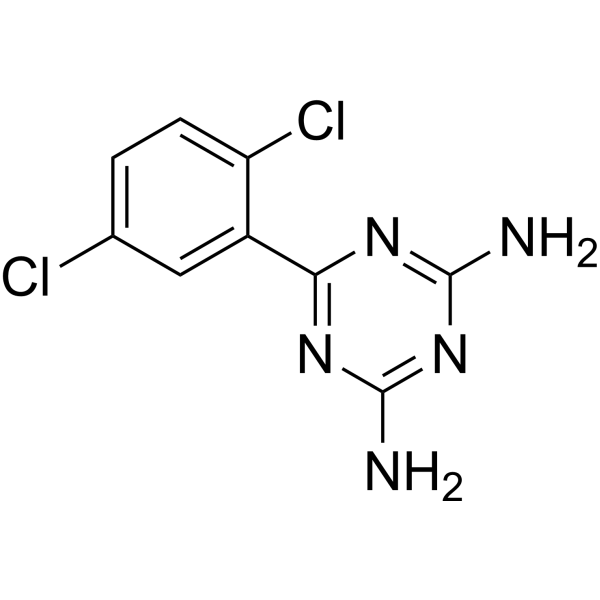
Dicloguamine
|
Phosphodiesterase (PDE)
NF-κB
AP-1
TRP Channel
Interleukin Related
|
Inflammation/Immunology
Cancer
|
|
Irsogladine (Dicloguamine) is an orally active gastric mucosal protective agent. Irsogladine inhibits breast cancer recurrence and lung metastasis in nude mice . Irsogladine inhibits the transcriptional activities of NF-κB and AP-1, suppresses the activities of PDE and PDE4 to elevate intracellular cAMP levels, and activates TRPV1 and KATP channels. Irsogladine enhances iNOS expression, NO production, and the activation of cAMP-responsive elements. Irsogladine inhibits the development and progression of intestinal polyps in Apc-mutant mice. Irsogladine alleviates oxidative stress, increases gastric mucosal blood flow, and stimulates the production of endogenous prostaglandins. Irsogladine promotes insulin secretion in MIN6 cells. Irsogladine inhibits tumor angiogenesis, cancer cell proliferation, and the production of proinflammatory cytokines. Irsogladine exerts protective effects on astrocytes in ethanol/hydrochloric acid-induced gastric ulcers in mice. Irsogladine prevents colitis in IL-10 gene-deficient mice by reducing the production of IL-12 and IL-23. Irsogladine upregulates gap junction intercellular communication in pancreatic cancer cells via the PKA pathway. Irsogladine is applicable to research related to breast cancer, intestinal polyposis, gastric ulcer, spontaneous colitis, glioma, liver cancer, and pancreatic cancer [5][6] .
|
-
-
- HY-N0906
-
-
-
- HY-N0167
-
|
Ginsenoside C-Mx1; Gypenoside IX
|
p38 MAPK
Akt
NF-κB
COX
Interleukin Related
NO Synthase
|
Metabolic Disease
Inflammation/Immunology
|
|
Gynostemma Extract (Gypenoside IX) is a triterpenoid saponin. Gynostemma Extract can be isolated from Panax notoginseng. Gynostemma Extract reduces NFκB nuclear translocation and transcriptional activity by inhibiting the p38 MAPK/Akt/NFκB signaling pathway. Gynostemma Extract reduces the expression of cytokines (COX-2, IL-6) and the production of NO. Gynostemma Extract has anti-inflammatory activity. Gynostemma Extract can be used in the study of liver injury and neuroinflammation .
|
-
-
- HY-174138
-
|
|
NF-κB
|
Inflammation/Immunology
|
|
NF-κB degrader 1 (Compound MD-1) is a NF-κB1 p105 subunit degrader. NF-κB degrader 1 shows anti-inflammatory activity (IC50 for inhibiting TNF-α is 2.02 μM, and for inhibiting NO is 5.40 μM). NF-κB degrader 1 induces p105 degradation dependent on the Cullin-RING ligase (CRL) SCFBTCP, suppressing NF-κB transcriptional activity. NF-κB degrader 1 is promising for research of inflammation-related diseases .
|
-
-
- HY-N0907
-
-
-
- HY-N0005S
-
-
-
- HY-N3225
-
|
|
NAMPT
Sirtuin
Microtubule/Tubulin
Apoptosis
Autophagy
PDGFR
NF-κB
AMPK
|
Cardiovascular Disease
Neurological Disease
Metabolic Disease
Inflammation/Immunology
Cancer
|
|
Myricanol is a diarylheptanoid and a Nampt activator. Myricanol exerts anti-inflammatory effects and alleviates glucocorticoid-induced muscle atrophy by increasing Sirtuin 1 (SIRT1) and PRDX5 activities while regulating inflammatory factors. Myricanol exhibits growth inhibition and induces apoptosis in human lung adenocarcinoma A549 cells. Myricanol promotes autophagy-mediated clearance of microtubule-associated protein tau to exert neuroprotective effects. Myricanol protects cardiovascular function by inhibiting PDGFRβ and NF-κB signaling pathways. Myricanol activates mitochondrial transcription factor A (TFAM) expression to exert anti-renal fibrosis effects. Myricanol improves insulin resistance through AMPK activation .
|
-
-
- HY-N4182
-
|
|
Akt
p38 MAPK
Autophagy
|
Inflammation/Immunology
|
|
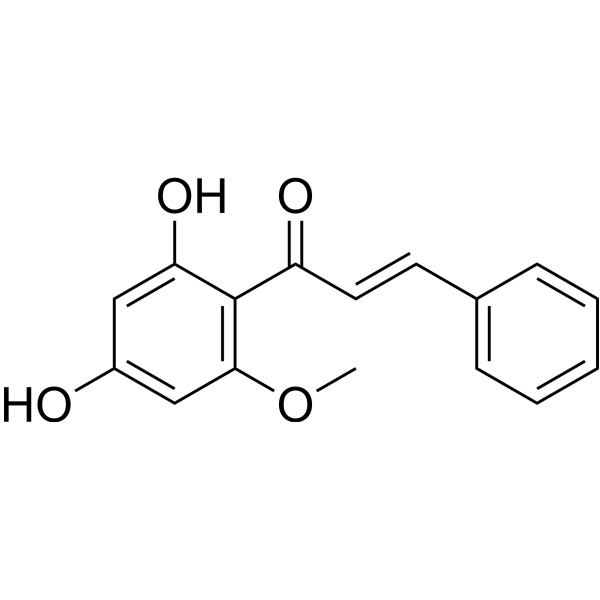
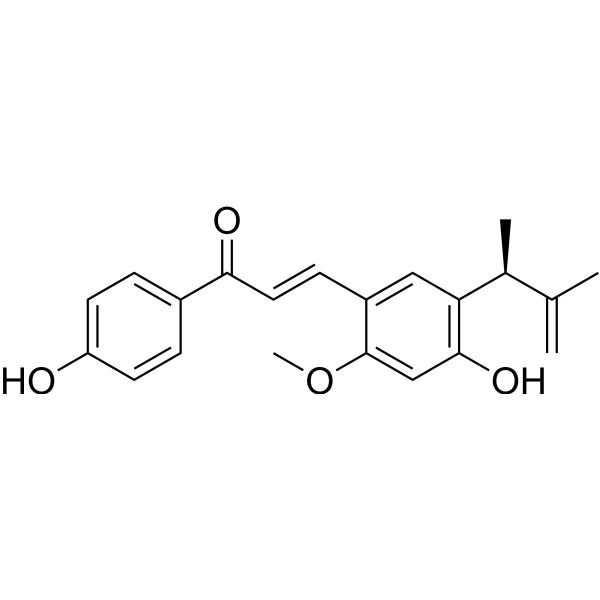
Licochalcone E, a flavonoid compound isolated from Glycyrrhiza uralensis, inhibits NF-κB and AP-1 transcriptional activity through the inhibition of AKT and MAPK activation .
|
-
-
- HY-N1196
-
|
|
NF-κB
|
Inflammation/Immunology
|
|
Suberosin, isolated from Plumbago zeylanica, exhibits anti-inflammatory and anticoagulant activity. Suberosin suppresses PHA-induced PBMC proliferation and arrested cell cycle progression from the G1 transition to the S phase through the modulation of the transcription factors NF-AT and NF-κB .
|
-
-
- HY-B0167R
-
-
-
- HY-N8593
-
|
|
Environmental Pollutants
p38 MAPK
TNF Receptor
NF-κB
Interleukin Related
Histamine Receptor
PKA
|
Inflammation/Immunology
Endocrinology
|
|
Undecane is a potent cAMP agonist with anti-allergic and anti-inflammatory activities. Undecane inhibits degranulation and the secretion of histamine and TNF-α. Undecane reverses the increased levels of p38 phosphorylation, NF-κB transcriptional activity and target cytokine/chemokine genes, including thymus and activation-regulated chemokine (TARC), macrophage-derived chemokine (MDC) and interleukin-8 (IL-8). Undecane can be used for the study of skin inflammatory disorders, such as atopic dermatitis .
|
-
-
- HY-101318
-
|
β-FNA hydrochloride
|
Opioid Receptor
p38 MAPK
STAT
NF-κB
NO Synthase
Toll-like Receptor (TLR)
|
Cardiovascular Disease
Neurological Disease
|
|
β-Funaltrexamine (β-FNA) hydrochloride is a blood-brain barrier-permeable, selective and irreversible μ-opioid receptor antagonist with immunomodulatory, anti-inflammatory and neuroprotective activities. β-Funaltrexamine hydrochloride inhibits p38 MAPK and TLR4 signaling by blocking μ-opioid receptors, and reduces the transcriptional activities of NF-κB, AP-1, CREB and Stat. Furthermore, β-Funaltrexamine hydrochloride inhibits iNOS activation and pro-inflammatory microglial polarization, converting microglia to an anti-inflammatory phenotype, thereby downregulating neuroinflammation and ameliorating neuronal degeneration. β-Funaltrexamine hydrochloride is widely applicable to research related to stroke, cerebral ischemia/reperfusion injury and neurodegenerative diseases .
|
-
-
- HY-B1900R
-
|
Methylprednisolone hydrogen succinate (Standard)
|
Reference Standards
Glucocorticoid Receptor
Bacterial
Toll-like Receptor (TLR)
NF-κB
|
Metabolic Disease
Inflammation/Immunology
Cancer
|
|
Methylprednisolone succinate (Standard) is the analytical standard of Methylprednisolone succinate (HY-B1900). This product is intended for research and analytical applications. Methylprednisolone succinate (Methylprednisolone hydrogen succinate) is a prodrug of Methylprednisolone (HY-B0260) and glucocorticoid with immunosuppressant and anti-inflammatory activity. Methylprednisolone succinate binds cytosolic glucocorticoid receptors, translocates to nuclei, and modulates target gene transcription. Methylprednisolone succinate alters Bax, Bcl-2, occludin, and ZO-1 expression; attenuates TLR4/NF-κB signaling; suppresses proinflammatory cytokine production and immune cell activation. Methylprednisolone succinate can be used for the research of intracranial haemorrhage, rheumatoid arthritis, multiple sclerosis, preterminal cancer, inflammatory conditions, shock, immediate-type hypersensitivity, acute myocardial ischemia, hypoxic heart muscle damage, and traumatic spinal cord injury .
|
-
-
- HY-N1326
-
|
Santamarin; Balchanin
|
JNK
p38 MAPK
MMP
NF-κB
COX
TNF Receptor
Interleukin Related
Reactive Oxygen Species (ROS)
Apoptosis
Mitochondrial Metabolism
DNA/RNA Synthesis
Keap1-Nrf2
Bcl-2 Family
Caspase
PARP
TGF-beta/Smad
|
Metabolic Disease
Inflammation/Immunology
Cancer
|
|
Santamarine (Santamarin; Balchanin) is a sesquiterpene lactone found in Artemisia scoparia. Santamarine shows anti-inflammatory, antioxidant, anticancer and anti-photoaging activities. Santamarine suppresses UVA-induced phosphorylation of JNK and p38 MAPK, nuclear translocation of phosphorylated c-Fos and c-Jun, and AP-1-mediated MMP-1 transcription and secretion. Santamarine suppresses NF-κB signaling, iNOS, COX-2, TNF-α, and IL-1β production. Santamarine inhibits thioredoxin reductase activity, induces ROS production, mitochondrial apoptosis, G2/M cell cycle arrest, and DNA damage, and reduces cancer cell growth. Santamarine can be used for the photoaging, inflammatory diseases and cancer .
|
-
-
- HY-164548
-
|
|
HSP
Apoptosis
PI3K
Akt
NF-κB
|
Inflammation/Immunology
Cancer
|
|
WK88-1 is an apoptosis inducer and Hsp90 client protein inhibitor with antiproliferative and immunomodulatory activities. WK88-1 inhibits signaling pathways such as PI3K/Akt and NF-κB, and induces mitochondrial dysfunction and cell cycle arrest. WK88-1 effectively suppresses cancer cell migration and invasion, and reverses various EGFR mutations and resistance to Gefitinib (HY-50895). WK88-1 also regulates the differentiation of monocytes and dendritic cells, blocks the expression of multiple chemokines, inhibits immune cell migration and M1 marker transcription, and restores impaired endocytic activity. WK88-1 has been used in studies of breast cancer, non-small cell lung cancer with various EGFR mutations or Met amplification, and atherosclerosis and other related diseases .
|
-
-
- HY-19498
-
|
SIM-688
|
NF-κB
|
Inflammation/Immunology
|
|
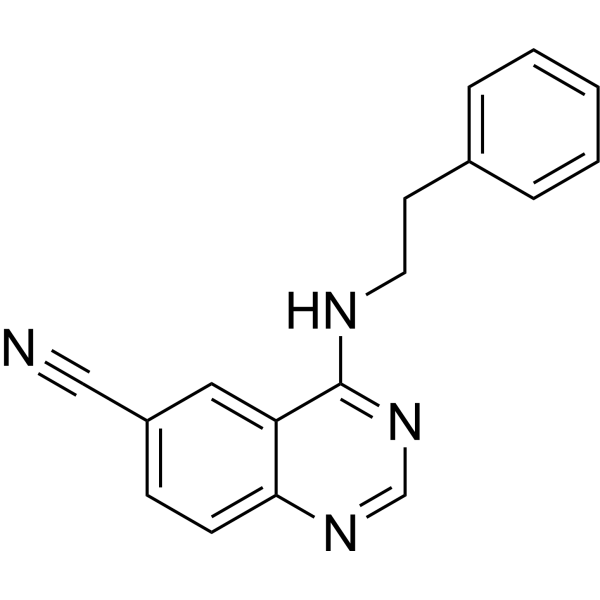
WAY-204688 is an estrogen receptor (ER-α) selective, orally active inhibitor of NF-κB transcriptional activity with an IC50 of 122 ± 30 nM for NF-κB-luciferase (NF-κB-luc) in HAECT-1 cells.
|
-
-
- HY-117726
-
-
-
- HY-124056
-
|
|
CXCR
|
Cancer
|
|
AZ10397767 is an orally active, selective CXCR2 receptor antagonist with an IC50 of 1 nM. AZ10397767 attenuates the Oxaliplatin (HY-17371)-induced NF-κB transcriptional activity and potentiates Oxaliplatin-induced apoptosis in androgen-independent prostate cancer (AIPC) cells. AZ10397767 significantly inhibits neutrophil recruitment into tumors which then adversely affects tumor growth in vitro and in vivo .
|
-
-
- HY-124067
-
|
|
IKK
JAK
STAT
NF-κB
|
Cancer
|
|
EC-70124 is an orally active multikinase inhibitor targeting IKKβ and JAK2. EC-70124 blocks IkB phosphorylation and STAT3 (Tyr705) activation, suppressing NF-κB nuclear translocation and STAT3 transcriptional activity. EC-70124 reduces tumor growth and cancer stem cell (CSC) populations in prostate cancer cells and xenograft models. EC-70124 is promising for research of prostate cancer .
|
-
-
- HY-W030338
-
|
|
Endogenous Metabolite
|
Inflammation/Immunology
|
|
aPKC-IN-2 is a small molecule inhibitor that inhibits aPKC activity. aPKC-IN-2 can effectively block vascular endothelial permeability in cell culture and in vivo experiments. aPKC-IN-2 shows biological activity in interfering with NFκB-driven gene transcription and is associated with inflammatory responses. aPKC-IN-2 has a significant inhibitory effect on vascular endothelial permeability induced by VEGF and TNF, and its EC50 value is in the low nanomolar range. The structural characteristics of aPKC-IN-2 reveal key elements of its inhibitory activity, providing the possibility for further development of small molecule aPKC inhibitors .
|
-
-
- HY-13982R
-
|
|
NF-κB
|
Metabolic Disease
Inflammation/Immunology
Cancer
|
|
JSH-23 (Standard) is the analytical standard of JSH-23. This product is intended for research and analytical applications. JSH-23 is an NF-κB inhibitor which inhibits NF-κB transcriptional activity with an IC50 of 7.1 μM in lipopolysaccharide (LPS)-stimulated macrophages RAW 264.7. JSH-23 inhibits nuclear translocation of NF-κB p65 without affecting IκBα degradation .
|
-
-
- HY-B0167AR
-
|
Salicylic acid sodium salt (Standard); 2-Hydroxybenzoic acid sodium salt (Standard)
|
Reference Standards
COX
NF-κB
Ribosomal S6 Kinase (RSK)
Autophagy
Apoptosis
Endogenous Metabolite
|
Inflammation/Immunology
Cancer
|
|
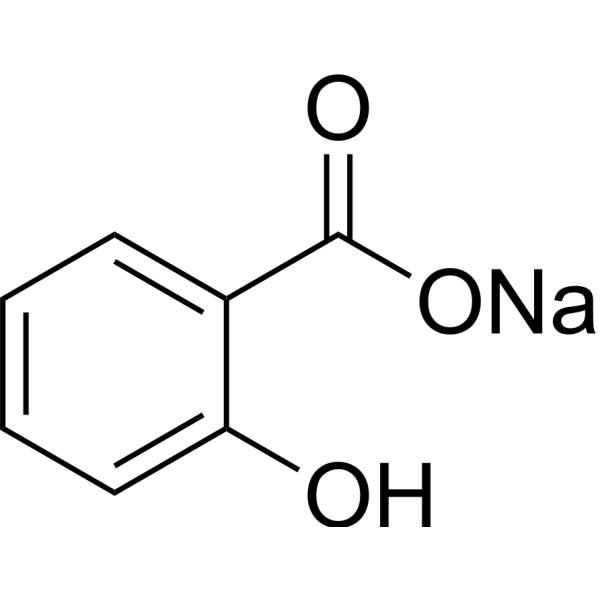
Sodium Salicylate (Standard) is the analytical standard of Sodium Salicylate. This product is intended for research and analytical applications. Sodium Salicylate (Salicylic acid sodium salt) inhibits cyclo-oxygenase-2 (COX-2) activity independently of transcription factor (NF-κB) activation . Sodium Salicylate is also a S6K inhibitor.Sodium Salicylate is a NF-κB inhibitor that decreases inflammatory gene expression and improves repair in aged muscle .
|
-
-
- HY-N10768
-
|
|
IKK
NF-κB
|
Inflammation/Immunology
|
|
1-Dehydro-[10]-gingerdione directly inhibits IKKβ activity by targeting the activation loop of IKKβ, thus disrupting IKKβ-catalysed IκBα phosphorylation in macrophages stimulated with agonists. 1-Dehydro-[10]-gingerdione inhibits LPS (HY-D1056)-induced NF-κB transcriptional activity. 1-Dehydro-[10]-gingerdione has the potential for NF-κB-associated inflammation and autoimmune disorders research .
|
-
-
- HY-W995241
-
|
|
COX
NF-κB
|
Inflammation/Immunology
|
|
BPD is a COX-2 and TAK1-NF-κB inhibitor, with an IC50 of 18.5 μM for COX-2. BPD inhibits the expression of iNOS, TNF-α, IL-6 and IL-1β at the transcriptional level. BPD has anti-inflammatory activity. BPD can inhibit Carrageenan-induced paw oedema and LPS-induced septic death .
|
-
-
- HY-106981
-
|
OR 1384
|
NADPH Oxidase
Reactive Oxygen Species (ROS)
Apoptosis
NF-κB
NO Synthase
STAT
|
Inflammation/Immunology
|
|
Orazipone (OR 1384) is a small molecule immunomodulator with strong anti-inflammatory properties. Orazipone exerts its immunomodulatory effect by forming reversible thiol complexes, which bind to intracellular signaling proteins and the thiol groups of glutathione. Orazipone exhibits potent anti-eosinophilic activity by inducing apoptosis. Orazipone inhibits activation of inflammatory transcription factors NF-kB and STAT 1 and decreases inducible iNOS expression and NO production in response to inflammatory stimuli. Orazipone reduces NADPH oxidase activity and thereby decreases ROS production. Orazipone has a protective effect in intestinal radiation injury .
|
-
-
- HY-N0005S1
-
-
-
- HY-10172R
-
|
IKK2 Inhibitor V (Standard)
|
Reference Standards
IKK
|
Cancer
|
|
IMD-0354 (Standard) is the analytical standard of IMD-0354. This product is intended for research and analytical applications. IMD-0354 (IKK2 Inhibitor V) is a selective IKKβ inhibitor which inhibits NF-κB activity . IMD0354 inhibits TNF-α induced NF-κB transcription activity with an IC50 of 1.2 uM .
|
-
-
- HY-114981
-
|
|
Sirtuin
|
Inflammation/Immunology
|
|
SRTCX1002 is a potent activator of SIRT1 (STAC), suppresses inflammatory responses through promotion of p65 deacetylation and inhibition of NF-κB Activity. SRTCX1002 suppresses stimuli-induced NF-κB transcriptional activation and LPS-induced TNFα secretion with IC50s of 0.71 and 7.58 µM, respectively .
|
-
-
- HY-142100
-
|
|
NF-κB
|
Inflammation/Immunology
|
|
Licoagrochalcone C, a flavonoid, reveals efficacious inhibitory activity on NF-κB transcription. Licoagrochalcone C shows significant inhibitory activity on LPS (HY-D1056)-induced NO production .
|
-
-
- HY-N11994
-
|
|
TNF Receptor
|
Inflammation/Immunology
|
|
Aloeresin G is a chromone glycoside that can be isolated from Aloe. Aloeresin G has a weak inhibitory effect on TNFα-induced NF-κB transcriptional activity, with an IC 50 value of 40.02 μM .
|
-
-
- HY-N11892
-
|
|
NF-κB
|
Others
|
|
7-O-Methylaloesinol is a chromone derivative. 7-O-Methylaloesinol shows significant inhibitory effects against TNFα-induced NF-κB transcriptional activity with an IC50 value of 29.07 μM .
|
-
-
- HY-119009
-
|
|
JAK
STAT
NF-κB
Bcl-2 Family
|
Cancer
|
|
TM-233 is an inhibitor of the JAK/STAT and NF-κB signaling pathways, exhibiting significant antitumor activity. TM-233 reduces the expression of the anti-apoptotic protein Mcl-1 by inhibiting the phosphorylation of JAK2 and STAT3, and regulates its transcription by directly binding to the Mcl-1 gene promoter. Additionally, TM-233 prevents the translocation of NF-κB from the cytoplasm to the nucleus by inhibiting its DNA-binding activity, thereby reducing nuclear NF-κB expression. TM-233 shows potential in overcoming Bortezomib (HY-10227) resistance and can be applied in research related to multiple myeloma .
|
-
- HY-N11996
-
|
|
NO Synthase
NF-κB
|
Others
|
|
Aloenin aglycone (compound 13) is an NF-κB inhibitor that can be isolated from aloe exudate. Aloenin aglycone inhibits TNFα-induced NF-κB transcriptional activity (IC50: 18.7 μM). Aloenin aglycone (10 μM) also reduced inducible nitric oxide synthase (iNOS) and intercellular adhesion molecule 1 (ICAM-1) gene expression after treatment of HepG2 cells with 10 ng/mL TNFα .
|
-
- HY-15681A
-
|
|
CDK
|
Cancer
|
|
Senexin A hydrochloride is an inhibitor of CDK8/19 (IC50: 280 nM, CDK8) and an inhibitor downstream of p21 transcription. It only inhibits p21-induced transcription but does not inhibit other biological effects of p21. Senexin A hydrochloride inhibits CMV-GFP induction as well as the p21 stimulatory activity of the consensus NF-κB-dependent promoters .
|
-
- HY-173388
-
|
|
Toll-like Receptor (TLR)
JNK
NF-κB
NO Synthase
COX
|
Inflammation/Immunology
|
|
TLR4-IN-2 (Compound Racemic-11k) is inhibitors of TLR4, JNK, and NF-κB. TLR4-IN-2 inhibits NO production in LPS-stimulated RAW264.7 cells with an IC50 value of 23.2 µM. TLR4-IN-2 exerts anti-inflammatory activity by inhibiting TLR4 expression, reducing JNK phosphorylation, thereby suppressing the activation of NF-κB, blocking the transcription of inflammation-related genes, reducing the expression of iNOS and COX-2, and decreasing the production of inflammatory mediators such as NO, PGE 2, and TNF-α. TLR4-IN-2 is promising for research of inflammatory diseases, such as rheumatoid arthritis and various inflammatory disorders .
|
-
- HY-156297
-
|
|
Proteasome
|
Inflammation/Immunology
|
|
β5i-IN-1 is a potent and selective inhibitor of β5i with a IC50 of 8.463 nM. β5i-IN-1 releases TNF-α and IL-6 and influences the transcriptional activity of NF-κB. β5i-IN-1 can be used in study idiopathic pulmonary fibrosis .
|
-
- HY-N15347
-
|
|
NF-κB
p38 MAPK
Interleukin Related
TNF Receptor
NO Synthase
COX
|
Inflammation/Immunology
|
|
Talaromyketide B is a polyketide compound with anti-inflammatory activity, discovered in the soil bacterium Talaromyces sp. KYS-41. Talaromyketide B inhibits the activation of the NF-κB and MAPK signaling pathways and dose-dependently suppresses pro-inflammatory cytokines, such as IL-1β, IL-6, IL-10, and TNF-α, as well as the transcriptional activity of inflammatory mediators, including iNOS and COX-2. Talaromyketide B holds potential for research in the fields of immunity and inflammatory diseases .
|
-
- HY-N6969A
-
|
|
Adrenergic Receptor
|
Cancer
|
|
Dicentrine hydrochloride is a drug with anti-inflammatory and anti-cancer activity. Dicentrine hydrochloride exerts its effects by enhancing TNF-α-induced apoptosis in A549 lung adenocarcinoma cells. Dicentrine hydrochloride increases caspase-8, -9, -3 and poly(ADP-ribose) polymerase (PARP) activities. Dicentrine hydrochloride inhibits TNF-α-induced invasion and migration of A549 cells. Dicentrine hydrochloride significantly inhibited the TNF-α-activated TAK1, p38, JNK and Akt signaling pathways, and reduced the transcriptional activities of NF-κB and AP-1 .
|
-
- HY-N0041R
-
|
Gypenoside IV (Standard)
|
Reference Standards
NF-κB
COX
NO Synthase
|
Inflammation/Immunology
Cancer
|
|
Ginsenoside Rb3 (Standard) is the analytical standard of Ginsenoside Rb3. This product is intended for research and analytical applications. Ginsenoside Rb3 is extracted from steamed Panax ginseng C. A. Meyer. Ginsenoside Rb3 exhibits inhibitory effect on TNFα-induced NF-κB transcriptional activity with an IC50 of 8.2 μM in 293T cell lines. Ginsenoside Rb3 also inhibits the induction of COX-2 and iNOS mRNA.
|
-
- HY-N8593R
-
|
|
Reference Standards
Histamine Receptor
p38 MAPK
NF-κB
TNF Receptor
Interleukin Related
|
Inflammation/Immunology
Endocrinology
|
|
Undecane (Standard) is an analytical standard of Undecane (HY-N8593).Undecane is a potent cAMP agonist with anti-allergic and anti-inflammatory activities. Undecane inhibits degranulation and the secretion of histamine and TNF-α. Undecane reverses the increased levels of p38 phosphorylation, NF-κB transcriptional activity and target cytokine/chemokine genes, including thymus and activation-regulated chemokine (TARC), macrophage-derived chemokine (MDC) and interleukin-8 (IL-8). Undecane can be used for the study of skin inflammatory disorders, such as atopic dermatitis .
|
-
- HY-N8593S
-
|
|
Isotope-Labeled Compounds
PKA
Histamine Receptor
p38 MAPK
NF-κB
TNF Receptor
Interleukin Related
|
Inflammation/Immunology
Endocrinology
|
|
Undecane-d24 is the deuterium labeled Undecane (HY-N8593).Undecane is a potent cAMP agonist with anti-allergic and anti-inflammatory activities. Undecane inhibits degranulation and the secretion of histamine and TNF-α. Undecane reverses the increased levels of p38 phosphorylation, NF-κB transcriptional activity and target cytokine/chemokine genes, including thymus and activation-regulated chemokine (TARC), macrophage-derived chemokine (MDC) and interleukin-8 (IL-8). Undecane can be used for the study of skin inflammatory disorders, such as atopic dermatitis .
|
-
- HY-N0043R
-
|
Gypenoside VIII (Standard)
|
Reference Standards
NF-κB
COX
Calcium Channel
Cytochrome P450
Endogenous Metabolite
|
Cardiovascular Disease
Inflammation/Immunology
Cancer
|
|
Ginsenoside Rd (Standard) is the analytical standard of Ginsenoside Rd. This product is intended for research and analytical applications. Ginsenoside Rd inhibits TNFα-induced NF-κB transcriptional activity with an IC50 of 12.05±0.82 μM in HepG2 cells. Ginsenoside Rd inhibits expression of COX-2 and iNOS mRNA. Ginsenoside Rd also inhibits Ca2+ influx. Ginsenoside Rd inhibits CYP2D6, CYP1A2, CYP3A4, and CYP2C9, with IC50s of 58.0±4.5 μM, 78.4±5.3 μM, 81.7±2.6 μM, and 85.1±9.1 μM, respectively.
|
-
- HY-N2593R
-
|
|
Reference Standards
Carnitine Palmitoyltransferase (CPT)
Reactive Oxygen Species (ROS)
Autophagy
Apoptosis
NF-κB
PI3K
Akt
MMP
Keap1-Nrf2
|
Inflammation/Immunology
Cancer
|
|
Isorhapontigenin (Standard) is the analytical standard of Isorhapontigenin (HY-N2593). This product is intended for research and analytical applications. Isorhapontigenin is an orally active dietary polyphenol. Isorhapontigenin acts as a potent antioxidant that reduces the production of reactive oxygen species (ROS). Isorhapontigenin promotes the binding of JUN to the AP-1 site on the SESN2 promoter, induces SESN2 transcription, triggers MAPK8-dependent JUN activation, and upregulates the expression of PPAR-α, PGC-1α and CPT-1A to facilitate fatty acid oxidation. Isorhapontigenin induces autophagy, apoptosis and preadipocyte differentiation; it inhibits tumor growth, cell invasion, NF-κB transcriptional activity, the PI3K/Akt signaling pathway, STAT1 phosphorylation and MMP-2 expression. Isorhapontigenin alleviates oxidative stress, inflammatory cytokine release and triglyceride accumulation; it increases intracellular ATP levels and promotes Nrf2 nuclear translocation. Isorhapontigenin improves insulin sensitivity in adipose tissue and glucose tolerance, and reduces postprandial blood glucose, insulin and free fatty acid levels. Isorhapontigenin is applicable to research on bladder cancer, liver injury, chronic obstructive pulmonary disease, acute lung injury and type 2 diabetes.
|
-
- HY-N9731
-
|
|
NF-κB
|
Others
|
|
6-O-p-Hydroxybenzoylglutinoside acts as a selective NF-κB inhibitor that suppresses the transcriptional activity of TNF-α-activated NF-κB (IC50=52.78 μM). 6-O-p-Hydroxybenzoylglutinoside shows no significant inhibitory activity against sEH, AChE, or BChE. 6-O-p-Hydroxybenzoylglutinoside is a caged chlorinated iridoid glycoside identified from the seeds of Catalpa bungei (Manchurian catalpa) .
|
-
- HY-N17353
-
|
|
IKK
NF-κB
NO Synthase
Interleukin Related
|
Neurological Disease
Inflammation/Immunology
|
|
Vitedoamine A is a Phenylnaphthalene-type lignan alkaloid. Vitedoamine A can be isolated from Vitex negundo. Vitedoamine A inhibits the activity of IKKβ with an IC50 value of 39 μM. Vitedoamine A could inhibit the transcriptional activity of NF-κB, and suppress the production of NO and reduce the expressions of inflammatory cytokines (IL-1β, IL-6, and TNF-α). Vitedoamine A inhibits the phosphorylation of IKKα/β and p65, and prevents the degradation of IκBα. Vitedoamine A possesses anti-rheumatoid arthritis capacity .
|
-
- HY-179432
-
|
CBDD
|
TRP Channel
NF-κB
Interleukin Related
|
Neurological Disease
Inflammation/Immunology
|
|
Cannabitwinol is a selective thermosensitive TRP modulator and NF-κB inhibitor. Cannabitwinol inhibits TNFα-induced NF-κB-driven transcription and TNFα-induced IL-8 release, and exhibits anti-inflammatory and antioxidant activities. Cannabitwinol shows selectivity for cold-activated TRP channels, activating TRPA1 (EC50 = 3.0 μM) and antagonizing TRPM8 (IC50 = 3.9 μM), but has no significant affinity for heat-activated TRP channels such as TRPV1 and TRPV2. Cannabitwinol can be used in research related to inflammatory skin diseases, cold allodynia, and hyperalgesia .
|
-
- HY-N19791
-
|
|
NF-κB
Fungal
Interleukin Related
|
Infection
Cancer
|
|
6-Methoxymellein, a phytoalexin, is a NF-κB inhibitor. 6-Methoxymellein reduces nuclear localization and DNA binding activity of NF-κB p65 and p50 subunits. 6-Methoxymellein decreases mRNA transcription and secretion of IL-6 and IL-8. 6-Methoxymellein reduces the proportion of CD44 +/CD24 − breast cancer cells, decreases expression of c-Myc, Sox-2 and Oct4, inhibits proliferation and migration of breast cancer cells, and reduces mammosphere growth. 6-Methoxymellein inhibits fungal growth of Trichophyton rubrum and Botrytis cinerea, and inhibits Trichophyton rubrum biofilm formation via hyphal disintegration. 6-Methoxymellein can be used for the research of breast cancer, tinea corporis, and carrot post-harvest storage rot .
|
-
- HY-N19818
-
|
|
Phosphatase
NF-κB
Pregnane X Receptor (PXR)
|
Cancer
|
|
Glycybridin C is a Protein tyrosine phosphatase 1B (PTP1B) inhibitor and pregnane X receptor (PXR) ligand. Glycybridin C inhibits insulin and leptin signaling pathway negative regulation, LPS (HY-D1056)-induced NF-κB transcriptional activity. Glycybridin C forms hydrophobic and π-π stacking interactions with Met243, Phe288, Tyr306, and His407 residues of PXR. Glycybridin C can be used for the research of hepatocellular carcinoma, colorectal adenocarcinoma, breast carcinoma .
|
-
- HY-160938
-
|
β-FNA
|
Opioid Receptor
STAT
NF-κB
Toll-like Receptor (TLR)
NO Synthase
p38 MAPK
|
Cardiovascular Disease
Neurological Disease
|
|
β-Funaltrexamine (β-FNA) is a blood-brain barrier-permeable, selective and irreversible μ-opioid receptor antagonist with immunomodulatory, anti-inflammatory and neuroprotective activities. β-Funaltrexamine inhibits p38 MAPK and TLR4 signaling by blocking μ-opioid receptors, and reduces the transcriptional activities of NF-κB, AP-1, CREB and Stat. Furthermore, β-Funaltrexamine inhibits iNOS activation and pro-inflammatory microglial polarization, converting microglia to an anti-inflammatory phenotype, thereby downregulating neuroinflammation and ameliorating neuronal degeneration. β-Funaltrexamine is widely applicable to research related to stroke, cerebral ischemia/reperfusion injury and neurodegenerative diseases .
|
-
- HY-N16637
-
|
|
NF-κB
PPAR
|
Inflammation/Immunology
|
|
(3R,5R)-3,5-Dihydroxy-1,7-bis(3,4-dihydroxyphenyl)heptane 3-O-β-D-glucopyranoside is a diarylheptanol glycoside compound isolated from Tacca plantaginea. (3R,5R)-3,5-Dihydroxy-1,7-bis(3,4-dihydroxyphenyl)heptane 3-O-β-D-glucopyranoside significantly inhibit TNF-α-induced NF-κB transcriptional activity (IC50 = 9.4 μM). (3R,5R)-3,5-Dihydroxy-1,7-bis(3,4-dihydroxyphenyl)heptane 3-O-β-D-glucopyranoside significantly activates PPAR transcriptional activity (EC50 = 9.9 μM) and has a specific activating effect on PPAR β(δ) (EC50 = 23.1 μM). (3R,5R)-3,5-Dihydroxy-1,7-bis(3,4-dihydroxyphenyl)heptane 3-O-β-D-glucopyranoside is non-toxic to cells at the tested concentration. (3R,5R)-3,5-Dihydroxy-1,7-bis(3,4-dihydroxyphenyl)heptane 3-O-β-D-glucopyranoside can be used for research on inflammatory conditions .
|
-
| Cat. No. |
Product Name |
Category |
Target |
Chemical Structure |
-
- HY-N0005
-
-
-
- HY-B0167
-
-
-
- HY-N0043
-
-
-
- HY-B0167A
-
-
-
- HY-N0041
-
-
-
- HY-N2593
-
|
|
Structural Classification
Stilbenes
Classification of Application Fields
Gnetum cleistostachyum C. Y. Cheng
Phenols
Polyphenols
Gnetaceae
Plants
Inflammation/Immunology
Disease Research Fields
Source Classification
|
Carnitine Palmitoyltransferase (CPT)
Reactive Oxygen Species (ROS)
Autophagy
Apoptosis
NF-κB
PI3K
Akt
MMP
Keap1-Nrf2
|
|
Isorhapontigenin is an orally active dietary polyphenol. Isorhapontigenin acts as a potent antioxidant that reduces the production of reactive oxygen species (ROS). Isorhapontigenin promotes the binding of JUN to the AP-1 site on the SESN2 promoter, induces SESN2 transcription, triggers MAPK8-dependent JUN activation, and upregulates the expression of PPAR-α, PGC-1α and CPT-1A to facilitate fatty acid oxidation. Isorhapontigenin induces autophagy, apoptosis and preadipocyte differentiation; it inhibits tumor growth, cell invasion, NF-κB transcriptional activity, the PI3K/Akt signaling pathway, STAT1 phosphorylation and MMP-2 expression. Isorhapontigenin alleviates oxidative stress, inflammatory cytokine release and triglyceride accumulation; it increases intracellular ATP levels and promotes Nrf2 nuclear translocation. Isorhapontigenin improves insulin sensitivity in adipose tissue and glucose tolerance, and reduces postprandial blood glucose, insulin and free fatty acid levels. Isorhapontigenin is applicable to research on bladder cancer, liver injury, chronic obstructive pulmonary disease, acute lung injury and type 2 diabetes .
|
-
-
- HY-119970
-
-
-
- HY-N0279
-
-
-
- HY-N0005R
-
-
-
- HY-N0807
-
-
-
- HY-N0906
-
-
-
- HY-N0167
-
-
-
- HY-N0907
-
-
-
- HY-N3225
-
|
|
Myrica ceriferaL.
Phenols
Polyphenols
Plants
Source Classification
Myricaceae
|
NAMPT
Sirtuin
Microtubule/Tubulin
Apoptosis
Autophagy
PDGFR
NF-κB
AMPK
|
|
Myricanol is a diarylheptanoid and a Nampt activator. Myricanol exerts anti-inflammatory effects and alleviates glucocorticoid-induced muscle atrophy by increasing Sirtuin 1 (SIRT1) and PRDX5 activities while regulating inflammatory factors. Myricanol exhibits growth inhibition and induces apoptosis in human lung adenocarcinoma A549 cells. Myricanol promotes autophagy-mediated clearance of microtubule-associated protein tau to exert neuroprotective effects. Myricanol protects cardiovascular function by inhibiting PDGFRβ and NF-κB signaling pathways. Myricanol activates mitochondrial transcription factor A (TFAM) expression to exert anti-renal fibrosis effects. Myricanol improves insulin resistance through AMPK activation .
|
-
-
- HY-N4182
-
-
-
- HY-N1196
-
-
-
- HY-B0167R
-
-
-
- HY-N8593
-
-
-
- HY-N1326
-
|
Santamarin; Balchanin
|
Classification of Application Fields
Terpenoids
Sesquiterpenes
Magnoliaceae
Plants
Inflammation/Immunology
Disease Research Fields
Magnolia grandiflora L.
Source Classification
|
JNK
p38 MAPK
MMP
NF-κB
COX
TNF Receptor
Interleukin Related
Reactive Oxygen Species (ROS)
Apoptosis
Mitochondrial Metabolism
DNA/RNA Synthesis
Keap1-Nrf2
Bcl-2 Family
Caspase
PARP
TGF-beta/Smad
|
|
Santamarine (Santamarin; Balchanin) is a sesquiterpene lactone found in Artemisia scoparia. Santamarine shows anti-inflammatory, antioxidant, anticancer and anti-photoaging activities. Santamarine suppresses UVA-induced phosphorylation of JNK and p38 MAPK, nuclear translocation of phosphorylated c-Fos and c-Jun, and AP-1-mediated MMP-1 transcription and secretion. Santamarine suppresses NF-κB signaling, iNOS, COX-2, TNF-α, and IL-1β production. Santamarine inhibits thioredoxin reductase activity, induces ROS production, mitochondrial apoptosis, G2/M cell cycle arrest, and DNA damage, and reduces cancer cell growth. Santamarine can be used for the photoaging, inflammatory diseases and cancer .
|
-
-
- HY-B0167AR
-
-
-
- HY-N10768
-
|
|
Monophenols
Phenols
Plants
Source Classification
Zingiberaceae
|
IKK
NF-κB
|
|
1-Dehydro-[10]-gingerdione directly inhibits IKKβ activity by targeting the activation loop of IKKβ, thus disrupting IKKβ-catalysed IκBα phosphorylation in macrophages stimulated with agonists. 1-Dehydro-[10]-gingerdione inhibits LPS (HY-D1056)-induced NF-κB transcriptional activity. 1-Dehydro-[10]-gingerdione has the potential for NF-κB-associated inflammation and autoimmune disorders research .
|
-
-
- HY-142100
-
-
-
- HY-N11994
-
-
-
- HY-N11892
-
-
-
- HY-N11996
-
|
|
Liliaceae
Phenols
Polyphenols
Aloe vera (L.) Burm. f.
Plants
Source Classification
|
NO Synthase
NF-κB
|
|
Aloenin aglycone (compound 13) is an NF-κB inhibitor that can be isolated from aloe exudate. Aloenin aglycone inhibits TNFα-induced NF-κB transcriptional activity (IC50: 18.7 μM). Aloenin aglycone (10 μM) also reduced inducible nitric oxide synthase (iNOS) and intercellular adhesion molecule 1 (ICAM-1) gene expression after treatment of HepG2 cells with 10 ng/mL TNFα .
|
-
-
- HY-N15347
-
|
|
Natural Products
Microorganisms
Source Classification
|
NF-κB
p38 MAPK
Interleukin Related
TNF Receptor
NO Synthase
COX
|
|
Talaromyketide B is a polyketide compound with anti-inflammatory activity, discovered in the soil bacterium Talaromyces sp. KYS-41. Talaromyketide B inhibits the activation of the NF-κB and MAPK signaling pathways and dose-dependently suppresses pro-inflammatory cytokines, such as IL-1β, IL-6, IL-10, and TNF-α, as well as the transcriptional activity of inflammatory mediators, including iNOS and COX-2. Talaromyketide B holds potential for research in the fields of immunity and inflammatory diseases .
|
-
-
- HY-N6969A
-
|
|
Alkaloids
Other Alkaloids
Stephania epigaea Lo
Plants
Menispermaceae
Source Classification
|
Adrenergic Receptor
|
|
Dicentrine hydrochloride is a drug with anti-inflammatory and anti-cancer activity. Dicentrine hydrochloride exerts its effects by enhancing TNF-α-induced apoptosis in A549 lung adenocarcinoma cells. Dicentrine hydrochloride increases caspase-8, -9, -3 and poly(ADP-ribose) polymerase (PARP) activities. Dicentrine hydrochloride inhibits TNF-α-induced invasion and migration of A549 cells. Dicentrine hydrochloride significantly inhibited the TNF-α-activated TAK1, p38, JNK and Akt signaling pathways, and reduced the transcriptional activities of NF-κB and AP-1 .
|
-
-
- HY-N0041R
-
-
-
- HY-N8593R
-
-
-
- HY-N0043R
-
-
-
- HY-N2593R
-
|
|
Structural Classification
Stilbenes
Gnetum cleistostachyum C. Y. Cheng
Phenols
Polyphenols
Gnetaceae
Plants
Source Classification
|
Reference Standards
Carnitine Palmitoyltransferase (CPT)
Reactive Oxygen Species (ROS)
Autophagy
Apoptosis
NF-κB
PI3K
Akt
MMP
Keap1-Nrf2
|
|
Isorhapontigenin (Standard) is the analytical standard of Isorhapontigenin (HY-N2593). This product is intended for research and analytical applications. Isorhapontigenin is an orally active dietary polyphenol. Isorhapontigenin acts as a potent antioxidant that reduces the production of reactive oxygen species (ROS). Isorhapontigenin promotes the binding of JUN to the AP-1 site on the SESN2 promoter, induces SESN2 transcription, triggers MAPK8-dependent JUN activation, and upregulates the expression of PPAR-α, PGC-1α and CPT-1A to facilitate fatty acid oxidation. Isorhapontigenin induces autophagy, apoptosis and preadipocyte differentiation; it inhibits tumor growth, cell invasion, NF-κB transcriptional activity, the PI3K/Akt signaling pathway, STAT1 phosphorylation and MMP-2 expression. Isorhapontigenin alleviates oxidative stress, inflammatory cytokine release and triglyceride accumulation; it increases intracellular ATP levels and promotes Nrf2 nuclear translocation. Isorhapontigenin improves insulin sensitivity in adipose tissue and glucose tolerance, and reduces postprandial blood glucose, insulin and free fatty acid levels. Isorhapontigenin is applicable to research on bladder cancer, liver injury, chronic obstructive pulmonary disease, acute lung injury and type 2 diabetes.
|
-
-
- HY-N9731
-
-
-
- HY-N17353
-
-
-
- HY-N19791
-
|
|
Structural Classification
Monophenols
Coumarins
Phenols
Phenylpropanoids
Decachaeta ovatifolia (DC.) R.M.King & H.Rob.
Umbelliferae
Plants
Source Classification
|
NF-κB
Fungal
Interleukin Related
|
|
6-Methoxymellein, a phytoalexin, is a NF-κB inhibitor. 6-Methoxymellein reduces nuclear localization and DNA binding activity of NF-κB p65 and p50 subunits. 6-Methoxymellein decreases mRNA transcription and secretion of IL-6 and IL-8. 6-Methoxymellein reduces the proportion of CD44 +/CD24 − breast cancer cells, decreases expression of c-Myc, Sox-2 and Oct4, inhibits proliferation and migration of breast cancer cells, and reduces mammosphere growth. 6-Methoxymellein inhibits fungal growth of Trichophyton rubrum and Botrytis cinerea, and inhibits Trichophyton rubrum biofilm formation via hyphal disintegration. 6-Methoxymellein can be used for the research of breast cancer, tinea corporis, and carrot post-harvest storage rot .
|
-
-
- HY-N19818
-
-
-
- HY-N16637
-
|
|
Structural Classification
Phenols
Polyphenols
Schizocapsa plantaginea Hance
Plants
Taccaceae
Source Classification
|
NF-κB
PPAR
|
|
(3R,5R)-3,5-Dihydroxy-1,7-bis(3,4-dihydroxyphenyl)heptane 3-O-β-D-glucopyranoside is a diarylheptanol glycoside compound isolated from Tacca plantaginea. (3R,5R)-3,5-Dihydroxy-1,7-bis(3,4-dihydroxyphenyl)heptane 3-O-β-D-glucopyranoside significantly inhibit TNF-α-induced NF-κB transcriptional activity (IC50 = 9.4 μM). (3R,5R)-3,5-Dihydroxy-1,7-bis(3,4-dihydroxyphenyl)heptane 3-O-β-D-glucopyranoside significantly activates PPAR transcriptional activity (EC50 = 9.9 μM) and has a specific activating effect on PPAR β(δ) (EC50 = 23.1 μM). (3R,5R)-3,5-Dihydroxy-1,7-bis(3,4-dihydroxyphenyl)heptane 3-O-β-D-glucopyranoside is non-toxic to cells at the tested concentration. (3R,5R)-3,5-Dihydroxy-1,7-bis(3,4-dihydroxyphenyl)heptane 3-O-β-D-glucopyranoside can be used for research on inflammatory conditions .
|
-
| Cat. No. |
Product Name |
Chemical Structure |
-
- HY-B0167S
-
1 Publications Verification
|
|
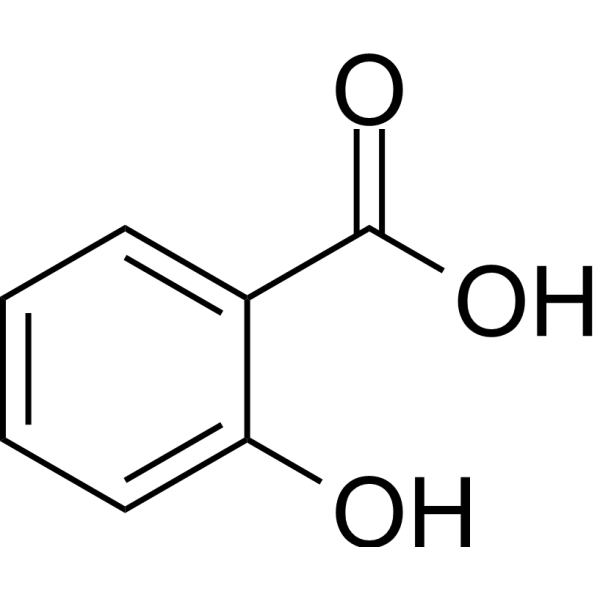
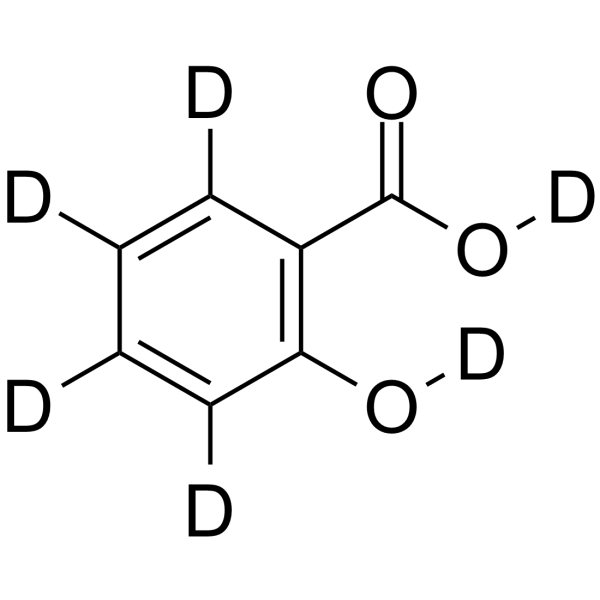
Salicylic acid-d6 is a deuterium labeled Salicylic acid (HY-B0167). Salicylic acid inhibits cyclo-oxygenase-2 (COX-2) activity independently of transcription factor (NF-κB) activation .
|
-
-
- HY-N0005S
-
|
|
|
Curcumin-d6 (Diferuloylmethane-d6 ) is deuterium labeled Curcumin (HY-N0005). Curcumin (Diferuloylmethane), a natural phenolic compound, is a p300/CREB-binding protein-specific inhibitor of acetyltransferase, represses the acetylation of histone/nonhistone proteins and histone acetyltransferase-dependent chromatin transcription. Curcumin is a photosensitizer against microorganisms. Curcumin shows inhibitory effects on NF-κB and MAPKs, and has diverse pharmacologic effects including anti-inflammatory, antioxidant, antiproliferative and antiangiogenic activities. Curcumin induces stabilization of Nrf2 protein through Keap1 cysteine modification.
|
-
-
- HY-N0005S1
-
|
|
|
Curcumin-d3 (Diferuloylmethane-d3 ) is deuterium labeled Curcumin (HY-N0005). Curcumin (Diferuloylmethane), a natural phenolic compound, is a p300/CREB-binding protein-specific inhibitor of acetyltransferase, represses the acetylation of histone/nonhistone proteins and histone acetyltransferase-dependent chromatin transcription. Curcumin is a photosensitizer against microorganisms. Curcumin shows inhibitory effects on NF-κB and MAPKs, and has diverse pharmacologic effects including anti-inflammatory, antioxidant, antiproliferative and antiangiogenic activities. Curcumin induces stabilization of Nrf2 protein through Keap1 cysteine modification.
|
-
-
- HY-N8593S
-
|
|
|
Undecane-d24 is the deuterium labeled Undecane (HY-N8593).Undecane is a potent cAMP agonist with anti-allergic and anti-inflammatory activities. Undecane inhibits degranulation and the secretion of histamine and TNF-α. Undecane reverses the increased levels of p38 phosphorylation, NF-κB transcriptional activity and target cytokine/chemokine genes, including thymus and activation-regulated chemokine (TARC), macrophage-derived chemokine (MDC) and interleukin-8 (IL-8). Undecane can be used for the study of skin inflammatory disorders, such as atopic dermatitis .
|
-
Your information is safe with us. * Required Fields.
Inquiry Information
- Product Name:
- Cat. No.:
- Quantity:
- MCE Japan Authorized Agent:

