1. Search Result
Search Result
Results for "

PXR

" in MedChemExpress (MCE) Product Catalog:

81

Inhibitors & Agonists

3

Fluorescent Dye

2

Biochemical Assay Reagents

19

Natural
Products

2

Recombinant Proteins

4

Isotope-Labeled Compounds

3

Antibodies

2

Click Chemistry

3

Oligonucleotides

2

GMP Molecules

Targets Recommended:
Cat. No. Product Name Target Research Areas Chemical Structure
  • HY-15371
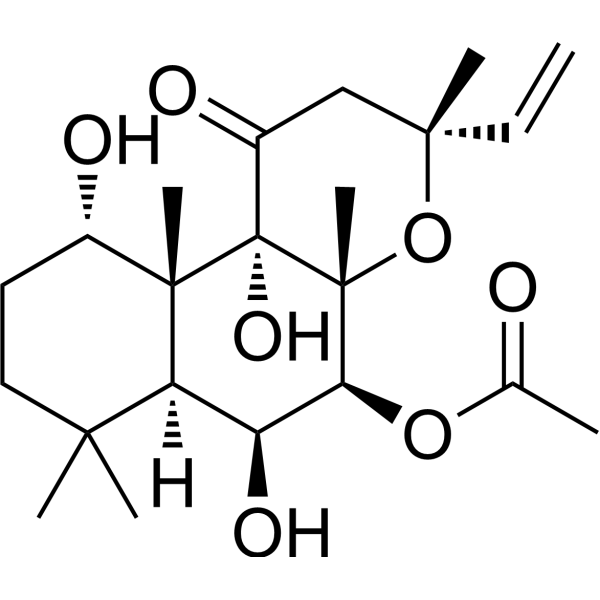
    Forskolin
    Maximum Cited Publications
    210 Publications Verification

    Coleonol; Colforsin; HL 362

    Organoid Adenylate Cyclase FXR Autophagy PKC Metabolic Disease Inflammation/Immunology Endocrinology Cancer
    Forskolin (Coleonol) is a potent adenylate cyclase activator with an IC50 of 41 nM and an EC50 of 0.5 μM for type I adenylyl cyclase . Forskolin is also an inducer of intracellular cAMP formation . Forskolin induces differentiation of various cell types and activates pregnane X receptor (PXR) and FXR . Forskolin exerts a inotropic effect on the heart, and has platelet antiaggregatory and antihypertensive actions. Forskolin also induces autophagy .
    Forskolin
  • HY-16561
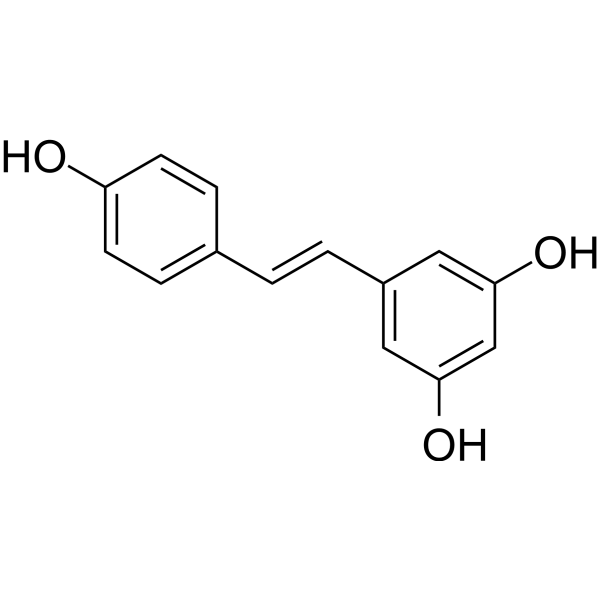
    Resveratrol
    155+ Cited Publications

    trans-Resveratrol; SRT501

    DNA/RNA Synthesis IKK Autophagy Mitophagy Sirtuin Apoptosis Bacterial Fungal Antibiotic Keap1-Nrf2 Infection Neurological Disease Metabolic Disease Inflammation/Immunology Cancer
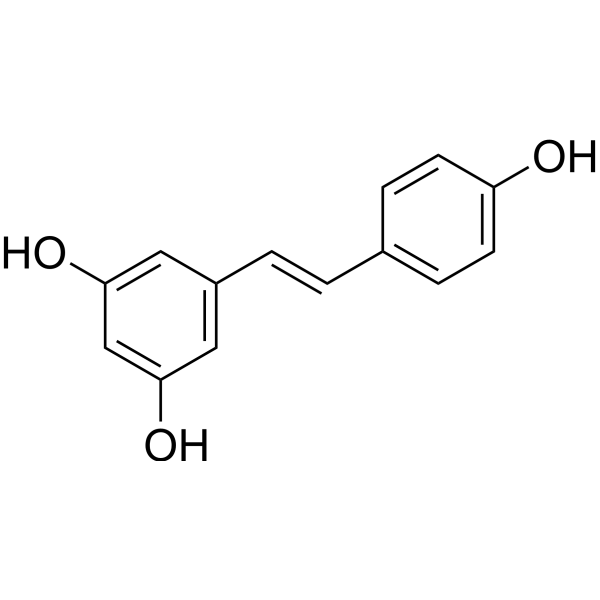
    Resveratrol (trans-Resveratrol; SRT501) is a CNS-penetrant natural polyphenolic phytoalexin that possesses anti-oxidant, anti-inflammatory, cardioprotective, and anti-cancer properties. Resveratrol (SRT 501) has a wide spectrum of targets including mTOR, JAK, β-amyloid, Adenylyl cyclase, IKKβ, DNA polymerase. Resveratrol also is a specific SIRT1 activator . Resveratrol is a potent pregnane X receptor (PXR) inhibitor . Resveratrol is an Nrf2 activator, ameliorates aging-related progressive renal injury in mice model . Resveratrol increases production of NO in endothelial cells .
    Resveratrol
  • HY-B0172
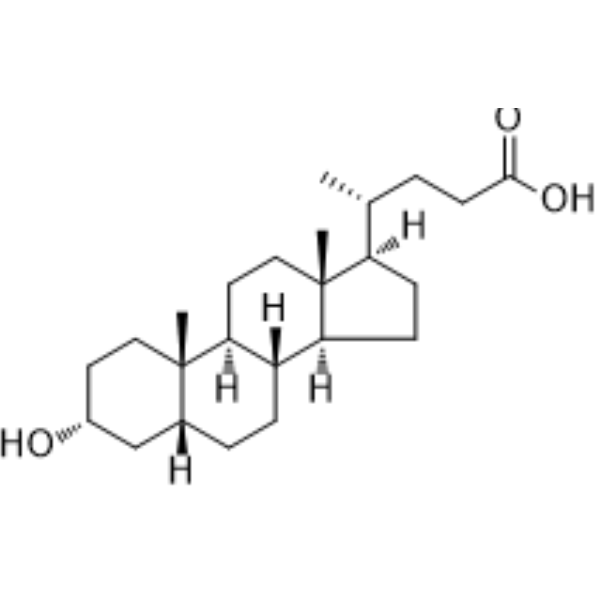
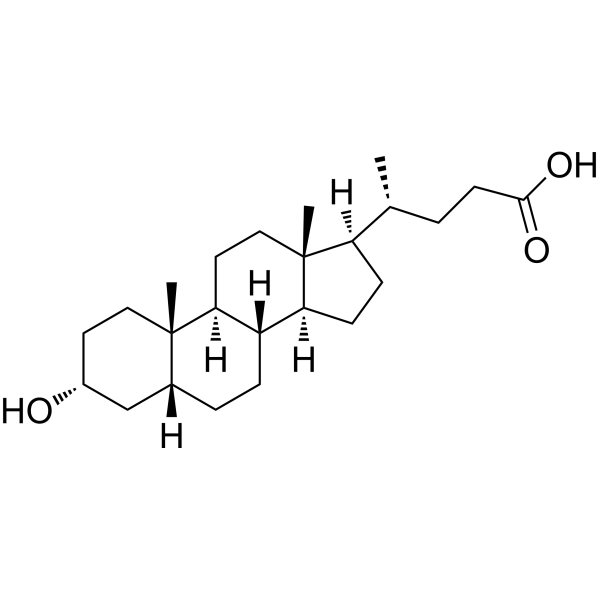
    Lithocholic acid
    15+ Cited Publications

    3α-Hydroxy-5β-cholanic acid

    Autophagy Endogenous Metabolite Apoptosis FXR Metabolic Disease Inflammation/Immunology Cancer
    Lithocholic acid is a toxic secondary bile acid that can promote intrahepatic cholestasis and promote tumorigenesis. Lithocholic acid is also a FXR antagonist and a PXR/SXR agonist .
    Lithocholic acid
  • HY-N0784
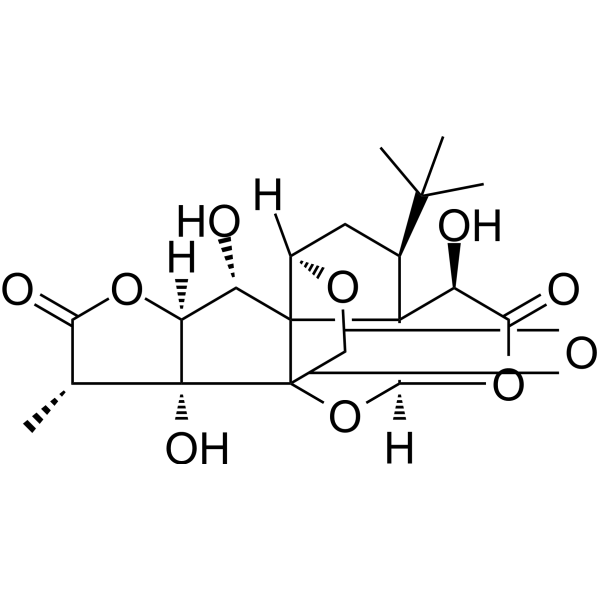
    Ginkgolide B
    10+ Cited Publications

    BN-52021

    Platelet-activating Factor Receptor (PAFR) Apoptosis Cardiovascular Disease Neurological Disease Inflammation/Immunology Cancer
    Ginkgolide B (BN-52021), a terpene lactone, is a potent platelet activating factor antagonist. Ginkgolide B protects endothelial cells via the activation of PXR from injuries induced by xeno- and endobiotics. Ginkgolide B can pass through the brain-blood barrier. Ginkgolide B has anti-oxidant, anti-inflammatory, anti-tumor, and anti-apoptotic activity. Ginkgolide B has marked neuroprotective effects against ischemia-induced impairments .
    Ginkgolide B
  • HY-N0488A
    Vincristine
    70+ Cited Publications

    Leurocristine; NSC-67574; 22-Oxovincaleukoblastine

    Apoptosis Microtubule/Tubulin Mitosis Infection Cancer
    Vincristine (Leurocristine; NSC-67574; 22-Oxovincaleukoblastine) is a microtubule inhibitor that disrupts microtubule polymerization by binding to β-tubulin (with a Ki of 85 nM in bovine), arrests the cell cycle and induces apoptosis. Vincristine inhibits cell replication, tumor blood flow and the proliferation of various cancer cells, while triggering effects such as oxidative stress, inflammation, calcium overload, epithelial-mesenchymal transition and peripheral neuropathic pain. Vincristine upregulates the expression of various transporters and nuclear receptors, and enriches gastric cancer stem-like cells. Vincristine is used in research related to various tumors including acute lymphoblastic leukemia, lymphoma, melanoma, gastric cancer, solid tumors and sarcomas .
    Vincristine
  • HY-103244
    CITCO
    3 Publications Verification

    Apoptosis Cancer
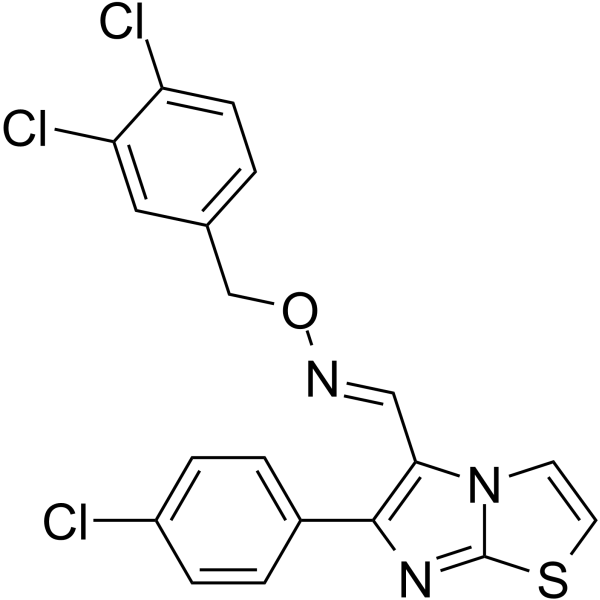
    CITCO, an imidazothiazole derivative, is a selective Constitutive androstane receptor (CAR) agonist. CITCO inhibits growth and expansion of brain tumour stem cells (BTSCs) and has an EC50 of 49 nM over pregnane X receptor (PXR), and no activity on other nuclear receptors .
    CITCO
  • HY-131723
    Pregnenolone 16α-carbonitrile
    5+ Cited Publications

    Pregnane X Receptor (PXR) Cytochrome P450 Metabolic Disease
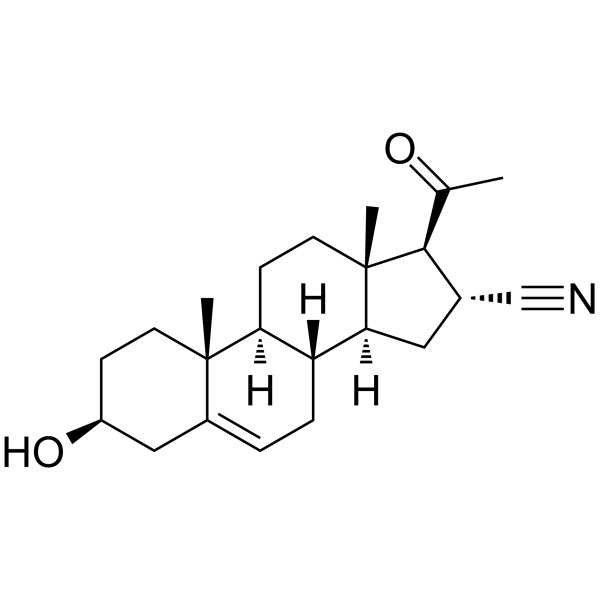
    Pregnenolone 16α-carbonitrile is an orally active prototypical and effective rodent-PXR activator. Pregnenolone 16α-carbonitrile, a synthetic steroid, induces cytochrome P450 3A expression. Pregnenolone 16α-carbonitrile exhibits increased resistance to subsequent stressful insults .
    Pregnenolone 16α-carbonitrile
  • HY-100793
    SR12813
    5+ Cited Publications

    GW 485801

    Pregnane X Receptor (PXR) HMG-CoA Reductase (HMGCR) Autophagy Metabolic Disease
    SR12813 (GW 485801) is an inhibitor of 3-hydroxy-3-methylglutaryl-coenzyme A (HMG-CoA) reductase, with an IC50 value of 0.85 μM . SR12813 is also an efficient agonist of human pregnane X receptor (hPXR). SR12813 can strongly bind to hPXR but not to mouse PXR (mPXR) .
    SR12813
  • HY-119459
    Fluopyram
    1 Publications Verification

    Environmental Pollutants Constitutive Androstane Receptor Parasite Caspase Fungal NF-κB Succinate Dehydrogenase Pregnane X Receptor (PXR) Infection Cancer
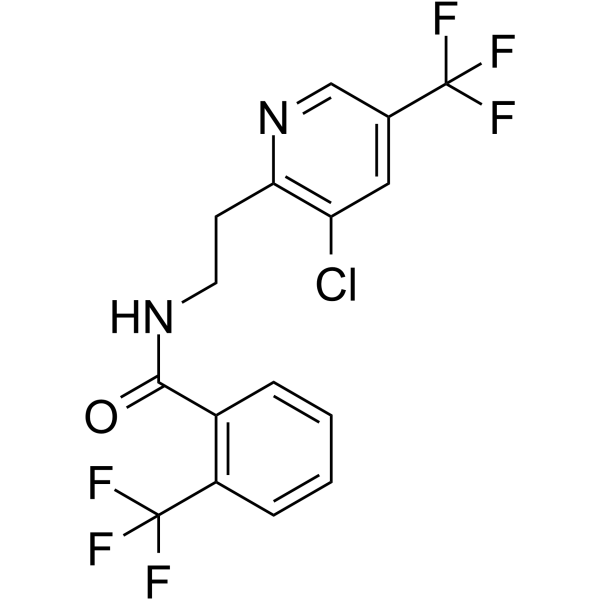
    Fluopyram is an orally active succinate dehydrogenase inhibitor, antifungal and nematicide. Fluopyram inhibits succinate dehydrogenase activity, activates CAR/PXR nuclear receptors, and increases caspase-3, TNF-α and NF-κB. Fluopyram inhibits the growth of F. virguliforme, Botrytis cinerea and Alternaria solani with EC50 values of 3.35, 5.389 and 0.244 µg/mL, respectively. Fluopyram induces liver and thyroid tumor formation. Fluopyram is nephrotoxic and embryotoxic .
    Fluopyram
  • HY-111828
    TTA-A2
    1 Publications Verification

    Calcium Channel Neurological Disease
    TTA-A2 is a potent, selective and orally active t-type voltage gated calcium channel antagonist with reduced pregnane X receptor (PXR) activation. TTA-A2 is equally potent against the Cav3.1 (a1G) and Cav3.2 (a1H) channels with IC50 values of 89 nM and 92 nM, respectively, at -80 and -100 mV holding potentials. TTA-A2 can be used for the research of a variety of human neurological diseases, including sleep disorders and epilepsy .
    TTA-A2
  • HY-16561R
    Resveratrol (Standard)
    155+ Cited Publications

    trans-Resveratrol (Standard); SRT501 (Standard)

    Reference Standards IKK Autophagy Mitophagy Sirtuin Apoptosis Bacterial Fungal Antibiotic Keap1-Nrf2 Infection Inflammation/Immunology Cancer
    Resveratrol (Standard) is the analytical standard of Resveratrol. This product is intended for research and analytical applications. Resveratrol (trans-Resveratrol; SRT501), a natural polyphenolic phytoalexin that possesses anti-oxidant, anti-inflammatory, cardioprotective, and anti-cancer properties. Resveratrol (SRT 501) has a wide spectrum of targets including mTOR, JAK, β-amyloid, Adenylyl cyclase, IKKβ, DNA polymerase. Resveratrol also is a specific SIRT1 activator . Resveratrol is a potent pregnane X receptor (PXR) inhibitor . Resveratrol is an Nrf2 activator, ameliorates aging-related progressive renal injury in mice model . Resveratrol increases production of NO in endothelial cells .
    Resveratrol (Standard)
  • HY-B0172R
    Lithocholic acid (Standard)
    15+ Cited Publications

    3α-Hydroxy-5β-cholanic acid (Standard)

    Reference Standards Autophagy Endogenous Metabolite Apoptosis FXR Metabolic Disease Cancer
    Lithocholic acid (Standard) is the analytical standard of Lithocholic acid. This product is intended for research and analytical applications. Lithocholic acid is a toxic secondary bile acid that can promote intrahepatic cholestasis and promote tumorigenesis. Lithocholic acid is also a FXR antagonist and a PXR/SXR agonist .
    Lithocholic acid (Standard)
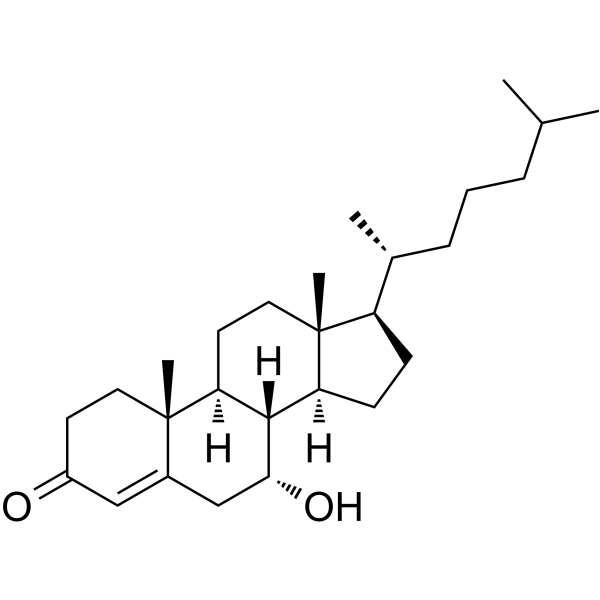
  • HY-113259

    Endogenous Metabolite Metabolic Disease
    7α-Hydroxy-4-cholesten-3-one is an intermediate in synthesis of bile acids from cholesterol. 7α-Hydroxy-4-cholesten-3-one is a pregnane X receptor (PXR) agonist. 7α-Hydroxy-cholest-4-en-3-one is a biomarker for bile acid loss, irritable bowel syndrome, and other diseases associated with defective bile acid biosynthesis. 7α-Hydroxy-cholest-4-en-3-one is the physiological substrate for CYP8B1 .
    7α-Hydroxy-4-cholesten-3-one
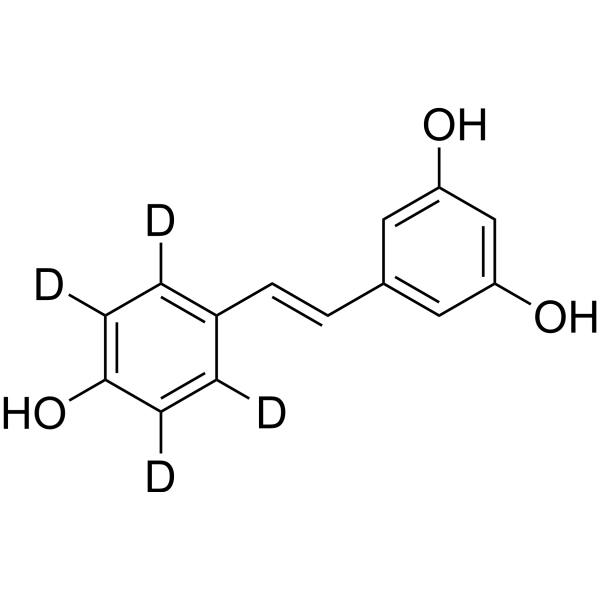
  • HY-16561S

    trans-Resveratrol-d4; SRT501-d4

    Isotope-Labeled Compounds DNA/RNA Synthesis IKK Autophagy Mitophagy Sirtuin Apoptosis Bacterial Fungal Antibiotic Keap1-Nrf2 Infection Inflammation/Immunology Cancer
    Resveratrol-d4 is the deuterium labeled Resveratrol. Resveratrol (trans-Resveratrol; SRT501), a natural polyphenolic phytoalexin that possesses anti-oxidant, anti-inflammatory, cardioprotective, and anti-cancer properties. Resveratrol (SRT 501) has a wide spectrum of targets including mTOR, JAK, β-amyloid, Adenylyl cyclase, IKKβ, DNA polymerase. Resveratrol also is a specific SIRT1 activator . Resveratrol is a potent pregnane X receptor (PXR) inhibitor . Resveratrol is an Nrf2 activator, ameliorates aging-related progressive renal injury in mice model . Resveratrol increases production of NO in endothelial cells .
    Resveratrol-d4
  • HY-N1457
    Chrysosplenetin
    3 Publications Verification

    P-glycoprotein Topoisomerase Apoptosis DNA/RNA Synthesis Wnt β-catenin Parasite Infection Metabolic Disease Cancer
    Chrysosplenetin is an orally active polymethoxyflavone. Chrysosplenetin exerts anticancer effects by inhibiting topoisomerase, protecting DNA and inducing apoptosis. Chrysosplenetin acts as an antimalarial sensitizer, reverses Artemisinin (HY-B0094) resistance by inhibiting and downregulating P-glycoprotein, and enhances the efficacy of Artemisinin. Chrysosplenetin promotes bone formation by activating the Wnt/β-catenin pathway and exerts anti-osteoporotic effects .
    Chrysosplenetin
  • HY-W036120

    2,2′,4,4′-Tetrahydroxybenzophenone

    Environmental Pollutants Glycosidase Estrogen Receptor/ERR Pregnane X Receptor (PXR) Metabolic Disease Endocrinology
    Benzophenone-2 (2,2',4,4'-Tetrahydroxybenzophenone) is an organic ultraviolet absorber that is widely used in personal care products and industrial products such as plastics and coatings. Benzophenone-2 is an endocrine disruptor that can interfere with estrogen receptors (ERα receptor) and pregnane X receptor (PXR receptor) activity, leading to reproductive toxicity, immune disorders, and metabolic abnormalities. Benzophenone-2 can inhibit the activity of α-glucosidase (IC50 = 49.72 μM), and can be used for research on diabetes .
    Benzophenone-2
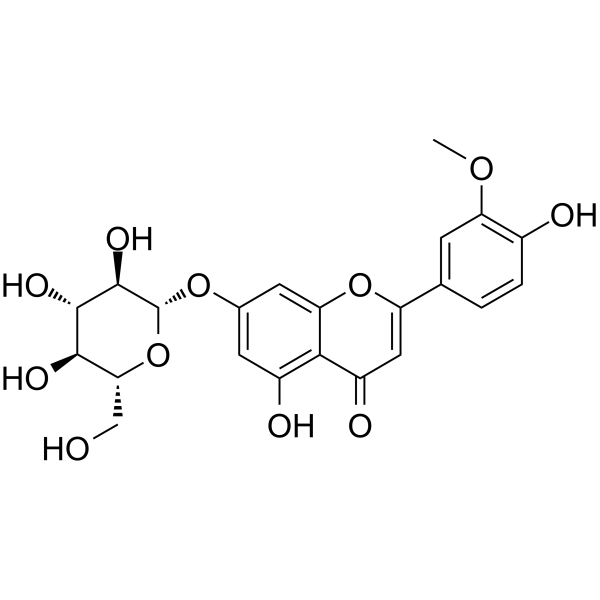
  • HY-N6023

    Cytochrome P450 Pregnane X Receptor (PXR) Others
    Thermopsoside is a CYP450 isoenzyme inhibitor and PXR activator. Thermopsoside inhibits CYP3A4, CYP2C19, CYP2D6 and CYP2C9 with IC50 values of 6.0 μM, 9.5 μM, 12.0 μM and 32.0 μM, respectively .
    Thermopsoside
  • HY-15371R

    Coleonol (Standard); Colforsin (Standard); HL 362 (Standard)

    Organoid Reference Standards Adenylate Cyclase FXR Autophagy PKC Metabolic Disease Inflammation/Immunology Endocrinology Cancer
    Forskolin (Standard) is the analytical standard of Forskolin. This product is intended for research and analytical applications. Forskolin (Coleonol) is a potent adenylate cyclase activator with an IC50 of 41 nM and an EC50 of 0.5 μM for type I adenylyl cyclase . Forskolin is also an inducer of intracellular cAMP formation . Forskolin induces differentiation of various cell types and activates pregnane X receptor (PXR) and FXR . Forskolin exerts a inotropic effect on the heart, and has platelet antiaggregatory and antihypertensive actions. Forskolin also induces autophagy .
    Forskolin (Standard)
  • HY-173072

    Pregnane X Receptor (PXR) Others
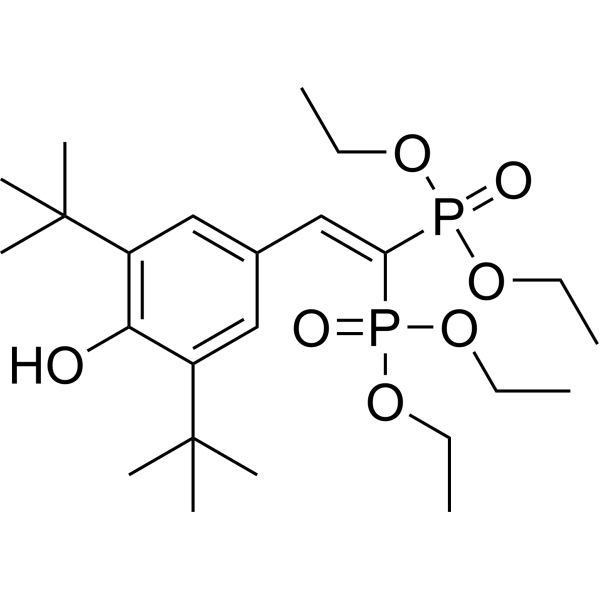
    SJPYT-310 is a selective PXR antagonist. SJPYT-310 shows no significant cytotoxicity .
    SJPYT-310
  • HY-N6022

    Others Metabolic Disease
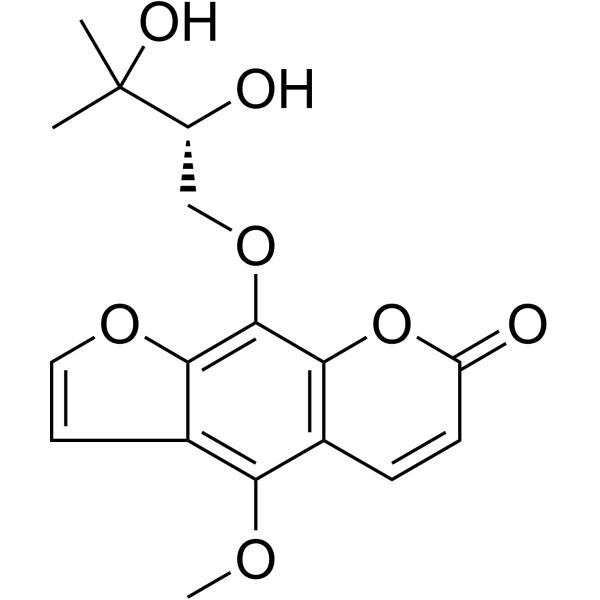
    Byakangelicin, one of the active compounds found in the roots of Angelica gigas, can serve as a modulator to improve brain accumulation of diverse active compounds (Umb, Cur, and Dox) and enhance therapeutic effects . Byakangelicin is likely to increase the expression of all PXR target genes (such as MDR1) and induce a wide range of agent-agent interactions. Byakangelicin can inhibit the effects of sex hormones, it may increase the catabolism of endogenous hormones .
    Byakangelicin
  • HY-N4246

    Aquaporin PKC Akt PI3K Apoptosis Monoamine Oxidase Pregnane X Receptor (PXR) Cardiovascular Disease Neurological Disease Inflammation/Immunology Cancer
    Bacopaside I is an orally active aquaporin AQP1 inhibitor and PKC modulator with neuroprotective and anticancer activities. Bacopaside I specifically blocks the water channel and cGMP-gated ion channel activities of AQP1 without affecting AQP4, thereby inhibiting the migration of colon cancer cells expressing AQP1. Bacopaside I activates the Akt pathway by interacting with PI3K, specifically inhibits MAO-A, effectively alleviates neuron necrosis and apoptosis induced by oxygen-glucose deprivation, reduces oxidative stress, and regulates the surface expression of neuroreceptors. When combined with Bacopaside II (HY-N6016), Bacopaside I significantly reduces the viability, proliferation and invasion ability of breast cancer cells, and binds to the pregnane X receptor (PXR). Bacopaside I is applicable to the research of colon cancer, breast cancer, vascular dementia, cerebral ischemia and other related diseases .
    Bacopaside I
  • HY-110249
    CINPA1
    1 Publications Verification

    Constitutive Androstane Receptor Metabolic Disease
    CINPA1 is a potent and specific inhibitor of constitutive androstane receptor (CAR) that does not activate pregnane X receptor (PXR). CINPA1 reduces CAR-mediated transcription with an IC50 of ~70 nM. CINPA1 can be used as a molecular tool for understanding CAR function .
    CINPA1
  • HY-109568

    Pregnane X Receptor (PXR) Inflammation/Immunology Endocrinology
    Lynestrenol is a pregnane X receptor (PXR) agonist with the EC50s of 41 and 0.23 μM for hPXR and zfPXR, respectively . Lynestrenol, a synthetic progesteronelike agent possess immunostimulatory properties .
    Lynestrenol
  • HY-B0589C

    Cytochrome P450 Metabolic Disease
    (3S,5S)-Atorvastatin is a inactive enantiomer of Atorvastatin. (3S,5S)-Atorvastatin can activate pregnane X receptor (PXR). Atorvastatin is an orally active HMG-CoA reductase inhibitor, has the ability to effectively decrease blood lipids .
    (3S,5S)-Atorvastatin
  • HY-W015026

    Isobutyl-P-Hydroxybenzoate

    Bacterial Apoptosis Reactive Oxygen Species (ROS) Constitutive Androstane Receptor PPAR Neurological Disease Endocrinology
    Isobutylparaben (Isobutyl 4-hydroxybenzoate) is the agonist for PXR, CAR and PPAR. Isobutylparaben has a broad-spectrum antimicrobial activity and widely used in personal care products and cosmetics .
    Isobutylparaben
  • HY-150616

    Pregnane X Receptor (PXR) Molecular Glues Cancer
    SJPYT-195 is a cytotoxic GSPT1 degrader and can be used for PROTAC synthesis .
    SJPYT-195
  • HY-168328

    NF-κB Interleukin Related Inflammation/Immunology
    FKK6 is a selective agonist for pregnane X receptor (PXR) with an EC50 of 1.2 µM. FKK6 exhibits good affinity with plasma proteins, and good metabolic metabolism in human microsomes. FKK6 inhibits PXR-related NF-κB signaling pathway, inhibits the expression of inflammatory factors, and exhibits anti-inflammatory activity against DSS (HY-116282)-induced colitis in mouse model .
    FKK6
  • HY-15371G

    Coleonol; Colforsin; HL 362

    Adenylate Cyclase FXR Autophagy PKC Metabolic Disease Inflammation/Immunology Endocrinology Cancer
    Forskolin (Coleonol) (GMP) is a potent adenylate cyclase activator with an IC50 of 41 nM and an EC50 of 0.5 μM for type I adenylyl cyclase . Forskolin (GMP) is also an inducer of intracellular cAMP formation . Forskolin (GMP) induces differentiation of various cell types and activates pregnane X receptor (PXR) and FXR . Forskolin (GMP) exerts a inotropic effect on the heart, and has platelet antiaggregatory and antihypertensive actions. Forskolin (GMP) also induces autophagy .
    Forskolin
  • HY-119459R

    Reference Standards Succinate Dehydrogenase Fungal Parasite Constitutive Androstane Receptor Caspase NF-κB Infection Cancer
    Fluopyram (Standard) is the analytical standard of Fluopyram (HY-119459). This product is intended for research and analytical applications. Fluopyram is an orally active succinate dehydrogenase inhibitor, antifungal and nematicide. Fluopyram inhibits succinate dehydrogenase activity, activates CAR/PXR nuclear receptors, and increases caspase-3, TNF-α and NF-κB. Fluopyram inhibits the growth of F. virguliforme, Botrytis cinerea and Alternaria solani with EC50 values of 3.35, 5.389 and 0.244 µg/mL, respectively. Fluopyram induces liver and thyroid tumor formation. Fluopyram is nephrotoxic and embryotoxic .
    Fluopyram (Standard)
  • HY-W020788

    CGA 154281

    Environmental Pollutants Glutathione S-transferase Estrogen Receptor/ERR Pregnane X Receptor (PXR) FXR Metabolic Disease Cancer
    Benoxacor (CGA 154281) is a herbicide safener and xenobiotic metabolism regulator. Benoxacor protects maize from the toxicity of metolachlor mainly by inducing detoxifying enzymes such as Glutathione S-transferase. Benoxacor also activates FXR, PXR and ERRα, and inhibits aromatase (aromatase). However, Benoxacor exhibits potential subacute oral toxicity and a high risk of hepatotoxicity in animal models. Benoxacor induces reactive oxygen species accumulation, interferes with embryonic heart development, and causes increased liver and kidney weights as well as alterations in gut microbiota in mice. Benoxacor can be used in studies related to hepatic steatosis, infertility, breast cancer and developmental toxicity .
    Benoxacor
  • HY-113259S

    Endogenous Metabolite Metabolic Disease
    7α-Hydroxy-4-cholesten-3-one-d7 is the deuterium labeled 7α-Hydroxy-4-cholesten-3-one. 7α-Hydroxy-4-cholesten-3-one is an intermediate in synthesis of bile acids from cholesterol. 7α-Hydroxy-4-cholesten-3-one is a pregnane X receptor (PXR) agonist. 7α-Hydroxy-cholest-4-en-3-one is a biomarker for bile acid loss, irritable bowel syndrome, and other diseases associated with defective bile acid biosynthesis. 7α-Hydroxy-cholest-4-en-3-one is the physiological substrate for CYP8B1 .
    7α-Hydroxy-4-cholesten-3-one-d7
  • HY-N0784R

    BN-52021 (Standard)

    Reference Standards Platelet-activating Factor Receptor (PAFR) Apoptosis Cardiovascular Disease Neurological Disease Inflammation/Immunology Cancer
    Ginkgolide B (Standard) is the analytical standard of Ginkgolide B. This product is intended for research and analytical applications. Ginkgolide B (BN-52021), a terpene lactone, is a potent platelet activating factor antagonist. Ginkgolide B protects endothelial cells via the activation of PXR from injuries induced by xeno- and endobiotics. Ginkgolide B can pass through the brain-blood barrier. Ginkgolide B has anti-oxidant, anti-inflammatory, anti-tumor, and anti-apoptotic activity. Ginkgolide B has marked neuroprotective effects against ischemia-induced impairments .
    Ginkgolide B (Standard)
  • HY-175266

    PROTACs Cytochrome P450 Pregnane X Receptor (PXR) Metabolic Disease
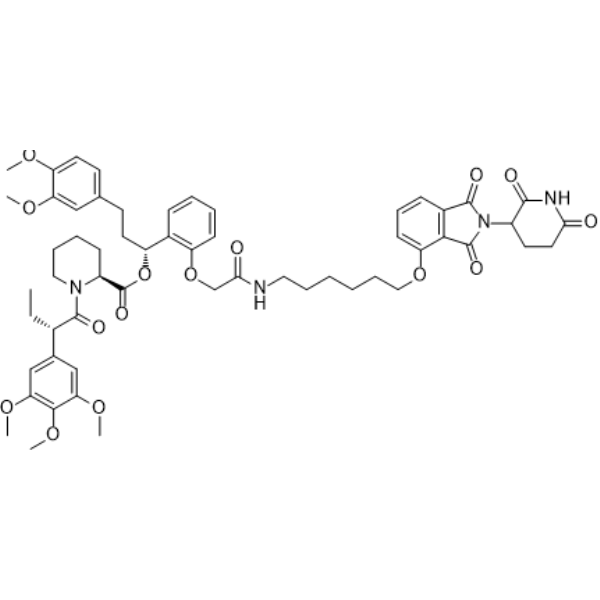
    MI1013 is a PROTAC PXR degrader (DC50 = 89 nM, Dmax = 82%). MI1013 degrades PXR in human hepatocellular carcinoma RG cells (HepaRG). MI1013 specifically and safely regulates CYP3A4 promoter activity through PXR degradation. MI1013 affects several key genes involved in sulfate conjugation (e.g., SULT1E1), bile acid synthesis (CYP7A1), gluconeogenesis (PCK1), ketone synthesis (HMGCS20), and hepatocyte proliferation (MKI67). (Pink: PXR ligand 3: HY-175267, Blue: Pomalidomide-propargyl ligand: HY-W410002, Pink + Black: PXR ligand-Linker Conjugate 1: HY-175268) .
    MI1013
  • HY-N9454

    Pregnane X Receptor (PXR) COX NF-κB Amylases β-glucuronidase DNA/RNA Synthesis Amyloid-β NOD-like Receptor (NLR) Pyroptosis Cancer
    Garcinoic acid is an orally active anti-inflammatory agent that crosses the blood-brain barrier. Garcinoic acid also enhances efferocytosis and enzyme/receptor regulation, and selectively inhibits human COX-2, porcine α-amylase, Saccharomyces cerevisiae α-glucosidase and human DNA polymerase β (IC50=11 μM), as well as activates human PXR. Garcinoic acid enhances macrophage efferocytosis via receptors such as MerTK and LRP-1, and promotes the production of pro-resolving lipid mediators. Garcinoic acid inhibits NF-κB activation and pro-inflammatory cytokine secretion, interferes with aggregation, downregulates NLRP3 inflammasome activity, and binds to targets including CD44 and EGFR to inhibit leukemia cell proliferation. The pharmacological activities of Garcinoic acid, such as antioxidant, anti-inflammatory and lipid metabolism-regulating effects, are widely used in studies related to various diseases including atherosclerosis, Alzheimer's disease, type 2 diabetes, inflammatory bowel disease and viral pneumonia .
    Garcinoic acid
  • HY-135562

    Parasite Antibiotic Infection Cancer
    Ascofuranone is an orally active inhibitor of Trypanosoma brucei brucei (TAO) with a Ki value of 2.38 nM. Ascofuranone inhibits IGF-1-induced cancer cell migration, invasion, motility and actin cytoskeleton formation, and exerts anti-tumor effects. Ascofuranone can be used in research related to tumor metastasis, African trypanosomiasis, bacterial infections, lung cancer and hepatocellular carcinoma .
    Ascofuranone
  • HY-16561G

    trans-Resveratrol; SRT501

    DNA/RNA Synthesis IKK Autophagy Mitophagy Sirtuin Apoptosis Bacterial Fungal Keap1-Nrf2 Infection Inflammation/Immunology Cancer
    Resveratrol (GMP) is Resveratrol (HY-16561) produced by using GMP guidelines. GMP small molecules work appropriately as an auxiliary reagent for cell therapy manufacture. Resveratrol (trans-Resveratrol; SRT501), a natural polyphenolic phytoalexin that possesses anti-oxidant, anti-inflammatory, cardioprotective, and anti-cancer properties. Resveratrol (SRT 501) has a wide spectrum of targets including mTOR, JAK, β-amyloid, Adenylyl cyclase, IKKβ, DNA polymerase. Resveratrol also is a specific SIRT1 activator . Resveratrol is a potent pregnane X receptor (PXR) inhibitor . Resveratrol is an Nrf2 activator, ameliorates aging-related progressive renal injury in mice model . Resveratrol increases production of NO in endothelial cells .
    Resveratrol
  • HY-148223

    Pregnane X Receptor (PXR) Fungal Infection Metabolic Disease
    Tolindate is a potent PXR agonist with an EC50 value of 8.3 μM. Tolindate shows antifungal activity .
    Tolindate
  • HY-W015026S

    Isobutyl 4-hydroxybenzoate-d4

    Bacterial Apoptosis Reactive Oxygen Species (ROS) Constitutive Androstane Receptor PPAR Neurological Disease Endocrinology
    Isobutylparaben-d4 is the deuterium labeled Isobutylparaben. Isobutylparaben (Isobutyl 4-hydroxybenzoate) is the agonist for PXR, CAR and PPAR. Isobutylparaben has a broad-spectrum antimicrobial activity and widely used in personal care products and cosmetics .
    Isobutylparaben-d4
  • HY-136527

    ROR Interleukin Related Inflammation/Immunology
    BMS-986251 is an orally active and selective RORγt inverse agonist with an EC50 of 12 nM for RORγt GAL4. BMS-986251 inhibits IL-17 with an EC50 of 24 nM in human whole blood assay. BMS-986251 demonstrates robust efficacy in mouse acanthosis and Imiquimod-induced (HY-B0180) models (preclinical models of psoriasis) .
    BMS-986251
  • HY-W709413

    NF-κB TNF Receptor Interleukin Related Pregnane X Receptor (PXR) Constitutive Androstane Receptor Cytochrome P450 Neurological Disease
    Panaxytriol is an active component of ginseng. Panaxytriol inhibits the nuclear translocation of NF-κB, thereby reducing the production of pro-inflammatory factors (such as TNF-α, IL-1β, IL-6) and nitric oxide (NO) induced by LPS (HY-D1056). Panaxytriol upregulates CYP3A4 by activating the nuclear receptor PXR/CAR. Panaxytriol improves motor dysfunction in a mouse model of brain inflammation. Panaxytriol can be used in the research of neurodegenerative diseases (such as Alzheimer's disease) .
    Panaxytriol
  • HY-175264

    Pregnane X Receptor (PXR) Cytochrome P450 Metabolic Disease
    MI891 is a highly selective PXR antagonist (IC50 = 3.76 μM, Kd = 1.7 μM) and inverse agonist (IC50 = 6.1 μM). MI891 selectively disrupts the interaction between PXR and its coactivator SRC1. MI891 effectively inhibits Rifampicin (HY-B0272)-induced PXR activation. MI891 is useful for the study of metabolic diseases and other diseases .
    MI891
  • HY-15380

    HIV Reverse Transcriptase Infection
    PNU-142721 is a reverse transcriptase inhibitor and PXR agonist that effectively inhibits various type I HIV variants .
    PNU‐142721
  • HY-173033

    Pregnane X Receptor (PXR) Constitutive Androstane Receptor Cytochrome P450 Metabolic Disease
    MI-883 is the orally active agonist for Constitutive Androstane Receptor (CAR, EC50=73 nM) and the antagonist for Pregnane X Receptor (PXR, IC50=0.1 μM). MI-883 stimulates CAR LBD assembly (EC50=0.38 µM) and CAR3 variant activation (EC50=0.074 µM), induces CYP2B6 mRNA expression in HepaRG and primary human hepatocytes. MI-883 inhibits basal PXR activity IC50=2.03 µM) in transiently transfected HepG2 cells, blocks CYP3A4 mRNA expression in HepG2. MI-883 regulates cholesterol metabolism and bile acid excretion, improves hypercholesterolemia in mouse models .
    MI-883
  • HY-18612

    Bombesin Receptor Metabolic Disease
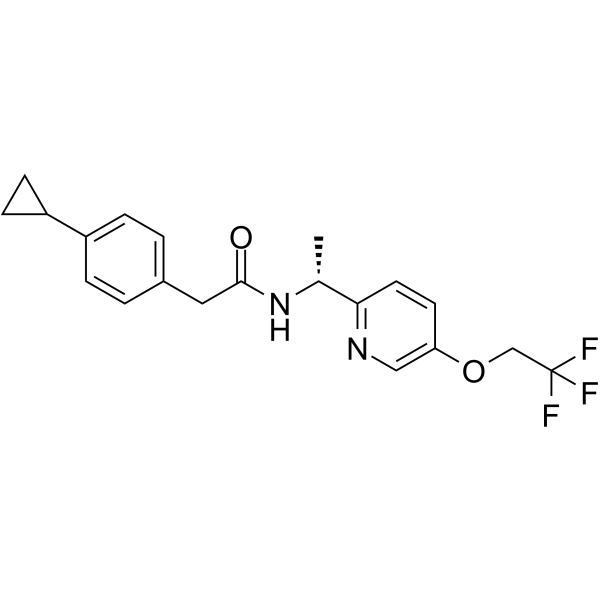
    MK-7725 is a selective, orally active, and blood-brain barrier-permeable agonist of the subtype 3 of the frog skin peptide receptor (BRS-3). MK-7725 has a high affinity for the human BRS-3 (hBRS-3), with an IC50 of 3 nM, and its functional activity in the mouse-derived BRS-3 (mBRS-3) model with an EC50 of 22 nM (105% agonistic). MK-7725 significantly reduces the body weight of obese rats and obese dogs. MK-7725 can be used for the treatment of obesity .
    MK-7725
  • HY-16561S1

    trans-Resveratrol-13C6; SRT501-13C6

    Isotope-Labeled Compounds DNA/RNA Synthesis IKK Autophagy Mitophagy Sirtuin Apoptosis Bacterial Fungal Antibiotic Keap1-Nrf2 Infection Inflammation/Immunology Cancer
    Resveratrol- 13C6 is the 13C-labeled Resveratrol. Resveratrol (trans-Resveratrol; SRT501), a natural polyphenolic phytoalexin that possesses anti-oxidant, anti-inflammatory, cardioprotective, and anti-cancer properties. Resveratrol (SRT 501) has a wide spectrum of targets including mTOR, JAK, β-amyloid, Adenylyl cyclase, IKKβ, DNA polymerase. Resveratrol also is a specific SIRT1 activator . Resveratrol is a potent pregnane X receptor (PXR) inhibitor . Resveratrol is an Nrf2 activator, ameliorates aging-related progressive renal injury in mice model . Resveratrol increases production of NO in endothelial cells .
    Resveratrol-13C6
  • HY-W020788R

    CGA 154281 (Standard)

    Reference Standards Glutathione S-transferase Estrogen Receptor/ERR Pregnane X Receptor (PXR) FXR Others
    Benoxacor (Standard) is the analytical standard of Benoxacor. This product is intended for research and analytical applications. Benoxacor (CGA 154281) is a herbicide safener and xenobiotic metabolism regulator. Benoxacor protects maize from the toxicity of metolachlor mainly by inducing detoxifying enzymes such as Glutathione S-transferase. Benoxacor also activates FXR, PXR and ERRα, and inhibits aromatase (aromatase). However, Benoxacor exhibits potential subacute oral toxicity and a high risk of hepatotoxicity in animal models. Benoxacor induces reactive oxygen species accumulation, interferes with embryonic heart development, and causes increased liver and kidney weights as well as alterations in gut microbiota in mice. Benoxacor can be used in studies related to hepatic steatosis, infertility, breast cancer and developmental toxicity .
    Benoxacor (Standard)
  • HY-179875

    Endogenous Metabolite Metabolic Disease
    N-Cholyl-L-leucine is a bile acid-amino acid conjugate, mainly produced by intestinal microorganisms. N-Cholyl-L-leucine can be used as a biomarker for premature infants and is also employed in the study of bile acid metabolism .
    N-Cholyl-L-leucine
  • HY-113259R

    Reference Standards Endogenous Metabolite Metabolic Disease
    7α-Hydroxy-4-cholesten-3-one (Standard) is the analytical standard of 7α-Hydroxy-4-cholesten-3-one. This product is intended for research and analytical applications. 7α-Hydroxy-4-cholesten-3-one is an intermediate in synthesis of bile acids from cholesterol. 7α-Hydroxy-4-cholesten-3-one is a pregnane X receptor (PXR) agonist. 7α-Hydroxy-cholest-4-en-3-one is a biomarker for bile acid loss, irritable bowel syndrome, and other diseases associated with defective bile acid biosynthesis. 7α-Hydroxy-cholest-4-en-3-one is the physiological substrate for CYP8B1 .
    7α-Hydroxy-4-cholesten-3-one (Standard)
  • HY-169277

    Ligands for Target Protein for PROTAC Pregnane X Receptor (PXR) Others
    PXR Ligand 1 is a PXR Ligand and can be used for synthesis of SJYHJ-026 (HY-169264) PROTACs .
    PXR Ligand 1
  • HY-175267

    Ligands for Target Protein for PROTAC Pregnane X Receptor (PXR) Metabolic Disease
    PXR Ligand 3 is a PXP ligand. PXR Ligand 3 can be used to synthesize PROTAC MI1013 (HY-175266) .
    PXR Ligand 3

Inquiry Online

Your information is safe with us. * Required Fields.

Salutation


Country or Region *

Applicant Name *


Organization Name *

Department *


Email Address *


Product Name *

Cat. No.


Requested quantity *

Phone Number *


Remarks

Inquiry Online

Inquiry Information

Product Name:
Cat. No.:
Quantity:
MCE Japan Authorized Agent:

