Search Result
Results for "
QS
" in MedChemExpress (MCE) Product Catalog:
3
Isotope-Labeled Compounds
| Cat. No. |
Product Name |
Target |
Research Areas |
Chemical Structure |
-
- HY-101092
-
|
Stimulon
|
NOD-like Receptor (NLR)
|
Inflammation/Immunology
Cancer
|
|
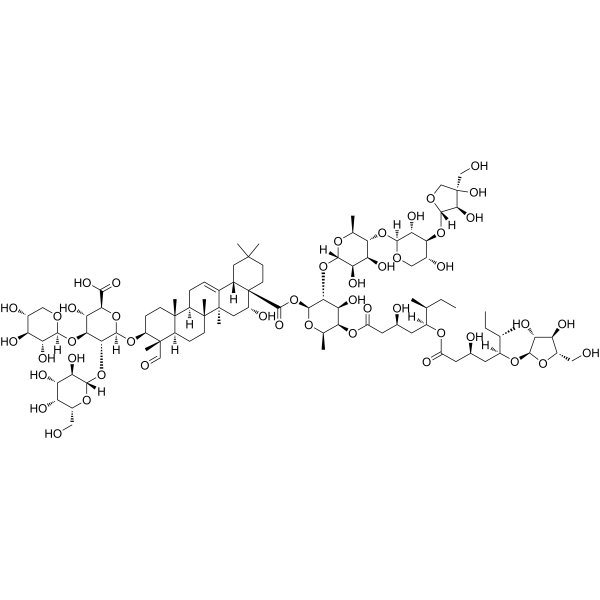
QS-21-Api, an immunostimulatory saponin, could be used as a potent vaccine adjuvant. QS-21-Api stimulates Th2 humoral and Th1 cell-mediated immune responses through action on antigen presenting cells (APCs) and T cells. QS-21-Api can activate the NLRP3 inflammasome with subsequent release of caspase-1 dependent cytokines, IL-1β and IL-18 .
|
-
-
- HY-N4117
-
|
|
Bacterial
|
Infection
|
|
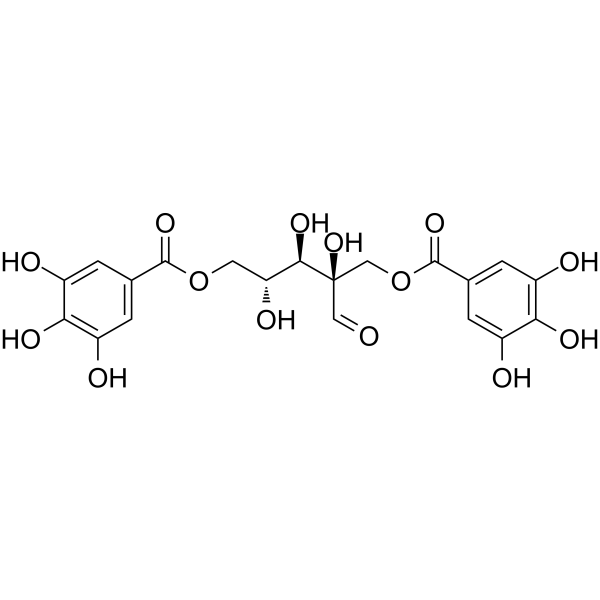
Hamamelitannin, a polyphenol extracted from the bark of Hamamelis virginiana, is a quorum-sensing (QS) inhibitor. Hamamelitannin increases antibiotic susceptibility of staphylococcus aureus biofilms by affecting peptidoglycan biosynthesis and eDNA release .
|
-
-
- HY-111278
-
-
-
- HY-B1118
-
|
RP-14539; PM-185184
|
Bacterial
Parasite
|
Infection
|
|
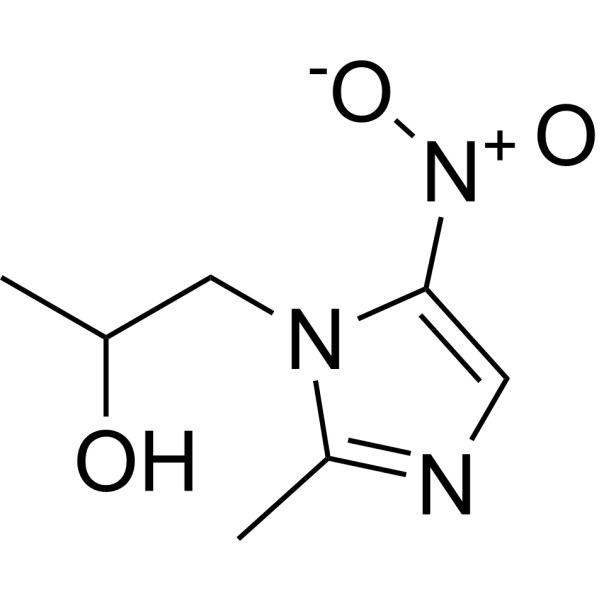
Secnidazole (RP-14539) is an orally active azole antibiotic and a imidazole mitigator of Serratia marcescens virulence. Secnidazole, as an analog of acylhomoserine lactones, effectively inhibits QS resulting in the attenuation of Pseudomonas aeruginosa pathogenesis. Secnidazole has antimicrobial activity against many anaerobic Gram-negative and Gram-positive bacterial species in vitro. Secnidazole can be used for the research of various diseases, such as amoebiasis and giardiasis, and bacterial vaginitis .
|
-
-
- HY-12762
-
QS11
2 Publications Verification
|
β-catenin
Wnt
Arf Family GTPase
|
Cancer
|
|
QS11 is an inhibitor of ARFGAP1 (ADP-ribosylation factor GTPase-activating protein 1), with an EC50 of 1.5 μM. QS11 activates Wnt/β-catenin signaling through an effect on protein trafficking. QS11 inhibits migration of ARFGAP overexpressing breast cancer cells .
|
-
-
- HY-118697
-
|
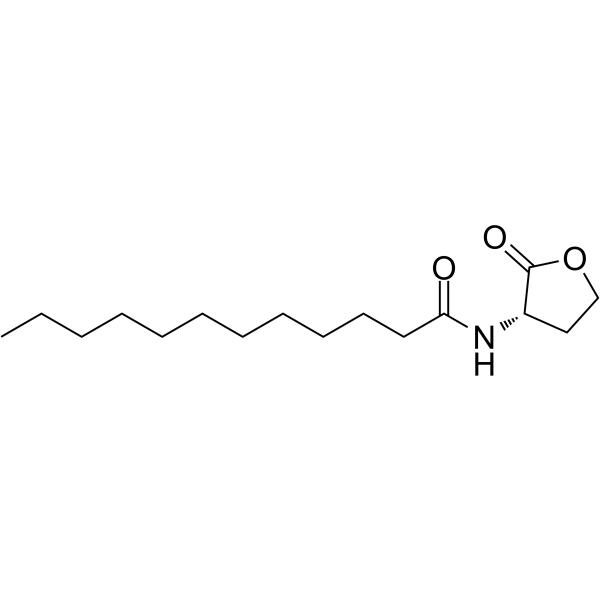
C12-HSL
|
Bacterial
|
Infection
|
|
N-dodecanoyl-L-Homoserine lactone (C12-HSL) is a quorum sensing (QS) signaling molecule. N-dodecanoyl-L-Homoserine lactone (C12-HSL) aptamers blocks qurom sensing and inhibits biofilm formation in Pseudomonas aeruginosa .
|
-
-
- HY-101092B
-
-
-
- HY-153552A
-
|
|
FAP
|
Cancer
|
|
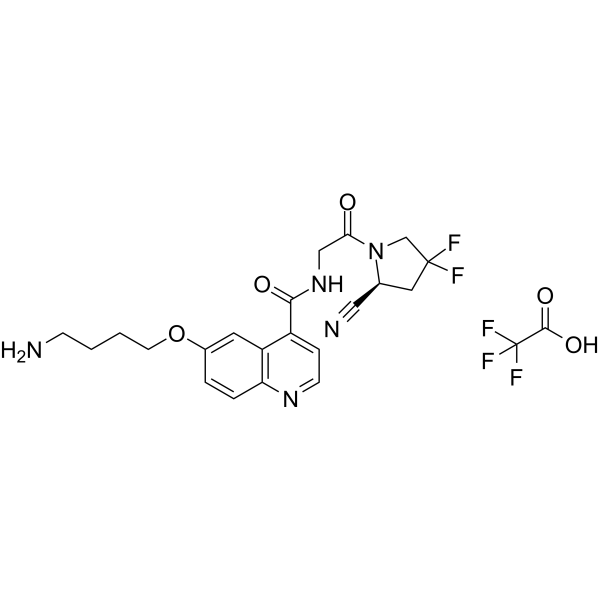
NH2-UAMC1110 TFA is an aminobutoxy derivative of the fibroblast activation protein (FAP) inhibitor UAMC1110 (HY-100684), and is a precursor compound for the synthesis of FAP inhibitor probes, not directly used in bioactivity experiments. For example, NH2-UAMC1110 TFA is involved in the synthesis of the radiotracer FAPI-QS, which exhibits high tumor selectivity and high dose effect, and has been used in tumor diagnosis. NH2-UAMC1110 TFA structurally incorporates an active amino group, allowing it to form covalent bonds with various molecules (such as DOTA, DATA5m, radionuclide chelators, etc.) to synthesize molecular imaging probes or targeted compounds with the ability to target FAP. NH2-UAMC1110 TFA specifically binds to the FAP active site, inhibiting its proline-selective serine protease activity (including dipeptidyl peptidase and endopeptidase activity), blocking FAP-mediated tissue remodeling-related processes. Its key activity is high targeting and high affinity, and its core function is to act as a targeting module coupled with bifunctional chelators (such as DOTA, DATA5m). NH2-UAMC1110 TFA can be applied to diagnostic imaging studies of tumors expressing FAP (such as colorectal cancer, pancreatic cancer, etc.), and also provides molecular tools for targeted research of FAP-related diseases with high FAP expression, such as fibrosis and arthritis .
|
-
-
- HY-153552
-
|
|
FAP
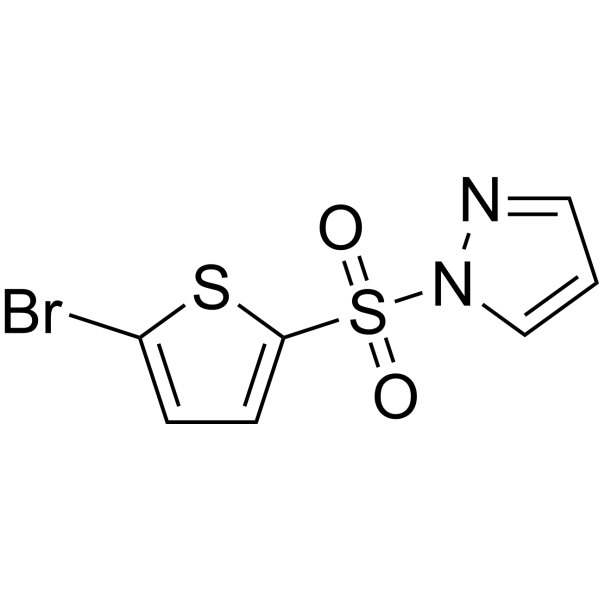
|
Cancer
|
|
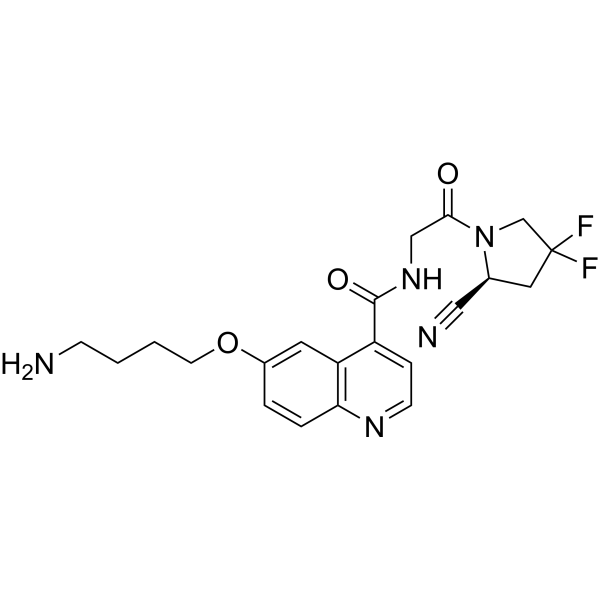
NH2-UAMC1110 is an aminobutoxy derivative of the fibroblast activation protein (FAP) inhibitor UAMC1110 (HY-100684), and is a precursor compound for the synthesis of FAP inhibitor probes, not directly used in bioactivity experiments. For example, NH2-UAMC1110 is involved in the synthesis of the radiotracer FAPI-QS, which exhibits high tumor selectivity and high dose-response, and has been used for tumor diagnosis. NH2-UAMC1110 introduces an active amino group into its structure, enabling it to form covalent bonds with various molecules (such as DOTA, DATA5m, radionuclide chelators, etc.), thereby synthesizing molecular imaging probes or targeted compounds with the ability to target FAP. NH2-UAMC1110 specifically binds to the FAP active site, inhibiting its proline-selective serine protease activity (including dipeptidyl peptidase and endopeptidase activity), blocking FAP-mediated tissue remodeling processes. Its key activity is high targeting and high affinity, and its core function is to be coupled with bifunctional chelators (such as DOTA, DATA5m) as a targeting module. NH2-UAMC1110 can be applied to diagnostic imaging studies of tumors expressing FAP (such as colorectal cancer, pancreatic cancer, etc.), and also provides molecular tools for targeted research of FAP-related diseases with high FAP expression, such as fibrosis and arthritis .
|
-
-
- HY-N9517
-
|
QS 7 Api
|
Others
|
Inflammation/Immunology
Cancer
|
|
QS 7 (QS 7 Api) is a triterpene saponin found in the bark of Quillaja saponaria and immune adjuvant with immune response potentiator activity. QS 7 can be used as vaccine adjuvant for the research of antitumor and antiviral vaccine development .
|
-
-
- HY-101092A
-
|
|
Toll-like Receptor (TLR)
|
Infection
Cancer
|
|
QS-21 is a mixture of QS-21-Xyl (HY-101092B) and QS-21-Api (HY-101092), with a ratio of 35:65. QS-21 is an innate immune system-targeted adjuvant. QS-21 is promising for research of oncology vaccines (e.g., melanoma) and infectious disease vaccines (e.g., HIV, malaria) .
|
-
-
- HY-120504
-
|
|
Bacterial
|
Infection
Cancer
|
|
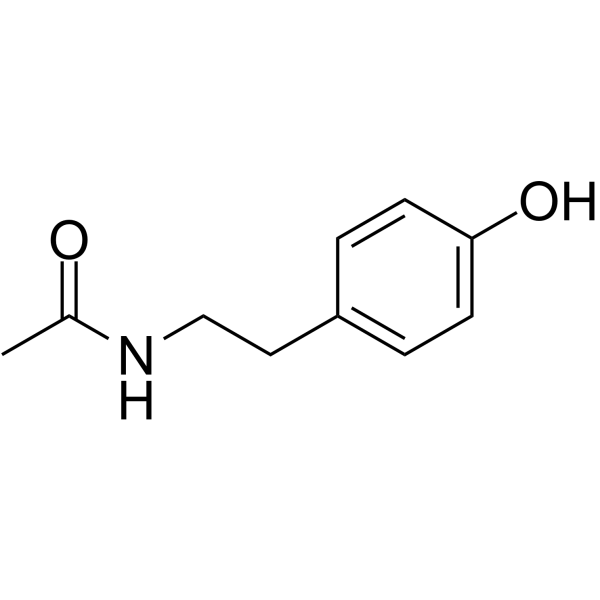
N-Acetyltyramine is a quorum-sensing inhibitor (QSI) compound produced by V. alginolyticus M3-10. N-Acetyltyramine is capable of inhibiting the QS of C. violaceum ATCC 12472. N-acetyltyramine reverses resistance in Doxorubicin-resistant leukemia P388 cells .
|
-
-
- HY-P2454
-
CSP1
1 Publications Verification
|
Bacterial
|
Infection
|
|
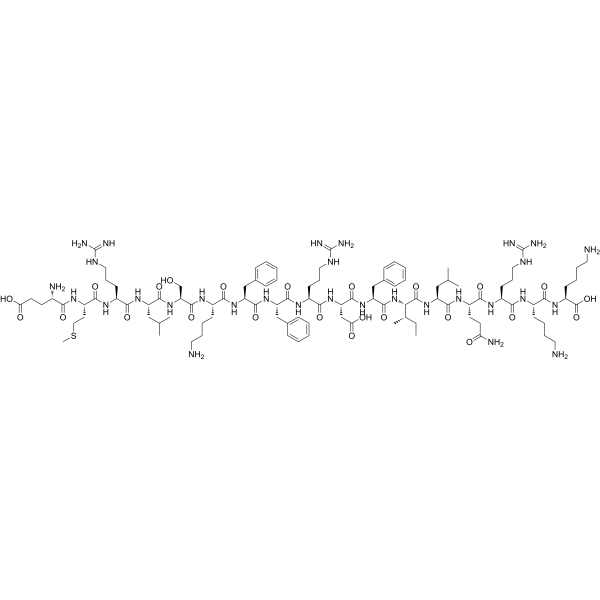
CSP1 is a potent and selective ComD1 receptor agonist, with an IC50 of 10.3 nM. CSP1 is a major variants of competence-stimulating peptide (CSP), and it can regulate genetic transformation of S. pneumonia by modulating quorum sensing (QS). CSP1 can act as an antibacterial agent .
|
-
-
- HY-129405
-
|
|
Bacterial
|
Infection
|
|
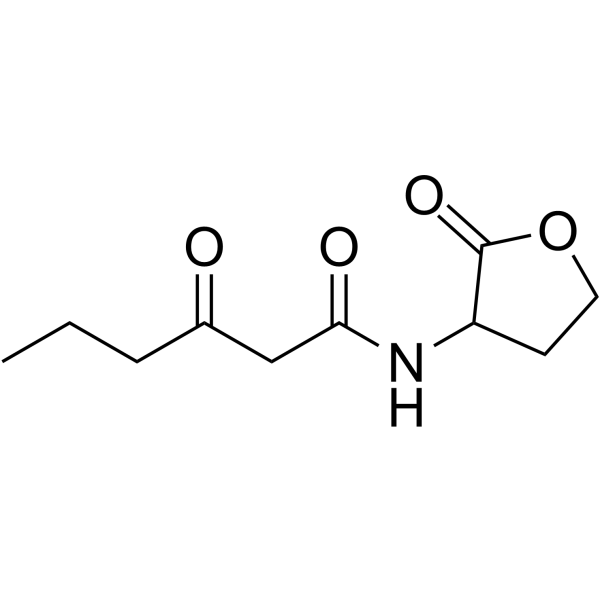
N-(Ketocaproyl)-DL-homoserine lactone is a natural, very active ligand of LuxR. N-(Ketocaproyl)-DL-homoserine lactone is a quorum sensing (QS) autoinducer .
|
-
-
- HY-N16463
-
|
|
Drug Intermediate
|
Others
|
|
QS-S2 is the impurity of QS-21 (HY-101092A). QS-21 is an innate immune system-targeted adjuvant .
|
-
-
- HY-124796
-
|
|
Bacterial
|
Infection
|
|
QStatin is a potent and selective inhibitor of SmcR (V. harveyi LuxR homologue) with an EC50 of 208.9 nM, binding tightly to SmcR and changes the flexibility of the protein, thereby altering its transcription regulatory activity. QStatin shows pan-QS (Vibrio quorum sensing) inhibitor activity in diverse Vibrio species and attenuates their virulence in an aquatic host. QStatin may be a sustainable antivibriosis agent useful in aquacultures .
|
-
-
- HY-158730
-
|
3-OH-C4-HSL; N-3-Hydroxybutanoyl-L-homoserine lactone; N-3-Hydroxybutyryl-L-HSL
|
Bacterial
|
Infection
|
|
N-3-Hydroxybutyryl-L-homoserine lactone (3-OH-C4-HSL) is an acyl-homoserine lactone, that can be isolated from Vibrionaceae. N-3-Hydroxybutyryl-L-homoserine lactone is a signaling molecule that is involved in bacterial quorum sensing (QS). N-3-Hydroxybutyryl-L-homoserine lactone senses the density of bacterial population, regulates the cellular process, such as bioluminescence, biofilm formation, and exo-enzyme production .
|
-
-
- HY-133683
-
|
3-Oxo-C14-AHL
|
Bacterial
|
Metabolic Disease
|
|
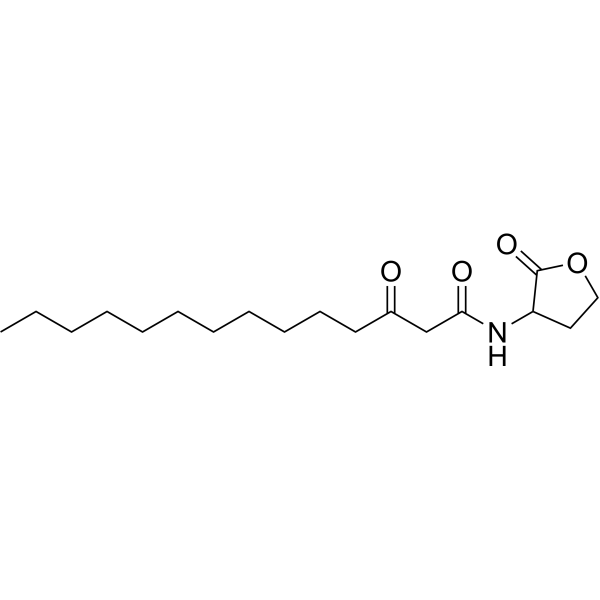
N-(3-Oxotetradecanoyl)-DL-homoserine lactone, a member of N-Acyl homoserine lactone (AHL) from gram-negative bacteria, is a quorum sensing (QS) signaling molecule .
|
-
-
- HY-134215
-
|
|
Bacterial
Fungal
|
Infection
|
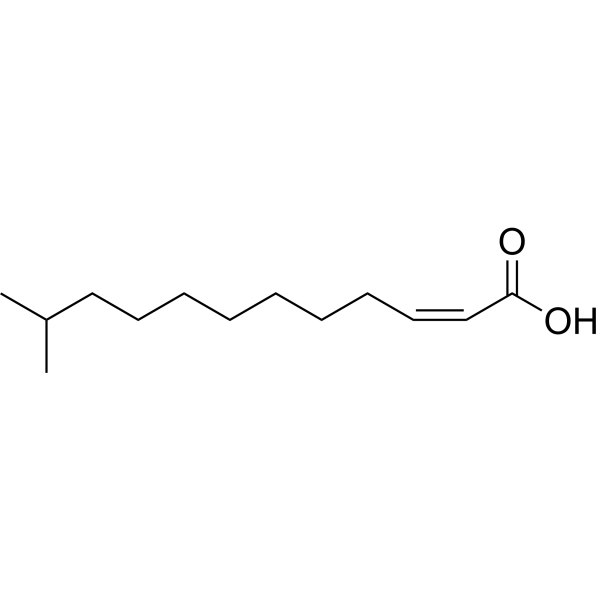
cis-11-Methyl-2-dodecenoic acid is a quorum sensing (QS) signal that acts as a diffusion signaling factor (DSF) in extracellular microbial and fungal communication systems. DSF is involved in the regulation of virulence and biofilm formation of a variety of bacterial pathogens .
|
-
-
- HY-B1118R
-
|
RP-14539 (Standard); PM-185184 (Standard)
|
Reference Standards
Bacterial
Parasite
|
Infection
|
|
Secnidazole (Standard) is the analytical standard of Secnidazole. This product is intended for research and analytical applications. Secnidazole (RP-14539) is an orally active azole antibiotic and a imidazole mitigator of Serratia marcescens virulence. Secnidazole, as an analog of acylhomoserine lactones, effectively inhibits QS resulting in the attenuation of Pseudomonas aeruginosa pathogenesis. Secnidazole has antimicrobial activity against many anaerobic Gram-negative and Gram-positive bacterial species in vitro. Secnidazole can be used for the research of various diseases, such as amoebiasis and giardiasis, and bacterial vaginitis .
|
-
-
- HY-W007390
-
|
|
Bacterial
Drug Intermediate
|
Infection
|
|
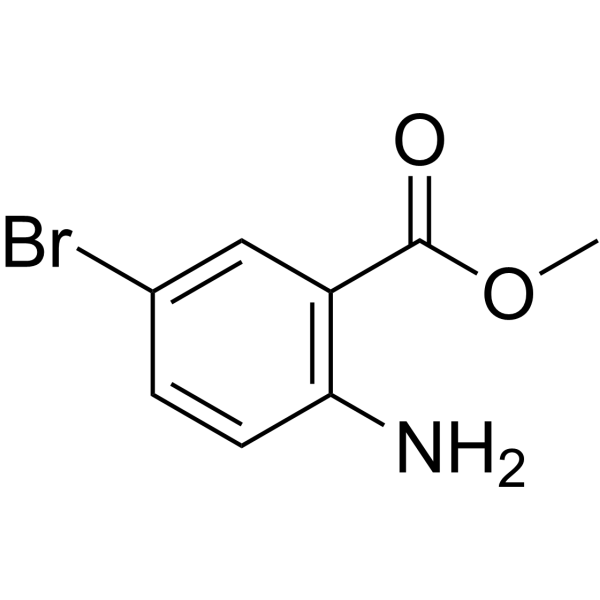
Methyl 2-amino-5-bromobenzoate (Compound 8/12) is a biochemical reagent. Methyl 2-amino-5-bromobenzoate can be used to synthesize 2-benzamidobenzoic acid, a known FabH inhibitor. Derivatives of methyl 2-amino-5-bromobenzoate also inhibit PqsD, the pqs quorum sensing (QS) system, of Pseudomonas aeruginosa .
|
-
-
- HY-169081
-
|
|
PROTACs
Molecular Glues
|
Others
|
|
QS-57 is a PROTAC targeting BRD4. QS-57 can be used as a 14-3-3 molecular glue. (Red: EN171 (HY-W1005067), black: (2-Aminoethyl) carbamic acid (HY-W398806), Blue: JQ-1 (carboxylic acid) (HY-78695)) .
|
-
-
- HY-124237
-
|
|
Bacterial
|
Others
|
|
N-Octanoyl-DL-homoserine lactone is a member of N-acyl homoserine lactones (AHLs) family, also one of the signal molecule of quorum-sensing (QS) signals. N-Octanoyl-DL-homoserine lactone can regulate the production of siderophores and present positive correlation in Aeromonas sobria strain AS7. N-Octanoyl-DL-homoserine lactone can also regulate the secretion of proteases and stimulate the production of total volatile basic nitrogen (TVB-N) .
|
-
-
- HY-118697R
-
|
C12-HSL (Standard)
|
Reference Standards
Bacterial
|
Infection
|
|
N-dodecanoyl-L-Homoserine lactone (Standard) (C12-HSL (Standard)) is the analytical standard of N-dodecanoyl-L-Homoserine lactone (HY-118697). This product is intended for research and analytical applications. N-dodecanoyl-L-Homoserine lactone (C12-HSL) is a quorum sensing (QS) signaling molecule. N-dodecanoyl-L-Homoserine lactone (C12-HSL) aptamers blocks qurom sensing and inhibits biofilm formation in Pseudomonas aeruginosa.
|
-
-
- HY-N15846
-
|
|
Drug Derivative
|
Infection
Inflammation/Immunology
|
|
VSA 1, a semisynthetic QS-21 (HY-101092) analog, is a saponin adjuvant. VSA 1 potentiates antigen-specific IgG1 and IgG2a immune responses in BALB/c mice, indicating a mixed Th1/Th2 immune response. VSA 1 significantly improves vaccine efficacy after primary immunization and enhances homologous protection .
|
-
-
- HY-163838
-
|
|
Bacterial
|
Infection
|
|
Quorum sensing-IN-6 (compound 27) is a quorum sensing (QS) inhibitor with IC50 values of 8 and 106 nM for E.coli and Pyocyanin, respectively .
|
-
-
- HY-111278R
-
-
-
- HY-130317
-
|
trans-δ2-11-Methyl-dodecenoic acid
|
Fungal
|
Infection
|
|
trans-11-Methyl-2-dodecenic acid is a isomer of cis-11-Methyl-2-dodecenoic acid (HY-134215). cis-11-Methyl-2-dodecenoic acid is a quorum sensing (QS) signal that acts as a diffusion signaling factor (DSF) in extracellular microbial and fungal communication systems .
|
-
-
- HY-133683R
-
|
3-Oxo-C14-AHL (Standard)
|
Bacterial
Reference Standards
|
Metabolic Disease
|
|
N-(3-Oxotetradecanoyl)-DL-homoserine lactone (Standard) is the analytical standard of N-(3-Oxotetradecanoyl)-DL-homoserine lactone. This product is intended for research and analytical applications. N-(3-Oxotetradecanoyl)-DL-homoserine lactone, a member of N-Acyl homoserine lactone (AHL) from gram-negative bacteria, is a quorum sensing (QS) signaling molecule[1][2].
|
-
-
- HY-131337
-
|
|
Bacterial
|
Infection
|
|
RhlR antagonist 1 is a potent RhlR antagonist with an IC50 of 26 μM. RhlR antagonist 1 displays selective RhlR antagonism over LasR and PqsR, strong inhibition of biofilm formation in static and dynamic settings, and reduces production of virulence factors such as rhamnolipid and pyocyanin in P. aeruginosa. RhlR antagonist 1 can be utilized for developing QS-modulating molecules in the control of P. aeruginosa infections . RhlR antagonist 1 is a click chemistry reagent, it contains an Alkyne group and can undergo copper-catalyzed azide-alkyne cycloaddition (CuAAc) with molecules containing Azide groups.
|
-
-
- HY-159170
-
|
|
Bacterial
|
Infection
|
|
Quorum sensing-IN-7 (compound HSL 4) is a potent quorum sensing (QS) inhibitor. Quorum sensing-IN-7 interacts with Leu 72 and Gln 95 in the CviR binding pocket. Quorum sensing-IN-7, an antibacterial agent, is highly effective at inhibiting the production of homoserine lactones (HSLs) and biofilm in C. violaceum at 0.25-1 mg/mL .
|
-
-
- HY-W398806
-
|
|
PROTAC Linkers
|
Cancer
|
|
(2-Aminoethyl)carbamic acid is a PROTAC linker that belongs to the PEG class. (2-Aminoethyl)carbamic acid can be used to synthesize QS-57 (HY-169081) .
|
-
-
- HY-P2073
-
|
|
Bacterial
|
Infection
|
|
Cyclo(Δ-Ala-L-Val) is a cyclic dipeptide and a putative quinolone signal (QS) molecule produced by Pseudomonas aeruginosa .
|
-
-
- HY-158124
-
|
|
Bacterial
|
Infection
|
|
LasR antagonist 1 (Compound 7) is an antagonist for LasR with an IC50 of 0.4 μM, that modulates the quorum sensing (QS) in the opportunistic pathogen Pseudomonas aeruginosa .
|
-
-
- HY-161086
-
|
|
Bacterial
|
Infection
|
|
Antibiofilm agent-4 (compound 4p) is a LasR inhibitor. Antibiofilm agent-4 shows the best antibiofilm and anti-QS properties .
|
-
-
- HY-N7788
-
|
|
Bacterial
|
Infection
|
|
cis-2-Dodecenoic acid, originally discovered in Burkholderia cenocepacia, can interfere with the bacterial quorum sensing system and inhibit bacterial biofilm formation and virulence factor production .
|
-
-
- HY-149762
-
|
|
Bacterial
|
Infection
|
|
IMBI (compound 32) is an antibacterial agent that inhibits quorum sensing (QS) against drug-resistant pathogens. IMBI inhibits biofilm formation of Salmonella marcescens and restores or increases its susceptibility to antimicrobial drugs .
|
-
-
- HY-122143
-
|
|
Bacterial
|
Infection
|
|
V-06-018 is a potent LasR antagonist with an IC50 value of 5.2 µM. V-06-018 can be used as chemical probes of quorum sensing (QS) in Pseudomonas aeruginosa .
|
-
-
- HY-164128
-
|
|
Bacterial
|
Infection
|
|
AHL modulator-1 is a N-acylated L-homoserine lactone (AHL) modulator that modulating bacteria quorum sensing (QS). AHL modulator-1 can be used for the research of plant soft rot .
|
-
-
- HY-162957
-
|
|
Bacterial
Antibiotic
|
Infection
|
|
LasR-IN-5 (compound 3C) is a LasR antagonist with an IC50 of 1.37 μM, demonstrating a 77% inhibition of biofilm formation in Pseudomonas aeruginosa. LasR-IN-5 also exhibits quorum sensing (QS) inhibition activity and has potential applications in Pseudomonas aeruginosa infection research .
|
-
-
- HY-129405R
-
|
|
Reference Standards
Bacterial
|
Infection
|
|
N-(Ketocaproyl)-DL-homoserine lactone (Standard) is the analytical standard of N-(Ketocaproyl)-DL-homoserine lactone. This product is intended for research and analytical applications. N-(Ketocaproyl)-DL-homoserine lactone is a natural, very active ligand of LuxR. N-(Ketocaproyl)-DL-homoserine lactone is a quorum sensing (QS) autoinducer .
|
-
-
- HY-N10192
-
|
|
Endogenous Metabolite
Bacterial
|
Infection
|
|
Aculene D, a fungal metabolite, shows quorum sensing (QS) inhibitory activity against Chromobacterium violaceum CV026, and could significantly reduce violacein production in N-hexanoyl-l-homoserine lactone (C6-HSL) induced C. violaceum CV026 cultures at sub-inhibitory concentrations .
|
-
-
- HY-178781
-
|
|
Bacterial
|
Infection
|
|
Antibacterial agent 297 (Compound A40), an antibacterial agent, is a Lsrk inhibitor (IC50: 0.40 μM; KD: 3.79 μM). Antibacterial agent 297 inhibits biofilm formation and bacterial motility and changes biofilm morphology through AI-2 QS inhibition rather than direct antibacterial effects. Antibacterial agent 297 has favorable oral PK properties .
|
-
-
- HY-146304
-
|
|
Bacterial
|
Infection
|
|
YXL-13 is a potent Pseudomonas aeruginosa (PAO1) inhibitor with an IC50 value of 3.686 μM. YXL-13 can inhibit virulence factors and biofilm formation of PAO1. YXL-13 reduces the pathogenicity and agent resistance of PAO1 by inhibition of the quorum sensing (QS) system. YXL-13 can be used for researching anti-bacteria .
|
-
-
- HY-124352
-
|
|
Bacterial
|
Others
|
|
2-nonyl-3-hydroxy-4-Quinolone (C9-PQS) is a quinolone compound produced by P. aeruginosa and other related bacterias. 2-nonyl-3-hydroxy-4-Quinolone is a quorum sensing (QS) signal molecule that controls the expression of many virulence genes as a function of cell population density .
|
-
-
- HY-B1118A
-
|
RP-14539 hemihydrate; PM-185184 hemihydrate
|
Bacterial
Parasite
|
Infection
|
|
Secnidazole (RP-14539) hemihydrate is an orally active azole antibiotic and a imidazole mitigator of Serratia marcescens virulence. Secnidazole hemihydrate, as an analog of acylhomoserine lactones, effectively inhibits QS resulting in the attenuation of Pseudomonas aeruginosa pathogenesis. Secnidazole hemihydrate has antimicrobial activity against many anaerobic Gram-negative and Gram-positive bacterial species in vitro. Secnidazole hemihydrate can be used for the research of various diseases, such as amoebiasis and giardiasis, and bacterial vaginitis .
|
-
-
- HY-182505
-
|
|
Bacterial
|
Infection
|
|
QS-IN-1 (Compound 10 in Table 2 on page 18) is a quorum sensing (QS) inhibitor with an IC50 of 1.22 μM against agr-type QS. QS-IN-1 is applicable to the research of bacterial infections .
|
-
-
- HY-145462
-
|
|
Bacterial
|
Infection
|
|
N-cis-octadec-9Z-enoyl-L-Homoserine lactone is a potent inhibitor of AhyI. AhyI (expressing acylhomoserine lactone) is responsible for the biosynthesis of autoinducer-1 (AI-1), commonly referred to as a quorum sensing (QS) signaling molecule, which plays an essential role in bacterial communication. N-cis-octadec-9Z-enoyl-L-Homoserine lactone is a competitive inhibitor of AI-1 biosynthesis .
|
-
-
- HY-B1118S2
-
|
RP-14539-d4; PM-185184-d4
|
Bacterial
Parasite
Antibiotic
|
Infection
|
|
Secnidazole-d4 is the deuterium labeled Secnidazole . Secnidazole (RP-14539) is an orally active azole antibiotic and a imidazole mitigator of Serratia marcescens virulence. Secnidazole, as an analog of acylhomoserine lactones, effectively inhibits QS resulting in the attenuation of Pseudomonas aeruginosa pathogenesis. Secnidazole has antimicrobial activity against many anaerobic Gram-negative and Gram-positive bacterial species in vitro. Secnidazole can be used for the research of various diseases, such as amoebiasis and giardiasis, and bacterial vaginitis .
|
-
-
- HY-173270
-
|
|
Bacterial
|
Infection
|
|
Antibacterial synergist 3 is a dual-acting inhibitor of biofilm (IC50 of PAO1: 0.40 μM and IC50 of PA14: 1.45 μM). Antibacterial synergist 3 reduces virulence production by inhibiting the quorum sensing (QS) system and induces iron deficiency in P. aeruginosa PAO1. Antibacterial synergist 3 enhances the efficacy of Tobramycin (HY-B0441) and Ciprofloxacin (HY-B0356) in a mouse wound infection model. Antibacterial synergist 3 can be used for the research of P. aeruginosa infections .
|
-
- HY-B1118S3
-
|
RP-14539-d3; PM-185184-d3
|
Isotope-Labeled Compounds
Antibiotic
Bacterial
Parasite
|
Infection
|
|
Secnidazole-d3 (RP-14539-d3; PM-185184-d3) is the deuterium labeled Secnidazole (HY-B1118). Secnidazole (RP-14539) is an orally active azole antibiotic and a imidazole mitigator of Serratia marcescens virulence. Secnidazole, as an analog of acylhomoserine lactones, effectively inhibits QS resulting in the attenuation of Pseudomonas aeruginosa pathogenesis. Secnidazole has antimicrobial activity against many anaerobic Gram-negative and Gram-positive bacterial species in vitro. Secnidazole can be used for the research of various diseases, such as amoebiasis and giardiasis, and bacterial vaginitis .
|
-
- HY-124352S
-
|
C9-PQS-d4
|
Isotope-Labeled Compounds
Bacterial
|
Others
|
|
2-Nonyl-3-hydroxy-4-quinolone-d4 (C9-PQS-d4) is deuterium labeled 2-Nonyl-3-hydroxy-4-quinolone. 2-nonyl-3-hydroxy-4-Quinolone (C9-PQS) is a quinolone compound produced by P. aeruginosa and other related bacterias. 2-nonyl-3-hydroxy-4-Quinolone is a quorum sensing (QS) signal molecule that controls the expression of many virulence genes as a function of cell population density .
|
-
- HY-N17826
-
-
- HY-182369
-
|
|
Toll-like Receptor (TLR)
TNF Receptor
Interleukin Related
IFNAR
Drug Derivative
|
Inflammation/Immunology
|
|
VA06 is a derivative of QS-21 (HY-101092A) that retains potent adjuvant activity while significantly reducing toxicity. VA06 self-assembles into flexible worm-like micelles with continuously elongated nanostructures and enhanced drug-loading encapsulation capacity. VA06 induces antigen-specific antibody production, enhances the secretion of TNF-α, IFN-γ and IL-2 in CD4 + and CD8 + T cells, and promotes the expression of immune-related and antiviral-related genes in mature dendritic cells. VA06 does not require liposome formulation, which simplifies production and storage processes. VA06 can be used in the research of varicella-zoster virus infection and Mycobacterium tuberculosis infection .
|
-
| Cat. No. |
Product Name |
Target |
Research Area |
-
- HY-P2454
-
CSP1
1 Publications Verification
|
Bacterial
|
Infection
|
|
CSP1 is a potent and selective ComD1 receptor agonist, with an IC50 of 10.3 nM. CSP1 is a major variants of competence-stimulating peptide (CSP), and it can regulate genetic transformation of S. pneumonia by modulating quorum sensing (QS). CSP1 can act as an antibacterial agent .
|
-
- HY-124237
-
|
|
Bacterial
|
Others
|
|
N-Octanoyl-DL-homoserine lactone is a member of N-acyl homoserine lactones (AHLs) family, also one of the signal molecule of quorum-sensing (QS) signals. N-Octanoyl-DL-homoserine lactone can regulate the production of siderophores and present positive correlation in Aeromonas sobria strain AS7. N-Octanoyl-DL-homoserine lactone can also regulate the secretion of proteases and stimulate the production of total volatile basic nitrogen (TVB-N) .
|
| Cat. No. |
Product Name |
Category |
Target |
Chemical Structure |
| Cat. No. |
Product Name |
Chemical Structure |
-
- HY-B1118S2
-
|
|
|
Secnidazole-d4 is the deuterium labeled Secnidazole . Secnidazole (RP-14539) is an orally active azole antibiotic and a imidazole mitigator of Serratia marcescens virulence. Secnidazole, as an analog of acylhomoserine lactones, effectively inhibits QS resulting in the attenuation of Pseudomonas aeruginosa pathogenesis. Secnidazole has antimicrobial activity against many anaerobic Gram-negative and Gram-positive bacterial species in vitro. Secnidazole can be used for the research of various diseases, such as amoebiasis and giardiasis, and bacterial vaginitis .
|
-
-
- HY-B1118S3
-
|
|
|
Secnidazole-d3 (RP-14539-d3; PM-185184-d3) is the deuterium labeled Secnidazole (HY-B1118). Secnidazole (RP-14539) is an orally active azole antibiotic and a imidazole mitigator of Serratia marcescens virulence. Secnidazole, as an analog of acylhomoserine lactones, effectively inhibits QS resulting in the attenuation of Pseudomonas aeruginosa pathogenesis. Secnidazole has antimicrobial activity against many anaerobic Gram-negative and Gram-positive bacterial species in vitro. Secnidazole can be used for the research of various diseases, such as amoebiasis and giardiasis, and bacterial vaginitis .
|
-
-
- HY-124352S
-
|
|
|
2-Nonyl-3-hydroxy-4-quinolone-d4 (C9-PQS-d4) is deuterium labeled 2-Nonyl-3-hydroxy-4-quinolone. 2-nonyl-3-hydroxy-4-Quinolone (C9-PQS) is a quinolone compound produced by P. aeruginosa and other related bacterias. 2-nonyl-3-hydroxy-4-Quinolone is a quorum sensing (QS) signal molecule that controls the expression of many virulence genes as a function of cell population density .
|
-
Your information is safe with us. * Required Fields.
Inquiry Information
- Product Name:
- Cat. No.:
- Quantity:
- MCE Japan Authorized Agent:

