
164 Results for "

Sodium pyrophosphate

" in MedChemExpress (MCE) Product Catalog:
Products (164)

164 Results for "Sodium pyrophosphate" in MCE Product Catalog:

1
1 Cited Publications
Cat. No.: HY-W105970
CAS No.: 7758-16-9
Synonyms: DiSodium pyrophosphate; Sodium acid pyrophosphate; SAPP
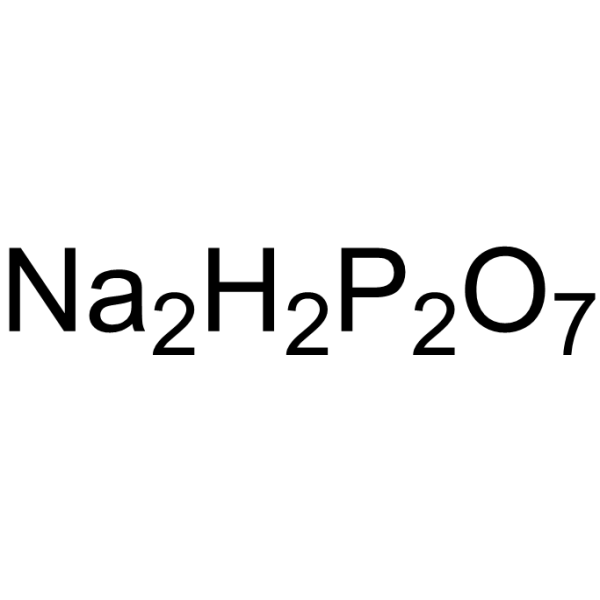
Sodium pyrophosphate (Disodium pyrophosphate) is an orally active reverse transcriptase ribonuclease H inhibitor. Sodium pyrophosphate forms soluble complexes with iron from ferric pyrophosphate to promote intestinal iron absorption. Sodium pyrophosphate increases the β-sheet content of oxidatively damaged myofibrillar protein gels and enhances the gastric digestibility and antioxidant activity of their digestion products. Sodium pyrophosphate prevents the degradation of RNA-DNA hybrids, inhibits antisense complementary DNA synthesis, induces phage DNA leakage, and causes random mutations in temperate phages .
loading...
    loading...
53
53 Publications Verification
Cat. No.: HY-B0445
CAS No.: 53-84-9
Synonyms: β-DPN; β-NAD; β-Nicotinamide Adenine Dinucleotide
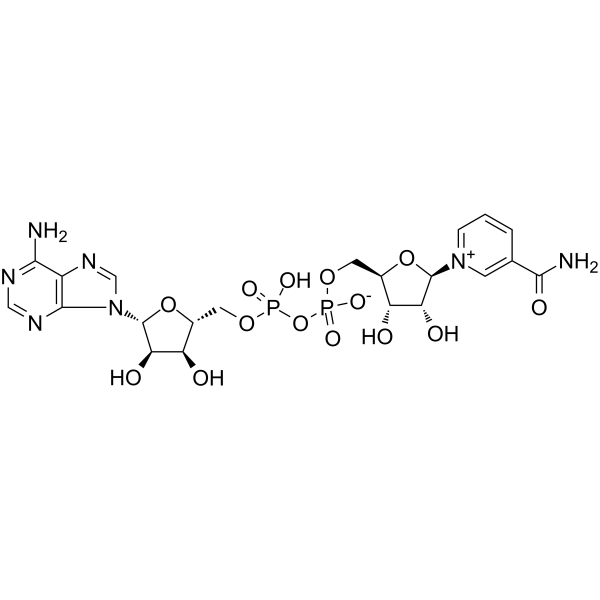
NAD+ is a coenzyme composed of ribosylnicotinamide 5'-diphosphate coupled to adenosine 5'-phosphate by pyrophosphate linkage.
loading...
    loading...
4
4 Cited Publications
Cat. No.: HY-16011
CAS No.: 152831-36-2
Synonyms: 3-PEHPC
Target:  

Farnesyl Transferase

Research Areas:  

Others

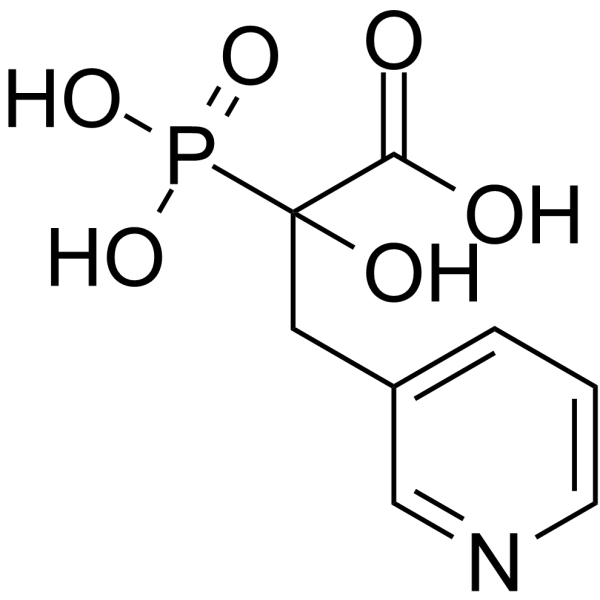
NE 10790, a poor farnesyl pyrophosphate synthase inhibitor, is a phosphonocarboxylate analogue of the potent bisphosphonate risedronate and is a weak antiresorptive agent.
loading...
    loading...
3
3 Cited Publications
Cat. No.: HY-107193
CAS No.: 1405-87-4
Bacitracin is a polypeptide antibiotic against staphylococcal and pathogenic protozoa infections. Bacitracin inhibits cell wall biosynthesis and permeability through binding to the undecaprenyl pyrophosphate. Bacitracin inhibits macromolecular synthesis. Bacitracin is also a protein disulfide isomerase (PDI) inhibitor .
loading...
    loading...
3
3 Cited Publications
Cat. No.: HY-128744
CAS No.: 4408-78-0
Purity:  ≥98.0%
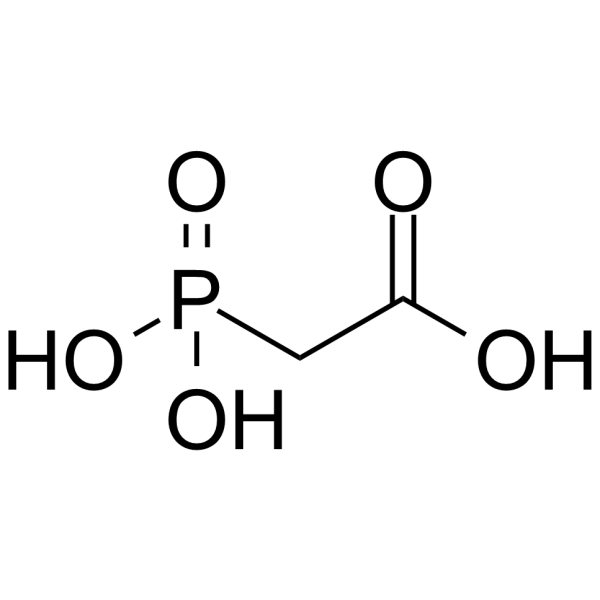
Phosphonoacetic acid is a potent antiviral agent. Phosphonoacetic acid inhibits a variety of herpesviruses, orthopoxviruses, and retroviruses. Phosphonoacetic acid strongly inhibits viral and cellular DNA polymerase, reverse transcriptase, and terminal deoxynucleotidyl transferase activities in a non-competitive or uncompetitive manner by binding to the pyrophosphate site of the enzyme. Phosphonoacetic acid is useful for research related to lymphoid leukemia, herpesvirus infection, and vaccinia virus skin lesions .
loading...
    loading...
2
2 Cited Publications
Cat. No.: HY-B0148
CAS No.: 105462-24-6
Synonyms: Risedronate
Target:  

Parasite Apoptosis

Research Areas:  

Infection Metabolic Disease Cancer

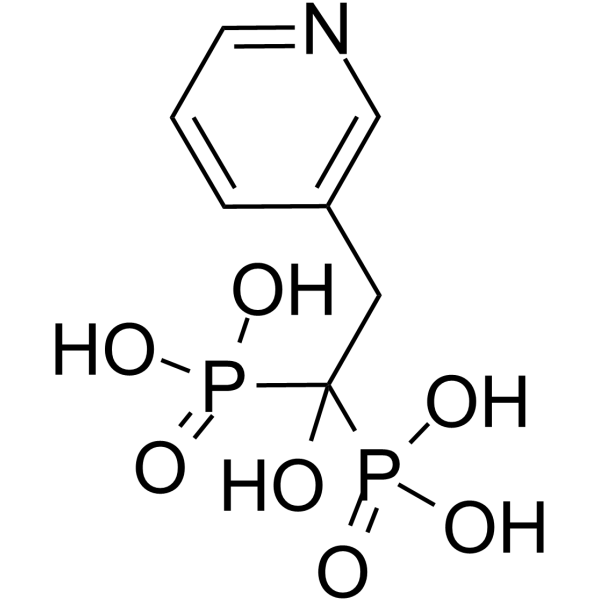
Risedronic acid (Risedronate) is a bisphosphonate and potent antiresorptive agent. Risedronic acid induces Apoptosis. Risedronic acid inhibits the transfer of farnesyl pyrophosphate groups to parasite proteins. Risedronic acid inhibits osteoclast-mediated bone resorption and alters bone metabolism. Risedronic acid inhibits blood-stage Plasmodium falciparum (IC50 of 20.3 μM) .
loading...
    loading...
2
2 Cited Publications
Cat. No.: HY-126255
CAS No.: 2237268-08-3
Purity:  99.88%
Target:  

NAMPT

Research Areas:  

Metabolic Disease

SBI-797812 is an orally active nicotinamide phosphoribosyltransferase (NAMPT) activator. SBI-797812 shifts NAMPT to NMN formation, increases NAMPT affinity for ATP, stabilizes phosphorylated NAMPT, promotes consumption of the pyrophosphate by-product, and blunts feedback inhibition by NAD +. SBI-797812 increases intracellular nicotinamide mononucleotide (NMN) and elevates liver NAD + in mice .
loading...
    loading...
2
2 Cited Publications
Cat. No.: HY-B0119
CAS No.: 115436-72-1
Synonyms: Risedronate Sodium
Target:  

Parasite Apoptosis

Research Areas:  

Infection Metabolic Disease Cancer

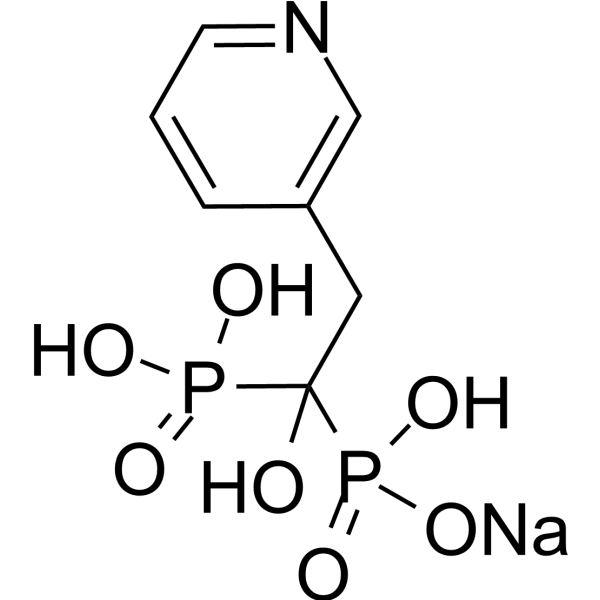
Risedronic acid (Risedronate) sodium, a bisphosphonate, is a potent anti-resorption agent that inhibits osteoclast-mediated bone resorption and changes the bone metabolism. Risedronic acid sodium suppresses osteoblast differentiation and induced caspase- and isoprenoid depletion-dependent apoptosis. Risedronic acid sodium inhibits blood stages of Plasmodium falciparum (IC50 of 20.3 μM). Risedronic acid sodium inhibits the transfer of the farnesyl pyrophosphate group to parasite proteins .
loading...
    loading...
2
2 Cited Publications
Cat. No.: HY-N8060A
CAS No.: 68244-58-6
Synonyms: Orotidine monophosphate triSodium; Orotidylic acid triSodium
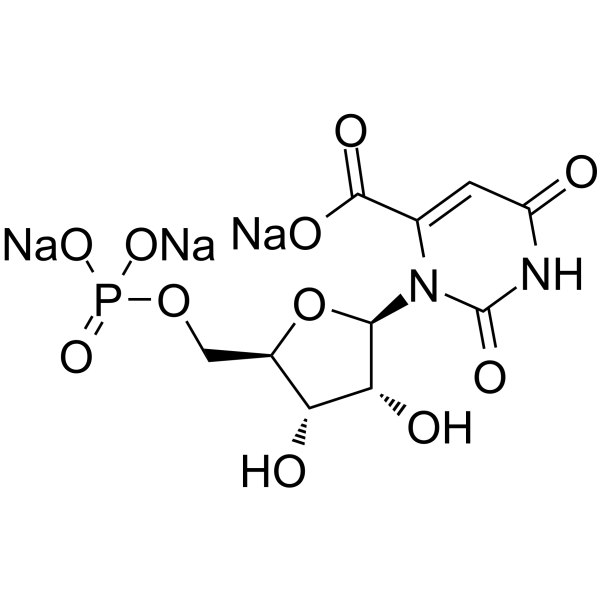
Orotidine 5'-monophosphate trisodium is a pyrimidine nucleotide. Orotidine 5'-monophosphate trisodium is synthesized via the de novo synthesis pathway for DNA synthesis in a large number of microorganisms including M. tuberculosis, S. cerevisiae, S. typhimurium and P. falciparum to name a few. The synthesis of orotidine 5'-monophosphate trisodium uses phosphoribosyl pyrophosphate (PRPP) and orotic acid (OA) as the substrates catalyzed by orotate phosphoribosyltransferase (OPRT) .
loading...
    loading...
2
2 Cited Publications
Cat. No.: HY-W010820
CAS No.: 21931-53-3
Synonyms: UDP Sodium salt
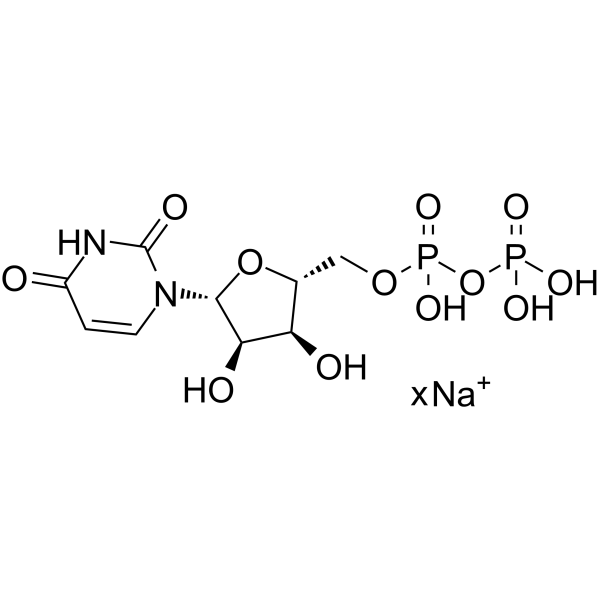
Uridine-5'-diphosphate (UDP) sodium salt is an important nucleotide made of uracil, ribose, and a pyrophosphate group. Uridine-5'-diphosphate sodium salt is a potent, selective human P2Y6 receptor native agonist (EC50 = 300 nM; pEC50 = 6.52). Uridine-5'-diphosphate sodium salt, an endogenous metabolite, catalyzes the glucuronidation of a wide array of substrates and is used in nucleic acid (RNA) biosynthesis .
loading...
    loading...
2
2 Cited Publications
Cat. No.: HY-W010832
CAS No.: 27821-45-0
Synonyms: UDP diSodium salt
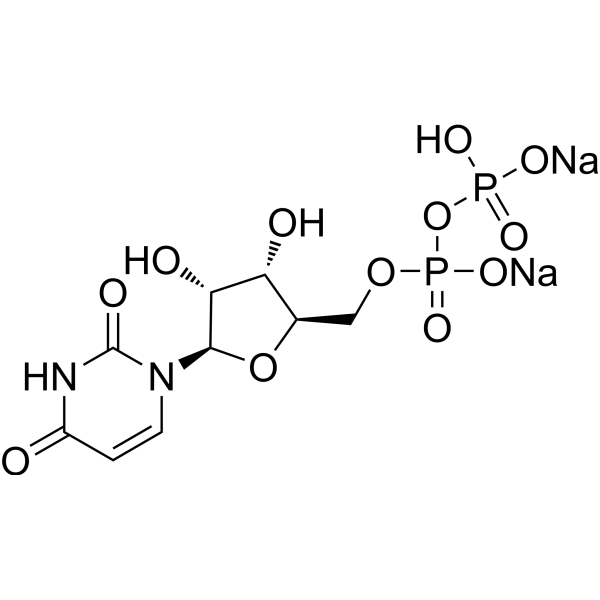
Uridine-5'-diphosphate (UDP) disodium salt is an important nucleotide made of uracil, ribose, and a pyrophosphate group. Uridine-5'-diphosphate disodium salt is a potent, selective human P2Y6 receptor native agonist (EC50 = 300 nM; pEC50 = 6.52). Uridine-5'-diphosphate disodium salt, an endogenous metabolite, catalyzes the glucuronidation of a wide array of substrates and is used in nucleic acid (RNA) biosynthesis .
loading...
    loading...
1
1 Cited Publications
Cat. No.: HY-113076
CAS No.: 154-87-0
Purity:  99.87%
Synonyms: Cocarboxylase
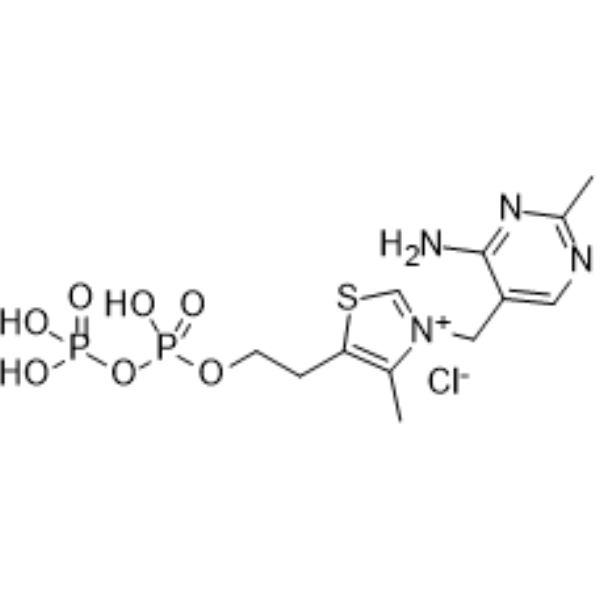
Thiamine pyrophosphate is the coenzyme form of Vitamin B1, and is a required intermediate in the pyruvate dehydrogenase complex and the ketoglutarate dehydrogenase complex. Thiamine pyrophosphate is necessary for oxidative phosphorylation and the pentose phosphate pathway by acting as a cofactor for α-ketoacid dehydrogenases .
loading...
    loading...
1
1 Cited Publications
Cat. No.: HY-113037C
CAS No.: 116057-57-9
Purity:  ≥95.0%
Synonyms: Farnesyl diphosphate ammonium
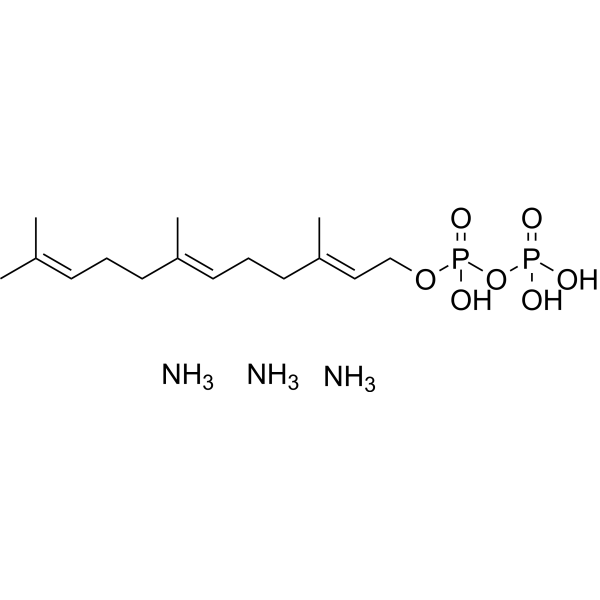
Farnesyl pyrophosphate (Farnesyl diphosphate) ammonium is a metabolic intermediate in the mevalonate (MVA) pathway. It is a TRP channel (TRPM2) agonist that triggers Ca2+ influx and cell death. Farnesyl pyrophosphate ammonium is a key branch substrate for cholesterol synthesis, ubiquinone synthesis, protein farnesylation, and geranylgeranyl pyrophosphate (GGPP) synthesis. Farnesyl pyrophosphate ammonium is used in research on cerebral ischemia, neurodegenerative diseases, pancreatic cancer, inflammation, and autoimmune diseases .
loading...
    loading...
1
1 Cited Publications
Cat. No.: HY-Y1885
CAS No.: 7722-88-5
Tetrasodium pyrophosphate is a water-soluble inorganic salt commonly used as a buffering agent, emulsifier, and sequestrant. Tetrasodium pyrophosphate is an antimicrobial agent that can reduce microbial colonization. Tetrasodium pyrophosphate blocks IPP translocation, enhances astaxanthin, phenol, flavonoid, and H2O2 levels, activates PAL and DPPH scavenging activity. Tetrasodium pyrophosphate can be used for the research of alleviating symptoms post COVID-19 .
loading...
    loading...
1
1 Cited Publications
Cat. No.: HY-122273
CAS No.: 534-64-5
Purity:  96.61%
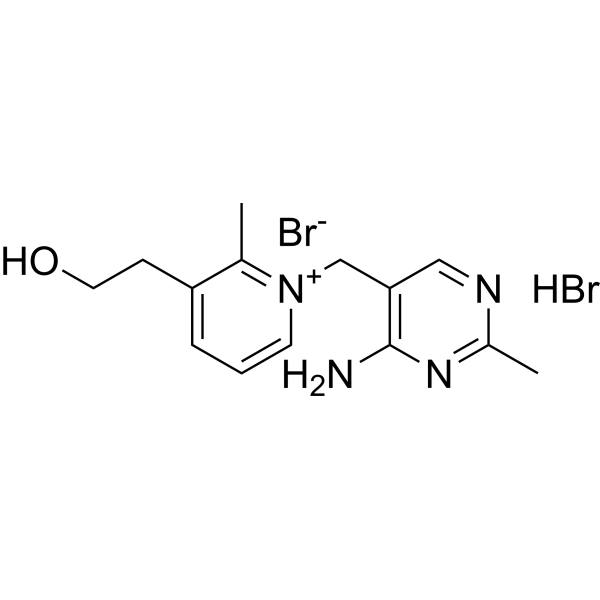
Pyrithiamine (hydrobromide) is an inhibitor of thiamine kinase and thiamine pyrophosphate kinase. Pyrithiamine (hydrobromide) competitively inhibits thiamine transport and reduces intracellular levels of thiamine and its phosphates. Pyrithiamine (hydrobromide) is used to study thiamine deficiency with polyneuritic symptoms and Wernicke's encephalopathy .
loading...
    loading...
1
1 Cited Publications
Cat. No.: HY-130836
CAS No.: 901260-40-0
Purity:  98.16%
Target:  

Bacterial

Research Areas:  

Infection

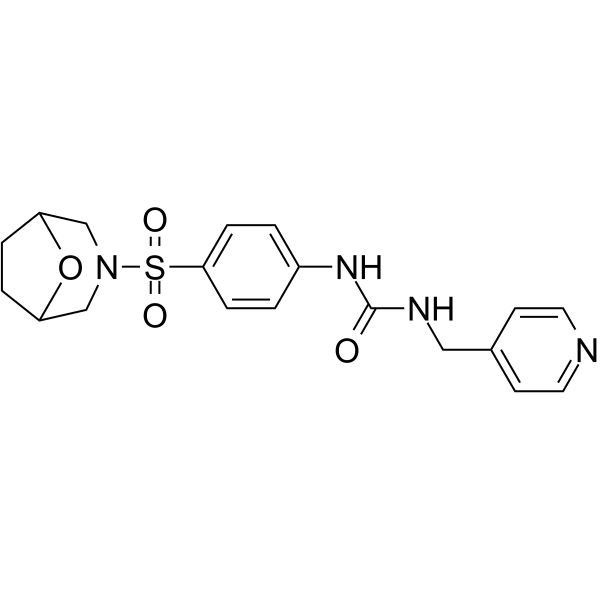
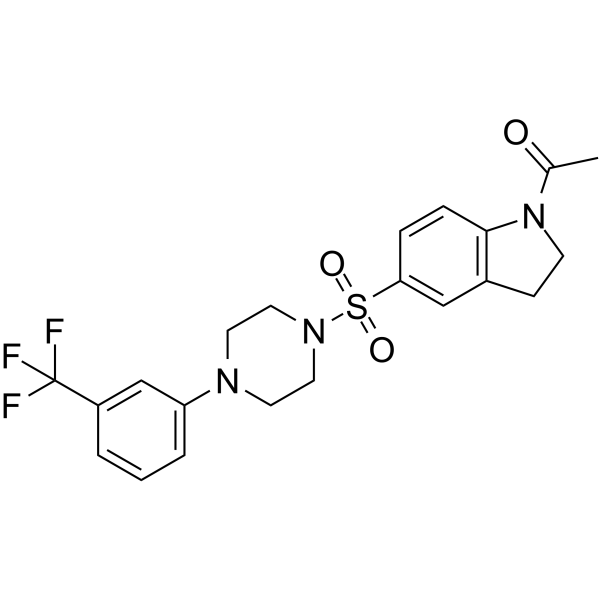
LpxH-IN-AZ1, a sulfonyl piperazine compound, is a potent UDP-2,3-diacylglucosamine pyrophosphate hydrolase LpxH inhibitor. LpxH-IN-AZ1 is a potent inhibitor of Klebsiella pneumoniae LpxH with IC50 of 0.36 μM .
loading...
    loading...
1
1 Cited Publications
Cat. No.: HY-W585869
CAS No.: 92692-39-2
Amorphadiene is the precursor to the antimalarial agent artemisinin, which is produced through the amorphadiene synthase (ADS)-catalyzed cyclization of farnesyl pyrophosphate (FPP) yeast .
loading...
    loading...
1
1 Cited Publications
Cat. No.: HY-W018059
CAS No.: 129832-03-7
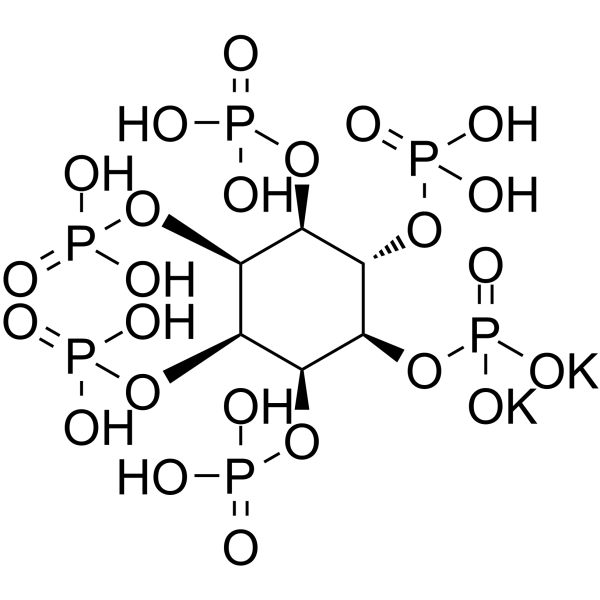
Phytic acid (myo-Inositol) potassium is an orally active compound. Phytic acid potassium can be derived from the seeds of legumes. Phytic acid potassium is a [PO4] 3- storage depot and precursor for other inositol phosphates and pyrophosphates. Phytic acid potassium attenuates oligomers and upregulates autophagy protein. Phytic acid potassium can be used in cardiovascular disease, metabolic disease, nervous system disease and cancer research .
loading...
    loading...
1
1 Cited Publications
Cat. No.: HY-N0814
CAS No.: 83-86-3
Synonyms: Inositol hexaphosphate; SNF472 free acid
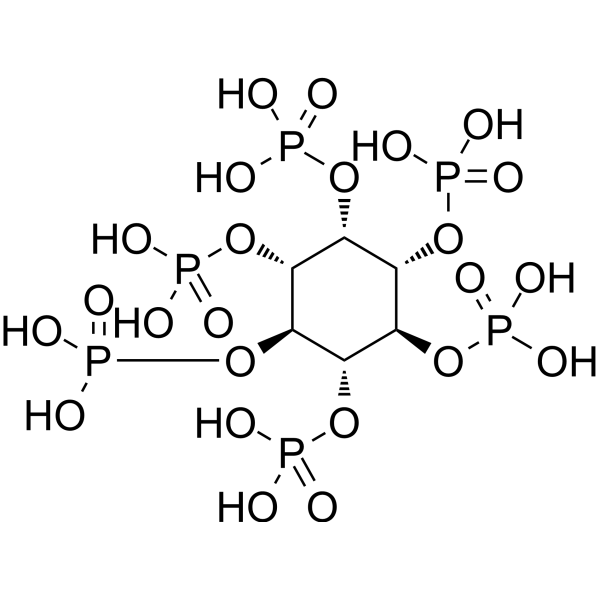
Phytic acid (myo-Inositol; hexakis dihydrogen phosphate; Inositol hexaphosphate) is an orally active compound. Phytic acid can be derived from the seeds of legumes. Phytic acid is a [PO4] 3- storage depot and precursor for other inositol phosphates and pyrophosphates. Phytic acid attenuates oligomers and upregulates autophagy protein. Phytic acid can be used in cardiovascular disease, metabolic disease, nervous system disease and cancer research .
loading...
    loading...
1
1 Cited Publications
Cat. No.: HY-N2581
CAS No.: 14306-25-3
Synonyms: myo-Inositol, hexakisdihydrogen phosphate Sodium salt; Inositol hexaphosphate Sodium salt
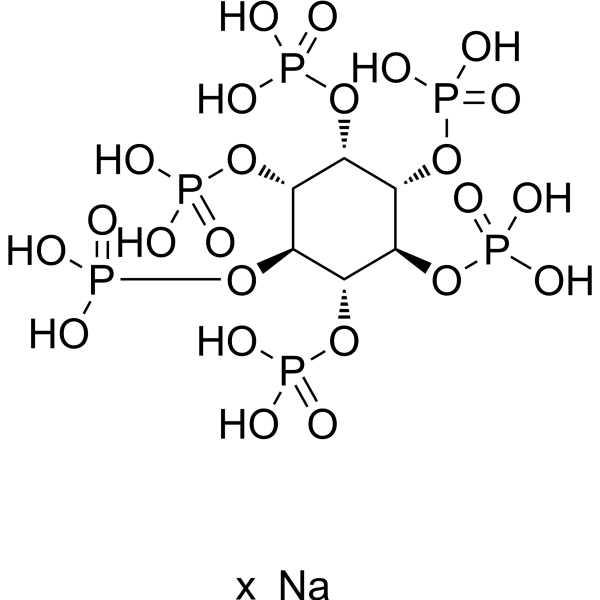
Phytic acid (myo-Inositol; hexakis dihydrogen phosphate; Inositol hexaphosphate) sodium salt is an orally active compound. Phytic acid sodium salt can be derived from the seeds of legumes. Phytic acid sodium salt is a [PO4] 3- storage depot and precursor for other inositol phosphates and pyrophosphates. Phytic acid sodium salt attenuates oligomers and upregulates autophagy protein. Phytic acid sodium salt can be used in cardiovascular disease, metabolic disease, nervous system disease and cancer research .
loading...
    loading...

