68 Results for "

UVA

" in MedChemExpress (MCE) Product Catalog:
Products (68)

68 Results for "UVA" in MCE Product Catalog:

8
8 Publications Verification
Cat. No.: HY-16686
CAS No.: 38976-17-9
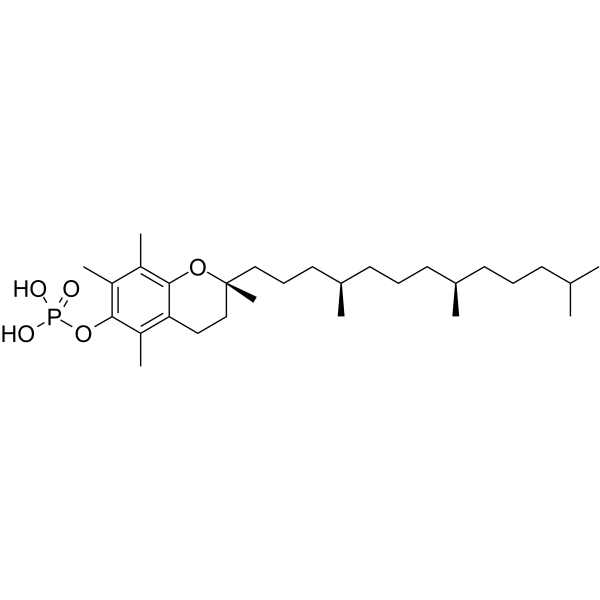
Synonyms: alpha-Tocopherol phosphate; TocP; vitamin E phosphate
Research Areas:  

Cancer

α-Tocopherol phosphate is an antioxidant that protects against long-wave UVA1 induced cell death and scavenge UVA1 induced ROS in a skin cell model. α-Tocopherol phosphate exhibits angiogenesis-promoting activity .
loading...
    loading...
8
8 Publications Verification
Cat. No.: HY-W127530
CAS No.: 60934-46-5
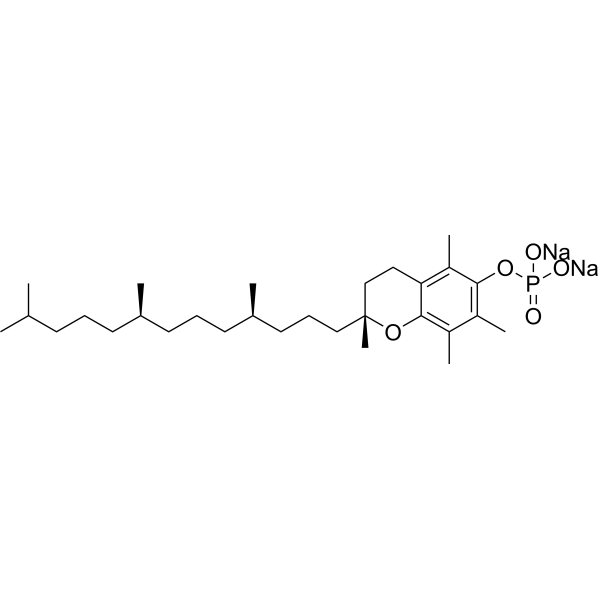
Synonyms: alpha-Tocopherol phosphate disodium; TocP disodium; Vitamin E phosphate disodium
α-Tocopherol phosphate disodium is an antioxidant that protects against long-wave UVA1 induced cell death and scavenge UVA1 induced ROS in a skin cell model. α-Tocopherol phosphate disodium exhibits angiogenesis-promoting activity .
loading...
    loading...
3
3 Cited Publications
Cat. No.: HY-B0147
CAS No.: 70458-92-3
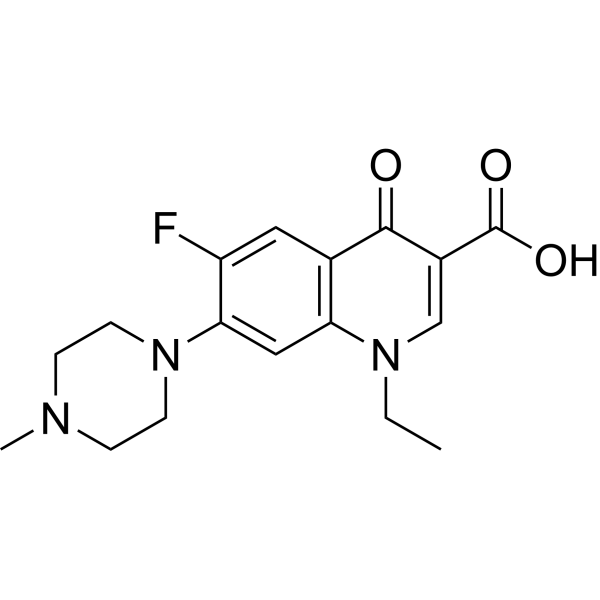
Synonyms: Pefloxacinium
Pefloxacin (Pefloxacinium) is a broad spectrum antibiotic. Pefloxacin blocks DNA replication by inhibiting DNA gyrase. Pefloxacin inhibits DNA relaxation catalyzed by topoisomerase I with an IC50 of 45 μg/mL. Pefloxacin exhibits antibacterial activity against Escherichia coli, Pseudomonas aeruginosa, and Bacteroides fragilis with MIC90s of 0.12, 4, and 16 mg/L, respectively. Pefloxacin has anti-Plasmodium yoelii infection activity. Pefloxacin increase UVA-induced edema and immunesuppression. Pefloxacin can be used for infection studies .
loading...
    loading...
3
3 Cited Publications
Cat. No.: HY-B0147A
CAS No.: 70458-95-6
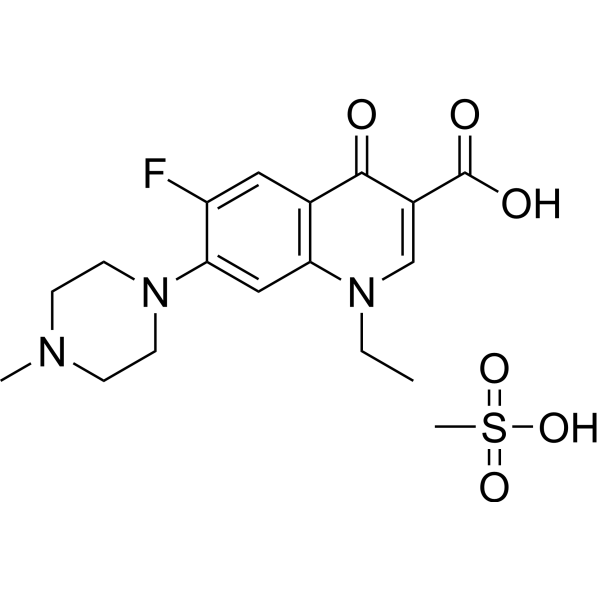
Synonyms: Pefloxacinium mesylate
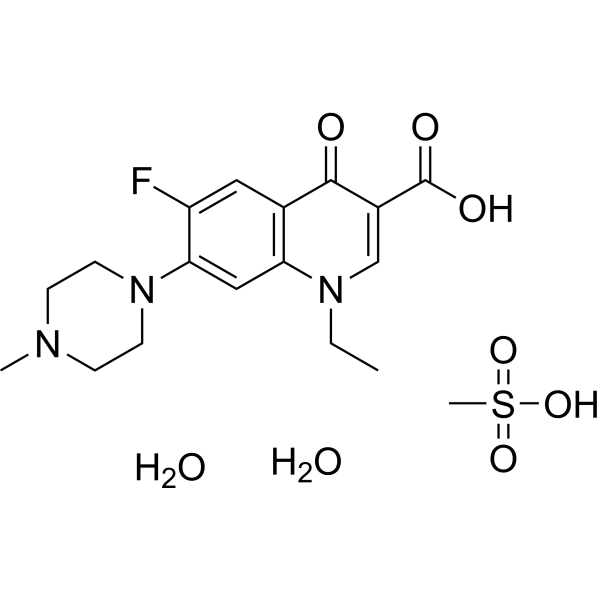
Pefloxacin (Pefloxacinium) mesylate is a broad spectrum antibiotic. Pefloxacin blocks DNA replication by inhibiting DNA gyrase. Pefloxacin mesylate inhibits DNA relaxation catalyzed by topoisomerase I with an IC50 of 45 μg/mL. Pefloxacin mesylate exhibits antibacterial activity against Escherichia coli, Pseudomonas aeruginosa, and Bacteroides fragilis with MIC90s of 0.12, 4, and 16 mg/L, respectively. Pefloxacin mesylate has anti-Plasmodium yoelii infection activity. Pefloxacin mesylate increase UVA-induced edema and immunesuppression. Pefloxacin mesylate can be used for infection studies .
loading...
    loading...
3
3 Cited Publications
Cat. No.: HY-B0147B
CAS No.: 149676-40-4
Synonyms: Pefloxacinium mesylate dihydrate
Pefloxacin (Pefloxacinium) mesylate dihydrate is a broad spectrum antibiotic. Pefloxacin mesylate dihydrate blocks DNA replication by inhibiting DNA gyrase. Pefloxacin mesylate dihydrate inhibits DNA relaxation catalyzed by topoisomerase I with an IC50 of 45 μg/mL. Pefloxacin mesylate dihydrate exhibits antibacterial activity against Escherichia coli, Pseudomonas aeruginosa, and Bacteroides fragilis with MIC90s of 0.12, 4, and 16 mg/L, respectively. Pefloxacin mesylate dihydrate has anti-Plasmodium yoelii infection activity. Pefloxacin mesylate dihydrate increase UVA-induced edema and immunesuppression. Pefloxacin mesylate dihydrate can be used for infection studies .
loading...
    loading...
2
2 Cited Publications
Cat. No.: HY-P0097
CAS No.: 158563-45-2
Synonyms: Melanostatine-5
Nonapeptide-1 (Melanostatine-5), a peptide hormone, is a selective antagonist of MC1R (Ki: 40 nM). Nonapeptide-1 is a competitive α-MSH antagonist that potently inhibits intracellular cAMP and melanosome dispersion induced by α-MSH in melanocytes (IC50: 2.5 nM and 11 nM, respectively). Nonapeptide-1 inhibits melanin synthesis, and can be used in the research of skin pigmentation and regulation of steroid production in the adrenal gland, skin cancer .
loading...
    loading...
2
2 Cited Publications
Cat. No.: HY-A0087
CAS No.: 6197-30-4
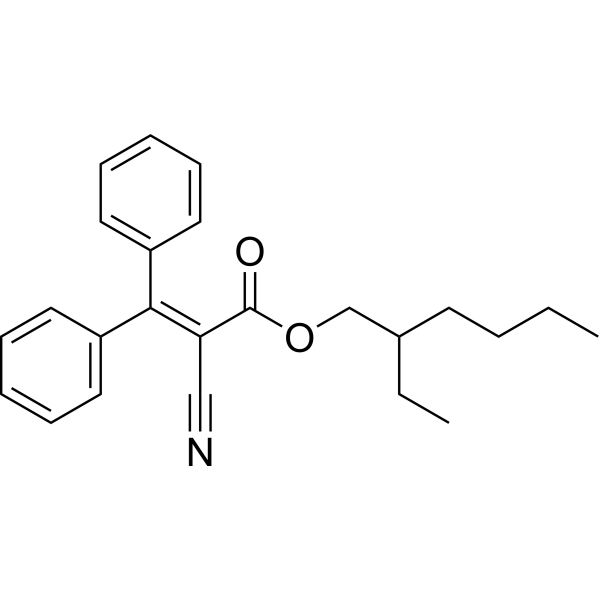
Octocrylene is an organic ultraviolet (UV) filter that absorbs mainly UVB radiation and shorter UVA wavelengths. Octocrylene acts as a partial agonist of PPARγ, which alters the gene transcription profile of lipid metabolism enzymes. In addition, Octocrylene is cytotoxic and genotoxic to human skin fibroblasts and mediates the biosynthesis of estrogens such as estriol in zebrafish larvae, while affecting antioxidant pathways including glutathione transferase and peroxisomes .
loading...
    loading...
2
2 Cited Publications
Cat. No.: HY-N0363
CAS No.: 3804-70-4
Synonyms: (S)-Columbianetin
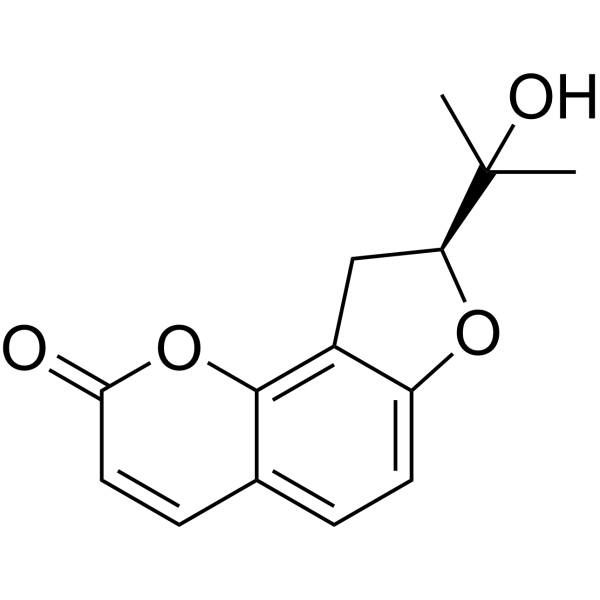
(+)-Columbianetin ((S)-Columbianetin) acts as an inhibitor of JNK/ERK. (+)-Columbianetin inhibits UVA-induced phosphorylation of JNK and ERK, reduces the production of MMP-1, reverses UVA-induced Collagen (HY-NP003) degradation, and alleviates UVA-mediated inhibition of Smad2/3 phosphorylation and translocation. (+)-Columbianetin regulates the AP-1 and ASK1-MAPK signaling pathways, inhibits the production of ROS and blocks sub-G1 cell cycle arrest. (+)-Columbianetin is applicable to research related to skin aging .
loading...
    loading...
2
2 Cited Publications
Cat. No.: HY-P0097A
Synonyms: Melanostatine-5 acetate salt
Nonapeptide-1 (Melanostatine-5) acetate salt, a peptide hormone, is a selective antagonist of MC1R (Ki: 40 nM). Nonapeptide-1 acetate salt is a competitive α-MSH antagonist that potently inhibits intracellular cAMP and melanosome dispersion induced by α-MSH in melanocytes (IC50: 2.5 nM and 11 nM, respectively). Nonapeptide-1 acetate salt inhibits melanin synthesis, and can be used in the research of skin pigmentation and regulation of steroid production in the adrenal gland, skin cancer .
loading...
    loading...
2
2 Cited Publications
Cat. No.: HY-N0363A
CAS No.: 23180-65-6
Synonyms: (S)-Columbianetin acetate
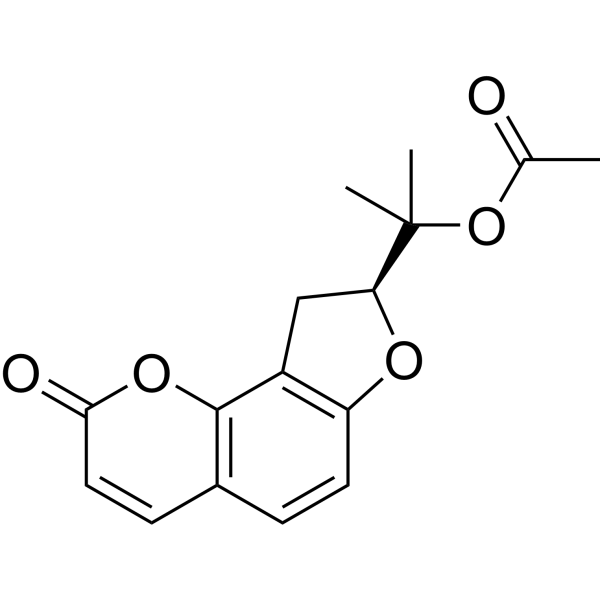
(+)-Columbianetin ((S)-Columbianetin) acetate acts as an inhibitor of JNK/ERK. (+)-Columbianetin acetate inhibits UVA-induced phosphorylation of JNK and ERK, reduces the production of MMP-1, reverses UVA-induced Collagen (HY-NP003) degradation, and alleviates UVA-mediated inhibition of Smad2/3 phosphorylation and translocation. (+)-Columbianetin acetate regulates the AP-1 and ASK1-MAPK signaling pathways, inhibits the production of ROS and blocks sub-G1 cell cycle arrest. (+)-Columbianetin acetate is applicable to research related to skin aging .
loading...
    loading...
2
2 Cited Publications
Cat. No.: HY-17484
CAS No.: 99464-64-9
Synonyms: CP 65703
Target:  

Drug Derivative

Research Areas:  

Inflammation/Immunology

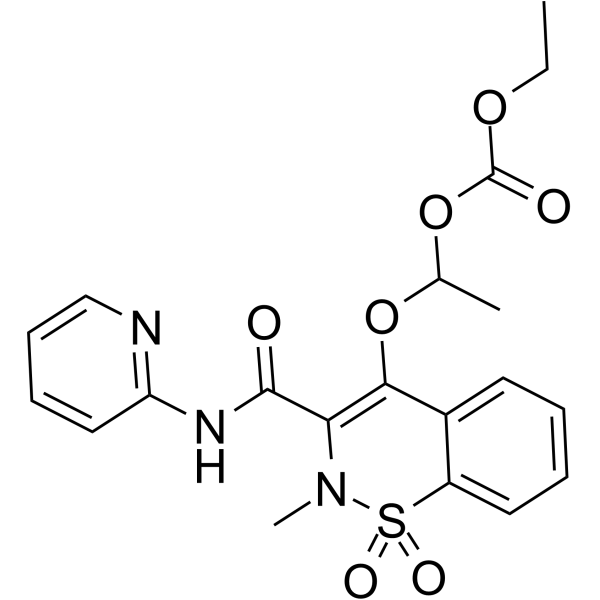
Ampiroxicam is an orally active prodrug of non-steroidal anti-inflammatory drug (NSAID). Ampiroxicam inhibits paw swelling in adjuvant-induced arthritis and acute inflammation models, and suppresses phenylbenzoquinone-induced stretching responses in mice. Ampiroxicam is rapidly and completely converted to Piroxicam (HY-B0253) via non-specific esterases and first-pass metabolism. Ampiroxicam induces contact hypersensitivity and photosensitivity reactions through photoproducts generated by UVA. Ampiroxicam can be used in research related to photosensitivity, adjuvant-induced arthritis, rheumatism, osteoarthritis and other inflammatory diseases .
loading...
    loading...
1
1 Cited Publications
Cat. No.: HY-N6929
CAS No.: 565-63-9
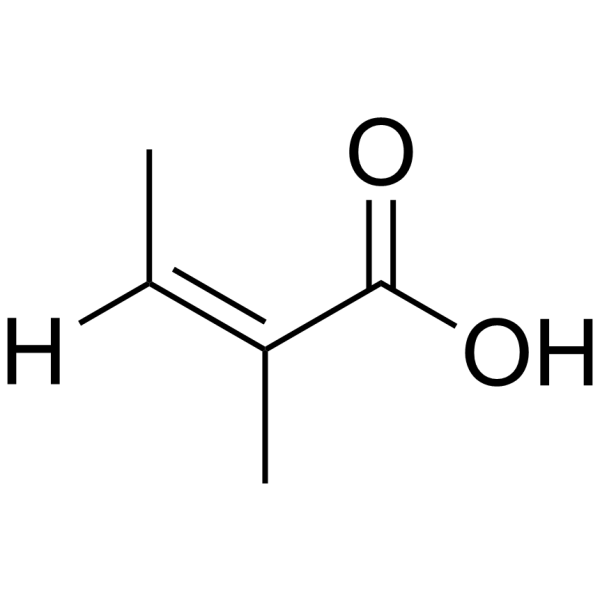
Angelic acid is a ferroptosis inducer, targeting NRF2 degradation. Angelic acid binds to NRF2 protein and promotes NRF2 degradation via ubiquitination-proteasome pathway, relieves the inhibitory effect of NRF2 on oxidative stress and lipid peroxidation. Then, Angelic acid induces ferroptosis in tumor cells. Angelic acid can enhance the accumulation of intracellular reactive oxygen species (ROS), upregulate ferroptosis-related markers CHAC1 and PTGS2, and synergize with ferroptosis inducers to enhance anti-tumor effects. Angelic acid also has the activity of scavenging UVA-induced ROS in vitro, inhibiting skin fibroblast senescence and extracellular matrix degradation. Angelic Acid helps wound healing with sedative activity .
loading...
    loading...
1
1 Cited Publications
Cat. No.: HY-Y1819
CAS No.: 93-08-3
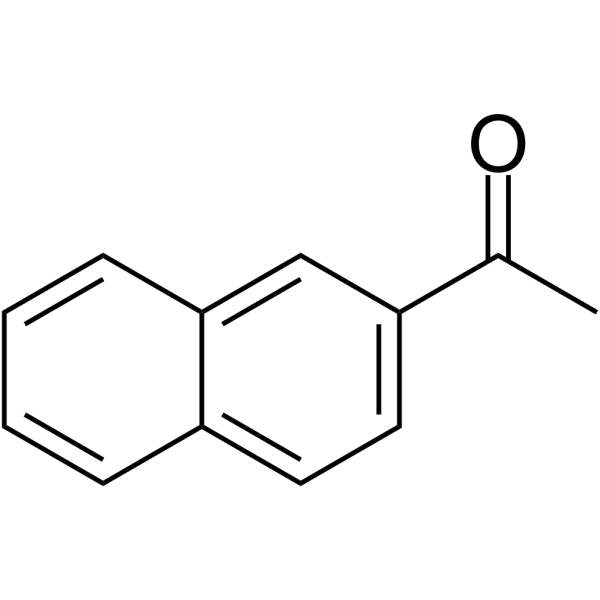
2-Acetonaphthone is a synthetic fragrance material. 2-Acetonaphthone increases ROS under UVA/sunlight, leading to endoplasmic reticulum stress and decreased mitochondrial membrane potential. 2-Acetonaphthone can be used as an adulterant in a variety of cosmetics. 2-Acetonaphthone can be used for the study of skin keratinization
loading...
    loading...
1
1 Cited Publications
Cat. No.: HY-16182
CAS No.: 92761-26-7
Research Areas:  

Others

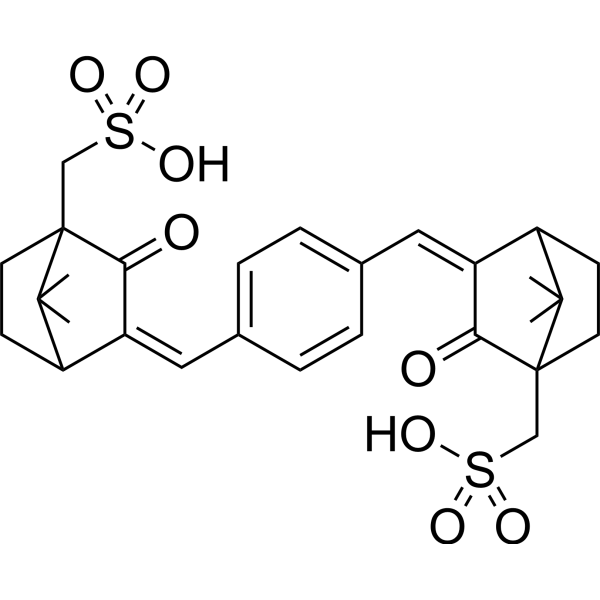
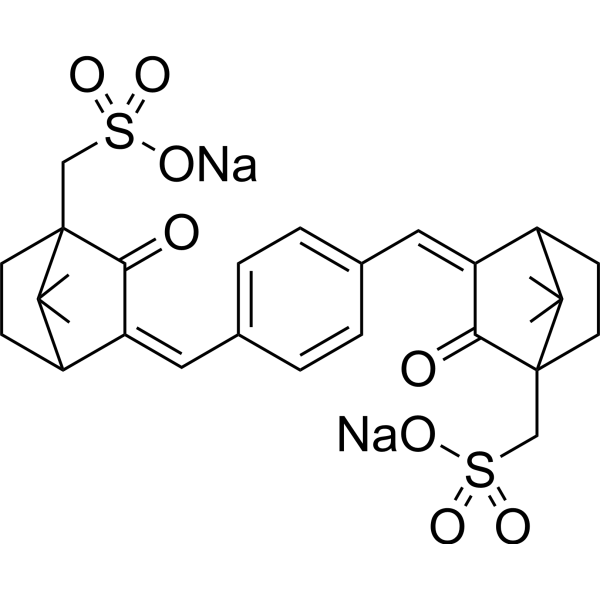
Ecamsule is a broad-spectrum UVA filter that can be used in sunscreen product. Ecamsule reduces biological damage caused by solar radiation such as pyrimidine dimer formation, p53 protein accumula-tion, or collagenase 2 expression. Ecamsule has the potential for the research of polymorphous light eruption (PMLE) .
loading...
    loading...
1
1 Cited Publications
Cat. No.: HY-137265
CAS No.: 62442-61-9
Target:  

Flavivirus

Research Areas:  

Infection

Aminomethyltrioxsalen hydrochloride is a psoralen derivative. Aminomethyltrioxsalen hydrochloride can penetrate intact cells and react with nucleic acid secondary structures in vivo without disrupting the tissue structure of natural nucleoproteins. Aminomethyltrioxsalen hydrochloride inactivates viruses by crosslinking nucleic acid pyrimidine residues after exposure to UV-A radiation. Aminomethyltrioxsalen hydrochloride can be used in research related to dengue virus infection .
loading...
    loading...
1
1 Cited Publications
Cat. No.: HY-16182A
CAS No.: 90458-75-6
Research Areas:  

Others

Ecamsule disodium is a broad-spectrum UVA filter that can be used in sunscreen product. Ecamsule reduces biological damage caused by solar radiation such as pyrimidine dimer formation, p53 protein accumula-tion, or collagenase 2 expression .
loading...
    loading...
1
1 Cited Publications
Cat. No.: HY-B0897
CAS No.: 103597-45-1
Research Areas:  

Others

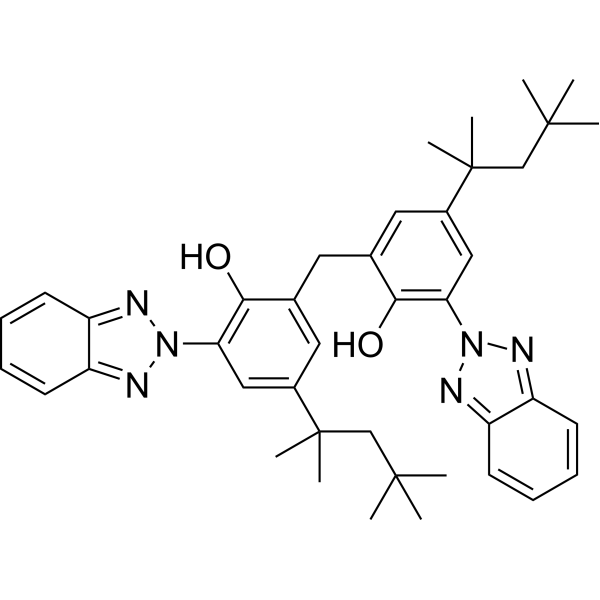
Bisoctrizole is a broad-spectrum UVA/UVB absorber that belongs to the benzotriazole class of compounds. Bisoctrizole absorbs UV light through hydroxyphenyl groups, causing reversible electronic transitions, thereby converting light energy into heat energy, inhibiting UV-induced material or skin damage. Bisoctrizole is highly efficient in capturing UVA (320-400 nm) and some UVB (280-320 nm) radiation. Bisoctrizole delays the photodegradation of materials such as silicones, improving their UV aging resistance or enhancing the photoprotective ability of sunscreen products .
loading...
    loading...
Cat. No.: HY-B0316
CAS No.: 70356-09-1
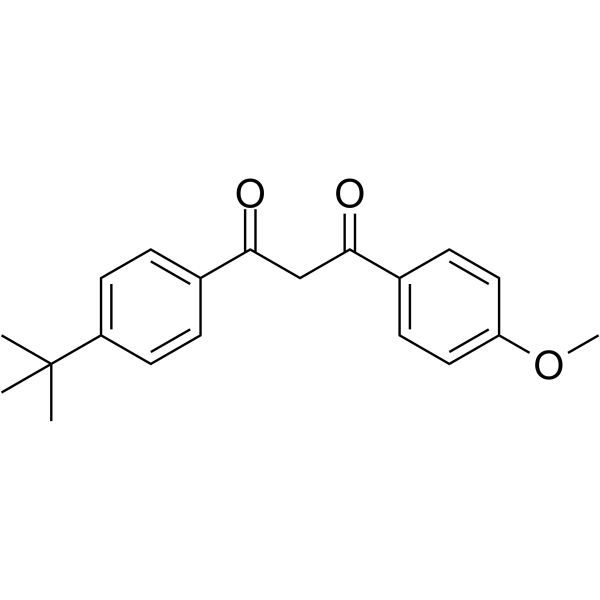
Avobenzone, a dibenzoylmethane compound, is one of the most widely used filters in sunscreens for skin photoprotection in the UVA band. Avobenzone is an endocrine disruptor that directly binds to estrogen receptor β and acts as an estrogen agonist .
loading...
    loading...
Cat. No.: HY-109656
CAS No.: 302776-68-7
Purity:  99.92%
Synonyms: DHHB
Research Areas:  

Others

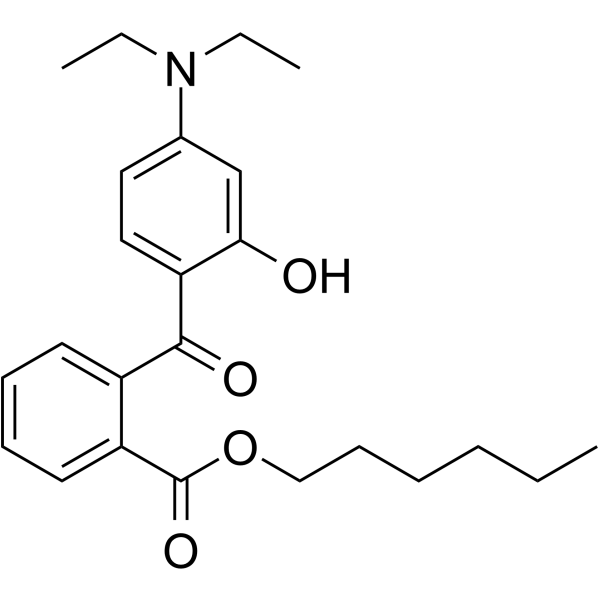
Diethylamino hydroxybenzoyl hexyl benzoate is a photostable UV-A absorber.
loading...
    loading...
Cat. No.: HY-N3387
CAS No.: 30508-27-1
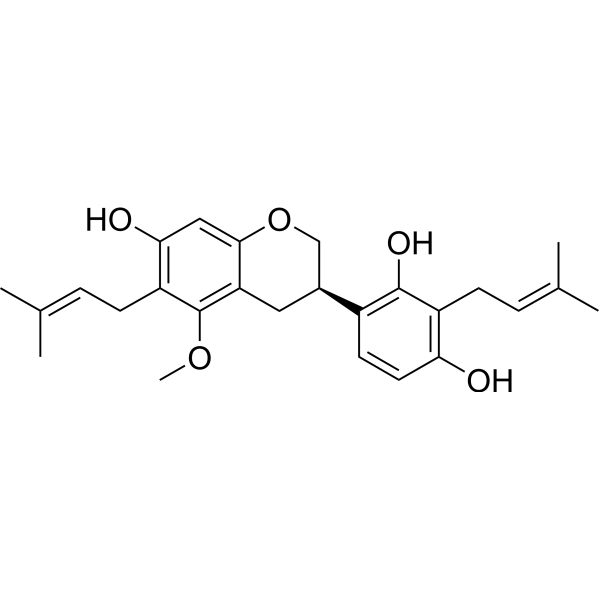
Licoricidin (LCD) is isolated from Glycyrrhiza uralensis Fisch, possesses anti-cancer activities. Licoricidin (LCD) inhibit SW480 cells (IC50=7.2 μM) by inducing cycle arrest, apoptosis and autophagy, and is a potential chemopreventive or chemotherapeutic agent against colorectal cancer . Licoricidin (LCD) inhibits Lung Metastasis by inhibition of tumor angiogenesis and lymphangiogenesis as well as changes in the local microenvironment of tumor tissues the anticarcinogenic effect . Licoricidin enhanced gemcitabine-induced cytotoxicity in Osteosarcoma (OS) cells by inactivation of the Akt and NF-κB pathways in vitro and in vivo . Licoricidin blocks UVA-induced photoaging via ROS scavenging, limits the activity of MMP-1, it can be considered as an active ingredient in new topically applied anti-ageing formulations .
loading...
    loading...

