1. Search Result
Search Result
Results for "

Zebrafish.

" in MedChemExpress (MCE) Product Catalog:

213

Inhibitors & Agonists

7

Fluorescent Dye

8

Biochemical Assay Reagents

12

Peptides

28

Natural
Products

3

Recombinant Proteins

13

Isotope-Labeled Compounds

1

Click Chemistry

6

Oligonucleotides

1

GMP Molecules

Cat. No. Product Name Target Research Areas Chemical Structure
  • HY-Y0921
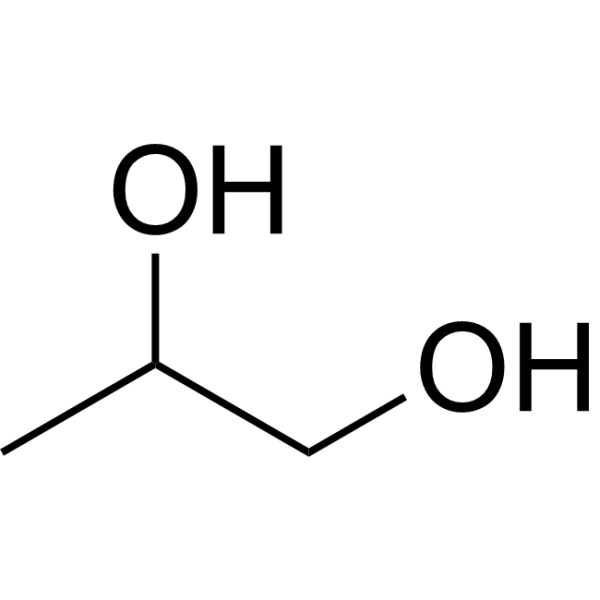
    (±)-1,2-Propanediol
    3 Publications Verification

    1,2-(RS)-Propanediol; 1,2-Propylene glycol; Propylene glycol

    Environmental Pollutants Endogenous Metabolite Neurological Disease
    (±)-1, 2-propanediol (1,2-(RS)-Propanediol) is an aliphatic alcohol that is often used as an excipient in many active molecular preparations to increase the solubility and stability of the active molecule. (±)-1, 2-propanediol can affect the neurobehavior of zebrafish .
    (±)-1,2-Propanediol
  • HY-W011689
    6PPD
    1 Publications Verification

    Reactive Oxygen Species (ROS) Others
    6PPD is a rubber antioxidant that scavenges ozone and forms nitro radicals. Exposure to 6PPD reduces the hatching rate, impairs spontaneous locomotor activity, shortens body length and causes malformations in zebrafish embryos. 6PPD also induces oxidative stress in zebrafish embryos .
    6PPD
  • HY-W583749
    6:2 Cl-PFAES
    2 Publications Verification

    Biochemical Assay Reagents Endocrinology
    6:2 Cl-PFAES is an orally effective alternative to Perfluorooctane sulfonate. 6:2 Cl-PFAES significantly inhibits the growth of zebrafish and induces reproductive toxicity. 6:2 Cl-PFAES reduces the relative weights of epididymis and testis in male BALB/c mice. 6:2 Cl-PFAES can be used in the chrome plating industry .
    6:2 Cl-PFAES
  • HY-N6069
    Raspberry ketone glucoside
    1 Publications Verification

    Interleukin Related JAK STAT Inflammation/Immunology
    Raspberry ketone glucoside is a melanogenesis inhibitor. Raspberry ketone glucoside inhibits melanogenesis by activating the IL6/JAK1/STAT3 pathway, inhibiting the transcriptional activity of MITFa, and its downstream expression levels of the TYR and TYRP1a genes. Raspberry ketone glucoside shows remarkable whitening activity on both B16F10 cells in vitro and zebrafish model in vivo .
    Raspberry ketone glucoside
  • HY-D1416
    HMBR
    1 Publications Verification

    Fluorescent Dye Others
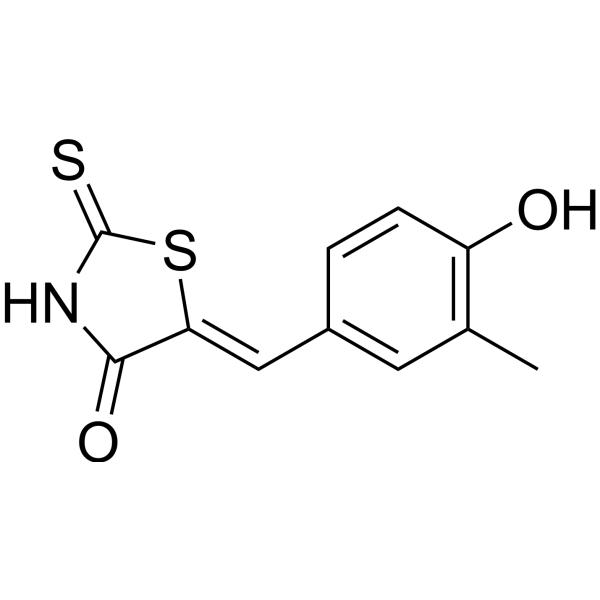
    HMBR is an analogue with an additional methyl group on the aromatic ring and is non-fluorescent. HMBR conjugated with Y-FAST emits yellow fluorescence under blue light excitation (Ex= 419 nm; Em= 525–539 nm). HMBR is non-toxic to zebrafish embryos. HMBR has high cell permeability .
    HMBR
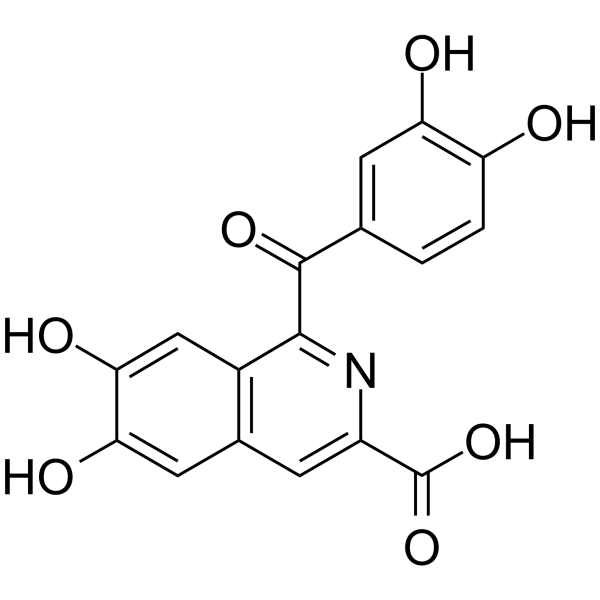
  • HY-119412

    Reactive Oxygen Species (ROS) Metabolic Disease
    Biliatresone is a natural toxin isolated from Dysphania glomulifera and D. littoralis. Biliatresone, a 1,2-diaryl-2-propenone class of isoflavonoid, produces extrahepatic biliary atresia in a zebrafish model .
    Biliatresone
  • HY-148163
    Polystyrene sulfonic acid (30% in water)
    1 Publications Verification

    Biochemical Assay Reagents Others
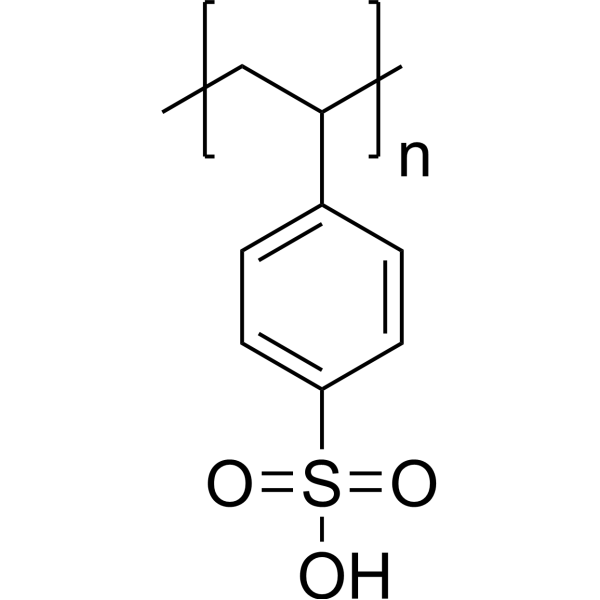
    Polystyrene sulfonic acid (30% in water) is a potentially toxic hazardous substance. Polystyrene-derived microplastics (PS-MPs) are harmful to zebrafish hearts and induce male reproductive toxicity in mice. MCE offers Polystyrene products in solution packaging .
    Polystyrene sulfonic acid (30% in water)
  • HY-B1209

    7-(β-Hydroxyethyl)theophylline

    Phosphodiesterase (PDE) Cardiovascular Disease Inflammation/Immunology
    Etofylline (7-(β-Hydroxyethyl) theophylline) is an oral bronchodilator with anti-inflammatory effects. Etofylline inhibits phosphodiesterase and prevents the degradation of cAMP (cyclic adenosine monophosphate), leading to smooth muscle relaxation, reducing inflammatory responses and improving respiratory function. Etofylline affects the development of zebrafish embryos .
    Etofylline
  • HY-15825
    IWP L6
    4 Publications Verification

    Porcn Inhibitor III

    Porcupine Cancer
    IWP L6 (Porcn Inhibitor III) is a Porcupine (Porcn) inhibitor with an EC50 of 0.5 nM. IWP L6 disrupts well-established Wnt-dependent developmental processes of embryonic and juvenile zebrafish .
    IWP L6
  • HY-B2042

    Environmental Pollutants Herbicide Others
    Butachlor is defined as a commonly used acetanilide herbicide that exhibits varying levels of chronic toxicity to microalgae and acute toxicity to aquatic organisms. Butachlor butachlor adversely affected the normal reproductive success of zebrafish .
    Butachlor
  • HY-B0835

    Environmental Pollutants Reactive Oxygen Species (ROS) Cholinesterase (ChE) Caspase Apoptosis Cardiovascular Disease Neurological Disease Inflammation/Immunology
    Fenobucarb is a carbamate insecticide. Fenobucarb induces zebrafish developmental neurotoxicity through pathways involved in inflammation, oxidative stress, degeneration and apoptosis. Fenobucarb is a possible risk factor to cardiovascular and cerebrovascular systems in animals .
    Fenobucarb
  • HY-A0278

    (-)-Hexaconazol

    Environmental Pollutants Reactive Oxygen Species (ROS) Fungal SOD Infection Endocrinology
    Hexaconazole is a demethylation enzyme inhibitor and a synthetic fungicide that targets many fungi, especially ascomycetes and basidiomycetes, and it can enhance the activity of SOD and peroxidase. Hexaconazole causes endocrine disorders in zebrafish larvae .
    Hexaconazole
  • HY-W008151

    Mitochondrial Metabolism Carnitine Palmitoyltransferase (CPT) Metabolic Disease
    Diphenyl Phosphate inhibits growth and energy metabolism in zebrafish and mice in a sex-specific manner. Diphenyl Phosphate can inhibit the activity of SDH (respiratory complex II), reduce the expression of CPT1 and disrupts the integrity of the mitochondrial membrane. Diphenyl Phosphate may be used in research on metabolic diseases .
    Diphenyl Phosphate
  • HY-A0277

    Environmental Pollutants Fungal Others
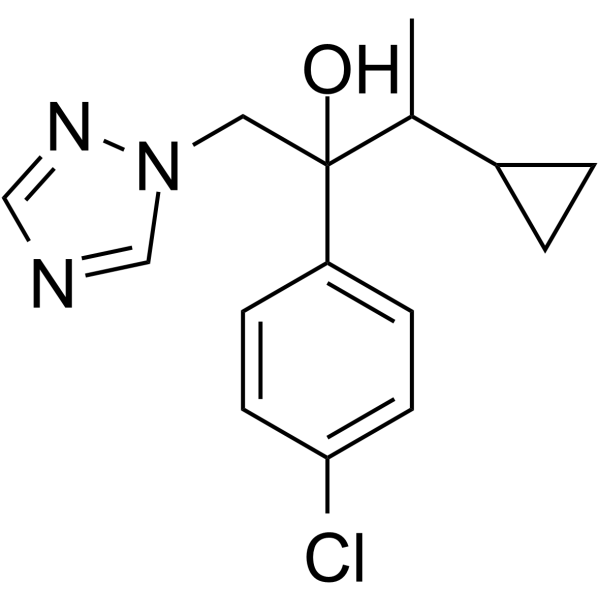
    Cyproconazole is a triazole fungicide used to protect crops, fruits and vegetables against a wide range of fungal pathogens. Cyproconazole can cause hepatocellular adenomas and carcinomas in CD-1 mice. Cyproconazole also exhibits low toxicity to zebrafish embryos and affects locomotor activity .
    Cyproconazole
  • HY-W762011

    Apoptosis Reactive Oxygen Species (ROS) JNK Oxidative Phosphorylation Neurological Disease Cancer
    BDE 47 targets mitochondria, inhibits mitochondrial oxidative phosphorylation (OXPHOS), decreases mitochondrial membrane potential (MMP) and induces apoptosis in embryonic cell. BDE 47 induces the generation of ROS, and activates the JNK signaling pathway. BDE 47 exhibits embryonic developmental toxicity in zebrafish .
    BDE 47
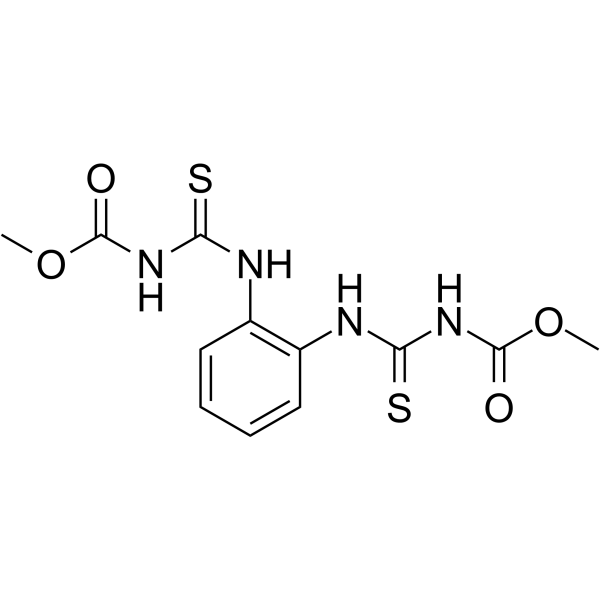
  • HY-B0842
    Thiophanate-Methyl
    3 Publications Verification

    Environmental Pollutants Fungal Apoptosis Bcl-2 Family Caspase TNF Receptor SOD Reactive Oxygen Species (ROS) Infection
    Thiophanate-Methyl is a pesticide residue and fungicide. Thiophanate-Methyl induces hepatotoxicity via caspase-3-mediated apoptosis and oxidative stress, thereby causing metabolic imbalance in the liver of zebrafish. Thiophanate-Methyl impairs the rhizobacteria-mediated defense response of cucumber against fusarium wilt .
    Thiophanate-Methyl
  • HY-B2011

    Environmental Pollutants Succinate Dehydrogenase Fungal Mitochondrial Metabolism Infection
    Flutolanil is a succinate dehydrogenase complex inhibitor and fungicide. Flutolanil blocks electron transfer between the redox center of succinate dehydrogenase and coenzyme Q, inhibits mycelial oxygen consumption, and suppresses mycelial growth. Flutolanil induces acute and sublethal toxicity in zebrafish at different life stages. Flutolanil can be used in studies on plant disease control .
    Flutolanil
  • HY-W099479

    Ethyl butylacetylaminopropionate; IR-3535

    Environmental Pollutants Apoptosis Reactive Oxygen Species (ROS) Parasite SOD Infection Inflammation/Immunology
    Insect repellent M 3535 (Ethyl butylacetylaminopropionate) is a broad-spectrum, mild insect repellent based on the structure of β-alanine. Insect repellent M 3535 exerts repellent effects by interfering with the olfaction of mosquitoes, but it poses risks of developmental and cardiac toxicity to aquatic organisms such as zebrafish embryos in aquatic environments, and can activate oxidative stress responses .
    Insect repellent M 3535
  • HY-136355

    Environmental Pollutants Reactive Oxygen Species (ROS) Fungal SOD Infection Inflammation/Immunology
    Picoxystrobin is a strobilurin fungicide. Picoxystrobin controls plant diseases by inhibiting mitochondrial respiration. Picoxystrobin is highly toxic to zebrafish embryos, causing developmental abnormalities, oxidative stress, and immunotoxicity .
    Picoxystrobin
  • HY-D1353

    Fluorescent Dye Others
    LipidGreen 2 is a second generation small molecule probe for lipid imaging. LipidGreen 2 has a better fluorescence signal compared with the previous LipidGreen, and selectively stains neutral lipids in cells and fat deposits in live zebrafish .
    LipidGreen 2
  • HY-147372

    TGF-beta/Smad Metabolic Disease
    SJ000063181 is a potent BMP signaling activator. SJ000063181 activates BMP4 and the phosphorylation of SMAD1/5/8 (p-SMAD1/5/8). SJ000063181 induces ventralization in zebrafish embryos .
    SJ000063181
  • HY-D1092

    Fluorescent Dye Neurological Disease
    DiBaC4(5) is a fluorescent voltage-sensitive dye that can be used to monitor the transmembrane potentials when Papain-dissociated retinal cells from adult zebrafish were exposed to GABAergic ligands. DiBaC4(5) is a potential-sensitive fluorescence dye .
    DiBAC4(5)
  • HY-W012657

    Environmental Pollutants Parasite Infection
    4-Ethylbenzaldehyde is an aldehyde type organic compound with an almond-like odor. 4-Ethylbenzaldehyde is naturally present in various foods such as grilled meat, black tea, peanuts, etc. 4-Ethylbenzaldehyde has significant effects in controlling plant parasitic nematodes. 4-Ethylbenzaldehyde has genotoxicity and potential for liver damage in zebrafish models .
    4-Ethylbenzaldehyde
  • HY-119896

    Environmental Pollutants Herbicide Neurological Disease
    Clethodim is a postemergence herbicide. Clethodim shows developmental toxicity and neurotoxicity in zebrafish embryos and larvae .
    Clethodim
  • HY-B1853

    Environmental Pollutants Apoptosis ERK Herbicide MEK Cardiovascular Disease
    Simetryn is a triazine herbicide that exerts teratogenicity. Simetryn inhibits photosynthesis by blocking electron transfer in the chloroplast photosystem II and activates the MEK/Erk signaling pathway. Simetryn triggers vascular and developmental abnormalities in zebrafish and tadpoles, suppresses proliferation, enhances apoptosis, and induces malformations. Simetryn serves as a tool to establish a zebrafish model for studying arteriovenous malformations and related pathogenesis. Simetryn controls paddy weeds and can be used for research on developmental and vascular disorders .
    Simetryn
  • HY-21200

    1-Perfluoroheptanesulfonic acid; Perfluoroheptanesulphonic acid; PFHpS

    iGluR Infection
    Perfluoroheptanesulfonic acid (1-Perfluoroheptanesulfonic acid; Perfluoroheptanesulphonic acid) is a perfluoroalkyl substance (PFAS). PFHpS can induce malformations in zebrafish larvae (EC50=168.1 μM). It has also been found in landfill leachate, and fetal exposure to PFHpS can lead to reduced birth weight.
    Perfluoroheptanesulfonic acid
  • HY-P10419

    Kisspeptin Receptor GnRH Receptor Endocrinology
    Zebrafish Kisspeptin-1 is the core sequence of the neuropeptide kisspeptin-1, which participate in the regulation of gonadotropin-releasing hormone (GnRH) release, and regulates the reproductive system .
    Zebrafish Kisspeptin-1
  • HY-121650A

    Dopamine Receptor Neurological Disease
    ADTN hydrobromide is a long-acting dopamine agonist. ADTN hydrobromide significantly decreases the behavioral visual threshold of DA-IPC-depleted zebrafish .
    ADTN hydrobromide
  • HY-W250743

    Biochemical Assay Reagents Others
    Cresyl diphenyl phosphate is a compound that disrupts lipid homeostasis in zebrafish embryos, causing alterations in lipid content and lipidomic profiles, as well as affecting gene expression and energy homeostasis. |
    Cresyl diphenyl phosphate
  • HY-139059
    ERD03
    1 Publications Verification

    DNA Alkylator/Crosslinker Neurological Disease
    ERD03 is a potent disruptor of the EXOSC3-RNA interaction, with a Kd of 17±7 μM . ERD03 induces PCH1B-like phenotype in zebrafish embryo and can be used for neurological disorder disease research .
    ERD03
  • HY-78574

    Nucleoside Antimetabolite/Analog Others
    N-Benzoylcytidine is a modified cytidine analogue that can be phosphorylated by uracil-cytidine kinase (UCK1 and UCK2). N-Benzoylcytidine can be used to synthesize 2-OH protective groups for solid-phase RNA synthesis, as well as synthetic oligonucleotides for UV induction and targeted gene silencing in zebrafish embryos .
    N-Benzoylcytidine
  • HY-119442
    Quininib
    1 Publications Verification

    Leukotriene Receptor Cardiovascular Disease
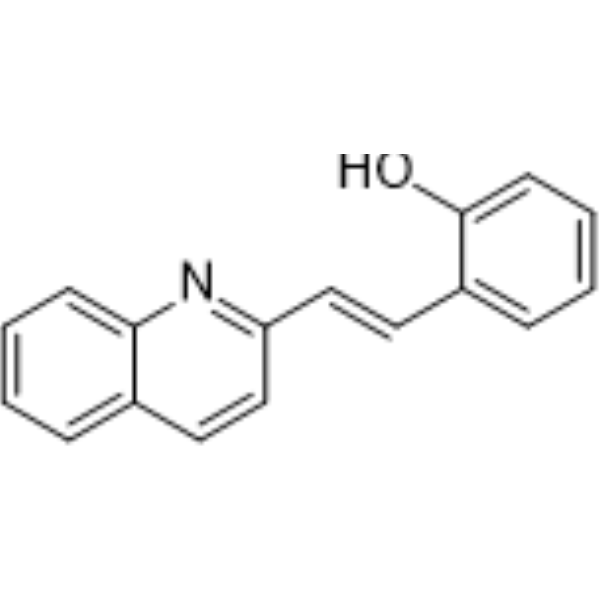
    Quininib is a cysteinyl leukotriene 1 and 2 receptor antagonist with IC50s of 1.2 and 52 μM for CysLT1R and CysLT2R, respectively. Quininib is a potent inhibitor of developmental angiogenesis in the zebrafish eye. Quininib can be used for the research of ocular neovascular pathologies and may complement current anti-VEGF biological agents .
    Quininib
  • HY-121287

    Herbicide Cardiovascular Disease
    Ioxynil is an herbicide that act as endocrine disruptor. Ioxynil can disrupt vascular and heart development in zebrafish .
    Ioxynil
  • HY-N4265

    Others Inflammation/Immunology
    Vinaginsenoside R4, isolated from the leaves of hydroponic Panax ginseng. It has an inhibitory effect on melanin biosynthesis without any cytotoxic effects on the melan-a cells, and enhances the depigmentation on the zebrafish .
    Vinaginsenoside R4
  • HY-N13239

    Apoptosis Inflammation/Immunology
    Dandelion Extract is a dandelion extract, and its ingredients include: Flavone. Dandelion Extract can reduce LPS-induced inflammatory responses in RAW264.7 cells by regulating cell polarization and apoptosis. Dandelion Extract can also reduce CuSO4-induced inflammatory response in zebrafish larvae. .
    Dandelion Extract
  • HY-117617

    Histone Acetyltransferase Cancer
    CAY10669 (compound 6d) is an anacardic acid (HY-N2020) derivative that inhibits histone acetyltransferase PCAF with an IC50 of 662 μM . CAY10669 enhances the SAHA-induced acetylation in HEPG2 cells, exhibits cytotoxicity in zebrafish embryo, promotes transgene expression in CHO-K1 cells .
    CAY10669
  • HY-B1944

    Apoptosis FOXO Others
    Dipropyl phthalate is a plasticizer. Dipropyl phthalate induced activation of the FoxO signaling pathway, leading to abnormal proliferation of pharyngeal arch cartilage and promoting its apoptosis in a zebrafish model. Dipropyl phthalate also induced developmental defects in the craniofacial cartilage of zebrafish embryos in a zebrafish model .
    Dipropyl phthalate
  • HY-N6032

    Phytolaccoside B

    Cholinesterase (ChE) JNK NF-κB Fungal Infection Neurological Disease Inflammation/Immunology
    Esculentoside B (Phytolaccoside B) is a natural product from the roots of Phytolacca acinosa Roxb. Esculentoside B is neurotoxic to zebrafish larvae, and impairs their central nervous system development. Esculentoside B inhibits inflammatory response and has antifungal activity .
    Esculentoside B
  • HY-148777

    PROTACs Androgen Receptor Cancer
    A031 is a highly effective PROTAC androgen receptor (AR) degrader with an IC50 value less than 0.25 μM for AR protein degradation. A031 has an inhibitory effect on tumor growth in zebrafish with human prostate cancer (VCaP) .
    A031
  • HY-18402

    Drug Derivative Cardiovascular Disease
    2-(Methylthio)benzothiazole is a derivative of 2-Mercaptobenzothiazole (HY-W017113). 2-(Methylthio)benzothiazole reduces heart rate, causes pericardial edema and deformity, delays cardiac maturation, decreases stroke volume and cardiac output, and leads to vascular structural defects in zebrafish larvae .
    2-(Methylthio)benzothiazole
  • HY-136439

    Bacterial Antibiotic Apoptosis Infection
    4-Epianhydrotetracycline hydrochloride is a major intermediate product of Tetracycline (HY-A0107). 4-Epianhydrotetracycline hydrochloride shows lethal effects and induces cell apoptosis of zebrafish embryos. 4-Epianhydrotetracycline hydrochloride inhibits Shewanella, E. coli and P. aeruginosa with MIC values of 2, 1 and 64 mg/L, respectively .
    4-Epianhydrotetracycline hydrochloride
  • HY-A0277R

    Reference Standards Fungal Others
    Cyproconazole (Standard) is the analytical standard of Cyproconazole. This product is intended for research and analytical applications. Cyproconazole is a triazole fungicide used to protect crops, fruits and vegetables against a wide range of fungal pathogens. Cyproconazole can cause hepatocellular adenomas and carcinomas in CD-1 mice. Cyproconazole also exhibits low toxicity to zebrafish embryos and affects locomotor activity .
    Cyproconazole (Standard)
  • HY-N12386

    Sirtuin Cancer
    SIRT1 activator 1(compound 3) is a derivative of marine compound xyloallenoide A isolated from the mangrove fungus Xylaria sp.SIRT1 activator 1 shows angiogenic activities in zebrafish. SIRT1 activator 1 protects hEPC against AngII-induced senescence by increasing SIRT1 expression levels and balancing the AMPK/Akt signaling pathway .
    SIRT1 activator 1
  • HY-124021

    Aryl Hydrocarbon Receptor Others
    Benzyl 2-naphthyl ether is a compound mentioned in the study of the effects of aromatic sensitizers on zebrafish embryos. It can cause morphological abnormalities and changes in gene expression in zebrafish embryos. Its toxicity mechanism is partly related to AHR, and there may be other mechanisms independent of AHR.
    Benzyl 2-naphthyl ether
  • HY-15144B

    (S)-TSA

    HDAC Cancer
    (S)-Trichostatin A ((S)-TSA) is a HDAC6-selective inhibitor with IC50s of 9.88 nM and 11.1 nM for Zebrafish HDAC6 and Human HDAC6, respectively. (S)-Trichostatin A weakly inhibits other human HDACs .
    (S)-Trichostatin A
  • HY-W008151R

    Mitochondrial Metabolism Reference Standards Metabolic Disease
    Diphenyl Phosphate inhibits growth and energy metabolism in zebrafish and mice in a sex-specific manner. Diphenyl Phosphate can inhibit the activity of SDH (respiratory complex II), reduce the expression of CPT1 and disrupts the integrity of the mitochondrial membrane. Diphenyl Phosphate may be used in research on metabolic diseases .
    Diphenyl Phosphate (Standard)
  • HY-B2042R

    Herbicide Reference Standards Others
    Butachlor (Standard) is the analytical standard of Butachlor. This product is intended for research and analytical applications. Butachlor is defined as a commonly used acetanilide herbicide that exhibits varying levels of chronic toxicity to microalgae and acute toxicity to aquatic organisms. Butachlor butachlor adversely affected the normal reproductive success of zebrafish.
    Butachlor (Standard)
  • HY-162658

    HDAC Apoptosis Cancer
    Leuxinostat is an inhibitor for HDAC with IC50 of 30 nM for hHDAC6. Leuxinostat inhibits the proliferation of cells THP1, K562, U937 and MEK1, induces apoptosis in leukemia cells NB4 and MOLT-4. Leuxinostat inhibits the expansion of hematopoietic stem cells and exhibits antileukemic activity in zebrafish models .
    Leuxinostat
  • HY-162385

    COX Inflammation/Immunology
    COX-2-IN-42 (Compound T1) is a COX-2 inhibitor, and protects zebrafish against PTZ-induced neuronal damage .
    COX-2-IN-42
  • HY-B2041

    Insecticide Infection
    Benfuracarb is a broad-spectrum carbamate insecticide with crop protection activity. Benfuracarb is used to control springtails, aphids, and other pests, typically on sugar beet crops. Benfuracarb exhibits toxicity to humans and aquatic organisms. Benfuracarb exposure to zebrafish embryos resulted in a reduction in the body length of zebrafish larvae. Superoxide dismutase (SOD) activity was significantly increased after Benfuracarb treatment. Benfuracarb also interfered with the transcriptional levels of marker genes associated with early embryonic development .
    Benfuracarb

Inquiry Online

Your information is safe with us. * Required Fields.

Salutation


Country or Region *

Applicant Name *


Organization Name *

Department *


Email Address *


Product Name *

Cat. No.


Requested quantity *

Phone Number *


Remarks

Inquiry Online

Inquiry Information

Product Name:
Cat. No.:
Quantity:
MCE Japan Authorized Agent:

