1. Search Result
Search Result
Results for "

adiposity

" in MedChemExpress (MCE) Product Catalog:

149

Inhibitors & Agonists

1

Fluorescent Dyes

5

Biochemical Assay Reagents

14

Peptides

37

Natural
Products

15

Isotope-Labeled Compounds

8

Oligonucleotides

1

GMP Molecules

Cat. No. Product Name Target Research Areas Chemical Structure
  • HY-10583
    Y-27632 dihydrochloride
    Maximum Cited Publications
    532 Publications Verification

    Organoid ROCK Neurological Disease Cancer
    Y-27632 dihydrochloride is an orally active and ATP-competitive ROCK (Rho-kinase) inhibitor (ROCK-I Ki=220 nM; ROCK-II Ki=300 nM). Y-27632 dihydrochloride shows antiepileptic effects .
    Y-27632 dihydrochloride
  • HY-15859
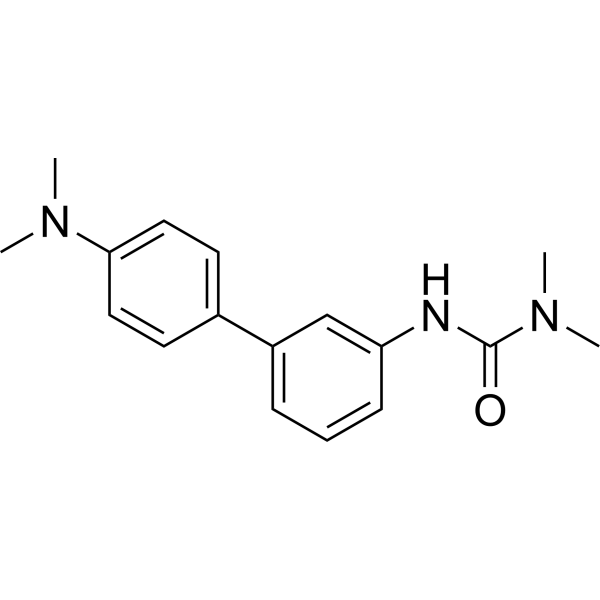
    Atglistatin
    35+ Cited Publications

    ATGL Metabolic Disease
    Atglistatin is a selective adipose triglyceride lipase (ATGL) inhibitor which inhibits lipolysis with an IC50 of 0.7 μM in vitro.
    Atglistatin
  • HY-107837
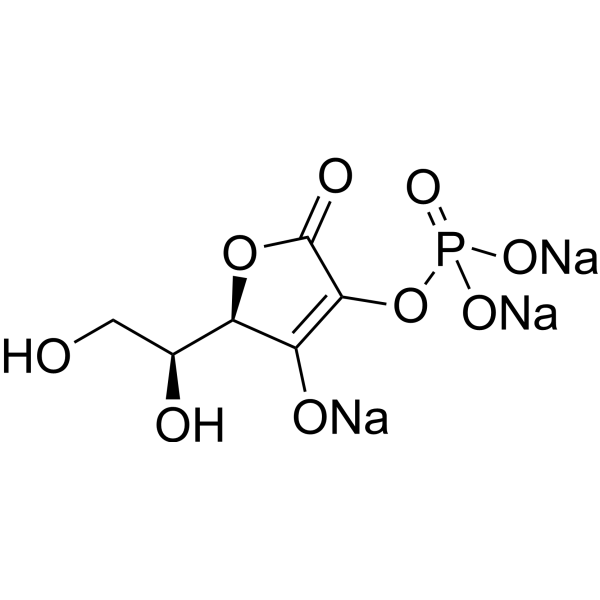
    L-Ascorbic acid 2-phosphate trisodium
    Maximum Cited Publications
    10 Publications Verification

    2-Phospho-L-ascorbic acid trisodium

    Phosphatase Reactive Oxygen Species (ROS) Endogenous Metabolite Metabolic Disease
    L-Ascorbic acid 2-phosphate trisodium (2-Phospho-L-ascorbic acid trisodium) is a long-acting vitamin C derivative that can stimulate collagen formation and expression . L-Ascorbic acid 2-phosphate trisodium (2-Phospho-L-ascorbic acid trisodium) can be used as a culture medium supplement for the osteogenic differentiation of human adipose stem cells (hASCs). L-Ascorbic acid 2-phosphate trisodium (2-Phospho-L-ascorbic acid trisodium) increases alkaline phosphatase (ALP) activity and expression of runx2A in hASCs during the osteogenic differentiation .
    L-Ascorbic acid 2-phosphate trisodium
  • HY-103701A
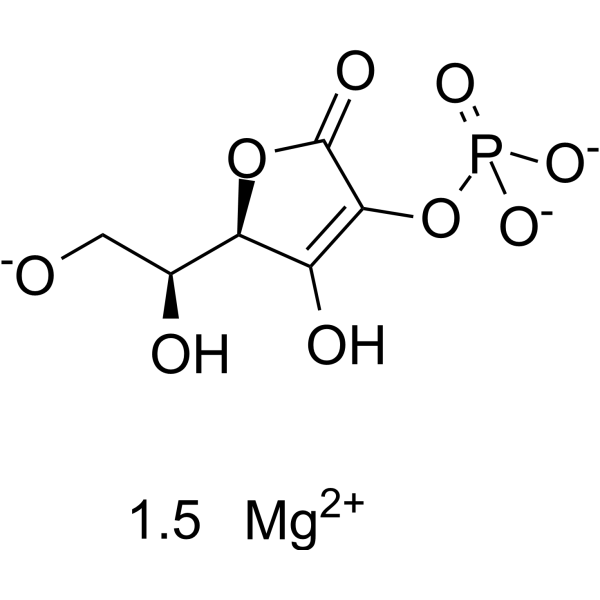
    L-Ascorbic acid 2-phosphate magnesium
    Maximum Cited Publications
    10 Publications Verification

    2-Phospho-L-ascorbic acid magnesium; LAA2P magnesium

    Phosphatase Reactive Oxygen Species (ROS) Endogenous Metabolite Metabolic Disease
    L-Ascorbic acid 2-phosphate magnesium (2-Phospho-L-ascorbic acid magnesium) is a long-acting vitamin C derivative that can stimulate collagen formation and expression . L-Ascorbic acid 2-phosphate magnesium (2-Phospho-L-ascorbic acid magnesium) can be used as a culture medium supplement for the osteogenic differentiation of human adipose stem cells (hASCs). L-Ascorbic acid 2-phosphate magnesium (2-Phospho-L-ascorbic acid magnesium) increases alkaline phosphatase (ALP) activity and expression of runx2A in hASCs during the osteogenic differentiation .
    L-Ascorbic acid 2-phosphate magnesium
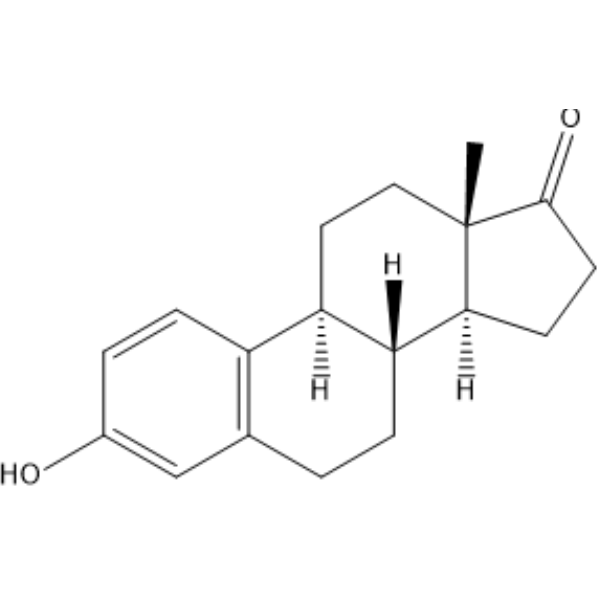
  • HY-B0234
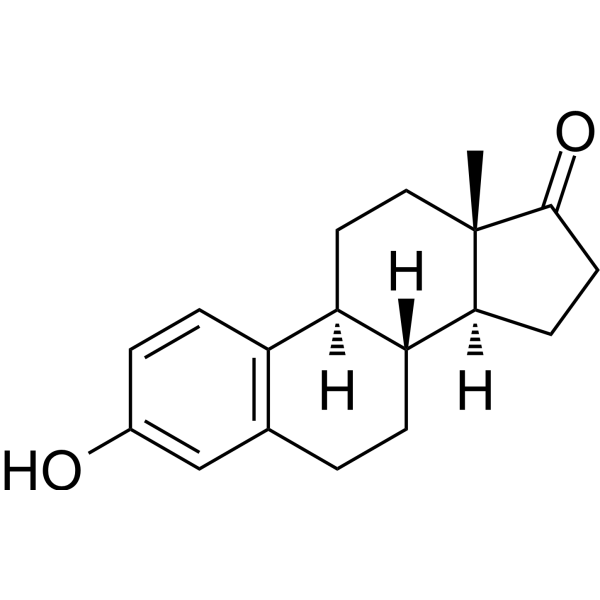
    Estrone
    5+ Cited Publications

    E1; Oestrone

    Estrogen Receptor/ERR Endogenous Metabolite Endocrinology Cancer
    Estrone (E1) is a natural estrogenic hormone. Estrone is the main representative of the endogenous estrogens and is produced by several tissues, especially adipose tissue. Estrone is the result of the process of aromatization of androstenedione that occurs in fat cells .
    Estrone
  • HY-116771A
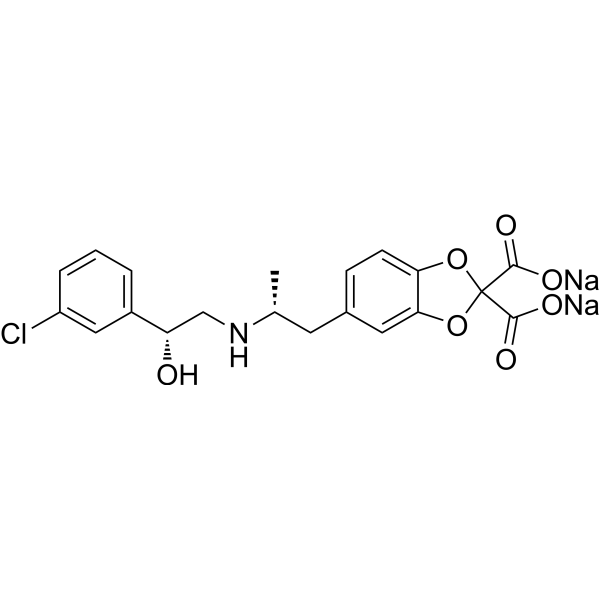
    CL 316243
    20+ Cited Publications

    Adrenergic Receptor Metabolic Disease
    CL316243 is a highly potent selective β3-adrenoceptor agonist with a EC50 of 3 nM, but is an extremely poor to β1/2- receptors .CL316243 is a effective stimulant of adipocyte lipolysis and increases brown adipose tissue thermogenesis and metabolic rate . CL316243 has the potential for the treatment obesity, diabetes and urge urinary incontinence .
    CL 316243
  • HY-103701
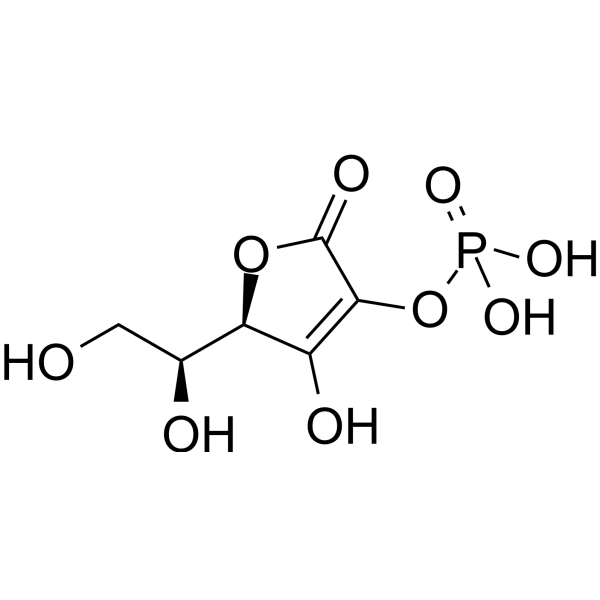
    L-Ascorbic acid 2-phosphate
    Maximum Cited Publications
    10 Publications Verification

    2-Phospho-L-ascorbic acid; LAA2P

    Phosphatase Reactive Oxygen Species (ROS) Endogenous Metabolite Metabolic Disease
    L-ascorbic acid 2-phosphate (2-Phospho-L-ascorbic acid) is a long-acting vitamin C derivative that can stimulate collagen formation and expression . L-ascorbic acid 2-phosphate (2-Phospho-L-ascorbic acid) can be used as a culture medium supplement for the osteogenic differentiation of human adipose stem cells (hASCs). L-ascorbic acid 2-phosphate increases alkaline phosphatase (ALP) activity and expression of runx2A in hASCs during the osteogenic differentiation .
    L-Ascorbic acid 2-phosphate
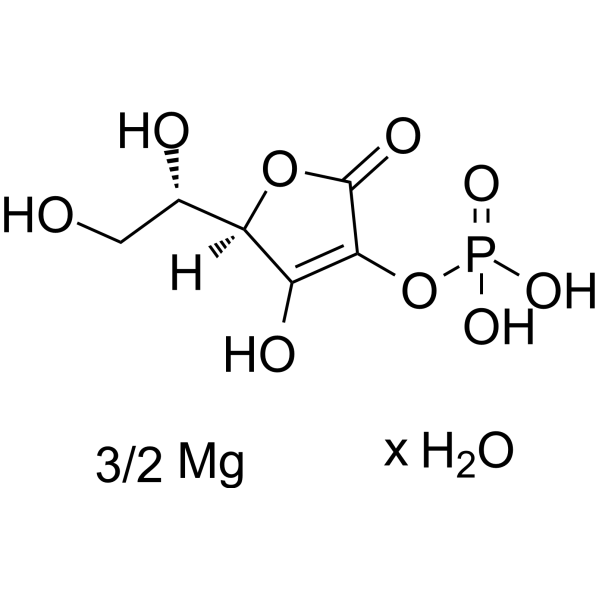
  • HY-103701B

    2-Phospho-L-ascorbic acid magnesium hydrate; LAA2P magnesium hydrate

    Phosphatase Reactive Oxygen Species (ROS) Endogenous Metabolite Metabolic Disease
    L-ascorbic acid 2-phosphate (2-Phospho-L-ascorbic acid) magnesium hydrate is a long-acting vitamin C derivative that can stimulate collagen formation and expression. L-ascorbic acid 2-phosphate magnesium hydrate can be used as a culture medium supplement for the osteogenic differentiation of human adipose stem cells (hASCs). L-ascorbic acid 2-phosphate magnesium hydrate increases alkaline phosphatase (ALP) activity and expression of runx2A in hASCs during the osteogenic differentiation .
    L-Ascorbic acid 2-phosphate magnesium hydrate
  • HY-123986
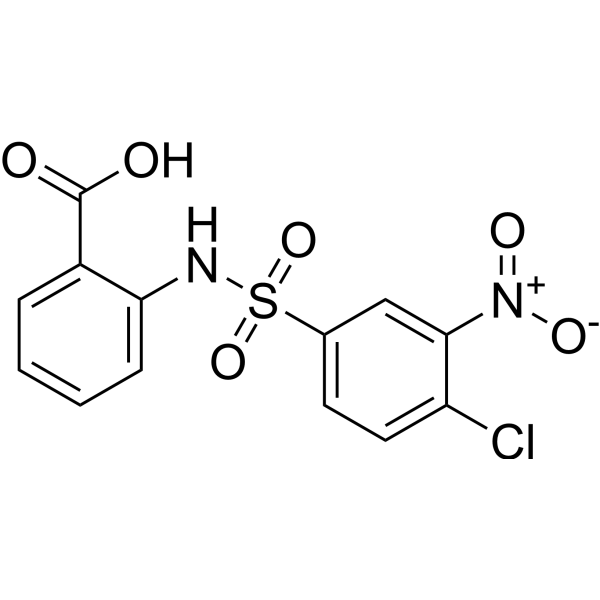
    CTPI-2
    10+ Cited Publications

    Mitochondrial Metabolism Inflammation/Immunology Cancer
    CTPI-2 is a third-generation mitochondrial citrate carrier SLC25A1 inhibitor with a KD of 3.5 μM. CTPI-2 inhibits glycolysis, PPARγ, and its downstream target the glucose transporter GLUT4. CTPI-2 halts salient alterations of NASH reverting steatosis, preventing the evolution to steatohepatitis, reducing inflammatory macrophage infiltration in the liver and adipose tissue, and starkly mitigating obesity induced by a high-fat diet. Antitumor activity .
    CTPI-2
  • HY-10583G
    Y-27632 dihydrochloride
    1 Publications Verification

    ROCK Neurological Disease Cancer
    Y-27632 dihydrochloride (GMP) is the GMP level of Y-27632 dihydrochloride (HY-10583). GMP guidelines are used to produce Y-27632 dihydrochloride (GMP). GMP small molecules works appropriately as an auxiliary reagent for cell research manufacture. Y-27632 dihydrochloride is an orally active and ATP-competitive ROCK (Rho-kinase) inhibitor with antiepileptic effect .
    Y-27632 dihydrochloride
  • HY-B1268
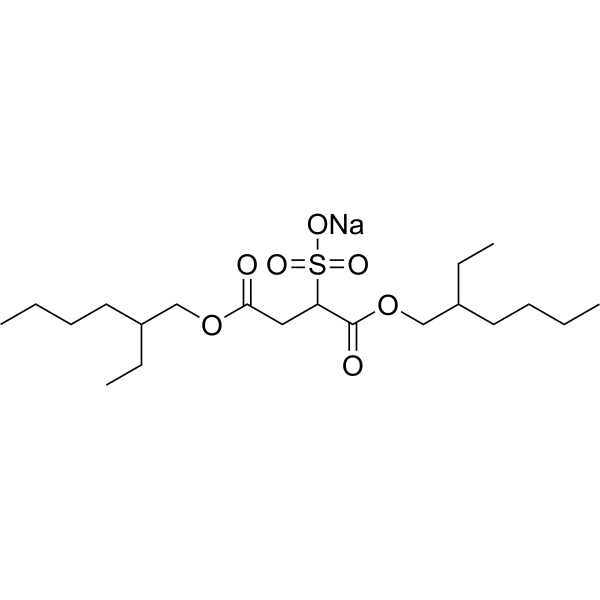
    Docusate Sodium
    2 Publications Verification

    Dioctyl sulfosuccinate sodium salt

    Environmental Pollutants HSV Others
    Docusate Sodium (Dioctyl sulfosuccinate sodium salt) is one of the main components in stool softeners. Docusate Sodium is a sulfated surfactant and may inactivate viral pathogens by disrupting viral envelopes and/or denaturing/disassociating proteins. Docusate Sodium is effective in vitro against wild type and drug-resistant strains of HSV type 1 and 2. Docusate Sodium is an obesogen. Docusate Sodium with developmental exposure leads to increased adult adiposity, inflammation, metabolic disorder and dyslipidemia in offspring fed a standard diet in mice .
    Docusate Sodium
  • HY-10583R
    Y-27632 dihydrochloride (Standard)
    Maximum Cited Publications
    532 Publications Verification

    ROCK Organoid Reference Standards Cancer
    Y-27632 dihydrochloride (Standard) is the analytical standard of Y-27632 dihydrochloride. Y-27632 dihydrochloride is an orally active and ATP-competitive ROCK (Rho-kinase) inhibitor (ROCK-I Ki=220 nM; ROCK-II Ki=300 nM). Y-27632 dihydrochloride shows antiepileptic effects .
    Y-27632 dihydrochloride (Standard)
  • HY-W018026

    L-p-Hydroxyphenylglycine; 4-Hydroxy-L-phenylglycine; UK 25842

    Acyltransferase Apoptosis Cardiovascular Disease Metabolic Disease
    Oxfenicine (L-p-Hydroxyphenylglycine) is an orally active carnitine palmitoyltransferase-1 inhibitor. Oxfenicine inhibits the oxidation of fatty acids in the heart, protecting cardiac tissue from necrotic damage during ischemia, and also has an inhibitory effect on cardiac tissue apoptosis. In addition, Oxfenicine promotes lipolysis in a high-fat diet rat model. Oxfenicine can be used in the study of cardiovascular and metabolic diseases .
    Oxfenicine
  • HY-P3479

    Insulin Receptor Metabolic Disease
    Insulin (swine) is an orally active insulin derived from pigs. Insulin (swine) when administered orally acts as an antigen to reduce the severity of pancreatic lymphocyte infiltration, but has no metabolic effect on blood glucose levels. Insulin (swine) increases glucose oxidation, stimulates lipogenesis, and lowers blood glucose levels. Insulin (swine) can be used in diabetes research .
    Insulin (swine)
  • HY-117880
    Exicorilant
    2 Publications Verification

    CORT 125281

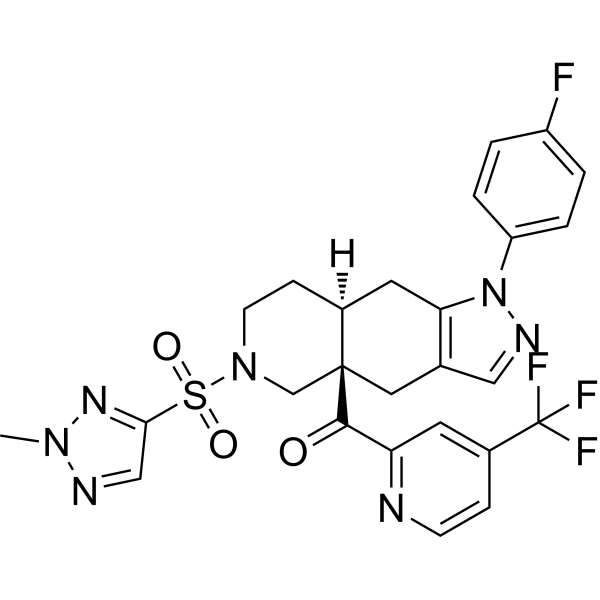
    Glucocorticoid Receptor Metabolic Disease Endocrinology
    Exicorilant (CORT 125281) is a selective and oral active glucocorticoid receptor (GR) antagonist, with a Ki value of 7 nM . Exicorilant (CORT 125281) has potential to overcome adiposity, glucose intolerance and dyslipidaemia .
    Exicorilant
  • HY-N0593S
    Deoxycholic acid-d4
    1 Publications Verification

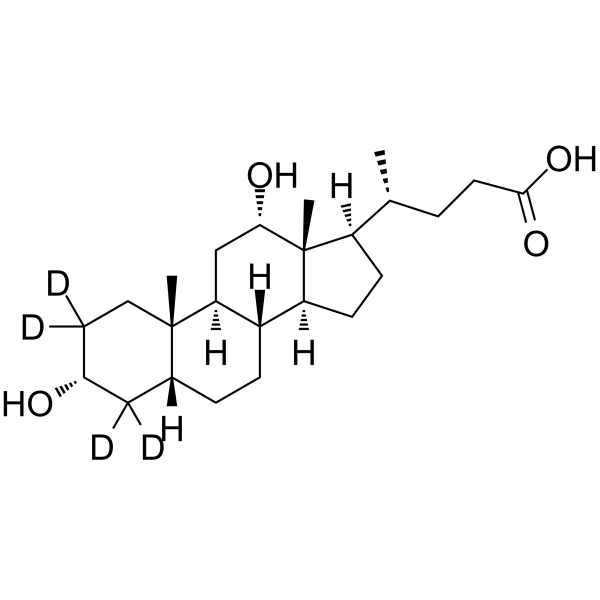
    Isotope-Labeled Compounds G protein-coupled Bile Acid Receptor 1 Endogenous Metabolite Metabolic Disease
    Deoxycholic acid-d4 is the deuterium labeled Deoxycholic acid. Deoxycholic acid is specifically responsible for activating the G protein-coupled bile acid receptor TGR5 that stimulates brown adipose tissue (BAT) thermogenic activity.
    Deoxycholic acid-d4
  • HY-W006405

    Estrogen Receptor/ERR Cardiovascular Disease Cancer
    Isoflavone is an orally available bioactive component of soy phytoestrogen with lipid-lowering and antioxidant activities. Isoflavone prevents a variety of chronic diseases by regulating fatty acid oxidation in the liver and gene expression in adipose tissue. In addition, isoflavone has important value in the research of cancer and cardiovascular diseases .
    Isoflavone
  • HY-N0898A
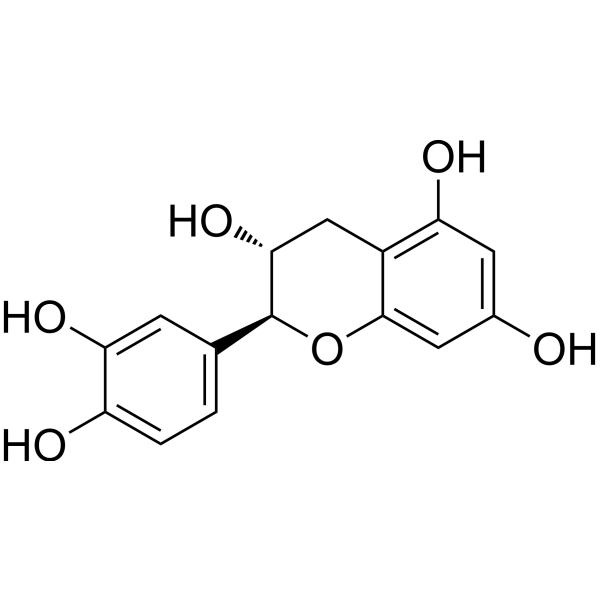
    (-)-Catechin
    4 Publications Verification

    (-)-Cianidanol; (-)-Catechuic acid

    COX Cancer
    (-)-Catechin is Catechin's one kind of different structure. Catechin inhibitory enzyme-1 (COX-1), IC50 of 1.4 μM. (-)-Catechin promotes hBM-MSC adipose cell differentiation, increases fat cell differentiation, and PPARγ level .
    (-)-Catechin
  • HY-B0234R
    Estrone (Standard)
    5+ Cited Publications

    E1(Standard); Oestrone (Standard)

    Reference Standards Estrogen Receptor/ERR Endogenous Metabolite Endocrinology Cancer
    Estrone (Standard) is the analytical standard of Estrone. This product is intended for research and analytical applications. Estrone (E1) is a natural estrogenic hormone. Estrone is the main representative of the endogenous estrogens and is produced by several tissues, especially adipose tissue. Estrone is the result of the process of aromatization of androstenedione that occurs in fat cells .
    Estrone (Standard)
  • HY-P10735

    Gastric inhibitory polypeptide(mouse); GIP(1-42) (mouse)

    Lipase Apoptosis Metabolic Disease
    GIP (Gastric inhibitory polypeptide) (mouse) is a gastrointestinal hormone that is secreted by the intestinal K cells, and also expressed in and secreted from pancreatic islets. GIP (mouse) promotes insulin secretion from pancreatic β cells via the G-protein-coupled GIP receptor (GIPR). GIP (mouse) promotes pancreatic β cell proliferation and inhibits apoptosis. GIP (mouse) also exerts direct lipogenic effects on adipose tissue .
    GIP (mouse)
  • HY-30216A

    α-Hydroxyisocaproic acid

    Drug Metabolite Hydroxycarboxylic Acid Receptor (HCAR) AMPK ERK Metabolic Disease Inflammation/Immunology
    Leucic acid (α-Hydroxyisocaproic acid) is an orally active end-product of the microbial metabolism of leucine. Leucic acid can bind to HCAR2, alters AMPK and ERK1/2 phosphorylation status, suppresses lipid synthesis, promotes catabolism, reduces adiposity, enhances lean mass and exercise capacity. Leucic acid suppresses pro-inflammatory cytokine secretion, inflammation-related gene mRNA expression. Leucic acid decreases basal protein synthesis, attenuates myotube atrophy. Leucic acid can be used for the research of obesity .
    Leucic acid
  • HY-N3686

    AMPK PGC-1α Metabolic Disease
    D-Arabitol is an orally active D-enantiomer of arabitol. D-Arabitol modulates the composition of gut microbiota, increases short-chain fatty acids, and promotes AMPK-PGC-1α-related browning of white adipose tissue. D-Arabitol improves weight gain, fat accumulation, insulin resistance, lipid deposition and inflammatory responses. D-Arabitol serves as the sole carbon/energy source for Bacillus methanolicus MGA3, a strain that can co-utilize it with mannitol. D-Arabitol is applicable to obesity-related research .
    D-Arabitol
  • HY-148756
    NG-497
    3 Publications Verification

    ATGL Cancer
    NG-497 is a selective human adipose triglyceride lipase (ATGL) inhibitor that targets the enzymatically active patatin-like domain of human ATGL. NG-497 has potential value for tumor research .
    NG-497
  • HY-W012974

    β-Aminoisobutyric acid; BAIBA

    Endogenous Metabolite Cardiovascular Disease Metabolic Disease
    3-Aminoisobutyric acid (β-Aminoisobutyric acid) has anti-inflammatory and antioxidant effects. 3-Aminoisobutyric acid increases the expression of brown adipocyte-specific genes in white adipose tissue and fatty acid β-oxidation in hepatocytes. 3-Aminoisobutyric acid attenuates insulin resistance and inflammation induced by palmitate or a high fat diet via an AMPK-PPARδ-dependent pathway in mice. 3-Aminoisobutyric acid is a catabolic metabolite of thymine and valine in skeletal muscle .
    3-Aminoisobutyric acid
  • HY-126015
    P053
    1 Publications Verification

    Acyltransferase Metabolic Disease
    P053 is a potent, non-competitive and selective ceramide synthase 1 (CerS1) inhibitor wirh an IC50 of 0.5 μM. P053 acts as an endogenous inhibitor of mitochondrial fatty acid oxidation in muscle. Whole-body adiposity regulator .
    P053
  • HY-P2752

    LPL

    Endogenous Metabolite Metabolic Disease Cancer
    Lipoprotein lipase, Pseudomonas sp (LPL) is a multifunctional enzyme from adipose tissue, heart and skeletal muscle, islets and macrophages. Lipoprotein lipase promotes normal lipoprotein metabolism, delivery and utilization of tissue-specific substrates. Lipoprotein lipase catalyzes the rate-limiting step of lipids in blood circulation .
    Lipoprotein lipase, Pseudomonas sp
  • HY-116003

    Endogenous Metabolite Metabolic Disease
    12,13-DiHOME is a stimulator of Brown adipose tissue (BAT), as well as a thermogenic lipokine that activates BAT in response to cold. (±)12,13-DiHOME activates BAT fuel uptake and enhances cold tolerance, via promoting the translocation of the FA transporters FATP1 and CD36 to the cell membrane. (±)12,13-DiHOME can be used for research of metabolic disorders .
    12,13-DiHOME
  • HY-128671

    6TI; 6-Mercaptopurine riboside

    PPAR LXR JNK NO Synthase Metabolic Disease
    6-Thioinosine (6TI) is a purine antimetabolite and an anti-adipogenic agent. 6-Thioinosine reduces the mRNA levels of PPARγ and C/EBPα and downregulates the mRNA levels of PPARγ target genes (LPL, CD36, aP2, and LXRα). 6-Thioinosine exerts its anti-adipogenic effects by downregulating PPARγ through JNK-dependent iNOS upregulation. 6-Thioinosine can be used to study adipocyte dysfunction .
    6-​Thioinosine
  • HY-129692
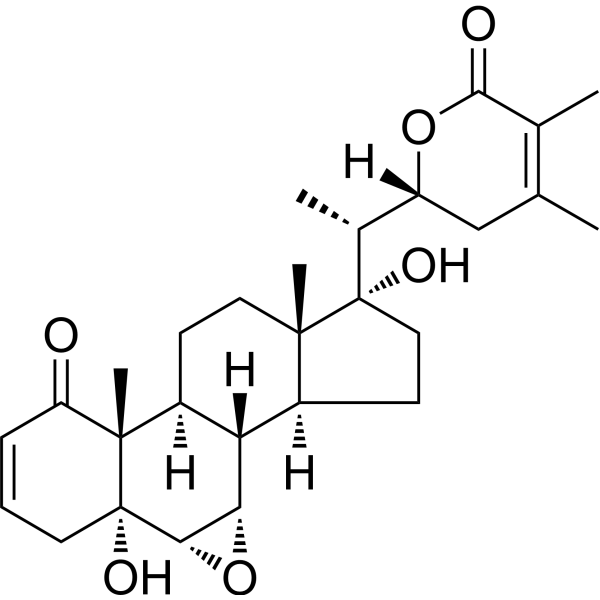
    Withanone
    1 Publications Verification

    iGluR Neurological Disease Cancer
    Withanone is an active ingredient from the roots of Withania somnifera and a GRP75 inhibitor. Withanone has multifunctional neuroprotective effects in alleviating cognitive dysfunction. In neuron-like cells, Withanone can inhibit NMDA-induced excitotoxicity. Withanone can inhibit white adipose tissue browning by blocking the formation of the GRP75-ANT2-UCP1 complex, thereby alleviating cancer-related cachexia. Withanone can be used in the research of tumors and nervous system diseases .
    Withanone
  • HY-113438

    Drug Metabolite Bcl-2 Family Akt Apoptosis Cardiovascular Disease Inflammation/Immunology Cancer
    15(S)-HPETE is a precursor of 15(S)-HETE (HY-113336). 15(S)-HPETE is a product of Arachidonic acid (HY-109590) in the 15-lipoxygenase pathway. 15(S)-HPETE reduces Bcl-2, Akt, and phosphorylated Akt protein levels. 15(S)-HPETE induces Apoptosis. 15(S)-HPETE antagonizes the angiogenic effects of 15(S)-HETE. 15(S)-HPETE exhibits antitumor effects against chronic myeloid leukemia. 15(S)-HPETE can be used in adipose tissue explant studies .
    15(S)-HPETE
  • HY-128400

    PARP Metabolic Disease Cancer
    4'-Methoxychalcone regulates adipocyte differentiation through PPARγ activation. 4'-Methoxychalcone modulates the expression and secretion of various adipokines in adipose tissue that are involved in insulin sensitivity .
    4'-Methoxychalcone
  • HY-B0234S2

    E1-d4; Oestrone-d4

    Estrogen Receptor/ERR Endogenous Metabolite Endocrinology Cancer
    Estrone-d4 is the deuterium labeled Estrone. Estrone (E1) is a natural estrogenic hormone. Estrone is the main representative of the endogenous estrogens and is produced by several tissues, especially adipose tissue. Estrone is the result of the process of aromatization of androstenedione that occurs in fat cells .
    Estrone-d4
  • HY-135115

    3,4-DHPEA-EA

    α-synuclein HDAC Adrenergic Receptor Inflammation/Immunology
    Oleuropein Aglycone (3,4-DHPEA-EA) is a polyphenol and the aglycone form of oleuropein (HY-N0292), formed by enzymatic, acidic or acetylated hydrolysis of oleuropein. Dietary intake of oleuropein Aglycone (50 mg/kg diet) increases the number of neuronal autophagic vesicles, reverses cognitive deficits in the TgCRND8 transgenic mouse model of Alzheimer's disease, and reduces the levels of histone deacetylase 2 (HDAC2) in the cortex and hippocampus. Oleuropein Aglycone increases urinary norepinephrine, interscapular brown adipose tissue epinephrine, and UCP1 protein levels, and reduced plasma leptin levels and total abdominal adipose tissue weight in a rat model of high-fat diet-induced obesity. Oleuropein Aglycone also reduced lung neutrophil infiltration, lipid peroxidation, and IL-1β levels in a mouse model of carrageenan-induced pleurisy.
    Oleuropein Aglycone
  • HY-B1421

    LY031537

    Adrenergic Receptor Trace Amine-associated Receptor (TAAR) Metabolic Disease
    Ractopamine hydrochloride (LY031537) is a potent and orally active β-adrenergic receptor (βAR) agonist with Kd value of ~25 nM for pig β1AR and β2AR. Ractopamine hydrochloride also is a mTAAR1 agonist with an EC50 of 16 μM. Ractopamine hydrochloride promotes muscle mass development, limits fat deposition, reduces feed consumption, increases total cellular protein synthesis, and improves growth rate and feed efficiency in finishing swine. Ractopamine hydrochloride can be used for researching to increase lean tissue growth and improve production efficiency in pigs .
    Ractopamine hydrochloride
  • HY-E70277

    ATGL Metabolic Disease
    Hexadecyl-CoA is a thioether analog of acyl-CoA that can inhibit adipose triglyceride lipase (ATGL) .
    Hexadecyl-CoA
  • HY-W012865

    Carnitine Palmitoyltransferase (CPT) Endogenous Metabolite FABP PPAR Metabolic Disease
    Tartronic acid, a dicarboxylic acid derive, is an inhibitor of the transformation of carbohydrates into fat under fat-deficient diet conditions. Tartronic acid promotes 3T3-L1 adipocyte differentiation by increasing the protein expression of FABP-4, PPARγ and SREBP-1. Tartronic acid promotes de novo lipogenesis and inhibits CPT-1β by upregulating acetyl-CoA and malonyl-CoA. Tartronic acid promotes weight gain and induces adipocyte hypertrophy in epididymal white adipose tissue and lipid accumulation in the livers of high-fat diet induced obese mice. Tartronic acid can be used for lipid metabolic disease research .
    Tartronic acid
  • HY-120602

    Carboxylesterase (CES) PPAR Interleukin Related Mitochondrial Metabolism Metabolic Disease Inflammation/Immunology
    WWL229 is a selective inhibitor of carboxylesterase 3 (CES3) with an IC50 1.94 μM. WWL229 attenuates LPS (HY-D1056)-induced pro-inflammatory cytokine mRNA levels, inhibits lipolysis and adipose thermogenesis, impairs mitochondrial function, and promotes lipid storage. WWL229 can be used for the research of obesity, insulin resistance, type 2 diabetes, and lung inflammation .
    WWL229
  • HY-W109613

    Bacterial PPAR Fungal Infection Metabolic Disease
    Methyl dehydroabietate is an orally active resin acid. Methyl dehydroabietate disrupts microbial cell walls and exhibits significant antibacterial activity. Methyl dehydroabietate induces the expression of PPARα in the liver and PPARγ in adipose tissue, and promotes adipocyte differentiation. Methyl dehydroabietate improves insulin resistance, reduces TNFα levels, and alleviates adipocyte hypertrophy and hepatic steatosis in obese mice. Methyl dehydroabietate can be used in research related to obesity, insulin resistance and hepatic steatosis .
    Methyl dehydroabietate
  • HY-111952

    CID 16016685

    Endogenous Metabolite Others
    SR-4995 (CID 16016685) is a highly effective and selective ligand for α-β-hydrolase domain-containing 5 (ABHD5), facilitating the activation of adipose triglyceride lipase (ATGL) by displacing ABHD5 from its inhibitory regulators, perilipin-1 (PLIN1) and PLIN5. It directly interacts with ABHD5, inhibiting its association with PLIN1, and promotes lipolysis in adipocytes and muscle tissues while circumventing PKA-dependent signaling pathways.
    SR-4995
  • HY-N7272

    Phosphodiesterase (PDE) Metabolic Disease
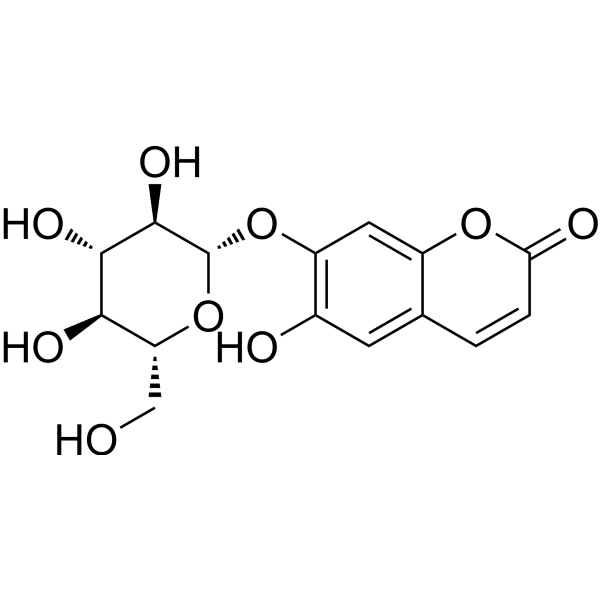
    Cirsimarin is a potent antilipogenic flavonoid isolated from Microtea debilis. Cirsimarin exerts potent antilipogenic effect and decreases adipose tissue deposition in mice. The lipolytic activity of Cirsimarin resulting from both its antagonist activity on adenosin A1 receptor and its inhibitory effect on phosphodiesterase .
    Cirsimarin
  • HY-156010

    PPAR Metabolic Disease
    PPARγ-IN-2 (Compound 5a) is a PPARγ inhibitor. PPARγ-IN-2 inhibits TG accumulation in 3T3-L1 preadipocytes (EC50: 0.106 μM). PPARγ-IN-2 inhibits high-cholesterol diet (HFC)-induced obesity and related metabolic syndrome, and reduces lipid accumulation in adipose tissue .
    PPARγ-IN-2
  • HY-B1268R

    Dioctyl sulfosuccinate sodium salt (Standard)

    Reference Standards HSV Others
    Docusate (Sodium) (Standard) is the analytical standard of Docusate (Sodium). This product is intended for research and analytical applications. Docusate Sodium (Dioctyl sulfosuccinate sodium salt) is one of the main components in stool softeners. Docusate Sodium is a sulfated surfactant and may inactivate viral pathogens by disrupting viral envelopes and/or denaturing/disassociating proteins. Docusate Sodium is effective in vitro against wild type and drug-resistant strains of HSV type 1 and 2. Docusate Sodium is an obesogen. Docusate Sodium with developmental exposure leads to increased adult adiposity, inflammation, metabolic disorder and dyslipidemia in offspring fed a standard diet in mice .
    Docusate Sodium (Standard)
  • HY-111953

    MAGL ATGL Metabolic Disease
    SR-4559 is a α/β hydrolase domain-containing protein 5 (ABHD5) ligand. SR-4559 activates adipose triglyceride lipase (ATGL) and stimulates lipolysis by inhibiting ABHD5-PLIN interactions in adipocytes and muscle cells. SR-4559 can be used for metabolic diseases like Chanarin Dorfman syndrome research .
    SR-4559
  • HY-116771
    CL 316243 free acid
    20+ Cited Publications

    Adrenergic Receptor Metabolic Disease
    CL316243 free acid is a highly potent selective β3-adrenoceptor agonist with a EC50 of 3 nM, but is an extremely poor to β1/2- receptors. CL316243 free acid is a effective stimulant of adipocyte lipolysis and increases brown adipose tissue thermogenesis and metabolic rate. CL316243 free acid has the potential for the treatment obesity, diabetes and urge urinary incontinence .
    CL 316243 free acid
  • HY-P3650

    CCK-1-21

    Cholecystokinin Receptor Metabolic Disease
    Cholecystokinin (1-21) (CCK-1-21) is a cholecystokinin (CCK) fragment. Cholecystokinin (1-21) stimulates lipolysis in human adipose tissue .
    Cholecystokinin (1-21)
  • HY-101393A

    (±)-CGP 12177 hydrochloride

    Adrenergic Receptor Cardiovascular Disease Metabolic Disease
    CGP 12177 ((±)-CGP 12177) hydrochloride is a β-Adrenergic receptor (β-AR) ligand. CGP 12177 hydrochloride is a β3-AR (Ki = 88 nM) agonist with β12-AR (Ki = 0.9 nM for β1; Ki = 4 nM for β2) antagonist action. CGP 12177 hydrochloride exhibits partial agonist properties for α1-AR in rat pulmonary artery. CGP 12177 hydrochloride regulates the expression of ucp and leptin genes in NMRI mice adipose tissues. CGP 12177 hydrochloride can be used for cardiovascular and metabolic disease research [1][2][3][4].
    CGP 12177 hydrochloride
  • HY-148796

    GE3126

    Fluorescent Dye Others
    Rizedisben (GE3126) is a fluorophore that can be used in fluorescence image-guided surgery. Rizedisben reduces non-specific adipose tissue fluorescence intensity and enhances nerve visibility .
    Rizedisben
  • HY-E70599

    Carboxylesterase (CES) Metabolic Disease
    Human CES2 Enzyme is a carboxylesterase involved in drug metabolism and lipid homeostasis. Human CES2 Enzyme hydrolyzes triglycerides, cholesteryl esters and retinyl esters to regulate lipid metabolism and energy homeostasis. Human CES2 Enzyme improves glucose tolerance and insulin sensitivity, reduces hepatic lipid accumulation, alleviates white adipose tissue steatitis, decreases plasma cholesterol levels, and reduces body weight and white adipose tissue weight. Human CES2 Enzyme can be used in the research of metabolic syndrome .
    Human CES2 Enzyme
  • HY-125025

    TNF Receptor Metabolic Disease Inflammation/Immunology
    SMI 6860766, a small molecule inhibitor of CD40-TRAF6 interaction, improves glucose tolerance, reduces immune cell accumulation in adipose tissue, and reduces AT inflammation .
    SMI 6860766
  • HY-15859R

    ATGL Metabolic Disease
    Atglistatin (Standard) is the analytical standard of Atglistatin. This product is intended for research and analytical applications. Atglistatin is a selective adipose triglyceride lipase (ATGL) inhibitor which inhibits lipolysis with an IC50 of 0.7 μM in vitro.
    Atglistatin (Standard)

Inquiry Online

Your information is safe with us. * Required Fields.

Salutation


Country or Region *

Applicant Name *


Organization Name *

Department *


Email Address *


Product Name *

Cat. No.


Requested quantity *

Phone Number *


Remarks

Inquiry Online

Inquiry Information

Product Name:
Cat. No.:
Quantity:
MCE Japan Authorized Agent:

