
1. Search Result
Search Result
Results for "

anti-platelet aggregation

" in MedChemExpress (MCE) Product Catalog:

88

Inhibitors & Agonists

1

Screening Libraries

2

Biochemical Assay Reagents

1

Peptides

35

Natural
Products

5

Isotope-Labeled Compounds

Cat. No. Product Name Target Research Areas Chemical Structure
  • HY-N0293
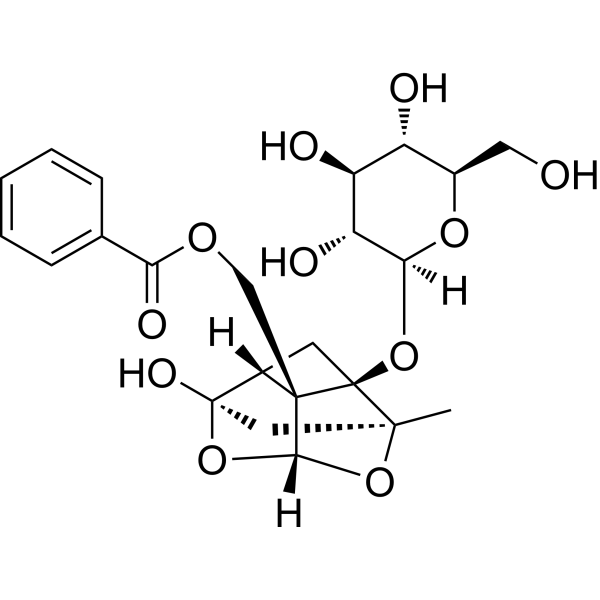
    Paeoniflorin
    Maximum Cited Publications
    38 Publications Verification

    Peoniflorin

    HSP Infection Neurological Disease Cancer
    Paeoniflorin is a heat shock protein-inducing compound and commonly exists in the plants of Paeoniaceae family, with various biological activities, including anticancer activity, anti-inflammatory activity, enhancing cognition and attenuating learning impairment, anti-oxidative stress, antiplatelet aggregation, expansion of blood vessels, and reducing blood viscosity .
    Paeoniflorin
  • HY-P1956
    Human serum albumin
    4 Publications Verification

    HSA

    NF-κB NO Synthase Cardiovascular Disease Inflammation/Immunology Cancer
    Human serum albumin (HSA) is the most abundant protein in plasma and is a major determinant of plasma oncotic pressure. Human serum albumin exhibits antioxidant, anticoagulant, anti-inflammatory, anti-platelet aggregation activities as well as colloid osmotic action. Human serum albumin can block the inhibitory effect of GML on human T cells, providing protective function for T cells. Human serum albumin is also associated with cardiovascular diseases and can partially prevent the LPS (HY-D1056) induced oxidative stress, as well as the upregulation of NF-κB, NF-κB, and peroxynitrite (ONOO ) in the vascular wall, contributing to the reduction of blood pressure .
    This product is recombinant Human Serum Albumin expressed in a microbial expression system.
    Human serum albumin
  • HY-N0570
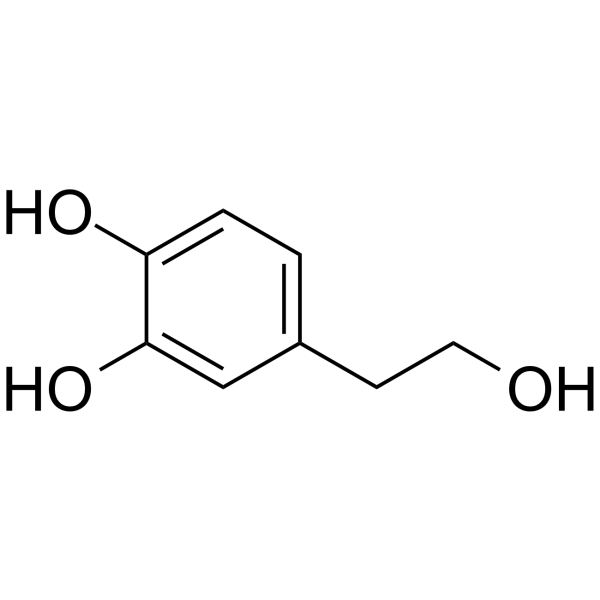
    Hydroxytyrosol
    5+ Cited Publications

    DOPET; 3,4-Dihydroxyphenethyl alcohol; 3-Hydroxytyrosol

    Apoptosis Bacterial Reactive Oxygen Species (ROS) SARS-CoV Estrogen Receptor/ERR Infection Cardiovascular Disease Neurological Disease Metabolic Disease Inflammation/Immunology Cancer
    Hydroxytyrosol (DOPET; 3,4-Dihydroxyphenethyl alcohol) is an orally active, blood-brain barrier-permeable multi-active compound with multiple effects including antibacterial, antioxidant, anti-platelet aggregation, and neuroprotective activities. Hydroxytyrosol not only inhibits the growth of Vibrio by increasing bacterial membrane permeability, but also interacts with DNA and mediates supercoiled DNA relaxation. Meanwhile, Hydroxytyrosol effectively reduces thrombosis and inhibits lipid oxidation by inhibiting COX activity and promoting vascular nitric oxide production. In terms of neuroprotection, Hydroxytyrosol significantly alleviates neuronal apoptosis and inflammatory responses by up-regulating the expression level of ERβ, thereby improving cognitive function in Alzheimer's disease models. Hydroxytyrosol has been widely used in scientific research related to Vibrio infection, arterial thrombosis, Alzheimer's disease and other related fields .
    Hydroxytyrosol
  • HY-10119
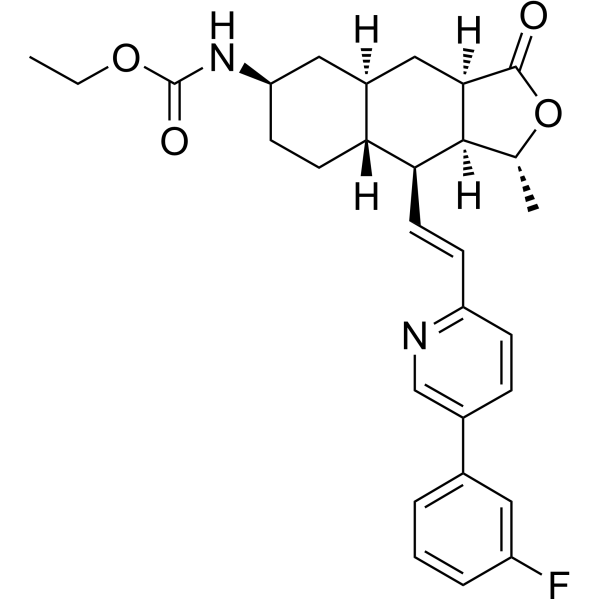
    Vorapaxar
    10+ Cited Publications

    SCH 530348

    Protease Activated Receptor (PAR) Cardiovascular Disease
    Vorapaxar (SCH 530348), an antiplatelet agent, is a selective, orally active, and competitive thrombin receptor protease-activated receptor (PAR-1) antagonist (Ki=8.1 nM). Vorapaxar (SCH 530348) inhibits thrombin receptor-activating peptide (TRAP)-induced platelet aggregation in a dose-dependent manner .
    Vorapaxar
  • HY-19638A
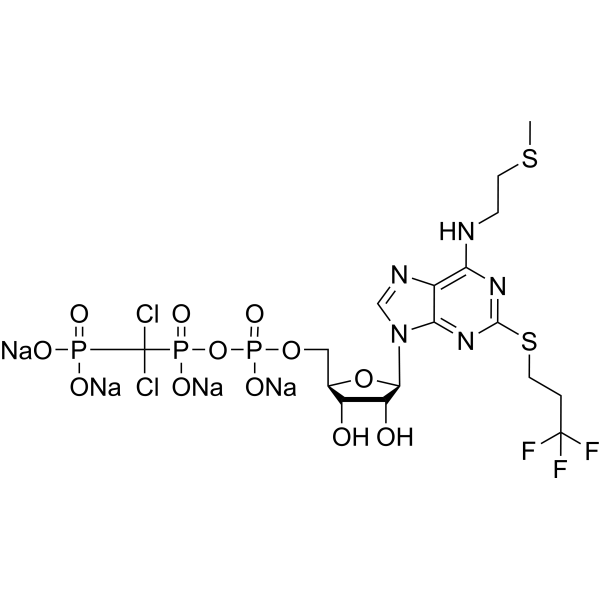
    Cangrelor tetrasodium
    4 Publications Verification

    AR-C69931MX tetrasodium

    P2Y Receptor Cardiovascular Disease Inflammation/Immunology
    Cangrelor tetrasodium, an adenosine triphosphate analogue, is a reversible and selective platelet P2Y12 antagonist, with prompt and potent antiplatelet effects. Cangrelor tetrasodium directly blocks adenosine diphosphate (ADP)-induced activation and aggregation of platelets. Cangrelor tetrasodium is also a nonspecific GPR17 antagonist .
    Cangrelor tetrasodium
  • HY-17459
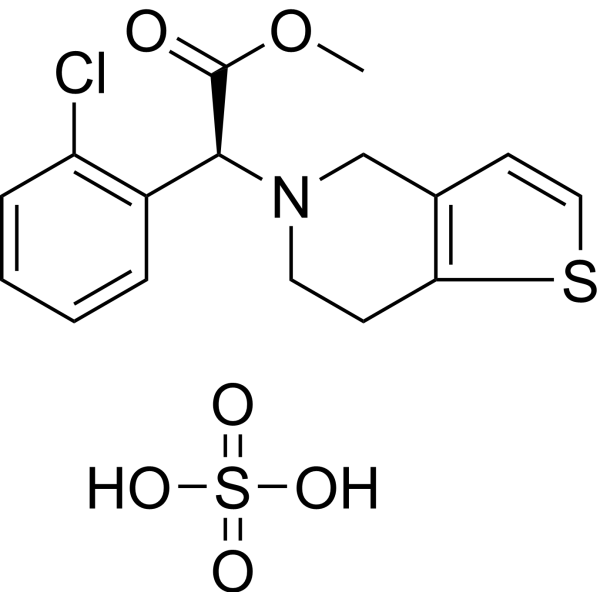
    Clopidogrel hydrogen sulfate
    25+ Cited Publications

    (S)-(+)-Clopidogrel bisulfate; (S)-(+)-Clopidogrel hydrogen sulfate

    Cytochrome P450 P2Y Receptor Cardiovascular Disease Cancer
    Clopidogrel hydrogen sulfate is an antiplatelet agent to prevent blood clots. Clopidogrel hydrogen sulfate inhibits CYP2B6 and CYP2C19 with IC50s of 18.2 nM and 524 nM, respectively . Clopidogrel hydrogen sulfate is a potent antithrombotic agent that inhibits ADP-induced platelet aggregation .Clopidogrel hydrogen sulfate also is an orally active P2Y(12) inhibitor .
    Clopidogrel hydrogen sulfate
  • HY-P1956A

    HSA (Cell culture grade, Endotoxin<0.125 EU/mg)

    NF-κB NO Synthase Cardiovascular Disease Inflammation/Immunology
    Human serum albumin (Cell culture grade, Endotoxin<0.125 EU/mg) (HSA) is the most abundant protein in plasma and is a major determinant of plasma oncotic pressure. Human serum albumin (Cell culture grade, Endotoxin<0.125 EU/mg) exhibits antioxidant, anticoagulant, anti-inflammatory, anti-platelet aggregation activities as well as colloid osmotic action. Human serum albumin (Cell culture grade, Endotoxin<0.125 EU/mg) can block the inhibitory effect of GML on human T cells, providing protective function for T cells. Human serum albumin (Cell culture grade, Endotoxin<0.125 EU/mg) is also associated with cardiovascular diseases and can partially prevent the LPS (HY-D1056) induced oxidative stress, as well as the upregulation of NF-κB, iNOS, and peroxynitrite (ONOO ) in the vascular wall, contributing to the reduction of blood pressure. Human serum albumin (Cell culture grade, Endotoxin<0.125 EU/mg) can be used for in vitro cell culture .
    This product is human serum albumin recombinantly expressed in an Escherichia coli expression system.
    Human serum albumin (Cell culture grade, Endotoxin<0.125 EU/mg)
  • HY-N2515
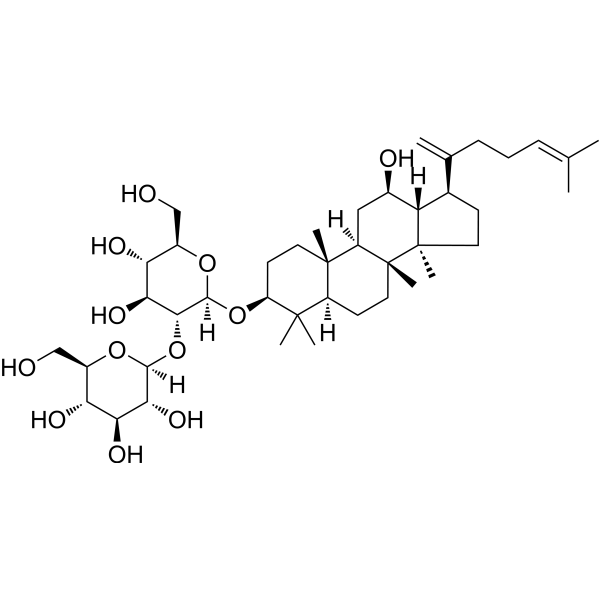
    Ginsenoside Rk1
    5+ Cited Publications

    NF-κB PI3K JAK Apoptosis Inflammation/Immunology Cancer
    Ginsenoside Rk1 is a unique component created by processing the ginseng plant (mainly Sung Ginseng, SG) at high temperatures . Ginsenoside Rk1 has anti-inflammatory effect, suppresses the activation of Jak2/Stat3 signaling pathway and NF-κB . Ginsenoside Rk1 has anti-tumor effect, antiplatelet aggregation activities, anti-insulin resistance, nephroprotective effect, antimicrobial effect, cognitive function enhancement, lipid accumulation reduction and prevents osteoporosis . Ginsenoside Rk1 induces cell apoptosis by triggering intracellular reactive oxygen species (ROS) generation and blocking PI3K/Akt pathway .
    Ginsenoside Rk1
  • HY-130237

    Reactive Oxygen Species (ROS) NF-κB Apoptosis Metabolic Disease Cancer
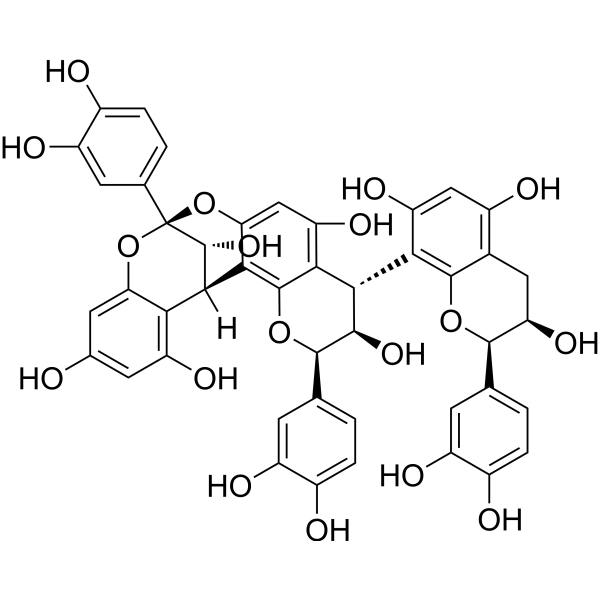
    Cinnamtannin B-1 is a anthocyanidin. Cinnamtannin B-1 inhibits the osteoclast formation by inhibiting NF-kB signaling pathway and ROS generation. Cinnamtannin B-1 exhibits antioxidant, anti-inflammatory, antitumor and anti-platelet aggregation activities. Cinnamtannin B-1 is orally active .
    Cinnamtannin B-1
  • HY-10119A
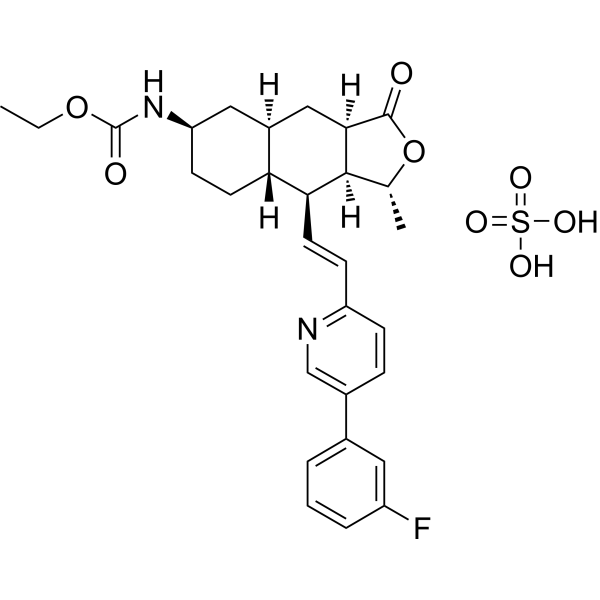
    Vorapaxar sulfate
    10+ Cited Publications

    SCH 530348 sulfate

    Protease Activated Receptor (PAR) Cardiovascular Disease
    Vorapaxar sulfate (SCH 530348 sulfate), an antiplatelet agent, is a selective, orally active, and competitive thrombin receptor protease-activated receptor (PAR-1) antagonist (Ki=8.1 nM). Vorapaxar sulfate inhibits thrombin receptor-activating peptide (TRAP)-induced platelet aggregation in a dose-dependent manner .
    Vorapaxar sulfate
  • HY-N0120

    (E/Z)-Piceid

    Drug Isomer Cardiovascular Disease Metabolic Disease Inflammation/Immunology Cancer
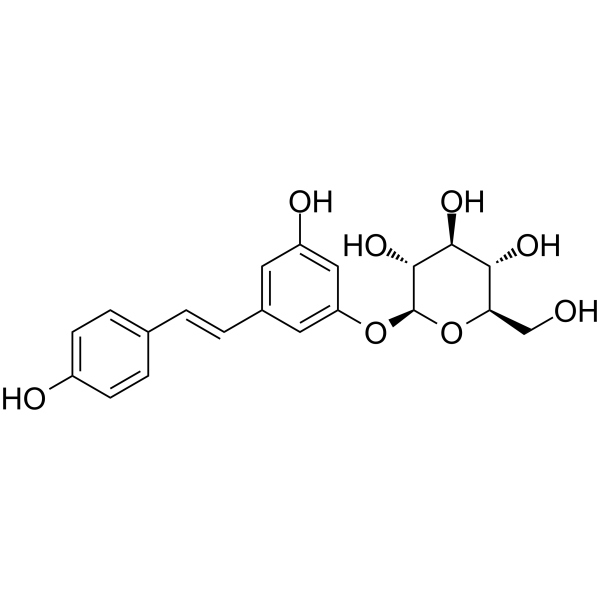
    (E/Z)-Polydatin ((E/Z)-Piceid) is a mixture of the E/Z configurations of Polydatin (HY-N0120A). Polydatin can be isolated from Polygonum cuspidatum, grapes, peanuts, red wine, hop pellets, cocoa-containing products and chocolate products. Polydatin exhibits multiple biological properties, such as anti-platelet aggregation, anti-low-density lipoprotein oxidation, cardioprotective activity, anti-inflammatory and immunomodulatory functions. Polydatin shows favorable cytotoxic effects against various tumor cell lines, including cervical cancer cells, liver cancer cells, and nasopharyngeal carcinoma cells .
    (E/Z)-Polydatin
  • HY-15799

    P2Y Receptor Cardiovascular Disease
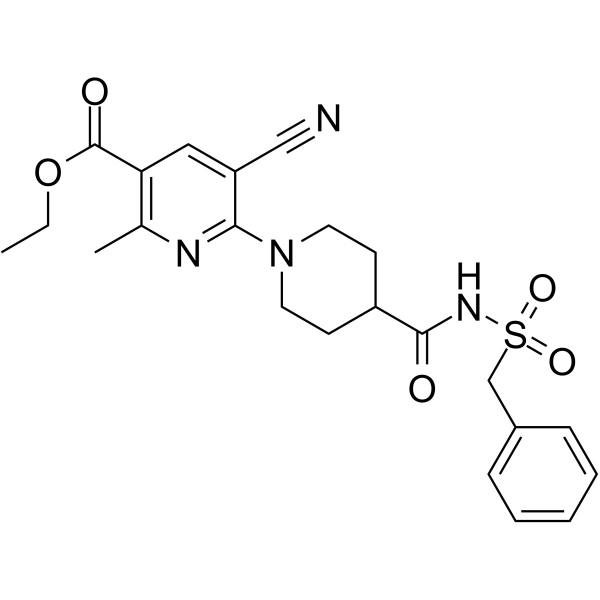
    AZD1283 is a potent P2Y12 receptor antagonist with a binding IC50 of 11 nM and a GTPγS IC50 of 25 nM. AZD1283 has excellent antiplatelet aggregation potency. AZD1283 can be used to research thromboembolic disorders .
    AZD1283
  • HY-N2375

    Wnt β-catenin p38 MAPK Metabolic Disease
    L-Quebrachitol is a methoxy analog of inositol that can be isolated from plants. L-Quebrachitol has free-radical scavenging, gastroprotection, anti-platelet aggregation and anti-diabetic activity. L-Quebrachitol promotes osteoblastogenesis by uppregulation of BMP-2, runt-related transcription factor-2 (Runx2), MAPK (ERK, JNK, p38α), and Wnt/β-catenin signaling pathway .
    L-Quebrachitol
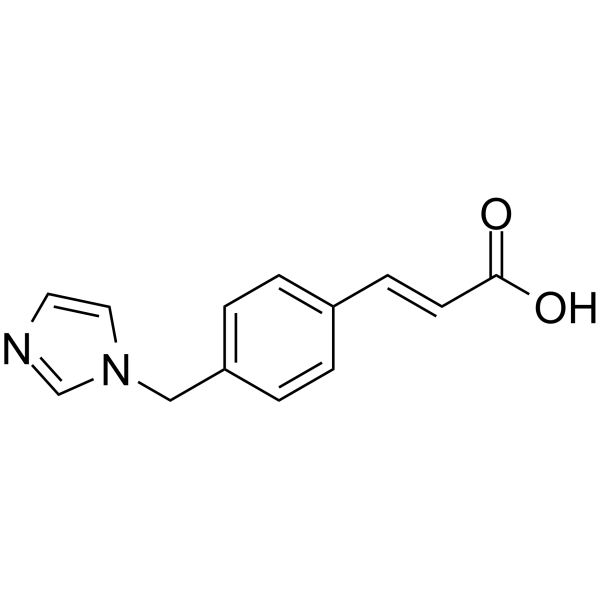
  • HY-B0428
    Ozagrel
    1 Publications Verification

    OKY-046

    Prostaglandin Receptor Cardiovascular Disease Neurological Disease Inflammation/Immunology
    Ozagrel (OKY-046) is a high selective and orally active thromboxane A2 (TXA2) synthase inhibitor with an IC50 of 11 nM. Ozagrel exerts anti-platelet aggregation, vasodilation and anti-inflammatory effects by inhibiting the production of TXA2 and increasing the production of prostacyclin (PGI2). Ozagrel can be used for the study of ischemic stroke, asthma and thromboembolic diseases .
    Ozagrel
  • HY-N6043

    Apoptosis Reactive Oxygen Species (ROS) Bacterial SARS-CoV Estrogen Receptor/ERR Infection Neurological Disease Inflammation/Immunology
    Hydroxytyrosol acetate is an orally active, blood-brain barrier-permeable multi-active compound with multiple effects including antibacterial, antioxidant, anti-platelet aggregation, and neuroprotective activities. Hydroxytyrosol acetate not only inhibits the growth of Vibrio by increasing bacterial membrane permeability, but also interacts with DNA and mediates supercoiled DNA relaxation. Meanwhile, Hydroxytyrosol acetate effectively reduces thrombosis and inhibits lipid oxidation by inhibiting COX activity and promoting vascular nitric oxide production. In terms of neuroprotection, Hydroxytyrosol acetate significantly alleviates neuronal apoptosis and inflammatory responses by up-regulating the expression level of ERβ, thereby improving cognitive function in Alzheimer's disease models. Hydroxytyrosol acetate has been widely used in scientific research related to Vibrio infection, arterial thrombosis, Alzheimer's disease and other related fields .
    Hydroxytyrosol acetate
  • HY-Y0152
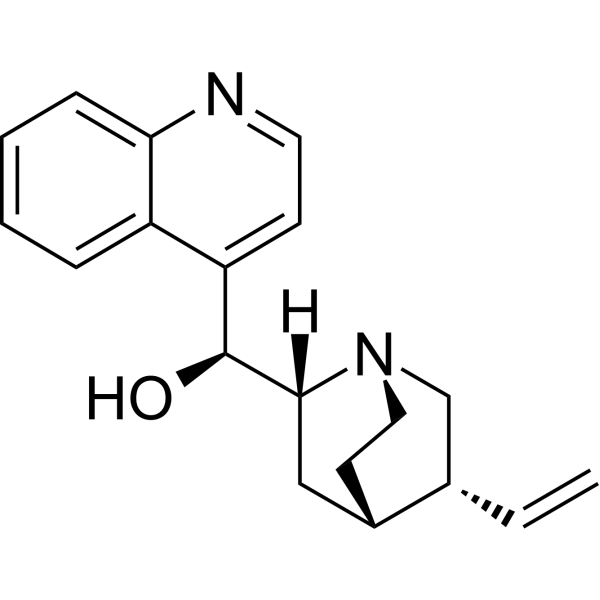
    Cinchonine
    5 Publications Verification

    (8R,9S)-Cinchonine; LA40221

    Apoptosis Parasite Autophagy Caspase Calcium Channel Others Inflammation/Immunology Cancer
    Cinchonine is a natural compound present in Cinchona bark with antimalarial, antitumor, anti-inflammatory, anti platelet-aggregation and anti-obesity properties. Cinchonine inhibits cells proliferation and autophagy and induces apoptosis through activation of Caspase-3. Cinchonine activates endoplasmic reticulum stress-induced apoptosis in human liver cancer cells .
    Cinchonine
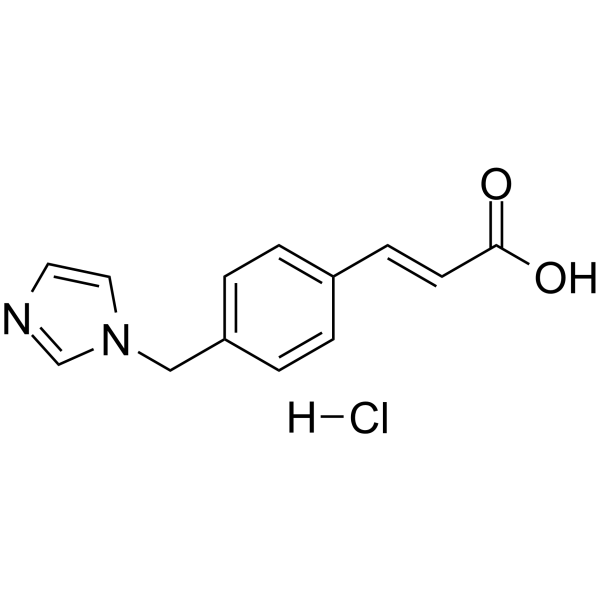
  • HY-B0428B
    Ozagrel hydrochloride
    1 Publications Verification

    OKY-046 hydrochloride

    Prostaglandin Receptor Cardiovascular Disease Neurological Disease Inflammation/Immunology
    Ozagrel hydrochloride (OKY-046 hydrochloride) is a high selective and orally active thromboxane A2 (TXA2) synthase inhibitor with an IC50 of 11 nM. Ozagrel hydrochloride exerts anti-platelet aggregation, vasodilation and anti-inflammatory effects by inhibiting the production of TXA2 and increasing the production of prostacyclin (PGI2). Ozagrel hydrochloride can be used for the study of ischemic stroke, asthma and thromboembolic diseases .
    Ozagrel hydrochloride
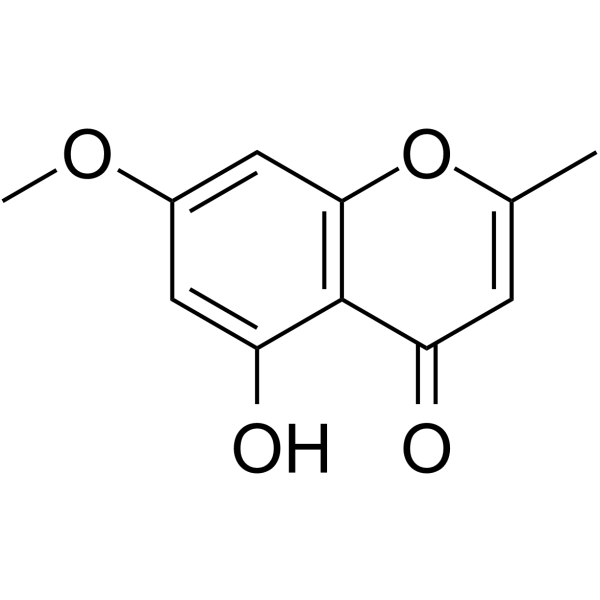
  • HY-33351
    Eugenin
    1 Publications Verification

    Others Cardiovascular Disease Cancer
    Eugenin is a chromone that can be isolated from Formosan Peucedanum japonicum and has an effective antiplatelet aggregation effect. In addition, Eugenin has certain cytotoxicity against tumor cells .
    Eugenin
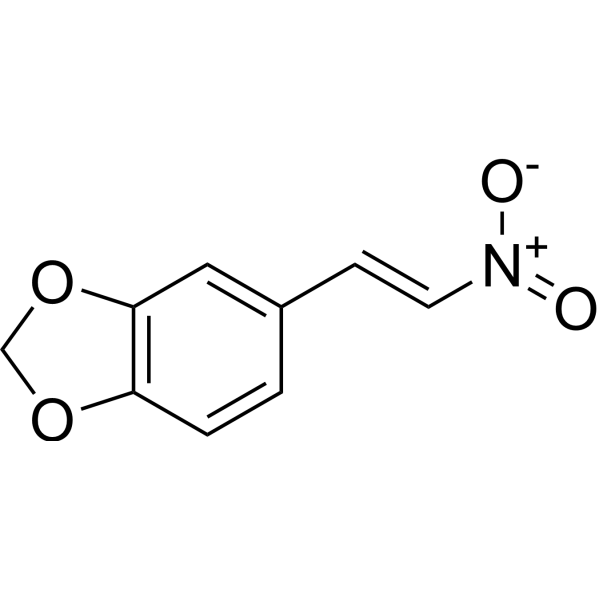
  • HY-78263
    MNS
    3 Publications Verification

    NSC 170724; 5-(2-Nitrovinyl)benzodioxole

    Src Syk NOD-like Receptor (NLR) Integrin PANoptosis Neurological Disease Inflammation/Immunology Cancer
    MNS (NSC 170724), the beta-nitrostyrene derivative, is an orally active tyrosine kinase inhibitor, a broad-spectrum antiplatelet agent, and a PANoptosis inhibitor. MNS inhibits Src, Syk, and FAK with IC50 of 27.3, 2.8, and 97.6 μM, respectively. MNS inhibits NLRP3 inflammasome and β1 integrin. MNS completely inhibits U46619, ADP-, arachidonic acid-, collagen-, and thrombin-induced platelet aggregation with IC50 values of 2.1, 4.1, 5.8, 7.0, and 12.7 μM, respectively. MNS is cytotoxic to a variety of cells .
    MNS
  • HY-B0428A
    Ozagrel sodium
    1 Publications Verification

    OKY-046 sodium

    Prostaglandin Receptor Cardiovascular Disease Neurological Disease Inflammation/Immunology
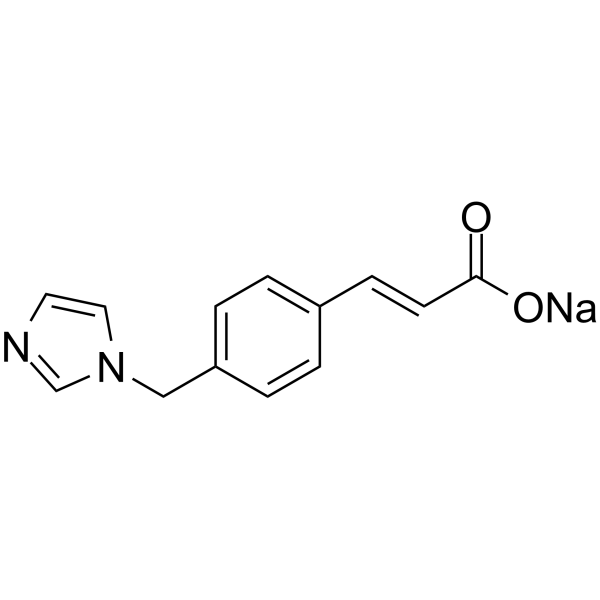
    Ozagrel sodium (OKY-046 sodium) is a high selective and orally active thromboxane A2 (TXA2) synthase inhibitor with an IC50 of 11 nM. Ozagrel sodium exerts anti-platelet aggregation, vasodilation and anti-inflammatory effects by inhibiting the production of TXA2 and increasing the production of prostacyclin (PGI2). Ozagrel sodium can be used for the study of ischemic stroke, asthma and thromboembolic diseases .
    Ozagrel sodium
  • HY-123669A

    P2Y Receptor Cardiovascular Disease
    Trans-R-138727 is the trans isomer of R-138727 (HY-123669). R-138727 is the active metabolite of the antiplatelet agent Prasugrel (HY-15284). R-138727 is an irreversible inhibitor for the platelet receptor P2Y12, and inhibits ADP-induced platelet activation and aggregation .
    trans-R-138727
  • HY-19638

    AR-C69931MX

    P2Y Receptor Cardiovascular Disease Inflammation/Immunology
    Cangrelor (AR-C69931MX), an adenosine triphosphate analogue, is an intravenous, reversible and selective platelet P2Y12 antagonist, with prompt and potent antiplatelet effects. Cangrelor directly blocks adenosine diphosphate (ADP)-induced activation and aggregation of platelets. Cangrelor is also a nonspecific GPR17 antagonist .
    Cangrelor
  • HY-N0570R

    DOPET (Standard); 3,4-Dihydroxyphenethyl alcohol (Standard); 3-Hydroxytyrosol (Standard)

    Reference Standards Apoptosis Bacterial Reactive Oxygen Species (ROS) SARS-CoV Estrogen Receptor/ERR Infection Cardiovascular Disease Neurological Disease Metabolic Disease Inflammation/Immunology Cancer
    Hydroxytyrosol (Standard) (DOPET (Standard)) is the analytical standard of Hydroxytyrosol (HY-N0570). This product is intended for research and analytical applications. Hydroxytyrosol is an orally active, blood-brain barrier-permeable multi-active compound with multiple effects including antibacterial, antioxidant, anti-platelet aggregation, and neuroprotective activities. Hydroxytyrosol not only inhibits the growth of Vibrio by increasing bacterial membrane permeability, but also interacts with DNA and mediates supercoiled DNA relaxation. Meanwhile, Hydroxytyrosol effectively reduces thrombosis and inhibits lipid oxidation by inhibiting COX activity and promoting vascular nitric oxide production. In terms of neuroprotection, Hydroxytyrosol significantly alleviates neuronal apoptosis and inflammatory responses by up-regulating the expression level of ERβ, thereby improving cognitive function in Alzheimer's disease models. Hydroxytyrosol has been widely used in scientific research related to Vibrio infection, arterial thrombosis, Alzheimer's disease and other related fields .
    Hydroxytyrosol (Standard)
  • HY-111447

    NADPH Oxidase Apoptosis Cardiovascular Disease Cancer
    VAS 3947, a specific NADPH oxidase (NOX) inhibitor, exerts a potent antiplatelet effect. VAS3947 induces apoptosis independently of anti-NOX activity, via UPR activation, mainly due to aggregation and misfolding of proteins .
    VAS 3947
  • HY-N0293R

    Peoniflorin (Standard)

    Reference Standards HSP Infection Neurological Disease Cancer
    Paeoniflorin (Standard) is the analytical standard of Paeoniflorin. This product is intended for research and analytical applications. Paeoniflorin is a heat shock protein-inducing compound and commonly exists in the plants of Paeoniaceae family, with various biological activities, including anticancer activity, anti-inflammatory activity, enhancing cognition and attenuating learning impairment, anti-oxidative stress, antiplatelet aggregation, expansion of blood vessels, and reducing blood viscosity .
    Paeoniflorin (Standard)
  • HY-149454
    P2Y1/P2Y12 antagonist-1
    1 Publications Verification

    P2Y Receptor Cancer
    P2Y1/P2Y12 antagonist-1 (compound 24w) is an orally available dual inhibitor of P2Y1 and P2Y12 with antiplatelet activity. P2Y1/P2Y12 antagonist-1 inhibits ADP-induced platelet aggregation in rabbit plasma with an IC50 of 4.23 μM. P2Y1/P2Y12 antagonist-1 exhibits potent inhibitory effects in rat thrombosis model.
    P2Y1/P2Y12 antagonist-1
  • HY-162558

    Factor Xa Cardiovascular Disease
    NCGC00351170 is an antiplatelet agent that disrupts the calcium and integrin-binding protein 1 (CIB1)-αIIbβ3 interaction. NCGC00351170 inhibits thrombin-induced human platelet aggregation .
    NCGC00351170
  • HY-120265

    PI3K Cardiovascular Disease
    MIPS-9922 is a potent and selective PI3Kβ inhibitor with an IC50 of 63 nM. MIPS-9922 inhibits PI3Kβ with >30-fold higher potency than PI3Kδ. MIPS-9922 blocks PI3K mediated activation of platelet glycoprotein αIIbβ3 activation and platelet adhesion in vitro. MIPS-9922 shows anti-platelet and anti-thrombotic activities .
    MIPS-9922
  • HY-N3049

    Others Cardiovascular Disease
    Piperlotine C is an alkaloid isolated from Piper lolot, with anti-platelet aggregation induced by arachidonic acid, and the IC50 is 26.6 µg/mL .
    Piperlotine C
  • HY-163504

    Protease Activated Receptor (PAR) Cardiovascular Disease
    PAR4 antagonist 5 (compound 1) is a PAR4 antagonist with an IC50 less than 20 μM and potent anti-platelet aggregation activity. PAR4 antagonist 5 can be used for research of thrombosis disease .
    PAR4 antagonist 5
  • HY-N3051

    Others Cardiovascular Disease
    Piperlotine A is an alkaloid isolated from Piper lolot, with potent antiplatelet aggregation activity .
    Piperlotine A
  • HY-N12995

    Platelet-activating Factor Receptor (PAFR) Cardiovascular Disease
    α-Bulnesene is a novel PAF receptor antagonist with the IC50 of 17.62 μM. α-Bulnesene can be isolated from Pogostemon cablin. α-Bulnesene shows inhibitory effect on platelet-activating factor and arachidonic acid induced rabbit platelet aggregation .
    α-Bulnesene
  • HY-N3668

    Cyclomorusin A; Cyclomulberrochromene

    Others Cardiovascular Disease
    Cyclomorusin (Cyclomorusin A; Cyclomulberrochromene) is a prenylflavonoid with antiplatelet activity. Cyclomorusin also inhibits markedly collagen-induced platelet aggregation .
    Cyclomorusin
  • HY-125123

    Integrin Cardiovascular Disease
    Euchrestaflavanone A is a flavonoid found in the root bark of Cudrania tricuspidate. Euchrestaflavanone A inhibits platelet aggregation and has some antiplatelet and antithrombotic properties, making it a potential compound for thromboprophylaxis .
    Euchrestaflavanone A
  • HY-N11920

    Platelet-activating Factor Receptor (PAFR) Infection Neurological Disease Inflammation/Immunology
    Kadsurenin B is a PAF (platelet-activating factor) antagonist with neuroprotective activity. Kadsurenin B has a wide range of pharmacological research potential, such as antibacterial, anti-inflammatory, neuroprotective, antioxidant, antiplatelet aggregation, cytotoxic, antiparasitic, etc .
    Kadsurenin B
  • HY-131896

    NOR4

    NO Synthase Cardiovascular Disease
    FR144420 (NOR4) is an orally active nitric oxide (NO)-releasing agent with vasodilatory and antiplatelet effects. FR144420 induces cGMP-mediated vasodilation and inhibits platelet aggregation. FR144420 is promising for research of cardiovascular diseases, particularly angina pectoris and coronary artery spasm .
    FR144420
  • HY-N0570S

    DOPET-d4; 3,4-Dihydroxyphenethyl alcohol-d4; 3-Hydroxytyrosol-d4

    Isotope-Labeled Compounds Apoptosis Bacterial Reactive Oxygen Species (ROS) SARS-CoV Estrogen Receptor/ERR Cardiovascular Disease Infection Neurological Disease Metabolic Disease Inflammation/Immunology Cancer
    Hydroxytyrosol-d4 (DOPET-d4) is the deuterium labeled Hydroxytyrosol (HY-N0570). Hydroxytyrosol is an orally active, blood-brain barrier-permeable multi-active compound with multiple effects including antibacterial, antioxidant, anti-platelet aggregation, and neuroprotective activities. Hydroxytyrosol not only inhibits the growth of Vibrio by increasing bacterial membrane permeability, but also interacts with DNA and mediates supercoiled DNA relaxation. Meanwhile, Hydroxytyrosol effectively reduces thrombosis and inhibits lipid oxidation by inhibiting COX activity and promoting vascular nitric oxide production. In terms of neuroprotection, Hydroxytyrosol significantly alleviates neuronal apoptosis and inflammatory responses by up-regulating the expression level of ERβ, thereby improving cognitive function in Alzheimer's disease models. Hydroxytyrosol has been widely used in scientific research related to Vibrio infection, arterial thrombosis, Alzheimer's disease and other related fields .
    Hydroxytyrosol-d4
  • HY-N0570S1

    DOPET-d5; 3,4-Dihydroxyphenethyl alcohol-d5; 3-Hydroxytyrosol-d5

    Isotope-Labeled Compounds Apoptosis Bacterial Reactive Oxygen Species (ROS) SARS-CoV Estrogen Receptor/ERR Cardiovascular Disease Infection Neurological Disease Metabolic Disease Inflammation/Immunology Cancer
    Hydroxytyrosol-d5 (DOPET-d5) is the deuterium labeled Hydroxytyrosol (HY-N0570). Hydroxytyrosol is an orally active, blood-brain barrier-permeable multi-active compound with multiple effects including antibacterial, antioxidant, anti-platelet aggregation, and neuroprotective activities. Hydroxytyrosol not only inhibits the growth of Vibrio by increasing bacterial membrane permeability, but also interacts with DNA and mediates supercoiled DNA relaxation. Meanwhile, Hydroxytyrosol effectively reduces thrombosis and inhibits lipid oxidation by inhibiting COX activity and promoting vascular nitric oxide production. In terms of neuroprotection, Hydroxytyrosol significantly alleviates neuronal apoptosis and inflammatory responses by up-regulating the expression level of ERβ, thereby improving cognitive function in Alzheimer's disease models. Hydroxytyrosol has been widely used in scientific research related to Vibrio infection, arterial thrombosis, Alzheimer's disease and other related fields .
    Hydroxytyrosol-d5
  • HY-Y0152R

    (8R,9S)-Cinchonine (Standard); LA40221 (Standard)

    Reference Standards Apoptosis Parasite Autophagy Caspase Calcium Channel Others Inflammation/Immunology Cancer
    Cinchonine (Standard) is the analytical standard of Cinchonine. This product is intended for research and analytical applications. Cinchonine is a natural compound present in Cinchona bark with antimalarial, antitumor, anti-inflammatory, anti platelet-aggregation and anti-obesity properties. Cinchonine inhibits cells proliferation and autophagy and induces apoptosis through activation of Caspase-3. Cinchonine activates endoplasmic reticulum stress-induced apoptosis in human liver cancer cells .
    Cinchonine (Standard)
  • HY-128345

    Protease Activated Receptor (PAR) Cardiovascular Disease
    UDM-001651 is a potent, selective, and orally bioavailable protease-activated receptor 4 (PAR4) antagonist (IC50=4 nM; Kd=1.4 nM). UDM-001651 shows antiplatelet potency (IC50=25 nM) in a γ-thrombin-induced platelet-rich plasma aggregation assay (γ-Thr PRP) .
    UDM-001651
  • HY-19638AR

    AR-C69931MX tetrasodium (Standard)

    P2Y Receptor Reference Standards Cardiovascular Disease Inflammation/Immunology
    Cangrelor (tetrasodium) (Standard) is the analytical standard of Cangrelor (tetrasodium). This product is intended for research and analytical applications. Cangrelor tetrasodium, an adenosine triphosphate analogue, is a reversible and selective platelet P2Y12 antagonist, with prompt and potent antiplatelet effects. Cangrelor tetrasodium directly blocks adenosine diphosphate (ADP)-induced activation and aggregation of platelets. Cangrelor tetrasodium is also a nonspecific GPR17 antagonist .
    Cangrelor tetrasodium (Standard)
  • HY-111755

    P2Y Receptor Cardiovascular Disease
    P2Y12 antagonist 2 is a potent P2Y12 receptor antagonist. P2Y12 antagonist 2 exhibits excellent antiplatelet aggregation potency with an IC50 value of 2.94 μM as well as antithrombotic efficacy in a rat ferric chloride model. P2Y12 antagonist 2 shows a superior safety profile than Clopidogrel (HY-15283) in a rat tail-bleeding model. P2Y12 antagonist 2 can be used to research thromboembolic disorders .
    P2Y12 antagonist 2
  • HY-N12067

    Others Inflammation/Immunology
    Columbianetin β-D-glucopyranoside can be isolated from Angelicae pubescentis radix and has antiplatelet aggregation, anti-inflammatory and analgesic activities. Columbianetin β-D-glucopyranoside exerts significant protective effects against glutamate-induced toxicity .
    Columbianetin β-D-glucopyranoside
  • HY-N2375R

    Reference Standards Wnt β-catenin p38 MAPK Metabolic Disease
    L-Quebrachitol is a methoxy analog of inositol that can be isolated from plants. L-Quebrachitol has free-radical scavenging, gastroprotection, anti-platelet aggregation and anti-diabetic activity. L-Quebrachitol promotes osteoblastogenesis by uppregulation of BMP-2, runt-related transcription factor-2 (Runx2), MAPK (ERK, JNK, p38α), and Wnt/β-catenin signaling pathway .
    L-Quebrachitol (Standard)
  • HY-N3047

    O-Methylpiperolactam B; Piperolactam B methyl ether

    Others Cardiovascular Disease
    Piperolactam C (O-Methylpiperolactam B) is a natural alkaloid with anti-platelet aggregation effects .
    Piperolactam C
  • HY-173207

    Thrombin Cardiovascular Disease
    Antiplatelet agent 3 (Compound K-10) is a compound with anti-platelet aggregation activity. The IC50 values for platelet aggregation induced by ADP, AA and COL are 2.55, 3.22 and 2.09 mg/mL, respectively. Antiplatelet agent 3 is expected to be used in the research of cardiovascular diseases .
    Antiplatelet agent 3
  • HY-N12647

    Others Infection Inflammation/Immunology
    cis-Hinkiresinol is a bioactive constituent of Rhizoma anemarrhenae. Rhizoma anemarrhenae is reprted to have anti-pathogenic microorganism, hypoglycemic effects, anti-inflammatory, antipyretic effects and anti-platelet aggregation .
    cis-Hinkiresinol
  • HY-U00367

    Adrenergic Receptor 5-HT Receptor Cardiovascular Disease Endocrinology
    (4E)-SUN9221 is a potent antagonist of α1-adrenergic receptor and 5-HT2 receptor, with antihypertensive and anti-platelet aggregation activities.
    (4E)-SUN9221
  • HY-N3048

    Others Cardiovascular Disease
    Piperlotine D is an antiplatelet aggregation agent. Piperlotine D can be extracted from Piper lolot with antiplatelet aggregation activity. Piperlotine D inhibits arachidonic acid-induced platelet aggregation with an IC50 of 43.4 μg/mL .
    Piperlotine D
  • HY-146499

    P2Y Receptor Cardiovascular Disease Cancer
    Antiplatelet agent 2 (compound 7p) is a Ticagrelor analoguehas, possessing antiplatelet activity. Antiplatelet agent 2 can be used for researching platelet aggregation .
    Antiplatelet agent 2

Inquiry Online

Your information is safe with us. * Required Fields.

Salutation


Country or Region *

Applicant Name *


Organization Name *

Department *


Email Address *


Product Name *

Cat. No.


Requested quantity *

Phone Number *


Remarks

Inquiry Online

Inquiry Information

Product Name:
Cat. No.:
Quantity:
MCE Japan Authorized Agent:

