
1. Search Result
Search Result
Results for "

artificial

" in MedChemExpress (MCE) Product Catalog:

130

Inhibitors & Agonists

4

Screening Libraries

9

Fluorescent Dye

17

Biochemical Assay Reagents

13

Peptides

2

Inhibitory Antibodies

14

Natural
Products

21

Isotope-Labeled Compounds

1

Click Chemistry

33

Oligonucleotides

2

GMP Molecules

Cat. No. Product Name Target Research Areas Chemical Structure
  • HY-113424A
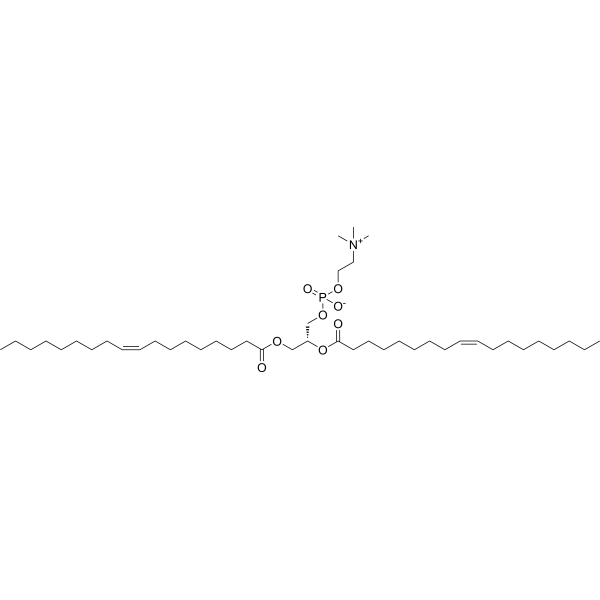
    1,2-Dioleoyl-sn-glycero-3-phosphocholine
    Maximum Cited Publications
    10 Publications Verification

    DOPC

    Liposome Endogenous Metabolite Others
    1,2-Dioleoyl-sn-glycero-3-phosphocholine (DOPC) is a phospholipid and is commonly used alone, or with other components, in the generation of micelles, liposomes, and other types of artificial membranes.
    1,2-Dioleoyl-sn-glycero-3-phosphocholine
  • HY-111915

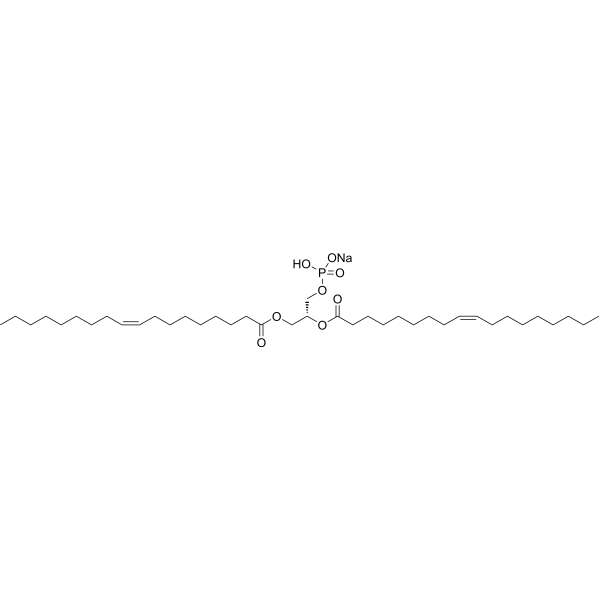
    18:1 PA sodium salt

    Liposome Cancer
    1,2-Dioleoyl-sn-glycero-3-phosphate sodium salt (18:1 PA sodium salt) is an anionic lipid that can be used to prepare liposomes, micelles and artificial membranes .
    1,2-Dioleoyl-sn-glycero-3-phosphate sodium salt
  • HY-N0614
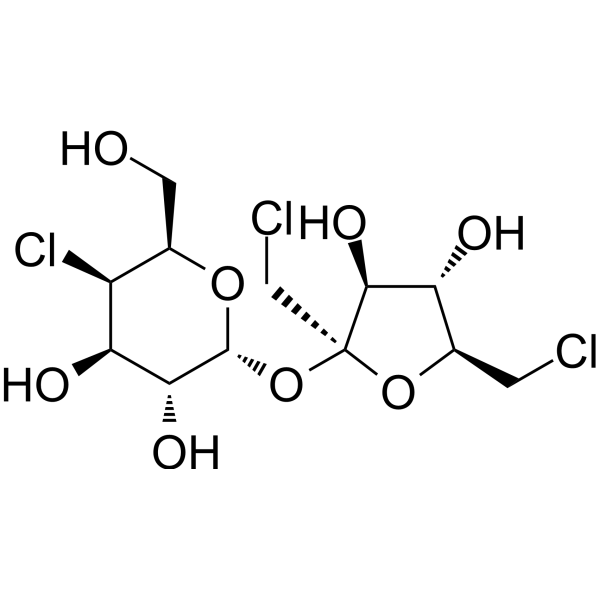
    Sucralose
    3 Publications Verification

    E955; Trichlorosucrose

    Endogenous Metabolite Cancer
    Sucralose (E955; Trichlorosucrose) is a non-nutritive artificial sweetener and sugar substitute. Sucralose can activate a conserved neural fasting response and thereby exerts an appetite-stimulating effect in rodents .
    Sucralose
  • HY-Y0272

    Bacterial Inflammation/Immunology
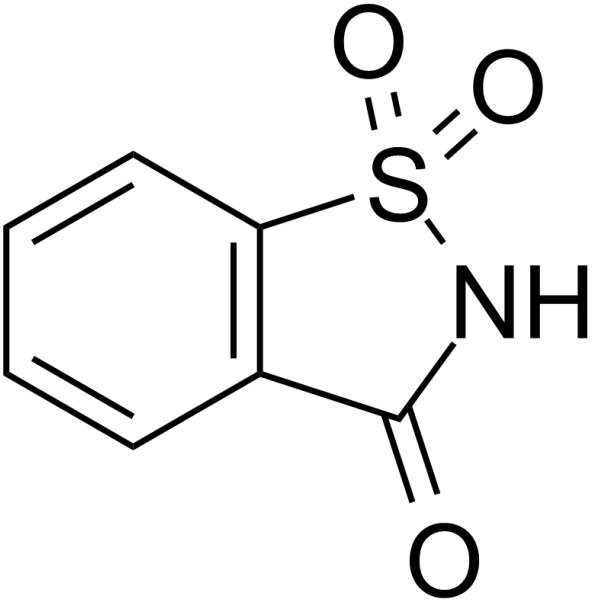
    Saccharin is an orally active, non-caloric artificial sweeteners (NAS). Saccharin has bacteriostatic and microbiome-modulating properties .
    Saccharin
  • HY-141571
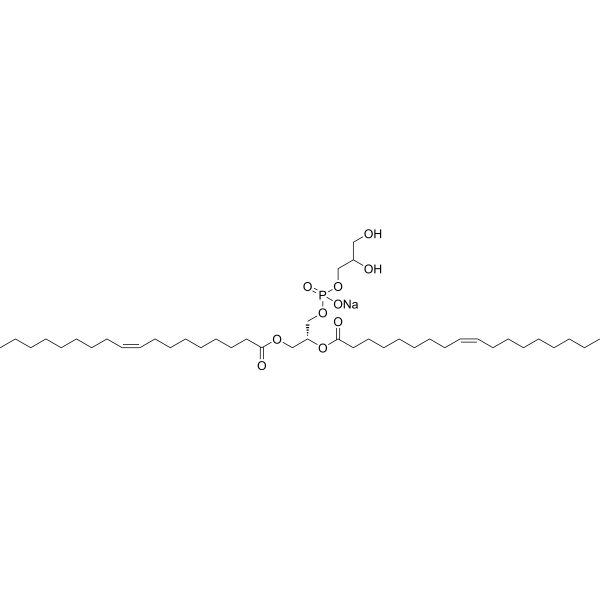
    DOPG sodium
    3 Publications Verification

    Dioleoylphosphatidylglycerol sodium

    Liposome Others
    DOPG sodium is a naturally occurring anionic phospholipid, containing oleic acid (18:1) inserted at the sn-1 and sn-2 positions. DOPG can form a lipid bilayer in an aqueous solution and is used in the generation of micelles, liposomes, and other artificial membranes. DOPG also exhibits anti-inflammatory properties .
    DOPG sodium
  • HY-W011053

    Taste Receptor Apoptosis Drug Derivative Metabolic Disease
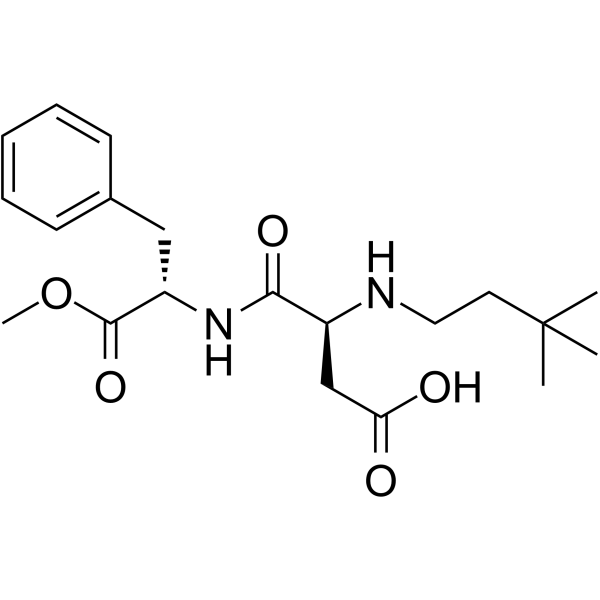
    Neotame is a derivative of Aspartame (HY-B0361) and is a flavor enhancer and low-caloric, non-nutritive, high-intensity artificial sweetener that is 7000-13,000 times sweeter than sugar. Neotame causes intestinal epithelial cell death at high concentrations. Neotame induces Apoptosis of Caco-2 cells .
    Neotame
  • HY-D0195

    Environmental Pollutants Biochemical Assay Reagents Neurological Disease Metabolic Disease
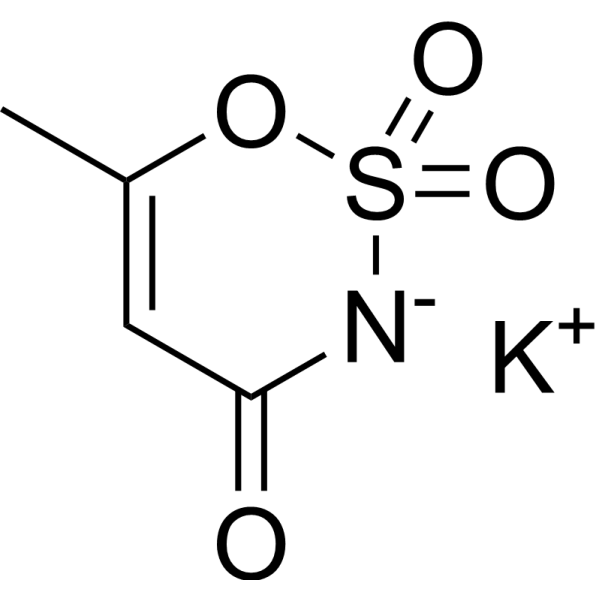
    Acesulfame potassium is an artificial sweetener. Acesulfame potassium (long-term) affects cognitive functions, potentially via altering neuro-metabolic functions in mice .
    Acesulfame potassium
  • HY-N0154
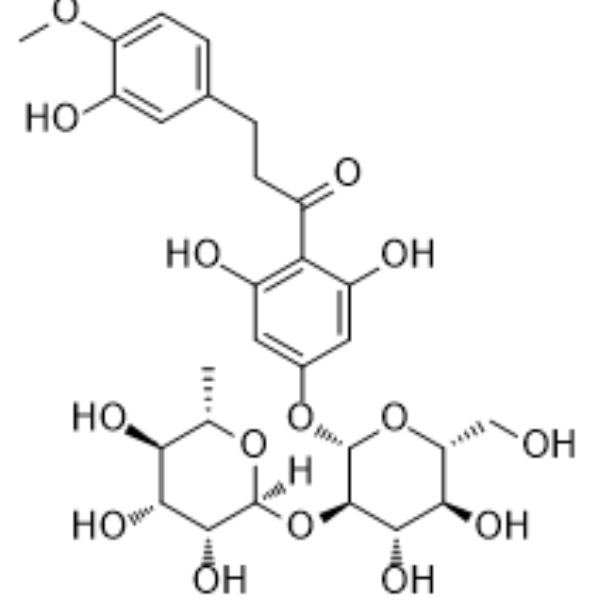
    Neohesperidin dihydrochalcone
    4 Publications Verification

    Neohesperidin DC; NHDC

    Reactive Oxygen Species (ROS) Inflammation/Immunology
    Neohesperidin dihydrochalcone is a synthetic glycoside chalcone, is added to various foods and beverages as a low caloric artificial sweetener.
    Neohesperidin dihydrochalcone
  • HY-D0259

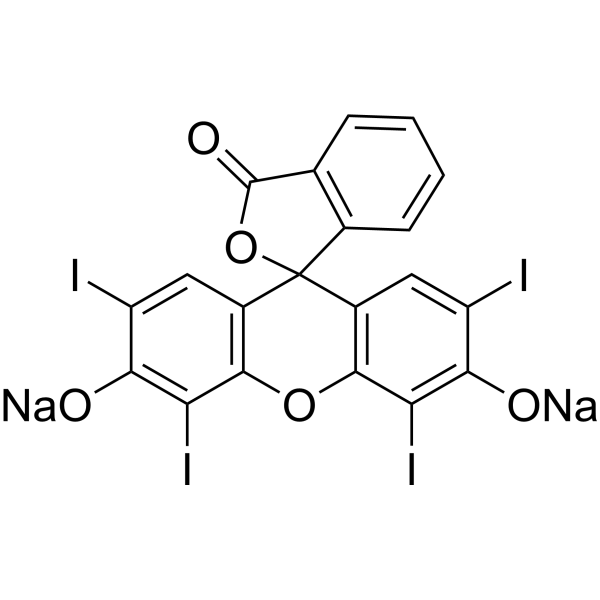
    Erythrosin extra bluish

    Environmental Pollutants Fluorescent Dye Others
    Erythrosine B is an artificial dye widely used in the food and textile industries. Erythrosine B is also a novel photosensitizer which has been used to develop animal models.
    Erythrosine B
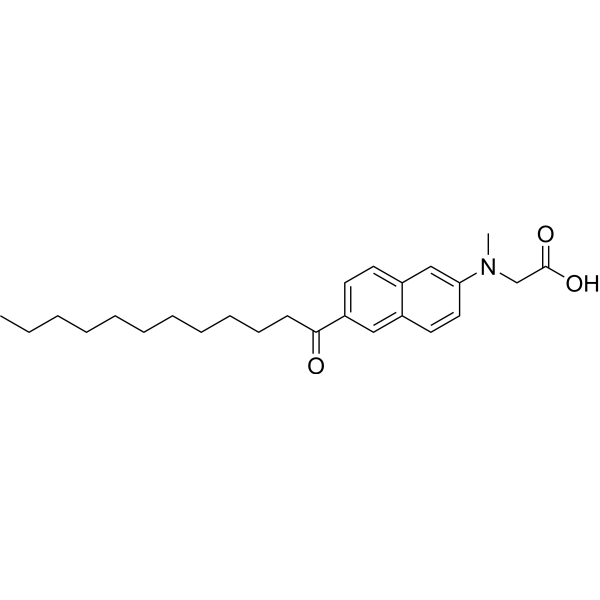
  • HY-D1378

    Fluorescent Dye Others
    C-Laurdan is a modified Laurdan (HY-D0080) probe that imaging lipid rafts with environmentally sensitive fluorescence. C-Laurdan can be used in research of lipid arrangement and fluidity in biological membranes or artificial lipid membranes .
    C-Laurdan
  • HY-W017522

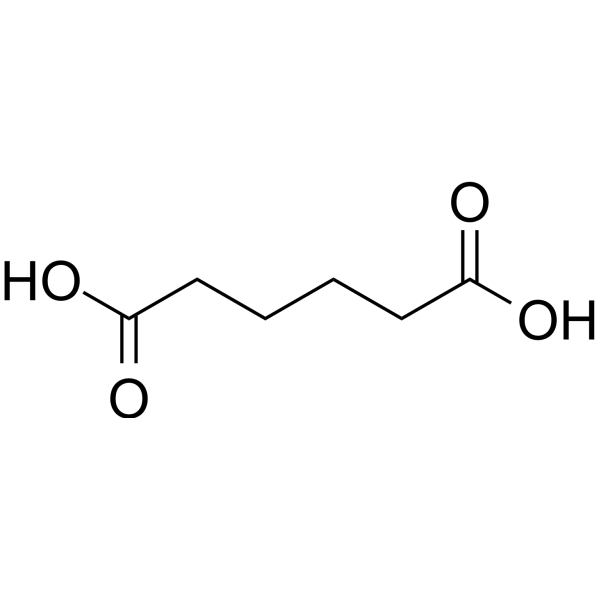
    Hexanedioic acid

    Environmental Pollutants Endogenous Metabolite HSV Infection Metabolic Disease
    Adipic acid (Hexanedioic acid) is an orally active compound with anti-HSV-1 activity. Adipic acid has low toxicity and can be used as a food additive and a gelling agent. Adipic acid can also be used in the synthesis of lubricants, artificial resins, plastics, etc .
    Adipic acid
  • HY-125940

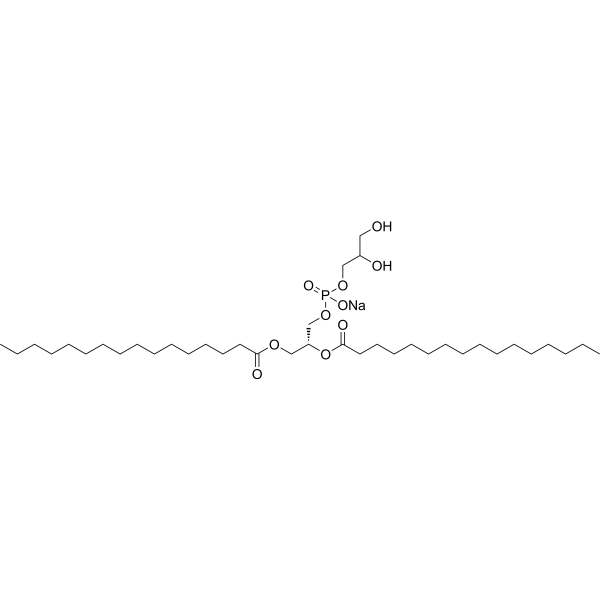
    1,2-Dipalmitoyl-sn-glycero-3-phosphoglycerol sodium

    Liposome Others
    DPPG (1,2-Dipalmitoyl-sn-glycero-3-phosphoglycerol sodium) is a phospholipid that contains long-chain (16:0) palmitic acid inserted at the sn-1 and sn-2 positions, and it serves as an active component to prevent BaP molecules from entering the water subphase. DPPG is used to prepare micelles, liposomes, and other types of artificial membranes that can resist damage from UV radiation .
    DPPG
  • HY-15909

    BCIP p-toluidine salt; X-phosphate p-toluidine salt

    Fluorescent Dye Others
    BCIP(BCIP p-toluidine salt; X-phosphate p-toluidine salt) is an artificial chromogenic substrate used for the sensitive colorimetric detection of alkaline phosphatase activity .
    BCIP
  • HY-128448

    Azorubine; Acid Red 14; E122

    Environmental Pollutants Fluorescent Dye Inflammation/Immunology
    Carmoisine (Azorubine) is an azo dye that can be used as a food additive .
    Carmoisine
  • HY-N0119
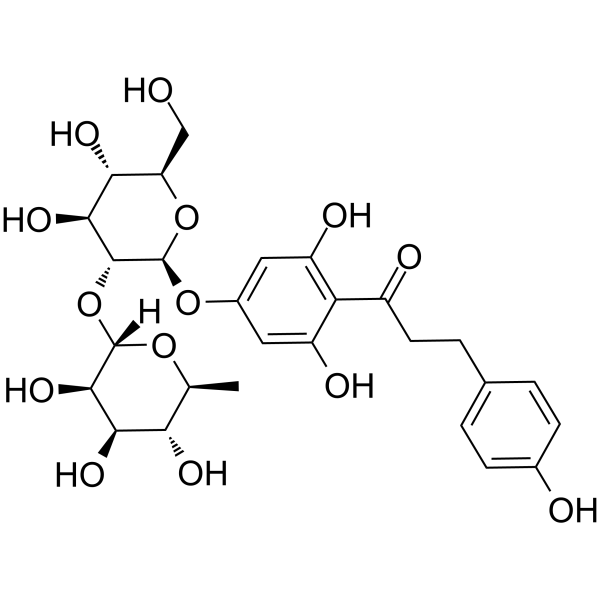
    Naringin Dihydrochalcone
    4 Publications Verification

    Naringin DC

    NF-κB Cancer
    Naringin Dihydrochalcone is an artificial sweetener derived from naringin. Naringin is a major flavanone glycoside obtained from tomatoes, grapefruits, and many other citrus fruits. Naringin exhibits biological properties such as antioxidant, anti-inflammatory, and antiapoptotic activities. Naringin suppresses NF-κB signaling pathway.
    Naringin Dihydrochalcone
  • HY-109556

    Akt ERK Metabolic Disease
    Insulin Detemir is an artificial insulin, shows effect on controlling blood sugar levels. Insulin Detemir stimulates GLP-1 secretion as a consequence of enhanced Gcg expression by a mechanism involving activation of Akt- and/or extracellular signal-regulated kinase (ERK)-dependent-cat and CREB signaling pathways. Insulin Detemir can be used for type 2 diabetes research .
    Insulin Detemir
  • HY-139338
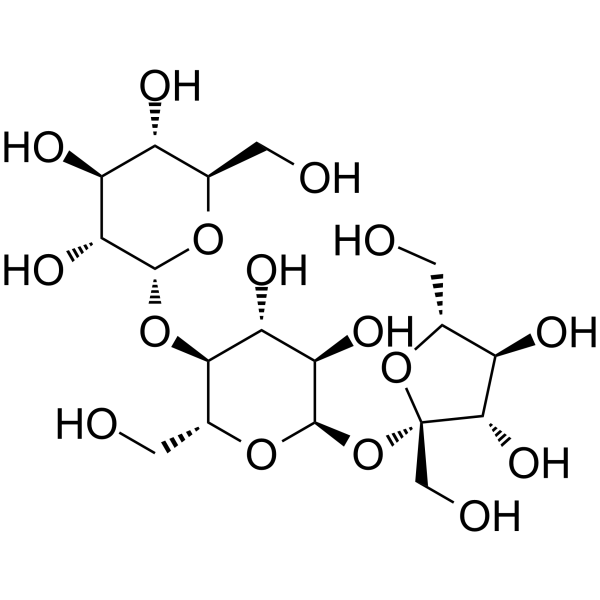
    Erlose
    1 Publications Verification

    Glycosidase Others
    Erlose is a trisaccharide sucrose derivative and low-calorie sweetener synthesized from glucose and sucrose via an α-glucosidase-mediated transglycosylation reaction. Erlose is often used as a marker to identify whether honey is adulterated with artificial sucrose. Erlose has approximately half the sweetness of sucrose but a similar taste, and it effectively inhibits crystal formation and browning reactions during food heat treatment .
    Erlose
  • HY-W039911

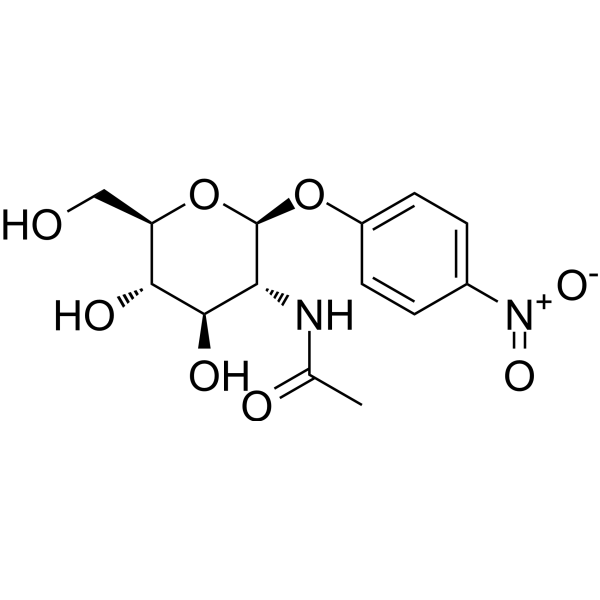
    PNP-alpha-D-Gal; PNP-α-D-Gal

    Biochemical Assay Reagents Others
    4-Nitrophenyl α-D-galactopyranoside (PNP-alpha-D-Gal) is an artificial substrate of 4-nitrophenyl (pNP) glycopyranoside for detecting α-galactosidase activity. The amount of released pNP is significantly increased when 4-Nitrophenyl α-D-galactopyranoside is used as substrates .
    4-Nitrophenyl α-D-galactopyranoside
  • HY-W001951

    Tetrakis(acetato)dirhodium(II); Rhodium(II) acetate dimer

    DNA/RNA Synthesis Cancer
    Dirhodium tetraacetate (Tetrakis (acetato) dirhodium (II)) is an anticancer agent. Dirhodium tetraacetate functionally inhibits the activities of DNA polymerase I and RNA polymerase. It also acts as a catalyst and can be used to construct rhodium-based artificial metalloenzymes .
    Dirhodium tetraacetate
  • HY-112531B

    Biochemical Assay Reagents Others
    Poly(2-hydroxyethyl methacrylate) (Mv 300000) is a biocompatible, optically transparent, hydrophilic, and non-degradable polymer with excellent cytocompatibility, eliciting a minimal immunological response from host tissue. Poly(2-hydroxyethyl methacrylate) (Mv 300000) can be used for different biomedical applications, such as bone tissue regeneration, wound dressings and drug delivery .
    Poly(2-hydroxyethyl methacrylate) (Mv 300000)
  • HY-P3582

    GnRH Receptor Endocrinology
    sGnRH-A is a salmon gonadotropin-releasing hormone (GnRH) analogue. sGnRH-A stimulates growth hormone secretion. sGnRH-A also can be used as an inducer of ovulation by artificial insemination .
    sGnRH-A
  • HY-P3383

    PL-5

    Bacterial Infection
    Peceleganan (PL-5) is an artificial antimicrobial cecropin A (1-10) × melittin B (3-18) hybrid (10+16)-peptide analogue. Peceleganan inhibits wound infection .
    Peceleganan
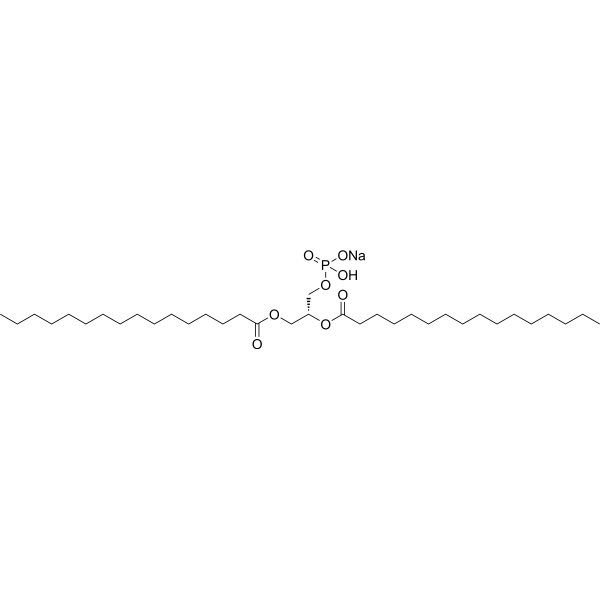
  • HY-113437A

    Endogenous Metabolite Metabolic Disease
    1,2-Dipalmitoyl-sn-glycerol 3-phosphate sodium (compound 3-F7) is a phosphatidic acid and a human endogenous metabolite . It is used in the generation of micelles, liposomes, and artificial membranes.
    1,2-Dipalmitoyl-sn-glycerol 3-phosphate sodium
  • HY-N0614S

    E955-d6; Trichlorosucrose-d6

    Endogenous Metabolite Cancer
    Sucralose-d6 is deuterium labeled Sucralose. Sucralose?(E955; Trichlorosucrose) is a?non-nutritive?artificial?sweetener and sugar substitute. Sucralose can activate a conserved neural fasting response and thereby exerts an appetite-stimulating effect in rodents .
    Sucralose-d6
  • HY-12242
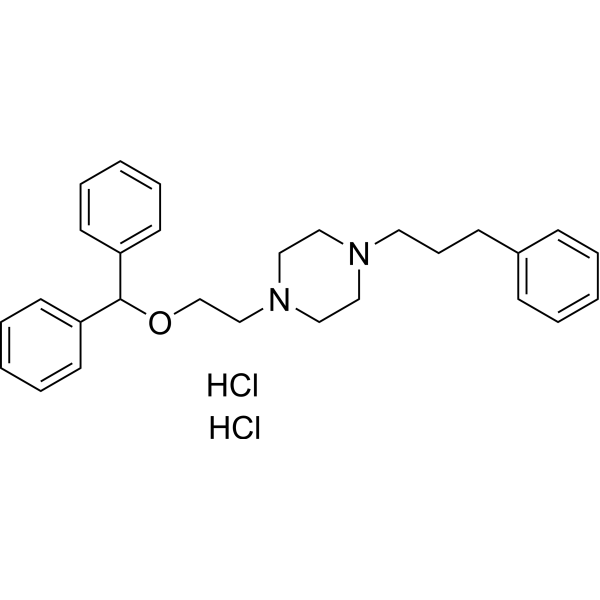
    GBR 12935 dihydrochloride
    1 Publications Verification

    Dopamine Transporter Neurological Disease
    GBR 12935 dihydrochloride is a potent, and selective dopamine reuptake inhibitor, with the binding constant (Kd) of 1.08 nM in COS-7 cells. GBR 12935 dihydrochloride stimulates the locomotion activity in different mice strains but fails to induce stereotypy. Thus, GBR 12935 dihydrochloride also prevents the d-Fenfluramine-induced head-twitch response in mice .
    GBR 12935 dihydrochloride
  • HY-B1390B

    Bacterial Inflammation/Immunology
    Saccharin sodium hydrate is an orally active, non-caloric artificial sweeteners (NAS). Saccharin sodium hydrate has bacteriostatic and microbiome-modulating properties .
    Saccharin sodium hydrate
  • HY-B0541

    Cyclohexylsulfamic acid; Cyclamate

    Environmental Pollutants Apoptosis Necroptosis Metabolic Disease Cancer
    Cyclamic acid (Cyclamate) is a commonly used sweetener. Cyclamic acid sodium is toxic to osteoblasts and can inhibit cell proliferation, induce apoptosis and reduce cell mineralization. Cyclamic acid sodium causes focal necrosis of bladder organs in rats in vitro, which can promote bladder cancer, but some studies have shown that low doses of Cyclamic acid sodium have no carcinogenic effect. In addition, Cyclamic acid sodium has no effect on insulin and glucagon secretion induced by arginine .
    Cyclamic acid
  • HY-B1991

    Environmental Pollutants Herbicide Others
    Terbutryn is a photosystem II inhibitor and aquatic toxicant. Terbutryn interferes with photosynthesis by inhibiting photosystem II. Terbutryn reduces the production of periphyton by acting directly on periphytic algae in artificial indoor streams. Terbutryn reduces the population growth of Lumbriculus variegatus in artificial indoor streams through indirect effects associated with the reduction of food sources for periphyton. The overall 50% dissipation time (DT50) of Terbutryn in the water of artificial indoor streams is 28 d .
    Terbutryn
  • HY-W127457

    Liposome Others
    1,2-dihexanoyl-sn-glycero-3-phosphocholine is a phosphatidylcholine. It can play a role as a surfactant and is commonly used in the generation of micelles, liposomes, and other types of artificial membranes.
    1,2-Dihexanoyl-sn-glycero-3-phosphocholine
  • HY-139201D

    PDLHB (MW 4000-15000)

    CaSR Others
    Poly-D-lysine hydrobromide (MW 4000-15000) (PDLHB (MW 4000-15000)) is an artificially synthesized polymer matrix widely used in neuronal cell culture. Poly-D-lysine hydrobromide is also known as a calcium-sensing receptor (CaSR) agonist peptide .
    Poly-D-lysine hydrobromide (MW 4000-15000)
  • HY-W440986

    DSPS sodium

    Liposome Others
    Distearoylphosphatidylserine sodium is an anionic phospholipid with stearic acid tails (18:0) and contains a carboxylic acid (COOH) and amine (NH2) in their head group. It has been used in the preparation of lipid-mixing vesicles, liposome, or artificial membrane. Due to the medium size of fatty acid chain, DLPS is used to form thinner membranes/walls.
    Distearoylphosphatidylserine sodium
  • HY-B1390A

    Environmental Pollutants Bacterial Infection
    Saccharin sodium is an orally active, non-caloric artificial sweetener (NAS). Saccharin sodium has bacteriostatic and microbiome-modulating properties. Saccharin binds to and signals via specific taste receptors, not only in the oral cavity but also alongside the gastrointestinal tract. Saccharin has been reported to bind the human and rodent heteromeric guanine nucleotide-binding protein (G protein) coupled sweet taste receptors T1R2/T2R3 as well as the human bitter taste receptor T2R43 and T2R44. Saccharin can inhibit bacterial growth in vitro .
    Saccharin sodium
  • HY-W150251

    Biochemical Assay Reagents Others
    Dulcin is an artificial sweetener .
    Dulcin
  • HY-W040185

    1,2-DPPA sodium; PA(14:0/14:0) sodium; 1,2-Dimyristoyl-sn-glycero-3-phosphate sodium

    Liposome Metabolic Disease
    1,2-Dimyristoyl-sn-glycero-3-phosphate monosodium is a phospholipid containing the long-chain (14:0) myristic acid inserted at the sn-1 and sn-2 positions. It can be used in the generation of micelles, liposomes, and other types of artificial membranes.
    1,2-Dimyristoyl-sn-glycero-3-phosphate monosodium
  • HY-W322575

    DHPC

    Liposome Others
    1,2-Diheptadecanoyl-sn-glycero-3-phosphorylcholine (DHPC) is a biologically active phospholipid compound and a derivative of phosphatidylcholine (PC) . It can be used in the generation of micelles, liposomes, and other types of artificial membranes.
    1,2-Diheptadecanoyl-sn-glycero-3-phosphorylcholine
  • HY-157721

    DBPC

    Liposome Others
    1,2-Dibehenoyl-sn-glycero-3-phosphocholine (DBPC) is a phospholipid found in cell membranes. 1, 2-dibehenoyl-SN-glycero-3-phosphocholine can be used to generate micelles, liposomes, and other types of artificial membranes .
    1,2-Dibehenoyl-sn-glycero-3-phosphocholine
  • HY-N0614R

    E955 (Standard); Trichlorosucrose (Standard)

    Reference Standards Endogenous Metabolite Cancer
    Sucralose (Standard) is the analytical standard of Sucralose. This product is intended for research and analytical applications. Sucralose?(E955; Trichlorosucrose) is a?non-nutritive?artificial?sweetener and sugar substitute. Sucralose can activate a conserved neural fasting response and thereby exerts an appetite-stimulating effect in rodents .
    Sucralose (Standard)
  • HY-W339838

    14:0 Lyso PG

    Liposome Cancer
    1-Myristoyl-2-hydroxy-sn-glycero-3-PG sodium is a lysophospholipid containing myristic acid (14:0) at the sn-1 position. It has been used in the generation of micelles, liposomes, and other types of artificial membranes, including lipid-based drug carrier systems.
    1-Myristoyl-2-hydroxy-sn-glycero-3-PG sodium
  • HY-131652

    16:0 Diether PC

    Liposome Metabolic Disease
    1,2-Di-O-hexadecyl-sn-glycero-3-phosphocholine (16:0 Diether PC) is a synthetic ether-linked phospholipid containing hexadecyl groups at the sn-1 and sn-2 positions. It is commonly used in the generation of liposomes and artificial membranes to study membrane dynamics.
    1,2-Di-O-hexadecyl-sn-glycero-3-phosphocholine
  • HY-145505

    18:1 Lyso-PG; 1-Oleoyl-2-hydroxy-sn-glycero-3-phospho-(1'-rac-glycerol); 1-Oleoyl-2-hydroxy-sn-glycero-3-phosphoglycerol

    Endogenous Metabolite Liposome Metabolic Disease
    1-Oleoyl-2-hydroxy-sn-glycero-3-PG (18:1 Lyso PE) sodium is a lysophospholipid containing oleic acid (18:1) at the sn-1 position. It can be used in the generation of micelles, liposomes, and other types of artificial membranes, including lipid-based drug carrier systems.
    1-Oleoyl-2-hydroxy-sn-glycero-3-PG sodium
  • HY-W017522S3

    Hexanedioic acid-13C

    Isotope-Labeled Compounds Endogenous Metabolite HSV Infection Metabolic Disease
    Adipic acid- 13C (Hexanedioic acid- 13C) is the 13C labeled Adipic acid (HY-W017522). Adipic acid (Hexanedioic acid) is an orally active compound with anti-HSV-1 activity. Adipic acid has low toxicity and can be used as a food additive and a gelling agent. Adipic acid can also be used in the synthesis of lubricants, artificial resins, plastics, etc .
    Adipic acid-13C
  • HY-145507

    1-Palmitoyl-2-hydroxy-sn-glycero-3-PG sodium; 16:0 Lyso PG; PG(16:0/0:0); 1-Hexadecanoyl-sn-glycero-3-phospho-(1'racglycerol) sodium

    Liposome Metabolic Disease
    1-Palmitoyl-2-hydroxy-sn-glycero-3-phospho-(1'-rac-glycerol) (16:0 Lyso PE) sodium is a lysophospholipid containing palmitic acid (16:0) at the sn-1 position. It can be used in the generation of micelles, liposomes, and other types of artificial membranes, including lipid-based drug carrier systems.
    1-Palmitoyl-2-hydroxy-sn-glycero-3-phospho-(1'-rac-glycerol) sodium
  • HY-W014839R

    Sodium cyclamate (Standard); Cyclohexylsulfamic acid sodium (Standard)

    Necroptosis Apoptosis Reference Standards Others
    Cyclamic acid (sodium) (Standard) is the analytical standard of Cyclamic acid (sodium). This product is intended for research and analytical applications. Cyclamic acid (Cyclohexylsulfamic acid) sodium is one of the most widely used artificial sweetenersin food and pharmaceuticals .
    Cyclamic acid sodium (Standard)
  • HY-Y0272S

    Isotope-Labeled Compounds Bacterial Inflammation/Immunology
    Saccharin-d4 is the deuterium labeled Saccharin. Saccharin is an orally active, non-caloric artificial sweeteners (NAS). Saccharin has bacteriostatic and microbiome-modulating properties .
    Saccharin-d4
  • HY-P3383A

    PL-5 acetate

    Bacterial Infection
    Peceleganan (PL-5) acetate is an artificial antimicrobial cecropin A (1-10) × melittin B (3-18) hybrid (10+16)-peptide analogue. Peceleganan acetate inhibits wound infection .
    Peceleganan acetate
  • HY-W783276

    Liposome Others
    18:1(11-cis) PC (Compound 18:1, c 11 (cis-vaccenic)) is an unsaturated fatty acid consisting of 18 carbon atoms with a cis double bond at the 11th position. 18:1(11-cis) PC can regulate membrane fluidity and is mainly used in the synthesis of artificial liposomes .
    18:1(11-cis) PC
  • HY-W017522S

    Hexanedioic acid-d10

    Isotope-Labeled Compounds Endogenous Metabolite HSV Infection Metabolic Disease
    Adipic acid-d10 (Hexanedioic acid-d10) is the deuterium labeled Adipic acid (HY-W017522). Adipic acid (Hexanedioic acid) is an orally active compound with anti-HSV-1 activity. Adipic acid has low toxicity and can be used as a food additive and a gelling agent. Adipic acid can also be used in the synthesis of lubricants, artificial resins, plastics, etc .
    Adipic acid-d10
  • HY-W017522S1

    Hexanedioic acid-13C6

    Isotope-Labeled Compounds Endogenous Metabolite HSV Infection Metabolic Disease
    Adipic acid- 13C6 (Hexanedioic acid- 13C6) is the 13C labeled Adipic acid (HY-W017522). Adipic acid (Hexanedioic acid) is an orally active compound with anti-HSV-1 activity. Adipic acid has low toxicity and can be used as a food additive and a gelling agent. Adipic acid can also be used in the synthesis of lubricants, artificial resins, plastics, etc .
    Adipic acid-13C6
  • HY-B0541S

    Isotope-Labeled Compounds Others
    Cyclamic Acid-d11 is the deuterium labeled Cyclamic acid . Cyclamic acid (Cyclohexylsulfamic acid) is one of the most widely used artificial sweetenersin food and pharmaceuticals .
    Cyclamic Acid-d11
  • HY-P3582A

    GnRH Receptor Endocrinology
    sGnRH-A acetate is a salmon gonadotropin-releasing hormone (GnRH) analogue. sGnRH-A acetate stimulates growth hormone secretion. sGnRH-A acetate also can be used as an inducer of ovulation by artificial insemination .
    sGnRH-A acetate

Inquiry Online

Your information is safe with us. * Required Fields.

Salutation


Country or Region *

Applicant Name *


Organization Name *

Department *


Email Address *


Product Name *

Cat. No.


Requested quantity *

Phone Number *


Remarks

Inquiry Online

Inquiry Information

Product Name:
Cat. No.:
Quantity:
MCE Japan Authorized Agent:

