1. Search Result
Search Result
Results for "

bile acid metabolism

" in MedChemExpress (MCE) Product Catalog:

59

Inhibitors & Agonists

1

Screening Libraries

1

Biochemical Assay Reagents

31

Natural
Products

9

Isotope-Labeled Compounds

4

Oligonucleotides

Cat. No. Product Name Target Research Areas Chemical Structure
  • HY-13771
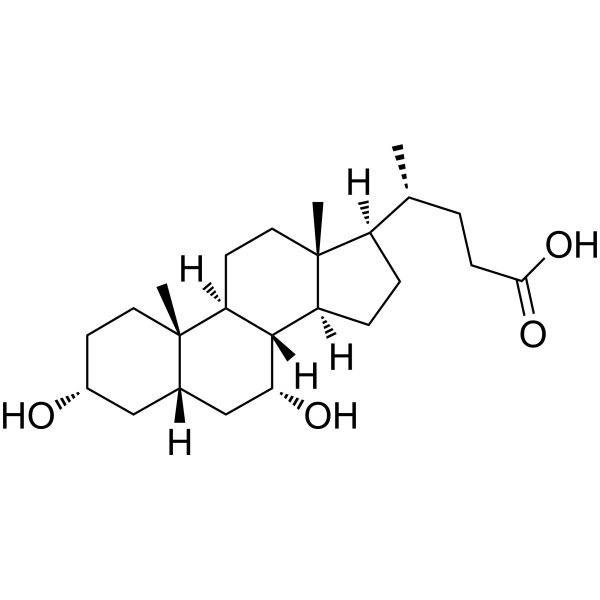
    Ursodeoxycholic acid
    25+ Cited Publications

    Ursodeoxycholate; Ursodiol; UDCA

    G protein-coupled Bile Acid Receptor 1 FXR Angiotensin-converting Enzyme (ACE) Endogenous Metabolite Infection Metabolic Disease Cancer
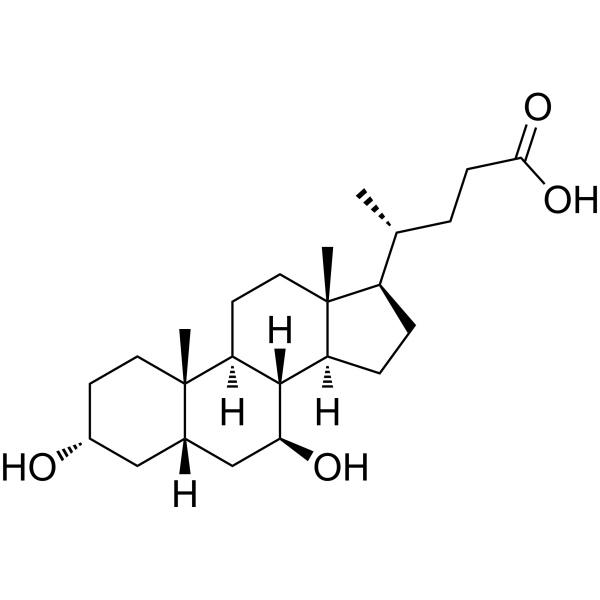
    Ursodeoxycholic acid (Ursodeoxycholate) is a secondary bile acid issued from the transformation of (cheno)deoxycholic acid by intestinal bacteria, acting as a key regulator of the intestinal barrier integrity and essential for lipid metabolism. Ursodeoxycholic acid acts as signaling molecule, exerting its effects by interacting with bile acid activated receptors, including G-protein coupled bile acid receptor 5 (TGR5, GPCR19) and the farnesoid X receptor (FXR). Ursodeoxycholic acid can be used for the research of a variety of hepatic and gastrointestinal diseases. Ursodeoxycholic acid also reduces ACE2 expression and is beneficial for reducing SARS-CoV-2 infection. Orally active .
    Ursodeoxycholic acid
  • HY-N0593
    Deoxycholic acid
    Maximum Cited Publications
    27 Publications Verification

    Cholanoic acid; Desoxycholic acid

    G protein-coupled Bile Acid Receptor 1 Endogenous Metabolite Metabolic Disease
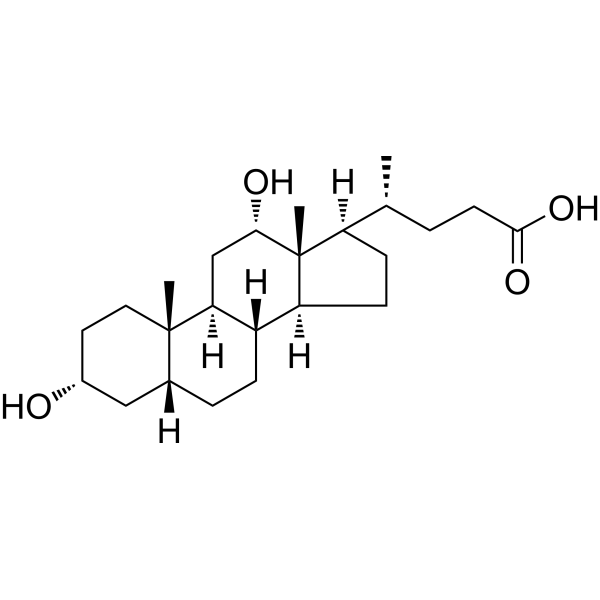
    Deoxycholic acid (cholanoic acid), a bile acid, is a by-product of intestinal metabolism, that activates the G protein-coupled bile acid receptorTGR5 .
    Deoxycholic acid
  • HY-76847
    Chenodeoxycholic Acid
    20+ Cited Publications

    CDCA

    FXR Endogenous Metabolite Autophagy Metabolic Disease Cancer
    Chenodeoxycholic Acid is a hydrophobic primary bile acid that activates nuclear receptors (FXR) involved in cholesterol metabolism.
    Chenodeoxycholic Acid
  • HY-N0593A
    Deoxycholic acid sodium salt
    25+ Cited Publications

    Sodium deoxycholate

    G protein-coupled Bile Acid Receptor 1 Endogenous Metabolite Metabolic Disease
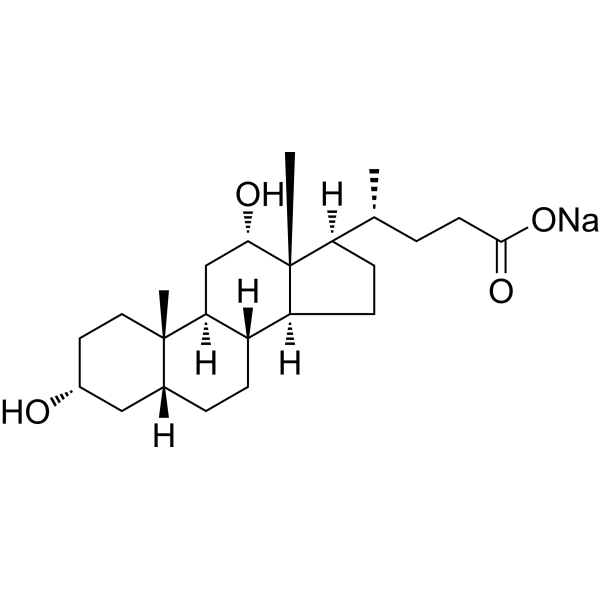
    Deoxycholic acid sodium salt (sodium deoxycholate), a bile acid, is a by-product of intestinal metabolism, that activates the G protein-coupled bile acid receptorTGR5 .
    Deoxycholic acid sodium salt
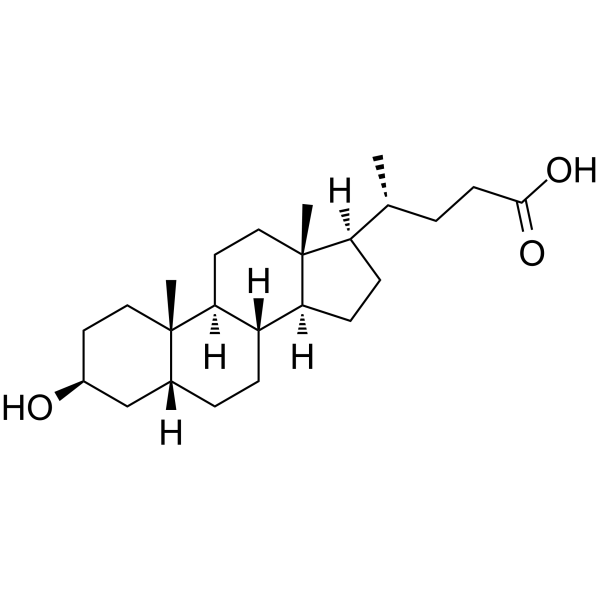
  • HY-B0172B

    3β-Hydroxy-5β-cholanic acid; 3-Epilithocholic acid; β-Lithocholic acid

    Endogenous Metabolite Endocrinology
    Isolithocholic acid (β-Lithocholic acid) is an isomer of Lithocholic acid. Isolithocholic acid, a bile acid, is formed by microbial metabolism of Lithocholic acid or Lithocholic acid 3α-sulfate .
    Isolithocholic acid
  • HY-76847S
    Chenodeoxycholic Acid-d4
    1 Publications Verification

    CDCA-d4

    FXR Endogenous Metabolite Autophagy Metabolic Disease Cancer
    Chenodeoxycholic Acid-d4 is the deuterium labeled Chenodeoxycholic Acid. Chenodeoxycholic Acid is a hydrophobic primary bile acid that activates nuclear receptors (FXR) involved in cholesterol metabolism.
    Chenodeoxycholic Acid-d4
  • HY-N9933
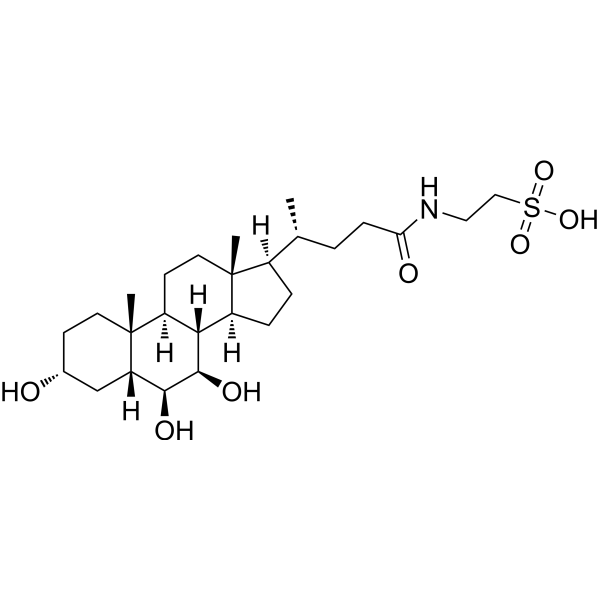
    Tauro-β-muricholic acid
    4 Publications Verification

    TβMCA

    FXR Apoptosis Neurological Disease Metabolic Disease Inflammation/Immunology Cancer
    Tauro-β-muricholic acid (TβMCA) is an orally active trihydroxylated bile acid and a competitive, reversible FXR antagonist (IC50=40 μM). Tauro-β-muricholic acid inhibits bile acid-induced hepatocyte apoptosis by maintaining mitochondrial membrane potential, while simultaneously inhibiting intestinal FXR signaling, affecting bile acid synthesis, hepatic lipid metabolism, and insulin sensitivity. Accumulation of tauro-β-muricholic acid disrupts metabolic homeostasis, promoting cancer stem cell proliferation and tumor progression. The mechanisms of tauro-β-muricholic acid involve two aspects: first, inhibiting the translocation of the pro-apoptotic protein Bax to mitochondria and maintaining mitochondrial membrane potential (MMP); and second, blocking the FXR signaling pathway to regulate bile acid metabolism, reduce serum ceramide production, and downregulate the hepatic SREBP1C/CIDEA pathway. Tauro-β-muricholic acid possesses anti-hepatocyte apoptosis, bile acid homeostasis regulation, and liver fat accumulation reduction properties, and also functions as a biomarker, making it useful in the study of diseases such as bile acid metabolism disorders, non-alcoholic fatty liver disease, colorectal cancer, and liver fibrosis .
    Tauro-β-muricholic acid
  • HY-B1907
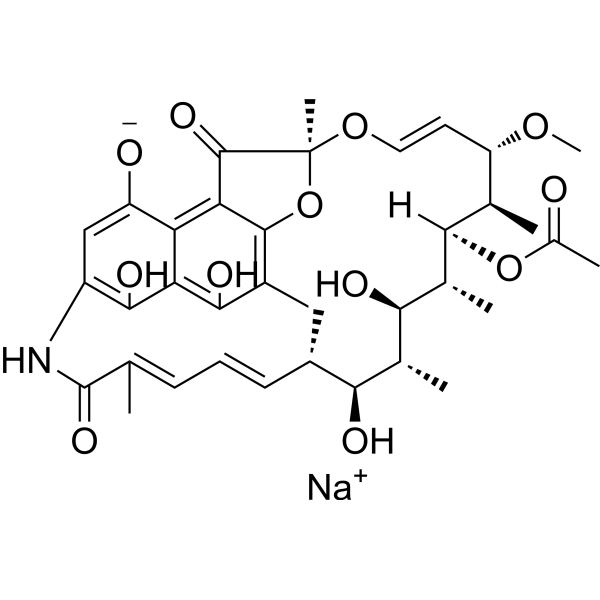
    Rifamycin sodium
    2 Publications Verification

    Rifamycin SV sodium

    Antibiotic Bacterial DNA/RNA Synthesis Infection Inflammation/Immunology
    Rifamycin sodium (Rifamycin SV monosodium) is an orally active ansamycin antibiotic. Rifamycin sodium inhibits DNA-dependent RNA synthesis. Rifamycin sodium has antibacterial activity against Mycobacterium tuberculosis. Rifamycin sodium interferes with hepatic bile acid metabolism. Rifamycin sodium has anti-inflammatory effects. Rifamycin sodium can be used in the study of Mycobacterium tuberculosis, Bacteroides fragilis infection, and Lipopolysaccharide (HY-D1056B3)-induced inflammation .
    Rifamycin sodium
  • HY-N0010
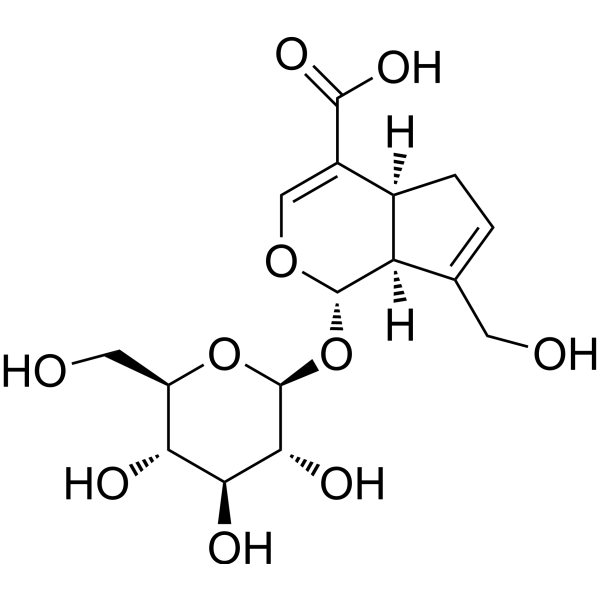
    Geniposidic acid
    5+ Cited Publications

    FXR Sirtuin TNF Receptor Interleukin Related Metabolic Disease
    Geniposidic acid is an orally active FXR modulator and SIRT6 activator. Geniposidic acid binds to the Ser332 and His447 sites on the FXR ligand-binding domain, thereby driving nuclear translocation, coactivator recruitment, and transcription of downstream bile acid and cholesterol metabolism-related genes. Geniposidic acid improves metabolic dysfunction-related fatty liver disease by activating the SIRT6 signaling pathway. Geniposidic acid inhibits inflammation and modulates gut microbiota to alleviate colitis. Geniposidic acid can be used in research on drug-induced liver injury, inflammatory bowel disease, metabolic dysfunction-related fatty liver disease, and metabolic dysfunction-related steatohepatitis .
    Geniposidic acid
  • HY-13771A
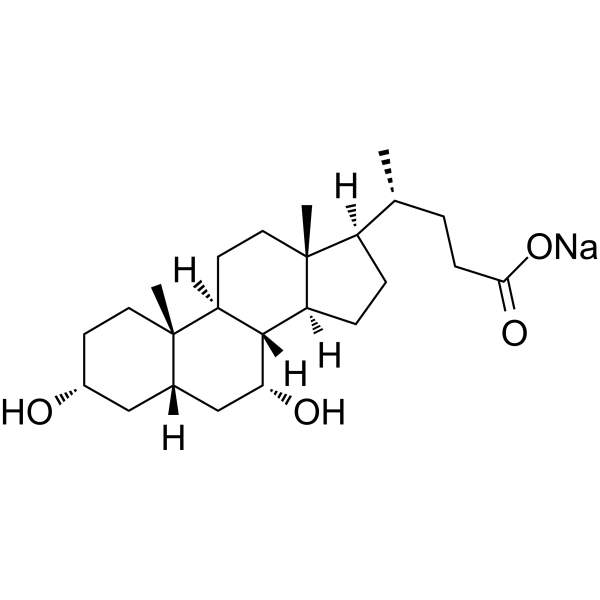
    Ursodeoxycholic acid sodium
    25+ Cited Publications

    Ursodeoxycholate sodium; Ursodiol sodium; UCDA sodium

    G protein-coupled Bile Acid Receptor 1 FXR Endogenous Metabolite Metabolic Disease Inflammation/Immunology Cancer
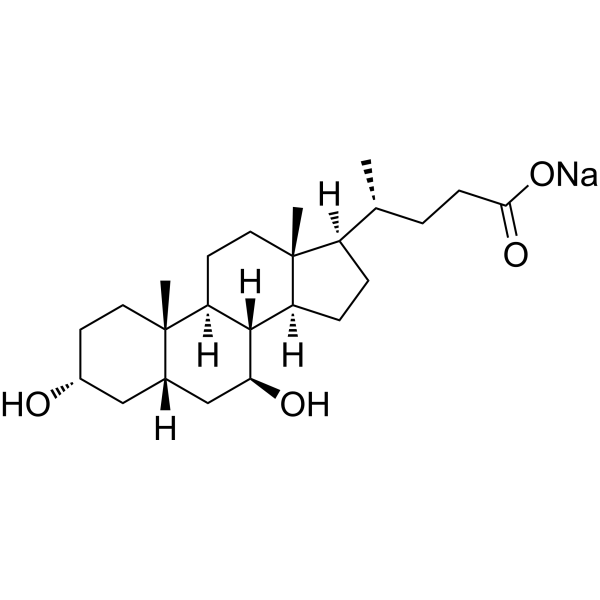
    Ursodeoxycholic acid (Ursodeoxycholate) sodium is a secondary bile acid issued from the transformation of (cheno)deoxycholic acid by intestinal bacteria, acting as a key regulator of the intestinal barrier integrity and essential for lipid metabolism. Ursodeoxycholic acid sodium acts as signaling molecule, exerting its effects by interacting with bile acid activated receptors, including G-protein coupled bile acid receptor 5 (TGR5, GPCR19) and the farnesoid X receptor (FXR). Ursodeoxycholic acid sodium can be used for the research of a variety of hepatic and gastrointestinal diseases. Orally active .
    Ursodeoxycholic acid sodium
  • HY-W587530

    6-Ketolithocholic acid

    Endogenous Metabolite Apoptosis Endocrinology
    6-Oxolithocholic acid is a bile acid metabolite derived from Lithocholic acid (HY-B0172). 6-Oxolithocholic acid has high cytotoxicity and can induce apoptosis, especially in hepatocytes. 6-Oxolithocholic acid can participate in the regulation of bile acid metabolism and synthesis and affect the metabolic pathway of cholesterol. 6-Oxolithocholic acid can be used to study the role of bile acids in health and disease, especially in the context of digestive and liver diseases .
    6-Oxolithocholic acid
  • HY-N3021

    Endogenous Metabolite NF-κB TNF Receptor FOXO Microtubule/Tubulin Metabolic Disease
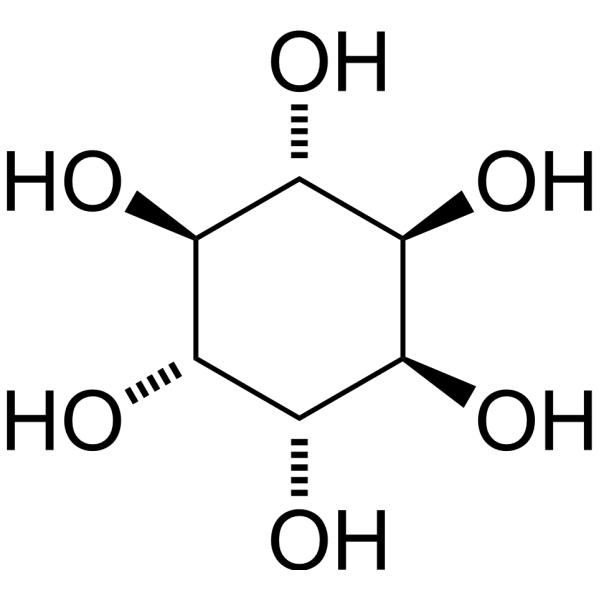
    D-chiro-Inositol is a stereoisomer of inositol that exhibits activities such as improving glucose metabolism, anti-tumor effects, anti-inflammatory properties, and antioxidant activity. D-chiro-Inositol effectively alleviates cholestasis by enhancing bile acid secretion and reducing oxidative stress. D-chiro-Inositol improves insulin resistance, lowers hyperglycemia and circulating insulin levels, reduces serum androgen levels, and ameliorates some metabolic abnormalities associated with X syndrome by mimicking the action of insulin. Additionally, D-chiro-Inositol can induce a reduction in pro-inflammatory factors (such as Nf-κB) and cytokines (such as TNF-α), thereby exerting anti-inflammatory effects. D-chiro-Inositol may be used in the study of liver cirrhosis, breast cancer, type 2 diabetes, and polycystic ovary syndrome .
    D-chiro-Inositol
  • HY-N0468
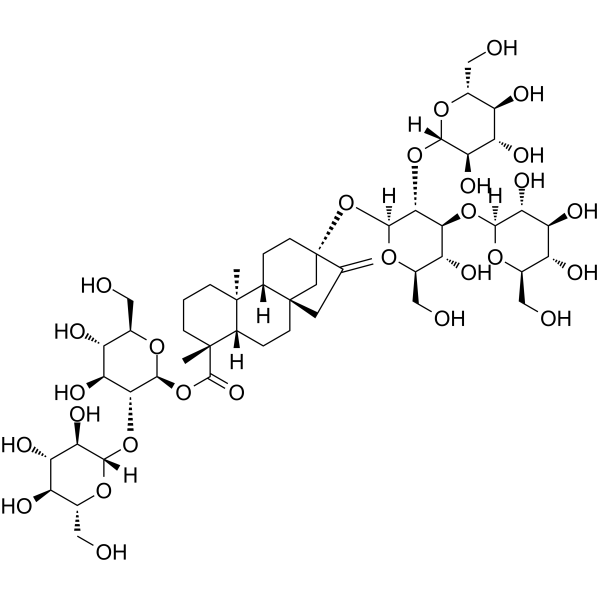
    Rebaudioside D
    1 Publications Verification

    FXR Acetyl-CoA Carboxylase Metabolic Disease
    Rebaudioside D is an orally active sweetener that targets and activates FXR, modulates Acetyl-CoA Carboxylase, and inhibits 3-hydroxy-3-methylglutaryl-CoA reductase. Rebaudioside D regulates bile acid homeostasis and lipid metabolism, reduces the synthesis rates of fatty acids and cholesterol, and exerts multiple effects including anti-adipogenesis, hepatoprotection, anti-steatosis, gut microbiota modulation, enhancement of secondary bile acid metabolism, anti-endotoxin activity, regulation of bile acid transport, and inhibition of bile acid efflux. Rebaudioside D also reduces body weight gain, visceral fat accumulation, hepatic triglyceride and cholesterol accumulation, hepatic lipid peroxidation, and decreases the circulating level of lipopolysaccharide-binding protein. Rebaudioside D additionally enhances the secondary bile acid metabolic pathway of intestinal bacteria, upregulates the gene expression of ileal organic solute transporter α, and downregulates the gene expression of hepatic bile salt export pump. Rebaudioside D does not affect glucose homeostasis, alter total caloric intake or fecal energy excretion, induce weight gain, exacerbate obesity, promote hepatic steatosis, impair brown adipose tissue function, nor change skeletal muscle metabolism-related proteins. Rebaudioside D can be used in diet-induced obesity and obesity-related research .
    Rebaudioside D
  • HY-41325

    7,12-Dioxolithocholic acid; 3-Hydroxy-7,12-diketocholanoic acid; 7,12-Diketo-LCA

    Endogenous Metabolite Others
    7,12-Diketolithocholic acid (7,12-Diketo-LCA) is a bile acid, which can be produced in the host-gut microbial co-metabolism of the bile acid pool .
    7,12-Diketolithocholic acid
  • HY-133890
    Tauro-α-muricholic acid
    2 Publications Verification

    T-α-MCA

    Endogenous Metabolite FXR Neurological Disease Metabolic Disease
    Tauro-α-muricholic acid (T-α-MCA) is a Taurine (HY-B0351)-conjugated primary Bile acid. Tauro-α-muricholic acid is a FXR antagonist with an IC50 of  28 µM. Tauro-α-muricholic acid attenuates other bile acid-activated FXR signaling. Tauro-α-muricholic acid can be used in the research of Alzheimer's disease, glucose metabolism, and lipid metabolism .
    Tauro-α-muricholic acid
  • HY-106539

    FXR G protein-coupled Bile Acid Receptor 1 GLP Receptor Metabolic Disease Cancer
    Colesevelam hydrochloride is an orally active bile acid sequestrant, lipid-lowering agent, and glycemic control agent. Colesevelam hydrochloride binds bile acids in the gastrointestinal tract to form nonabsorbable complexes, interrupts enterohepatic recirculation and increases fecal bile acid elimination. Colesevelam hydrochloride modulates FXR, TGR5, and Cyp7a1 activity and triggers cAMP signaling and GLP-1 release. Colesevelam hydrochloride alters hepatic lipid and glucose metabolism, suppresses hepatic glycogenolysis, reduces hepatic triglyceride and cholesterol levels, and increases LDL-C (low-density lipoprotein cholesterol) clearance. Colesevelam hydrochloride can be used for the research of type 2 diabetes mellitus, hypercholesterolemia, and alcohol-related liver disease .
    Colesevelam hydrochloride
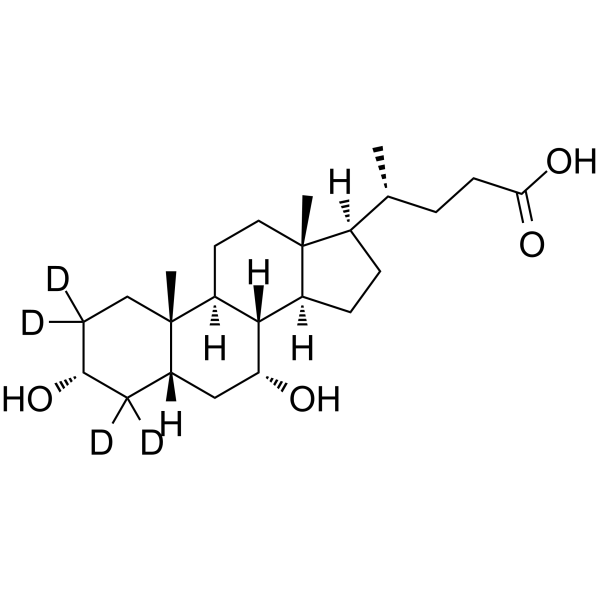
  • HY-113478S

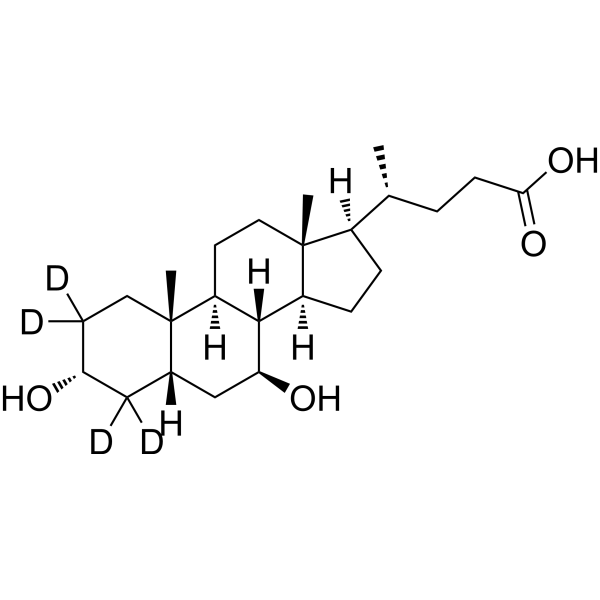
    Ursodeoxycholate-d4; Ursodiol-d4; UDCA-d4

    Isotope-Labeled Compounds Infection Metabolic Disease
    Ursodeoxycholic acid-2,2,4,4-d4 is the deuterium labeled Ursodeoxycholic acid (HY-13771). Ursodeoxycholic acid is a secondary bile acid issued from the transformation of (cheno)deoxycholic acid by intestinal bacteria, acting as a key regulator of the intestinal barrier integrity and essential for lipid metabolism. Ursodeoxycholic acid acts as signaling molecule, exerting its effects by interacting with bile acid activated receptors, including G-protein coupled bile acid receptor 5 (TGR5, GPCR19) and the farnesoid X receptor (FXR). Ursodeoxycholic acid can be used for the research of a variety of hepatic and gastrointestinal diseases. Ursodeoxycholic acid also reduces ACE2 expression and is beneficial for reducing SARS-CoV-2 infection .
    Ursodeoxycholic acid-d4
  • HY-133971

    5α,6α-Epoxycholesterol

    Liposome Others
    Cholesterol-5α,6α-epoxide is an epoxide derivative of cholesterol formed by the enzymatic oxidation of cholesterol in the liver and other tissues. Cholesterol-5α,6α-epoxide has unique chemical properties that make it an important intermediate in the biosynthesis of bile acids, which play a key role in the digestion and absorption of dietary fats. It also has a potential physiological role in regulating cholesterol metabolism and transport, although its biological function is not fully understood.
    Cholesterol 5α,6α-epoxide
  • HY-76847A
    Chenodeoxycholic acid sodium
    20+ Cited Publications

    CDCA sodium

    FXR Autophagy Endogenous Metabolite Metabolic Disease Cancer
    Chenodeoxycholic acid sodium is a hydrophobic primary bile acid that activates nuclear receptors (FXR) involved in cholesterol metabolism.
    Chenodeoxycholic acid sodium
  • HY-76847R
    Chenodeoxycholic Acid (Standard)
    20+ Cited Publications

    CDCA (Standard)

    Reference Standards FXR Endogenous Metabolite Autophagy Metabolic Disease Cancer
    Chenodeoxycholic Acid (Standard) is the analytical standard of Chenodeoxycholic Acid. This product is intended for research and analytical applications. Chenodeoxycholic Acid is a hydrophobic primary bile acid that activates nuclear receptors (FXR) involved in cholesterol metabolism.
    Chenodeoxycholic Acid (Standard)
  • HY-N2853

    α-Tocopherylquinone

    Reactive Oxygen Species (ROS) Others
    D-α-Tocopherylquinone (α-Tocopherylquinone) is a quinone, can be isolated from Phaeodactylum tricornutum. D-α-Tocopherylquinone is an oxidation product of α-Tocopherol (vitamin E). D-α-Tocopherylquinone can act as an anticoagulant and as an antioxidant. D-α-Tocopherylquinone reduces cellular oxidative damage produced by oxidized lipids. D-α-Tocopherylquinone binds to a liver cytosolic protein with a molecular mass of about 40 kDa. D-α-Tocopherylquinone binds to glurathione-S-transferase (GST) and can be transported to the site of metabolism or excreted in the bile .
    D-α-Tocopherylquinone
  • HY-N0430

    Coptisin

    Indoleamine 2,3-Dioxygenase (IDO) NF-κB p38 MAPK PI3K Akt Apoptosis Reactive Oxygen Species (ROS) Mitochondrial Metabolism DNA/RNA Synthesis ROCK LDLR Cardiovascular Disease Neurological Disease Metabolic Disease Inflammation/Immunology Cancer
    Coptisine is an orally active and brain-penetrant alkaloid found in Coptis chinensis. Coptisine is a reversible, uncompetitive IDO inhibitor with a Ki of 5.8 μM and an IC50 of 6.3 μM. Coptisine suppresses neuroinflammation, reduces Aβ plaque burden and shows neuroprotective activity. Coptisine shows anti-inflammation activity by blocking NF-κB, MAPK, and PI3K/Akt activation. Coptisine inhibits cancer cells proliferation, induces DNA damage, G2/M phase cell cycle arrest, apoptosis, ROS production and mitochondrial dysfunction. Coptisine inhibits Rho/ROCK pathway activation, reduces arrhythmia, limits cardiac injury marker release, reduces infarct size, and preserves cardiac function in rat myocardial ischemia/reperfusion models. Coptisine downregulates HMGCR and upregulates LDLR and CYP7A1 to modulate cholesterol metabolism, reduces abnormal serum lipid levels, and promotes fecal bile acid excretion. Coptisine can be used for the research of cancer, hypercholesterolemia, Alzheimer’s disease, inflammatory disorders and cardiovascular disease .
    Coptisine
  • HY-N0430A
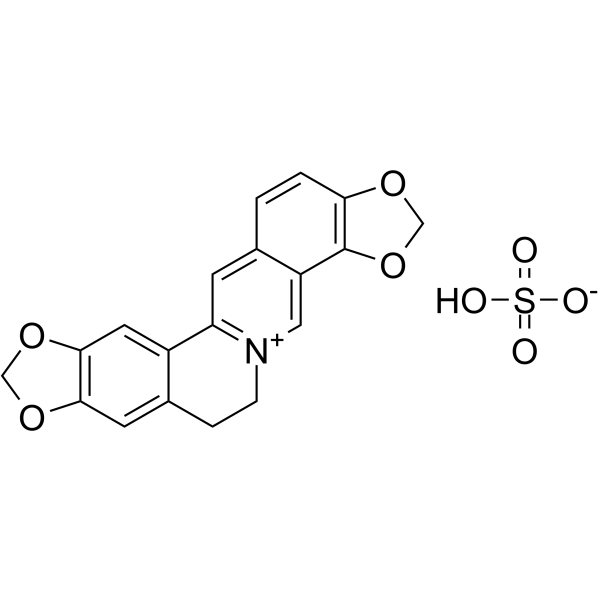
    Coptisine Sulfate
    5 Publications Verification

    Indoleamine 2,3-Dioxygenase (IDO) NF-κB p38 MAPK PI3K Akt Apoptosis Reactive Oxygen Species (ROS) Mitochondrial Metabolism DNA/RNA Synthesis ROCK LDLR Cardiovascular Disease Neurological Disease Metabolic Disease Inflammation/Immunology Cancer
    Coptisine Sulfate is an orally active and brain-penetrant alkaloid found in Coptis chinensis. Coptisine Sulfate is a reversible, uncompetitive IDO inhibitor with a Ki of 5.8 μM and an IC50 of 6.3 μM. Coptisine Sulfate suppresses neuroinflammation, reduces Aβ plaque burden and shows neuroprotective activity. Coptisine Sulfate shows anti-inflammation activity by blocking NF-κB, MAPK, and PI3K/Akt activation. Coptisine Sulfate inhibits cancer cells proliferation, induces DNA damage, G2/M phase cell cycle arrest, apoptosis, ROS production and mitochondrial dysfunction. Coptisine Sulfate inhibits Rho/ROCK pathway activation, reduces arrhythmia, limits cardiac injury marker release, reduces infarct size, and preserves cardiac function in rat myocardial ischemia/reperfusion models. Coptisine Sulfate downregulates HMGCR and upregulates LDLR and CYP7A1 to modulate cholesterol metabolism, reduces abnormal serum lipid levels, and promotes fecal bile acid excretion. Coptisine Sulfate be used for the research of cancer, hypercholesterolemia, Alzheimer’s disease, inflammatory disorders and cardiovascular disease .
    Coptisine Sulfate
  • HY-N11257

    6,7-DiketoLCA

    Others
    6,7-Diketolithocholic acid (6,7-DiketoLCA) is an important bioactive compound with anti-inflammatory and bile acid metabolism regulating activities. 6,7-Diketolithocholic acid can affect lipid metabolism and regulate the balance of glucose and lipid metabolism in the body. 6,7-Diketolithocholic acid has also been studied for the inhibition of diseases related to abnormal cholesterol metabolism.
    6,7-Diketolithocholic acid
  • HY-B1907A
    Rifamycin
    2 Publications Verification

    Rifamycin SV

    Antibiotic Bacterial DNA/RNA Synthesis Infection
    Rifamycin (Rifamycin SV) is an orally active ansamycin antibiotic. Rifamycin inhibits DNA-dependent RNA synthesis. Rifamycin has antibacterial activity against Mycobacterium tuberculosis. Rifamycin interferes with hepatic bile acid metabolism. Rifamycin has anti-inflammatory effects. Rifamycin can be used in the study of Mycobacterium tuberculosis, Bacteroides fragilis infection, and Lipopolysaccharide (HY-D1056B3)-induced inflammation .
    Rifamycin
  • HY-13771R

    Ursodeoxycholate (Standard); Ursodiol (Standard); UDCA (Standard)

    Reference Standards G protein-coupled Bile Acid Receptor 1 FXR Angiotensin-converting Enzyme (ACE) Endogenous Metabolite Infection Metabolic Disease Cancer
    Ursodeoxycholic acid (Standard) is the analytical standard of Ursodeoxycholic acid. This product is intended for research and analytical applications. Ursodeoxycholic acid (Ursodeoxycholate) is a secondary bile acid issued from the transformation of (cheno)deoxycholic acid by intestinal bacteria, acting as a key regulator of the intestinal barrier integrity and essential for lipid metabolism. Ursodeoxycholic acid acts as signaling molecule, exerting its effects by interacting with bile acid activated receptors, including G-protein coupled bile acid receptor 5 (TGR5, GPCR19) and the farnesoid X receptor (FXR). Ursodeoxycholic acid can be used for the research of a variety of hepatic and gastrointestinal diseases. Ursodeoxycholic acid also reduces ACE2 expression and is beneficial for reducing SARS-CoV-2 infection. Orally active .
    Ursodeoxycholic acid (Standard)
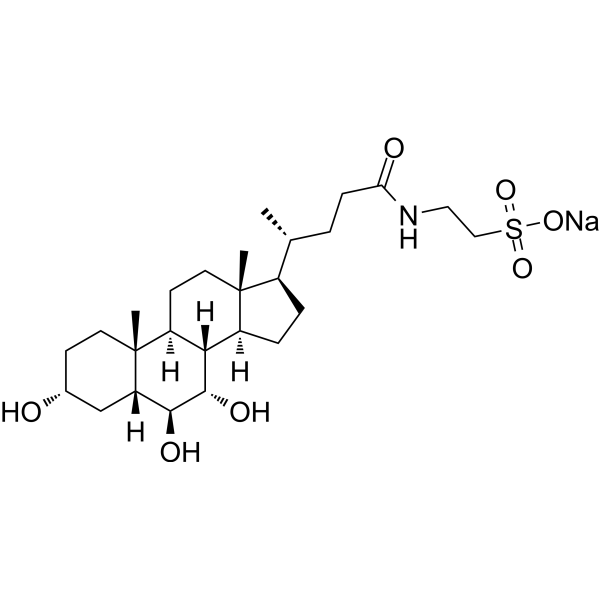
  • HY-133890A
    Tauro-α-muricholic acid sodium
    2 Publications Verification

    T-α-MCA sodium

    Endogenous Metabolite FXR Neurological Disease Metabolic Disease
    Tauro-α-muricholic acid sodium (T-α-MCA sodium) is a Taurine (HY-B0351)-conjugated primary Bile acid. Tauro-α-muricholic acid sodium is a FXR antagonist with an IC50 of  28 µM. Tauro-α-muricholic acid sodium attenuates other bile acid-activated FXR signaling. Tauro-α-muricholic acid sodium can be used in the research of Alzheimer's disease, glucose metabolism, and lipid metabolism .
    Tauro-α-muricholic acid sodium
  • HY-N0593R
    Deoxycholic acid (Standard)
    20+ Cited Publications

    Cholanoic acid(Standard); Desoxycholic acid (Standard)

    Reference Standards G protein-coupled Bile Acid Receptor 1 Endogenous Metabolite Metabolic Disease
    Deoxycholic acid (Standard) is the analytical standard of Deoxycholic acid. This product is intended for research and analytical applications. Deoxycholic acid (cholanoic acid), a bile acid, is a by-product of intestinal metabolism, that activates the G protein-coupled bile acid receptorTGR5 .
    Deoxycholic acid (Standard)
  • HY-N0593AR

    Sodium deoxycholate (Standard)

    G protein-coupled Bile Acid Receptor 1 Endogenous Metabolite Reference Standards Metabolic Disease
    Deoxycholic acid sodium salt (Standard) is the analytical standard of Deoxycholic acid sodium salt. This product is intended for research and analytical applications. Deoxycholic acid sodium salt (sodium deoxycholate), a bile acid, is a by-product of intestinal metabolism, that activates the G protein-coupled bile acid receptorTGR5 .
    Deoxycholic acid sodium salt (Standard)
  • HY-N15317

    β-Phocaecholic acid

    Drug Metabolite Metabolic Disease
    Phocaecholic acid (β-Phocaecholic acid) is a bile acid found in duck bile. Phocaecholic acid can be excreted into bile and partially decarboxylated to nor-chenodeoxycholic acid in rats. Phocaecholic acid is promising for research of bile acid metabolism and related diseases .
    Phocaecholic acid
  • HY-W278566

    Drug Metabolite Cardiovascular Disease Metabolic Disease
    Saluamine is an important N-dealkylated metabolite of Furosemide (HY-B0135) that is produced by microbial transformation and bile metabolism. Saluamine is a contaminant .
    Saluamine
  • HY-76847S3

    CDCA-d5

    Isotope-Labeled Compounds FXR Endogenous Metabolite Autophagy Metabolic Disease Cancer
    Chenodeoxycholic acid-d5 is the deuterium labeled Chenodeoxycholic Acid. Chenodeoxycholic Acid is a hydrophobic primary bile acid that activates nuclear receptors (FXR) involved in cholesterol metabolism.
    Chenodeoxycholic acid-d5
  • HY-76847S2

    CDCA-13C

    FXR Endogenous Metabolite Autophagy Metabolic Disease Cancer
    Chenodeoxycholic acid- 13C is the 13C-labeled Chenodeoxycholic Acid. Chenodeoxycholic Acid is a hydrophobic primary bile acid that activates nuclear receptors (FXR) involved in cholesterol metabolism.
    Chenodeoxycholic acid-13C
  • HY-W587978

    Lagocholic acid; 3α,7α,12β-Trihydroxy-5β-cholanic acid

    Endogenous Metabolite Drug Isomer Metabolic Disease
    12β-Hydroxyisocholic acid (Lagocholic acid) is a bile acid isomer that can be used in the study of bile acid metabolism .
    12β-Hydroxyisocholic acid
  • HY-E70245

    Cholyl-coenzyme A

    Biochemical Assay Reagents Metabolic Disease
    Cholyl-CoA (Cholyl-coenzyme A) is a biologically active steroidal acyl-coenzyme A intermediate. Cholyl-CoA reacts with taurine in the presence of liver supernatant enzymes to promote the synthesis of taurocholic acid. Cholyl-CoA is formed by the activation of cholic acid with coenzyme A. Cholyl-CoA plays a key role in the biosynthesis, metabolism and conjugation reactions of bile acids .
    Cholyl-CoA
  • HY-W740611

    Drug Intermediate Inflammation/Immunology
    Trihydroxycoprostane (THCP) is a polyhydroxysterane compound with a 5β configuration. ITrihydroxycoprostane acts as a key intermediate in the biosynthesis of bile acids from cholesterol and also serves as an important sterol metabolite generated by host-gut microbiota interactions. Trihydroxycoprostane can be used for mechanistic studies of diseases such as non-alcoholic fatty liver disease, inflammatory bowel disease, and bile acid metabolism disorders .
    Trihydroxycoprostane
  • HY-129982

    Apical Sodium-Dependent Bile Acid Transporter Metabolic Disease
    SC-435 is an orally effective apical sodium codependent bile acid transporter (ASBT) inhibitor. SC-435 effectively removes neurotoxic bile acids and ammonia from the blood by inhibiting intestinal ASBT, thereby alleviating liver and brain damage caused by liver failure. SC-435 can alter hepatic cholesterol metabolism and lower plasma low-density lipoprotein-cholesterol concentrations .
    SC-435
  • HY-P2879B

    Endogenous Metabolite Biochemical Assay Reagents Metabolic Disease
    Cholesterol esterase, Candida cylindracea is an enzyme located in the intestines that hydrolyzes cholesterol esters into cholesterol and free fatty acids. Also known as bile salt-stimulated lipase or carboxylester lipase, this enzyme facilitates cholesterol metabolism and absorption in the body. It can also be used as a biochemical reagent, and is employed in conjunction with cholesterol oxidase (HY-P2848) to measure cholesterol levels .
    Cholesterol esterase, Candida cylindracea
  • HY-N3021R

    Reference Standards Endogenous Metabolite NF-κB TNF Receptor FOXO Microtubule/Tubulin Metabolic Disease
    D-chiro-Inositol is a stereoisomer of inositol that exhibits activities such as improving glucose metabolism, anti-tumor effects, anti-inflammatory properties, and antioxidant activity. D-chiro-Inositol effectively alleviates cholestasis by enhancing bile acid secretion and reducing oxidative stress. D-chiro-Inositol improves insulin resistance, lowers hyperglycemia and circulating insulin levels, reduces serum androgen levels, and ameliorates some metabolic abnormalities associated with X syndrome by mimicking the action of insulin. Additionally, D-chiro-Inositol can induce a reduction in pro-inflammatory factors (such as Nf-κB) and cytokines (such as TNF-α), thereby exerting anti-inflammatory effects. D-chiro-Inositol may be used in the study of liver cirrhosis, breast cancer, type 2 diabetes, and polycystic ovary syndrome .
    D-chiro-Inositol (Standard)
  • HY-179875

    Endogenous Metabolite Metabolic Disease
    N-Cholyl-L-leucine is a bile acid-amino acid conjugate, mainly produced by intestinal microorganisms. N-Cholyl-L-leucine can be used as a biomarker for premature infants and is also employed in the study of bile acid metabolism .
    N-Cholyl-L-leucine
  • HY-76847S1

    CDCA-d9

    Isotope-Labeled Compounds FXR Endogenous Metabolite Autophagy Metabolic Disease Cancer
    Chenodeoxycholic Acid-d9 is the deuterium labeled Chenodeoxycholic Acid. Chenodeoxycholic Acid is a hydrophobic primary bile acid that activates nuclear receptors (FXR) involved in cholesterol metabolism.
    Chenodeoxycholic Acid-d9
  • HY-N0468R

    Reference Standards Acetyl-CoA Carboxylase FXR Metabolic Disease
    Rebaudioside D (Standard) is the analytical standard of Rebaudioside D. This product is intended for research and analytical applications. Rebaudioside D is an orally active sweetener that targets and activates FXR, modulates Acetyl-CoA Carboxylase, and inhibits 3-hydroxy-3-methylglutaryl-CoA reductase. Rebaudioside D regulates bile acid homeostasis and lipid metabolism, reduces the synthesis rates of fatty acids and cholesterol, and exerts multiple effects including anti-adipogenesis, hepatoprotection, anti-steatosis, gut microbiota modulation, enhancement of secondary bile acid metabolism, anti-endotoxin activity, regulation of bile acid transport, and inhibition of bile acid efflux. Rebaudioside D also reduces body weight gain, visceral fat accumulation, hepatic triglyceride and cholesterol accumulation, hepatic lipid peroxidation, and decreases the circulating level of lipopolysaccharide-binding protein. Rebaudioside D additionally enhances the secondary bile acid metabolic pathway of intestinal bacteria, upregulates the gene expression of ileal organic solute transporter α, and downregulates the gene expression of hepatic bile salt export pump. Rebaudioside D does not affect glucose homeostasis, alter total caloric intake or fecal energy excretion, induce weight gain, exacerbate obesity, promote hepatic steatosis, impair brown adipose tissue function, nor change skeletal muscle metabolism-related proteins. Rebaudioside D can be used in diet-induced obesity and obesity-related research .
    Rebaudioside D (Standard)
  • HY-13771S1

    Ursodeoxycholate-13C; Ursodiol-13C; UDCA-13C

    Isotope-Labeled Compounds G protein-coupled Bile Acid Receptor 1 FXR Endogenous Metabolite Cancer
    Ursodeoxycholic acid- 13C is the 13C labeled Ursodeoxycholic acid. Ursodeoxycholic acid (Ursodeoxycholate) is a secondary bile acid issued from the transformation of (cheno)deoxycholic acid by intestinal bacteria, acting as a key regulator of the intestinal barrier integrity and essential for lipid metabolism. Ursodeoxycholic acid acts as signaling molecule, exerting its effects by interacting with bile acid activated receptors, including G-protein coupled bile acid receptor 5 (TGR5, GPCR19) and the farnesoid X receptor (FXR). Ursodeoxycholic acid can be used for the research of a variety of hepatic and gastrointestinal diseases. Orally active .
    Ursodeoxycholic acid-13C
  • HY-W587451

    OCA-3-glucuronide disodium

    FXR Metabolic Disease
    Cholic acid 3-O-glucuronide (OCA-3-glucuronide) disodium is a farnesoid X receptor (FXR) agonist with an EC50 value of 91.5 μM. Cholic acid 3-O-glucuronide is promising for research of bile acid metabolism and detoxification .
    Cholic acid 3-O-glucuronide disodium
  • HY-173033

    Pregnane X Receptor (PXR) Constitutive Androstane Receptor Cytochrome P450 Metabolic Disease
    MI-883 is the orally active agonist for Constitutive Androstane Receptor (CAR, EC50=73 nM) and the antagonist for Pregnane X Receptor (PXR, IC50=0.1 μM). MI-883 stimulates CAR LBD assembly (EC50=0.38 µM) and CAR3 variant activation (EC50=0.074 µM), induces CYP2B6 mRNA expression in HepaRG and primary human hepatocytes. MI-883 inhibits basal PXR activity IC50=2.03 µM) in transiently transfected HepG2 cells, blocks CYP3A4 mRNA expression in HepG2. MI-883 regulates cholesterol metabolism and bile acid excretion, improves hypercholesterolemia in mouse models .
    MI-883
  • HY-B0172BR

    3β-Hydroxy-5β-cholanic acid (Standard); 3-Epilithocholic acid (Standard); β-Lithocholic acid (Standard)

    Reference Standards Endogenous Metabolite Endocrinology
    Isolithocholic acid (Standard) is the analytical standard of Isolithocholic acid. This product is intended for research and analytical applications. Isolithocholic acid (β-Lithocholic acid) is an isomer of Lithocholic acid. Isolithocholic acid, a bile acid, is formed by microbial metabolism of Lithocholic acid or Lithocholic acid 3α-sulfate[1][2].
    Isolithocholic acid (Standard)
  • HY-N0593B

    Cholanoic acid sodium hydrate; Desoxycholic acid sodium hydrate

    Endogenous Metabolite G protein-coupled Bile Acid Receptor 1 Metabolic Disease
    Deoxycholic acid (cholanoic acid) sodium hydrate, a bile acid, is a by-product of intestinal metabolism, that activates the G protein-coupled bile acid receptorTGR5 .
    Deoxycholic acid sodium hydrate
  • HY-101108R

    AGN 190299 (Standard)

    Reference Standards Drug Metabolite Others
    Deoxycholic acid (Standard) is the analytical standard of Deoxycholic acid. This product is intended for research and analytical applications. Deoxycholic acid (cholanoic acid), a bile acid, is a by-product of intestinal metabolism, that activates the G protein-coupled bile acid receptorTGR5 .
    Tazarotenic acid (Standard)
  • HY-121110

    FXR Metabolic Disease
    Fexarene is a potent and selective nonsteroidal Farnesoid X Receptor (FXR) agonist with an EC50 of 36 nM. Fexarene can be used in studies of cholesterol and bile acid metabolism .
    Fexarene
  • HY-135221R

    Reference Standards Bacterial Antibiotic Infection
    Chenodeoxycholic Acid (Standard) is the analytical standard of Chenodeoxycholic Acid. This product is intended for research and analytical applications. Chenodeoxycholic Acid is a hydrophobic primary bile acid that activates nuclear receptors (FXR) involved in cholesterol metabolism.
    Cefcapene pivoxil hydrochloride (Standard)

Inquiry Online

Your information is safe with us. * Required Fields.

Salutation


Country or Region *

Applicant Name *


Organization Name *

Department *


Email Address *


Product Name *

Cat. No.


Requested quantity *

Phone Number *


Remarks

Inquiry Online

Inquiry Information

Product Name:
Cat. No.:
Quantity:
MCE Japan Authorized Agent:

