1. Search Result
Search Result
Pathways Recommended: Cell Cycle/DNA Damage
Results for "

bind DNA

" in MedChemExpress (MCE) Product Catalog:

283

Inhibitors & Agonists

1

Screening Libraries

63

Fluorescent Dye

3

Biochemical Assay Reagents

14

Peptides

3

Inhibitory Antibodies

30

Natural
Products

7

Isotope-Labeled Compounds

3

Click Chemistry

12

Oligonucleotides

Cat. No. Product Name Target Research Areas Chemical Structure
  • HY-17393
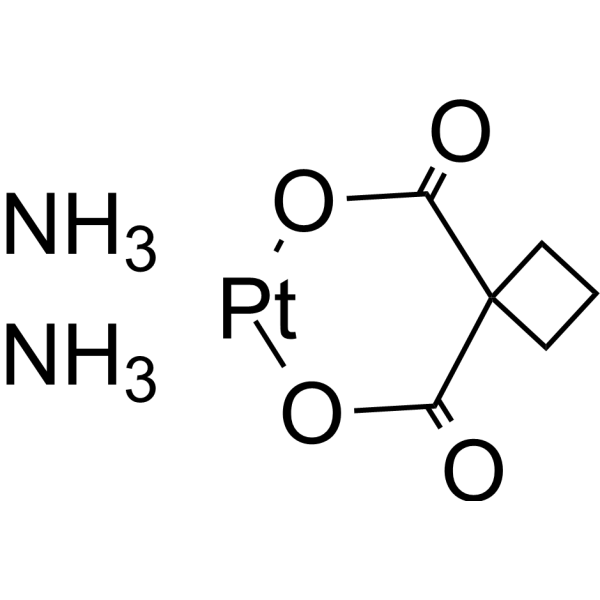
    Carboplatin
    85+ Cited Publications

    NSC 241240

    DNA Alkylator/Crosslinker Autophagy DNA/RNA Synthesis Cancer
    Carboplatin (NSC 241240) is a DNA synthesis inhibitor which binds to DNA, inhibits replication and transcription and induces cell death. Carboplatin (NSC 241240) is a derivative of CDDP and a potent anti-cancer agent.
    Carboplatin
  • HY-15559
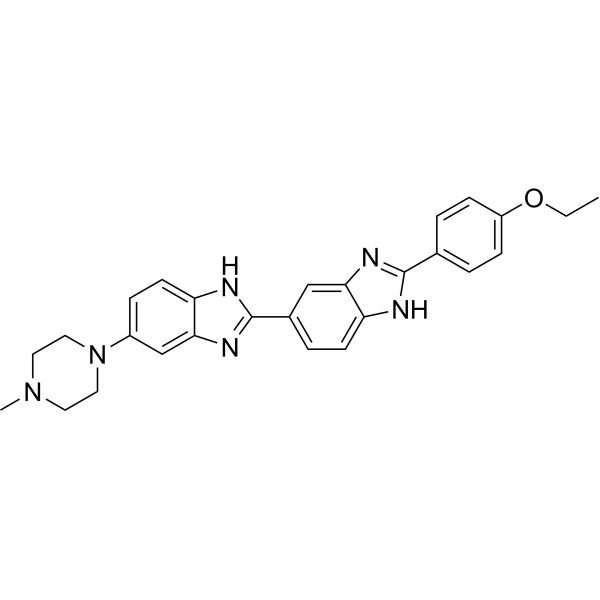
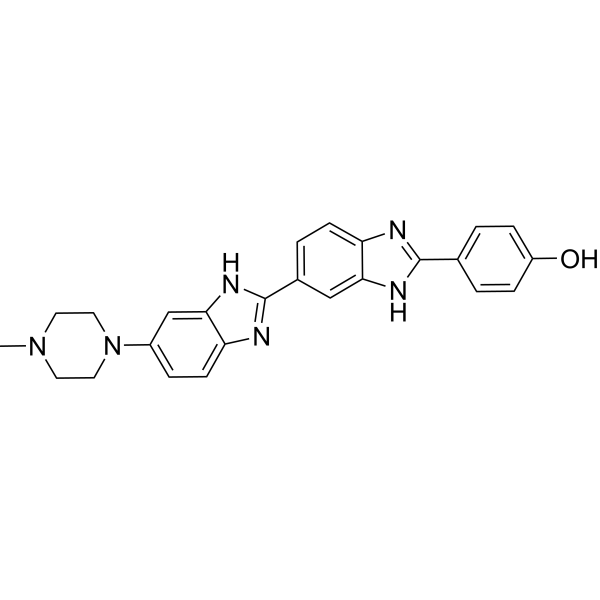
    Hoechst 33342
    140+ Cited Publications

    bisBenzimide H 33342; HOE 33342

    Autophagy Others
    Hoechst 33342 is a marker dye in Hoechst series. Hoechst is A live nuclear marker dye. Hoechst binds to the grooves in the DNA double strand, which tends to be A/ T-rich DNA strand. Although it binds to all nucleic acids, the A/ T-rich double strand DNA significantly enhances fluorescence intensity Therefore,Hoechst dye can be used for living cell labeling. The fluorescence intensity of Hoechst dye increases with the increase of pH of solution .
    Hoechst 33342
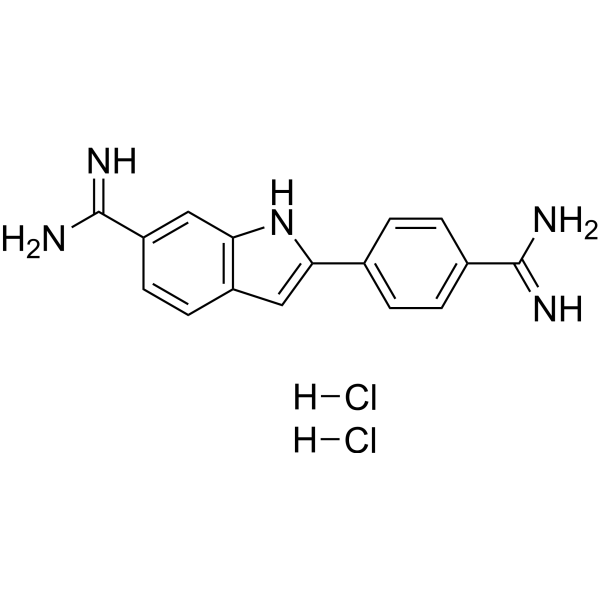
  • HY-D0814
    DAPI dihydrochloride
    Maximum Cited Publications
    146 Publications Verification

    4',6-Diamidino-2-phenylindole dihydrochloride

    DNA Stain Sodium Channel Neurological Disease
    DAPI (4',6-Diamidino-2-phenylindole) dihydrochloride is a DAPI dye. DAPI is a fluorescent dye that binds strongly to DNA. It binds to the AT base pair of the double-stranded DNA minor groove, and one DAPI molecule can occupy three base pair positions. The fluorescence intensity of DAPI molecules bound to double-stranded DNA is increased by about 20 times, and it is commonly observed with fluorescence microscopy, and the amount of DNA can be determined based on the intensity of fluorescence. In addition, because DAPI can pass through intact cell membranes, it can be used to stain both live and fixed cells . DAPI (Compound 3) is an acid-sensing ion channel 3 (ASIC3) inhibitor. DAPI binds to ASIC3 and blocks the channel function. DAPI can be used in the study of chronic pain treatment (Ex/Em = 356/451 nm).
    DAPI dihydrochloride
  • HY-W250110E

    PEI (branched) (MW 25000)

    Environmental Pollutants DNA Alkylator/Crosslinker Biochemical Assay Reagents Others
    Polyethylenimine (branched) is a commonly used non-viral DNA transfection reagent. Polyethylenimine (branched) (MW 25000) binds to plasmid DNA .
    Polyethylenimine (branched) (MW 25000)
  • HY-15559A
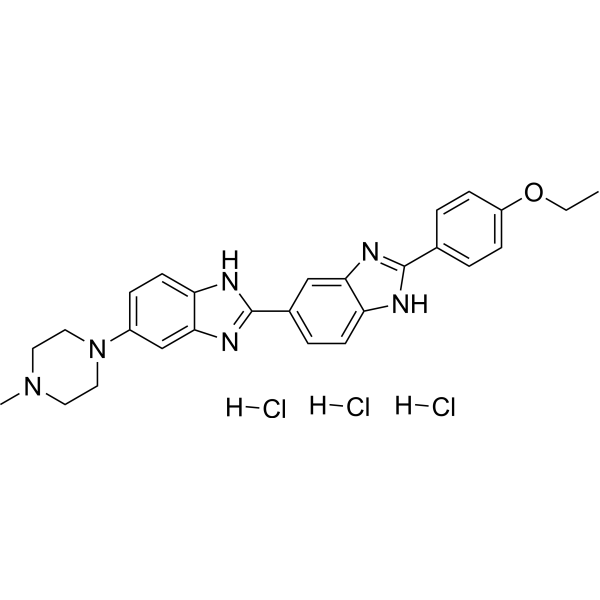
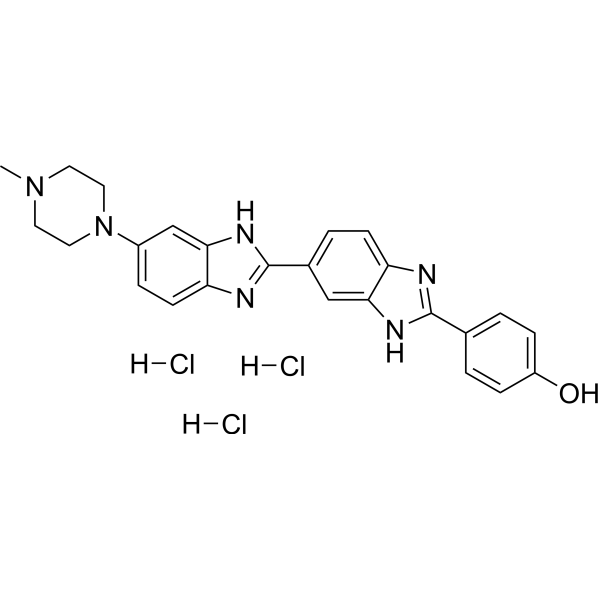
    Hoechst 33342 trihydrochloride
    140+ Cited Publications

    bisBenzimide H 33342 trihydrochloride; HOE 33342 trihydrochloride

    Autophagy Others
    Hoechst 33342 trihydrochloride is a marker dye in Hoechst series. Hoechst is A live nuclear marker dye. Hoechst binds to the grooves in the DNA double strand, which tends to be A/ T-rich DNA strand. Although it binds to all nucleic acids, the A/ T-rich double strand DNA significantly enhances fluorescence intensity Therefore,Hoechst dye can be used for living cell labeling. The fluorescence intensity of Hoechst dye increases with the increase of pH of solution .
    Hoechst 33342 trihydrochloride
  • HY-D1020
    7-Aminoactinomycin D
    5+ Cited Publications

    7-AAD

    DNA/RNA Synthesis Bacterial DNA Stain Antibiotic Infection Cancer
    7-Aminoactinomycin D (7-AAD) a cell-impermeant fluorescent DNA stain, is a potent RNA polymerase inhibitor. 7-Aminoactinomycin D selectively binds to GC regions of the DNA. 7-Aminoactinomycin D also has antibacterial effects .
    7-Aminoactinomycin D
  • HY-15558
    Hoechst 33258
    20+ Cited Publications

    bisBenzimide H 33258; H 33258

    Fluorescent Dye DNA Stain DNA Alkylator/Crosslinker Others
    Hoechst 33258 is a blue to blue-green fluorescent live cell dye that can label DNA. Hoechst 33258 can specifically bind to the minor groove of DNA (and tends to bind to A/T-rich DNA), resulting in a significant increase in fluorescence intensity. Hoechst 33258 can cross the cell membrane and cause changes in DNA structure, such as G2/M phase arrest. Hoechst 33258 can bind to live or fixed cells, and the fluorescence intensity increases with increasing solution pH. As a DNA-specific probe, Hoechst 33258 can be used to detect DNA content, analyze cell cycle, etc. The excitation wavelength of Hoechst 33258 is 350-365 nm, and the emission wavelength is 460-490 nm .
    Hoechst 33258
  • HY-15558A
    Hoechst 33258 trihydrochloride
    20+ Cited Publications

    bisBenzimide H 33258 trihydrochloride; H 33258 trihydrochloride

    Fluorescent Dye Cancer
    Hoechst 33258 trihydrochloride is a marker dye in Hoechst series. Hoechst is A live nuclear marker dye. Hoechst binds to the grooves in the DNA double strand, which tends to be A/ T-rich DNA strand. Although it binds to all nucleic acids, the A/ T-rich double strand DNA significantly enhances fluorescence intensity Therefore,Hoechst dye can be used for living cell labeling. The fluorescence intensity of Hoechst dye increases with the increase of pH of solution .
    Hoechst 33258 trihydrochloride
  • HY-N6638
    Retrorsine
    2 Publications Verification

    Others Metabolic Disease
    Retrorsine is a naturally occurring toxic pyrrolizidine alkaloid. Retrorsine can bind with DNA and inhibits the proliferative capacity of hepatocytes. Retrorsine can be used for the research of hepatocellular injury .
    Retrorsine
  • HY-13424
    RITA
    3 Publications Verification

    NSC 652287

    MDM-2/p53 Autophagy DNA Alkylator/Crosslinker Cancer
    RITA is an inhibitor of p53-HDM-2 interaction, binds to p53dN, with a Kd of 1.5 nM, and also induces DNA-DNA cross-links.
    RITA
  • HY-Y0958
    Methoxyamine hydrochloride
    1 Publications Verification

    O-Methylhydroxylamine hydrochloride

    DNA/RNA Synthesis Apoptosis Cancer
    Methoxyamine (O-Methylhydroxylamine) hydrochloride is an orally active and potent base excision repair (BER) inhibitor. Methoxyamine hydrochloride binds to 3’ hydroxyl groups that are left behind by 3-methylpurine-DNA glycosylase (MPG) following excision of the damaged base and thus inhibits BER activity. Methoxyamine hydrochloride binds directly to the apyrimidinic (AP) sites. Methoxyamine hydrochloride synergistically enhances the therapeutic efficacy of DNA-damaging agents .
    Methoxyamine hydrochloride
  • HY-128760
    COH34
    1 Publications Verification

    Poly(ADP-ribose) Glycohydrolase (PARG) Cancer
    COH34 is a potent and specific poly(ADP-ribose) glycohydrolase (PARG) inhibitor with an IC50 of 0.37 nM. COH34 binds to the catalytic domain of PARG (Kd=0.547 μM), thereby prolonging PARylation at DNA lesions and trapping DNA repair factors .
    COH34
  • HY-126490
    Phleomycin
    2 Publications Verification

    Bacterial Antibiotic DNA/RNA Synthesis Infection Cancer
    Phleomycin is a copper-dependent DNA damaging agent and antibiotic with antitumor activity. Phleomycin binds to DNA and produces ROS in the presence of reducing agents (such as dithiothreitol and glutathione), inducing single-strand and double-strand breaks in DNA. Phleomycin can induce cell apoptosis or mutation and is widely used in cancer inhibition, microbial genetic transformation (as a screening marker to improve fungal transformation efficiency) and DNA repair mechanism research .
    Phleomycin
  • HY-101160

    DRG16

    DNA Alkylator/Crosslinker ADC Payload Cancer
    SG2057 (DRG16) is a PBD dimer containing a pentyldioxy linkage which binds sequence selectively in the minor groove of DNA forming DNA interstrand and intrastrand cross-linked adducts. SG2057 is a highly active antitumor agent .
    SG2057
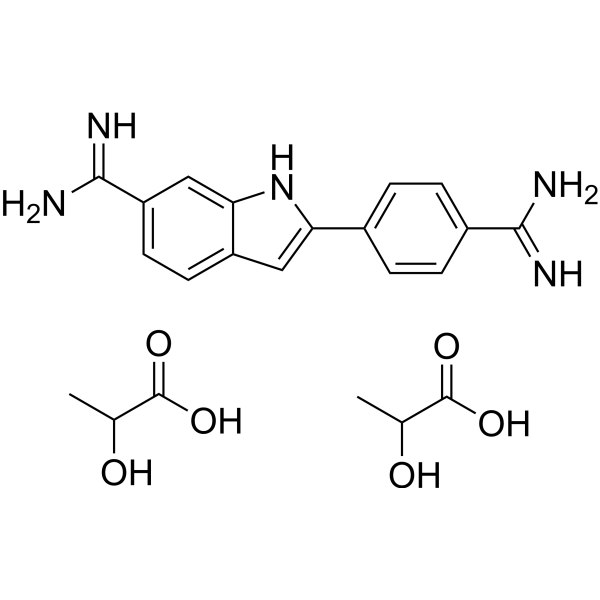
  • HY-D1738
    DAPI dilactate
    110+ Cited Publications

    4',6-Diamidino-2-phenylindole dilactate

    Fluorescent Dye Others
    DAPI (4',6-Diamidino-2-phenylindole) dilactate is a DAPI dye. DAPI is a fluorescent dye that binds strongly to DNA. It binds to the AT base pair of the double-stranded DNA minor groove, and one DAPI molecule can occupy three base pair positions. The fluorescence intensity of DAPI molecules bound to double-stranded DNA is increased by about 20 times, and it is commonly observed with fluorescence microscopy, and the amount of DNA can be determined based on the intensity of fluorescence. DAPI cannot penetrate intact cell membranes and is commonly used for staining both live and fixed cells . DAPI (Compound 3) is an acid-sensing ion channel 3 (ASIC3) inhibitor. DAPI binds to ASIC3 and blocks the channel function. DAPI can be used in the study of chronic pain treatment (Ex/Em = 356/451 nm) .
    DAPI dilactate
  • HY-DY1005

    Autophagy Others
    Hoechst 33342 trihydrochloride (solution) is a marker dye in Hoechst series. Hoechst is A live nuclear marker dye. Hoechst binds to the grooves in the DNA double strand, which tends to be A/ T-rich DNA strand. Although it binds to all nucleic acids, the A/ T-rich double strand DNA significantly enhances fluorescence intensity Therefore,Hoechst dye can be used for living cell labeling. The fluorescence intensity of Hoechst dye increases with the increase of pH of solution .
    Solvent and Concentration: Sterile water: 10 mg/mL
    Hoechst 33342 trihydrochloride (solution)
  • HY-15560
    Hoechst 34580
    5 Publications Verification

    HOE 34580

    Amyloid-β Neurological Disease
    Hoechst 34580 is a marker dye in Hoechst series. Hoechst is A live nuclear marker dye. Hoechst binds to the grooves in the DNA double strand, which tends to be A/ T-rich DNA strand. Although it binds to all nucleic acids, the A/ T-rich double strand DNA significantly enhances fluorescence intensity Therefore,Hoechst dye can be used for living cell labeling. The fluorescence intensity of Hoechst dye increases with the increase of pH of solution .
    Hoechst 34580
  • HY-15560B
    Hoechst 34580 tetrahydrochloride
    5 Publications Verification

    HOE 34580 tetrahydrochloride

    Amyloid-β Neurological Disease
    Hoechst 34580 tetrahydrochloride is a marker dye in Hoechst series. Hoechst is A live nuclear marker dye. Hoechst binds to the grooves in the DNA double strand, which tends to be A/ T-rich DNA strand. Although it binds to all nucleic acids, the A/ T-rich double strand DNA significantly enhances fluorescence intensity Therefore,Hoechst dye can be used for living cell labeling. The fluorescence intensity of Hoechst dye increases with the increase of pH of solution .
    Hoechst 34580 tetrahydrochloride
  • HY-B1497
    Silver sulfadiazine
    1 Publications Verification

    AgSD

    Bacterial DNA/RNA Synthesis Antibiotic Infection
    Silver sulfadiazine (AgSD), a sulfonamide antibiotic, effects a dual inhibitory action on bacterial growth by its sulfa moiety (SD-SDZ) that prevents bacterial folate absorption and subsequent DNA synthesis. The silver that is released from Silver sulfadiazine binds and disrupts the DNA structure, precluding bacterial DNA replication .
    Silver sulfadiazine
  • HY-D2868
    DAPI
    130+ Cited Publications

    4',6-Diamidino-2-phenylindole

    DNA Stain Sodium Channel Neurological Disease
    DAPI (4',6-Diamidino-2-phenylindole) is a DAPI dye. DAPI is a fluorescent dye that binds strongly to DNA. It binds to the AT base pair of the double-stranded DNA minor groove, and one DAPI molecule can occupy three base pair positions. The fluorescence intensity of DAPI molecules bound to double-stranded DNA is increased by about 20 times, and it is commonly observed with fluorescence microscopy, and the amount of DNA can be determined based on the intensity of fluorescence. In addition, because DAPI can pass through intact cell membranes, it can be used to stain both live and fixed cells . DAPI (Compound 3) is an acid-sensing ion channel 3 (ASIC3) inhibitor. DAPI binds to ASIC3 and blocks the channel function. DAPI can be used in the study of chronic pain treatment (Ex/Em = 356/451 nm).
    DAPI
  • HY-D0947

    DNA Stain Others
    Azure A chloride is a phenothiazine dye. Azure A chloride is an alternative DNA dye used for the separation of DNA and protein fragments in agarose gel electrophoresis and PAGE. Azure A chloride can be chemisorbed on the surface of mild steel according to the Langmuir adsorption isotherm to form a protective film. Azure A chloride binds to double-stranded DNA in a non-cooperative manner via weak intercalation, triggering molecular conformational disturbance, restricted rotational motion, and changes in optical activity .
    Azure A chloride
  • HY-15627
    Hoechst 33342 analog
    5 Publications Verification

    Fluorescent Dye Others
    Hoechst 33342 analog is a marker dye in Hoechst series. Hoechst is A live nuclear marker dye. Hoechst binds to the grooves in the DNA double strand, which tends to be A/ T-rich DNA strand. Although it binds to all nucleic acids, the A/ T-rich double strand DNA significantly enhances fluorescence intensity Therefore,Hoechst dye can be used for living cell labeling. The fluorescence intensity of Hoechst dye increases with the increase of pH of solution .
    Hoechst 33342 analog
  • HY-15623
    Hoechst 33258 analog
    1 Publications Verification

    DNA Stain Others
    Hoechst 33258 analog is a marker dye in Hoechst series. Hoechst is A live nuclear marker dye. Hoechst binds to the grooves in the DNA double strand, which tends to be A/ T-rich DNA strand. Although it binds to all nucleic acids, the A/ T-rich double strand DNA significantly enhances fluorescence intensity Therefore,Hoechst dye can be used for living cell labeling. The fluorescence intensity of Hoechst dye increases with the increase of pH of solution .
    Hoechst 33258 analog
  • HY-15619

    Nuclear yellow

    Fluorescent Dye Others
    Hoechst S 769121 is a marker dye in Hoechst series. Hoechst is A live nuclear marker dye. Hoechst binds to the grooves in the DNA double strand, which tends to be A/ T-rich DNA strand. Although it binds to all nucleic acids, the A/ T-rich double strand DNA significantly enhances fluorescence intensity Therefore,Hoechst dye can be used for living cell labeling. The fluorescence intensity of Hoechst dye increases with the increase of pH of solution .
    Hoechst S 769121
  • HY-125427

    OLIG2 Cancer
    SKOG102 is a potent OLIG2 inhibitor that is directly engaging OLIG2 and interferes with the ability of OLIG2 to bind DNA. SKOG102 can be used for the research of glioblastoma (GBM) .
    SKOG102
  • HY-108166A

    Fluorescent Dye Infection
    Hydroxystilbamidine bis(methanesulfonate) is a dye that can bind to DNA and RNA; it's a fluorescent cationic dye, often used as a retrograde neuronal tracer and has also been found to be a potent inhibitor of cellular ribonucleases.
    Hydroxystilbamidine bismethanesulfonate
  • HY-124838
    EG1
    1 Publications Verification

    DNA/RNA Synthesis Cancer
    EG1, a specific Pax2 inhibitor, directly binds the paired domain of Pax2 (Kd=1.35-1.5 μM) and inhibits Pax2-DNA interactions. EG1 can inhibit embryonic kidney development, a process directly dependent on Pax2 activity .
    EG1
  • HY-122590

    Gli Cancer
    Glabrescione B is the first compound that binds the Hedgehog (Hh) modulator Gli1. Glabrescione B impairs its activity by interfering with Gli1-DNA interaction. Glabrescione B inhibits the growth of Hedgehog-dependent tumor cells, the self-renewal ability, and clonogenicity of tumor-derived stem cells .
    Glabrescione B
  • HY-13747
    Semustine
    1 Publications Verification

    DNA Alkylator/Crosslinker Cancer
    Semustine is a DNA alkylator, binds to DNA, and acts as a cancer chemotherapeutic agent .
    Semustine
  • HY-145657

    BQQ

    Biochemical Assay Reagents Others
    Benzoquinoquinoxaline (BQQ) is a heterocyclic compound with an aminoalkyl side chain. Benzoquinoquinoxaline preferentially binds to DNA triplex structures, intercalates between the bases, thus, stabilising the triplex conformation. Conjugation of Benzoquinoquinoxaline to 1,10-phenanthroline specifically binds and cleaves double strand DNA at the site of formation of a triplex structure .
    Benzoquinoquinoxaline
  • HY-W112938

    DNA Alkylator/Crosslinker Photosensitizer Infection Cancer
    TMPyP tetrachloride is a DNA-binding agent, singlet oxygen Sensitizer and photobleaching agent. TMPyP tetrachloride binds to DNA via intercalation or external groove complexation; irradiation induces its photoinduced release from DNA. TMPyP tetrachloride sensitizes the generation of singlet molecular oxygen upon irradiation, and prolonged irradiation leads to photobleaching. TMPyP tetrachloride initially localizes preferentially in neuronal nuclei and cytoplasm, and irradiation triggers its subcellular relocalization. TMPyP tetrachloride binds to K + -free single-molecule G4-DNA nanowires via intercalation, and binds to K + -type variants via non-intercalation. TMPyP tetrachloride can be used in studies related to cancer, HIV infection and bacterial infection .
    TMPyP tetrachloride
  • HY-15631
    Hoechst 33258 analog 6
    5+ Cited Publications

    Fluorescent Dye Others
    Hoechst 33258 analog 6 is a marker dye in Hoechst series. Hoechst is A live nuclear marker dye. Hoechst binds to the grooves in the DNA double strand, which tends to be A/ T-rich DNA strand. Although it binds to all nucleic acids, the A/ T-rich double strand DNA significantly enhances fluorescence intensity Therefore,Hoechst dye can be used for living cell labeling. The fluorescence intensity of Hoechst dye increases with the increase of pH of solution (Ex/Em = 356/451 nm) .
    Hoechst 33258 analog 6
  • HY-101647

    RP 60475

    Topoisomerase Cancer
    Intoplicine (RP 60475), an antitumor derivative in the 7H-benzo[e]pyrido[4,3-b]indole series, is a DNA topoisomerase I and II inhibitor. Intoplicine strongly binds DNA (KA = 2 x 10 5 /M) and thereby increases the length of linear DNA .
    Intoplicine
  • HY-U00279

    DNA/RNA Synthesis Cancer
    Nitracrine inhibits RNA synthesis and covalently, reversibly binds to DNA but also forms covalent adducts with DNA in vivo. Nitracrine, a 1-nitroacridine derivative, is a potent hypoxia-selective agent in vitro and antitumor agent. Nitracrine has cytotoxicity towards most cells .
    Nitracrine
  • HY-128873

    ADC Payload DNA Alkylator/Crosslinker Cancer
    Duocarmycin GA is an antibody agent conjugates (ADCs) toxin. Duocarmycin is a DNA alkylating agent that binds in the minor groove. Duocarmycin GA can be used against multi-agent resistant cell lines.
    Duocarmycin GA
  • HY-15630A
    Hoechst 33342 analog 2 trihydrochloride
    1 Publications Verification

    Fluorescent Dye Others
    Hoechst 33342 analog 2 trihydrochloride is a marker dye in Hoechst series. Hoechst is A live nuclear marker dye. Hoechst binds to the grooves in the DNA double strand, which tends to be A/ T-rich DNA strand. Although it binds to all nucleic acids, the A/ T-rich double strand DNA significantly enhances fluorescence intensity Therefore,Hoechst dye can be used for living cell labeling. The fluorescence intensity of Hoechst dye increases with the increase of pH of solution .
    Hoechst 33342 analog 2 trihydrochloride
  • HY-164279

    DNA/RNA Synthesis Cancer
    YTR107 is a radiation sensitizer. YTR107 binds to nucleophosmin1 (NPM1) and inhibits pentamer formation. YTR107 inhibits recruitment of nucleophosmin to sites of DNA damage, suppresses repair of DNA double strand breaks, and enhances radiosensitization .
    YTR107
  • HY-17393R

    NSC 241240 (Standard)

    DNA Alkylator/Crosslinker Autophagy DNA/RNA Synthesis Reference Standards Cancer
    Carboplatin (Standard) is the analytical standard of Carboplatin. This product is intended for research and analytical applications. Carboplatin (NSC 241240) is a DNA synthesis inhibitor which binds to DNA, inhibits replication and transcription and induces cell death. Carboplatin (NSC 241240) is a derivative of CDDP and a potent anti-cancer agent.
    Carboplatin (Standard)
  • HY-123635

    Antibiotic Bacterial Infection
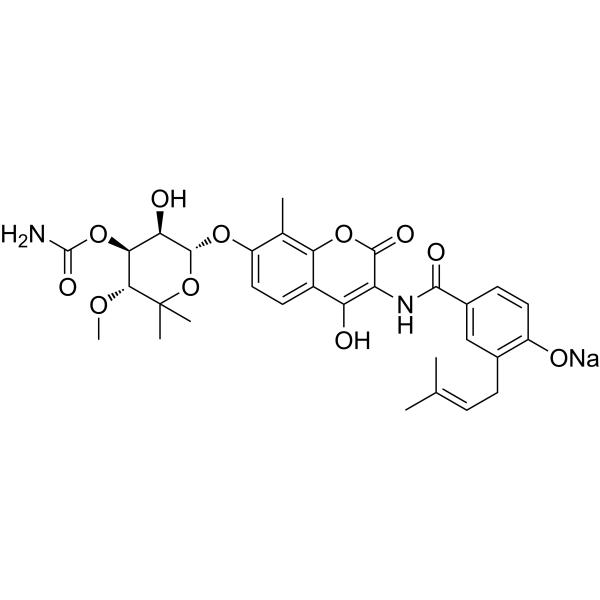
    Nybomycin, an antibiotic, exhibits antiphage and antibacterial properties. Nybomycin binds to DNA and induces a unique morphological change to mycobacterial bacilli leading the bacterial cell death .
    Nybomycin
  • HY-U00441
    DPBQ
    1 Publications Verification

    MDM-2/p53 Apoptosis Cancer
    DPBQ activates p53 and triggers apoptosis in a polyploid-specific manner, but does not inhibit topoisomerase or bind DNA. DPBQ elicits expression and phosphorylation of p53 and this effect is specific to tetraploid cells .
    DPBQ
  • HY-15562

    Fluorescent Dye Others
    HOE 32021 is a marker dye in Hoechst series. Hoechst is A live nuclear marker dye. Hoechst binds to the grooves in the DNA double strand, which tends to be A/ T-rich DNA strand. Although it binds to all nucleic acids, the A/ T-rich double strand DNA significantly enhances fluorescence intensity Therefore,Hoechst dye can be used for living cell labeling. The fluorescence intensity of Hoechst dye increases with the increase of pH of solution .
    HOE 32021
  • HY-15561B

    meta-Hoechst trihydrochloride

    Fluorescent Dye Others
    HOE-S 785026 trihydrochloride is a marker dye in Hoechst series. Hoechst is A live nuclear marker dye. Hoechst binds to the grooves in the DNA double strand, which tends to be A/ T-rich DNA strand. Although it binds to all nucleic acids, the A/ T-rich double strand DNA significantly enhances fluorescence intensity Therefore,Hoechst dye can be used for living cell labeling. The fluorescence intensity of Hoechst dye increases with the increase of pH of solution .
    HOE-S 785026 trihydrochloride
  • HY-17393S

    NSC 241240-d4

    Isotope-Labeled Compounds DNA Alkylator/Crosslinker Autophagy DNA/RNA Synthesis Cancer
    Carboplatin-d4 is the deuterium labeled Carboplatin. Carboplatin (NSC 241240) is a DNA synthesis inhibitor which binds to DNA, inhibits replication and transcription and induces cell death. Carboplatin (NSC 241240) is a derivative of CDDP and a potent anti-cancer agent.
    Carboplatin-d4
  • HY-E70211

    HaeIII

    DNA Methyltransferase Cancer
    HaeIII Methyltransferase (HaeIII) is a Methyltransferase which can bind covalently to DNA .
    HaeIII Methyltransferase
  • HY-15629

    DNA Stain Others
    HOE 32020 is a marker dye in Hoechst series. Hoechst is A live nuclear marker dye. Hoechst binds to the grooves in the DNA double strand, which tends to be A/ T-rich DNA strand. Although it binds to all nucleic acids, the A/ T-rich double strand DNA significantly enhances fluorescence intensity Therefore,Hoechst dye can be used for living cell labeling. The fluorescence intensity of Hoechst dye increases with the increase of pH of solution .
    HOE 32020
  • HY-15628

    DNA Stain Others
    Hoechst 33258 analog 5 is a marker dye in Hoechst series. Hoechst is A live nuclear marker dye. Hoechst binds to the grooves in the DNA double strand, which tends to be A/ T-rich DNA strand. Although it binds to all nucleic acids, the A/ T-rich double strand DNA significantly enhances fluorescence intensity Therefore,Hoechst dye can be used for living cell labeling. The fluorescence intensity of Hoechst dye increases with the increase of pH of solution .
    Hoechst 33258 analog 5
  • HY-15630

    Fluorescent Dye Cancer
    Hoechst 33342 analog 2 is a marker dye in Hoechst series. Hoechst is A live nuclear marker dye. Hoechst binds to the grooves in the DNA double strand, which tends to be A/ T-rich DNA strand. Although it binds to all nucleic acids, the A/ T-rich double strand DNA significantly enhances fluorescence intensity Therefore,Hoechst dye can be used for living cell labeling. The fluorescence intensity of Hoechst dye increases with the increase of pH of solution .
    Hoechst 33342 analog 2
  • HY-19829

    ADC Payload Bacterial Antibiotic Infection Cancer
    Sandramycin ia a cyclic depsipeptide antibiotic isolated from cultured broth of a Nocardioides sp. Sandramycin is also a DNA intercalator that potently binds DNA and is an ADC cytotoxin. Sandramycin is active against Gram-positive bacteria and has potent antitumor activity .
    Sandramycin
  • HY-N9460

    DNA Alkylator/Crosslinker Antibiotic Cancer
    Sibiromycin is a naturally produced glycosylated pyrrolobenzodiazepines (PBDs). Sibiromycin is also a potent antitumor antibiotic that binds covalently to DNA in the minor groove at the NH2 of guanine .
    Sibiromycin
  • HY-W010482S

    Isotope-Labeled Compounds Cancer
    3-Ethylaniline-d5 is the deuterium labeled 3-Ethylaniline (HY-W010482). 3-Ethylaniline is metabolized in vivo to electrophilic intermediates that covalently bind to DNA and that adducts are formed in the DNA of bladder. 3-Ethylaniline can be used for the research of bladder cancer .
    3-Ethylaniline-d5

Inquiry Online

Your information is safe with us. * Required Fields.

Salutation


Country or Region *

Applicant Name *


Organization Name *

Department *


Email Address *


Product Name *

Cat. No.


Requested quantity *

Phone Number *


Remarks

Inquiry Online

Inquiry Information

Product Name:
Cat. No.:
Quantity:
MCE Japan Authorized Agent:

