



1. Search Result
Search Result
Results for "

catabolic

" in MedChemExpress (MCE) Product Catalog:

34

Inhibitors & Agonists

1

Fluorescent Dyes

1

Biochemical Assay Reagents

2

Peptides

1

Inhibitory Antibodies

10

Natural
Products

8

Isotope-Labeled Compounds

Cat. No. Product Name Target Research Areas Chemical Structure
  • HY-108357
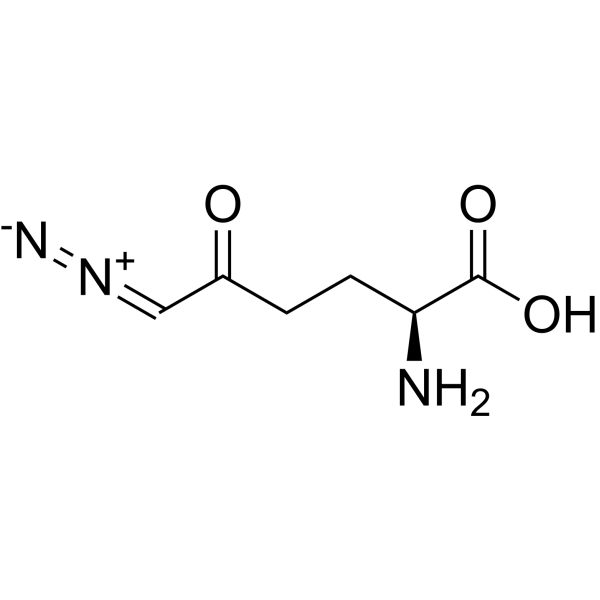
    6-Diazo-5-oxo-L-nor-Leucine
    Maximum Cited Publications
    14 Publications Verification

    L-6-Diazo-5-oxonorleucine; DON

    Glutaminase Bacterial Influenza Virus Antibiotic Infection Cancer
    6-Diazo-5-oxo-L-nor-Leucine (L-6-Diazo-5-oxonorleucine; DON) is a glutamine antagonist that irreversibly inhibits the catabolic effect of glutamine. 6-Diazo-5-oxo-L-nor-Leucine shows good anticancer activity (especially in pancreatic cancer) and reduces the self-renewal potential and metastatic capacity of tumour cells. 6-Diazo-5-oxo-L-nor-Leucine also possesses antibacterial and antiviral activity .
    6-Diazo-5-oxo-L-nor-Leucine
  • HY-13676
    Megestrol acetate
    2 Publications Verification

    Progesterone Receptor Autophagy HIV Endocrinology Cancer
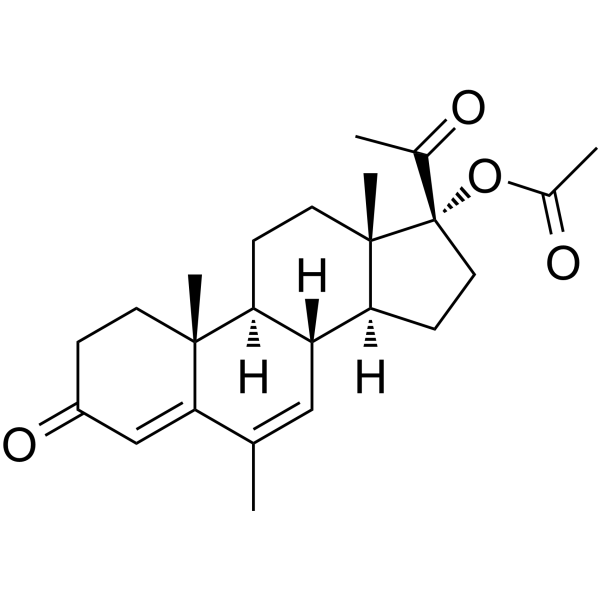
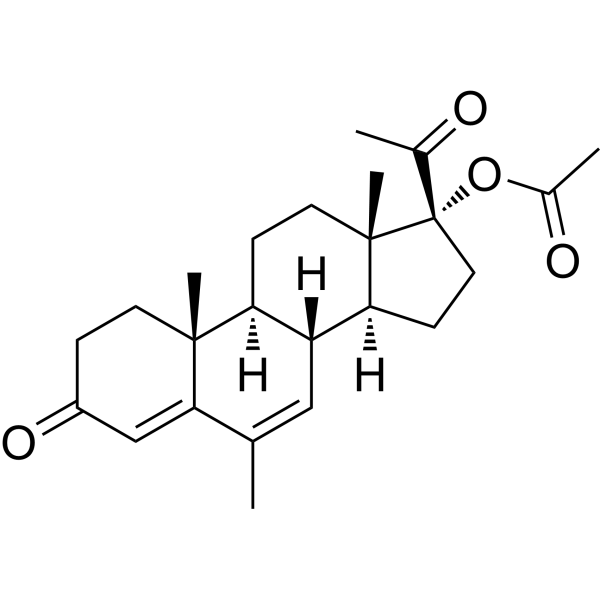
    Megestrol acetate is a synthetic and orally active progesteronal agent. Megestrol acetate is effective as an appetite stimulant for wasting syndromes such as cachexia. Megestrol acetate decreases nuclear and cytosol androgen receptors human BPH tissue. Megestrol acetate has the potential for HIV study and downregulates autophagic catabolic pathway .
    Megestrol acetate
  • HY-W014102
    L-Alanyl-L-glutamine
    1 Publications Verification

    Endogenous Metabolite Metabolic Disease Inflammation/Immunology
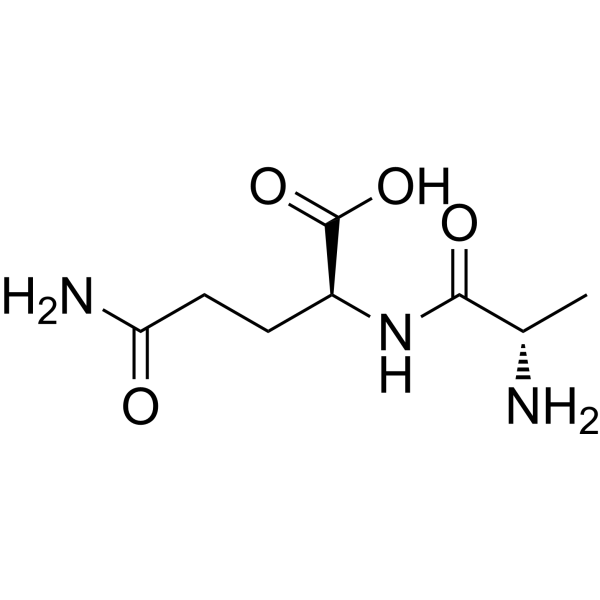
    L-Alanyl-L-glutamine, a glutamine dipeptide, is benefit for the antioxidant system, attenuating inflammation, and may modulate the heat shock protein (HSP) response in catabolic situations .
    L-Alanyl-L-glutamine
  • HY-P99590A
    Sotatercept (mIgG2a)
    1 Publications Verification

    RAP-011

    TGF-β Receptor TGF-beta/Smad Cardiovascular Disease Metabolic Disease
    Sotatercept (mIgG2a) (RAP-011), the murine homolog of Sotatercept (ACE-011) (HY-P99590), is a soluble activin receptor type IIA (ActRIIA) ligand trap. Sotatercept (mIgG2a) inhibits the binding of activin A and other members of the TGF-β superfamily (such as Activin A/B, GDF11 and BMP9/10) to their receptors by combining and neutralizing them, thereby regulating cell proliferation and differentiation. Sotatercept (mIgG2a) mainly inhibits the SMAD2/3 signaling pathway, and can be used in various diseases such as chronic kidney disease. Sotatercept (mIgG2a) reduces the expression of erythropoietic hepcidin (ERFE), regulates iron metabolism, and promotes red blood cell production. Sotatercept (mIgG2a) has a dual effect of promoting bone formation (anabolic) and inhibiting bone resorption (catabolic) .
    Sotatercept (mIgG2a)
  • HY-P2832

    ACS

    Endogenous Metabolite Metabolic Disease Cancer
    Acyl coenzyme A synthetase (ACS), namely acetyl coenzyme A synthetase, is often used in biochemical research. Acyl coenzyme A synthetase can catalyze the activation of fatty acids by coenzyme A through a two-step thioesterification reaction to produce acyl coenzyme A, and then participate in a variety of anabolic and catabolic lipid metabolism pathways, and participate in the TCA cycle in aerobic respiration .
    Acyl coenzyme A synthetase
  • HY-W008820

    MOFs Endogenous Metabolite Metabolic Disease
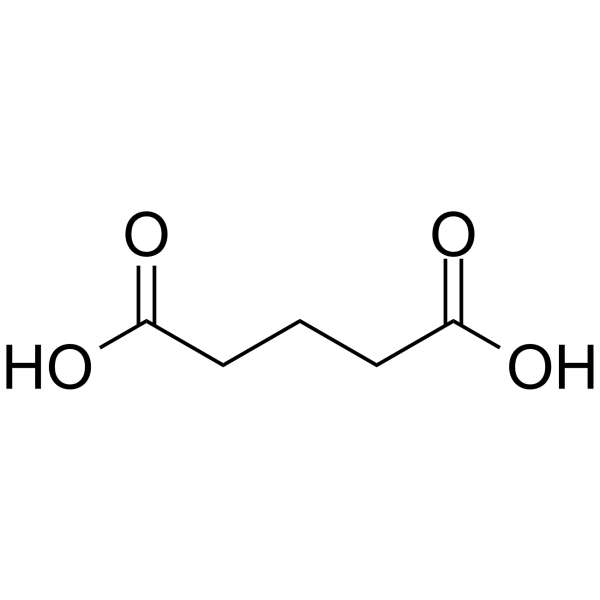
    Glutaric acid, C5 dicarboxylic acid, is an intermediate during the catabolic pathways of lysine and tryptophan. Glutaric acid affects pericyte contractility and migration. Glutaric acid is an indicator of glutaric aciduria type I .
    Glutaric acid
  • HY-W012974

    β-Aminoisobutyric acid; BAIBA

    Endogenous Metabolite Cardiovascular Disease Metabolic Disease
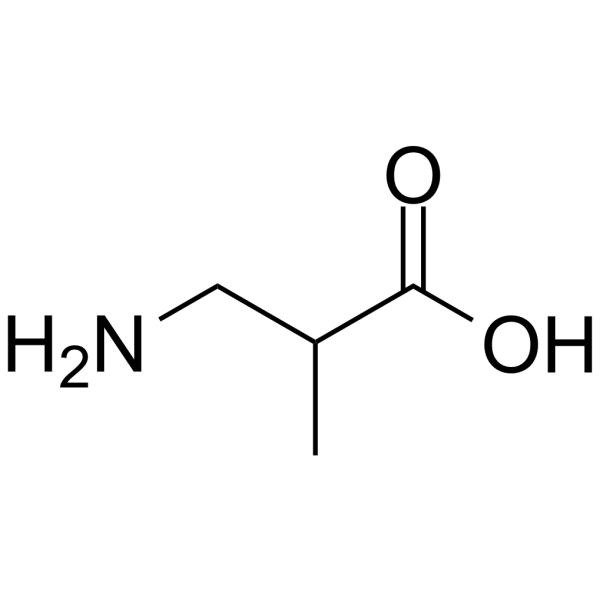
    3-Aminoisobutyric acid (β-Aminoisobutyric acid) has anti-inflammatory and antioxidant effects. 3-Aminoisobutyric acid increases the expression of brown adipocyte-specific genes in white adipose tissue and fatty acid β-oxidation in hepatocytes. 3-Aminoisobutyric acid attenuates insulin resistance and inflammation induced by palmitate or a high fat diet via an AMPK-PPARδ-dependent pathway in mice. 3-Aminoisobutyric acid is a catabolic metabolite of thymine and valine in skeletal muscle .
    3-Aminoisobutyric acid
  • HY-N0648
    Monotropein
    2 Publications Verification

    Interleukin Related Keap1-Nrf2 Heme Oxygenase (HO) NF-κB Apoptosis Inflammation/Immunology
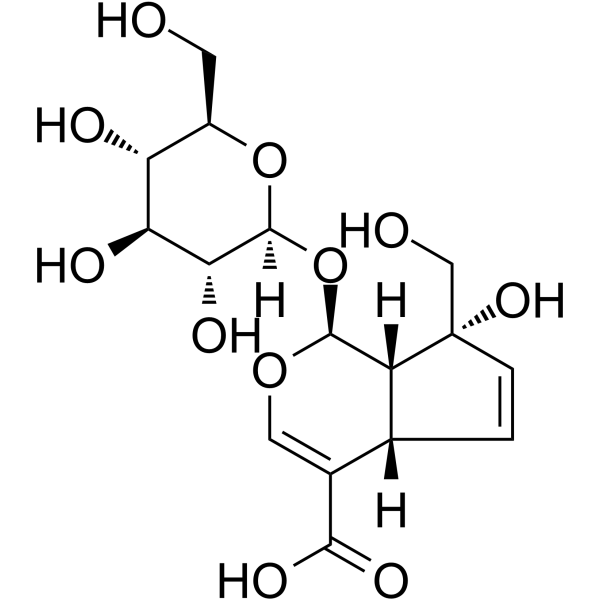
    Monotropein is an iridoid glycoside that can be isolated from the roots of Morinda officinalis. Monotropein inhibits the expression of inflammatory mediators in dextran sulfate sodium (DSS)-induced colitis mouse model. Monotropein exerts protective effects against IL-1β-induced apoptosis and catabolic responses on osteoarthritis chondrocytes. Monotropein has cartilage protective activity. Monotropein can alleviate Cisplatin (HY-17394)-induced acute kidney injury by inhibiting oxidative damage, inflammation and apoptosis through activation of Nrf2/HO-1 pathway and inhibition of NF-κB signaling. Monotropein can be studied in research for osteoarthritis, acute kidney injury and acute lung injury .
    Monotropein
  • HY-134421

    HMG-CoA Reductase (HMGCR) Metabolic Disease
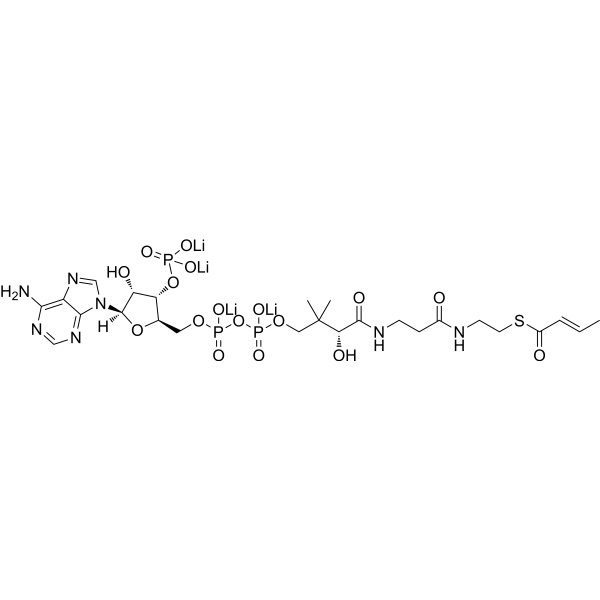
    2-Butenoyl coenzyme A lithium is an inactivator and a substrate of Plasmodium falciparum enoyl-β-hydroxyacyl-acyl carrier protein (ACP) reductase and other enoyl-CoA reductases, and it is also the lithium salt of trans-2-methyl-2-butenoyl coenzyme A. 2-Butenoyl coenzyme A lithium acts on short-chain and medium-chain coenzyme A dehydrogenases as well as glutaryl-CoA dehydrogenase, and shows no activity against wild-type isovaleryl-CoA dehydrogenase. 2-Butenoyl coenzyme A lithium functions as a metabolite in the L-isoleucine catabolic pathway, and can serve as a substrate in the activity assay of 3-ketothiolase. 2-Butenoyl coenzyme A lithium is applicable to research related to 3-ketothiolase deficiency .
    2-Butenoyl coenzyme A lithium
  • HY-146248B

    Poly(ADP-ribose) Glycohydrolase (PARG) SARS-CoV Protease Activated Receptor (PAR) Metabolic Disease
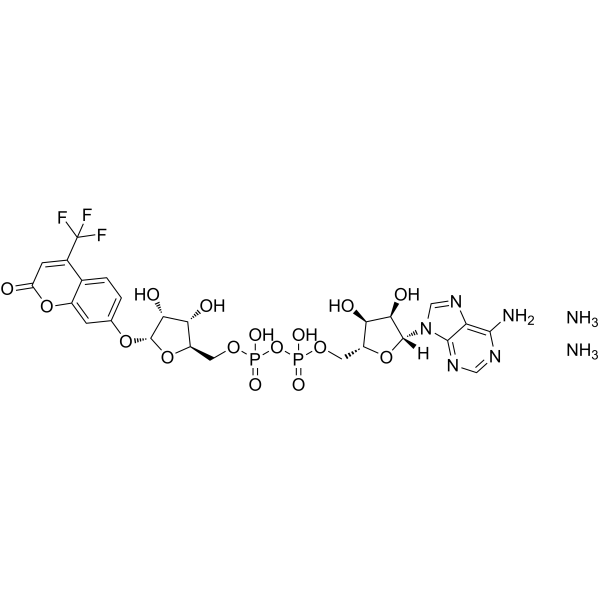
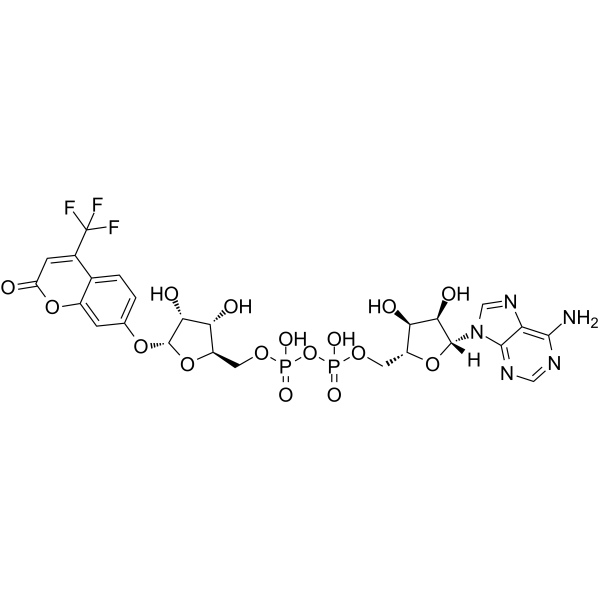
    TFMU-ADPr diammonium is a selective reporter substrate of SARS-CoV-2 Macro1 (IC50=0.59 μM), with an excitation wavelength (λEx) of 385 nm, and an emission wavelength (λEm) of 502 nm (or 495 nm). TFMU-ADPr diammonium can also undergo enzymatic hydrolysis with Poly(ADP-ribose) Glycohydrolase (PARG) sourced from human, Tetrahymena thermophila and ADP-ribosylhydrolase 3 from human to release fluorophores, thereby directly reporting total poly (ADP-ribose) hydrolase activity. TFMU-ADPr diammonium binds to the ADPr-binding site of SARS-CoV-2 Macro1, and its TFMU moiety inserts into the narrow hydrophobic groove of this protein. TFMU-ADPr diammonium can thus be used to evaluate small-molecule inhibitors targeting PAR hydrolases under in vitro conditions, to investigate the regulatory mechanisms of ADP-ribosyl catabolic enzymes, or to detect PAR hydrolase activity in whole-cell lysate assays. TFMU-ADPr diammonium is also applicable to COVID-19-related research .
    TFMU-ADPr diammonium
  • HY-W008820S
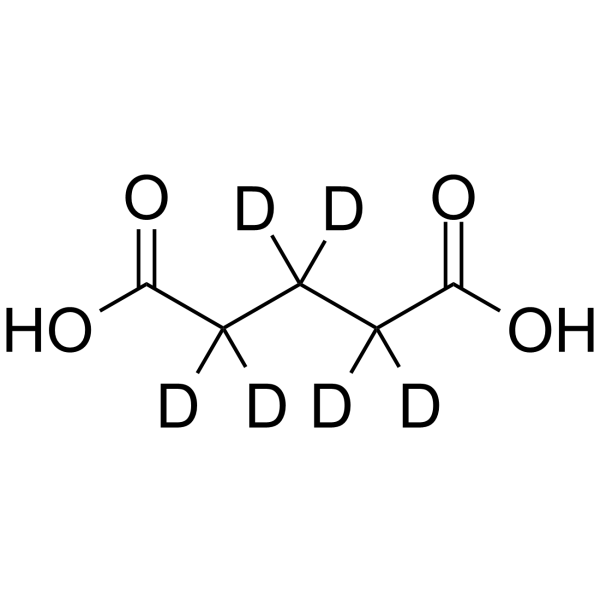
    Glutaric acid-d6
    1 Publications Verification

    Endogenous Metabolite Metabolic Disease
    Glutaric acid-d6 is the deuterium labeled Glutaric acid. Glutaric acid is an intermediate during the catabolic pathways of lysine and tryptophan. Glutaric acid affects pericyte contractility and migration. Glutaric acid is an indicator of glutaric aciduria type I .
    Glutaric acid-d6
  • HY-W040055S

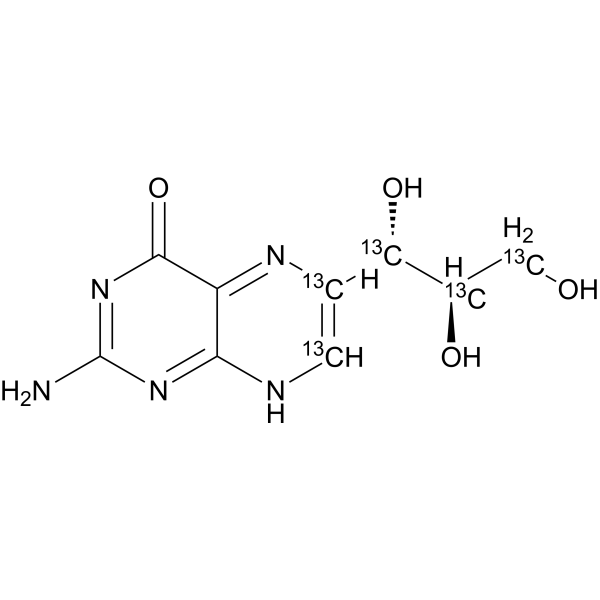
    D-(+)-Neopterin-13C5; D-erythro-Neopterin-13C5

    Isotope-Labeled Compounds Endogenous Metabolite Others
    Neopterin- 13C5 (D-(+)-Neopterin- 13C5; D-erythro-Neopterin- 13C5) is the deuterium labeled Neopterin (HY-W040055) . Neopterin (D-(+)-Neopterin), a catabolic product of guanosine triphosphate (GTM), serves as a marker of cellular immune system activation .
    Neopterin-13C5
  • HY-13676R
    Megestrol acetate (Standard)
    2 Publications Verification

    Reference Standards Progesterone Receptor Autophagy HIV Endocrinology Cancer
    Megestrol acetate (Standard) is the analytical standard of Megestrol acetate. This product is intended for research and analytical applications. Megestrol acetate is a synthetic and orally active progesteronal agent. Megestrol acetate is effective as an appetite stimulant for wasting syndromes such as cachexia. Megestrol acetate decreases nuclear and cytosol androgen receptors human BPH tissue. Megestrol acetate has the potential for HIV study and downregulates autophagic catabolic pathway .
    Megestrol acetate (Standard)
  • HY-P2871

    EC 3.2.1.22

    Endogenous Metabolite Others
    α-Galactosidase, Aspergillus niger (EC 3.2.1.22), that is, α-galactosidase, is a glycoside hydrolase that widely exists in animals, plants and microorganisms, and is often used in biochemical research. α-Galactosidase catalyzes the hydrolysis of α-1,6-linked terminal galactose residues, including galactooligosaccharides, galactomannans, and galactolipids. Catalyzes many catabolic processes including cleavage of glycoproteins, glycolipids and polysaccharides .
    α-Galactosidase, Aspergillus niger
  • HY-113493S1

    Isotope-Labeled Compounds Endogenous Metabolite Metabolic Disease
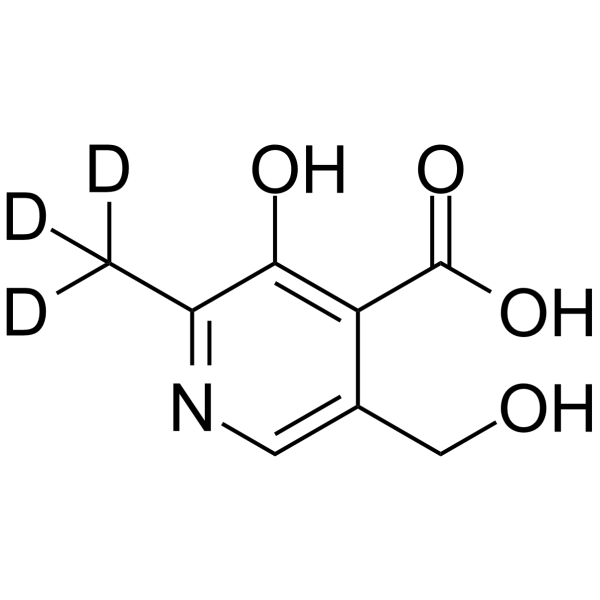
    4-Pyridoxic acid-d3 is the deuterium labeled 4-Pyridoxic acid. 4-Pyridoxic acid is a catabolic product of vitamin B6 which is excreted in the urine .
    4-Pyridoxic acid-d3
  • HY-CE02028

    Glutaconyl-coenzyme A

    Endogenous Metabolite Metabolic Disease
    Glutaconyl-CoA (Glutaconyl-coenzyme A) is a key metabolic intermediate in the mitochondrial catabolic pathways of lysine, hydroxylysine and tryptophan. Glutaconyl-CoA competitively inhibits wild-type glutaryl-CoA dehydrogenase (GCDH) with a Ki value of 1.1 µM. Glutaconyl-CoA is generated via the oxidative decarboxylation of glutaryl-CoA catalyzed by GCDH, and is subsequently further metabolized. Glutaconyl-CoA can be used in the research of type I glutaric aciduria .
    Glutaconyl-CoA
  • HY-169949

    MAP3K NF-κB MMP Leukotriene Receptor Inflammation/Immunology
    TAK-756 is a selective transforming growth factor β-activated kinase 1 (TAK1) inhibitor with a target pIC50 of 8.6. TAK-756 can inhibit TAK1 autophosphorylation and downstream NF-κB phosphorylation, suppress the production of inflammatory and catabolic factors such as MMP-3 and IL-6. TAK-756 exhibits anti-inflammatory effects in a rat joint inflammation model. TAK-756 can be used for the research of inflammatory joint disease, osteoarthritis .
    TAK-756
  • HY-160821A

    ManNAc-6P sodium salt

    Endogenous Metabolite Others
    N-Acetylmannosamine 6-phosphate sodium salt is a NanR modulator and an intermediate in the sialic acid pathway. N-Acetylmannosamine 6-phosphate sodium salt disrupts the binding of NanR to the promoter regions of nanAT and nanE, and prevents NanR-mediated transcriptional repression of these loci. N-Acetylmannosamine 6-phosphate sodium salt acts as a key precursor for sialic acid biosynthesis, participating in this process via Neu5Ac-9-P synthase. N-Acetylmannosamine 6-phosphate sodium salt can be used in research related to GNE myopathy .
    N-Acetylmannosamine 6-phosphate sodium salt
  • HY-146248

    SARS-CoV Poly(ADP-ribose) Glycohydrolase (PARG) Protease Activated Receptor (PAR) Infection
    TFMU-ADPr is a selective reporter substrate of SARS-CoV-2 Macro1 (IC50=0.59 μM), with an excitation wavelength (λEx) of 385 nm, and an emission wavelength (λEm) of 502 nm (or 495 nm). TFMU-ADPr can also undergo enzymatic hydrolysis with Poly(ADP-ribose) Glycohydrolase (PARG) sourced from human, Tetrahymena thermophila and ADP-ribosylhydrolase 3 from human to release fluorophores, thereby directly reporting total poly (ADP-ribose) hydrolase activity. TFMU-ADPr binds to the ADPr-binding site of SARS-CoV-2 Macro1, and its TFMU moiety inserts into the narrow hydrophobic groove of this protein. TFMU-ADPr can thus be used to evaluate small-molecule inhibitors targeting PAR hydrolases under in vitro conditions, to investigate the regulatory mechanisms of ADP-ribosyl catabolic enzymes, or to detect PAR hydrolase activity in whole-cell lysate assays. TFMU-ADPr is also applicable to COVID-19-related research .
    TFMU-ADPr
  • HY-W040055R

    D-(+)-Neopterin (Standard); D-erythro-Neopterin (Standard)

    Reference Standards Endogenous Metabolite Inflammation/Immunology
    Neopterin (Standard) is the analytical standard of Neopterin. This product is intended for research and analytical applications. Neopterin (D-(+)-Neopterin), a catabolic product of guanosine triphosphate (GTM), serves as a marker of cellular immune system activation.
    Neopterin (Standard)
  • HY-W008820R

    Reference Standards Endogenous Metabolite Metabolic Disease
    Glutaric acid (Standard) is the analytical standard of Glutaric acid. This product is intended for research and analytical applications. Glutaric acid, C5 dicarboxylic acid, is an intermediate during the catabolic pathways of lysine and tryptophan. Glutaric acid affects pericyte contractility and migration. Glutaric acid is an indicator of glutaric aciduria type I . In Vitro: Glutaric acid (GA) at concentrations of 1 and 2 mM is able to reduce TRAP measurement by up to 28% in a dose-dependent manner (β=0.77; P<0.001). Furthermore, a significantly inverse correlation is also verified between chemiluminescence and TRAP (β=0.81; P<0.001). Glutaric acid does not alter the activities of Cat and SOD, but strongly inhibits (up to 46%) the activity of GPx even at the lower concentration used (0.5 mM). It is observed that the metabolite inhibits this activity in a dose-dependent manner at concentrations as low as 0.05 mM .
    Glutaric acid (Standard)
  • HY-113493R

    Reference Standards Endogenous Metabolite Metabolic Disease
    4-Pyridoxic acid (Standard) is the analytical standard of 4-Pyridoxic acid. This product is intended for research and analytical applications. 4-Pyridoxic acid is a catabolic product of vitamin B6 which is excreted in the urine.
    4-Pyridoxic acid (Standard)
  • HY-W008820S1

    Endogenous Metabolite Metabolic Disease
    Glutaric acid-d4 is the deuterium labeled Glutaric acid. Glutaric acid, C5 dicarboxylic acid, is an intermediate during the catabolic pathways of lysine and tryptophan. Glutaric acid affects pericyte contractility and migration. Glutaric acid is an indicator of glutaric aciduria type I .
    Glutaric acid-d4
  • HY-146248A

    Poly(ADP-ribose) Glycohydrolase (PARG) SARS-CoV Protease Activated Receptor (PAR) Others
    TFMU-ADPr triethylamine is a selective reporter substrate of SARS-CoV-2 Macro1 (IC50=0.59 μM), with an excitation wavelength (λEx) of 385 nm, and an emission wavelength (λEm) of 502 nm (or 495 nm). TFMU-ADPr triethylamine can also undergo enzymatic hydrolysis with Poly(ADP-ribose) Glycohydrolase (PARG) sourced from human, Tetrahymena thermophila and ADP-ribosylhydrolase 3 from human to release fluorophores, thereby directly reporting total poly (ADP-ribose) hydrolase activity. TFMU-ADPr triethylamine binds to the ADPr-binding site of SARS-CoV-2 Macro1, and its TFMU moiety inserts into the narrow hydrophobic groove of this protein. TFMU-ADPr triethylamine can thus be used to evaluate small-molecule inhibitors targeting PAR hydrolases under in vitro conditions, to investigate the regulatory mechanisms of ADP-ribosyl catabolic enzymes, or to detect PAR hydrolase activity in whole-cell lysate assays. TFMU-ADPr triethylamine is also applicable to COVID-19-related research .
    TFMU-ADPr triethylamine
  • HY-P3189

    Biochemical Assay Reagents Others
    Mannitol dehydrogenase is the mannitol catabolic enzyme. Mannitol dehydrogenase is a plant proteins whose leaderless, pathogen, and Salicylic Acid (HY-B0167)-induced secretion .
    Mannitol dehydrogenase
  • HY-13676S

    Isotope-Labeled Compounds Progesterone Receptor Autophagy HIV Endocrinology Cancer
    Megestrol acetate-d3 is the deuterium labeled Megestrol acetate. Megestrol acetate is a synthetic and orally active progesteronal agent. Megestrol acetate is effective as an appetite stimulant for wasting syndromes such as cachexia. Megestrol acetate decreases nuclear and cytosol androgen receptors human BPH tissue. Megestrol acetate has the potential for HIV study and downregulates autophagic catabolic pathway .
    Megestrol acetate-d3
  • HY-108357R

    L-6-Diazo-5-oxonorleucine (Standard); DON (Standard)

    Reference Standards Glutaminase Bacterial Influenza Virus Antibiotic Infection Cancer
    6-Diazo-5-oxo-L-nor-Leucine (Standard) is the analytical standard of 6-Diazo-5-oxo-L-nor-Leucine. This product is intended for research and analytical applications. 6-Diazo-5-oxo-L-nor-Leucine (L-6-Diazo-5-oxonorleucine; DON) is a glutamine antagonist that irreversibly inhibits the catabolic effect of glutamine. 6-Diazo-5-oxo-L-nor-Leucine shows good anticancer activity (especially in pancreatic cancer) and reduces the self-renewal potential and metastatic capacity of tumour cells. 6-Diazo-5-oxo-L-nor-Leucine also possesses antibacterial and antiviral activity[1][2][3].
    6-Diazo-5-oxo-L-nor-Leucine (Standard)
  • HY-124008

    Cytochrome P450 Others
    Uniconazole-P is a potent competitive inhibitor of Arabidopsis CYP707A3 with an IC50 of 68 nM and a Ki of 8.0 nM. Uniconazole-P inhibits ent-kaurene oxidase, blocking gibberellin biosynthesis via reduced ent-kaurene to ent-kaurenoic acid oxidation. Uniconazole-P inhibits plant growth .
    Uniconazole-P
  • HY-W014102R

    Reference Standards Endogenous Metabolite Metabolic Disease Inflammation/Immunology
    L-Alanyl-L-glutamine (Standard) is the analytical standard of L-Alanyl-L-glutamine. This product is intended for research and analytical applications. L-Alanyl-L-glutamine, a glutamine dipeptide, is benefit for the antioxidant system, attenuating inflammation, and may modulate the heat shock protein (HSP) response in catabolic situations .
    L-Alanyl-L-glutamine (Standard)
  • HY-13676S1

    Isotope-Labeled Compounds Progesterone Receptor Autophagy HIV Endocrinology Cancer
    Megestrol acetate-d3-1 is deuterium labeled Megestrol acetate. Megestrol acetate is a synthetic and orally active progesteronal agent. Megestrol acetate is effective as an appetite stimulant for wasting syndromes such as cachexia. Megestrol acetate decreases nuclear and cytosol androgen receptors human BPH tissue. Megestrol acetate has the potential for HIV study and downregulates autophagic catabolic pathway .
    Megestrol acetate-d3-1
  • HY-141467S

    Isotope-Labeled Compounds Endogenous Metabolite Metabolic Disease
    Propionyl CoA-d5 is the deuterium labeled Propionyl CoA (HY-141467). Propionyl CoA serves as a common intermediate in the catabolic pathways of 1,2-propanediol and propionate in Salmonella enterica serovar Typhimurium LT2, and also functions as a precursor for 2-methylcitrate. Propionyl CoA is utilized as a substrate for the 2-methylcitrate synthase (PrpC) enzyme to synthesize 2-methylcitrate .
    Propionyl CoA-d5
  • HY-165098

    β-Aminoisobutyric acid sodium salt; BAIBA sodium salt

    Endogenous Metabolite Cardiovascular Disease Metabolic Disease
    3-Aminoisobutyric acid (β-Aminoisobutyric acid) sodium salt has anti-inflammatory and antioxidant effects. 3-Aminoisobutyric acid sodium salt increases the expression of brown adipocyte-specific genes in white adipose tissue and fatty acid β-oxidation in hepatocytes. 3-Aminoisobutyric acid sodium salt attenuates insulin resistance and inflammation induced by palmitate or a high fat diet via an AMPK–PPARδ-dependent pathway in mice. 3-Aminoisobutyric acid sodium salt is a catabolic metabolite of thymine and valine in skeletal muscle .
    3-Aminoisobutyric acid sodium salt
  • HY-N0648R

    Reference Standards Interleukin Related Heme Oxygenase (HO) Keap1-Nrf2 NF-κB Apoptosis Inflammation/Immunology
    Monotropein (Standard) is the analytical standard of Monotropein. This product is intended for research and analytical applications. Monotropein is an iridoid glycoside that can be isolated from the roots of Morinda officinalis. Monotropein inhibits the expression of inflammatory mediators in dextran sulfate sodium (DSS)-induced colitis mouse model. Monotropein exerts protective effects against IL-1β-induced apoptosis and catabolic responses on osteoarthritis chondrocytes. Monotropein has cartilage protective activity. Monotropein can alleviate Cisplatin (HY-17394)-induced acute kidney injury by inhibiting oxidative damage, inflammation and apoptosis through activation of Nrf2/HO-1 pathway and inhibition of NF-κB signaling. Monotropein can be studied in research for osteoarthritis, acute kidney injury and acute lung injury .
    Monotropein (Standard)
  • HY-W008820S2

    Isotope-Labeled Compounds Endogenous Metabolite Metabolic Disease
    Glutaric acid-d2 is the deuterium labeled Glutaric acid. Glutaric acid, C5 dicarboxylic acid, is an intermediate during the catabolic pathways of lysine and tryptophan. Glutaric acid affects pericyte contractility and migration. Glutaric acid is an indicator of glutaric aciduria type I .
    Glutaric acid-d2

Inquiry Online

Your information is safe with us. * Required Fields.

Salutation


Country or Region *

Applicant Name *


Organization Name *

Department *


Email Address *


Product Name *

Cat. No.


Requested quantity *

Phone Number *


Remarks

Inquiry Online

Inquiry Information

Product Name:
Cat. No.:
Quantity:
MCE Japan Authorized Agent:

