1. Search Result
Search Result
Results for "

cellular ATP

" in MedChemExpress (MCE) Product Catalog:

74

Inhibitors & Agonists

3

Screening Libraries

2

Fluorescent Dyes

4

Biochemical Assay Reagents

1

Peptides

16

Natural
Products

11

Isotope-Labeled Compounds

1

Oligonucleotides

1

GMP Molecules

Cat. No. Product Name Target Research Areas Chemical Structure
  • HY-B0150
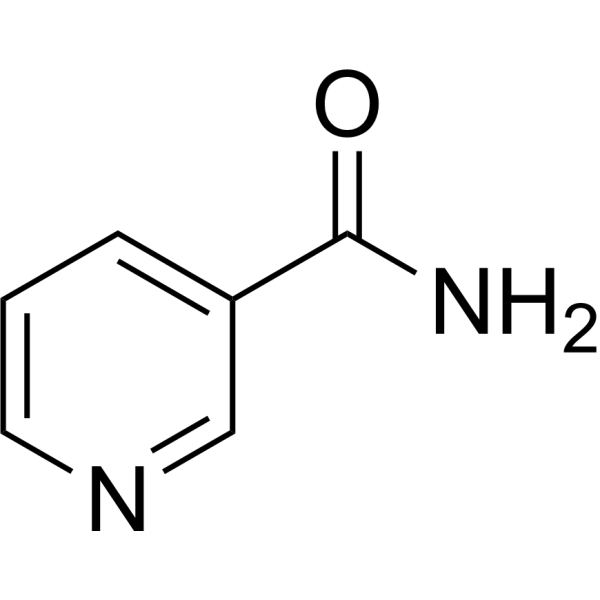
    Nicotinamide
    Maximum Cited Publications
    89 Publications Verification

    Niacinamide; Nicotinic acid amide

    Environmental Pollutants Endogenous Metabolite Sirtuin HBV Organoid Cancer
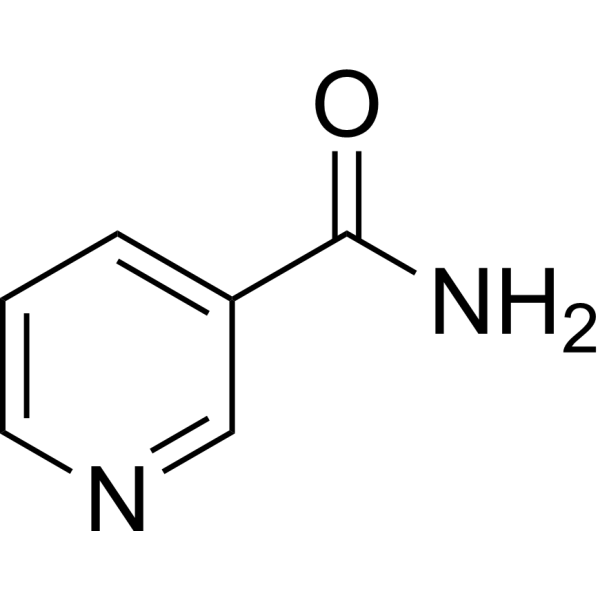
    Nicotinamide is a form of vitamin B3 or niacin. Nicotinamide Hydrochloride inhibits SIRT2 activity (IC50: 2 μM). Nicotinamide also inhibits SIRT1. Nicotinamide increases cellular NAD+, ATP, ROS levels. Nicotinamide inhibits tumor growth and improves survival. Nicotinamide also has anti-HBV activity .
    Nicotinamide
  • HY-B0152
    Adenine
    20+ Cited Publications

    DNA/RNA Synthesis Endogenous Metabolite Infection Cancer
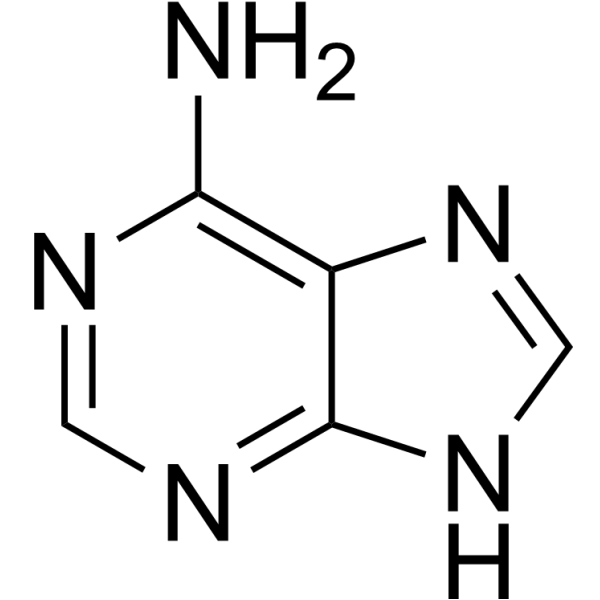
    Adenine (6-Aminopurine), a purine, is one of the four nucleobases in the nucleic acid of DNA. Adenine acts as a chemical component of DNA and RNA. Adenine also plays an important role in biochemistry involved in cellular respiration, the form of both ATP and the cofactors (NAD and FAD), and protein synthesis .
    Adenine
  • HY-100900
    ML364
    20+ Cited Publications

    Deubiquitinase Cancer
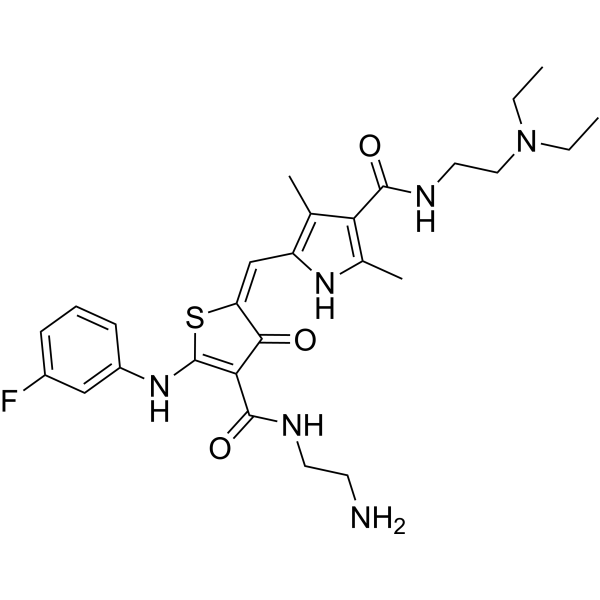
    ML364 is a selective ubiquitin specific peptidase 2 (USP2) inhibitor (IC50=1.1 μM) with anti-proliferative activity, which direct binds to USP2 (Kd=5.2 μM), induces an increase in cellular cyclin D1 degradation and causes cell cycle arrest. ML364 increases the levels of mitochondrial ROS and decreases in the intracellular content of ATP .
    ML364
  • HY-13007
    PF-3758309
    5+ Cited Publications

    PF-03758309

    PAK Apoptosis Cancer
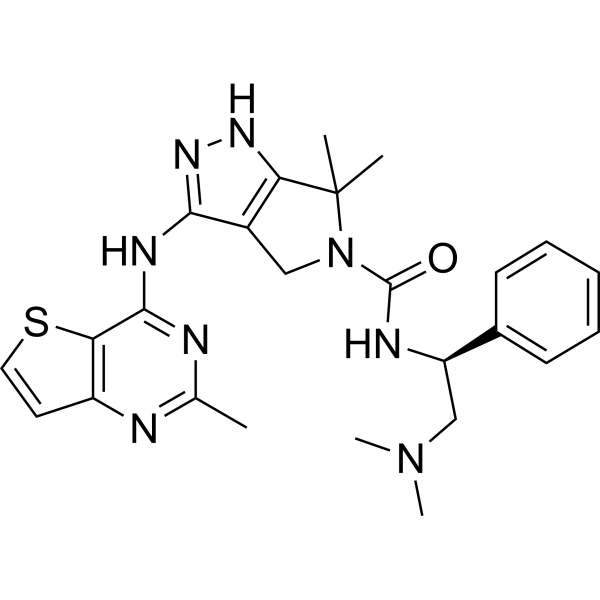
    PF-3758309 (PF-03758309) is a potent, orally available, and reversible ATP-competitive inhibitor of PAK4 (Kd= 2.7 nM; Ki=18.7 nM). PF-3758309 has the expected cellular functions of a PAK4 inhibitor: inhibition of anchorage-independent growth, induction of apoptosis, cytoskeletal remodeling, and inhibition of proliferation .
    PF-3758309
  • HY-101513
    eIF4A3-IN-1
    4 Publications Verification

    Eukaryotic Initiation Factor (eIF) Neurological Disease Cancer
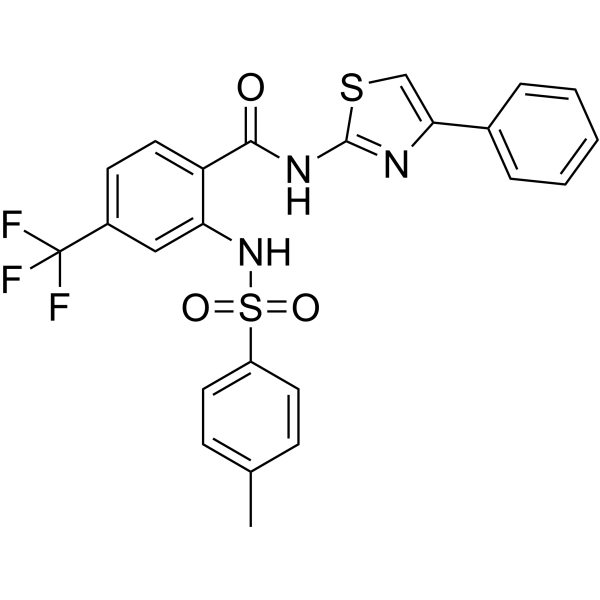
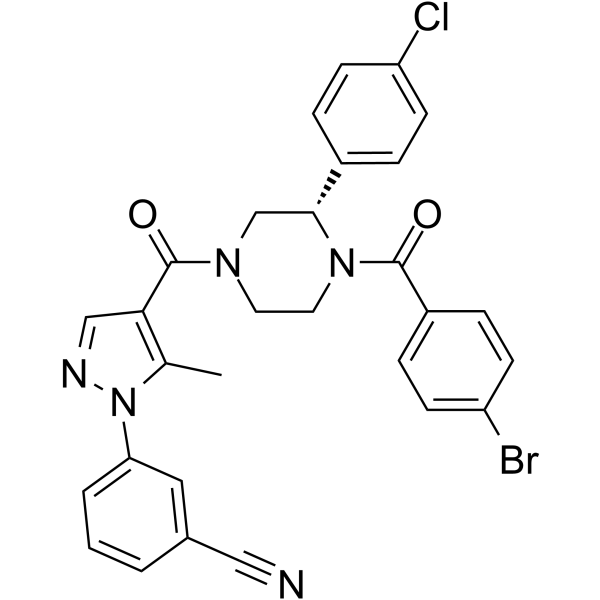
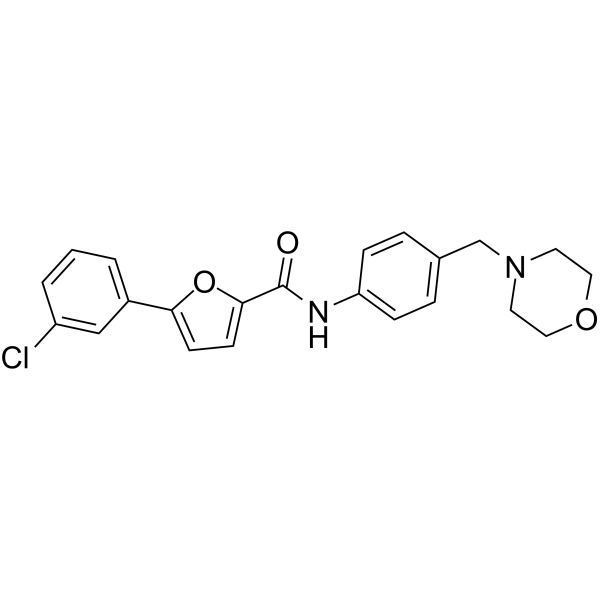
    eIF4A3-IN-1 is a selective eIF4A3 inhibitor (IC50: 0.26 μM; Kd: 0.043 μM) with cellular nonsense-mediated RNA decay (NMD) inhibitory activity. eIF4A3-IN-1 can specifically bind to the non-ATP binding site of eIF4A3. eIF4A3-IN-1 has anti-tumor and analgesic activities .
    eIF4A3-IN-1
  • HY-B0152B
    Adenine hemisulfate
    20+ Cited Publications

    6-Aminopurine hemisulfate; Vitamin B4 hemisulfate

    DNA/RNA Synthesis Endogenous Metabolite Cancer
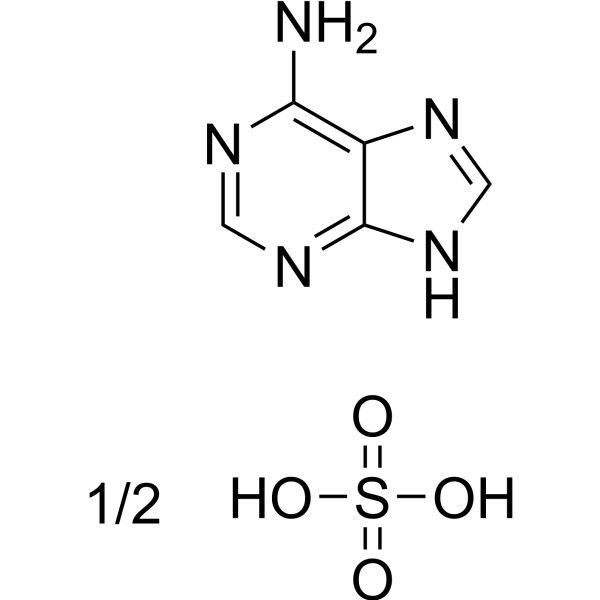
    Adenine hemisulfate (6-Aminopurine hemisulfate), a purine, is one of the four nucleobases in the nucleic acid of DNA. Adenine hemisulfate acts as a chemical component of DNA and RNA. Adenine hemisulfate also plays an important role in biochemistry involved in cellular respiration, the form of both ATP and the cofactors (NAD and FAD), and protein synthesis .
    Adenine hemisulfate
  • HY-B0152S1
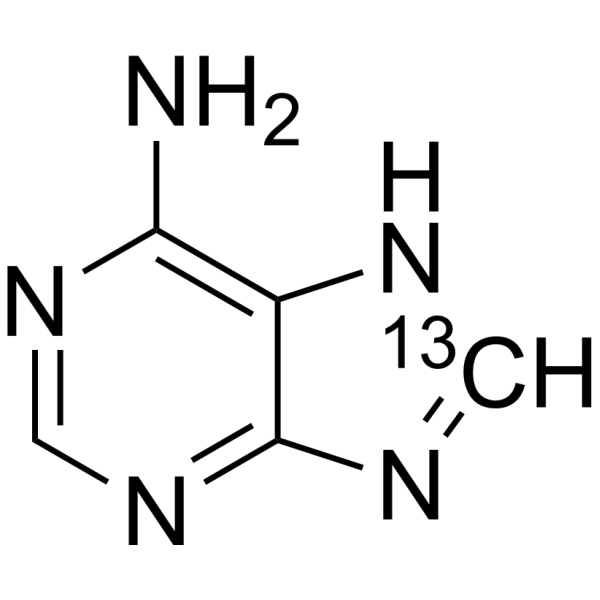
    Adenine-13C
    2 Publications Verification

    Adenine-8-C13; 9H-Purin-6-amine-8-13C

    DNA/RNA Synthesis Endogenous Metabolite Cancer
    Adenine- 13C is the 13C labeled Adenine . Adenine (6-Aminopurine), a purine, is one of the four nucleobases in the nucleic acid of DNA. Adenine acts as a chemical component of DNA and RNA. Adenine also plays an important role in biochemistry involved in cellular respiration, the form of both ATP and the cofactors (NAD and FAD), and protein synthesis .
    Adenine-13C
  • HY-B0150R
    Nicotinamide (Standard)
    Maximum Cited Publications
    89 Publications Verification

    Niacinamide(Standard); Nicotinic acid amide (Standard)

    Reference Standards Endogenous Metabolite Sirtuin Cancer
    Nicotinamide (Standard) is the analytical standard of Nicotinamide. This product is intended for research and analytical applications. Nicotinamide is a form of vitamin B3 or niacin. Nicotinamide Hydrochloride inhibits SIRT2 activity (IC50: 2 μM). Nicotinamide also inhibits SIRT1. Nicotinamide increases cellular NAD+, ATP, ROS levels. Nicotinamide inhibits tumor growth and improves survival. Nicotinamide also has anti-HBV activity .
    Nicotinamide (Standard)
  • HY-171099

    LI-2124

    IPK Superfamily Cardiovascular Disease Endocrinology
    SC-919 is an orally active IP6K inhibitor, with an IC50 of < 5.2 nM against IP6K1, < 3.8 nM against IP6K2, and 0.65 nM against IP6K3. By inhibiting the activity of IP6K, SC-919 reduces intracellular IP7 levels, thereby suppressing XPR1-mediated cellular phosphate efflux. SC-919 increases intracellular phosphate and ATP levels while reducing phosphate entry into the bloodstream, thus decreasing plasma phosphate levels. SC-919 can be used in research related to chronic kidney disease and hyperphosphatemia .
    SC-919
  • HY-W039315

    Biochemical Assay Reagents Metabolic Disease
    2,5-Anhydro-D-mannitol, 97% is an antimetabolic fructose analogue. 2,5-Anhydro-D-mannitol, 97% depletes intracellular ATP, reduces oxygen consumption, regulates substrate oxidation, increases phosphomonoester levels, decreases inorganic phosphate levels, and promotes the release of intracellular calcium from intracellular calcium stores via phospholipase C-dependent activity in hepatocytes .
    2,5-Anhydro-D-mannitol, 97%
  • HY-113355

    Endogenous Metabolite Apoptosis Neurological Disease Inflammation/Immunology Endocrinology
    NADH is an orally active dehydrogenase coenzyme that acts as a crucial electron carrier in cellular respiration and participates in ATP production. NADH promotes metabolism, supports brain function, and counteracts oxidative stress by transferring electrons to the electron transport chain. As a signaling molecule, NADH regulates multiple biological processes, including anti-apoptosis, synaptic plasticity, gene expression, and calcium homeostasis. Redox imbalance of NADH/NAD⁺ is one of the key pathological mechanisms of various diseases, such as diabetic nephropathy, neurodegenerative diseases, and ischemia-reperfusion injury.
    NADH
  • HY-12534
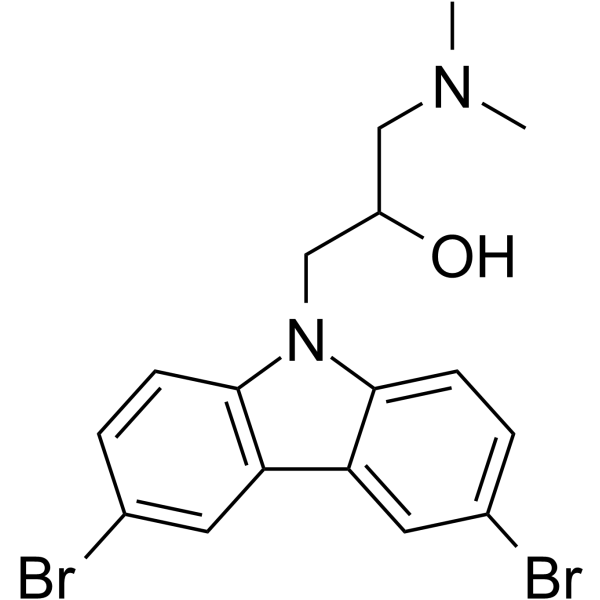
    Wiskostatin
    2 Publications Verification

    Arp2/3 Complex Neurological Disease
    Wiskostatin is a potent and selective inhibitor of neuronal Wiskott-Aldrich syndrome protein (N-WASP)-mediated actin polymerization by stabilization of the closed, autoinhibited conformation, thereby preventing Arp2/3 complex activation. Wiskostatin is also a dynamin inhibitor with an IC50 value of 20.7 μM and a potent inhibitor of clathrin-mediated endocytosis with an IC50 value of 6.9 μM. Wiskostatin causes a rapid, profound, and irreversible decrease in cellular ATP levels. Wiskostatin also induces disassembly of podosomes in a murine monocyte cell line .
    Wiskostatin
  • HY-B0152A
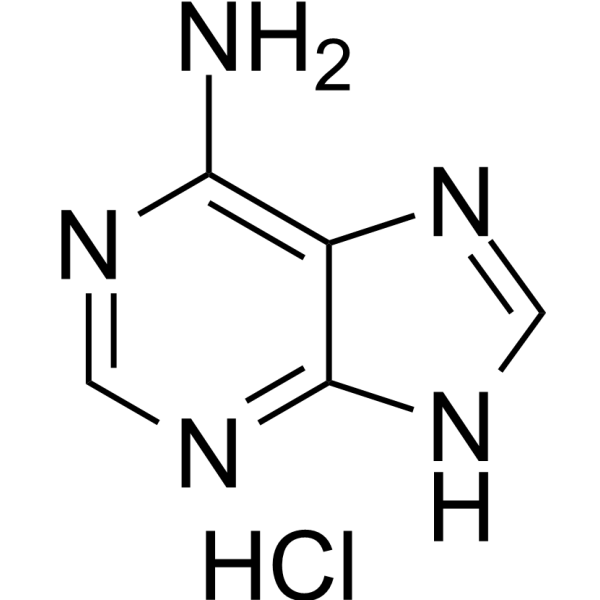
    Adenine hydrochloride
    20+ Cited Publications

    6-Aminopurine hydrochloride; Vitamin B4 hydrochloride

    DNA/RNA Synthesis Endogenous Metabolite Cancer
    Adenine hydrochloride (6-Aminopurine hydrochloride), a purine, is one of the four nucleobases in the nucleic acid of DNA. Adenine hydrochloride acts as a chemical component of DNA and RNA. Adenine hydrochloride also plays an important role in biochemistry involved in cellular respiration, the form of both ATP and the cofactors (NAD and FAD), and protein synthesis .
    Adenine hydrochloride
  • HY-155583

    DNA/RNA Synthesis Others
    RNase L-IN-1 is a RNase L inhibitor with an IC50 of 15.9 μM. RNase L-IN-1 binds to the ATP-binding pocket of RNase L, and inhibits ribosomal RNA cleavage. RNase L-IN-1 can be used for the research of RNase L-associated cellular processes .
    RNase L-IN-1
  • HY-13454

    PKD Cancer
    CID 2011756 is an ATP competitive PKD inhibitor, with an IC50 of 3.2 µM for PKD1 in cell free assay, and also shows cellular pan-PKD inhibitory activity against PKD2 and PKD3 (IC50, 0.6 and 0.7 µM, respectively). CID 2011756 also has antitumor activity.
    CID 2011756
  • HY-138568

    MAP4K Inflammation/Immunology
    HPK1-IN-3 is a potent and selective ATP-competitive hematopoietic progenitor kinase 1 (HPK1; MAP4K1) inhibitor with an IC50 of 0.25 nM. HPK1-IN-3 has IL-2 cellular potency with an EC50 of 108 nM in human peripheral blood mononuclear cells (PBMCs) .
    HPK1-IN-3
  • HY-B2218D

    Magnesium dihydroxide, 99%(KT)

    Environmental Pollutants Bacterial Infection Inflammation/Immunology
    Magnesium hydroxide (Magnesium dihydroxide), 99%(KT) is an orally effective antacid. Magnesium hydroxide, 99%(KT) can form a local strongly alkaline microenvironment, reduce ATP production by consuming H +, and hydrolyze cellular phospholipids to disrupt the cellular integrity of microorganisms, thus exhibiting antibacterial activity. Magnesium hydroxide, 99%(KT) downregulates the generation of inflammatory macrophages to alleviate inflammatory responses. Magnesium hydroxide, 99%(KT) can be used in research related to acid peptic diseases and chronic wound infections .
    Magnesium hydroxide, 99%(KT)
  • HY-131901

    Oxophenylarsine; PhAsO; Arsenosobenzene

    Environmental Pollutants Phosphatase Others
    Phenylarsine oxide (PAO), an inhibitor of endocytosis, inhibits PTPε with an IC50 of 18 μM. Phenylarsine oxide (PAO) inhibits oxygen consumption and decreases cellular ATP content overlap with those used to inhibit protein internalization .
    Phenylarsine oxide
  • HY-136650A
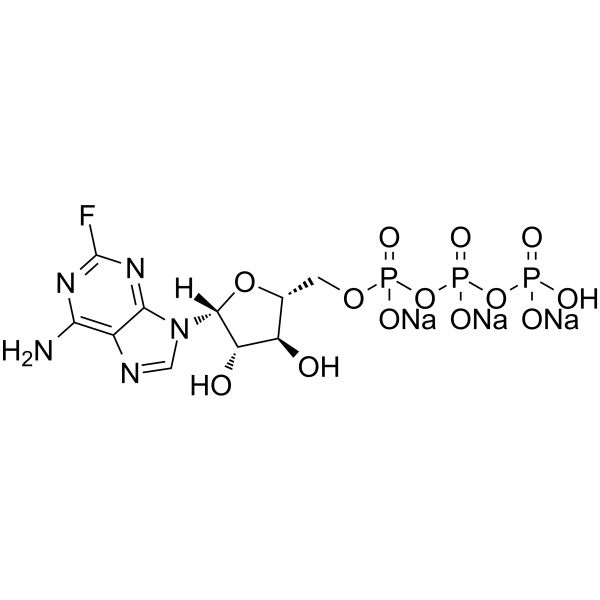
    Fludarabine triphosphate trisodium
    1 Publications Verification

    F-ara-ATP trisodium

    Nucleoside Antimetabolite/Analog Drug Metabolite DNA/RNA Synthesis Apoptosis Cancer
    Fludarabine triphosphate (F-ara-ATP) trisodium, the active metabolite of Fludarabine (HY-B0069), is a potent, noncompetitive and specific inhibitor of DNA primase, with an IC50 of 2.3 μM and a Ki of 6.1 μM. Fludarabine triphosphate trisodium inhibits DNA synthesis by blocking DNA primase and primer RNA formation. Fludarabine triphosphate trisodium inhibits ribonucleotide reductase and DNA polymerase and ultimately leads to cellular apoptosis .
    Fludarabine triphosphate trisodium
  • HY-34154

    Lactate Dehydrogenase Others
    4-(Dimethylamino)phenol is a potent cyanide antidote. 4-(Dimethylamino)phenol increases the extracellular lactate dehydrogenase (LDH) without markedly affecting gluconeogenesis. 4-(Dimethylamino)phenol cannot decreases the ATP content until the membrane becomes permeable to LDH. 4-(Dimethylamino)phenol’s toxicity is related to its reaction with glutathione and formation of covalent complexes, leading to impaired cellular function .
    4-(Dimethylamino)phenol
  • HY-104000

    Ser/Thr Protease Cancer
    BAY-320 is a selective and ATP-competitive Bub1 inhibitor that inhibits the kinase activity of Bub1 with an IC50 of 680 nM. BAY-320 inhibits endogenous Bub1-mediated Sgo1 localization. BAY-320 affects cellular mitotic chromosome arrangement and spindle assembly. BAY-320 inhibits cell proliferation. BAY-320 can be used in the study of cancer such as ovarian cancer and cervical cancer .
    BAY-320
  • HY-W587827

    Thiamine triphosphate

    Endogenous Metabolite Metabolic Disease
    Thiamine triphosphoric acid ester (Thiamine triphosphate) is a neuroactive compound and a triphosphate derivative of vitamin thiamine. Thiamine triphosphoric acid ester exists in microorganisms, animal organs and plants. In E. coli, Thiamine triphosphoric acid ester is transiently produced under amino acid deficiency, while in mammalian cells, it is continuously produced at a low rate. Thiamine triphosphoric acid ester can be synthesized by two distinct enzymes (cytosolic AK1 and FoF1-ATP synthase in brain mitochondria). Thiamine triphosphoric acid ester plays a fundamental role in cellular metabolism or cellular signal transduction .
    Thiamine triphosphoric acid ester
  • HY-W010918R

    Adenosine diphosphate (Standard); ADP (Standard)

    Reference Standards Endogenous Metabolite Others
    Adenosine 5'-diphosphate (Standard) is the analytical standard of Adenosine 5'-diphosphate. This product is intended for research and analytical applications. Adenosine 5'-diphosphate (Adenosine diphosphate) is a nucleoside diphosphate. Adenosine 5'-diphosphate is the product of ATP dephosphorylation by ATPases. Adenosine 5'-diphosphate induces human platelet aggregation and inhibits stimulated adenylate cyclase by an action at P2T-purinoceptors. In Vitro: Adenosine 5'-diphosphate consists of the pyrophosphate group, the pentose sugar ribose, and the nucleobase adenine. Adenosine 5'-diphosphate is the product of ATP dephosphorylation by ATPases. ADP is converted back to ATP by ATP synthases. ATP is an important energy transfer molecule in cells. Adenosine 5'-diphosphate is utilized in a wide number of cellular processes, including respiration, biosynthetic reactions, motility, and cell division.
    Adenosine 5'-diphosphate (Standard)
  • HY-155583A

    DNA/RNA Synthesis Others
    RNase L-IN-1 trihydrochloride is a RNase L inhibitor with an IC50 of 15.9 μM. RNase L-IN-1 trihydrochloride binds to the ATP-binding pocket of RNase L, and inhibits ribosomal RNA cleavage. RNase L-IN-1 trihydrochloride can be used for the research of RNase L-associated cellular processes .
    RNase L-IN-1 (trihydrochloride)
  • HY-B0152S

    6-Aminopurine-d1; Vitamin B4-d1

    DNA/RNA Synthesis Endogenous Metabolite Cancer
    Adenine-d is the deuterium labeled Adenine. Adenine (6-Aminopurine), a purine, is one of the four nucleobases in the nucleic acid of DNA. Adenine acts as a chemical component of DNA and RNA. Adenine also plays an important role in biochemistry involved in cellular respiration, the form of both ATP and the cofactors (NAD and FAD), and protein synthesis .
    Adenine-d1
  • HY-B0152R

    Reference Standards DNA/RNA Synthesis Endogenous Metabolite Cancer
    Adenine (Standard) is the analytical standard of Adenine. This product is intended for research and analytical applications. Adenine (6-Aminopurine), a purine, is one of the four nucleobases in the nucleic acid of DNA. Adenine acts as a chemical component of DNA and RNA. Adenine also plays an important role in biochemistry involved in cellular respiration, the form of both ATP and the cofactors (NAD and FAD), and protein synthesis .
    Adenine (Standard)
  • HY-B0152S4

    6-Aminopurine-15N5; Vitamin B4-15N5

    Isotope-Labeled Compounds DNA/RNA Synthesis Endogenous Metabolite Cancer
    Adenine- 15N5 (6-Aminopurine- 15N5; Vitamin B4- 15N5) is 15N labeled Adenine (HY-B0152). Adenine (6-Aminopurine), a purine, is one of the four nucleobases in the nucleic acid of DNA. Adenine acts as a chemical component of DNA and RNA. Adenine also plays an important role in biochemistry involved in cellular respiration, the form of both ATP and the cofactors (NAD and FAD), and protein synthesis.
    Adenine-15N5
  • HY-112345

    FGFR PDGFR EGFR Src Cancer
    PD-089828 is an ATP competitive inhibitor of FGFR-1, PDGFR-β and EGFR (IC50s=0.15, 1.76, and 5.47 µM, respectively) and a noncompetitive inhibitor of c-Src tyrosine kinase (IC50=0.18 µM). PD-089828 also inhibits MAPK with an IC50 of 7.1 µM. PD-089828 inhibits PDGF-, EGF- and bFGF-mediated tyrosine kinase receptor autophosphorylation in vitro. PD-089828 has a long-lasting cellular activity .
    PD-089828
  • HY-159728

    PROTACs Histone Methyltransferase Apoptosis Early 2 Factor (E2F) c-Myc Cancer
    PROTAC PRMT3 degrader 1 is a selective PRMT3 PROTAC degrader with a DC50 of 2.566 μM. PROTAC PRMT3 degrader 1 forms a ternary complex with MDM2 E3 ubiquitin ligase to induce proteasomal and neddylation-dependent degradation of PRMT3. PROTAC PRMT3 degrader 1 activates intrinsic apoptosis, endoplasmic reticulum stress signaling pathways. PROTAC PRMT3 degrader 1 downregulates E2F, MYC, oxidative phosphorylation pathways. PROTAC PRMT3 degrader 1 reduces cellular asymmetric dimethylarginine (ADMA) levels. PROTAC PRMT3 degrader 1 inhibits acute leukemia cell growth. PROTAC PRMT3 degrader 1 acts with glycolysis inhibitor 2-DG to reduce ATP production, induce intrinsic apoptosis, drive synergistic antiproliferative effects. PROTAC PRMT3 degrader 1 can be used for the research of acute leukemia .
    PROTAC PRMT3 degrader 1
  • HY-W015213

    Endogenous Metabolite DNA/RNA Synthesis Metabolic Disease
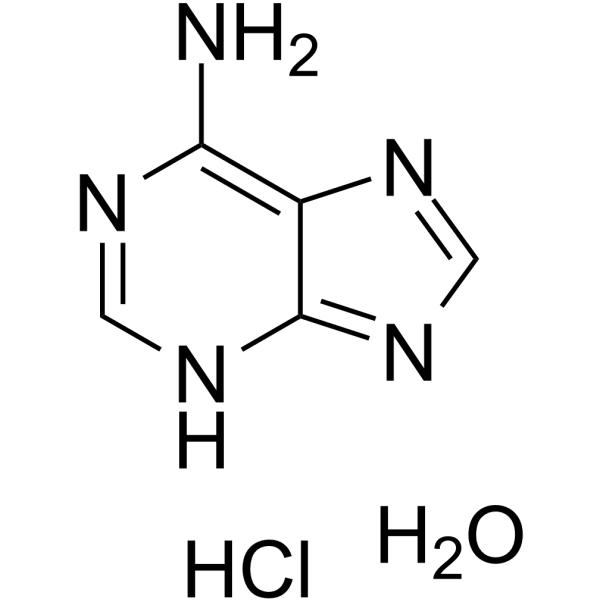
    Adenine monohydrochloride hemihydrate is a hydrochloride derivative of Adenine. Adenine (6-Aminopurine), a purine, is one of the four nucleobases in the nucleic acid of DNA. Adenine acts as a chemical component of DNA and RNA. Adenine also plays an important role in biochemistry involved in cellular respiration, the form of both ATP and the cofactors (NAD and FAD), and protein synthesis .
    Adenine monohydrochloride hemihydrate
  • HY-125147

    NAMPT Cancer
    A-1293201 is a substrate-independent NAMPT inhibitor with antitumor activity. A-1293201 effectively reduces the total cellular NAD +/NADH (NADt) level, subsequently leading to ATP depletion and cancer cell death. In addition, A-1293201 can effectively overcome the acquired resistance mechanism of the NAMPT Y18 mutant to CHS-828 (HY-10079) .
    A-1293201
  • HY-B0152S3

    6-Aminopurine-13C5; Vitamin B4-13C5

    Isotope-Labeled Compounds DNA/RNA Synthesis Endogenous Metabolite Cancer
    Adenine- 13C5 (6-Aminopurine- 13C5; Vitamin B4- 13C5) is 13C-labeled Adenine (HY-B0152). Adenine (6-Aminopurine), a purine, is one of the four nucleobases in the nucleic acid of DNA. Adenine acts as a chemical component of DNA and RNA. Adenine also plays an important role in biochemistry involved in cellular respiration, the form of both ATP and the cofactors (NAD and FAD), and protein synthesis.
    Adenine-13C5
  • HY-125209A

    Apoptosis PARP DNA/RNA Synthesis Cancer
    TH5427 hydrochloride is a NUDT5 inhibitor with a human target IC50 of 29 nM, ~690-fold selectivity over MTH1 in vitro, and selective functional inhibition over other NUDIX hydrolases including NUDT9 .TH5427 hydrochloride binds to the active site of NUDT5, blocking enzymatic activity related to ADP-ribose metabolism and PAR-derived ATP synthesis .TH5427 hydrochloride blocks progestin-dependent nuclear ATP synthesis, impairs progestin-induced chromatin remodeling, inhibits histone H1 displacement, disrupts progestin-dependent gene regulation, and abrogates progestin-dependent proliferation in breast cancer cells .TH5427 hydrochloride functions as a versatile probe to study nuclear ATP dynamics and ADP-ribose-related metabolism in cells .TH5427 hydrochloride engages NUDT5 at physiological temperatures, as demonstrated by Drug Affinity Responsive Target Stability (DARTS) assay .TH5427 hydrochloride stabilizes NUDT5 against thermal denaturation in cell lysates and intact cells, as shown by cellular thermal shift assay (CETSA) .TH5427 hydrochloride functionally inhibits NUDT5 activity, leading to downstream effects on oxidative DNA damage and DNA replication in triple-negative breast cancer (TNBC) cells .TH5427 hydrochloride suppresses proliferation of TNBC cells without inducing cell death or apoptosis, slows DNA replication in TNBC cells, promotes accumulation of oxidative DNA lesions, and triggers DNA damage response in TNBC cells .TH5427 hydrochloride suppresses growth of TNBC cells in vitro, inhibits growth of TNBC xenograft tumors in nude mice in vivo, and shows greater potency against TNBC cell lines compared to ER-positive and normal-like breast cell lines .TH5427 hydrochloride can be used for the research of breast cancer and triple-negative breast cancer .
    TH5427 hydrochloride
  • HY-B0150A

    Niacinamide hydrochloride; Nicotinic acid amide hydrochloride

    Sirtuin Endogenous Metabolite HBV Infection Cancer
    Nicotinamide hydrochloride is a form of vitamin B3 or niacin. Nicotinamide hydrochloride inhibits SIRT2 activity (IC50: 2 μM). Nicotinamide hydrochloride also inhibits SIRT1. Nicotinamide hydrochloride increases cellular NAD+, ATP, ROS levels. Nicotinamide hydrochloride inhibits tumor growth and improves survival. Nicotinamide hydrochloride also has anti-HBV activity .
    Nicotinamide hydrochloride
  • HY-125927
    8-Aminoadenosine
    1 Publications Verification

    8-NH2-Ado

    DNA/RNA Synthesis Akt mTOR Autophagy Apoptosis Cancer
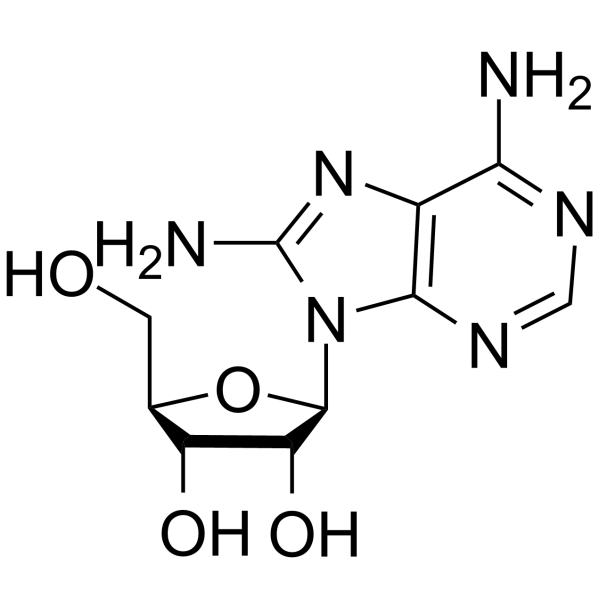
    8-Aminoadenosine (8-NH2-Ado), a RNA-directed nucleoside analogue, reduces cellular ATP levels and inhibits mRNA synthesis. 8-Aminoadenosine blocks Akt/mTOR signaling and induces autophagy and apoptosis in a p53-independent manner. 8-Aminoadenosine has antitumor activity .
    8-Aminoadenosine
  • HY-136650

    F-ara-ATP

    Nucleoside Antimetabolite/Analog Drug Metabolite DNA/RNA Synthesis Apoptosis Cancer
    Fludarabine triphosphate (F-ara-ATP), the active metabolite of Fludarabine (HY-B0069), is a potent, noncompetitive and specific inhibitor of DNA primase, with an IC50 of 2.3 μM and a Ki of 6.1 μM. Fludarabine triphosphate inhibits DNA synthesis by blocking DNA primase and primer RNA formation. Fludarabine triphosphate inhibits ribonucleotide reductase and DNA polymerase and ultimately leads to cellular apoptosis .
    Fludarabine triphosphate
  • HY-B0152S7

    6-Aminopurine-15N5 hydrochloride hydrate; Vitamin B4-15N5 hydrochloride hydrate

    Isotope-Labeled Compounds DNA/RNA Synthesis Cancer
    Adenine- 15N5 (6-Aminopurine- 15N5) hydrochloride hydrate is the 15N-labeled Adenine (HY-B0152). Adenine (6-Aminopurine), a purine, is one of the four nucleobases in the nucleic acid of DNA. Adenine acts as a chemical component of DNA and RNA. Adenine also plays an important role in biochemistry involved in cellular respiration, the form of both ATP and the cofactors (NAD and FAD), and protein synthesis .
    Adenine-15N5 hydrochloride hydrate
  • HY-100707

    DNA-PK Apoptosis Inflammation/Immunology Cancer
    IC 86621 is a potent DNA-dependent protein kinase (DNA-PK) inhibitor, with an IC50 of 120 nM. IC 86621 also acts as a selective and reversible ATP-competitive inhibitor.IC 86621 inhibits DNA-PK mediated cellular DNA double-strand break (DSB) repair (EC50=68 µM). IC 86621 increases DSB-induced antitumor activity without cytotoxic effects. IC 86621 can protects rheumatoid arthritis (RA) T cells from apoptosis .
    IC 86621
  • HY-D2999

    Fluorescent Dye Metabolic Disease
    NIR-RED ATP Probe is a NIR-II fluorescent probe. NIR-RED ATP Probe exhibits high affinity and selectivity for ATP and can non-invasively and with high contrast detect changes in ATP concentration at the cellular level, with minimal interference to the abundant biomolecules within the cells. NIR-RED ATP Probe can be used as a biomarker detection tool for drug-induced liver injury (DILI) .
    NIR-RED ATP Probe
  • HY-N12158

    Apoptosis Cancer
    Pipermethystine is an alkaloid that can be isolated from the Kava plant. Pipermethystine decreases HepG2 cell cellular ATP levels, mitochondrial membrane potential, and induces apoptosis .
    Pipermethystine
  • HY-59273

    Biochemical Assay Reagents ATP Synthase Metabolic Disease
    5-Nitroindole is a mutagenic nitroarene and universal base analog. 5-Nitroindole significantly reduces the cellular adenylate energy charge by decreasing ATP levels and increasing AMP levels. 5-Nitroindole inhibits lipid peroxidation .
    5-Nitroindole
  • HY-13007A

    PF-03758309 hydrochloride

    PAK Apoptosis Cancer
    PF-3758309 (PF-03758309) hydrochloride is a potent, orally available, and reversible ATP-competitive inhibitor of PAK4 (Kd= 2.7 nM; Ki=18.7 nM). PF-3758309 hydrochloride has the expected cellular functions of a PAK4 inhibitor: inhibition of anchorage-independent growth, induction of apoptosis, cytoskeletal remodeling, and inhibition of proliferation .
    PF-3758309 hydrochloride
  • HY-13007B

    PF-03758309 dihydrochloride

    PAK Apoptosis Cancer
    PF-3758309 (PF-03758309) dihydrochloride is a potent, orally available, and reversible ATP-competitive inhibitor of PAK4 (Kd= 2.7 nM; Ki=18.7 nM). PF-3758309 dihydrochloride has the expected cellular functions of a PAK4 inhibitor: inhibition of anchorage-independent growth, induction of apoptosis, cytoskeletal remodeling, and inhibition of proliferation .
    PF-3758309 dihydrochloride
  • HY-B0152BR

    6-Aminopurine hemisulfate (Standard); Vitamin B4 hemisulfate (Standard)

    DNA/RNA Synthesis Endogenous Metabolite Reference Standards Cancer
    Adenine (hemisulfate) (Standard) is the analytical standard of Adenine (hemisulfate). This product is intended for research and analytical applications. Adenine hemisulfate (6-Aminopurine hemisulfate), a purine, is one of the four nucleobases in the nucleic acid of DNA. Adenine hemisulfate acts as a chemical component of DNA and RNA. Adenine hemisulfate also plays an important role in biochemistry involved in cellular respiration, the form of both ATP and the cofactors (NAD and FAD), and protein synthesis .
    Adenine hemisulfate (Standard)
  • HY-176237

    NAMPT Apoptosis Cancer
    Nampt-IN-16 (Compound 9a) is an orally active NAMPT inhibitor with an IC50 of 0.15 μM. Nampt-IN-16 can reduce intracellular NAD + and ATP levels. Nampt-IN-16 can inhibit the proliferation, migration, and invasion, induce cell cycle arrest and apoptosis, and alter cellular metabolism of gastric cancer cells. Nampt-IN-16 can be used in the research of tumors such as gastric cancer .
    Nampt-IN-16
  • HY-B0150S3

    Niacinamide-d3; Nicotinic acid amide-d3

    Isotope-Labeled Compounds Endogenous Metabolite Organoid Sirtuin HBV Cancer
    Nicotinamide-d3 (Niacinamide-d3) is deuterium labeled Nicotinamide. Nicotinamide is a form of vitamin B3 or niacin. Nicotinamide Hydrochloride inhibits SIRT2 activity (IC50: 2 μM). Nicotinamide also inhibits SIRT1. Nicotinamide increases cellular NAD+, ATP, ROS levels. Nicotinamide inhibits tumor growth and improves survival. Nicotinamide also has anti-HBV activity .
    Nicotinamide-d3
  • HY-173275

    PDGFR Cancer
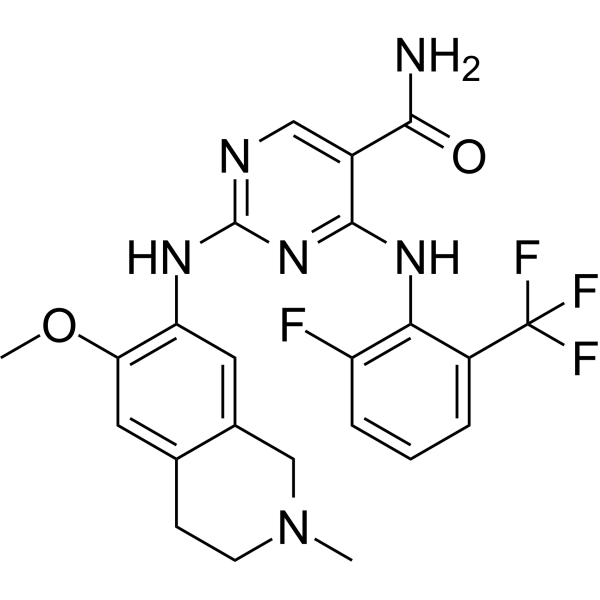
    PDGFRα kinase inhibitor 3 (Compound L7) is a highly potent inhibitor targeting the PDGFRα D842V kinase with IC50s values of 23.8 nM and 2.1 nM in biochemical and cellular assays, respectively. PDGFRα kinase inhibitor 3 binds to the ATP-binding pocket of PDGFRα D842V to block its downstream signaling pathways and inhibit kinase activity. PDGFRα kinase inhibitor 3 can be used for gastrointestinal stromal tumors (GISTs) study .
    PDGFRα kinase inhibitor 3
  • HY-P10622

    Apoptosis Reactive Oxygen Species (ROS) Metabolic Disease Cancer
    SHLP-3 is a mitochondrial derived peptide encoded by the 16S ribosomal RNA (MT-RNR2) gene. SHLP-3 increases cell viability and reduces apoptosis in insulinoma NIT-1β cells and human prostate cancer 22Rv1 cells. SHLP-3 increases mitochondrial function and exerts cytoprotective effects by increasing mitochondrial oxygen consumption rate (OCR), cellular ATP and reducing the ability to produce ROS. SHLP-3 can be used in the study of diabetes and cancer .
    SHLP-3
  • HY-N12486A

    Others Neurological Disease Metabolic Disease Cancer
    (3S,8R,9R)-Isofalcarintriol is a natural polyacetylene compound found in carrot root parts. (3S,8R,9R)-Isofalcarintriol is a potent longevity promoter that improves glucose metabolism and has anti-tumor activity. (3S,8R,9R)-Isofalcarintriol can affect cellular respiration, interact with the α subunit of mitochondrial ATP synthase, and promote mitochondrial biogenesis. (3S,8R,9R)-Isofalcarintriol can be used in the study of neurodegenerative diseases, metabolic diseases, and aging .
    (3S,8R,9R)-Isofalcarintriol
  • HY-145417

    Bacterial Infection
    G092 is a potent inhibitor of MsbA. MsbA is an ABC transporter. Transmembrane ATP-binding cassette (ABC) transporters are crucial cellular machines that move molecules small and large across membranes. G092 has the potential for the research of antimicrobial agents .
    G092

Inquiry Online

Your information is safe with us. * Required Fields.

Salutation


Country or Region *

Applicant Name *


Organization Name *

Department *


Email Address *


Product Name *

Cat. No.


Requested quantity *

Phone Number *


Remarks

Inquiry Online

Inquiry Information

Product Name:
Cat. No.:
Quantity:
MCE Japan Authorized Agent:

