
1. Search Result
Search Result
Results for "

cellular proliferation

" in MedChemExpress (MCE) Product Catalog:

129

Inhibitors & Agonists

4

Screening Libraries

1

Fluorescent Dye

3

Biochemical Assay Reagents

7

Peptides

5

Inhibitory Antibodies

19

Natural
Products

18

Isotope-Labeled Compounds

5

Click Chemistry

5

Oligonucleotides

Cat. No. Product Name Target Research Areas Chemical Structure
  • HY-N0650
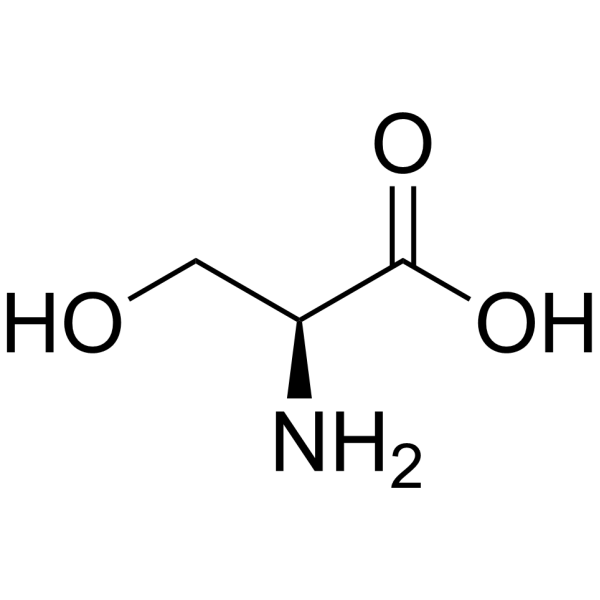
    L-Serine
    Maximum Cited Publications
    13 Publications Verification

    Serine

    Endogenous Metabolite Bacterial Cancer
    L-Serine ((-)-Serine; (S)-Serine), one of the so-called non-essential amino acids, plays a central role in cellular proliferation.
    L-Serine
  • HY-13001
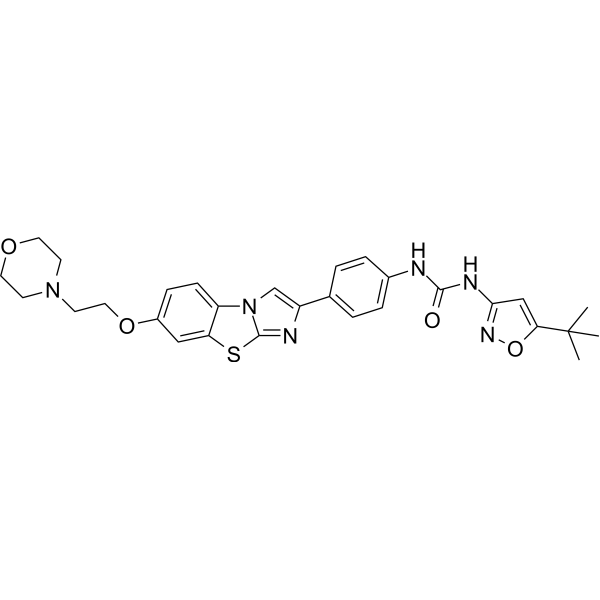
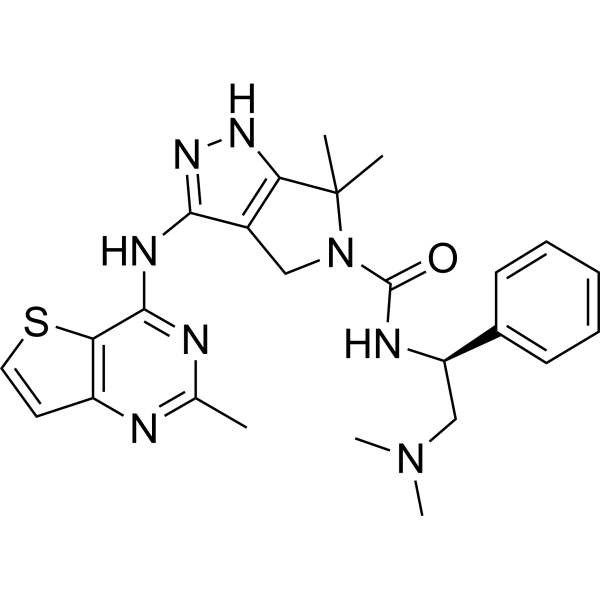
    Quizartinib
    Maximum Cited Publications
    45 Publications Verification

    AC220

    FLT3 Apoptosis PDGFR c-Kit Cancer
    Quizartinib (AC220) is an orally active, potent and selective FLT3 inhibitor. Quizartinib inhibits kinase activity of mutant-FLT3, -PDGFRA and -KIT isoforms and inhibits autophosphorylation. Quizartinib inhibits cellular proliferation, induces apoptosis in cancer cells. Quizartinib can be used for the research of cancer .
    Quizartinib
  • HY-126370A

    Endogenous Metabolite YAP Apoptosis Interleukin Related STAT ERK Ras Cancer
    Geranylgeranyl pyrophosphate triammonium is a type of isoprenoid metabolic intermediate, mainly synthesized through the mevalonate pathway. Geranylgeranyl pyrophosphate triammonium is a key precursor in various biological synthesis processes, especially as a necessary substrate for post-translational modification of proteins - geranylgeranyl phosphorylation. Geranylgeranyl pyrophosphate triammonium regulates various cellular processes and disease progression through protein geranylgeranyl phosphorylation, such as activating the YAP signaling pathway, promoting cell proliferation and inhibiting apoptosis; promoting IL-2 production and STAT5 phosphorylation; and influencing metabolic homeostasis and cancer, etc .
    Geranylgeranyl pyrophosphate triammonium
  • HY-156002

    Paluratide

    Ras ERK Cancer
    LUNA18 is an orally-available cyclic peptide KRAS and ERK inhibitor. LUNA18 phosphorylates ERK and AKT and decreases cell proliferation in RAS-mutated cancer cells. LUNA18 exhibits RAS signal inhibition and potent anti-cancer activities through inhibiting interaction between RAS and guanine nucleotide exchange factors (GEFs) in a mouse xenograft model. LUNA18 shows significant cellular efficacy against cell lines with KRAS genetic alterations, such as colon cancer, stomach cancer, non-small cell lung cancer and pancreaticcancer .
    LUNA18
  • HY-135954A
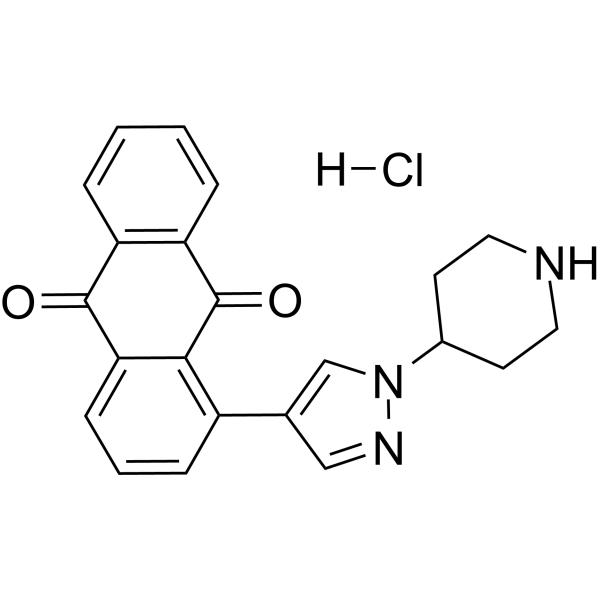
    PDK4-IN-1 hydrochloride
    3 Publications Verification

    PDHK Apoptosis Metabolic Disease Inflammation/Immunology Cancer
    PDK4-IN-1 hydrochloride is an anthraquinone derivative and a potent and orally active pyruvate dehydrogenase kinase 4 (PDK4) inhibitor with an IC50 value of 84 nM. PDK4-IN-1 hydrochloride potently represses cellular transformation and cellular proliferation and induces apoptosis. PDK4-IN-1 hydrochloride has antidiabetic, anticancer and anti-allergic activity .
    PDK4-IN-1 hydrochloride
  • HY-Y0537E
    Potassium chloride, for cell culture
    1 Publications Verification

    Environmental Pollutants Calcium Channel Potassium Channel Biochemical Assay Reagents Neurological Disease
    Potassium chloride, for cell culture is potassium chloride that can be used for cell culture. Potassium chloride, for cell culture increases extracellular potassium ion concentration to induce cellular depolarization, thereby activating voltage-gated calcium channels and regulating intracellular calcium signaling. Potassium chloride, for cell culture upregulates Brn-5. Potassium chloride, for cell culture inhibits the proliferation of neurons and some plant cells .
    Potassium chloride, for cell culture
  • HY-N6739

    Bacterial Apoptosis Fungal PI3K Akt TNF Receptor Interleukin Related Infection Cancer
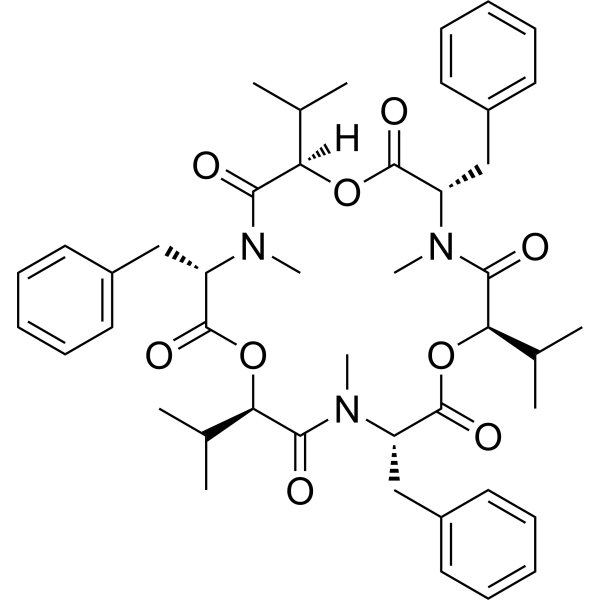
    Beauvericin is a cyclohexapeptide Fusarium toxin with insecticidal, antibacterial, anticancer, antiviral and cytotoxic activities. Beauvericin causes cellular genotoxicity by producing DNA breaks, chromosomal aberrations and micronuclei, and inhibits the PI3K/AKT pathway to induce apoptosis, thereby inhibiting the growth of HCC. In addition, Beauvericin affects immune function by inhibiting lymphocyte proliferation and interfering with the differentiation process of human monocytes into macrophages .
    Beauvericin
  • HY-32343
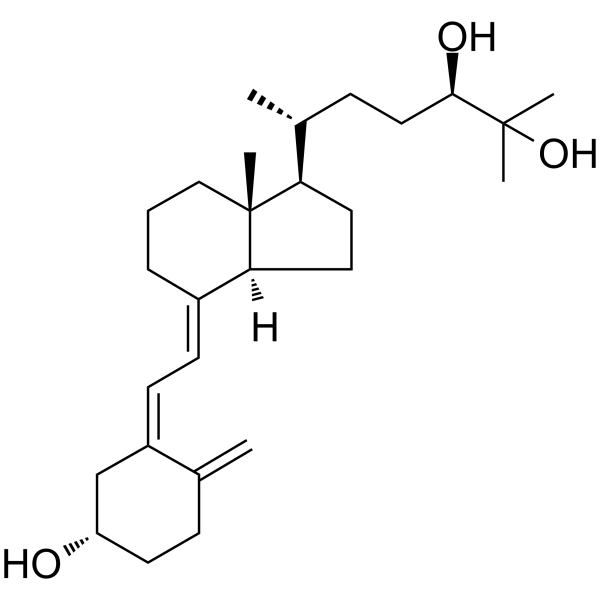
    Secalciferol
    5+ Cited Publications

    (24R)-24,25-Dihydroxyvitamin D3

    Endogenous Metabolite VD/VDR Metabolic Disease Inflammation/Immunology
    Secalciferol ((24R)-24,25-Dihydroxyvitamin D3) is the major active metabolite of Vitamin D. Secalciferol activates vitamin D receptor (VDR) with an EC50 value of 150 nM. Secalciferol is involved in a wide range of biological functions such as calcium homeostasis, cellular differentiation and proliferation processes, as well as other functions related to the immune system, which is promising for research of rickets, osteomalacia, hypercalcemia and autoimmune disorders .
    Secalciferol
  • HY-135954
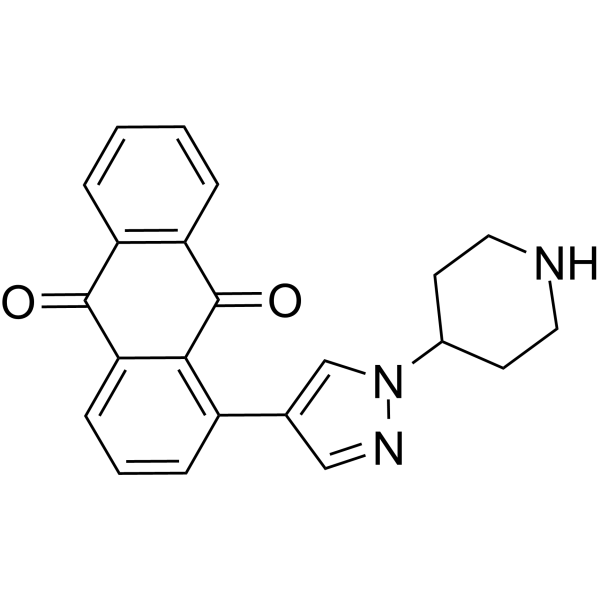
    PDK4-IN-1
    3 Publications Verification

    PDHK Apoptosis Metabolic Disease Inflammation/Immunology Cancer
    PDK4-IN-1 is an anthraquinone derivative and a potent and orally active pyruvate dehydrogenase kinase 4 (PDK4) inhibitor with an IC50 value of 84 nM. PDK4-IN-1 potently represses cellular transformation and cellular proliferation and induces apoptosis. PDK4-IN-1 has antidiabetic, anticancer and anti-allergic activity .
    PDK4-IN-1
  • HY-13007
    PF-3758309
    5+ Cited Publications

    PF-03758309

    PAK Apoptosis Cancer
    PF-3758309 (PF-03758309) is a potent, orally available, and reversible ATP-competitive inhibitor of PAK4 (Kd= 2.7 nM; Ki=18.7 nM). PF-3758309 has the expected cellular functions of a PAK4 inhibitor: inhibition of anchorage-independent growth, induction of apoptosis, cytoskeletal remodeling, and inhibition of proliferation .
    PF-3758309
  • HY-148771
    MTX-23
    1 Publications Verification

    PROTAC AR-V7 degrader-2

    PROTACs Androgen Receptor Apoptosis Cancer
    MTX-23 is an AR-based PROTAC. MTX-23 inhibits CaP cellular proliferation by degrading AR-V7 and AR-FL. MTX-23 induces apoptosis .
    MTX-23
  • HY-N0650S
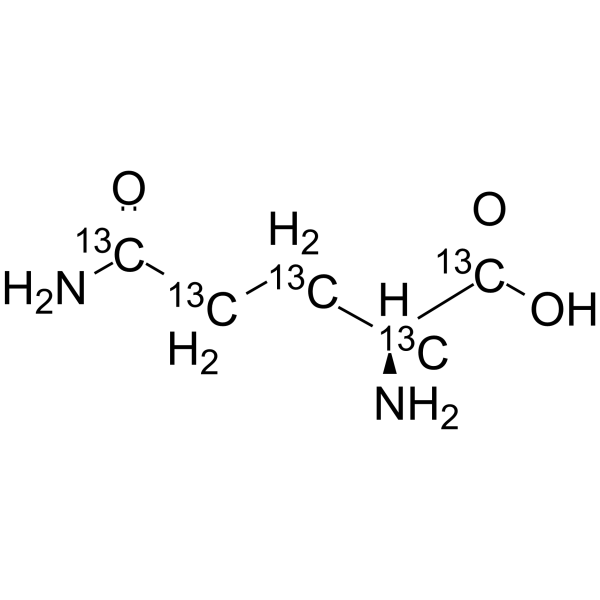
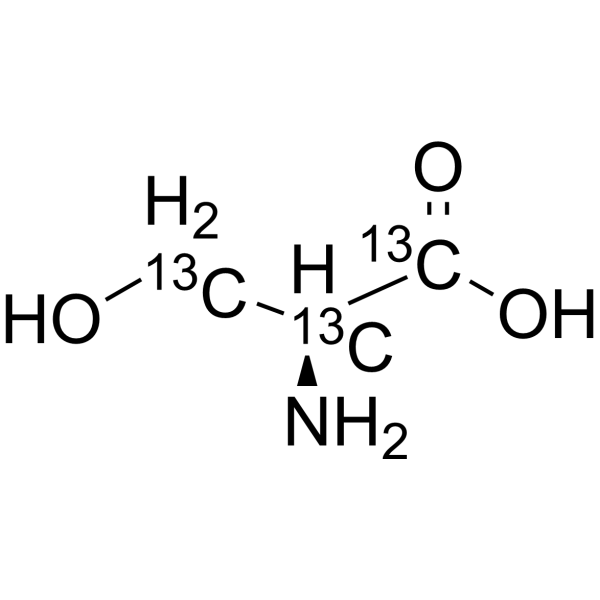
    L-Serine-13C3
    1 Publications Verification

    (-)-Serine-13C3; (S)-Serine-13C3

    Endogenous Metabolite Cancer
    L-Serine- 13C3 is the 13C-labeled L-Serine. L-Serine ((-)-Serine; (S)-Serine), one of the so-called non-essential amino acids, plays a central role in cellular proliferation.
    L-Serine-13C3
  • HY-112055
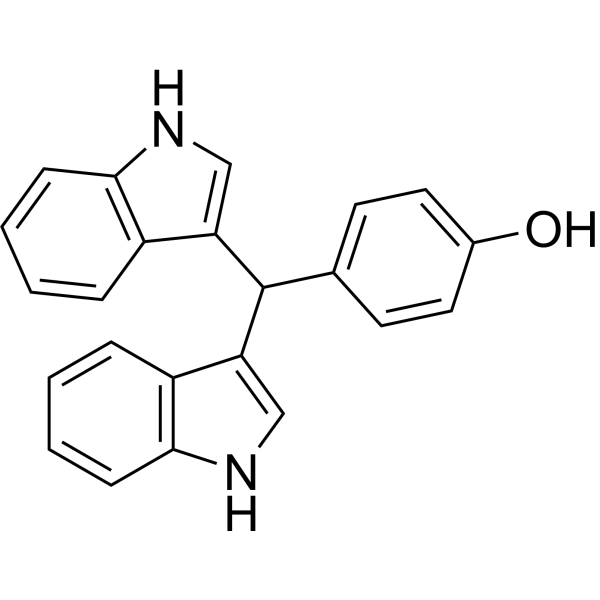
    DIM-C-pPhOH
    5+ Cited Publications

    Nuclear Hormone Receptor 4A/NR4A Apoptosis Cancer
    DIM-C-pPhOH is a nuclear receptor 4A1 (NR4A1) antagonist. DIM-C-pPhOH inhibits cancer cell growth and mTOR signaling, induce apoptosis and cellular stress. DIM-C-pPhOH reduces cell proliferation with IC50 values of 13.6 μM and 13.0 μM for ACHN cells and 786-O cells, respectively .
    DIM-C-pPhOH
  • HY-13314
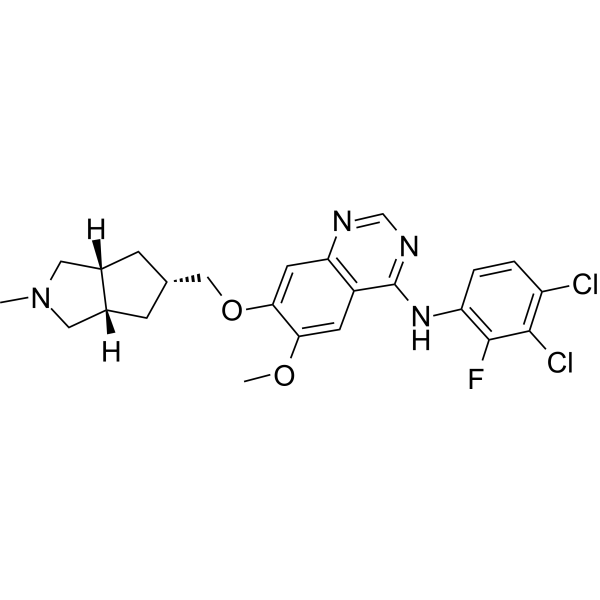
    Tesevatinib
    4 Publications Verification

    XL-647; EXEL-7647; KD-019

    EGFR VEGFR Src Cancer
    Tesevatinib (XL-647) is an orally available, blood-brain barrier-penetrant inhibitor of the epidermal growth factor receptor (EGFR). Tesevatinib significantly reduces cellular viability, with IC50 values of 11 nM and 102 nM in GBM12 and GBM6, respectively. Tesevatinib also inhibits HER2 (IC50=16.1 nM), VEGFR2 (IC50=1.5 nM), and Src (IC50=10.3 nM). Tesevatinib can inhibit tumor proliferation and exhibits antitumor activity .
    Tesevatinib
  • HY-137006

    Fluorescent Dye Others
    MTT Formazan is a purple water-insoluble product formed by the reduction of yellow soluble MTT by succinate dehydrogenase in the mitochondria of viable cells. The amount of MTT Formazan produced is proportional to cellular metabolic activity, and it can serve as an indicator for evaluating cell viability and proliferation. MTT Formazan exhibits solvent-dependent solubility properties, and its absorbance value can be measured by spectrophotometry to reflect cellular status. MTT Formazan also supports the assessment of cell viability in bacterial MTT assays. MTT Formazan can be used in photoacoustic microscopy to enhance the imaging effect of viable cells, especially in applications in the fields of three-dimensional cell culture and tissue engineering .
    MTT Formazan
  • HY-154644

    Environmental Pollutants Biochemical Assay Reagents Cancer
    Soya Lecithin is a phospholipid mixture that can be used as a drug delivery vehicle and is a pharmaceutical excipient. Soya Lecithin can form a lipid bilayer structure through self-assembly, and its binding properties are amphiphilic (hydrophilic head and hydrophobic tail), encapsulating hydrophobic drugs. Soya Lecithin forms stable nanoliposomes or microemulsions, improves the solubility and cellular uptake efficiency of poorly soluble drugs (such as Curcumin (HY-N0005)), and exerts activities such as enhancing drug delivery and regulating cell proliferation .
    Soya Lecithin
  • HY-160023

    D3S-001

    Ras PERK Cancer
    Elisrasib (D3S-001) is an orally active and selective inhibitor for KRAS. Elisrasib inhibits the proliferation of KRAS G12C mutant H358 and MIA-PA-CA-2. D3S-001 also inhibits the phosphorylation of cellular ERK1/2. Elisrasib exhibits good metabolic stability in hepatocytes, liver microsomes, plasma and whole blood in various species. D3S-001 exhibits good pharmacokinetic characteristics and antitumor efficacy in mice .
    Elisrasib
  • HY-124404A

    ERK DNA/RNA Synthesis p38 MAPK Cancer
    12(S)-HETE is the 12-lipoxygenase metabolite of arachidonic acid and has a mitogenic effect on cancer cell proliferation. 12(S)-HETE induces tyrosine phosphorylation of cellular proteins, promotes ERK and P38 MAPK phosphorylation, increases DNA synthesis, and stimulates the proliferation of pancreatic cancer cells .
    12(S)-HETE
  • HY-N0650S11

    (-)-Serine-d7; (S)-Serine-d7

    Isotope-Labeled Compounds Endogenous Metabolite Cancer
    L-Serine-d7 is the deuterium labeled L-Serine. L-Serine ((-)-Serine; (S)-Serine), one of the so-called non-essential amino acids, plays a central role in cellular proliferation.
    L-Serine-d7
  • HY-14217
    Quizartinib dihydrochloride
    Maximum Cited Publications
    45 Publications Verification

    AC220 dihydrochloride

    FLT3 Apoptosis PDGFR c-Kit Cancer
    Quizartinib (AC220) dihydrochloride is an orally active, potent and selective FLT3 inhibitor. Quizartinib dihydrochloride inhibits kinase activity of mutant-FLT3, -PDGFRA and -KIT isoforms and inhibits autophosphorylation. Quizartinib dihydrochloride inhibits cellular proliferation, induces apoptosis in cancer cells. Quizartinib dihydrochloride can be used for the research of cancer .
    Quizartinib dihydrochloride
  • HY-W506116

    Ostruthine

    Bacterial DNA/RNA Synthesis Cardiovascular Disease Infection
    Ostruthin is a natural coumarin compound with bacterial and antimycobacterial activities . Ostruthin inhibits the growth of mycobacteria and Staphylococcus aureus. Ostruthin suppresses vascular smooth muscle cell proliferation as well as de novo cellular DNA synthesis. Ostruthin is applicable to research related to mycobacterial infections and cardiovascular and cerebrovascular diseases .
    Ostruthin
  • HY-138993A

    Amine N-methyltransferase Cancer
    NNMT-IN-6 hydrochloride is a selective nicotinamide N-methyltransferase (NNMT) inhibitor with an IC50 of 1.41 μM and a Kd of 5.55 μM. NNMT-IN-6 hydrochloride exhibits selectivity over PRMT1 and NSD2. NNMT-IN-6 hydrochloride inhibits cancer cell proliferation and reduces cellular N-methylnicotinamide (MNA) production. NNMT-IN-6 hydrochloride can be used for the research of oral cancer .
    NNMT-IN-6 hydrochloride
  • HY-137899
    Dephospho-CoA
    1 Publications Verification

    Endogenous Metabolite Metabolic Disease Cancer
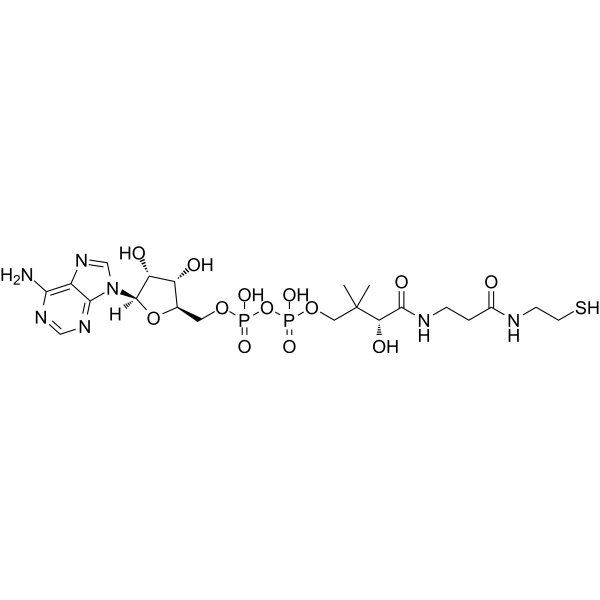
    Dephospho-CoA is a key intermediate in the biosynthesis of coenzyme A (CoA), which is catalyzed to form CoA by GTP-dependent Dephospho-CoA kinase (DPCK). Dephospho-CoA completes the final synthetic step of CoA via phosphorylation and participates in energy metabolism and cellular signal transduction. Dephospho-CoA can be used in studies involving cancer (e.g., regulation of cell proliferation) and metabolic diseases (e.g., mitochondrial dysfunction) .
    Dephospho-CoA
  • HY-N2217

    Akt mTOR p38 MAPK Apoptosis Phosphatase Interleukin Related NF-κB PI3K Keap1-Nrf2 Heme Oxygenase (HO) Toll-like Receptor (TLR) Reactive Oxygen Species (ROS) Metabolic Disease Inflammation/Immunology Cancer
    Rotundic acid is an orally effective triterpenoid with a Kd value of 51.3 µM for PTP1B. Rotundic acid downregulates the AKT/mTOR pro-survival pathway and modulates the MAPK pathway. Rotundic acid induces cell cycle S-phase arrest, DNA damage and apoptosis; it inhibits migration, invasion, angiogenesis and proliferation of cancer cells. Rotundic acid improves leptin sensitivity, regulates gut microbiota and reduces cellular senescence. Rotundic acid can be used in research related to hepatocellular carcinoma, obesity, aging, acute lung injury and type 2 diabetes .
    Rotundic acid
  • HY-126370

    Endogenous Metabolite YAP Apoptosis Interleukin Related STAT ERK Ras Cancer
    Geranylgeranyl pyrophosphate is a type of isoprenoid metabolic intermediate, mainly synthesized through the mevalonate pathway. Geranylgeranyl pyrophosphate is a key precursor in various biological synthesis processes, especially as a necessary substrate for post-translational modification of proteins - geranylgeranyl phosphorylation. Geranylgeranyl pyrophosphate regulates various cellular processes and disease progression through protein geranylgeranyl phosphorylation, such as activating the YAP signaling pathway, promoting cell proliferation and inhibiting apoptosis; promoting IL-2 production and STAT5 phosphorylation; and influencing metabolic homeostasis and cancer, etc .
    Geranylgeranyl pyrophosphate
  • HY-NP132

    Biochemical Assay Reagents Integrin Autophagy Apoptosis Discoidin Domain Receptor Cancer
    Recombinant Humanized Type III Collagen 28.6kDa is a 28.6 kDa recombinant humanized type III collagen. Recombinant Humanized Type III Collagen possesses a variety of biological functions, such as promoting the regeneration of the skin extracellular matrix and improving the cellular microenvironment. Recombinant Humanized Type III Collagen can also inhibit the proliferation, migration and invasion of breast cancer cells. Recombinant Humanized Type III Collagen plays a role in cell adhesion, migration, proliferation and differentiation by interacting with Integrin .
    Recombinant Humanized Type III Collagen 28.6kDa
  • HY-N6801

    Caspase Apoptosis Bcl-2 Family Infection Inflammation/Immunology Cancer
    Nivalenol, a trichothecene mycotoxin that can be produced by Fusarium graminearum, is a fungal metabolite present in agricultural product. Nivalenol modulates apoptotic pathway, cell cycle regulation, Bax, ERK, caspase-3, and poly-ADP-ribose synthase activity in macrophages. Nivalenol inhibits ribosomal peptidyltransferase site, protein synthesis, DNA synthesis, and cell proliferation. Nivalenol induces late-stage apoptotic morphological changes, reduces cellular metabolism, and decreases cell proliferation in erythroleukemia cells. Nivalenol induces lymphocyte apoptosis in murine thymus, spleen, and Peyer's patches. Nivalenol can be used for the research of erythroleukemia .
    Nivalenol
  • HY-123450

    Bcr-Abl Apoptosis PDGFR Cancer
    S116836, a potent, orally active BCR-ABL tyrosine kinase inhibitor, blocks both wild-type as well as T315I Bcr-Abl. S116836 arrests the cells in the G0/G1 phase of cell cycle, induces apoptosis, increases ROS production, and decreases GSH production in BaF3/WT and BaF3/T315I cells. S116836 also inhibits SRC, LYN, HCK, LCK and BLK, and receptor tyrosine kinases such as FLT3, TIE2, KIT, PDGFR-β. Antitumor activies . S116836 is a click chemistry reagent, it contains an Alkyne group and can undergo copper-catalyzed azide-alkyne cycloaddition (CuAAc) with molecules containing Azide groups.
    S116836
  • HY-N0650S8
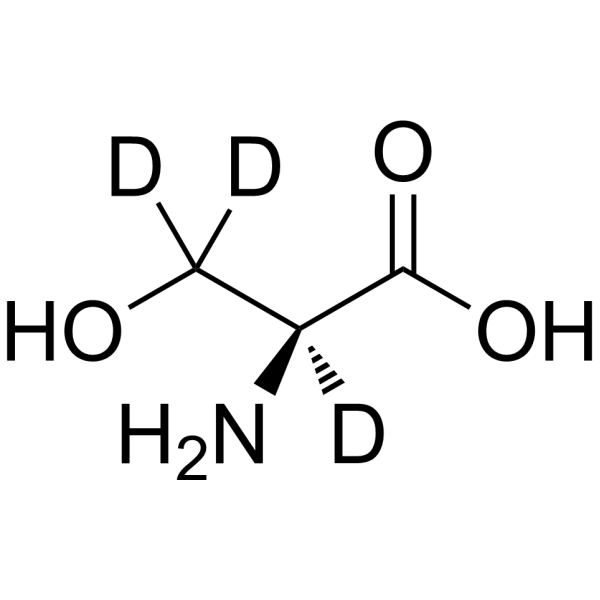
    L-Serine-d3
    2 Publications Verification

    (-)-Serine-d3; (S)-Serine-d3

    Endogenous Metabolite Cancer
    L-Serine-d3 is the deuterium labeled L-Serine. L-Serine ((-)-Serine; (S)-Serine), one of the so-called non-essential amino acids, plays a central role in cellular proliferation.
    L-Serine-d3
  • HY-N0650R
    L-Serine (Standard)
    1 Publications Verification

    Serine (Standard)

    Reference Standards Endogenous Metabolite Bacterial Cancer
    L-Serine (Standard) is the analytical standard of L-Serine. This product is intended for research and analytical applications. L-Serine ((-)-Serine; (S)-Serine), one of the so-called non-essential amino acids, plays a central role in cellular proliferation.
    L-Serine (Standard)
  • HY-W106456

    Caspase Reactive Oxygen Species (ROS) Apoptosis Cancer
    3-Methoxy-9H-Carbazole induces caspase-3 activities and the cellular generation of eactive oxygen species. 3-Methoxy-9H-Carbazole inhibits cancer cell proliferation and induces apoptosis .
    3-Methoxy-9H-Carbazole
  • HY-N0650S3

    (-)-Serine-13C3,15N,d3; (S)-Serine-13C3,15N,d3

    Isotope-Labeled Compounds Endogenous Metabolite Cancer
    L-Serine- 13C3, 15N,d3 is the deuterium, 13C-, and 15-labeled L-Serine. L-Serine ((-)-Serine; (S)-Serine), one of the so-called non-essential amino acids, plays a central role in cellular proliferation.
    L-Serine-13C3,15N,d3
  • HY-101960A

    AG-183

    EGFR Cancer
    Tyrphostin A51 is a potent protein tyrosine kinase (PTK) inhibitor. Tyrphostin A51 inhibits the volume-dependent release of [ 3H]taurine in a dose-dependent manner. Tyrphostin A51 markedly reduces cellular tyrosyl phosphorylation level. Tyrphostin A51 inhibits both basal and EGF-induced human bone cell proliferation .
    Tyrphostin A51
  • HY-104000

    Ser/Thr Protease Cancer
    BAY-320 is a selective and ATP-competitive Bub1 inhibitor that inhibits the kinase activity of Bub1 with an IC50 of 680 nM. BAY-320 inhibits endogenous Bub1-mediated Sgo1 localization. BAY-320 affects cellular mitotic chromosome arrangement and spindle assembly. BAY-320 inhibits cell proliferation. BAY-320 can be used in the study of cancer such as ovarian cancer and cervical cancer .
    BAY-320
  • HY-P2982

    Liposome Metabolic Disease
    Ceramide 1-phosphate is a bioactive lipid and one of the key components of sphingolipids. Ceramide 1-phosphate playing diverse roles in cellular behaviors such as cell differentiation, migration, proliferation and death .
    Ceramide 1-phosphate
  • HY-N0650S1

    (-)-Serine-13C; (S)-Serine-13C

    Endogenous Metabolite Cancer
    L-Serine- 13C is the 13C-labeled L-Serine. L-Serine ((-)-Serine; (S)-Serine), one of the so-called non-essential amino acids, plays a central role in cellular proliferation.
    L-Serine-13C
  • HY-N0650S10

    (-)-Serine-15N; (S)-Serine-15N

    Endogenous Metabolite Cancer
    L-Serine- 15N is the 15N-labeled L-Serine. L-Serine ((-)-Serine; (S)-Serine), one of the so-called non-essential amino acids, plays a central role in cellular proliferation.
    L-Serine-15N
  • HY-N0650S5

    (-)-Serine-13C3,15N; (S)-Serine-13C3,15N

    Endogenous Metabolite Cancer
    L-Serine- 13C3, 15N is the 13C- and 15N-labeled L-Serine. L-Serine ((-)-Serine; (S)-Serine), one of the so-called non-essential amino acids, plays a central role in cellular proliferation.
    L-Serine-13C3,15N
  • HY-157395
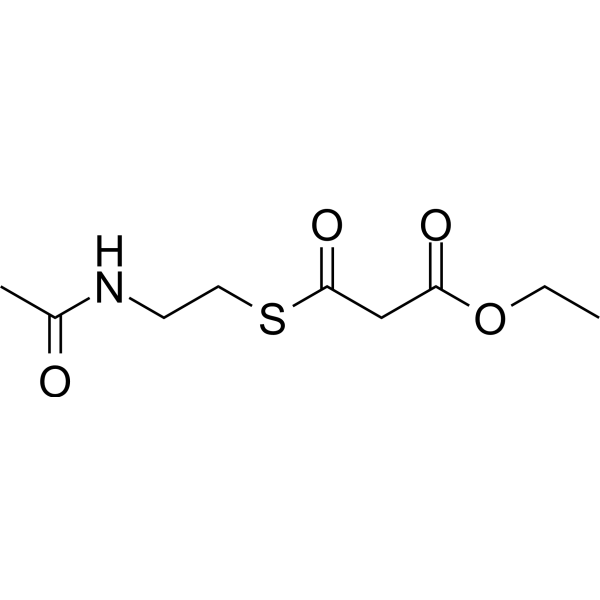
    malonyl-NAC
    2 Publications Verification

    Pyruvate Kinase Cancer
    malonyl-NAC increases cellular propylation, resulting in reduced endogenous GAPDH activity. malonyl-NAC increases GAPDH malonylation in cells and inhibits pyruvate kinase activity. In addition, malonyl-NAC limits the metabolism and proliferation of a highly glycolytic kidney cancer cell line harboring a tricarboxylic acid cycle mutation .
    malonyl-NAC
  • HY-135312

    Estrogen Receptor/ERR PROTACs Cancer
    AZ'6421 acts as Protcolysis Targeting Chimera (PROTAC) to selectively degrade estrogen receptor alpha. AZ'6421 has a potent anti-tumour effect to inhibit the uncontrolled cellular proliferation which arises from malignant disease. AZ'6421 can be used for the research of cancer such as breast cancer .
    AZ'6421
  • HY-138993

    Amine N-methyltransferase Cancer
    NNMT-IN-6 is a selective nicotinamide N-methyltransferase (NNMT) inhibitor with an IC50 of 1.41 μM and a Kd of 5.55 μM. NNMT-IN-6 hydrochloride exhibits selectivity over PRMT1 and NSD2. NNMT-IN-6 inhibits cancer cell proliferation and reduces cellular N-methylnicotinamide (MNA) production. NNMT-IN-6 can be used for the research of oral cancer .
    NNMT-IN-6
  • HY-161767

    Molecular Glues Oxidative Phosphorylation Ras Cancer
    JWJ-01-306 is a CRBN-recruiting ZBTB11 Molecular Glues degrader. JWJ-01-306 degrades ZBTB11 and reprograms cellular metabolism, thereby reducing the level of Oxidative Phosphorylation and the activity of the tricarboxylic acid cycle. JWJ-01-306 enhances the response of organoids to K-Ras inhibition. JWJ-01-306 inhibits the proliferation of pancreatic ductal adenocarcinoma cells and melanoma cells. JWJ-01-306 can be used in studies related to pancreatic ductal adenocarcinoma and melanoma .
    JWJ-01-306
  • HY-165035

    Glucocerebrosides; Gaucher cerebroside; GluCers (gaucher's spleen)

    Endogenous Metabolite Neurological Disease Metabolic Disease
    Glucosylceramides are sphingolipid molecules found in both neuronal and non-neuronal mammalian tissues, as well as in low quantities across various plant species. Elevated levels of glucosylceramides provide cellular protection and prepare certain cells for proliferation; however, they have also been linked to obesity-induced insulin resistance in mice and to neuronal deficits observed in neuronopathic Gaucher disease .
    Glucosylceramide (gaucher's spleen)
  • HY-N0650S7

    (-)-Serine-d2; (S)-Serine-d2

    Isotope-Labeled Compounds Endogenous Metabolite Cancer
    L-Serine-d2 is the deuterium labeled L-Serine. L-Serine ((-)-Serine; (S)-Serine), one of the so-called non-essential amino acids, plays a central role in cellular proliferation.
    L-Serine-d2
  • HY-N0650S2

    (-)-Serine-1-13C; (S)-Serine-1-13C

    Endogenous Metabolite Cancer
    L-Serine-1- 13C is the 13C-labeled L-Serine. L-Serine ((-)-Serine; (S)-Serine), one of the so-called non-essential amino acids, plays a central role in cellular proliferation.
    L-Serine-1-13C
  • HY-N6801S

    Isotope-Labeled Compounds Caspase Apoptosis Bcl-2 Family Infection Inflammation/Immunology Cancer
    Nivalenol- 13C15 is the 13C labeled Nivalenol (HY-N6801) . Nivalenol, a trichothecene mycotoxin that can be produced by Fusarium graminearum, is a fungal metabolite present in agricultural product. Nivalenol modulates apoptotic pathway, cell cycle regulation, Bax, ERK, caspase-3, and poly-ADP-ribose synthase activity in macrophages. Nivalenol inhibits ribosomal peptidyltransferase site, protein synthesis, DNA synthesis, and cell proliferation. Nivalenol induces late-stage apoptotic morphological changes, reduces cellular metabolism, and decreases cell proliferation in erythroleukemia cells. Nivalenol induces lymphocyte apoptosis in murine thymus, spleen, and Peyer's patches. Nivalenol can be used for the research of erythroleukemia.
    Nivalenol-13C15
  • HY-W012856

    3-Methylethylbenzene

    Reactive Oxygen Species (ROS) FGFR TGF-β Receptor MMP Metabolic Disease
    3-Ethyltoluene (3-Methylethylbenzene) is an isomer of Ethyltoluenes. 3-Ethyltoluene inhibits cell survival and proliferation and increases ROS production. 3-Ethyltoluene upregulates cellular inflammatory gene expression. 3-Ethyltoluene induces cell fibrosis with increased level of AST, FGF-23, Cyt-7 p21, TGFβ, TIMP2, and MMP2. 3-Ethyltoluene can be used for liver diseases such as NAFLD research .
    3-Ethyltoluene
  • HY-N6739S

    Acyltransferase Isotope-Labeled Compounds Infection
    Beauvericin- 13C45 is 13C labeled Beauvericin (HY-N6739). Beauvericin is a cyclohexapeptide Fusarium toxin with insecticidal, antibacterial, anticancer, antiviral and cytotoxic activities. Beauvericin causes cellular genotoxicity by producing DNA breaks, chromosomal aberrations and micronuclei, and inhibits the PI3K/AKT pathway to induce apoptosis, thereby inhibiting the growth of HCC. In addition, Beauvericin affects immune function by inhibiting lymphocyte proliferation and interfering with the differentiation process of human monocytes into macrophages .
    Beauvericin-13C45
  • HY-178748

    Pyruvate Kinase Apoptosis Endogenous Metabolite Reactive Oxygen Species (ROS) Cancer
    PKM2-IN-12 is an orally active PKM2 inhibitor with an IC50 of 10 nM. PKM2-IN-12 inhibits COLO-205 cell proliferation and migration, arrests the cell cycle, and induces apoptosis. PKM2-IN-12 significantly reduces cellular levels of lactate, pyruvate, and ROS. PKM2-IN-12 directly kills cancer cells and restores disrupted gut microbiota balance in mice model. PKM2-IN-12 can be used to study colorectal cancer .
    PKM2-IN-12
  • HY-N0650S6

    (-)-Serine-13C,15N; (S)-Serine-13C,15N

    Isotope-Labeled Compounds Endogenous Metabolite Cancer
    L-Serine1- 13C, 15N is the 13C- and 15N-labeled L-Serine. L-Serine ((-)-Serine; (S)-Serine), one of the so-called non-essential amino acids, plays a central role in cellular proliferation.
    L-Serine1-13C,15N

Inquiry Online

Your information is safe with us. * Required Fields.

Salutation


Country or Region *

Applicant Name *


Organization Name *

Department *


Email Address *


Product Name *

Cat. No.


Requested quantity *

Phone Number *


Remarks

Inquiry Online

Inquiry Information

Product Name:
Cat. No.:
Quantity:
MCE Japan Authorized Agent:

