1. Search Result
Search Result
Results for "

chronic inflammatory pain

" in MedChemExpress (MCE) Product Catalog:

48

Inhibitors & Agonists

1

Screening Libraries

5

Peptides

1

Inhibitory Antibodies

6

Natural
Products

4

Isotope-Labeled Compounds

Cat. No. Product Name Target Research Areas Chemical Structure
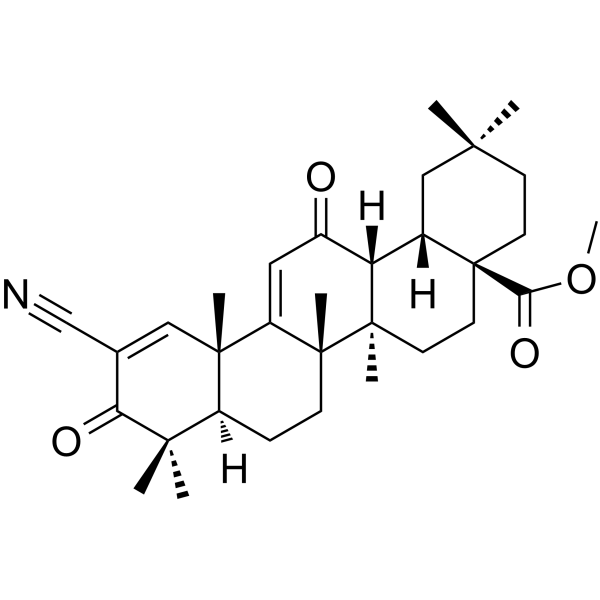
  • HY-13324
    Bardoxolone methyl
    Maximum Cited Publications
    41 Publications Verification

    RTA 402; NSC 713200; CDDO Methyl ester

    Keap1-Nrf2 SARS-CoV Virus Protease Cardiovascular Disease Infection Neurological Disease Metabolic Disease Inflammation/Immunology Cancer
    Bardoxolone (CDDO; RTA 401) methyl is an orally active and blood-brain-barrier-penetrant activator of Nrf2 and an inhibitor of SARS-CoV-2 3CL protease. Bardoxolone methyl inhibits SARS-CoV-2 replication in Vero cells with an EC50 value of 0.29 μM. Bardoxolone methyl increases levels of pNrf2 and HO-1, inhibits inflammatory mediators like pNFκB and MCP-1. Bardoxolone methyl activates the Nrf2 pathway to enhance antioxidant and anti-inflammatory responses, inhibits viral replication, and improves mitochondrial function. Bardoxolone methyl can be used in research on chemotherapy-induced neuropathic pain (CINP), COVID-19, and chronic kidney disease (CKD) .
    Bardoxolone methyl
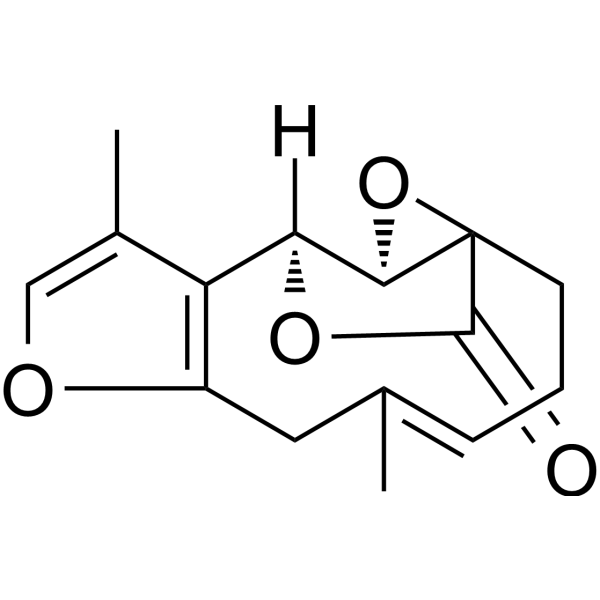
  • HY-N0576
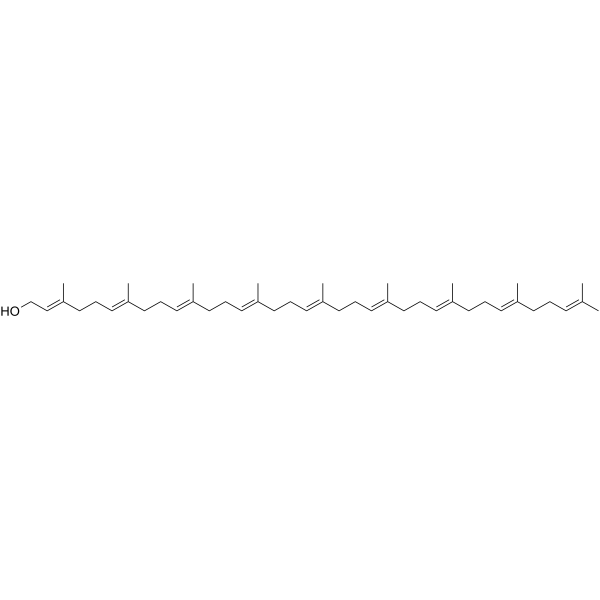
    Solanesol
    2 Publications Verification

    Endogenous Metabolite Heme Oxygenase (HO) HSP p38 MAPK Akt Apoptosis Caspase PARP Neurological Disease Metabolic Disease Inflammation/Immunology
    Solanesol is an orally active aliphatic terpene alcohol. Solanesol is mainly found in tobacco and other Solanaceae plants. Solanesol induces HO-1 and Hsp70 expression, activates p38 and Akt signaling pathways, and inhibits Apoptosis (reduces caspase-3 and PARP cleavage). Solanesol has antioxidant, anti-inflammatory, and neuroprotective activities. Solanesol can be used in the research of Huntington's disease, alcoholic liver disease, chronic inflammatory pain, anxiety, Alzheimer's disease, and bipolar disorder .
    Solanesol
  • HY-76711

    Opioid Receptor Neurological Disease Metabolic Disease Inflammation/Immunology Cancer
    Naltrexone is an orally active, long-acting opioid receptor (opioid receptor) antagonist. Naltrexone blocks the euphoric effects of exogenous opioids and reduces alcohol craving by blocking opioid receptors (μ, κ, and δ) as well as opioid growth factor receptors. Low doses of Naltrexone are used to relieve chronic pain, treat inflammatory diseases and inhibit tumor growth, while high doses or continuous administration exert pro-inflammatory or pro-proliferative effects. Naltrexone relieves intractable pruritus caused by psoriasis, atopic dermatitis and other conditions, and its combination with Bupropion (HY-B0403) inhibits food craving, thereby reducing body weight .
    Naltrexone
  • HY-142240

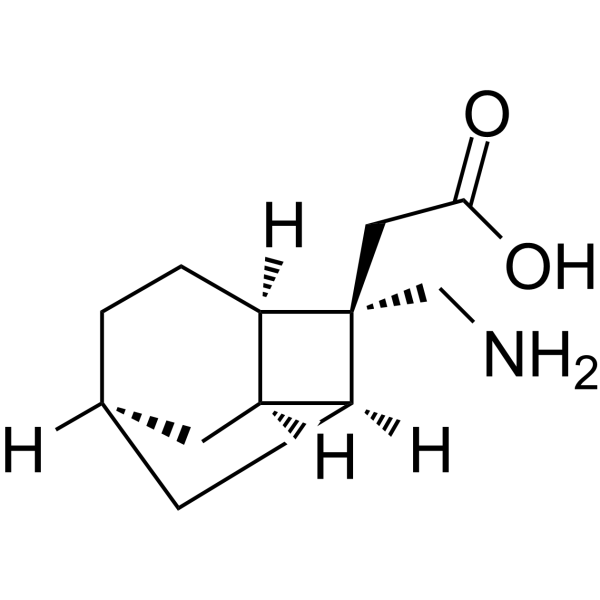
    HSK16149

    Calcium Channel Neurological Disease
    Crisugabalin is an orally active, selective ligand for the α2δ subunit of voltage-gated calcium channels, with a target IC50 of 3.96 nM in rats. Crisugabalin inhibits the binding of [ 3H]gabapentin to the α2δ subunit, reduces calcium influx, decreases neuronal excitability, and impairs nociceptive transmission. Crisugabalin alleviates mechanical allodynia, neuropathic pain and inflammatory pain in rats, and reduces phase II pain behaviors. Crisugabalin can be used in research related to chronic pain, neuropathic pain, diabetic neuropathy, fibromyalgia, inflammatory pain, diabetic peripheral neuropathy and postherpetic neuralgia.
    Crisugabalin
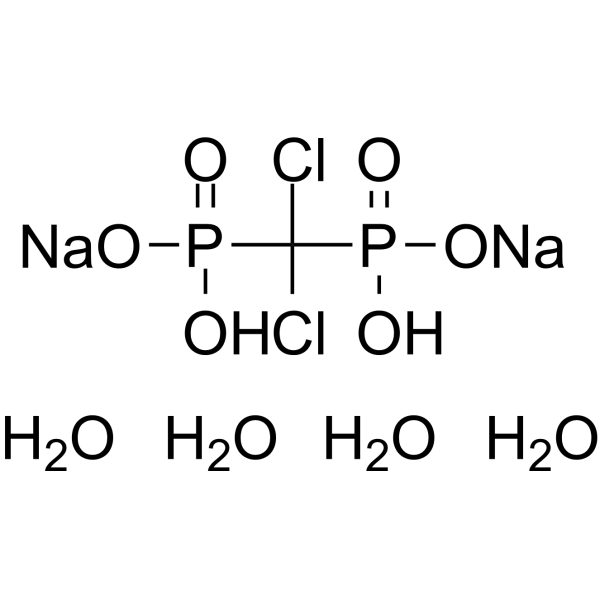
  • HY-107794
    Clodronate disodium tetrahydrate
    4 Publications Verification

    Disodium clodronate tetrahydrate

    Apoptosis Neurological Disease Inflammation/Immunology Cancer
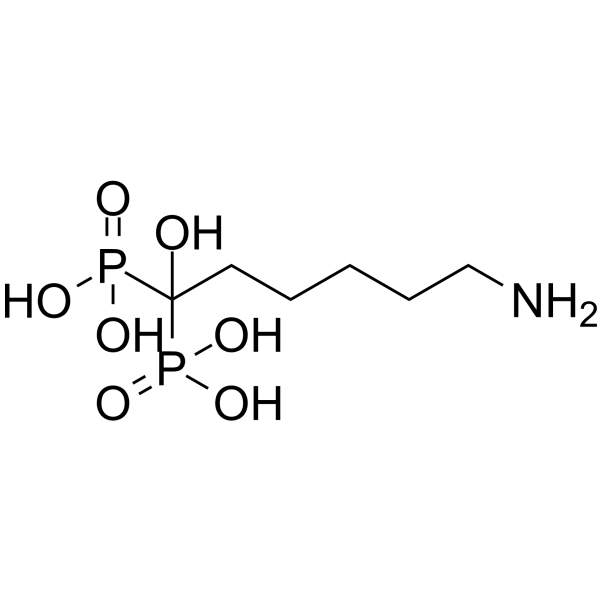
    Clodronate disodium tetrahydrate (Disodium clodronate tetrahydrate) is first-generation bisphosphonate, with anti-osteoporotic, anti-inflammatory and analgesic effects. Clodronate disodium tetrahydrate is a selective, potent, reversible and Cl - competitive vesicular nucleotide transporter (VNUT) inhibitor, with an IC50 of 15.6 nM. Clodronate disodium tetrahydrate inhibits vesicular ATP release from neurons and reduces chronic neuropathic and inflammatory pain .
    Clodronate disodium tetrahydrate
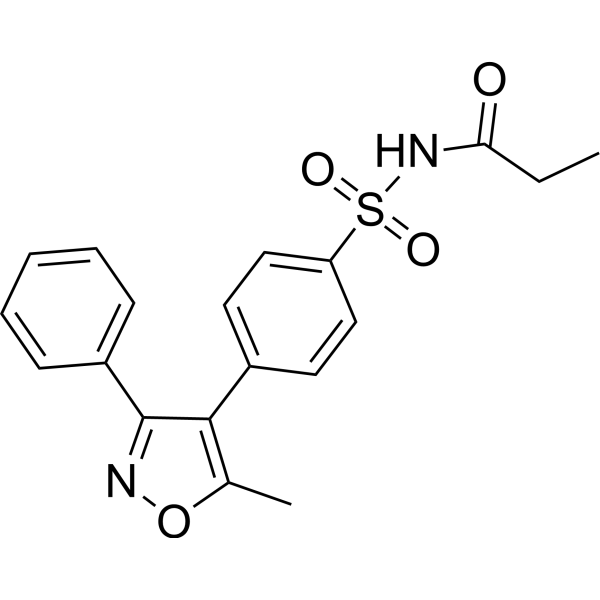
  • HY-17474
    Parecoxib
    5 Publications Verification

    SC 69124

    COX Infection Neurological Disease Inflammation/Immunology Cancer
    Parecoxib (SC 69124) is a highly selective and orally active COX-2 inhibitor that is permeable to the blood-brain barrier, the proagent of Valdecoxib (HY-15762). Parecoxib Sodium is a nonsteroidal anti-inflammatory agent (NSAID) and inhibits prostaglandin (PG) synthesis. Parecoxib can be used for the relief of acute postoperative pain and symptoms of chronic inflammatory conditions such as osteoarthritis and rheumatoid arthritis in vivo.
    Parecoxib
  • HY-120751

    Calcium Channel Neurological Disease
    TROX-1 is a selective, orally active and brain-penetrant N-type calcium channel (Cav2.2) inhibitor with an IC50 value of 0.11 μM. TROX-1 exerts state-dependent and use-dependent inhibition, preferentially targets open/inactivated channels, blocks depolarization-associated calcium influx, and fully blocks calcium influx in rat dorsal root ganglion neurons. TROX-1 reverses inflammatory-induced hyperalgesia, nerve injury-induced allodynia. TROX-1 can be used for the research of pain .
    TROX-1
  • HY-P1626

    Opioid Receptor Neurological Disease
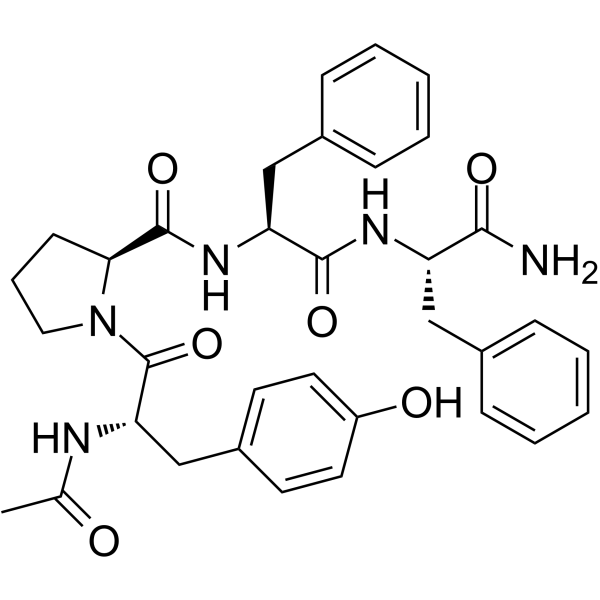
    Acetyl tetrapeptide-15 is a synthetic peptide. Acetyl tetrapeptide-15 is derived from endomorphin-2 (Tyr-Pro-Phe-Phe-NH2), a human μ-opioid agonist with selective anti-nociceptive effect. Acetyl tetrapeptide-15 reduces skin hyperreactivity producing inflammatory, chronic and neuropathic pain, by increasing the threshold of neuronal excitability in μ-opioid receptor via an endorphin-like pathway. Acetyl tetrapeptide-15 is used in the cosmetics for sensitive skin .
    Acetyl tetrapeptide-15
  • HY-N1478
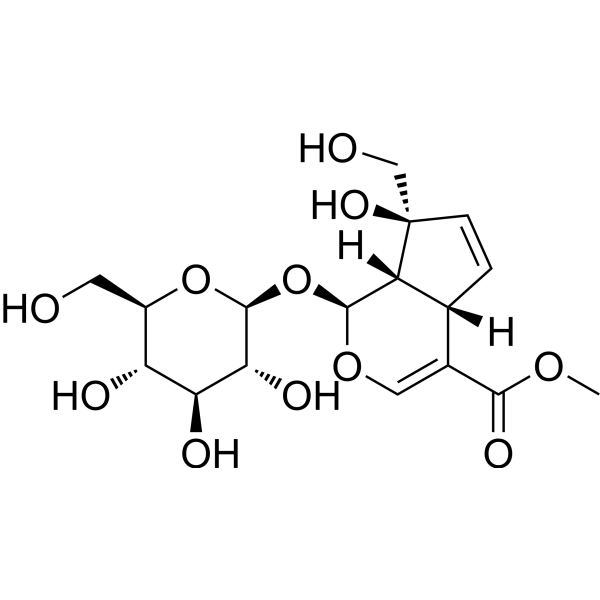
    Gardenoside
    2 Publications Verification

    P2X Receptor Reactive Oxygen Species (ROS) Neurological Disease Inflammation/Immunology
    Gardenoside is an orally active natural compound found in Gardenia fruits. Gardenoside reliefs chronic constriction injury (CCI)-induced neuropathic pain by regulating the P2X3 and P2X7 receptors. Gardenoside has an inhibitory effect on free fatty acids (FFA)-induced cellular steatosis. Gardenoside reduces reactive oxygen species (ROS). Gardenoside can be used for anti-inflammatory, antinociceptive and hepatoprotective study .
    Gardenoside
  • HY-N5025

    P2X Receptor Apoptosis ERK p38 MAPK c-Myc NF-κB Reactive Oxygen Species (ROS) Neurological Disease Inflammation/Immunology Cancer
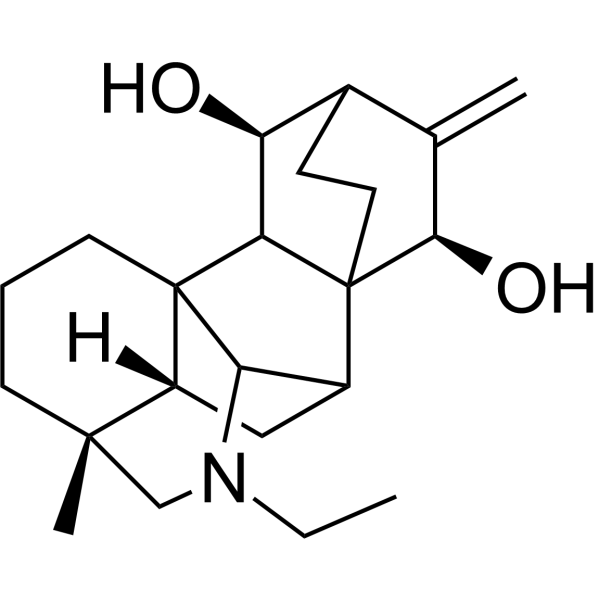
    Bullatine A, a diterpenoid alkaloid, is a potent P2X7 antagonist. Bullatine A possesses anti-rheumatic, anti-inflammatory and anti-nociceptive effects. Bullatine A inhibits ATP-induced BV-2 cell death/apoptosis and P2X receptor-mediated inflammatory responses. Bullatine A suppresses glioma cell growth by targeting SIRT6. Bullatine A specifically attenuates pain hypersensitivity in rats. Bullatine A attenuates LPS (HY-D1056)-induced systemic inflammatory response by inhibiting the ROS/JNK/NF-κB pathway in mice. Bullatine A improves despair behavior in Chronic chronic social defeat stress (CSDS) mice. Bullatine A can be used for the study of inflammation, glioblastoma (GBM) and depression .
    Bullatine A
  • HY-168906

    Bradykinin Receptor PI3K Akt TNF Receptor ERK Neurological Disease Inflammation/Immunology
    BI-113823 is an orally active, blood-brain barrier-permeable bradykinin B1 receptor antagonist, with a Ki value of 5.3 nM for human receptors and 13.3 nM for rat receptors. BI-113823 reduces inflammation-induced mechanical hyperalgesia, as well as the mechanical sensitivity of peripheral afferent nerves and spinal nociceptive-specific neurons. BI-113823 alleviates liver fibrosis and portal hypertension, and improves survival in chronic liver disease models. BI-113823 inhibits the activities of monocytes, neutrophils and hepatic stellate cells, as well as the PI3K/Akt signaling pathway. BI-113823 can be used in research related to inflammatory pain, liver fibrosis and portal hypertension .
    BI-113823
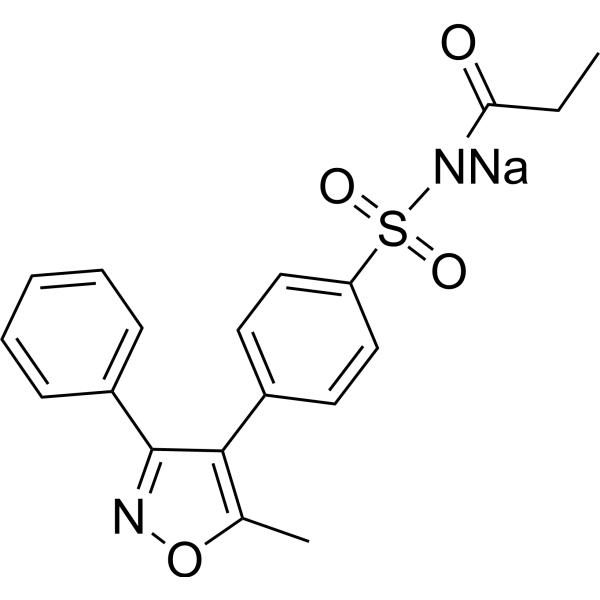
  • HY-17474A
    Parecoxib Sodium
    5 Publications Verification

    SC 69124A

    COX Infection Neurological Disease Inflammation/Immunology Cancer
    Parecoxib Sodium (SC 69124A) is a highly selective and orally active COX-2 inhibitor that is permeable to the blood-brain barrier, the proagent of Valdecoxib (HY-15762). Parecoxib Sodium is a nonsteroidal anti-inflammatory agent (NSAID) and inhibits prostaglandin (PG) synthesis. Parecoxib Sodium can be used for the relief of acute postoperative pain and symptoms of chronic inflammatory conditions such as osteoarthritis and rheumatoid arthritis in vivo.
    Parecoxib Sodium
  • HY-76711S

    Isotope-Labeled Compounds Opioid Receptor Neurological Disease Metabolic Disease Inflammation/Immunology Cancer
    Naltrexone-d4 is deuterium labeled Naltrexone (HY-76711). Naltrexone is an orally active, long-acting opioid receptor (opioid receptor) antagonist. Naltrexone blocks the euphoric effects of exogenous opioids and reduces alcohol craving by blocking opioid receptors (μ, κ, and δ) as well as opioid growth factor receptors. Low doses of Naltrexone are used to relieve chronic pain, treat inflammatory diseases and inhibit tumor growth, while high doses or continuous administration exert pro-inflammatory or pro-proliferative effects. Naltrexone relieves intractable pruritus caused by psoriasis, atopic dermatitis and other conditions, and its combination with Bupropion (HY-B0403) inhibits food craving, thereby reducing body weight.
    Naltrexone-d4
  • HY-101546A

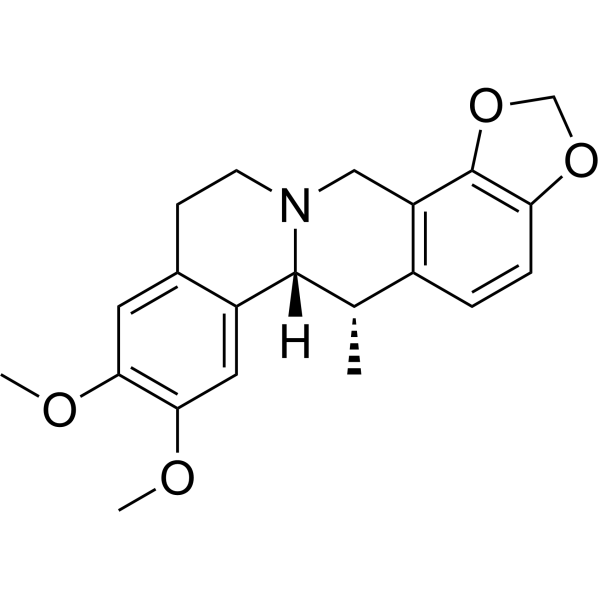
    (+)-Cavidine

    p38 MAPK ERK Interleukin Related Neurological Disease Inflammation/Immunology
    Cavidine ((+)-Cavidine) is an analgesic and anti-inflammatory agent. Cavidine can be isolated from Corydalis ternata f. yanhusuo (Y.H.Chou & Chun C.Hsu) Y.C.Zhu. Cavidine reduces the expression of inflammatory factors IL-1β, IL-6 and TNF-α, and inhibits calcium ion influx. Cavidine inhibits the phosphorylation of p38 and ERK1/2. Cavidine increases mechanical and thermal pain thresholds in chronic pain models. Cavidine can be used for the research of chronic pain .
    Cavidine
  • HY-122168

    Prostaglandin Receptor Inflammation/Immunology Cancer
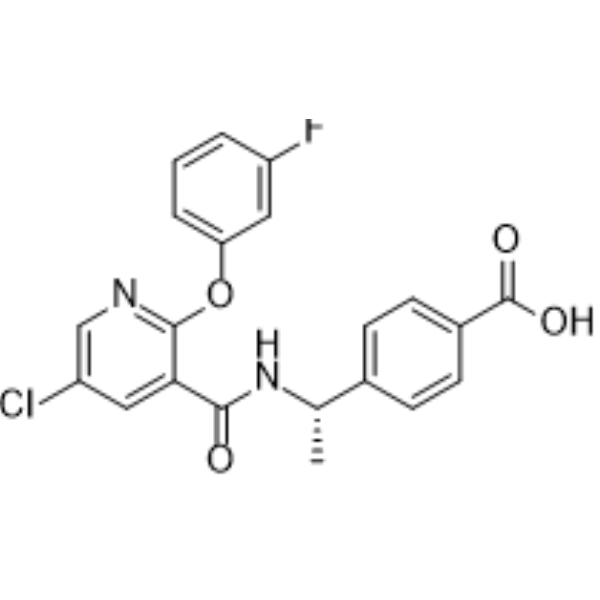
    AAT-008 is a potent, selective, and orally active prostaglandin EP4 receptor antagonist with Kis of 0.97 and 6.1 nM for recombinant human EP4 and recombinant rat EP4, respectively. AAT-008 exerts tumor growth delay in mice bearing CT26WT colon tumors when combined with radiotherapy. AAT-008 can be used for the study of acute and chronic inflammatory pain and cancer .
    AAT-008
  • HY-175231

    5-HT Receptor Neurological Disease
    ST171 is a bitopic 5-HT1AR agonist with an Ki of 0.41  nM. ST171 selectively activates Gi/o signaling pathway and inhibits 5-HT1AR-mediated cAMP accumulation without Gs activation and marginal β-arrestin recruitment. T171 reduces hypersensitivity in chronic neuropathic and inflammatory pain mice model. ST171 can be used for pain research .
    ST171
  • HY-76711R

    Reference Standards Opioid Receptor Neurological Disease Metabolic Disease Inflammation/Immunology Cancer
    Naltrexone (Standard) is the analytical standard of Naltrexone (HY-76711). This product is intended for research and analytical applications. Naltrexone is an orally active, long-acting opioid receptor (opioid receptor) antagonist. Naltrexone blocks the euphoric effects of exogenous opioids and reduces alcohol craving by blocking opioid receptors (μ, κ, and δ) as well as opioid growth factor receptors. Low doses of Naltrexone are used to relieve chronic pain, treat inflammatory diseases and inhibit tumor growth, while high doses or continuous administration exert pro-inflammatory or pro-proliferative effects. Naltrexone relieves intractable pruritus caused by psoriasis, atopic dermatitis and other conditions, and its combination with Bupropion (HY-B0403) inhibits food craving, thereby reducing body weight.
    Naltrexone (Standard)
  • HY-174845

    Sodium Channel Neurological Disease
    Nav1.8-IN-20 (Compound I) is an orally active and potent voltage-gated sodium channel Nav1.8 inhibitor with an IC50 value of 14 nM. Nav1.8-IN-20 blocks the generation and conduction of action potentials in peripheral nociceptive neurons, exerting analgesic effects. Nav1.8-IN-20 is promising for research of various pain types such as acute pain, chronic pain, inflammatory pain, and neuropathic pain .
    Nav1.8-IN-20
  • HY-116099

    Prostaglandin Receptor Inflammation/Immunology
    ER-819762 is an orally active, highly selective prostaglandin E2 (PGE2) EP4 receptor antagonist with an EC50 of 70 nM against human EP4 receptor. ER-819762 can be used for rheumatoid arthritis research .
    ER-819762
  • HY-P10767

    Neurotensin Receptor Neurological Disease
    MD01-67 is a selective macrocyclic compound targeting the neurotensin receptor type 2 (NTS2), with Ki of 2.9 nM. MD01-67 exhibits analgesic and tactile hypersensitivity reducing activity in rats acute/persistent/chronic inflammatory pain models .
    MD01-67
  • HY-171778

    Sodium Channel Neurological Disease Inflammation/Immunology
    QLS-81 is a Nav1.7 channel inhibitor (IC50: 1.5 μM). QLS-81 has significant analgesic activity and can relieve neuropathic and inflammatory pain. QLS-81 exerts frequency-dependent inhibitory effects by inhibiting the inactivated state of Nav1.7 channels. QLS-81 can be used in the study of chronic pain .
    QLS-81
  • HY-P3223A

    Opioid Receptor Neurological Disease
    Biphalin acetate, a BBB-penetrable opioid peptide analog, contains two active enkephalin pharmacophores.Biphalin acetate has high affinity for opioid receptors. Biphalin acetate shows analgesic effect in acute, neuropathic, and chronic animal pain models. Biphalin acetate is also an antiviral, antiproliferative, anti-inflammatory, and neuroprotective agent .
    Biphalin acetate
  • HY-142700

    Somatostatin Receptor Neurological Disease
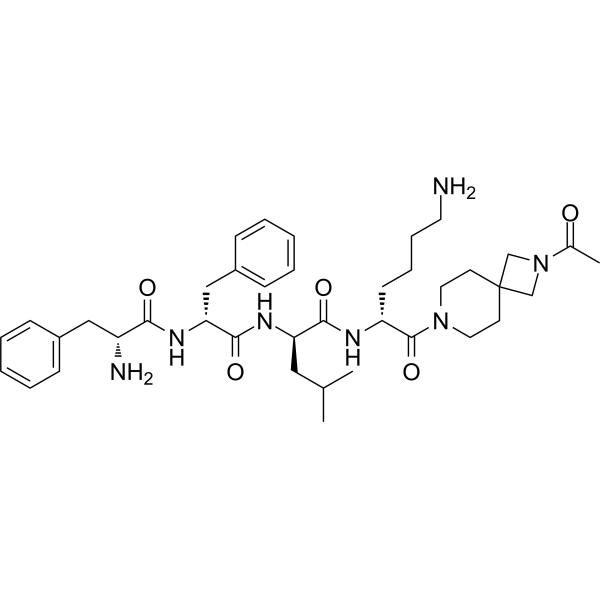
    SSTR4 agonist 3 is a potent agonist of SSTR4. SSTR4 is expressed at relatively high levels in the hippocampus and neocortex, memory and learning regions, and Alzheimer's disease pathology. SSTR4 agonists are potent in rodent models of pain associated with acute and chronic associated anti-peripheral nociceptive and anti-inflammatory activity. SSTR4 agonist 3 has the potential for the research of pain (extracted from patent WO2021233427A1, compound 14) .
    SSTR4 agonist 3
  • HY-P991622

    Trk Receptor Neurological Disease Inflammation/Immunology
    MNAC13 is a kind of mouse IgG1 chimeric antibody, targeting to human TrkA. MNAC13 inhibits the NGF dependent signaling pathway by specifically binding to TrkA receptors. MNAC13 has good analgesic effect and long-lasting efficacy. MNAC13 can be used for researches on inflammatory and chronic pain .
    MNAC13
  • HY-115500

    Endogenous Metabolite Opioid Receptor Leukotriene Receptor Neurological Disease Inflammation/Immunology
    PL265 is an orally active dual enkephalinase inhibitor. PL265 is a prodrug of PL254, which can simultaneously and efficiently inhibit neutral endopeptidase (Neprilysin) and Aminopeptidase N. PL265 can effectively protect and significantly increase the local concentration of enkephalins (such as Met-Enkephalin and Leu-Enkephalin) released by cells at the pain or inflammation sites, thereby activating μ and δ opioid receptors to produce a potent analgesic effect. PL254 can also inhibit leukotriene A4 hydrolase (LTA4H), which may contribute to its additional anti-inflammatory effect by reducing the production of pro-inflammatory mediator leukotriene B4 (LTB4). PL265 can be used in non-addictive chronic pain research .
    PL265
  • HY-N1478R

    Reference Standards P2X Receptor Reactive Oxygen Species (ROS) Neurological Disease Inflammation/Immunology
    Gardenoside is an orally active natural compound found in Gardenia fruits. Gardenoside reliefs chronic constriction injury (CCI)-induced neuropathic pain by regulating the P2X3 and P2X7 receptors. Gardenoside has an inhibitory effect on free fatty acids (FFA)-induced cellular steatosis. Gardenoside reduces reactive oxygen species (ROS). Gardenoside can be used for anti-inflammatory, antinociceptive and hepatoprotective study .
    Gardenoside (Standard)
  • HY-N0576R

    Reference Standards Endogenous Metabolite Heme Oxygenase (HO) HSP p38 MAPK Akt Apoptosis Caspase PARP Neurological Disease Metabolic Disease Inflammation/Immunology
    Solanesol (Standard) is the analytical standard of Solanesol (HY-N0576). This product is intended for research and analytical applications. Solanesol is an orally active aliphatic terpene alcohol. Solanesol is mainly found in tobacco and other Solanaceae plants. Solanesol induces HO-1 and Hsp70 expression, activates p38 and Akt signaling pathways, and inhibits Apoptosis (reduces caspase-3 and PARP cleavage). Solanesol has antioxidant, anti-inflammatory, and neuroprotective activities. Solanesol can be used in the research of Huntington's disease, alcoholic liver disease, chronic inflammatory pain, anxiety, Alzheimer's disease, and bipolar disorder .
    Solanesol (Standard)
  • HY-169808

    mGluR Neurological Disease
    BOMA (Compound 7) is a potent and selective metabotropic glutamate receptor 5 (mGluR 5) antagonist with an IC50 value of 3 nM and an Ki value of 3 nM. BOMA is promising for research of various pain states, including acute, persistent and chronic pain, inflammatory pain and neuropathic pain .
    BOMA
  • HY-14909R

    CDDO (Standard); RTA 401 (Standard)

    Keap1-Nrf2 Necroptosis SARS-CoV Virus Protease Reference Standards Infection Cardiovascular Disease Inflammation/Immunology
    Bardoxolone (Standard) is the analytical standard of Bardoxolone (HY-14909). This product is intended for research and analytical applications. Bardoxolone is an orally active activator of nuclear regulatory factor (NRf-2) and an inhibitor of SARS-CoV-2 3CL protease. Bardoxolone inhibits SARS-CoV-2 3CL protease with an EC50 value of 0.43 μM in vero cells. Bardoxolone also inhibits necroptosis in HT-29 cells with an EC50 value of 1.30 μM by blocking necrosome formation through inhibiting phosphorylation of RIPK1 and RIPK3. Bardoxolone can be used in research on COVID-19, TNF-induced systemic inflammatory response syndrome (SIRS), and cerebral ischemia-reperfusion injury .
    Bardoxolone (Standard)
  • HY-17474AR

    SC 69124A (Standard)

    Reference Standards COX Inflammation/Immunology Cancer
    Parecoxib (Sodium) (Standard) is the analytical standard of Parecoxib (Sodium). This product is intended for research and analytical applications. Parecoxib Sodium (SC 69124A) is a highly selective and orally active COX-2 inhibitor, the proagent of Valdecoxib (HY-15762). Parecoxib Sodium is a nonsteroidal anti-inflammatory agent (NSAID) and inhibits prostaglandin (PG) synthesis. Parecoxib Sodium can be used for the relief of acute postoperative pain and symptoms of chronic inflammatory conditions such as osteoarthritis and rheumatoid arthritis in vivo.
    Parecoxib Sodium (Standard)
  • HY-17474R

    SC 69124 (Standard)

    Reference Standards COX Inflammation/Immunology Cancer
    Parecoxib (Standard) is the analytical standard of Parecoxib. This product is intended for research and analytical applications. Parecoxib (SC 69124) is a highly selective and orally active COX-2 inhibitor, the proagent of Valdecoxib (HY-15762). Parecoxib Sodium is a nonsteroidal anti-inflammatory agent (NSAID) and inhibits prostaglandin (PG) synthesis. Parecoxib can be used for the relief of acute postoperative pain and symptoms of chronic inflammatory conditions such as osteoarthritis and rheumatoid arthritis in vivo.
    Parecoxib (Standard)
  • HY-111258

    Prostaglandin Receptor Neurological Disease Inflammation/Immunology
    GSK345931A is an EP1 receptor antagonist. GSK345931A shows measurable CNS penetration in the mouse and rat and potent analgesic efficacy in acute and sub-chronic models of inflammatory pain .
    GSK345931A
  • HY-14466

    Prostaglandin Receptor Endocrinology
    GW 848687X is a selective, orally active prostaglandin EP1 receptor antagonist for the inhibition of inflammatory pain. The oral bioavailability of GW 848687X was 54% in rats and 53% in dogs. GW 848687X has a half-life of 2 hours and has inhibitory potential for both acute and chronic pain .
    GW 848687X
  • HY-19589

    TRP Channel Neurological Disease Inflammation/Immunology
    JTS-653 is a highly potent and selective transient receptor potential vanilloid 1 (TRPV1) antagonist in vitro and in vivo. JTS-653 attenuates chronic pain refractory to non-steroidal anti-inflammatory agents .
    JTS-653
  • HY-169263

    Adenylate Cyclase Neurological Disease Inflammation/Immunology
    AC10142A is a selective Adenylyl Cyclase Type 1 inhibitor with IC50 of 0.26 μM. AC10142A can be used to study pain models .
    AC10142A
  • HY-17474S

    SC 69124-d3

    Isotope-Labeled Compounds COX Inflammation/Immunology Cancer
    Parecoxib-d3 is the deuterium labeled Parecoxib. Parecoxib (SC 69124) is a highly selective and orally active COX-2 inhibitor, the proagent of Valdecoxib (HY-15762). Parecoxib Sodium is a nonsteroidal anti-inflammatory agent (NSAID) and inhibits prostaglandin (PG) synthesis. Parecoxib can be used for the relief of acute postoperative pain and symptoms of chronic inflammatory conditions such as osteoarthritis and rheumatoid arthritis in vivo.
    Parecoxib-d3
  • HY-172583

    Drug Derivative Neurological Disease
    Neuroprotective agent 9 (compound 7) is a neuroprotective agent. Neuroprotective agent 9 is promising for research of neuron injury such as cerebral apoplexy, cerebral injury, and neuropathic pain .
    Neuroprotective agent 9
  • HY-17474AS

    SC 69124A-d5

    Isotope-Labeled Compounds COX Inflammation/Immunology Cancer
    Parecoxib-d5 sodium is the deuterium labeled Parecoxib sodium. Parecoxib Sodium (SC 69124A) is a highly selective and orally active COX-2 inhibitor, the proagent of Valdecoxib (HY-15762). Parecoxib Sodium is a nonsteroidal anti-inflammatory agent (NSAID) and inhibits prostaglandin (PG) synthesis. Parecoxib Sodium can be used for the relief of acute postoperative pain and symptoms of chronic inflammatory conditions such as osteoarthritis and rheumatoid arthritis in vivo .
    Parecoxib-d5 sodium
  • HY-P3223

    Opioid Receptor Neurological Disease
    Biphalin TFA, a BBB-penetrable opioid peptide analog, contains two active enkephalin pharmacophores. Biphalin TFA has high affinity for opioid receptors. Biphalin TFA shows analgesic effect in acute, neuropathic, and chronic animal pain models. Biphalin TFA is also an antiviral, antiproliferative, anti-inflammatory, and neuroprotective agent .
    Biphalin TFA
  • HY-17474S1

    SC 69124-d5

    Isotope-Labeled Compounds COX Inflammation/Immunology Cancer
    Parecoxib-d5 (SC 69124-d5) is deuterium labeled Parecoxib. Parecoxib (SC 69124) is a highly selective and orally active COX-2 inhibitor, the proagent of Valdecoxib (HY-15762). Parecoxib Sodium is a nonsteroidal anti-inflammatory agent (NSAID) and inhibits prostaglandin (PG) synthesis. Parecoxib can be used for the relief of acute postoperative pain and symptoms of chronic inflammatory conditions such as osteoarthritis and rheumatoid arthritis in vivo.
    Parecoxib-d5
  • HY-174848

    TRP Channel Cannabinoid Receptor Neurological Disease Inflammation/Immunology
    PQM-244 (Compound 5c) is an orally active and multi-target modulator of TRPV1 and CB1 and CB2 receptors. PQM-244 has significant peripheral antinociceptive effects on both neurogenic and inflammatory phases. PQM-244 also has potential antioxidant activity with an IC50  of  14.15 µM for radical scavenging DPPH. PQM-244 can be used for chronic pain and inflammatory disease research, such as diabetes, atherosclerosis and Alzheimer’s disease .
    PQM-244
  • HY-107794R

    Disodium clodronate tetrahydrate (Standard)

    Others Reference Standards Neurological Disease Inflammation/Immunology Cancer
    Clodronate (disodium tetrahydrate) (Standard) is the analytical standard of Clodronate (disodium tetrahydrate). This product is intended for research and analytical applications. Clodronate disodium tetrahydrate (Disodium clodronate tetrahydrate) is first-generation bisphosphonate, with anti-osteoporotic, anti-inflammatory and analgesic effects. Clodronate disodium tetrahydrate is a selective, potent, reversible and Cl-competitive vesicular nucleotide transporter (VNUT) inhibitor, with an IC50 of 15.6 nM. Clodronate disodium tetrahydrate inhibits vesicular ATP release from neurons and reduces chronic neuropathic and inflammatory pain .
    Clodronate disodium tetrahydrate (Standard)
  • HY-175270

    MAGL Keap1-Nrf2 NF-κB Neurological Disease Inflammation/Immunology Cancer
    MAGL-IN-22 (Compound 40) is a reversible, competitive, selective and BBB-penetrable MAGL inhibitor with an IC50 of 0.34  μM for hMAGL. MAGL-IN-22 has significant antioxidant and anti-inflammatory activity, and activates the Nrf2 pathway and significantly inhibits NFκB-mediated inflammation, without inducing cytotoxic effects. MAGL-IN-22 can be used for neurodegenerative diseases, chronic pain and cancers research .
    MAGL-IN-22
  • HY-155184

    Adenosine Receptor Neurological Disease Inflammation/Immunology Cancer
    A3AR agonist 2 (Compound 19) a selective A3AR agonist (Ki: 22.1 nM). A3AR agonist 2 stimulates β-arrestin2 recruitment, with EC50 value of 4.36 nM. A3AR agonist 2 can be used for research of inflammatory diseases, ischemia, cancer, neuropathic pain, liver diseases, and other chronic conditions . A3AR agonist 2 is a click chemistry reagent, it contains an Alkyne group and can undergo copper-catalyzed azide-alkyne cycloaddition (CuAAc) with molecules containing Azide groups.
    A3AR agonist 2
  • HY-182710

    Sodium Channel Neurological Disease
    DA-0218 is a Nav1.7 inhibitor. DA-0218 exerts state-dependent inhibitory effects. DA-0218 alleviates formalin-induced inflammatory pain behavior and Paclitaxel-induced mechanical hyperalgesia in mice. DA-0218 inhibits Histamine-induced acute pruritus and lymphoma-induced chronic pruritus in mice. DA-0218 can be used in research related to inflammatory pain, neuropathic pain, acute pruritus and chronic pruritus .
    DA-0218
  • HY-182539

    CGRP Receptor Others Neurological Disease
    DD04107 is a neuronal exocytosis inhibitor with a rat Syt1-C2B domain binding Ka of 2.4 μM. DD04107 interferes with synaptobrevin-syntaxin-SNAP-25 complex formation and Syt1-SNARE complex interaction to block α-calcitonin gene-related peptide (α-CGRP) exocytotic release from primary sensory neurons. DD04107 blocks inflammatory ion channel recruitment to nociceptor plasma membranes. DD04107 can be used for the research of chronic inflammatory pain, neuropathic pain, osteosarcoma pain, chemotherapy-induced peripheral neuropathy, diabetic neuropathy, inflammatory pain .
    DD04107
  • HY-105628

    CI-427

    Others Neurological Disease Inflammation/Immunology
    Prodilidine (CI-427) is an orally active, pyrrolidine-derived non-narcotic pain inhibitor. Prodilidine exerts analgesic activity against various nociceptive stimuli, and shows no antipyretic, anti-inflammatory or respiratory depressive effects. Prodilidine fails to inhibit withdrawal symptoms of addictive agents in monkeys, but exhibits excitatory effects and enhances the crossed extensor reflex at toxic doses. Prodilidine is well absorbed from the gastrointestinal tract and metabolized via hepatic microsomal N-demethylation, displaying isomer-specific activity, toxicity and metabolic characteristics. Prodilidine can be used in research related to chronic pain (e.g., cancer-, musculoskeletal/arthritis-derived), traumatic pain and arthritic pain .
    Prodilidine
  • HY-181612

    COX Calcium Channel Interleukin Related TNF Receptor Neurological Disease Inflammation/Immunology
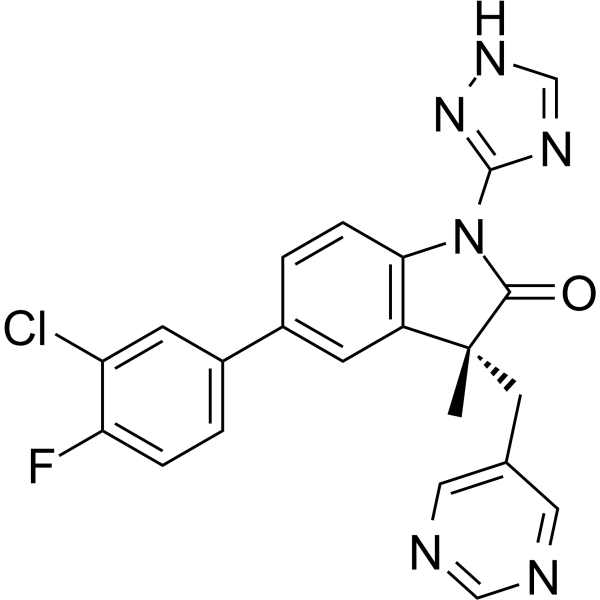
    COX-2/CaV2.2-IN-1 is an orally active and selective dual COX-2/CaV2.2 inhibitor, exhibiting a COX-2 IC50 of 0.26 μM and a CaV2.2 IC50 of 0.29 μM. COX-2/CaV2.2-IN-1 suppresses inflammatory responses and inflammatory mediator (IL-6, TNF-α, NO) production. COX-2/CaV2.2-IN-1 produces pronounced analgesic effects in diverse models of inflammatory, neuropathic, and visceral pain. COX-2/CaV2.2-IN-1 can be used for the research of chronic pain .
    COX-2/CaV2.2-IN-1

Inquiry Online

Your information is safe with us. * Required Fields.

Salutation


Country or Region *

Applicant Name *


Organization Name *

Department *


Email Address *


Product Name *

Cat. No.


Requested quantity *

Phone Number *


Remarks

Inquiry Online

Inquiry Information

Product Name:
Cat. No.:
Quantity:
MCE Japan Authorized Agent:

