241 Results for "

control compound

" in MedChemExpress (MCE) Product Catalog:
Products (241)

241 Results for "control compound" in MCE Product Catalog:

22
22 Publications Verification
Cat. No.: HY-W099571
CAS No.: 4485-12-5
Synonyms: Stearic acid lithium; Lithium octadecanoate
Lithium stearate (Stearic acid (lithium)) is a compound that forms vesicles in reaction with silver nitrate, thereby changing the reaction kinetics of the nucleation and self-assembly process of silver stearate. It has the activity that even in the presence of excess silver nitrate, only about 80% can be converted into silver stearate and the residual lithium stearate will inhibit the growth process of silver stearate crystals, thereby producing silver stearate crystals that are much smaller than those obtained from sodium stearate, providing an opportunity to further control the self-assembly and crystal growth of silver stearate.
loading...
    loading...
11
11 Cited Publications
Cat. No.: HY-15517B
CAS No.: 1431698-47-3
Purity:  99.99%
Target:  

CaMK

Research Areas:  

Cancer

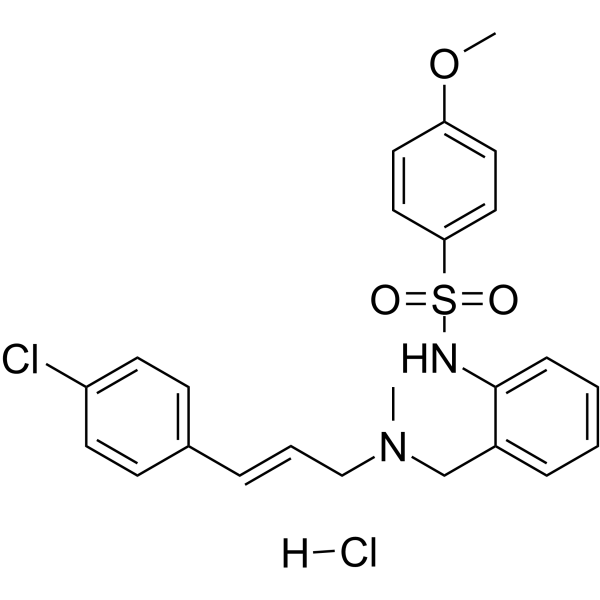
KN-92 hydrochloride is an inactive derivative of KN-93, without CaM kinase inhibitory activity. KN-92 hydrochloride is intended to be used as a control compound in studies designed to elucidate the antagonist activities of KN-93 .
loading...
    loading...
11
11 Cited Publications
Cat. No.: HY-15517
CAS No.: 176708-42-2
Purity:  99.91%
Target:  

CaMK

Research Areas:  

Cancer

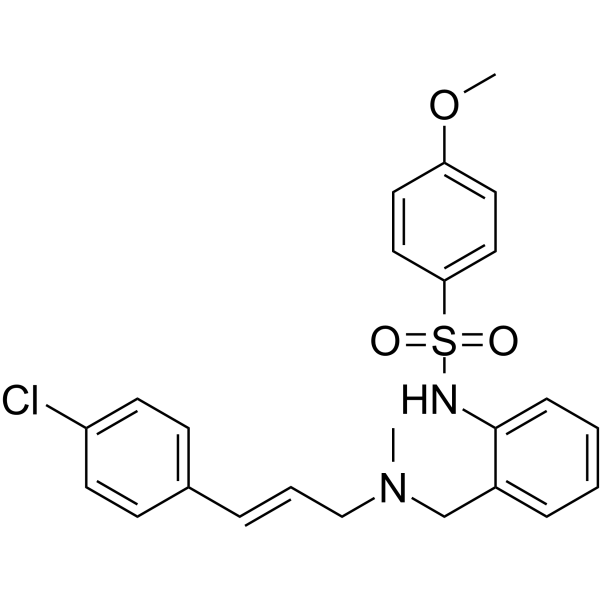
KN-92 is an inactive derivative of KN-93, without CaM kinase inhibitory activity. KN-92 is intended to be used as a control compound in studies designed to elucidate the antagonist activities of KN-93. KN-93 is a cell-permeable, reversible and competitive CaMKII inhibitor .
loading...
    loading...
11
11 Cited Publications
Cat. No.: HY-15517A
CAS No.: 1135280-28-2
Purity:  99.68%
Target:  

CaMK Autophagy

Research Areas:  

Cancer

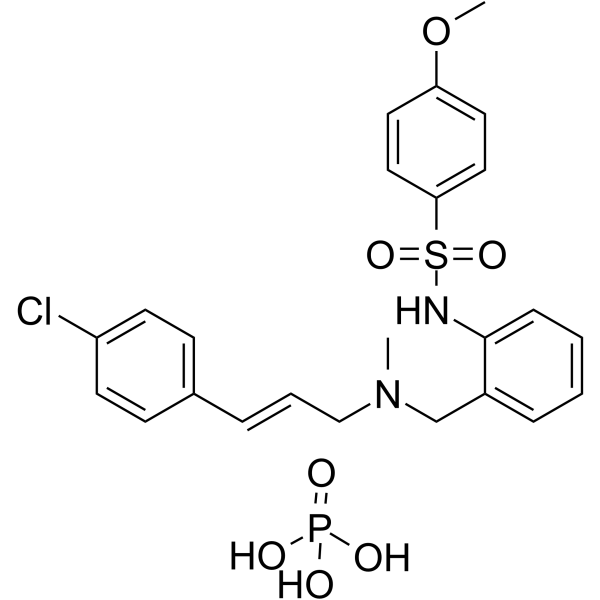
KN-92 phosphate is an inactive derivative of KN-93, without CaM kinase inhibitory activity. KN-92 phosphate is intended to be used as a control compound in studies designed to elucidate the antagonist activities of KN-93. KN-93 is a cell-permeable, reversible and competitive CaMKII inhibitor .
loading...
    loading...
3
3 Cited Publications
Cat. No.: HY-111278
CAS No.: 85-66-5
Purity:  99.23%
Synonyms: Pyocyanine; Sanazin; Sanasin
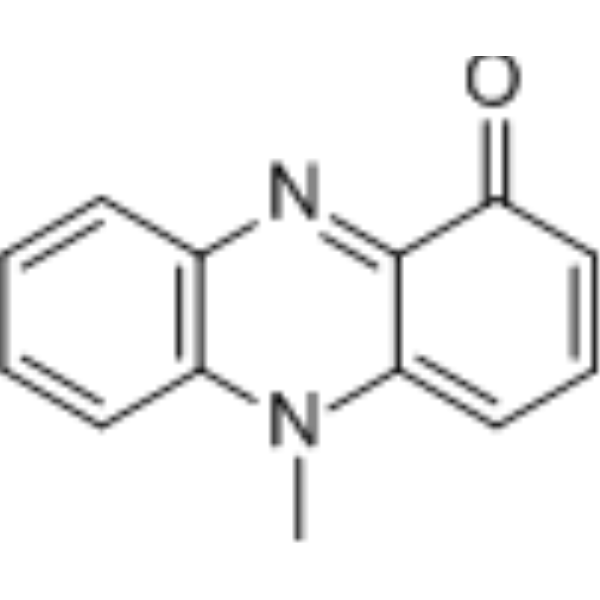
Pyocyanin (Pyocyanine) is a toxic, quorum sensing (QS) controlled metabolite produced by Pseudomonas aeruginosa. Pyocyanin is a REDOX active compound that promotes the production of reactive oxygen species (ROS). Pyocyanin has antibacterial and anti-inflammatory activity .
loading...
    loading...
2
2 Cited Publications
Cat. No.: HY-151460
CAS No.: 2396465-33-9
Purity:  99.92%
Research Areas:  

Cancer

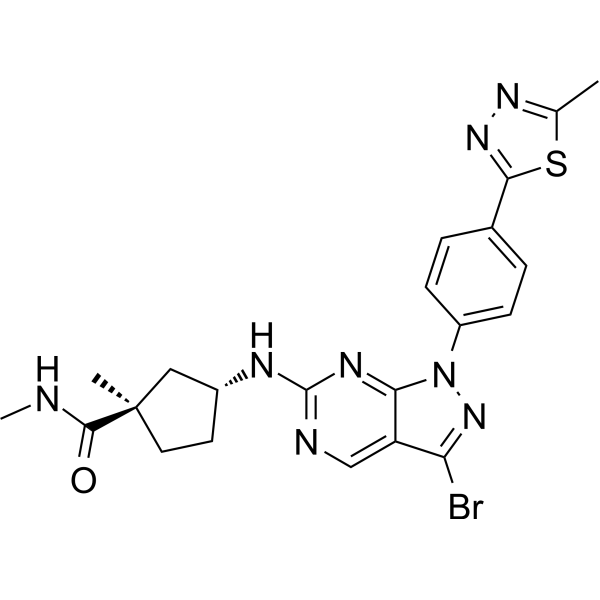
GCN2-IN-7 (compound 39) is an orally active and selective general control nonderepressible 2 (GCN2) inhibitor (IC50=5 nM). GCN2-IN-7 shows anti-tumor activity in vivo .
loading...
    loading...
2
2 Cited Publications
Cat. No.: HY-N4170
CAS No.: 23725-05-5
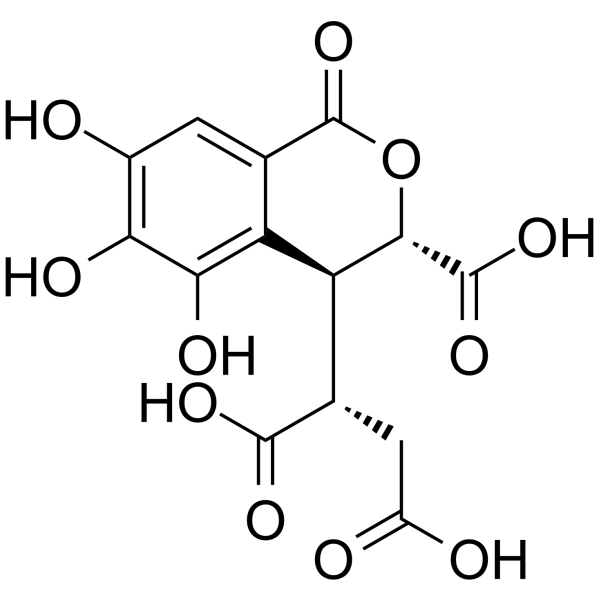
Chebulic acid is a phenolic acid compound isolated from Terminalia chebula with strong antioxidant activity, which breaks protein cross-links induced by advanced glycation end products (AGEs) and inhibits the formation of AGEs. Chebulic acid is effective in controlling elevated metabolic parameters, oxidative stress, and liver damage, supporting its beneficial role in asthma, diabetes, and liver protection .
loading...
    loading...
2
2 Cited Publications
Cat. No.: HY-W014971
CAS No.: 343-94-2
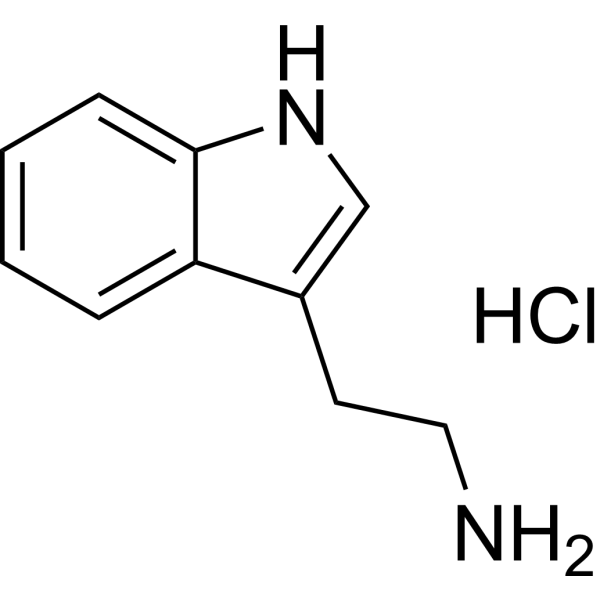
Tryptamine hydrochloride belongs to the class of indole alkaloids and is a derivative of the amino acid tryptophan. Tryptamine hydrochloride is psychoactive and acts as a neurotransmitter in the body, affecting mood, perception and cognition. In its hydrochloride form, Tryptamine hydrochloride hydrochloride, it is commonly used as a research chemical and as a starting material for the synthesis of other organic compounds. It can also occur naturally in certain plants and animals, including fungi and mammals. Due to the psychoactive properties of Tryptamine hydrochloride and its derivatives, its use and possession are controlled substances in many countries.
loading...
    loading...
2
2 Cited Publications
Cat. No.: HY-125845A
CAS No.: 2115897-23-7
Purity:  99.42%
Synonyms: (S,S,S)-VH032-NH2 hydrochloride
Target:  

Ligands for E3 Ligase

Research Areas:  

Cancer

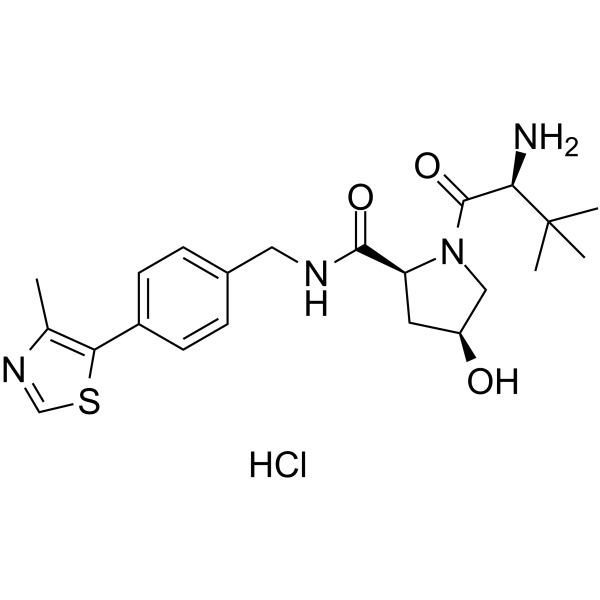
(S,S,S)-AHPC ((S,S,S)-VH032-NH2) hydrochloride is a von Hippel-Lindau (VHL) amino building block. (S,S,S)-AHPC (Compound 27) is a ligand used as a negative control for (S,R,S)-AHPC (HY-125845). (S,R,S)-AHPC is the VH032-based VHL ligand used in the recruitment of the VHL protein .
loading...
    loading...
1
1 Cited Publications
Cat. No.: HY-D0227A
CAS No.: 1185-53-1
Synonyms: Tris HCl; Tris(hydroxymethyl)aminomethane hydrochloride
Research Areas:  

Metabolic Disease Cancer

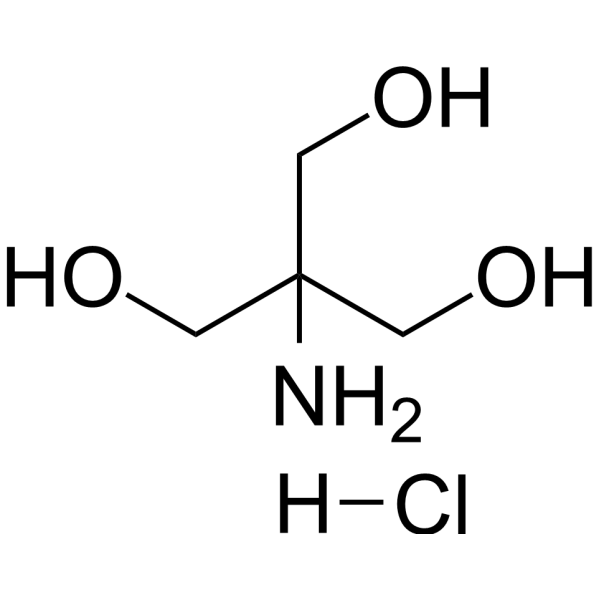
THAM hydrochloride (Tris HCl) is a biologically inert amino alcohol of low toxicity, which buffers carbon dioxide and acids in vitro and in vivo. THAM hydrochloride is an effective amine compound for pH control in the physiological range .
loading...
    loading...
1
1 Cited Publications
Cat. No.: HY-130259
CAS No.: 7758-73-8
Purity:  98.12%
LC3-mHTT-IN-AN2 (Compound AN2) is a mHTT-LC3 linker compound, which interacts with both mutant huntingtin protein (mHTT) and LC3B but not with wtHTT or irrelevant control proteins. LC3-mHTT-IN-AN2 reduces the levels of mHTT in an allele-selective manner in cultured Huntington disease (HD) mouse neurons .
loading...
    loading...
1
1 Cited Publications
Cat. No.: HY-B1340
CAS No.: 6804-07-5
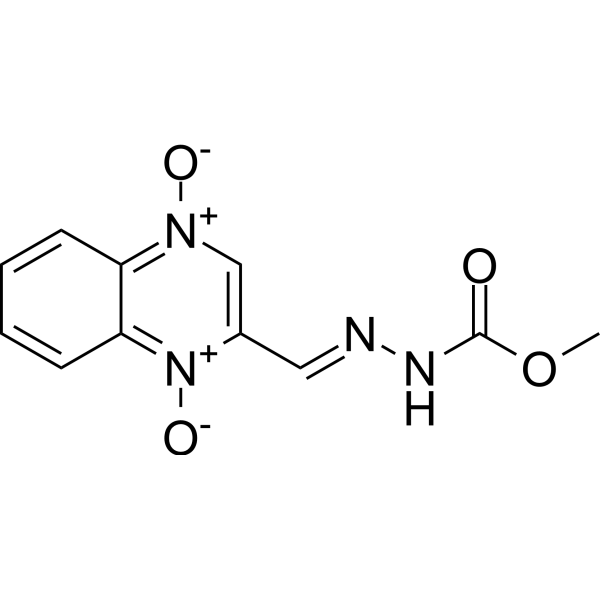
Carbadox is a quinoxaline-di-N-oxide antibiotic compound which is widely fed to nursery-age pigs to control enteric diseases and improve feed efficiency.
loading...
    loading...
1
1 Cited Publications
Cat. No.: HY-W393372
CAS No.: 72200-76-1
Synonyms: Tris maleate; Tris(hydroxymethyl)aminomethane maleate
THAM (Tris) maleate is a biologically inert amino alcohol of low toxicity, which buffers carbon dioxide and acids in vitro and in vivo. THAM maleate is an effective amine compound for pH control in the physiological range .
loading...
    loading...
1
1 Cited Publications
Cat. No.: HY-112367
CAS No.: 172747-50-1
Target:  

p38 MAPK

Research Areas:  

Cancer

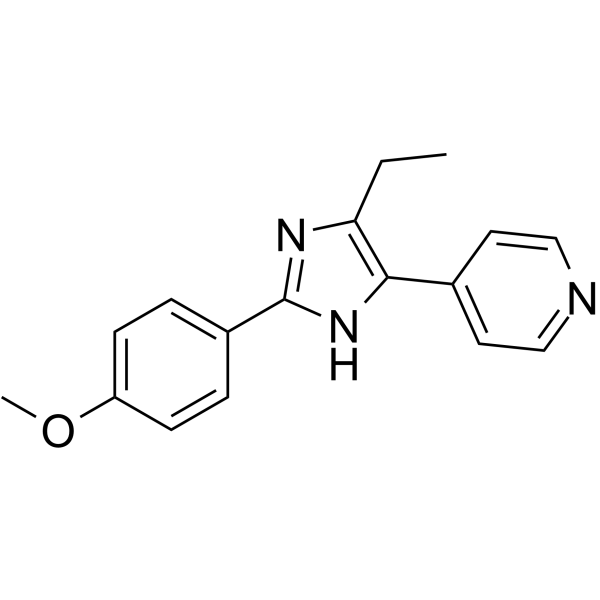
SB 202474, a negative analog of SB203580. SB 202474, which has no ability to inhibit p38 MAPK activity and is widely used as a negative control compound in p38 MAPK studies, also suppressed melanin synthesis induction .
loading...
    loading...
1
1 Cited Publications
Cat. No.: HY-N0478
CAS No.: 466-26-2
Synonyms: Bullatine B
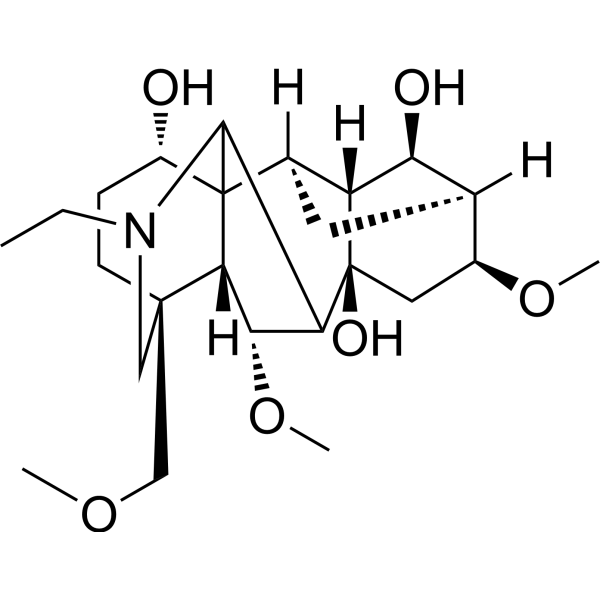
Neoline (Bullatine B) is the active ingredient of the active ingredient (PA), which can be used to cure the disease. Neoline Flow Suppression Nav1.7 Electrical Flow Control (VGSC), improve diabetes mechanical pain sensitivity. Neoline has a list of compounds that can be used, research on its use, and the quality of its processing during processing in pain .
loading...
    loading...
1
1 Cited Publications
Cat. No.: HY-B1953
CAS No.: 111988-49-9
Research Areas:  

Infection

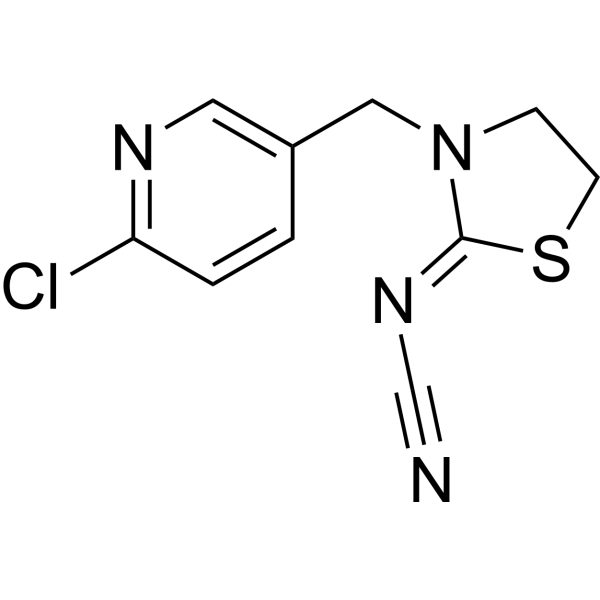
Thiacloprid is an orally active neurotoxic insecticide and also a nAChR agonist. Thiacloprid reduces the viability of healthy cells, depletes reduced glutathione, and increases MDA levels, thereby inducing cytotoxicity and oxidative stress damage. In practical applications, Thiacloprid has lower acute toxicity to honeybees than other compounds of the same class such as Imidacloprid (HY-B0838), but it still significantly impairs the learning and memory function, immune capacity and survival status of honeybees. Thiacloprid induces intestinal microbial dysbiosis and reduces survival rate in middle-aged honeybees, increases the risk of premature collapse in bumblebee colonies, and significantly decreases the final colony weight and reproductive output. Thiacloprid is used in broad-spectrum agricultural pest control, often alone or in combination with Deltamethrin (HY-B1971), and meets the pest management needs of various crops including potatoes, cabbages, various fruits and vegetables, and nuts .
loading...
    loading...
1
1 Cited Publications
Cat. No.: HY-112624I
CAS No.: 9004-54-0
Synonyms: Dextran 3; Dextran D3; Dextran T3(MW 2400-3600)
Dextran T3 (Dextran 3; Dextran T3(MW 2400-3600)) is a neural tracer and intestinal permeability probe that can move anterogradely and retrogradely in neuronal axons by passive diffusion. Dextran T3 (MW 3,000) is able to permeate across the intestinal epithelial cell membrane in the presence of cholera toxin-induced cytoskeletal disturbance. Dextran T3 (MW 3,000) is used as a fluorescent marker to rapidly label developing neurons (such as Xenopus retinal ganglion cells) and to assess intestinal barrier function. It can be used to study axonal transport in neuroanatomy and permeability changes in intestinal pathophysiology. The Dextran series of compounds are also natural polysaccharide drug carriers that can be connected to drugs through covalent bonding methods such as ester bonds, amide bonds or click chemistry, or self-assembled to form carriers such as nanoparticles and hydrogels. Dextran is biodegradable and biocompatible, and can achieve targeted delivery and controlled release of drugs. Dextran derivatives can prolong the half-life of drugs, increase local concentrations, and reduce the activity of immune clearance .
loading...
    loading...
Cat. No.: HY-Y0873A1
CAS No.: 25322-68-3
Synonyms: Polyethylene glycol 100000
PEG100000 (Polyethylene glycol 100000) is a polymer compound with good biocompatibility and biodegradability, and is widely used in drug controlled release systems and bioadhesive materials .
loading...
    loading...
Cat. No.: HY-Y0003
CAS No.: 98327-87-8
Research Areas:  

Others

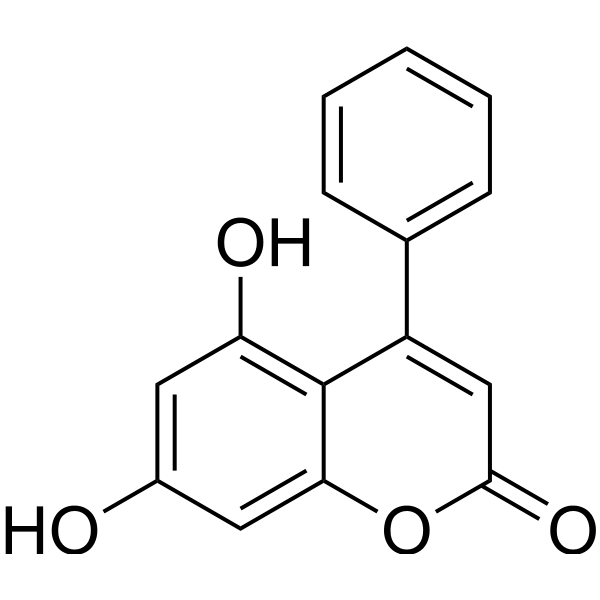
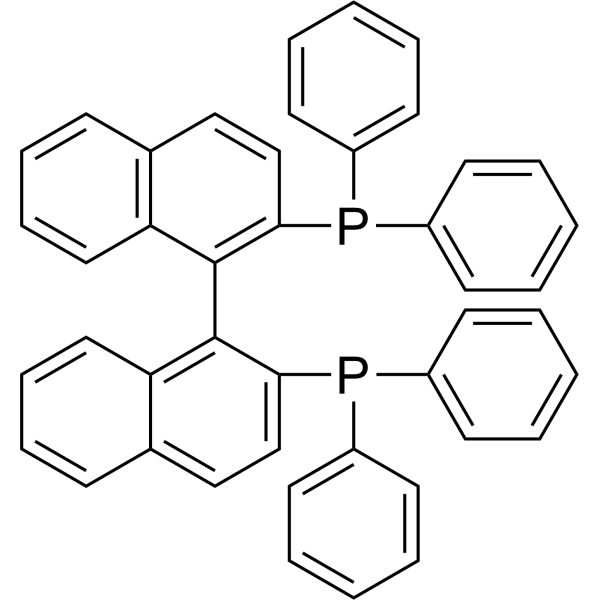
(Rac)-BINAP is the isomer of (R)-BINAP (HY-W017757), and can be used as an experimental control. (R)-BINAP is a biochemical reagent that can be used as a biological material or organic compound for life science related research.
loading...
    loading...
Cat. No.: HY-130258
CAS No.: 486443-73-6
Purity:  98.99%
Target:  

Atg8/LC3 Autophagy

Research Areas:  

Neurological Disease

LC3-mHTT-IN-AN1 (Compound AN1) is a mHTT-LC3 linker compound, which interacts with both mutant huntingtin protein (mHTT) and LC3B but not with wtHTT or irrelevant control proteins. LC3-mHTT-IN-AN1 reduces the levels of mHTT in an allele-selective manner in cultured Huntington disease (HD) mouse neurons .
loading...
    loading...

