


Search Result
Results for "
creatinine
" in MedChemExpress (MCE) Product Catalog:
1
Biochemical Assay Reagents
5
Isotope-Labeled Compounds
| Cat. No. |
Product Name |
Target |
Research Areas |
Chemical Structure |
-
- HY-B0504S
-
|
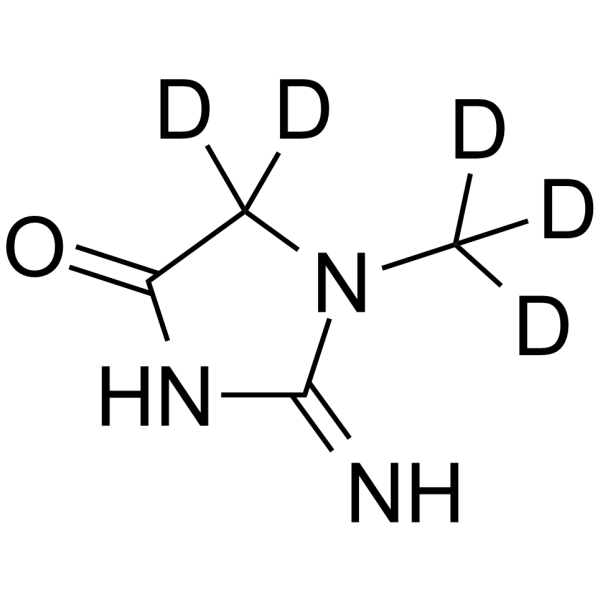
NSC13123-d3
|
Isotope-Labeled Compounds
Endogenous Metabolite
iGluR
GABA Receptor
|
Metabolic Disease
Cancer
|
|
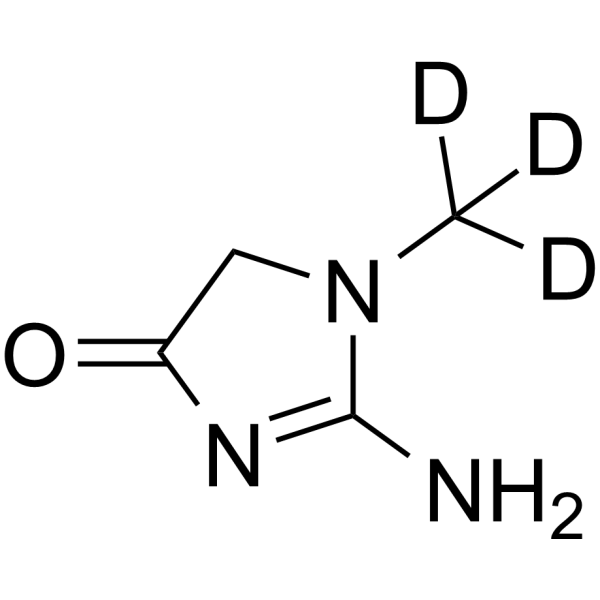
Creatinine-d3 is a deuterium labeled Creatinine. Creatinine (NSC13123) is an orally active, blood-brain barrier-permeable modulator of GABAA and NMDA receptors, with activities of antioxidation and metabolic regulation. Creatinine is generated via non-enzymatic conversion of creatine and phosphocreatine in muscle. Creatinine serum levels correlate with muscle mass, glomerular filtration rate, and extrarenal clearance, serving as an evaluation biomarker for renal function, muscle mass, and clinical outcomes, and used for perioperative renal risk assessment. In addition, Creatinine can induce specific Cryptococcus species to produce creatinine deiminase and act as their nitrogen source, while it can be secreted via renal tubules. Creatinine is widely used in research related to various diseases such as neurodegenerative diseases, psychiatric disorders, acute kidney injury, chronic kidney disease, and renal failure .
|
-
-
- HY-B0504
-
Creatinine
Maximum Cited Publications
6 Publications Verification
NSC13123
|
Endogenous Metabolite
GABA Receptor
iGluR
|
Infection
Neurological Disease
Metabolic Disease
Cancer
|
|
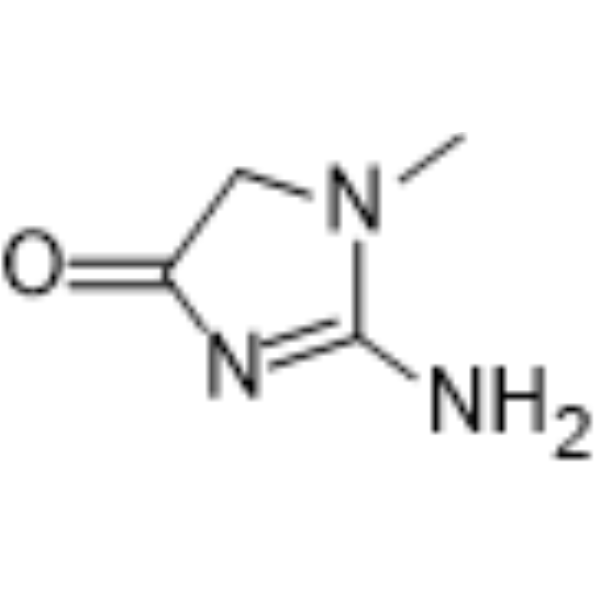
Creatinine (NSC13123) is an orally active, blood-brain barrier-permeable modulator of GABAA and NMDA receptors, with activities of antioxidation and metabolic regulation. Creatinine is generated via non-enzymatic conversion of creatine and phosphocreatine in muscle. Creatinine serum levels correlate with muscle mass, glomerular filtration rate, and extrarenal clearance, serving as an evaluation biomarker for renal function, muscle mass, and clinical outcomes, and used for perioperative renal risk assessment. In addition, Creatinine can induce specific Cryptococcus species to produce creatinine deiminase and act as their nitrogen source, while it can be secreted via renal tubules. Creatinine is widely used in research related to various diseases such as neurodegenerative diseases, psychiatric disorders, acute kidney injury, chronic kidney disease, and renal failure .
|
-
-
- HY-101410
-
SDMA
3 Publications Verification
Symmetric dimethylarginine; NG,NG'-Dimethyl-L-arginine
|
Endogenous Metabolite
NO Synthase
NF-κB
|
Inflammation/Immunology
|
|
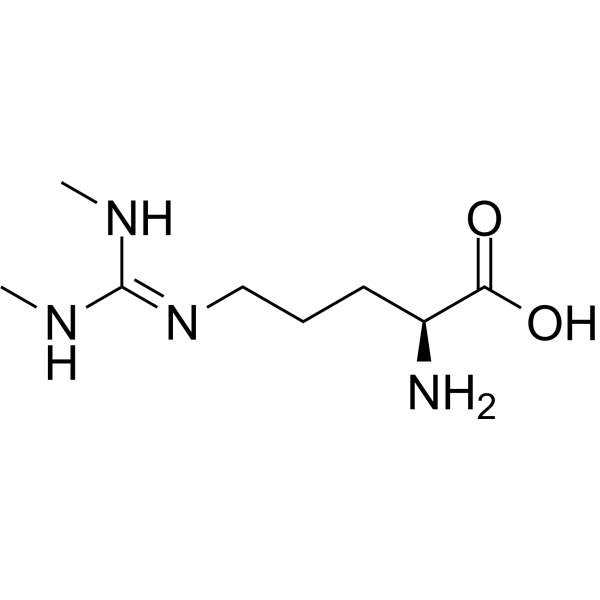
SDMA (Symmetric dimethylarginine) is an endogenous inhibitor of nitric oxide (NO) synthase activity. SDMA, a novel kidney biomarker, permits earlier diagnosis of kidney disease than traditional creatinine testing.
|
-
-
- HY-P99901
-
|
VIS649
|
SARS-CoV
|
Inflammation/Immunology
Cancer
|
|
Sibeprenlimab (VIS649) is a humanized IgG2 monoclonal antibody which inhibits a proliferation-inducing ligand (APRIL). Sibeprenlimab suppresses pathogenic immunoglobulins (IgA and IgM), while preserving antibody responses to mRNA-based vaccines against SARS-COV-2. Sibeprenlimab reduces urinary protein-to-creatinine ratio (UPCR) and glomerular filtration rate (GFR). Sibeprenlimab is promising for the research of IgA nephropathy (IgAN) .
|
-
-
- HY-N2995
-
|
Poricoic acid A(F)
|
NF-κB
Keap1-Nrf2
AMPK
TGF-beta/Smad
Reactive Oxygen Species (ROS)
|
Inflammation/Immunology
Cancer
|
|
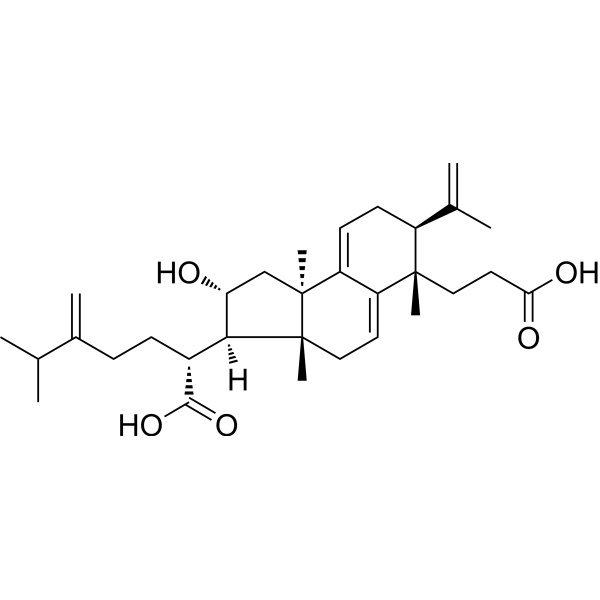
Poricoic acid A can be isolated from Poria cocos. Poricoic acid A is an orally active anti-tumor agent. Poricoic acid A enhances melatonin inhibition of AKI-to-CKD transition by regulating Gas6/AxlNFκB/Nrf2 axis. Poricoic acid A also attenuatea fibroblast activation and abnormal extracellular matrix remodeling in renal fibrosis by activating AMPK and inhibiting Smad3. Poricoic acid A significantly reduces the magnitude of rise in serum creatinine and urea levels in rat model when combined with Melatonin. Poricoic acid A ameliorates renal fibrosis and podocyte injury by attenuating oxidative stress and inflammation through regulating NF-κB and Nrf2 in IRI rodent model in combination with Melatonin .
|
-
-
- HY-B0504S2
-
|
NSC13123-d5
|
Isotope-Labeled Compounds
Endogenous Metabolite
iGluR
GABA Receptor
|
Metabolic Disease
|
|
Creatinine-d5 is the deuterium labeled Creatinine. Creatinine (NSC13123) is an orally active, blood-brain barrier-permeable modulator of GABAA and NMDA receptors, with activities of antioxidation and metabolic regulation. Creatinine is generated via non-enzymatic conversion of creatine and phosphocreatine in muscle. Creatinine serum levels correlate with muscle mass, glomerular filtration rate, and extrarenal clearance, serving as an evaluation biomarker for renal function, muscle mass, and clinical outcomes, and used for perioperative renal risk assessment. In addition, Creatinine can induce specific Cryptococcus species to produce creatinine deiminase and act as their nitrogen source, while it can be secreted via renal tubules. Creatinine is widely used in research related to various diseases such as neurodegenerative diseases, psychiatric disorders, acute kidney injury, chronic kidney disease, and renal failure .
|
-
-
- HY-N2263
-
Skimmin
1 Publications Verification
Umbelliferone glucoside
|
Interleukin Related
TGF-β Receptor
TNF Receptor
Parasite
|
Inflammation/Immunology
|
|
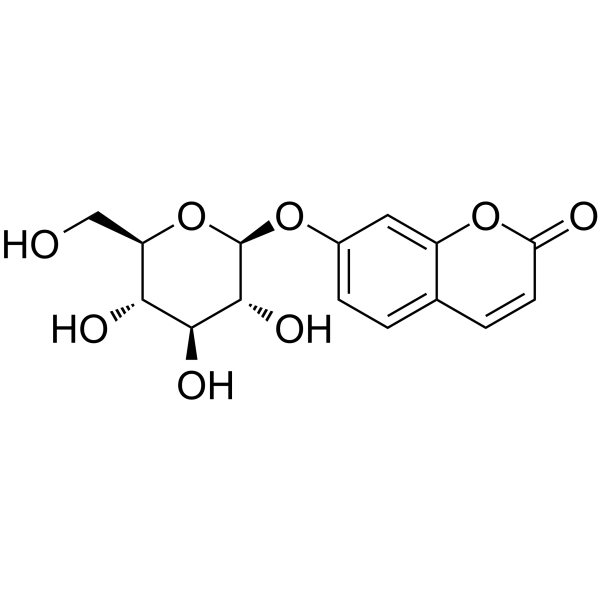
Skimmin (Umbelliferone glucoside) is a major pharmacologically active and orally active molecule present in Hydrangea paniculata, a medical herb used in traditional Chinese medicine as an anti-inflammatory agent. Skimmin has renal protective activity. Skimmin can improve creatinine clearance, and reduce plasma creatinine, and kidney injuries. Skimmin has good anti-amoebic activity against the HM1:IMMS strain of Entamoeba histolytica. Skimmin has anti-cancer and neuroprotective activities. Skimmin reduces cardiac fibrosis as well as decreasing TNF-α, IL-6, IL1β, and TGFβ1 in cardiac tissues. Skimmin can be studied in research for diabetes and diabetes-related diseases .
|
-
-
- HY-113472
-
|
|
Drug Metabolite
|
Others
|
|
N-Methyl-4-pyridone-3-carboxamide (compound 4PY) is a final product of nicotinamide adenine dinucleotide (NAD) degradation .
|
-
-
- HY-120801
-
APX-115
2 Publications Verification
Ewha-18278
|
NADPH Oxidase
|
Metabolic Disease
Inflammation/Immunology
|
|
APX-115 (Ewha-18278) is a potent, orally active pan NADPH oxidase (Nox) inhibitor with Ki values of 1.08 μM, 0.57 μM, and 0.63 μM for Nox1, Nox2 and Nox4, respectively. APX-115 effectively prevents kidney injury .
|
-
-
- HY-120801A
-
|
Ewha-18278 free base; Isuzinaxib free base
|
NADPH Oxidase
|
Inflammation/Immunology
Endocrinology
|
|
APX-115 free base (Ewha-18278 free base) is a potent, orally active pan NADPH oxidase (Nox) inhibitor with Ki values of 1.08 μM, 0.57 μM, and 0.63 μM for Nox1, Nox2 and Nox4, respectively. APX-115 free base effectively prevents kidney injury .
|
-
-
- HY-15344
-
|
|
Biochemical Assay Reagents
|
Neurological Disease
Metabolic Disease
|
|
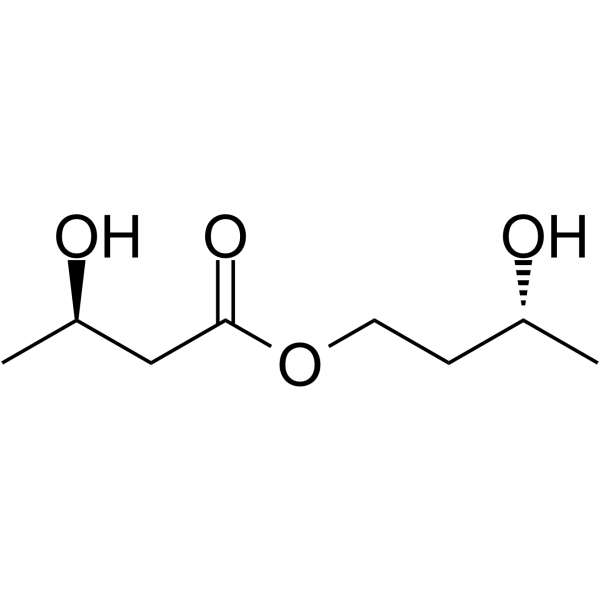
Ketone monoester is an orally available ketone monoester that serves as a source of nutritional ketones. Ketone monoester increases plasma beta-hydroxybutyrate, acetoacetate, blood glucose, blood sodium, and blood creatinine levels in mouse models. Ketone monoester has the potential to improve athletic performance and endurance in animals. Ketone monoester partially prevents myasthenia in septic mice. Ketone monoester may also be used to study Parkinson's disease or diabetes .
|
-
-
- HY-W040144
-
|
|
Fluorescent Dye
|
Others
|
|
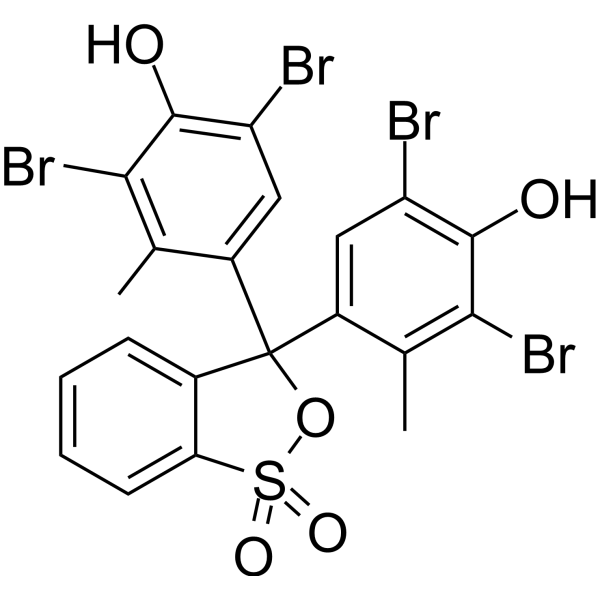
Bromocresol green is a pH-sensitive triphenylmethane dye commonly used for the determination of protein and albumin in serum. Bromocresol green is a bio-based dye with a yellow-green to blue-green color. Bromocresol green turns yellow (λmax=435 nm, protonated form) when placed in acidic solution (e.g. pH=4.15), and turns blue in basic solution (λmax=615 nm, deprotonated form). Bromocresol green is widely used as a pH indicator in the field of biochemical analysis. In addition, Bromocresol green is also used to detect the concentration of molecules such as creatinine, and to judge the viability of cells .
|
-
-
- HY-B0504R
-
|
NSC13123 (Standard)
|
Reference Standards
Endogenous Metabolite
iGluR
GABA Receptor
|
Metabolic Disease
Cancer
|
|
Creatinine (Standard) is the analytical standard of Creatinine. This product is intended for research and analytical applications. Creatinine (NSC13123) is an orally active, blood-brain barrier-permeable modulator of GABAA and NMDA receptors, with activities of antioxidation and metabolic regulation. Creatinine is generated via non-enzymatic conversion of creatine and phosphocreatine in muscle. Creatinine serum levels correlate with muscle mass, glomerular filtration rate, and extrarenal clearance, serving as an evaluation biomarker for renal function, muscle mass, and clinical outcomes, and used for perioperative renal risk assessment. In addition, Creatinine can induce specific Cryptococcus species to produce creatinine deiminase and act as their nitrogen source, while it can be secreted via renal tubules. Creatinine is widely used in research related to various diseases such as neurodegenerative diseases, psychiatric disorders, acute kidney injury, chronic kidney disease, and renal failure .
|
-
-
- HY-P2838
-
|
creatinine amidohydrolase; CAH
|
Endogenous Metabolite
|
Metabolic Disease
|
|
Creatininase, Microorganism (Creatinine amidohydrolase; CAH), namely creatinine amidohydrolase, from Pseudomonas putida, is a homohexameric enzyme commonly used in biochemical research. Creatininase acts on carbon-nitrogen bonds other than peptide bonds, and can catalyze the hydrolysis of creatinine to creatine, which can then be metabolized by creatinase to urea and sarcosine .
|
-
-
- HY-P990045
-
|
ALE.F02
|
Claudin
|
Endocrinology
|
|
Lixudebart (ALE.F02) is a humanized immunoglobulin G1-kappa, anti-CLDN1 monoclonal antibody. Lixudebart disrupts CLDN1 interactions with CD44 and MMP14, reduces renal macrophage infiltration, epithelial activation, and urinary albumin-to-creatinine ratio, and attenuates glomerulosclerosis. Lixudebart can be used for the research of focal segmental glomerulosclerosis .
|
-
-
- HY-W010973
-
-
-
- HY-B0504S1
-
|
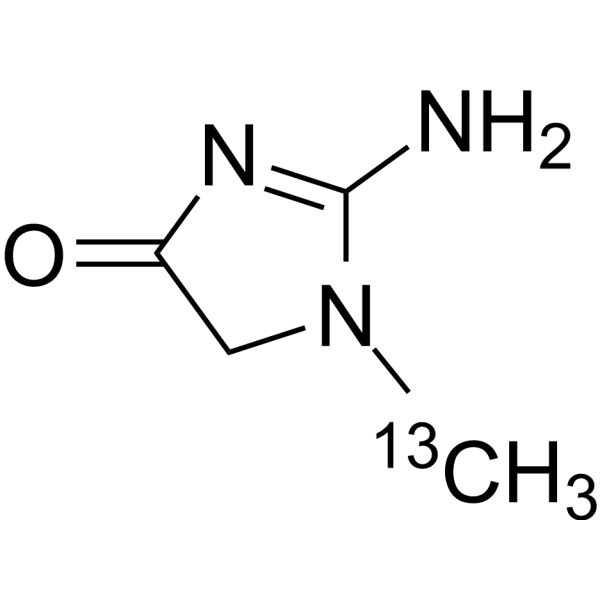
NSC13123-13C
|
Isotope-Labeled Compounds
Endogenous Metabolite
iGluR
GABA Receptor
|
Metabolic Disease
|
|
Creatinine- 13C is the 13C-labeled Creatinine. Creatinine (NSC13123) is an orally active, blood-brain barrier-permeable modulator of GABAA and NMDA receptors, with activities of antioxidation and metabolic regulation. Creatinine is generated via non-enzymatic conversion of creatine and phosphocreatine in muscle. Creatinine serum levels correlate with muscle mass, glomerular filtration rate, and extrarenal clearance, serving as an evaluation biomarker for renal function, muscle mass, and clinical outcomes, and used for perioperative renal risk assessment. In addition, Creatinine can induce specific Cryptococcus species to produce creatinine deiminase and act as their nitrogen source, while it can be secreted via renal tubules. Creatinine is widely used in research related to various diseases such as neurodegenerative diseases, psychiatric disorders, acute kidney injury, chronic kidney disease, and renal failure .
|
-
-
- HY-P2893B
-
|
Creatine amidinohydrolase, microorganism
|
Endogenous Metabolite
|
Metabolic Disease
|
|
Creatine amidinohydrolase, microorganism is a hydrolytic enzyme that catalyzes the hydrolysis of creatine into creatinine and urea, playing a crucial role in the measurement of creatinine concentration. Creatine amidinohydrolase, microorganism can be used in the development of biosensors for measuring serum creatinine levels .
|
-
-
- HY-113382
-
-
-
- HY-P2893A
-
|
Creatine amidinohydrolase
|
Endogenous Metabolite
|
Metabolic Disease
|
|
Creatinase (Recombinant) is a hydrolase responsible for catalyzing the hydrolysis of creatine (HY-W010388) into sarcosine (HY-101037) and urea (HY-Y0271). Creatinase (Recombinant) can be used in conjunction with creatinine deiminase (HY-P2838) and sarcosine oxidase (HY-P2861) in an enzyme cascade reaction to measure creatinine (HY-B0504) levels in blood and urine. Creatinase (Recombinant) is the rate-limiting enzyme in this enzymatic cascade, and the enzymatic quantification of creatinine is an important method for evaluating kidney function .
|
-
-
- HY-P2893
-
|
Creatine amidohydrolase
|
Endogenous Metabolite
|
Others
|
|
Creatinase, Actinobacteria (Creatine amidohydrolase) is a hydrolase that catalyzes the hydrolysis of creatine into sarcosine and urea, and plays an important role in the enzymatic determination of creatinine concentration .
|
-
-
- HY-B0235
-
|
|
Carbonic Anhydrase
|
Metabolic Disease
|
|
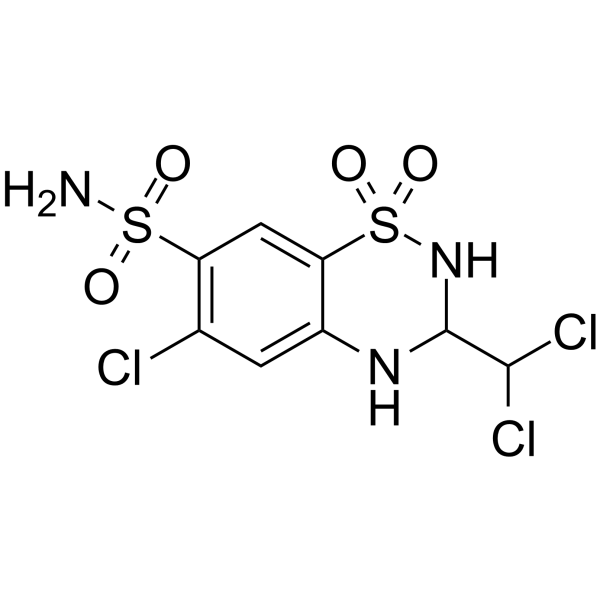
Trichlormethiazide is an orally active thiazide diuretic, with antihypertensive effect. Trichlormethiazide increases urine volume (UV), Na and K excretion and tends to improve the depressed creatinine clearance (CCRE) in acute renal failure rats model .
|
-
-
- HY-W013755
-
|
DNOP; Di-n-octyl phthalate; Phthalic acid dioctyl ester
|
Biochemical Assay Reagents
Aminotransferases (Transaminases)
Phosphatase
Bacterial
|
Inflammation/Immunology
|
|
Dioctyl phthalate (DNOP) is a plasticizer. Dioctyl phthalate increases the activities of alanine aminotransferase (ALT) and alkaline phosphatase (ALP) in the liver, as well as the levels of creatinine and urea in the kidney. Exposure to Dioctyl phthalate disrupts the homeostasis of the intestinal microbial community, increases the abundance of pathogenic bacteria, and reduces the abundance of beneficial bacteria such as Lactobacillus. Dioctyl phthalate induces significant and dose-dependent inflammatory responses in the liver, spleen and kidney of mice .
|
-
-
- HY-101410R
-
|
Symmetric dimethylarginine (Standard); NG,NG'-Dimethyl-L-arginine (Standard)
|
Reference Standards
Endogenous Metabolite
NO Synthase
NF-κB
|
Inflammation/Immunology
|
|
SDMA (Standard) is the analytical standard of SDMA. This product is intended for research and analytical applications. SDMA (Symmetric dimethylarginine) is an endogenous inhibitor of nitric oxide (NO) synthase activity. SDMA, a novel kidney biomarker, permits earlier diagnosis of kidney disease than traditional creatinine testing.
|
-
-
- HY-147253
-
|
NS 089; NCNP 02
|
DNA/RNA Synthesis
|
Neurological Disease
|
|
Brogidirsen (NS 089; NCNP 02) is a a dual-targeting antisense oligonucleotide. Brogidirsen can induce dystrophin protein experession. Brogidirsen can be used for the research of Duchenne muscular dystrophy .
|
-
-
- HY-B0504S5
-
|
NSC13123-15N
|
Isotope-Labeled Compounds
Endogenous Metabolite
iGluR
GABA Receptor
|
Metabolic Disease
Cancer
|
|
Creatinine- 15N (NSC13123- 15N) is the 15N-labeled Creatinine (HY-B0504). Creatinine (NSC13123) is an orally active, blood-brain barrier-permeable modulator of GABAA and NMDA receptors, with activities of antioxidation and metabolic regulation. Creatinine is generated via non-enzymatic conversion of creatine and phosphocreatine in muscle. Creatinine serum levels correlate with muscle mass, glomerular filtration rate, and extrarenal clearance, serving as an evaluation biomarker for renal function, muscle mass, and clinical outcomes, and used for perioperative renal risk assessment. In addition, Creatinine can induce specific Cryptococcus species to produce creatinine deiminase and act as their nitrogen source, while it can be secreted via renal tubules. Creatinine is widely used in research related to various diseases such as neurodegenerative diseases, psychiatric disorders, acute kidney injury, chronic kidney disease, and renal failure .
|
-
-
- HY-E70410
-
|
NAD+ Synthetase; Nicotinamide adenine dinucleotide synthetase
|
Endogenous Metabolite
|
Neurological Disease
Metabolic Disease
Cancer
|
|
NAD synthetase is responsible for the final step in the synthesis of nicotinamide adenine dinucleotide (NAD). The Km values for NAD, ATP, and ammonia of NAD synthetase from Escherichia coli are 200 μM, 11 μM, and 0.65 μM, respectively, while the Km values for NAD, ATP, and ammonia of NAD synthetase from yeast are 170 μM, 190 μM, and 64 μM, respectively. NAD synthetase can be used for enzymatic assays to determine ATP, ammonia, urea, or creatinine, and is also suitable for enzymatic cycling methods. Additionally, NAD synthetase holds potential for research into metabolic diseases, cancer, aging, and neurodegenerative diseases .
|
-
-
- HY-P2815
-
|
|
Biochemical Assay Reagents
|
Others
|
|
Creatinine deiminase is a hydrolytic enzyme. Creatinine deiminase plays a crucial role in the conversion of the metabolic waste creatinine into creatine. Creatinine deiminase is a creatine bioanalytical tool. Creatinine deiminase can be used to construct a novel creatinine-sensitive biosensor when adsorbed on a silicate-modified pH-sensitive field-effect transistor (pH-FET) .
|
-
-
- HY-B0235R
-
|
|
Carbonic Anhydrase
Reference Standards
|
Metabolic Disease
|
|
Trichlormethiazide (Standard) is the analytical standard of Trichlormethiazide. This product is intended for research and analytical applications. Trichlormethiazide is an orally active thiazide diuretic, with antihypertensive effect. Trichlormethiazide increases urine volume (UV), Na and K excretion and tends to improve the depressed creatinine clearance (CCRE) in acute renal failure rats model .
|
-
-
- HY-W010973S
-
|
|
Endogenous Metabolite
|
Metabolic Disease
|
|
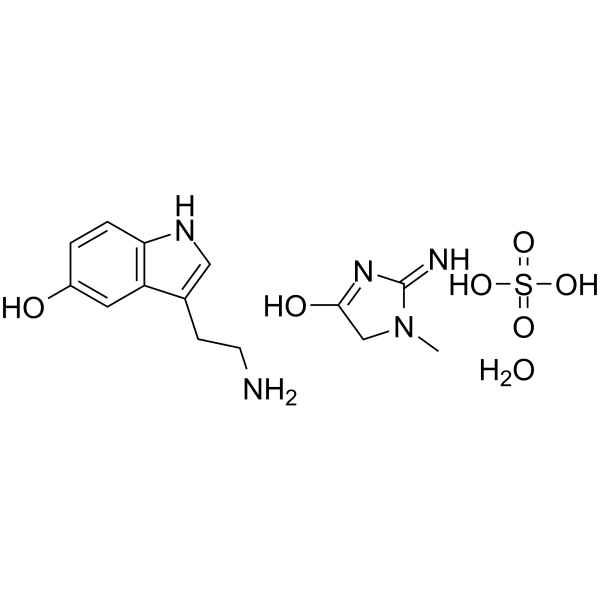
5-Hydroxytryptamine-d4 creatinine sulfate monohydrate is the deuterium labeled 5-Hydroxytryptamine creatinine sulfate monohydrate. 5-Hydroxytryptamine creatinine sulfate monohydrate is an endogenous metabolite.
|
-
-
- HY-111314
-
|
5-Hydroxy-1-methylhydantoin
|
Reactive Oxygen Species (ROS)
|
Inflammation/Immunology
|
|
NZ 419 (5-Hydroxy-1-methylhydantoin) is a metabolite of creatinine and an antioxidant with oral activity, which has the ability to scavenge hydroxyl radicals (•OH). NZ 419 can inhibit the progression of chronic kidney disease (CKD) in rats .
|
-
-
- HY-B0235A
-
|
|
Carbonic Anhydrase
|
Metabolic Disease
|
|
Trichlormethiazide sodium is an orally active thiazide diuretic, with antihypertensive effect. Trichlormethiazide sodium increases urine volume (UV), Na and K excretion and tends to improve the depressed creatinine clearance (CCRE) in acute renal failure rats model .
|
-
-
- HY-100446
-
|
|
Glutaminase
Apoptosis
|
Metabolic Disease
Inflammation/Immunology
|
|
NTU281 is a potent transglutaminase-2 inhibitor. NTU281 can reduce the increases in serum creatinine and albuminuria in diabetic rats. NTU281 can also reduce glomerular collagen I accumulation, Hic-5 and α-SMA expression, and apoptosis. NTU281 can be used for researching glomerulosclerosis caused by diabetes .
|
-
-
- HY-115762
-
-
-
- HY-161429
-
|
|
Amylases
Glycosidase
|
Metabolic Disease
|
|
Antidiabetic agent 5 (compound S1) is a antidiabetic agent. Antidiabetic agent 5 inhibits the activity of α-glucosidase and α-amylase with IC50 values of 3.91,8.89 μM,respectively. Antidiabetic agent 5 decreases sugar levels. Antidiabetic agent 5 has the potential for the research of type-II diabetes .
|
-
-
- HY-119035
-
|
|
Platelet-activating Factor Receptor (PAFR)
|
Inflammation/Immunology
|
|
R-75317 is a specific platelet-activating factor (PAF) antagonist. R-75317 can prevent the decline in creatinine clearance (Ccr) in a rat model of glomerulonephritis induced by the injection of antibodies extracted from rabbits against rat glomerular basement membrane (GBM) antigens, delay the onset of proteinuria, and improve glomerular hypertrophy, mesangial matrix proliferation, and interstitial fibrosis. R-75317 may be useful in the study of glomerulonephritis .
|
-
-
- HY-E70957
-
-
-
- HY-W010973R
-
|
|
Endogenous Metabolite
Reference Standards
|
Metabolic Disease
|
|
5-Hydroxytryptamine creatinine sulfate monohydrate (Standard) is the analytical standard of 5-Hydroxytryptamine creatinine sulfate monohydrate (HY-W010973). This product is intended for research and analytical applications. 5-Hydroxytryptamine creatinine sulfate monohydrate is an endogenous metabolite.
|
-
-
- HY-N18471B
-
|
5,7-DHP creatinine sulfate
|
Monoamine Oxidase
5-HT Receptor
|
Cardiovascular Disease
Neurological Disease
|
|
5,7-Dihydroxytryptamine creatinine sulfate (5,7-DHT) is an autofluorescent (Ex ≈ 365 nm), selective neurotoxin and a transport substrate for MAO-A and 5-HT. 5,7-Dihydroxytryptamine creatinine sulfate can specifically target and damage central and peripheral 5-HTergic neurons, while affecting 5-HT-related pathways and neurotransmitter balance. 5,7-Dihydroxytryptamine creatinine sulfate can be used to establish 5-HTergic neuron injury models for studies on neural development, neurodegenerative diseases, as well as mechanisms related to platelet function and retinal neurons .
|
-
-
- HY-E70918
-
|
|
Endogenous Metabolite
|
Metabolic Disease
|
|
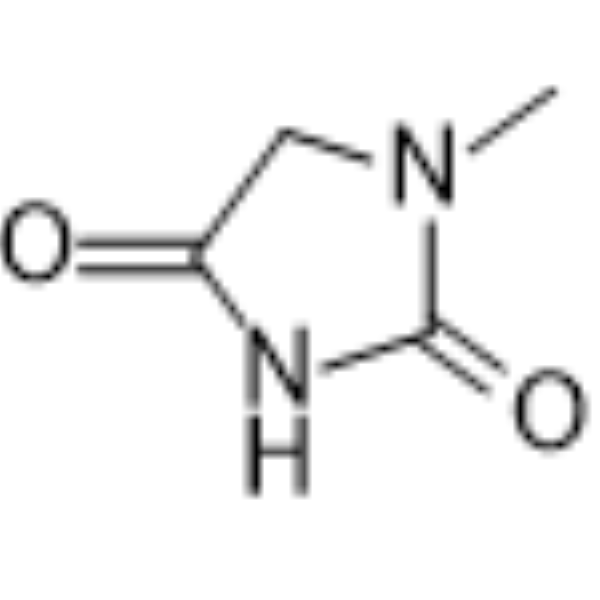
N-Methylhydantoinase (ATP-hydrolyzing), Arthrobacter sp., belongs to the hydrolase family and acts on carbon-nitrogen bonds other than peptide bonds, especially the carbon-nitrogen bonds in cyclic amides. N-Methylhydantoinase (ATP-hydrolyzing) is involved in the metabolism of arginine, creatinine, and proline. Its three substrates are ATP, N-methylimidazolidine-2,4-dione, and water, while its three products are ADP, phosphate, and N-carbamoylsarcosine.
|
-
-
- HY-P992153
-
|
|
Interleukin Related
|
Inflammation/Immunology
|
|
Serrumab is a human monoclonal antibody that counteracts the biochemical and immunological effects of Tityus serrulatus venom. Serrumab inhibits the TsV-induced increase in the production of IL-6, TNFα and IL-10. Serrumab also prevents TsV-induced elevations in plasma urea, creatinine, aspartate transaminase and glucose levels, as well as the TsV-induced increase in neutrophil recruitment. Serrumab can be used in research related to envenoming by the Brazilian yellow scorpion .
|
-
-
- HY-181077
-
|
|
AMPK
|
Endocrinology
|
|
AMPKα1 activator 1 is a selective and orally active AMPKα1 activator with an EC50 of 35.1 nM. AMPKα1 activator 1 shows 176-fold selectivity over AMPKα2. AMPKα1 activator 1 can be used as a cell protectant and a kidney protectant. AMPKα1 activator 1 attenuates elevation of serum creatinine and blood urea nitrogen levels, alleviates kidney damage, and reduces cellular infiltration in renal ischemia-reperfusion injury contexts. AMPKα1 activator 1 can be associated with renal ischemia-reperfusion injury research .
|
-
| Cat. No. |
Product Name |
Type |
-
- HY-W040144
-
|
|
Biochemical Assay Reagents
|
|
Bromocresol green is a pH-sensitive triphenylmethane dye commonly used for the determination of protein and albumin in serum. Bromocresol green is a bio-based dye with a yellow-green to blue-green color. Bromocresol green turns yellow (λmax=435 nm, protonated form) when placed in acidic solution (e.g. pH=4.15), and turns blue in basic solution (λmax=615 nm, deprotonated form). Bromocresol green is widely used as a pH indicator in the field of biochemical analysis. In addition, Bromocresol green is also used to detect the concentration of molecules such as creatinine, and to judge the viability of cells .
|
| Cat. No. |
Product Name |
Target |
Research Area |
Image |
-
- HY-P99901
-
|
VIS649
|
SARS-CoV
|
Inflammation/Immunology
Cancer
|
|
Sibeprenlimab (VIS649) is a humanized IgG2 monoclonal antibody which inhibits a proliferation-inducing ligand (APRIL). Sibeprenlimab suppresses pathogenic immunoglobulins (IgA and IgM), while preserving antibody responses to mRNA-based vaccines against SARS-COV-2. Sibeprenlimab reduces urinary protein-to-creatinine ratio (UPCR) and glomerular filtration rate (GFR). Sibeprenlimab is promising for the research of IgA nephropathy (IgAN) .
|
-
(5)
-
- HY-P990045
-
|
ALE.F02
|
Claudin
|
Endocrinology
|
|
Lixudebart (ALE.F02) is a humanized immunoglobulin G1-kappa, anti-CLDN1 monoclonal antibody. Lixudebart disrupts CLDN1 interactions with CD44 and MMP14, reduces renal macrophage infiltration, epithelial activation, and urinary albumin-to-creatinine ratio, and attenuates glomerulosclerosis. Lixudebart can be used for the research of focal segmental glomerulosclerosis .
|
-
(5)
-
- HY-P992153
-
|
|
Interleukin Related
|
Inflammation/Immunology
|
|
Serrumab is a human monoclonal antibody that counteracts the biochemical and immunological effects of Tityus serrulatus venom. Serrumab inhibits the TsV-induced increase in the production of IL-6, TNFα and IL-10. Serrumab also prevents TsV-induced elevations in plasma urea, creatinine, aspartate transaminase and glucose levels, as well as the TsV-induced increase in neutrophil recruitment. Serrumab can be used in research related to envenoming by the Brazilian yellow scorpion .
|
-
(5)
| Cat. No. |
Product Name |
Category |
Target |
Chemical Structure |
-
- HY-B0504
-
Creatinine
Maximum Cited Publications
6 Publications Verification
NSC13123
|
Infection
Structural Classification
Natural Products
Classification of Application Fields
Disease markers
Endocrine diseases
Metabolic Disease
Nervous System Disorder
Endogenous metabolite
Disease Research Fields
Source Classification
|
Endogenous Metabolite
GABA Receptor
iGluR
|
|
Creatinine (NSC13123) is an orally active, blood-brain barrier-permeable modulator of GABAA and NMDA receptors, with activities of antioxidation and metabolic regulation. Creatinine is generated via non-enzymatic conversion of creatine and phosphocreatine in muscle. Creatinine serum levels correlate with muscle mass, glomerular filtration rate, and extrarenal clearance, serving as an evaluation biomarker for renal function, muscle mass, and clinical outcomes, and used for perioperative renal risk assessment. In addition, Creatinine can induce specific Cryptococcus species to produce creatinine deiminase and act as their nitrogen source, while it can be secreted via renal tubules. Creatinine is widely used in research related to various diseases such as neurodegenerative diseases, psychiatric disorders, acute kidney injury, chronic kidney disease, and renal failure .
|
-
-
- HY-101410
-
-
-
- HY-N2995
-
-
-
- HY-N2263
-
-
-
- HY-B0504R
-
|
NSC13123 (Standard)
|
Infection
Structural Classification
Natural Products
Microorganisms
Disease markers
Endocrine diseases
Nervous System Disorder
Endogenous metabolite
Source Classification
|
Reference Standards
Endogenous Metabolite
iGluR
GABA Receptor
|
|
Creatinine (Standard) is the analytical standard of Creatinine. This product is intended for research and analytical applications. Creatinine (NSC13123) is an orally active, blood-brain barrier-permeable modulator of GABAA and NMDA receptors, with activities of antioxidation and metabolic regulation. Creatinine is generated via non-enzymatic conversion of creatine and phosphocreatine in muscle. Creatinine serum levels correlate with muscle mass, glomerular filtration rate, and extrarenal clearance, serving as an evaluation biomarker for renal function, muscle mass, and clinical outcomes, and used for perioperative renal risk assessment. In addition, Creatinine can induce specific Cryptococcus species to produce creatinine deiminase and act as their nitrogen source, while it can be secreted via renal tubules. Creatinine is widely used in research related to various diseases such as neurodegenerative diseases, psychiatric disorders, acute kidney injury, chronic kidney disease, and renal failure .
|
-
-
- HY-W010973
-
-
-
- HY-113382
-
-
-
- HY-101410R
-
-
-
- HY-115762
-
-
-
- HY-W010973R
-
-
| Cat. No. |
Product Name |
Chemical Structure |
-
- HY-B0504S
-
5 Publications Verification
|
|
Creatinine-d3 is a deuterium labeled Creatinine. Creatinine (NSC13123) is an orally active, blood-brain barrier-permeable modulator of GABAA and NMDA receptors, with activities of antioxidation and metabolic regulation. Creatinine is generated via non-enzymatic conversion of creatine and phosphocreatine in muscle. Creatinine serum levels correlate with muscle mass, glomerular filtration rate, and extrarenal clearance, serving as an evaluation biomarker for renal function, muscle mass, and clinical outcomes, and used for perioperative renal risk assessment. In addition, Creatinine can induce specific Cryptococcus species to produce creatinine deiminase and act as their nitrogen source, while it can be secreted via renal tubules. Creatinine is widely used in research related to various diseases such as neurodegenerative diseases, psychiatric disorders, acute kidney injury, chronic kidney disease, and renal failure .
|
-
-
- HY-B0504S2
-
|
|
|
Creatinine-d5 is the deuterium labeled Creatinine. Creatinine (NSC13123) is an orally active, blood-brain barrier-permeable modulator of GABAA and NMDA receptors, with activities of antioxidation and metabolic regulation. Creatinine is generated via non-enzymatic conversion of creatine and phosphocreatine in muscle. Creatinine serum levels correlate with muscle mass, glomerular filtration rate, and extrarenal clearance, serving as an evaluation biomarker for renal function, muscle mass, and clinical outcomes, and used for perioperative renal risk assessment. In addition, Creatinine can induce specific Cryptococcus species to produce creatinine deiminase and act as their nitrogen source, while it can be secreted via renal tubules. Creatinine is widely used in research related to various diseases such as neurodegenerative diseases, psychiatric disorders, acute kidney injury, chronic kidney disease, and renal failure .
|
-
-
- HY-B0504S1
-
|
|
|
Creatinine- 13C is the 13C-labeled Creatinine. Creatinine (NSC13123) is an orally active, blood-brain barrier-permeable modulator of GABAA and NMDA receptors, with activities of antioxidation and metabolic regulation. Creatinine is generated via non-enzymatic conversion of creatine and phosphocreatine in muscle. Creatinine serum levels correlate with muscle mass, glomerular filtration rate, and extrarenal clearance, serving as an evaluation biomarker for renal function, muscle mass, and clinical outcomes, and used for perioperative renal risk assessment. In addition, Creatinine can induce specific Cryptococcus species to produce creatinine deiminase and act as their nitrogen source, while it can be secreted via renal tubules. Creatinine is widely used in research related to various diseases such as neurodegenerative diseases, psychiatric disorders, acute kidney injury, chronic kidney disease, and renal failure .
|
-
-
- HY-B0504S5
-
|
|
|
Creatinine- 15N (NSC13123- 15N) is the 15N-labeled Creatinine (HY-B0504). Creatinine (NSC13123) is an orally active, blood-brain barrier-permeable modulator of GABAA and NMDA receptors, with activities of antioxidation and metabolic regulation. Creatinine is generated via non-enzymatic conversion of creatine and phosphocreatine in muscle. Creatinine serum levels correlate with muscle mass, glomerular filtration rate, and extrarenal clearance, serving as an evaluation biomarker for renal function, muscle mass, and clinical outcomes, and used for perioperative renal risk assessment. In addition, Creatinine can induce specific Cryptococcus species to produce creatinine deiminase and act as their nitrogen source, while it can be secreted via renal tubules. Creatinine is widely used in research related to various diseases such as neurodegenerative diseases, psychiatric disorders, acute kidney injury, chronic kidney disease, and renal failure .
|
-
-
- HY-W010973S
-
|
|
|
5-Hydroxytryptamine-d4 creatinine sulfate monohydrate is the deuterium labeled 5-Hydroxytryptamine creatinine sulfate monohydrate. 5-Hydroxytryptamine creatinine sulfate monohydrate is an endogenous metabolite.
|
-
| Cat. No. |
Product Name |
|
Classification |
-
- HY-147253
-
|
NS 089; NCNP 02
|
|
Antisense Oligonucleotides
|
|
Brogidirsen (NS 089; NCNP 02) is a a dual-targeting antisense oligonucleotide. Brogidirsen can induce dystrophin protein experession. Brogidirsen can be used for the research of Duchenne muscular dystrophy .
|
Your information is safe with us. * Required Fields.
Inquiry Information
- Product Name:
- Cat. No.:
- Quantity:
- MCE Japan Authorized Agent:

