

1. Search Result
Search Result
Results for "

cyclic-AMP

" in MedChemExpress (MCE) Product Catalog:

102

Inhibitors & Agonists

1

Fluorescent Dyes

2

Biochemical Assay Reagents

23

Peptides

1

Inhibitory Antibodies

12

Natural
Products

3

Recombinant Proteins

15

Isotope-Labeled Compounds

20

Antibodies

4

Oligonucleotides

1

GMP Molecules

Cat. No. Product Name Target Research Areas Chemical Structure
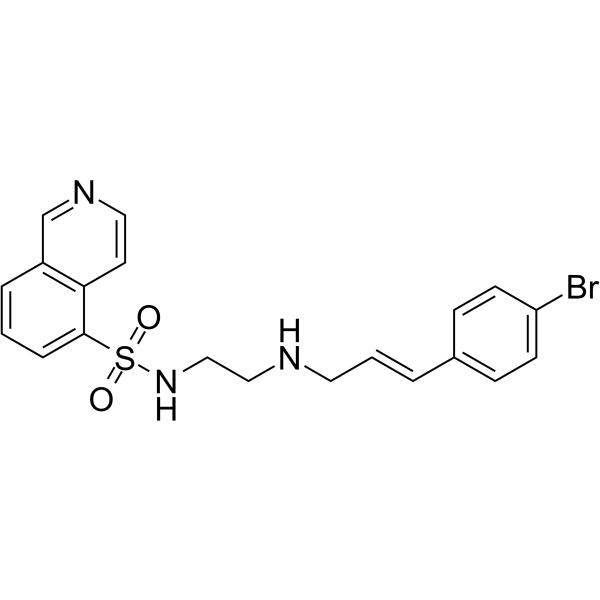
  • HY-15979
    H-89
    Maximum Cited Publications
    179 Publications Verification

    PKA Autophagy Neurological Disease
    H-89 is a potent and selective inhibitor of cyclic AMP-dependent protein kinase (protein kinase A) with IC50 of 48 nM and has weak inhibition on PKG, PKC, Casein Kinase, and others kinases.
    H-89
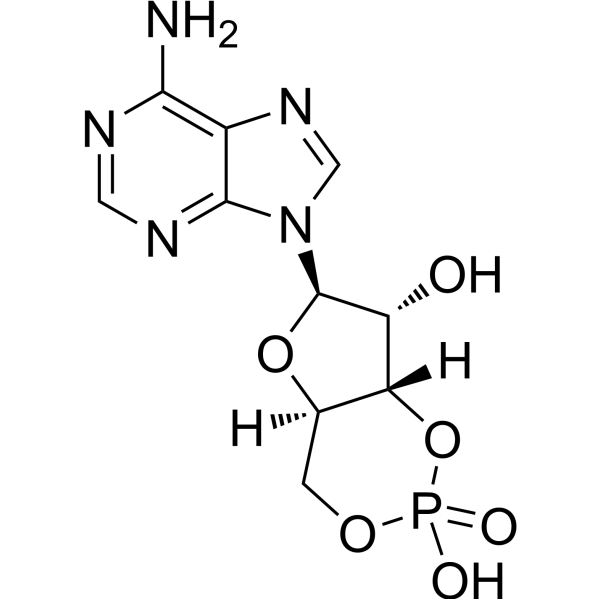
  • HY-B1511
    Cyclic AMP
    20+ Cited Publications

    cyclic adenosine monophosphate; Adenosine cyclic 3', 5'-monophosphate; cAMP

    Endogenous Metabolite Neurological Disease Metabolic Disease Cancer
    Cyclic AMP (Cyclic adenosine monophosphate), adenosine triphosphate derivative, is an intracellular signaling molecule responsible for directing cellular responses to extracellular signals. Cyclic AMP is an important second messenger in many biological processes .
    Cyclic AMP
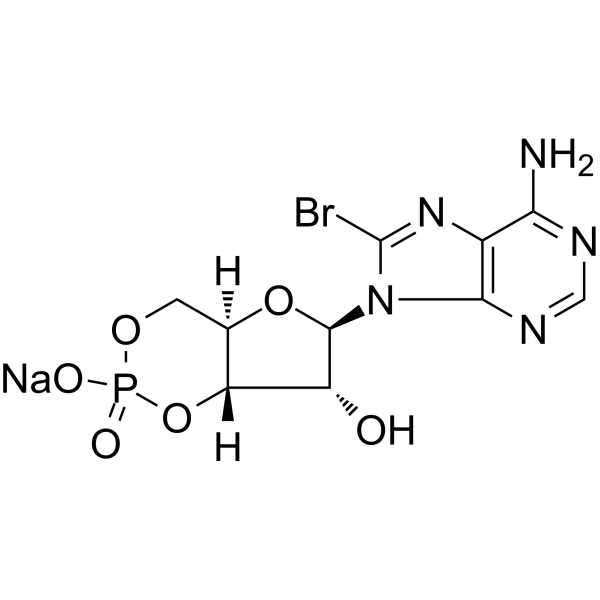
  • HY-12306
    8-Bromo-cAMP sodium salt
    35+ Cited Publications

    8-Br-CAMP sodium salt

    PKA Apoptosis Cancer
    8-Bromo-cAMP sodium (8-Br-Camp) sodium salt, a cyclic AMP analog, is an activator of cyclic AMP-dependent protein kinase (PKA). 8-Bromo-cAMP sodium salt has anti-proliferative and apoptotic effects against cancer cells .
    8-Bromo-cAMP sodium salt
  • HY-12306A
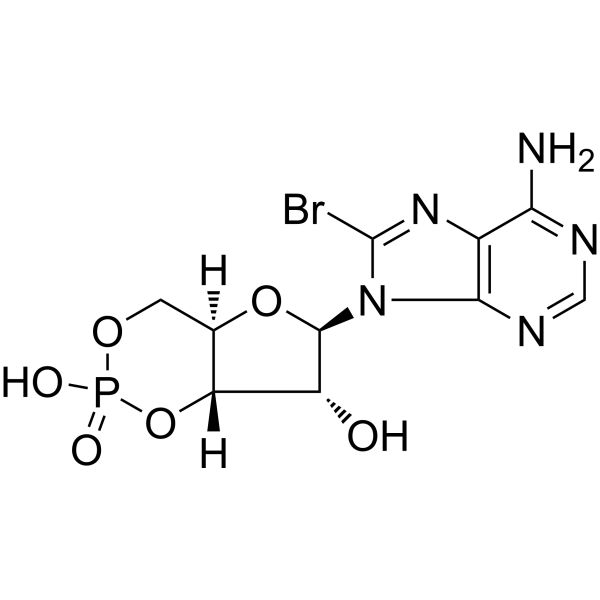
    8-Bromo-cAMP
    35+ Cited Publications

    8-Br-CAMP

    PKA Apoptosis Cancer
    8-Bromo-cAMP (8-Br-Camp), a cyclic AMP analog, is an activator of cyclic AMP-dependent protein kinase (PKA). 8-Bromo-cAMP has anti-proliferative and apoptotic effects against cancer cells .
    8-Bromo-cAMP
  • HY-14428
    ICG-001
    60+ Cited Publications

    β-catenin Apoptosis Cancer
    ICG-001 is an inhibitor of β-catenin/TCF mediated transcription. ICG-001 works by specifically binding to cyclic AMP response element-binding protein with an IC50 of 3 μM. ICG-001 selectively blocks the β-catenin/CBP interaction without interfering with the β-catenin/p300 interaction.
    ICG-001
  • HY-B1511A
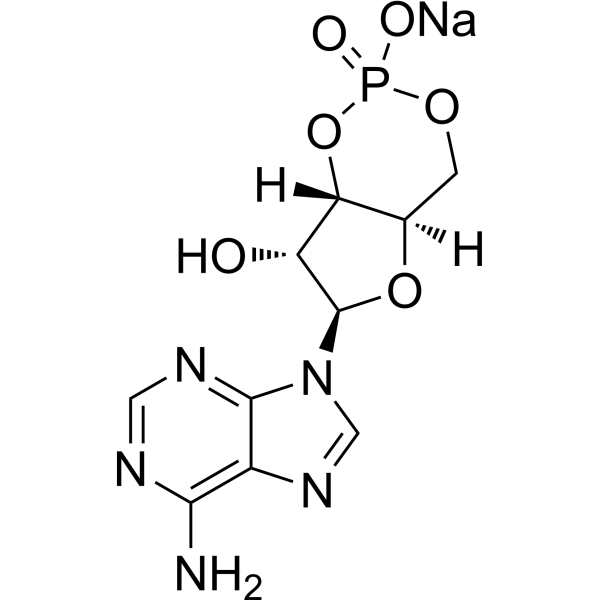
    Cyclic AMP sodium
    20+ Cited Publications

    cyclic adenosine monophosphate sodium; Adenosine cyclic 3', 5'-monophosphate sodium; cAMP sodium

    Biochemical Assay Reagents Neurological Disease Metabolic Disease Cancer
    Cyclic AMP (Cyclic adenosine monophosphate) sodium, adenosine triphosphate derivative, is an intracellular signaling molecule responsible for directing cellular responses to extracellular signals. Cyclic AMP sodium is an important second messenger in many biological processes .
    Cyclic AMP sodium
  • HY-W040329

    Endogenous Metabolite Nucleoside Antimetabolite/Analog Caspase Apoptosis Metabolic Disease Endocrinology Cancer
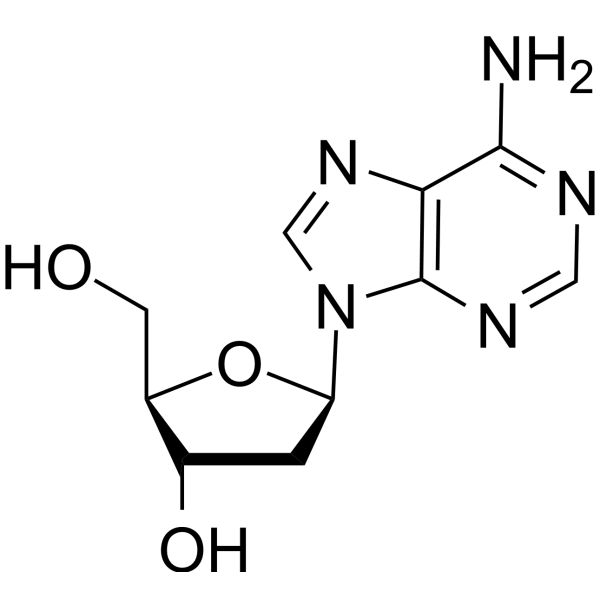
    2′-Deoxyadenosine is an adenine nucleoside that inhibits glucose-stimulated insulin release. 2′-Deoxyadenosine inhibits glucose-stimulated increases seen in islet cyclic AMP (cAMP) accumulation. 2'-Deoxyadenosine activates caspase-3 and promotes apoptosis. 2'-Deoxyadenosine inhibits the activity of S-adenosyl-L-homocysteine hydrolase (SAHH). 2'-Deoxyadenosine inhibits the growth of various cells. 2'-Deoxyadenosine has an anticancer effect on colon cancer .
    2'-Deoxyadenosine
  • HY-B0763
    Ibudilast
    5+ Cited Publications

    KC-404; AV-411; MN-166

    Phosphodiesterase (PDE) Inflammation/Immunology Cancer
    Ibudilast (KC-404; AV-411; MN-166) is a cyclic AMP phosphodiesterase (PDE) inhibitor. Ibudilast has platelet anti-aggregatory effects. Ibudilast can be used for the research of asthma for its inhibitory effects on tracheal smooth muscle contractility. Ibudilast may be a useful neuroprotective and anti-dementia agent counteracting neurotoxicity in activated microglia .
    Ibudilast
  • HY-111673

    8-CPT-cAMP sodium; 8-(p-Chlorophenylthio)-cAMP sodium

    PKA Phosphodiesterase (PDE) Inflammation/Immunology
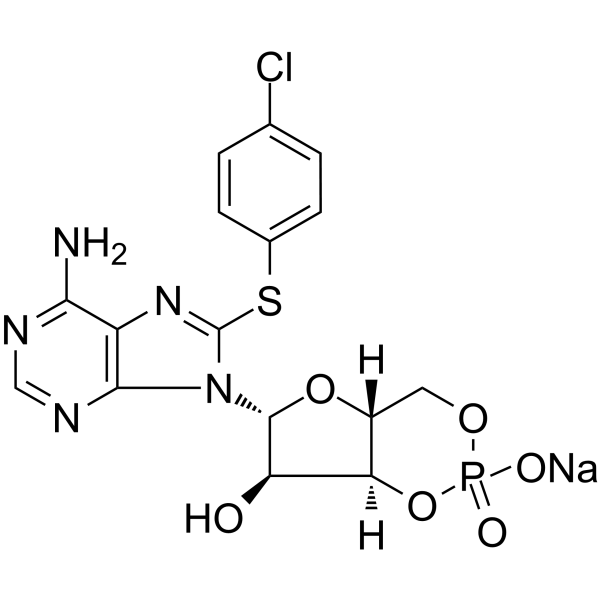
    8-CPT-Cyclic AMP (8-CPT-cAMP) sodium is a selective activator of cyclic AMP-dependent protein kinase (PKA). 8-CPT-Cyclic AMP sodium is also a potent inhibitor of the cyclic GMP-specific phosphodiesterase (PDE VA) with an IC50 of 0.9 μM. 8-CPT-Cyclic AMP sodium also inhibits PDE III and PDE IV with IC50Cyclic AMP sodium is a very high affinity for Epac and is a potent Epac activator .
    8-CPT-Cyclic AMP sodium
  • HY-P0221C

    PACAP Receptor Metabolic Disease
    PACAP (1-38) free acid is a desamido-PACAP (1-38), human, ovine, rat (HY-P0221). PACAP (1-38) free acid can activate the human PAC1 receptor. PACAP (1-38) free acid induces cyclic AMP (cAMP) generation in both NS-1 neuroendocrine cells and non-neuroendocrine HEK293 cells .
    PACAP (1-38) free acid
  • HY-P1821
    Myelin Basic Protein
    2 Publications Verification

    MHP4-14

    PKC Neurological Disease
    Myelin Basic Protein (MHP4-14), a synthetic peptide comprising residues 4-14 of myelin basic protein, is a very selective PKC substrate (Km=7 μM). Myelin Basic Protein is not phosphorylated by cyclic AMP-dependent protein kinase, casein kinases I and II, Ca 2+/calmodulin-dependent protein kinase II, or phosphorylase kinase, and can be routinely used for the assay of protein kinase C with low background in the crude tissue extracts .
    Myelin Basic Protein
  • HY-P10033

    Ser/Thr Protease Others
    SFTI-1 is a cyclic peptide trypsin inhibitor consisting of 14 amino acid residues. SFTI-1 belongs to the Bowman-Birk class of inhibitors. Characterized by its small size, high stability, and potent activity, SFTI-1 can be used for research on peptide drug design platforms .
    SFTI-1
  • HY-B1511S

    cyclic adenosine monophosphate-13C5; Adenosine cyclic 3', 5'-monophosphate-13C5; cAMP-13C5

    Isotope-Labeled Compounds Others
    Cyclic AMP- 13C5 is a deuterated cyclic AMP.
    Cyclic AMP-13C5
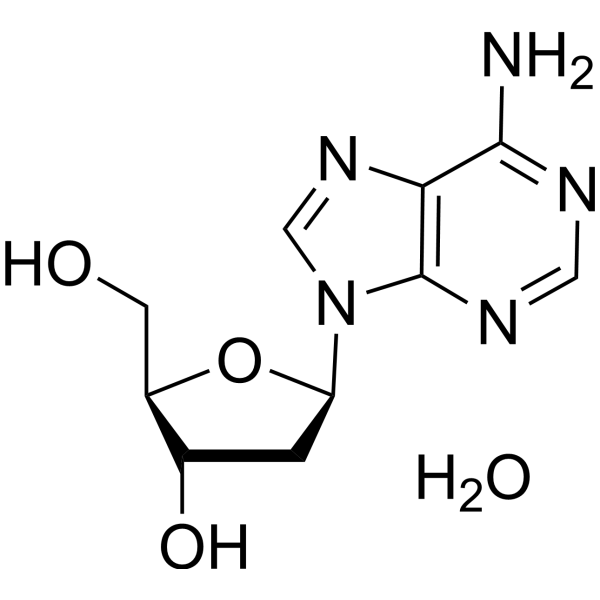
  • HY-W011683

    Endogenous Metabolite Nucleoside Antimetabolite/Analog Caspase Apoptosis Metabolic Disease Endocrinology Cancer
    2′-Deoxyadenosine monohydrate is an adenine nucleoside that inhibits glucose-stimulated insulin release. 2′-Deoxyadenosine monohydrate inhibits glucose-stimulated increases seen in islet cyclic AMP (cAMP) accumulation. 2'-Deoxyadenosine monohydrate activates caspase-3 and promotes apoptosis. 2'-Deoxyadenosine monohydrate inhibits the activity of S-adenosyl-L-homocysteine hydrolase (SAHH). 2'-Deoxyadenosine monohydrate inhibits the growth of various cells. 2'-Deoxyadenosine monohydrate has an anticancer effect on colon cancer .
    2'-Deoxyadenosine monohydrate
  • HY-113366

    PGJ2

    Prostaglandin Receptor Endogenous Metabolite Neurological Disease
    Prostaglandin J2 (PGJ2), an endogenous metabolite of Prostaglandin D2 (PGD2; HY-101988), is a potent PGD2 receptor (DP) agonist with Kis of 0.9 nM and 6.6 nM for hDP and hCRTH2, respectively. Prostaglandin J2 stimulates intracellular cyclic AMP production with an EC50 value of 1.2 nM. Prostaglandin J2 induces oxidative stress and neuronal apoptosis. Prostaglandin J2 induces the accumulation/aggregation of ubiquitinated (Ub) proteins. Prostaglandin J2 is highly neurotoxic and potentially contributes to many neurodegenerative conditions, including Alzheimer's (AD) and Parkinson's diseases (PD) .
    Prostaglandin J2
  • HY-108648

    2-Methylthioadenosine diphosphate trisodium; 2-Methylthio-ADP trisodium

    P2Y Receptor Neurological Disease
    2-Methylthioadenosine diphosphate trisodium is a potent purinergic P2Y receptors agonist, with EC50s of 19, 6.2, and 5 nM for human P2Y13, mouse P2Y13 and human P2Y12, respectively. 2-Methylthioadenosine diphosphate trisodium has pEC50s of 8.29 and 5.75 for human P2Y1 and rat P2Y6, respectively. 2-Methylthioadenosine diphosphate trisodium induces platelet aggregation and shape change, and inhibits cyclic AMP accumulation in platelets exposed to prostaglandin E1 .
    2-MeS-ADP trisodium
  • HY-115732
    PKA-IN-1
    1 Publications Verification

    PKA Inflammation/Immunology
    PKA-IN-1 is a potent and selective cyclic AMP-dependent protein kinase (PKA) catalytic subunit (cAK) inhibitor with an IC50 of 0.03 μM. PKA-IN-1 inhibits cAK in a fashion that is competitive with respect to ATP as substrate .
    PKA-IN-1
  • HY-W587488

    3′-AMP

    Nucleoside Antimetabolite/Analog Cyclic GMP-AMP Synthase Cancer
    Adenosine 3’-monophosphate (3’-AMP) is a nucleotide. Adenosine 3’-monophosphate is a cyclic AMP production agonist. Adenosine 3’-monophosphate increases cyclic AMP levels concentration-dependently in NG108-15 cells. Adenosine 3’-monophosphate can be used in the determination of acid phosphatase activity of human serum, which is estabilished as a laboratory procedure in the diagnosis of prostate cancer, metastatic mammary cancer and Gaucher’s disease. Adenosine 3’-monophosphate inhibits human aortic and coronary vascular smooth muscle cell proliferation via A2B receptors .
    Adenosine 3′-monophosphate
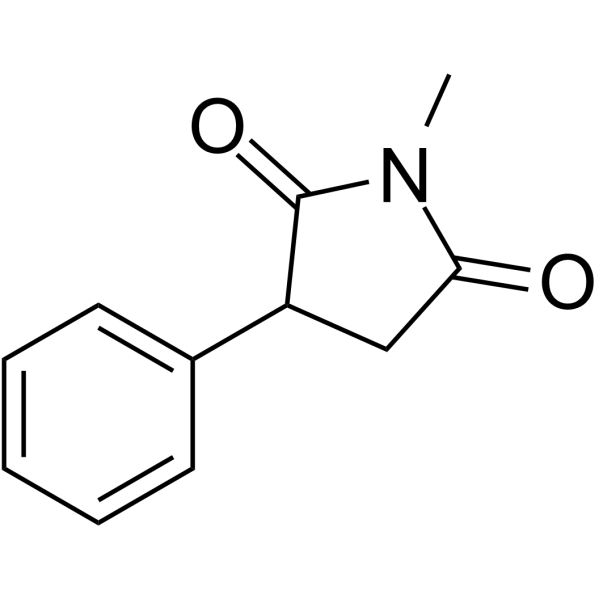
  • HY-B1730
    Phensuximide
    2 Publications Verification

    Cyclic GMP-AMP Synthase Neurological Disease Metabolic Disease
    Phensuximide is an orally active succinimide antiepileptic and anticonvulsant agent. Phensuximide inhibits cyclic AMP and cyclic GMP accumulation in depolarized brain tissue. Phensuximide can be used for the study of seizure and petit mal .
    Phensuximide
  • HY-123085

    Isoalloxazine

    Adenosine Receptor Cancer
    Alloxazine is a selective A2b antagonist. Alloxazine completely block 5’N-Ethylcarboxamido adenosine (NECA)-mediated cyclic AMP accumulation with an IC50 of 2.9 μM. Alloxazine can be used for the research of cancer .
    Alloxazine
  • HY-B0392

    (+)-Rolipram; (S)-Rolipram

    Phosphodiesterase (PDE) Apoptosis Neurological Disease Inflammation/Immunology Cancer
    (S)-(+)-Rolipram ((+)-Rolipram) is a cyclic AMP(cAMP)-specific phosphodiesterase 4 (PDE4) inhibitor, with an IC50 of 1100 nM. (S)-(+)-Rolipram can suppresse tumor necrosis factor-alpha (TNFα) production by human mononuclear cells .
    (S)-(+)-Rolipram
  • HY-B1511R

    cyclic adenosine monophosphate (Standard); Adenosine cyclic 3', 5'-monophosphate (Standard); cAMP (Standard)

    Endogenous Metabolite Reference Standards Cancer
    Cyclic AMP (Standard) is the analytical standard of Cyclic AMP. Cyclic AMP (Cyclic adenosine monophosphate), adenosine triphosphate derivative, is an intracellular signaling molecule responsible for directing cellular responses to extracellular signals. Cyclic AMP is an important second messenger in many biological processes .
    Cyclic AMP (Standard)
  • HY-131763

    2'-O-Monobutyryl cyclic AMP sodium

    Drug Intermediate Others
    2'-O-MB-cAMP (2'-O-Monobutyryl cyclic AM) sodium is an activatable proagent of Cyclic AMP (HY-B1511) .
    2'-O-MB-cAMP sodium
  • HY-P10602

    RII phosphopeptide

    PKA Others
    PKA Regulatory Subunit II Substrate (RII phosphopeptide) is a tool peptide derived from the regulatory subunit Type II (RII) of cyclic AMP-dependent protein kinase (PKA). PKA Regulatory Subunit II Substrate is commonly used to mimic the phosphorylation of protein kinases and as a specific substrate for protein phosphatases to assess the activities of these enzymes .
    PKA Regulatory Subunit II Substrate
  • HY-128039

    Prostaglandin Receptor Others
    17-Phenyl-ω-trinor-PGE2 is a PGE2 (HY-101952) analog, which is an agonist for EP1 and EP3 receptor. 17-Phenyl-ω-trinor-PGE2 inhibits the PAF-induced aggregation of human platelet-rich plasma (PRP) and Cicaprost (HY-19583) induced Cyclic AMP (HY-B1511) production .
    17-Phenyl-ω-trinor-PGE2
  • HY-107544

    PKA Metabolic Disease
    8-pCPT-2'-O-Me-cAMP-AM is a cyclic AMP analogue, selectively activates Epac-Rap signaling pathway. 8-pCPT-2'-O-Me-cAMP-AM protects renal function by activating Epac from ischemia injury. 8-pCPT-2'-O-Me-cAMP-AM also stimulates insulin secretion by interaction with PKA pathway .
    8-pCPT-2'-O-Me-cAMP-AM
  • HY-P11320

    Amylin Receptor CGRP Receptor Metabolic Disease
    Davalintide is an Amylin (HY-P1464)-mimetic peptide with greater potency and longer-lasting effects. Davalintide is a potent agonist of amylin receptor (IC50 = 0.04 nM), calcitonin receptor (IC50 = 0.06 nM) and calcitonin related peptide receptor (CGRP receptor) (IC50 = 3.1 nM). Davalintide shows stronger potency to Amylin to activate cyclic AMP production through the calcitonin receptor (EC50 = 1.4 nM). Davalintide regulates blood sugar and weight through various mechanisms such as delaying gastric emptying, inhibiting glucagon secretion, and reducing food intake. Davalintide can be used for the studies of anti-obesity and anti-diabetes .
    Davalintide
  • HY-W040329R

    Reference Standards Endogenous Metabolite Nucleoside Antimetabolite/Analog Caspase Apoptosis Metabolic Disease Endocrinology Cancer
    2'-Deoxyadenosine (Standard) is the analytical standard of 2'-Deoxyadenosine (HY-W040329). This product is intended for research and analytical applications. 2′-Deoxyadenosine is an adenine nucleoside that inhibits glucose-stimulated insulin release. 2′-Deoxyadenosine inhibits glucose-stimulated increases seen in islet cyclic AMP (cAMP) accumulation. 2'-Deoxyadenosine activates caspase-3 and promotes apoptosis. 2'-Deoxyadenosine inhibits the activity of S-adenosyl-L-homocysteine hydrolase (SAHH). 2'-Deoxyadenosine inhibits the growth of various cells. 2'-Deoxyadenosine has an anticancer effect on colon cancer .
    2'-Deoxyadenosine (Standard)
  • HY-19842

    CVT 3619

    Adenosine Receptor Cardiovascular Disease Metabolic Disease
    GS-9667 (CVT 3619), a novel N 6-5'-substituted adenosine analog, is a selective, partial agonist of the A1 adenosine receptor (A1AdoR). GS-9667 binds to adipocyte membranes with high (KH=14 nM) and low (KL=5.4 μM) affinities. GS-9667 reduces cyclic AMP content and release of nonesterified fatty acids from epididymal adipocytes with IC50 values of 6 nM and 44 nM, respectively. GS-9667 inhibits lipolysis and has the potential for Type 2 diabetes (T2DM) and dyslipidemia via lowering of free fatty acids (FFA) .
    GS-9667
  • HY-121900

    PPAR Metabolic Disease Endocrinology
    LT175, a dual PPARα/γ ligand, is an orally active partial agonist against PPARγ(hPPARα:EC50=0.22 μm; mPPARα:EC50=0.26 μm; hPPARγ:EC50=0.48 μm). LT175 interacts with PPARγ and affects the recruitment of the coregulators cyclic-AMP response element-binding protein-binding protein and nuclear corepressor 1 (NCoR1). LT175 interacts with PPARγ in a hydrophobic region called “diphenyl pocket”. LT175 has potent insulin-sensitizing effects and reduced adipogenic properties .
    LT175
  • HY-123468

    Cyclic GMP-AMP Synthase PKA ERK Tyrosine Hydroxylase Calcium Channel Cardiovascular Disease Metabolic Disease
    HA-1004 is a selective inhibitor of PKA, which can inhibit lipolysis and induce vascular relaxation. HA-1004 is also a dual inhibitor of cyclic GMP-dependent protein kinase and cyclic AMP-dependent protein, and is involved in smooth muscle, second messenger, cyclic AMP and cyclic GMP regulation mechanisms. HA-1004 is an antagonist for calcium, that can be used as a vasodilator to inhibit the contraction of rabbit aortic strips, or to antagonize ERK and tyrosine hydroxylase (TH) phosphorylation in morphine abstinence rat models .
    HA-1004
  • HY-P991221

    Melanocortin Receptor Metabolic Disease
    ALD1613 is a potent neutralizing monoclonal antibody against adrenocorticotropic hormone (ACTH). ALD1613 neutralizes ACTH-induced signaling and inhibits ACTH-induced cyclic AMP accumulation in a mouse adrenal cell line (Y1) via all five melanocortin receptors. ALD1613 significantly reduces plasma corticosterone levels in wild-type rats. ALD1613 can be used in the study of diseases associated with elevated ACTH levels .
    ALD1613
  • HY-P1821A
    Myelin basic protein (4-14) TFA
    2 Publications Verification

    MHP4-14 TFA

    PKC Neurological Disease
    Myelin Basic Protein (MHP4-14) TFA, a synthetic peptide comprising residues 4-14 of myelin basic protein, is a very selective PKC substrate (Km=7 μM). Myelin Basic Protein TFA is not phosphorylated by cyclic AMP-dependent protein kinase, casein kinases I and II, Ca 2+/calmodulin-dependent protein kinase II, or phosphorylase kinase, and can be routinely used for the assay of protein kinase C with low background in the crude tissue extracts .
    Myelin basic protein (4-14) TFA
  • HY-121197

    Ophiocordin; Azepinostatin

    MARCKS PKA PKC Others
    Balanol (Ophiocordin; Azepinostatin) is a potent and ATP competitive PKC/PKA inhibitor against human PKC isozymes α, β-I, β-II, γ, δ, ε, η (IC50s=4-9 nM) and ζ (IC50=150 nM). Balanol also blocks the phosphorylation of cyclic AMP response element-binding protein (CREB) and myristoylated alanine-rich C kinase substrate (MARCKS). Balanol can be isolated from the fungus Verticillium balanoides .
    Balanol
  • HY-W040329S1

    Isotope-Labeled Compounds Endogenous Metabolite Nucleoside Antimetabolite/Analog Caspase Apoptosis Metabolic Disease Endocrinology Cancer
    2'-Deoxyadenosine- 13C10 is 13C-labeled 2'-Deoxyadenosine (HY-W040329) . 2′-Deoxyadenosine is an adenine nucleoside that inhibits glucose-stimulated insulin release. 2′-Deoxyadenosine inhibits glucose-stimulated increases seen in islet cyclic AMP (cAMP) accumulation. 2'-Deoxyadenosine activates caspase-3 and promotes apoptosis. 2'-Deoxyadenosine inhibits the activity of S-adenosyl-L-homocysteine hydrolase (SAHH). 2'-Deoxyadenosine inhibits the growth of various cells. 2'-Deoxyadenosine has an anticancer effect on colon cancer .
    2'-Deoxyadenosine-13C10
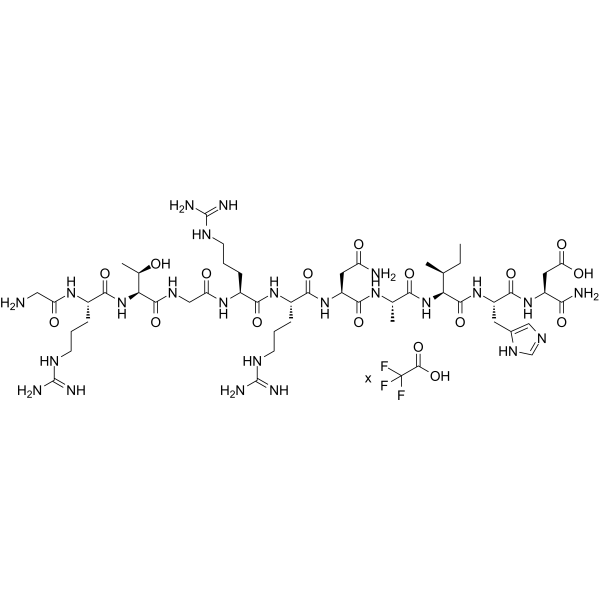
  • HY-P3929A
    PKI (14-24)amide TFA
    1 Publications Verification

    PKA Cancer
    PKI (14-24)amide TFA is a potent PKA inhibitor. PKI (14-24)amide strongly inhibited cyclic AMP-dependent protein kinase activity in the cell homogenate .
    PKI (14-24)amide TFA
  • HY-P3899A

    Somatostatin Receptor Metabolic Disease
    [Nle8] Somatostatin (1-28) TFA is a derivative of somatosttin (1-28) with norleucine replacing methionine in position 8. [Nle8] Somatostatin (1-28) TFA increases the amylase release.[Nle8] Somatostatin (1-28) TFA increases the cyclic AMP in pancreatic acini .
    [Nle8] Somatostatin (1-28) TFA
  • HY-N1074

    Scandenolone

    Parasite PKA Infection Inflammation/Immunology
    Warangalone is an anti-malarial compound which can inhibit the growth of both strains of parasite 3D7 (chloroquine sensitive) and K1 (chloroquine resistant) with IC50s of 4.8 μg/mL and 3.7 μg/mL, respectively. Warangalone can also inhibit cyclic AMP-dependent protein kinase catalytic subunit (cAK) with an IC50 of 3.5 μM.
    Warangalone
  • HY-123411

    BCI 632

    mGluR Neurological Disease
    MGS0039 is a type II group mGluR antagonist. MGS0039 has a high affinity for mGluR2 and mGluR3, with Ki values of 2.2 nM and 4.5 nM, respectively. MGS0039 can attenuate the inhibitory effect of glutamate-induced cyclic AMP formation triggered by Forskolin (HY-15371) in CHO cells expressing mGluR2/mGluR3. MGS0039 shows antidepressant-like activity in rats .
    MGS0039
  • HY-P3193A

    Biochemical Assay Reagents Others
    Cyclic nona-L-arginine hydrochloride, a nonaarginine peptide used for drug delivery, translocates faster than their linear counterparts .
    Cyclic nona-L-arginine hydrochloride
  • HY-W011683S6

    Isotope-Labeled Compounds Endogenous Metabolite Nucleoside Antimetabolite/Analog Caspase Apoptosis Metabolic Disease Endocrinology Cancer
    2'-Deoxyadenosine monohydrate- 13C10, 15N5 is the 13C and 15N labeled 2'-Deoxyadenosine monohydrate (HY-W011683) . 2′-Deoxyadenosine monohydrate is an adenine nucleoside that inhibits glucose-stimulated insulin release. 2′-Deoxyadenosine monohydrate inhibits glucose-stimulated increases seen in islet cyclic AMP (cAMP) accumulation. 2'-Deoxyadenosine monohydrate activates caspase-3 and promotes apoptosis. 2'-Deoxyadenosine monohydrate inhibits the activity of S-adenosyl-L-homocysteine hydrolase (SAHH). 2'-Deoxyadenosine monohydrate inhibits the growth of various cells. 2'-Deoxyadenosine monohydrate has an anticancer effect on colon cancer .
    2'-Deoxyadenosine monohydrate-13C10,15N5 hydrate
  • HY-P1320

    Opioid Receptor Inflammation/Immunology
    [Nphe1]Nociceptin(1-13)NH2, a novel nociceptin/orphanin FQ (NC) endogenous ligand, is a selective and competitive ociceptin receptor antagonist without any residual agonist activity. [Nphe1]nociceptin(1-13)NH2 binds selectively to recombinant nociceptin receptors (pKi=8.4) and antagonizes the inhibitory effects of nociceptin on cyclic AMP accumulation in CHO cells (pA2=6.0). [Nphe1]Nociceptin(1-13)NH2 has the potential to act as an analgesic agent .
    [Nphe1]Nociceptin(1-13)NH2
  • HY-P10027A

    Antibiotic Bacterial Infection
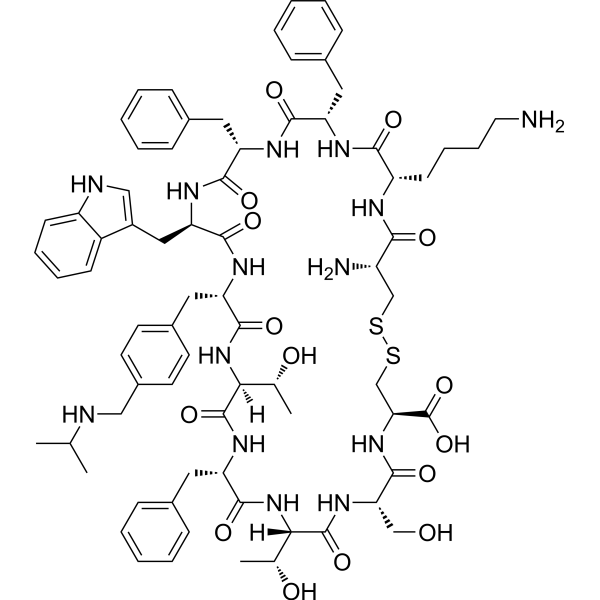
    Clovibactin TFA is the TFA salt form of Clovibactin (HY-P10027). Clovibactin TFA is an antibiotic for drug-resistant bacterial pathogens without detectable resistance. Clovibactin TFA inihibits cell wall synthesis by targeting pyrophosphate of peptidoglycan precursors .
    Clovibactin TFA
  • HY-P10027

    Antibiotic Bacterial Infection
    Clovibactin is an antibiotic for drug-resistant bacterial pathogens without detectable resistance. Clovibactin TFA inihibits cell wall synthesis by targeting pyrophosphate of peptidoglycan precursors .
    Clovibactin
  • HY-131421

    8-Piperidino-cyclic AMP

    PKA Cancer
    8-PIP-cAMP is a selective cAMP-dependent protein kinase activator and can be used for study of cancer .
    8-PIP-cAMP
  • HY-W011293

    2,4-Disulfamyl-5-trifluoromethylaniline

    Phosphodiesterase (PDE) Others
    DTA (2,4-Disulfamyl-5-trifluoromethylaniline) is a cyclic AMP phosphodiesterase inhibitor that binds to erythrocyte carbonic anhydrase .
    DTA
  • HY-N8209

    Phosphodiesterase (PDE) Inflammation/Immunology
    (+)-Medioresinol Di-O-β-D-glucopyranoside is a lignan glucoside with strong inhibitory activity of 3', 5'-cyclic monophosphate (cyclic AMP) phosphodiesterase .
    (+)-Medioresinol Di-O-β-D-glucopyranoside
  • HY-N1289

    Fungal Phosphodiesterase (PDE) Infection
    Sequosempervirin B, a norlignan isolated from the branches and leaves of Sequoia sempervirens, has antifungal properties. Sequosempervirin B has an inhibitory effect on cyclic AMP phosphodiesterase .
    Sequosempervirin B
  • HY-112348

    Cyclic GMP-AMP Synthase PKA ERK Calcium Channel Cardiovascular Disease Metabolic Disease
    HA-1004 hydrochloride is a selective inhibitor of PKA, which can inhibit lipolysis and induce vascular relaxation. HA-1004 hydrochloride is also a dual inhibitor of cyclic GMP-dependent protein kinase and cyclic AMP-dependent protein (Cyclic GMP-AMP Synthase), and is involved in smooth muscle, second messenger, cyclic AMP and cyclic GMP regulation mechanisms. HA-1004 hydrochloride an antagonist for calcium, that can be used as a vasodilator to inhibit the contraction of rabbit aortic strips, or to antagonize ERK and tyrosine hydroxylase (TH) phosphorylation in morphine abstinence rat models .
    HA-1004 hydrochloride
  • HY-101962

    Insulin Receptor Metabolic Disease
    HNMPA is a membrane impermeable insulin receptor tyrosine kinase inhibitor. HNMPA inhibits serine and tyrosine autophosphorylation by the human insulin receptor. HNMPA has no effect on protein kinase C or cyclic AMP-dependent protein kinase activities
    HNMPA

Inquiry Online

Your information is safe with us. * Required Fields.

Salutation


Country or Region *

Applicant Name *


Organization Name *

Department *


Email Address *


Product Name *

Cat. No.


Requested quantity *

Phone Number *


Remarks

Inquiry Online

Inquiry Information

Product Name:
Cat. No.:
Quantity:
MCE Japan Authorized Agent:

