1. Search Result
Search Result
Results for "

drinking

" in MedChemExpress (MCE) Product Catalog:

50

Inhibitors & Agonists

1

Fluorescent Dye

2

Biochemical Assay Reagents

2

Peptides

3

Natural
Products

5

Isotope-Labeled Compounds

1

Oligonucleotides

Cat. No. Product Name Target Research Areas Chemical Structure
  • HY-N0216
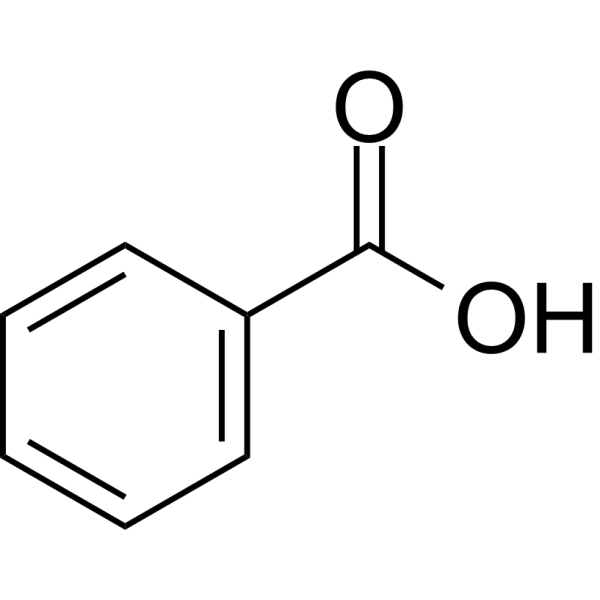
    Benzoic acid
    2 Publications Verification

    Environmental Pollutants Endogenous Metabolite Fungal Bacterial Infection
    Benzoic acid is an aromatic alcohol existing naturally in many plants and is a common additive to food, drinks, cosmetics and other products. It acts as preservatives through inhibiting both bacteria and fungi .
    Benzoic acid
  • HY-19801
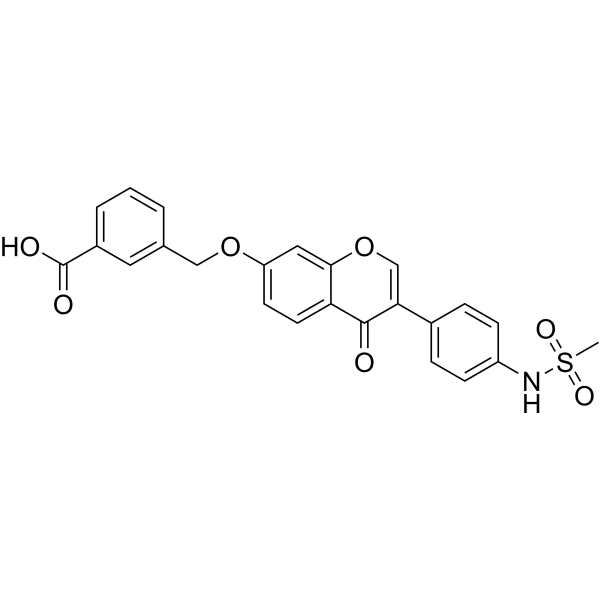
    CVT-10216
    3 Publications Verification

    Aldehyde Dehydrogenase (ALDH) Neurological Disease
    CVT-10216 is a highly selective, reversible aldehyde dehydrogenase-2 (ALDH-2) inhibitor with an IC50 of 29 nM. CVT-10216 also has inhibitory effect of ALDH-1 with an IC50 of 1.3 μM. CVT-10216 can reduce excessive alcohol drinking in alcohol-preferring rats and exhibit anxiolytic effects .
    CVT-10216
  • HY-A0191

    (+)-Brompheniramine; (S)-Brompheniramine

    Endogenous Metabolite Histamine Receptor TRP Channel Neurological Disease Metabolic Disease Inflammation/Immunology
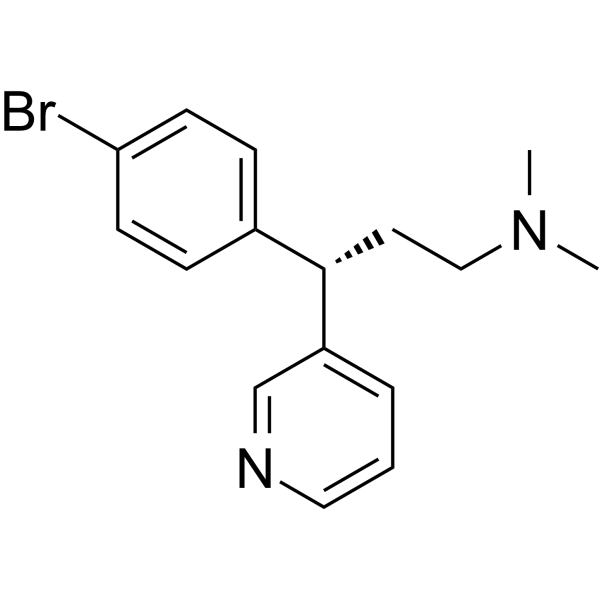
    Dexbrompheniramine ((+)-Brompheniramine; (S)-Brompheniramine) is a dual inhibitor of histamine H1 receptor and TRPV1 receptor that can cross the blood-brain barrier. Dexbrompheniramine exerts its effects by functionally blocking H1 receptor activity and dose-dependently inhibiting TRPV1-mediated calcium responses, including Capsaicin (HY-10448)-induced responses. The combination of Dexbrompheniramine with Cimetidine (HY-14289) eliminates histamine-induced and sham-feeding-induced drinking behavior, whereas Dexbrompheniramine alone does not induce thirst or alter sham-feeding behavior in rats. Dexbrompheniramine can be used in the research of chronic cough and related pathological mechanisms .
    Dexbrompheniramine
  • HY-N0216S1

    Bacterial Fungal Endogenous Metabolite Infection
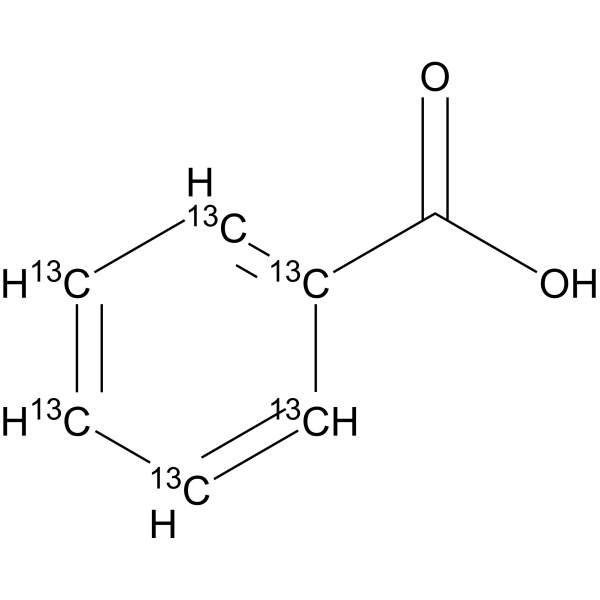
    Benzoic acid- 13C6 is the 13C-labeled Benzoic acid. Benzoic acid is an aromatic alcohol existing naturally in many plants and is a common additive to food, drinks, cosmetics and other products. It acts as preservatives through inhibiting both bacteria and fungi.
    Benzoic acid-13C6
  • HY-131113
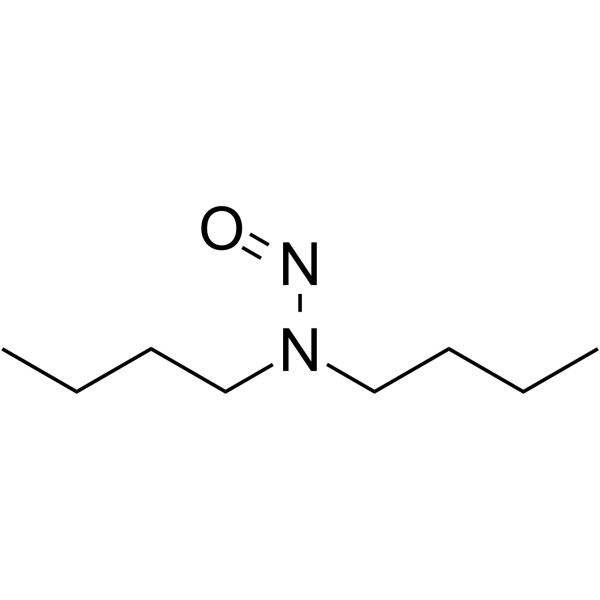
    N-Nitrosodibutylamine
    1 Publications Verification

    N-Nitroso-di-n-butylamine

    Caspase Apoptosis Cancer
    N-Nitrosodibutylamine (N-Nitroso-di-n-butylamine) is a nitrosamine enriched in the drinking water. N-Nitrosodibutylamine regulates caspase pathway. N-Nitrosodibutylamine induces Apoptosis. N-Nitrosodibutylamine induces hepatocarcinoma and oxidative DNA damage .
    N-Nitrosodibutylamine
  • HY-167856

    GPR88 Neurological Disease
    RTI-122 is a selective, blood-brain barrier-permeable GPR88 agonist (cAMP EC50=11 nM), with EC50 values of 11.5 nM and 155 nM for human and mouse GPR88, respectively ([ 35S]GTPγS assay). By activating the GPR88 receptor to regulate the cAMP signaling pathway and G protein activity, RTI-122 significantly attenuates Binge-like drinking, reduces alcohol intake, and decreases alcohol-seeking motivation. RTI-122 blocks the reinstatement of alcohol-seeking behavior without affecting water or sucrose intake. RTI-122 exhibits metabolic stability in mice (T1/2=5.8 h) and can be used to investigate alcohol use disorder .
    RTI-122
  • HY-B1386

    Environmental Pollutants Bacterial Sodium Channel Carbonic Anhydrase Infection
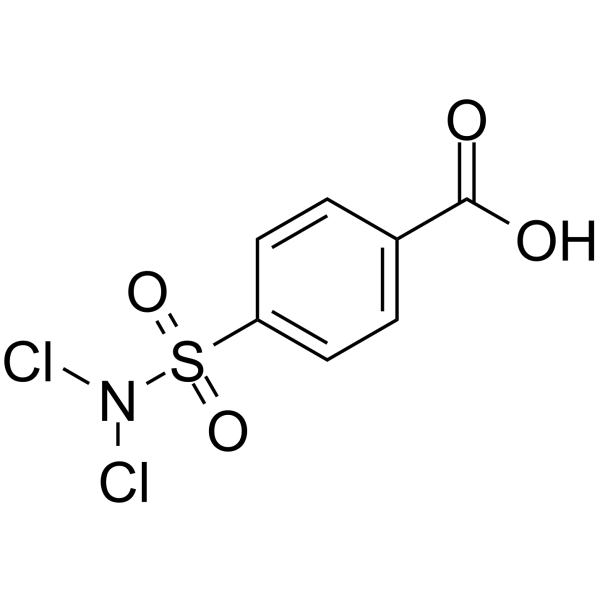
    Halazone is an atypical antimicrobial sulfonamide derivative and a carbonic anhydrase II inhibitor with a Kd value of 1.45 μM. Halazone protects sodium channels from inactivation. Halazone is widely used for disinfection of drinking water .
    Halazone
  • HY-131113S

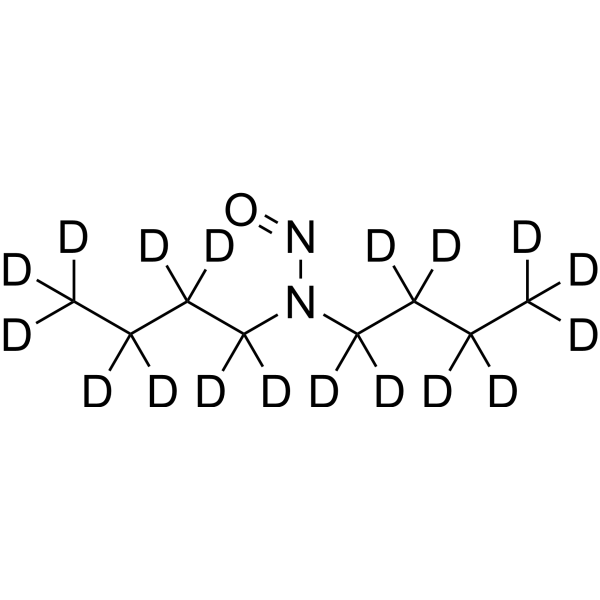
    N-Nitroso-di-n-butylamine-d18

    Isotope-Labeled Compounds Others
    N-Nitrosodibutylamine-d18 is the deuterium labeled N-Nitrosodibutylamine . N-Nitrosodibutylamine (N-Nitroso-di-n-butylamine) is a nitrosamine enriched in the drinking water .
    N-Nitrosodibutylamine-d18
  • HY-N0216R

    Reference Standards Bacterial Fungal Endogenous Metabolite Infection
    Benzoic acid (Standard) is the analytical standard of Benzoic acid. This product is intended for research and analytical applications. Benzoic acid is an aromatic alcohol existing naturally in many plants and is a common additive to food, drinks, cosmetics and other products. It acts as preservatives through inhibiting both bacteria and fungi .
    Benzoic acid (Standard)
  • HY-133665

    Drug Derivative Others
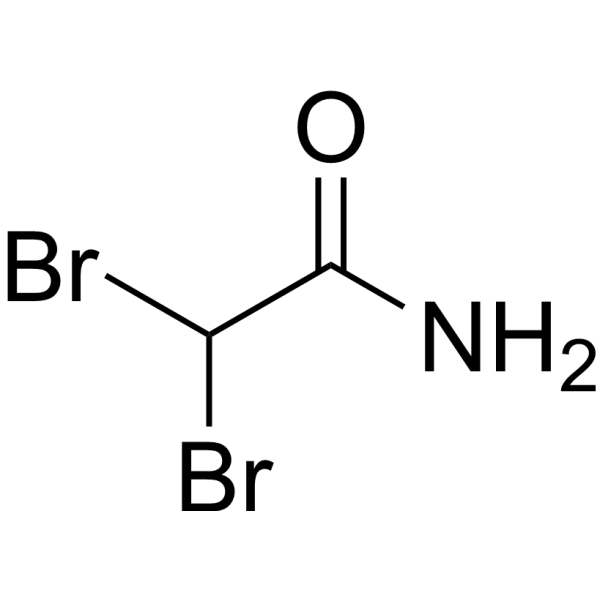
    2,2-Dibromoacetamide is a class of disinfection by-product (DBP) in drinking water .
    2,2-Dibromoacetamide
  • HY-111469
    CPT-157633
    1 Publications Verification

    Phosphatase Metabolic Disease
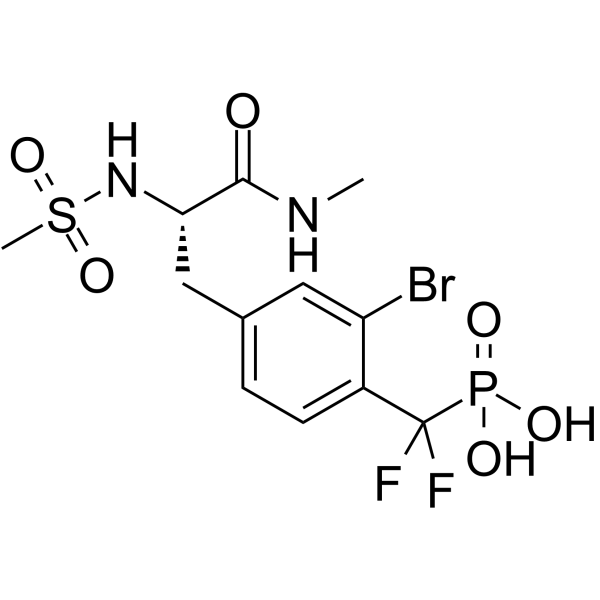
    CPT-157633, a difluoro-phosphonomethyl phenylalanine derivative, and is a PTP1B inhibitor. CPT-157633 prevents binge drinking-induced glucose intolerance .
    CPT-157633
  • HY-133631

    Drug Derivative Others
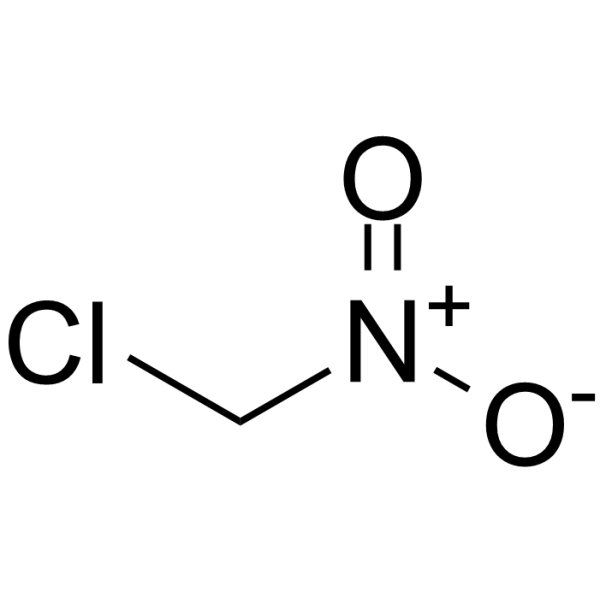
    Chloronitromethane is one of Halonitromethanes, which are a recently identified class of disinfection by-products (DBPs) in drinking water .
    Chloronitromethane
  • HY-151217

    RO-71554

    Parasite Infection
    Ipronidazole (RO-71554) is an orally active antihistomonal agent, which prevents and ameliorates enterohepatitis in turkeys. Ipronidazole can promotes turkey growth when supplied in feed or drinking water .
    Ipronidazole
  • HY-N0216S2

    Bacterial Fungal Endogenous Metabolite Infection
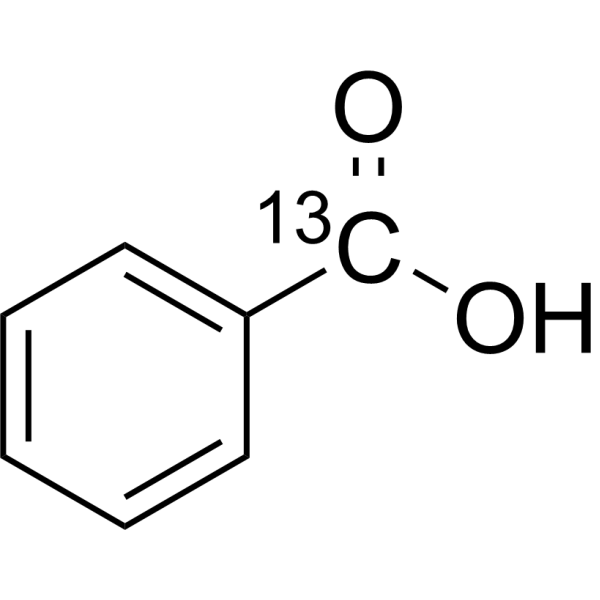
    Benzoic acid- 13C is the 13C-labeled Benzoic acid. Benzoic acid is an aromatic alcohol existing naturally in many plants and is a common additive to food, drinks, cosmetics and other products. It acts as preservatives through inhibiting both bacteria and fungi.
    Benzoic acid-13C
  • HY-107121

    LY 2196044

    Opioid Receptor Neurological Disease
    Ondelopran (LY 2196044) is a non-selective opioid receptor antagonist. Ondelopran inhibits the release of dopamine in the nucleus accumbens induced by alcohol, reduces the rewarding effect of alcohol consumption, and lowers the craving. Ondelopran can be used for alcohol use disorder (AUD) .
    Ondelopran
  • HY-133657

    Biochemical Assay Reagents Others
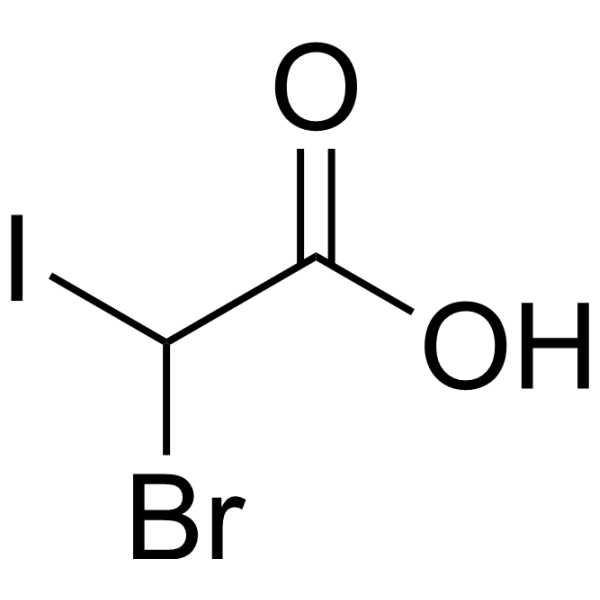
    Bromoiodoacetic acid, one of iodinated haloacids, is a disinfection byproduct (DBP) at in finished drinking waters .
    Bromoiodoacetic acid
  • HY-133635

    Biochemical Assay Reagents Others
    Tribromonitromethane is one of Halonitromethanes, which are a recently identified class of disinfection by-products (DBPs) in drinking water .
    Tribromonitromethane
  • HY-P3176

    Motilin Receptor Others
    Motilin, human, porcine is a gastrointestinal hormone, which is released during fasting and after eating, or by drinking water. Motilin, human, porcine promotes enteric cholinergic activity in human stomach with an EC50 of 33 nM, and thus modulates gastrointestinal motility function .
    Motilin, human, porcine
  • HY-151217R

    RO-71554 (Standard)

    Reference Standards Parasite Infection
    Ipronidazole (Standard) is the analytical standard of Ipronidazole. This product is intended for research and analytical applications. Ipronidazole (RO-71554) is an orally active antihistomonal agent, which prevents and ameliorates enterohepatitis in turkeys. Ipronidazole can promotes turkey growth when supplied in feed or drinking water .
    Ipronidazole (Standard)
  • HY-W019780

    Dichlorobromomethane

    Glutathione S-transferase Metabolic Disease Cancer
    Bromodichloromethane (Dichlorobromomethane) is a type of trihalomethane, commonly found in chlorinated drinking water for disinfection, and is a disinfection by-product. The bromination of bromodichloromethane can cause the formation of mutagenic intermediates through the transformation mediated by glutathione S-transferase (GST). Bromodichloromethane inhibits the differentiation of human placental trophoblast cells and reduces the secretion of chorionic gonadotropin (CG). Bromodichloromethane has potential reproductive toxicity and carcinogenicity .
    Bromodichloromethane
  • HY-B2202R

    Biochemical Assay Reagents Reference Standards Others
    Choline dihydrogen citrate (Standard) is the analytical standard of Choline dihydrogen citrate. This product is intended for research and analytical applications. Choline dihydrogen citrate is a choline-rich hydrochloride that can be absorbed by the body and converted into acetylcholine, which enhances the function of the nervous system and muscles and promotes good health. In addition, this compound is widely used in supplements such as certain energy drinks and protein powders to help improve the body's metabolism and exercise capacity.
    Choline dihydrogen citrate (Standard)
  • HY-32833

    Biochemical Assay Reagents Drug Intermediate Others
    2-Chloro-3-pyridinol is a biochemical reagent that can be used as a biological material or organic compound for life science related research. 2-Chloro-3-pyridinol can also be used in the synthesis of other active compounds. In addition, 2-Chloro-3-pyridinol is a halopyridinol disinfection by-product in drinking water samples .
    2-Chloro-3-pyridinol
  • HY-W015487

    Ethyl 3-oxohexanoate

    Biochemical Assay Reagents Others
    Ethyl butyrylacetate is an organic compound belonging to the class of esters. Synthesized by the reaction of ethyl acetate, butyric acid and acetic anhydride. Ethyl butyrylacetate has a fruity aroma and is commonly used as a flavoring agent in various food and beverages such as candies, ice cream and soft drinks. It is also used as a fragrance ingredient in perfumes and personal care products. In addition to its use in the food and fragrance industries, Ethyl butyrylacetate is also used in industrial settings, such as in the production of solvents.
    Ethyl butyrylacetate
  • HY-A0191A

    (+)-Brompheniramine maleate; (S)-Brompheniramine maleate

    TRP Channel Histamine Receptor Inflammation/Immunology
    Dexbrompheniramine ((+)-Brompheniramine; (S)-Brompheniramine) maleate is a dual inhibitor of histamine H1 receptor and TRPV1 receptor that can cross the blood-brain barrier. Dexbrompheniramine maleate exerts its effects by functionally blocking H1 receptor activity and dose-dependently inhibiting TRPV1-mediated calcium responses, including Capsaicin (HY-10448)-induced responses. The combination of Dexbrompheniramine maleate with Cimetidine (HY-14289) eliminates histamine-induced and sham-feeding-induced drinking behavior, whereas Dexbrompheniramine maleate alone does not induce thirst or alter sham-feeding behavior in rats. Dexbrompheniramine maleate can be used in the research of chronic cough and related pathological mechanisms .
    Dexbrompheniramine maleate
  • HY-133666

    Drug Derivative Others
    Diiodoacetamide, a iodo-haloacetamide, is a disinfection by-product (DBP) in drinking water .
    Diiodoacetamide
  • HY-133647

    Others Others
    Dibromoacetaldehyde, a halogenated product, is a byproduct in drinking water and has genotoxicity .
    Dibromoacetaldehyde
  • HY-133649

    Drug Derivative Others
    Dibromochloroacetaldehyde belongs to trihalogenated acetaldehyde and is a byproduct in drinking water. Dibromochloroacetaldehyde has genotoxicity .
    Dibromochloroacetaldehyde
  • HY-P11382

    GABA Receptor Neurological Disease
    Octadecaneuropeptide is an 18-residue peptide. Octadecaneuropeptide can be derived from Diazepam binding inhibitor. Octadecaneuropeptide includes a specific ligand for the gamma-aminobutyric acid receptor regulatory site occupied by beta-carbolines. Octadecaneuropeptide elicits a dose-related facilitation of the punishment- elicited suppression of drinking .
    Octadecaneuropeptide
  • HY-133664

    Biochemical Assay Reagents Others
    Dibromochloroacetamide is one of haloacetamides, which are the drinking water disinfection byproducts (DBPs) .
    Dibromochloroacetamide
  • HY-133636

    Drug Derivative Others
    Bromochloronitromethane is one of Halonitromethanes, which are a recently identified class of disinfection by-products (DBPs) in drinking water .
    Bromochloronitromethane
  • HY-133633

    Biochemical Assay Reagents Others
    Bromodichloronitromethane is one of Halonitromethanes, which are a recently identified class of disinfection by-products (DBPs) in drinking water .
    Bromodichloronitromethane
  • HY-133634

    Biochemical Assay Reagents Others
    Dibromochloronitromethane is one of Halonitromethanes, which are a recently identified class of disinfection by-products (DBPs) in drinking water .
    Dibromochloronitromethane
  • HY-23399

    Apoptosis Others
    Dibromoacetic acid, a haloacetic acid found in drinking water as a disinfection by-product, can cause many adverse effects, including immunotoxicity and apoptosis .
    Dibromoacetic acid
  • HY-133630

    Drug Derivative Others
    1-Bromo-1,1-dichloroacetone is one of the clorine doxide dsinfection bproducts (DBPs) in drinking water .
    1-Bromo-1,1-dichloroacetone
  • HY-133655

    Drug Derivative Others
    (E)-2,3-Dibromo-2-butenedioic acid is one of brominated haloacids, which are the drinking water disinfection byproducts (DBPs) .
    (E)-2,3-Dibromo-2-butenedioic acid
  • HY-131113S1

    N-Nitroso-di-n-butylamine-d9

    Isotope-Labeled Compounds Others
    N-Nitrosodibutylamine-d9 is the deuterium labeled N-Nitrosodibutylamine . N-Nitrosodibutylamine (N-Nitroso-di-n-butylamine) is a nitrosamine enriched in the drinking water .
    N-Nitrosodibutylamine-d9
  • HY-133656

    cis-2-Bromo-3-methylbutenendioic acid

    Biochemical Assay Reagents Others
    (Z)-2-Bromo-3-methyl-2-butenedioic acid, one of brominated haloacids, is a disinfection byproduct (DBP) at in finished drinking waters .
    (Z)-2-Bromo-3-methyl-2-butenedioic acid
  • HY-131113R

    N-Nitroso-di-n-butylamine (Standard)

    Endogenous Metabolite Reference Standards Others
    N-Nitrosodibutylamine (Standard) is the analytical standard of N-Nitrosodibutylamine. This product is intended for research and analytical applications. N-Nitrosodibutylamine (N-Nitroso-di-n-butylamine) is a nitrosamine enriched in the drinking water .
    N-Nitrosodibutylamine (Standard)
  • HY-120144

    Opioid Receptor Neurological Disease
    SR-8993 is a highly selective nociceptin receptor agonist that can penetrate the blood-brain barrier and has the activity of reducing alcohol intake and relieving withdrawal anxiety. SR-8993 has shown mild anxiolytic effects in animal models and can effectively reverse anxiety caused by acute alcohol withdrawal. SR-8993 further reduces restricted drinking, operant responses for alcohol, and increased drinking induced by long-term intermittent exposure to alcohol. SR-8993 also reduces stress- and cue-related alcohol-seeking relapse .
    SR-8993
  • HY-23399R

    Reference Standards Apoptosis Others
    Dibromoacetic acid (Standard) is the analytical standard of Dibromoacetic acid. This product is intended for research and analytical applications. Dibromoacetic acid, a haloacetic acid found in drinking water as a disinfection by-product, can cause many adverse effects, including immunotoxicity and apoptosis .
    Dibromoacetic acid (Standard)
  • HY-134564

    Fluorescent Dye Others
    Fluorescein octadecyl ester is a lipophilic fluorescent reagent is immobilized in a plasticized PVC membrane. Fluorescein octadecyl ester can reversibly recognize alcohol molecules and can be used to determine the concentration of ethanol in alcoholic drinks. Fluorescein octadecyl ester can be used as acceptor to make optrode membrane for the determination of picric acid .
    Fluorescein octadecyl ester
  • HY-126910

    Opioid Receptor Metabolic Disease
    Mesyl Salvinorin B is a potent and selective kappa opioid receptor (KOP-r) agonist. Mesyl Salvinorin B prevents the ADE (Alcohol deprivation effect) in mice. Mesyl Salvinorin B dose-dependently reduces alcohol intake and preference in CED (chronic escalation drinking) mice .
    Mesyl Salvinorin B
  • HY-11084

    Endogenous Metabolite Neurological Disease
    SNAP-7941 is a selective antagonist with anxiolytic, antidepressant and appetite suppressant activities. SNAP-7941 showed promising biological activity in initial animal studies. SNAP-7941 targets the melanin concentrating hormone receptor MCH1 and has significant inhibitory potential. SNAP-7941 was shown to inhibit the centrally induced MCH-induced drinking effect in in vivo studies .
    SNAP-7941
  • HY-W715850

    Ethyl 3-oxohexanoate-d5

    Isotope-Labeled Compounds Biochemical Assay Reagents Others
    Ethyl butyrylacetate-d5 (Ethyl 3-oxohexanoate-d5) is the deuterium labeled Ethyl butyrylacetate (HY-W015487). Ethyl butyrylacetate is an organic compound belonging to the class of esters. Synthesized by the reaction of ethyl acetate, butyric acid and acetic anhydride. Ethyl butyrylacetate has a fruity aroma and is commonly used as a flavoring agent in various food and beverages such as candies, ice cream and soft drinks. It is also used as a fragrance ingredient in perfumes and personal care products. In addition to its use in the food and fragrance industries, Ethyl butyrylacetate is also used in industrial settings, such as in the production of solvents.
    Ethyl butyrylacetate-d5
  • HY-W274652

    IEM-1770

    iGluR Drug Derivative Neurological Disease
    Benzylaspartic acid (IEM-1770), a derivative of aspartic acid, is a NMDA agonist. Benzylaspartic acid has antidepressant activity. Benzylaspartic acid blocks alcohol-abstinence syndrome (AAS) development in chronic alcohol drinking rat models. Benzylaspartic acid can be used for depression research .
    Benzylaspartic acid
  • HY-W142446

    Environmental Pollutants Herbicide Others
    2,6-Dichlorobenzamide is a water-soluble, persistent herbicide degradation product prone to leaching into groundwater .
    2,6-Dichlorobenzamide
  • HY-181960

    Histamine Receptor Neurological Disease
    BP1.3656B is a selective, orally active, blood-brain barrier-permeable histamine H3 receptor (histamine H3 receptor) inverse agonist/antagonist, with a KB value of 0.08 nM for antagonizing agonist-induced activity and an IC50 value of 0.38 nM for directly inhibiting the basal activity of the receptor. BP1.3656B reduces alcohol consumption, alcohol-seeking behavior, alcohol self-administration, motivation to drink, alcohol relapse, alcohol-induced hyperlocomotion, and binge alcohol intake. BP1.3656B is applicable for the research of alcohol use disorder .
    BP1.3656B
  • HY-W751921

    Insecticide Others
    Chlorethoxyfos is an organophosphate insecticide. Chlorethoxyfos undergoes oxidation to form its oxon in chlorinated laboratory water .
    Chlorethoxyfos
  • HY-167856A

    GPR88 Neurological Disease
    RTI-122 dihydrochloride is a selective, blood-brain barrier-permeable GPR88 agonist (cAMP EC50=11 nM), with EC50 values of 11.5 nM and 155 nM for human and mouse GPR88, respectively ([ 35S]GTPγS assay). By activating the GPR88 receptor to regulate the cAMP signaling pathway and G protein activity, RTI-122 dihydrochloride significantly attenuates Binge-like drinking, reduces alcohol intake, and decreases alcohol-seeking motivation. RTI-122 dihydrochloride blocks the reinstatement of alcohol-seeking behavior without affecting water or sucrose intake. RTI-122 dihydrochloride exhibits metabolic stability in mice (T1/2=5.8 h) and can be used to investigate alcohol use disorder .
    RTI-122 dihydrochloride
  • HY-B1803

    ICI 136753

    GABA Receptor Neurological Disease
    Tracazolate (ICI 136753) is an orally active non-benzodiazepine anxiolytic. Tracazolate significantly enhances the binding of the radioligand 3H-flunitrazepam ( 3H-FLU) to brain tissue benzodiazepine receptors. Tracazolate enhances the binding of γ-aminobutyric acid (GABA) to its receptors. Tracazolate exhibits anticonvulsant activity. Tracazolate can be used in anxiety-related research .
    Tracazolate

Inquiry Online

Your information is safe with us. * Required Fields.

Salutation


Country or Region *

Applicant Name *


Organization Name *

Department *


Email Address *


Product Name *

Cat. No.


Requested quantity *

Phone Number *


Remarks

Inquiry Online

Inquiry Information

Product Name:
Cat. No.:
Quantity:
MCE Japan Authorized Agent:

