

1. Search Result
Search Result
Results for "

esterase activity

" in MedChemExpress (MCE) Product Catalog:

52

Inhibitors & Agonists

9

Fluorescent Dyes

4

Biochemical Assay Reagents

3

Peptides

3

Natural
Products

Cat. No. Product Name Target Research Areas Chemical Structure
  • HY-N0321

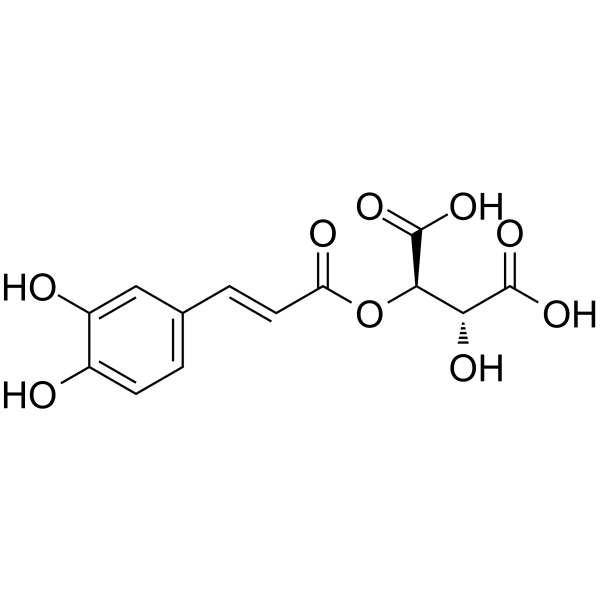
    trans-Caftaric acid

    Others Cardiovascular Disease Neurological Disease Inflammation/Immunology
    Caftaric acid (trans-Caftaric acid) is a polyphenolic antidiuretic, antioxidant and anti-apoptotic agent that can be hydrolyzed by intestinal microbial esterases. Caftaric acid exerts its antioxidant and potential anti-inflammatory effects mainly through intestinal microbial metabolism. Caftaric acid can reduce renal damage, restore electrolyte balance, renal function indicators and antioxidant enzyme activities in a rat albinism model, and further exert anti-oxidative stress and anti-inflammatory activities .
    Caftaric acid
  • HY-13538
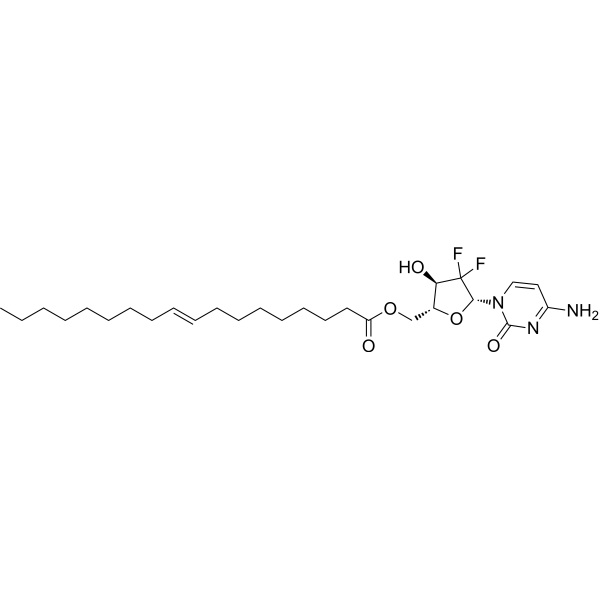
    Gemcitabine elaidate
    5 Publications Verification

    CP-4126; CO-101; Gemcitabine 5'-elaidate

    Nucleoside Antimetabolite/Analog Autophagy Apoptosis Inflammation/Immunology Cancer
    Gemcitabine elaidate (CP-4126) is lipophilic pro-agent of Gemcitabine. Gemcitabine elaidate is converted to Gemcitabine by esterases in order to be phosphorylated. Gemcitabine elaidate exhibits anti-tumor activity .
    Gemcitabine elaidate
  • HY-W014449

    Biochemical Assay Reagents Others
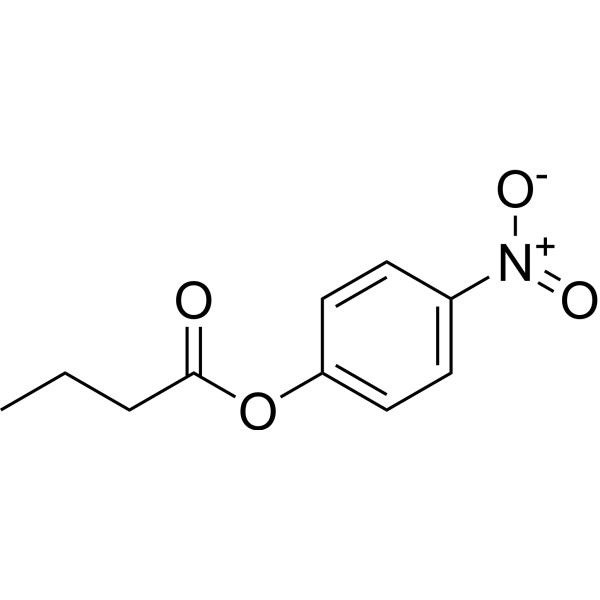
    4-Nitrophenyl butyrate consists of butyric acid chains esterified with 4-nitrophenol groups, thus giving it a yellow color. This compound is commonly used as a substrate in enzyme assays to measure esterase and lipase activity. When these enzymes cleave the ester bond, the nitrophenol group is released and the color changes from yellow to orange. Thus, the rate of color change can be used to determine enzyme activity. In addition, 4-Nitrophenyl butyrate can also be used as organic synthesis reagent and dye intermediate.
    4-Nitrophenyl butyrate
  • HY-114336
    Enocyanin
    3 Publications Verification

    Phosphatase Inflammation/Immunology
    Enocyanin is an anthocyanin extracted from grapes. Enocyanin shows inhibitory effect on the leucine aminopeptidase, acid phosphatase, γ-glutamyl transpeptidase and esterase activity .
    Enocyanin
  • HY-W013168

    4-Nitrophenyl hexadecanoate; p-Nitrophenyl Palmitate; pNpp

    Lipase Others
    4-Nitrophenyl palmitate (4-Nitrophenyl hexadecanoate) is a chromogenic substrate for lipases and esterases. Upon enzymatic hydrolysis, 4-Nitrophenyl palmitate releases p-nitrophenol, which can be quantified by colorimetric detection at 410 nm as a measure of enzymatic activity. 4-Nitrophenyl palmitate is used to characterize the activity of various bacterial and mammalian enzymes, including those from Burkholderia and porcine pancreatic lipase .
    4-Nitrophenyl palmitate
  • HY-P2895

    Clostridiopeptidase B

    Endogenous Metabolite Others
    Clostripain (Clostridiopeptidase B) is a thiol protease isolated from Clostridium histolyticum. Clostripain exhibits proteolytic activity as well as amidase-esterase activity. The specificity of Clostripain is primarily restricted to arginine residues, but it also shows minor hydrolytic activity toward most lysine-containing substrates. Clostripain catalyzes the ammonolysis of Carbobenzoxyarginyl methyl ester to generate various dipeptides .
    Clostripain
  • HY-18522

    Phospholipase Metabolic Disease
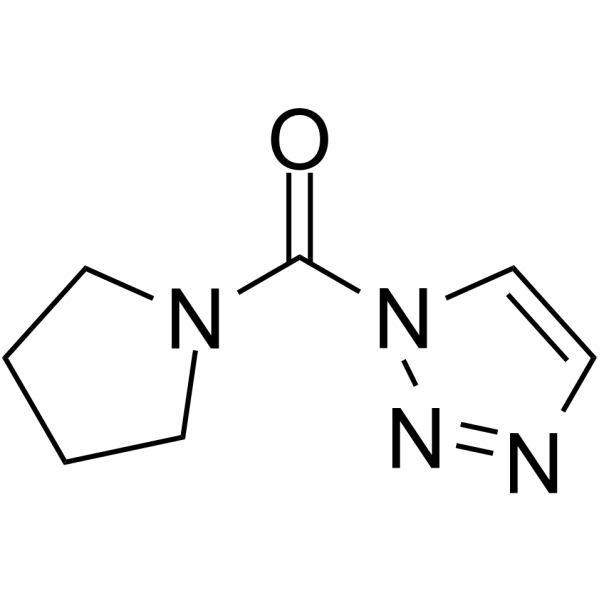
    AA26-9 is a potent and broad spectrum serine hydrolase inhibitor. AA26-9 targets included serine peptidases, lipases, amidases, esterases, and thioesterases. AA26-9 shows inhibitory activity against approximately 1/3 of the 40+ serine hydrolases detected in immortalized T cell lines .
    AA26-9
  • HY-103370

    BA 7602-06

    Chloride Channel Inflammation/Immunology
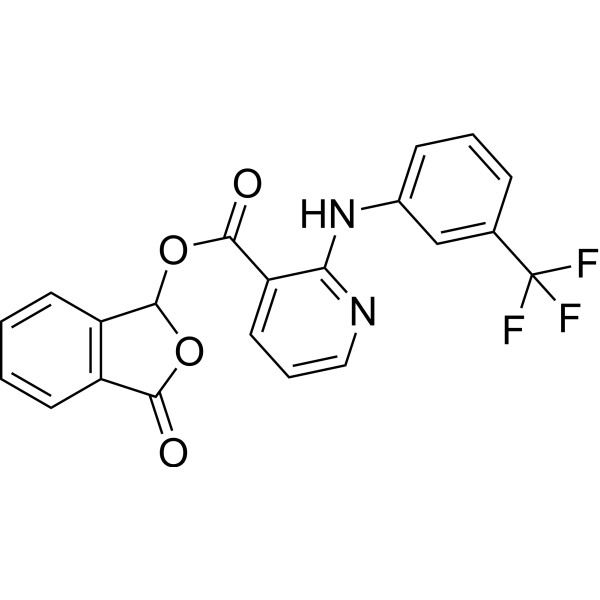
    Talniflumate (BA 7602-06) is the proagent of Niflumic acid (HY-B0493), exerting its activity in the body through conversion to niflumic acid by esterase . Talniflumate is an orally active Ca 2+-activated Cl - channel (CaCC) blocker. Talniflumate can be used as an analgesic and anti-inflammatory agent in cystic fibrosis mouse model of distal intestinal obstructive syndrome .
    Talniflumate
  • HY-131131

    Fluorescent Dye Others
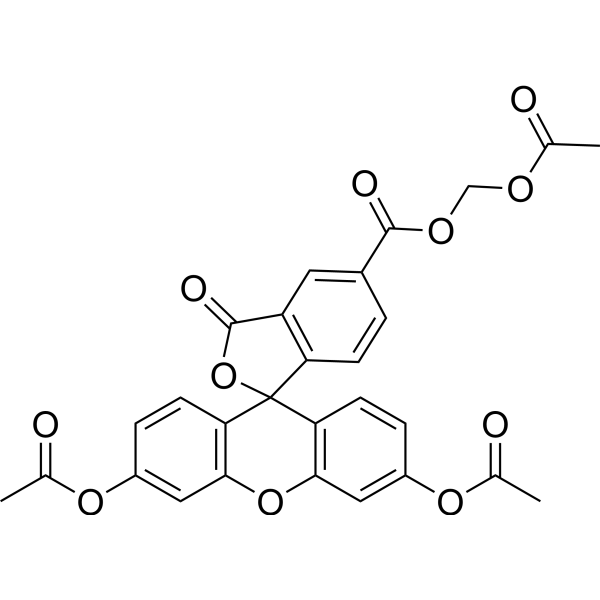
    5-CFDA-AM is a cell-permeable esterase substrate that can be used as an active probe to measure enzyme activity and cell membrane integrity. 5-CFDA-AM is electroneutral and can enter the cell at a lower concentration than CFDA, where it is hydrolysed by intracellular esterases to produce carboxyfluorescein, which contains an additional negative charge and can be better retained in the cell. 5-CFDA-AM can be used to detect cell viability .
    5-CFDA-AM
  • HY-B1149A

    Drug Derivative Bacterial Antibiotic Infection
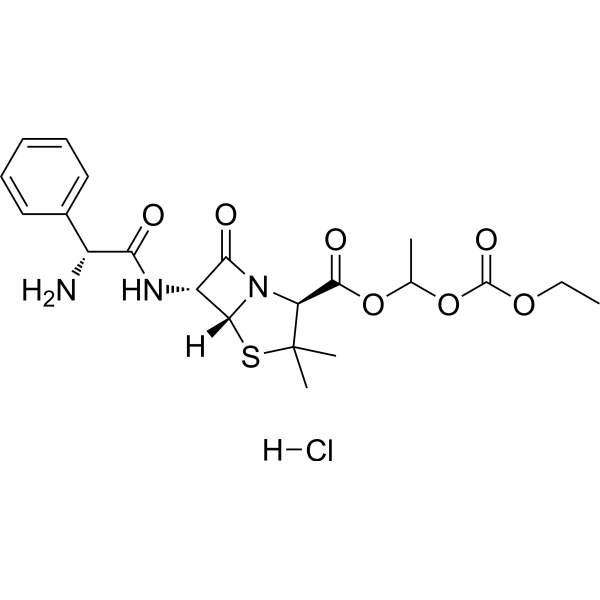
    Bacampicillin hydrochloride is an orally active semi-synthetic aminopenicillin derivative, prodrug and bactericide that is readily inactivated by β-lactamases. Bacampicillin hydrochloride is hydrolyzed by carboxylester hydrolases and non-specific esterases in the gastrointestinal wall and plasma to form Ampicillin (HY-B0522), and produces higher levels of Ampicillin in rodents in vivo. Bacampicillin hydrochloride exhibits bactericidal activity against Gram-positive and Gram-negative bacteria. Bacampicillin hydrochloride can be used in studies related to bacterial infections .
    Bacampicillin (hydrochloride)
  • HY-52112
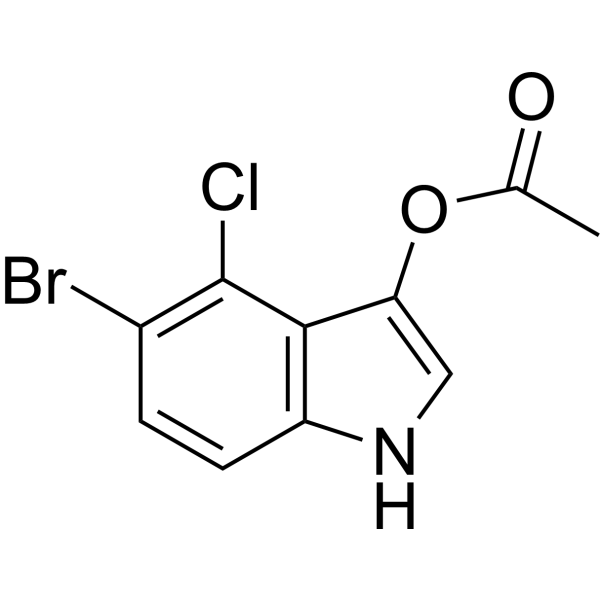
    BCDA
    1 Publications Verification

    5-bromo-4-chloroindoxyl acetate

    Fluorescent Dye Others
    BCDA (5-bromo-4-chloroindoxyl acetate) is a chromogenic substrate of esterase used to potently detect the activity of esterase .
    BCDA
  • HY-B2029
    Phosalone
    1 Publications Verification

    Insecticide Cholinesterase (ChE) Infection Inflammation/Immunology
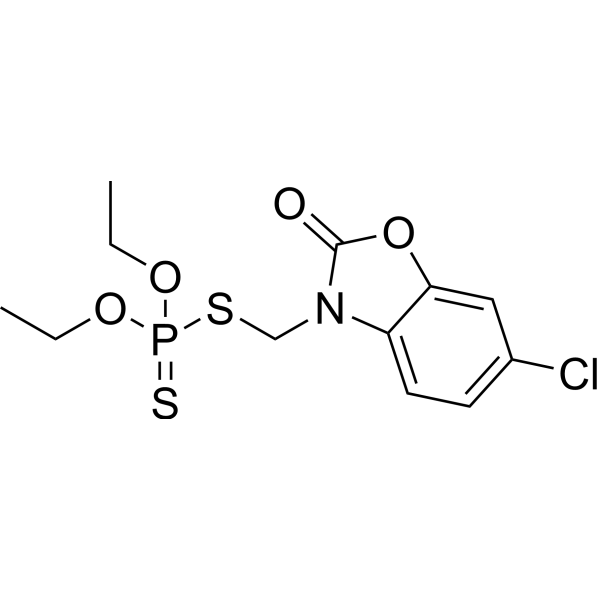
    Phosalone is an orally active, blood-brain barrier penetrant Insecticide and acaricide. Phosalone inhibits the activity of Acetylcholinesterase. Phosalone acts as a substrate for detoxifying esterases. Phosalone induces symptoms of cholinergic hyperactivity, toxic reactions, mortality, oxidative stress, and changes in pro-inflammatory protein levels, and exerts toxic effects on colonic tissues and cells. Phosalone controls pistachio psyllids. Phosalone can be used in studies related to colitis .
    Phosalone
  • HY-D2277

    Fluorescent Dye Others
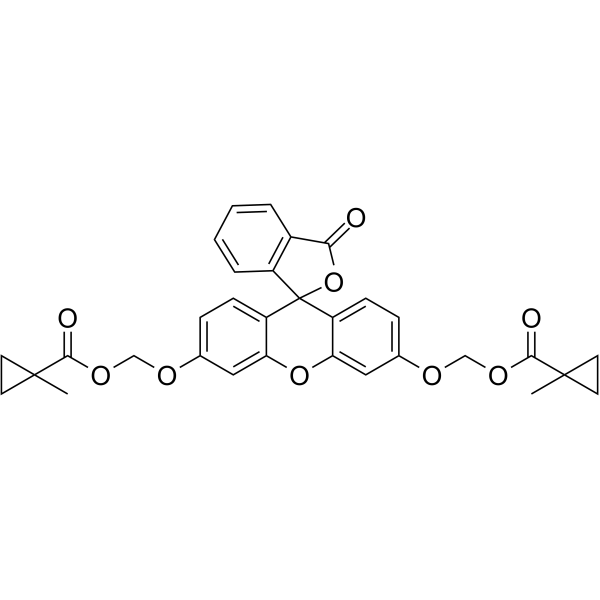
    Fluorescein-CM2 is a fluorogenic molecule that can be used to rapidly screen esterase cut sites for protein-protein interaction-dependent (PPI-dependent) esterase activity in E. coli .
    Fluorescein-CM2
  • HY-13538A
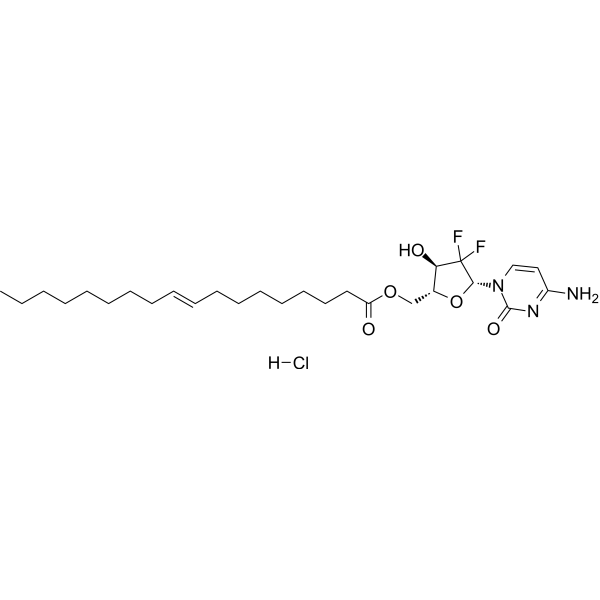
    Gemcitabine elaidate hydrochloride
    5 Publications Verification

    CP-4126 hydrochloride; CO-101 hydrochloride; Gemcitabine 5'-elaidate hydrochloride

    Nucleoside Antimetabolite/Analog Autophagy Apoptosis Cancer
    Gemcitabine elaidate (CP-4126) hydrochloride is lipophilic pro-agent of Gemcitabine. Gemcitabine elaidate hydrochloride is converted to Gemcitabine by esterases in order to be phosphorylated. Gemcitabine elaidate hydrochloride exhibits anti-tumor activity .
    Gemcitabine elaidate hydrochloride
  • HY-W127699

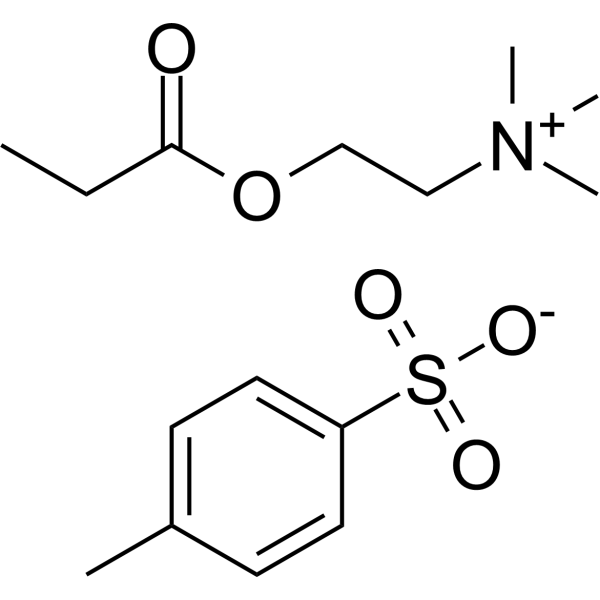
    N,N,N-Trimethyl-2-(propionyloxy)ethanaminium (p-toluenesulfonate)

    Biochemical Assay Reagents Others
    Propionylcholine (p-toluenesulfonate) is an organic compound commonly used in biochemical research and neuroscience research. It can be used to study cholinergic signal transduction and esterase activity, and is widely used in biomedical research and pharmacological research. In addition, this compound is also used as a substrate or catalyst in certain biochemical reactions.
    Propionylcholine (p-toluenesulfonate)
  • HY-126564

    Lipase MetAP Others Inflammation/Immunology
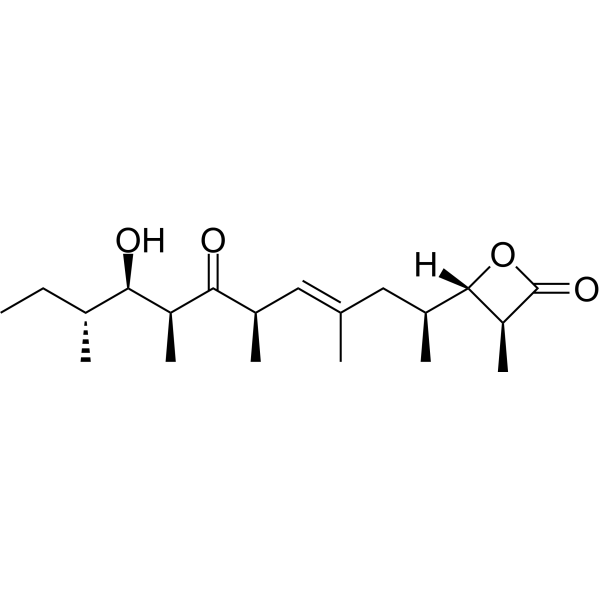
    Ebelactone A is a mycolic acid β-lactone, which exhibits inhibitory activity for esterase, lipase, fMet aminopeptidase (fMet AP) and PNBase, with IC50s of 56, 3, 8 and 7.5 μM, respectively . Ebelactone A inhibits cutinase, exhibits plants protective potency against Erysiphe graminis .
    Ebelactone A
  • HY-E70564

    Biochemical Assay Reagents Others
    Endoproteinase Arg-C is a serine endoproteinase that hydrolyzes peptide bonds on the carboxyl side of arginyl residues and has esterase and amidase activities. Endoproteinase Arg-C can be isolated from Clostridium histolyticum. Endoproteinase Arg-C is of mass spectrometry grade and can be used for peptide mapping, sequence analysis, cell separation .
    Endoproteinase Arg-C
  • HY-16031

    NSC710464 free base

    Aryl Hydrocarbon Receptor Integrin Drug Intermediate DNA/RNA Synthesis Cancer
    AFP464 (NSC710464) free base is a prodrug of Aminoflavone (HY-132974) and an agonist of the aryl hydrocarbon receptor (AhR). AFP464 free base downregulates the expression of α6-integrin (α6-integrin), inhibits breast tumor growth, reduces the population of tumor-initiating cells, disrupts mammosphere structure, induces the formation of mucin lake clusters, triggers DNA damage, and exerts antiproliferative activity. AFP464 free base is rapidly converted to Aminoflavone by nonspecific esterases in plasma and cell culture media. AFP464 free base is applicable to research related to breast cancer .
    AFP464 free base
  • HY-178106

    Drug Intermediate Cancer
    SCN2 is a esterase-responsive prodrug-based amphiphile composed of SN38 (HY-13704) and di-(triazole-[12]aneN3, N) moiety through a 7‑carbon alkyl chains. SCN2 has excellent self-assembly and reversible siRNA condensation capabilities as well as anti-proliferation activity against cancer cells. SCN2 can be used for synthesis of nanoparticles for drug delivery of lung cancer .
    SCN2
  • HY-16031B

    NSC710464 dihydrochloride

    Aryl Hydrocarbon Receptor Integrin Drug Intermediate DNA/RNA Synthesis Cancer
    AFP464 (NSC710464) dihydrochloride is a prodrug of Aminoflavone (HY-132974) and an agonist of the aryl hydrocarbon receptor (AhR). AFP464 dihydrochloride downregulates the expression of α6-integrin (α6-integrin), inhibits breast tumor growth, reduces the population of tumor-initiating cells, disrupts mammosphere structure, induces the formation of mucin lake clusters, triggers DNA damage, and exerts antiproliferative activity. AFP464 dihydrochloride is rapidly converted to Aminoflavone by nonspecific esterases in plasma and cell culture media. AFP464 dihydrochloride is applicable to research related to breast cancer .
    AFP464 dihydrochloride
  • HY-D1678

    Fluorescent Dye Others
    5(6)-Carboxynaphthofluorescein diacetate is a fluorescent substrate for esterase assays that can be cleaved by intracellular esterases, producing red fluorescence to measure enzyme activity (Ex = 590 nm; Em = 645 nm) .
    5(6)-Carboxynaphthofluorescein diacetate
  • HY-E70409

    Endogenous Metabolite Metabolic Disease
    Diacetinase, Bacillus subtilis is a member of the esterase family and is responsible for catalyzing the hydrolysis of diacetin. This enzyme is used in the measurement of lipase activity .
    Diacetinase, bacillus subtilis
  • HY-W142459

    Biochemical Assay Reagents Others
    Naphthol AS-D, in the form of its chloroacetate, can be used to demonstrate the esterase activity of human myeloid cells and contribute to research related to white blood cells .
    Naphthol AS-D
  • HY-W099563

    Biochemical Assay Reagents Others
    4-Nitrophenyl stearate, which is an ester formed by the condensation of stearic acid and 4-nitrophenol, is commonly used as a substrate for enzymatic assays, where the hydrolysis of ester bonds by esterase and lipase can be measured by absorbance or ratio In addition, 4-Nitrophenyl stearate has been used as a model compound to study the enzymatic activity and selectivity of lipases and esterases from various sources. The long hydrophobic tail of the molecule makes it suitable for use in lipophilic Good solubility in the environment makes it a useful probe for studying lipid metabolism.
    4-Nitrophenyl stearate
  • HY-P10765

    Peptide-Drug Conjugates (PDCs) Topoisomerase Cancer
    DTS-108 is a prodrug of SN38 (HY-13704) (a Topoisomerase I inhibitor). DTS-108 is a conjugate generated by linking SN38 to a human oligopeptide via an esterase sensitive cross-linker. DTS-108 exhibits anti-tumor activity against colorectal, lung, and mammary cancer .
    DTS-108
  • HY-D1739

    Fluorescent Dye Carboxylesterase (CES) Others
    DDAO phosphate diammonium is a fluorescent phosphatase substrate. DDAO phosphate diammonium has tunable excitation wavelength (600-650nm) and long emission wavelength (λem=656nm). DDAO phosphate diammonium can be used to detect the activity of different enzymes such as β-galactosidase, sulfatase, protein phosphatase 2A, carboxylesterase 2, human albumin and esterase.
    DDAO phosphate diammonium
  • HY-138959

    p-Nitrophenyl caprylate

    Lipase Others
    4-Nitrophenyl octanoate (p-Nitrophenyl caprylate) is an aromatic ester compound which can be used as a substrate for pancreatic lipase. 4-Nitrophenyl octanoate contains an ester bond that can be hydrolyzed under the action of lipase, releasing p-nitrophenol as a yellow product. 4-Nitrophenyl octanoate can be used to assay the activities of lipases and esterases .
    4-Nitrophenyl octanoate
  • HY-B1149

    Drug Derivative Bacterial Antibiotic Infection
    Bacampicillin is an orally active semi-synthetic aminopenicillin derivative, prodrug and bactericide that is readily inactivated by β-lactamases. Bacampicillin is hydrolyzed by carboxylester hydrolases and non-specific esterases in the gastrointestinal wall and plasma to form Ampicillin (HY-B0522), and produces higher levels of Ampicillin in rodents in vivo. Bacampicillin exhibits bactericidal activity against Gram-positive and Gram-negative bacteria. Bacampicillin can be used in studies related to bacterial infections .
    Bacampicillin
  • HY-P6079

    Biochemical Assay Reagents Neurological Disease
    Ac-IHIHIYI-NH2 is a fibrous heptapeptide that forms fibril-like structures with even higher esterase activity .
    Ac-IHIHIYI-NH2
  • HY-P6079A

    Biochemical Assay Reagents Others
    Ac-IHIHIYI-NH2 TFA is an amyloid self-assembling peptide variant that can be used as a bioactive nanomaterial with esterase activity .
    Ac-IHIHIYI-NH2 TFA
  • HY-123120

    Thrombin Others
    SA-152 is an organophosphorus inhibitor. SA-152 modulates the fibrinogen coagulation and TAME esterase activity of bovine α-thrombin .
    SA-152
  • HY-134451

    DEUP

    Endogenous Metabolite Metabolic Disease
    Diethylumbelliferyl phosphate (DEUP), a selective and potent inhibitor of cholesterol esterase, does not inhibit protein kinase activity A in vitro, and it effectively disrupts steroidogenesis by blocking the transport of cholesterol into the mitochondria of steroidogenic cells, with an IC50 of 11.6 μM, potentially limiting dietary cholesterol absorption.
    Diethylumbelliferyl phosphate
  • HY-19137

    KW 2189 free base

    Antibiotic Infection Cancer
    Pibrozelesin (KW 2189 free base) is the derivative of antibiotic Duocarmycin B2. Pibrozelesin exhibits antitumor activity, inhibits proliferation of cell H69 with an IC50 of 1.9 μM. Pibrozelesin induces the DNA strand breaks upon activation via carboxyl esterase .
    Pibrozelesin
  • HY-W320032

    Fluorescent Dye Others
    5-Bromo-1H-indol-3-yl octanoate is a chromogenic substrate for esterase with C8 activity. 5-Bromo-1H-indol-3-yl octanoate yields a blue precipitate when cleaved.
    5-Bromo-1H-indol-3-yl octanoate
  • HY-130431

    Parasite Infection
    Vinclozolin M2 is an active metabolite of vinclozolin. It is formed from vinclozolin by successive esterase activity and decarboxylation of vinclozolin in C. elegans and by decarboxylation in human liver microsomes. Vinclozolin M2 is an antagonist of the mineralocorticoid receptor (IC50=1,400 nM) and androgen receptor (IC50=0.17 nM) in reporter assays using MCF-7 cells.
    Vinclozolin M2
  • HY-114584

    Ser/Thr Protease Neurological Disease
    A-953227 is a highly potent and selective inhibitor with the activity of inhibiting calcium-dependent esterase (calpain). A-953227 has enhanced selectivity for related cysteine proteases (cathepsins) and has shown good efficacy in cell experiments. A-953227 has shown broad efficacy in preclinical models for Alzheimer's disease, suggesting that it has potential benefits in inhibiting Alzheimer's disease .
    A-953227
  • HY-155599

    HIV PKC Infection
    HIV-1 protease-IN-10 (Compound 2) has HIV-1 latency reversing activity (IC50: 0.22 μM). HIV-1 protease-IN-10 binds to the PKCδ C1b domain (IC50: 0.69 μM). HIV-1 protease-IN-10 has stability against esterase-mediated hydrolysis .
    HIV-1 protease-IN-10
  • HY-108204

    THRX 918661

    GABA Receptor Others
    AZD 3043 (THRX 918661) is a positive allosteric modulator of GABA(A) receptors with sedative and hypnotic activity. AZD 3043 can enhance GABA(A) receptor-mediated chloride currents in vitro and produce hypnotic and electroencephalographic inhibitory effects in vivo. Due to its esterase-dependent metabolic pathway, it has a short duration of action and can be quickly cleared even after long-term infusion, which may have clinical application potential.
    AZD 3043
  • HY-19651A

    TAK-147

    Cholinesterase (ChE) Neurological Disease
    Zanapezil (TAK-147) is a potent, reversible and selective acetylcholine esterase (AChE) inhibitor. Zanapezil shows a potent and reversible inhibition of AChE activity in homogenates of the rat cerebral cortex (IC50=51.2 nM). Zanapezil shows a moderate inhibition of muscarinic M1 and M2 receptor binding with Ki values of 234 and 340 nM, respectively. Zanapezil can be used for the research of early stages of Alzheimer's disease (AD) .
    Zanapezil
  • HY-19651B

    TAK-147 fumarate

    Cholinesterase (ChE) Neurological Disease
    Zanapezil (TAK-147) fumarate is a potent, reversible and selective acetylcholine esterase (AChE) inhibitor. Zanapezil fumarate shows a potent and reversible inhibition of AChE activity in homogenates of the rat cerebral cortex (IC50=51.2 nM). Zanapezil fumarate shows a moderate inhibition of muscarinic M1 and M2 receptor binding with Ki values of 234 and 340 nM, respectively. Zanapezil fumarate can be used for the research of early stages of Alzheimer's disease (AD) .
    Zanapezil fumarate
  • HY-103370R

    BA 7602-06 (Standard)

    Reference Standards Chloride Channel Inflammation/Immunology
    Talniflumate (Standard) is the analytical standard of Talniflumate. This product is intended for research and analytical applications. Talniflumate (BA 7602-06) is the proagent of Niflumic acid (HY-B0493), exerting its activity in the body through conversion to niflumic acid by esterase . Talniflumate is an orally active Ca2+-activated Cl- channel (CaCC) blocker. Talniflumate can be used as an analgesic and anti-inflammatory agent in cystic fibrosis mouse model of distal intestinal obstructive syndrome .
    Talniflumate (Standard)
  • HY-19651

    TAK-147 free base

    Cholinesterase (ChE) Neurological Disease
    Zanapezil (TAK-147) free base is a potent, reversible and selective acetylcholine esterase (AChE) inhibitor. Zanapezil free base shows a potent and reversible inhibition of AChE activity in homogenates of the rat cerebral cortex (IC50=51.2 nM). Zanapezil free base shows a moderate inhibition of muscarinic M1 and M2 receptor binding with Ki values of 234 and 340 nM, respectively. Zanapezil free base can be used for the research of early stages of Alzheimer's disease (AD) .
    Zanapezil free base
  • HY-174450

    Epigenetic Reader Domain Cancer
    KMT9-IN-1 (Compound 8) is a KMT9 inhibitor and the ethyl ester prodrug of compound 7b. KMT9-IN-1 releases the active form 7b via esterases in cells. KMT9-IN-1 targets KMT9 in cells and reduces H4K12me1 levels. KMT9-IN-1 has antitumor activity against colon cancer. KMT9-IN-1 can be used in the research of prostate cancer and hepatocellular carcinoma .
    KMT9-IN-1
  • HY-B1149AR

    Reference Standards Drug Derivative Bacterial Antibiotic Infection
    Bacampicillin (hydrochloride) (Standard) is the analytical standard of Bacampicillin hydrochloride (HY-B1149A). This product is intended for research and analytical applications. Bacampicillin hydrochloride is an orally active semi-synthetic aminopenicillin derivative, prodrug and bactericide that is readily inactivated by β-lactamases. Bacampicillin hydrochloride is hydrolyzed by carboxylester hydrolases and non-specific esterases in the gastrointestinal wall and plasma to form Ampicillin (HY-B0522), and produces higher levels of Ampicillin in rodents in vivo. Bacampicillin hydrochloride exhibits bactericidal activity against Gram-positive and Gram-negative bacteria. Bacampicillin hydrochloride can be used in studies related to bacterial infections .
    Bacampicillin (hydrochloride) (Standard)
  • HY-B1894

    Ro 15-8075 free base

    Antibiotic Bacterial Infection
    Cefetamet pivoxyl (Ro 15-8075 free base) is an orally active cephalosporin Antibiotic and a prodrug of Cefetamet (HY-A0111). After ingestion, Cefetamet pivoxyl is hydrolyzed by gastrointestinal esterases to form Cefetamet. Cefetamet pivoxyl is primarily active against aerobic Gram-negative bacteria (such as Enterobacteriaceae, *Neisseria*, *Haemophilus*) and some Gram-positive bacteria (such as non-enterococcal streptococci). Cefetamet pivoxyl exhibits potent in vivo antibacterial activity against strains of Gram-positive bacteria (S. pyogenes) and Gram-negative bacteria (E. coli, K. pneumoniae, S. marcescens, P. vulgaris, P. mirabilis, H. influenzae) .
    Cefetamet pivoxyl
  • HY-D3205

    Fluorescent Dye Others
    Bis (picolinoyl) fluorescein is a Cu 2+ esterase activity probe with both fluorogenic and chromogenic properties. Bis (picolinoyl) fluorescein enables quantitative analysis of free Cu 2+, as well as detection of esterolytic activity of Cu bound to organic ligands or biomolecules .
    Bis(picolinoyl)fluorescein
  • HY-D3157

    Fluorescent Dye Others
    Photoactive esterase probe is a photoactivatable fluorescent probe for esterase. Photoactive esterase probe is used for the detection and imaging of esterase activity in living cells .
    Photoactive esterase probe
  • HY-W638077

    Biochemical Assay Reagents Others
    6-Chloro-3-indoxyl caprylate is a chromogenic substrate with C8 activity for esterases.
    6-Chloro-3-indoxyl caprylate
  • HY-181510

    Carbonic Anhydrase Others
    CAII-IN-14 (Compound 3o) is a human carbonic anhydrase II (hCA II) inhibitor with a Ki value of 1.65 nM. CAII-IN-14 also inhibits hCA I(Ki = 6.15 nM) and hCA IX(Ki = 5.43 nM). CAII-IN-14 exhibits predicted drug-like properties .
    CAII-IN-14
  • HY-137357

    NSC 305986; γ-MBMTX

    Dihydrofolate reductase (DHFR) Cancer
    5-Monobutyl methotrexate (NSC 305986; γ-MBMTX) is a dihydrofolate reductase (DHFR) inhibitor and esterase substrate. 5-Monobutyl methotrexate is hydrolyzed by esterases to produce methotrexate. In rhesus monkeys, 5-Monobutyl methotrexate clears more slowly from cerebrospinal fluid than from serum, and its serum protein binding rate exceeds 99%. At the same dose rate, 5-Monobutyl methotrexate achieves cerebrospinal fluid concentrations comparable to those of Methotrexate (HY-14519), and exhibits activity against Methotrexate-resistant cells (with transport defects) that is comparable to that against sensitive parental cells. 5-Monobutyl methotrexate can be used in studies related to Methotrexate-resistant tumors .
    5-Monobutyl methotrexate

Inquiry Online

Your information is safe with us. * Required Fields.

Salutation


Country or Region *

Applicant Name *


Organization Name *

Department *


Email Address *


Product Name *

Cat. No.


Requested quantity *

Phone Number *


Remarks

Inquiry Online

Inquiry Information

Product Name:
Cat. No.:
Quantity:
MCE Japan Authorized Agent:

