1. Search Result
Search Result
Pathways Recommended: Stem Cell/Wnt Cell Cycle/DNA Damage
Results for "

excitable cells

" in MedChemExpress (MCE) Product Catalog:

24

Inhibitors & Agonists

6

Fluorescent Dyes

1

Biochemical Assay Reagents

2

Peptides

2

Natural
Products

Cat. No. Product Name Target Research Areas Chemical Structure
  • HY-101897
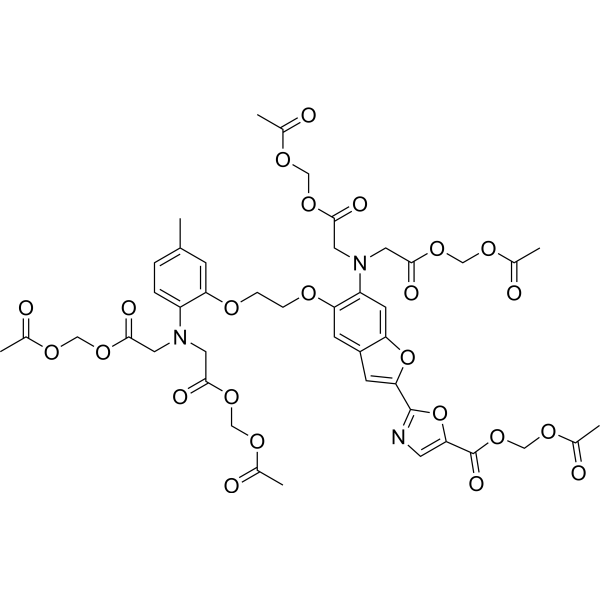
    Fura-2 AM
    5+ Cited Publications

    Fura-2 Acetoxymethyl ester

    Fluorescent Dye Others
    Fura-2 AM is a membrane permeable, intracellular, UV light-excitable and ratiometric fluorescent Ca 2+ (calcium ion) indicator. Fura-2 AM crosses cell membranes and is converted to Fura-2 (HY-D0110A) via cellular esterases. Fura-2 AM can be used to detect calcium in cells.
    Fura-2 AM
  • HY-N6789
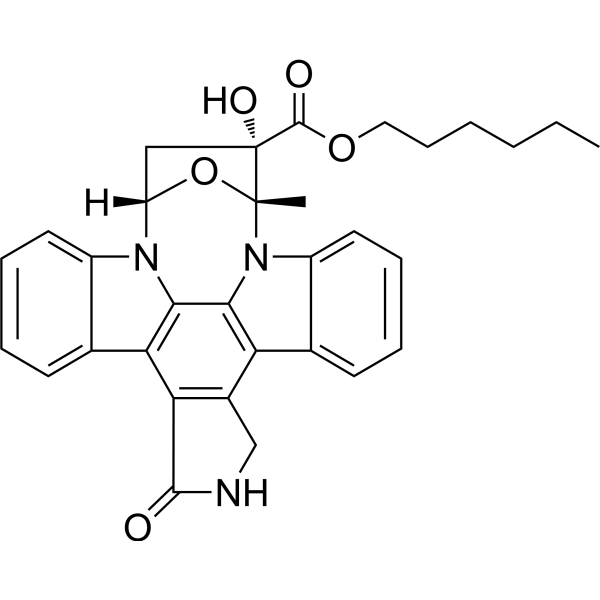
    KT5720
    4 Publications Verification

    PKA Neurological Disease Cancer
    KT5720 is a potent, cell-permeable, specific, reversible and ATP-competitive PKA inhibitor (IC50=3.3 μM). KT5720 is effective in reversing MDR1-mediated multidrug resistance. KT5720 also reduces the excitability of dorsal root ganglion (DRG) neurons by attenuating Hyperpolarization-activated cyclic nucleotide-gated (HCN) channel activity and reducing intracellular Ca2 + concentrations. KT5720 can be used in the study of haematological malignancies as well as HCN and DRG neuron-related diseases .
    KT5720
  • HY-D0127

    Fluorescent Dye Others
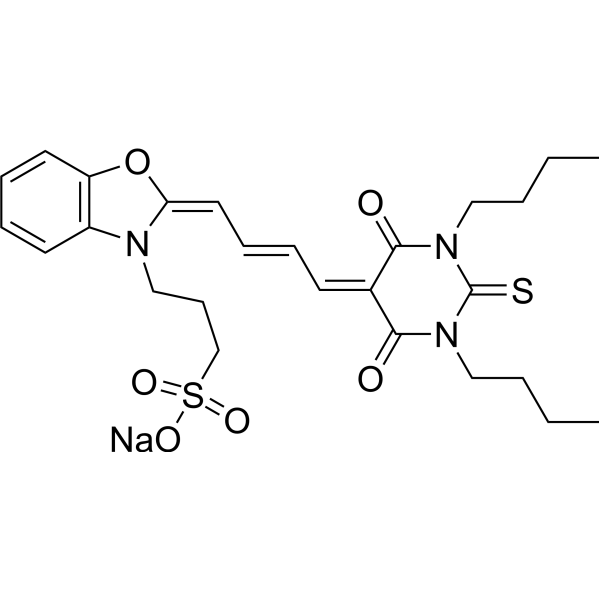
    Merocyanin 540 is a fluorescent membrane probe that selectively stains the membranes of a wide variety of electrically excitable cells, but not those of nonexcitable cells (Ex/Em: 540/580 nm) .
    Merocyanin 540
  • HY-143481

    Sodium Channel Neurological Disease Inflammation/Immunology
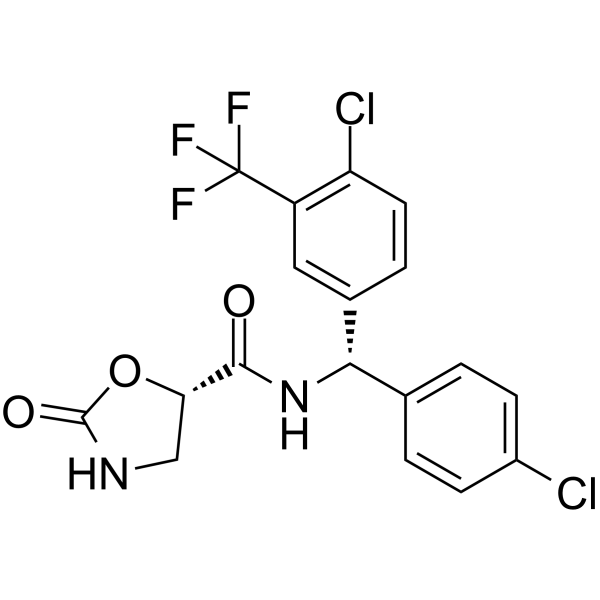
    Nav1.8-IN-2 (compound 35A) is a Nav1.8 voltage-gated sodium ion inhibitor with an IC50 of 0.4 nM (HEK 293 cells). Nav1.8-IN-2 inhibits the activity of Nav1.8 voltage-gated sodium ion channels, mediates sodium ion influx in excitable cells, and is associated with the initiation and conduction of action potentials. Nav1.8-IN-2 can be used for research related to pain, cough, itching, etc .
    Nav1.8-IN-2
  • HY-108594

    Potassium Channel Metabolic Disease
    PD-118057 is a hERG channel activator without causing hERG blockade. PD-118057 activates hERG channel to suppress changes in membrane excitability .
    PD-118057
  • HY-N3711

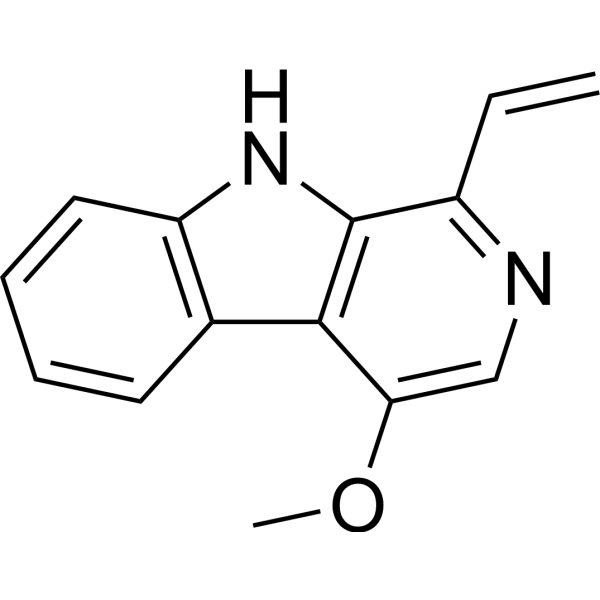
    JNK ERK Apoptosis Neurological Disease
    Dehydrocrenatidine, a β-carboline alkaloid that can be isolated from Picrasma quassioides. Dehydrocrenatidine induces cell apoptosis by activates ERK and JNK. Dehydrocrenatidine inhibits invasion and migration of cancer cells, it also suppresses neuronal excitability to exert analgesic effects .
    Dehydrocrenatine
  • HY-D1702

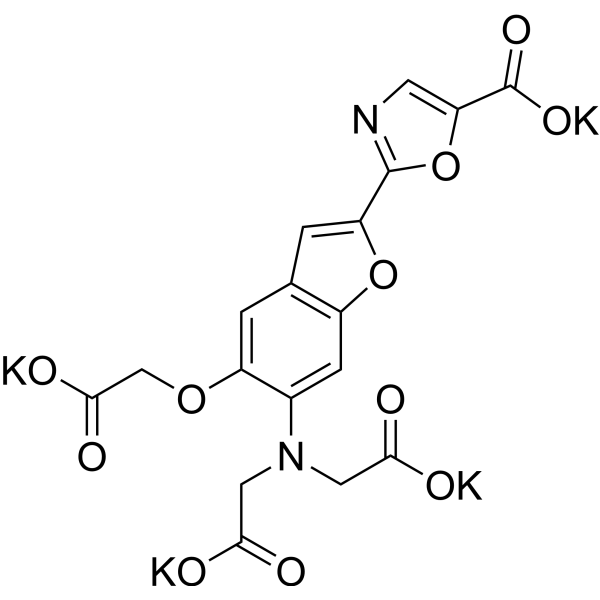
    Fluorescent Dye Others
    Mag-Fura-2 tetrapotassium is a cell-impermeant UV excitable rational fluorescent Mg 2+/Ca 2+ indicator (Ex=334-360 nm, Em=510 nm). Mag-Fura-2 tetrapotassium can be used for the determination of Mg 2+ and Ca 2+ concentrations .
    Mag-Fura-2 tetrapotassium
  • HY-A0236

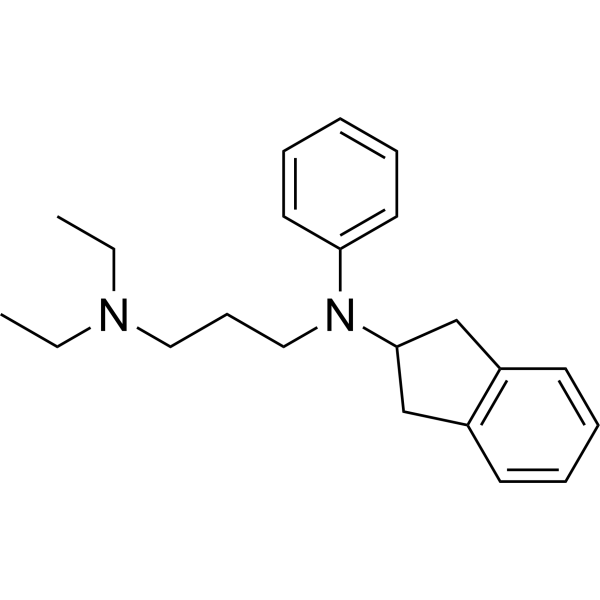
    Sodium Channel Potassium Channel Calcium Channel Calmodulin Cardiovascular Disease
    Aprindine is an Ib-class anti-arrhythmic agent. Aprindine mainly exerts its effect by blocking sodium channels (INa), thereby reducing the excitability and conduction velocity of cardiac muscle cells. Aprindine significantly inhibits delayed potassium currents, which helps to prolong the atrial effective refractory period (AERP) and inhibit the occurrence of atrial fibrillation. Aprindine can also regulate intracellular calcium ion concentration by inhibiting Na +/Ca 2+ exchange current (INCX), thereby further stabilizing cardiac electrical activity. Aprindine can be used for the study of atrial fibrillation (AF) and ventricular arrhythmias .
    Aprindine
  • HY-135000

    DcSTX; DecarbamoylSTX

    Endogenous Metabolite Drug Metabolite Neurological Disease
    Decarbamoylsaxitoxin is a sodium channel inhibitor that blocks the influx of sodium ions through the membranes of excitable nerves and skeletal muscle cells, thereby preventing the formation of action potentials. Decarbamoylsaxitoxin is an acidic hydrolysis product of saxitoxin, and its toxic effects on mice are identical to those of saxitoxin. Decarbamoylsaxitoxin inhibits veratridine- and ouabain-induced swelling and lysis of mouse neuroblastoma cells by blocking Na + channels. Decarbamoylsaxitoxin can be used in studies related to paralytic shellfish poisoning .
    Decarbamoylsaxitoxin
  • HY-135809

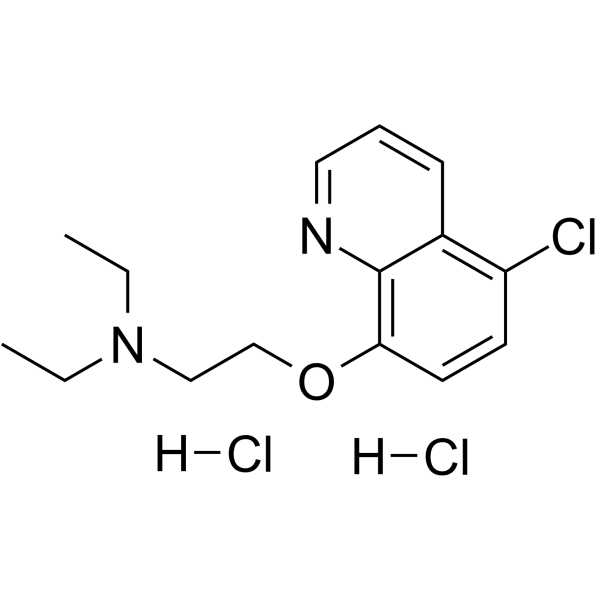
    Potassium Channel Neurological Disease
    A2764 dihydrochloride is a highly selective inhibitor of TRESK (TWIK-related spinal cord K + channel, K2P18.1), which has moderate inhibitory effects on TREK-1 and TALK-1. A2764 dihydrochloride is more sensitive to the activated mTRESK channels (IC50=6.8 μM) than the basal current. A2764 dihydrochloride can lead to cell depolarization and increased excitability in native cells, it has the potential for probing the role of TRESK channel in migraine and nociception .
    A2764 dihydrochloride
  • HY-A0236A

    Sodium Channel Potassium Channel Calcium Channel Calmodulin Cardiovascular Disease
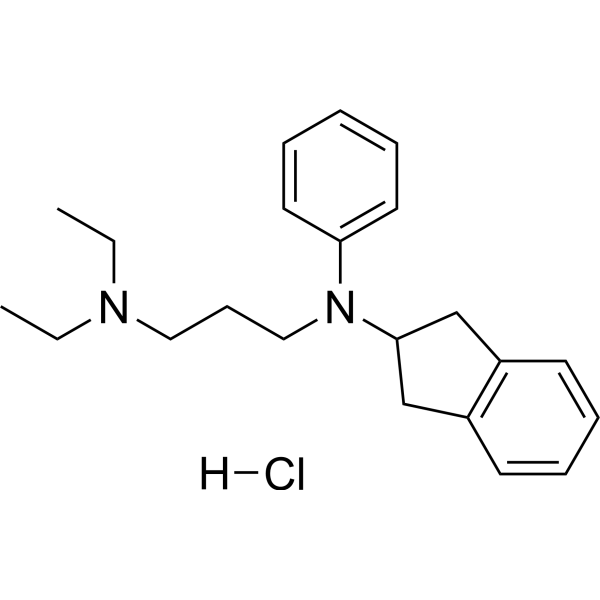
    Aprindine hydrochloride is an Ib-class anti-arrhythmic agent. Aprindine hydrochloride mainly exerts its effect by blocking sodium channels (INa), thereby reducing the excitability and conduction velocity of cardiac muscle cells. Aprindine hydrochloride significantly inhibits delayed potassium currents, which helps to prolong the atrial effective refractory period (AERP) and inhibit the occurrence of atrial fibrillation. Aprindine hydrochloride can also regulate intracellular calcium ion concentration by inhibiting Na +/Ca 2+ exchange current (INCX), thereby further stabilizing cardiac electrical activity. Aprindine hydrochloride can be used for the study of atrial fibrillation (AF) and ventricular arrhythmias .
    Aprindine hydrochloride
  • HY-W127781

    Fluorescent Dye Others
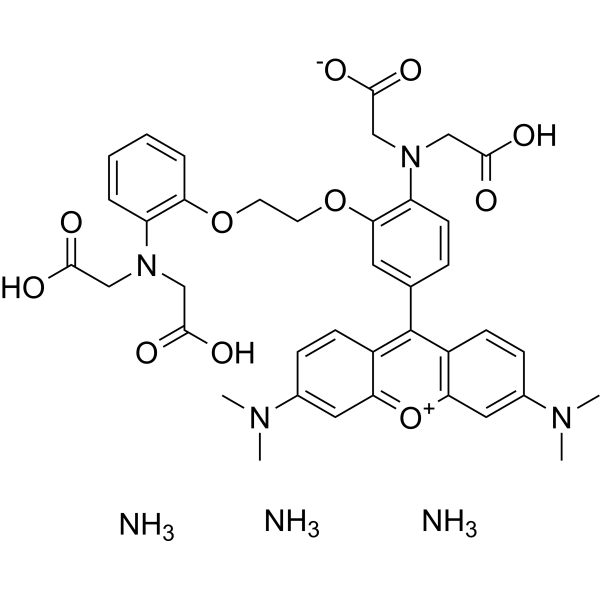
    Rhod-2 triammonium is a cell impermeant, red fluorescent calcium indicator. Rhod-2 triammonium exhibits a significant shift in fluorescence intensity upon calcium binding (ex max=549 nm; calcium-free v. ex/em max=552/581 nm; calcium-bound). Unlike the UV-excitable indicators Fura-2 and Indo-1 (HY-D0121), there is no accompanying spectral shift .
    Rhod-2 triammonium
  • HY-W031620

    Sodium Channel Neurological Disease
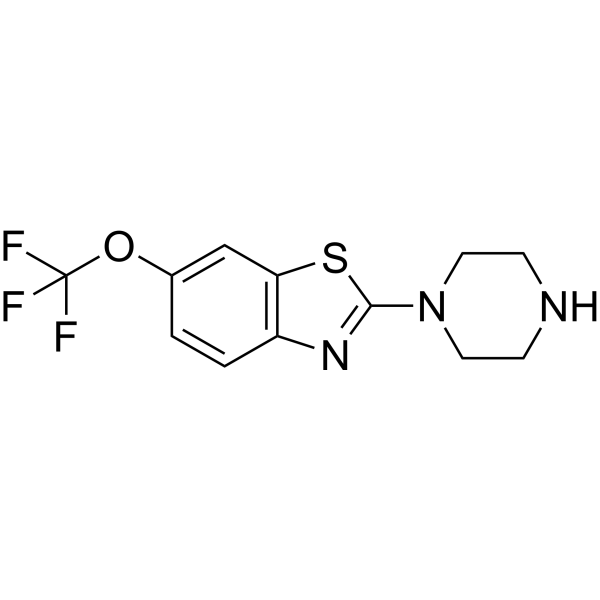
    VGSCs-IN-1 (compound 14), a 2-piperazine analog of Riluzole (HY-B0211), is a human voltage-gated sodium channels (VGSCs) inhibitor. VGSCs-IN-1 shows great Nav1.4 blocking activity. VGSCs-IN-1 has a pKa of 7.6 and a cLog P of 2.4. VGSCs-IN-1 can be used for cell excitability disorders research .
    VGSCs-IN-1
  • HY-P1426

    Potassium Channel Neurological Disease
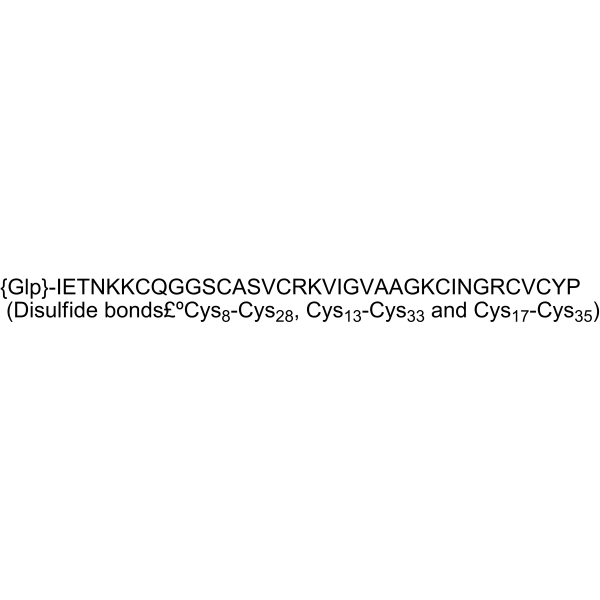
    AmmTX3 is a peptide toxin identified from the venom of the scorpion Androctonus mauretanicus. AmmTX3 is a highly specific blocker of Kv4 channels, which selectively and almost completely blocks transient A-type K + currents with a Ki of 131 nM. AmmTX3 induces epileptiform behaviors and causes death in mice receiving intracerebroventricular injection. AmmTX3 increases the excitability of dentate gyrus granule cells, reduces GABAergic inhibition, enhances and stabilizes the EPSP-spike component of long-term potentiation, and impairs reference memory. AmmTX3 can be used in research related to pain, epilepsy, and autism spectrum disorder .
    AmmTX3
  • HY-171807

    nAChR STAT Neurological Disease Inflammation/Immunology
    TC-2559 free base is a α4β2 nicotinic acetylcholine receptor (nAChR) agonists with an EC50 of 0.18 μM. TC-2559 free base shows much weaker potencies on the group of b4-containing nAChR subtypes, α2β4, α4β4 and α3β4 receptors, with EC50s in the range of 10-30 µM. TC-2559 free base can increase the discharge of dopamine cells in the ventral tegmental area (VTA) of rats in vitro, enhancing the excitability and aggressive behavior of VTA dopamine neurons. TC-2559 free base inhibits STAT3 to exert anti-inflammatory properties and relieves mice mechanical allodynia and improve rats cognitive deficits. TC-2559 free base can be used for the study of nerve pain .
    TC-2559 free base
  • HY-127004

    RGH-5002

    Sodium Channel Others
    Silperisone hydrochloride is an organosilicone compound similar to tolperisone that has centrally acting muscle relaxant properties. Silperisone (hydrochloride) is a sodium channel protein type 2 alpha channel blocker that blocks sodium and calcium channels in cells, reduces muscle cell excitability and contraction, reduces peripheral tone, and acts as a muscle relaxant and peripheral vascular dilator. Silperisone (hydrochloride) is used to study recurrent painful myoclonus due to spinal cord injury, abnormal hypertonia due to cerebrovascular disease, myotonia symptoms, pyramidal tonia syndrome, multiple sclerosis myospasm, and myelitis .
    Silperisone hydrochloride
  • HY-136784A

    Fluorescent Dye Others
    Rhod-2 sodium is a cell impermeant, red fluorescent calcium indicator. Rhod-2 sodium exhibits a significant shift in fluorescence intensity upon calcium binding (ex max=549 nm; calcium-free v. ex/em max=552/581 nm; calcium-bound). Unlike the UV-excitable indicators Fura-2 and Indo-1 (HY-D0121), there is no accompanying spectral shift .
    Rhod-2 sodium
  • HY-136784

    Fluorescent Dye Others
    Rhod-2 potassium is a cell impermeant, red fluorescent calcium indicator. Rhod-2 potassium exhibits a significant shift in fluorescence intensity upon calcium binding (ex max=549 nm; calcium-free v. ex/em max=552/581 nm; calcium-bound). Unlike the UV-excitable indicators Fura-2 and Indo-1 (HY-D0121), there is no accompanying spectral shift .
    Rhod-2 potassium
  • HY-P1426A

    Potassium Channel Neurological Disease
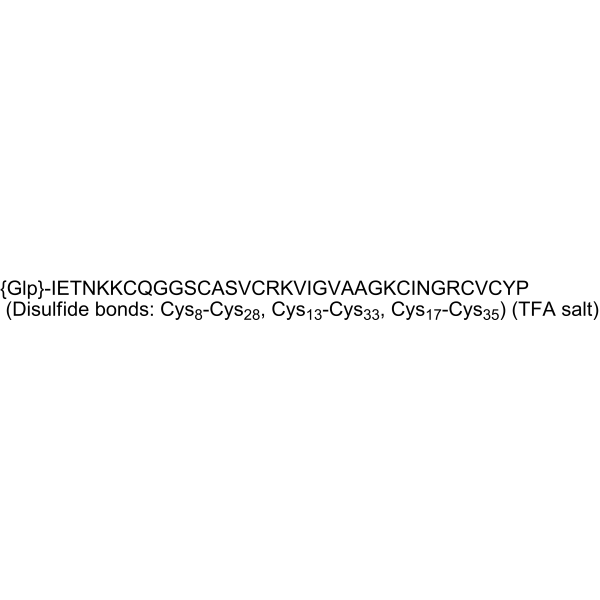
    AmmTX3 TFA is a peptide toxin identified from the venom of the scorpion Androctonus mauretanicus. AmmTX3 TFA is a highly specific blocker of Kv4 channels, which selectively and almost completely blocks transient A-type K + currents with a Ki of 131 nM. AmmTX3 TFA induces epileptiform behaviors and causes death in mice receiving intracerebroventricular injection. AmmTX3 TFA increases the excitability of dentate gyrus granule cells, reduces GABAergic inhibition, enhances and stabilizes the EPSP-spike component of long-term potentiation, and impairs reference memory. AmmTX3 TFA can be used in research related to pain, epilepsy, and autism spectrum disorder .
    AmmTX3 TFA
  • HY-19185

    Potassium Channel Endocrinology
    ZD-2767 is a selective ATP-sensitive potassium channel agonist. ZD-276 reduces cell membrane excitability and contractility by activating KATP channels in bladder smooth muscle. ZD-2767 is promising for research of overactive bladder .
    ZD-6169
  • HY-DY1101

    Fura-2 Acetoxymethyl ester (solution)

    Fluorescent Dye Others
    Fura-2 AM (solution) (Fura-2 Acetoxymethyl ester (solution)) is a membrane permeable, intracellular, UV light-excitable and ratiometric fluorescent Ca 2+ (calcium ion) indicator. Fura-2 AM crosses cell membranes and is converted to Fura-2 (HY-D0110A) via cellular esterases. Fura-2 AM can be used to detect calcium in cells.
    Solvent and concentration: DMSO: 1 mM
    Fura-2 AM (solution)
  • HY-108594R

    Reference Standards Potassium Channel Metabolic Disease
    PD-118057 (Standard) is the analytical standard of PD-118057 (HY-108594). This product is intended for research and analytical applications. PD-118057 is a hERG channel activator without causing hERG blockade. PD-118057 activates hERG channel to suppress changes in membrane excitability .
    PD-118057 (Standard)
  • HY-A0236AR

    Reference Standards Sodium Channel Potassium Channel Calcium Channel Calmodulin Cardiovascular Disease
    Aprindine hydrochloride (Standard) is the analytical reference standard of Aprindine hydrochloride (HY-A0236A). This product is used for research and analytical applications. Aprindine hydrochloride is an Ib-class anti-arrhythmic agent. Aprindine hydrochloride mainly exerts its effect by blocking sodium channels (INa), thereby reducing the excitability and conduction velocity of cardiac muscle cells. Aprindine hydrochloride significantly inhibits delayed potassium currents, which helps to prolong the atrial effective refractory period (AERP) and inhibit the occurrence of atrial fibrillation. Aprindine hydrochloride can also regulate intracellular calcium ion concentration by inhibiting Na +/Ca 2+ exchange current (INCX), thereby further stabilizing cardiac electrical activity. Aprindine hydrochloride can be used for the study of atrial fibrillation (AF) and ventricular arrhythmias.
    Aprindine hydrochloride (Standard)
  • HY-182023

    Reactive Oxygen Species (ROS) GABA Receptor Neurological Disease
    Anticonvulsant agent 11 (Compound 8b) is an anticonvulsant agent. Anticonvulsant agent 11 exerts neuroprotective effects by enhancing cell viability and reducing ROS levels. Anticonvulsant agent 11 induces the expression of GABAA α1, resulting in neuronal hyperpolarization. Anticonvulsant agent 11 increases the number of neurite-bearing cells and the length of neurites. Anticonvulsant agent 11 exhibits dose-dependent anticonvulsant effects in mice. Anticonvulsant agent 11 can be used for the research of epilepsy .
    Anticonvulsant agent 11

Inquiry Online

Your information is safe with us. * Required Fields.

Salutation


Country or Region *

Applicant Name *


Organization Name *

Department *


Email Address *


Product Name *

Cat. No.


Requested quantity *

Phone Number *


Remarks

Inquiry Online

Inquiry Information

Product Name:
Cat. No.:
Quantity:
MCE Japan Authorized Agent:

