1. Search Result
Search Result
Results for "

excretion

" in MedChemExpress (MCE) Product Catalog:

160

Inhibitors & Agonists

4

Screening Libraries

1

Fluorescent Dye

3

Biochemical Assay Reagents

4

Peptides

33

Natural
Products

14

Isotope-Labeled Compounds

1

Click Chemistry

1

Oligonucleotides

Cat. No. Product Name Target Research Areas Chemical Structure
  • HY-10450
    Dapagliflozin
    Maximum Cited Publications
    66 Publications Verification

    BMS-512148

    SGLT Metabolic Disease Cancer
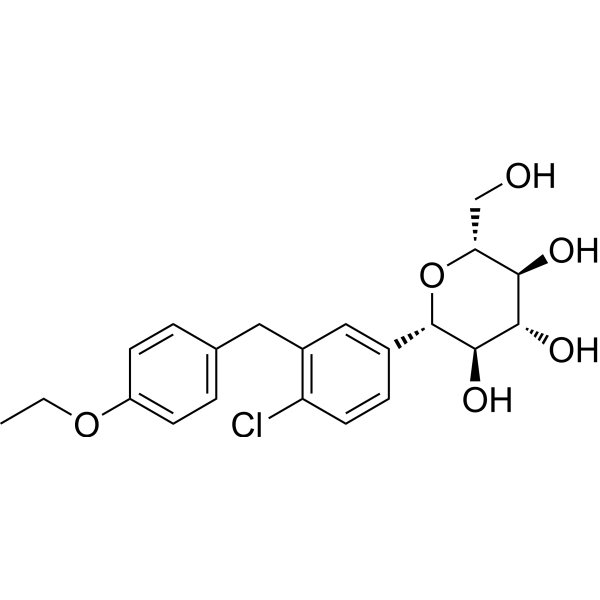
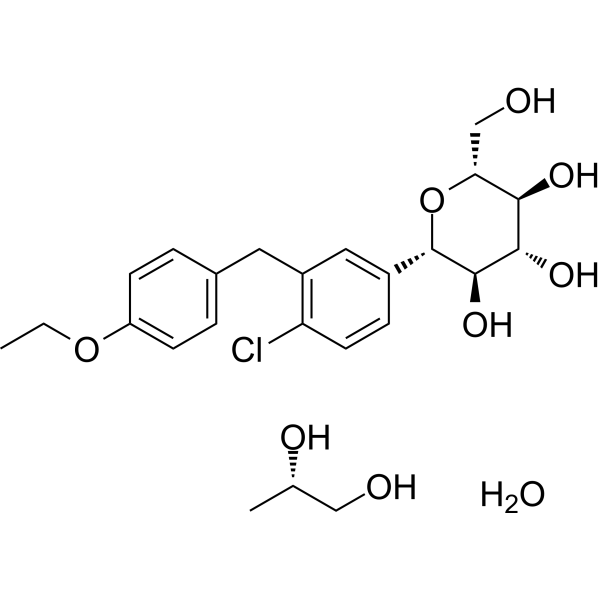
    Dapagliflozin (BMS-512148), a new type of agent used to treat diabetes mellitus (DM), is a competitive sodium/glucose cotransporter 2 (SGLT2) inhibitor, which results in excretion of glucose into the urine . Dapagliflozin induces HIF1 expression and attenuates renal IR injury .
    Dapagliflozin
  • HY-N0324
    Cholic acid
    Maximum Cited Publications
    20 Publications Verification

    Endogenous Metabolite Metabolic Disease
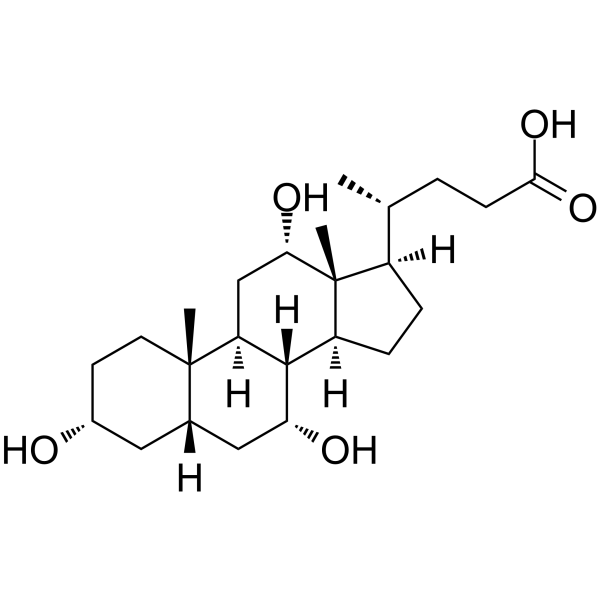
    Cholic acid is a major primary bile acid produced in the liver and usually conjugated with glycine or taurine. It facilitates fat absorption and cholesterol excretion. Cholic acid is orally active .
    Cholic acid
  • HY-N0324S
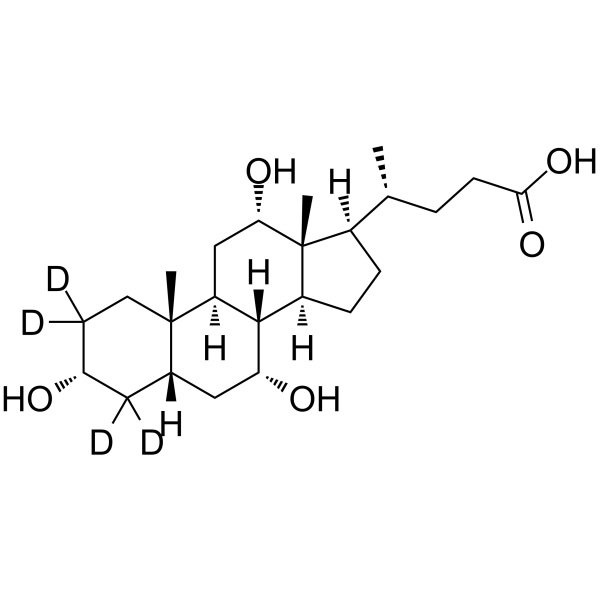
    Cholic acid-d4
    3 Publications Verification

    Endogenous Metabolite Metabolic Disease
    Cholic acid-d4 is the deuterium labeled Cholic acid. Cholic acid is a major primary bile acid produced in the liver and usually conjugated with glycine or taurine. It facilitates fat absorption and cholesterol excretion.
    Cholic acid-d4
  • HY-N0324A
    Cholic acid sodium
    Maximum Cited Publications
    20 Publications Verification

    Sodium cholate

    Endogenous Metabolite Metabolic Disease
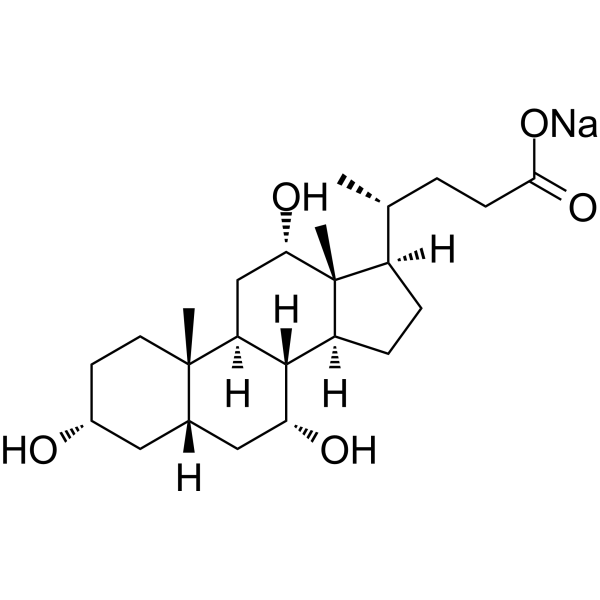
    Cholic acid sodium is a major primary bile acid produced in the liver and usually conjugated with glycine or taurine. It facilitates fat absorption and cholesterol excretion. Cholic acid sodium is orally active .
    Cholic acid sodium
  • HY-113409
    3-Hydroxyisovaleric acid
    1 Publications Verification

    Endogenous Metabolite Metabolic Disease
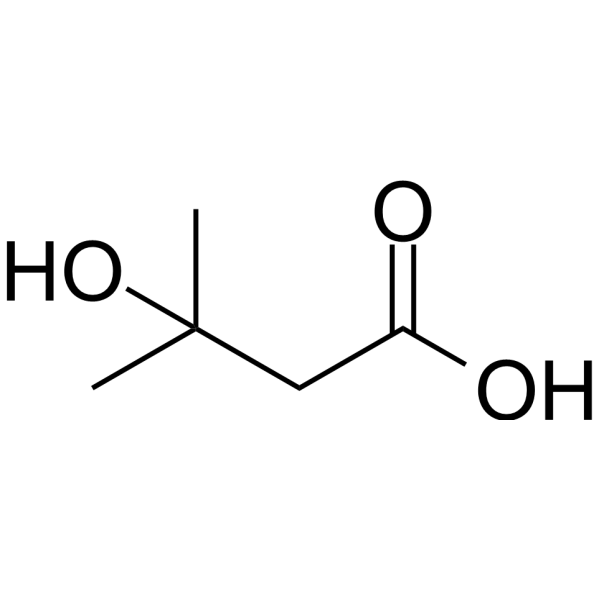
    3-Hydroxyisovaleric acid is a normal endogenous metabolite excreted in the urine. The urinary excretion of 3-hydroxyisovaleric acid is early and sensitive indicator of biotin deficiency .
    3-Hydroxyisovaleric acid
  • HY-B0373
    Tiopronin
    1 Publications Verification

    Others Metabolic Disease
    Tiopronin is a diffusible antioxidant, an antidote to heavy metal poisoning and a radioprotective agent. Tiopronin can control the rate of cystine precipitation and excretion and has the potential for cystinuria, rheumatoid arthritis and hepatic disorders .
    Tiopronin
  • HY-B0921
    Succinylsulfathiazole
    1 Publications Verification

    Succinylsulphathiazole

    Antibiotic Bacterial Dihydrofolate reductase (DHFR) mTOR Infection
    Succinylsulfathiazole (Succinylsulphathiazole) is a long-acting sulfonamide antibiotic with localized gut-specific antibacterial activity and is orally active. Succinylsulfathiazole inhibits bacterial folate synthesis, reduces coliform counts, suppresses intestinal bacterial growth and vitamin biosynthesis, and depletes gut folate-producing bacteria. Succinylsulfathiazole modulates hepatic mTOR signaling, diminishes cecal fermentation, decreases hepatic folate levels and total folate excretion, elevates nitrogen excretion and reduces the fermentability of certain dietary fibers. Succinylsulfathiazole induces folate deficiency and triggers biotin- and folate-related nutritional deficiency symptoms in rats and C57BL/6 mice .
    Succinylsulfathiazole
  • HY-A0080
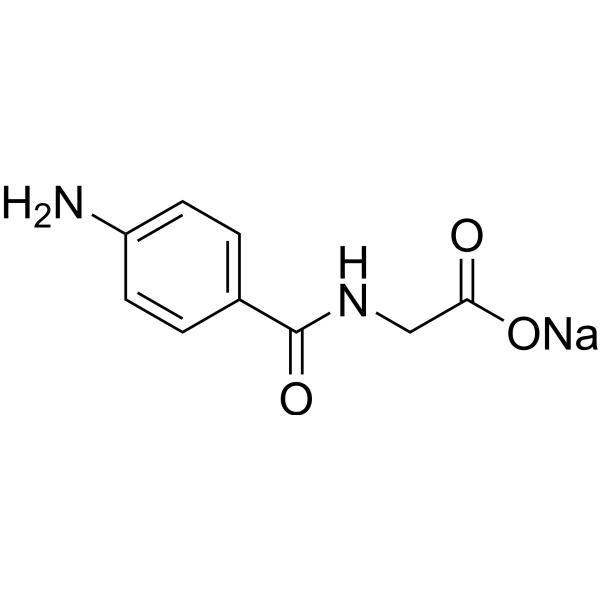
    Aminohippurate sodium
    4 Publications Verification

    Sodium p-aminohippurate; p-Aminohippuric acid sodium salt

    Biochemical Assay Reagents
    Aminohippurate sodium is a renal tubular transport inhibitor and a substrate for organic anion transporters. Aminohippurate sodium inhibits renal tubular reabsorption of phosphate and promotes increased urinary phosphate excretion. Aminohippurate sodium inhibits renal tubular reabsorption of vitamin C as well as the transport of glucose .
    Aminohippurate sodium
  • HY-14401

    CLTX-305; JTT-305; MK-5442

    CaSR Thyroid Hormone Receptor Metabolic Disease Inflammation/Immunology
    Encaleret (CLTX-305) is an orally active antagonist of the calcium-sensing receptor (CaSR), with an IC50 of 12 nM. Encaleret exerts its effect by inhibiting the excessive activity of functional gain-of-function CaSR variants, and can restore blood calcium levels, promote the secretion of parathyroid hormone, improve magnesium and phosphorus metabolism, and increase urinary calcium excretion. Encaleret can be used in the research of diseases such as osteoporosis and autosomal dominant hypocalcemia type 1 .
    Encaleret
  • HY-132613

    Small Interfering RNA (siRNA) Glycolate Oxidase Metabolic Disease
    Lumasiran sodium, an investigational RNA interference (RNAi) therapeutic agent, reduces hepatic oxalate production by targeting glycolate oxidase. Lumasiran sodium reduces urinary oxalate excretion, the cause of progressive kidney failure in primary hyperoxaluria type 1 (PH1) .
    Lumasiran sodium
  • HY-B1724

    Perfluorooctyl bromide; 1-Bromoperfluorooctane; PFOB

    RSV NF-κB Infection Inflammation/Immunology
    Perflubron (Perfluorooctyl bromide) is a contrast medium for magnetic resonance imaging and sonography. Perflubron inhibits chemokine expression and NF-κB activation. Perflubron can be emulsified with egg phospholipids (EYP) and shows exceptionally fast excretion characteristics. Perflubron has anti-inflammatory, antiviral and cytoprotective effects .
    Perflubron
  • HY-131060

    CN328

    Ferroptosis Others
    CN128 hydrochloride (CN328) is an orally active and selective iron chelator. CN128 is used for the research of β-thalassemia .
    CN128 hydrochloride
  • HY-W041019
    5-Hydroxytryptophol
    1 Publications Verification

    Endogenous Metabolite Metabolic Disease
    5-Hydroxytryptophol is a mammalian serotonin metabolite that can be used as a sensitive biomarker for recent alcohol intake. 5-Hydroxytryptophol is formed by alcohol-induced changes in the serotonin metabolic pathway and is excreted in the urine as a glucuronic acid conjugate. 5-Hydroxytryptophol is elevated in urine excretion and can be used clinically to monitor alcohol intake in scenarios such as alcohol relapse .
    5-Hydroxytryptophol
  • HY-N0324S2

    Endogenous Metabolite Metabolic Disease
    Cholic acid- 13C is the 13C-labeled Cholic acid. Cholic acid is a major primary bile acid produced in the liver and usually conjugated with glycine or taurine. It facilitates fat absorption and cholesterol excretion.
    Cholic acid-13C
  • HY-B0235
    Trichlormethiazide
    2 Publications Verification

    Carbonic Anhydrase Metabolic Disease
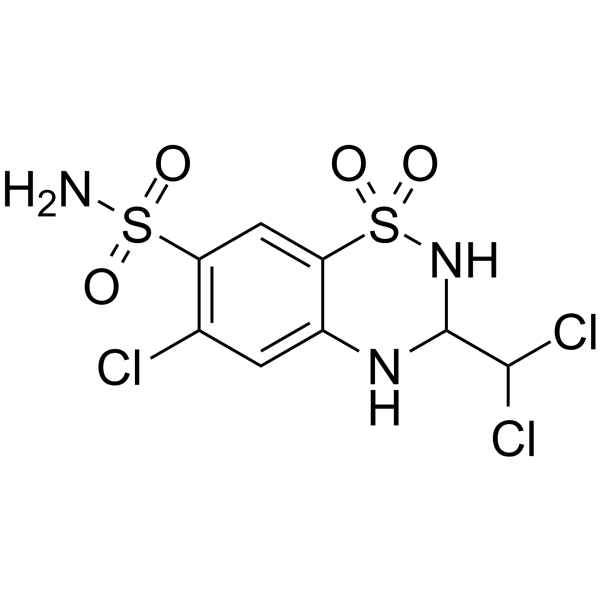
    Trichlormethiazide is an orally active thiazide diuretic, with antihypertensive effect. Trichlormethiazide increases urine volume (UV), Na and K excretion and tends to improve the depressed creatinine clearance (CCRE) in acute renal failure rats model .
    Trichlormethiazide
  • HY-147422

    XNW3009

    URAT1 Metabolic Disease Inflammation/Immunology
    Xininurad is a potent orally active URAT1 inhibitor with an IC50 of 7.17 nM. Xininurad inhibits URAT1 activity to reduce serum uric acid levels and increase urinary uric acid excretion. Xininurad can be used for the research of hyperuricemia and gout .
    Xininurad
  • HY-W035520

    Biochemical Assay Reagents Others
    HBED dihydrochloride is an orally active and hexadentate phenolic aminocarboxylate iron chelator. HBED refers to N, N'-bis(2-hydroxybenzyl)ethylenediamine-N,N'-diacetic acid, inducing iron excretion in primates. HBED dihydrochloride has the potential to be used as an alternative to desferriamine for iron chelation therapy .
    HBED dihydrochloride
  • HY-N0324R
    Cholic acid (Standard)
    15+ Cited Publications

    Reference Standards Endogenous Metabolite Metabolic Disease
    Cholic acid (Standard) is the analytical standard of Cholic acid. This product is intended for research and analytical applications. Cholic acid is a major primary bile acid produced in the liver and usually conjugated with glycine or taurine. It facilitates fat absorption and cholesterol excretion. Cholic acid is orally active .
    Cholic acid (Standard)
  • HY-B1713A

    DL-(±)-Ornithine hydrochloride

    Endogenous Metabolite Metabolic Disease
    DL-Ornithine (DL-(±)-Ornithine) hydrochloride is an amino acid and also a urea cycle promoter. DL-Ornithine hydrochloride has the characteristics of low metabolic rate and rapid excretion, and only the L-enantiomer undergoes decarboxylation. In mice inoculated with L-1210 leukemia cells, DL-Ornithine hydrochloride is excreted in urine in its original form, and its conversion to carbon dioxide within 24 h is negligible. DL-Ornithine hydrochloride is mainly used in the urea cycle to eliminate excess nitrogen in the body and protect the kidneys .
    DL-Ornithine hydrochloride
  • HY-B2153

    Cuproptosis Bacterial Infection
    Tetraethylenepentamine pentahydrochloride is an orally active copper chelator and copper mobilizer. Tetraethylenepentamine pentahydrochloride exhibits growth inhibitory and hypolipidemic properties. Tetraethylenepentamine pentahydrochloride significantly increases urinary copper excretion and reduces renal copper accumulation in copper overload models, but does not significantly alter hepatic copper levels. Tetraethylenepentamine pentahydrochloride exerts growth inhibitory effects on Candida albicans and Fluconazole (HY-B0101)-resistant strains, and can be widely used in studies related to Wilson's disease and Candida infections .
    Tetraethylenepentamine pentahydrochloride
  • HY-76199

    Bacterial PROTAC Linkers Metabolic Disease
    trans-4-Hydroxycyclohexanecarboxylic acid is a substrate for cyclohexanecarboxylic acid production. trans-4-Hydroxycyclohexanecarboxylic acid is the by-product of intestinal bacterial metabolism via urinary excretion .
    trans-4-Hydroxycyclohexanecarboxylic acid
  • HY-118483

    L-2329

    Endogenous Metabolite Endocrinology
    Benziodarone is a potent inhibitor of S-arylglutathione transferase enzyme system. Benziodarone catalyzes BSP conjugation with GSH. Benziodarone inhibits biliary excretion of synthetic BSP-GSH conjugates .
    Benziodarone
  • HY-N0324S1

    Endogenous Metabolite Metabolic Disease
    Cholic acid-d5 is the deuterium labeled Cholic acid. Cholic acid is a major primary bile acid produced in the liver and usually conjugated with glycine or taurine. It facilitates fat absorption and cholesterol excretion.
    Cholic acid-d5
  • HY-113420

    Endogenous Metabolite Metabolic Disease
    11-Dehydro-thromboxane B2 is a platelet hemagglutinin. Thromboxane inhibition was assessed by urinary excretion levels of 11-Dehydro-thromboxane B2. 11-Dehydro-thromboxane B2 can be used in the study of atherosclerotic thrombosis .
    11-Dehydro-thromboxane B2
  • HY-111054A

    MDCG sodium

    Endogenous Metabolite Others
    N-methyl-N-dithiocarboxyglucamine (MDCG) sodium mobilizes and promotes excretion of metallothionein-bound 109Cd in mouse model. N-methyl-N-dithiocarboxyglucamine significantly lowers the Cd content of both the liver and kidney, which is organs most susceptible to Cd-induced toxicity .
    N-methyl-N-dithiocarboxyglucamine sodium
  • HY-W015466

    Endogenous Metabolite Metabolic Disease
    Acetylvaline is an amino acid derivative belonging to the N-acetylated amino acid family. Acetylvaline can be detected in small quantities in the urine of healthy individuals but shows significantly abnormal excretion in the urine of patients with maple syrup urine disease (MSUD). Acetylvaline can be used to detect MSUD .
    Acetylvaline
  • HY-113465
    Leukotriene E4
    1 Publications Verification

    LTE4

    Endogenous Metabolite Inflammation/Immunology
    Leukotriene E4 (LTE4) is produced by the action of dipeptidase on LTD4. Leukotriene E4 is one of the constituents of slow-reacting substance of anaphylaxis (SRS-A). Leukotriene E4 accumulates in both plasma and urine and urinary excretion of Leukotriene E4 is most often used as an indicator of asthma.
    Leukotriene E4
  • HY-N0324F

    Fluorescent Dye Metabolic Disease
    Cholic acid-Biotin is a biotin-labeled Cholic acid (HY-N0324). Cholic acid is a major primary bile acid produced in the liver and usually conjugated with glycine or taurine. It facilitates fat absorption and cholesterol excretion. Cholic acid has orally activity .
    Cholic acid-Biotin
  • HY-N10616
    Pseudobaptigenin
    1 Publications Verification

    Others Metabolic Disease
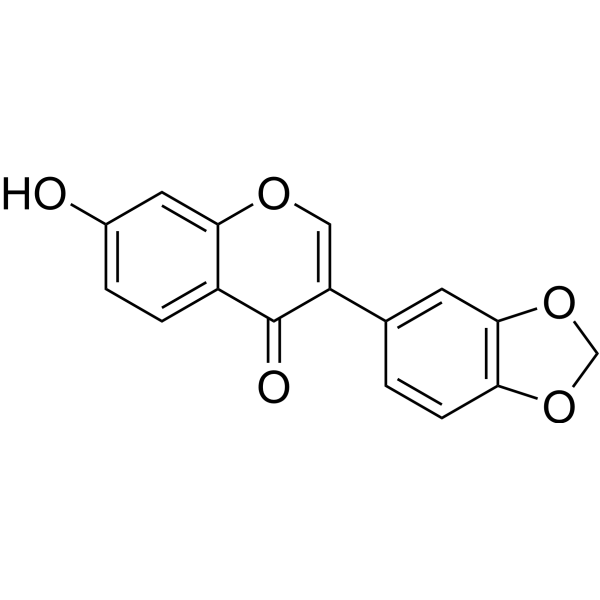
    Pseudobaptigenin is a flavonoid. Pseudobaptigenin shows very good anticataract activity. Pseudobaptigenin has good binding affinity for the inhibition of glycation against γ-crystallin protein. Pseudobaptigenin also has good ADMET (Absorption, Distribution, Metabolism, Excretion and Toxicity) property .
    Pseudobaptigenin
  • HY-10450R

    BMS-512148 (Standard)

    Reference Standards SGLT Metabolic Disease Cancer
    Dapagliflozin (Standard) is the analytical standard of Dapagliflozin. This product is intended for research and analytical applications. Dapagliflozin (BMS-512148), a new type of agent used to treat diabetes mellitus (DM), is a competitive sodium/glucose cotransporter 2 (SGLT2) inhibitor, which results in excretion of glucose into the urine . Dapagliflozin induces HIF1 expression and attenuates renal IR injury .
    Dapagliflozin (Standard)
  • HY-P2281A

    Atrial natriuretic peptide (1-28) TFA

    Endogenous Metabolite Cardiovascular Disease Metabolic Disease
    Atrial natriuretic factor (1-28) (human, porcine) TFA exhibits blood pressure lowering activity by increasing sodium and urine excretion. Atrial natriuretic factor (1-28) (human, porcine) TFA inhibits the release of pituitary adrenocorticotropic hormone (ACTH) and beta-endorphin through inhibition of pro-opiomelanocortin (POMC) expression. Atrial natriuretic factor (1-28) (human, porcine) TFA increases cGMP levels in RMIC cells with an IC50 of 1.2 nM .
    Atrial natriuretic factor (1-28) (human, porcine) TFA
  • HY-W509797

    Drug Metabolite Inflammation/Immunology
    5-(3',4'-Dihydroxyphenyl)-γ-valerolactone is a gut microbiota metabolite of (-)-Epicatechin (HY-N0001). 5-(3',4'-Dihydroxyphenyl)-γ-valerolactone exhibits antioxidant activity .
    5-(3',4'-Dihydroxyphenyl)-γ-valerolactone
  • HY-101000

    R62690

    Parasite Infection
    Clazuril (R62690) has a coccidiocidal effect on the asexual and sexual developmental stages of both Eimeria species, resulting in a complete interruption of the life cycle .
    Clazuril
  • HY-117494

    NSC 44626

    Sodium Channel Chloride Channel Cardiovascular Disease
    Flumethiazide (NSC 44626) is an orally active diuretic agent. Flumethiazide has marked diuretic and natruretic effects with significant effects on Sodium, Chloride and water but not on potassium excretion. Flumethiazide can be used for cardiac diseases like essential hypertension research .
    Flumethiazide
  • HY-113409R

    Reference Standards Endogenous Metabolite Metabolic Disease
    3-Hydroxyisovaleric acid (Standard) is the analytical standard of 3-Hydroxyisovaleric acid. This product is used for research and analytical applications. 3-Hydroxyisovaleric acid is a normal endogenous metabolite excreted in urine. The urinary excretion of 3-Hydroxyisovaleric acid serves as an early and sensitive indicator of biotin deficiency .
    3-Hydroxyisovaleric acid (Standard)
  • HY-113377

    Endogenous Metabolite Metabolic Disease
    L-Glyceric acid is a mainly urinary metabolite accumulating in rare inherited metabolic disease L-glyceric aciduria. L-Glyceric acid can be used to diagnose primary hyperoxaluria type 2 (PH2). L-Glyceric acid excretion to distinguish PH1 from PH2 .
    L-Glyceric acid
  • HY-123298
    Chrysotoxine
    1 Publications Verification

    Src Akt Apoptosis Cancer
    Chrysotoxine is a dual inhibitor of Src/Akt. Chrysotoxine suppresses cancer stem cells (CSCs) phenotypes by down-regulating Src/Akt signaling. Chrysotoxine reduces cell viability and increases apoptosis level in H460 and H23 cells instead of non-tumor cell lines. Chrysotoxine shows rapid excretion and low bioavailability in rats. Chrysotoxine is used in cancer research .
    Chrysotoxine
  • HY-113465S

    LTE4-d5

    Endogenous Metabolite Inflammation/Immunology
    Leukotriene E4-d5 is the deuterium labeled Leukotriene E4. Leukotriene E4 (LTE4) is produced by the action of dipeptidase on LTD4. Leukotriene E4 is one of the constituents of slow-reacting substance of anaphylaxis (SRS-A). Leukotriene E4 accumulates in both plasma and urine and urinary excretion of Leukotriene E4 is most often used as an indicator of asthma.
    Leukotriene E4-d5
  • HY-106570

    Potassium Channel Metabolic Disease
    Tripamide is an orally active sulfonamide-derived diuretic antihypertensive agent .
    Tripamide
  • HY-B0235R

    Carbonic Anhydrase Reference Standards Metabolic Disease
    Trichlormethiazide (Standard) is the analytical standard of Trichlormethiazide. This product is intended for research and analytical applications. Trichlormethiazide is an orally active thiazide diuretic, with antihypertensive effect. Trichlormethiazide increases urine volume (UV), Na and K excretion and tends to improve the depressed creatinine clearance (CCRE) in acute renal failure rats model .
    Trichlormethiazide (Standard)
  • HY-122613

    SGLT Metabolic Disease
    YM543 free base is a potent and orally active sodium-glucose cotransporter (SGLT) 2 inhibitor. YM543 free base reduces blood glucose levels. YM543 free base can be used in research of diabetes .
    YM543 free base
  • HY-111054

    MDCG

    Endogenous Metabolite Inflammation/Immunology
    N-methyl-N-dithiocarboxyglucamine (MDCG) mobilizes and promotes excretion of metallothione-bound 109Cd. N-methyl-N-dithiocarboxyglucamine shows effects on acute and chronic Cd intoxication .
    N-methyl-N-dithiocarboxyglucamine
  • HY-N0324B

    Endogenous Metabolite Metabolic Disease
    Cholic acid sodium hydrate is a major primary bile acid produced in the liver and usually conjugated with glycine or taurine. Cholic acid sodium hydrate facilitates fat absorption and cholesterol excretion. Cholic acid sodium hydrate is orally active .
    Cholic acid sodium hydrate
  • HY-120321

    Mineralocorticoid Receptor Carbonic Anhydrase Cardiovascular Disease
    DSR-71167 is an orally active mineralocorticoid receptor (MR) antagonist with an IC50 of 0.26 μM. DSR-71167 exhibits weak carbonic anhydrase (CA) inhibitory activity with an IC50 of 19 μM. DSR-71167 can dose-dependently increase urinary sodium excretion in rat models and has a very low risk of hyperkalemia in potassium-loading rat models. DSR-71167 lowers systolic blood pressure in hypertensive rat models. DSR-71167 can be used for research on hypertension and heart failure .
    DSR-71167
  • HY-118605

    Sodium Channel Chloride Channel Cardiovascular Disease Endocrinology
    Aminometradine is an orally active diuretic. Aminometradine increases urine volume and the excretion of sodium and chloride. Aminometradine can be used in studies of congestive heart failure .
    Aminometradine
  • HY-B0235A

    Carbonic Anhydrase Metabolic Disease
    Trichlormethiazide sodium is an orally active thiazide diuretic, with antihypertensive effect. Trichlormethiazide sodium increases urine volume (UV), Na and K excretion and tends to improve the depressed creatinine clearance (CCRE) in acute renal failure rats model .
    Trichlormethiazide sodium
  • HY-W040047S

    Endogenous Metabolite Isotope-Labeled Compounds Endocrinology
    Pregnanediol 3-glucuronide is the main end-metabolite of Progesterone (HY-N0437). Pregnanediol 3-glucuronide is a metabolite of Progesterone formed by hydroxylation and glucuronidation in the liver, with high hydrophilicity and easy excretion through urine. Pregnanediol 3-glucuronide excretion rate of ≥ 9 μmol/24 h can serve as biochemical evidence of ovulation. Pregnanediol 3-glucuronide reflects the quality of the luteal phase, and a level of < 7 μmol/24 h may indicate anovulation or luteal insufficiency. Pregnanediol 3-glucuronide holds significant importance in monitoring female reproductive health, assessing pregnancy, and diagnosing endocrine disorders.
    Pregnanediol 3-glucuronide-13C5
  • HY-165555

    Parasite Infection
    MMV665917 is an orally active piperazine derivative with anti-Cryptosporidium parvum activity with an EC90 of 15 μM. MMV665917 significantly reduces the parasite load in a porcine model infected with C. hominis, decreases ovarian excretion, alleviates diarrhea symptoms and reduces intestinal mucosal damage. MMV665917 can be used for research on Cryptosporidium parvum disease .
    MMV665917
  • HY-N4190

    1,6-O,O-Diacetylbritannilactone; Di-O-acetylbritannilactone

    NO Synthase Neurological Disease Inflammation/Immunology
    Britannilactone diacetate (1,6-O,O-Diacetylbritannilactone; Compound 2) exhibits potential NO inhibition effect. Britannilactone diacetate exhibits activity against NO production induced by LPS in BV-2 microglial cells with the EC50 value of 6.3 μM. Britannilactone diacetate exhibits a favorable blood-brain barriers (BBB) penetration and absorption, distribution, metabolism, excretion, and toxicity (ADMET) property .
    Britannilactone diacetate
  • HY-126179

    MG-13054

    Potassium Channel Cardiovascular Disease Metabolic Disease
    Fenquizone (MG-13054) is an orally active diuretic. Fenquizone acts primarily on the diluting segment of the nephron cortex, similar to thiazide diuretics. Fenquizone demonstrates diuretic and natriuretic potency and duration of action comparable to thiazide diuretics but weaker than loop diuretics.​ Fenquizone reduces CH₂O without affecting TCH₂O, does not increase calcium/phosphate excretion, and has no loop or collecting duct effects. Fenquizone is used in the study of edema and hypertension .
    Fenquizone

Inquiry Online

Your information is safe with us. * Required Fields.

Salutation


Country or Region *

Applicant Name *


Organization Name *

Department *


Email Address *


Product Name *

Cat. No.


Requested quantity *

Phone Number *


Remarks

Inquiry Online

Inquiry Information

Product Name:
Cat. No.:
Quantity:
MCE Japan Authorized Agent:

