
1. Search Result
Search Result
Results for "

expression level

" in MedChemExpress (MCE) Product Catalog:

742

Inhibitors & Agonists

2

Screening Libraries

7

Fluorescent Dye

20

Biochemical Assay Reagents

26

Peptides

16

Inhibitory Antibodies

191

Natural
Products

34

Isotope-Labeled Compounds

8

Click Chemistry

14

Oligonucleotides

2

GMP Molecules

Cat. No. Product Name Target Research Areas Chemical Structure
  • HY-101193
    Zinc Protoporphyrin
    65+ Cited Publications

    Zn(II)-protoporphyrin IX; ZnPP; Zinc Protoporphyrin-9

    Reactive Oxygen Species (ROS) Endogenous Metabolite Apoptosis Cardiovascular Disease Metabolic Disease Cancer
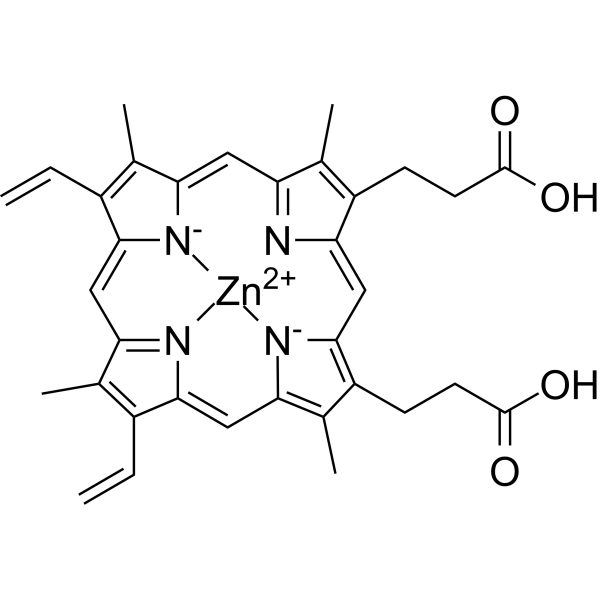
    Zinc Protoporphyrin (Zn(II)-protoporphyrin IX) is an orally active and competitive heme oxygenase-1 (HO-1) inhibitor. Zinc Protoporphyrin regulates expression of HO-1 at the transcriptional level. The effect of Zinc Protoporphyrin on HO-1 expression is controversial.  It was shown to induce HO-1 expression in some cells, but suppress it in others. Zinc Protoporphyrin is used as a screening marker of iron deficiency in vivo. Zinc Protoporphyrin has anti-cancer activity .
    Zinc Protoporphyrin
  • HY-N0034
    Arctiin
    5 Publications Verification

    Arctii; NSC 315527; Arctigenin-4-glucoside

    NF-κB Inflammation/Immunology Cancer
    Arctiin is an orally active inhibitor of NF-κB. Arctiin suppresses cyclin D1 protein expression in human tumor cells. Arctiin also reduces malondialdehyde and pro-in ammatory cytokines levels. Arctiin can used in study glomerulonephritis .
    Arctiin
  • HY-N6607
    Tryptanthrin
    5+ Cited Publications

    Leukotriene Receptor NO Synthase NF-κB COX TNF Receptor Interleukin Related Inflammation/Immunology Cancer
    Tryptanthrin is an indole quinazoline that could be an alkaloid from indigo-bearing plants. Tryptanthrin is a potent and orally active cellular Leukotriene (LT) biosynthesis inhibitor. Tryptanthrin has anticancer activity. Tryptanthrin suppresses the expression levels of NOS1, COX-2, and NF-κB and regulates the expression levels of IL-2, IL-10, and TNF-α .
    Tryptanthrin
  • HY-N1967

    PNPLA3 Metabolic Disease
    Dihydrocurcumin, a major metabolites of curcumin, reduces lipid accumulation and oxidative stress. Dihydrocurcumin regulates mRNA and protein expression levels of SREBP-1C, PNPLA3 and PPARα, increases protein expression levels of pAKT and PI3K, and reduced the levels of cellular NO and ROS via Nrf2 signaling pathways .
    Dihydrocurcumin
  • HY-129113

    COX Inflammation/Immunology
    α-Chaconine inhibits the expressions of COX-2, IL-1β, IL-6, and TNF-α at the transcriptional level. α-Chaconine inhibits the LPS-induced expressions of iNOS and COX-2 at the protein and mRNA levels and their promoter activities in RAW 264.7 macrophages. Anti-inflammatory effects .
    α-​Chaconine
  • HY-123851

    M2912

    PARP Cancer
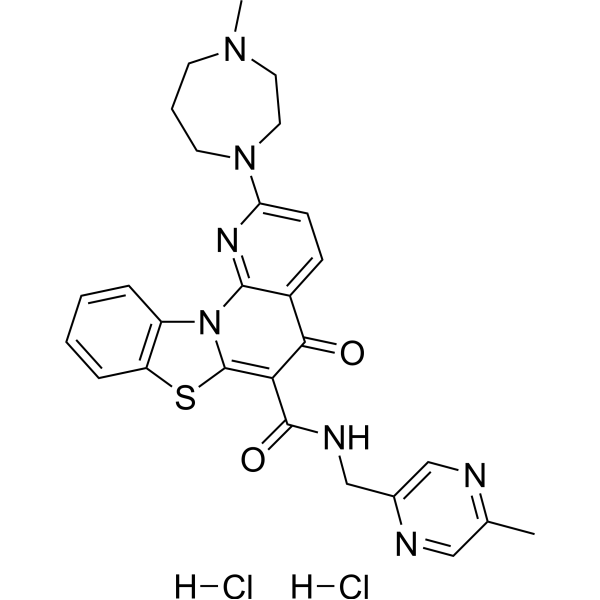
    MSC2504877 (M2912) is a potent and orally active tankyrase inhibitor with IC50s of 0.0007, 0.0008, 0.54 µM for TNKS, TNKS2, PARP1, respectively. MSC2504877 increases the expression of AXIN2 and TNKS protein levels and decreases β-catenin levels. MSC2504877 shows anti-tumor activity .
    MSC2504877
  • HY-N3415
    Kumatakenin
    1 Publications Verification

    Apoptosis Autophagy Caspase Ferroptosis SARS-CoV Neurological Disease Inflammation/Immunology Cancer
    Kumatakenin is an orally active apoptosis inducer and autophagy inhibitor, with a Kd value of 2.94 μM for mouse ATG5. Kumatakenin increases the activities of caspase-3, caspase-8 and caspase-9, thereby inducing caspase-dependent apoptosis in ovarian cancer cells. Kumatakenin reduces the expression of chemokines and pro-oncogenic factors in ovarian cancer cells, and inhibits M2 macrophage polarization. Kumatakenin inactivates TRIM65 function, reduces the expression and stability of FASN, and thus inhibits the proliferation, migration, invasion and tumor progression of esophageal cancer cells. Kumatakenin interacts with ATG5 to reduce its protein level, decrease LC3 level, and reduce the number of autophagosomes in the hippocampus. Kumatakenin binds to Eno3 to upregulate its expression, reduce the stability and expression level of IRP1 mRNA, inhibit ferroptosis, alleviate intestinal inflammation, and restore epithelial barrier function. Kumatakenin enhances the efficacy of antibiotics against pathogenic bacteria, inhibits SARS-CoV-2 replication, and reduces cytokine production. Kumatakenin is applicable to research related to ovarian cancer, esophageal cancer, depression and colitis .
    Kumatakenin
  • HY-N0686
    Pseudoprotodioscin
    1 Publications Verification

    Fatty Acid Synthase (FASN) MicroRNA Metabolic Disease
    Pseudoprotodioscin, a furostanoside, inhibits SREBP1/2 and microRNA 33a/b levels and reduces the gene expression regarding the synthesis of cholesterol and triglycerides .
    Pseudoprotodioscin
  • HY-160004

    AMPK Cardiovascular Disease Neurological Disease Metabolic Disease Inflammation/Immunology Cancer
    PXL770 is an orally active, direct allosteric AMP-activated protein kinase (AMPK) activator. PXL770 decreases C26:0 levels, improves mitochondrial respiration, reduces expression of proinflammatory genes and induces expression of compensatory transporters (ABCD2/3) in ALD fibroblasts/lymphocytes. PXL770 normalizes plasma VLCFA levels, significantly reduces elevated VLCFA levels in brain and spinal cord in Abcd1 KO mice. PXL770 improves glycemia, dyslipidemia, and insulin resistance in ob/ob and high-fat diet (HFD)-fed mice. PXL770 can be used for the study of X-linked adrenoleukodystrophy (ALD), autosomal dominant polycystic kidney disease and nonalcoholic steatohepatitis (NASH) .
    PXL770
  • HY-N3031

    Bacterial Apoptosis Bcl-2 Family MDM-2/p53 Glutathione Peroxidase SOD TNF Receptor Interleukin Related Infection Inflammation/Immunology
    Grosvenorine is an orally active flavonoid glycoside found in S. grosvenorii. Grosvenorine exhibits antibacterial, antioxidant and antiinflammation activities. Grosvenorine can induce apoptosis and increases anti-apoptotic Bcl-2 protein expression and reduces pro-apoptotic P53 protein expression in gastric tissues. Grosvenorine enhances mucin/glycoprotein secretion, regulates gastric pH, and reduces gastric lesion incidence.Grosvenorine increases glutathione peroxidase, catalase, and SOD levels, reduces lipid peroxidation (MDA), and lowers TNF-α and IL-6 levels. Grosvenorine can be used for the researches of bacterial infection and Gastric ulcer .
    Grosvenorine
  • HY-122258

    STAT TET Protein Cancer
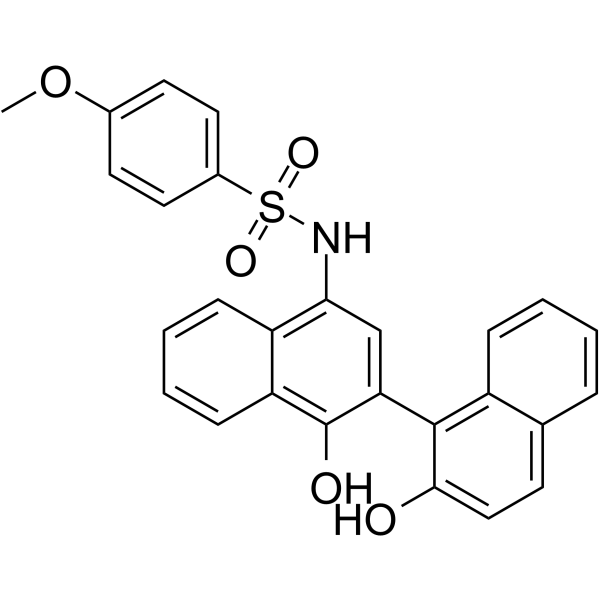
    NSC-370284 is a selective inhibitor of ten-eleven translocation 1 (TET1) and 5-hydroxymethylcytosine (5hmC). NSC-370284 significantly inhibits the level of TET1 expression via targets STAT3/5 .
    NSC-370284
  • HY-115449
    Chromeceptin
    2 Publications Verification

    94G6

    IGF-1R Akt mTOR Cancer
    Chromeceptin (94G6) is an IGF signaling pathway inhibitor. Chromeceptin suppresses IGF2 expression at mRNA and protein levels in hepatocyte and HCC cells. Chromeceptin inhibits the phosphorylation levels of AKT and mTOR .
    Chromeceptin
  • HY-W109812

    COX Inflammation/Immunology
    Sinapyl alcohol is an orally active anti-inflammatory and antinociceptive agent. Sinapyl alcohol reduces the expression level of inducible NO synthase and COX-2 .
    Sinapyl alcohol
  • HY-11095

    mGluR CaSR PI3K Akt mTOR Autophagy Apoptosis Bcl-2 Family Caspase Cardiovascular Disease Neurological Disease
    NPS 2390 is an allosteric antagonist of calcium-sensing receptor (CaSR) and mGluR1/5. NPS 2390 inhibits the PI3K/Akt/mTOR signaling pathway, reduces hypoxia-induced intracellular calcium elevation, decreases the expression of autophagy (autophagy) proteins, regulates the expression of phenotypic marker proteins, and inhibits the proliferation of pulmonary artery smooth muscle cells. NPS 2390 attenuates the endogenous apoptosis (apoptosis) pathway, increases the expression level of Bcl-2, downregulates the expression levels of Bax, cytochrome c and caspase-3, alleviates cerebral edema and improves neurological function in rat models. NPS 2390 can be used in studies related to hypoxic pulmonary hypertension, traumatic brain injury, stroke and pain .
    NPS 2390
  • HY-124344

    Interleukin Related Neurological Disease
    Avenanthramide C is an orally active avenanthramide that can be isolated from oat seeds. Avenanthramide C decreases the protein expression of cleaved caspase-3 and increases the expression of p-GSK3β(Ser9) and IL-10 levels. Avenanthramide C has the potential for the research of Alzheimer’s disease .
    Avenanthramide C
  • HY-135474
    KM91104
    2 Publications Verification

    ATP Synthase Toll-like Receptor (TLR) Others
    KM91104 is a cell-permeable V-ATPase a3-b2 inhibitor (IC50 = 2.3 µM). KM91104 reduces the metabolic activity, cell proliferation capacity and V-ATPase subunit protein expression levels of primary human hepatic stellate cells, increases intracellular ATP levels and decreases cytoplasmic pH. KM91104 reduces TLR4 expression on the surface of oligodendrocyte precursor cells, blocks the ENV-TLR4 interaction, and reverses oligodendrocyte myelination defects induced by ENV protein .
    KM91104
  • HY-112722

    PINK1/Parkin Neurological Disease
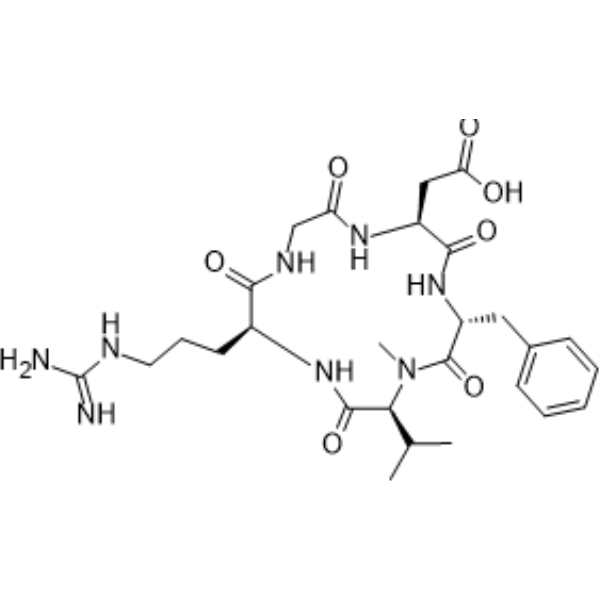
    Neurotoxin Inhibitor is a neurotoxin inhibitor. Neurotoxin Inhibitor promotes the expression of DJ-1 protein, reduces the level of oxidative stress, and thereby protects dopaminergic neurons. Neurotoxin Inhibitor can be used for the study of Parkinson's disease .
    Neurotoxin Inhibitor
  • HY-W133627

    Molecular Glues Cancer
    dCeMM1 is a RBM39 glue degrader. dCeMM1 shows functions by re-directing the activity of the CRL4 DCAF15 ligase. dCeMM1 decreases the expression of RBM39 levels in WT KBM7 cells .
    dCeMM1
  • HY-N1921
    Edpetiline
    2 Publications Verification

    NF-κB p38 MAPK TNF Receptor Reactive Oxygen Species (ROS) COX Interleukin Related Inflammation/Immunology
    Edpetiline is an anti-inflammatory agent. Edpetiline inhibits the phosphorylation of IκB, nuclear transcription/translocation of NF-κB p65, as well as the phosphorylation of p38 MAPK and ERK MAPK. Edpetiline reduces intracellular ROS levels, inhibits the expression of TNF-α, IL-6, iNOS, COX-2, and promotes the expression of IL-4. Edpetiline is applicable to the research of diseases associated with inflammation and oxidative stress .
    Edpetiline
  • HY-115930

    Bcl-2 Family Cardiovascular Disease
    Bim-IN-1 is a potent Bim expression inhibitor. Bim-IN-1 reduces Bim expression levels and has little inhibitory effect upon protein kinase A activity and minimal toxicity .
    Bim-IN-1
  • HY-103471

    FAK Interleukin Related Cancer
    Y11 inhibits the autophosphorylation of FAK1 by blocking the phosphorylation of Y397. Y11 increases the expression level of IL-6. Y11 is applicable for cancer research .
    Y11
  • HY-N4028

    MMP COX Interleukin Related p38 MAPK ERK Keap1-Nrf2 Inflammation/Immunology
    Hydrangenol is an orally active antiphotoaging compound. It can be isolated from Hydrangea serrata leaves. Hydrangenol prevents wrinkle formation by reducing MMP and inflammatory cytokine expression and increasing moisturizing factors and antioxidant genes level .
    Hydrangenol
  • HY-N0597
    Panaxatriol
    3 Publications Verification

    Others Insulin Receptor Cardiovascular Disease Others Metabolic Disease Cancer
    Panaxatriol is an orally active insulin sensitizer. Panaxatriol enhances the phosphorylation levels of Akt, insulin receptor and p70S6K in skeletal muscle. Panaxatriol reduces the mRNA expression level of Atrogin1 in skeletal muscle. Panaxatriol induces apoptosis, pre-G1 cell cycle arrest and increased intracellular ROS levels in prostate cancer cells, decreases mitochondrial membrane potential, inhibits cell migration and reduces colony formation. Panaxatriol can be used in research related to insulin resistance, myocardial ischemia/reperfusion injury and prostate cancer .
    Panaxatriol
  • HY-141890
    BAZ1A-IN-1
    1 Publications Verification

    Epigenetic Reader Domain Cancer
    BAZ1A-IN-1 is a potent inhibitor of BAZ1A (bromodomain-containing protein). BAZ1A-IN-1 shows a KD value of 0.52 μM against BAZ1A bromodomain. BAZ1A-IN-1 shows good anti-viability activity against cancer cell lines expressing a high level of BAZ1A, but weak or no activity against cancer cells with a low expression level of BAZ1A .
    BAZ1A-IN-1
  • HY-160638

    TET Protein Cancer
    NSC-311068 is TET1 inhibitor. NSC-311068 selectively suppress TET1 transcription and 5-hydroxymethylcytosine (5hmC) modification. NSC-311068 represses the level of TET1 expression and the global 5hmC level. NSC-311068 effectively inhibits cell viability in AML cells with high expression of TET1 .
    NSC-311068
  • HY-N11709

    Apoptosis VEGFR ATM/ATR PTEN Akt mTOR HIF/HIF Prolyl-Hydroxylase NF-κB Notch Cholinesterase (ChE) Amyloid-β γ-secretase Ferroptosis Fungal Infection Neurological Disease Metabolic Disease Cancer
    Theasaponin E1 is an orally effective tea saponin. Theasaponin E1 inhibits the proliferation of cancer cells by activating apoptosis. Theasaponin E1 inhibits angiogenesis in ovarian cancer cells and HUVECs by reducing the expression of VEGF. Theasaponin E1 upregulates the phosphorylation level of ATM protein and the expression level of PTEN protein in cancer cells, decreases the phosphorylation levels of Akt, mTOR, p70S6K and 4E-BP1 proteins, downregulates the expression of HIF-1α and NF-κB, and reduces the protein expression of Notch ligands Dll4 and Jagged1. Theasaponin E1 exerts neuroprotective effects by inhibiting the activity of acetylcholinesterase, activating α-secretase and neprilysin, reducing the concentration of , and inhibiting the activities of β-secretase and γ-secretase. Theasaponin E1 exhibits toxic effects on cancer cells and quinone reductase-inducing activity, and inhibits tumor growth in vivo. Theasaponin E1 induces ferroptosis in Pomacea canaliculata by synergistically disrupting cholesterol homeostasis and sphingolipid metabolism. Theasaponin E1 possesses anti-biofilm activity against Candida albicans. Theasaponin E1 can be used in the research of ovarian cancer, obesity, Alzheimer's disease and fungal infections .
    Theasaponin E1
  • HY-128912

    Histone Demethylase Cancer
    Arborinine is a potent and orally activeLSD1 inhibitor. Arborinine increases the expression of H3K4me1/2, H3K9me1/2, E-cad protein and decreases the expression of UBE2O protein level. Arborinine induces cell cycle arrest at S phase. Arborinine shows antitumor activity .
    Arborinine
  • HY-128579

    Histone Methyltransferase Cancer
    DW14800 is a protein arginine methyltransferase 5 (PRMT5) inhibitor, with an IC50 of 17 nM. DW14800 reduces H4R3me2s levels and enhances the transcription of HNF4α, but does not alter PRMT5 expression. Anti-cancer activity .
    DW14800
  • HY-N6607R

    Reference Standards Leukotriene Receptor NO Synthase NF-κB COX TNF Receptor Interleukin Related Inflammation/Immunology Cancer
    Tryptanthrin (Standard) is the analytical standard of Tryptanthrin. This product is intended for research and analytical applications. Tryptanthrin is an indole quinazoline that could be an alkaloid from indigo-bearing plants. Tryptanthrin is a potent and orally active cellular Leukotriene (LT) biosynthesis inhibitor. Tryptanthrin has anticancer activity. Tryptanthrin suppresses the expression levels of NOS1, COX-2, and NF-κB and regulates the expression levels of IL-2, IL-10, and TNF-α .
    Tryptanthrin (Standard)
  • HY-N6741

    Others Infection Endocrinology
    β-Zearalenol is a non-steroidal estrogenic mycotoxin synthesized by Fusarium species. β-Zearalenol potentially influences transcription and effects gene expression on translational level .
    β-Zearalenol
  • HY-147651

    β-catenin CDK c-Myc Cancer
    β-catenin-IN-4 (Compound 39) is a β-catenin inhibitor with a Ki of 0.64 μM. β-catenin-IN-4 reduces the protein expression levels of cyclin D1 and c-Myc .
    β-catenin-IN-4
  • HY-145728

    ISIS-2302

    Integrin Inflammation/Immunology
    Alicaforsen is an oligonucleotide and immunostimulant targeting human ICAM-1 mRNA. Alicaforsen hybridizes to specific sites to reduce the expression level of ICAM-1. Alicaforsen is applicable to relevant research on psoriasis, rheumatoid arthritis and inflammatory bowel disease .
    Alicaforsen
  • HY-W154341

    Biochemical Assay Reagents Others
    3-Indolyl-β-D-glucuronide cyclohexanamine is the glucose component of X-Gluc staining buffer. 3-Indolyl-β-D-glucuronide cyclohexanamine can be used to detect gene expression. The active ingredient of the stain, β-Glucuronidase (GUS), reacts with the enzyme, causing the target gene to appear blue-purple in tissues or cells, so that the expression level and tissue distribution of the gene can be visually observed .
    3-Indolyl-β-D-glucuronide cyclohexanamine
  • HY-120113

    Apoptosis Bcl-2 Family STAT Others
    SC-2001 is a compound structurally related to obatoclax that has better antitumor effects than obatoclax in liver cancer cell lines, downregulating Mcl-1 protein levels, inhibiting STAT3 phosphorylation, inducing apoptosis, and enhancing SHP1 expression and activity.
    SC-2001
  • HY-125827

    13-Methylberberinium chloride

    Interleukin Related Metabolic Disease Cancer
    13-Methylberberine chloride (13-Methylberberinium chloride), a berberine analogue, has anti-adipogenic and antitumor activities. 13-Methylberberine chloride (13-Methylberberinium chloride) increases production of IL-12 and inhibits the expression of iNOS at posttranscriptional level in macrophages activated with LPS .
    13-Methylberberine chloride
  • HY-N0320

    Bcl-2 Family Caspase Toll-like Receptor (TLR) MyD88 NF-κB Cardiovascular Disease Neurological Disease Inflammation/Immunology
    Salvianolic acid D is a depside. Salvianolic acid D can be isolated from Salvia miltiorrhiza (Danshen). Salvianolic acid D promotes the expression of Bcl-2, and inhibits the expressions of Bax, Cleaved caspase-3 and -9. Salvianolic acid D reduces the expression levels of TLR4, MyD88 and TRAF6 proteins both in vitro and in vivo, and significantly inhibits the nuclear translocation of NF-κB. Salvianolic acid D inhibits the cytoplasmic translocation of HMGB1. Salvianolic acid D suppresses inflammatory responses and alleviates cerebral ischemia-reperfusion injury. Salvianolic acid D serves as a potential antiplatelet active component .
    Salvianolic acid D
  • HY-W201317

    PPAR Metabolic Disease
    E17241 is an inducer of the expression of ABCA1 that increases the protein levels of ABCA1 in RAW 264.7 macrophages. E17241 is also an agonist of peroxisome proliferator-activated receptors (PPARs ). E17241 decreases plasma glucose levels and body weight in KKAy diabetic mice fed a high-fat and high-glucose (HFHG) diet .
    E17241
  • HY-122005

    NO Synthase Inflammation/Immunology
    AVE-9488 is an eNOS enhancer with the activity of protecting the heart from ischemia-reperfusion injury. AVE-9488 can upregulate eNOS expression, increase NO production, reduce myocardial ischemia-reperfusion injury, and reduce the level of reactive oxygen species .
    AVE-9488
  • HY-109158

    COX Inflammation/Immunology
    Rebamipide mofetil is an orally active proagent of Rebamipide (OPC12759). Rebamipide is a mucoprotective agent. Rebamipide induces COX-2 expression, increases PGE2 levels, and enhances gastric mucosal defense in a COX-2-dependent manner .
    Rebamipide mofetil
  • HY-146817

    Microtubule/Tubulin Apoptosis Cancer
    Tubulin polymerization-IN-11 is a potent tubulin polymerization inhibitor with an IC50 value of 3.4 μM. Tubulin polymerization-IN-11 shows antiproliferative activity. Tubulin polymerization-IN-11 induces Apoptosis and cell cycle arrest at G2/M phase. Tubulin polymerization-IN-11 decreases the expression of cyclin B1, p-cdc2, and Bcl-2 protein levels and increases the expression of cleaved PARP .
    Tubulin polymerization-IN-11
  • HY-178683

    Others Cancer
    ALV-05-077-01 is a BLC6/BLC6B degrader. ALV-05-077-01 depletes endogenous BCL6 levels in SuDHL4 cells (high BCL6 expression) and BCL6B levels in KYO1 cells (high BCL6B expression). ALV-05-077-01 can be used for the study of hematological malignancies .
    ALV-05-077-01
  • HY-178700

    Others Cancer
    ALV-05-151-02 is a BLC6/BLC6B degrader. ALV-05-151-02 depletes endogenous BCL6 levels in SuDHL4 cells (high BCL6 expression) and BCL6B levels in KYO1 cells (high BCL6B expression). ALV-05-151-02 can be used for the study of hematological malignancies .
    ALV-05-151-02
  • HY-129113R

    Reference Standards COX Inflammation/Immunology
    α-Chaconine (Standard) is the analytical standard of α-Chaconine. This product is intended for research and analytical applications. α-Chaconine inhibits the expressions of COX-2, IL-1β, IL-6, and TNF-α at the transcriptional level. α-Chaconine inhibits the LPS-induced expressions of iNOS and COX-2 at the protein and mRNA levels and their promoter activities in RAW 264.7 macrophages. Anti-inflammatory effects .
    α-?Chaconine (Standard)
  • HY-155750

    Cholinesterase (ChE) Neurological Disease
    AChE-IN-37 (compound A2) is anacetylcholinesterase inhibitorswith an IC50 of 0.23 μM. AChE-IN-37 effects ROS levels and gene expression of NRF2 .
    AChE-IN-37
  • HY-127022

    Daturamine; α-Hydroxyscopolamine

    mAChR Calcium Channel Reactive Oxygen Species (ROS) Neurological Disease
    Anisodine (Daturamine) is a neuroprotective compound that reduces exacerbated M1, M2, M4, and M5 receptor expression in brain tissues under hypoxia/reoxygenation conditions. Anisodine inhibits calcium ion influx and reactive oxygen species (ROS)levels. Anisodine leads to decreased aspartate levels during hypoxia .
    Anisodine
  • HY-127022A

    Daturamine hydrobromide; α-Hydroxyscopolamine hydrobromide

    mAChR Calcium Channel Reactive Oxygen Species (ROS) Neurological Disease
    Anisodine (Daturamine) hydrobromide is a neuroprotective compound that reduces exacerbated M1, M2, M4, and M5 receptor expression in brain tissues under hypoxia/reoxygenation conditions. Anisodine hydrobromide inhibits calcium ion influx and reactive oxygen species (ROS)levels. Anisodine hydrobromide leads to decreased aspartate levels during hypoxia .
    Anisodine hydrobromide
  • HY-19972

    Wnt Cancer
    ML243 is a selective small-molecule inhibitor of breast cancer stem cells. ML243 has 32-fold greater selective inhibition in the breast CSC-like cell line HMLE_shECad than the control cell line HMLE_shGFP. ML243 may target the Wnt pathway at the protein level without altering RNA expression levels .
    ML243
  • HY-101149

    Salt-inducible Kinase (SIK) HDAC RANKL/RANK Inflammation/Immunology
    YKL-05-093 is a salt-induced kinase (SIK) inhibitor (SIK2: Kd = 7.1 nM). YKL-05-093 reduces the phosphorylation level of HDAC4/5/CRTC2, inhibits SOST expression, and stimulates RANKL expression in vitro and in vivo. YKL-05-093 can be used in research on bone diseases .
    YKL-05-093
  • HY-B0360S

    OPC12759-d4; Proamipide-d4

    Isotope-Labeled Compounds COX Prostaglandin Receptor Inflammation/Immunology Cancer
    Rebamipide-d4 is deuterium labeled Rebamipide. Rebamipide is a mucoprotective agent. Rebamipide induces COX-2 expression, increases PGE2 levels, and enhances gastric mucosal defense in a COX-2-dependent manner .
    Rebamipide-d4
  • HY-150655

    HSP Cancer
    Hsp90-IN-15 is an Hsp90 inhibitor with anticancer activity. Hsp90-IN-15 induces cell apoptosis, arrests the cell cycle at S phase and decreases the expression level of Hsp90 in Hela cell .
    Hsp90-IN-15

Inquiry Online

Your information is safe with us. * Required Fields.

Salutation


Country or Region *

Applicant Name *


Organization Name *

Department *


Email Address *


Product Name *

Cat. No.


Requested quantity *

Phone Number *


Remarks

Inquiry Online

Inquiry Information

Product Name:
Cat. No.:
Quantity:
MCE Japan Authorized Agent:

