1. Search Result
Search Result
Results for "

fruits and vegetables

" in MedChemExpress (MCE) Product Catalog:

67

Inhibitors & Agonists

1

Screening Libraries

4

Biochemical Assay Reagents

24

Natural
Products

15

Isotope-Labeled Compounds

Cat. No. Product Name Target Research Areas Chemical Structure
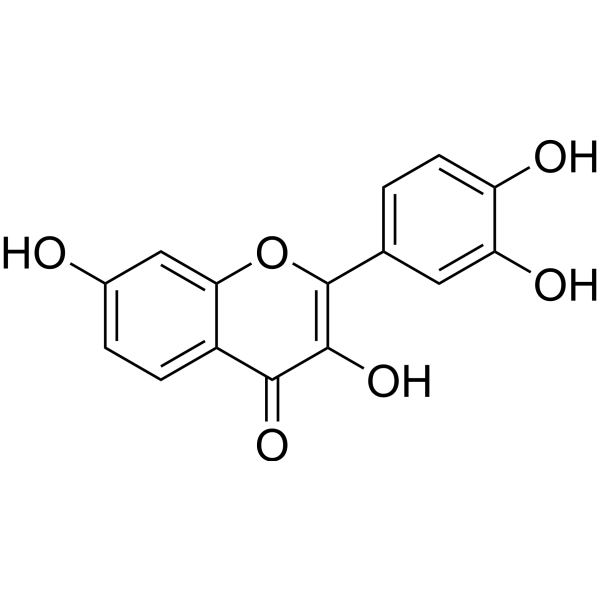
  • HY-N0182
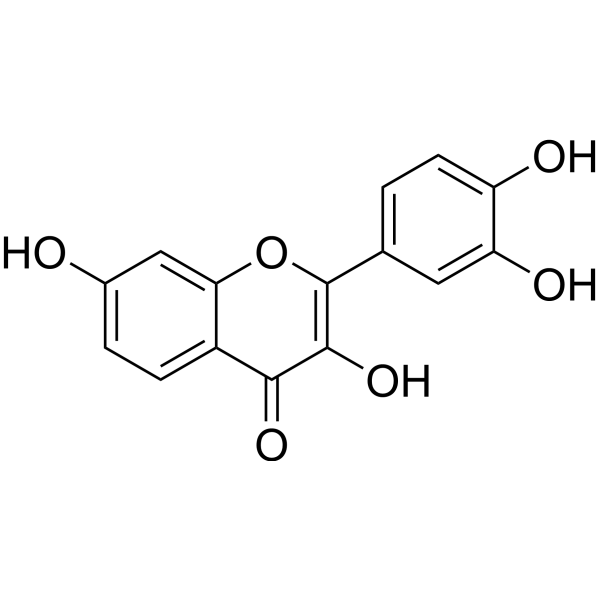
    Fisetin
    Maximum Cited Publications
    32 Publications Verification

    Sirtuin PPAR TNF Receptor Neurological Disease Metabolic Disease Inflammation/Immunology Cancer
    Fisetin is a natural flavonol found in many fruits and vegetables with various benefits, such as antioxidant, anticancer, neuroprotection effects.
    Fisetin
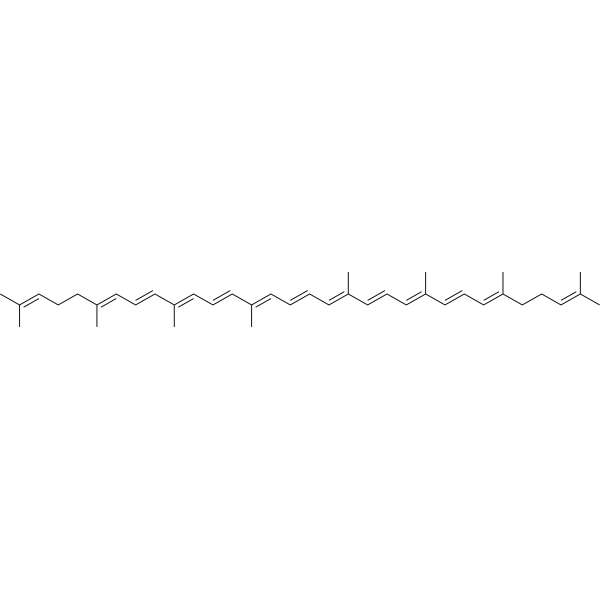
  • HY-N0287
    Lycopene
    15+ Cited Publications

    Reactive Oxygen Species (ROS) Endogenous Metabolite Cardiovascular Disease Cancer
    Lycopene is naturally occurring carotenoids found in tomato, tomato products, and in other red fruits and vegetables; exhibits antioxidant effects.
    Lycopene
  • HY-100560
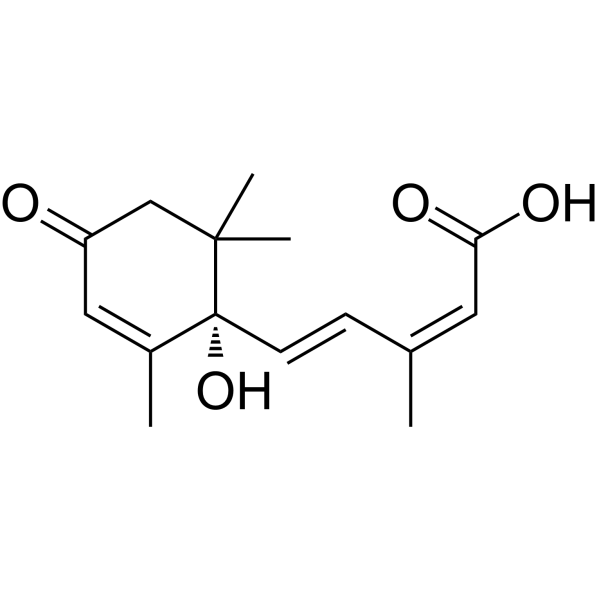
    Abscisic acid
    3 Publications Verification

    (S)​-​(+)​-​Abscisic acid; ABA

    Environmental Pollutants Endogenous Metabolite ABA Receptor Proton Pump Metabolic Disease
    Abscisic acid ((S)-(+)-Abscisic acid), an orally active phytohormone in fruits and vegetables, is an endogenously produced mammalian hormone. Abscisic acid is a growth inhibitor and can regulate many aspects of plant growth and development. Abscisic acid inhibits proton pump (H +-ATPase) and leads to the plasma membrane depolarization in a Ca 2+-dependent manner. Abscisic acid, a LANCL2 natural ligand, is a potent insulin-sensitizing compound and has the potential for pre-diabetes, type 2 diabetes and metabolic syndrome .
    Abscisic acid
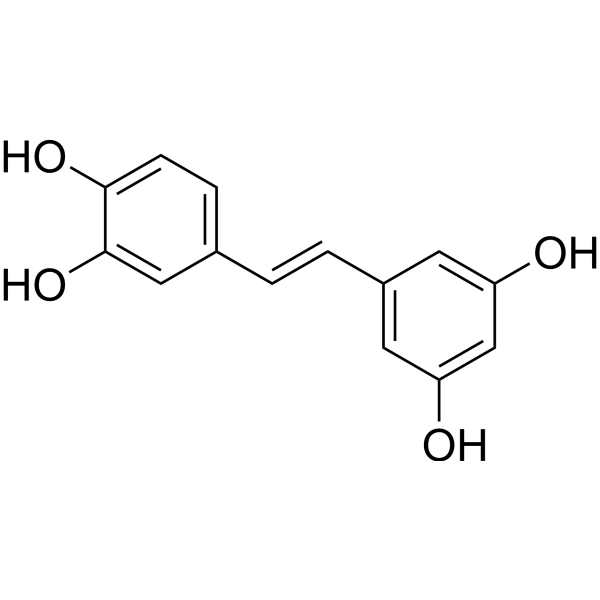
  • HY-13518
    Piceatannol
    20+ Cited Publications

    Astringenin; trans-Piceatannol

    Syk Autophagy Apoptosis Endogenous Metabolite Cancer
    Piceatannol is a well-known Syk inhibitor and reduces the expression of iNOS induced by TNF. Piceatannol is an effective agent for research of acute lung injury (ALI) . Piceatannol is a naturally occurring polyphenolic stilbene found in various fruits and vegetables and exhibits anticancer and anti-inflammatory properties . Piceatannol induces apoptosis in DLBCL cell lines . Piceatannol induces autophagy and apoptosis in MOLT-4 human leukemia cells .
    Piceatannol
  • HY-128429

    (E)-2-Hexenal

    Environmental Pollutants Biochemical Assay Reagents Fungal Infection
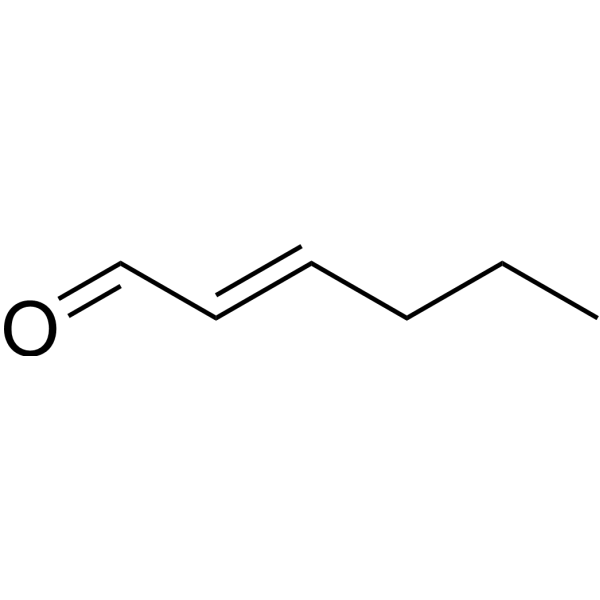
    trans-2-Hexenal ((E)-2-Hexenal) is a volatile compound widely present in fresh plants, vegetables, and fruits, with a unique leafy aroma. trans-2-Hexenal has antifungal activity and can also inhibit the germination of soybean seeds and the growth of seedlings. In addition, trans-2-Hexenal can be used to determine low-molecular-weight carbonyl compounds that are reactive with biological nucleophiles in biological samples .
    trans-​2-​Hexenal
  • HY-W010607

    (Z)-3-Hexen-1-ol

    Environmental Pollutants Neurological Disease
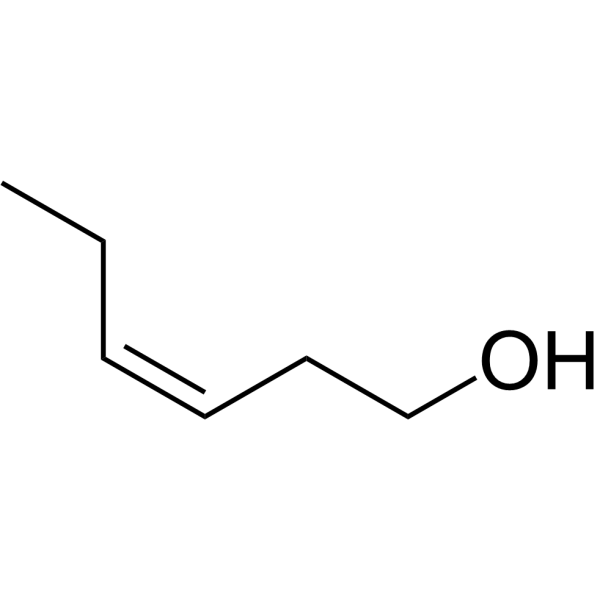
    cis-3-Hexen-1-ol ((Z)-3-Hexen-1-ol) is a green grassy smelling compound found in many fresh fruits and vegetables with bitter taste enhancement. cis-3-Hexen-1-ol is widely used as an added flavor in processed food to provide a fresh green quality. cis-3-Hexen-1-ol is an attractant to various insects .
    cis-3-Hexen-1-ol
  • HY-N0182R
    Fisetin (Standard)
    Maximum Cited Publications
    32 Publications Verification

    Reference Standards Sirtuin PPAR TNF Receptor Neurological Disease Metabolic Disease Inflammation/Immunology Cancer
    Fisetin (Standard) is the analytical standard of Fisetin. This product is intended for research and analytical applications. Fisetin is a natural flavonol found in many fruits and vegetables with various benefits, such as antioxidant, anticancer, neuroprotection effects.
    Fisetin (Standard)
  • HY-129459

    Endogenous Metabolite Cardiovascular Disease Neurological Disease
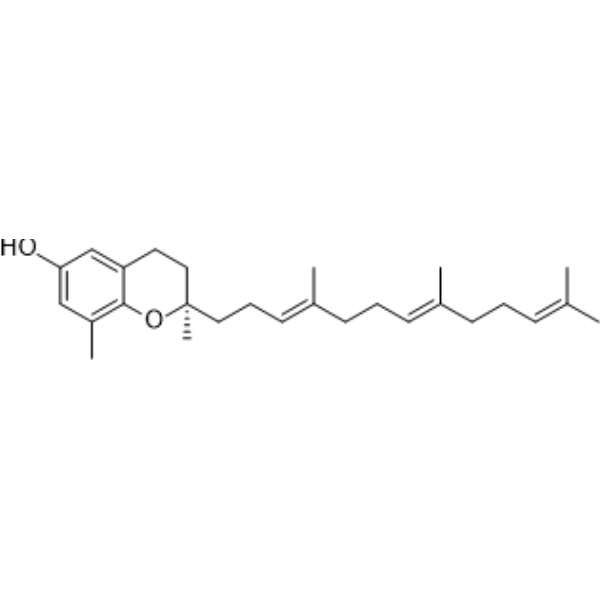
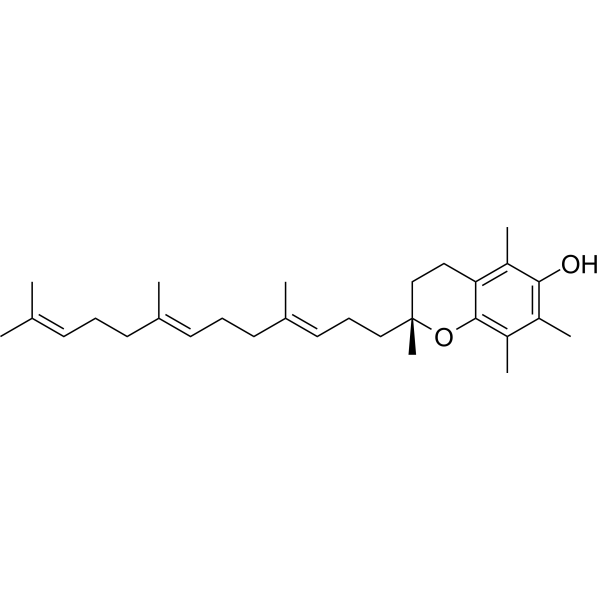
    α-Tocotrienol is an isoform of vitamin E and found in vegetables, fruits, seeds, nuts, grains, and oils. Vitamin E plays a role as an antioxidant, in lowering cholesterol and other lipids, as a neuroprotective and anticancer agent, and in cardiovascular disease protection.
    α-Tocotrienol
  • HY-122778
    δ-Tocotrienol
    1 Publications Verification

    NF-κB AP-1 Caspase Apoptosis Cardiovascular Disease Inflammation/Immunology Cancer
    δ-Tocotrienol is a Vitamin E in vegetables, fruits, seeds, nuts, grains and oils. Vitamin E has become well known for its role as an antioxidant, in lowering cholesterol and other lipids, as a neuroprotective and anticancer agent, and in cardiovascular disease protection.
    δ-Tocotrienol
  • HY-113362
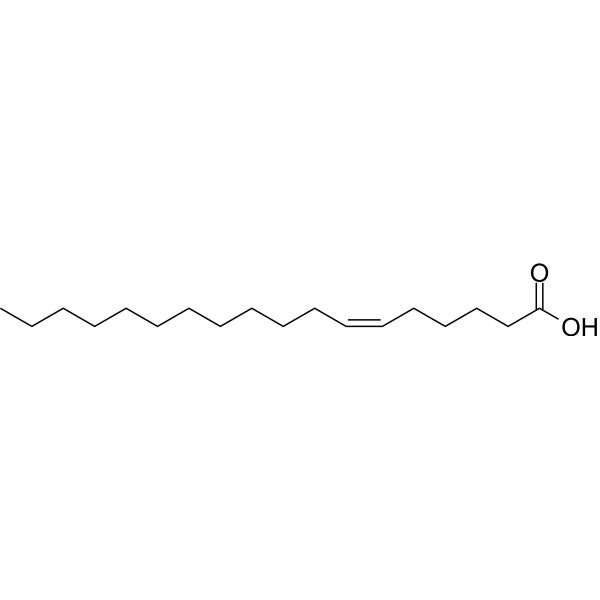
    Petroselinic acid
    1 Publications Verification

    Antibiotic Bacterial Fungal Infection
    Petroselinic acid, a positional isomer of oleic acid, is isolated from the vegetable oil of Coriandrum sativum fruits. Petroselinic acid is used as substrate for sophorolipid fermentation. Petroselinic acid inhibits the biofilm formation in microorganisms, exhibits antibacterial and antifungal activities. Petroselinic acid is orally active [4.
    Petroselinic acid
  • HY-N2007

    3,4-Dimethoxybenzoic acid

    COX Reactive Oxygen Species (ROS) Cardiovascular Disease Inflammation/Immunology
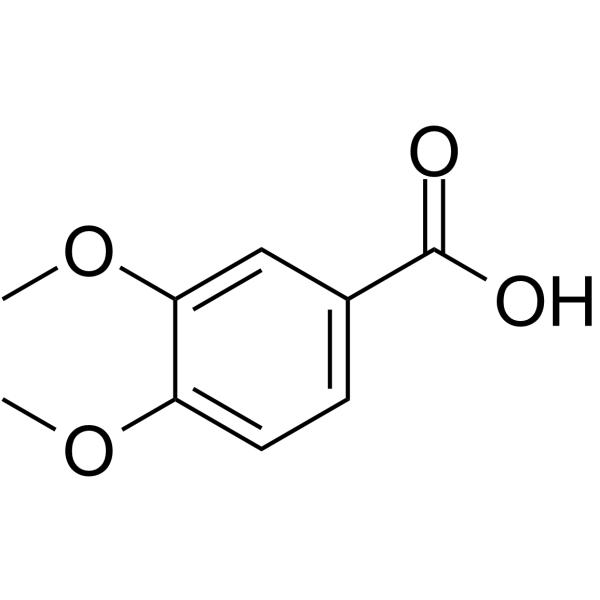
    Veratric acid (3,4-Dimethoxybenzoic acid) is an orally active phenolic compound derived from vegetables and fruits, has antioxidant and anti-inflammatory activities . Veratric acid also acts as a protective agent against hypertension-associated cardiovascular remodelling . Veratric acid reduces upregulated COX-2 expression, and levels of PGE2, IL-6 after UVB irradiation .
    Veratric acid
  • HY-B1851
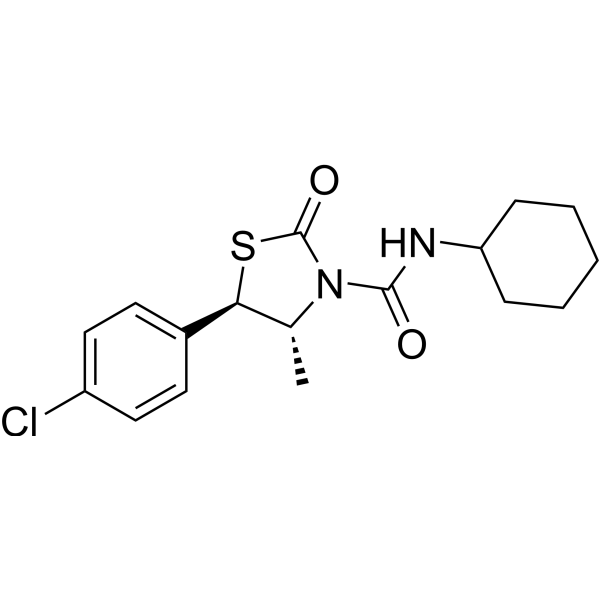
    Hexythiazox
    1 Publications Verification

    Environmental Pollutants Parasite Infection
    Hexythiazox is a selective acaricide with ovicidal, larvicidal and nymphicidal activities. Hexythiazox is widely used for chemical control of mites on cotton, fruits and vegetables. Hexythiazox is harmless to mammals and has no effect on beneficial insects and predators of mites .
    Hexythiazox
  • HY-A0277

    Environmental Pollutants Fungal Others
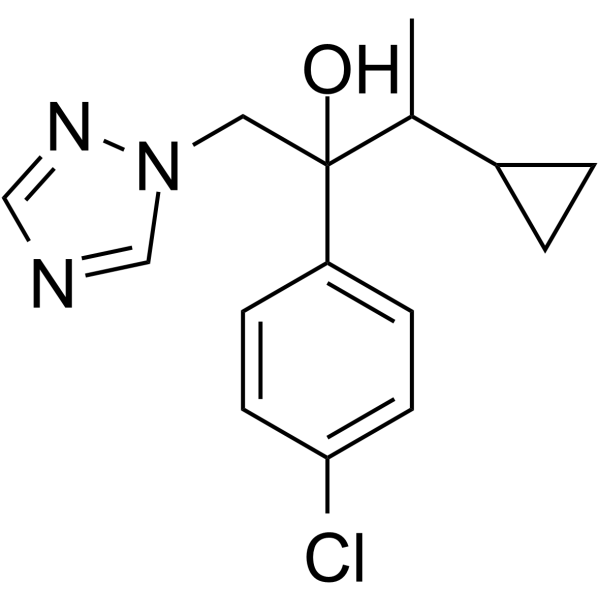
    Cyproconazole is a triazole fungicide used to protect crops, fruits and vegetables against a wide range of fungal pathogens. Cyproconazole can cause hepatocellular adenomas and carcinomas in CD-1 mice. Cyproconazole also exhibits low toxicity to zebrafish embryos and affects locomotor activity .
    Cyproconazole
  • HY-B1972

    Napropamid

    Environmental Pollutants DNA/RNA Synthesis Herbicide Others
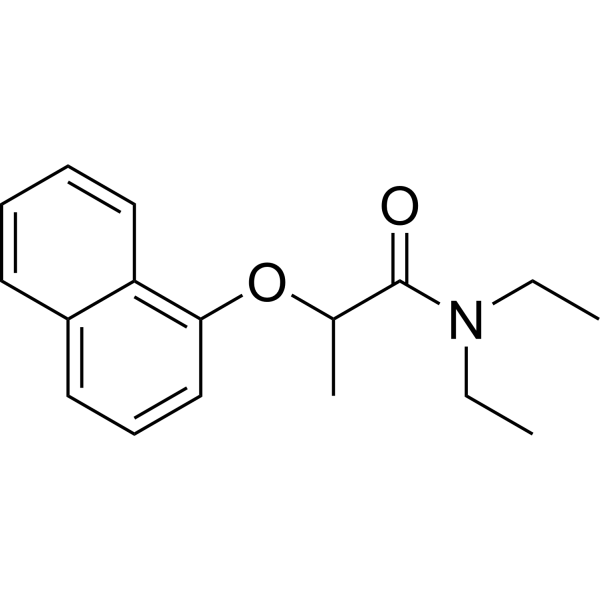
    Napropamide (Napropamid) is an amide herbicide that can be used to control weeds in fruits, vegetables, tobacco, and ornamental plants. Napropamide mainly exerts its effect by inhibiting DNA synthesis and cell division. Napropamide has moderate to high persistence in the field, with a half-life of 24-131 days, and is prone to photodegradation .
    Napropamide
  • HY-128749

    Potassium D-glucarate

    Endogenous Metabolite Apoptosis Metabolic Disease Inflammation/Immunology Cancer
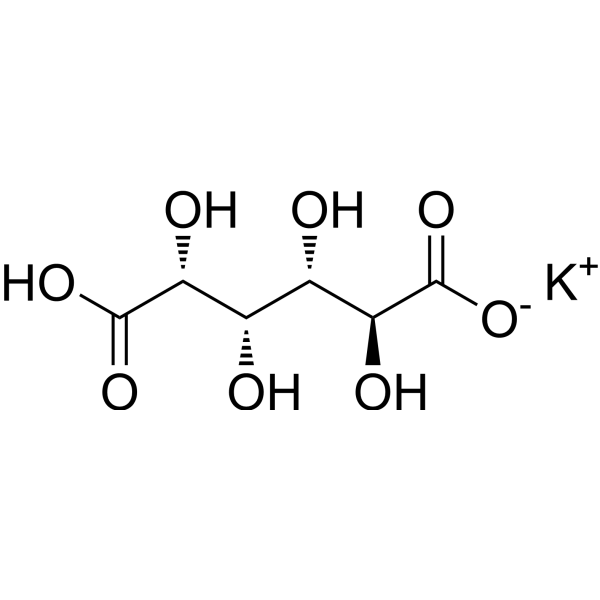
    D-Glucaric acid potassium (Potassium D-glucarate) is an orally active end product of the D-glucuronic acid pathway in mammals. D-Glucaric acid potassium is present in a variety of fruits and vegetables. D-Glucaric acid potassium has cholesterol-lowering and anti-tumor activities. D-Glucaric acid potassium can inhibit tumor cell proliferation and inflammation, and induce apoptosis .
    D-Glucaric acid potassium
  • HY-108059

    (3R)-β-Cryptoxanthin

    Drug Derivative Neurological Disease Metabolic Disease Inflammation/Immunology Cancer
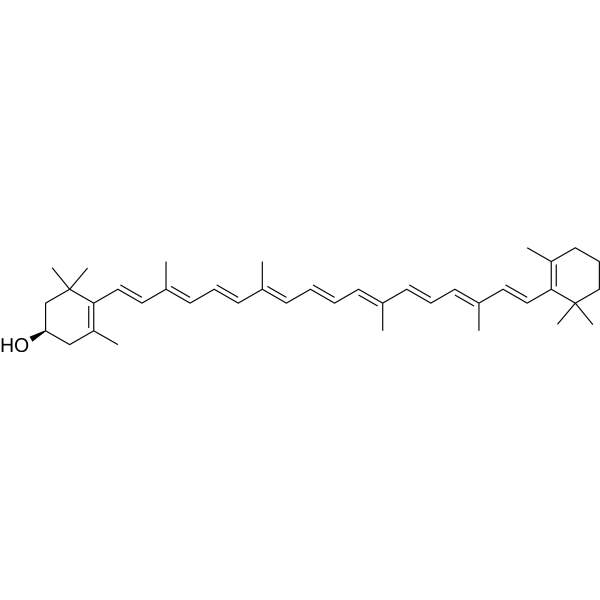
    β-Cryptoxanthin ((3R)-β-Cryptoxanthin) is an orally active carotenoid found in fruits and vegetables such as angerines, red peppers, and pumpkin. β-Cryptoxanthin inhibits prevents osteoclast formation and inhibits bone resorption. β-Cryptoxanthin maintains retinol status in vivo. β-cryptoxanthin shows anti-inflammation and anticancer activity. β-Cryptoxanthin can be used for the researches of osteoporosis and bladder carcer .
    β-Cryptoxanthin
  • HY-116214

    CGA-219417

    Environmental Pollutants Aryl Hydrocarbon Receptor Androgen Receptor Fungal PERK Cytochrome P450 Infection Endocrinology
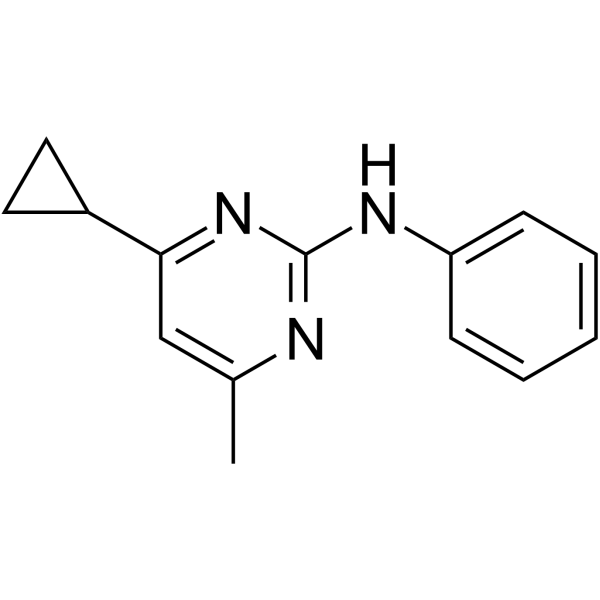
    Cyprodinil (CGA-219417) is a broad-spectrum anilinopyrimidine fungicide and an activator of the aryl hydrocarbon receptor. Cyprodinil also has anti-androgenic and androgenic activities. Cyprodinil can inhibit the biosynthesis of methionine in plant-pathogenic fungi and protect fruits and vegetables from a variety of pathogens .
    Cyprodinil
  • HY-160758

    Insecticide Others
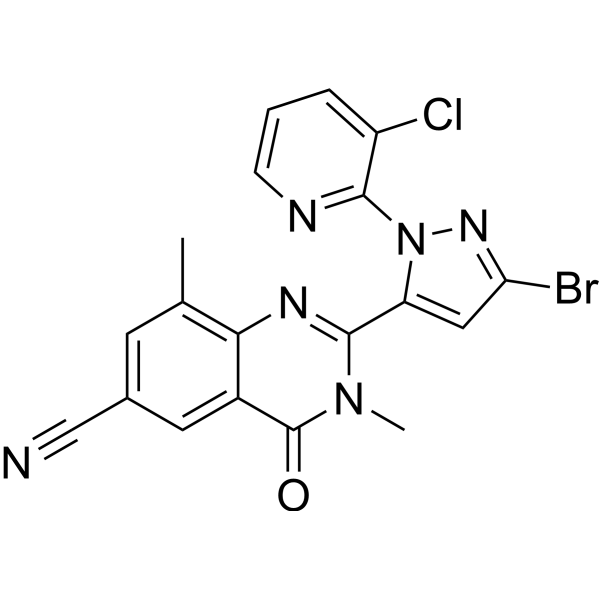
    J9Z38 is a metabolite of Cyantraniliprole (HY-12779), a broad-spectrum agrochemical insecticide belonging to the anthranilic diamide insecticide class. Cyantraniliprole effectively controls the growth of various pests on fruits, vegetables, cereals and other crops. Thus, J9Z38 is a key indicator for indirect detection and evaluation of Cyantraniliprole residue levels .
    J9Z38
  • HY-B0854

    Environmental Pollutants Lactate Dehydrogenase Apoptosis Fungal Cytochrome P450 Keap1-Nrf2 Infection Metabolic Disease Cancer
    Mancozeb is a widely used fungicide that is effective against fungal diseases in most cereals, vegetables, fruits and ornamental plants. In addition, Mancozeb can cause liver damage in mice by activating the Keap1/Nrf2 signaling pathway. Mancozeb upregulates lactate dehydrogenase and cytochrome c to alter cell metabolism and induce cell death. Mancozeb has reproductive toxicity and can induce apoptosis in ovarian cells .
    Mancozeb
  • HY-B1953
    Thiacloprid
    1 Publications Verification

    Environmental Pollutants Insecticide nAChR Infection
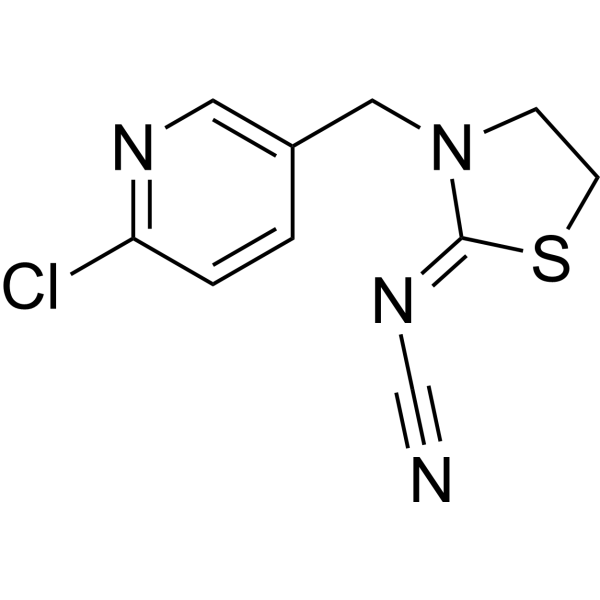
    Thiacloprid is an orally active neurotoxic insecticide and also a nAChR agonist. Thiacloprid reduces the viability of healthy cells, depletes reduced glutathione, and increases MDA levels, thereby inducing cytotoxicity and oxidative stress damage. In practical applications, Thiacloprid has lower acute toxicity to honeybees than other compounds of the same class such as Imidacloprid (HY-B0838), but it still significantly impairs the learning and memory function, immune capacity and survival status of honeybees. Thiacloprid induces intestinal microbial dysbiosis and reduces survival rate in middle-aged honeybees, increases the risk of premature collapse in bumblebee colonies, and significantly decreases the final colony weight and reproductive output. Thiacloprid is used in broad-spectrum agricultural pest control, often alone or in combination with Deltamethrin (HY-B1971), and meets the pest management needs of various crops including potatoes, cabbages, various fruits and vegetables, and nuts .
    Thiacloprid
  • HY-100560R

    (S)​-​(+)​-​Abscisic acid (Standard); ABA (Standard)

    Reference Standards Endogenous Metabolite Proton Pump ABA Receptor Metabolic Disease
    Abscisic acid (Standard) is the analytical standard of Abscisic acid. This product is intended for research and analytical applications. Abscisic acid ((S)-(+)-Abscisic acid), an orally active phytohormone in fruits and vegetables, is an endogenously produced mammalian hormone. Abscisic acid is a growth inhibitor and can regulate many aspects of plant growth and development. Abscisic acid inhibits proton pump (H+-ATPase) and leads to the plasma membrane depolarization in a Ca2+-dependent manner. Abscisic acid, a LANCL2 natural ligand, is a potent insulin-sensitizing compound and has the potential for pre-diabetes, type 2 diabetes and metabolic syndrome .
    Abscisic acid (Standard)
  • HY-123894

    Reactive Oxygen Species (ROS) Inflammation/Immunology
    Pelargonidin 3,5-diglucoside (chloride) is a natural pigment abundantly present in red fruits and vegetables. Pelargonidin 3,5-diglucoside (chloride) acts as a scavenger for reactive oxygen species and reactive nitrogen species . Pelargonidin 3,5-diglucoside (chloride) demonstrates inhibitory effects on enzymes involved in the production of ROS, RNS, and pro-inflammatory cytokines .
    Pelargonidin 3,5-diglucoside chloride
  • HY-129459R

    Reference Standards Endogenous Metabolite Cardiovascular Disease Neurological Disease
    α-Tocotrienol (Standard) is the analytical standard of α-Tocotrienol. This product is intended for research and analytical applications. α-Tocotrienol is an isoform of vitamin E and found in vegetables, fruits, seeds, nuts, grains, and oils. Vitamin E plays a role as an antioxidant, in lowering cholesterol and other lipids, as a neuroprotective and anticancer agent, and in cardiovascular disease protection.
    α-Tocotrienol (Standard)
  • HY-W127515

    Violet leaf aldehyde

    Environmental Pollutants Biochemical Assay Reagents Others
    Trans-2, cis-6-NonadienalIt is an organic compound belonging to aldehydes. It has a strong, pungent smell and is commonly found in a variety of foods, including fruits and vegetables. Trans-2, cis-6-NonadienalIt has a variety of applications in the flavor and fragrance industry, especially as a fragrance agent in products such as perfume, cologne and air fresheners. In addition, it can also be used as an intermediate in the synthesis of various chemicals and drugs.
    Trans-2,cis-6-Nonadienal
  • HY-128749A

    Calcium D-glucarate tetrahydrate

    Endogenous Metabolite Apoptosis Neurological Disease Metabolic Disease Inflammation/Immunology Cancer
    D-Glucaric acid tetrahydrate (Calcium D-glucarate tetrahydrate) is an orally active end product of the mammalian D-glucuronidation pathway. D-Glucaric acid tetrahydrate is found in a variety of fruits and vegetables. D-Glucaric acid tetrahydrate induces cell Apoptosis. D-Glucaric acid tetrahydrate reduces the expression of hippocampal myelin-related genes (Mbp, Plp1). D-Glucaric acid tetrahydrate has cholesterol-lowering and anti-tumor activities. D-Glucaric acid tetrahydrate can be used in the research of neurological diseases .
    D-Glucaric acid tetrahydrate
  • HY-W010203

    Fungal Infection
    2-Decanone is an antifungal agent. 2-Decanone inhibits pathogen mycelial growth, spore germination, and appressorium formation. 2-Decanone downregulates spore germination-related genes (MfBmp1) and penetration structure formation genes (MfPls1), inducing reactive oxygen species (ROS) accumulation to trigger mitochondrial damage and subsequent spore apoptosis. 2-Decanone is promising for research of postharvest disease control in fruits and vegetables .
    2-Decanone
  • HY-B1975

    Fungal Reactive Oxygen Species (ROS) Infection
    Dithianon is a broad-spectrum anthraquinone fungicide with good adherence to the surface of leaves and fruits. Dithianon is used to control several several fungal of some fruits and vegetables, as anthracnose (Colletotrichum sp., Elsinoe ampelina), mildew (Plasmopara viticola), phomopsis (Phomopsis viticola), among others .
    Dithianon
  • HY-119419

    Environmental Pollutants Cholinesterase (ChE) Parasite Neurological Disease
    Pirimicarb is a fast-acting selective carbamate insecticide on a wide range of crops including cereals, sugar beet, potatoes, fruits and vegetables. Pirimicarb is an AChE inhibitor and an acaricide .
    Pirimicarb
  • HY-A0277R

    Reference Standards Fungal Others
    Cyproconazole (Standard) is the analytical standard of Cyproconazole. This product is intended for research and analytical applications. Cyproconazole is a triazole fungicide used to protect crops, fruits and vegetables against a wide range of fungal pathogens. Cyproconazole can cause hepatocellular adenomas and carcinomas in CD-1 mice. Cyproconazole also exhibits low toxicity to zebrafish embryos and affects locomotor activity .
    Cyproconazole (Standard)
  • HY-116214R

    CGA-219417 (Standard)

    Reference Standards Fungal Androgen Receptor Aryl Hydrocarbon Receptor PERK Cytochrome P450 Infection Endocrinology
    Cyprodinil (Standard) (CGA-219417 (Standard)) is the analytical standard of Cyprodinil (HY-116214). This product is intended for research and analytical applications. Cyprodinil (CGA-219417) is a broad-spectrum anilinopyrimidine fungicide and an activator of the aryl hydrocarbon receptor. Cyprodinil also has anti-androgenic and androgenic activities. Cyprodinil can inhibit the biosynthesis of methionine in plant-pathogenic fungi and protect fruits and vegetables from a variety of pathogens.
    Cyprodinil (Standard)
  • HY-N2007S

    3,4-Dimethoxybenzoic acid-d6

    Isotope-Labeled Compounds COX Reactive Oxygen Species (ROS) Cardiovascular Disease Inflammation/Immunology
    Veratric acid-d6 is deuterium labeled Veratric acid. Veratric acid (3,4-Dimethoxybenzoic acid) is an orally active phenolic compound derived from vegetables and fruits, has antioxidant and anti-inflammatory activities . Veratric acid also acts as a protective agent against hypertension-associated cardiovascular remodelling . Veratric acid reduces upregulated COX-2 expression, and levels of PGE2, IL-6 after UVB irradiation .
    Veratric acid-d6
  • HY-W010607R

    (Z)-3-Hexen-1-ol (Standard)

    Reference Standards Others Neurological Disease
    cis-3-Hexen-1-ol (Standard) is the analytical standard of cis-3-Hexen-1-ol. This product is intended for research and analytical applications. cis-3-Hexen-1-ol ((Z)-3-Hexen-1-ol) is a green grassy smelling compound found in many fresh fruits and vegetables. cis-3-Hexen-1-ol is widely used as an added flavor in processed food to provide a fresh green quality. cis-3-Hexen-1-ol is an attractant to various insects .
    cis-3-Hexen-1-ol (Standard)
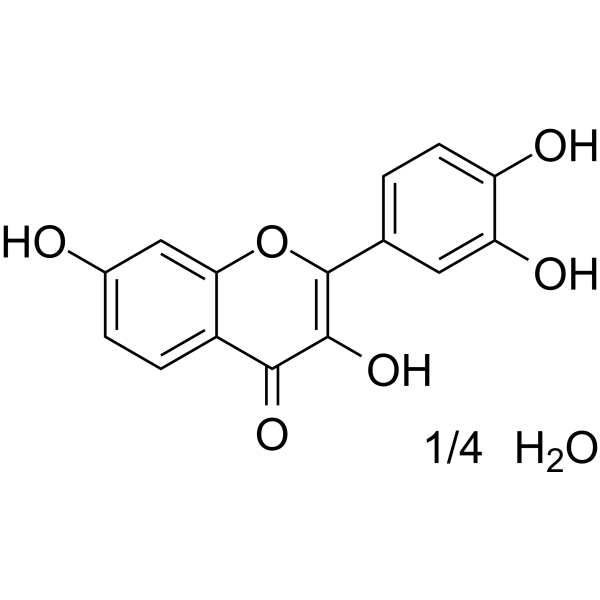
  • HY-N0182A
    Fisetin quarterhydrate
    30+ Cited Publications

    Sirtuin PPAR TNF Receptor Neurological Disease Metabolic Disease Inflammation/Immunology Cancer
    Fisetin quarterhydrate is a natural flavonol found in many fruits and vegetables with various benefits, such as antioxidant, anticancer, neuroprotection effects.
    Fisetin quarterhydrate
  • HY-N8707

    Parasite HDAC NF-κB Infection Inflammation/Immunology Cancer
    Homobutein a natural chalcones (can be found in many medicinal plants, fruits, vegetables, spices and nuts), is a potent HDACs/NF-κB dual inhibitor with IC50s of 190 and 38 μM, respectively. Homobutein also a chelator of iron (II and III) cations, shows various activities, including anticancer, anti-inflammatory, antiparasite and antioxidation .
    Homobutein
  • HY-122778R

    Reference Standards NF-κB AP-1 Caspase Apoptosis Cardiovascular Disease Inflammation/Immunology Cancer
    δ-Tocotrienol (Standard) is the analytical standard of δ-Tocotrienol. This product is intended for research and analytical applications. δ-Tocotrienol is a Vitamin E in vegetables, fruits, seeds, nuts, grains and oils. Vitamin E has become well known for its role as an antioxidant, in lowering cholesterol and other lipids, as a neuroprotective and anticancer agent, and in cardiovascular disease protection.
    δ-Tocotrienol (Standard)
  • HY-W101301

    Environmental Pollutants Biochemical Assay Reagents Others
    cis-5-Octen-1-ol is an organic compound belonging to alcohols. It has a strong earthy smell and is commonly found in a variety of foods such as fruits, vegetables and spices. cis-5-Octen-1-ol has various applications in the flavor and fragrance industry, especially as a flavoring and aroma enhancer in products such as perfume, cologne and baked goods. In addition, it has potential utility in inhibiting inflammation-related diseases and cancer.
    cis-5-Octen-1-ol
  • HY-13518R

    Astringenin (Standard); trans-Piceatannol (Standard)

    Reference Standards Syk Autophagy Apoptosis Endogenous Metabolite Cancer
    Piceatannol (Standard) is the analytical standard of Piceatannol. This product is intended for research and analytical applications. Piceatannol is a well-known Syk inhibitor and reduces the expression of iNOS induced by TNF. Piceatannol is an effective agent for research of acute lung injury (ALI) . Piceatannol is a naturally occurring polyphenolic stilbene found in various fruits and vegetables and exhibits anticancer and anti-inflammatory properties . Piceatannol induces apoptosis in DLBCL cell lines . Piceatannol induces autophagy and apoptosis in MOLT-4 human leukemia cells .
    Piceatannol (Standard)
  • HY-B1953R

    Reference Standards nAChR Insecticide Infection
    Thiacloprid (Standard) is the analytical standard of Thiacloprid. This product is intended for research and analytical applications. Thiacloprid is an orally active neurotoxic insecticide and also a nAChR agonist. Thiacloprid reduces the viability of healthy cells, depletes reduced glutathione, and increases MDA levels, thereby inducing cytotoxicity and oxidative stress damage. In practical applications, Thiacloprid has lower acute toxicity to honeybees than other compounds of the same class such as Imidacloprid (HY-B0838), but it still significantly impairs the learning and memory function, immune capacity and survival status of honeybees. Thiacloprid induces intestinal microbial dysbiosis and reduces survival rate in middle-aged honeybees, increases the risk of premature collapse in bumblebee colonies, and significantly decreases the final colony weight and reproductive output. Thiacloprid is used in broad-spectrum agricultural pest control, often alone or in combination with Deltamethrin (HY-B1971), and meets the pest management needs of various crops including potatoes, cabbages, various fruits and vegetables, and nuts .
    Thiacloprid (Standard)
  • HY-123002

    Fungal Others
    Pyrifenox is a fungicide, which is used in fruits, ornamentals, and vegetables. Pyrifenox can be utilized as one of the assessment criteria for environmental and food safety .
    Pyrifenox
  • HY-N0182S3

    Isotope-Labeled Compounds PPAR Sirtuin TNF Receptor Cancer
    Fisetin-d5 is a deuterated labeled Fisetin . Fisetin is a natural flavonol found in many fruits and vegetables with various benefits, such as antioxidant, anticancer, neuroprotection effects.
    Fisetin-d5
  • HY-136560

    Drug Metabolite Others
    6-Azathymine acid is a metabolite of Pymetrozine. Pymetrozine is active against plant-sucking insects, such as aphids and whiteflies in vegetables, cotton, field crops and fruits and affects the nervous regulation of feeding behavior .
    6-Azathymine acid
  • HY-123002R

    Reference Standards Fungal Others
    Pyrifenox (Standard) is the analytical standard of Pyrifenox. This product is intended for research and analytical applications. Pyrifenox is a fungicide, which is used in fruits, ornamentals, and vegetables. Pyrifenox can be utilized as one of the assessment criteria for environmental and food safety .
    Pyrifenox (Standard)
  • HY-B1975R

    Reference Standards Fungal Reactive Oxygen Species (ROS) Infection
    Dithianon (Standard) is the analytical standard of Dithianon. This product is intended for research and analytical applications. Dithianon is a broad-spectrum anthraquinone fungicide with good adherence to the surface of leaves and fruits. Dithianon is used to control several several fungal of some fruits and vegetables, as anthracnose (Colletotrichum sp., Elsinoe ampelina), mildew (Plasmopara viticola), phomopsis (Phomopsis viticola), among others .
    Dithianon (Standard)
  • HY-B1975S

    Reactive Oxygen Species (ROS) Infection
    Dithianon-d4 is the deuterium labeled Dithianon (HY-B1975). Dithianon is a broad-spectrum anthraquinone fungicide with good adherence to the surface of leaves and fruits. Dithianon is used to control several several fungal of some fruits and vegetables, as anthracnose (Colletotrichum sp., Elsinoe ampelina), mildew (Plasmopara viticola), phomopsis (Phomopsis viticola), among others .
    Dithianon-d4
  • HY-119419S

    Cholinesterase (ChE) Parasite Isotope-Labeled Compounds Others
    Pirimicarb-d6 is the deuterium labeled Pirimicarb (HY-119419). Pirimicarb is a fast-acting selective carbamate insecticide on a wide range of crops including cereals, sugar beet, potatoes, fruits and vegetables. Pirimicarb is an AChE inhibitor and an acaricide .
    Pirimicarb-d6
  • HY-119419R

    Reference Standards Cholinesterase (ChE) Parasite Neurological Disease
    Pirimicarb (Standard) is the analytical standard of Pirimicarb. This product is intended for research and analytical applications. Pirimicarb is a fast-acting selective carbamate insecticide on a wide range of crops including cereals, sugar beet, potatoes, fruits and vegetables. Pirimicarb is an AChE inhibitor and an acaricide .
    Pirimicarb (Standard)
  • HY-B1851S

    Isotope-Labeled Compounds Parasite Infection
    Hexythiazox-d11 is deuterium labeled Hexythiazox. Hexythiazox is a selective acaricide with ovicidal, larvicidal and nymphicidal activities. Hexythiazox is widely used for chemical control of mites on cotton, fruits and vegetables. Hexythiazox is harmless to mammals and has no effect on beneficial insects and predators of mites .
    Hexythiazox-d11
  • HY-B1851R

    Reference Standards Parasite Infection
    Hexythiazox (Standard) is the analytical standard of Hexythiazox. This product is intended for research and analytical applications. Hexythiazox is a selective acaricide with ovicidal, larvicidal and nymphicidal activities. Hexythiazox is widely used for chemical control of mites on cotton, fruits and vegetables. Hexythiazox is harmless to mammals and has no effect on beneficial insects and predators of mites .
    Hexythiazox (Standard)
  • HY-113362R

    Reference Standards Antibiotic Bacterial Fungal Infection
    Petroselinic acid (Standard) is the analytical standard of Petroselinic acid. This product is intended for research and analytical applications. Petroselinic acid, a positional isomer of oleic acid, is isolated from the vegetable oil of Coriandrum sativum fruits. Petroselinic acid is used as substrate for sophorolipid fermentation. Petroselinic acid inhibits the biofilm formation in microorganisms, exhibits antibacterial and antifungal activities. Petroselinic acid is orally active [4.
    Petroselinic acid (Standard)
  • HY-B1972R

    Napropamid (Standard)

    Herbicide Reference Standards DNA/RNA Synthesis Others
    Napropamide (Standard) (Napropamid (Standard)) is the analytical standard of Napropamide (HY-B1972). This product is intended for research and analytical applications. Napropamide (Napropamid) is an amide herbicide that can be used to control weeds in fruits, vegetables, tobacco, and ornamental plants. Napropamide mainly exerts its effect by inhibiting DNA synthesis and cell division. Napropamide has moderate to high persistence in the field, with a half-life of 24-131 days, and is prone to photodegradation.
    Napropamide (Standard)

Inquiry Online

Your information is safe with us. * Required Fields.

Salutation


Country or Region *

Applicant Name *


Organization Name *

Department *


Email Address *


Product Name *

Cat. No.


Requested quantity *

Phone Number *


Remarks

Inquiry Online

Inquiry Information

Product Name:
Cat. No.:
Quantity:
MCE Japan Authorized Agent:

