
6351 Results for "

higher risk myelodysplastic syndromes

" in MedChemExpress (MCE) Product Catalog:
Products (6351)

6351 Results for "higher risk myelodysplastic syndromes" in MCE Product Catalog:

642
642 Publications Verification
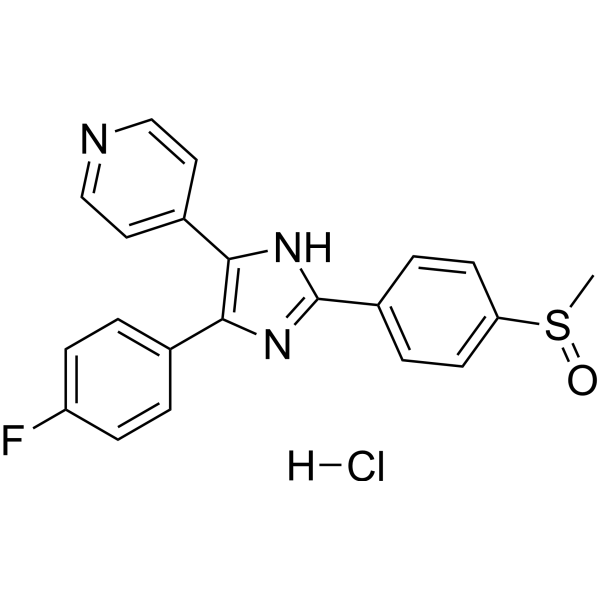
Cat. No.: HY-10256A
CAS No.: 869185-85-3
Purity:  99.37%
Synonyms: SB 203580 hydrochloride; RWJ 64809 hydrochloride
Adezmapimod (SB 203580; RWJ 64809) hydrochloride is a selective and ATP-competitive p38 MAPK inhibitor with IC50s of 50 nM and 500 nM for SAPK2a/p38 and SAPK2b/p38β2, respectively. Adezmapimod hydrochloride inhibits LCK, GSK3β and PKBα with IC50s of 100-500-fold higher than that for SAPK2a/p38. Adezmapimod hydrochloride does not disrupt JNK activity and is an autophagy and mitophagy activator .
loading...
    loading...
642
642 Publications Verification
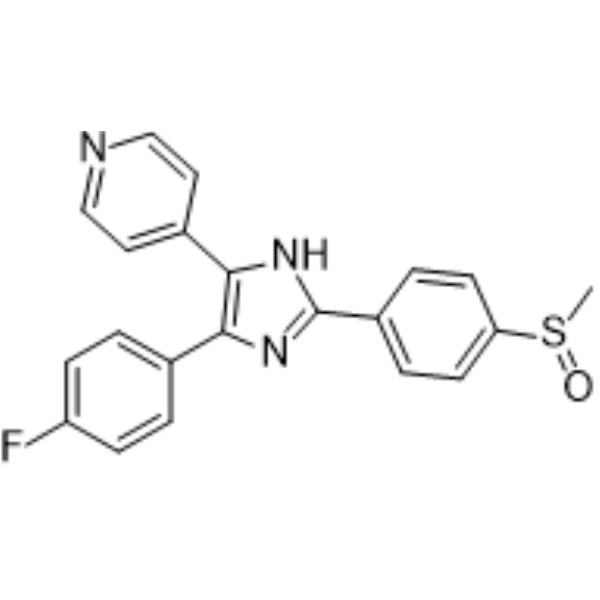
Cat. No.: HY-10256
CAS No.: 152121-47-6
Purity:  99.92%
Synonyms: SB 203580; RWJ 64809
Adezmapimod (SB 203580) is a selective and ATP-competitive p38 MAPK inhibitor with IC50s of 50 nM and 500 nM for SAPK2a/p38 and SAPK2b/p38β2, respectively. Adezmapimod inhibits LCK, GSK3β and PKBα with IC50s of 100-500-fold higher than that for SAPK2a/p38. Adezmapimod can inhibit p38 MAPK and lead to the inhibition of downstream HSP27 phosphorylation. Adezmapimod does not disrupt JNK activity and is an autophagy and mitophagy activator .
loading...
    loading...
324
324 Cited Publications
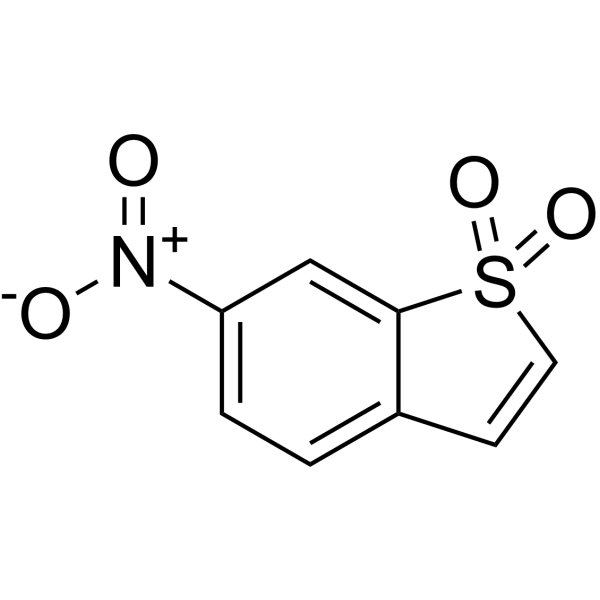
Cat. No.: HY-13818
CAS No.: 19983-44-9
Purity:  99.58%
Target:  

STAT Apoptosis

Research Areas:  

Inflammation/Immunology Cancer

Stattic is a potent STAT3 inhibitor and inhibits STAT3 phosphorylation (at Y705 and S727) . Stattic inhibits the binding of a high affinity phosphopeptide for the SH2 domain of STAT3 . Stattic ameliorates the renal dysfunction in Alport syndrome (AS) mice .
loading...
    loading...
136
136 Cited Publications
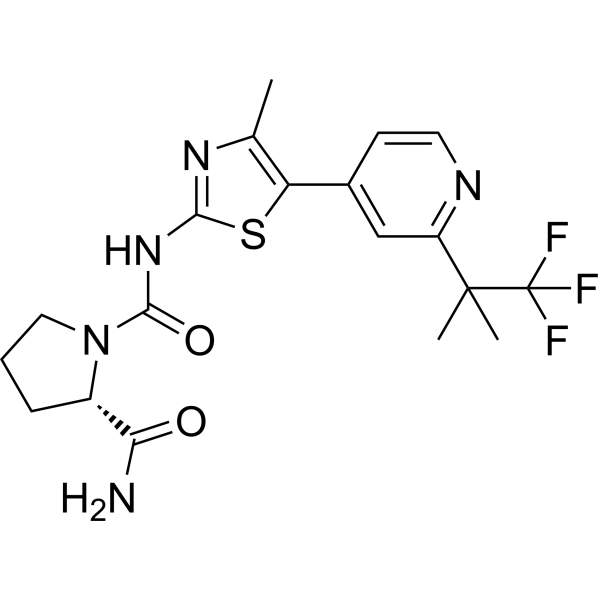
Cat. No.: HY-15244
CAS No.: 1217486-61-7
Purity:  99.88%
Synonyms: BYL-719
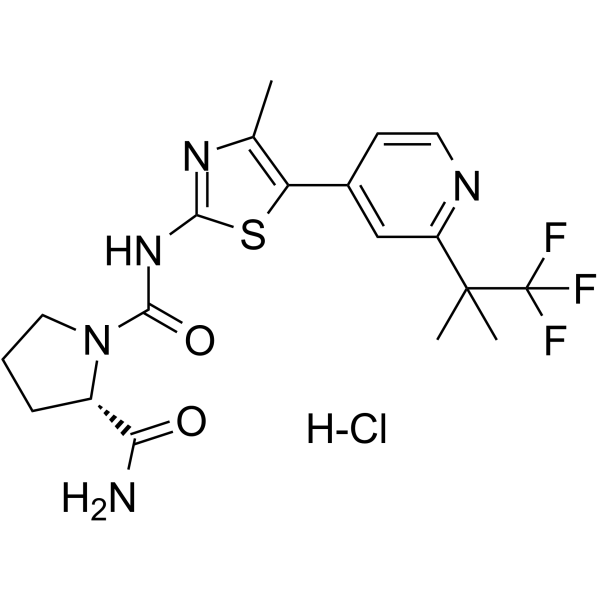
Alpelisib (BYL-719) is an orally active PI3Kα-selective inhibitor that blocks the conversion of PIP2 to PIP3, thereby inhibiting pathways including PI3K/AKT/mTOR, MAPK/ERK, Notch and JAK-STAT. Alpelisib also induces apoptosis, G0/G1 phase arrest and senescence; it significantly inhibits the proliferation, self-renewal, stemness and epithelial-mesenchymal transition (EMT) of tumor cells, reduces cancer stem cell populations and decreases the expression of stem cell markers. Alpelisib not only enhances the sensitivity to Eribulin (HY-13442) and exerts a synergistic effect with Paclitaxel (HY-B0015), but may also induce drug resistance by upregulating the SGK3/GSK3β/β-catenin signaling pathway. Alpelisib can be applied to research related to breast cancer, gastric cancer and lipomas associated with PTEN hamartoma tumor syndrome .
loading...
    loading...
136
136 Cited Publications
Cat. No.: HY-15244A
CAS No.: 1584128-91-5
Synonyms: BYL-719 hydrochloride
Alpelisib (BYL-719) hydrochloride is an orally active PI3Kα-selective inhibitor that blocks the conversion of PIP2 to PIP3, thereby inhibiting pathways including PI3K/AKT/mTOR, MAPK/ERK, Notch and JAK-STAT. Alpelisib hydrochloride also induces apoptosis, G0/G1 phase arrest and senescence; it significantly inhibits the proliferation, self-renewal, stemness and epithelial-mesenchymal transition (EMT) of tumor cells, reduces cancer stem cell populations and decreases the expression of stem cell markers. Alpelisib hydrochloride not only enhances the sensitivity to Eribulin (HY-13442) and exerts a synergistic effect with Paclitaxel (HY-B0015), but may also induce drug resistance by upregulating the SGK3/GSK3β/β-catenin signaling pathway. Alpelisib hydrochloride can be applied to research related to breast cancer, gastric cancer and lipomas associated with PTEN hamartoma tumor syndrome .
loading...
    loading...
88
88 Cited Publications
Cat. No.: HY-114180
CAS No.: 2262452-06-0
Purity:  99.95%
Synonyms: RU320521
Research Areas:  

Metabolic Disease

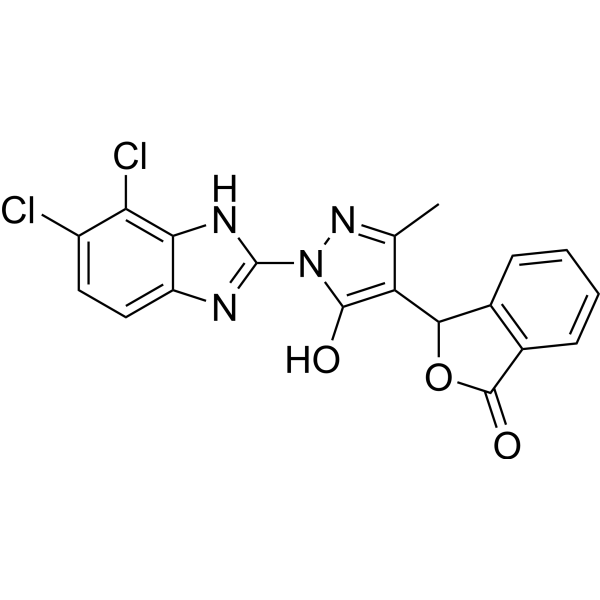
RU.521 (RU320521) is a potent and selective cyclic GMP-AMP synthase (cGAS) inhibitor and inhibits cGAS-mediated interferon upregulation. RU.521 suppresses dsDNA-activated reporter activity with an IC50 of 0.7 μM. RU.521 reduces constitutive expression of interferon in macrophages from a mouse model of Aicardi-Goutières syndrome (AGS) .
loading...
    loading...
74
74 Cited Publications
Cat. No.: HY-112490
CAS No.: 344423-98-9
Purity:  99.64%
Research Areas:  

Cardiovascular Disease Others

Atorvastatin calcium salt trihydrate is a drug belonging to the statin class of drugs used to lower blood cholesterol levels. Atorvastatin calcium salt trihydrate has unique chemical properties that make it an effective tool in controlling high levels of low-density lipoprotein (LDL) cholesterol and triglycerides in the body, reducing the risk of heart attack and stroke. Atorvastatin calcium salt trihydrate works by inhibiting HMG-CoA reductase, the enzyme responsible for producing cholesterol in the liver.
loading...
    loading...
71
71 Cited Publications
Cat. No.: HY-10211
CAS No.: 75747-14-7
Purity:  99.01%
Synonyms: 17-AAG; NSC 330507; CP 127374
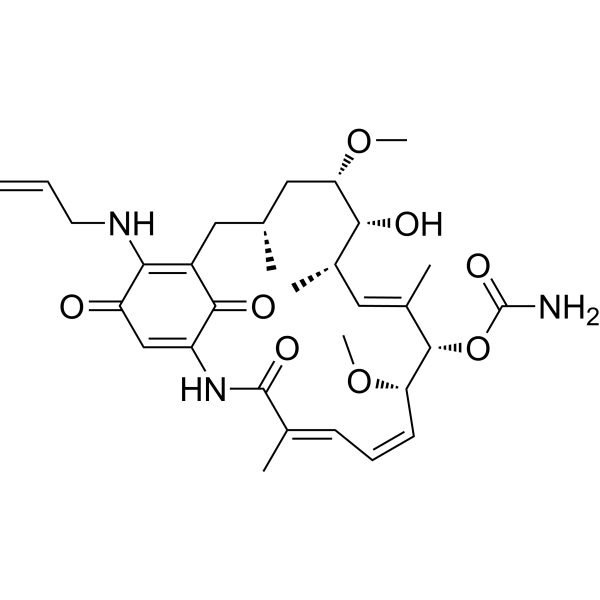
Tanespimycin (17-AAG) is a potent HSP90 inhibitor with an IC50 of 5 nM, having a 100-fold higher binding affinity for tumour cell derived HSP90 than normal cell derived HSP90 . Tanespimycin depletes cellular STK38/NDR1 and reduces STK38 kinase activity. Tanespimycin also downregulates the stk38 gene expression .
loading...
    loading...
54
54 Cited Publications
Cat. No.: HY-134541
CAS No.: 2089251-47-6
Purity:  99.97%
Target:  

Liposome

Research Areas:  

Infection

SM-102 is an amino cationic lipid useful in the formation of lipid nanoparticles (LNPs). SM-102 has higher transfection efficiency. SM-102 plays an important role in the effectiveness of lipid nanoparticles (LNPs) in delivering mRNA therapeutics and vaccines .
loading...
    loading...
52
52 Cited Publications
Cat. No.: HY-15676
CAS No.: 1229705-06-9
Purity:  99.93%
Synonyms: RG7388
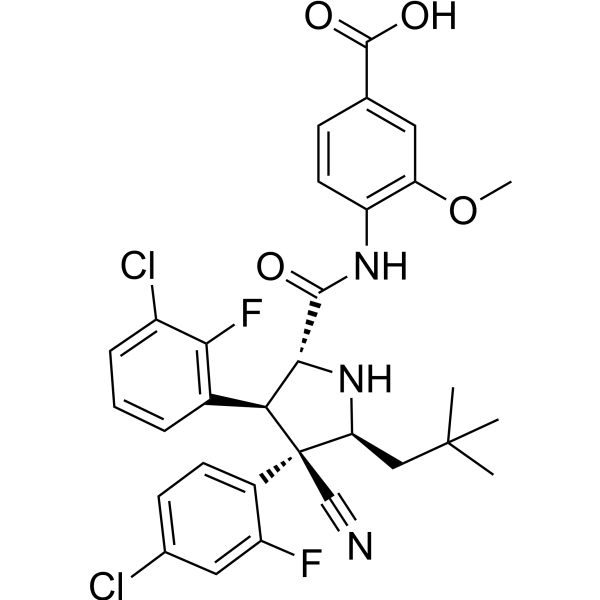
Idasanutlin (RG7388) is an orally bioavailable MDM2 inhibitor with an IC50 of 6 nM. Idasanutlin disrupts MDM2-p53 binding, stabilizes and activates p53, triggering cell cycle arrest, apoptosis, and reduced cancer cell viability. Idasanutlin reduces EGFR protein expression and phosphorylation, suppresses downstream SHP2, MEK1/2, ERK1/2, AKT, mTOR, p70(S6K1), and S6 signaling. Idasanutlin induces mitochondrial ROS production, drives p38 MAPK phosphorylation, upregulates NOXA, and mediates caspase-3-dependent apoptosis and gasdermin E-mediated pyroptosis. Idasanutlin can be used for the research of TP53-mutant non-small cell lung cancer, T-cell acute lymphoblastic leukemia, colorectal carcinoma, melanoma, diffuse large B-cell lymphoma, mantle cell lymphoma, non-Hodgkin lymphoma, severe fever with thrombocytopenia syndrome, neuroblastoma, acute lymphoblastic leukemia, relapsed or refractory acute myeloid leukemia, osteosarcoma, solid tumors, and hematological tumors .
loading...
    loading...
50
50 Cited Publications
Cat. No.: HY-B1081
CAS No.: 28094-15-7
Synonyms: 6-Hydroxydopamine Hydrochloride
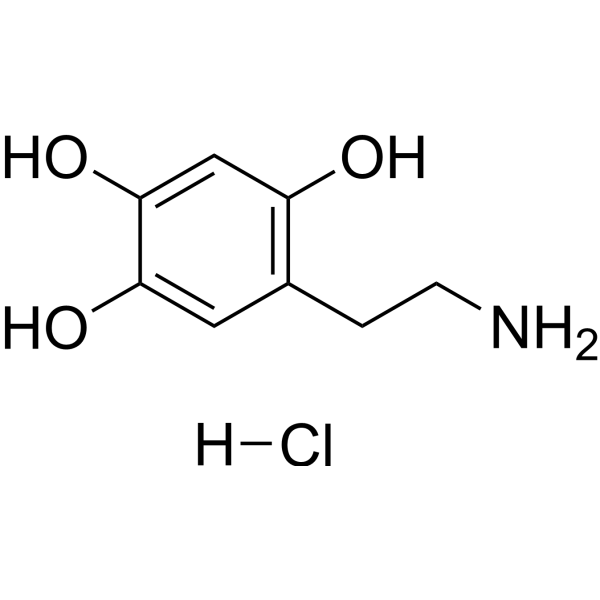
Oxidopamine (6-OHDA) hydrochloride is an antagonist of the neurotransmitter dopamine. Oxidopamine hydrochloride is a widely used neurotoxin and selectively destroys dopaminergic neurons. Oxidopamine hydrochloride promotes COX-2 activation, leading to PGE2 synthesis and pro-inflammatory cytokine IL-1β secretion. Oxidopamine hydrochloride can be used for the research of Parkinson’s disease (PD), attention-deficit hyperactivity disorder (ADHD), and Lesch-Nyhan syndrome .
loading...
    loading...
50
50 Cited Publications
Cat. No.: HY-B1081A
CAS No.: 636-00-0
Synonyms: 6-Hydroxydopamine hydrobromide; 6-OHDA hydrobromide
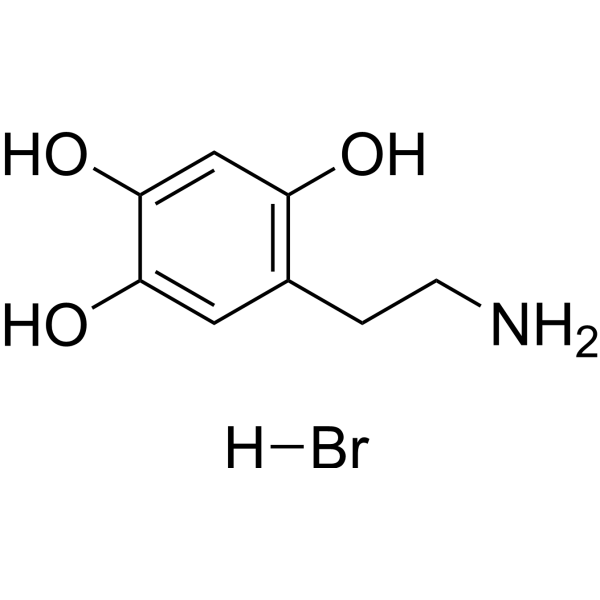
Oxidopamine (6-OHDA) hydrobromide is an antagonist of the neurotransmitter dopamine. Oxidopamine hydrobromide is a widely used neurotoxin and selectively destroys dopaminergic neurons. Oxidopamine hydrobromide promotes COX-2 activation, leading to PGE2 synthesis and pro-inflammatory cytokine IL-1β secretion. Oxidopamine hydrobromide can be used for the research of Parkinson’s disease (PD), attention-deficit hyperactivity disorder (ADHD), and Lesch-Nyhan syndrome .
loading...
    loading...
33
33 Cited Publications
Cat. No.: HY-17443
CAS No.: 127373-66-4
Synonyms: EI546; LY544349; ONO5046
Target:  

Elastase SARS-CoV

Research Areas:  

Cancer

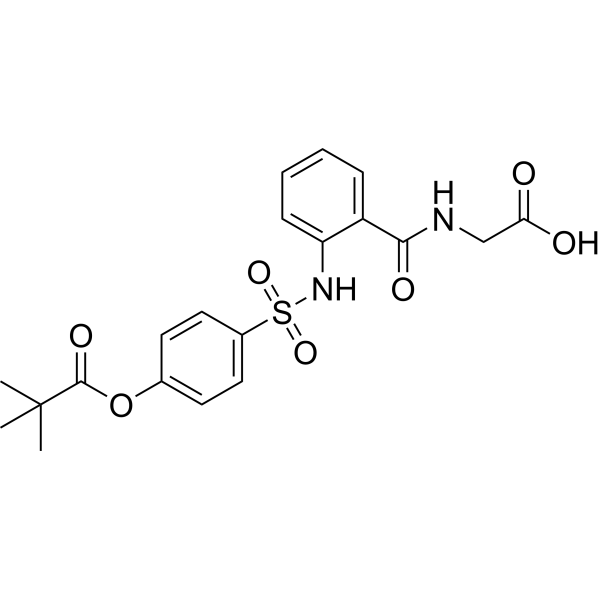
Sivelestat (EI546) is a competitive inhibitor of human neutrophil elastase, with an IC50 of 44 nM and a Ki of 200 nM. Sivelestat (EI546) has the potential for the study of acute lung injury/acute respiratory distress syndrome or disseminated intravascular coagulation in COVID-19 .
loading...
    loading...
33
33 Cited Publications
Cat. No.: HY-17443A
CAS No.: 150374-95-1
Synonyms: ONO5046-Na; Sodium sivelestat; EI546 sodium; LY544349 sodium
Target:  

Elastase SARS-CoV

Research Areas:  

Cancer

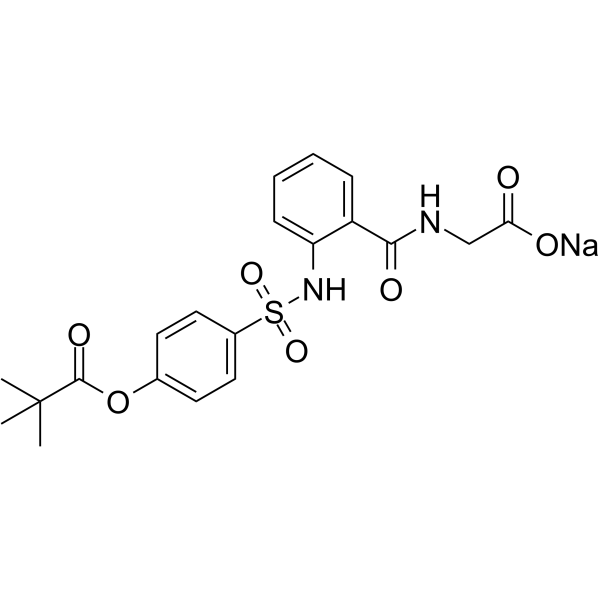
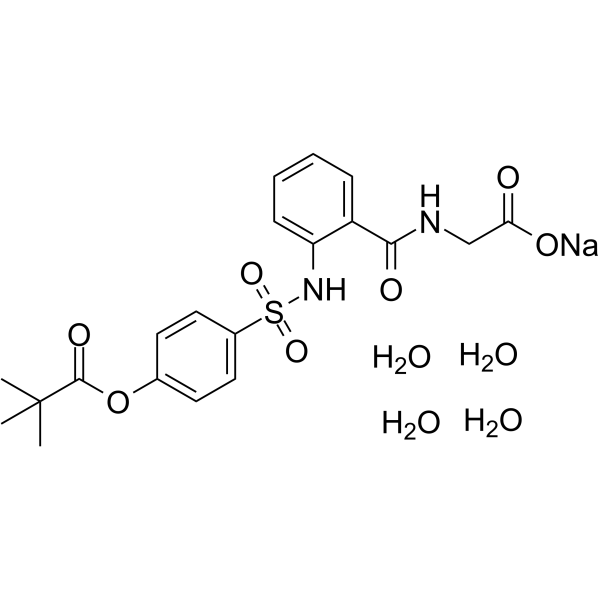
Sivelestat (EI546) sodium is a competitive inhibitor of human neutrophil elastase, with an IC50 of 44 nM and a Ki of 200 nM. Sivelestat (EI546) sodium has the potential for the study of acute lung injury/acute respiratory distress syndrome or disseminated intravascular coagulation in COVID-19 .
loading...
    loading...
33
33 Cited Publications
Cat. No.: HY-17443B
CAS No.: 201677-61-4
Synonyms: EI546 sodium tetrahydrate; LY544349 sodium tetrahydrate; ONO5046 sodium tetrahydrate
Target:  

Elastase SARS-CoV

Research Areas:  

Cancer

Sivelestat (EI546) sodium tetrahydrate is a competitive inhibitor of human neutrophil elastase, with an IC50 of 44 nM and a Ki of 200 nM. Sivelestat (EI546) sodium tetrahydrate has the potential for the study of acute lung injury/acute respiratory distress syndrome or disseminated intravascular coagulation in COVID-19 .
loading...
    loading...
30
30 Cited Publications
Cat. No.: HY-16637
CAS No.: 59-30-3
Synonyms: Vitamin B9; Vitamin M
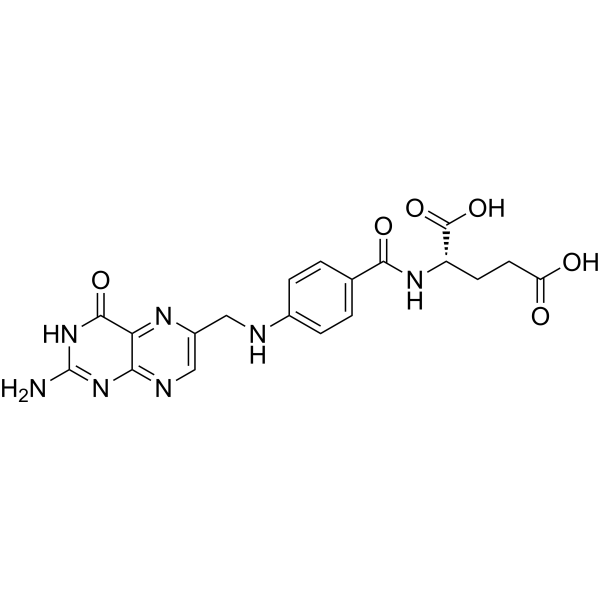
Folic acid (Vitamin B9) is a orally active essential nutrient from the B complex group of vitamins. Folic acid shows antidepressant-like effect. Folic acid sodium reduces the risk of neonatal neural tube defects. Folic acid can be used to the research of megaloblastic and macrocytic anemias due to folic deficiency .
loading...
    loading...
28
28 Cited Publications
Cat. No.: HY-100202
CAS No.: 16858-02-9
Purity:  99.91%
Synonyms: TPEDA
Research Areas:  

Cancer

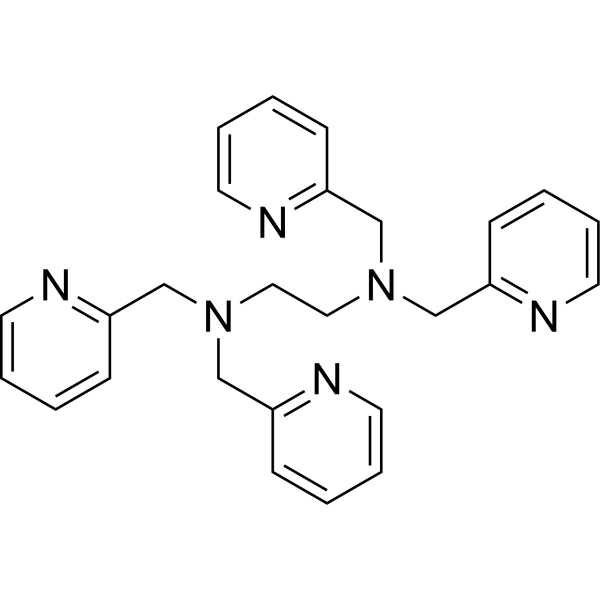
TPEN (TPEDA) is a specific cell-permeable heavy metal chelator. TPEN has a higher affinity for Zn 2+, but a lower affinity for Mg 2+ and Ca 2+. TPEN induces DNA damage and increases intracellular ROS production. TPEN also inhibits cell proliferation and induces apoptosis .
loading...
    loading...
28
28 Cited Publications
Cat. No.: HY-P1363
Synonyms: Amyloid β-peptide (1-42) (human) TFA
Target:  

Amyloid-β

Research Areas:  

Neurological Disease

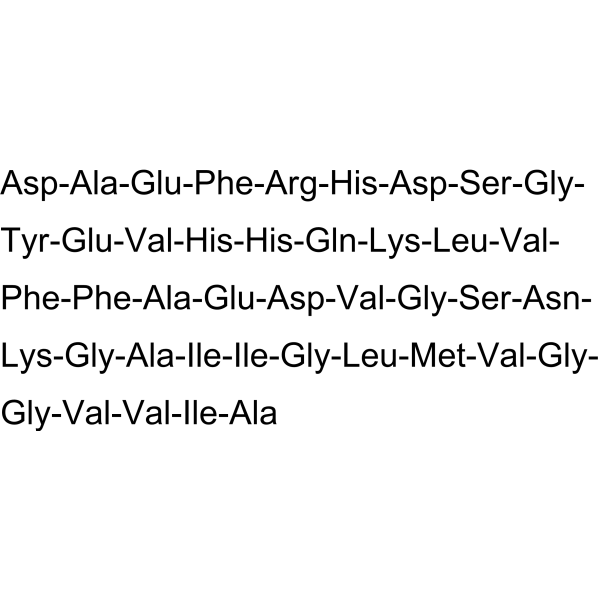
β-Amyloid (1-42) (Amyloid β-peptide (1-42), human TFA, a 42-amino acid peptide that has not been treated with HFIP, is a brain-penetrant amyloid protein fragment, which can be used in research on Alzheimer's disease and Down’s syndrome. β-Amyloid (1-42), human TFA remaining as a monomer exhibits antioxidant and neuroprotective effects. β-Amyloid (1-42), human TFA, after being monomericized by HFIP and dissolved in DMSO to form the stock solution, on the one hand, can form soluble oligomers (AβOs) when incubated at 4 °C, which have synaptic toxicity and neurotoxicity; on the other hand, it can be incubated at 37 °C to form insoluble fibrils, with lower neurotoxicity, and participating in the oxidative damage process. Aβ42 oligomers bind to various neuronal surface receptors (such as PrPc, mGluR5, NMDA receptors, etc.), triggering oxidative stress, calcium homeostasis imbalance, and synaptic toxicity via activating downstream signaling pathways, leading to neuronal dysfunction and death .
loading...
    loading...
28
28 Cited Publications
Cat. No.: HY-P1363A
CAS No.: 107761-42-2
Synonyms: Amyloid β-peptide (1-42) (human)
Target:  

Amyloid-β

Research Areas:  

Neurological Disease

β-Amyloid (1-42) (Amyloid β-peptide (1-42)), human, a 42-amino acid peptide that has not been treated with HFIP, is a brain-penetrant amyloid protein fragment, which can be used in research on Alzheimer's disease and Down’s syndrome. β-Amyloid (1-42), human remaining as a monomer exhibits antioxidant and neuroprotective effects. β-Amyloid (1-42), human, after being monomericized by HFIP and dissolved in DMSO to form the stock solution, on the one hand, can form soluble oligomers (AβOs) when incubated at 4 °C, which have synaptic toxicity and neurotoxicity; on the other hand, it can be incubated at 37 °C to form insoluble fibrils, with lower neurotoxicity, and participating in the oxidative damage process. Aβ42 oligomers bind to various neuronal surface receptors (such as PrPc, mGluR5, NMDA receptors, etc.), triggering oxidative stress, calcium homeostasis imbalance, and synaptic toxicity via activating downstream signaling pathways, leading to neuronal dysfunction and death .
loading...
    loading...
28
28 Cited Publications
Cat. No.: HY-P1363B
CAS No.: 107761-42-2
Target:  

Amyloid-β

Research Areas:  

Neurological Disease

β-Amyloid (1-42), human, HFIP-treated, a 42-amino acid peptide that has been treated with HFIP from β-Amyloid (1-42), human (HY-P1363A), is a brain-penetrant amyloid protein fragment, which can be used in research on Alzheimer's disease and Down’s syndrome. β-Amyloid (1-42), human, HFIP-treated remaining as a monomer exhibits antioxidant and neuroprotective effects. β-Amyloid (1-42), human, HFIP-treated, after being dissolved in DMSO to form the stock solution, on the one hand, can form soluble oligomers (AβOs) when incubated at 4°C, which have synaptic toxicity and neurotoxicity; on the other hand, it can be incubated at 37°C to form insoluble fibrils, with lower neurotoxicity, and participating in the oxidative damage process. Aβ42 oligomers bind to various neuronal surface receptors (such as PrPc, mGluR5, NMDA receptors, etc.), triggering oxidative stress, calcium homeostasis imbalance, and synaptic toxicity via activating downstream signaling pathways, leading to neuronal dysfunction and death .
loading...
    loading...

