

60 Results for "

human liver cancer cells

" in MedChemExpress (MCE) Product Catalog:
Products (60)

60 Results for "human liver cancer cells" in MCE Product Catalog:

6
6 Publications Verification
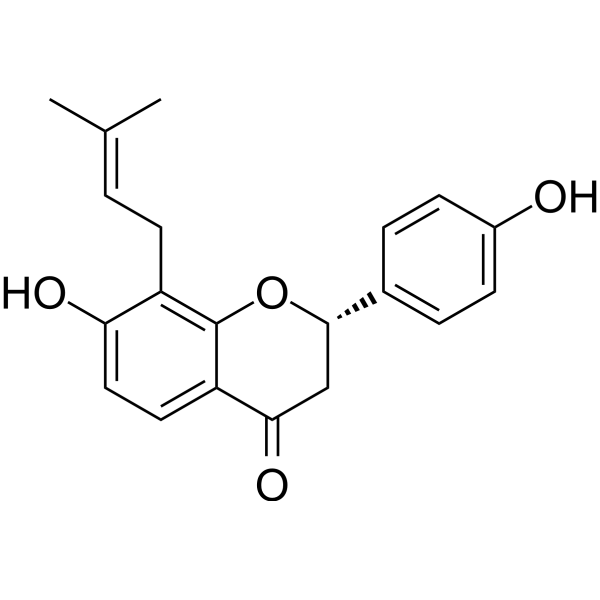
Cat. No.: HY-N0762
CAS No.: 31524-62-6
Isobavachin is an orally active, blood-brain barrier-penetrating prenylated flavonoid present in Psoralea corylifolia. Isobavachin inhibits human CYP2B6, CYP2C9, CYP2C19, UGT1A1, UGT1A9, and UGT2B7. Isobavachin suppresses MAPK activation, NF-κB nuclear translocation, overexpression of iNOS/COX-2, FcεRI-mediated signaling pathways, and RANKL-induced osteoclastogenesis. Isobavachin induces autophagy, cytotoxicity, neuronal differentiation, and NRF2 activation; it alleviates oxidative damage, inflammatory responses, apoptosis, iron accumulation, mitochondrial biogenesis, and mast cell degranulation. Isobavachin is applicable to research related to liver injury, inflammatory diseases, osteoporosis, liver cancer, prostate cancer, glioma, periodontitis-induced bone loss, and Alzheimer's disease .
loading...
    loading...
5
5 Cited Publications
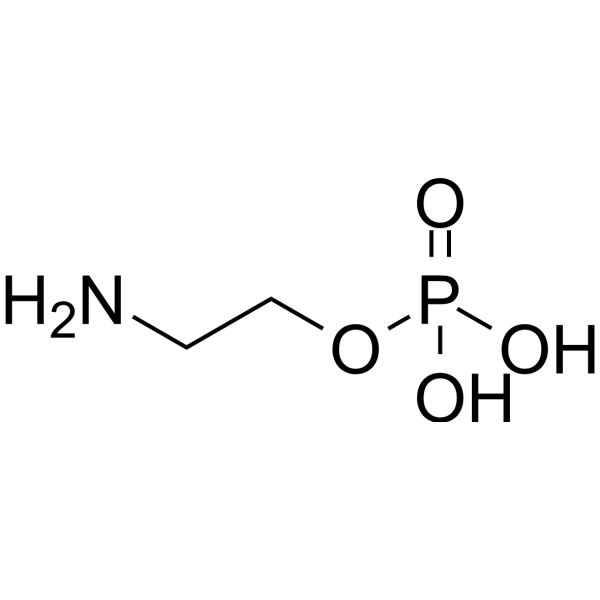
Cat. No.: HY-N5034
CAS No.: 1071-23-4
Synonyms: Monoaminoethyl phosphate; NSC 254167; O-Phosphoethanolamine
Phosphorylethanolamine (Monoaminoethyl phosphate) is a membrane phospholipid and an important precursor of Phosphatidylcholine (HY-N18891). It is found in most animal tissues and various human extracranial tumors, playing a critical role in membrane integrity, cell division, mitochondrial respiratory function, and more. Studies have shown that changes in the abundance of Phosphorylethanolamine are associated with Alzheimer's disease and Parkinson's disease. Lowering the ratio of Phosphorylethanolamine to Phosphatidylcholine in the liver can improve insulin signaling. Phosphorylethanolamine holds promise for research in the fields of cancer, neurodegenerative disorders, and metabolic diseases .
loading...
    loading...
5
5 Cited Publications
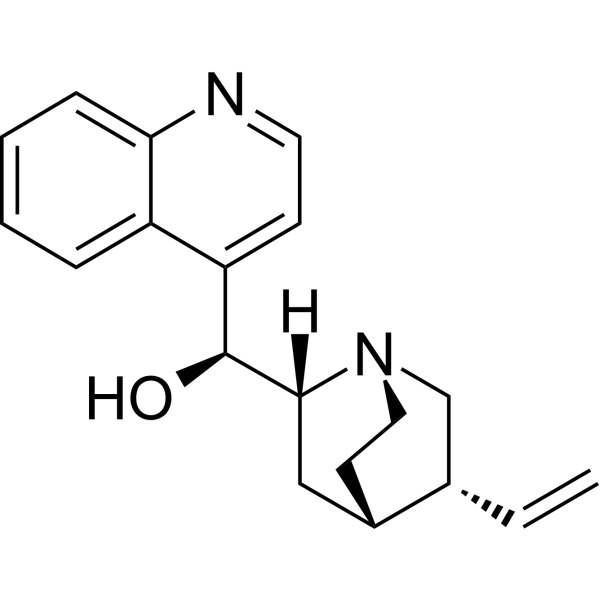
Cat. No.: HY-Y0152
CAS No.: 118-10-5
Synonyms: (8R,9S)-Cinchonine; LA40221
Cinchonine is a natural compound present in Cinchona bark with antimalarial, antitumor, anti-inflammatory, anti platelet-aggregation and anti-obesity properties. Cinchonine inhibits cells proliferation and autophagy and induces apoptosis through activation of Caspase-3. Cinchonine activates endoplasmic reticulum stress-induced apoptosis in human liver cancer cells .
loading...
    loading...
4
4 Cited Publications
Cat. No.: HY-P99667
CAS No.: 1391727-24-4
Synonyms: OMP-54F28; FZD8-Fc

Target:  

Wnt

Research Areas:  

Cancer

Ipafricept (OMP-54F28; FZD8-Fc) is a first class recombinant fusion protein with the extracellular part of the human frizzled-8 receptor fused to a human IgG1 Fc fragment that binds Wnt ligands, which blocks Wnt signaling. Ipafricept reduces tumor growth and results in a decrease in both liver and lung metastases combined with Gemcitabine (HY-17026) in pancreatic cancer mouse models. Ipafricept shows solid tumor inhibition activity with well tolerance, such as desmoid tumor, germ cell cancer, ovarian cancer .
loading...
    loading...
4
4 Cited Publications
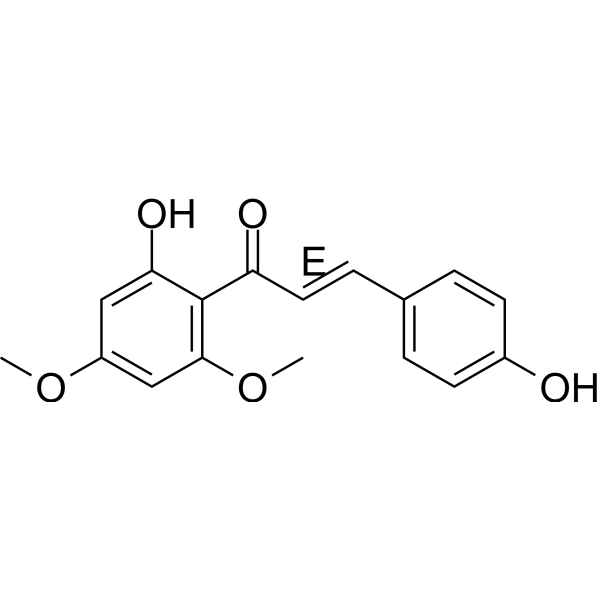
Cat. No.: HY-N2445
CAS No.: 37308-75-1
Flavokawain C is an orally active natural chalcone. Flavokawain C inhibits the proliferation of various cancer cells. Flavokawain C upregulates GADD153 in cancer cells, inhibits the phosphorylation of Akt and JNK, suppresses early ERK phosphorylation, activates late ERK phosphorylation, activates caspase related subtypes, induces PARP-1 cleavage, causes upregulation of p21 and p27, downregulation of mutant p53 and anti-apoptotic IAP proteins, elevates intracellular ROS levels, reduces SOD activity, and induces apoptosis. Flavokawain C downregulates FABP4, induces autophagy in cancer cells, and activates the AMPK/mTOR pathway . Flavokawain C decreases the expression of glycolysis-related proteins GLUT1 and HK2, and inhibits glycolysis in nasopharyngeal carcinoma cells. Flavokawain C inhibits the activation of the EGFR/PI3K/Akt/mTOR signaling pathway and reduces the expression of HSP90B1. Flavokawain C inhibits angiogenesis by decreasing the expression of angiogenic proteins Ang-1 and VEGF in human umbilical vein endothelial cells. Flavokawain C increases γ-H2AX levels in cells, inhibits the phosphorylation of FAK, PI3K and AKT in cells, and induces DNA damage in cells. Flavokawain C exerts anti-tumor activity in multiple tumor xenograft mouse models. Flavokawain C is applicable to research related to colorectal cancer, colon adenocarcinoma, nephroblastoma, nasopharyngeal carcinoma and liver cancer .
loading...
    loading...
3
3 Cited Publications
Cat. No.: HY-15163
CAS No.: 1204918-72-8
Synonyms: TG02; SB1317
Target:  

JAK CDK FLT3

Research Areas:  

Cancer

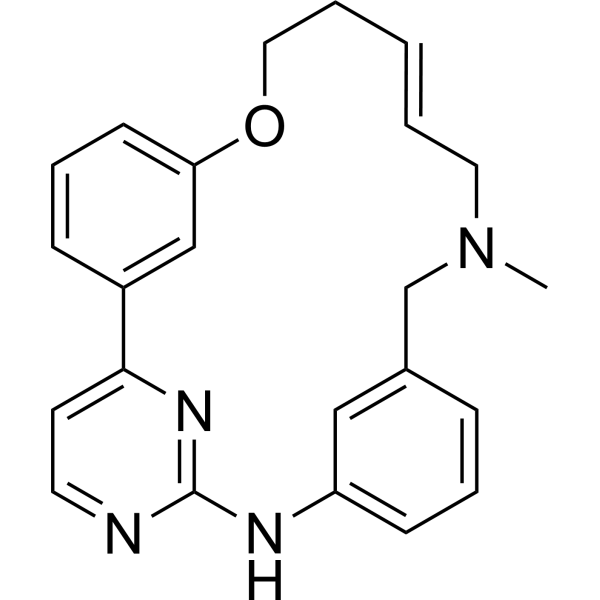
Zotiraciclib (TG02; SB1317) is an orally active JAK2/FLT3/CDK2 inhibitor with IC50 values of 13 nM, 73 nM and 56 nM , respectively. Zotiraciclib inhibits cancer cell proliferation, tumor growth and the activity of CYP2D6. Zotiraciclib exhibits high plasma protein binding rate, Caco-2 permeability and tissue distribution capacity, as well as metabolic stability in human and canine liver microsomes. Zotiraciclib achieves tumor growth inhibition in nude mouse models of colon cancer and lymphoma xenografts. Zotiraciclib can be used for research related to colon cancer, B-cell lymphoma, advanced leukemia, acute leukemia and multiple myeloma .
loading...
    loading...
2
2 Cited Publications
Cat. No.: HY-109056
CAS No.: 868046-19-9
Purity:  99.90%
Synonyms: R-1206
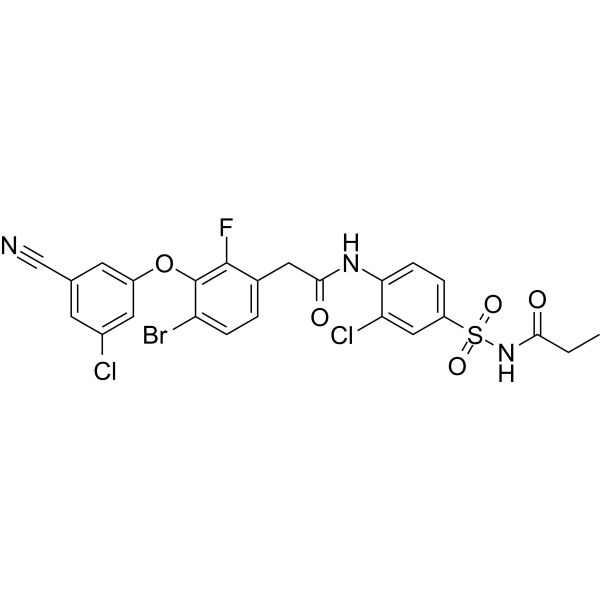
Elsulfavirine (R-1206) is an orally active human carbonic anhydrase (carbonic anhydrase, CA) inhibitor and an allosteric inhibitor of HIV-1 non-nucleoside reverse transcriptase (NNRT). Elsulfavirine also targets and blocks the interaction between adenylosuccinate lyase (ADSL) and insulin-induced gene proteins INSIG1/2, blocks SREBP-1-mediated de novo lipid synthesis, and inhibits the proliferation of liver cancer cells. The combination of Elsulfavirine and Lenvatinib (HY-10981) produces a synergistic anti-tumor effect. Elsulfavirine is converted into the active metabolite VM1500A in vivo, blocks the DNA polymerase activity of reverse transcriptase, and inhibits HIV-1 replication. Elsulfavirine exhibits a Ki of 1960 nM-52400 nM against human carbonic anhydrase isoforms including I, VII, VI, VA, VB, IX, XIII, XIV. Elsulfavirine is used in studies related to HIV-1 infection and liver cancer .
loading...
    loading...
2
2 Cited Publications
Cat. No.: HY-146302
CAS No.: 2770842-10-7
Purity:  99.00%
Research Areas:  

Cancer

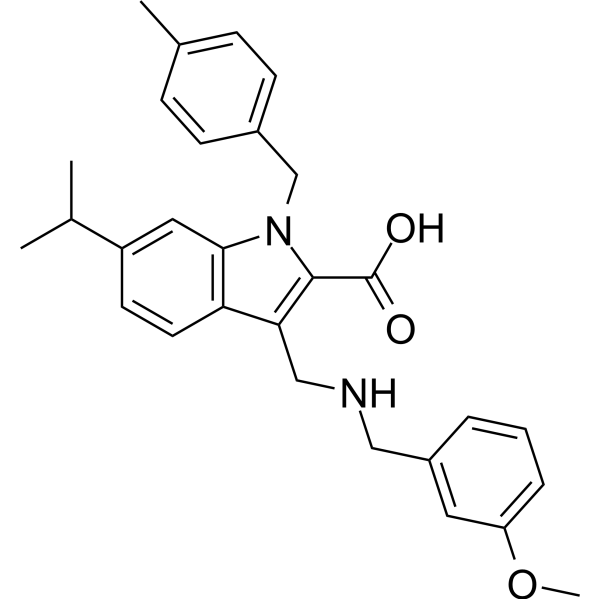
14-3-3η Protein inhibitor 1 (Compound C11) is a 14-3-3η protein inhibitor with a KD of 35 µM. 14-3-3η Protein inhibitor 1 shows inhibitory activities against several typical human liver cancer cell lines. 14-3-3η Protein inhibitor 1 induces cell apoptosis and G1-S cell cycle arrest with good metabolic stability .
loading...
    loading...
1
1 Cited Publications
Cat. No.: HY-120356A
CAS No.: 2250404-95-4
Purity:  99.05%
Synonyms: TAI-95 tosylate
Target:  

NEKs Apoptosis

Research Areas:  

Cancer

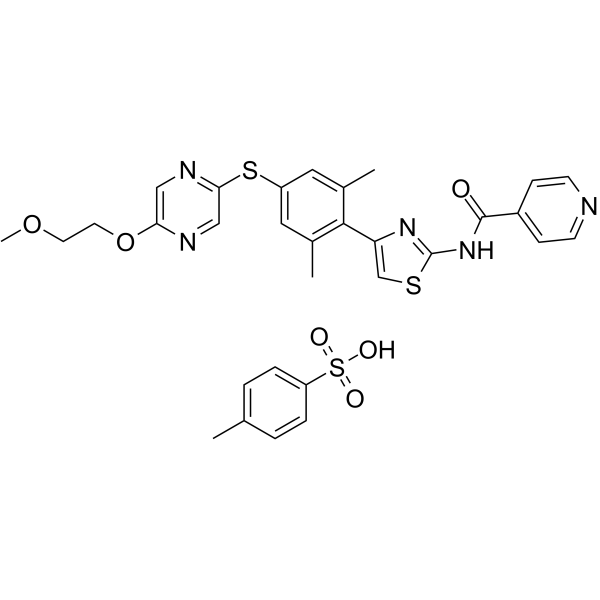
T-1101 tosylate (TAI-95 tosylate) is the tosylate salt form of T-1101 (HY-120356). T-1101 tosylate is an orally active inhibitor for mitose regulating highly expressed oncoprotein 1 (Hec1). T-1101 tosylate blocks the interaction between Hec1 and NEK2, exhibits cytotoxicity in human liver cancer cells with GI50 of 15-70 nM. T-1101 tosylate induces apoptosis in Huh-7. T-1101 tosylate exhibits antitumor efficacy in mouse models .
loading...
    loading...
1
1 Cited Publications
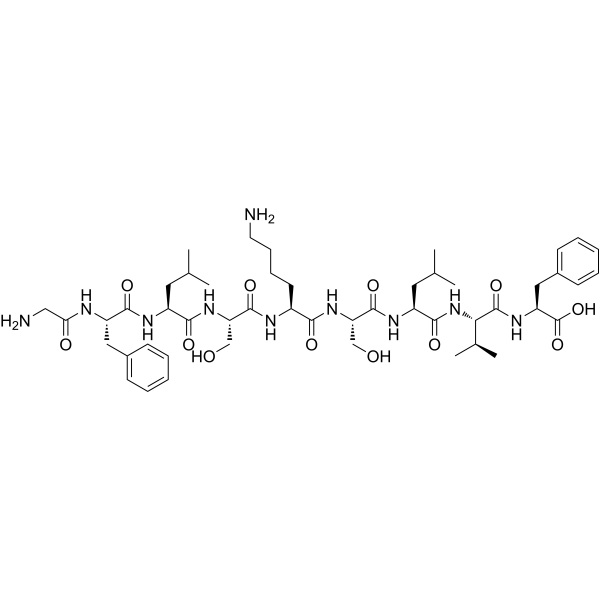
Cat. No.: HY-P10086
CAS No.: 1289375-12-7
Synonyms: human TREM-1(213-221)
TREM-1 inhibitory peptide GF9 (Human TREM-1 (213-221)) is a TREM-1 inhibitor. TREM-1 inhibitory peptide GF9 blocks the TREM-1 signaling pathway via a ligand-independent mechanism, spontaneously inserts into the cell membrane to dissociate TREM-1 from DAP-12, and functions through the Signaling Chain Homooligomerization (SCHOOL) model. TREM-1 inhibitory peptide GF9 reduces the levels of TNFα, IL-1β, IL-6, and M-CSF. TREM-1 inhibitory peptide GF9 inhibits tumor growth, prolongs the survival of mice with pancreatic cancer models, ameliorates collagen-induced arthritis, and exerts protective effects on bone and cartilage simultaneously. TREM-1 inhibitory peptide GF9 can be used in research related to arthritis, pancreatic cancer, retinopathy, alcoholic liver disease, and liver cancer .
loading...
    loading...
Cat. No.: HY-P99896
CAS No.: 2361325-98-4
Synonyms: BTRC-4017A; RG-6194

Target:  

EGFR CD3

Research Areas:  

Cancer

Runimotamab (BTRC-4017A) is a HER2 and CD3 T cell-engaging bispecific antibody. Runimotamab can decrease the size of liver tumor spheroids. Runimotamab can be studied in oncology research such as HER2-expressing cancers. Recommend Isotype Controls: Human IgG1 kappa, Isotype Control (HY-P99001) .
loading...
    loading...
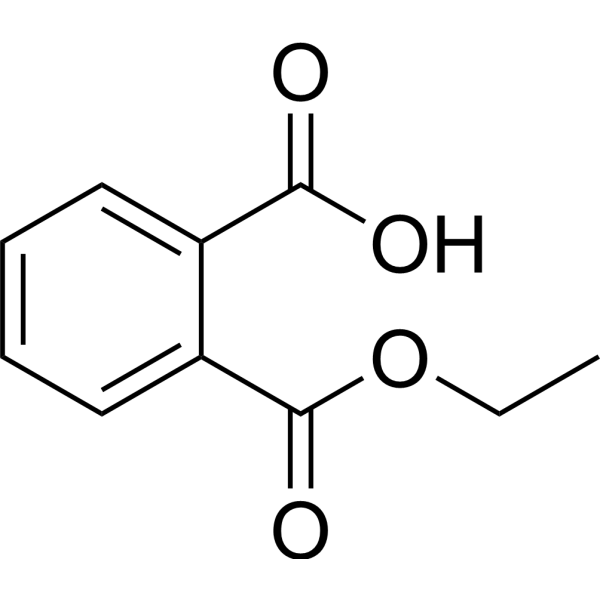
Cat. No.: HY-133668
CAS No.: 2306-33-4
Purity:  96.78%
Monoethyl phthalate is an orally active PDX-1 activator and the major hydrolytic metabolite of Diethyl phthalate (HY-Y0284) in vivo, with reproductive toxicity. Monoethyl phthalate targets aromatase (aromatase/CYP19A1) and PPAR to induce cell proliferation. The plasma protein binding rate of Monoethyl phthalate in rats and humans is lower than that of Diethyl phthalate. It exhibits significant enterohepatic circulation in rats and mainly accumulates in liver tissues. Monoethyl phthalate shows no estrogenic activity in estrogen-dependent human breast cancer cells. Monoethyl phthalate can be used in studies of reproductive toxicity and related environmental endocrine disruption mechanisms .
loading...
    loading...
Cat. No.: HY-124529
CAS No.: 37116-80-6
Lunularin is an inhibitor of 11β-hydroxysteroid dehydrogenase 1, with an IC50 of 45.44 μM and a Ki of 35.8 μM against human 11β-HSD1, and an IC50 of 17.39 μM and a Ki of 10.31 μM against rat 11β-HSD1. Lunularin upregulates the transcription levels of Sirt1 and Hmox1 genes in the liver. Lunularin reduces food intake and body weight gain, and decreases blood glucose levels in mice fed a high-fat diet. Lunularin inhibits LPS-induced TLR4-mediated NF-κB pathway activation and nitric oxide production. Lunularin inhibits the proliferation and colony formation of renal cancer and colon cancer cells, and exhibits cancer cell-specific cytotoxicity. Lunularin binds to the steroid-binding site of human 11β-HSD1 and the steroid/NADPH-binding region of rat 11β-HSD1, but does not inhibit 11β-HSD2 or mouse 11β-HSD1. Lunularin can be used in research related to diet-induced obesity, renal cancer, colorectal cancer, inflammatory diseases and metabolic syndrome .
loading...
    loading...
Cat. No.: HY-128553
CAS No.: 91531-30-5
Purity:  99.84%
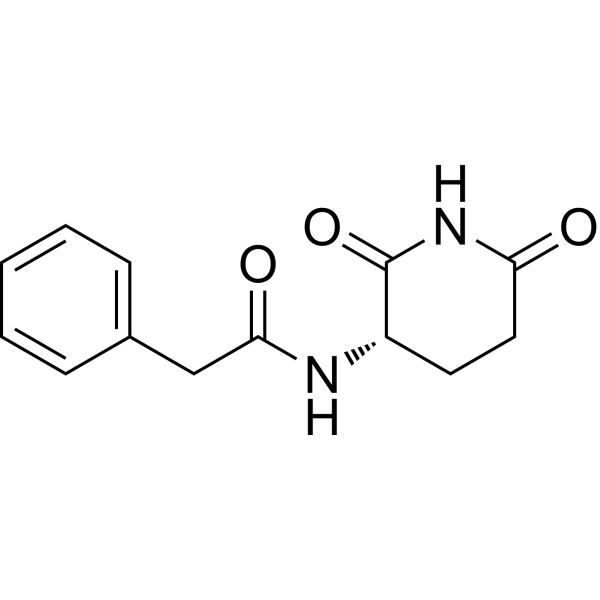
Antineoplaston A10 is an antineoplaston that inhibits the growth of human hepatoma cells by inducing apoptosis. Antineoplaston A10 can be used in the study of liver cancer and breast cancer .
loading...
    loading...
Cat. No.: HY-175035
CAS No.: 3114833-48-3
Target:  

Hexokinase

Research Areas:  

Inflammation/Immunology Cancer

HK-2-IN-1 is a Hexokinase 2 (HK-2) inhibitor. HK-2-IN-1 exhibits a non-activating effect on human recombinant HK-2 enzyme. HK-2-IN-1 has anti-tumor activity, affecting immune cells in the tumor microenvironment. HK-2-IN-1 has immunomodulatory effects and is potentially useful in the study of cancers such as colon cancer, liver cancer, and breast cancer .
loading...
    loading...
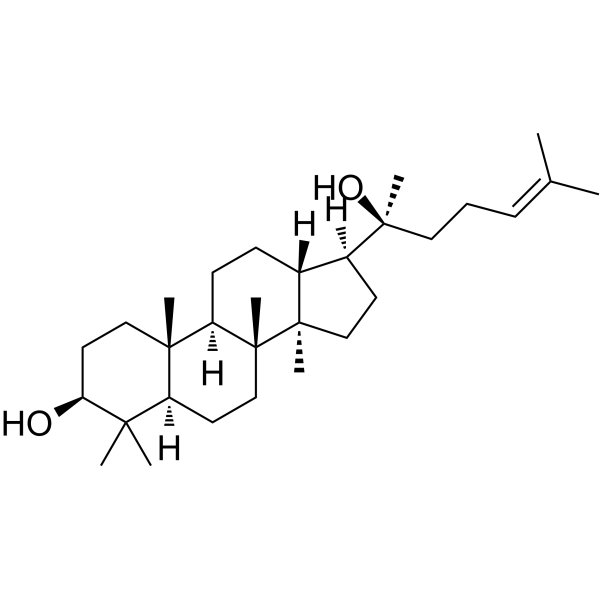
Cat. No.: HY-N3677
CAS No.: 14351-29-2
Dammarenediol II is a ginsenoside precursor . Dammarenediol II reduces the activity of O-GlcNAc transferase (OGT) and downregulates the global O-GlcNAcylation level. Dammarenediol II inhibits the phosphorylation of Akt, mTOR and GSK3β. Dammarenediol II inhibits human carboxylesterase activity, VEGF-induced ROS production, stress fiber formation and vascular endothelial cadherin disruption. Dammarenediol II promotes cell apoptosis (apoptosis), increases the levels of cleaved PARP1 and p53, and inhibits retinal microvascular leakage. Dammarenediol II can be used in studies related to liver cancer and diabetic retinopathy .
loading...
    loading...
Cat. No.: HY-107030
CAS No.: 21721-92-6
Purity:  99.44%
Synonyms: EMD-15700
Research Areas:  

Cancer

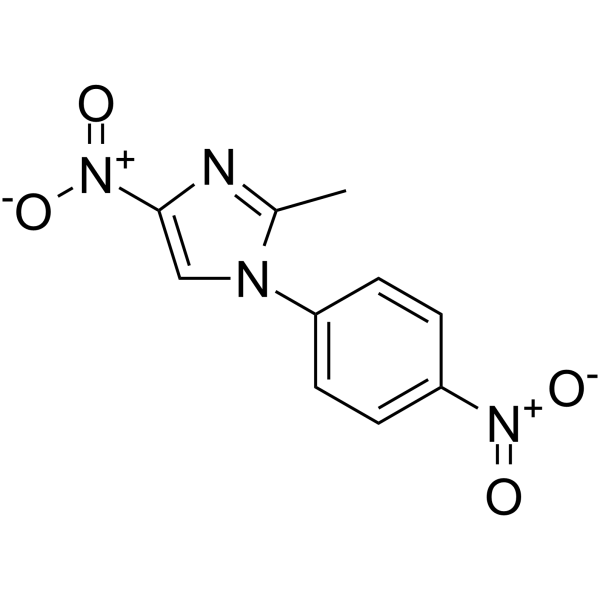
Nitrefazole (EMD-15700) is an aldehyde dehydrogenase (ALDH) inhibitor. Nitrefazole specifically inhibits human liver ALDH I and human erythrocyte ALDH isozymes, but does not alter the activity of human liver ALDH II or human placental ALDH. Nitrefazole effectively promotes exosome secretion in prostate cancer cells by increasing the levels of Alix, nSMase2, Rab27a and p-ERK . Nitrefazole can be used in studies related to prostate cancer .
loading...
    loading...
Cat. No.: HY-169120
CAS No.: 108979-07-3
Target:  

Telomerase

Research Areas:  

Cancer

FKB04 is a telomeric repeat binding factor 2 (TRF2) inhibitor that exerts its antitumor activity by disrupting the telomere maintenance mechanism in liver cancer cells, leading to T-loop defects, telomere shortening, and cellular senescence. Additionally, FKB04 can inhibit tumor growth in a human liver cancer xenograft mouse model (with Huh-7 cells implanted in BALB/c mice). FKB04 can be used in liver cancer research .
loading...
    loading...
Cat. No.: HY-173084
Target:  

Phosphatase MDM-2/p53

Research Areas:  

Cancer

BRD6257 is an orally active inhibitor for protein phosphatase, Mg2+/Mn2+ dependent 1D PPM1D with an IC50 of 5 nM. BRD6257 activates p53 signaling pathway with an EC50 of 51 nM, increases the p21 expression, inhibits the proliferation of cancer cell MOLM13 (IC50=2.8 μM). BRD6257 exhibits good metabolic stability in human and rat liver microsomes .
loading...
    loading...
Cat. No.: HY-N11546
CAS No.: 30994-75-3
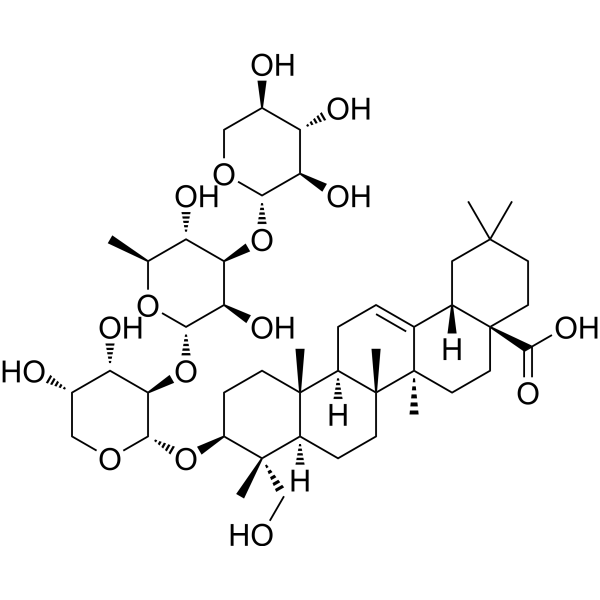
Sapindoside B is a substance with hepatoprotective activity, and also acts as a cytochrome P-450 (cytochrome P-450) inhibitor, antibacterial agent and membrane-disrupting agent. Sapindoside B reversibly inhibits the content of cytochrome P-450 in liver microsomes, suppresses the phenobarbital-induced increase in enzyme content, reduces the production of active metabolites mediated by cytochrome P-450, and alleviates hepatotoxic injury. Sapindoside B binds to Cutibacterium acnes lipase, reduces lipase activity, inhibits biofilm formation, and decreases bacterial adhesion. Sapindoside B exhibits cytotoxicity against human cancer, liver cancer, leukemia and glioblastoma cells. Sapindoside B inhibits mycelial growth of phytopathogenic fungal strains, possesses antibacterial activity against dermatophytes, and also has hemolytic/membrane-lytic activity. Sapindoside B can be used in research related to liver injury, Cutibacterium acnes biofilm-associated infections, gastric cancer, carcinoma, promyelocytic leukemia, glioblastoma, apple scab and grape gray mold .
loading...
    loading...

