
1. Search Result
Search Result
Pathways Recommended: Stem Cell/Wnt Cell Cycle/DNA Damage
Results for "

hypoxic cell

" in MedChemExpress (MCE) Product Catalog:

87

Inhibitors & Agonists

2

Screening Libraries

4

Peptides

15

Natural
Products

7

Isotope-Labeled Compounds

1

Click Chemistry

1

Oligonucleotides

Cat. No. Product Name Target Research Areas Chemical Structure
  • HY-N6782
    Oligomycin
    Maximum Cited Publications
    105 Publications Verification

    Oxidative Phosphorylation ATP Synthase Fungal Antibiotic Infection Cancer
    Oligomycin, an antifungal antibiotic, is an inhibitor of H +-ATP-synthase. Oligomycin blocks oxidative phosphorylation and the electron transport chain. Oligomycin inhibits HIF-1alpha expression in hypoxic tumor cells .
    Oligomycin
  • HY-B0239
    Chloramphenicol
    15+ Cited Publications

    Antibiotic Bacterial HIF/HIF Prolyl-Hydroxylase VEGFR Autophagy Apoptosis Beclin1 JNK Akt MMP Infection Cancer
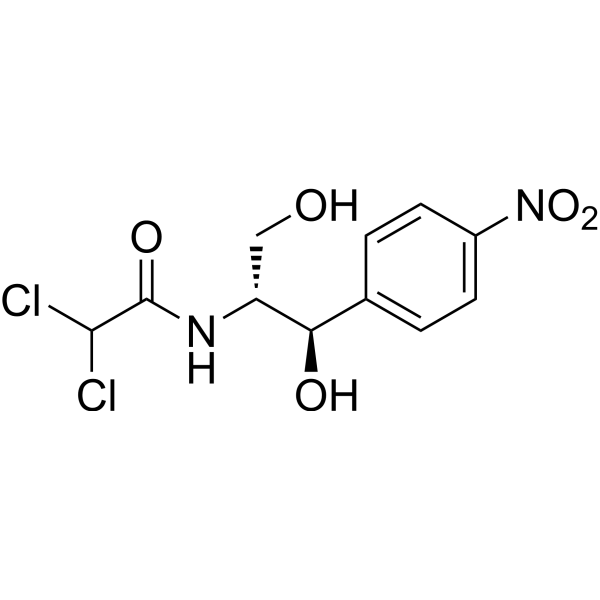
    Chloramphenicol is an orally active, potent and broad-spectrum antibiotic. Chloramphenicol shows antibacterial activity. Chloramphenicol represses the oxygen-labile transcription factor and hypoxia inducible factor-1 alpha (HIF-1α) in hypoxic A549 and H1299 cells. Chloramphenicol suppresses the mRNA levels of vascular endothelial growth factor (VEGF) and glucose transporter 1, eventually decreasing VEGF release. Chloramphenicol can be used for anaerobic infections and lung cancer research .
    Chloramphenicol
  • HY-B1247
    Protoporphyrin IX
    20+ Cited Publications

    PPIX

    Endogenous Metabolite Others
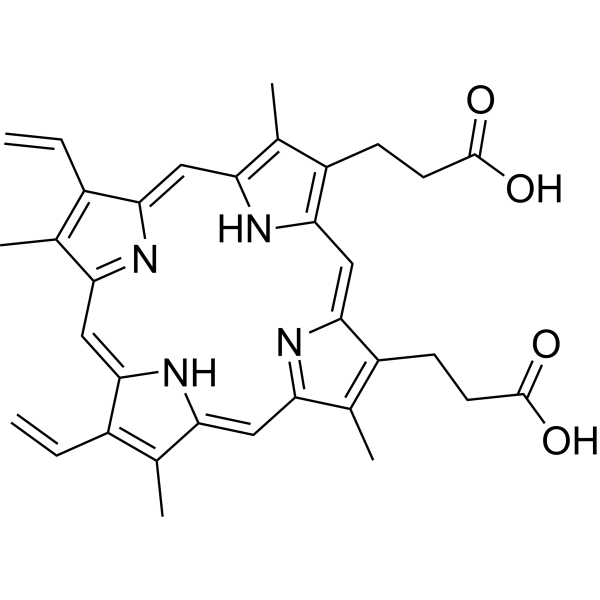
    Protoporphyrin IX is a final intermediate in the heme biosynthetic pathway, which acts as a radiation sensitizer enhancing ROS generation even in a hypoxic state and inducing DNA damage. Protoporphyrin IX also acts as a photo sensitizer undergoing photobleaching that occurs through direct degradation by light irradiation. Protoporphyrin IX is formed and accumulated following 5-aminolevulinic acid (5-ALA) (HY-W000450) administration in the tumor cells of rats. Protoporphyrin IX causes selective improvement of basal cell carcinoma when activated red fluorescence of a peak wavelength at 405 nm. Protoporphyrin IX is promising for research of sonodynamic and photodynamic agents for a wide range of cancers, such as bladder cancer and nodular basal cell carcinoma .
    Protoporphyrin IX
  • HY-105129
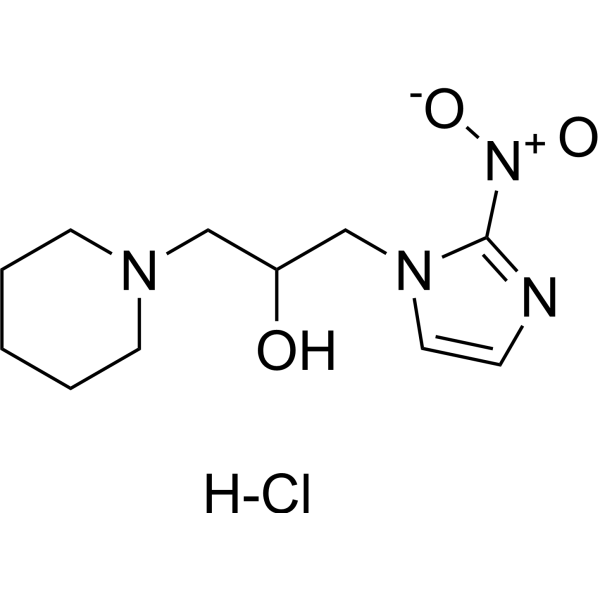
    Pimonidazole hydrochloride
    5+ Cited Publications

    Biochemical Assay Reagents Cancer
    Pimonidazole is a novel hypoxia marker for complementary study of tumor hypoxia and cell proliferation in tumor . Pimonidazole accumulates in hypoxic cells via covalent binding with macromolecules or by forming reductive metabolites after reduction of its nitro group, it can be used for qualitative and quantitative assessment of tumor hypoxia .
    Pimonidazole hydrochloride
  • HY-B1060
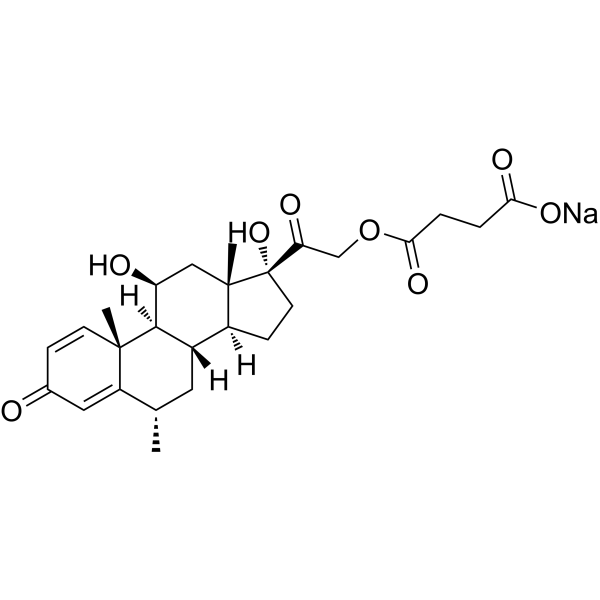
    Methylprednisolone succinate sodium
    2 Publications Verification

    Methylprednisolone hydrogen succinate sodium

    Glucocorticoid Receptor Infection Neurological Disease Inflammation/Immunology Cancer
    Methylprednisolone succinate (Methylprednisolone hydrogen succinate) sodium is a prodrug of Methylprednisolone (HY-B0260) and glucocorticoid with immunosuppressant and anti-inflammatory activity. Methylprednisolone succinate sodium binds cytosolic glucocorticoid receptors, translocates to nuclei, and modulates target gene transcription. Methylprednisolone succinate sodium alters Bax, Bcl-2, occludin, and ZO-1 expression; attenuates TLR4/NF-κB signaling; suppresses proinflammatory cytokine production and immune cell activation. Methylprednisolone succinate sodium can be used for the research of intracranial haemorrhage, rheumatoid arthritis, multiple sclerosis, preterminal cancer, inflammatory conditions, shock, immediate-type hypersensitivity, acute myocardial ischemia, hypoxic heart muscle damage, and traumatic spinal cord injury .
    Methylprednisolone succinate sodium
  • HY-105129A
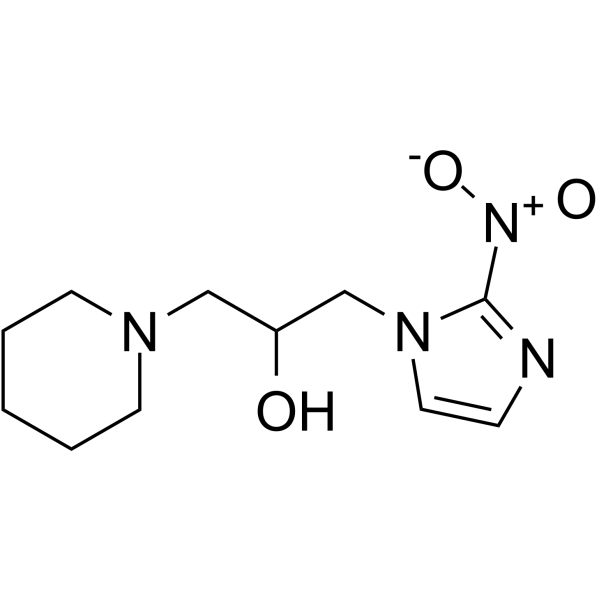
    Pimonidazole
    5+ Cited Publications

    Biochemical Assay Reagents Cancer
    Pimonidazole is a novel hypoxia marker for complementary study of tumor hypoxia and cell proliferation in tumor . Pimonidazole accumulates in hypoxic cells via covalent binding with macromolecules or by forming reductive metabolites after reduction of its nitro group, it can be used for qualitative and quantitative assessment of tumor hypoxia .
    Pimonidazole
  • HY-B0762
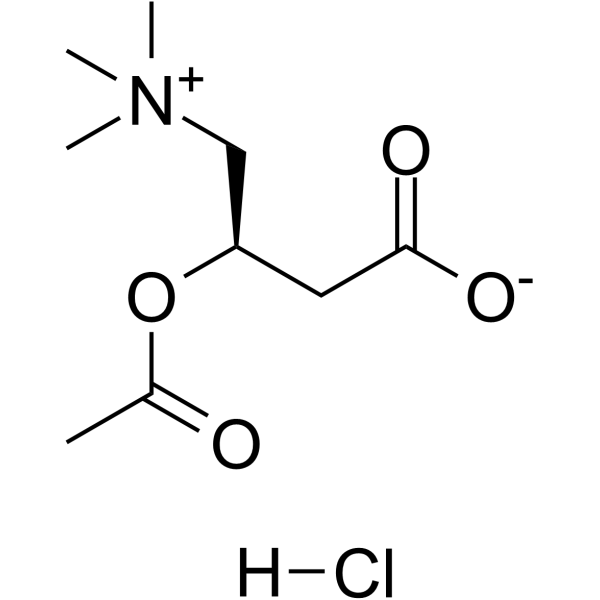
    Acetyl-L-carnitine hydrochloride
    2 Publications Verification

    O-Acetyl-L-carnitine hydrochloride; ALCAR hydrochloride

    Caspase Apoptosis Neurological Disease
    Acetyl-L-carnitine (O-Acetyl-L-carnitine; ALCAR) hydrochloride is an orally active mitochondrial energy metabolism regulator and neuroprotectant that can penetrate the blood-brain barrier. Acetyl-L-carnitine hydrochloride selectively enters cells and the brain through the organic cation transporter OCTN2. Acetyl-L-carnitine hydrochloride can participate in fatty acid β-oxidation, promote acetylcholine synthesis, regulate mitochondrial function and inhibit oxidative stress as an acetyl donor. Acetyl-L-carnitine hydrochloride exerts its activity by enhancing energy metabolism, protecting neurons and improving synaptic plasticity. Acetyl-L-carnitine hydrochloride is mainly used in the study of neurodegenerative diseases and metabolic disorder-related diseases such as neonatal hypoxic-ischemic brain damage, Alzheimer's disease, and depression .
    Acetyl-L-carnitine hydrochloride
  • HY-13767
    Tirapazamine
    10+ Cited Publications

    SR259075; SR4233; Win59075; SML 0552; SR 259075; Tirazone

    DNA/RNA Synthesis Cancer
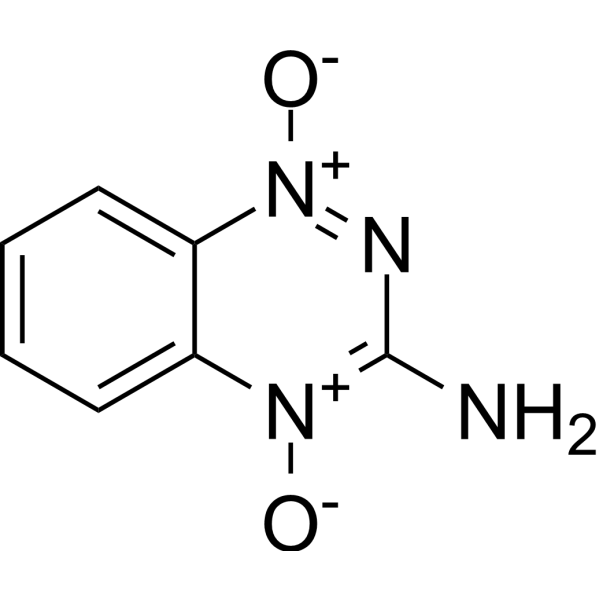
    Tirapazamine (SR259075) is an anticancer agent that shows selective cytotoxicity for hypoxic cells in solid tumors, thereby inducing single-and double-strand breaks in DNA, base damage, and cell death. Tirapazamine is an anticancer and bioreductive agent.Tirapazamine (SR259075) can enhance the cytotoxic effects of ionizing radiation in hypoxic cells .
    Tirapazamine
  • HY-113218
    Acetyl-L-carnitine
    2 Publications Verification

    O-Acetyl-L-carnitine; ALCAR

    Caspase Apoptosis Neurological Disease
    Acetyl-L-carnitine (O-Acetyl-L-carnitine; ALCAR) is an orally active mitochondrial energy metabolism regulator and neuroprotectant that can penetrate the blood-brain barrier. Acetyl-L-carnitine selectively enters cells and the brain through the organic cation transporter OCTN2. Acetyl-L-carnitine can participate in fatty acid β-oxidation, promote acetylcholine synthesis, regulate mitochondrial function and inhibit oxidative stress as an acetyl donor. Acetyl-L-carnitine exerts its activity by enhancing energy metabolism, protecting neurons and improving synaptic plasticity. Acetyl-L-carnitine is mainly used in the study of neurodegenerative diseases and metabolic disorder-related diseases such as neonatal hypoxic-ischemic brain damage, Alzheimer's disease, and depression .
    Acetyl-L-carnitine
  • HY-124379
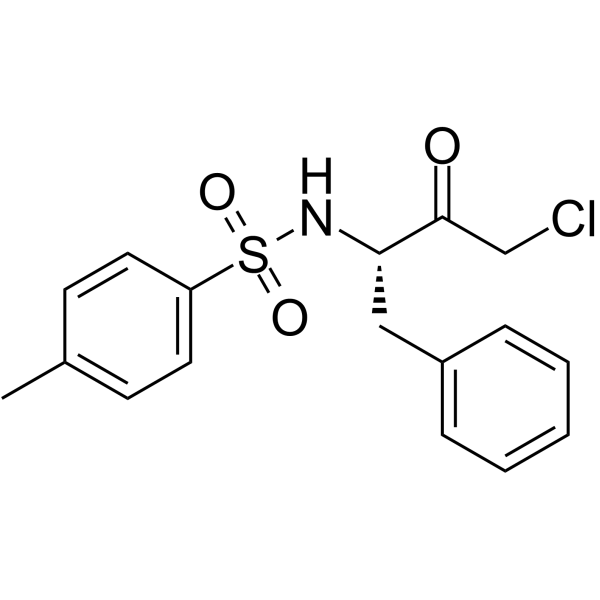
    TPCK
    1 Publications Verification

    L-1-Tosylamido-2-phenylethyl chloromethyl ketone; L-TPCK

    Ser/Thr Protease HPV Apoptosis PDK-1 Infection Neurological Disease Inflammation/Immunology Cancer
    TPCK (L-1-Tosylamido-2-phenylethyl chloromethyl ketone; L-TPCK) is an effective serine protease inhibitor and also a blocker of the PDK1/Akt pathway. TPCK can modify the E7 protein in actively keratinocyte cells. TPCK can induce cellular apoptosis, suppress tumor growth, reduce hypoxic-ischemic brain injury in rat pups, and affect vascular permeability in inflamed rats .
    TPCK
  • HY-119264

    Molecular Glues Ras Apoptosis HIF/HIF Prolyl-Hydroxylase Cancer
    PRLX-93936 is a molecular Glues that binds to and reprograms the TRIM21 ubiquitin ligase to degrade nuclear pore complexes. PRLX-93936 binds to TRIM21, forms a ternary complex with TRIM21 and NUP98, and mediates the ubiquitination and proteasomal degradation of NUP98 and other nuclear pore complex proteins. PRLX-93936 induces the loss of short-lived cytoplasmic mRNA transcripts, triggers cancer cell apoptosis (Apoptosis), and inhibits the activated Ras pathway. PRLX-93936 inhibits HIF-1 under hypoxic conditions (IC50 = 0.09 μM in cell-based reporter gene assay). PRLX-93936 suppresses tumor growth in mouse models and improves survival rates in mouse models of multiple myeloma. PRLX-93936 is applicable to research related to pancreatic cancer and multiple myeloma .
    PRLX-93936
  • HY-B1900
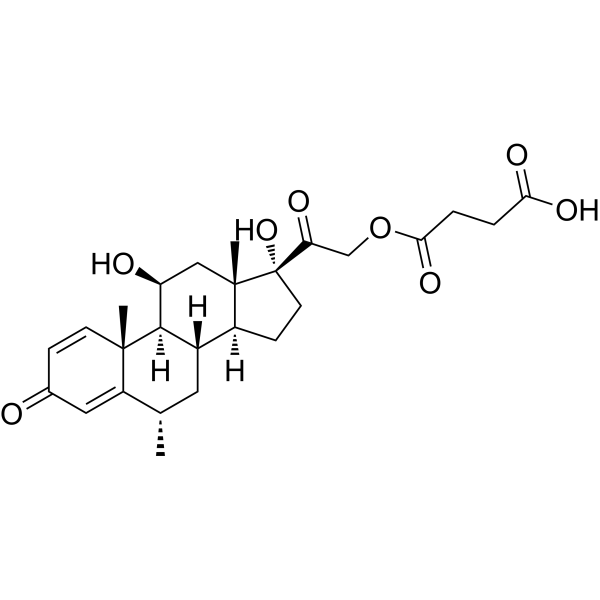
    Methylprednisolone succinate
    2 Publications Verification

    Methylprednisolone hydrogen succinate

    Glucocorticoid Receptor Bacterial Toll-like Receptor (TLR) NF-κB Infection Neurological Disease Metabolic Disease Inflammation/Immunology Cancer
    Methylprednisolone succinate (Methylprednisolone hydrogen succinate) is a prodrug of Methylprednisolone (HY-B0260) and glucocorticoid with immunosuppressant and anti-inflammatory activity. Methylprednisolone succinate binds cytosolic glucocorticoid receptors, translocates to nuclei, and modulates target gene transcription. Methylprednisolone succinate alters Bax, Bcl-2, occludin, and ZO-1 expression; attenuates TLR4/NF-κB signaling; suppresses proinflammatory cytokine production and immune cell activation. Methylprednisolone succinate can be used for the research of intracranial haemorrhage, rheumatoid arthritis, multiple sclerosis, preterminal cancer, inflammatory conditions, shock, immediate-type hypersensitivity, acute myocardial ischemia, hypoxic heart muscle damage, and traumatic spinal cord injury .
    Methylprednisolone succinate
  • HY-121970

    Phosphoglycerate Dehydrogenase (PHGDH) Reactive Oxygen Species (ROS) HIF/HIF Prolyl-Hydroxylase Metabolic Disease
    iGP-1 is a cell-permeable, selective mixed inhibitor of mitochondrial sn-glycerol-3-phosphate dehydrogenase (mGPDH), with IC50s of 6.3 μM and 13.6 μM for rat mGPDH activity and H2O2 production, respectively. iGP-1 specifically blocks the mitochondrial component of the glycerophosphate shuttle without affecting cytosolic GPDH. iGP-1 not only inhibits cell proliferation and glutaminolysis, and enhances glycolysis, but also significantly alters key cellular physiological processes such as apoptosis, ROS production, HIF-1α stability and mitochondrial membrane potential. iGP-1 remains active in neutrophil cultures under both normoxic and hypoxic conditions, and serves as an ideal probe for glycerol-3-phosphate metabolic mechanisms. iGP-1 has been applied to studies on prostate cancer and related metabolic pathways .
    iGP-1
  • HY-W587427

    Endogenous Metabolite Monocarboxylate Transporter Neurological Disease Cancer
    D-2-Phosphoglyceric acid trisodium is a glycolysis and gluconeogenesis intermediate with altered levels linked to MCT4-modulated glycolytic pathways. D-2-Phosphoglyceric acid trisodium shows reduced intracellular levels in hypoxic glioblastoma stem cells after MCT4 knockdown. D-2-Phosphoglyceric acid trisodium can be used for the research of glioblastoma .
    D-2-Phosphoglyceric acid trisodium
  • HY-W016409
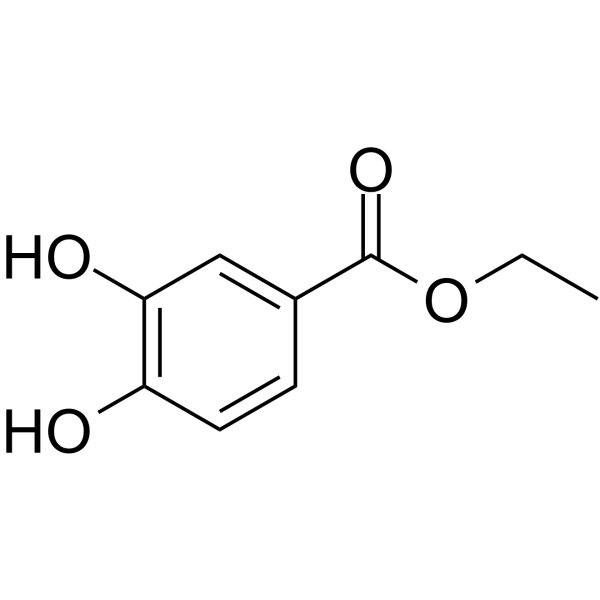
    Ethyl 3,4-dihydroxybenzoate
    1 Publications Verification

    Protocatechuic acid ethyl ester

    HIF/HIF Prolyl-Hydroxylase Reactive Oxygen Species (ROS) NO Synthase Autophagy Apoptosis Metabolic Disease Cancer
    Ethyl 3,4-dihydroxybenzoate (Protocatechuic acid ethyl ester) is an orally effective, blood-brain barrier-permeable, competitive prolyl hydroxylase (PHD) inhibitor that inhibits the hydroxylation modification of hypoxia-inducible factor (HIF) by PHD. Ethyl 3,4-dihydroxybenzoate stabilizes HIF-1α by inhibiting PHD, activates downstream pathways to induce autophagy and apoptosis of tumor cells, and regulates inflammatory responses, inhibits the NF-κB pathway, improves vascular permeability, and promotes osteoblast differentiation. Ethyl 3,4-dihydroxybenzoate has anti-tumor, anti-hypoxic injury, and bone metabolism regulation effects. It can also be used in the research of cardiovascular protection (such as reducing myocardial ischemic damage), bone tissue engineering (promoting osteogenesis/inhibiting osteoclast differentiation), and prevention and treatment of high-altitude cerebral edema .
    Ethyl 3,4-dihydroxybenzoate
  • HY-B0762S

    O-Acetyl-L-carnitine-d3 hydrochloride

    Isotope-Labeled Compounds Caspase Apoptosis Neurological Disease
    Acetyl-L-carnitine-d3 (O-Acetyl-L-carnitine-d3) hydrochloride is the deuterium labeled Acetyl-L-carnitine hydrochloride (HY-B0762). Acetyl-L-carnitine (O-Acetyl-L-carnitine; ALCAR) hydrochloride is an orally active mitochondrial energy metabolism regulator and neuroprotectant that can penetrate the blood-brain barrier. Acetyl-L-carnitine hydrochloride selectively enters cells and the brain through the organic cation transporter OCTN2. Acetyl-L-carnitine hydrochloride can participate in fatty acid β-oxidation, promote acetylcholine synthesis, regulate mitochondrial function and inhibit oxidative stress as an acetyl donor. Acetyl-L-carnitine hydrochloride exerts its activity by enhancing energy metabolism, protecting neurons and improving synaptic plasticity. Acetyl-L-carnitine hydrochloride is mainly used in the study of neurodegenerative diseases and metabolic disorder-related diseases such as neonatal hypoxic-ischemic brain damage, Alzheimer's disease, and depression .
    Acetyl-L-carnitine-d3 hydrochloride
  • HY-40136

    Endogenous Metabolite Cardiovascular Disease Metabolic Disease Endocrinology Cancer
    cis-4-Hydroxy-L-proline is an orally active proline analog and collagen production inhibitor. cis-4-Hydroxy-L-proline inhibits cell growth by preventing the deposition of triple helical collagen on the cell layer. cis-4-Hydroxy-L-proline inhibits N-nitrosomethylurea-induced breast tumor growth. cis-4-Hydroxy-L-proline improves lung compliance and reduces prostate weight. cis-4-Hydroxy-L-proline can be used in the study of hypoxic pulmonary hypertension .
    cis-4-Hydroxy-L-proline
  • HY-N3266

    Tyrosinase Phosphatase Cholinesterase (ChE) SARS-CoV PERK JNK p38 MAPK TGF-beta/Smad Apoptosis Reactive Oxygen Species (ROS) AMPK MMP Cardiovascular Disease Infection Neurological Disease Inflammation/Immunology Cancer
    Methyl rosmarinate is an orally active hydroxycinnamic acid. Methyl rosmarinate exhibits an IC50 of 24.70 μM and a Ki of 15.29 μM against PTP1B, an IC50 of 41.46 μg/mL against BChE, a Ki of 0.61 mM against mushroom tyrosinase, and an IC50 of 2.50 μM against SARS-CoV-2 3CLpro. Methyl rosmarinate downregulates the phosphorylation levels of ERK, JNK, p38, Smad2 and Smad3. Methyl rosmarinate activates erythrocyte BPGM and promotes the production of 2,3-BPG. Methyl rosmarinate induces apoptosis of fibroblasts. Methyl rosmarinate prolongs the survival time of hypoxic mice. Methyl rosmarinate improves insulin sensitivity. Methyl rosmarinate binds to SARS-CoV-2 3CLpro and inhibits viral replication. Methyl rosmarinate induces glioblastoma cell death. Methyl rosmarinate activates the TGR5/AMPK axis and reduces the levels of ROS and MDA. Methyl rosmarinate shows inhibitory activity against MMP-1. Methyl rosmarinate can be used in research related to pulmonary fibrosis, hypoxia-induced injury, type 2 diabetes, Alzheimer's disease, hyperpigmentation disorders, COVID-19, glioblastoma and myocardial ischemia-reperfusion injury .
    Methyl rosmarinate
  • HY-11095

    mGluR CaSR PI3K Akt mTOR Autophagy Apoptosis Bcl-2 Family Caspase Cardiovascular Disease Neurological Disease
    NPS 2390 is an allosteric antagonist of calcium-sensing receptor (CaSR) and mGluR1/5. NPS 2390 inhibits the PI3K/Akt/mTOR signaling pathway, reduces hypoxia-induced intracellular calcium elevation, decreases the expression of autophagy (autophagy) proteins, regulates the expression of phenotypic marker proteins, and inhibits the proliferation of pulmonary artery smooth muscle cells. NPS 2390 attenuates the endogenous apoptosis (apoptosis) pathway, increases the expression level of Bcl-2, downregulates the expression levels of Bax, cytochrome c and caspase-3, alleviates cerebral edema and improves neurological function in rat models. NPS 2390 can be used in studies related to hypoxic pulmonary hypertension, traumatic brain injury, stroke and pain .
    NPS 2390
  • HY-16349
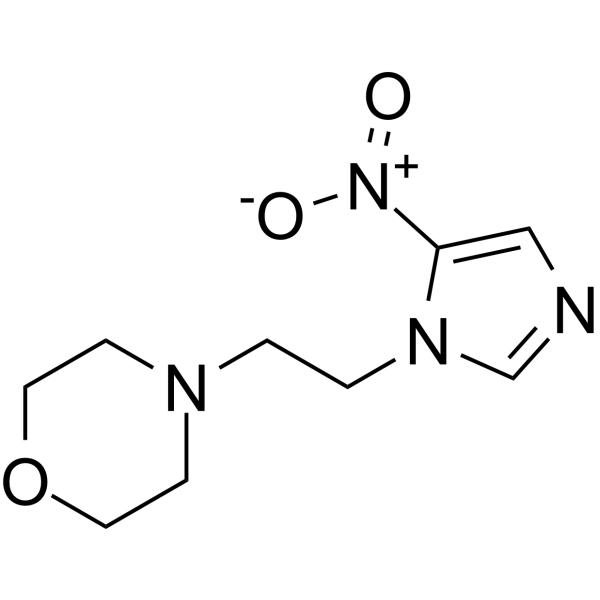
    Nimorazole
    1 Publications Verification

    K-1900

    Parasite Antibiotic Infection Cancer
    Nimorazole (K-1900), a 2-nitroimidazole, is a hypoxic cell-radiation sensitizer. Nimorazole has anti-infective and anti-protozoal against trichomoniasis. Nimorazole has the potential for head and neck cancer .
    Nimorazole
  • HY-119264A

    Molecular Glues Apoptosis Ras HIF/HIF Prolyl-Hydroxylase Cancer
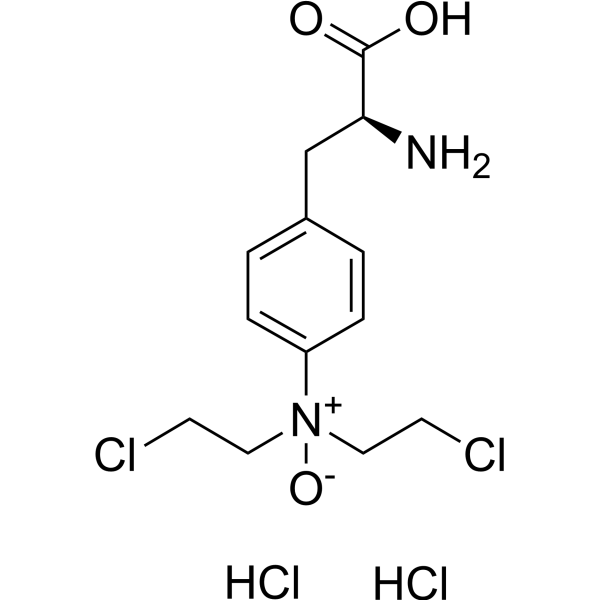
    PRLX-93936 dihydrochloride is a molecular Glues that binds to and reprograms the TRIM21 ubiquitin ligase to degrade nuclear pore complexes. PRLX-93936 dihydrochloride binds to TRIM21, forms a ternary complex with TRIM21 and NUP98, and mediates the ubiquitination and proteasomal degradation of NUP98 and other nuclear pore complex proteins. PRLX-93936 dihydrochloride induces the loss of short-lived cytoplasmic mRNA transcripts, triggers cancer cell apoptosis (Apoptosis), and inhibits the activated Ras pathway. PRLX-93936 dihydrochloride inhibits HIF-1 under hypoxic conditions (IC50 = 0.09 μM in cell-based reporter gene assay). PRLX-93936 dihydrochloride suppresses tumor growth in mouse models and improves survival rates in mouse models of multiple myeloma. PRLX-93936 dihydrochloride is applicable to research related to pancreatic cancer and multiple myeloma .
    PRLX-93936 dihydrochloride
  • HY-P5345

    Apoptosis Antibiotic Caspase Mitochondrial Metabolism Cardiovascular Disease Infection Neurological Disease Metabolic Disease
    KLA peptide is a naturally occurring Antibiotic peptide that is nontoxic outside of cells but is toxic when it enters into the interior of targeted cells. KLA peptide can induce cell Apoptosis by disrupting mitochondrial membranes and activating Caspase. MG1-KLA, formed by the coupling of KLA peptide with MG1, can selectively induce apoptosis in pro-inflammatory microglia. KLA peptide can be used for the research of liver fibrosis. KLA peptide can be used for the research of neonatal hypoxic-ischemic encephalopathy.
    KLA peptide
  • HY-P1435

    NADPH Oxidase Cardiovascular Disease Cancer
    NoxA1ds is a potent and highly selective NADPH oxidase 1 (NOX1) inhibitor (IC50=20 nM). NoxA1ds inhibits NOX1-derived O 2- production in HT-29 human colon cancer cells. NoxA1ds attenuates VEGF-induced human pulmonary artery endothelial cell migration under hypoxic conditions in vitro. NoxA1ds can be used in the study of hypertension, atherosclerosis and tumors .
    NoxA1ds
  • HY-B0239R

    Reference Standards Antibiotic Bacterial HIF/HIF Prolyl-Hydroxylase VEGFR Autophagy Apoptosis Beclin1 JNK Akt MMP Infection Cancer
    Chloramphenicol (Standard) is the analytical standard of Chloramphenicol. This product is intended for research and analytical applications. Chloramphenicol is an orally active, potent and broad-spectrum antibiotic. Chloramphenicol shows antibacterial activity. Chloramphenicol represses the oxygen-labile transcription factor and hypoxia inducible factor-1 alpha (HIF-1α) in hypoxic A549 and H1299 cells. Chloramphenicol suppresses the mRNA levels of vascular endothelial growth factor (VEGF) and glucose transporter 1, eventually decreasing VEGF release. Chloramphenicol can be used for anaerobic infections and lung cancer research .
    Chloramphenicol (Standard)
  • HY-B1247R

    PPIX (Standard)

    Reference Standards Endogenous Metabolite Others
    Protoporphyrin IX (Standard) is the analytical standard of Protoporphyrin IX. This product is intended for research and analytical applications. Protoporphyrin IX is a final intermediate in the heme biosynthetic pathway, which acts as a radiation sensitizer enhancing ROS generation even in a hypoxic state and inducing DNA damage. Protoporphyrin IX also acts as a photo sensitizer undergoing photobleaching that occurs through direct degradation by light irradiation. Protoporphyrin IX is formed and accumulated following 5-aminolevulinic acid (5-ALA) (HY-W000450) administration in the tumor cells of rats. Protoporphyrin IX causes selective improvement of basal cell carcinoma when activated red fluorescence of a peak wavelength at 405 nm. Protoporphyrin IX is promising for research of sonodynamic and photodynamic agents for a wide range of cancers, such as bladder cancer and nodular basal cell carcinoma .
    Protoporphyrin IX (Standard)
  • HY-13562

    AQ4N

    NO Synthase Cancer
    Banoxantrone (AQ4N), as a prototype hypoxia selective cytotoxin, can be reduced to AQ4, a potent topoisomerase II inhibitor. Banoxantrone selectively kills hypoxic cells via an iNOS-dependent mechanism. Banoxantrone shows a potent cytotoxicity and hypoxia-selective effect enhanced by radiation .
    Banoxantrone
  • HY-N13009

    Raf HIF/HIF Prolyl-Hydroxylase ERK MEK Reactive Oxygen Species (ROS) Apoptosis Caspase Cancer
    MO-2097 is a RAF-1/HIF-1α inhibitor. MO-2097 induces RAF-1 destabilization, leading to a reduction in EMT-associated transcription factors and mesenchymal markers. MO-2097 inhibits HIF-1a protein expression mediated by hnRNPA2B1 under hypoxic and mimetic hypoxia. MO-2097 induces mitochondrial ROS, which leads to apoptosis in cells. MO-2097 effectively suppresses colorectal cancer metastasis by inhibiting the RAF/MEK/ERK signaling pathway. MO-2097 attenuates tumor growth in a xenograft HCT116 cell mouse model. MO-2097 can be used for the study of colorectal cancer .
    MO-2097
  • HY-B1900R
    Methylprednisolone succinate (Standard)
    1 Publications Verification

    Methylprednisolone hydrogen succinate (Standard)

    Reference Standards Glucocorticoid Receptor Bacterial Toll-like Receptor (TLR) NF-κB Metabolic Disease Inflammation/Immunology Cancer
    Methylprednisolone succinate (Standard) is the analytical standard of Methylprednisolone succinate (HY-B1900). This product is intended for research and analytical applications. Methylprednisolone succinate (Methylprednisolone hydrogen succinate) is a prodrug of Methylprednisolone (HY-B0260) and glucocorticoid with immunosuppressant and anti-inflammatory activity. Methylprednisolone succinate binds cytosolic glucocorticoid receptors, translocates to nuclei, and modulates target gene transcription. Methylprednisolone succinate alters Bax, Bcl-2, occludin, and ZO-1 expression; attenuates TLR4/NF-κB signaling; suppresses proinflammatory cytokine production and immune cell activation. Methylprednisolone succinate can be used for the research of intracranial haemorrhage, rheumatoid arthritis, multiple sclerosis, preterminal cancer, inflammatory conditions, shock, immediate-type hypersensitivity, acute myocardial ischemia, hypoxic heart muscle damage, and traumatic spinal cord injury .
    Methylprednisolone succinate (Standard)
  • HY-160267

    HIV DNA/RNA Synthesis Infection Neurological Disease Cancer
    iPAF1C is a inhibitor of the polymerase-associated factor 1 complex (PAF1C) with specific targeting to the PAF1 binding groove of CTR9 (a key subunit of PAF1C). iPAF1C disrupts PAF1C assembly by interfering with the PAF1-CTR9 interaction. iPAF1C selectively impairs BRD4-mediated recruitment of PAF1 to chromatin at hypoxia-responsive genes and inhibits RNA polymerase II (RNAPII) pause release. iPAF1C increases the population of HIV-1 NL4.3 Nef-IRES-GFP infected primary human CD4 +T cells in a dose-dependent manner. PAF1C can be used for the study of infection and diseases associated with abnormal hypoxic adaptation (e.g., cancers, neurological disorders) .
    iPAF1C
  • HY-B0762S1

    O-Acetyl-L-carnitine-d3-1 hydrochloride

    Isotope-Labeled Compounds Caspase Apoptosis Neurological Disease
    Acetyl-L-carnitine-d3-1 (O-Acetyl-L-carnitine-d3-1) hydrochloride is the deuterium labeled Acetyl-L-carnitine hydrochloride (HY-B0762). Acetyl-L-carnitine (O-Acetyl-L-carnitine; ALCAR) hydrochloride is an orally active mitochondrial energy metabolism regulator and neuroprotectant that can penetrate the blood-brain barrier. Acetyl-L-carnitine hydrochloride selectively enters cells and the brain through the organic cation transporter OCTN2. Acetyl-L-carnitine hydrochloride can participate in fatty acid β-oxidation, promote acetylcholine synthesis, regulate mitochondrial function and inhibit oxidative stress as an acetyl donor. Acetyl-L-carnitine hydrochloride exerts its activity by enhancing energy metabolism, protecting neurons and improving synaptic plasticity. Acetyl-L-carnitine hydrochloride is mainly used in the study of neurodegenerative diseases and metabolic disorder-related diseases such as neonatal hypoxic-ischemic brain damage, Alzheimer's disease, and depression .
    Acetyl-L-carnitine-d3-1 hydrochloride
  • HY-138646

    Poly(dA:dT) sodium

    Cyclic GMP-AMP Synthase STING Inflammation/Immunology
    Poly(deoxyadenylic-thymidylic) acid (Poly(dA:dT)) sodium is a double-stranded DNA stimulant. Poly(deoxyadenylic-thymidylic) acid sodium is recognized by the intracellular DNA sensor DDX41 and activates the innate immune pathway via the adaptor protein STING, inducing the production of cytokines such as type I interferons. Poly(deoxyadenylic-thymidylic) acid sodium also serves as an in vitro transcription template for free RNA polymerase .
    Poly(deoxyadenylic-thymidylic) acid sodium
  • HY-13730

    N-Methylmitomycin C; NSC-56410; U-14743

    DNA Alkylator/Crosslinker Cancer
    Porfiromycin (N-Methylmitomycin C) is a bioreductive alkylating agent that preferentially kill hypoxic tumor cells relative to other aerobic counterparts .
    Porfiromycin
  • HY-B1247A
    Protoporphyrin IX disodium
    20+ Cited Publications

    PPIX disodium

    Endogenous Metabolite Cancer
    Protoporphyrin IX disodium is a final intermediate in the heme biosynthetic pathway, which acts as a radiation sensitizer enhancing ROS generation even in a hypoxic state and inducing DNA damage. Protoporphyrin IX disodium also acts as a photo sensitizer undergoing photobleaching that occurs through direct degradation by light irradiation. Protoporphyrin IX disodium is formed and accumulated following 5-aminolevulinic acid (5-ALA) (HY-W000450) administration in the tumor cells of rats. Protoporphyrin IX disodium causes selective improvement of basal cell carcinoma when activated red fluorescence of a peak wavelength at 405 nm. Protoporphyrin IX disodium is promising for research of sonodynamic and photodynamic agents for a wide range of cancers, such as bladder cancer and nodular basal cell carcinoma .
    Protoporphyrin IX disodium
  • HY-107840

    Drug Derivative Others
    RGW 611 is a morpholine derivative that enhances radiation-induced cell death of hypoxic V79-379A cells. RGW 611 also stimulates fatty acid synthesis .
    RGW-611
  • HY-40136S

    Isotope-Labeled Compounds Endogenous Metabolite Cardiovascular Disease Metabolic Disease Endocrinology Cancer
    cis-4-Hydroxy-L-proline-d3 is the deuterium labeled cis-4-Hydroxy-L-proline (HY-40136). cis-4-Hydroxy-L-proline is an orally active proline analog and collagen production inhibitor. cis-4-Hydroxy-L-proline inhibits cell growth by preventing the deposition of triple helical collagen on the cell layer. cis-4-Hydroxy-L-proline inhibits N-nitrosomethylurea-induced breast tumor growth. cis-4-Hydroxy-L-proline improves lung compliance and reduces prostate weight. cis-4-Hydroxy-L-proline can be used in the study of hypoxic pulmonary hypertension .
    cis-4-Hydroxy-L-proline-d3
  • HY-139409

    Hexokinase Glucose-6-Phosphate Isomerase (GPI) Cancer
    2-Deoxy-D-glucose 6-phosphate disodium is an ATP-competitive and 2-deoxy-D-glucose non-competitive Hexokinase inhibitor, with a Ki value of 1.45 mM against bovine heart hexokinase. 2-Deoxy-D-glucose 6-phosphate disodium exerts ATP-competitive and 2-deoxy-D-glucose non-competitive inhibitory effects on bovine heart hexokinase. 2-DG inhibits glycolysis via the generation and intracellular accumulation of 2-Deoxy-D-glucose 6-phosphate disodium, thereby inhibiting the functions of hexokinase and Glucose-6-phosphate isomerase, and inducing cell death. 2-Deoxy-D-glucose 6-phosphate disodium can be used in cancer-related research .
    2-Deoxy-D-glucose 6-phosphate
  • HY-105061

    Ro 7-0582; SR 1354

    Bacterial Parasite Infection Cancer
    Misonidazole (Ro 7-0582; SR 1354) is a hypoxic tumor cell radiosensitizer . Misonidazole also has antimicrobial effects .
    Misonidazole
  • HY-161838

    ATM/ATR Cancer
    ICT10336 is a hypoxia-responsive prodrug of ATR inhibitor, AZD6738 (HY-19323). ICT10336 is hypoxia-activated and specifically releases AZD6738 only in hypoxic conditions in vitro. This can inhibit ATR activation (T1989 and S428 phosphorylation) and subsequently abrogate HIF1a-mediated adaptation of hypoxic cancers cells, thus selectively inducing cell death in 2D and 3D cancer models. ICT10336 is a metabolic substrate of CYPOR activity.
    ICT10336
  • HY-105211

    Biochemical Assay Reagents Cancer
    KU-2285 is an orally active fluorinated 2-nitroimidazole hypoxic cell radiosensitizer. KU-2285 has higher lipophilicity, superior sensitizing activity to Etanidazole (HY-116972), and lower neurotoxicity. KU-2285 can be used in research related to tumor diagnosis .
    KU-2285
  • HY-169100

    VEGFR PI3K Akt mTOR p38 MAPK HIF/HIF Prolyl-Hydroxylase Cancer
    Antiproliferative agent-57 (compound M2) is a tumor angiogenesis inhibitor. Antiproliferative agent-57 inhibits the secretion of VEGF in SiHa cells under hypoxic conditions (IC50=0.68 μM) without inducing cytotoxicity. Antiproliferative agent-57 can modulate the PI3K/AKT/mTOR and MAPK signaling pathways in tumor cells to inhibit the expression of HIF-1α and VEGF in tumor tissues .
    Antiproliferative agent-57
  • HY-16151

    Autophagy NO Synthase Inflammation/Immunology Cancer
    CR-3294 is an autophagy inducer in hypoxic cells. CR-3294 is an inducible enzyme nitric oxide synthase (iNOS) inhibitor. CR-3294 inhibits both the DNA binding of HIF-1alpha and VEGF mRNA synthesis. CR-3294 can be used for the study of breast cancer and inflammatory bowel disease (IBD), such as Crohn’s disease, ulcerative colitis .
    CR-3294
  • HY-W112090

    PdTFPP; 5,10,15,20-Tetrakis(pentafluorophenyl)-21H,23H-porphine palladium(II)

    Fluorescent Dye Others
    Palladium meso-tetra(pentafluorophenyl)porphyrin (PdTFPP) derives from palladium(II), acting as a fluorescence-quenched optical probe and high-performance oxygen concentration sensor with outstanding photostability and antioxidant capacity. Palladium meso-tetra(pentafluorophenyl)porphyrin exhibits reduced luminescence intensity as dissolved oxygen concentration rises. Palladium meso-tetra(pentafluorophenyl)porphyrin can be applied for real-time monitoring of live-cell respiration, hypoxic tissue imaging, and nanofibrous organic semiconductors in photodetectors for ambient oxygen detection .
    Palladium meso-tetra(pentafluorophenyl)porphyrin
  • HY-B0239S2

    JNK Apoptosis VEGFR MMP Bacterial Akt Autophagy HIF/HIF Prolyl-Hydroxylase Antibiotic Beclin1 Cancer
    Threo-Chloramphenicol-d6 is the deuterium labeled Chloramphenicol . Chloramphenicol is an orally active, potent and broad-spectrum antibiotic. Chloramphenicol shows antibacterial activity. Chloramphenicol represses the oxygen-labile transcription factor and hypoxia inducible factor-1 alpha (HIF-1α) in hypoxic A549 and H1299 cells. Chloramphenicol suppresses the mRNA levels of vascular endothelial growth factor (VEGF) and glucose transporter 1, eventually decreasing VEGF release. Chloramphenicol can be used for anaerobic infections and lung cancer research .
    Threo-Chloramphenicol-d6
  • HY-117630

    Drug Intermediate Cancer
    RB-6145 is an orally active pro-drug of the hypoxic cell radiosensitizer RSU 1069. RB-6145 acts a hypoxic cell radiosensitizer and cytotoxin but reduces systemic toxicity in mice .
    RB-6145
  • HY-117249

    AK-2123

    Apoptosis Caspase Cancer
    Sanazole (AK-2123) is a hypoxic cell radiosensitizer. Sanazole enhances radiation-induced DNA strand breaks. In mouse fibroblast tumors, Sanazole increases nuclear condensation and fragmentation, as well as elevates caspase-3 activity, thereby enhancing radiation-induced apoptosis .
    Sanazole
  • HY-W272058

    Drug Derivative Cancer
    Isometronidazole is a hypoxic cell sensitizer. Isometronidazole (750 mg/kg) shows an efficacy as a hypoxic cell sensitizer in severely hypoxic FaDu tumors but not in less hypoxic GL tumors.
    Isometronidazole
  • HY-W272058R

    Biochemical Assay Reagents Reference Standards Cancer
    Isometronidazole (Standard) is the analytical standard of Isometronidazole. This product is intended for research and analytical applications. Isometronidazole is a hypoxic cell sensitizer. Isometronidazole (750 mg/kg) shows an efficacy as a hypoxic cell sensitizer in severely hypoxic FaDu tumors but not in less hypoxic GL tumors.
    Isometronidazole (Standard)
  • HY-121648

    Biochemical Assay Reagents Cancer
    PK 130 is a 2-nitroimidazole derivative that has radiosensitizing effects on hypoxic cells. PK 130 increases the radiosensitivity of Chinese hamster V79 cells under hypoxic conditions .
    PK 130
  • HY-170565

    Mitophagy Apoptosis Cancer
    CHD-1 is a a hypoxia-activated antitumor prodrug. CHD-1 impairs mitochondrial morphology and membrane potential in hypoxic tumor cells, further triggering excessive mitophagy and inducing apoptosis. CHD-1 inhibits the growth of hypoxic tumor cells in vitro and the growth of HeLa xenograft in vivo .
    CHD-1
  • HY-118722

    DNA/RNA Synthesis Cytochrome P450 Cancer
    RB-90740 is a type of biological reducing agent. RB-90740 is activated through metabolic reduction and generates cytotoxic products, thereby selectively killing tumor cells (usually in a hypoxic environment). RB-90740 has selective toxicity towards hypoxic cells, which is mainly achieved by causing DNA strand breaks and activating reducing enzymes (such as Cytochrome P450). RB-90740 does not initially exhibit cytotoxicity similar to its in vitro properties in hypoxic cells in mouse models. RB-90740 can be used to study the tumor physiological environment
    RB-90740

Inquiry Online

Your information is safe with us. * Required Fields.

Salutation


Country or Region *

Applicant Name *


Organization Name *

Department *


Email Address *


Product Name *

Cat. No.


Requested quantity *

Phone Number *


Remarks

Inquiry Online

Inquiry Information

Product Name:
Cat. No.:
Quantity:
MCE Japan Authorized Agent:

