10036 Results for "

induce

" in MedChemExpress (MCE) Product Catalog:
Products (10036)

10036 Results for "induce" in MCE Product Catalog:

918
918 Publications Verification
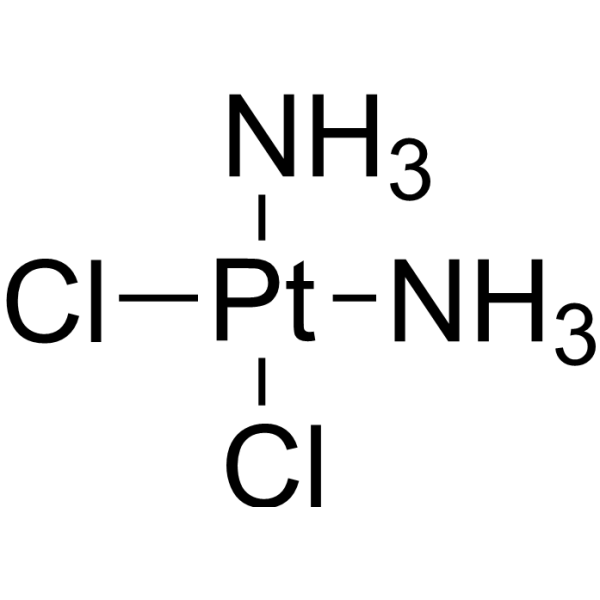
Referencia número: HY-17394
No. CAS: 15663-27-1
Synonyms: cis-Platinum; CDDP; cis-Diaminodichloroplatinum
Áreas de investigación:  

Cancer

Cisplatin (CDDP) is an antineoplastic chemotherapy agent by cross-linking with DNA and causing DNA damage in cancer cells. Cisplatin activates ferroptosis and induces autophagy .
loading...
    loading...
917
917 Cited Publications
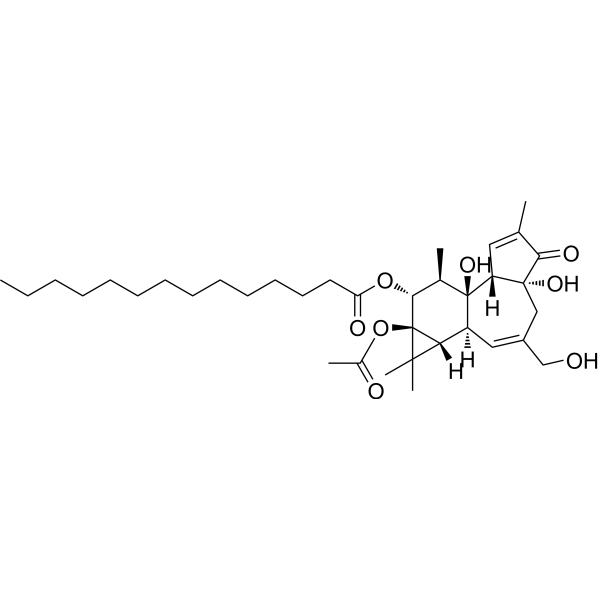
Referencia número: HY-18739
No. CAS: 16561-29-8
Synonyms: PMA; TPA; Phorbol myristate acetate
Phorbol 12-myristate 13-acetate (PMA; TPA; Phorbol myristate acetate), a phorbol ester, is a dual SphK and protein kinase C (PKC) activator . Phorbol 12-myristate 13-acetate is a NF-κB activator. Phorbol 12-myristate 13-acetate induces differentiation in THP-1 cells (Validated by MedChemExpress) .
loading...
    loading...
803
803 Cited Publications
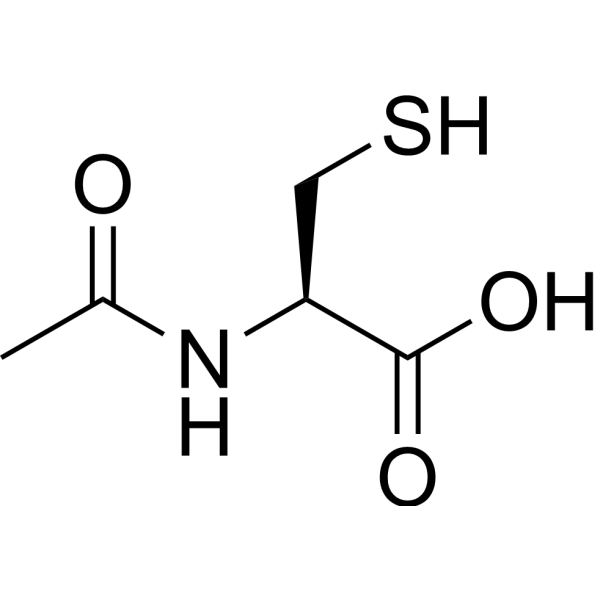
Referencia número: HY-B0215
No. CAS: 616-91-1
Synonyms: N-Acetylcysteine; N-Acetyl-L-cysteine; NAC
Acetylcysteine (N-Acetylcysteine) is a mucolytic agent that can cross the blood-brain barrier, which reduces the thickness of the mucus. Acetylcysteine is a ROS inhibitor. Acetylcysteine is a cysteine precursor, prevents hemin-induced ferroptosis by neutralizing toxic lipids generated by arachidonate-dependent activity of 5-lipoxygenases. Acetylcysteine induces cell apoptosis. Acetylcysteine also has anti-influenza virus activities. In addition, Acetylcysteine ​​is the most stable form of cysteine ​​during drug delivery and can be used in disulfidptosis studies .
loading...
    loading...
650
650 Cited Publications
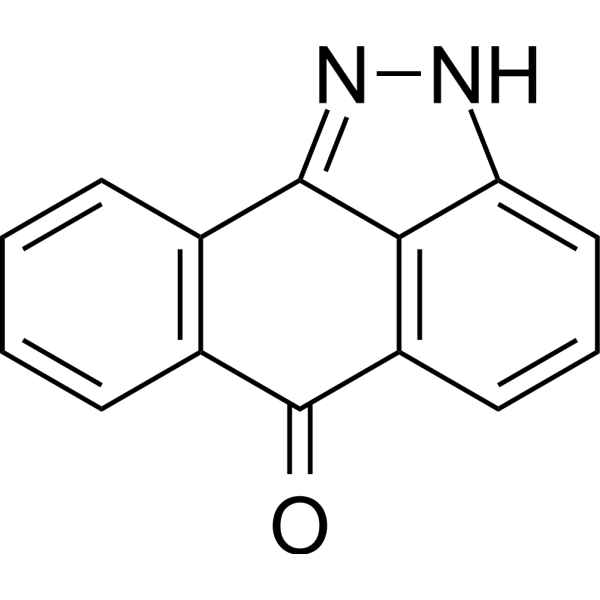
Referencia número: HY-12041
No. CAS: 129-56-6
Pureza:  99.73%
Áreas de investigación:  

Cancer

SP600125 is an orally active, reversible, and ATP-competitive JNK inhibitor with IC50s of 40, 40 and 90 nM for JNK1, JNK2 and JNK3, respectively. SP600125 is a potent ferroptosis inhibitor. SP600125 induces the transformation of bladder cancer cells from autophagy to apoptosis .
loading...
    loading...
642
642 Cited Publications
Referencia número: HY-10071
No. CAS: 146986-50-7
Pureza:  99.46%
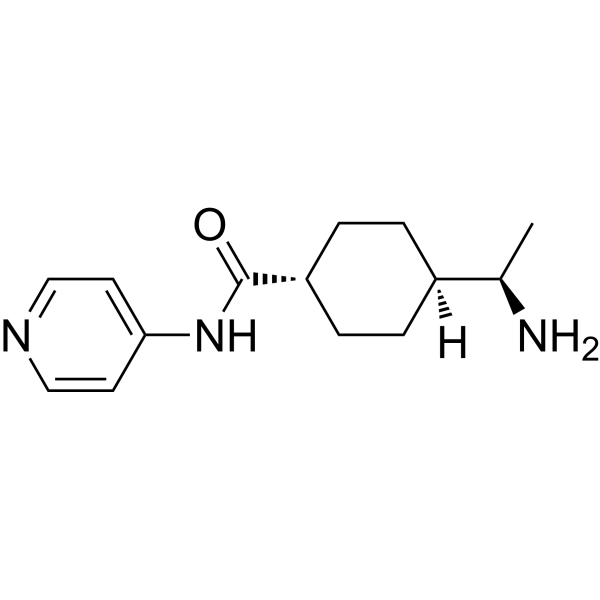
Y-27632 is a ROCK inhibitor with Ki values of 220 nM and 300 nM for ROCK1 and ROCK2, respectively. Y-27632 exerts anti-inflammatory and immunomodulatory effects in systemic lupus erythematosus models by inhibiting the ROCK/NF-κB pathway. Y-27632 enhances autophagy by inhibiting the AKT/mTOR pathway, thereby inducing apoptosis apoptosis in oral squamous cell carcinoma. Y-27632 induces the formation of tunneling nanotubes in ARPE-19 cells and significantly enhances mitochondrial transfer through these channels. Y-27632 promotes neurite outgrowth in PC12 cells by activating the Rac1/NOX1/ROS/AKT/PAK1 signaling cascade .
loading...
    loading...
642
642 Cited Publications
Referencia número: HY-10071A
No. CAS: 331752-47-7
Y-27632 hydrochloride hydrate is a ROCK inhibitor with Ki values of 220 nM and 300 nM for ROCK1 and ROCK2, respectively. Y-27632 hydrochloride hydrate exerts anti-inflammatory and immunomodulatory effects in systemic lupus erythematosus models by inhibiting the ROCK/NF-κB pathway. Y-27632 hydrochloride hydrate enhances autophagy by inhibiting the AKT/mTOR pathway, thereby inducing apoptosis apoptosis in oral squamous cell carcinoma. Y-27632 hydrochloride hydrate induces the formation of tunneling nanotubes in ARPE-19 cells and significantly enhances mitochondrial transfer through these channels. Y-27632 hydrochloride hydrate promotes neurite outgrowth in PC12 cells by activating the Rac1/NOX1/ROS/AKT/PAK1 signaling cascade .
loading...
    loading...
426
426 Cited Publications
Referencia número: HY-14648
No. CAS: 50-02-2
Pureza:  99.86%
Synonyms: Hexadecadrol; Prednisolone F
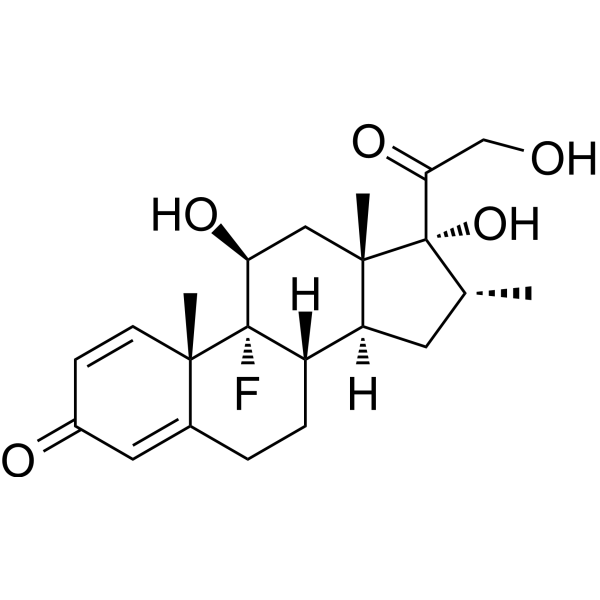
Dexamethasone (Hexadecadrol) is a glucocorticoid receptor agonist, apoptosis inducer, and common disease inducer in experimental animals, constructing models of muscle atrophy, hypertension, and depression. Dexamethasone can inhibit the production of inflammatory miRNA-155 exosomes in macrophages and significantly reduce the expression of inflammatory factors in neutrophils and monocytes. Dexamethasone also has potential for use in COVID-19 research .
loading...
    loading...
426
426 Cited Publications
Referencia número: HY-14648C
No. CAS: 50-02-2
Pureza:  ≥98.0%
Synonyms: Dexamethasone cyclodextrin complex
Dexamethasone (Hexadecadrol) Water Soluble is a water-soluble form of Dexamethasone (HY-14648). Dexamethasone is a glucocorticoid receptor agonist, apoptosis inducer, and a common disease inducer in experimental animals. It can be used to construct models of muscle atrophy, hypertension, and depression. Dexamethasone can inhibit the production of inflammatory miRNA-155 exosomes in macrophages and significantly reduce the expression of inflammatory factors in neutrophils and monocytes. Dexamethasone also has the potential to be used in COVID-19 research .(Sale size is the weight of dexamethasone)
loading...
    loading...
422
422 Cited Publications
Referencia número: HY-B0015
No. CAS: 33069-62-4
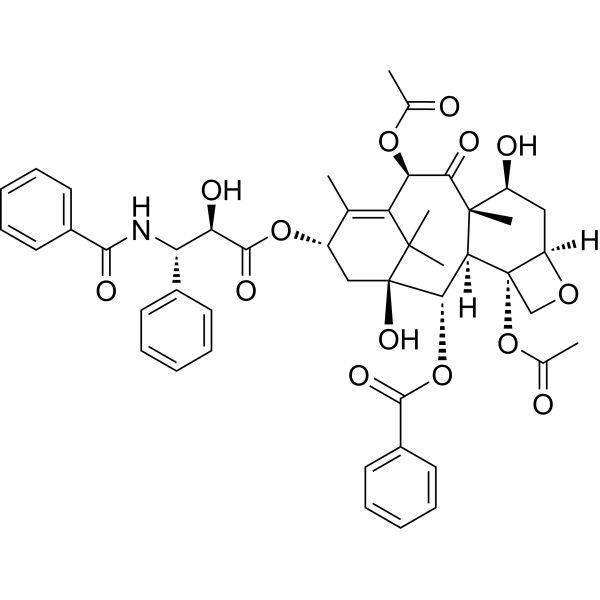
Paclitaxel is a naturally occurring antineoplastic agent and stabilizes tubulin polymerization. Paclitaxel can cause both mitotic arrest and apoptotic cell death. Paclitaxel also induces autophagy .
loading...
    loading...
375
375 Cited Publications
Referencia número: HY-90006
No. CAS: 51-21-8
Synonyms: 5-FU
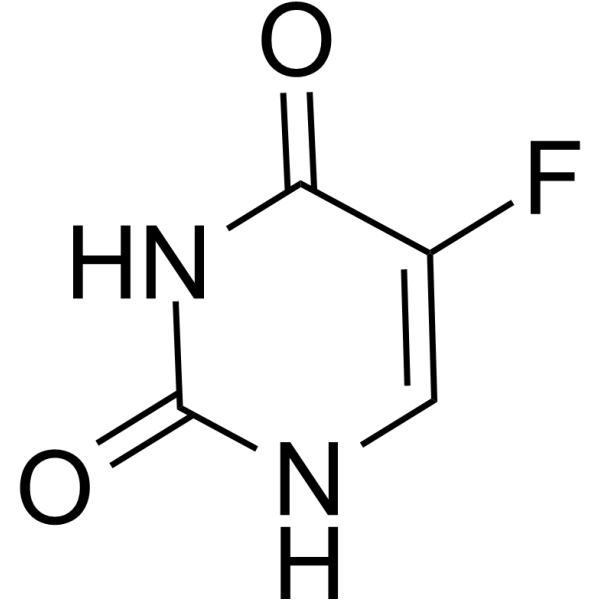
5-Fluorouracil (5-FU) is an analogue of uracil and a potent antitumor agent. 5-Fluorouracil affects pyrimidine synthesis by inhibiting thymidylate synthetase thus depleting intracellular dTTP pools. 5-Fluorouracil induces apoptosis and can be used as a chemical sensitizer . 5-Fluorouracil also inhibits HIV .
loading...
    loading...
320
320 Cited Publications
Referencia número: HY-10999
No. CAS: 871700-17-3
Pureza:  99.93%
Synonyms: GSK1120212; JTP-74057
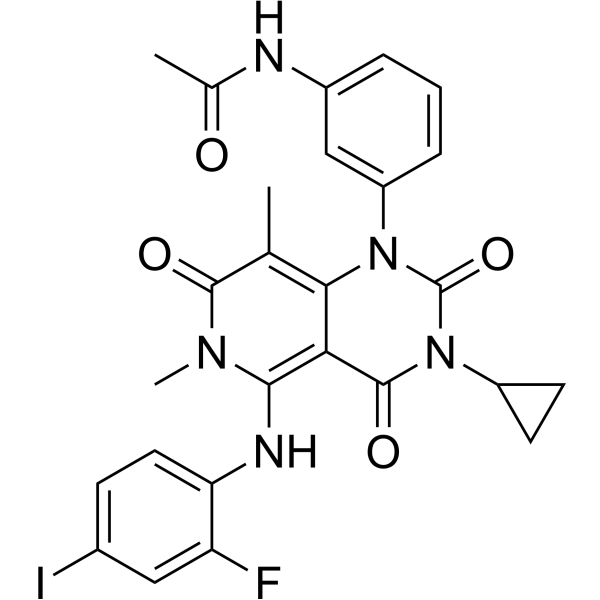
Trametinib (GSK1120212; JTP-74057) is an orally active MEK inhibitor that inhibits MEK1 and MEK2 with IC50s of about 2 nM. Trametinib activates autophagy and induces apoptosis, cross the blood-brain barrier (BBB), used in research related to subarachnoid hemorrhage (SAH) .
loading...
    loading...
320
320 Cited Publications
Referencia número: HY-10999A
No. CAS: 1187431-43-1
Pureza:  99.56%
Synonyms: GSK-1120212 (DMSO solvate); JTP-74057 (DMSO solvate)
Target:  

MEK Apoptosis

Áreas de investigación:  

Cancer

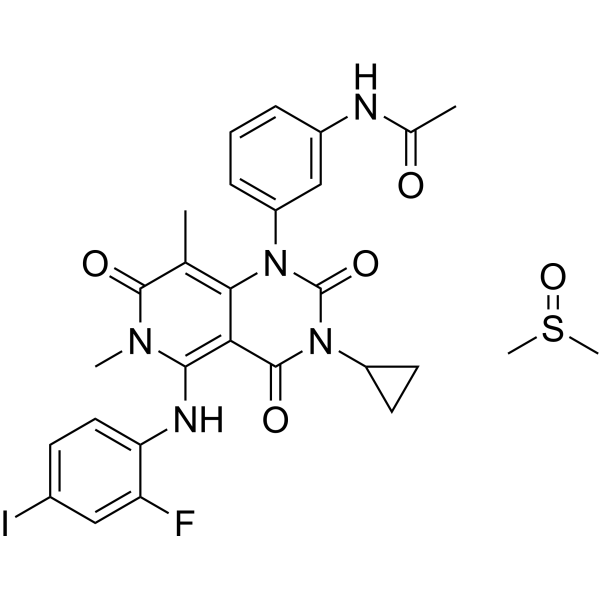
Trametinib (DMSO solvate) (GSK-1120212 (DMSO solvate)) is an orally active MEK inhibitor that inhibits MEK1 and MEK2 with IC50s of about 2 nM. Trametinib (DMSO solvate) activates autophagy and induces apoptosis . This product is in solid form, a DMSO solvate, and a stable crystalline form.
loading...
    loading...
314
314 Cited Publications
Referencia número: HY-B0146
No. CAS: 129497-78-5
Synonyms: CL 318952
Áreas de investigación:  

Cancer

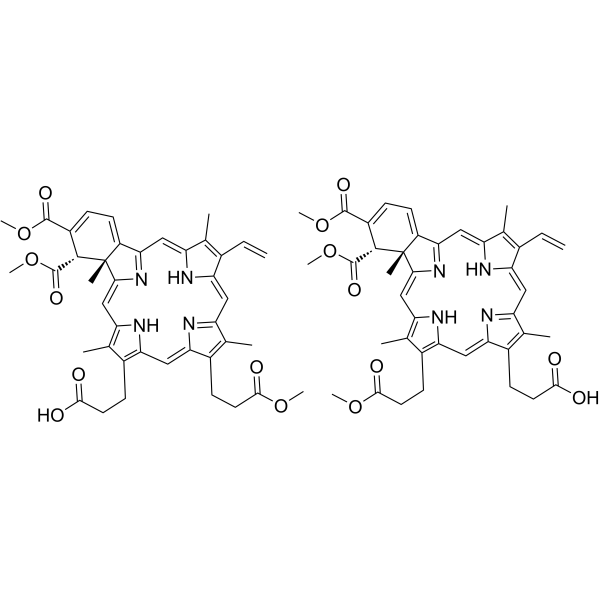
Verteporfin (CL 318952) is a photosensitizer for photodynamic therapy to eliminate the abnormal blood vessels in the eye associated with conditions such as age-related macular degeneration. Verteporfin is a YAP inhibitor which disrupts YAP-TEAD interactions. Verteporfin induces cell apoptosis . Verteporfinis an autophagy inhibitor that blocks autophagy at an early stage by inhibiting autophagosome formation .
loading...
    loading...
295
295 Cited Publications
Referencia número: HY-13757
No. CAS: 54965-24-1
Pureza:  99.93%
Synonyms: ICI 46474; (Z)-Tamoxifen Citrate; trans-Tamoxifen Citrate
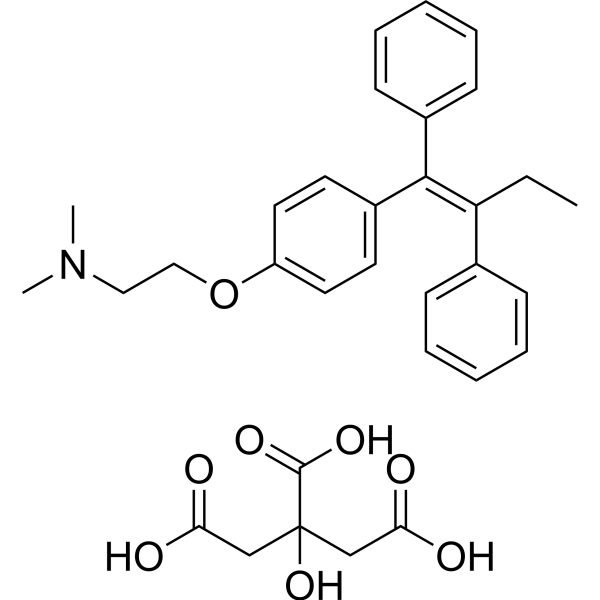
Tamoxifen Citrate (ICI 46474) is an orally active, selective estrogen receptor modulator (SERM) which blocks estrogen action in breast cells and can activate estrogen activity in other cells, such as bone, liver, and uterine cells.Tamoxifen Citrate is a potent Hsp90 activator and enhances the Hsp90 molecular chaperone ATPase activity. Tamoxifen Citrate also potent inhibits infectious EBOV Zaire and Marburg (MARV) with IC50 of 0.1 μM and 1.8 μM, respectively. Tamoxifen Citrate activates autophagy and induces apoptosis. Tamoxifen Citrate can also be used to induce gene knockout in CreER transgenic mice .
loading...
    loading...
295
295 Cited Publications
Referencia número: HY-13757A
No. CAS: 10540-29-1
Pureza:  99.78%
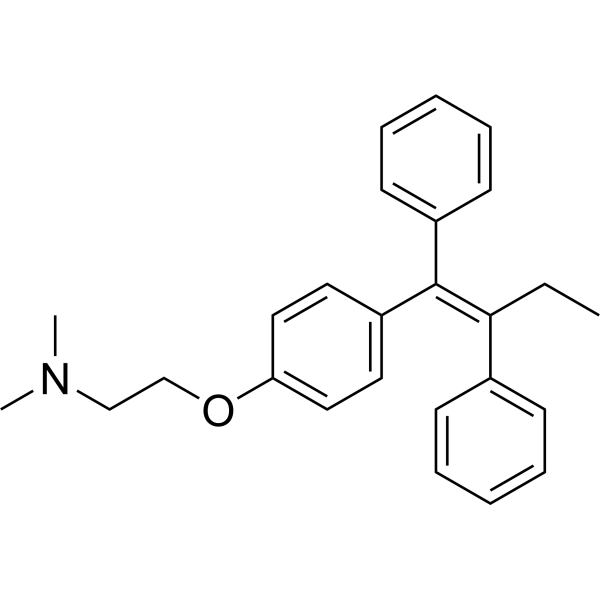
Synonyms: ICI 47699; (Z)-Tamoxifen; trans-Tamoxifen
Tamoxifen (ICI 47699) is an orally active, selective estrogen receptor modulator (SERM) which blocks estrogen action in breast cells and can activate estrogen activity in other cells, such as bone, liver, and uterine cells. Tamoxifen is a potent Hsp90 activator and enhances the Hsp90 molecular chaperone ATPase activity. Tamoxifen also potent inhibits infectious EBOV Zaire and Marburg (MARV) with IC50 of 0.1 μM and 1.8 μM, respectively. Tamoxifen activates autophagy and induces apoptosis. Tamoxifen can also be dissolved in corn oil (HY-Y1888) for use in inducing gene knockout in CreER transgenic mice. Tamoxifen has better solubility in corn oil compared to Tamoxifen Citrate (HY-13757) .
loading...
    loading...
293
293 Cited Publications
Referencia número: HY-50856
No. CAS: 941678-49-5
Synonyms: INCB18424
Áreas de investigación:  

Cancer

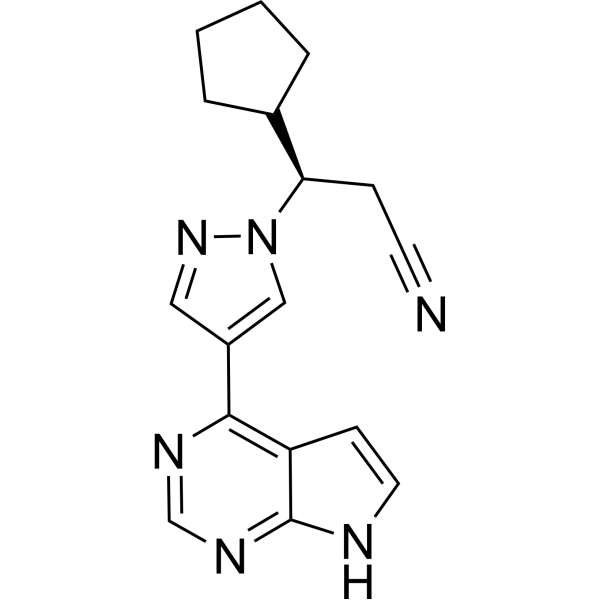
Ruxolitinib (INCB18424) is an orally active and selective JAK1/2 inhibitor with IC50s of 3.3 nM and 2.8 nM in cell-free assays, and has 130-fold selectivity for JAK1/2 over JAK3 . Ruxolitinib induces autophagy and kills tumor cells through toxic mitophagy .
loading...
    loading...
275
275 Cited Publications
Referencia número: HY-13948
No. CAS: 4474-91-3
Pureza:  99.98%
Synonyms: Angiotensin II; Ang II; DRVYIHPF
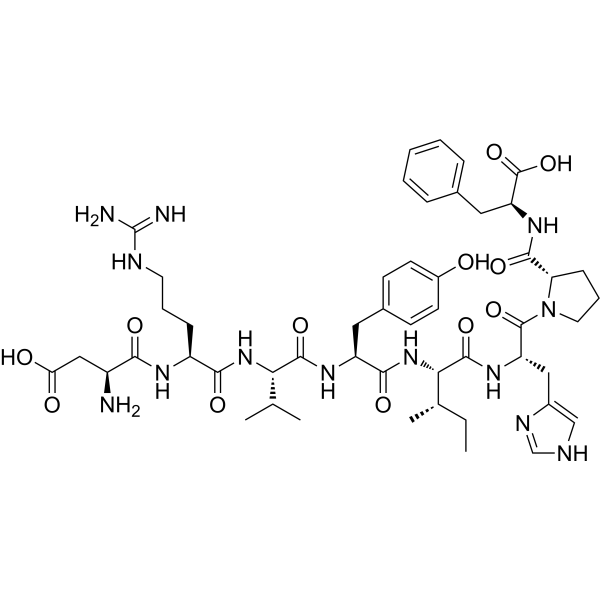
Angiotensin II (Angiotensin II) is a vasoconstrictor and a major bioactive peptide of the renin/angiotensin system. Angiotensin II human plays a central role in regulating human blood pressure, which is mainly mediated by interactions between Angiotensin II and the G-protein-coupled receptors (GPCRs) Angiotensin II type 1 receptor (AT1R) and Angiotensin II type 2 receptor (AT2R). Angiotensin II human stimulates sympathetic nervous stimulation, increases aldosterone biosynthesis and renal actions. Angiotensin II human induces growth of vascular smooth muscle cells, increases collagen type I and III synthesis in fibroblasts, leading to thickening of the vascular wall and myocardium, and fibrosis. Angiotensin II human also induces apoptosis. Angiotensin II induces capillary formation from endothelial cells via the LOX-1 dependent redox-sensitive pathway .
loading...
    loading...
275
275 Cited Publications
Referencia número: HY-13948A
No. CAS: 68521-88-0
Pureza:  99.62%
Synonyms: Angiotensin II acetate; Ang II acetate; DRVYIHPF acetate
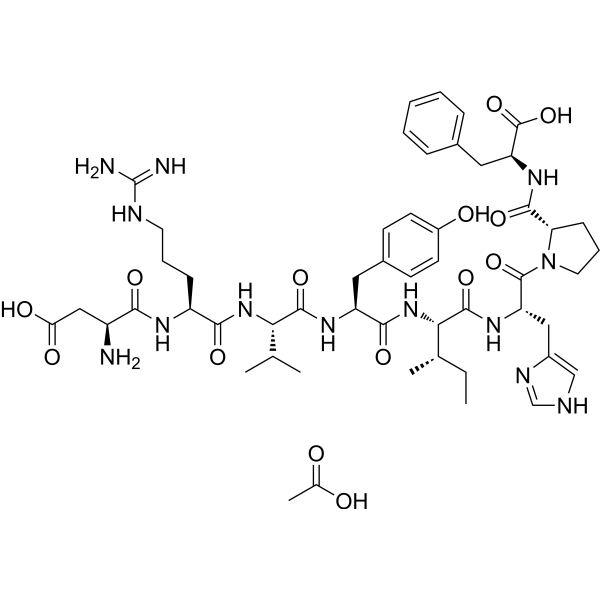
Angiotensin II human (Angiotensin II) acetate is a vasoconstrictor and a major bioactive peptide of the renin/angiotensin system. Angiotensin II human acetate plays a central role in regulating human blood pressure, which is mainly mediated by interactions between Angiotensin II and the G-protein-coupled receptors (GPCRs) Angiotensin II type 1 receptor (AT1R) and Angiotensin II type 2 receptor (AT2R). Angiotensin II human acetate stimulates sympathetic nervous stimulation, increases aldosterone biosynthesis and renal actions. Angiotensin II human acetate induces growth of vascular smooth muscle cells, increases collagen type I and III synthesis in fibroblasts, leading to thickening of the vascular wall and myocardium, and fibrosis. Angiotensin II human acetate also induces apoptosis. Angiotensin II human acetate induces capillary formation from endothelial cells via the LOX-1 dependent redox-sensitive pathway .
loading...
    loading...
275
275 Cited Publications
Referencia número: HY-15531
No. CAS: 1257044-40-8
Pureza:  99.95%
Synonyms: ABT-199; GDC-0199; RG7601
Target:  

Bcl-2 Family Autophagy

Áreas de investigación:  

Cancer

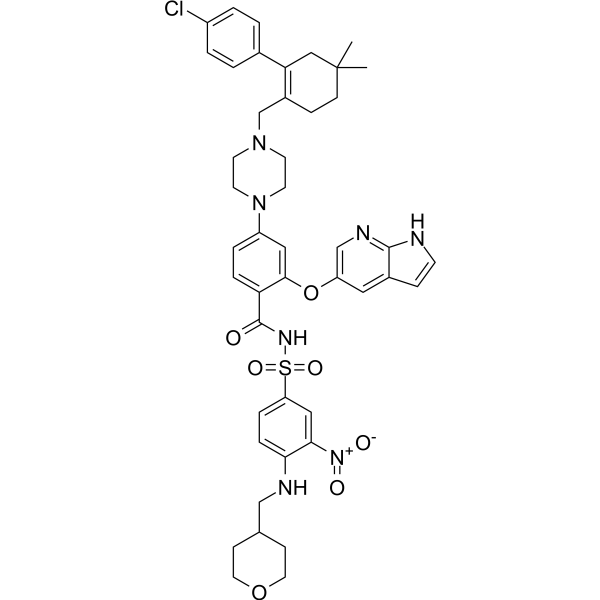
Venetoclax (ABT-199; GDC-0199) is a highly potent, selective and orally bioavailable Bcl-2 inhibitor with a Ki of less than 0.01 nM. Venetoclax induces autophagy .
loading...
    loading...
275
275 Cited Publications
Referencia número: HY-13948B
No. CAS: 2761969-44-0
Pureza:  98.84%
Synonyms: Angiotensin II TFA; Ang II TFA; DRVYIHPF TFA
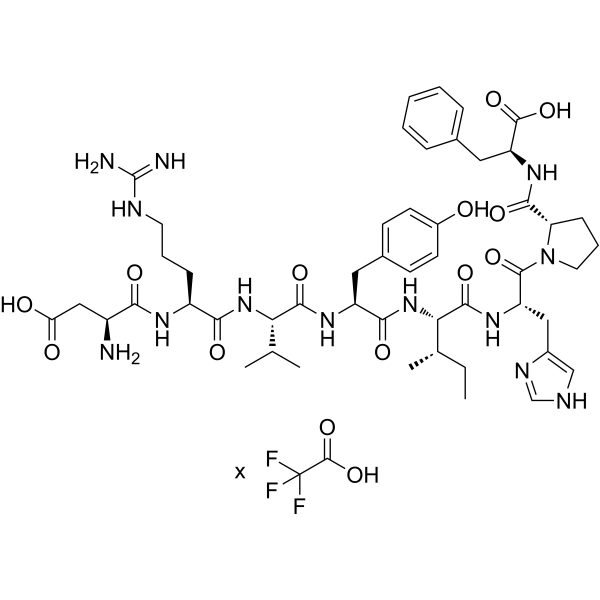
Angiotensin II human (Angiotensin II) TFA is a vasoconstrictor and a major bioactive peptide of the renin/angiotensin system. Angiotensin II human TFA plays a central role in regulating human blood pressure, which is mainly mediated by interactions between Angiotensin II and the G-protein-coupled receptors (GPCRs) Angiotensin II type 1 receptor (AT1R) and Angiotensin II type 2 receptor (AT2R). Angiotensin II human TFA stimulates sympathetic nervous stimulation, increases aldosterone biosynthesis and renal actions. Angiotensin II human TFA induces growth of vascular smooth muscle cells, increases collagen type I and III synthesis in fibroblasts, leading to thickening of the vascular wall and myocardium, and fibrosis. Angiotensin II human TFA also induces apoptosis. Angiotensin II human TFA induces capillary formation from endothelial cells via the LOX-1 dependent redox-sensitive pathway .
loading...
    loading...

