

1. Search Result
Search Result
Results for "

lacks

" in MedChemExpress (MCE) Product Catalog:

107

Inhibitors & Agonists

12

Screening Libraries

1

Fluorescent Dye

4

Biochemical Assay Reagents

16

Peptides

5

Inhibitory Antibodies

10

Natural
Products

1

Isotope-Labeled Compounds

4

Oligonucleotides

Cat. No. Product Name Target Research Areas Chemical Structure
  • HY-P99045
    Sacituzumab
    4 Publications Verification

    HRS7; hRS7

    ADC Antibody TROP2 Cancer
    Sacituzumab is a humanized IgG1 monoclonal antibody targeting Trophoblast cell surface antigen 2 (TROP2). Sacituzumab demonstrates a lack of antitumor effects alone and does not inhibit the function of TROP-2 during tumor metastasis, binding to the linear epitopes of TROP-2 protein. Sacituzumab can be used for the synthesis of antibody-drug conjugates (ADC) drug Sacituzumab govitecan (HY-132254). Sacituzumab govitecan can be used in the field of triple-negative breast cancer .
    Sacituzumab
  • HY-P1122
    Cyclosporin H
    3 Publications Verification

    Formyl Peptide Receptor (FPR) Infection Inflammation/Immunology
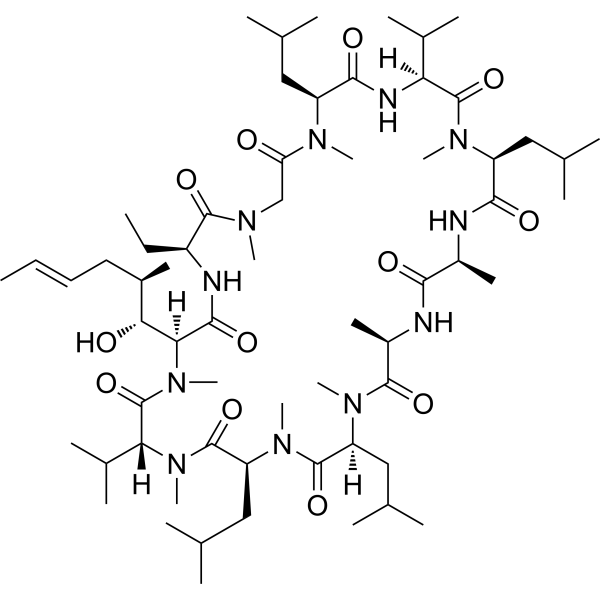
    Cyclosporin H is a selective and potent inhibitor of FPR-1 (formyl peptide receptor 1). Cyclosporin H, a viral transduction enhancer, increases lentiviral transduction up to 10-fold in human cord blood-derived hematopoietic stem and progenitor cells (HSPCs). Cyclosporin H displays an additive effect when combined with Rapamycin (HY-10219) or Prostaglandin E2 (HY-101952). Cyclosporin H lacks immunosuppressant activity of Cyclosporin A.
    Cyclosporin H
  • HY-106783
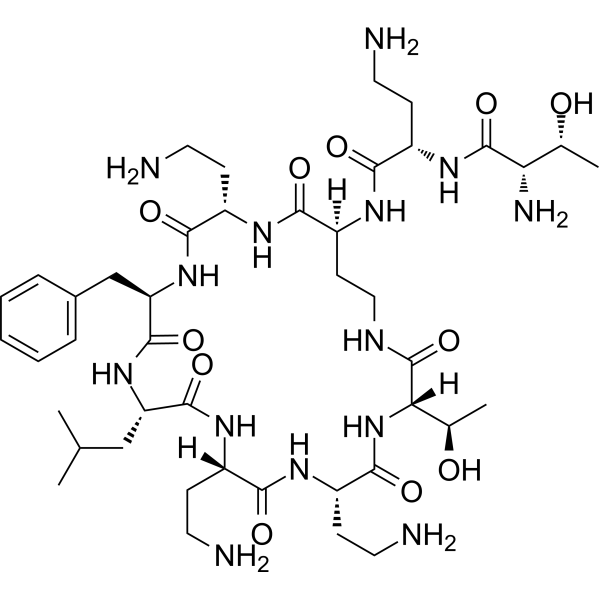
    Polymyxin B nonapeptide
    2 Publications Verification

    Bacterial Antibiotic Infection
    Polymyxin B nonapeptide is a cyclic peptide obtained from Polymyxin B by proteolytic removal of its terminal amino acyl residue. Polymyxin B nonapeptide is less toxic, lacks bactericidal activity, and retains its ability to render gram-negative bacteria susceptible to several antibiotics by permeabilizing their outer membranes .
    Polymyxin B nonapeptide
  • HY-P99029
    Magrolimab
    3 Publications Verification

    Hu5F9-G4

    CD47 Cancer
    Magrolimab (Hu5F9-G4) is a humanized anti-CD47 antibody. Magrolimab, an IgG4 isotype, lacks ADCC function and exhibits relatively weak ADCP effector function. Magrolimab can be used for the study of malignant bone tumors and breast cancer .
    Magrolimab
  • HY-137808
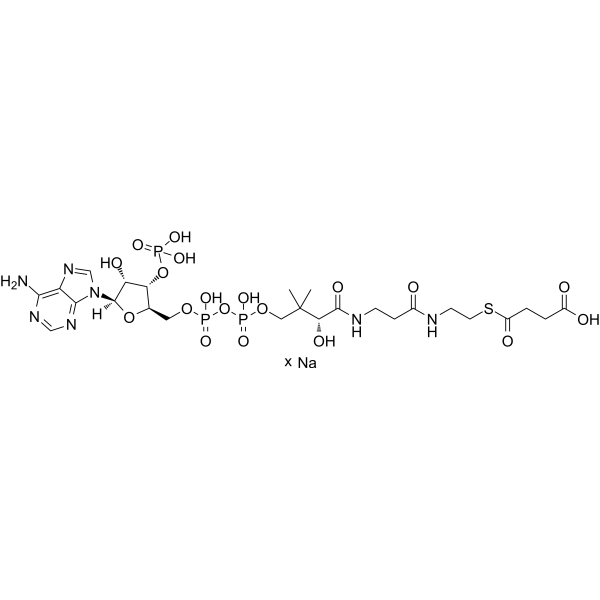
    Succinyl-Coenzyme A sodium
    3 Publications Verification

    Succinyl-CoA sodium

    Endogenous Metabolite Neurological Disease Metabolic Disease
    Succinyl CoA (Succinyl-coenzyme A) sodium is a pivotal intermediate metabolite in the tricarboxylic acid cycle and a key coenzyme A metabolite. Succinyl CoA sodium is biosynthesized from α-ketoglutarate or propionyl-CoA. Succinyl CoA sodium acts as a critical precursor and substrate for heme biosynthesis and gluconeogenesis. Succinyl CoA sodium insufficiency caused by cobalamin deficiency is directly linked to growth retardation, impaired heme synthesis, tissue glycine accumulation and neurological abnormalities. Succinyl CoA sodium can be used in research on metabolic, neurological, and hematological abnormalities (such as porphyria) caused by nutritional vitamin B12 deficiency (leading to a lack of Succinyl-Coenzyme A synthesis) .
    Succinyl-Coenzyme A sodium
  • HY-P99045A

    ADC Antibody TROP2 Cancer
    Sacituzumab (powder) is a humanized IgG1 monoclonal antibody targeting Trophoblast cell surface antigen 2 (TROP2). Sacituzumab (powder) demonstrates a lack of antitumor effects alone and does not inhibit the function of TROP-2 during tumor metastasis, binding to the linear epitopes of TROP-2 protein. Sacituzumab (powder) can be used for the synthesis of antibody-drug conjugates (ADC) drug Sacituzumab govitecan (HY-132254). Sacituzumab govitecan can be used in the field of triple-negative breast cancer .
    Sacituzumab (powder)
  • HY-124593
    PTC299
    5 Publications Verification

    Emvododstat

    VEGFR Dihydroorotate Dehydrogenase DNA/RNA Synthesis Cancer
    PTC299 is an orally active inhibitor of VEGFA mRNA translation that selectively inhibits VEGF protein synthesis at the post-transcriptional level. PTC299 is also a potent inhibitor of dihydroorotate dehydrogenase (DHODH). PTC299 shows good oral bioavailability and lack of off-target kinase inhibition and myelosuppression. PTC299 can be useful for the research of hematologic malignancies .
    PTC299
  • HY-18669
    ML346
    5+ Cited Publications

    HSP Cancer
    ML346 is an activator of Hsp70 expression and HSF-1 activity, with an EC50 of 4.6 μM for Hsp70. ML346 restores protein folding in conformational disease models, without significant cytotoxicity or lack of specificity. ML346 induces specific increases in genes and protein effectors of the heat shock response (HSR), including chaperones such as Hsp70, Hsp40, and Hsp27 .
    ML346
  • HY-100359
    CL-82198
    Maximum Cited Publications
    8 Publications Verification

    MMP Inflammation/Immunology Cancer
    CL-82198 is a selective inhibitor of MMP-13. CL-82198 binds to the entire S1’ pocket of MMP-13, which is the basis for its selectivity towards MMP-13 and the lack of inhibitory activities against other MMPs . CL-82198 is a pharmacologic treatment for preventing osteoarthritis (OA) progression .
    CL-82198
  • HY-A0245

    VD/VDR Metabolic Disease
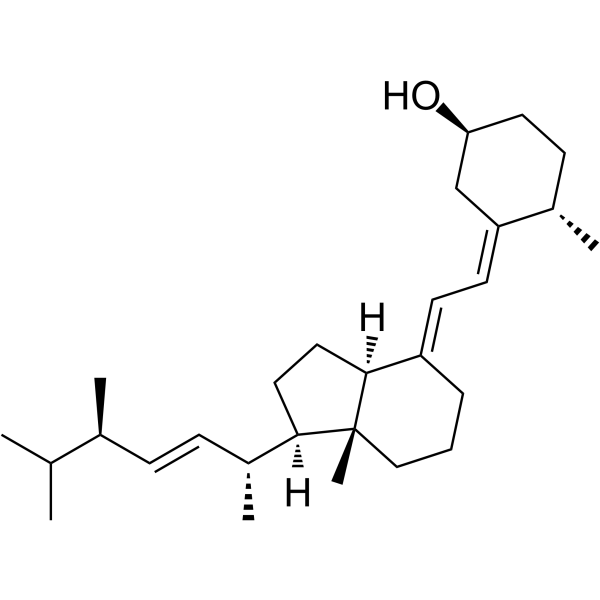
    Dihydrotachysterol is a synthetic analog of vitamin D. Dihydrotachysterol can be used to for the research of hypocalcemia (lack of calcium in the blood) and hypoparathyroidism (lack of parathyroid hormone in the body) .
    Dihydrotachysterol
  • HY-136093A
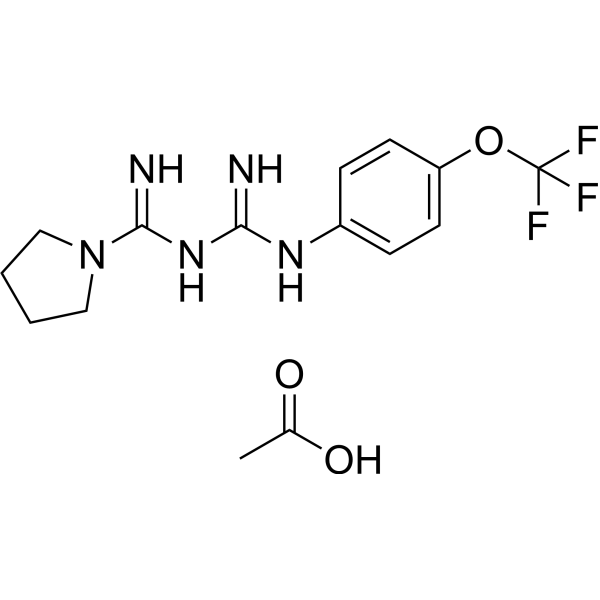
    Lixumistat acetate
    1 Publications Verification

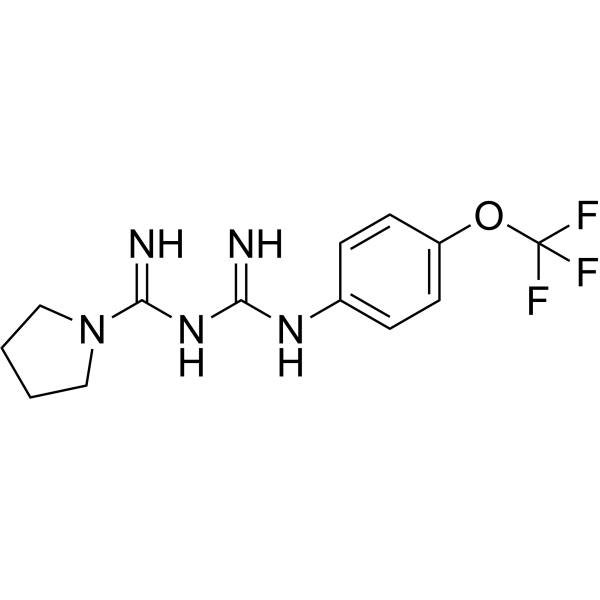
    IM156; HL156A; HL271 acetate

    Mitochondrial Metabolism AMPK Neurological Disease Metabolic Disease Inflammation/Immunology Cancer
    Lixumistat (IM156) acetate is a potent and orally active AMPK activator and OXPHOS inhibitor. Lixumistat acetate strongly activates AMPK, while it lacks the systemic metabolic regulatory effects of classic metformin, such as hypoglycemic and weight-lowering activities. Lixumistat acetate exhibits significant therapeutic effects on cognitive decline associated with brain aging and pulmonary fibrosis .
    Lixumistat acetate
  • HY-P99010A

    Interleukin Related FGFR Cancer
    Bemarituzumab (FUT8-KO) is an anti-FGFR2b monoclonal antibody expressed by CHO cells with the fucosyltransferase 8 gene (FUT8) knocked out. Fucose deficiency enhances the ADCC effect of the antibody. Bemarituzumab (FUT8-KO) lacks a core fucose in the polysaccharide portion of the Fc domain of the antibody, and results in a high affinity to human FcγRIIIa .
    Bemarituzumab (FUT8-KO)
  • HY-P99359

    ABT-555; AE12-1Y-QL; Anti-RGMA Reference Antibody (elezanumab)

    TGF-beta/Smad Metabolic Disease
    Elezanumab (ABT-555; AE12-1Y-QL) is a human monoclonal antibody that selectively targets repulsive guidance molecule A (RGMa). Elezanumab potently inhibited RGMa mediated BMP signalling via the SMAD1/5/8 pathway, with an IC50 around 97 pM. Elezanumab promotes neuroregeneration and neuroprotection in neuronal injury and demyelination models binds N-terminal RGMa, blocks BMP signaling and lacks RGMc cross-reactivity. elezanumab has neuroregenerative and neuroprotective activities without impact on iron metabolism .
    Elezanumab
  • HY-P4666

    Biochemical Assay Reagents Others
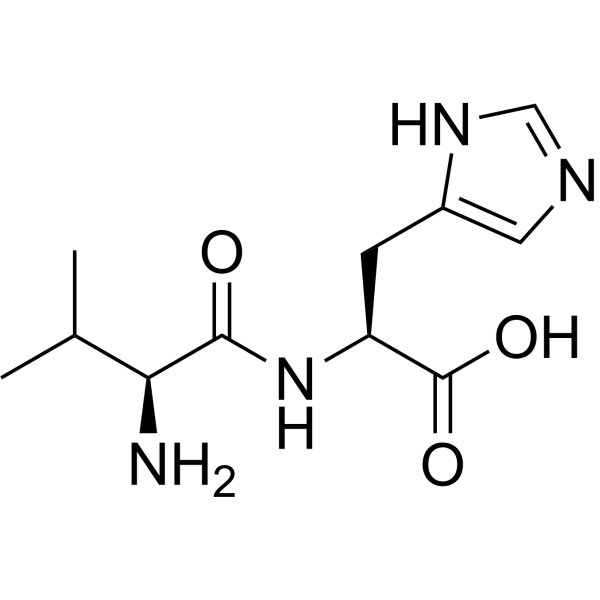
    Valylhistidine is a dipeptide composed of valine and histidine (Val-His). Valylhistidine can form a dipeptide complex with Cu (II) that mimics superoxide dismutase but lacks activity .
    Valylhistidine
  • HY-12397
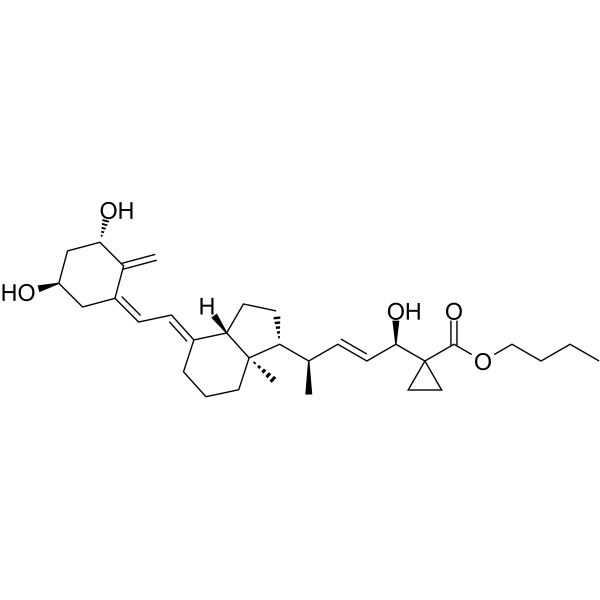
    ZK159222
    1 Publications Verification

    VD/VDR Endocrinology
    ZK159222, a 25-carboxylic ester analogue of 1α,25-(OH)2D3, is a potent 1α,25-(OH)2D3 receptor (VDR) antagonist. The mechanism of ZK159222 antagonistic action is mediated by a lack of ligand-induced vitamin D receptor interaction with coactivators. ZK159222 has a partial agonistic character .
    ZK159222
  • HY-137697D

    HIV DNA/RNA Synthesis Nucleoside Antimetabolite/Analog Drug Metabolite HIV Protease Infection
    ddCTP trilithium solution (100 mM) is a chain-terminating dideoxynucleotide. ddCTP trilithium is a type of chain-terminating deoxynucleotide. ddCTP trilithium can be incorporated into the extension primer chain that lacks the 3'-hydroxyl group, thereby terminating primer extension, viral genome replication, and DNA synthesis. ddCTP trilithium can distinguish almost identical RNA through distinguishable extension products in primer extension inhibition experiments. ddCTP trilithium is the active metabolite of Zalcitabine (HY-17392), which can competitively inhibit HIV reverse transcriptase, terminate the synthesis of viral DNA chains, and thereby inhibit HIV replication .
    ddCTP trisodium solution (100 mM)
  • HY-106783A
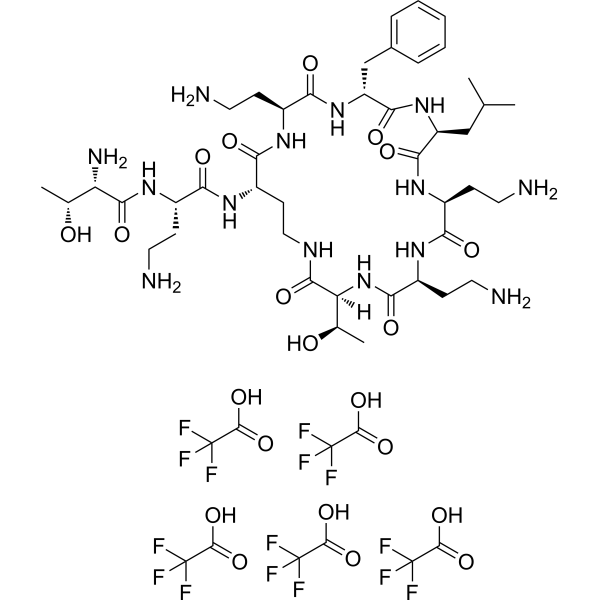
    Polymyxin B nonapeptide TFA
    2 Publications Verification

    Bacterial Antibiotic Infection
    Polymyxin B nonapeptide TFA is a cyclic peptide obtained from Polymyxin B by proteolytic removal of its terminal amino acyl residue. Polymyxin B nonapeptide TFA is less toxic, lacks bactericidal activity, and retains its ability to render gram-negative bacteria susceptible to several antibiotics by permeabilizing their outer membranes .
    Polymyxin B nonapeptide TFA
  • HY-136093B
    Lixumistat
    1 Publications Verification

    IM156 free base; HL156A free base; HL271 free base

    Mitochondrial Metabolism AMPK Neurological Disease Inflammation/Immunology
    Lixumistat (IM156 free base) is a potent and orally active AMPK activator and OXPHOS inhibitor. Lixumistat strongly activates AMPK, while it lacks the systemic metabolic regulatory effects of classic metformin, such as hypoglycemic and weight-lowering activities. Lixumistat exhibits significant therapeutic effects on cognitive decline associated with brain aging and pulmonary fibrosis .
    Lixumistat
  • HY-114672

    Phosphodiesterase (PDE) Cardiovascular Disease
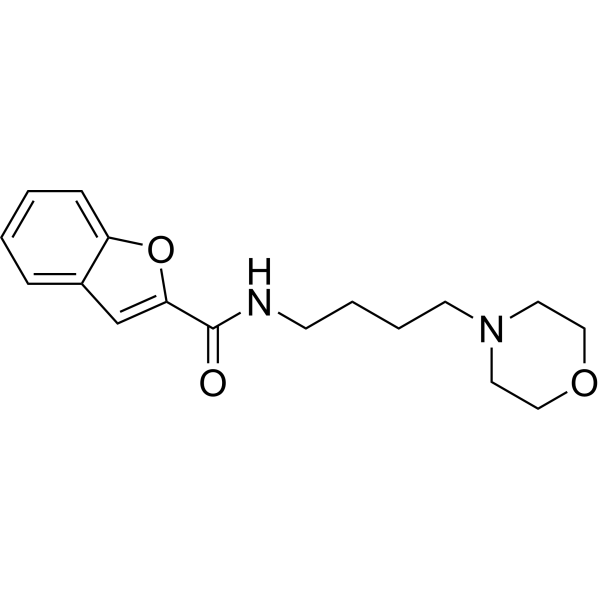
    MBCQ is a potent and selective cGMP-specific phosphodiesterase (PDE V; PDE5) inhibitor with an IC50 of 19 nM. MBCQ lacks inhibitory activity toward other PDE isozymes (all IC50s>100 μM). MBCQ dilates coronary arteries via specific inhibition of cGMP-PDE .
    MBCQ
  • HY-112081

    DNA/RNA Synthesis Cancer
    BAY-707, a chemical probe, is a substrate-competitive, highly potent and selective inhibitor of MTH1(NUDT1) with an IC50 of 2.3 nM. BAY-707 has a good pharmacokinetic (PK) profile to other MTH1 compounds and is well-tolerated in mice, but shows a clear lack of in vitro or in vivo anticancer efficacy .
    BAY-707
  • HY-149987

    KHK-IN-3

    Ketohexokinase Cardiovascular Disease Metabolic Disease Inflammation/Immunology
    KHK-IN-3 (Example 1) is a ketohexokinase (KHK) inhibitor. KHK-IN-3 can be used in the study of kidney disease, nonalcoholic steatohepatitis (NASH), diabetes and heart failure. KHK is a rate-limiting enzyme and fructokinase involved in fructose metabolism. KHK catalyzes the phosphorylation of fructose to fructose-1-phosphate (FIP) at the expense of ATP. The lack of feedback inhibition of fructose metabolism triggers the accumulation of downstream intermediates such as lipogenesis, gluconeogenesis, and oxidative phosphorylation .
    LY3522348
  • HY-148285

    Succinyl-coenzyme A; S-(Hydrogen succinyl)coenzyme A

    Endogenous Metabolite Metabolic Disease
    Succinyl CoA (Succinyl-coenzyme A) is a pivotal intermediate metabolite in the tricarboxylic acid cycle and a key coenzyme A metabolite. Succinyl CoA is biosynthesized from α-ketoglutarate or propionyl-CoA. Succinyl CoA acts as a critical precursor and substrate for heme biosynthesis and gluconeogenesis. Succinyl CoA insufficiency caused by cobalamin deficiency is directly linked to growth retardation, impaired heme synthesis, tissue glycine accumulation and neurological abnormalities. Succinyl CoA can be used in research on metabolic, neurological, and hematological abnormalities (such as porphyria) caused by nutritional vitamin B12 deficiency (leading to a lack of Succinyl-Coenzyme A synthesis) .
    Succinyl CoA
  • HY-170859

    PROTACs Casein Kinase Cancer
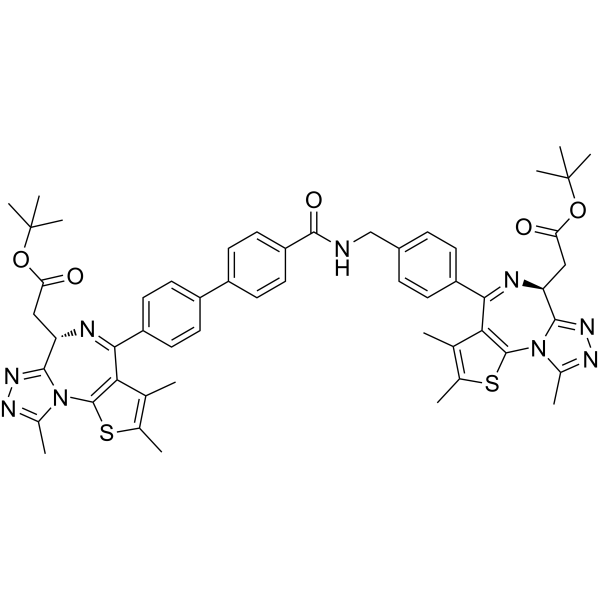
    AH078 is a PROTAC-based CK1δ/ε degrader (DC50=0.55 μM, Dmax=70%) that lacks subtype selectivity between CK1δ and CK1ε. AH078 induces target protein degradation either by recruiting the CUL4-CRBN E3 ligase complex and proteasome, or via the VHL- and ubiquitin-dependent pathway. AH078 also exhibits selectivity for CK1α, and is widely applicable to research related to colon cancer, pancreatic cancer, breast cancer, ovarian cancer, chronic lymphocytic leukemia, acute myeloid leukemia, glioma, and metastatic breast adenocarcinoma .
    AH078
  • HY-164496

    DNA/RNA Synthesis Cancer
    KL-50 is a selective toxin toward tumors that lack the DNA repair protein O 6-methylguanine-DNA-methyltransferase (MGMT), which reverses the formation of O 6-alkylguanine lesions. KL-50 activates DNA damage response pathways and cycle arrest in MGMT-cells, independent of mismatch repair (MMR). KL-50 is promising for research of brain tumors that lack the DNA repair protein MGMT .
    KL-50
  • HY-136093
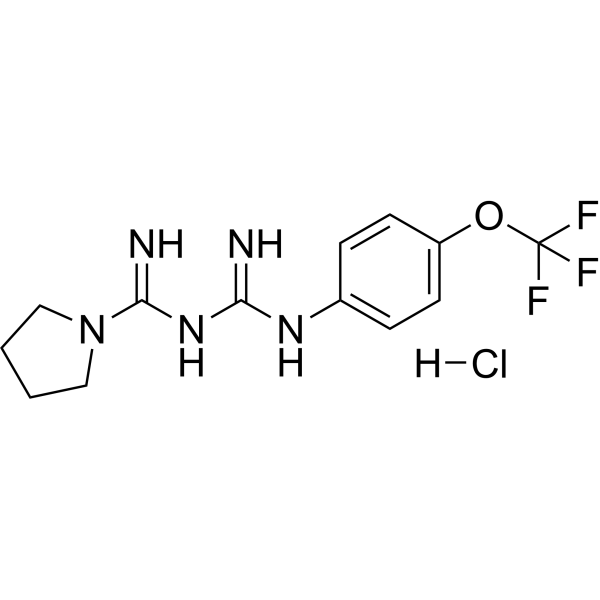
    Lixumistat hydrochloride
    1 Publications Verification

    HL271; IM156 hydrochloride; HL156A hydrochloride

    Mitochondrial Metabolism AMPK Neurological Disease
    Lixumistat (IM156) hydrochloride is a potent and orally active AMPK activator and OXPHOS inhibitor. Lixumistat hydrochloride strongly activates AMPK, while it lacks the systemic metabolic regulatory effects of classic metformin, such as hypoglycemic and weight-lowering activities. Lixumistat hydrochloride exhibits significant therapeutic effects on cognitive decline associated with brain aging and pulmonary fibrosis .
    Lixumistat hydrochloride
  • HY-159706

    Chloride Channel Others
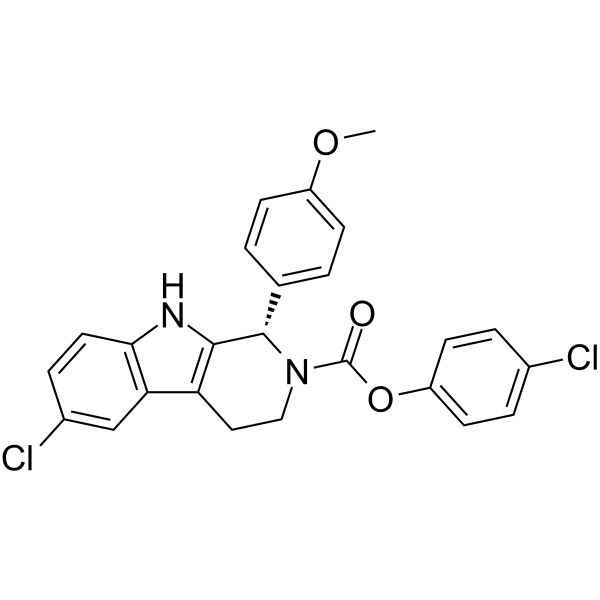
    S9-A13 is a potent and selective inhibitor SLC26A9, with the IC50 of 90.9 nM, without inhibiting other members of the SLC26 family such as SLC26A3, SLC26A4, and SLC26A6. S9-A13 can inhibits SLC26A9 Cl - currents in cells that lack expression of CFTR .
    S9-A13
  • HY-137697

    Nucleoside Antimetabolite/Analog DNA/RNA Synthesis HIV Protease HIV Drug Metabolite Infection
    ddCTP is a type of chain-terminating deoxynucleotide. ddCTP can be incorporated into the extension primer chain that lacks the 3'-hydroxyl group, thereby terminating primer extension, viral genome replication, and DNA synthesis. ddCTP can distinguish almost identical RNA through distinguishable extension products in primer extension inhibition experiments. ddCTP is the active metabolite of Zalcitabine (HY-17392), which can competitively inhibit HIV reverse transcriptase, terminate the synthesis of viral DNA chains, and thereby inhibit HIV replication .
    ddCTP
  • HY-W883690

    Endogenous Metabolite Others
    LacK (free acid) is a lysine derivative used in lactate acylation studies .
    LacK free acid
  • HY-161408A

    PhosTACs Phosphatase Others
    iGePhos1 is an inactive GePhos1 (HY-161408) epimer used as a nonbinding negative control. iGephos1 lacks the phosphatase recruiting possibility .
    iGePhos1
  • HY-P4697A

    Thyroid Hormone Receptor Endocrinology
    pTH (44-68) (human) TFA is a fragment of human parathyroid hormone (pTH) that lacks the adenylate cyclase-stimulating activity of intact pTH. pTH (44-68) (human) TFA can be used to study the mechanism of action of pTH .
    pTH (44-68) (human) TFA
  • HY-125604

    Beta-lactamase Bacterial Infection Inflammation/Immunology
    WCK-4234 is a diazabicyclooctane β-lactamase inhibitor and susceptibility restorer. WCK-4234 lacks direct antibacterial activity. WCK-4234 inhibits class A, C, D β-lactamases and extended-spectrum β-lactamases to potentiate Imipenem (HY-B1369A) and Meropenem (HY-13678) activity against Gram-negative pathogens. WCK-4234 can be used for the research of gram-negative bacterial infections and β-lactamase-mediated carbapenem-resistant bacterial infections .
    WCK-4234
  • HY-117741

    Bacterial Others
    GSK951A is a THPP analogue. GSK951A inhibits mycolic acid biosynthesis. GSK951A combines potency in culture with in vivo activity and lack of cytotoxicity .
    GSK951A
  • HY-N3912

    Bacterial Infection Cancer
    Furomollugin is a natural product with antioxidant and antibacterial activities, can be isolated from Rubia cordifolia. Furomollugin lacks potent anti-tyrosinase activity, but also exhibits significant anticancer property .
    Furomollugin
  • HY-E70404

    DNA/RNA Synthesis Biochemical Assay Reagents Others
    FastTaq DNA Polymerase (5'→3' exo-) is a modified DNA polymerase based on Taq DNA Polymerase. FastTaq DNA Polymerase (5'→3' exo-) lacks the 5'→3' exonuclease activity of wild-type Taq. It retains the 5'→3' DNA polymerase activity of wild-type Taq .
    FastTaq DNA Polymerase(5'→3' exo-)
  • HY-176837

    Toll-like Receptor (TLR) NOD-like Receptor (NLR) Inflammation/Immunology
    NOD2/TLR4 agonist-1 (Compound 2) is a NOD2/TLR4 dual agonist. NOD2/TLR4 agonist-1 lacks immunostimulatory activity and serves as an important negative control in research .
    NOD2/TLR4 agonist-1
  • HY-131931

    LysoGM1 potassium

    Src Neurological Disease
    Lysoganglioside-GM1 (LysoGM1) potassium is a derivative of Monosialoganglioside GM1, which lacks a fatty acid. Lysoganglioside-GM1 potassium is also an inhibitor of GM1 aggregation. Lysoganglioside-GM1 potassium can inhibit the activation of Lyn and laminin-1-mediated neurite outgrowth. Lysoganglioside-GM1 potassium can be used in the research of nervous system diseases .
    Lysoganglioside-GM1 potassium
  • HY-P3539

    GCGR Neurological Disease Endocrinology
    Exendin-4 (3-39) is a peptide. Exendin-4 (3-39) is a truncated form of Exendin-4 (HY-13443) that lacks the first two amino acids. Exendin-4 is a potent Glucagon-like peptide-1 receptor (GLP-1r) agonist. Exendin-4 (3-39) and Exendin-4 can be used for the research of diabetic and hypothalamic-pituitary-adrenal (HPA) axis .
    Exendin-4 (3-39)
  • HY-153735

    PROTACs ERK Cancer
    ERK-CLIPTAC is a ERK CLIPTAC (click chemistry-synthesized proteolysis-targeting chimera) degrader. ERK-CLIPTAC forms intracellularly via click chemistry from ERK1/2-IN-14 (HY-175578) and Tz-thalidomide (HY-101460). The formed ERK-CLIPTAC recruits the E3 ubiquitin ligase CRBN to ERK1/2, thereby inducing ubiquitination and subsequent degradation of ERK1/2. Due to its lack of cell permeability, ERK-CLIPTAC cannot induce ERK1/2 degradation in cells. ERK-CLIPTAC can be used in research related to melanoma and colorectal cancer .
    ERK-CLIPTAC
  • HY-145965

    Ferroportin Metabolic Disease
    Ferroportin-IN-1 is a ferroportin inhibitor extracted from patent WO2020123850A1 compound 23. Ferroportin-IN-1 can be used for the research of diseases caused by a lack of hepcidin or iron metabolism disorders .
    Ferroportin-IN-1
  • HY-P1816

    Integrin Cancer
    The connecting segment 1 (CS-1) is a cell attachment domain located in the type III homology connecting segment (IIICS) of fibronectin. Fibronectin CS1 Peptide lacks the Arg-Gly-Asp-containing domain, actively inhibits tumor metastases in spontaneous and experimental metastasis models .
    Fibronectin CS1 Peptide
  • HY-W414604

    Biochemical Assay Reagents Cancer
    Dichloro(1,2-diaminocyclohexane)platinum(II) is a platinum (II) analog and the oxaliplatin parent complex. Dichloro(1,2-diaminocyclohexane)platinum(II) is a potent chemotherapeutic with a wide spectrum of anticancer activity, low toxicity, and lack of cross resistance in many cisplatin-resistant cancers .
    Dichloro(1,2-diaminocyclohexane)platinum(II)
  • HY-W556802

    Biochemical Assay Reagents Others
    Dichloro(1,2-diaminocyclohexane)platinum(II) is a platinum (II) analog and the oxaliplatin parent complex. Dichloro(1,2-diaminocyclohexane)platinum(II) is a potent chemotherapeutic with a wide spectrum of anticancer activity, low toxicity, and lack of cross resistance in many cisplatin-resistant cancers .
    5-Oxodecanoic acid
  • HY-W015467

    Pyridine-3-sulphonic acid

    Drug Derivative Metabolic Disease
    Pyridine-3-sulfonic acid (Pyridine-3-sulphonic acid) is an orally active structural analog of Nicotine acid (HY-B0143). Pyridine-3-sulfonic acid significantly reduces hepatic cholesterol synthesis in rats but lacks cholesterol-lowering activity. Pyridine-3-sulfonic acid does not interfere with the metabolism of Nicotine acid .
    Pyridine-3-sulfonic acid
  • HY-138966

    Akt Cancer
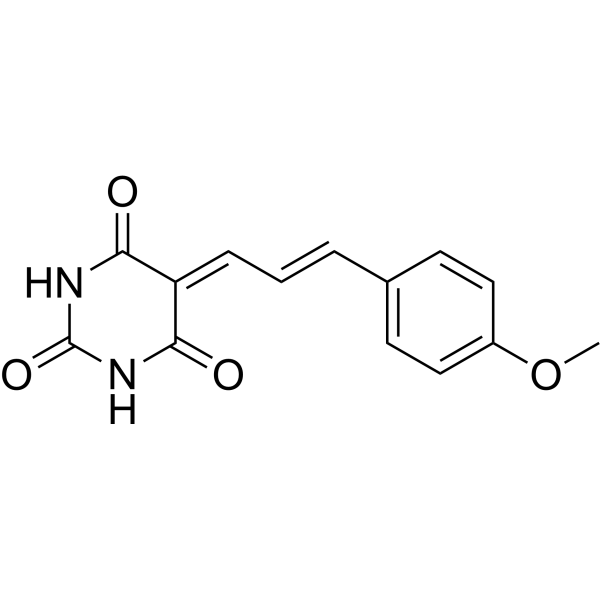
    SM1-71-R is a reversible analog o SM1-71 (HY-136848). SM1-71-R lacks the acrylamide warhead and therefore cannot form a covalent bond with the kinase. SM1-71-R can be used as a control compound for SM1-71 .
    SM1-71-R
  • HY-W008567

    Drug Metabolite Others
    N-Deschlorobenzoyl indomethacin (Compound 18), the primary metabolite of indomethacin (HY-14397), lacks the N-p-chlorobenzoyl group in its structure. Consequently, N-Deschlorobenzoyl indomethacin loses inhibitory activity against AKR1C2 and AKR1C3 (AKR1C2 IC50 =100 μM, AKR1C3 IC50 >100 μM), exhibiting no selectivity .
    N-Deschlorobenzoyl indomethacin
  • HY-121348

    U-47929

    Antibiotic Bacterial DNA/RNA Synthesis Infection
    Ficellomycin is a nitrogen-containing bicyclic antibiotic with strong activity against Gram-positive bacteria, including multidrug-resistant strains of Staphylococcus aureus. Ficellomycin works by inducing the formation of defective 34S DNA fragments, which interfere with the semi-conservative DNA replication process. These fragments lack the ability to integrate into larger DNA segments and eventually form a complete bacterial chromosome. Ficellomycin can be used in research for various bacterial diseases .
    Ficellomycin
  • HY-131931A

    LysoGM1 ammonium

    Src Neurological Disease
    Lysoganglioside-GM1 (LysoGM1) ammonium is a derivative of Monosialoganglioside GM1, which lacks a fatty acid. Lysoganglioside-GM1 ammonium is also an inhibitor of GM1 aggregation. Lysoganglioside-GM1 ammonium can inhibit the activation of Lyn and laminin-1-mediated neurite outgrowth. Lysoganglioside-GM1 ammonium can be used in the research of nervous system diseases .
    Lysoganglioside-GM1 ammonium
  • HY-131701

    C18 Lactosyl(β) Ceramide; Lactosyl Sphingosine; Lyso-Lactosylceramide (synthetic)

    Endogenous Metabolite Metabolic Disease
    Lactosyl-C18-sphingosine (C18 Lactosyl(β) Ceramide; Lactosyl Sphingosine) is a bioactive sphingolipid that is a form of lactosylceramide but lacks the fatty acyl group. Lysolactosylceramide (1-50 μM) reduces the viability of human neutrophils in a concentration-dependent manner. Unlike lactosylceramide, Lactosyl-C18-sphingosine has no effect on protein synthesis and cell proliferation in cardiomyocytes. Lactosyl-C18-sphingosine is a lysoganglioside GM3.
    Lactosyl-C18-sphingosine
  • HY-137697B

    HIV DNA/RNA Synthesis Nucleoside Antimetabolite/Analog Drug Metabolite HIV Protease Infection
    ddCTP trilithium is a type of chain-terminating deoxynucleotide. ddCTP trilithium can be incorporated into the extension primer chain that lacks the 3'-hydroxyl group, thereby terminating primer extension, viral genome replication, and DNA synthesis. ddCTP trilithium can distinguish almost identical RNA through distinguishable extension products in primer extension inhibition experiments. ddCTP trilithium is the active metabolite of Zalcitabine (HY-17392), which can competitively inhibit HIV reverse transcriptase, terminate the synthesis of viral DNA chains, and thereby inhibit HIV replication .
    ddCTP trilithium
  • HY-106783R

    Reference Standards Bacterial Antibiotic Infection
    Polymyxin B nonapeptide (Standard) is the analytical standard of Polymyxin B nonapeptide. This product is intended for research and analytical applications. Polymyxin B nonapeptide is a cyclic peptide obtained from Polymyxin B by proteolytic removal of its terminal amino acyl residue. Polymyxin B nonapeptide is less toxic, lacks bactericidal activity, and retains its ability to render gram-negative bacteria susceptible to several antibiotics by permeabilizing their outer membranes[1][2][3].
    Polymyxin B nonapeptide (Standard)

Inquiry Online

Your information is safe with us. * Required Fields.

Salutation


Country or Region *

Applicant Name *


Organization Name *

Department *


Email Address *


Product Name *

Cat. No.


Requested quantity *

Phone Number *


Remarks

Inquiry Online

Inquiry Information

Product Name:
Cat. No.:
Quantity:
MCE Japan Authorized Agent:

