23 Results for "

lipid regulator

" in MedChemExpress (MCE) Product Catalog:
Products (23)

23 Results for "lipid regulator" in MCE Product Catalog:

32
32 Publications Verification
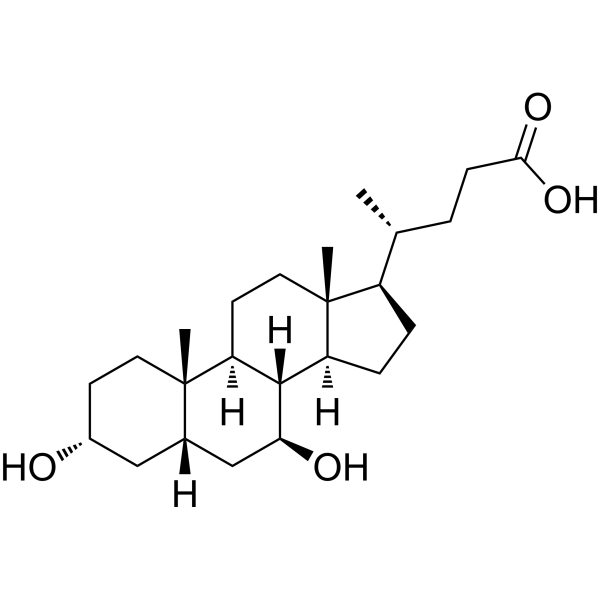
Cat. No.: HY-13771
CAS No.: 128-13-2
Purity:  99.94%
Synonyms: Ursodeoxycholate; Ursodiol; UDCA
Ursodeoxycholic acid (Ursodeoxycholate) is a secondary bile acid issued from the transformation of (cheno)deoxycholic acid by intestinal bacteria, acting as a key regulator of the intestinal barrier integrity and essential for lipid metabolism. Ursodeoxycholic acid acts as signaling molecule, exerting its effects by interacting with bile acid activated receptors, including G-protein coupled bile acid receptor 5 (TGR5, GPCR19) and the farnesoid X receptor (FXR). Ursodeoxycholic acid can be used for the research of a variety of hepatic and gastrointestinal diseases. Ursodeoxycholic acid also reduces ACE2 expression and is beneficial for reducing SARS-CoV-2 infection. Orally active .
loading...
    loading...
32
32 Publications Verification
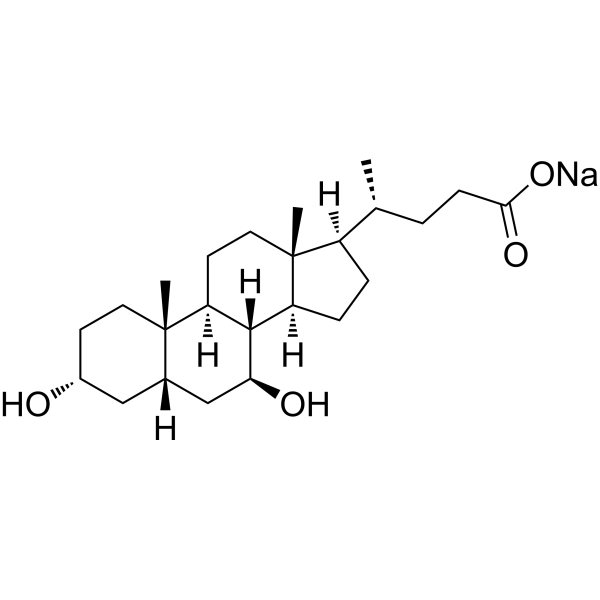
Cat. No.: HY-13771A
CAS No.: 2898-95-5
Purity:  99.06%
Synonyms: Ursodeoxycholate sodium; Ursodiol sodium; UCDA sodium
Ursodeoxycholic acid (Ursodeoxycholate) sodium is a secondary bile acid issued from the transformation of (cheno)deoxycholic acid by intestinal bacteria, acting as a key regulator of the intestinal barrier integrity and essential for lipid metabolism. Ursodeoxycholic acid sodium acts as signaling molecule, exerting its effects by interacting with bile acid activated receptors, including G-protein coupled bile acid receptor 5 (TGR5, GPCR19) and the farnesoid X receptor (FXR). Ursodeoxycholic acid sodium can be used for the research of a variety of hepatic and gastrointestinal diseases. Orally active .
loading...
    loading...
1
1 Cited Publications
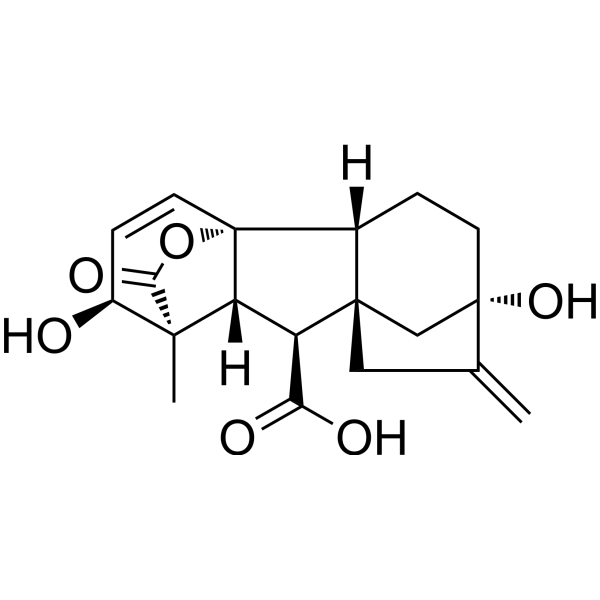
Cat. No.: HY-N1964
CAS No.: 77-06-5
Synonyms: Gibberellin A3
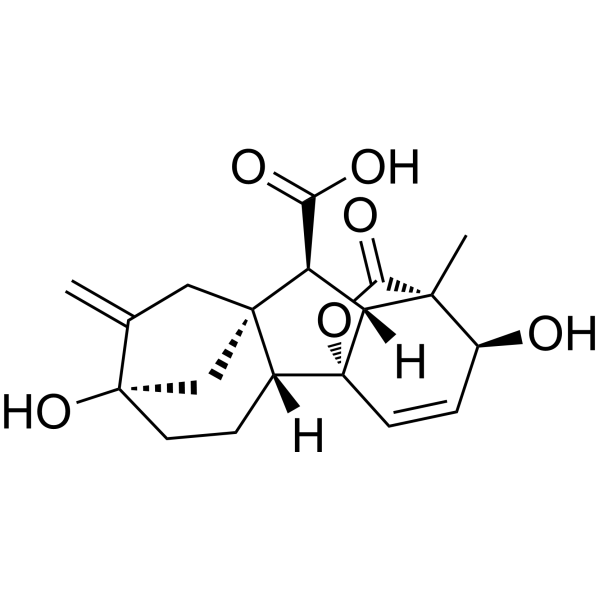
Gibberellic acid (GA3) is a natural plant growth regulator with oral bioactivity. Gibberellic acid governs multiple plant developmental events, including seed germination, cell elongation, floral organ formation, and rice spikelet fertility. Gibberellic acid optimizes root morphology and secondary metabolite production in Echinacea purpurea hairy roots, and serves as a bioactive seed priming agent to improve chilling stress tolerance in chickpea. Gibberellic acid mediates modulation of enzyme activity and secondary metabolism in plants and exerts tissue-specific regulatory effects on antioxidant systems and lipid peroxidation in rats. Gibberellic acid can be used in studies of plant growth, metabolism, and abiotic stress responses .
loading...
    loading...
1
1 Cited Publications
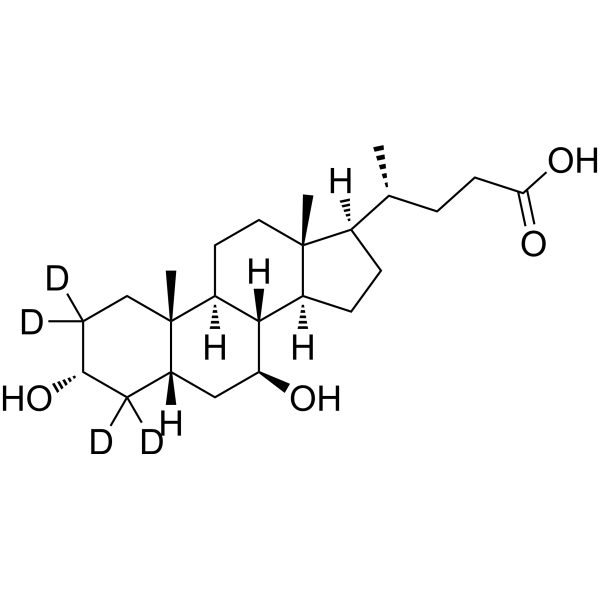
Cat. No.: HY-113478S
CAS No.: 347841-46-7
Purity:  99.52%
Synonyms: Ursodeoxycholate-d4; Ursodiol-d4; UDCA-d4
Ursodeoxycholic acid-2,2,4,4-d4 is the deuterium labeled Ursodeoxycholic acid (HY-13771). Ursodeoxycholic acid is a secondary bile acid issued from the transformation of (cheno)deoxycholic acid by intestinal bacteria, acting as a key regulator of the intestinal barrier integrity and essential for lipid metabolism. Ursodeoxycholic acid acts as signaling molecule, exerting its effects by interacting with bile acid activated receptors, including G-protein coupled bile acid receptor 5 (TGR5, GPCR19) and the farnesoid X receptor (FXR). Ursodeoxycholic acid can be used for the research of a variety of hepatic and gastrointestinal diseases. Ursodeoxycholic acid also reduces ACE2 expression and is beneficial for reducing SARS-CoV-2 infection .
loading...
    loading...
Cat. No.: HY-103251
CAS No.: 1312473-63-4
Purity:  99.42%
Synonyms: LpxC-4
Target:  

Antibiotic Bacterial

Research Areas:  

Infection

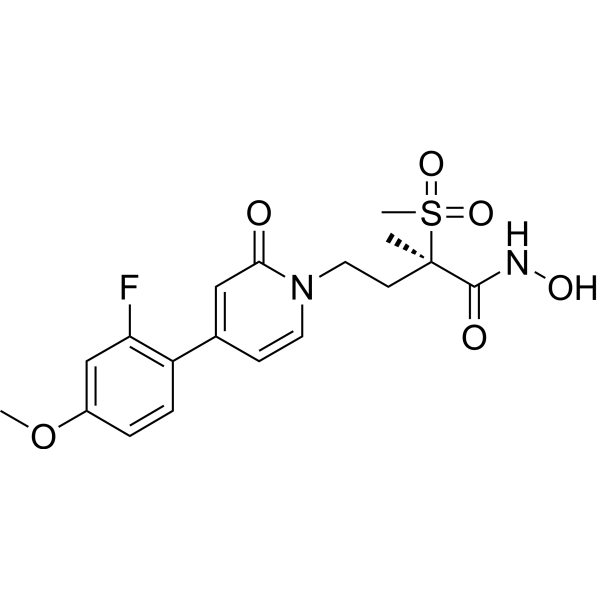
PF-5081090 (LpxC-4) is a potent LpxC inhibitor, is a rapidly bactericidal with broad-spectrum activity. PF-5081090 serves as a regulator of lipid A biosynthesis in Gram-negative pathogens .
loading...
    loading...
Cat. No.: HY-107413
CAS No.: 146670-40-8
Purity:  99.79%
Synonyms: BMS-649
Research Areas:  

Cancer

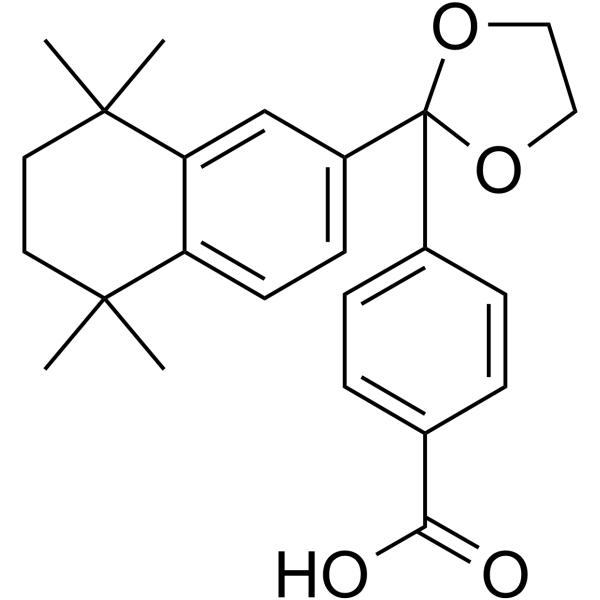
SR11237 (BMS-649) GMP is SR11237 (HY-107413) produced by using GMP guidelines. GMP small molecules works appropriately as an auxiliary reagent for cell therapy manufacture. SR11237 is a RXR activator and lipid metabolism regulator that promotes the differentiation of induced neural stem cells into dopaminergic (TH-positive) neurons. SR11237 induces transcriptional regulation of lipogenic genes and cholesterol transporters, increases glycosaminoglycan release, and elevates total cellular triglyceride levels. SR11237 promotes heterodimerization of RXR with Nurr1, thereby enhancing tyrosine hydroxylase expression and facilitating dopamine release. SR11237 produces a synergistic effect when used in combination with bFGF/EGF. SR11237 is mainly used in studies related to osteoarthritis and Parkinson's disease .
loading...
    loading...
Cat. No.: HY-43515
Target:  

Endogenous Metabolite

Research Areas:  

Metabolic Disease

ESI1 is a small molecule epigenetic silencing inhibitor. ESI1 can trigger the formation of nuclear condensates of key lipid metabolism regulators SREBP1/2, concentrating transcriptional co-activators to drive lipid/cholesterol biosynthesis. ESI1 can promote myelin regeneration in demyelinated animal models and facilitate de novo myelination on regenerating CNS axons, reversing age-related declines in cognitive abilities .
loading...
    loading...
Cat. No.: HY-141508
CAS No.: 100041-05-2
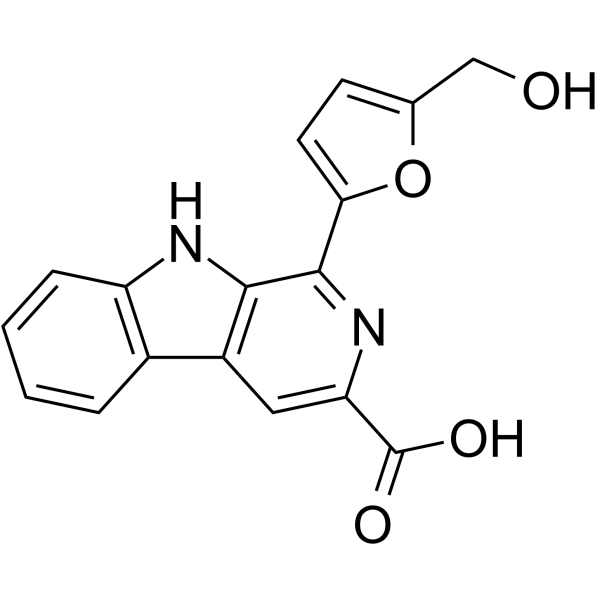
Flazin is a non-enzymatic protein glycation inhibitor, also inhibits peroxynitrite (ONOO -), with an IC50 value of 85.31 μM for bovine serum albumin (BSA) glycation and an EC50 value of 71.99 μM for ONOO -. Flazin can be used for researching diabetes and neuronal disorders. Flazin also can used as a lipid droplet (LD) regulator against lipid disorders, and a xanthine oxidase (XOD) inhibitor .
loading...
    loading...
Cat. No.: HY-131116
CAS No.: 3572-64-3
Purity:  99.26%
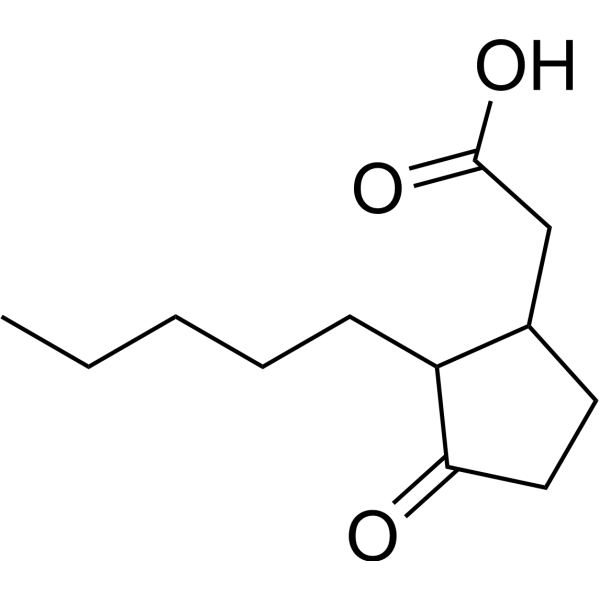
Dihydrojasmonic acid is a pentacyclic oxygen-containing lipid plant growth regulator related to Jasmonic acid (HY-122464), with activities including growth inhibition, promotion of leaf senescence, and induction of the accumulation of some plant secondary metabolites . Dihydrojasmonic acid serves as a substrate for metabolic modification and undergoes biotransformation via side-chain hydroxylation, glycosylation, and amino acid conjugation in the aerial parts and seedlings of barley (Hordeum vulgare). Dihydrojasmonic acid inhibits the growth of dwarf rice seedlings and can induce the synthesis of secondary metabolites in some plant cell culture species, with its activity being species-dependent. Dihydrojasmonic acid is involved in studies related to the regulation of plant growth and development .
loading...
    loading...
Cat. No.: HY-13771R
CAS No.: 128-13-2
Synonyms: Ursodeoxycholate (Standard); Ursodiol (Standard); UDCA (Standard)
Ursodeoxycholic acid (Standard) is the analytical standard of Ursodeoxycholic acid. This product is intended for research and analytical applications. Ursodeoxycholic acid (Ursodeoxycholate) is a secondary bile acid issued from the transformation of (cheno)deoxycholic acid by intestinal bacteria, acting as a key regulator of the intestinal barrier integrity and essential for lipid metabolism. Ursodeoxycholic acid acts as signaling molecule, exerting its effects by interacting with bile acid activated receptors, including G-protein coupled bile acid receptor 5 (TGR5, GPCR19) and the farnesoid X receptor (FXR). Ursodeoxycholic acid can be used for the research of a variety of hepatic and gastrointestinal diseases. Ursodeoxycholic acid also reduces ACE2 expression and is beneficial for reducing SARS-CoV-2 infection. Orally active .
loading...
    loading...
Cat. No.: HY-124081
CAS No.: 107743-37-3
Purity:  ≥99.0%
Target:  

Apoptosis

Research Areas:  

Metabolic Disease

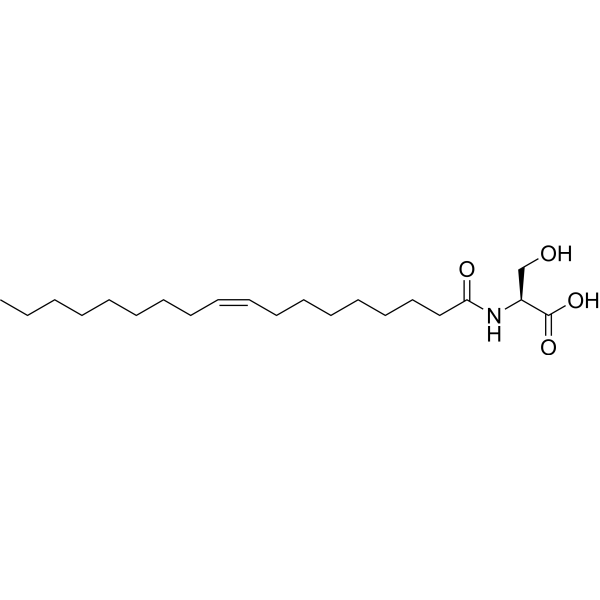
N-Oleoyl-L-Serine is an endogenous amide of long-chain fatty acids with ethanolamine (N-acyl amides). N-Oleoyl-L-Serine is a lipid regulator of bone remodeling and stimulates osteoclast apoptosis. N-Oleoyl-L-Serine can be used for antiosteoporotic drug discovery development .
loading...
    loading...
Cat. No.: HY-N1964A
CAS No.: 77-06-5
Gibberellic acid, suitable for plant cell culture (GA3, suitable for plant cell culture) is a natural plant growth regulator with oral bioactivity. Gibberellic acid, suitable for plant cell culture governs multiple plant developmental events, including seed germination, cell elongation, floral organ formation, and rice spikelet fertility. Gibberellic acid, suitable for plant cell culture optimizes root morphology and secondary metabolite production in Echinacea purpurea hairy roots, and serves as a bioactive seed priming agent to improve chilling stress tolerance in chickpea. Gibberellic acid, suitable for plant cell culture mediates modulation of enzyme activity and secondary metabolism in plants and exerts tissue-specific regulatory effects on antioxidant systems and lipid peroxidation in rats. Gibberellic acid, suitable for plant cell culture can be used in studies of plant growth, metabolism, and abiotic stress responses .
loading...
    loading...
Cat. No.: HY-N7521
CAS No.: 37064-31-6
Synonyms: Procyanidine C2
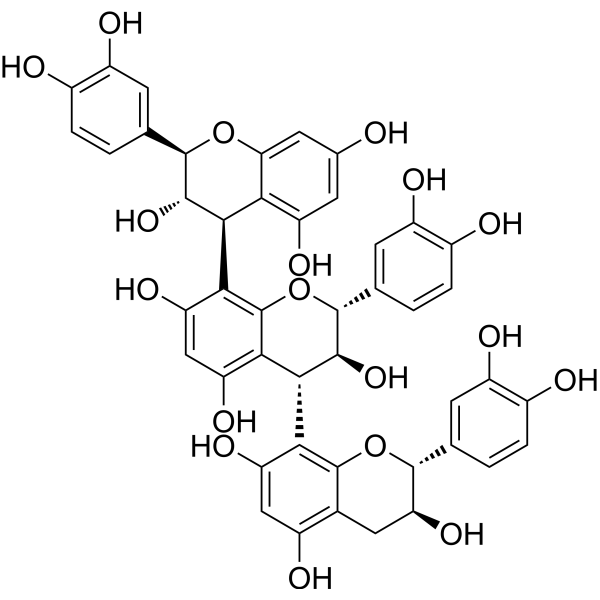
Procyanidin C2 (Procyanidine C2) is a lipid metabolism regulator and antioxidant with free radical scavenging activity. Procyanidin C2 down-regulates ACC, SREBP-1c, FAS, SCD-1 and PPARγ. Procyanidin C2 increases the level of phosphorylated AMPKα and inhibits the level of phosphorylated mTOR. Procyanidin C2 reduces lipid accumulation, alleviates oxidative stress, enhances fatty acid oxidation and improves mitochondrial function. Procyanidin C2 can be used in the research of non-alcoholic fatty liver disease .
loading...
    loading...
Cat. No.: HY-13771S1
CAS No.: 63296-46-8
Synonyms: Ursodeoxycholate-13C; Ursodiol-13C; UDCA-13C
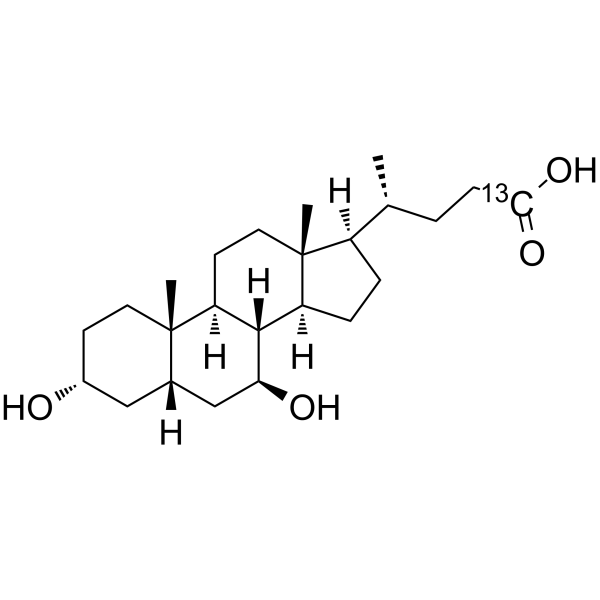
Ursodeoxycholic acid- 13C is the 13C labeled Ursodeoxycholic acid. Ursodeoxycholic acid (Ursodeoxycholate) is a secondary bile acid issued from the transformation of (cheno)deoxycholic acid by intestinal bacteria, acting as a key regulator of the intestinal barrier integrity and essential for lipid metabolism. Ursodeoxycholic acid acts as signaling molecule, exerting its effects by interacting with bile acid activated receptors, including G-protein coupled bile acid receptor 5 (TGR5, GPCR19) and the farnesoid X receptor (FXR). Ursodeoxycholic acid can be used for the research of a variety of hepatic and gastrointestinal diseases. Orally active .
loading...
    loading...
Cat. No.: HY-N1964R
CAS No.: 77-06-5
Synonyms: Gibberellin A3 (Standard)
Gibberellic acid (Standard) is the analytical standard of Gibberellic acid (GA3) (HY-N1964). This product is intended for research and analytical applications. Gibberellic acidis a natural plant growth regulator with oral bioactivity. Gibberellic acid governs multiple plant developmental events, including seed germination, cell elongation, floral organ formation, and rice spikelet fertility. Gibberellic acid optimizes root morphology and secondary metabolite production in Echinacea purpurea hairy roots, and serves as a bioactive seed priming agent to improve chilling stress tolerance in chickpea. Gibberellic acid mediates modulation of enzyme activity and secondary metabolism in plants and exerts tissue-specific regulatory effects on antioxidant systems and lipid peroxidation in rats. Gibberellic acid can be used in studies of plant growth, metabolism, and abiotic stress responses .
loading...
    loading...
Cat. No.: HY-149545
CAS No.: 214038-32-1
Synonyms: 1,3-Dipalmitoyl-2-docosahexaenoyl glycerol
1,3-Palmitin-2-docosahexaenoin (1,3-Dipalmitoyl-2-docosahexaenoyl glycerol) is the isomer of triacylglycerol (TAG), in which docosahexaenoic acid (DHA) is located at the β position (sn-2) of the glycerol backbone. 1,3-Palmitin-2-docosahexaenoin inhibits fatty acid synthase and cholesterol metabolism enzymes, activates carnitine palmitoyltransferase (CPT) in liver mitochondria and promotes β-oxidation of fatty acids. 1,3-Palmitin-2-docosahexaenoin exhibits lipid metabolism regulating activity .
loading...
    loading...
Cat. No.: HY-L009
3,998 compounds

Kinase is an enzyme that adds phosphate groups to other molecules. This process is known as phosphorylation. Protein phosphorylation is a key aspect in the regulation of a large number of cellular processes including cellular division, metabolism, signal transduction, and so on. There are over 500 kinases encoded by the human genome and it has been estimated that kinases regulate approximately 50% of cellular functions. Kinases are a large group of drug targets in drug discovery. Kinase inhibitors are an important class of drugs that block certain enzymes involved in diseases such as cancer and inflammatory disorders.

Kinase inhibitor library designed by MCE contains 3,998 kinase inhibitors and regulators mainly targeting protein kinases (VEGFR, EGFR, BTK, CDK, Akt, etc.), lipid kinases (PI3K, PI4K, SK, etc.) and carbohydrate kinases (Hexokinase), and is a useful tool for kinase drug discovery and related research.

Cat. No.: HY-D3116
CAS No.: 2711762-70-6
Research Areas:  

Others

RhoNox-4 is a ferroptosis inhibitor and a fluorescence activation indicator specific to Fe 2+. RhoNox-4 selectively reacts with labile Fe 2+ and oxidizes it to Fe 3+, depleting labile Fe 2+ involved in lipid peroxidation and inhibiting ferroptosis induced by ferroptosis inducers. RhoNox-4 is cell-permeable, accumulates in the endoplasmic reticulum and/or Golgi apparatus, can be used for live-cell imaging and high-throughput screening of subcellular iron status regulators, and is applicable to iron biology research .
loading...
    loading...
Cat. No.: HY-107413R
CAS No.: 146670-40-8
Synonyms: BMS-649 (Standard)
SR11237 (Standard) is the analytical standard of SR11237 (HY-107413). This product is intended for research and analytical applications. SR11237 is a RXR activator and lipid metabolism regulator that promotes the differentiation of induced neural stem cells into dopaminergic (TH-positive) neurons. SR11237 induces transcriptional regulation of lipogenic genes and cholesterol transporters, increases glycosaminoglycan release, and elevates total cellular triglyceride levels. SR11237 promotes heterodimerization of RXR with Nurr1, thereby enhancing tyrosine hydroxylase expression and facilitating dopamine release. SR11237 produces a synergistic effect when used in combination with bFGF/EGF. SR11237 is mainly used in studies related to osteoarthritis and Parkinson's disease .
loading...
    loading...
Cat. No.: HY-107413G
CAS No.: 146670-40-8
SR11237 GMP is SR11237 (HY-107413) produced by using GMP guidelines. GMP small molecules works appropriately as an auxiliary reagent for cell therapy manufacture. SR11237 is a RXR activator and lipid metabolism regulator that promotes the differentiation of induced neural stem cells into dopaminergic (TH-positive) neurons. SR11237 induces transcriptional regulation of lipogenic genes and cholesterol transporters, increases glycosaminoglycan release, and elevates total cellular triglyceride levels. SR11237 promotes heterodimerization of RXR with Nurr1, thereby enhancing tyrosine hydroxylase expression and facilitating dopamine release. SR11237 produces a synergistic effect when used in combination with bFGF/EGF. SR11237 is mainly used in studies related to osteoarthritis and Parkinson's disease .
loading...
    loading...

