1. Search Result
Search Result
Results for "

liver cytochrome

" in MedChemExpress (MCE) Product Catalog:

98

Inhibitors & Agonists

1

Peptides

1

MCE Kits

18

Natural
Products

20

Isotope-Labeled Compounds

Targets Recommended:
Cat. No. Product Name Target Research Areas Chemical Structure
  • HY-N6972
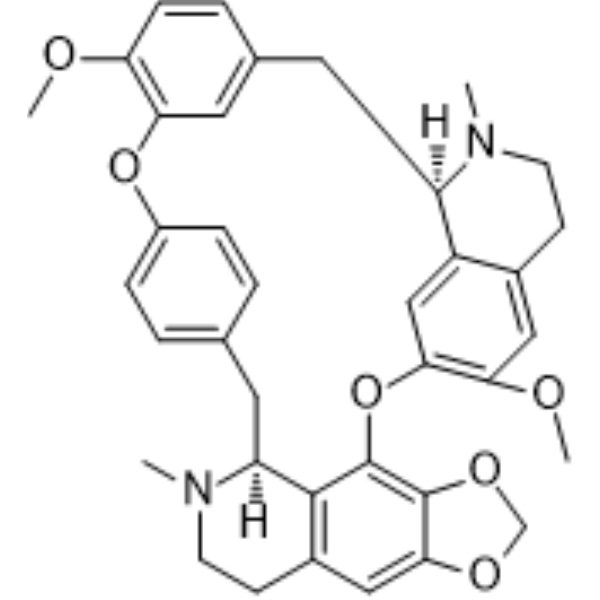
    Cepharanthine
    Maximum Cited Publications
    13 Publications Verification

    Autophagy SARS-CoV Cytochrome P450 Apoptosis Parasite Infection Inflammation/Immunology Cancer
    Cepharanthine is a natural product that can be isolated from the plant Stephania cephalantha Hayata. Cepharanthine has anti-severe acute respiratory syndrome coronavirus 2 (anti-SARS-CoV-2) activities. Cepharanthine has good effective in suppressing viral proliferation (half maximal (50%) inhibitory concentration (IC50) and 90% inhibitory concentration (IC90) values of 1.90 and 4.46 μM . Cepharanthine can also effectively reverses P-gp-mediated multidrug resistance in K562 cells and increase enhances the sensitivity of anticancer agents in xenograft mice model . Cepharanthine shows inhibitory effects of human liver cytochrome P450 enzymes CYP3A4, CYP2E1 and CYP2C9. Cepharanthine has antitumor, anti-inflammatory and antinociceptive effects .
    Cepharanthine
  • HY-B0476
    Phenacetin
    1 Publications Verification

    Acetophenetidin

    COX Inflammation/Immunology
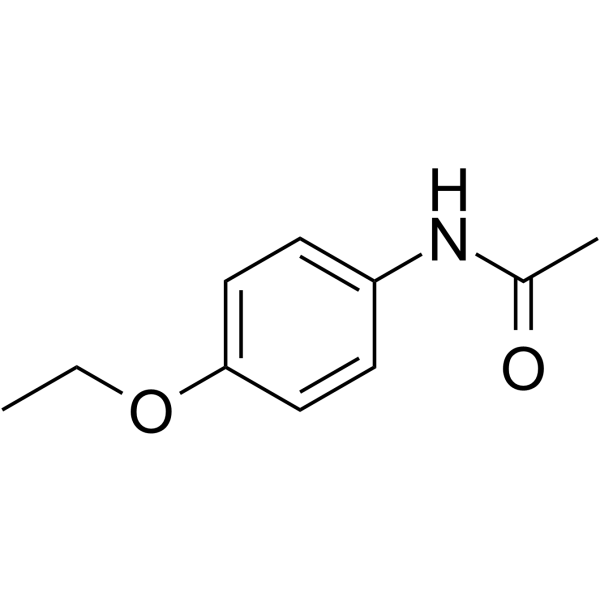
    Phenacetin (Acetophenetidin) is a non-opioid analgesic/antipyretic agent. Phenacetin is a selective COX-3 inhibitor. Phenacetin is used as probe of cytochrome P450 enzymes CYP1A2 in human liver microsomes and in rats .
    Phenacetin
  • HY-100386
    Ticlopidine
    3 Publications Verification

    PCR 5332

    NTPDase Cytochrome P450 Cardiovascular Disease
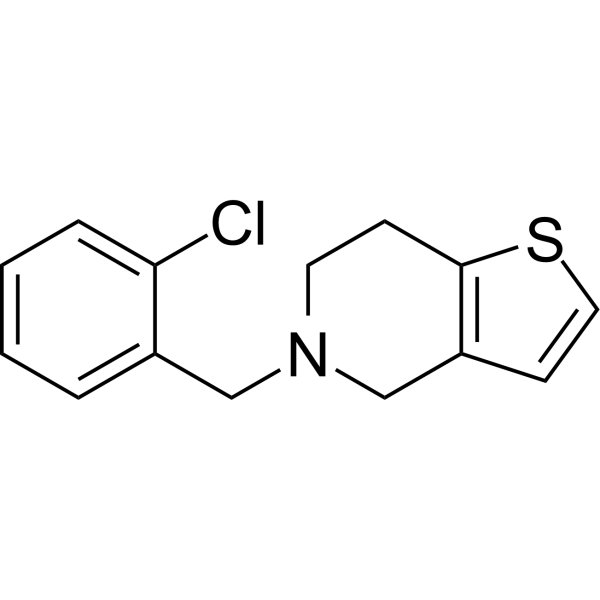
    Ticlopidine (PCR 5332), an antithrombotic proagent, acts as an allosteric, noncompetitive inhibitor of CD39 with the IC50 of 81.7 μM. Ticlopidine blocks several NTPDase isoenzymes with IC50s of 170 μM and 149 μM for NTPDase2 and NTPDase3, respectively. Ticlopidine is an inhibitor of CYP2C19 human liver cytochrome. Ticlopidine inhibits CYP2C9 and CYP3A4 with IC50s of 26.0 and 32.3 μM, respectively.
    Ticlopidine
  • HY-125348

    Drug Metabolite Cancer
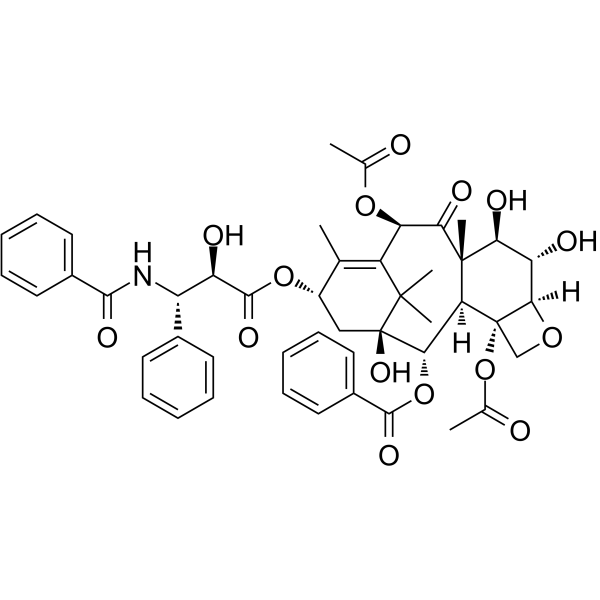
    6α-Hydroxy paclitaxel is one of the main metabolites of Paclitaxel (PTX) (HY-B0015), and it is generated by the liver cytochrome P450 enzyme CYP2C8. 6α-Hydroxy paclitaxel has bone marrow toxicity, but it can enhance the cytotoxicity of PTX against leukemia cells without causing cell toxicity. 6α-Hydroxy paclitaxel can be used in leukemia research .
    6α-Hydroxy paclitaxel
  • HY-B0153A
    Ticlopidine hydrochloride
    3 Publications Verification

    NTPDase Cytochrome P450 Cardiovascular Disease Neurological Disease Cancer
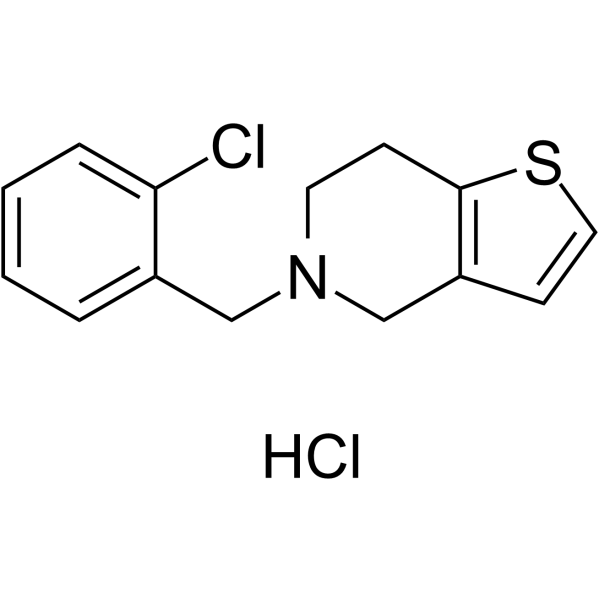
    Ticlopidine (PCR 5332) hydrochloride, an antithrombotic proagent, acts as an allosteric, noncompetitive inhibitor of CD39 with the IC50 of 81.7 μM. Ticlopidine hydrochloride blocks several NTPDase isoenzymes with IC50s of 170 μM and 149 μM for NTPDase2 and NTPDase3, respectively. Ticlopidine hydrochloride is an inhibitor of CYP2C19 human liver cytochrome. Ticlopidine hydrochloride inhibits CYP2C9 and CYP3A4 with IC50s of 26.0 and 32.3 μM, respectively .
    Ticlopidine hydrochloride
  • HY-129105
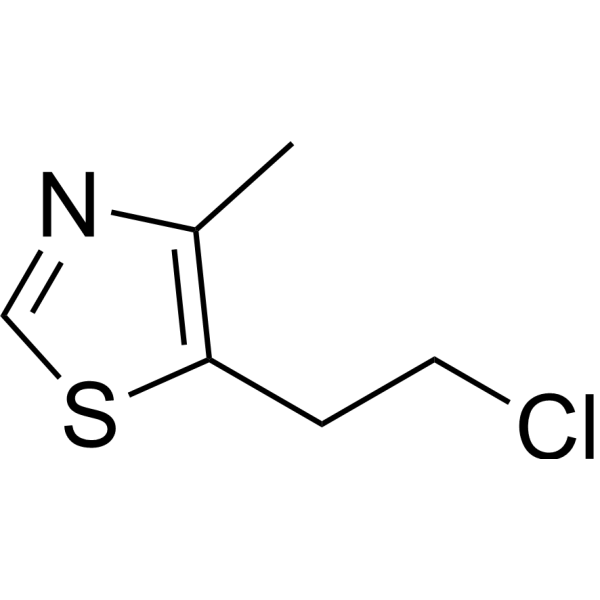
    Clomethiazole
    4 Publications Verification

    GABA Receptor Cytochrome P450 Neurological Disease
    Chlormethiazole is an potent and orally active GABAA agonist . Chlormethiazole inhibits cytochrome P450 isoforms: CYP2A6 and CYP2E1 in human liver microsomes. Chlormethiazole is an anticonvulsant agent and has the potential for treating convulsive status epilepticus .
    Clomethiazole
  • HY-157421

    NAMPT Metabolic Disease
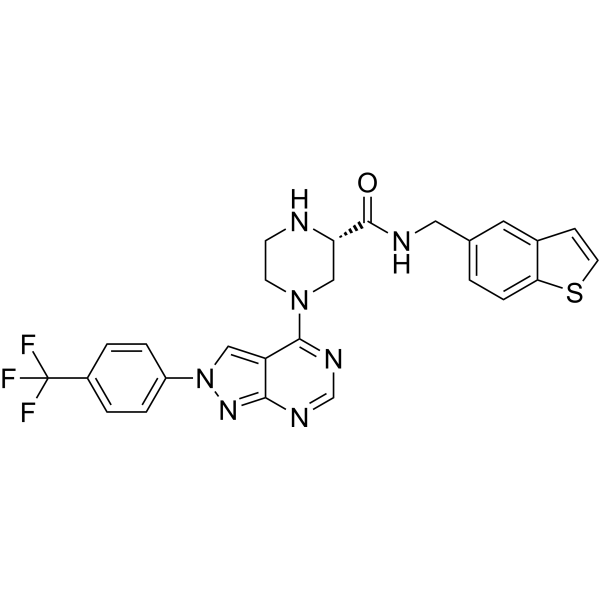
    Nampt activator-4 is an orally active NAMPT activator, with an EC50 of 58 nM and a Ka of 85.38 nM against human NAMPT. Nampt activator-4 effectively relieves the feedback inhibition of nicotinamide and NAD +, thereby enhancing enzymatic activity and significantly increasing intracellular NAD + levels. Nampt activator-4 exhibits moderate stability in human and mouse liver microsomes. Nampt activator-4 shows low to moderate inhibitory effects on cytochrome P450 (especially CYP3A4). Nampt activator-4 can be used for the research of type 2 diabetes and related metabolic disorders .
    Nampt activator-4
  • HY-B1311
    Proadifen hydrochloride
    1 Publications Verification

    SKF-525A; U-5446; RP-5171

    Cytochrome P450 Monoamine Oxidase Bcl-2 Family Survivin PARP Neurological Disease Inflammation/Immunology Cancer
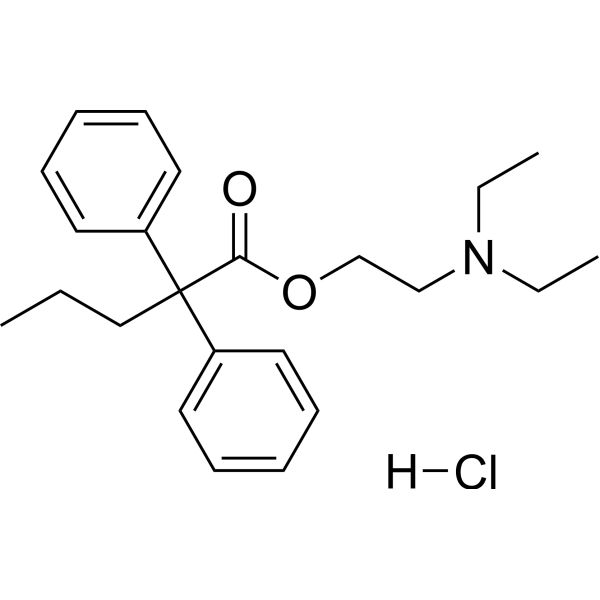
    Proadifen (SKF-525A) hydrochloride is a non-competitive Cytochrome P450 inhibitor with an IC50 value of 19 μM. Proadifen hydrochloride reduces monoamine oxidase A (MAO-A) activity and reverses the antidepressantlike behavioral effect of Imipramine (HY-B1490A) and Desipramine (HY-B1272A) in rats. Proadifen hydrochloride also reduces N, N-dimethyltryptamine (DMT) metabolism in liver microsomes and inhibits N-demethylationand Acridone (HY-W007771) formation. Proadifen hydrochloride augments Lipopolysaccharide (LPS) (HY-D1056)-induced fever and exacerbates Prostaglandin E2 (PGE2) (HY-101952) levels in the rat. Proadifen hydrochloride is promising for research of metabolism-related deseases, ovarian carcinoma, inflammation and dopamine neurons-related deseases .
    Proadifen hydrochloride
  • HY-N2181
    Acetylshikonin
    3 Publications Verification

    Cytochrome P450 Apoptosis Bacterial Autophagy Infection Neurological Disease Metabolic Disease Inflammation/Immunology Cancer
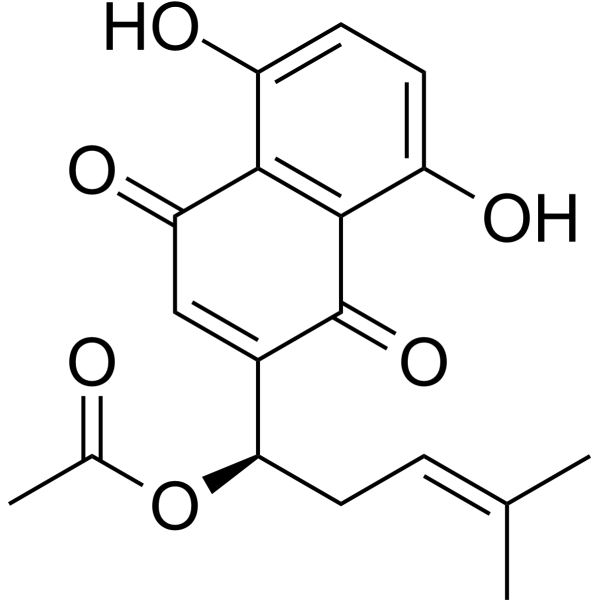
    Acetylshikonin is an oral active anti-cancer, anti-inflammatory, antioxidant, anti-fertility, antibacterial, and neuroprotective agent. Acetylshikonin is a inhibitor of acetylcholinase (AChE) (IC50=34.6 μM) and nonselective cytochrome P450. Acetylshikonin can induce Apoptosis and Autophagy in cancer cells. Acetylshikonin regulates blood glucose, liver fat metabolism, and renal fibrosis, and is used in the study of diabetes, diabetic nephropathy (DN), obesity, and nonalcoholic fatty liver disease (NAFLD) .
    Acetylshikonin
  • HY-N1431
    Tabersonine
    3 Publications Verification

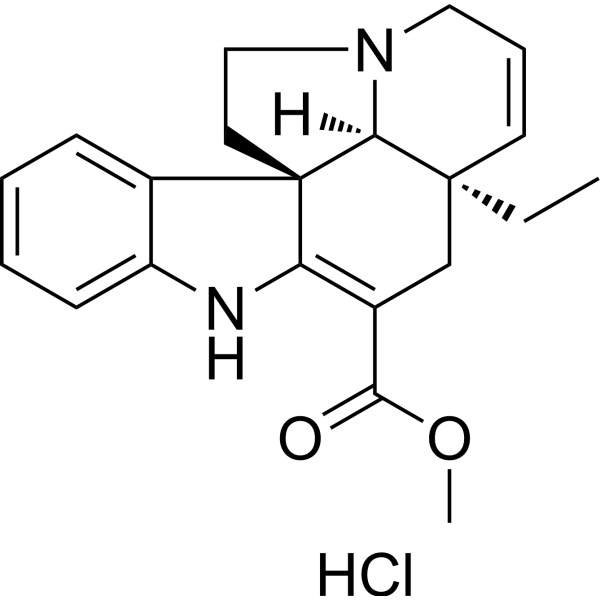
    NOD-like Receptor (NLR) Apoptosis Cytochrome P450 NF-κB PI3K Akt CDK Caspase Interleukin Related p38 MAPK Inflammation/Immunology Cancer
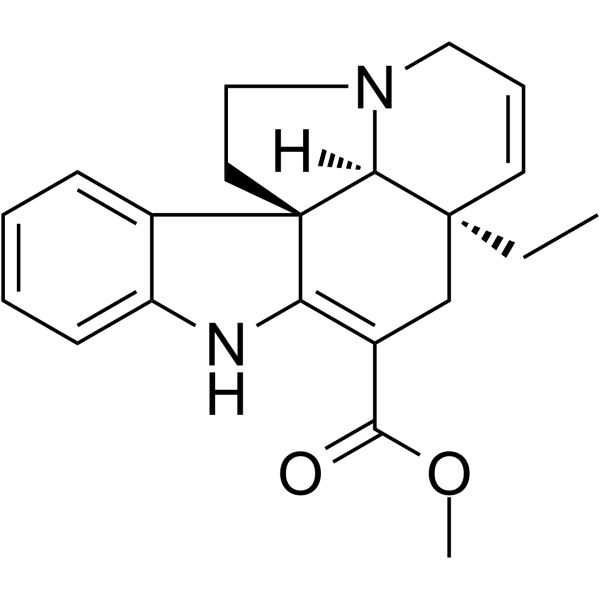
    Tabersonine is a selective, orally active NLRP3 inhibitor. Tabersonine directly binds to the NACHT domain of NLRP3, inhibiting its ATPase activity and oligomerization, thereby blocking ASC spot formation and caspase-1 activation, and reducing the release of pro-inflammatory cytokines such as IL-1β. Tabersonine also inhibits K63-linked ubiquitination of TRAF6, blocking NF-κB, PI3K/Akt, and p38 MAPK signaling pathways. Tabersonine can inhibit inflammatory responses, induce apoptosis of liver cancer cells through mitochondrial pathways and death receptor pathways, reduce mitochondrial membrane potential, promote cytochrome c release, and activate caspase proteins. Tabersonine is mainly used in the study of NLRP3-driven inflammatory diseases (such as acute lung injury, sepsis, peritonitis) and tumors such as liver cancer .
    Tabersonine
  • HY-13568

    LRCL 3794

    Cytochrome P450 COX Lipoxygenase PGE synthase Inflammation/Immunology
    Benoxaprofen (LRCL 3794) is a nonsteroidal anti-inflammatory agent that blocks the biosynthesis of inflammatory mediators such as leukotrienes and prostaglandins by inhibiting 5-LOX, PGH2 synthase and cytochrome P-450. Benoxaprofen exhibits significant toxicity: it not only alters cellular redox status, uncouples oxidative phosphorylation and disrupts calcium ion homeostasis, but also causes liver injury through the formation of covalent adducts between its active metabolites and hepatic proteins. Benoxaprofen shows strong phototoxicity under ultraviolet irradiation, and induces erythrocyte lysis, mast cell degranulation and histamine release. Benoxaprofen is widely used in studies of urticaria and related phototoxic mechanisms .
    Benoxaprofen
  • HY-N5132

    Cytochrome P450 Others
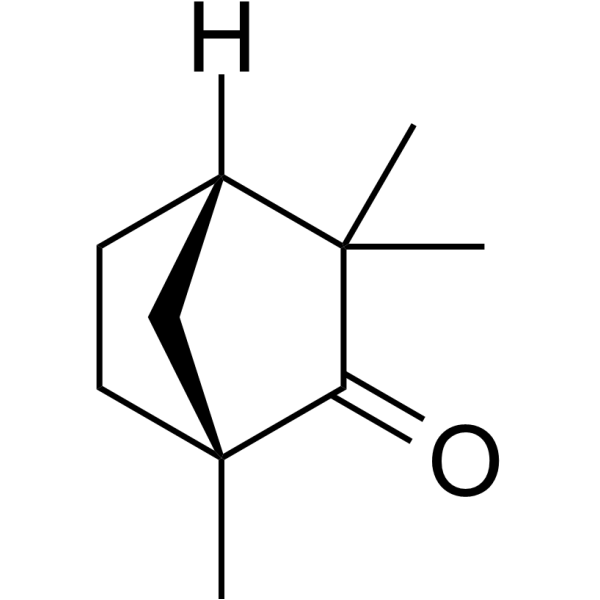
    (-)-Fenchone is a bicyclic monoterpene and serves as a substrate for human liver microsomal cytochrome P450 enzymes CYP2A6 and CYP2B6. (-)-Fenchone is not metabolized by human CYP1A1, CYP1A2, CYP1B1, CYP2C8, CYP2C9, CYP2C19, CYP2D6, CYP2E1, or CYP3A4 enzymes. (-)-Fenchone undergoes hydroxylation to produce 6-exo-hydroxyfenchone, 6-endo-hydroxyfenchone, and 10-hydroxyfenchone. During the metabolism of (-)-Fenchone, CYP2A6 may play a more important role than CYP2B6 .
    (-)-Fenchone
  • HY-A0069

    Histamine Receptor Cytochrome P450 Neurological Disease Metabolic Disease
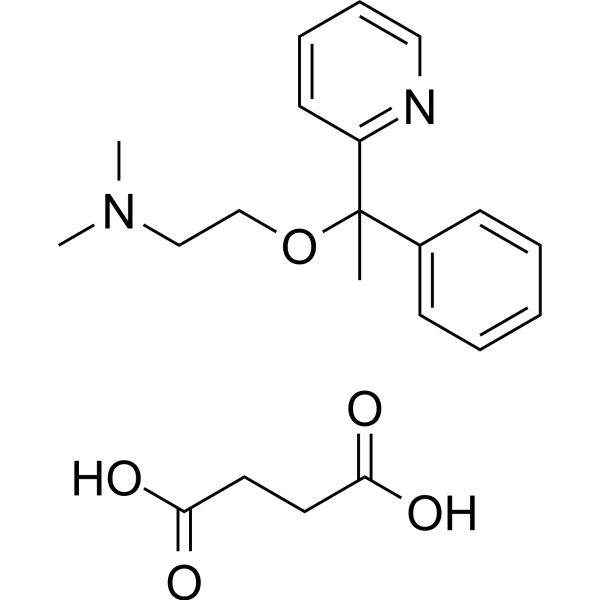
    Doxylamine succinate is a first-generation antihistamine and acts as a histamine H1 receptor antagonist. Doxylamine succinate is orally active, possessing analgesic and hypnotic activities. Doxylamine succinate enhances the activities of CYP2B, CYP2A, CYP3A and thyroxine-glucuronosyltransferase via promoting substrate hydroxylation and thyroxine metabolic pathways. Doxylamine succinate decreases serum thyroxine (T4) level and elevates serum thyroid-stimulating hormone (TSH) level. Doxylamine succinate induces liver enlargement and increases the activities of hepatic microsomal cytochrome P450, cytochrome b5 and NADPH-cytochrome c reductase. Doxylamine succinate can be used for the research of nausea, allergy, insomnia .
    Doxylamine succinate
  • HY-B0885
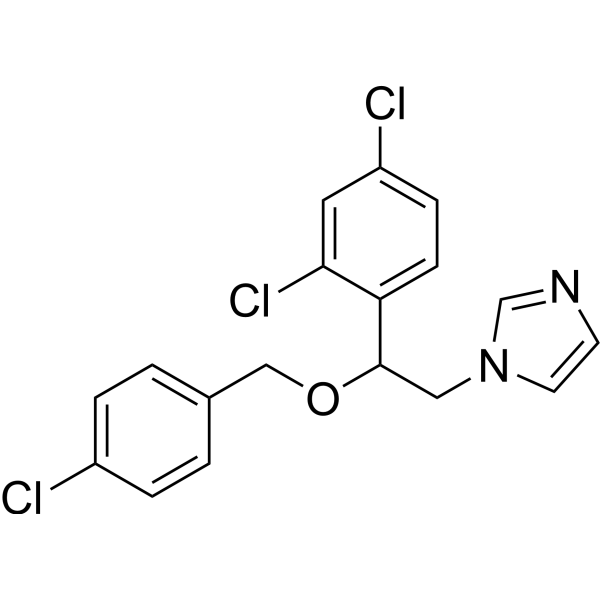
    Econazole
    5 Publications Verification

    (±)-Econazol

    Fungal Bacterial Calcium Channel Cytochrome P450 Infection Metabolic Disease
    Econazole ((±)-Econazol) is an orally active imidazole antifungal agent, as well as a cytochrome P-450 inhibitor and a blocker of calcium and manganese ion uptake. Econazole is active against a variety of fungi and some Gram-positive bacteria, but has no significant activity against Gram-negative bacteria. Econazole can inhibit the synthesis of prostaglandins and can also induce liver damage .
    Econazole
  • HY-122652

    Apoptosis Aldose Reductase Neurological Disease Cancer
    MitoBloCK-6 is a potent Erv1/ALR inhibitor, with an IC50 of 900 nM and 700 nM, respectively. MitoBloCK-6 also inhibits Erv2 (IC50=1.4 μM). MitoBloCK-6 can induce Apoptosis via cytochrome c release. MitoBloCK-6 inhibits growth of developing zebrafish motor neurons. MitoBloCK-6 has anticancer activity against liver cancer and leukemia .
    MitoBloCK-6
  • HY-Y0496

    Insecticide Environmental Pollutants Mitosis Cancer
    1,4-Dichlorobenzene is a non-genotoxic, orally active mitogenic/tumor-promoting carcinogen that is also widely used as a dye, resin intermediate, and deodorant, moth repellent/insecticide. 1,4-Dichlorobenzene induces liver tumors in mice and promotes the growth of spontaneous precancerous lesions, but shows no liver tumor-inducing activity in F344 rats. Exposure to 1,4-dichlorobenzene leads to elevated leukocyte counts, serum alanine aminotransferase, and blood urea nitrogen levels. Due to the hepatotoxic characteristics, 1,4-Dichlorobenzene is applicable to liver cancer-related research .
    1,4-Dichlorobenzene
  • HY-125904
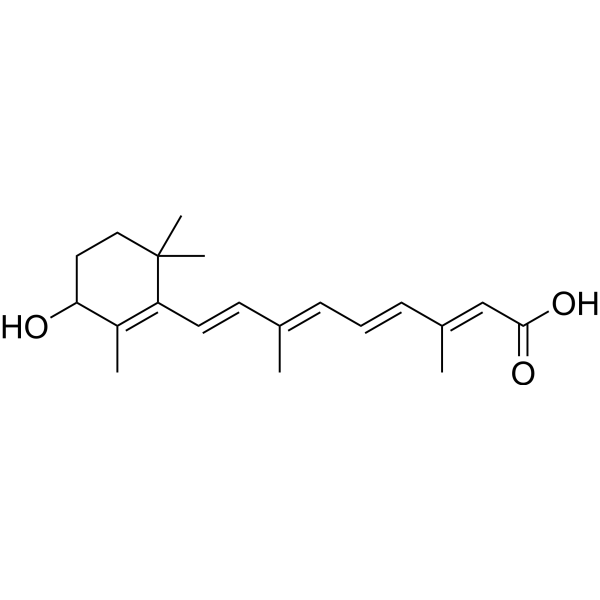
    4-Hydroxyretinoic acid
    1 Publications Verification

    RAR/RXR UGT Cytochrome P450 Apoptosis Drug Derivative Neurological Disease Inflammation/Immunology Cancer
    4-Hydroxyretinoic acid (4-HRA) is a derivative of Retinoic acid (HY-14649). 4-Hydroxyretinoic acid is formed via the catalysis of retinol by cytochrome P-450 isoenzymes. 4-Hydroxyretinoic acid also serves as a substrate for UDP-glucuronosyltransferase (s) and recombinant UGT2B7. 4-Hydroxyretinoic acid binds to the nuclear receptor RAR (Retinoic Acid Receptor), activates RAR and RXR-alpha, subsequently regulates gene expression and cell differentiation, and induces cancer cell apoptosis (Apoptosis). 4-Hydroxyretinoic acid also participates in multiple physiological processes such as immunoregulation, neuroprotection and antioxidation .
    4-Hydroxyretinoic acid
  • HY-22024
    5-Hydroxyflavone
    2 Publications Verification

    5-OH-Flavone

    Cytochrome P450 Others
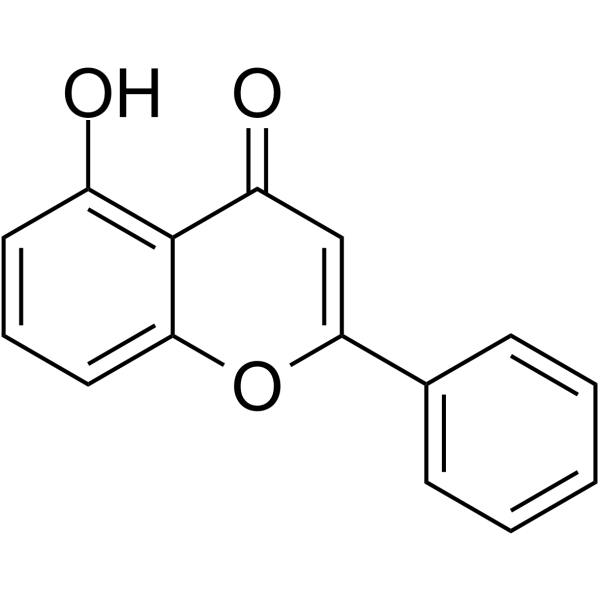
    5-Hydroxyflavone (5-OH-Flavone) is a flavonoid compound that undergoes oxidation-mediated conversion to 5,7-dihydroxyflavone and 5,6,7-trihydroxyflavone by human cytochrome P450 enzymes .
    5-Hydroxyflavone
  • HY-A0296
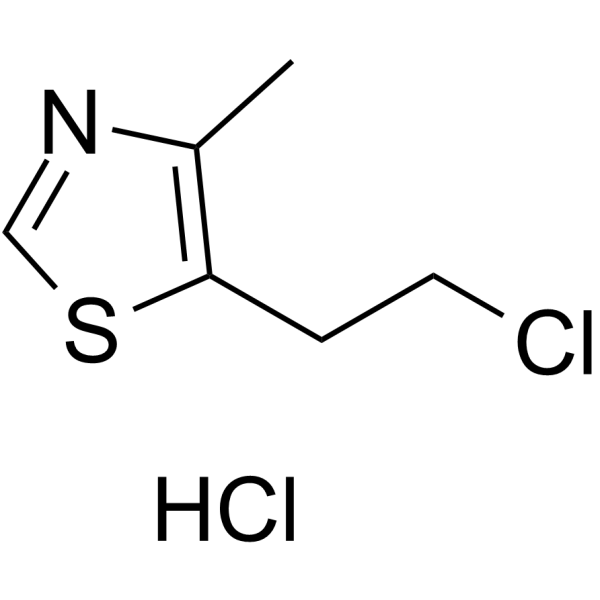
    Chlormethiazole hydrochloride
    4 Publications Verification

    Clomethiazole hydrochloride

    Cytochrome P450 Neurological Disease
    Clomethiazole hydrochloride is a potent and orally active GABAA agonist . Clomethiazole hydrochloride inhibits cytochrome P450 isoforms: CYP2A6 and CYP2E1 in human liver microsomes. Clomethiazole hydrochloride is an anticonvulsant agent and has the potential for treating convulsive status epilepticus .
    Chlormethiazole hydrochloride
  • HY-B0854

    Environmental Pollutants Lactate Dehydrogenase Apoptosis Fungal Cytochrome P450 Keap1-Nrf2 Infection Metabolic Disease Cancer
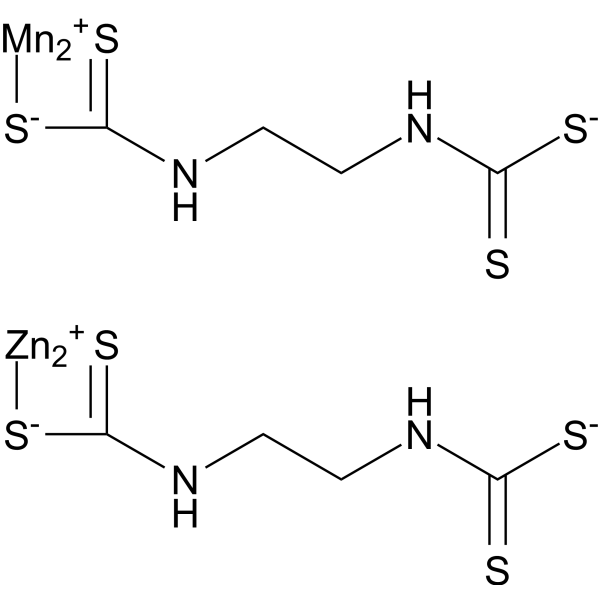
    Mancozeb is a widely used fungicide that is effective against fungal diseases in most cereals, vegetables, fruits and ornamental plants. In addition, Mancozeb can cause liver damage in mice by activating the Keap1/Nrf2 signaling pathway. Mancozeb upregulates lactate dehydrogenase and cytochrome c to alter cell metabolism and induce cell death. Mancozeb has reproductive toxicity and can induce apoptosis in ovarian cells .
    Mancozeb
  • HY-N1050

    mTOR Ribosomal S6 Kinase (RSK) Bacterial Infection Neurological Disease Cancer
    Zederone is a sesquiterpene. Zederone inhibits ovarian cancer cell proliferation through mTOR/p70s6K signalling pathway. Zederone inhibits CYP activities with IC50s of 2.9 μM (CYP2B6), 9.2 μM (CYP2C9), 11,2 μM (CYP2C19) and >30 μM (CYP1A2 and CYP2D6). Zederone is hepatotoxic with LD50 value at 24 hours in mice of approximately 223 mg/kg and cytotoxic against the KG1a cell line. Zederone shows antibacterial activity against a number of multi-drug resistant and Methicillin (HY-121544)-resistant Staphylococcus aureus strain. Zederone shows cognition improving capacity and assists in the modulation of gut bacterial dysbiosis .
    Zederone
  • HY-B1036

    Parasite Infection
    Decoquinate is an orally active, selective inhibitor of the mitochondrial bc1 complex, targeting Eimeria spp. sporozoites and first generation schizonts, and Plasmodium spp. Decoquinate inhibits electron transfer by competitively binding to the mitochondrial cytochrome b system, blocking the parasite's energy metabolism, thereby inhibiting its development and reproduction. Decoquinate has significant anticoccidial activity, preventing intestinal damage and improving host growth performance, and also has inhibitory effects on the liver and blood stages of Plasmodium. Decoquinate is mainly used in veterinary research to prevent and treat coccidiosis in ruminants and poultry .
    Decoquinate
  • HY-17657

    5-Androstenediol 3-sulfate sodium

    Drug Intermediate Metabolic Disease
    Androst-5-enediol sulfate (5-Androstenediol 3-sulfate) sodium salt is an adrenal Δ5-steroid sulfate that synthesized by zona reticularis of adrenal depending on the lyase and Cytochrome b5 type A (CYB5A) activity. Androst-5-enediol sulfate sodium salt is a precursor hormone and can be desulfated to produce more potent androgens, including testosterone, in peripheral tissues like skin and liver. The serum level of Androst-5-enediol sulfate sodium salt has an age-related increase .
    Androst-5-enediol sulfate sodium
  • HY-B2012

    DPX-H6573

    Environmental Pollutants Fungal Infection
    Flusilazole (DPX-H6573) is a broad-spectrum fungicide and cytochrome P-450 inhibitor that can be used in studies related to fungal infections .
    Flusilazole
  • HY-N7781

    (E)-Guggulsterone

    FXR Keap1-Nrf2 Heme Oxygenase (HO) Dengue Virus Bacterial Reactive Oxygen Species (ROS) Estrogen Receptor/ERR Cytochrome P450 Drug Metabolite Infection Metabolic Disease Endocrinology
    (-)-(E)-Guggulsterone ((E)-Guggulsterone) is an orally active natural stereoisomer of Guggulsterone (HY-107738). (-)-(E)-Guggulsterone is an antagonist for the Farnesoid X Receptor (FXR) with an IC50 of 24.06 μM and possesses potent hypolipidemic properties. (-)-(E)-Guggulsterone suppresses dengue virus (DENV) replication by upregulating antiviral interferon responses by inducing HO-1 expression via Nrf2 activation. (-)-(E)-Guggulsterone exhibits antibacterial activities against Bacillus subtilis, Staphylococcus aureus and Pseudomonas aeruginosa. (-)-(E)-Guggulsterone has cardiac protective and antioxidant activities in rats .
    (-)-(E)-Guggulsterone
  • HY-100386R

    PCR 5332 (Standard)

    Reference Standards NTPDase Cytochrome P450 Cardiovascular Disease
    Ticlopidine (Standard) is the analytical standard of Ticlopidine. This product is intended for research and analytical applications. Ticlopidine (PCR 5332), an antithrombotic proagent, acts as an allosteric, noncompetitive inhibitor of CD39 with the IC50 of 81.7 μM. Ticlopidine blocks several NTPDase isoenzymes with IC50s of 170 μM and 149 μM for NTPDase2 and NTPDase3, respectively . Ticlopidine is an inhibitor of CYP2C19 human liver cytochrome. Ticlopidine inhibits CYP2C9 and CYP3A4 with IC50s of 26.0 and 32.3 μM, respectively .
    Ticlopidine (Standard)
  • HY-129491

    CGP62221; O-Desmethyl PKC412

    PKC Cancer
    O-Desmethyl Midostaurin (CGP62221; O-Desmethyl PKC412) is the active metabolite of Midostaurin (HY-10230) via cytochrome P450 liver enzyme metabolism. O-Desmethyl Midostaurin can be used as an indicator for Midostaurin metabolism in vivo . Midostaurin is a multi-targeted protein kinase inhibitor with IC50 ranging from 22-500 nM.
    O-Desmethyl Midostaurin
  • HY-125348S

    Isotope-Labeled Compounds Cancer
    6α-Hydroxy Paclitaxel-d5 is the deuterium labeled 6α-Hydroxy paclitaxel. 6α-Hydroxy paclitaxel is one of the main metabolites of Paclitaxel (PTX) (HY-B0015), and it is generated by the liver cytochrome P450 enzyme CYP2C8. 6α-Hydroxy paclitaxel has bone marrow toxicity, but it can enhance the cytotoxicity of PTX against leukemia cells without causing cell toxicity. 6α-Hydroxy paclitaxel can be used in leukemia research.
    6α-Hydroxy Paclitaxel-d5
  • HY-B0476S

    Acetophenetidin-d5

    COX Inflammation/Immunology
    Phenacetin-d5 is the deuterium labeled Phenacetin. Phenacetin (Acetophenetidin) is a non-opioid analgesic/antipyretic agent. Phenacetin is a selective COX-3 inhibitor. Phenacetin is used as probe of cytochrome P450 enzymes CYP1A2 in human liver microsomes and in rats .
    Phenacetin-d5
  • HY-B0476R
    Phenacetin (Standard)
    1 Publications Verification

    Acetophenetidin (Standard)

    Reference Standards COX Inflammation/Immunology
    Phenacetin (Standard) is the analytical standard of Phenacetin. This product is intended for research and analytical applications. Phenacetin (Acetophenetidin) is a non-opioid analgesic/antipyretic agent. Phenacetin is a selective COX-3 inhibitor. Phenacetin is used as probe of cytochrome P450 enzymes CYP1A2 in human liver microsomes and in rats .
    Phenacetin (Standard)
  • HY-113031

    16α-Hydroxy-DHEA; 16α-OH-DHEA; 16α-hydroxy DHEA

    Cytochrome P450 Endocrinology
    16a-Hydroxydehydroisoandrosterone (16α-Hydroxy-DHEA) is a metabolite of the endogenous steroid hormone dehydroepiandrosterone. 16α-hydroxy Dehydroepiandrosterone is formed from dehydroepiandrosterone via 16-hydroxylation by the cytochrome P450 (CYP) isoforms CYP3A4 and CYP3A5 in adult human liver microsomes, as well as by fetal recombinant CYP3A7. It is a precursor to fetal estrogens, including estriol.
    16a-Hydroxydehydroisoandrosterone
  • HY-106547

    GABA Receptor Neurological Disease
    Rilmazafone (450191S) is an orally active sleep inducer. Rilmazafone targets cytochrome P-450b and cytochrome P-450e. Rilmazafone induces hepatic drug-metabolizing enzyme activity in rats, mice and dogs. Rilmazafone is applicable for insomnia-related research .
    Rilmazafone
  • HY-W700800

    Cytochrome P450 Cancer
    Flu-6 is a metabolite of Flutamide (HY-B0022). FLU-6 production in the liver requires the involvement of NADPH: cytochrome P450 reductase (CPR). Flutamide can inhibit prostate cancer progression .
    Flu-6
  • HY-B1351

    Cytochrome P450 Metabolic Disease
    Bilberry Extract is a bilberry extract, and its components include: Anthocyanidins. Bilberry Extract has potential antioxidant activity and can regulate specific metabolic enzymes in the liver, such as cytochrome P450 (CYP) 2C11 and CYP2E1 involved in drug metabolism. .
    Bilberry Extract
  • HY-N1431A
    Tabersonine hydrochloride
    3 Publications Verification

    NOD-like Receptor (NLR) Apoptosis Cytochrome P450 NF-κB PI3K Akt CDK Caspase Interleukin Related p38 MAPK Neurological Disease Inflammation/Immunology
    Tabersonine hydrochloride is a selective, orally active NLRP3 inhibitor. Tabersonine hydrochloride directly binds to the NACHT domain of NLRP3, inhibiting its ATPase activity and oligomerization, thereby blocking ASC spot formation and caspase-1 activation, and reducing the release of pro-inflammatory cytokines such as IL-1β. Tabersonine hydrochloride also inhibits K63-linked ubiquitination of TRAF6, blocking NF-κB, PI3K/Akt, and p38 MAPK signaling pathways. Tabersonine hydrochloride can inhibit inflammatory responses, induce apoptosis of liver cancer cells through mitochondrial pathways and death receptor pathways, reduce mitochondrial membrane potential, promote cytochrome c release, and activate caspase proteins. Tabersonine hydrochloride is mainly used in the study of NLRP3-driven inflammatory diseases (such as acute lung injury, sepsis, peritonitis) and tumors such as liver cancer .
    Tabersonine hydrochloride
  • HY-N11546

    Cytochrome P450 Bacterial Fungal Infection Cancer
    Sapindoside B is a substance with hepatoprotective activity, and also acts as a cytochrome P-450 (cytochrome P-450) inhibitor, antibacterial agent and membrane-disrupting agent. Sapindoside B reversibly inhibits the content of cytochrome P-450 in liver microsomes, suppresses the phenobarbital-induced increase in enzyme content, reduces the production of active metabolites mediated by cytochrome P-450, and alleviates hepatotoxic injury. Sapindoside B binds to Cutibacterium acnes lipase, reduces lipase activity, inhibits biofilm formation, and decreases bacterial adhesion. Sapindoside B exhibits cytotoxicity against human cancer, liver cancer, leukemia and glioblastoma cells. Sapindoside B inhibits mycelial growth of phytopathogenic fungal strains, possesses antibacterial activity against dermatophytes, and also has hemolytic/membrane-lytic activity. Sapindoside B can be used in research related to liver injury, Cutibacterium acnes biofilm-associated infections, gastric cancer, carcinoma, promyelocytic leukemia, glioblastoma, apple scab and grape gray mold .
    Sapindoside B
  • HY-118167

    Drug Metabolite Metabolic Disease Inflammation/Immunology
    Monoethylglycinexylidide is a metabolite of Lidocain (HY-B0185) via oxidative N-deethylation of Lignocaine by liver cytochrome P-450 enzymes in the liver [1] .
    Monoethylglycinexylidide
  • HY-W099331

    MEGX hydrochloride; Norlidocaine hydrochloride

    Drug Metabolite Metabolic Disease Inflammation/Immunology
    Monoethylglycinexylidide (MEGX) hydrochloride is a metabolite of Lidocain (HY-B0185) via oxidative N-deethylation of Lignocaine by liver cytochrome P-450 enzymes in the liver. Monoethylglycinexylidide has proven to be a highly sensitive indicator of hepatic dysfunction, especially in the field of liver transplantation .
    Monoethylglycinexylidide hydrochloride
  • HY-B0476S1

    COX Inflammation/Immunology
    Phenacetin- 13C is the 13C labeled Phenacetin . Phenacetin (Acetophenetidin) is a non-opioid analgesic/antipyretic agent. Phenacetin is a selective COX-3 inhibitor. Phenacetin is used as probe of cytochrome P450 enzymes CYP1A2 in human liver microsomes and in rats .
    Phenacetin-13C
  • HY-150519

    Factor XI Kallikrein Cardiovascular Disease
    FXIa/Plasma kallikrein-IN-1 is an inhibitor of coagulation factor XIa (FXIa) and plasma kallikrein with Ki values of 187.70 nM and 151.6 nM, respectively. FXIa/Plasma kallikrein-IN-1 can be used in the research of thromboembolic diseases .
    FXIa/Plasma kallikrein-IN-1
  • HY-135739

    Cytochrome P450 Cardiovascular Disease Metabolic Disease
    Benzobarbital is an active low-toxicity inductor of the liver monooxygenase system. Benzobarbital raises cytochrome P-450 concentration. Benzobarbital can be used in the research of post-ischemic liver disease .
    Benzobarbital
  • HY-N16478

    Cytochrome P450 Metabolic Disease
    Echihumiline is an alkaloid targeting hepatic cytochrome P450 enzymes (CYP450). Echihumiline induces DNA cross-linking and oxidative stress in hepatocytes, leading to liver necrosis and fibrosis. Echihumiline is promising for research of liver diseases .
    Echihumiline
  • HY-A0069A

    Histamine Receptor Cytochrome P450 Neurological Disease Metabolic Disease
    Doxylamine is a first-generation antihistamine and acts as a histamine H1 receptor antagonist. Doxylamine is orally active, possessing analgesic and hypnotic activities. Doxylamine enhances the activities of CYP2B, CYP2A, CYP3A and thyroxine-glucuronosyltransferase via promoting substrate hydroxylation and thyroxine metabolic pathways. Doxylamine decreases serum thyroxine (T4) level and elevates serum thyroid-stimulating hormone (TSH) level. Doxylamine induces liver enlargement and increases the activities of hepatic microsomal cytochrome P450, cytochrome b5 and NADPH-cytochrome c reductase. Doxylamine can be used for the research of nausea, allergy, insomnia .
    Doxylamine
  • HY-A0069R

    Reference Standards Histamine Receptor Cytochrome P450 Neurological Disease Metabolic Disease
    Doxylamine succinate (Standard) is the analytical standard of Doxylamine succinate (HY-A0069). This product is intended for research and analytical applications. Doxylamine succinate is a first-generation antihistamine and acts as a histamine H1 receptor antagonist. Doxylamine succinate is orally active, possessing analgesic and hypnotic activities. Doxylamine succinate enhances the activities of CYP2B, CYP2A, CYP3A and thyroxine-glucuronosyltransferase via promoting substrate hydroxylation and thyroxine metabolic pathways. Doxylamine succinate decreases serum thyroxine (T4) level and elevates serum thyroid-stimulating hormone (TSH) level. Doxylamine succinate induces liver enlargement and increases the activities of hepatic microsomal cytochrome P450, cytochrome b5 and NADPH-cytochrome c reductase. Doxylamine succinate can be used for the research of nausea, allergy, insomnia .
    Doxylamine succinate (Standard)
  • HY-N7454

    Drug Metabolite Bacterial Infection
    Anhydroerythromycin A is a degradation product of the macrolide antibiotic erythromycin. Anhydroerythromycin A is formed via degradation of erythromycin in acidic aqueous solutions in vitro as well as in vivo. Anhydroerythromycin A is active against S. aureus and B. cereus in vitro (MICs = 12.5 and 6.25 μg/ml, respectively). Anhydroerythromycin A also inhibits steroid 6β-hydroxylase activity associated with the cytochrome P450 (CYP) isoform CYP3A in human liver microsomes.
    Anhydroerythromycin A
  • HY-W762012

    OCDD

    Cytochrome P450 Environmental Pollutants Others
    Octachlorodibenzo-p-dioxin (OCDD) is an environmental contaminant but is not acutely toxic. In rats, Octachlorodibenzo-p-dioxin (50 μg/kg i.v. or 50-5000 μg/kg p.o.) has a systemic elimination half-life of 3-5 months and accumulates and concentrates in the liver and adipose tissue after low-dose, repeated exposure. Repeated administration of octachlorodibenzo-p-dioxin causes increases in 7-ethoxyresorufin-O-deethylase (7-EROD) activity and total cytochrome P-450 levels .
    Octachlorodibenzo-p-dioxin
  • HY-B0885R

    (±)-Econazol (Standard)

    Reference Standards Fungal Bacterial Calcium Channel Cytochrome P450 Infection Metabolic Disease
    Econazole (Standard) ((±)-Econazol (Standard)) is the analytical standard of Econazole (HY-B0885). This product is intended for research and analytical applications. Econazole ((±)-Econazol) is an orally active imidazole antifungal agent, as well as a cytochrome P-450 inhibitor and a blocker of calcium and manganese ion uptake. Econazole is active against a variety of fungi and some Gram-positive bacteria, but has no significant activity against Gram-negative bacteria. Econazole can inhibit the synthesis of prostaglandins and can also induce liver damage .
    Econazole (Standard)
  • HY-B0822S1

    GABA Receptor Cytochrome P450 Inflammation/Immunology
    Fipronil- 13C6 is the 13C-labeled Fipronil. Fipronil is an insecticide that acts as a selective antagonist of insect GABA receptors (IC50s = 30 nM and 1,600 nM for cockroach and rat receptors, respectively). Fipronil also inhibits desensitizing and non-desensitizing glutamate-induced chloride currents in cockroach neurons (IC50s = 800 nM and 10 nM, respectively). Fipronil induces activity of the cytochrome P450 (CYP) isoforms CYP1A1/2, CYP2B1/2, and CYP3A1/2 in isolated rat liver microsomes.
    Fipronil-13C6
  • HY-N6972R

    Autophagy Reference Standards SARS-CoV Cytochrome P450 Apoptosis Parasite Infection Inflammation/Immunology Cancer
    Cepharanthine (Standard) is the analytical standard of Cepharanthine. This product is intended for research and analytical applications. Cepharanthine is a natural product that can be isolated from the plant Stephania?cephalantha?Hayata. Cepharanthine has anti-severe acute respiratory syndrome coronavirus 2 (anti-SARS-CoV-2) activities. Cepharanthine has good effective in suppressing viral proliferation (half maximal (50%) inhibitory concentration (IC50) and 90% inhibitory concentration (IC90) values of 1.90 and 4.46?μM . Cepharanthine can also effectively reverses P-gp-mediated multidrug resistance in K562 cells and increase enhances the sensitivity of anticancer agents in xenograft mice model . Cepharanthine shows inhibitory effects of human liver cytochrome P450 enzymes CYP3A4, CYP2E1 and CYP2C9. Cepharanthine has antitumor, anti-inflammatory and antinociceptive effects .
    Cepharanthine (Standard)
  • HY-N8094

    Cytochrome P450 Others
    Kushenol M is a flavonoid from Sophora flavescens. Kushenol M is a cytochrome P450 (CYP) inhibitor, with IC50 values of 1.29 μM for CYP3A4 in human liver microsomes .
    Kushenol M

Inquiry Online

Your information is safe with us. * Required Fields.

Salutation


Country or Region *

Applicant Name *


Organization Name *

Department *


Email Address *


Product Name *

Cat. No.


Requested quantity *

Phone Number *


Remarks

Inquiry Online

Inquiry Information

Product Name:
Cat. No.:
Quantity:
MCE Japan Authorized Agent:

