
199 Results for "

liver enzymes

" in MedChemExpress (MCE) Product Catalog:
Products (199)

199 Results for "liver enzymes" in MCE Product Catalog:

73
73 Publications Verification
Cat. No.: HY-112490
CAS No.: 344423-98-9
Purity:  99.64%
Research Areas:  

Cardiovascular Disease Others

Atorvastatin calcium salt trihydrate is a drug belonging to the statin class of drugs used to lower blood cholesterol levels. Atorvastatin calcium salt trihydrate has unique chemical properties that make it an effective tool in controlling high levels of low-density lipoprotein (LDL) cholesterol and triglycerides in the body, reducing the risk of heart attack and stroke. Atorvastatin calcium salt trihydrate works by inhibiting HMG-CoA reductase, the enzyme responsible for producing cholesterol in the liver.
loading...
    loading...
44
44 Cited Publications
Cat. No.: HY-N1428
CAS No.: 77-92-9
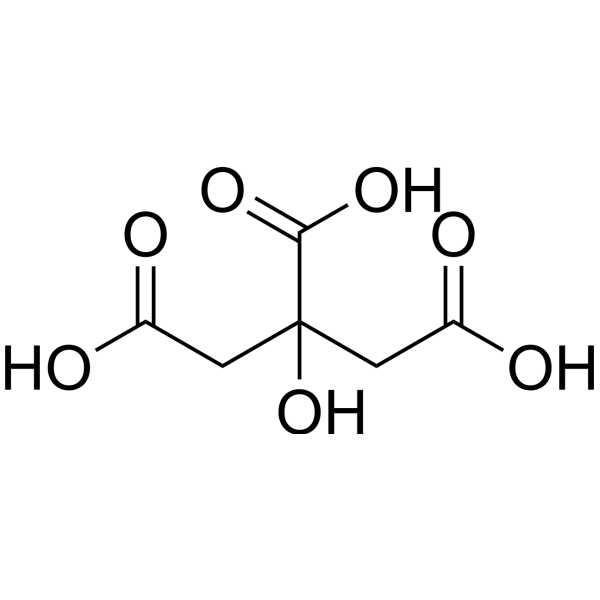
Citric acid is a natural preservative and food tartness enhancer. Citric acid induces apoptosis and cell cycle arrest at G2/M phase and S phase in HaCaT cells. Citric acid cause oxidative damage of the liver by means of the decrease of antioxidative enzyme activities. Citric acid is also an acidulant, emulsifier, sequestrant and buffering agent widely used across many industries .
loading...
    loading...
15
15 Cited Publications
Cat. No.: HY-N6972
CAS No.: 481-49-2
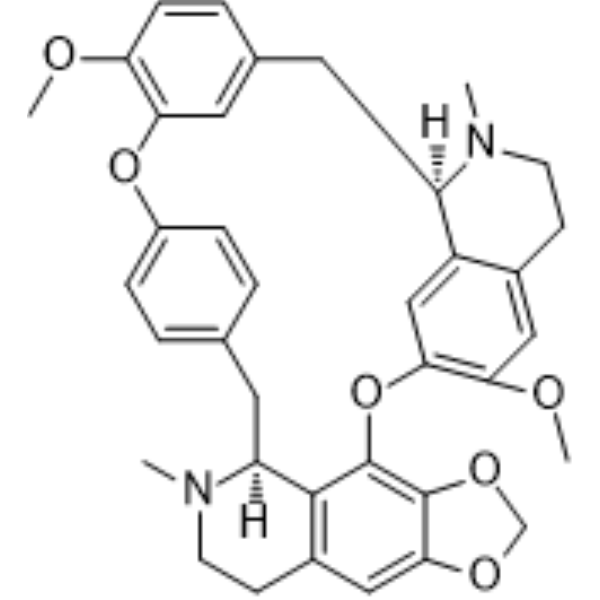
Cepharanthine is a natural product that can be isolated from the plant Stephania cephalantha Hayata. Cepharanthine has anti-severe acute respiratory syndrome coronavirus 2 (anti-SARS-CoV-2) activities. Cepharanthine has good effective in suppressing viral proliferation (half maximal (50%) inhibitory concentration (IC50) and 90% inhibitory concentration (IC90) values of 1.90 and 4.46 μM . Cepharanthine can also effectively reverses P-gp-mediated multidrug resistance in K562 cells and increase enhances the sensitivity of anticancer agents in xenograft mice model . Cepharanthine shows inhibitory effects of human liver cytochrome P450 enzymes CYP3A4, CYP2E1 and CYP2C9. Cepharanthine has antitumor, anti-inflammatory and antinociceptive effects .
loading...
    loading...
13
13 Cited Publications
Cat. No.: HY-B2201
CAS No.: 68-04-2
Synonyms: Sodium citrate; Trisodium citrate anhydrous
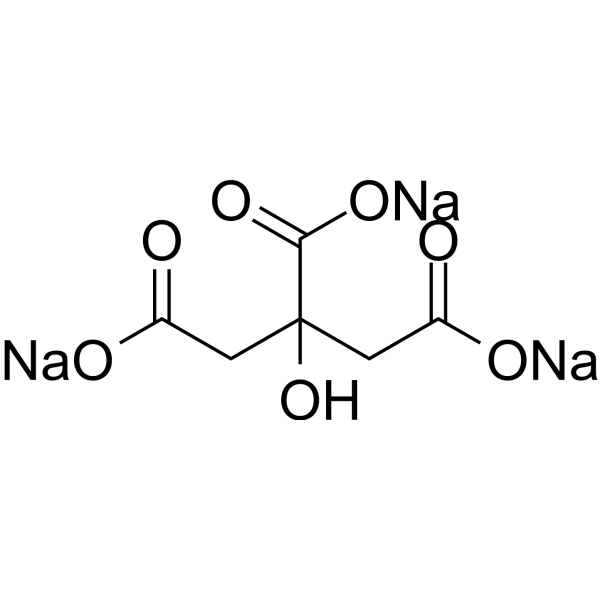
Citric acid trisodium (Sodium citrate) is a natural preservative and food tartness enhancer. Citric acid trisodium induces apoptosis and cell cycle arrest at G2/M phase and S phase in HaCaT cells. Citric acid trisodium cause oxidative damage of the liver by means of the decrease of antioxidative enzyme activities. Citric acid trisodium is also an acidulant, emulsifier, sequestrant and buffering agent widely used across many industries .
loading...
    loading...
13
13 Cited Publications
Cat. No.: HY-W009156
CAS No.: 6100-05-6
Synonyms: Potassium citrate monohydrate
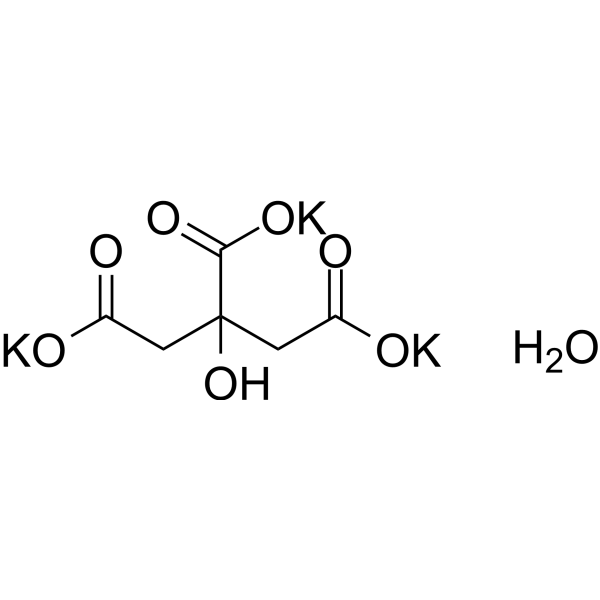
Citric acid tripotassium hydrate (Potassium citrate monohydrate) is a natural preservative and food tartness enhancer. Citric acid tripotassium hydrate induces apoptosis and cell cycle arrest at G2/M phase and S phase in HaCaT cells. Citric acid tripotassium hydrate cause oxidative damage of the liver by means of the decrease of antioxidative enzyme activities. Citric acid tripotassium hydrate is also an acidulant, emulsifier, sequestrant and buffering agent widely used across many industries .
loading...
    loading...
13
13 Cited Publications
Cat. No.: HY-B1295
CAS No.: 6080-58-6
Synonyms: Litarex tetrahydrate
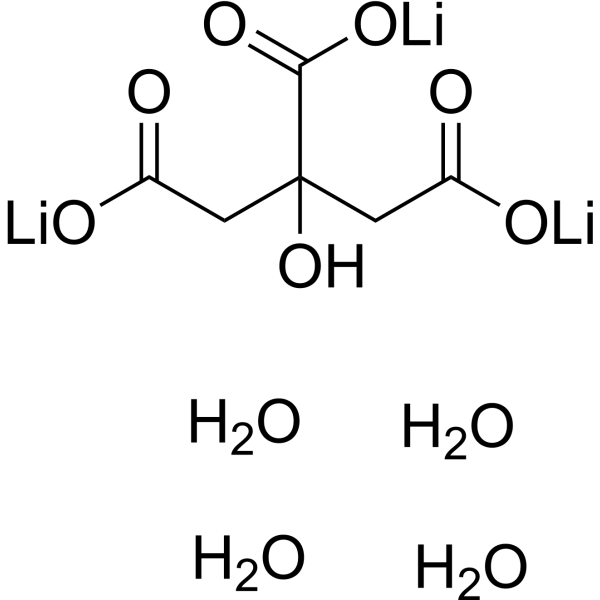
Lithium citrate (Litarex) tetrahydrate is a natural preservative and food tartness enhancer. Lithium citrate tetrahydrate induces apoptosis and cell cycle arrest at G2/M phase and S phase in HaCaT cells. Lithium citrate tetrahydrate cause oxidative damage of the liver by means of the decrease of antioxidative enzyme activities. Lithium citrate tetrahydrate is also an acidulant, emulsifier, sequestrant and buffering agent widely used across many industries .
loading...
    loading...
12
12 Cited Publications
Cat. No.: HY-15259
CAS No.: 591778-68-6
Purity:  99.72%
Research Areas:  

Metabolic Disease

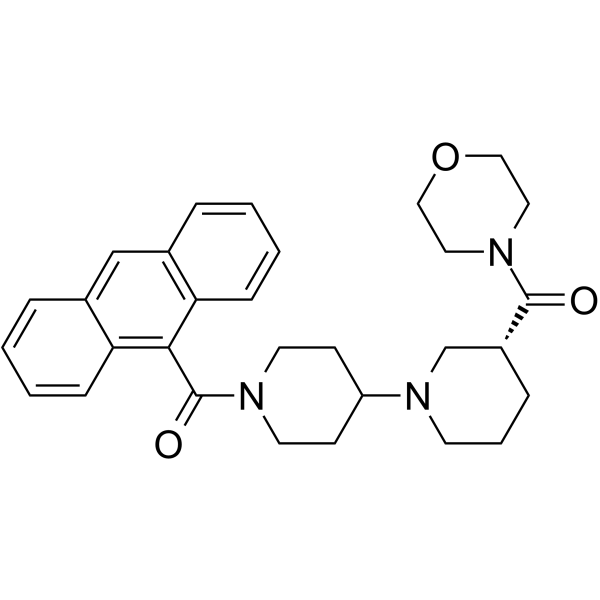
CP-640186 is an orally active and cell-permeable Acetyl-CoA carboxylase (ACC) inhibitor with IC50s of 53 nM and 61 nM for rat liver ACC1 and rat skeletal muscle ACC2 respectively. Acetyl-CoA carboxylase (ACC) is a key enzyme of fatty acid metabolism that enables the synthesis of malonyl-CoA. CP-640186 can also stimulate muscle fatty acid oxidation .
loading...
    loading...
12
12 Cited Publications
Cat. No.: HY-15259A
CAS No.: 591778-70-0
Purity:  99.90%
Research Areas:  

Metabolic Disease

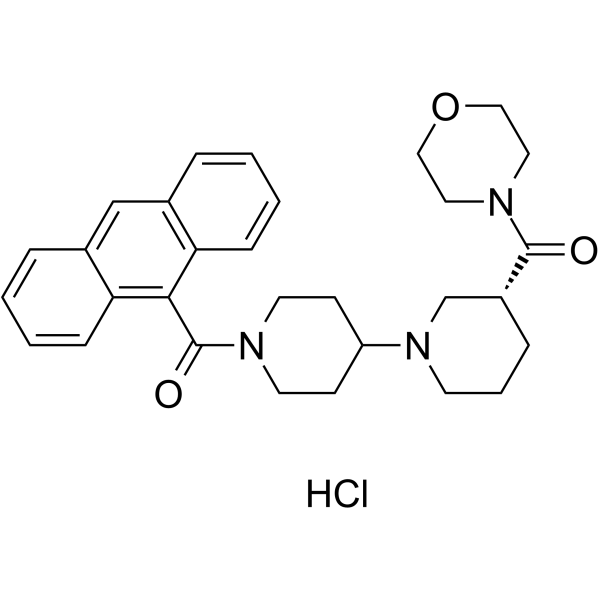
CP-640186 hydrochloride is an orally active and cell-permeable Acetyl-CoA carboxylase (ACC) inhibitor with IC50s of 53 nM and 61 nM for rat liver ACC1 and rat skeletal muscle ACC2 respectively. Acetyl-CoA carboxylase (ACC) is a key enzyme of fatty acid metabolism that enables the synthesis of malonyl-CoA. CP-640186 hydrochloride can also stimulate muscle fatty acid oxidation .
loading...
    loading...
10
10 Cited Publications
Cat. No.: HY-N1428A
CAS No.: 5949-29-1
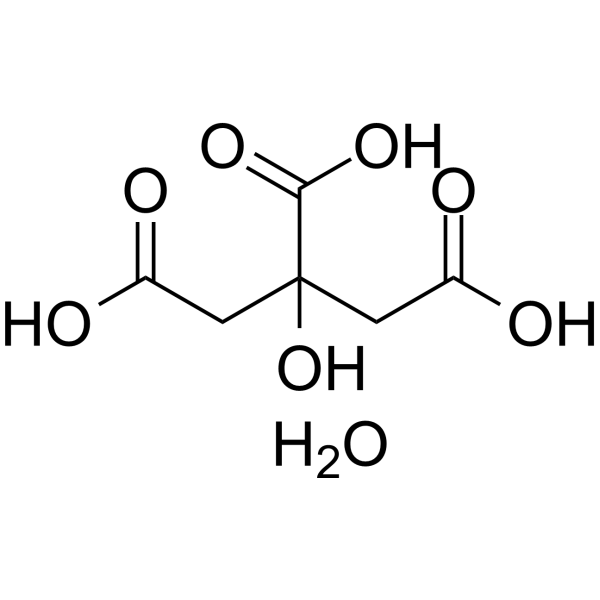
Citric acid monohydrate is a natural preservative and food tartness enhancer. Citric acid monohydrate induces apoptosis and cell cycle arrest at G2/M phase and S phase in HaCaT cells. Citric acid monohydrate cause oxidative damage of the liver by means of the decrease of antioxidative enzyme activities. Citric acid monohydrate is also an acidulant, emulsifier, sequestrant and buffering agent widely used across many industries .
loading...
    loading...
10
10 Cited Publications
Cat. No.: HY-B1529A
CAS No.: 3458-72-8
Synonyms: Triammonium citrate
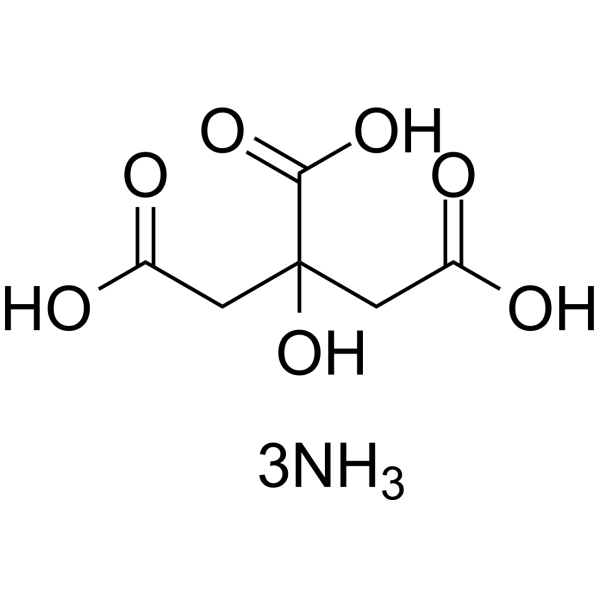
Citric acid triammonium (Triammonium citrate) is a natural preservative and food tartness enhancer. Citric acid triammonium induces apoptosis and cell cycle arrest at G2/M phase and S phase in HaCaT cells. Citric acid triammonium cause oxidative damage of the liver by means of the decrease of antioxidative enzyme activities. Citric acid triammonium is also an acidulant, emulsifier, sequestrant and buffering agent widely used across many industries .
loading...
    loading...
10
10 Cited Publications
Cat. No.: HY-B1529
CAS No.: 3012-65-5
Synonyms: Ammonium hydrogencitrate, 99%; Diammonium hydrogen citrate, 99%
Ammonium citrate dibasic, 99% (Ammonium hydrogencitrate, 99%; Diammonium hydrogen citrate, 99%) is a natural preservative and food tartness enhancer. Ammonium citrate dibasic, 99% induces apoptosis and cell cycle arrest at G2/M phase and S phase in HaCaT cells. Ammonium citrate dibasic, 99% cause oxidative damage of the liver by means of the decrease of antioxidative enzyme activities. Ammonium citrate dibasic, 99% is also an acidulant, emulsifier, sequestrant and buffering agent widely used across many industries .
loading...
    loading...
8
8 Cited Publications
Cat. No.: HY-14280
CAS No.: 130929-57-6
Purity:  99.97%
Target:  

COMT

Research Areas:  

Neurological Disease Cancer

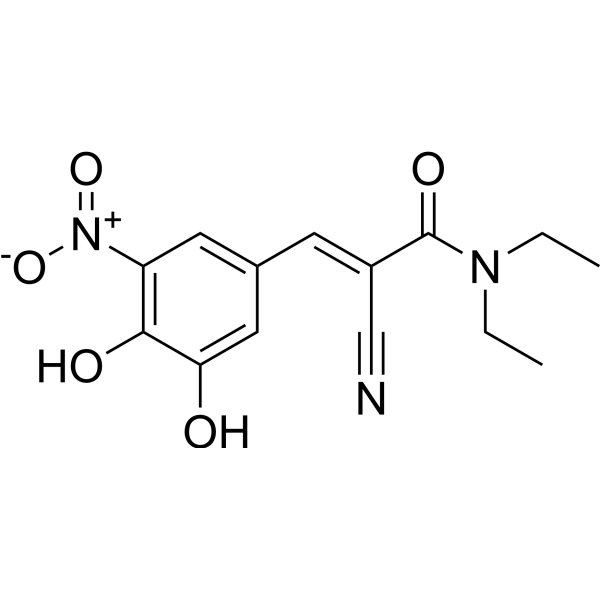
Entacapone is a potent, reversible, peripherally acting and orally active catechol-O-methyltransferase (COMT) inhibitor. Entacapone inhibits COMT from rat brain, erythrocytes and liver with IC50 values of 10 nM, 20 nM, and 160 nM, respectively. Entacapone is selective for COMT over other catecholamine metabolizing enzymes, including MAO-A, MAO-B, phenolsulphotransferase M (PST-M) and PST-P (IC50s>50 μM). Entacapone can be used for the research of Parkinson's disease . Entacapone serves as a inhibitor of FTO demethylation with an IC50 of 3.5 μM, can be used for the research of metabolic disorders .
loading...
    loading...
7
7 Cited Publications
Cat. No.: HY-N7434
CAS No.: 55-18-5
Synonyms: Diethylnitrosamine; DEN; DENA
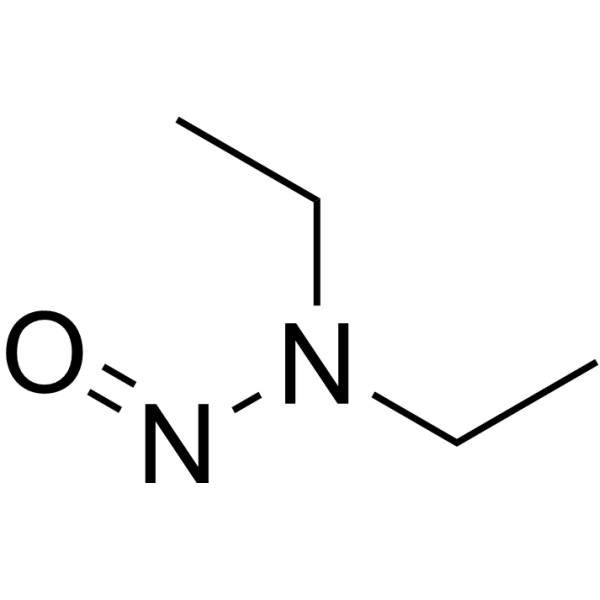
N-Nitrosodiethylamine (Diethylnitrosamine) is a potent hepatocarcinogenic dialkylnitrosoamine. N-Nitrosodiethylamine is mainly present in tobacco smoke, water, cheddar cheese, cured, fried meals and many alcoholic beverages. N-Nitrosodiethylamine is responsible for the changes in the nuclear enzymes associated with DNA repair/replication. N-Nitrosodiethylamine results in various tumors in all animal species. The main target organs are the nasal cavity, trachea, lung, esophagus and liver.
loading...
    loading...
4
4 Cited Publications
Cat. No.: HY-N7075
CAS No.: 9005-80-5
Inulin is an orally active prebiotic targeting the intestinal microbiota, selectively promoting the proliferation and activity of beneficial bacteria such as bifidobacteria and lactic acid bacteria, and playing a role in regulating the intestinal microecology. The functions of Inulin include: Fermentation by probiotics in the colon to produce short-chain fatty acids (such as butyrate and propionate), lowering the intestinal pH and inhibiting the overgrowth of harmful bacteria; Enhancing the intestinal barrier function and reducing endotoxin translocation; Directly scavenging free radicals (such as superoxide free radicals, hydroxyl free radicals) and activating antioxidant enzymes (SOD, CAT) to reduce oxidative stress. Inulin can also be used in the study of intestinal diseases (constipation, IBD), metabolic syndrome (diabetes, obesity) and liver damage by regulating glucose and lipid metabolism (such as reducing triglycerides, improving insulin sensitivity) and immune response (enhancing NK cell activity, inhibiting inflammatory factors)[1][2][3][4].
loading...
    loading...
3
3 Cited Publications
Cat. No.: HY-B0892
CAS No.: 100-51-6
Synonyms: Benzenemethanol
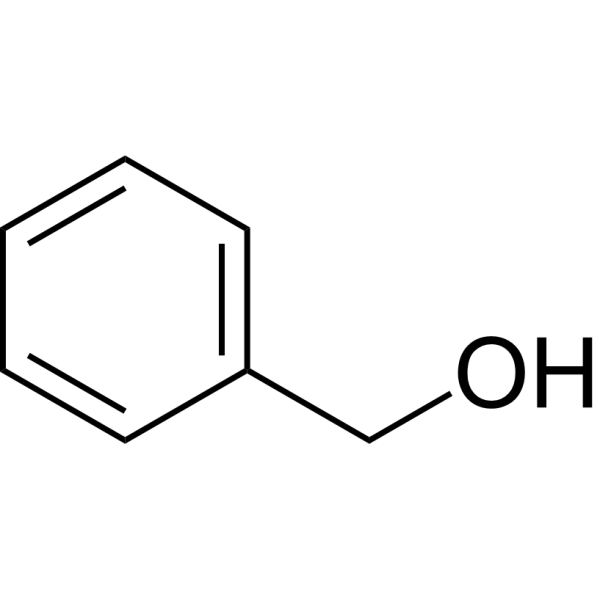
Benzyl alcohol is an aromatic alcohol, a colorless liquid with a mild aromatic odor. Benzyl alcohol is an inhibitor of P450 enzyme. Benzyl alcohol mediated Toll-Like Receptor 4 to reduce the inflammatory response of liver injury in mice .
loading...
    loading...
3
3 Cited Publications
Cat. No.: HY-113486
CAS No.: 80-99-9
Purity:  98.09%
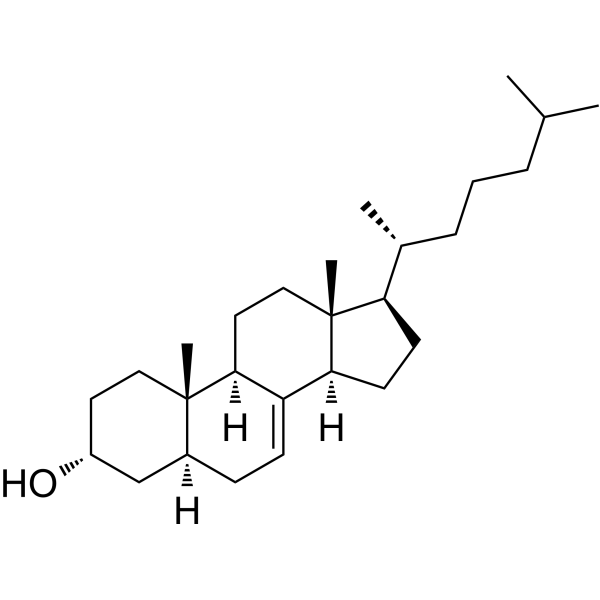
Lathosterol is a plant sterol and cholesterol-like molecule. Lathosterol increases antioxidant enzymes (such as SOD, CAT, and GSH) and decreases LDH. Lathosterol has a hepatoprotective effect on mice with acetaminophen (HY-66005)-induced liver injury [1] .
loading...
    loading...
2
2 Cited Publications
Cat. No.: HY-22024
CAS No.: 491-78-1
Synonyms: 5-OH-Flavone
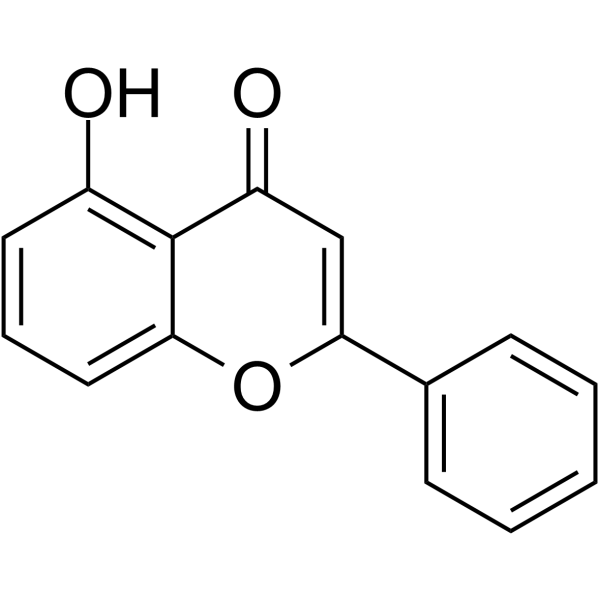
5-Hydroxyflavone (5-OH-Flavone) is a flavonoid compound that undergoes oxidation-mediated conversion to 5,7-dihydroxyflavone and 5,6,7-trihydroxyflavone by human cytochrome P450 enzymes .
loading...
    loading...
1
1 Cited Publications
Cat. No.: HY-B0476
CAS No.: 62-44-2
Synonyms: Acetophenetidin
Target:  

COX

Research Areas:  

Inflammation/Immunology

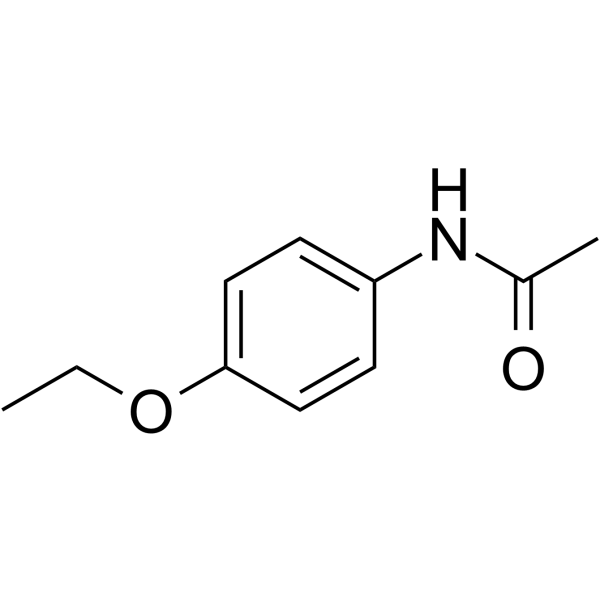
Phenacetin (Acetophenetidin) is a non-opioid analgesic/antipyretic agent. Phenacetin is a selective COX-3 inhibitor. Phenacetin is used as probe of cytochrome P450 enzymes CYP1A2 in human liver microsomes and in rats .
loading...
    loading...
1
1 Cited Publications
Cat. No.: HY-N3807
CAS No.: 19914-20-6
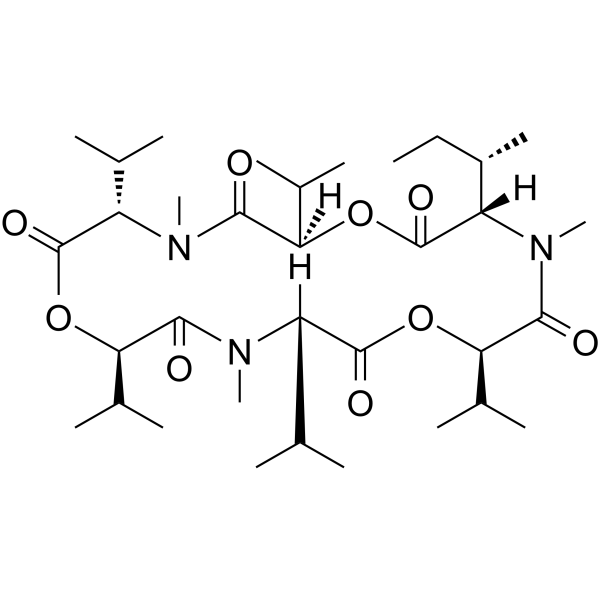
Enniatin B1 is a Fusarium mycotoxin. Enniatin B1 inhibits acyl-CoA: cholesterol acyltransferase (ACAT) activity with an IC50 of 73 μM in an enzyme assay using rat liver microsomes . Enniatin B1 crosss the blood-brain barrier . Enniatin B1 decreases the activation of ERK (p44/p42). Enniatin B1 inhibits moderately TNF-α-induced NF-κB activation .
loading...
    loading...
1
1 Cited Publications
Cat. No.: HY-N0563
CAS No.: 72-48-0
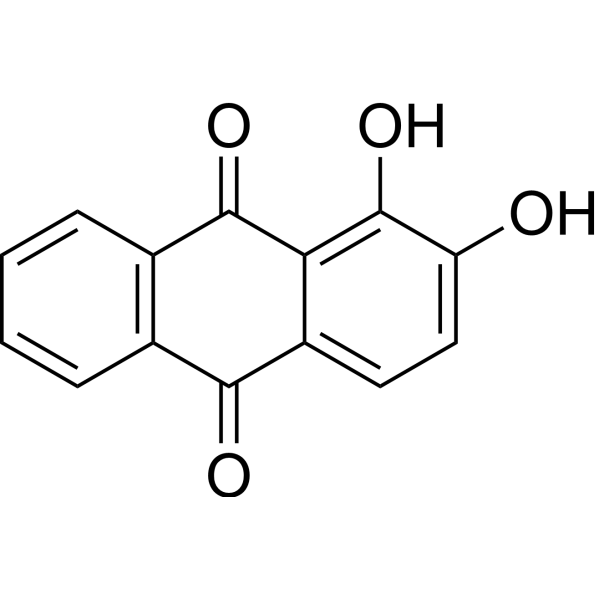
Alizarin is a natural dye. Alizarin can be extracted from the roots of madder plant. Alizarin activates AMPK and VEGFR2/eNOS pathway. Alizarin regulates PI3K/Akt and inhibits NF-κB pathway. Alizarin enhances CYP1A1 enzyme activity. Alizarin has protective effects on hypertension and vascular endothelial dysfunction. Alizarin has anti-tumor activity against multiple cancers including pancreatic cancer, breast cancer, osteosarcoma and liver cancer. Alizarin has been widely used as a pigment in textile fabrics and paintings .
loading...
    loading...

